
JDM stands for Japanese Domestic Market — Japan's home market. In practice the term describes cars, engines and parts that Japanese makers built for buyers in Japan, not for export. These examples often run different engine tunes, different equipment and details you won't find on the same platform sold in Europe or the US.
What is JDM?
JDM means a vehicle built for a buyer in Japan: produced there, first sold there, and type-approved under Japanese rules. The term covers not just whole cars but also engines and parts prepared exclusively for the home market, not for export.
| Question | Answer |
|---|---|
| What JDM stands for | Japanese Domestic Market |
| What it means | Japan's home market, i.e. the internal Japanese market |
| What it covers | cars, engines and parts built for sale exclusively in Japan |
| How to recognise a JDM car | Japanese production, Japanese first registration and Japanese factory spec |
| What is not JDM | a Japanese-brand car built for export, e.g. a Corolla from a European showroom |
For decades Japanese makers have used their home market as a testbed, launching new tech and bolder model versions there first. An export car is often simplified for local rules and tastes, so the home-market version can be richer or more powerful than its European twin. In practice three conditions matter at once: Japanese production, Japanese first registration and Japanese factory spec. The shortest test goes like this: if an example had a Japanese first owner, Japanese type approval and an odometer labelled in Japanese, it is a JDM car. Meeting one or two of those conditions is not enough. That is where the whole cult around three letters comes from, and where the premium collectors pay for genuinely home-market examples, confirmed by Japanese documents, begins.
One distinction matters. JDM is not the same as a Japanese brand. A Toyota Corolla from a European dealer is Japanese, but it is not a JDM car. A JDM car is an example produced and sold in Japan, with Japanese type approval, a Japanese odometer and Japanese spec.
Home market versus export
The loudest example is the makers' gentlemen's agreement. From 1988, home-market cars had their advertised power capped at 276 hp (280 PS). The rule was formalised in 1989 through the JAMA association and held until 2004, when the fourth-generation Honda Legend officially quoted 300 PS and broke the cap.
Export versions had no such cap. The fourth-generation Toyota Supra quoted around 280 PS in Japan, while the same Supra for Europe and America made close to 320–330 hp from the same 2JZ engine. Interestingly, the cap applied to advertised power, not real output: cars like the Nissan Skyline GT-R R32 are widely believed to have made more than the maker's declaration. Differences run down to details: bumpers, lights, Japanese navigation, sometimes a different drivetrain. For a collector those details prove the car is genuinely home-market.
| Trait | JDM version | Export version |
|---|---|---|
| Advertised power (1988 to 2004) | max 280 PS (gentlemen's agreement) | no cap (e.g. Supra ~320–330 hp) |
| Steering wheel | almost always right-hand side | depends on the target market |
| Odometer and navigation | Japanese | local to the export market |
| Type approval | Japanese | European or American |
| Equipment and engine versions | full home range, incl. versions never exported | narrowed for local rules and tastes |
In practice this means two examples of the same model and year can be entirely different cars, depending on the market they were built for. That is why Japanese documents and a Japanese service history raise an example's value instead of lowering it.
Categories of JDM cars
The JDM world doesn't end with the red Skylines from the films. It is several different worlds, from city runabouts boxed in by regulations to executive limousines and supercars.
Kei cars
Kei is Japan's smallest passenger class, tightly defined by law. Under the rules in force since 1998, a kei car cannot exceed 3.4 m in length, 1.48 m in width and 2.0 m in height, with an engine capped at 660 cc and 64 hp. The 660 cc displacement (raised from the earlier 550 cc) and the power cap arrived with the 1990 revision of the rules. The class gave us gems like the Honda Beat and Suzuki Cappuccino. We break the whole class down in our kei car guide.
1990s youngtimers
These are the core of today's JDM market: cars old enough to be classics, modern enough to drive daily. The group includes the Nissan Silvia, Toyota Chaser and Mazda RX-7: cars that twenty years ago were simply used, and today get auctioned as fully-fledged classics. Prices keep climbing, because the generation that watched them in games and films is reaching the age of buying dreams. You can watch their opening prices move in our listing of cars from Japanese auctions.
Home-market sedans and limousines
A less obvious and increasingly fashionable branch of JDM are the big sedans and limousines that rarely made it to Europe, such as the Toyota Crown or the Toyota Century. These cars were designed for the Japanese business customer: comfort, silence and equipment above their European contemporaries. For a buyer in Poland it is a way to own an example you will not meet twice in one car park.
Halo models
At the top sit the icons that built the reputation of the Japanese makers over decades:
- Nissan Skyline GT-R R34, built in GT-R form from 1999 to 2002, with the RB26DETT engine and all-wheel drive.
- Toyota Supra A80, the fourth generation from 1993 to 2002, powered by the legendary inline-six 2JZ. We break down its two eras, our auction data and the import bill in Toyota Supra MK5 from Japan.
- Honda NSX, the first production supercar with an aluminium body, built from 1990 to 2005.
Kultowe JDM aktualnie na aukcji

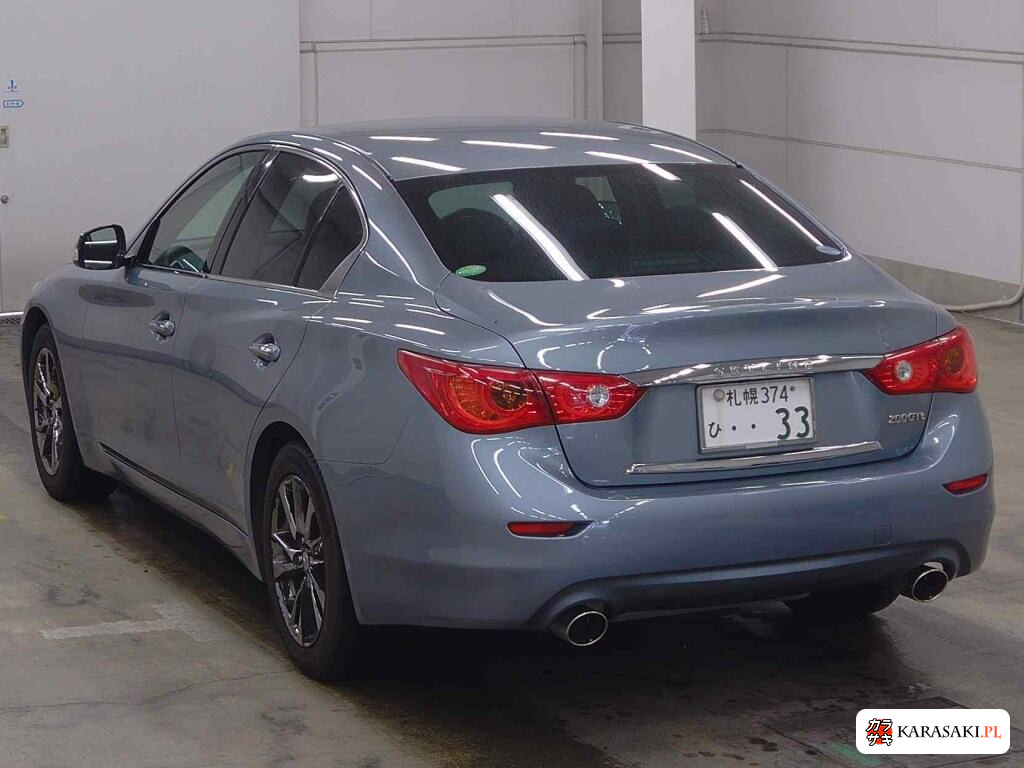
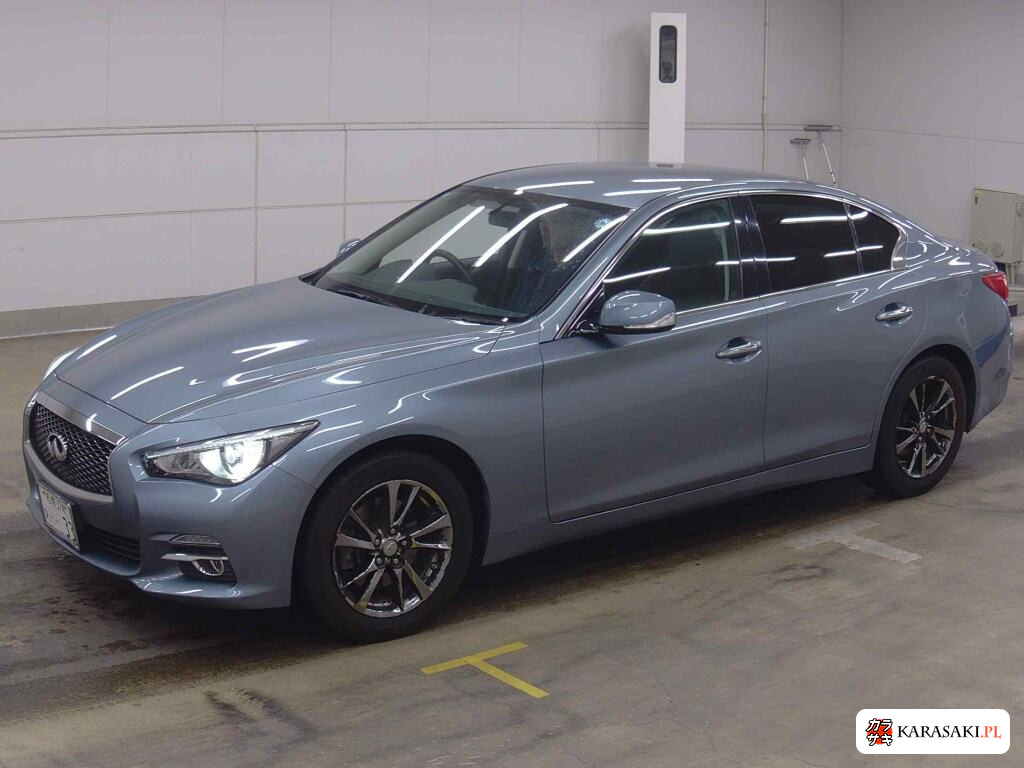
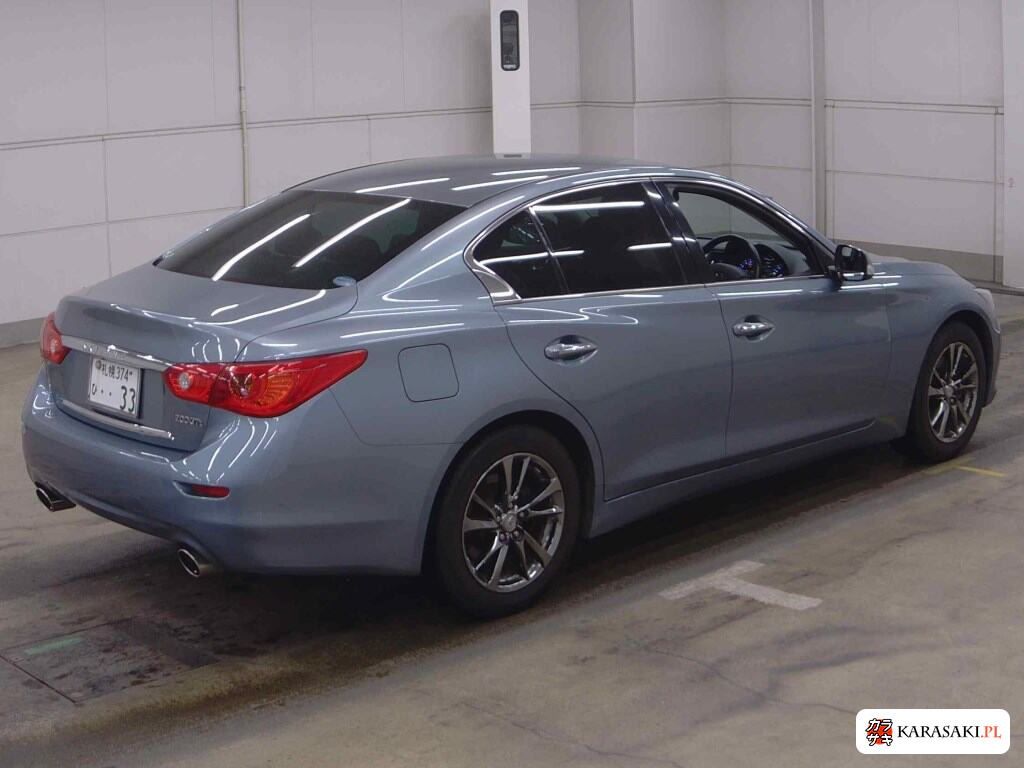
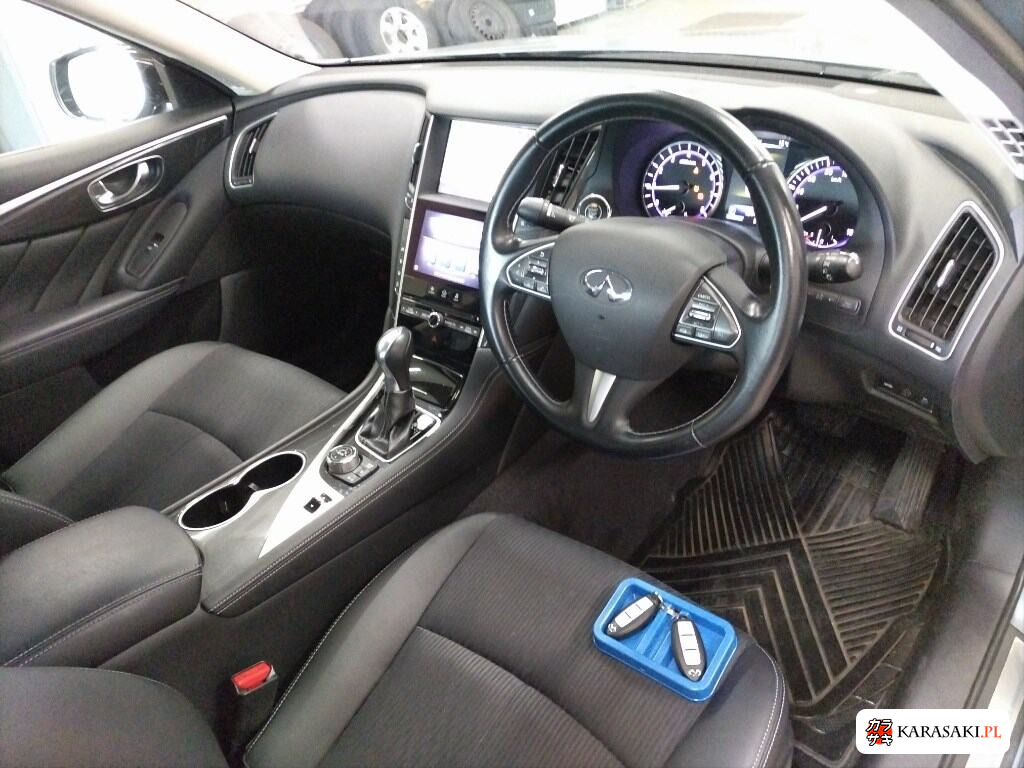
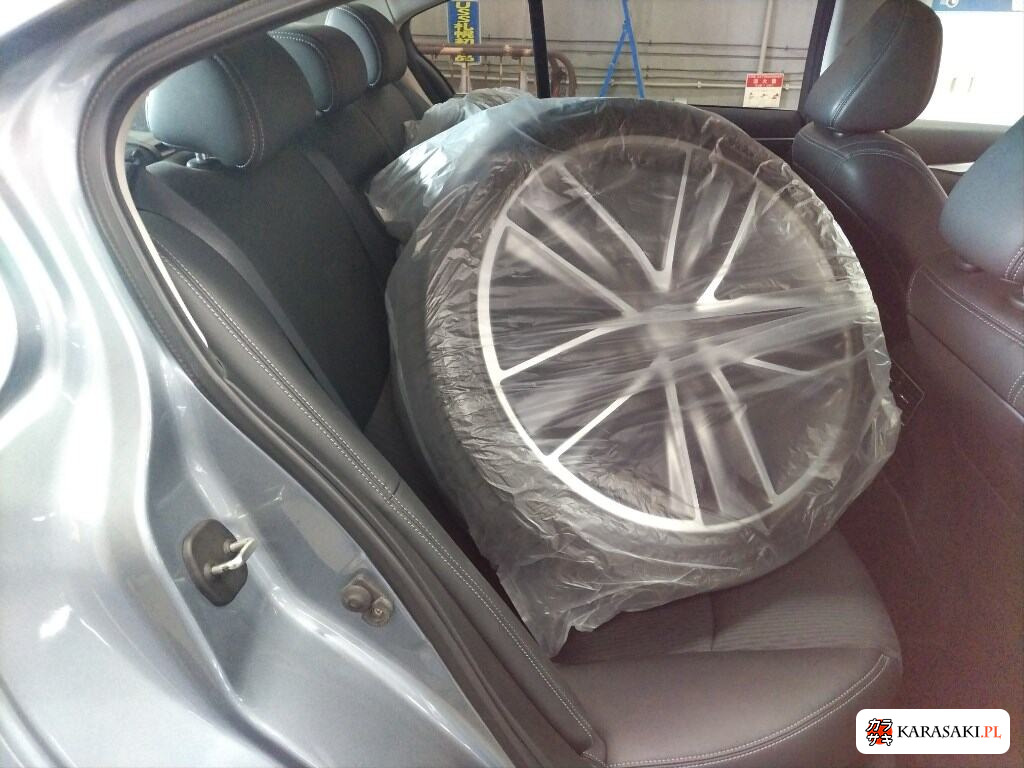
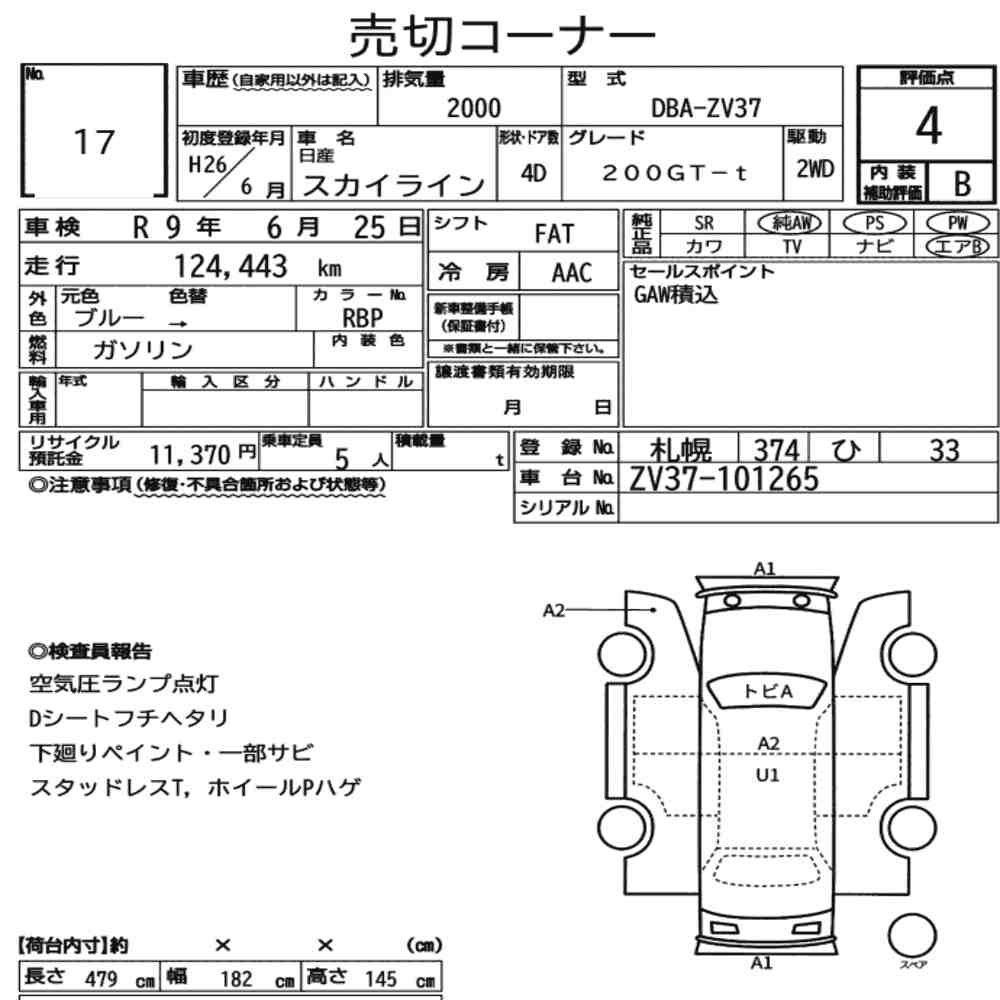

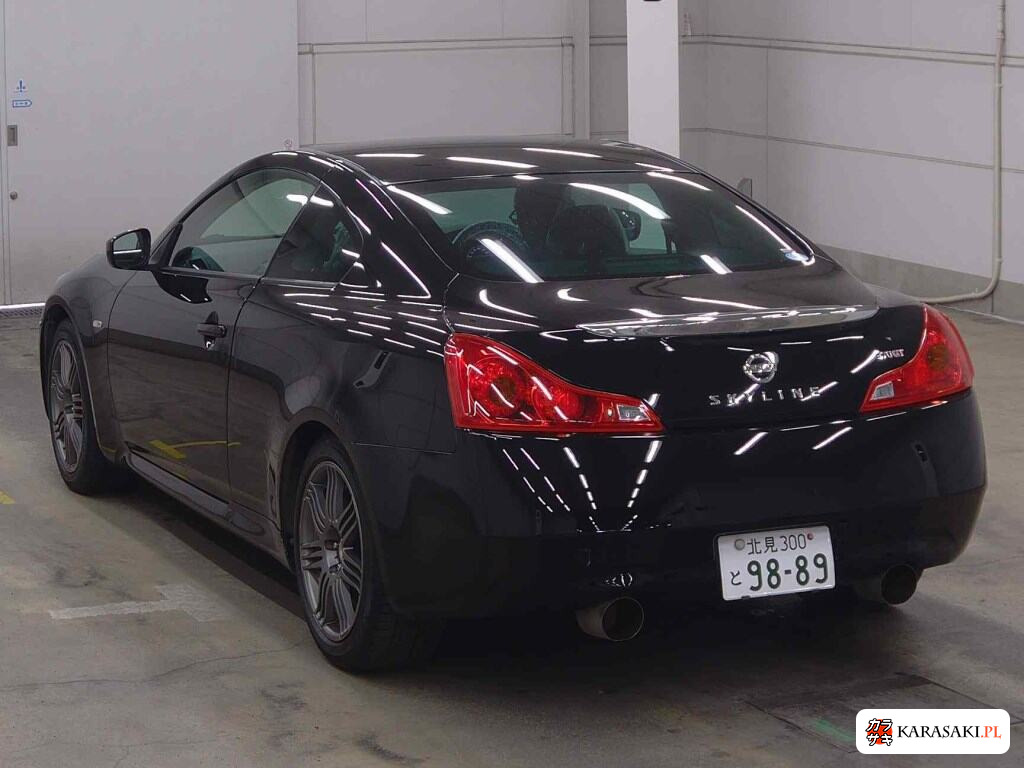
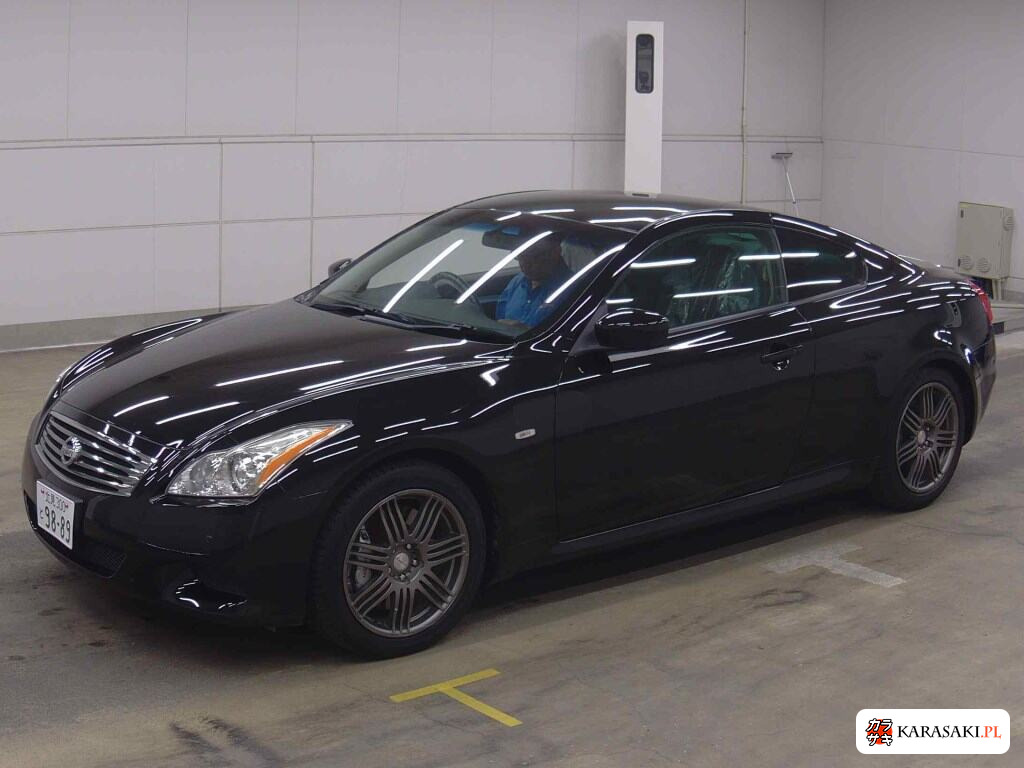
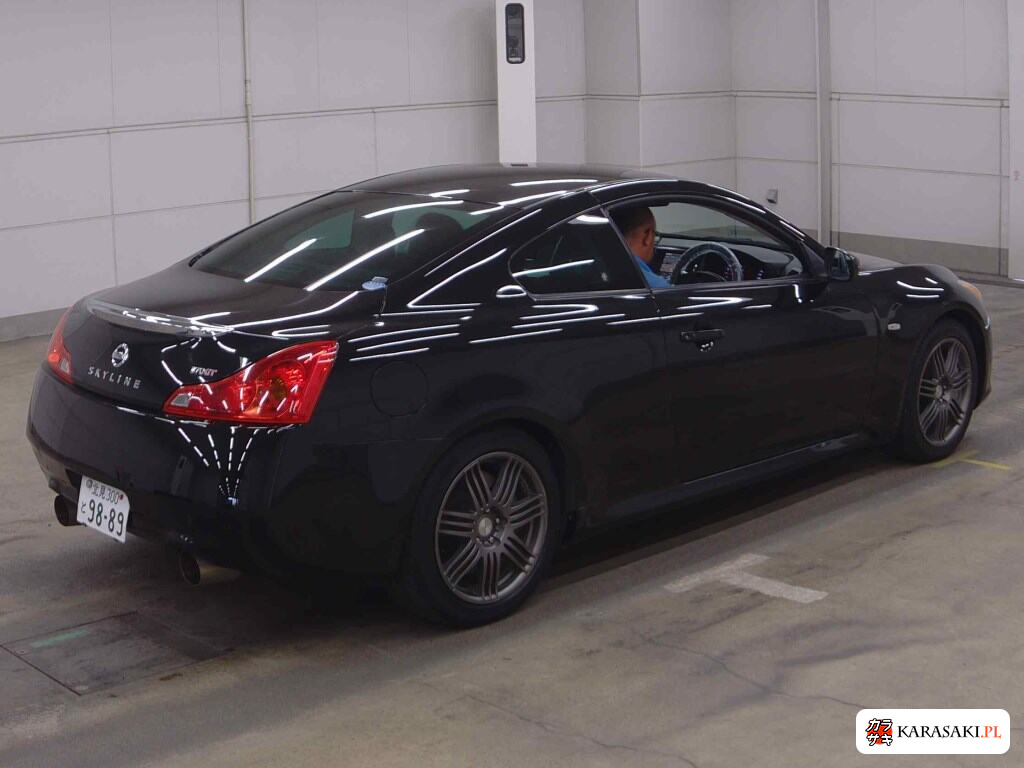
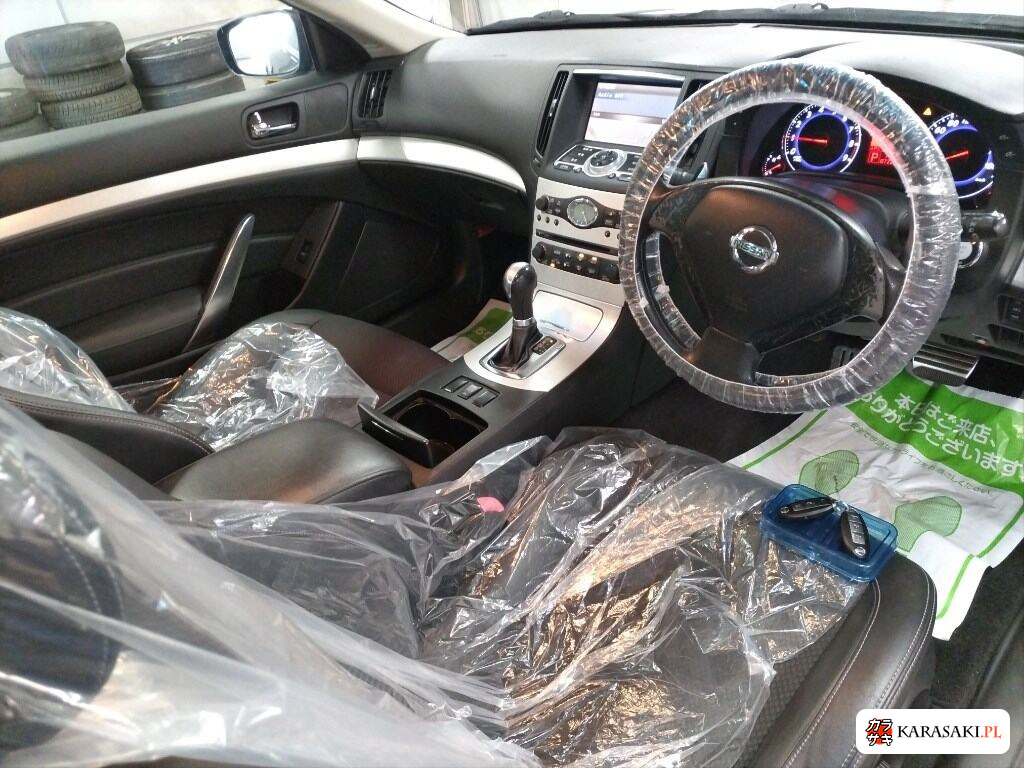
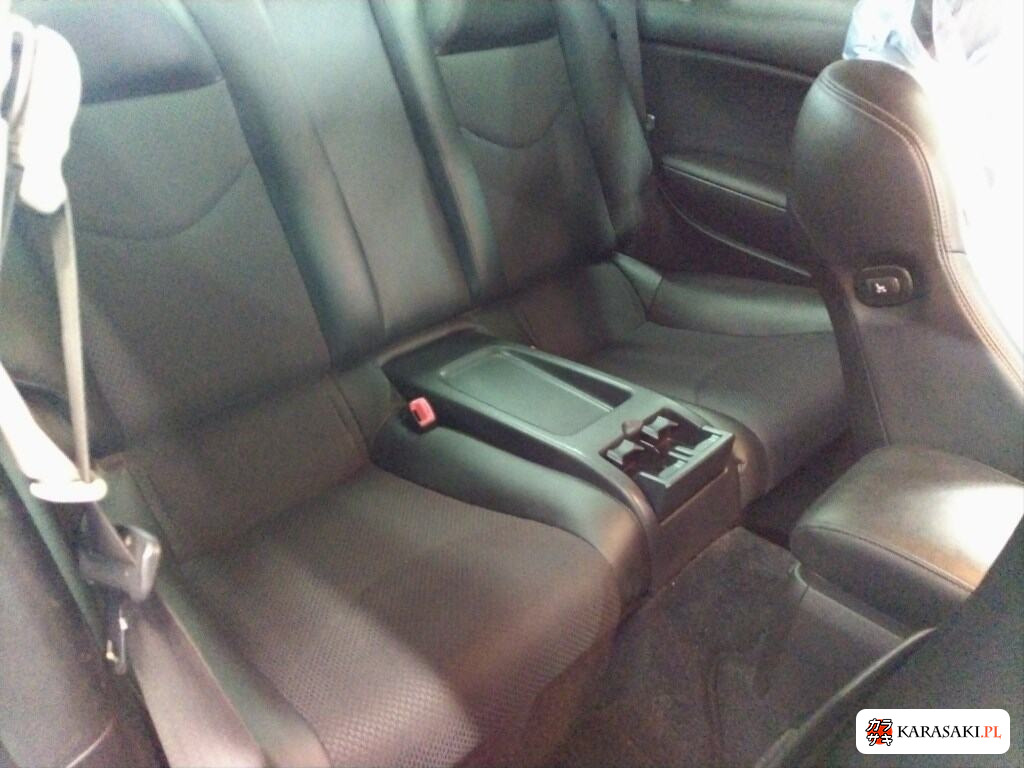
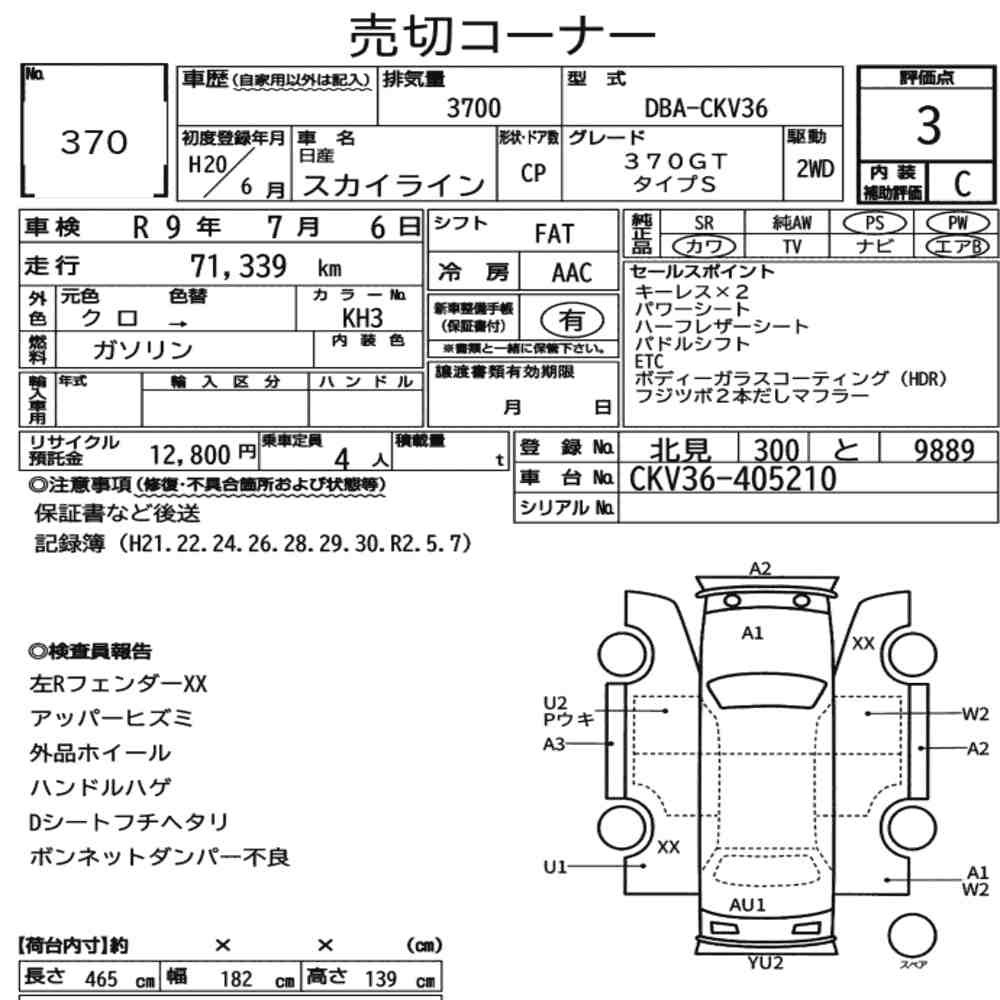

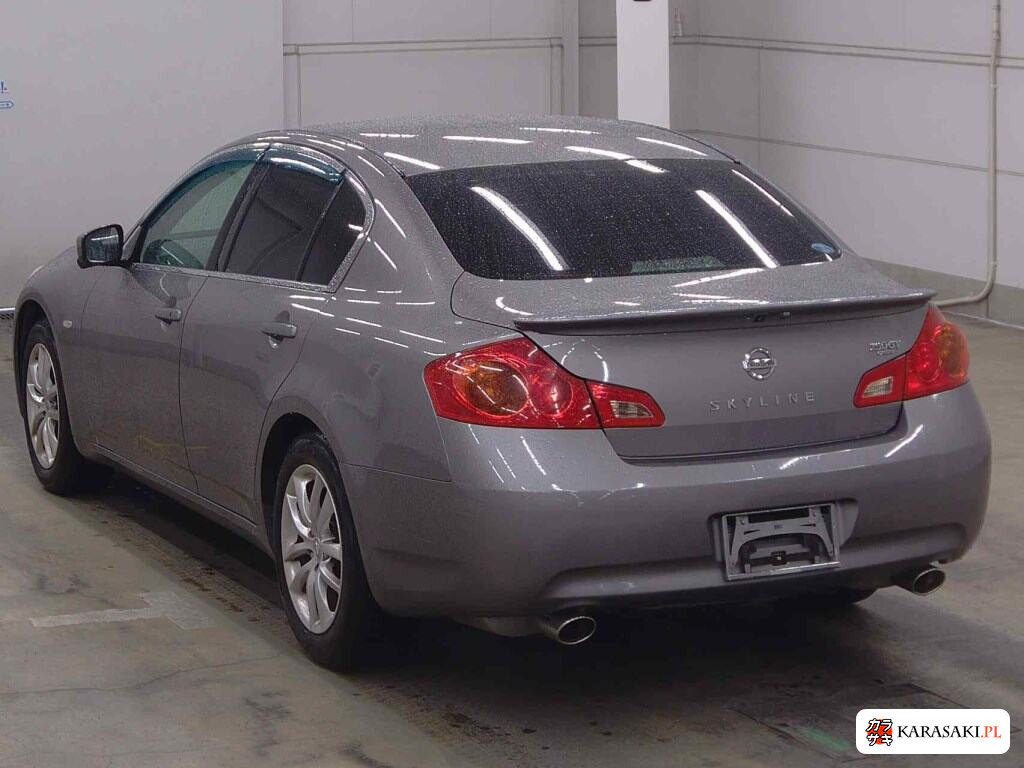
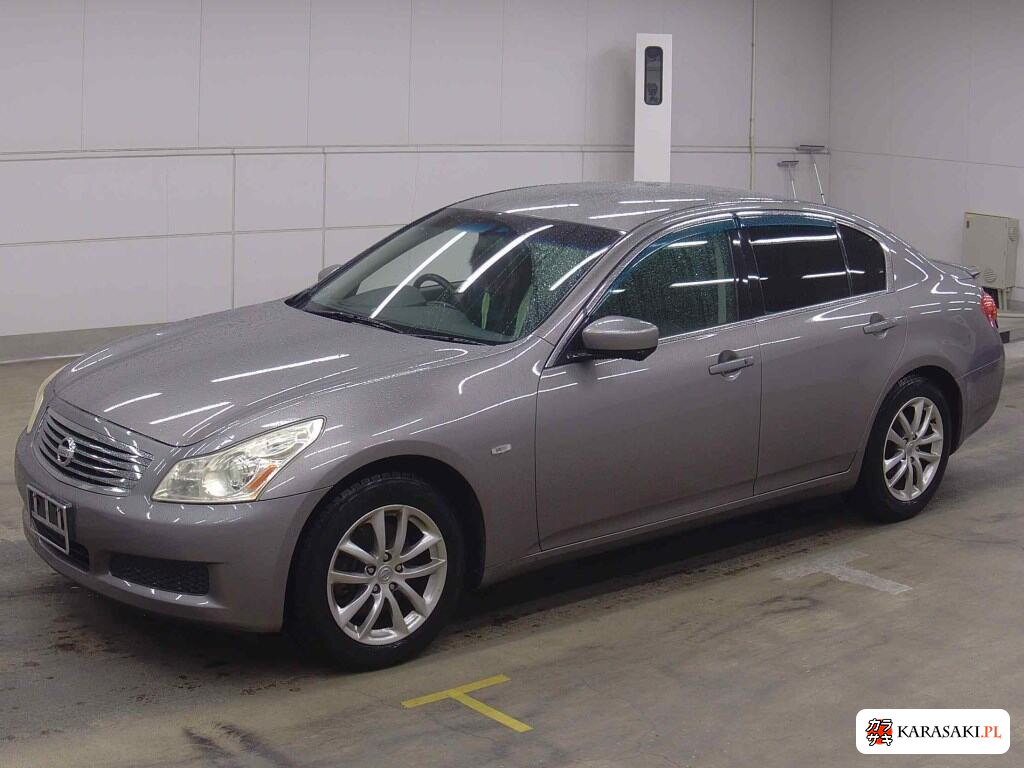
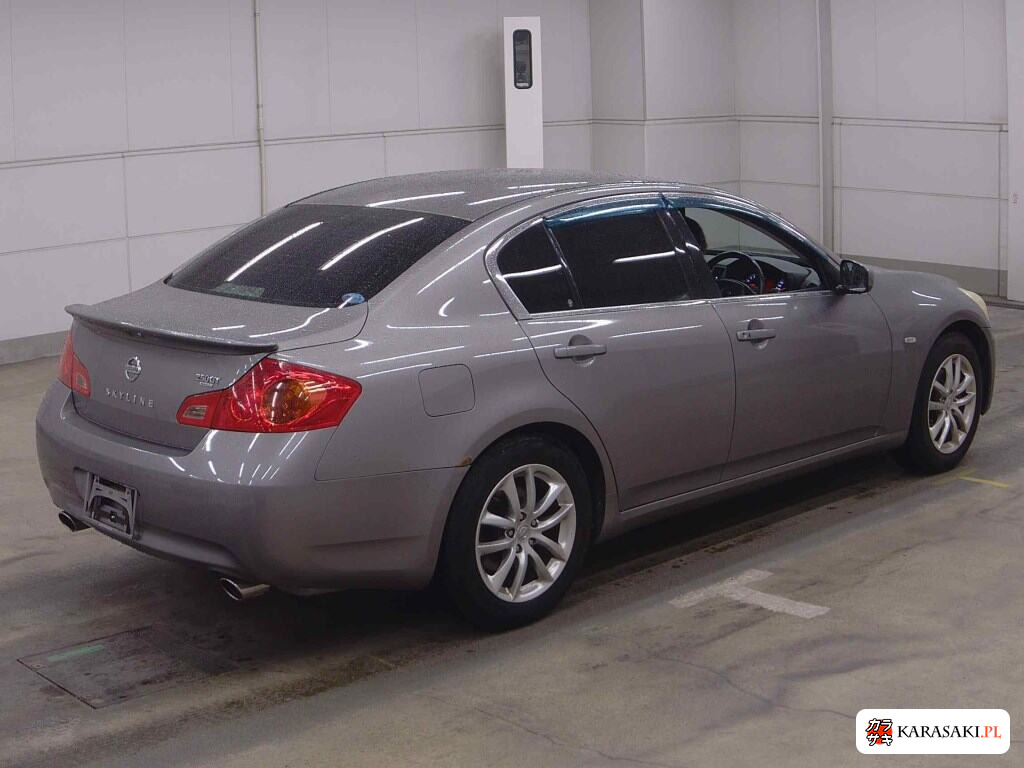
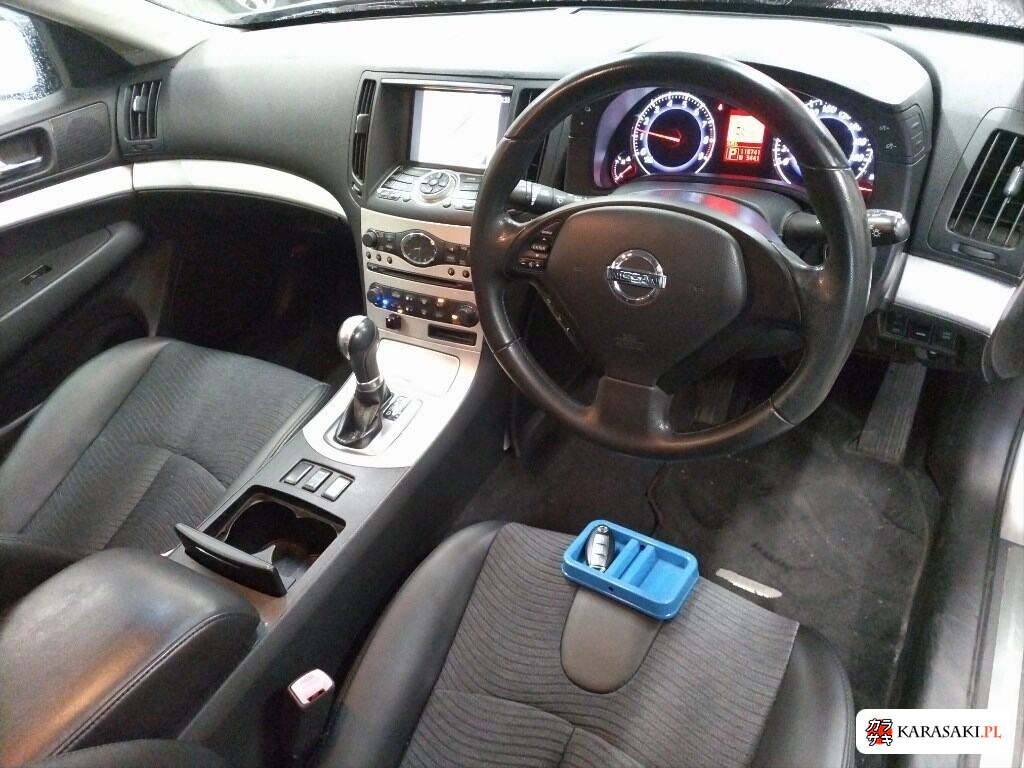
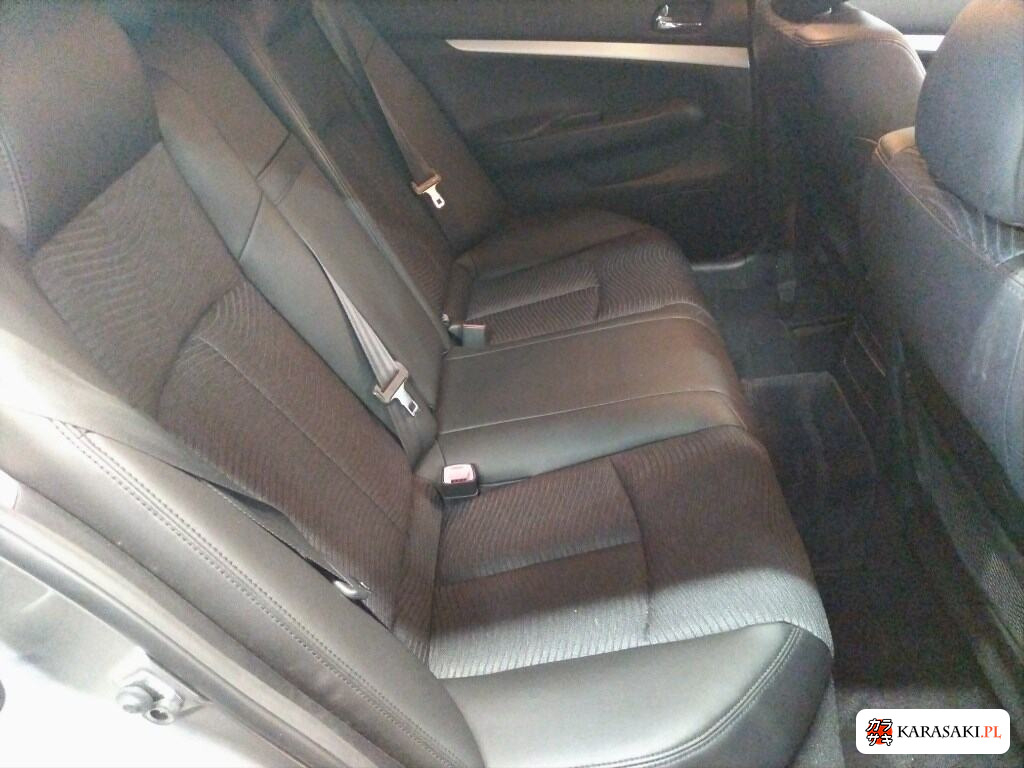
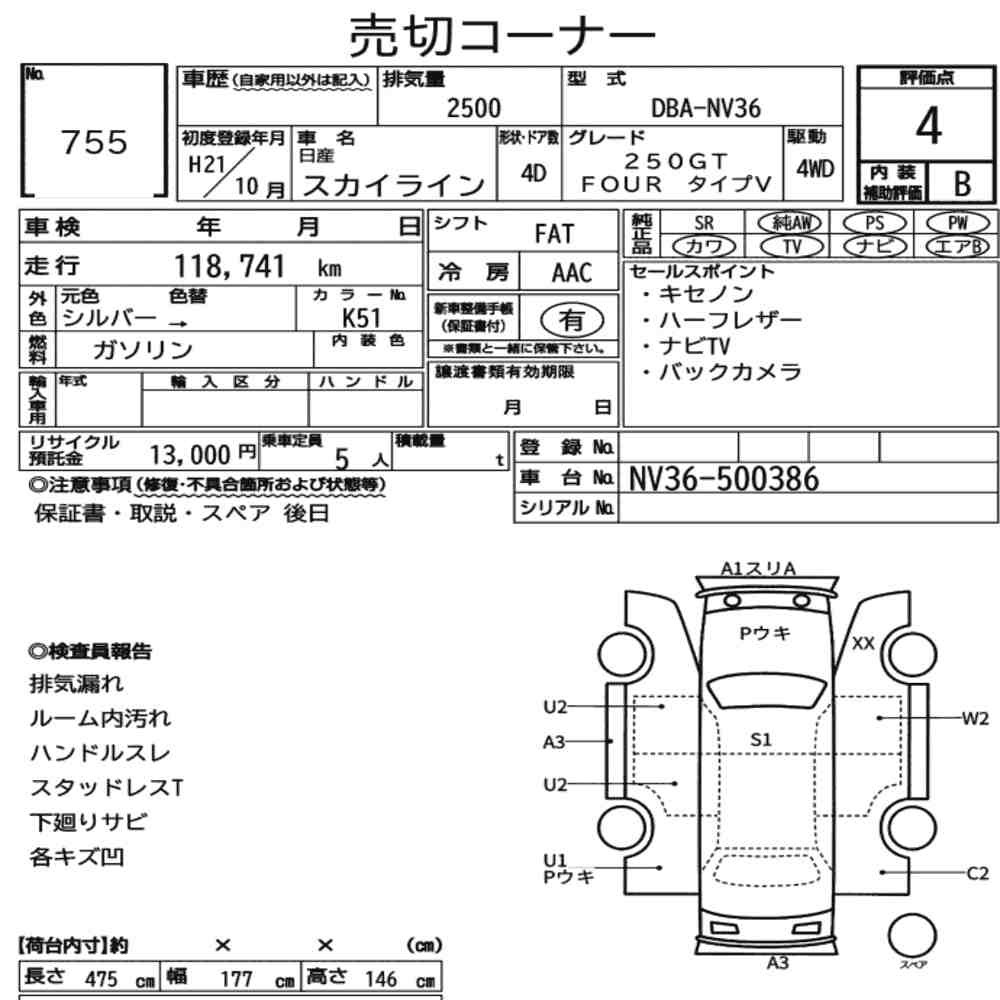

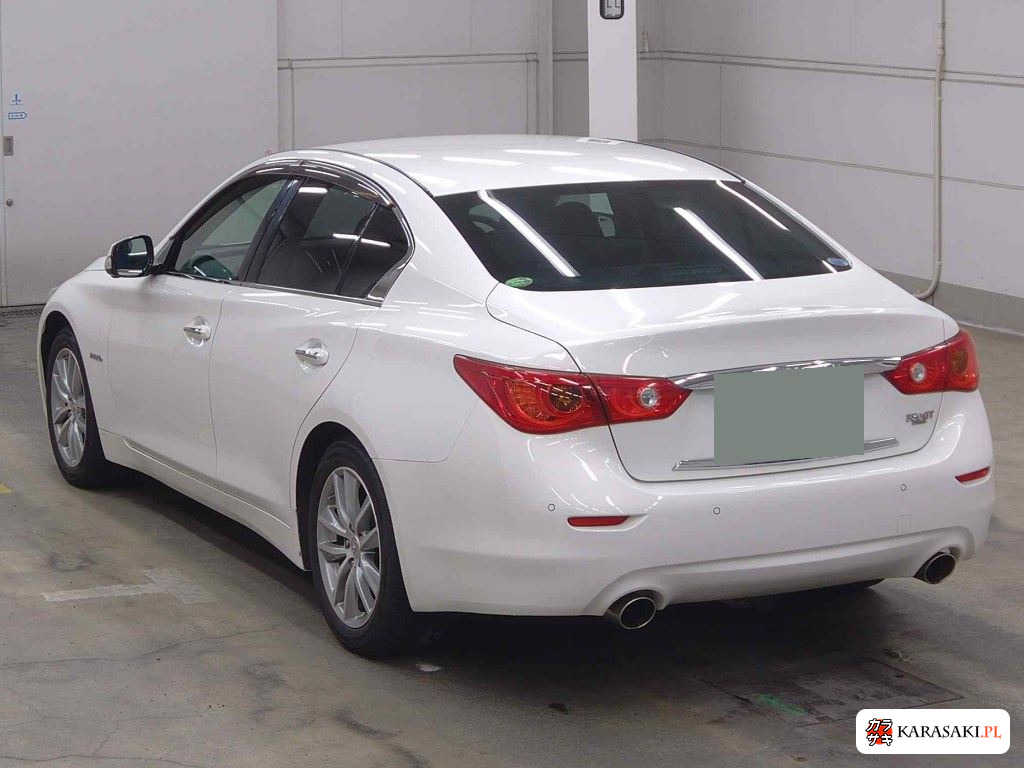
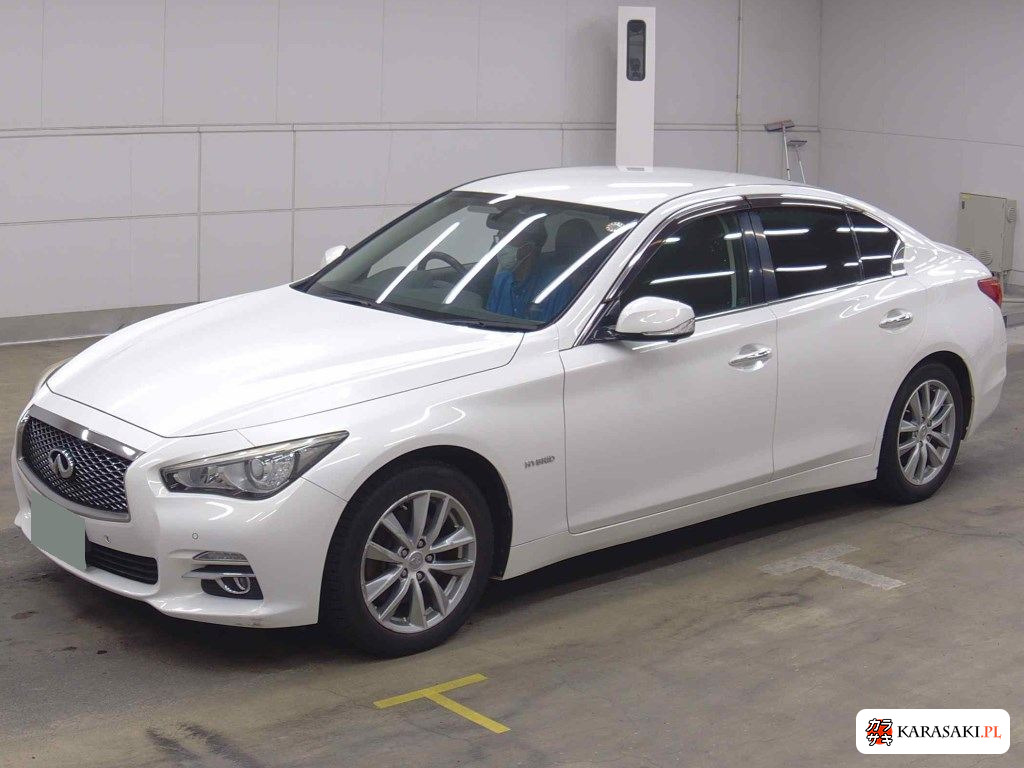
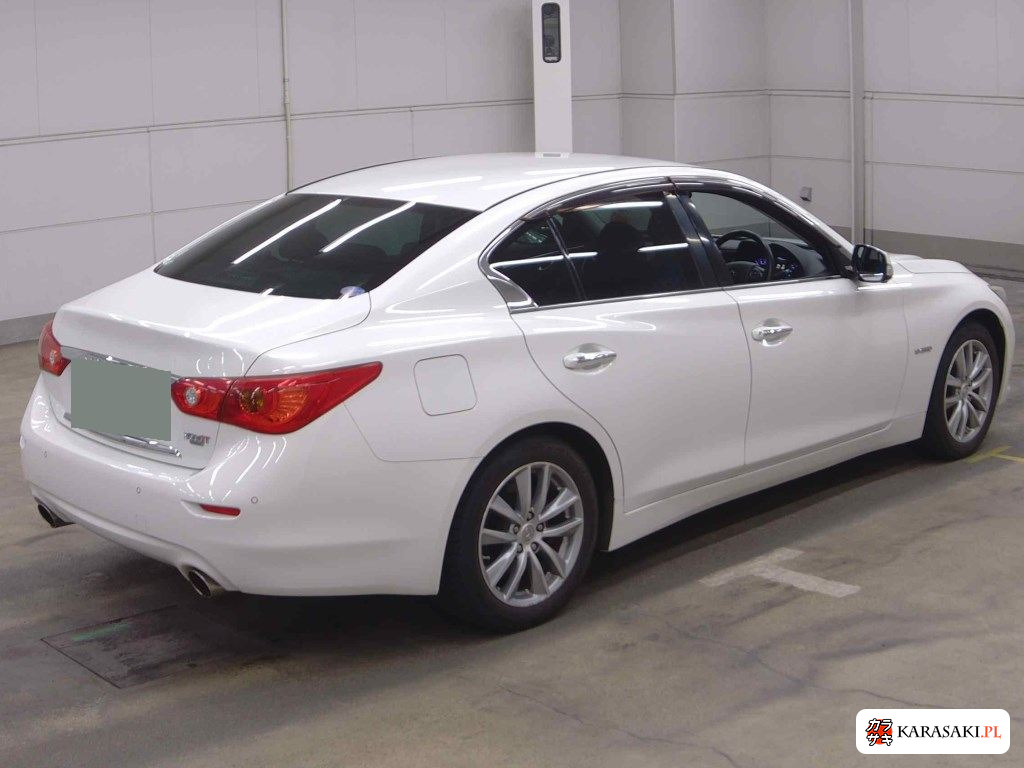
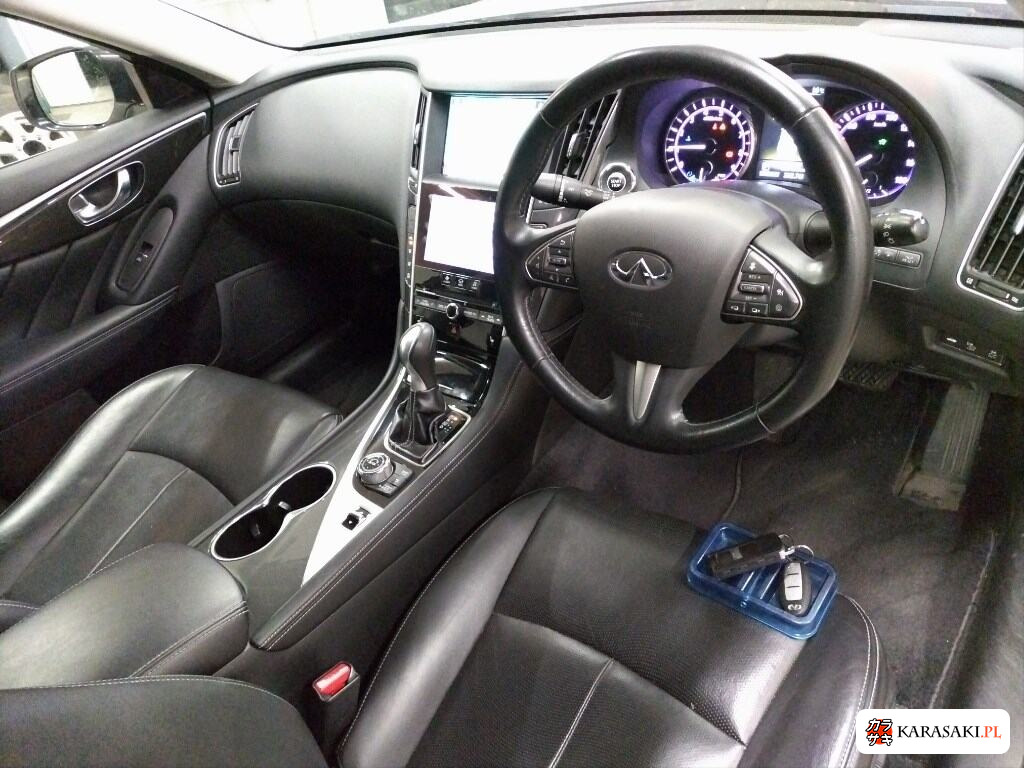
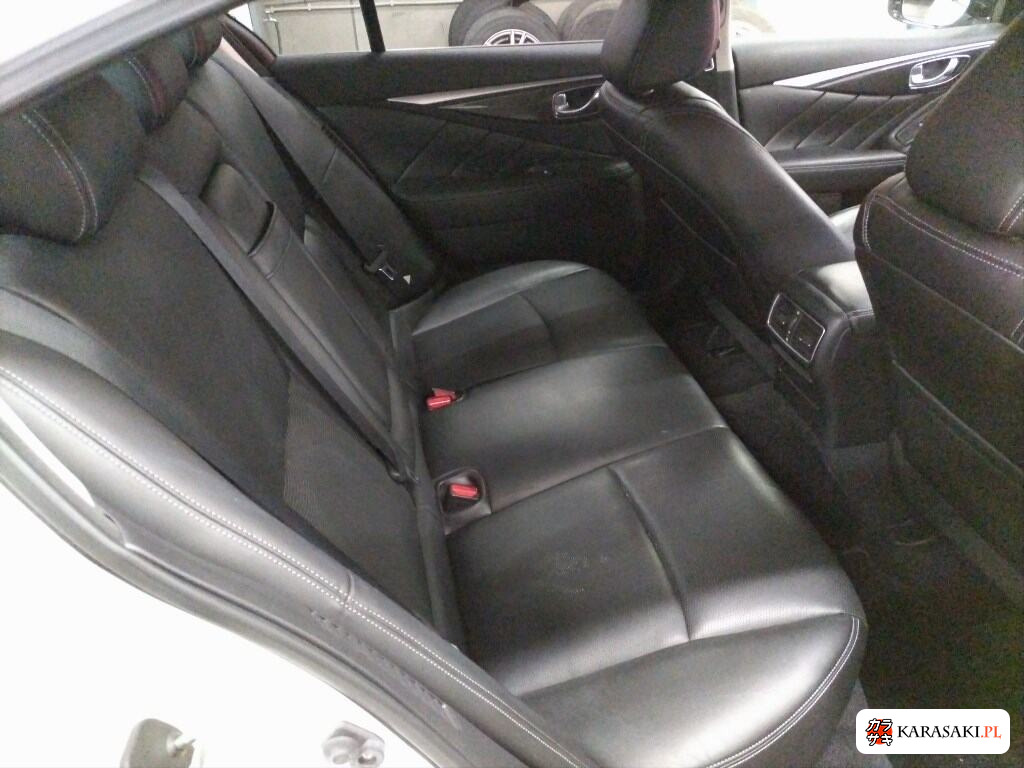
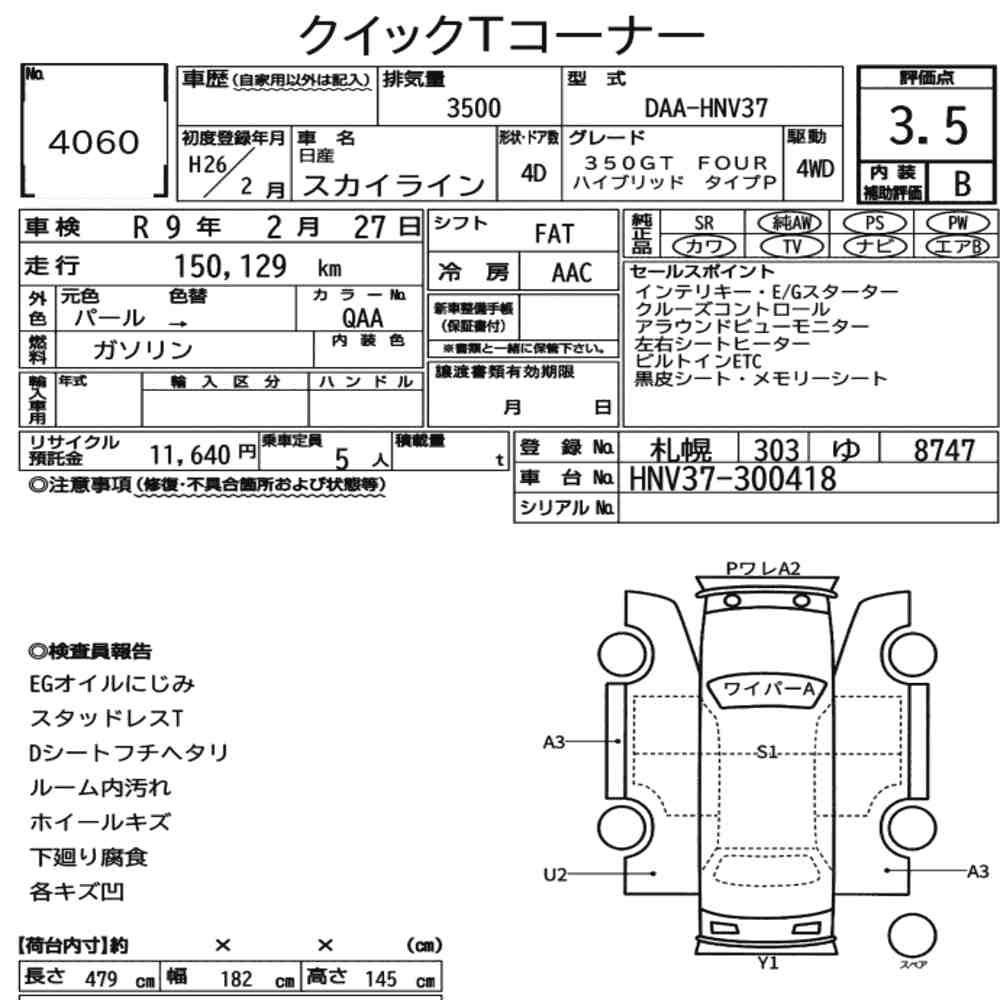

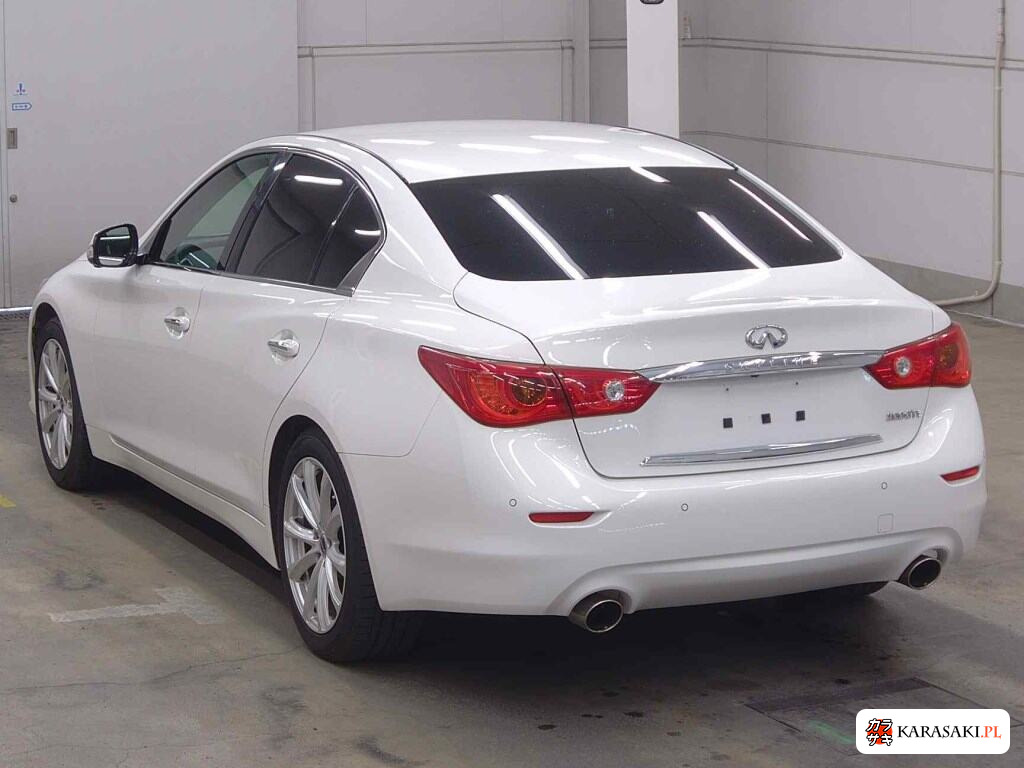
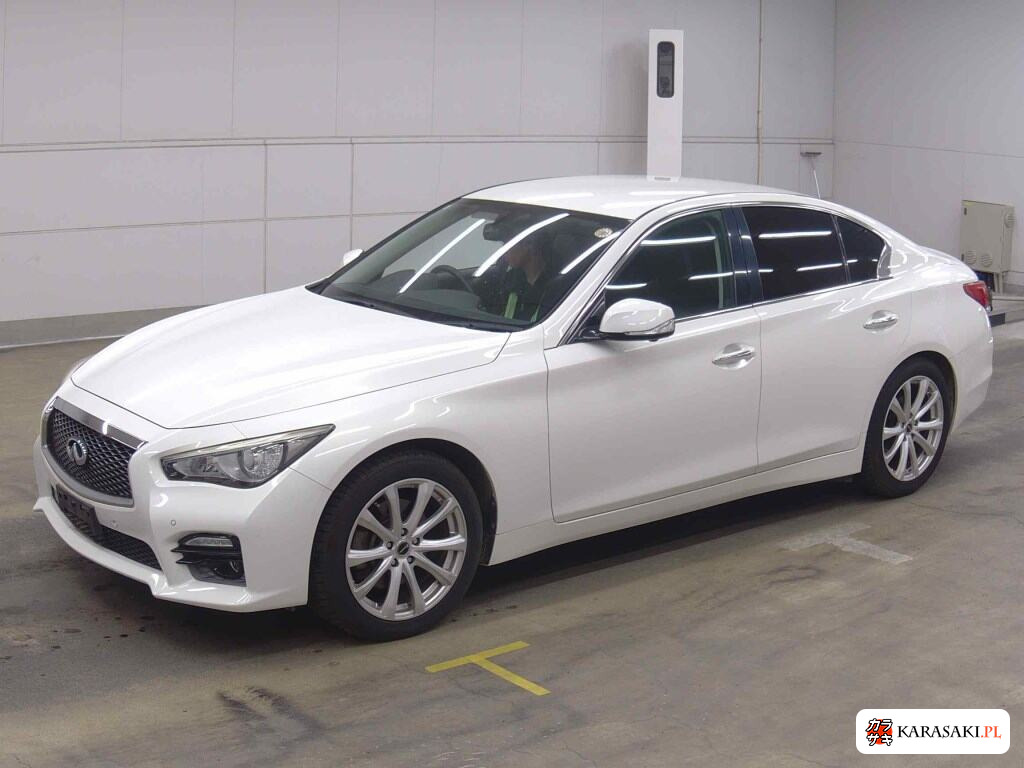
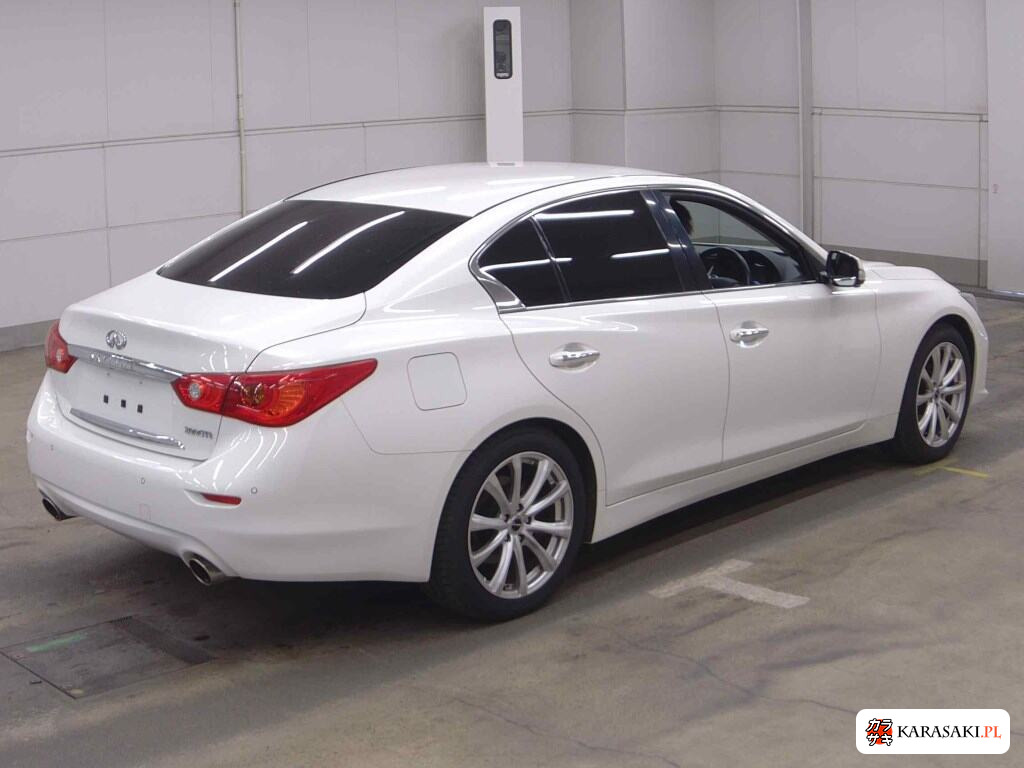
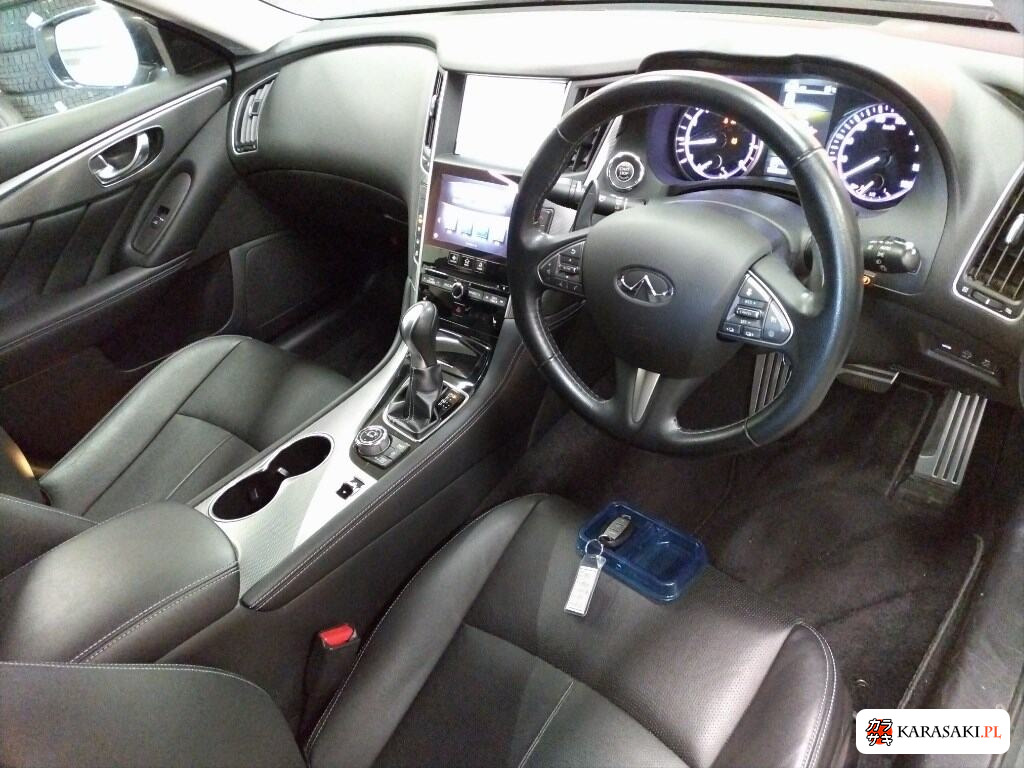

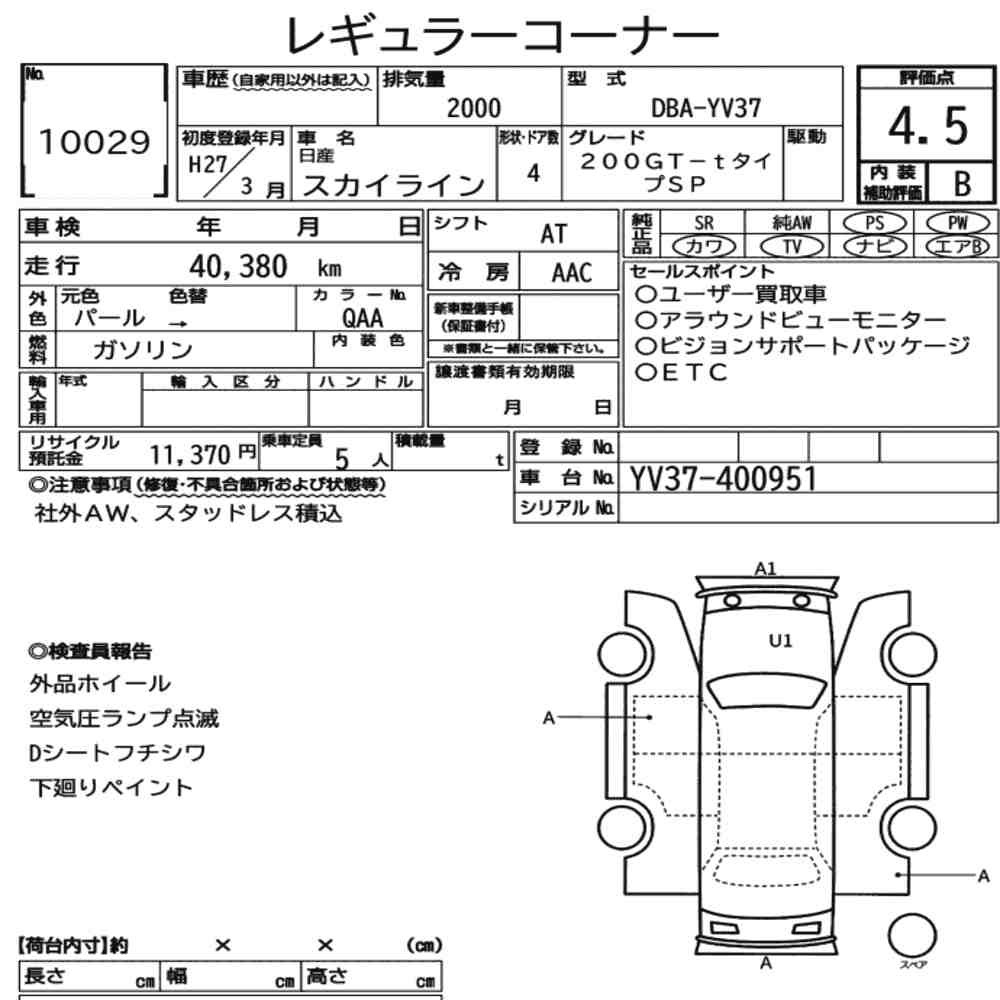

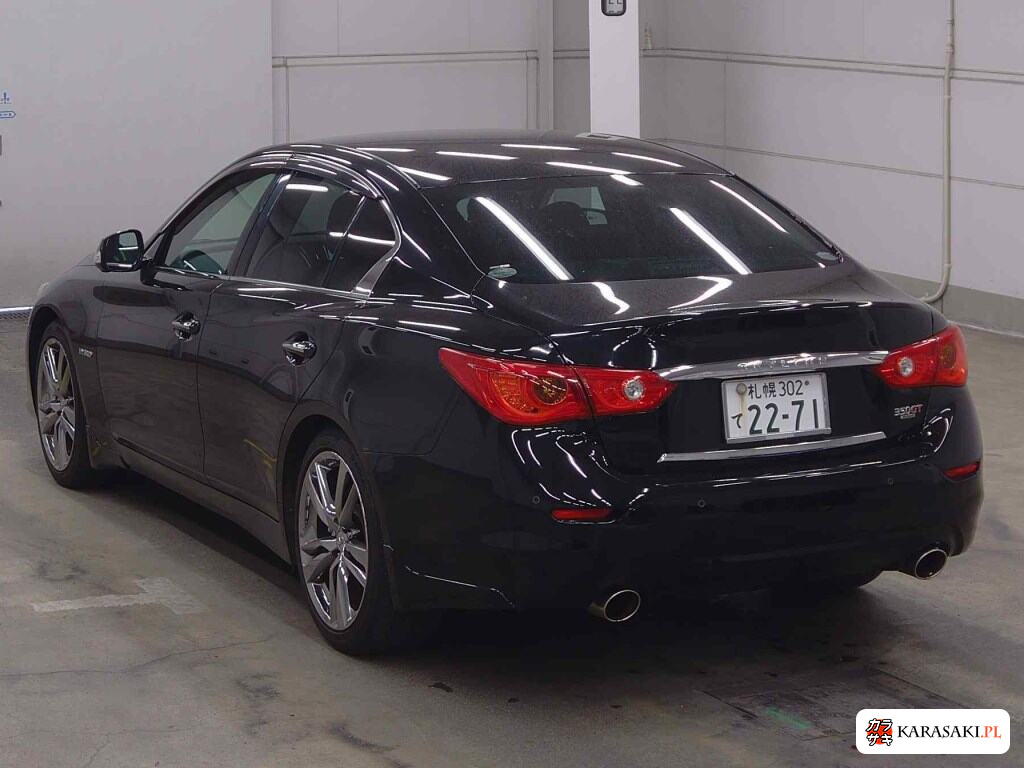
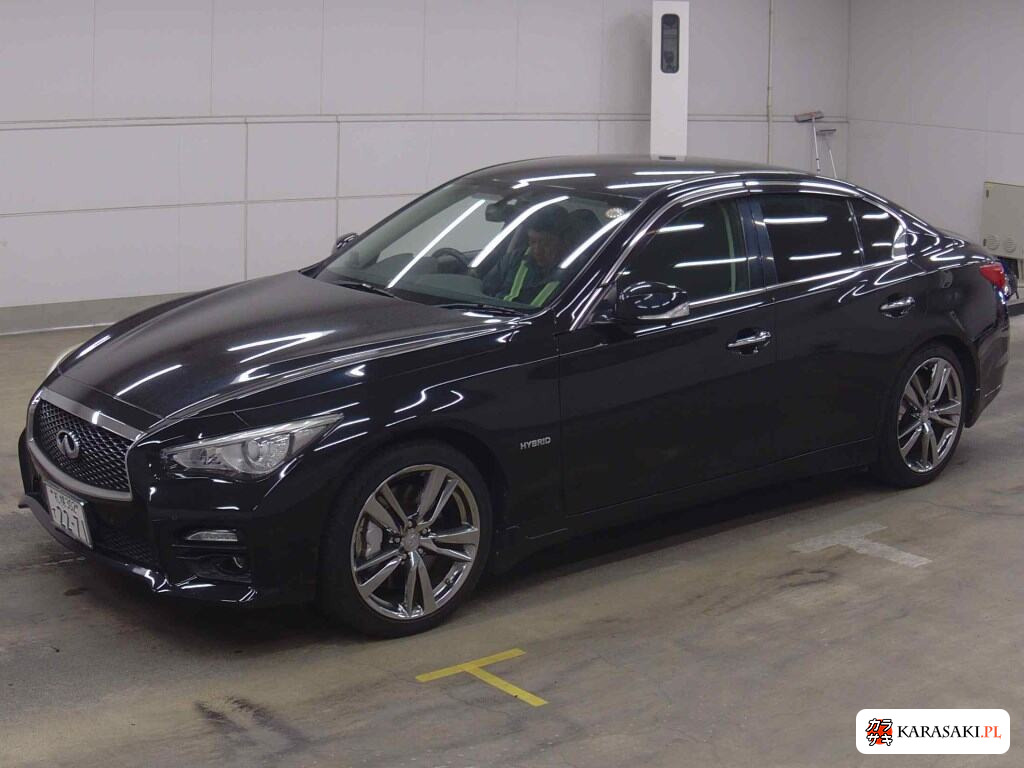
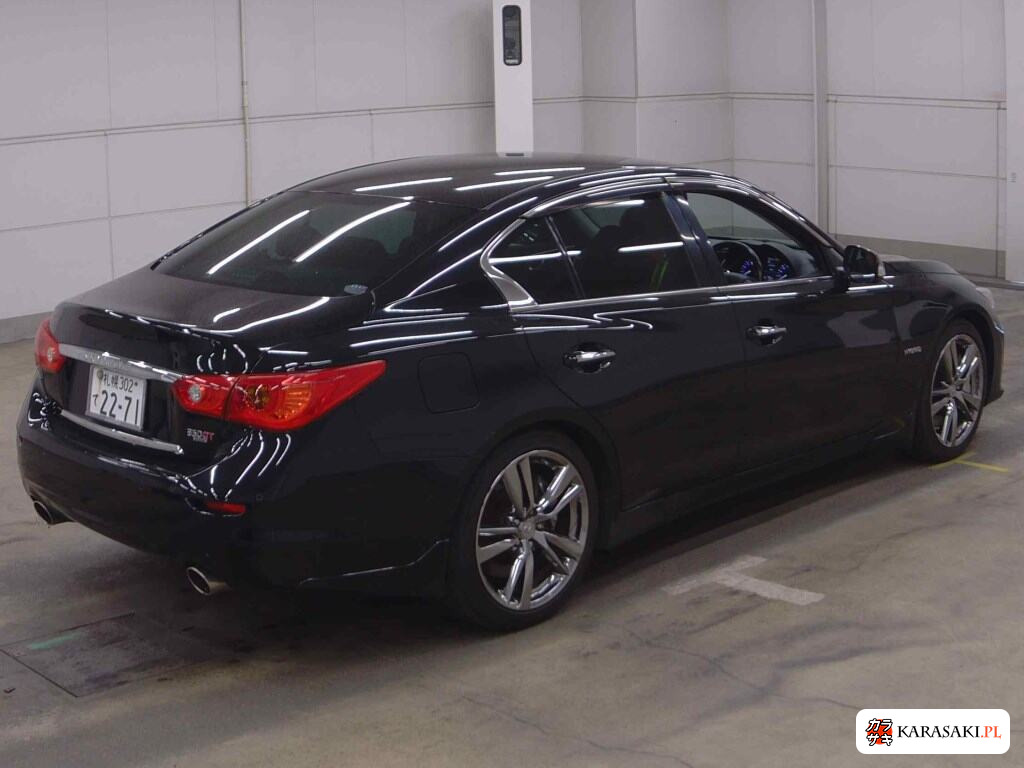
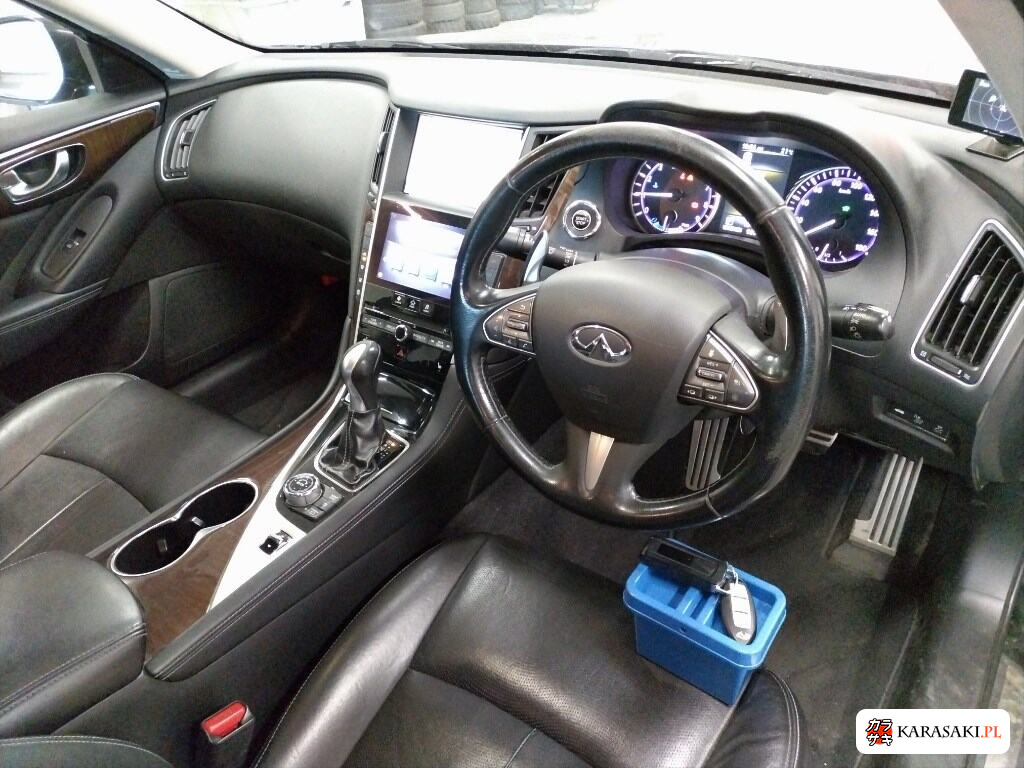
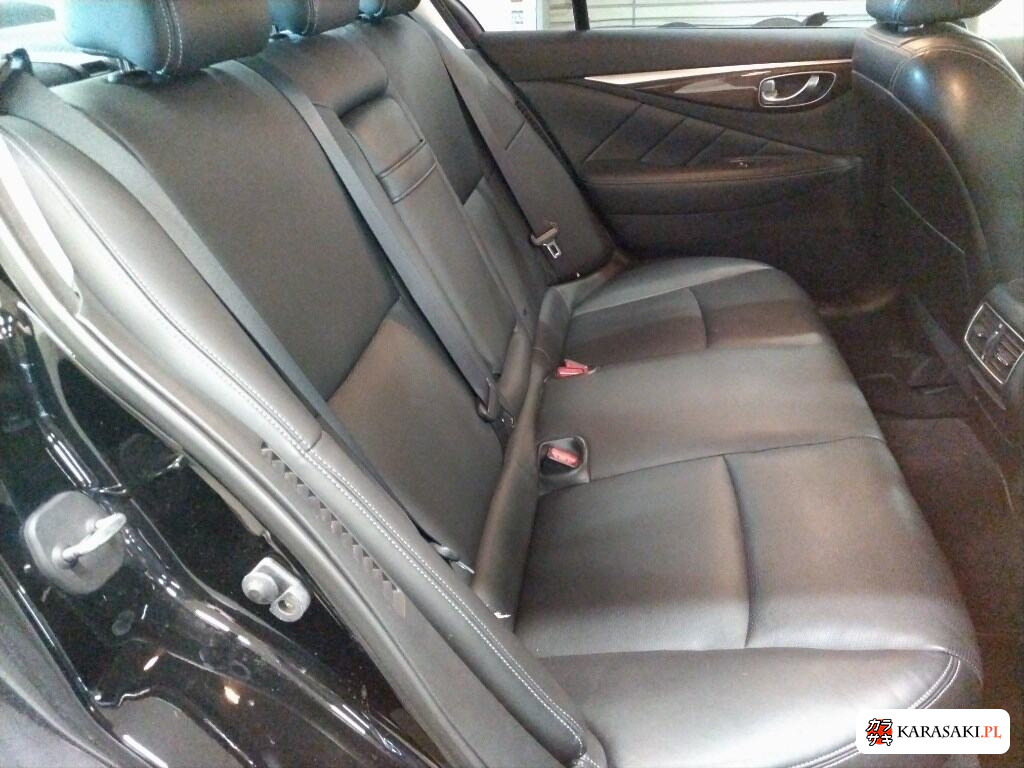
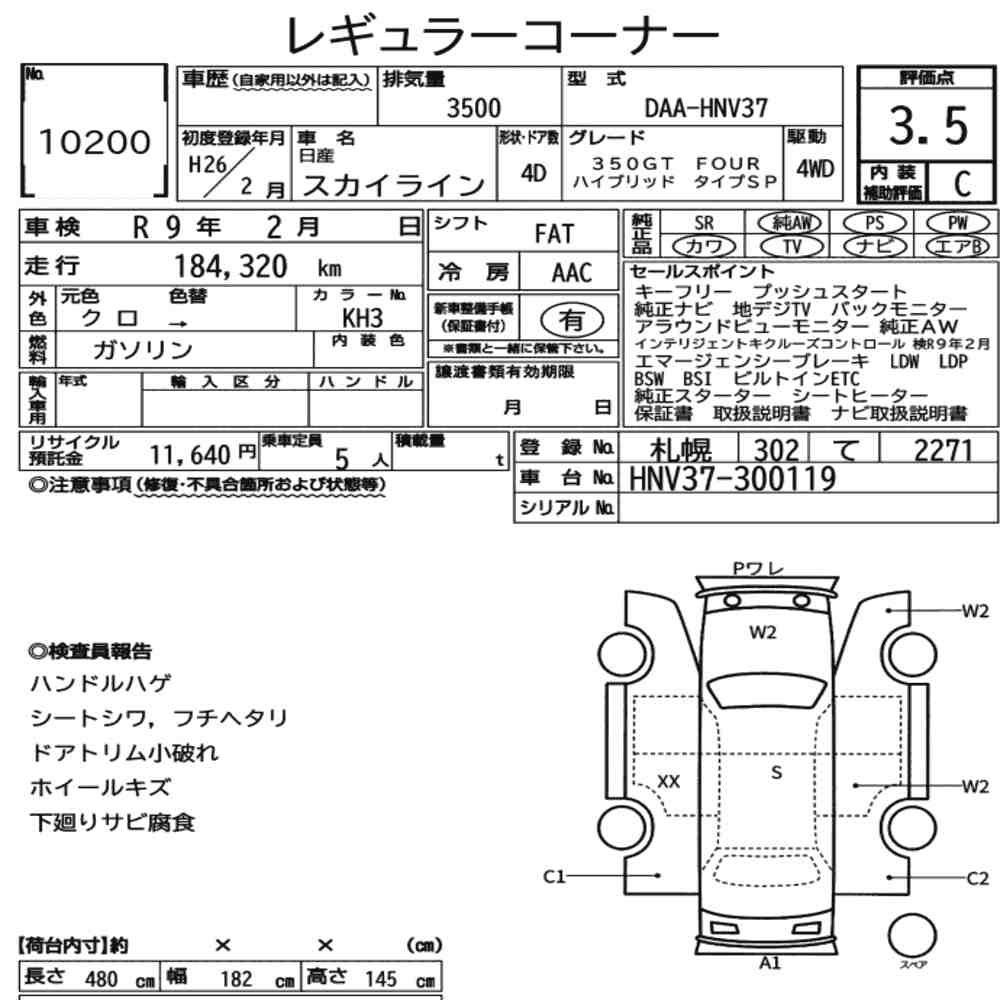

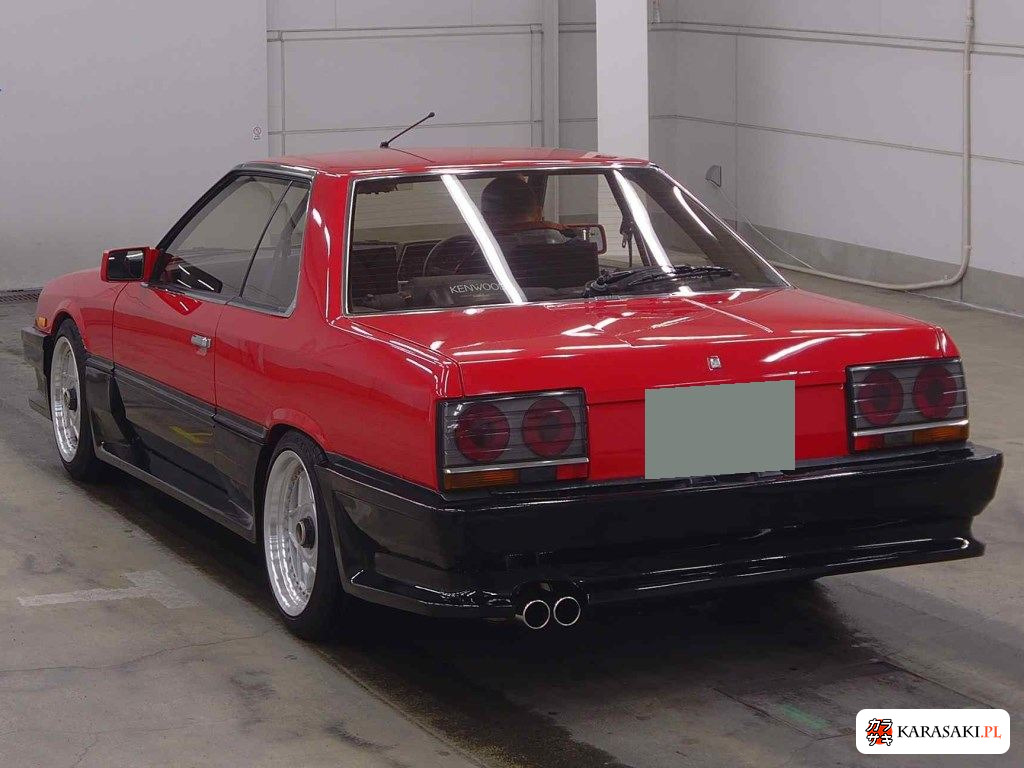
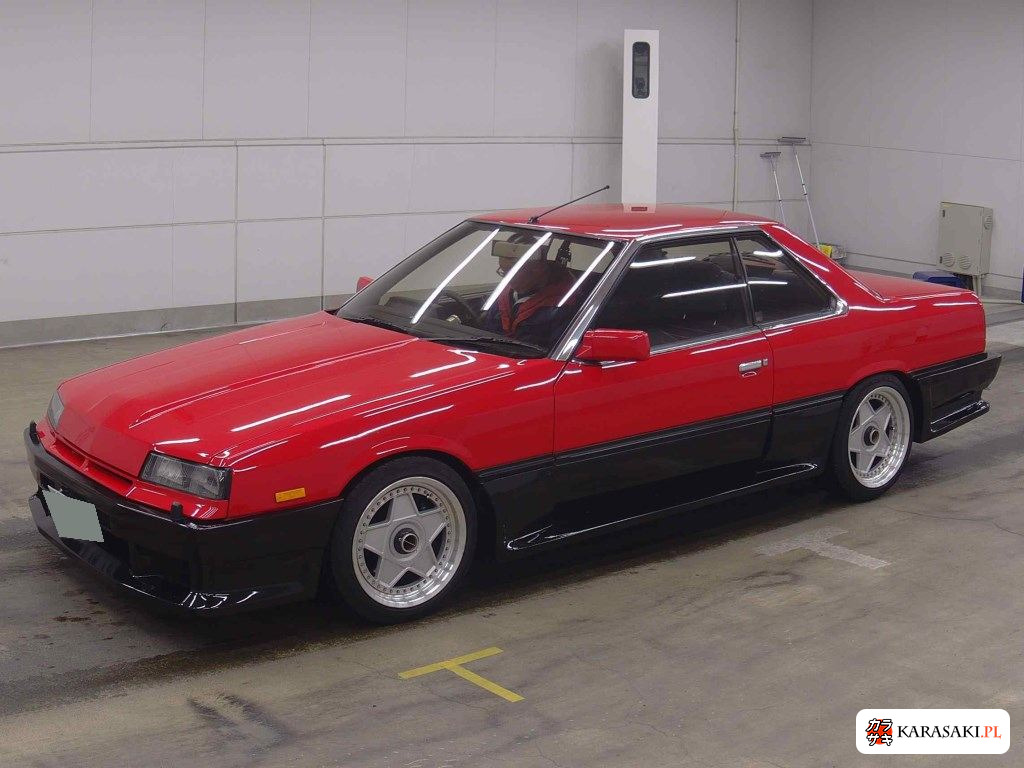
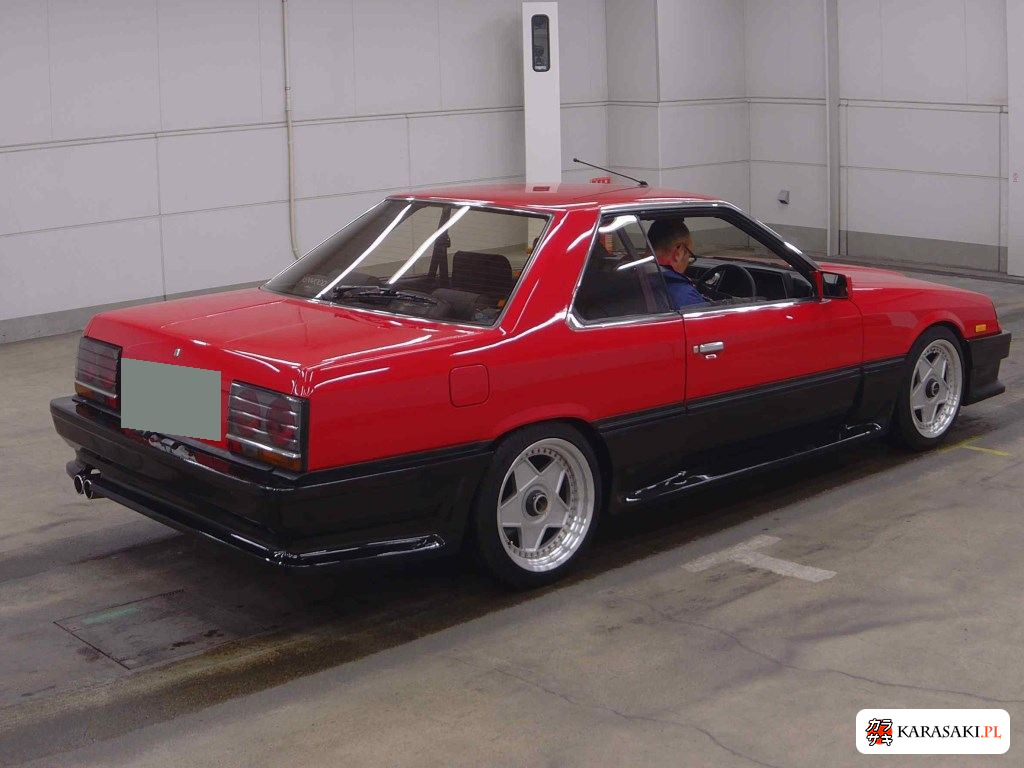
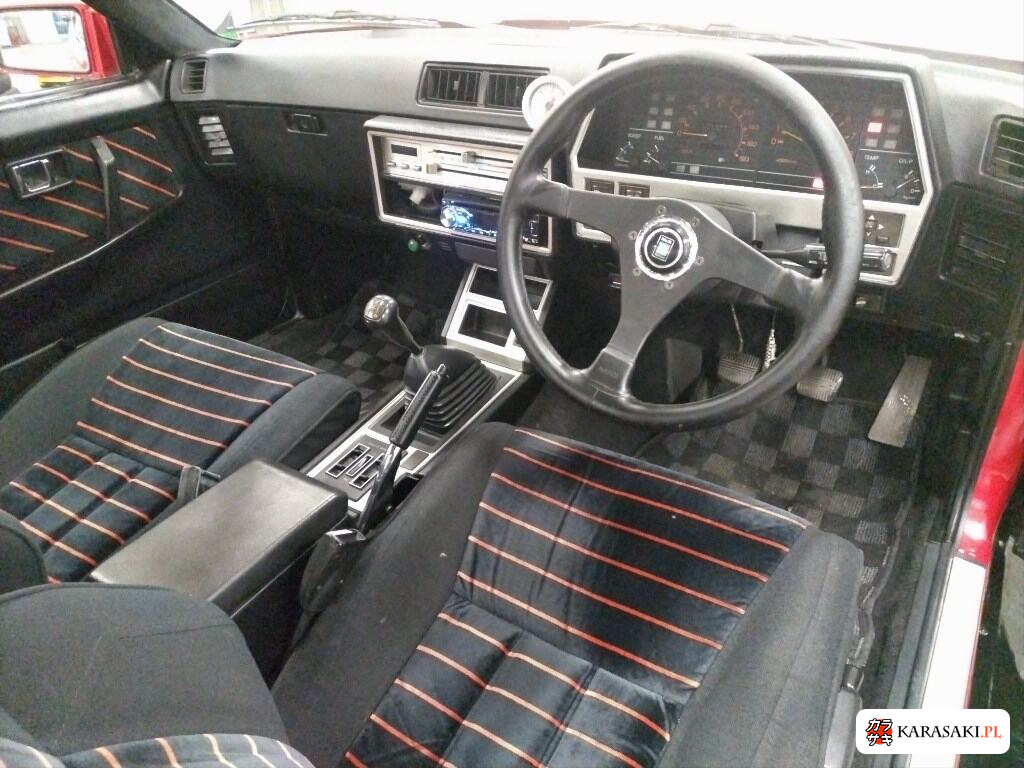
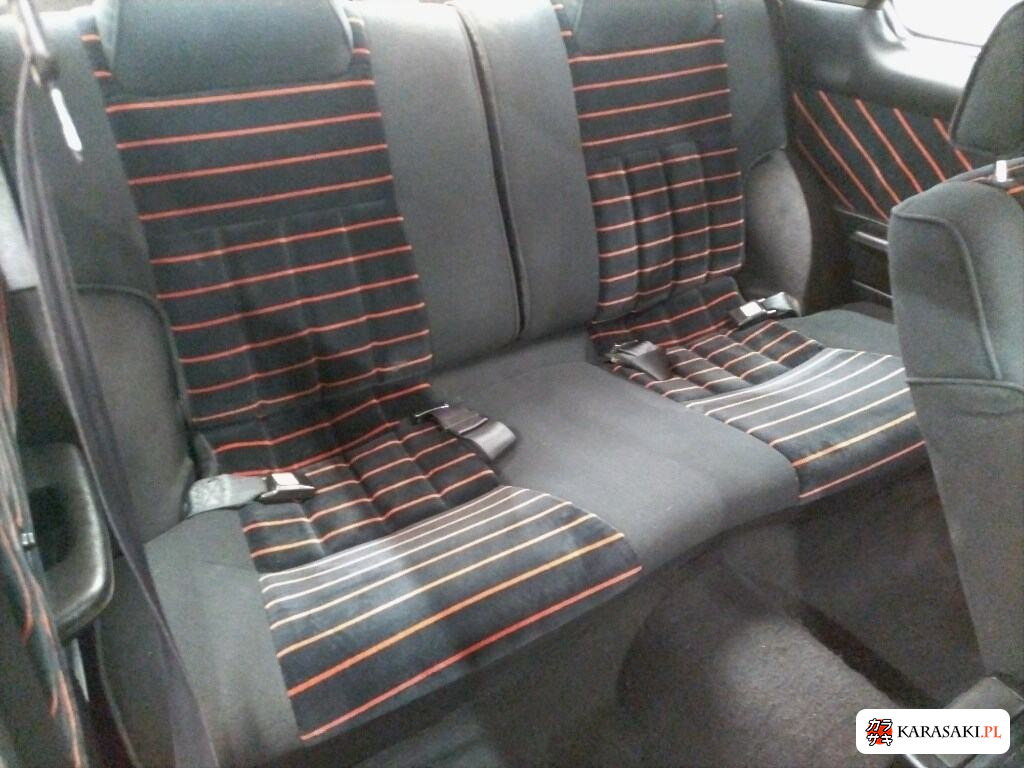

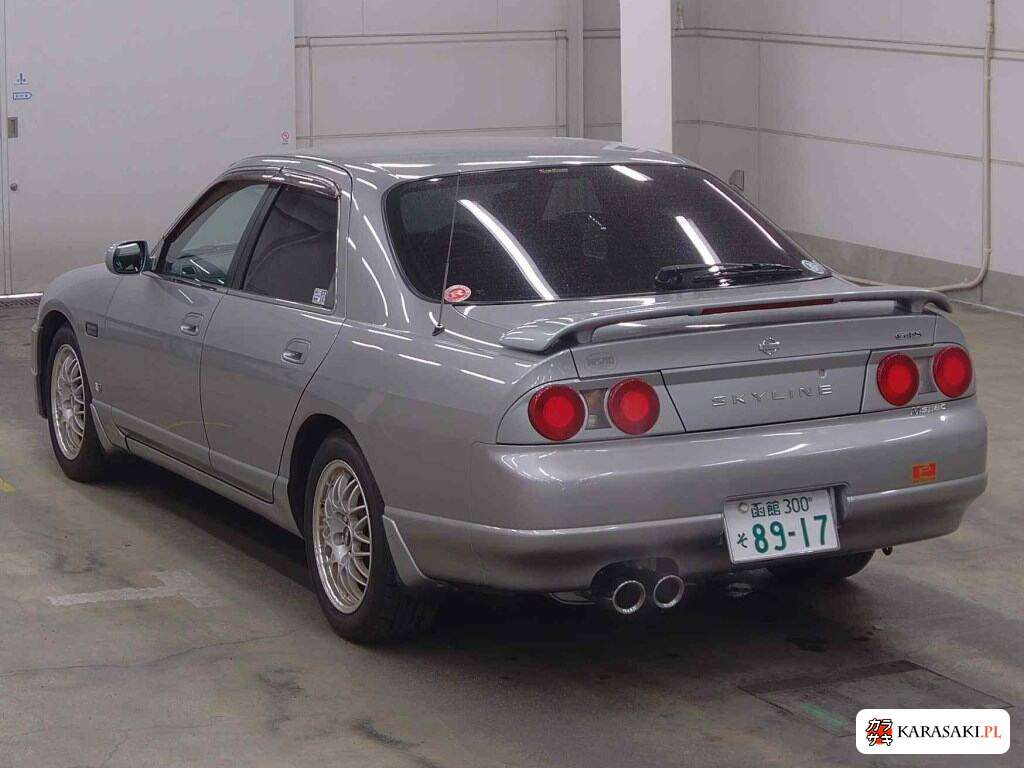
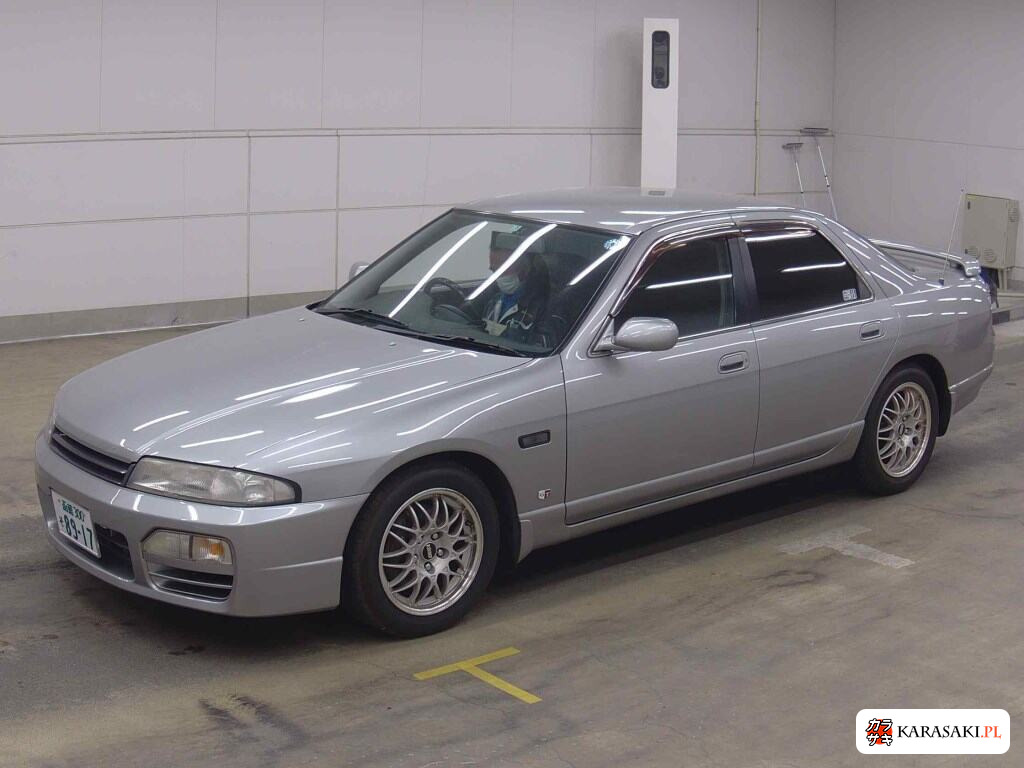
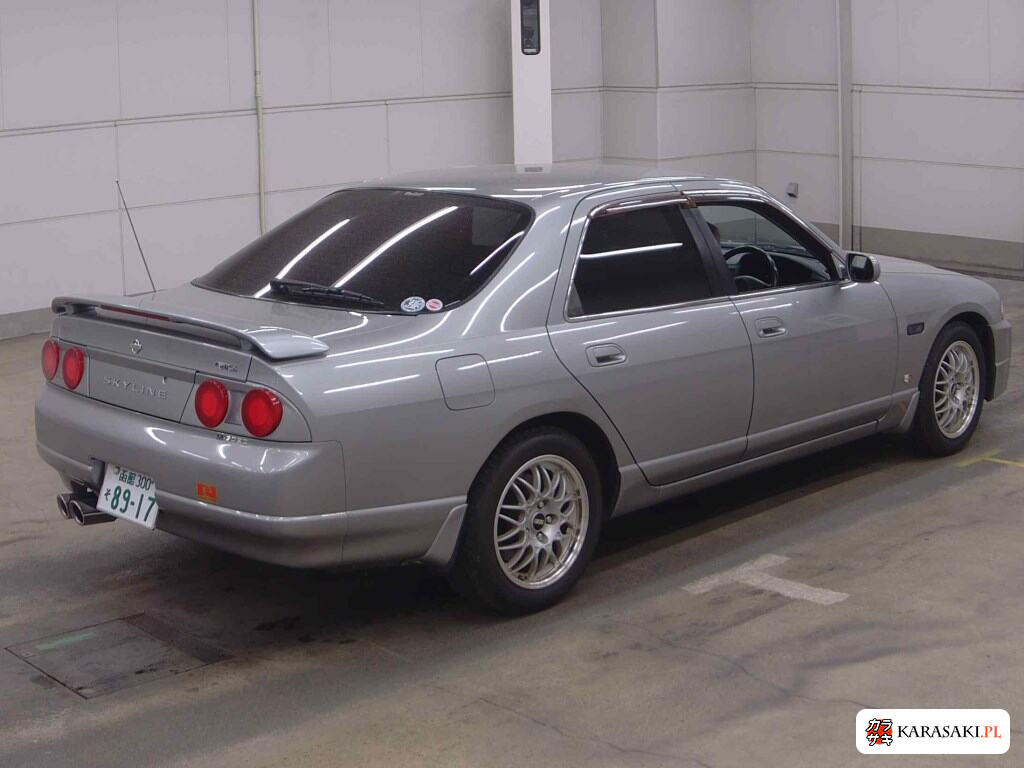
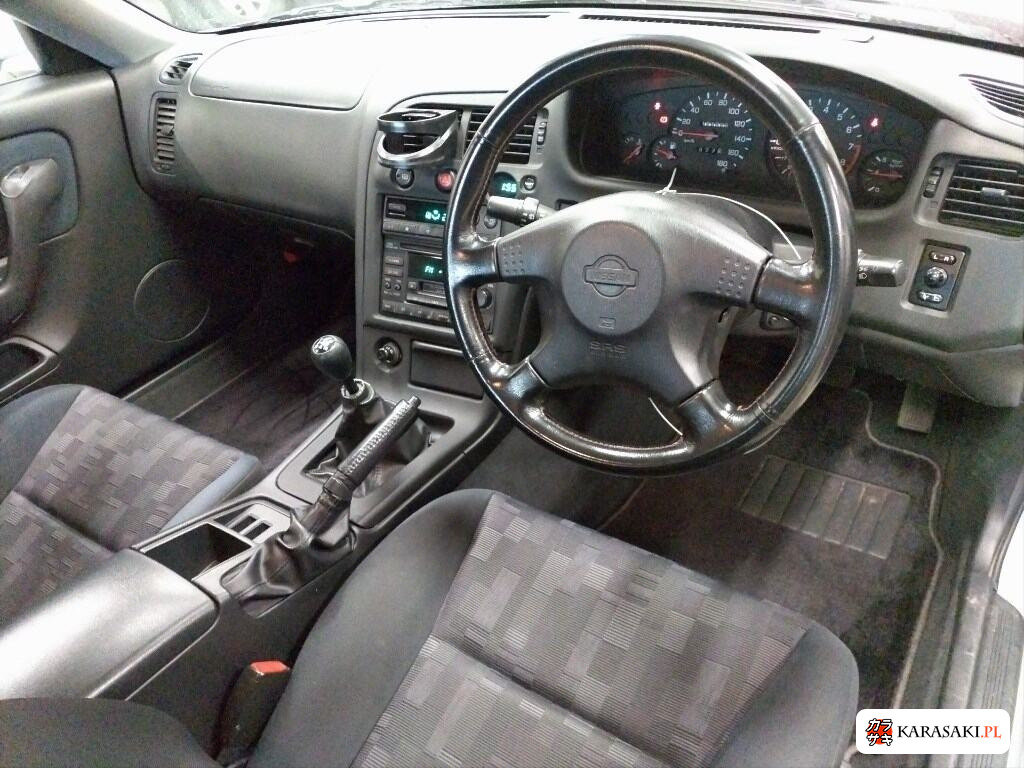
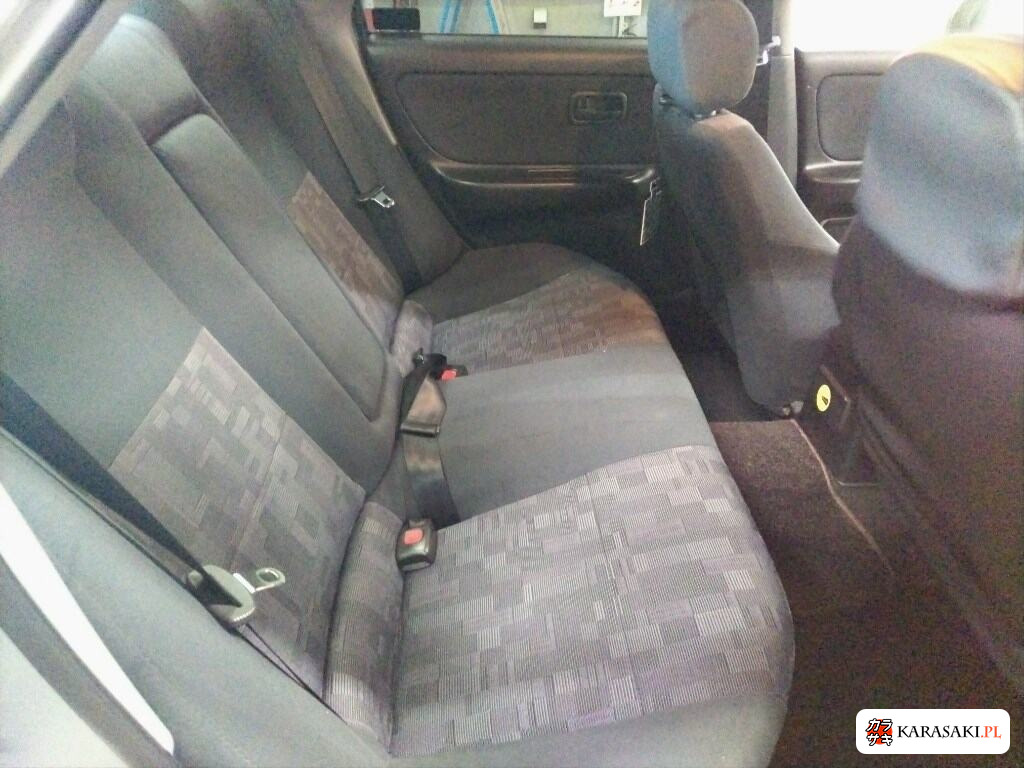
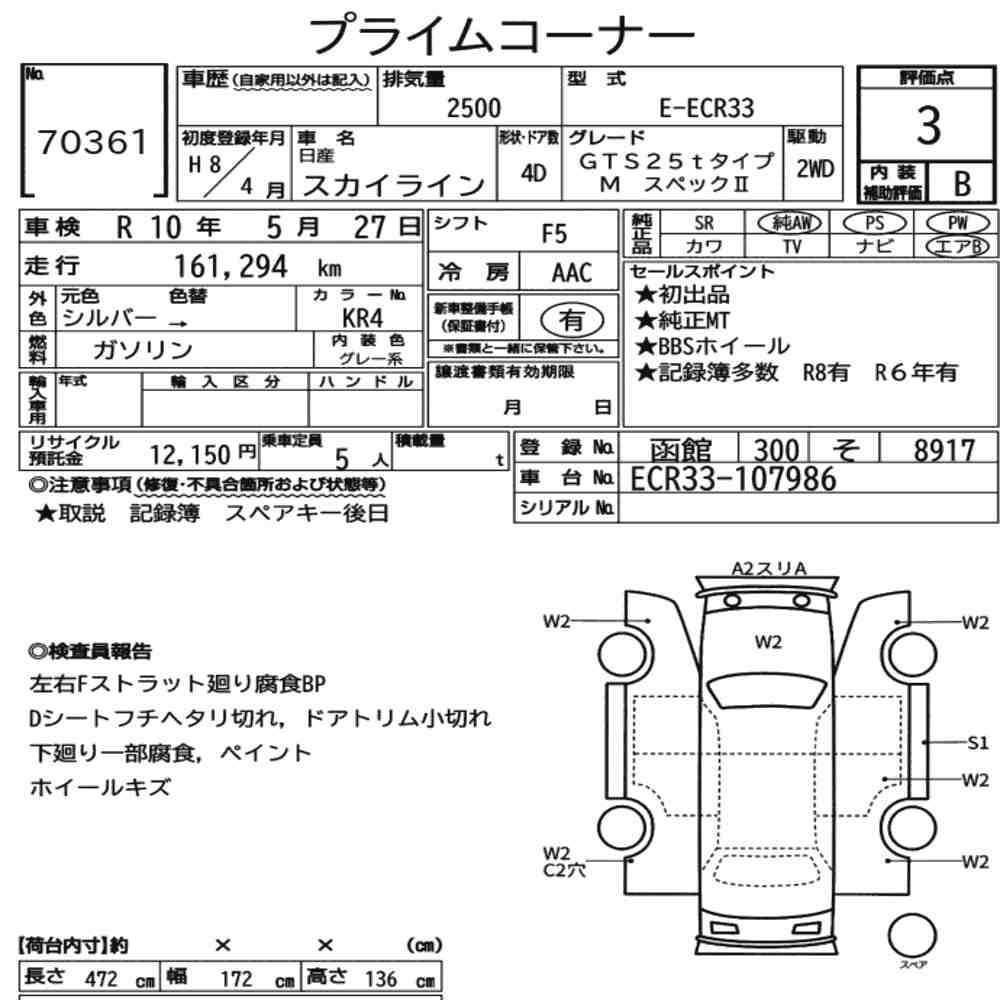

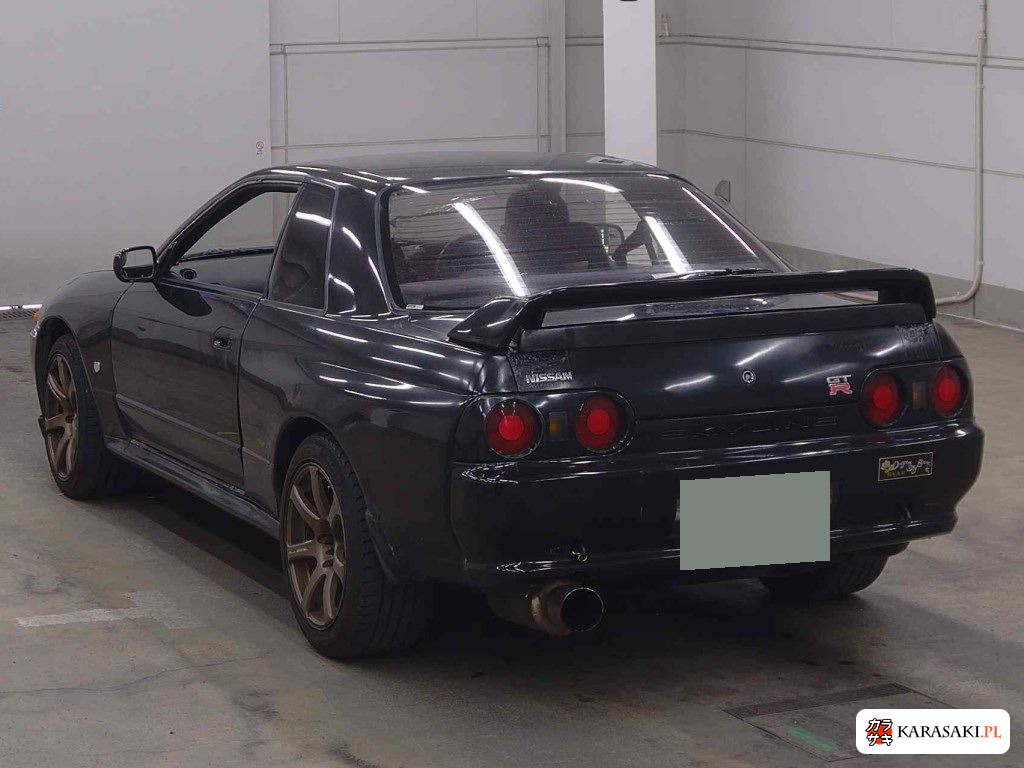
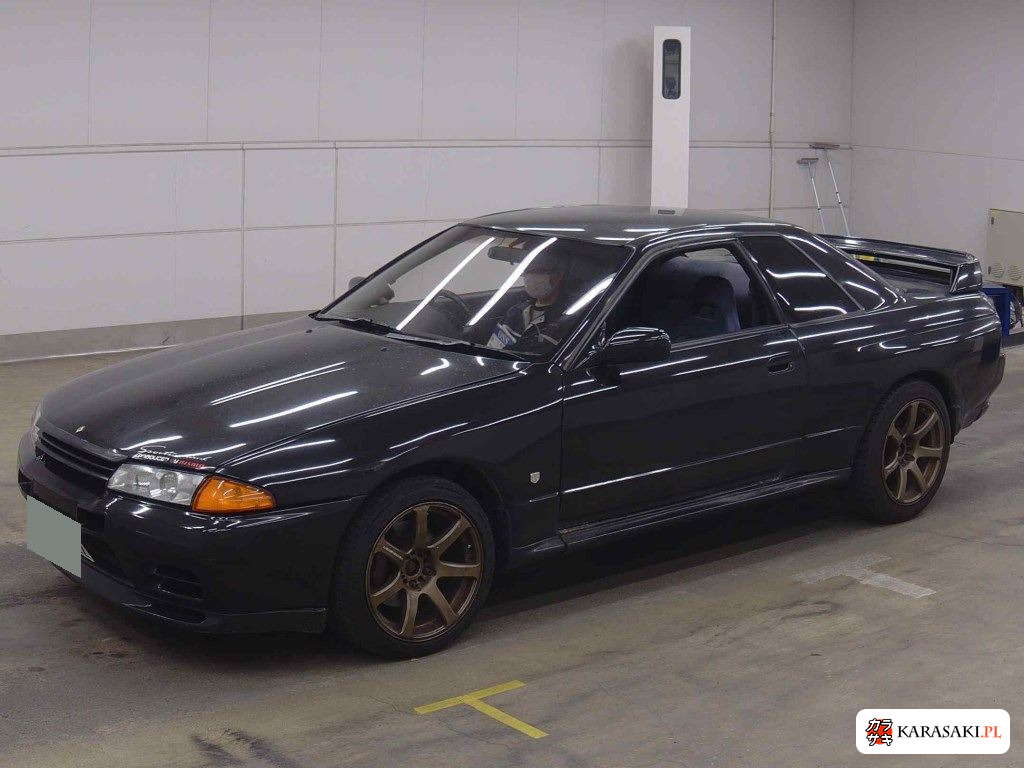
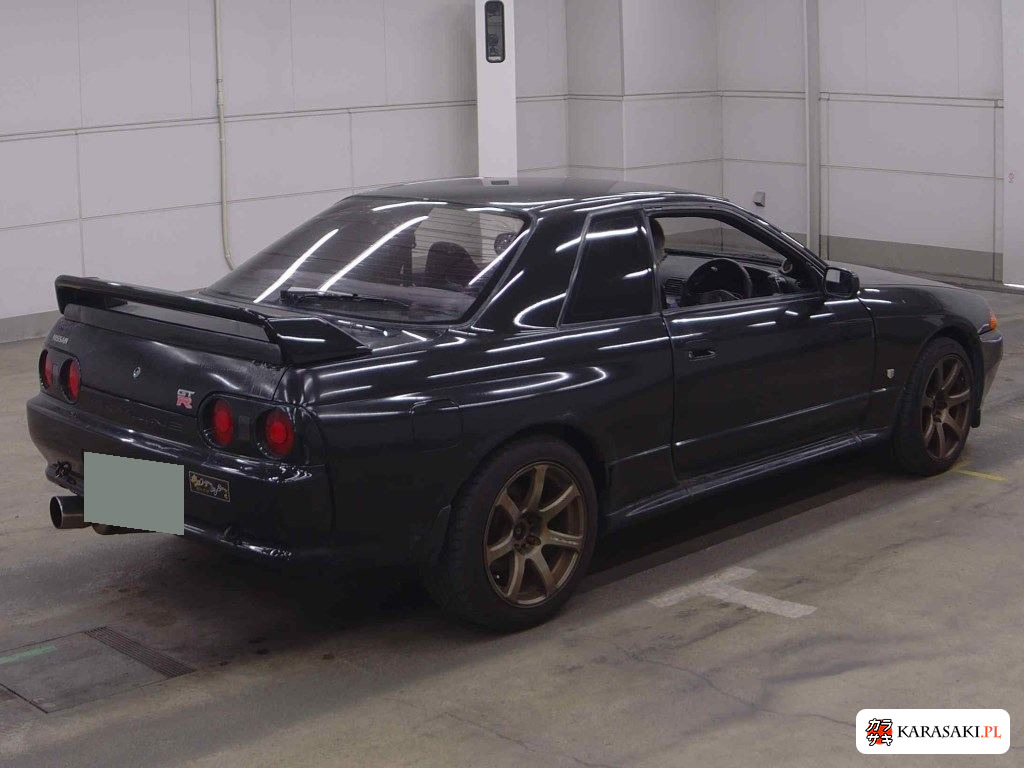
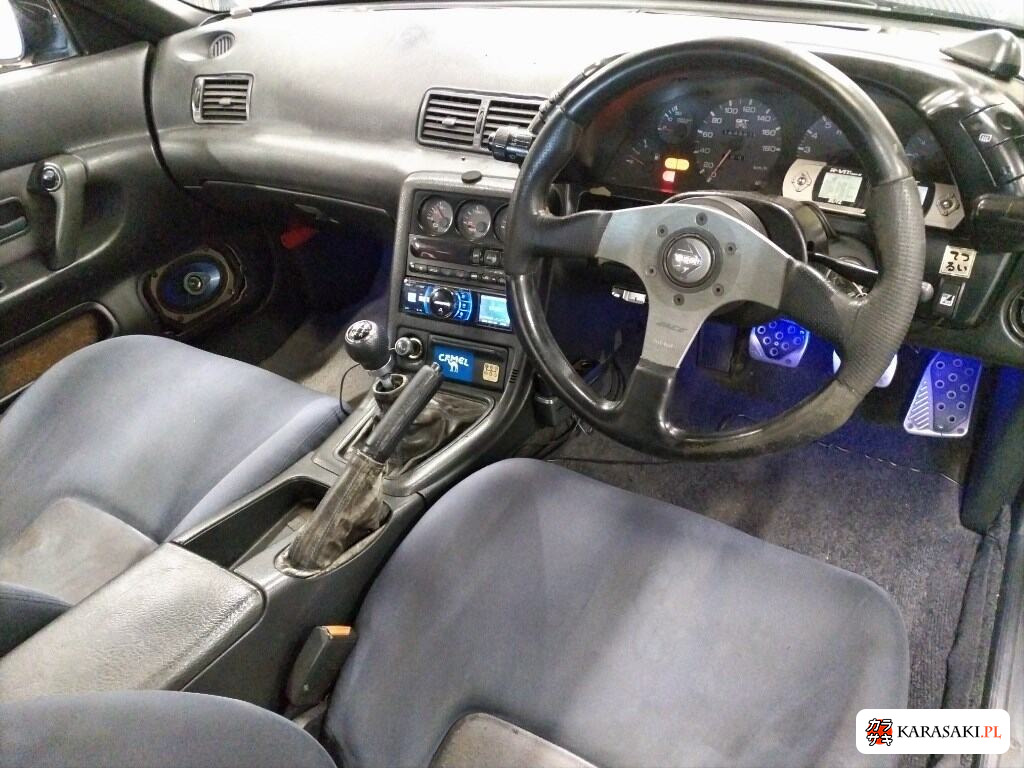
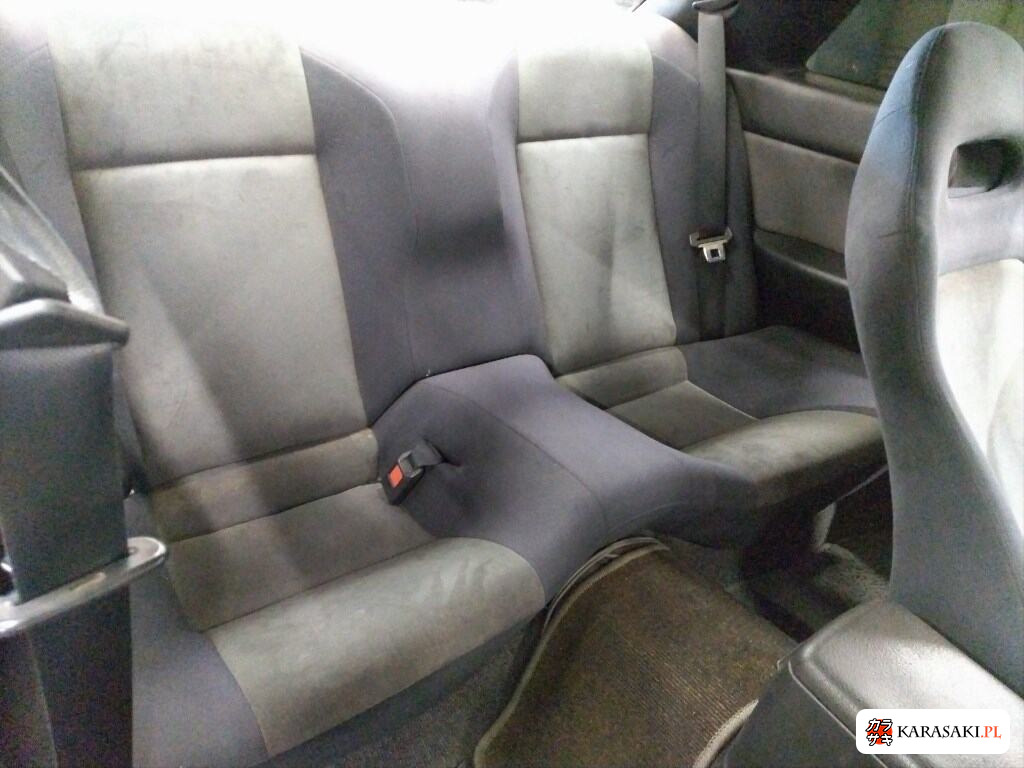
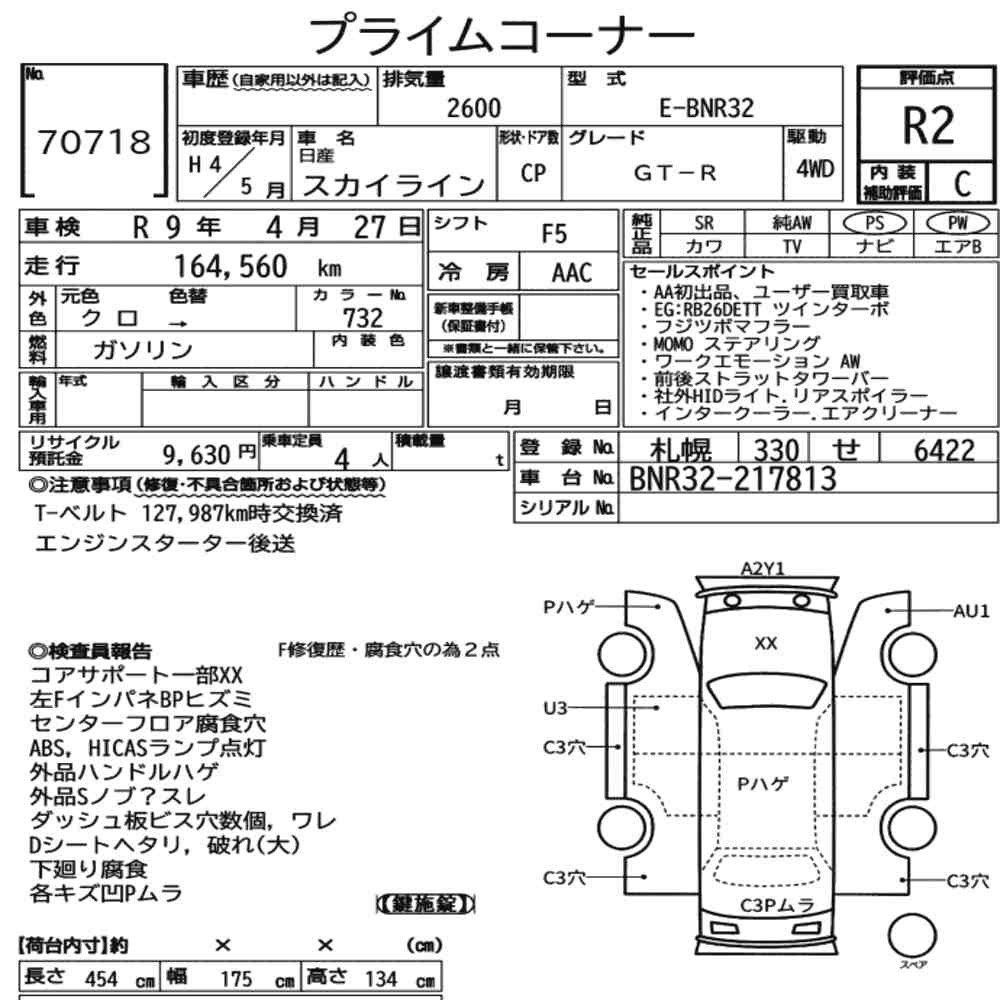

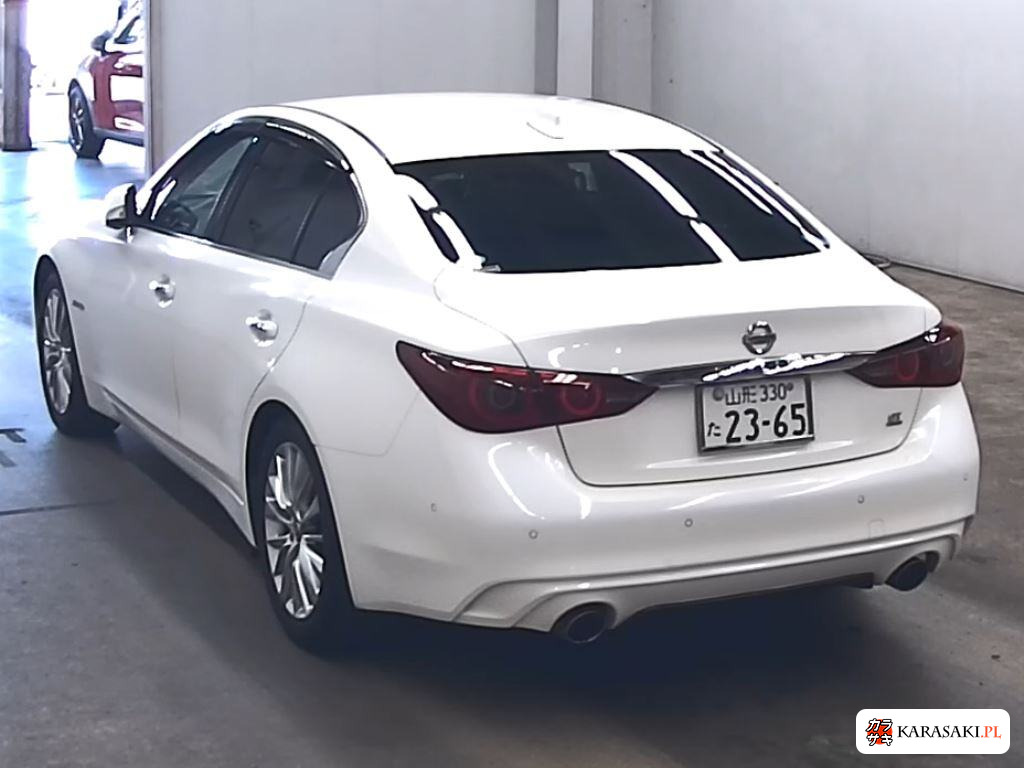
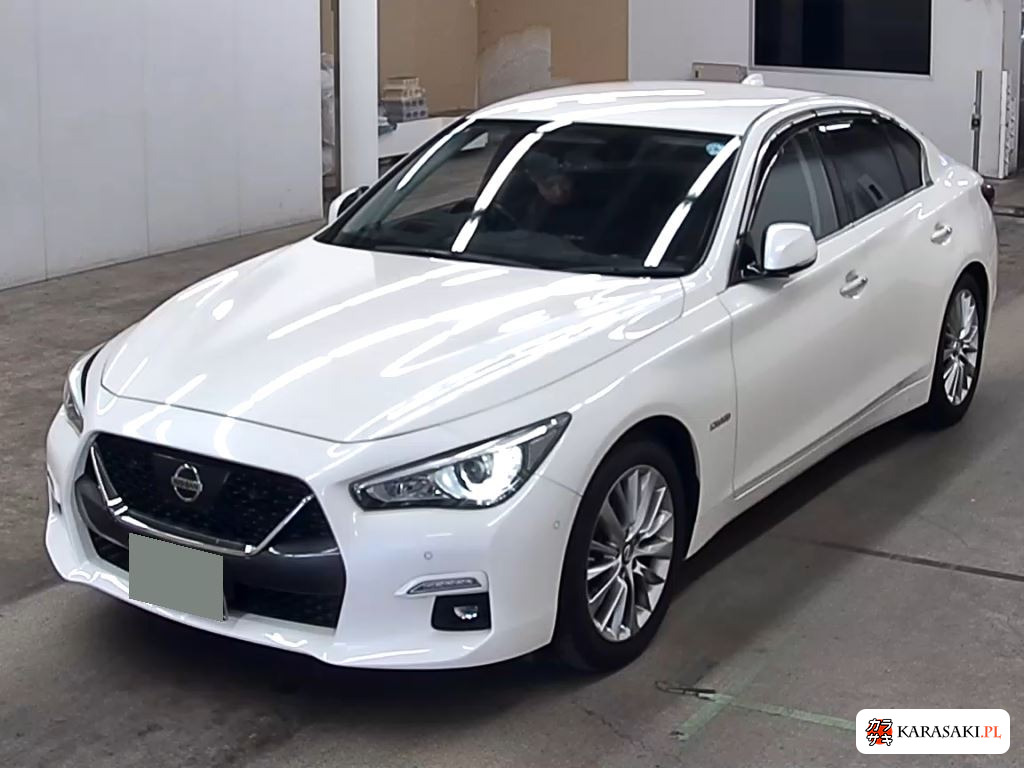
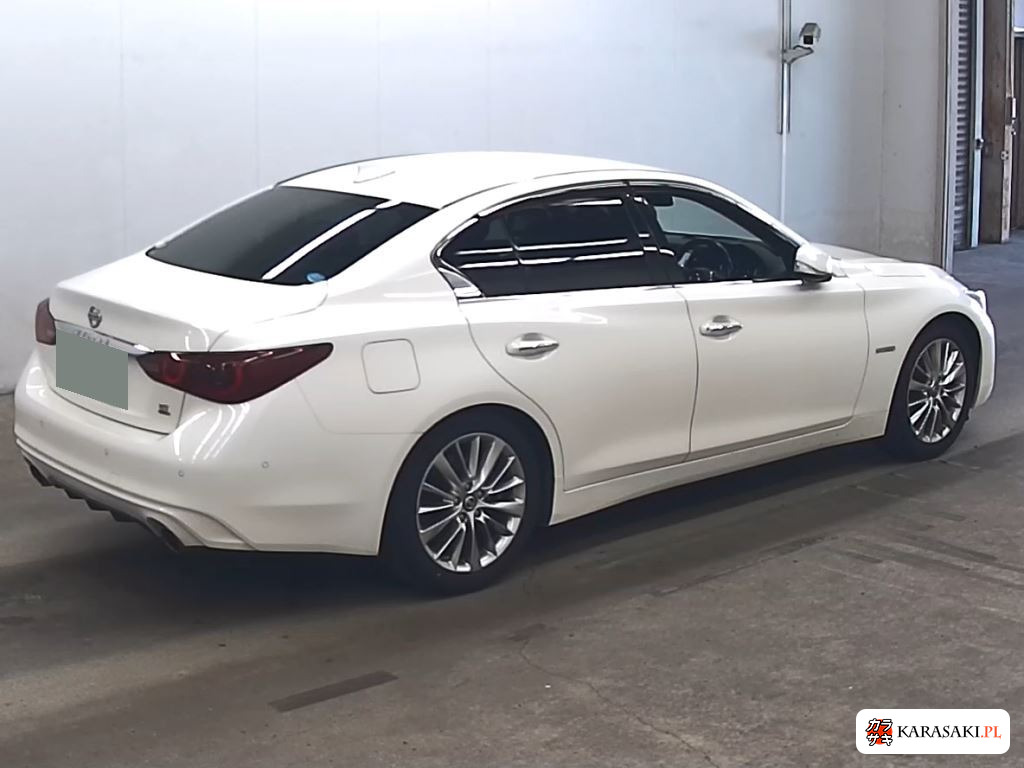
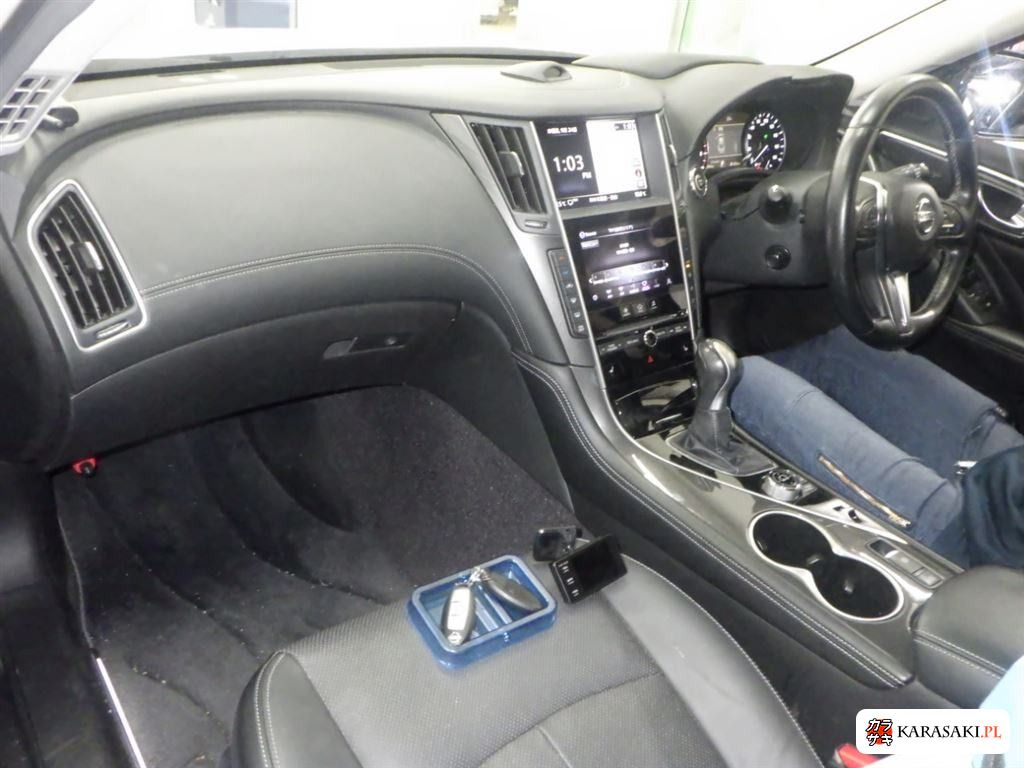
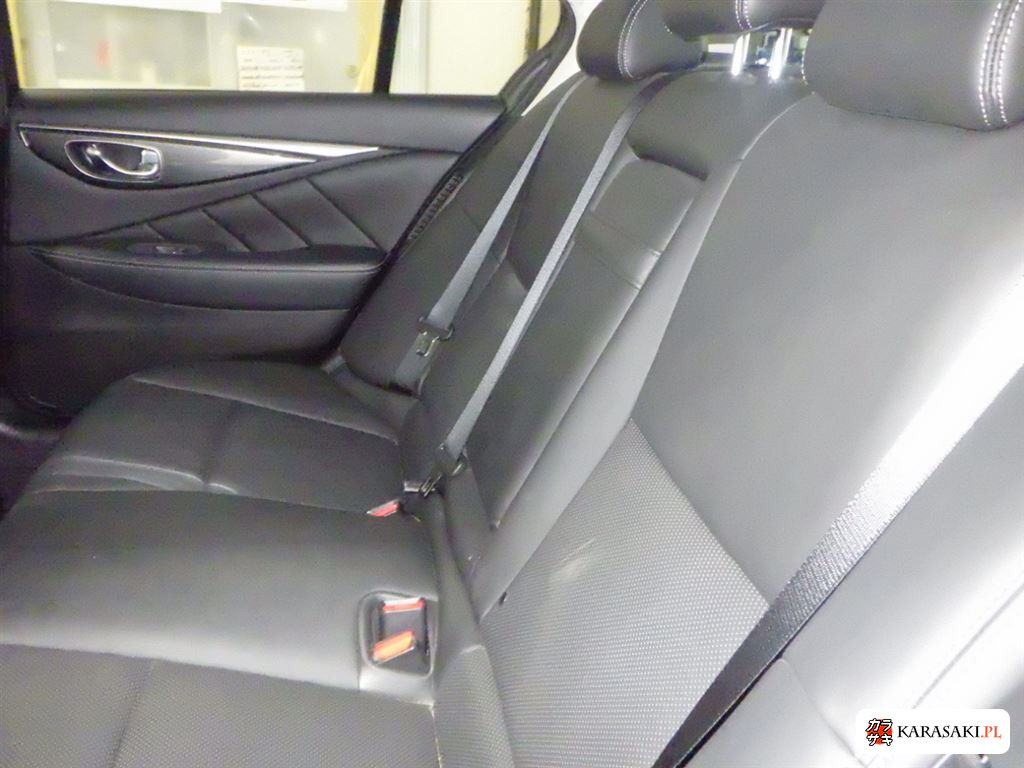
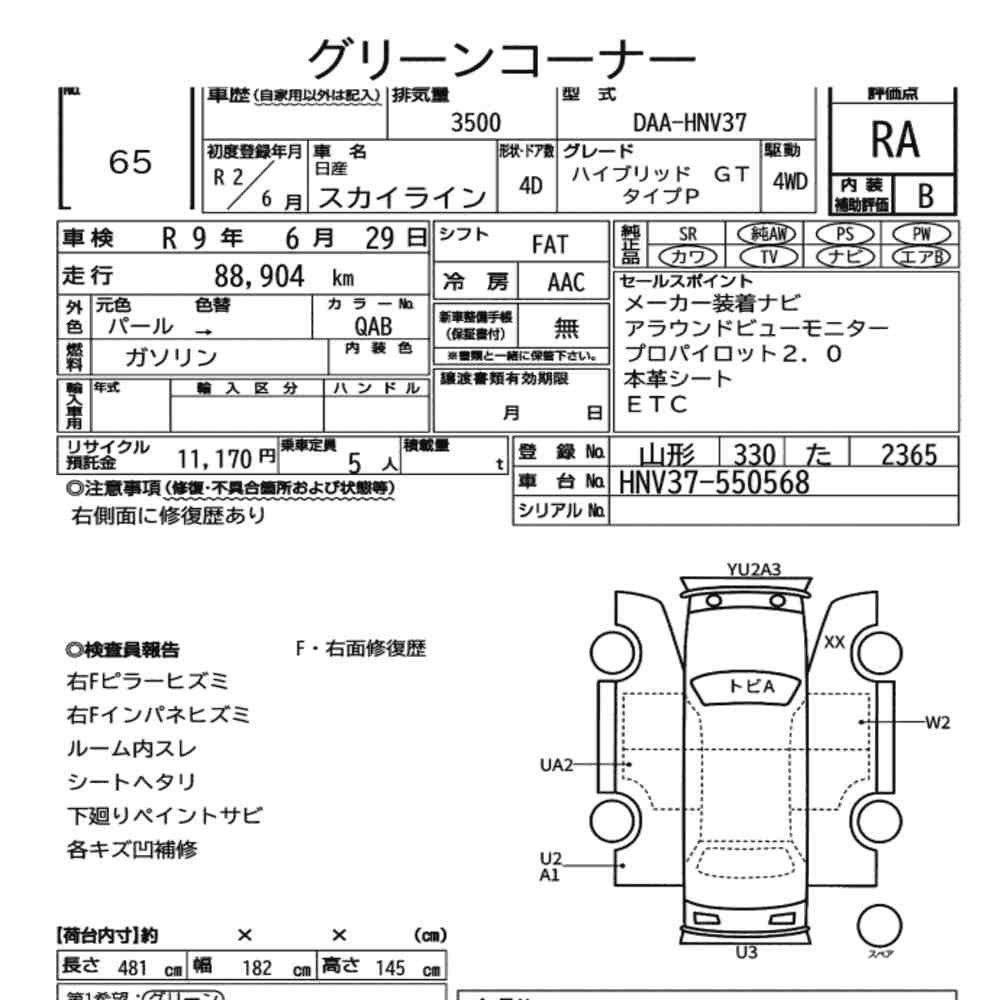

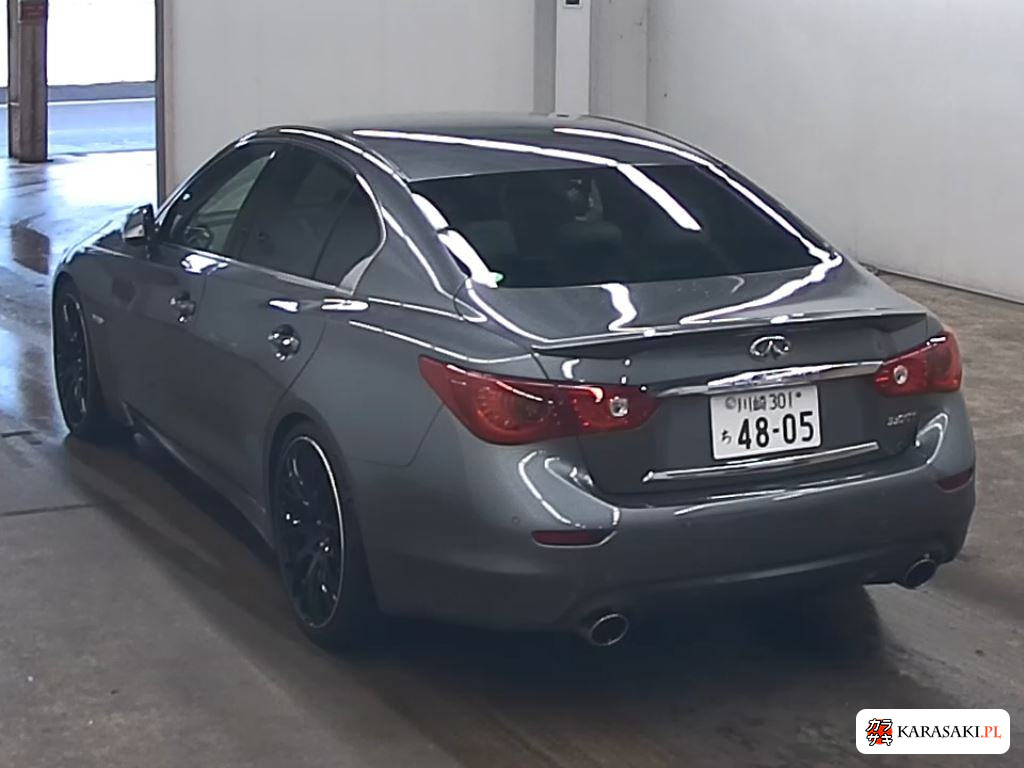
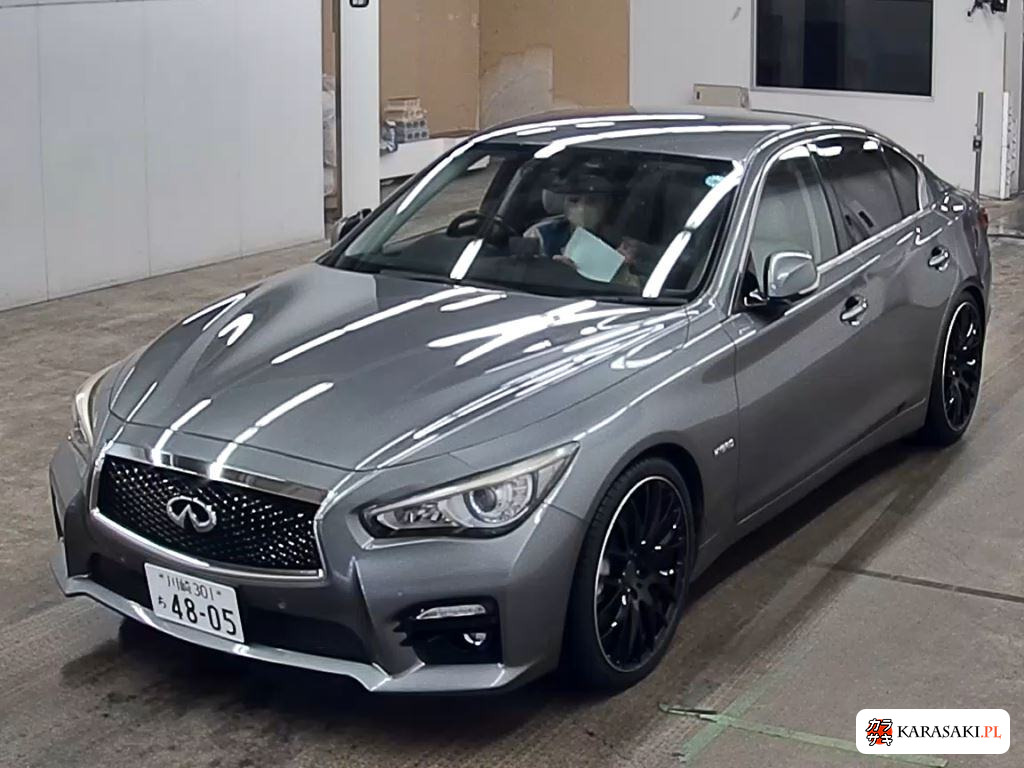
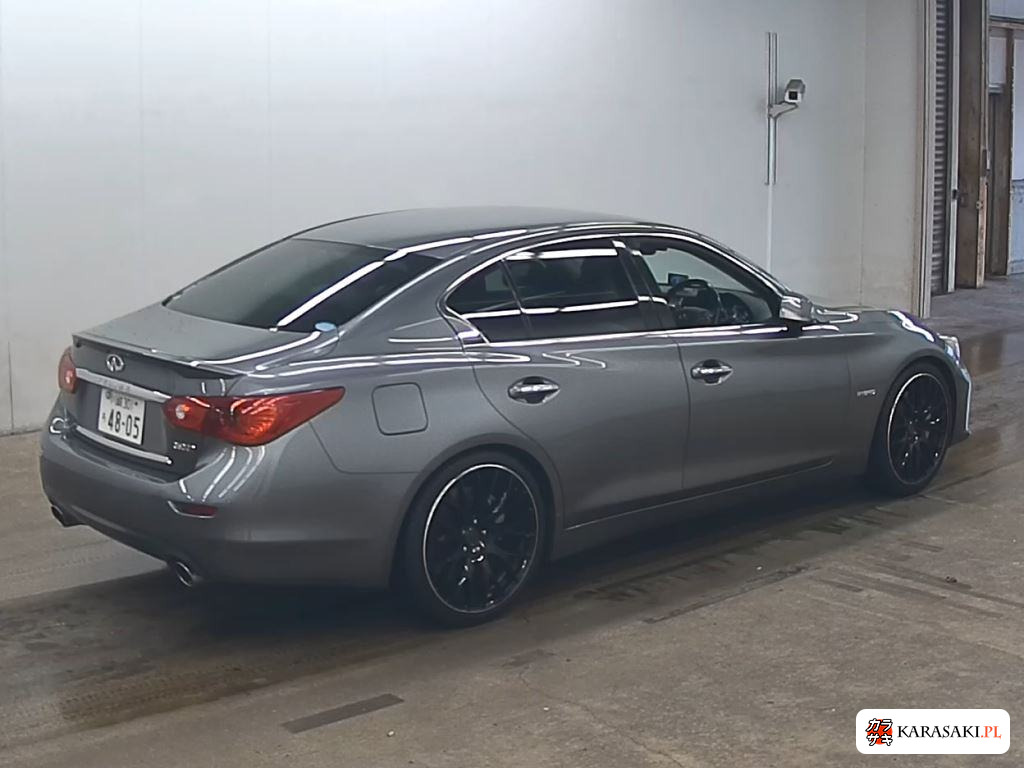
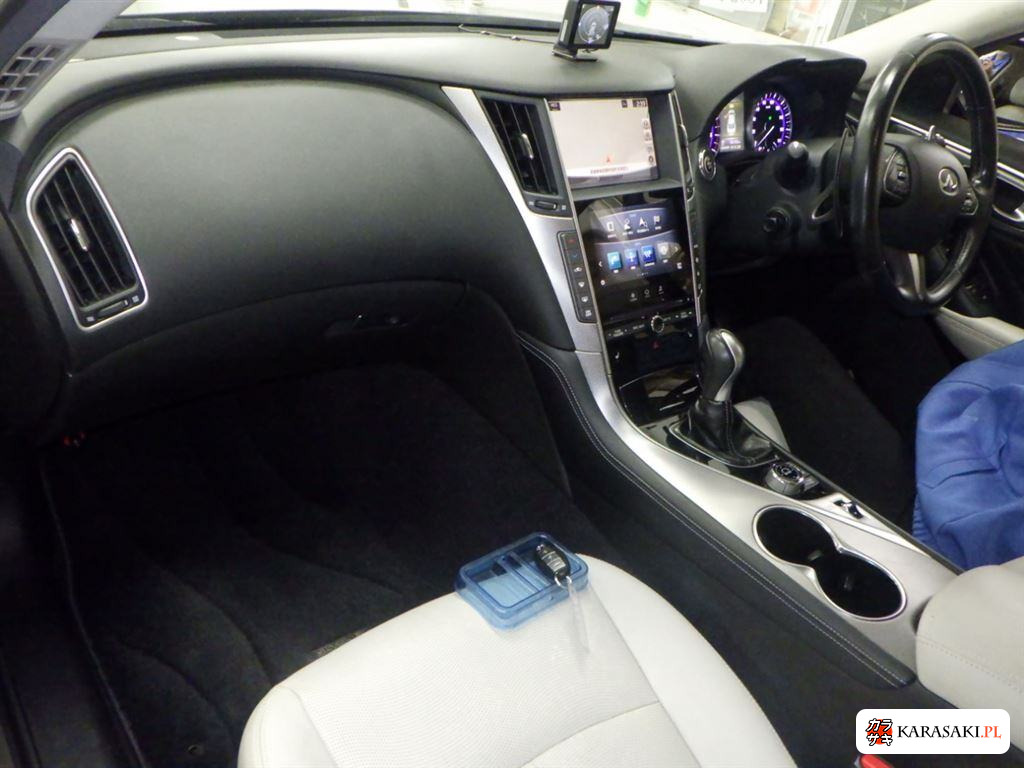
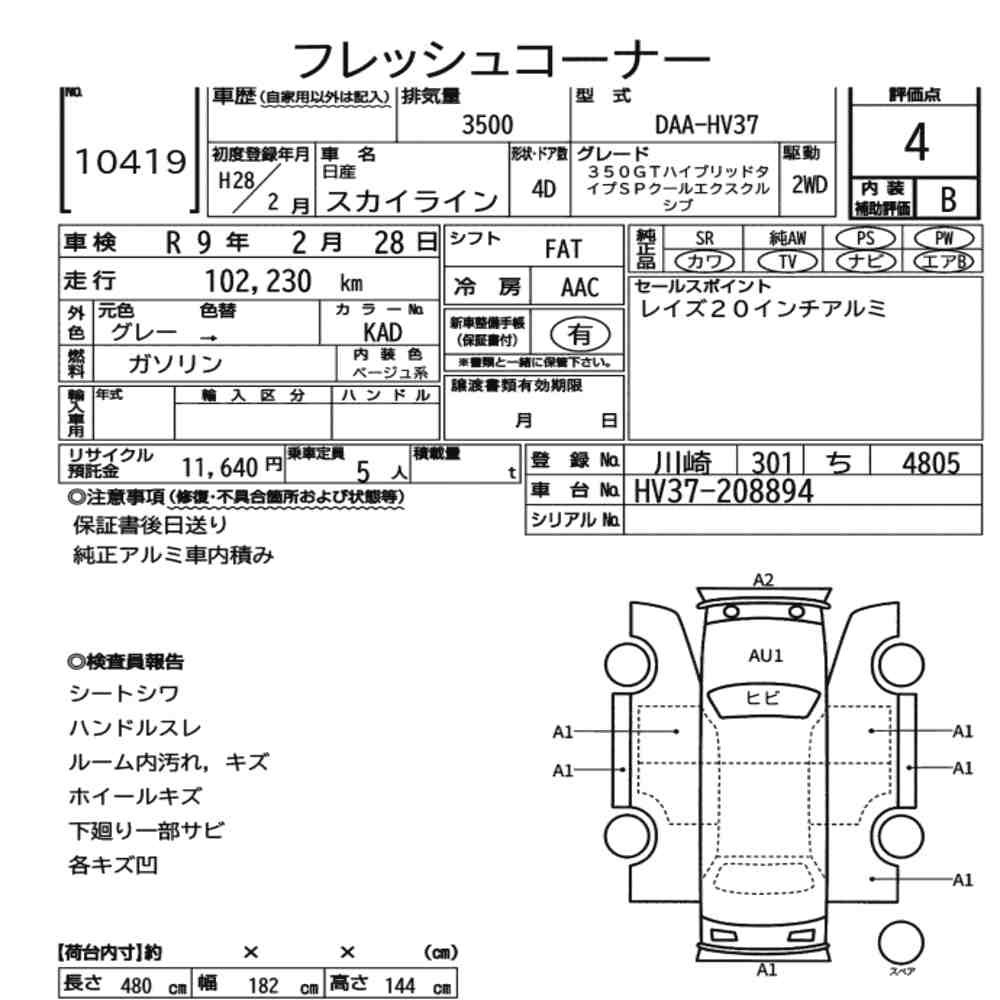

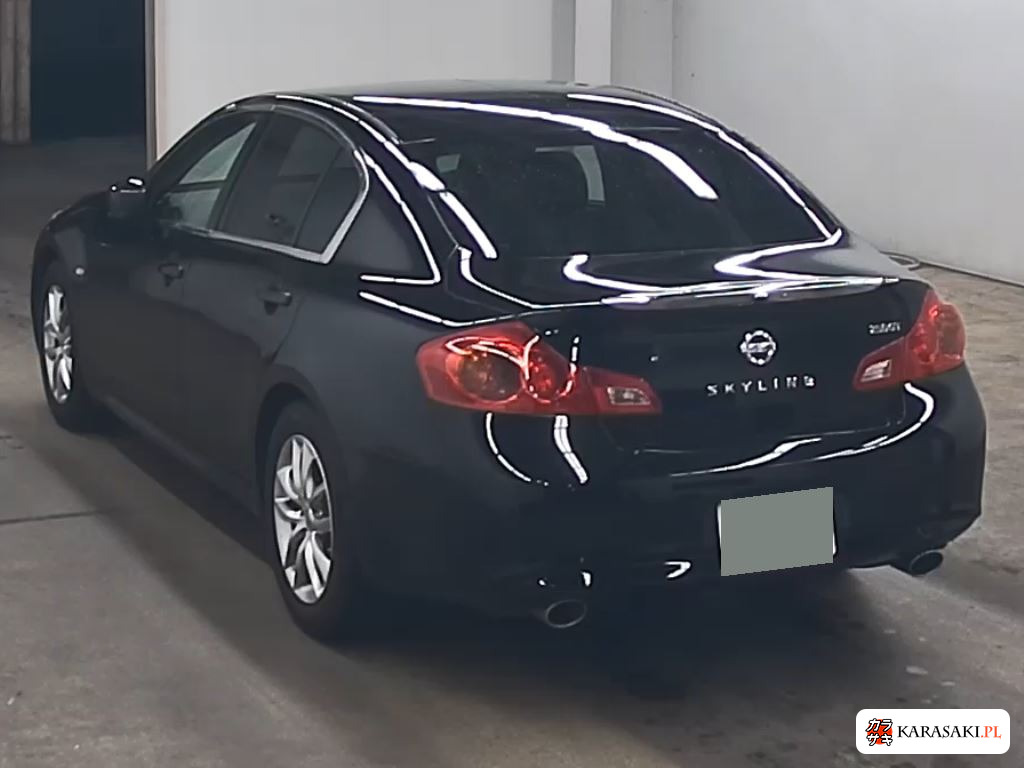
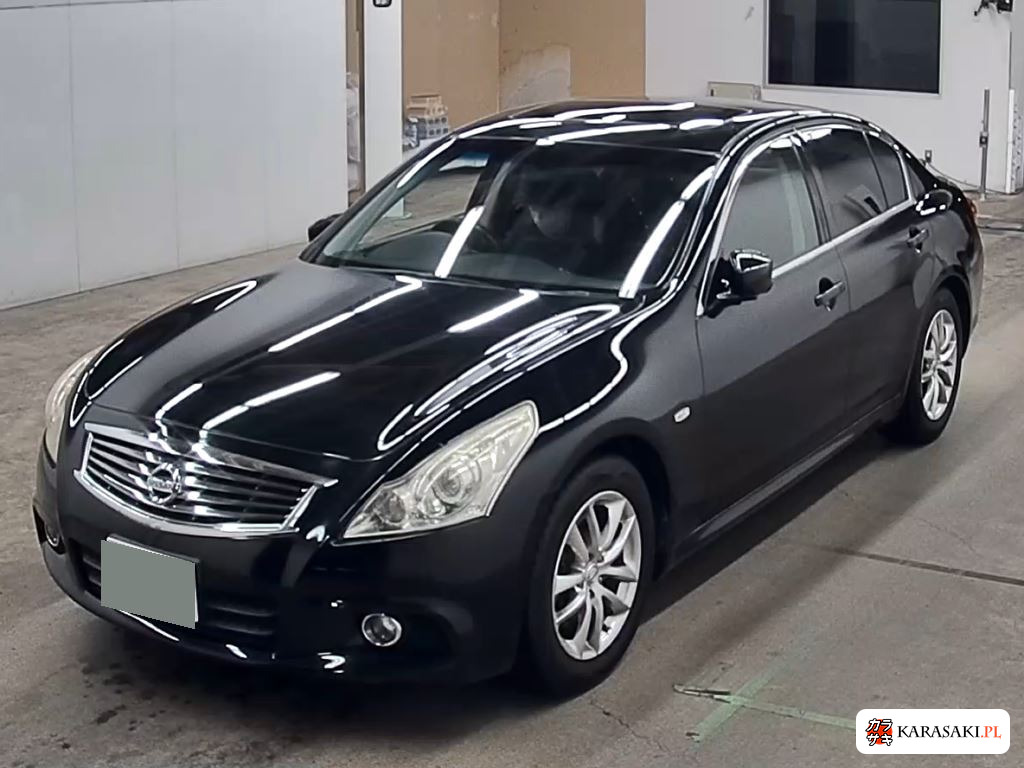
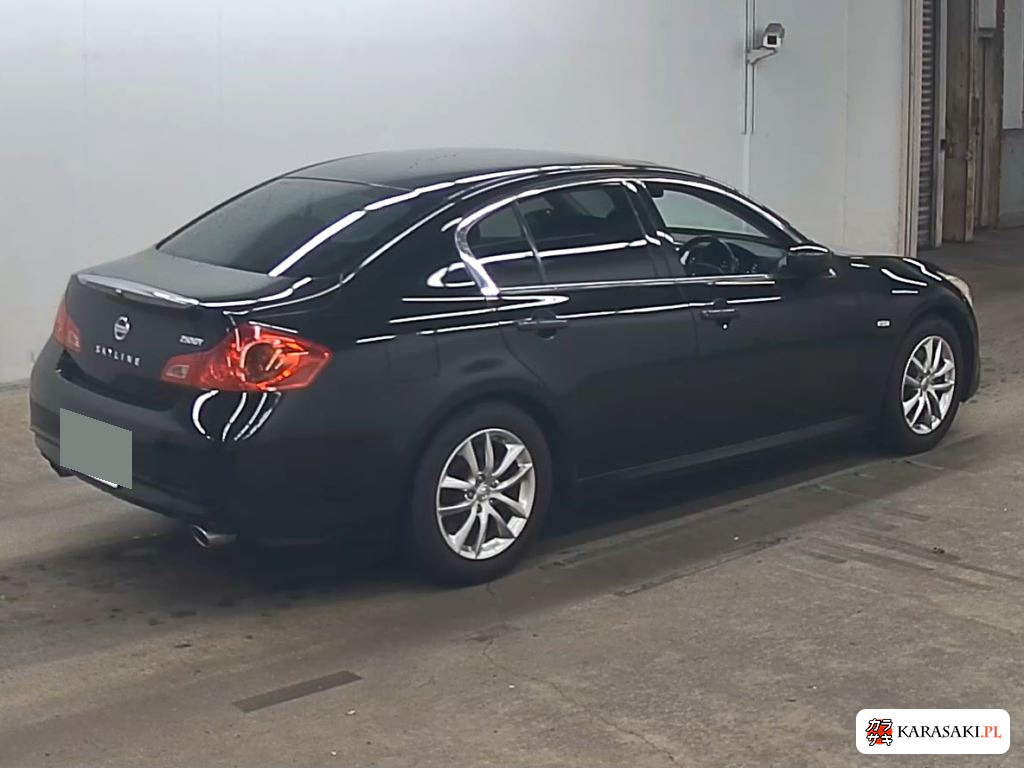
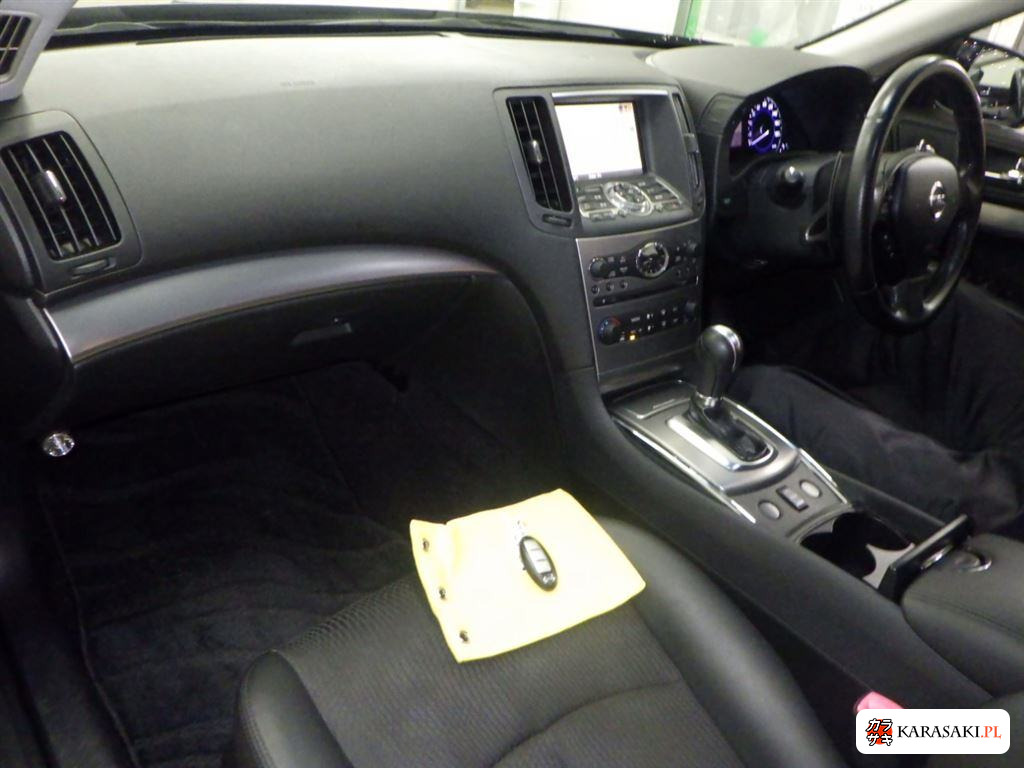
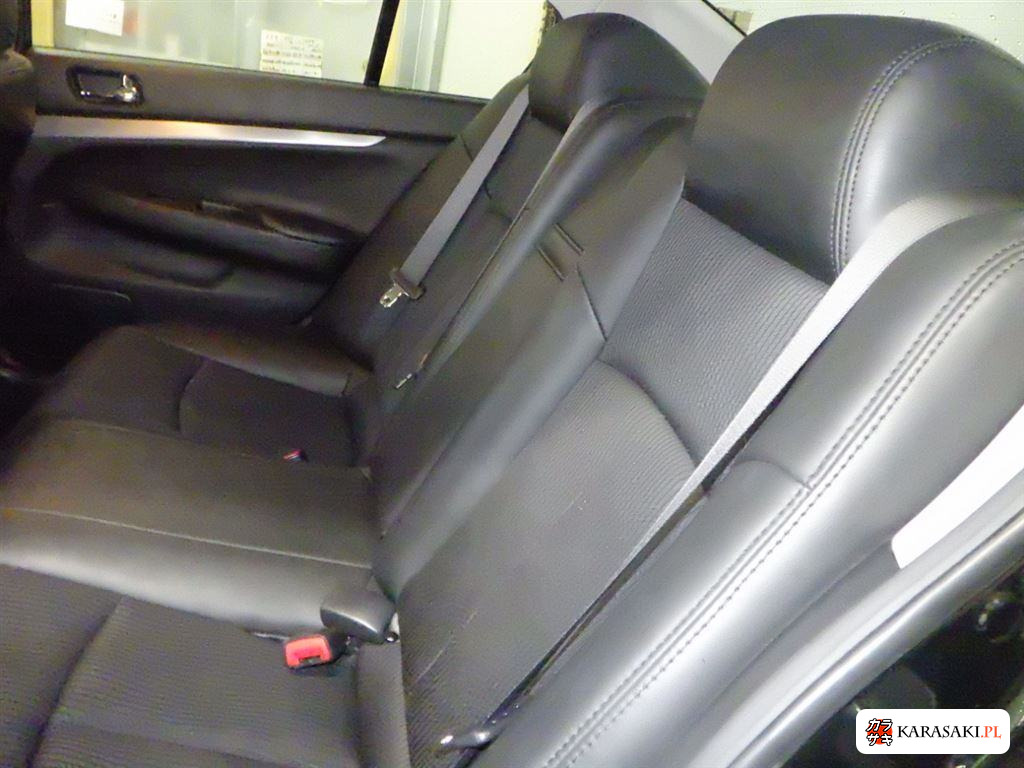
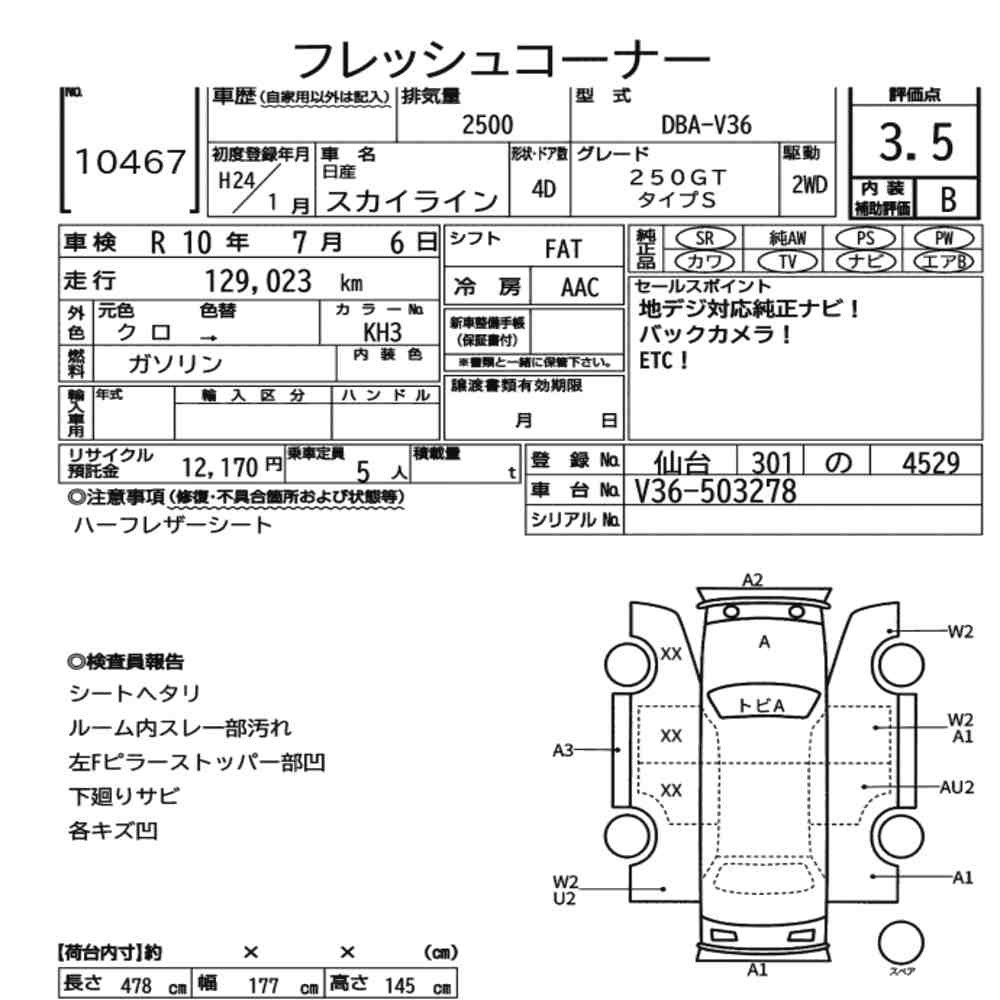
The auction pool turns over every few days. We'll watch these criteria and email you when the next one appears.
Why JDM is prized in Europe
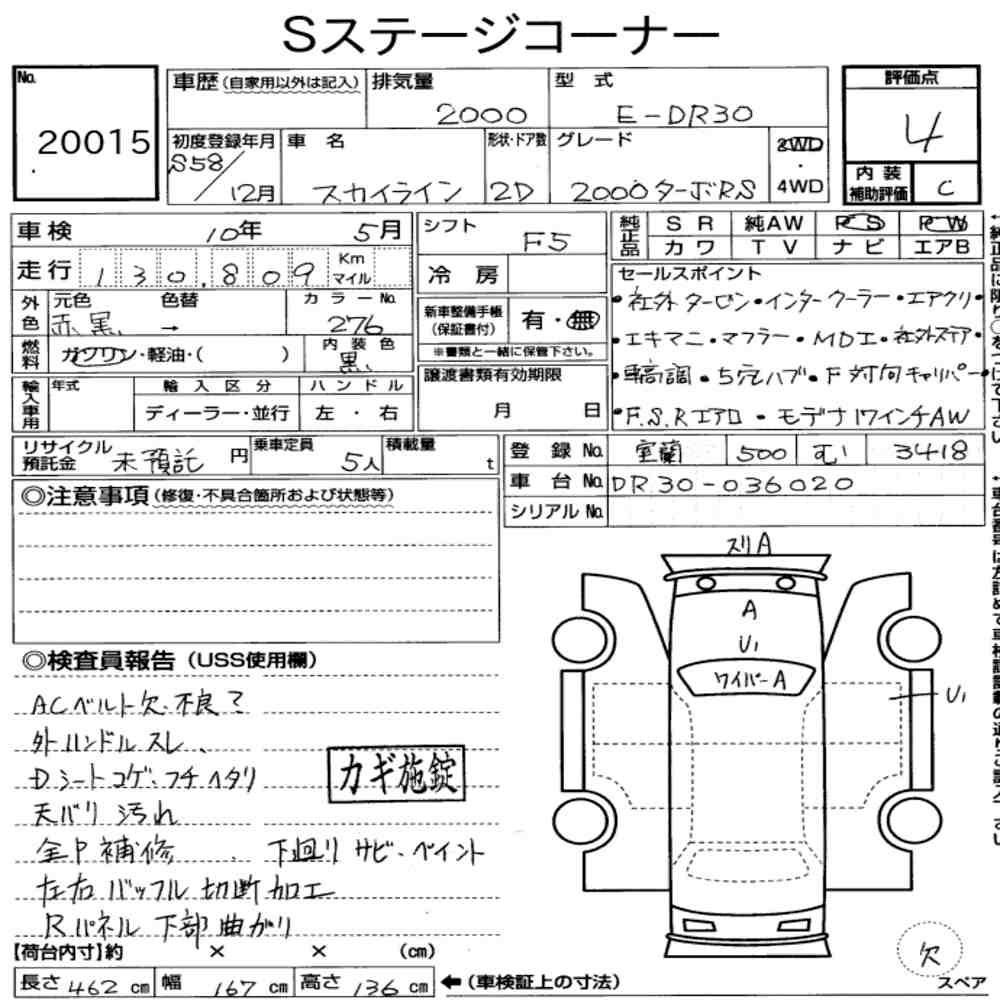
The first reason is practical. Japan looks after its cars. The mandatory shaken inspections are expensive and frequent, so cars get serviced and low-mileage examples are the norm, not the exception. Add hard documentation: at every auction the car receives an independent grading sheet with a score and a body diagram, so you know the example's condition before the bidding, not after. The second reason is spec that Europe never got: engine versions, gearboxes and equipment packages reserved for the home customer. The third is culture: Gran Turismo, cinema and the motoring press turned Japanese cars into objects of desire for a whole generation that now earns its own money and buys those dreams.
There is also a formal reason. In the US a buyer must wait until a car turns 25 before it can be legally imported, and the threshold counts from the production date on the identification plate, not the model year. In Poland and the EU that age barrier does not exist, so a Polish importer can buy a younger youngtimer that an American still has to wait for. It also works the other way: when successive model years of the cult cars cross the American 25-year threshold, buyers from across the ocean join the bidding and prices for those years climb. Whoever buys from Poland before that moment bids without the largest group of competitors. Look at the model years: the R34 was built until 2002, so the last examples will only cross the American threshold in 2027, a quarter of a century after leaving the line. The pattern repeats with every next icon of the 90s. That is a real, quantifiable advantage of our market and one of the least understood price mechanisms in the whole JDM world.
Right-hand drive and registration in Poland
A JDM car was by definition built for left-hand traffic, so classic examples have the steering wheel on the right. That is a real barrier to Polish registration, and it is better understood before a purchase than after one. § 9(2) of the Polish regulation on technical conditions for vehicles (consolidated text Dz.U. 2024 poz. 502) states that in a vehicle with more than three wheels capable by design of exceeding 40 km/h, the steering wheel should not sit on the right. The exception in § 9(2a) covers only a passenger car that is new and holds an EC type-approval certificate, or one previously registered in an EU member state. A car bought at a Japanese auction and shipped straight to Poland satisfies neither condition.
Three routes remain. The first follows directly from § 9(3): the ban does not apply to vehicles first registered before 1 January 1985, so the earliest JDM cars fall outside it entirely. The second is prior registration in another EU state, after which the car qualifies under § 9(2a). The third is converting the steering to the left side, which means real cost and a structural intervention. That is why our catalog carries, alongside classic right-hand-drive examples, cars from the Japanese market with the wheel on the left, such as European premium brands originally imported into Japan. Those have no such problem at all, and you can flip the steering filter in our search with one click. We take the whole question apart in a separate piece on registering a right-hand-drive car in Poland.
How to buy a JDM car from Japan
Most JDM cars change hands at Japanese auctions, where only registered Japanese buyers can bid. Import therefore almost always runs through a licensed broker who bids on your behalf, translates the grading sheet and arranges shipping. After a winning bid the car goes to port, sails to Europe for four to eight weeks and clears customs in Poland.
On the Polish side the costs are: 10% customs duty on the customs value (or 0% with a proof of origin), excise of 3.1% for engines up to 2000 cc or 18.6% above that, and 23% VAT, plus translations, inspection and registration. We break down the full calculation, with a cost-by-segment table and two worked scenarios, in our guide on how much it costs to import a car from Japan. You can browse the full selection in our listing of cars from Japanese auctions.
Frequently asked questions about JDM cars
What exactly does JDM stand for?
JDM stands for Japanese Domestic Market, Japan's home market. It describes cars, engines and parts built for sale in Japan only, with Japanese production, first registration and factory spec. It is not the same as a Japanese brand: a Corolla from a European dealer is Japanese, but it is not a JDM car.
Does every JDM car have right-hand drive?
Cars built for Japan's home market almost always have right-hand drive, because Japan drives on the left. From Japanese auctions we also import left-hand-drive cars, built in Japan in the version for right-hand-traffic markets. In our listings we show left-hand-drive examples first by default.
How does a JDM car differ from the export version?
The home-market and export versions of the same model can differ in power, equipment and detail. Until 2004 cars for the Japanese market had advertised power capped at 280 PS, while export versions could be more powerful from the same engine. Japanese documents and service history raise an example's value.
How much does importing a JDM car to Poland cost?
On top of the auction price come commissions, sea freight and Polish charges: 10% duty on the customs value, excise of 3.1% for engines up to 2000 cc or 18.6% above that, and 23% VAT. We break down the full calculation, with a cost table by segment, in our guide how much it costs to import a car from Japan.
Summary
JDM is not a sticker or a style. It is a specific origin: a car built for a Japanese driver, with Japanese spec and history. For a Polish buyer it combines well-kept examples, unique versions and no American 25-year barrier that still holds buyers across the ocean back. The spectrum is wider than pop culture suggests: from kei cars boxed in by regulations, through youngtimers and limousines like the Crown, to halo models with an RB26 or 2JZ under the bonnet. Before you start bidding, learn to read the grading sheet, price the full import for the specific engine displacement, and decide whether you want a classic with right-hand drive or a Japanese-market car with the wheel on the left. Those three decisions set up the whole import process and spare you the most expensive surprises, and the rest, from the bidding to customs clearance, can be left in trusted hands. With a clear target and an honest broker, Japan's home market opens up cars that a European showroom never sold.


