
Close to 3,900 Mercedes cars from Japanese auctions have passed through our catalog. 77% of them carried an auction grade of 4.0 or higher, with a median mileage of 66,000 km at a median model year of 2014. Instead of promises about reliability, this guide gives you numbers from the auction data we work with daily: what the Japanese market really offers, what importing costs, and where the catches are.
Why consider a Mercedes from Japan?
In short: the condition of the cars. A grade of 4.0 or higher on 77% of the sheets in our Mercedes catalog is no accident. The mandatory Shaken inspection forces regular servicing, and taxes climb with a car's age, so owners let go of well-kept examples earlier than in Europe. Then there is mileage: a median of 66,000 km at a median year of 2014 means a car driven a few thousand kilometres per year for a decade.
One thing to clear up at the start: over 99% of the Mercedes cars in our catalog are left-hand drive. Japan spent decades importing European LHD versions, and those are the examples we collect, so Polish registration follows the standard path.
The Shaken inspection system
Shaken is the mandatory inspection a car first passes after three years, then every two. It costs enough that keeping a neglected example stops making sense, and the records travel with the car. For a buyer it is the second trace of a car's history, next to the auction sheet.
Most popular models
E-Class and S-Class: luxury sedans
Our catalog numbers set the hierarchy: the S-Class is the largest group (over 900 examples in our history), and the E-Class with its estates passes 550. Both lines get imported for the same reason: examples in a condition rarely seen in Polish listings.
Mercedes AMG — performance gems
AMG is the obvious draw for performance fans. Models like C63 AMG and E63 AMG deliver serious performance — and a clean Japanese example is a great addition to any collection.
We cover the most confusing model in that range separately, because one badge there hides two different designs: the Mercedes-AMG GT from Japan.
The same split runs through the CLS 63 AMG, a naturally aspirated 6.2 V8 in the first generation and a twin-turbo 5.5 in the second, and we break down its engines, auction data and import bill in the Mercedes CLS 63 AMG from Japan.
The G-Class deserves its own chapter: at Japanese auctions the Gelandewagen comes exclusively in left-hand drive, and we break down its prices and import bill in the Mercedes G-Class from Japan.
Classic Mercedes
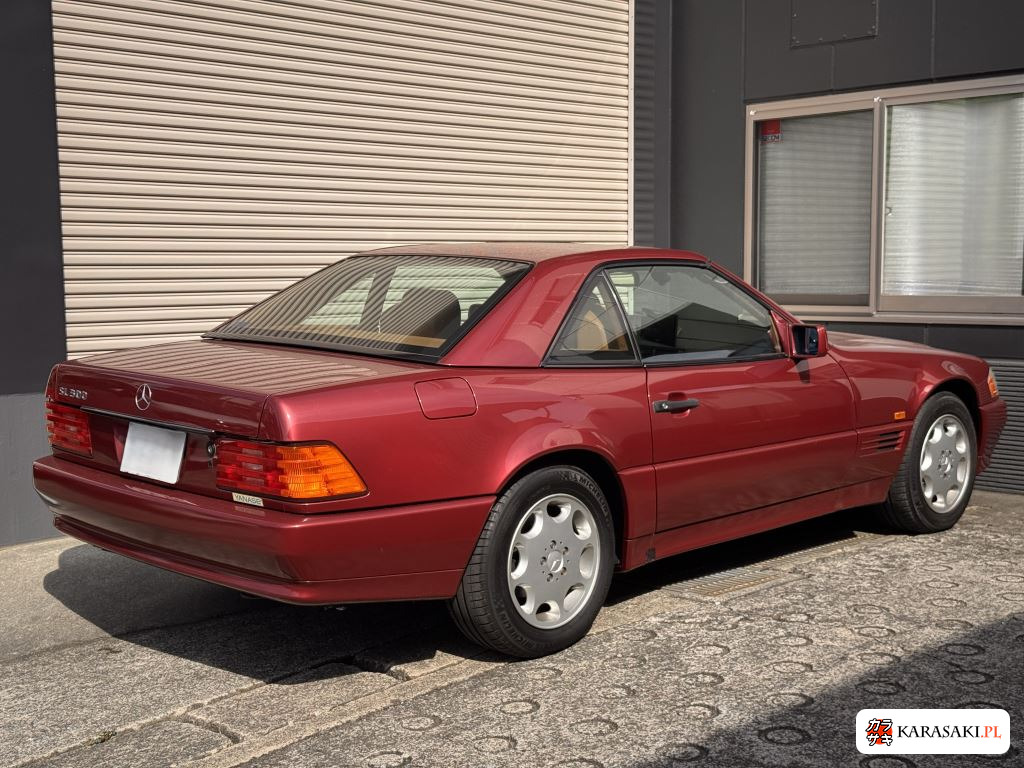
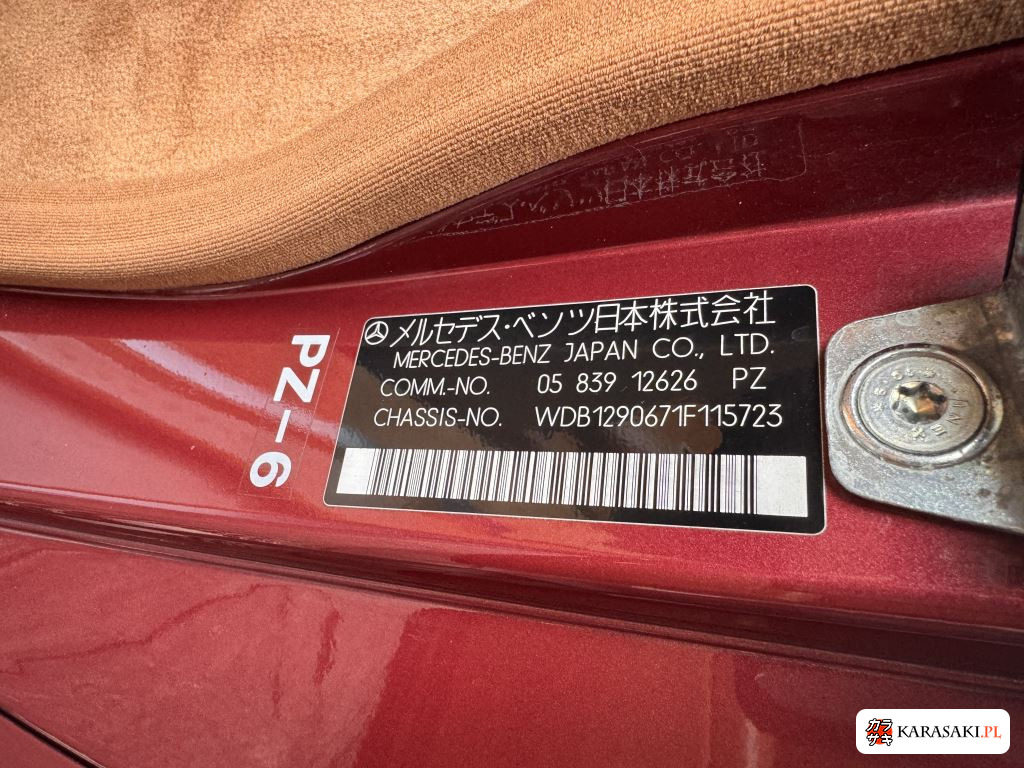
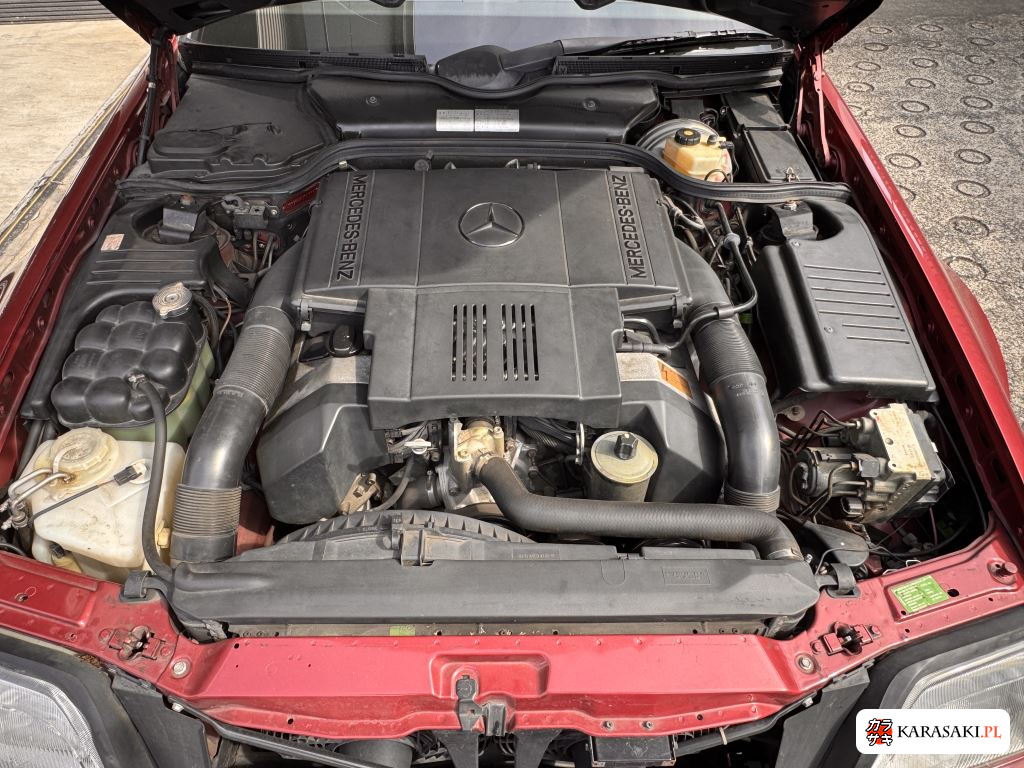
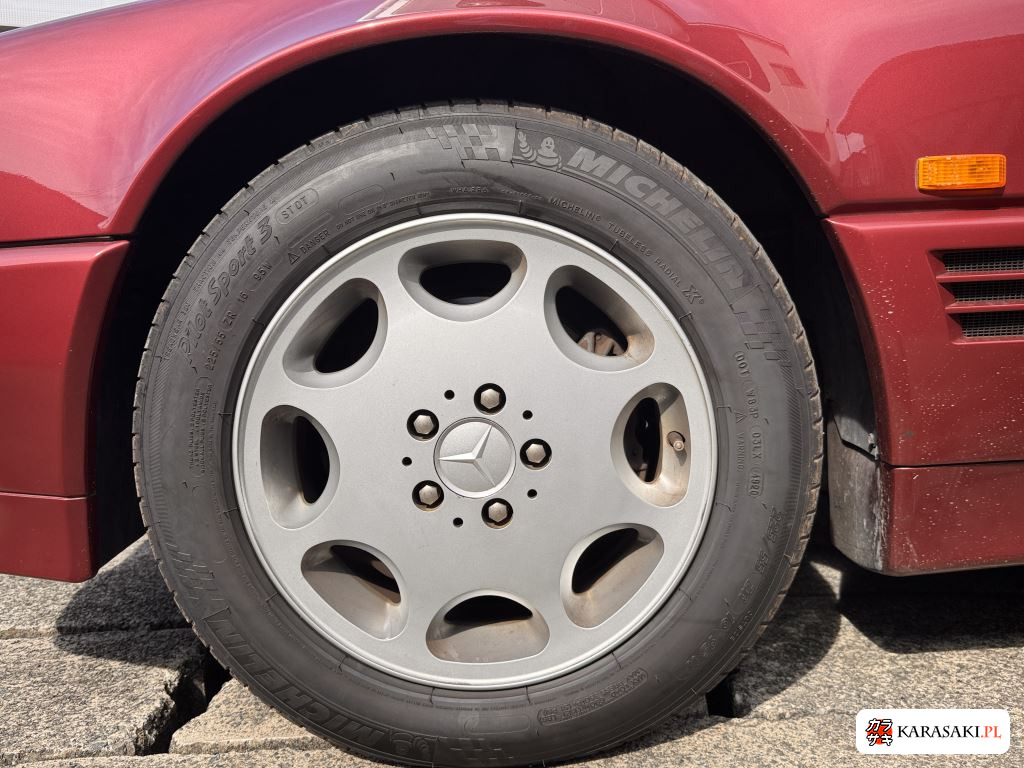
Japan is also where you find classics — the 300SL or W116 — in collector-grade condition. We dedicated a separate piece to the R129-generation SL roadster, whose Japanese examples are all left-hand drive: its versions, auction data and import bill are covered in Mercedes SL R129 from Japan.
Import process step by step
The process starts with picking a car at the Japanese auctions — always verify history and technical condition. After purchase comes ocean shipping (container or RoRo) and customs paperwork: bill of sale, certificate of origin, customs documents. The last step is registration at the Polish vehicle office, plus plates and insurance. The owner handles that step, with the full set of documents supplied by the importer.
Mercedesy z Japonii na aukcji

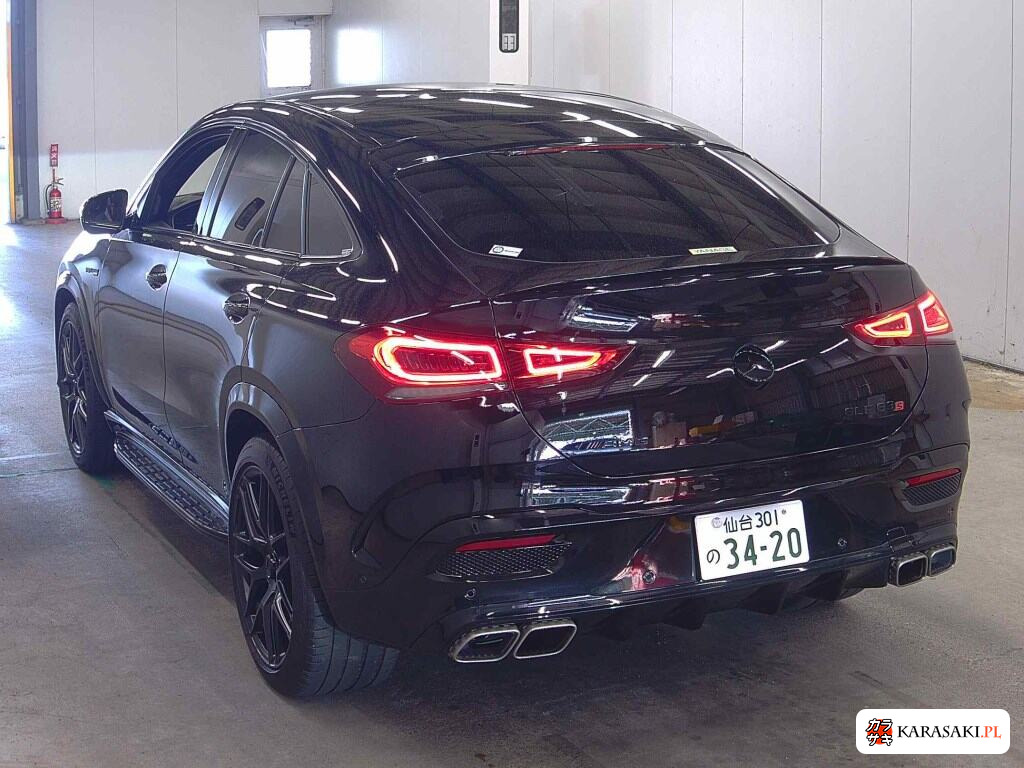
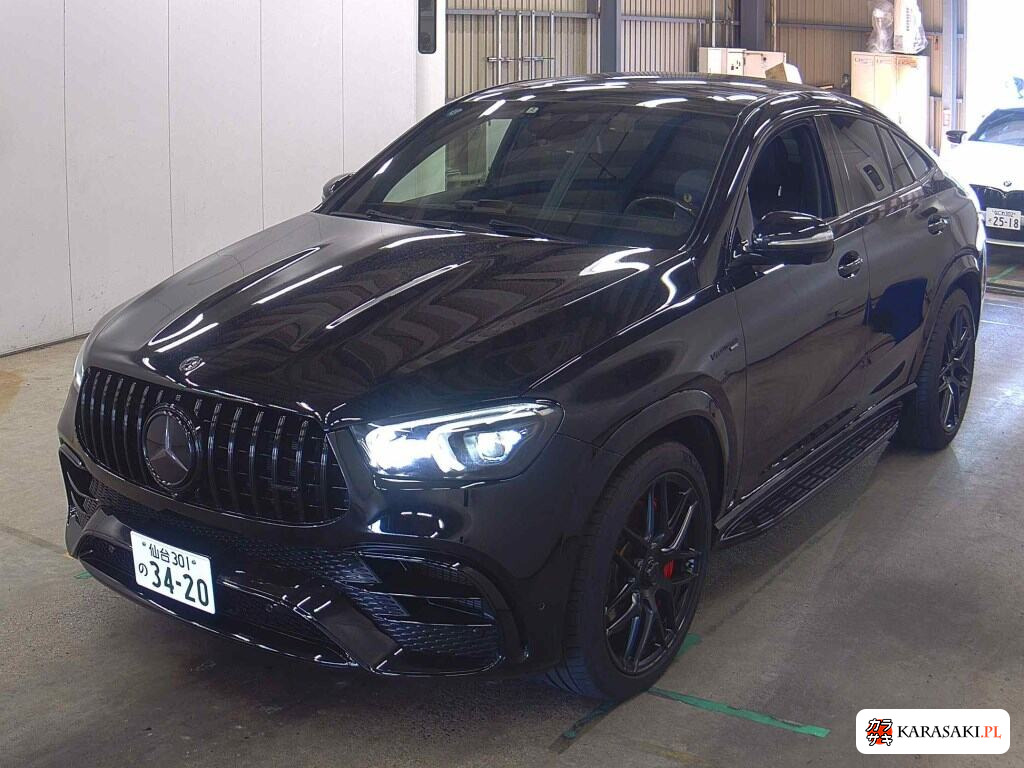
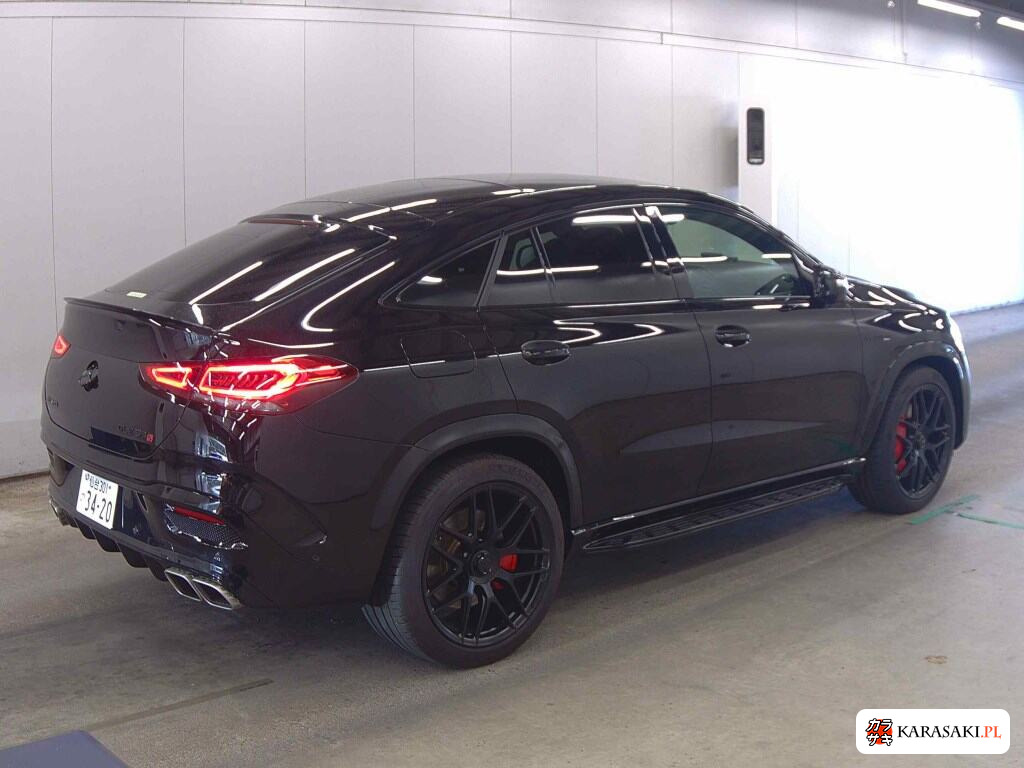
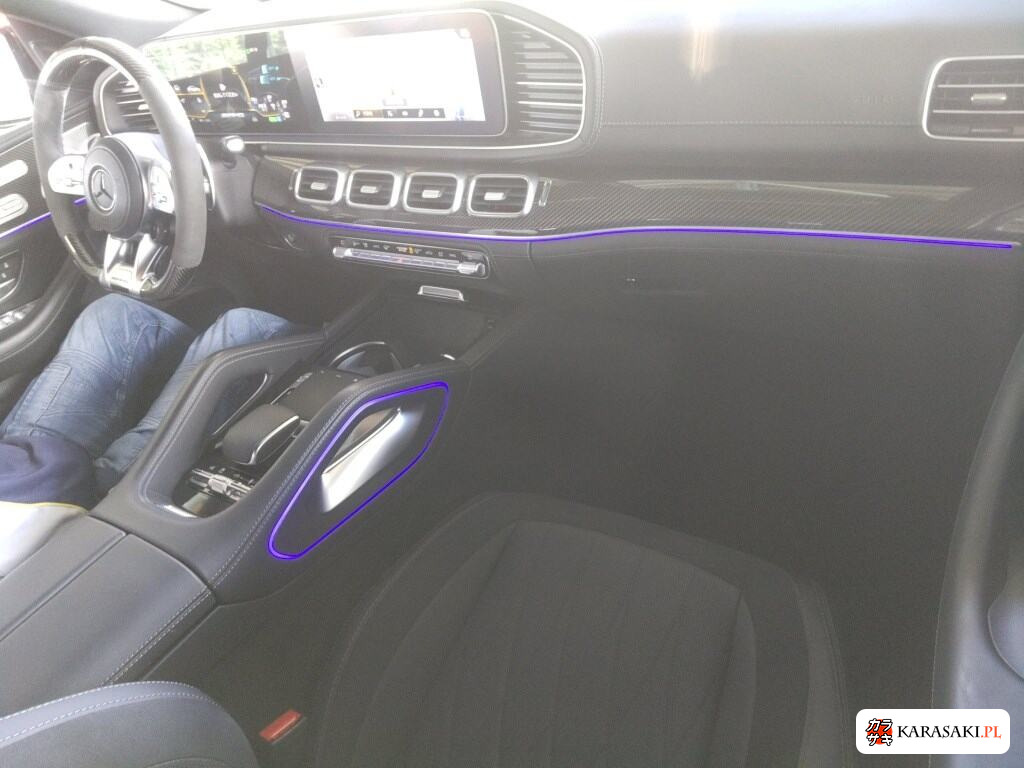
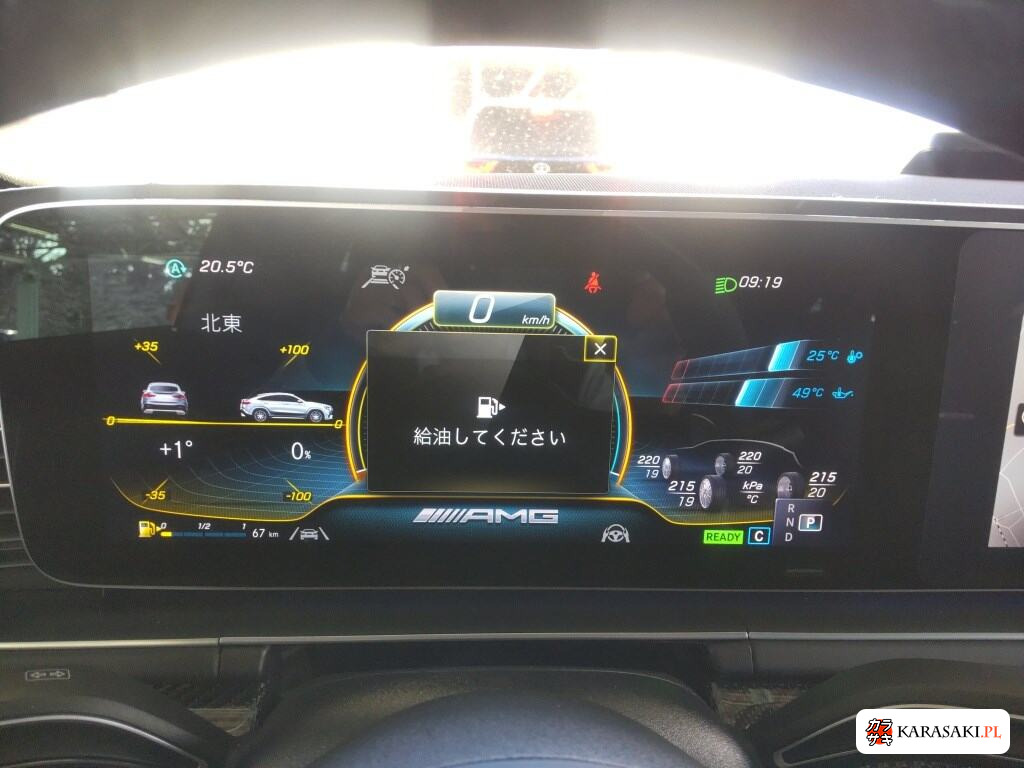
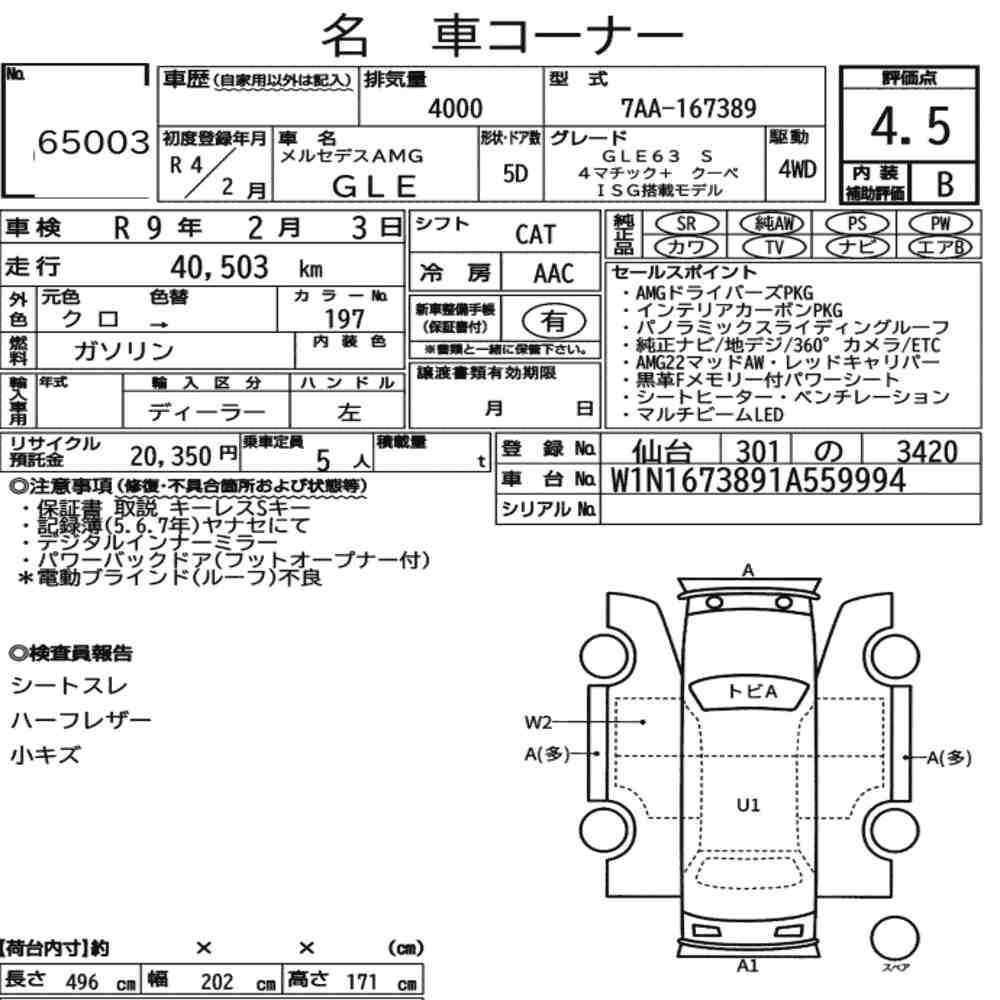

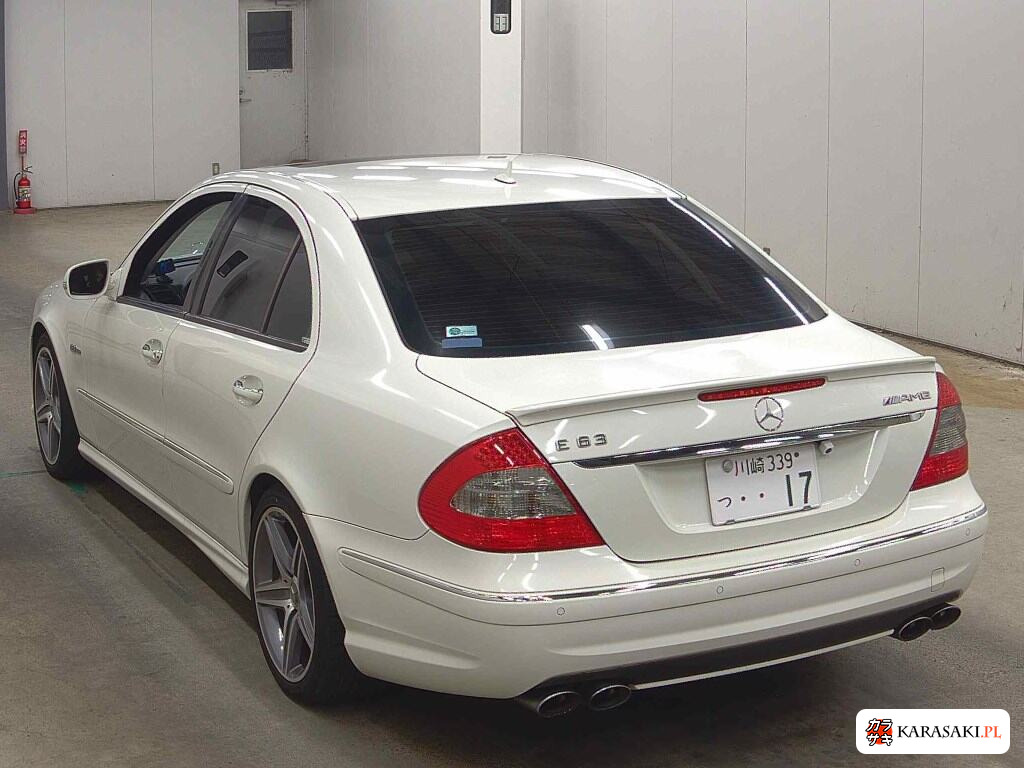
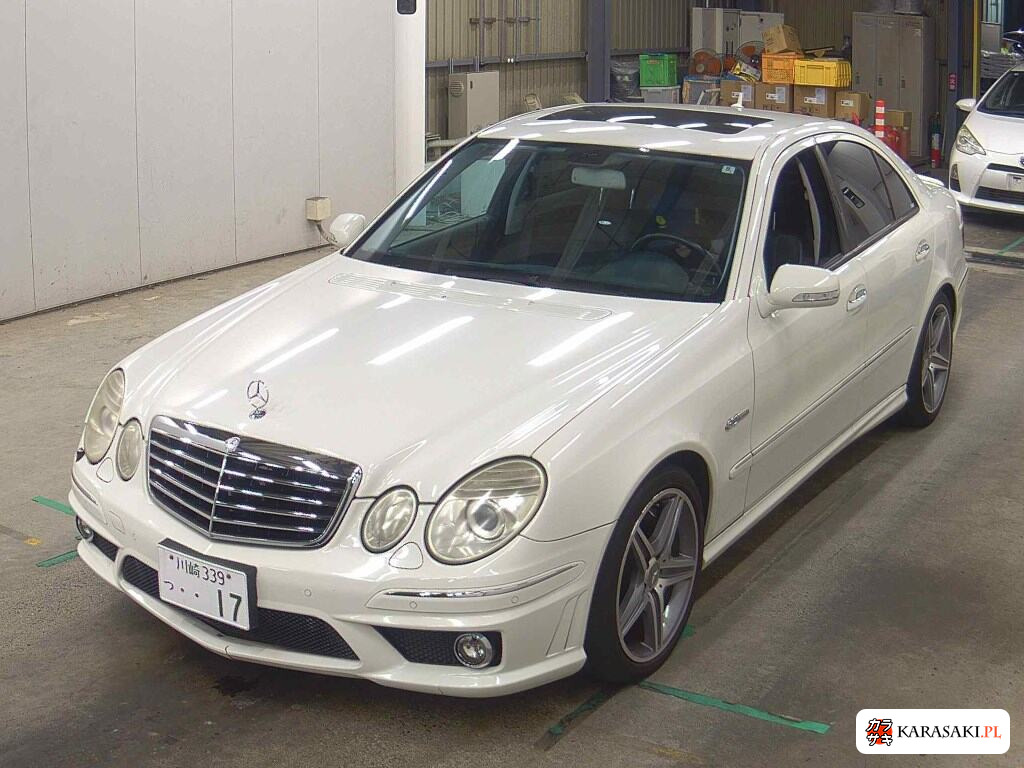
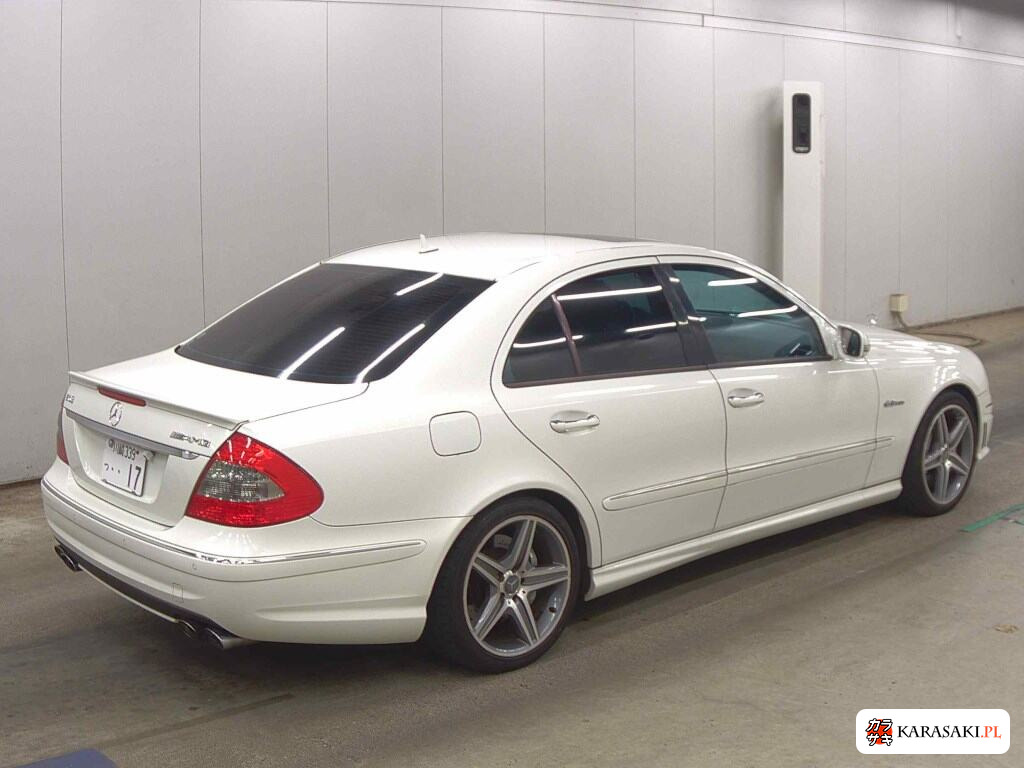
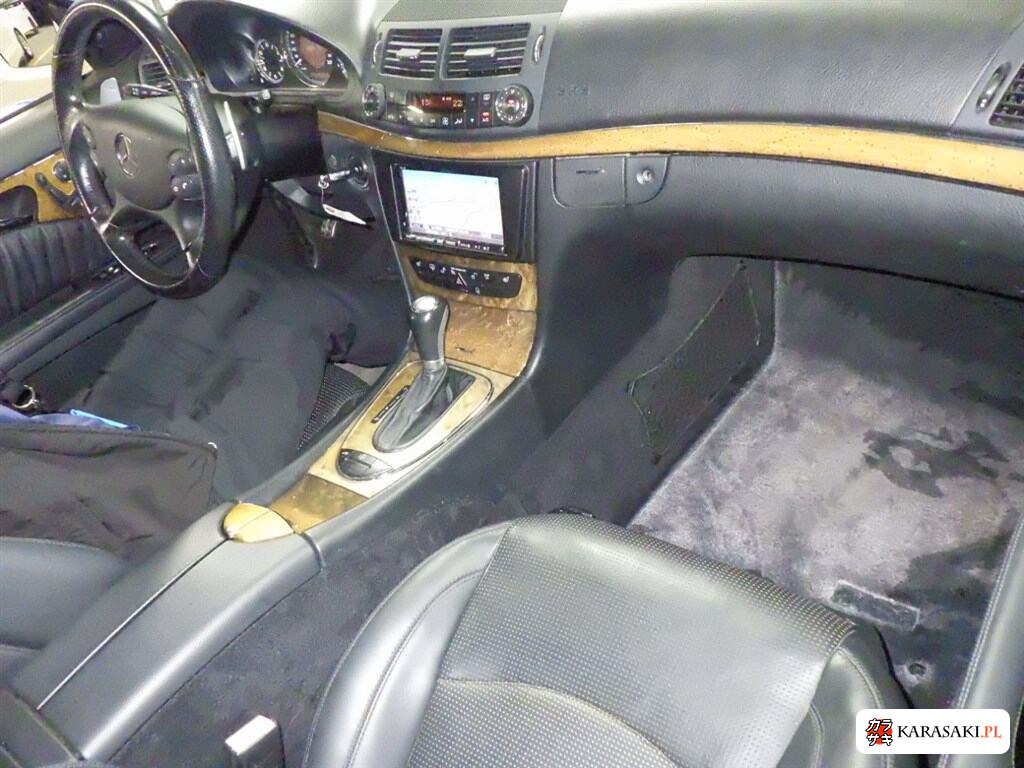
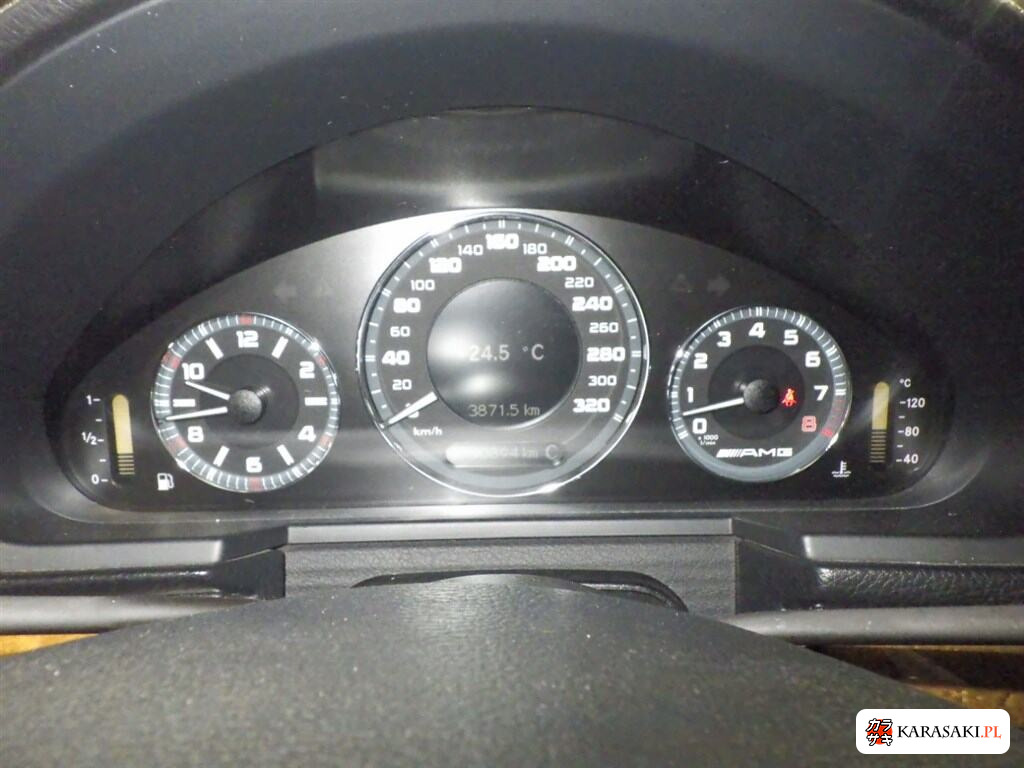
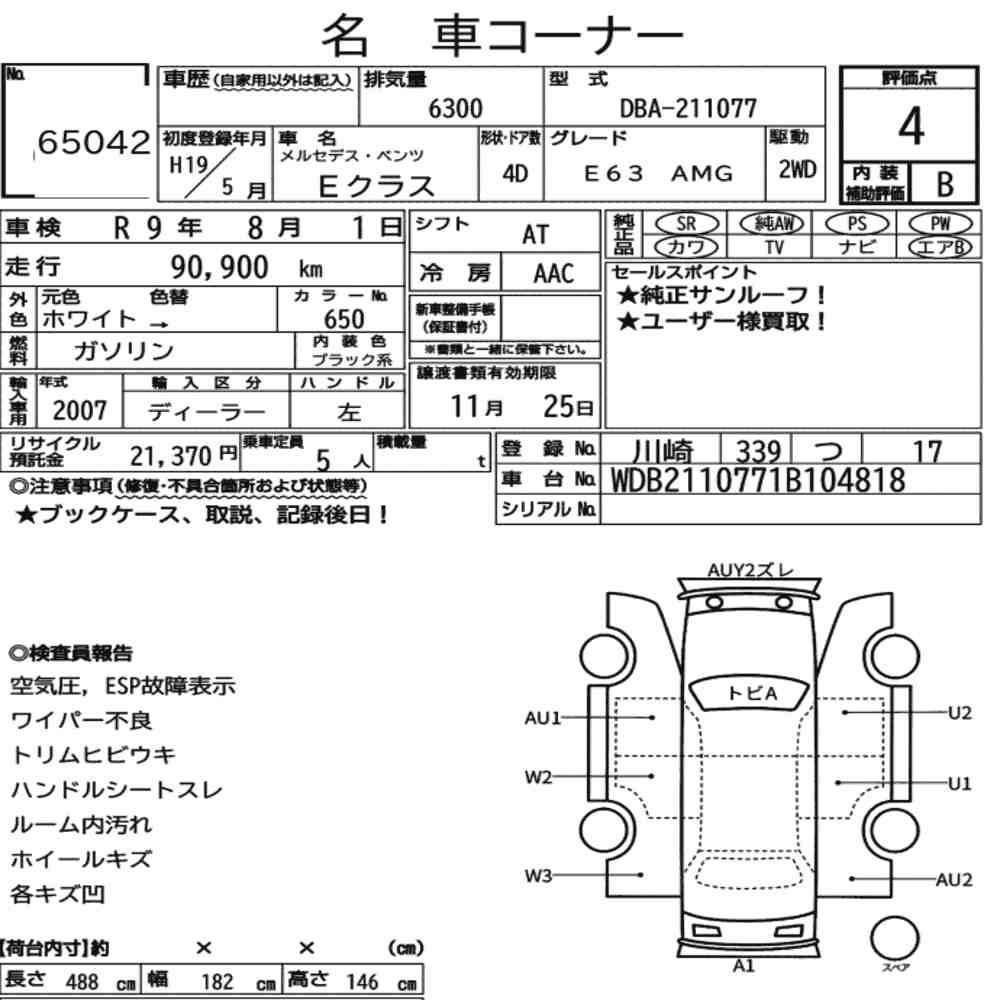

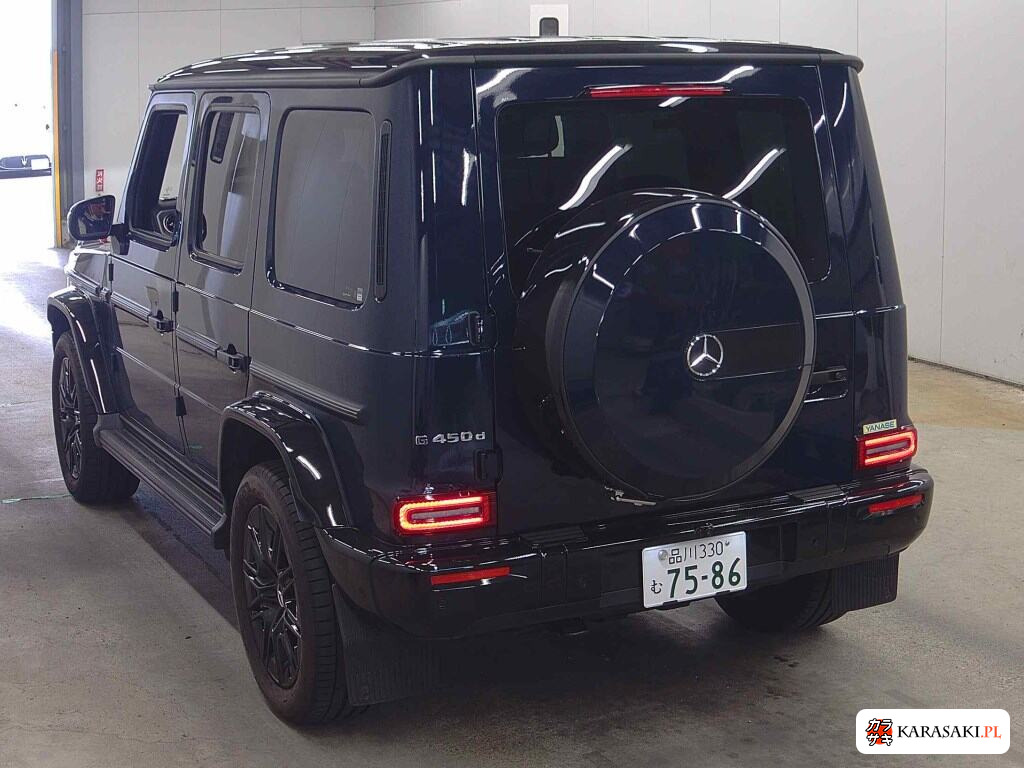
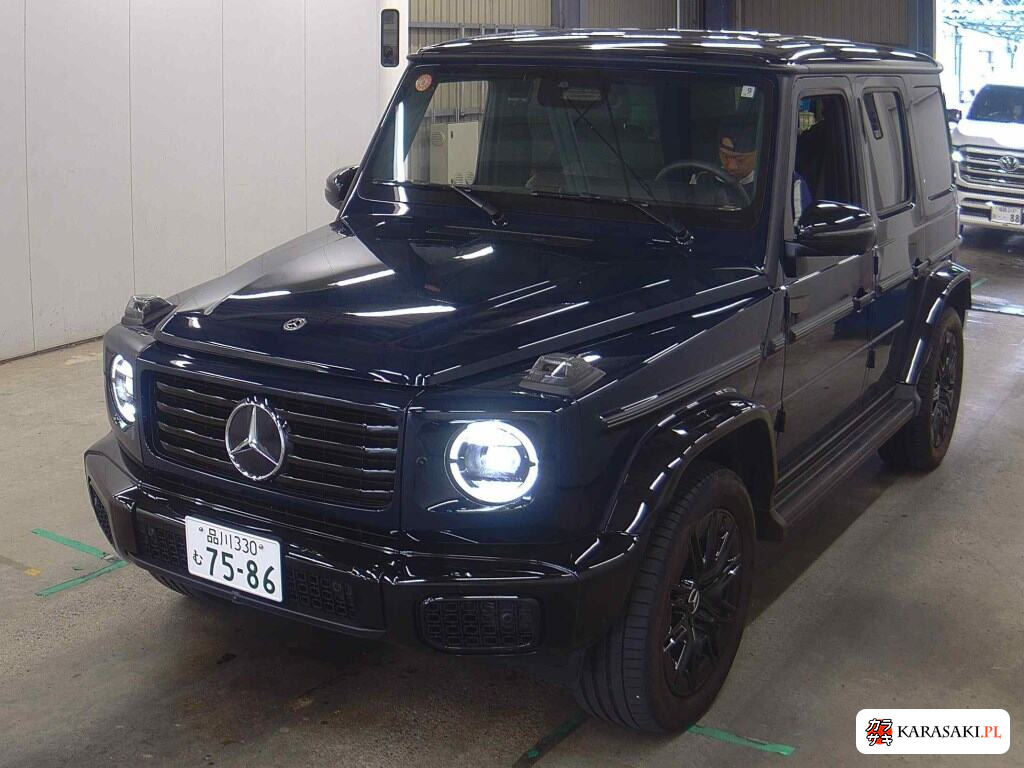
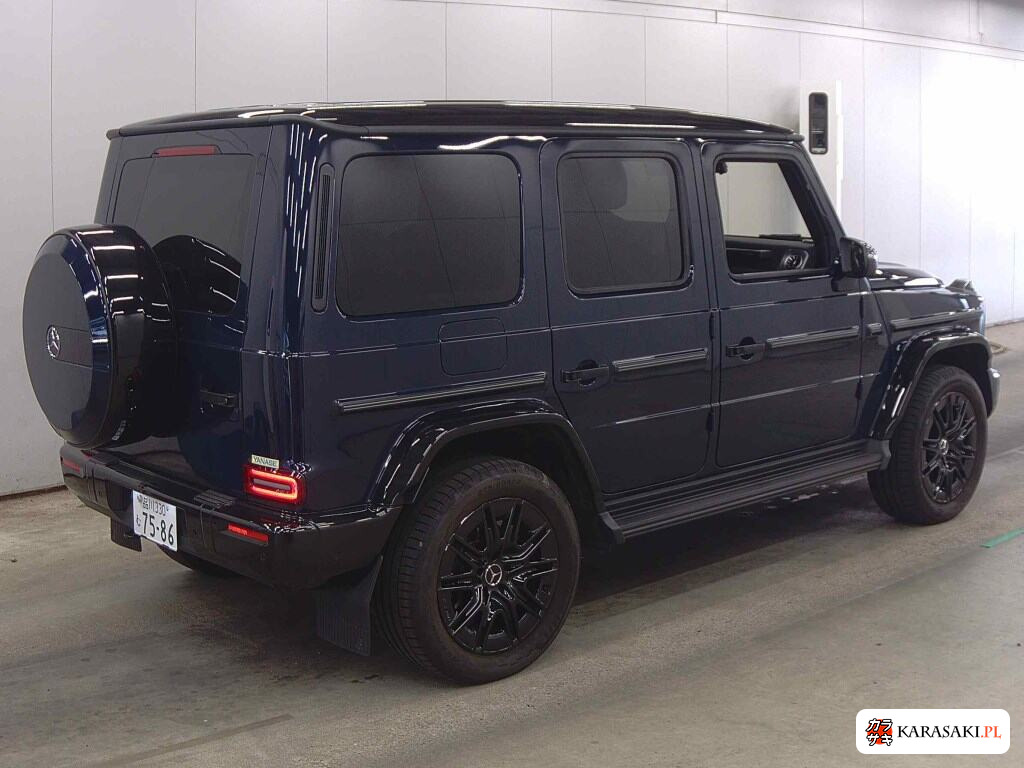
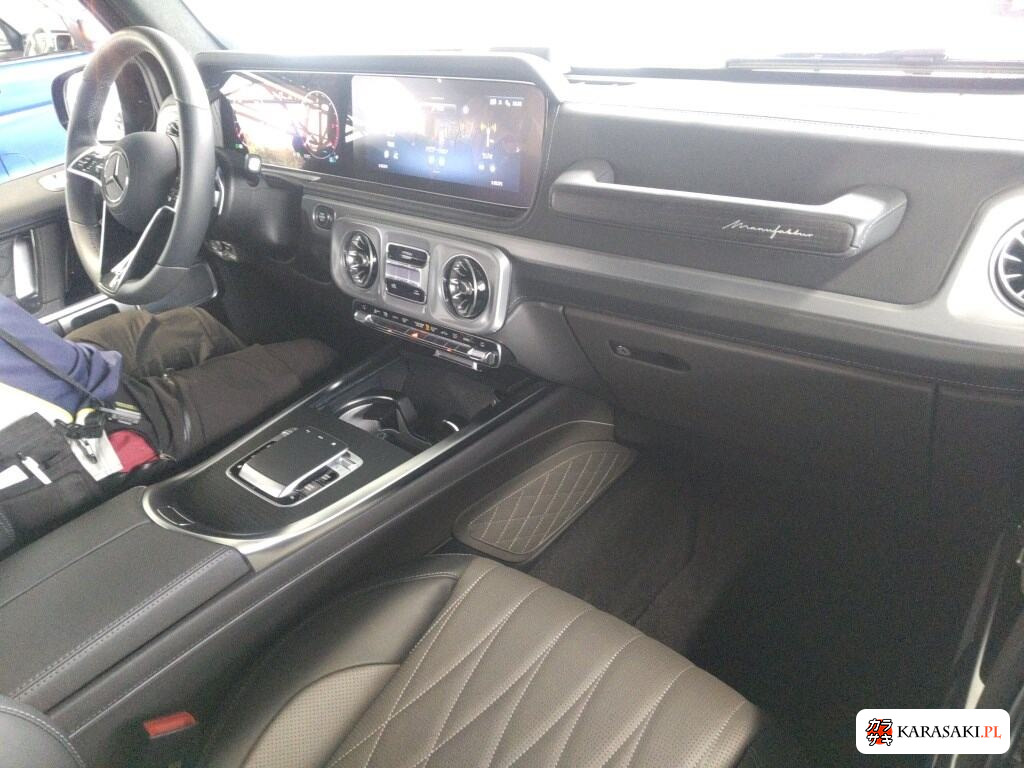
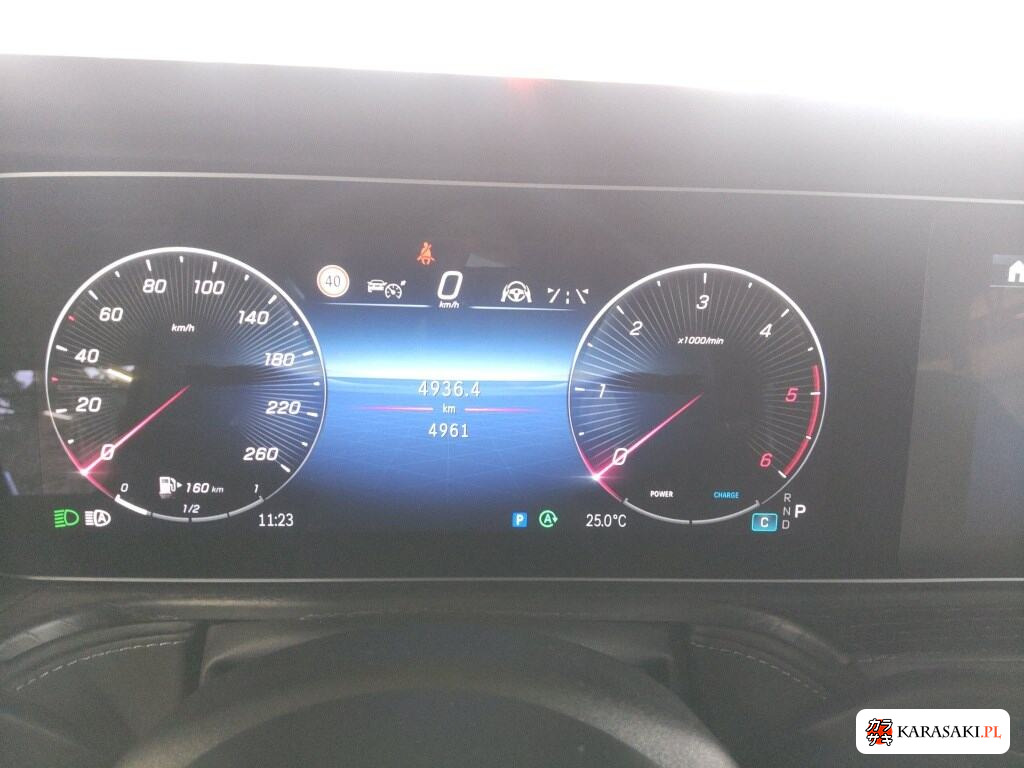
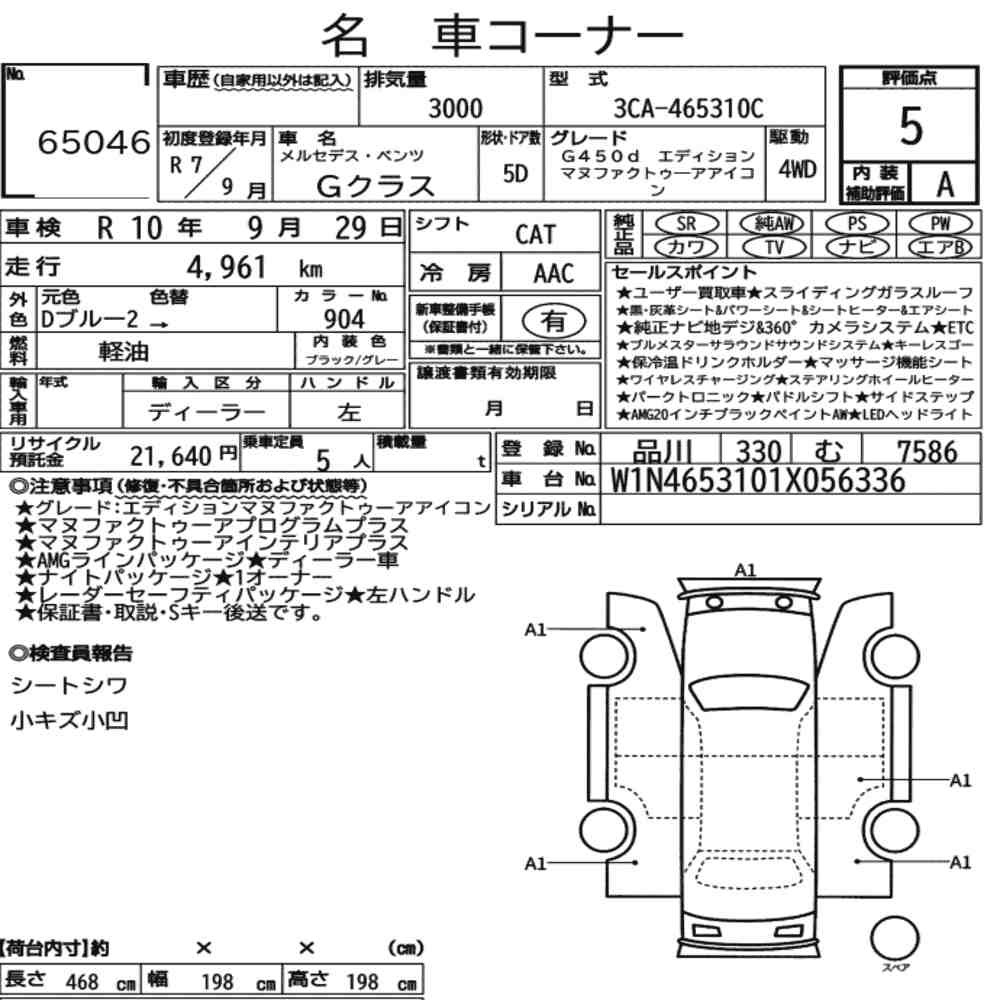

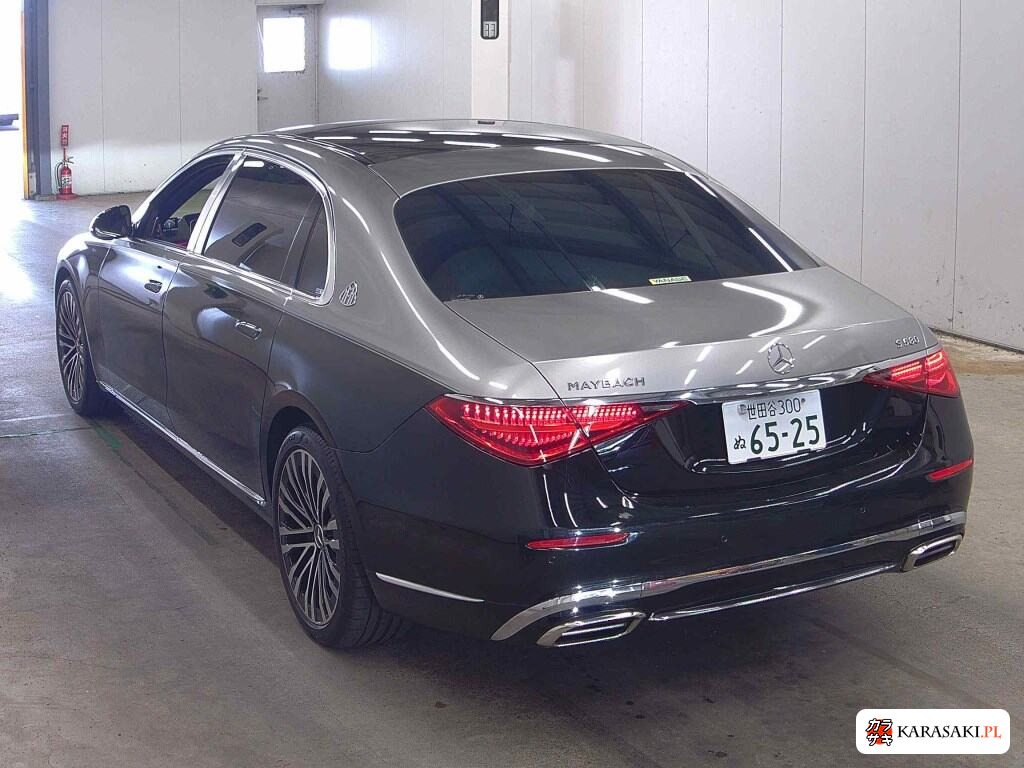
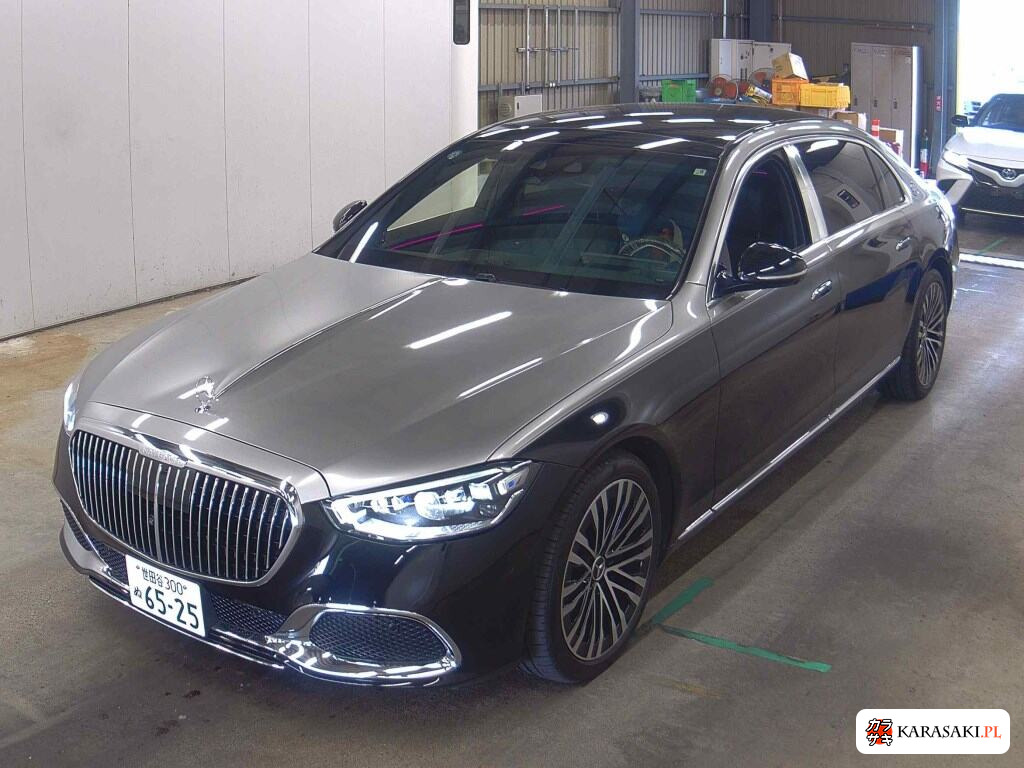
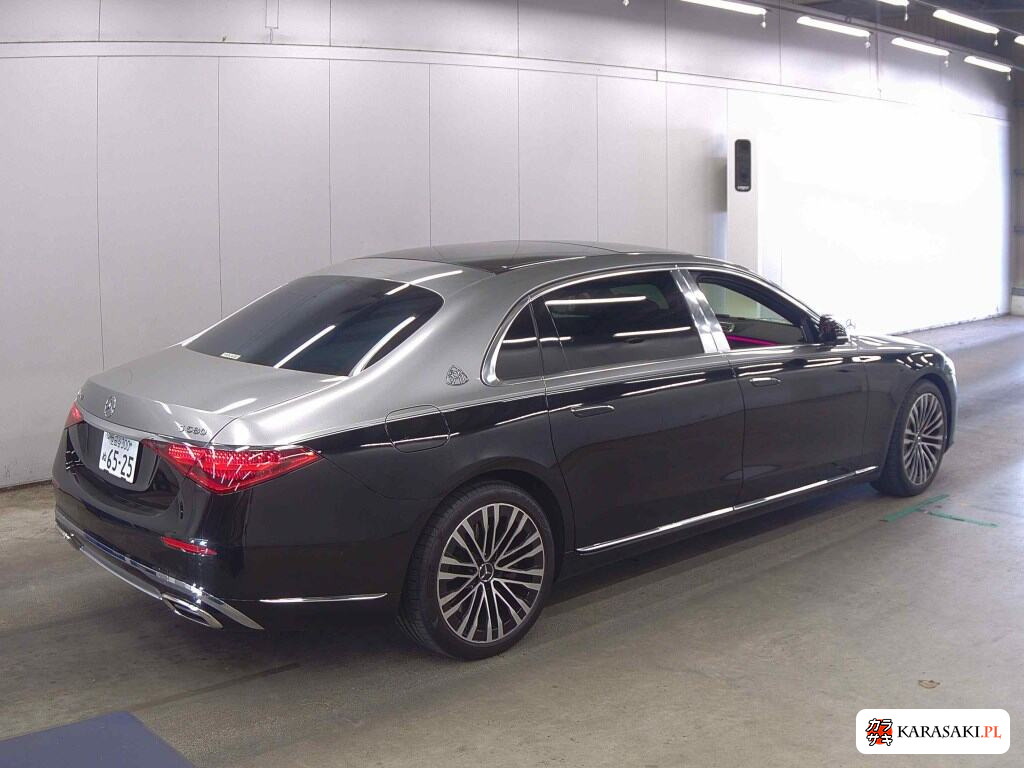
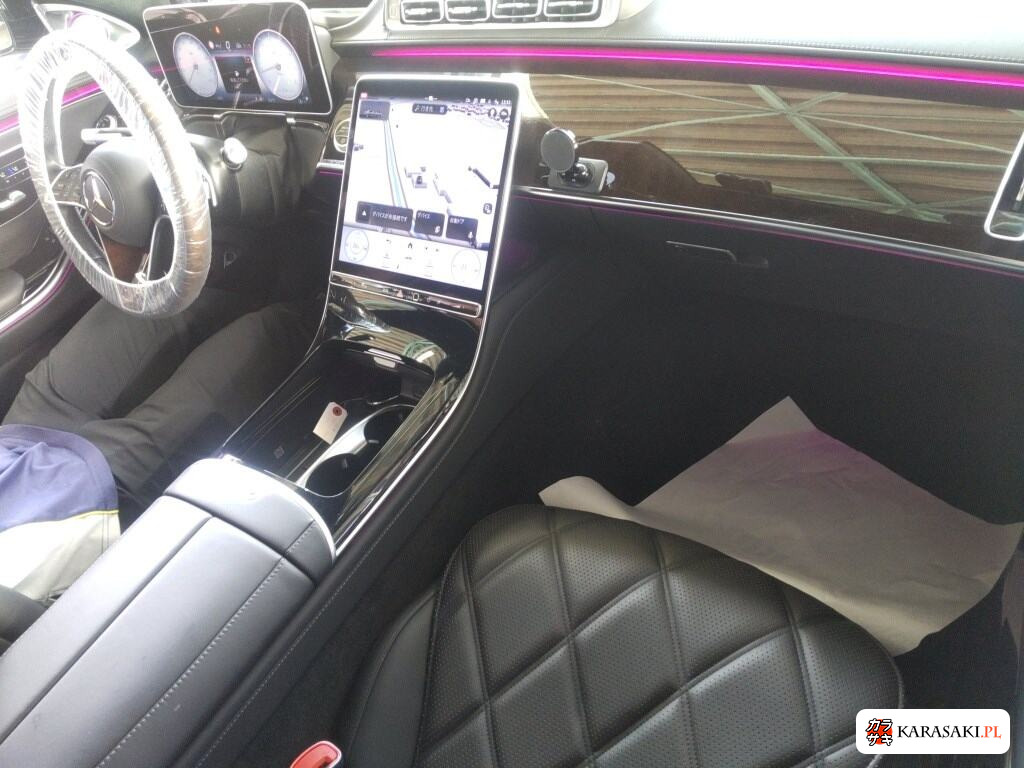
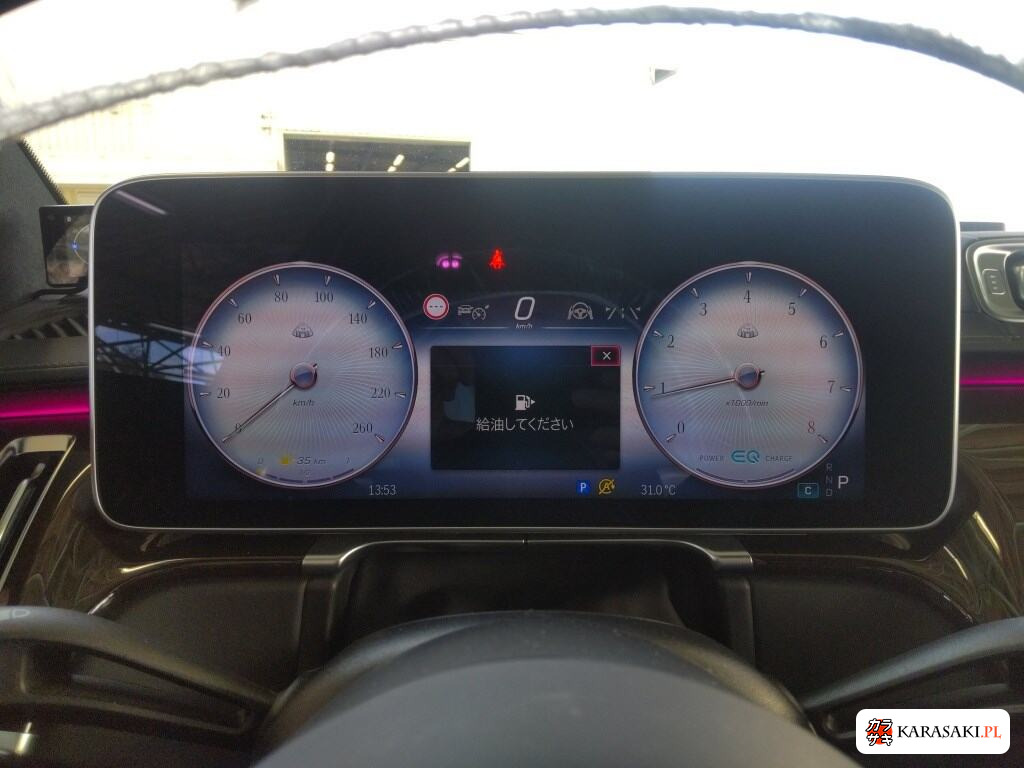
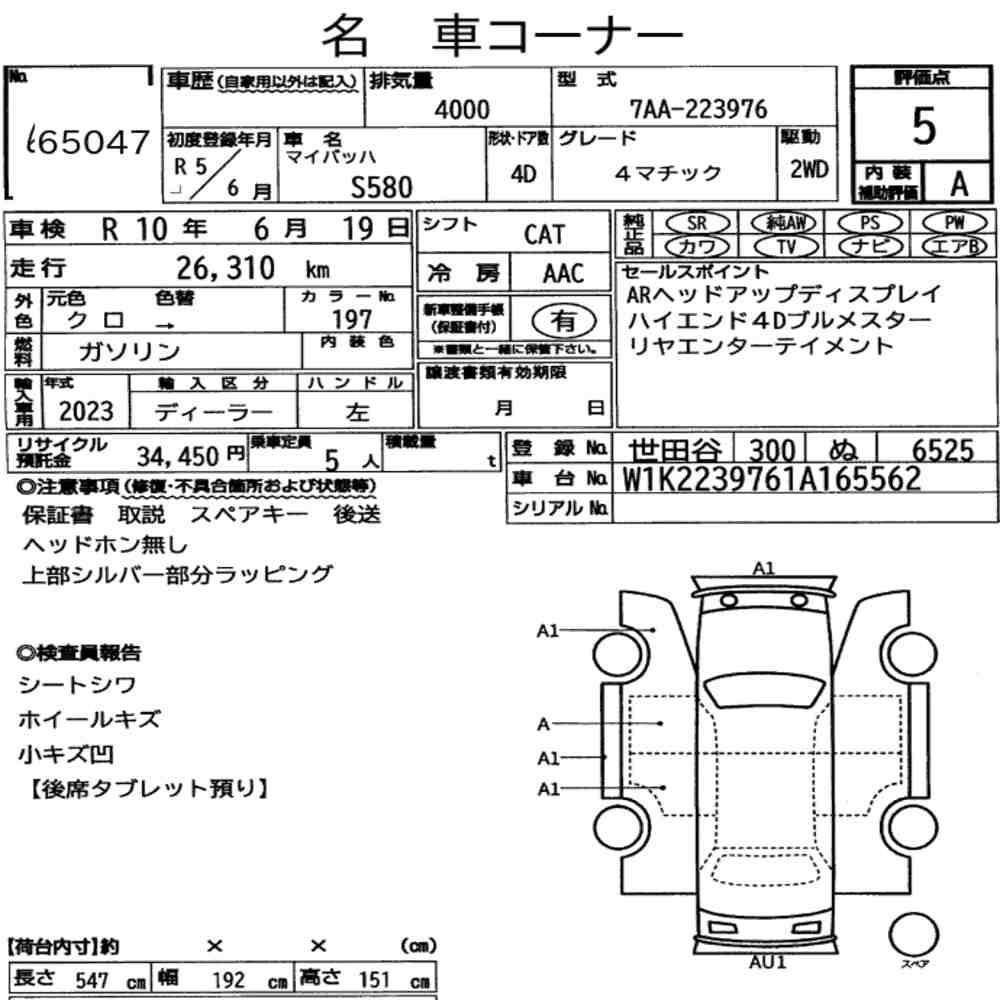

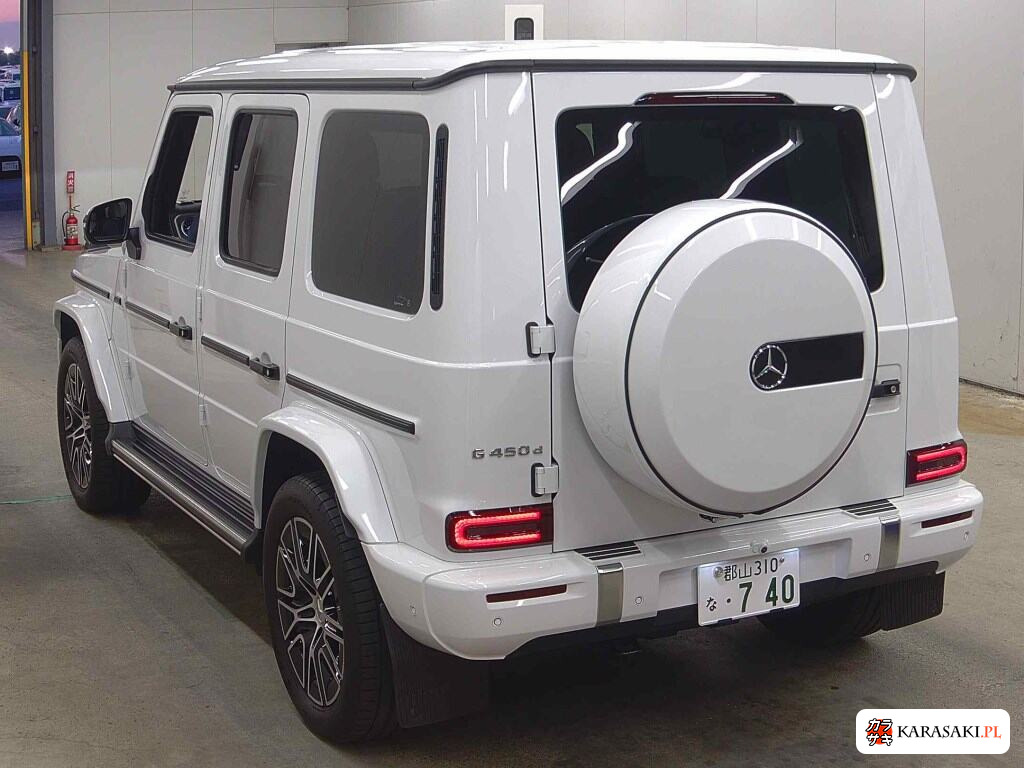
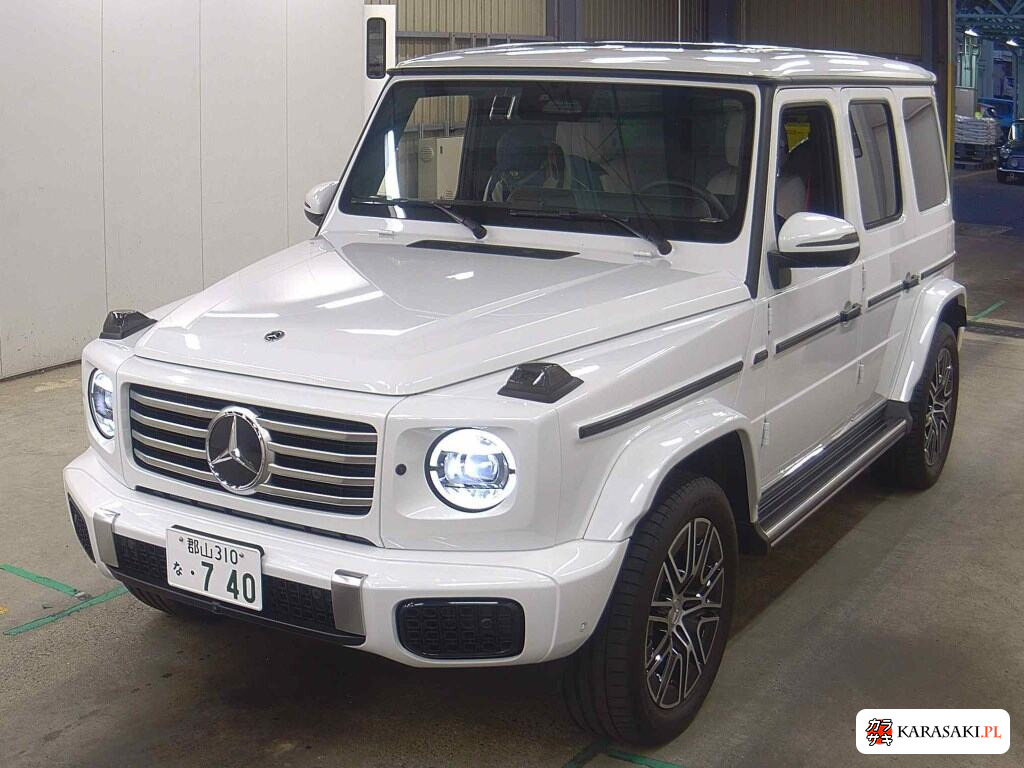
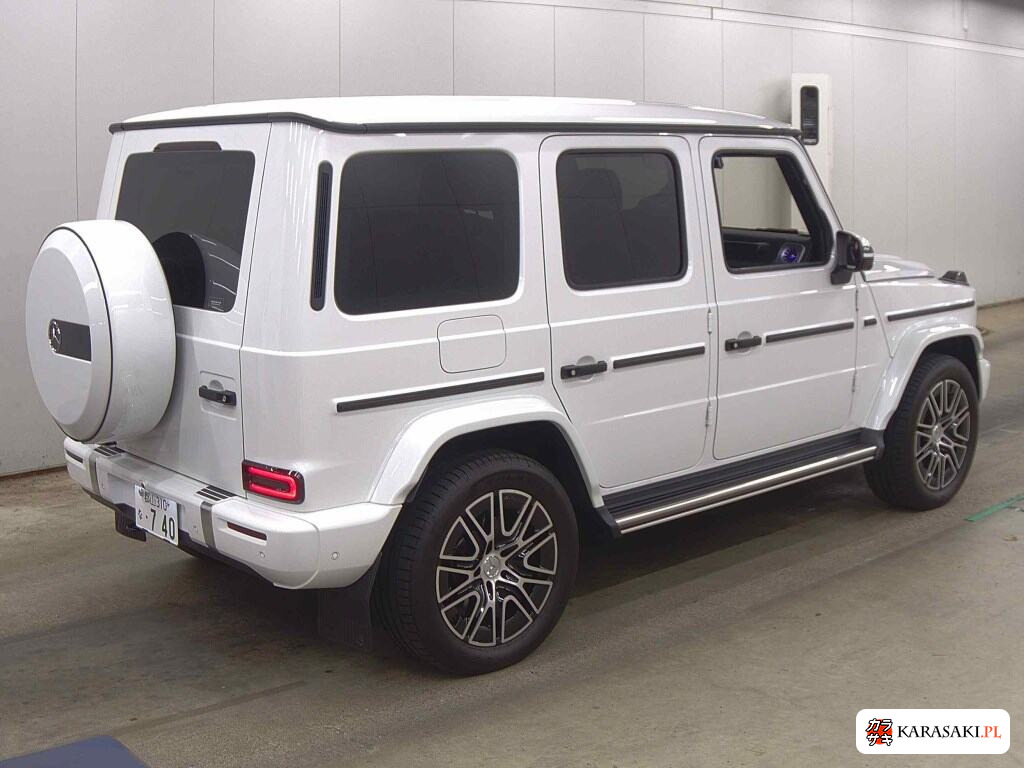
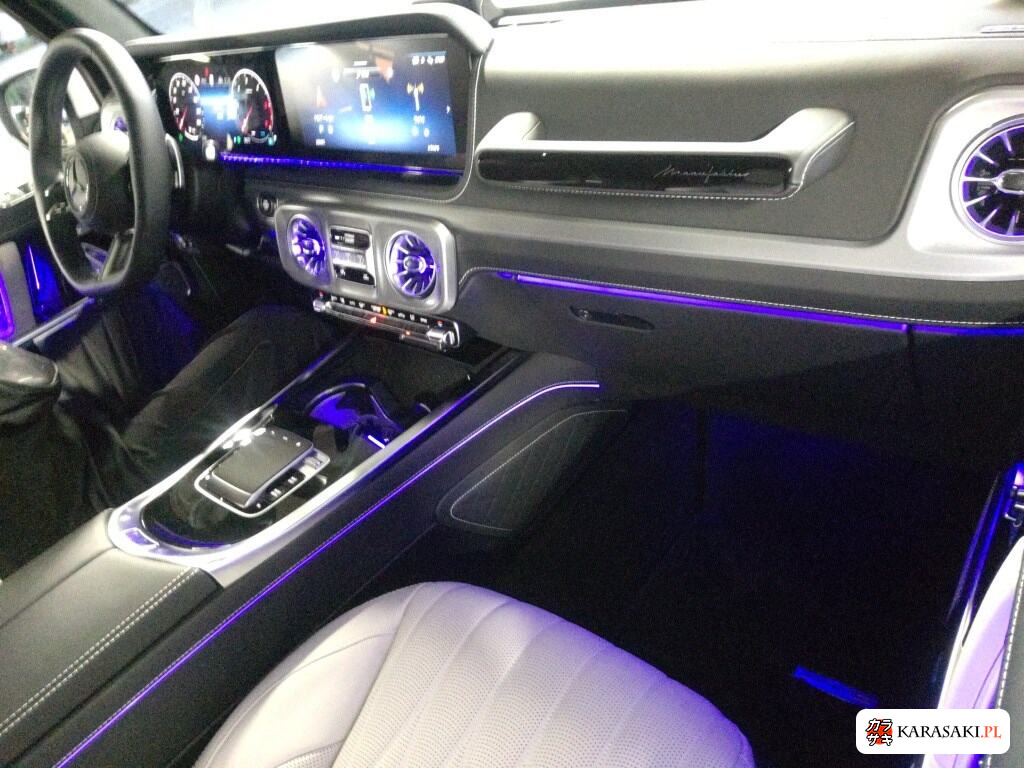
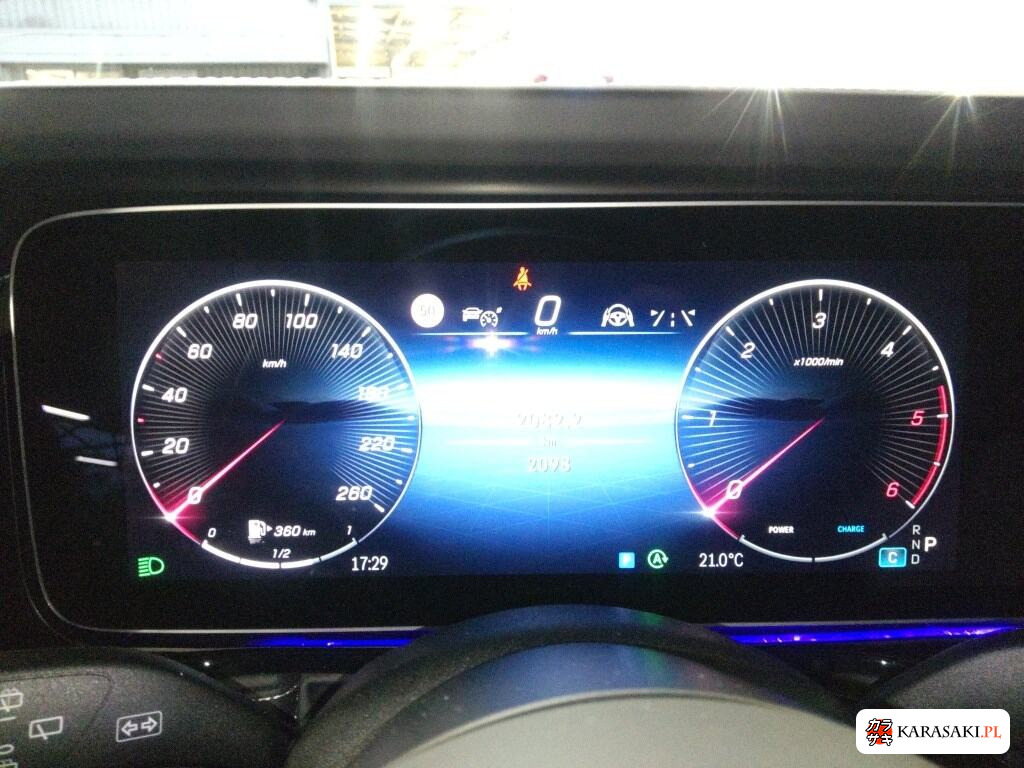
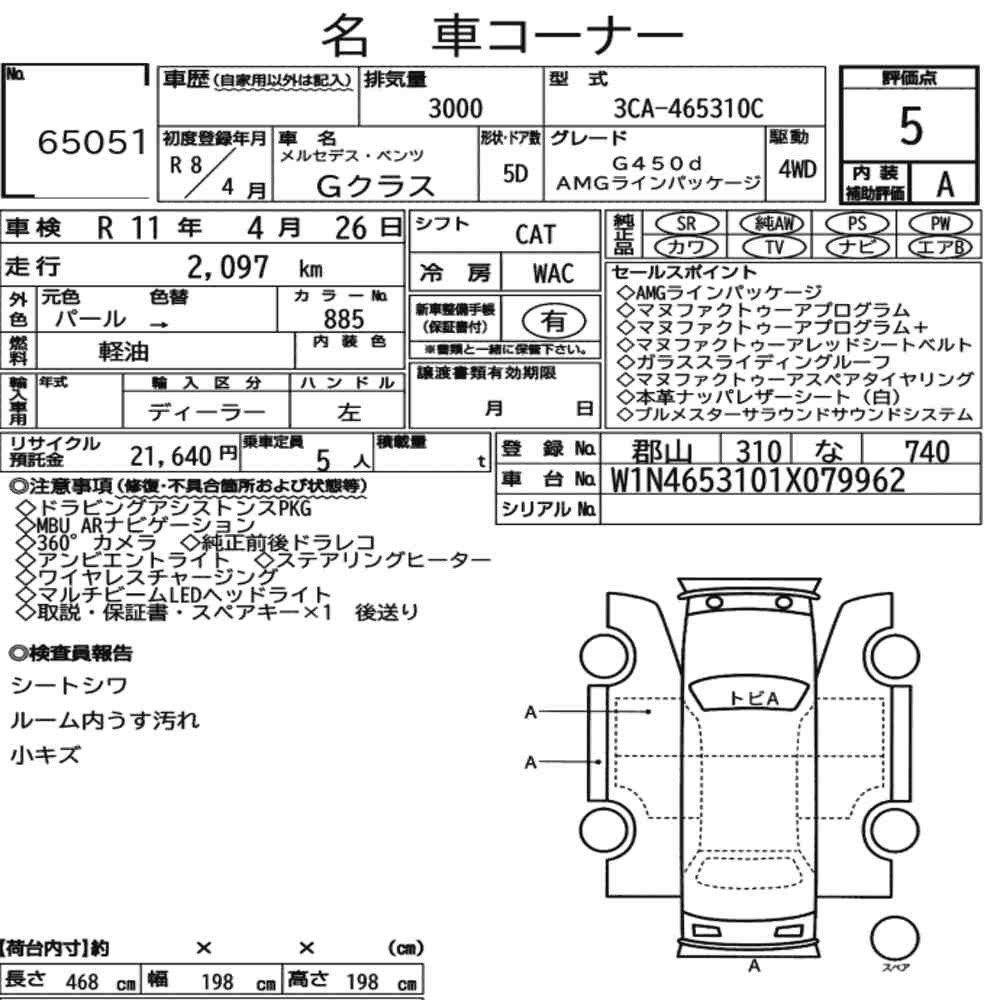

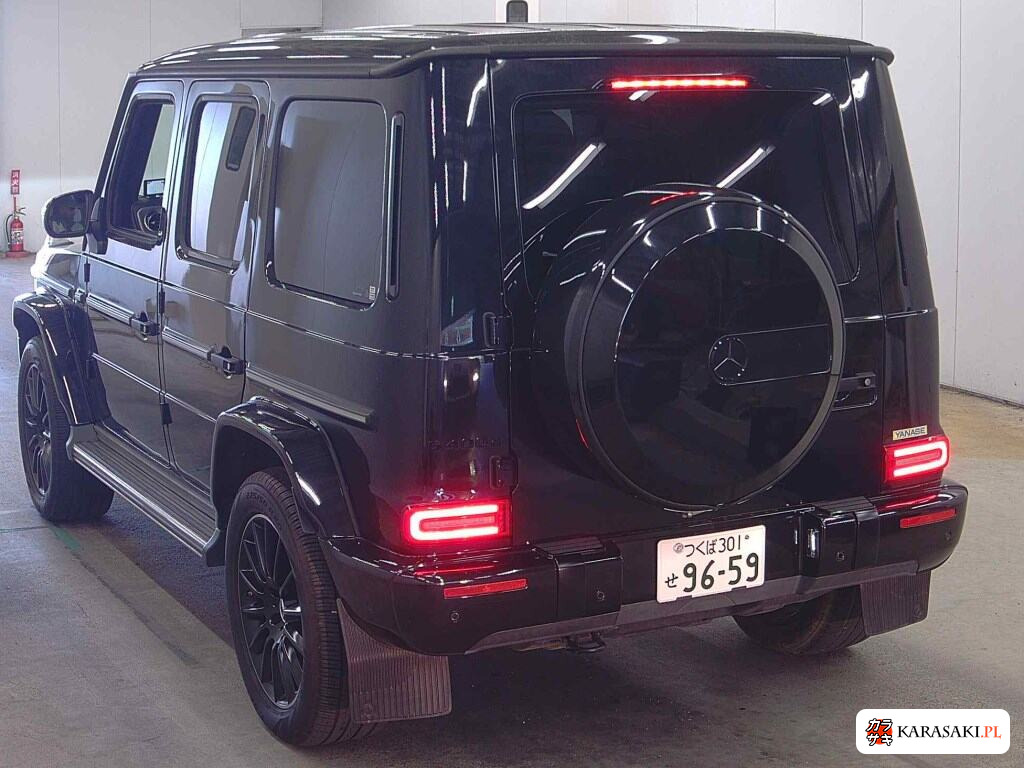
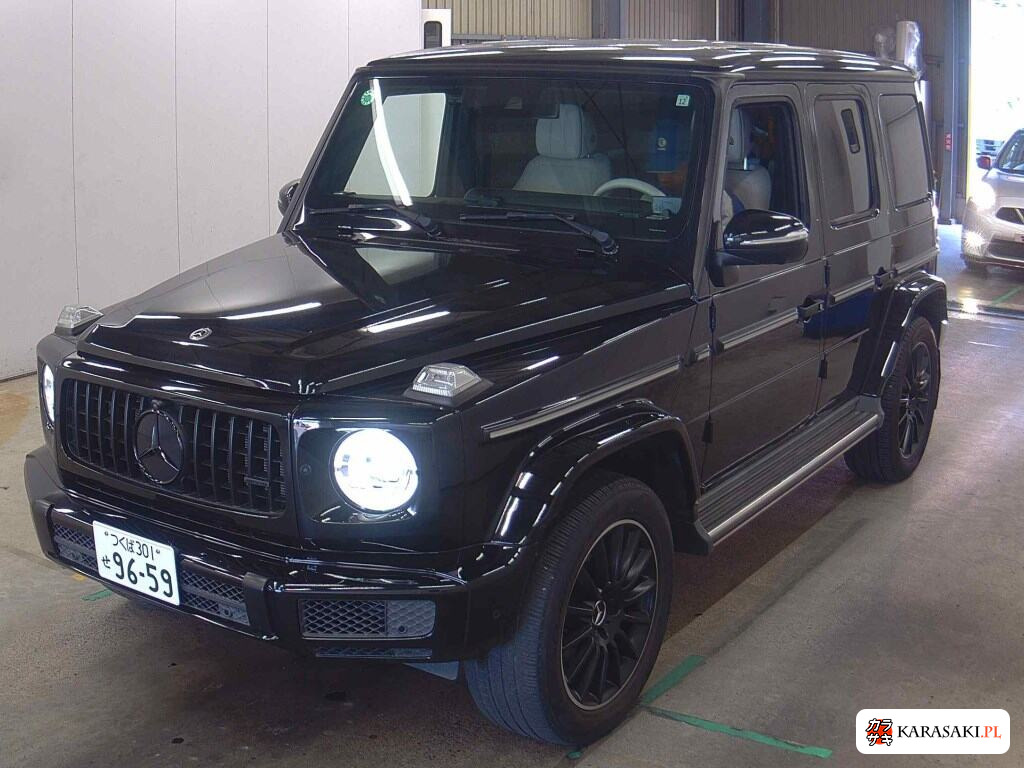
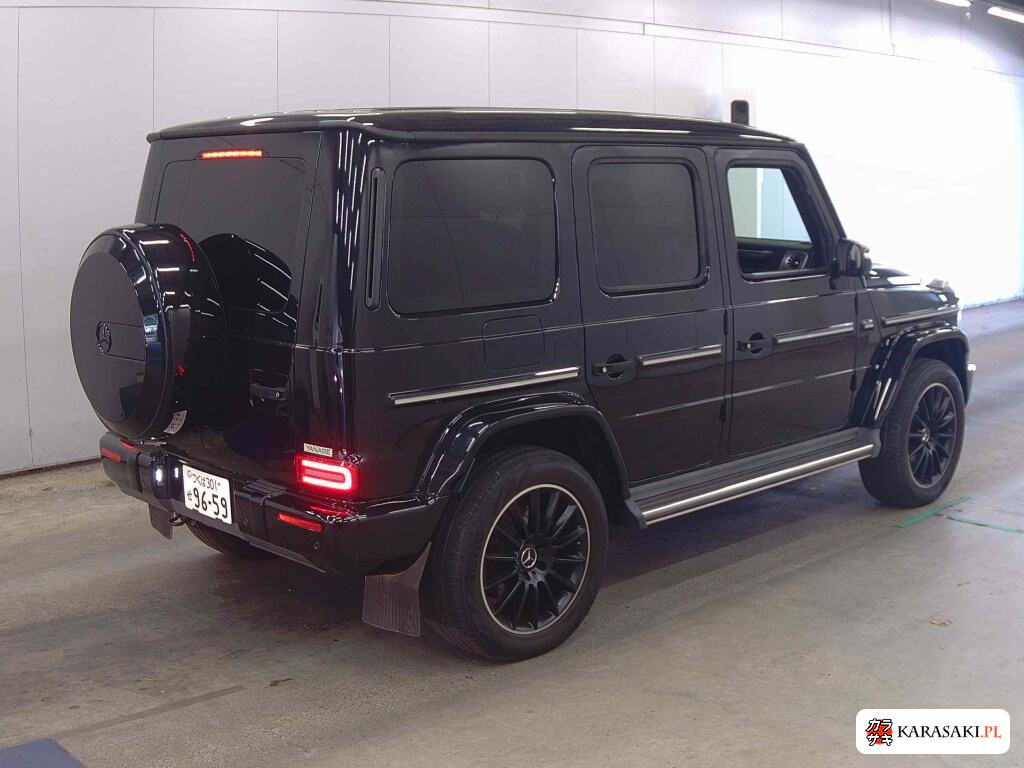
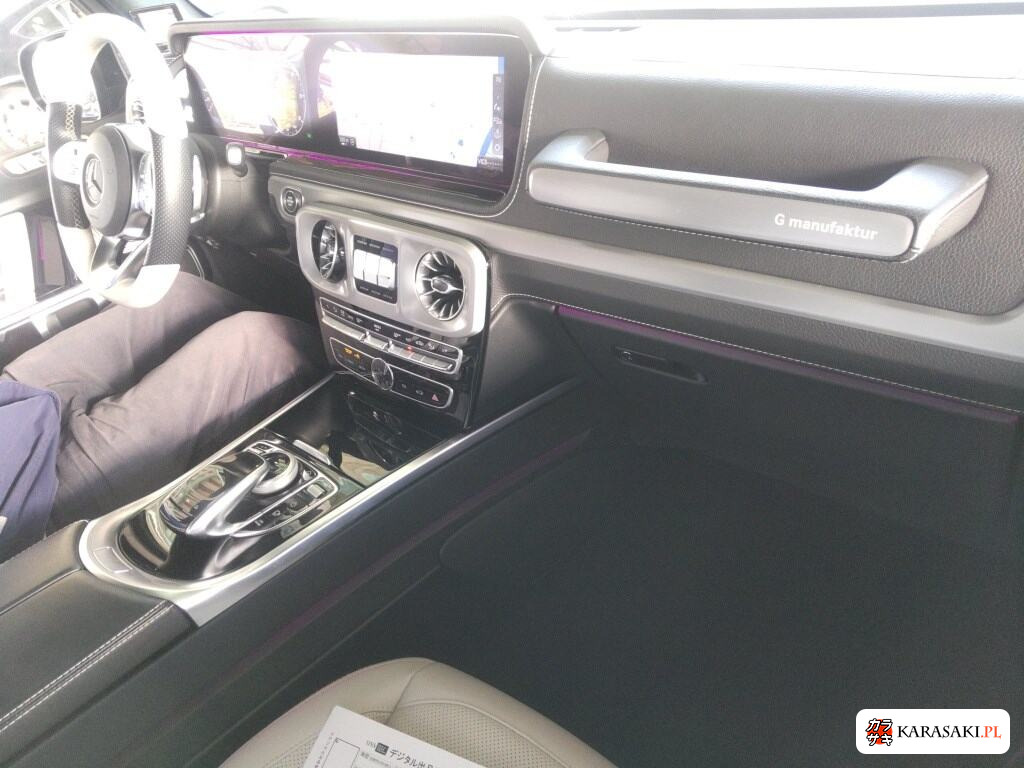
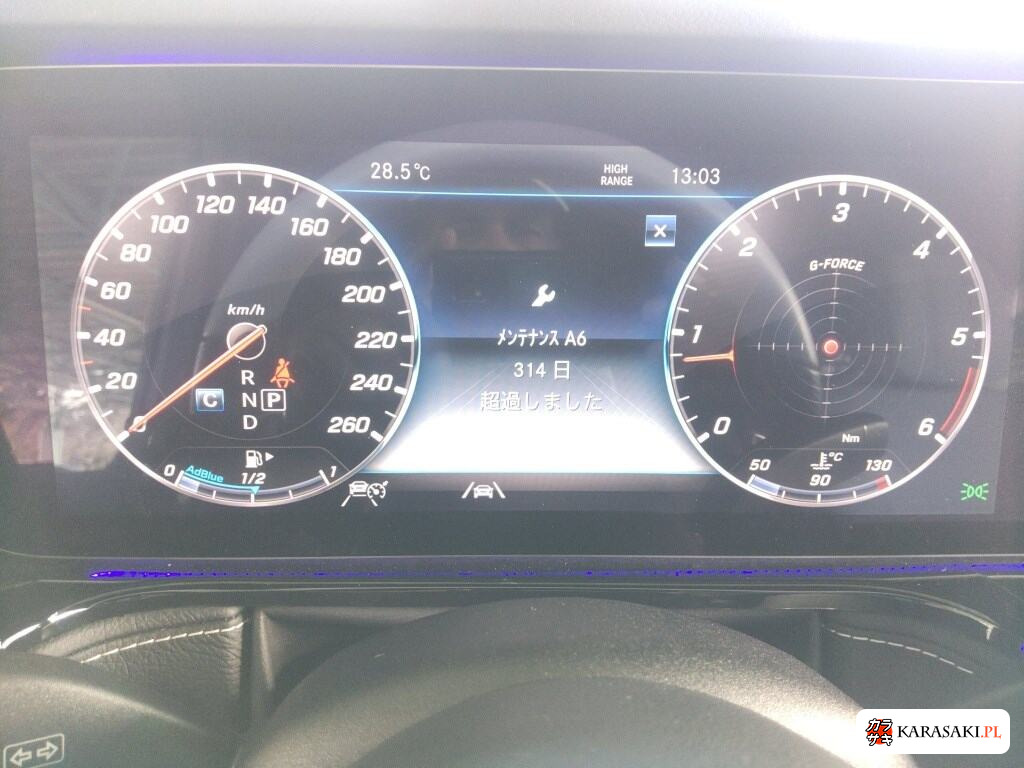
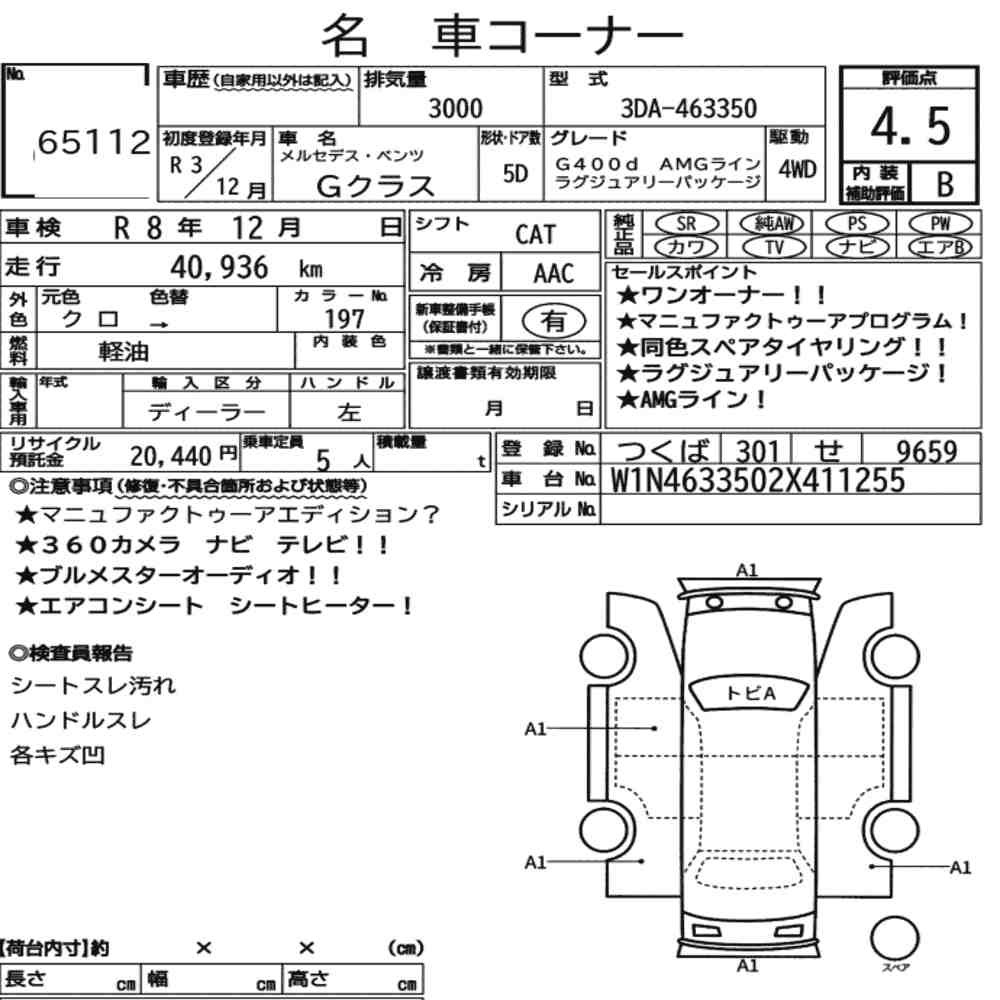

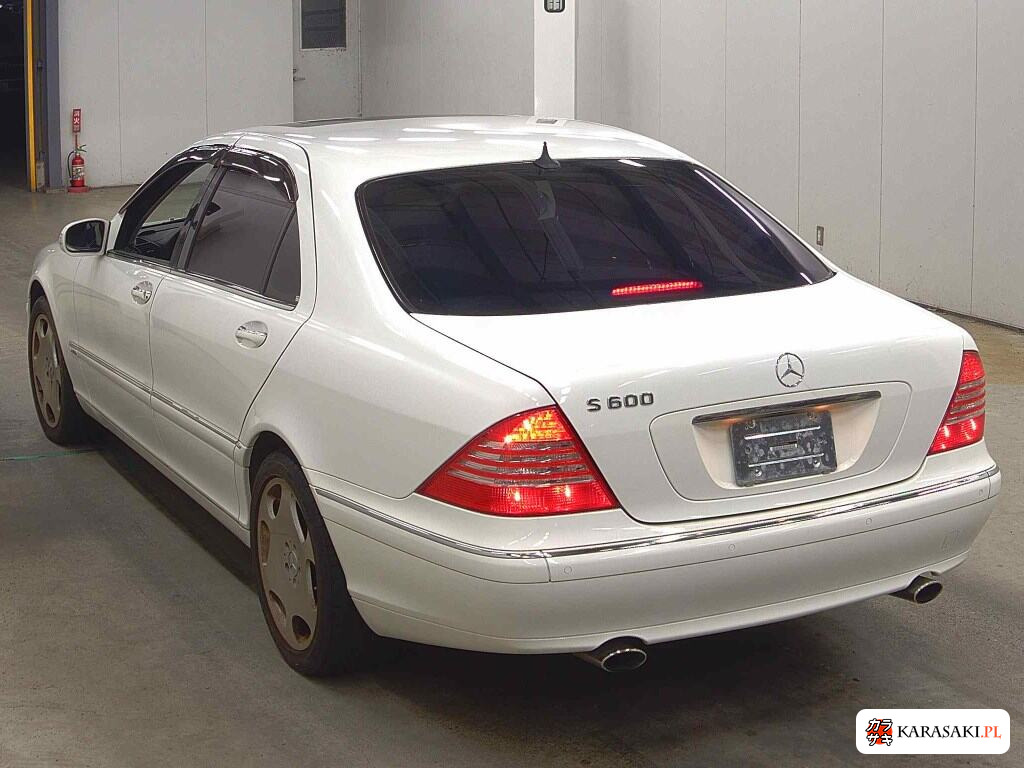
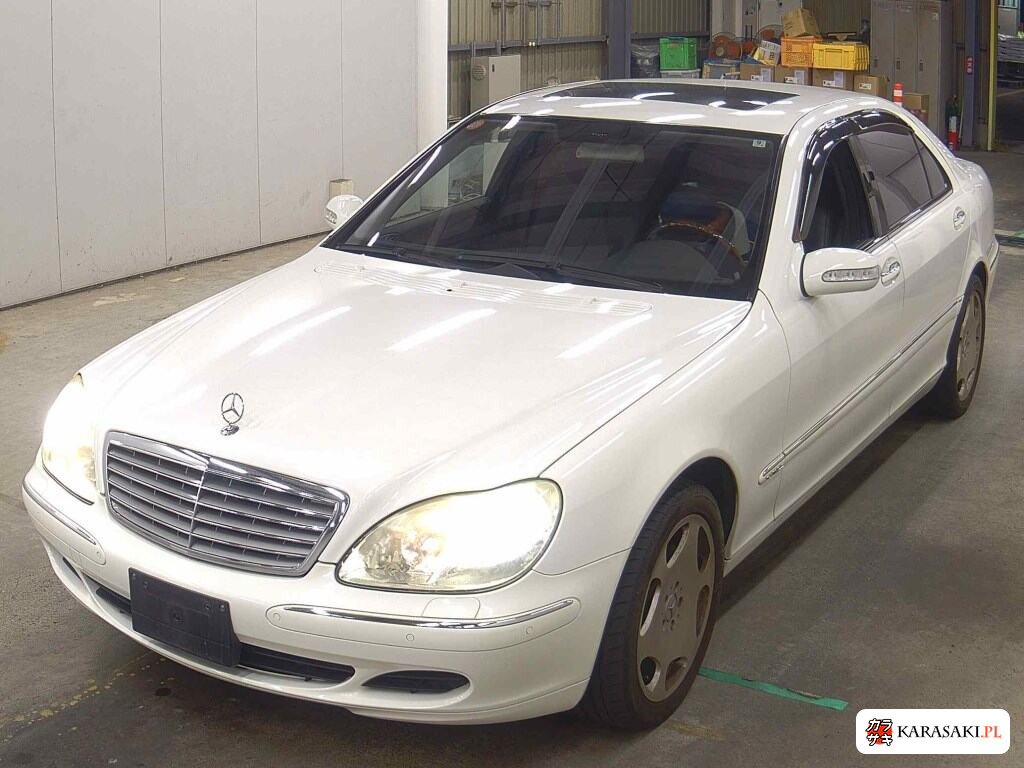
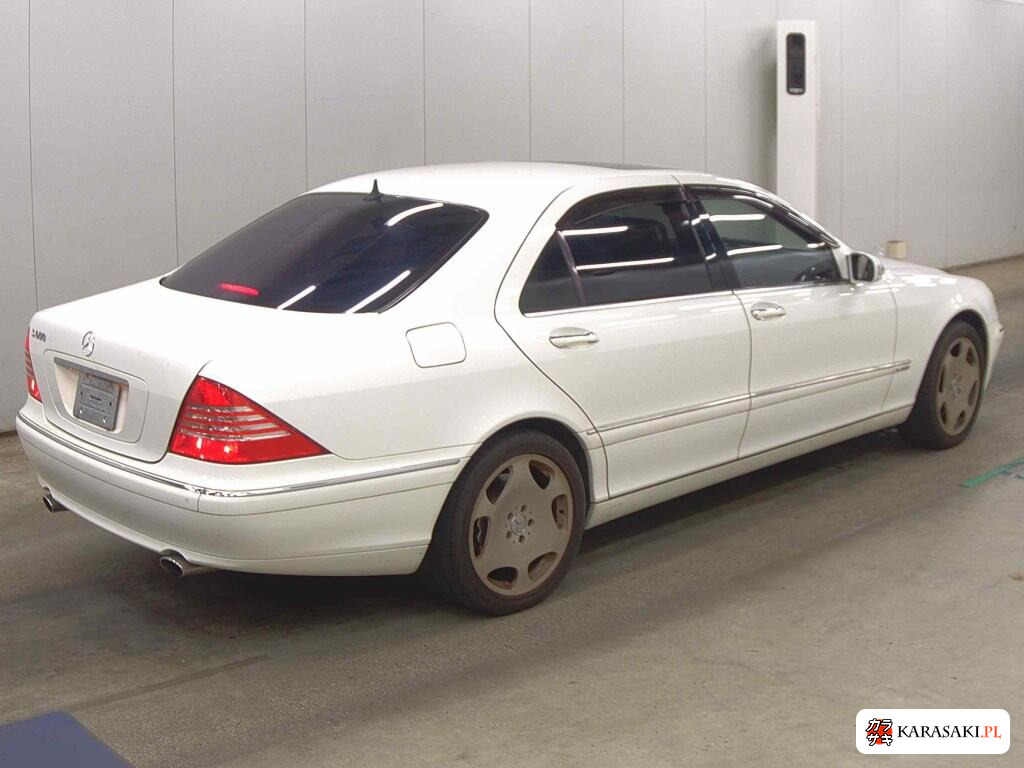
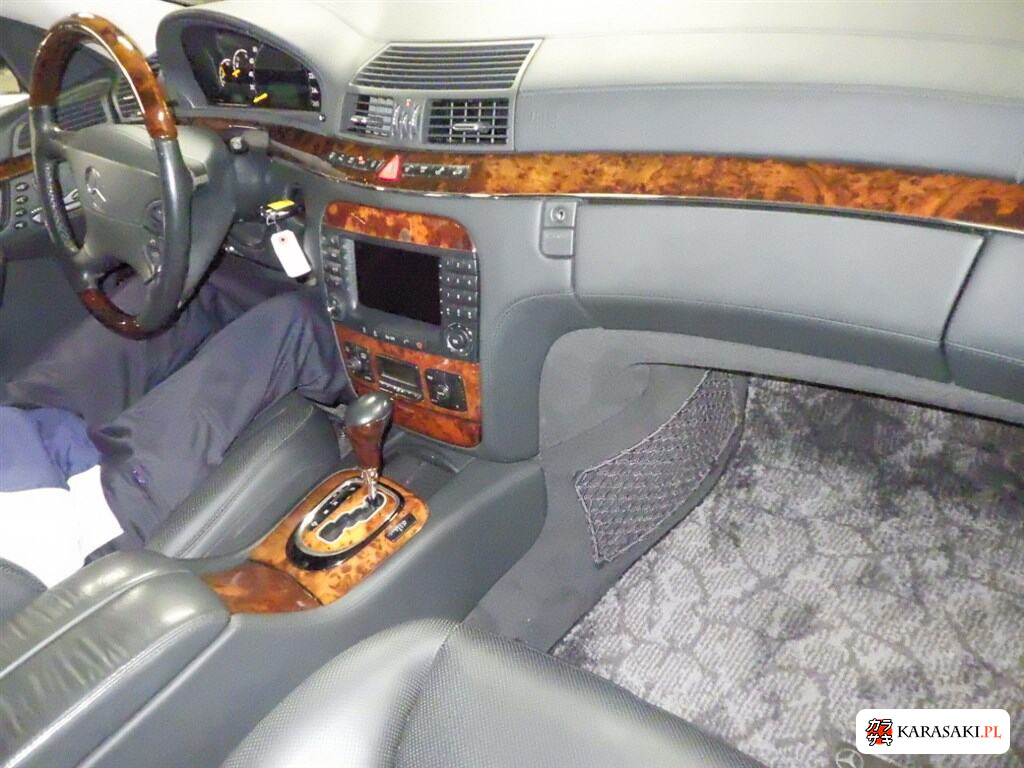
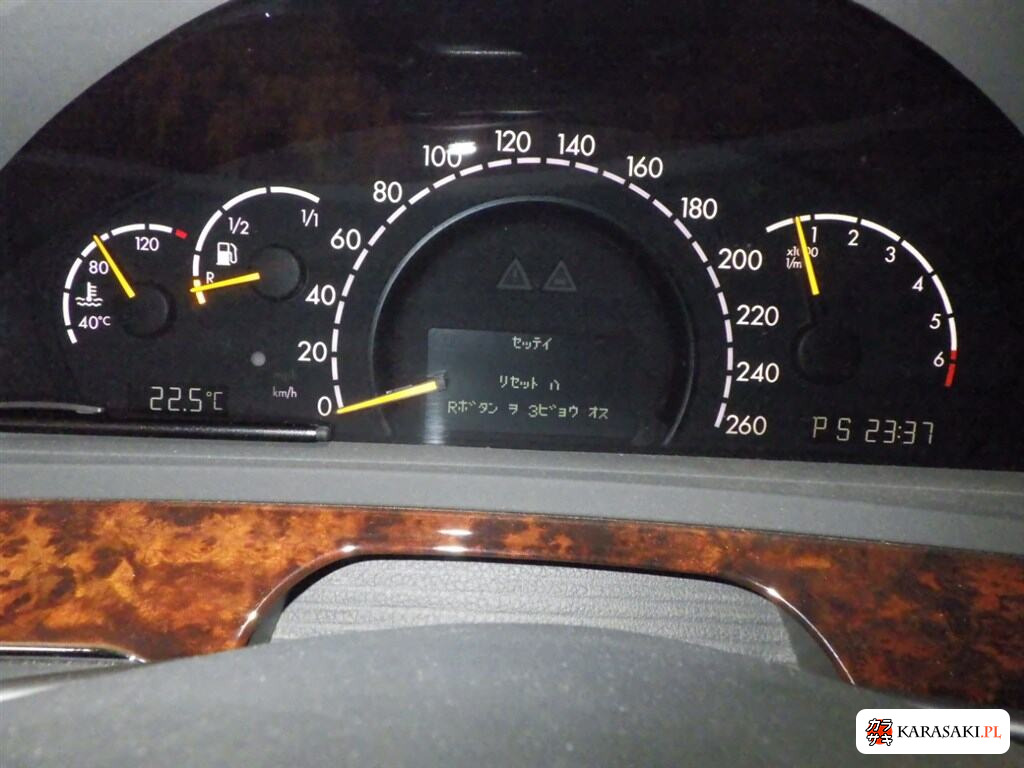
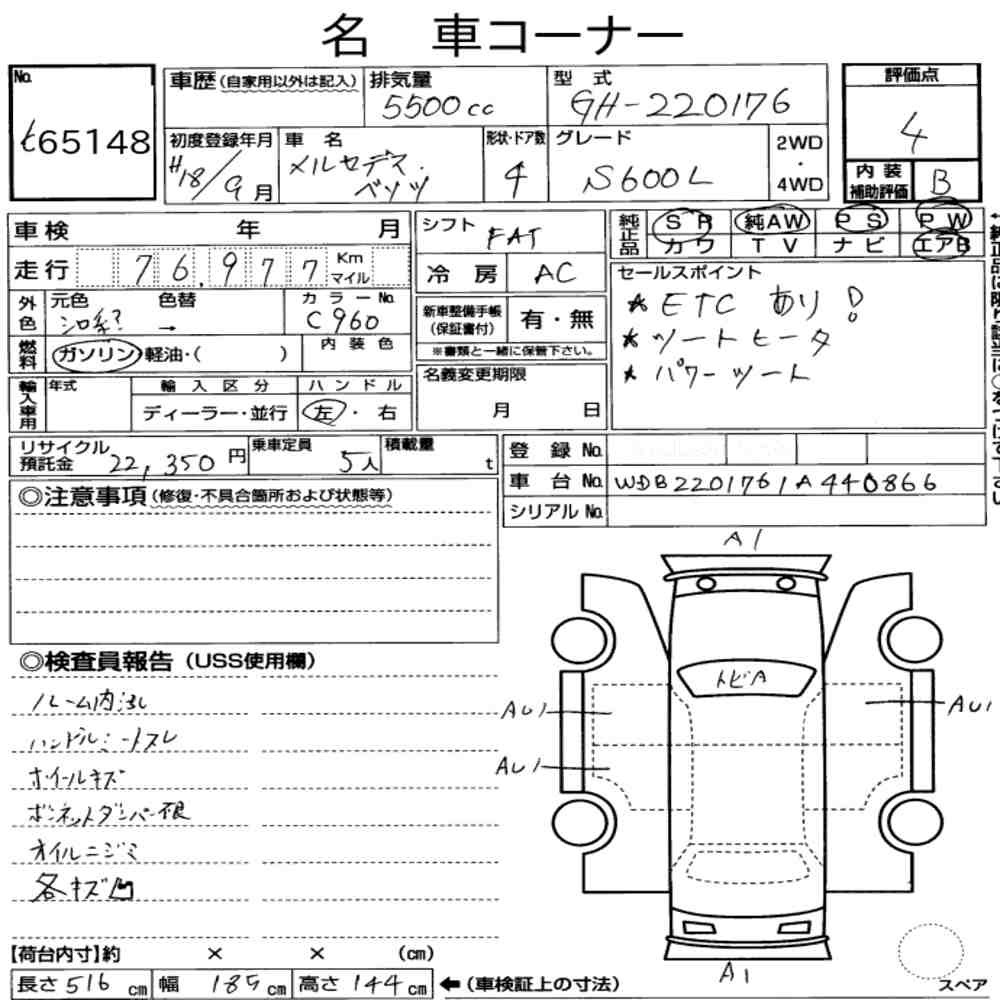

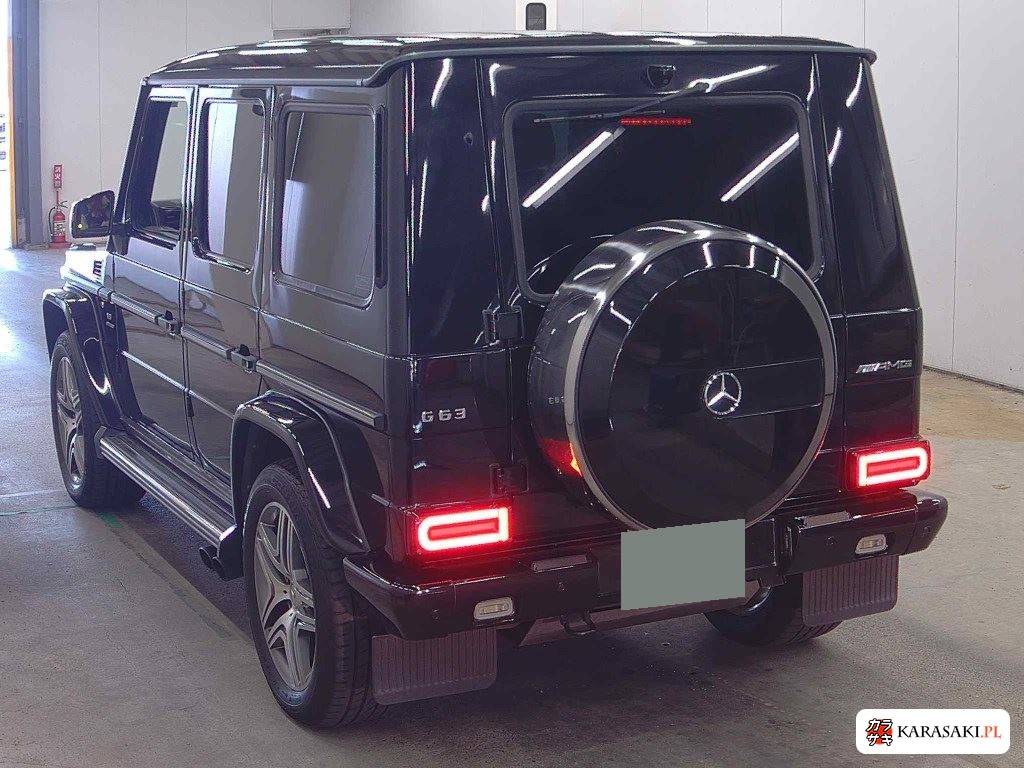
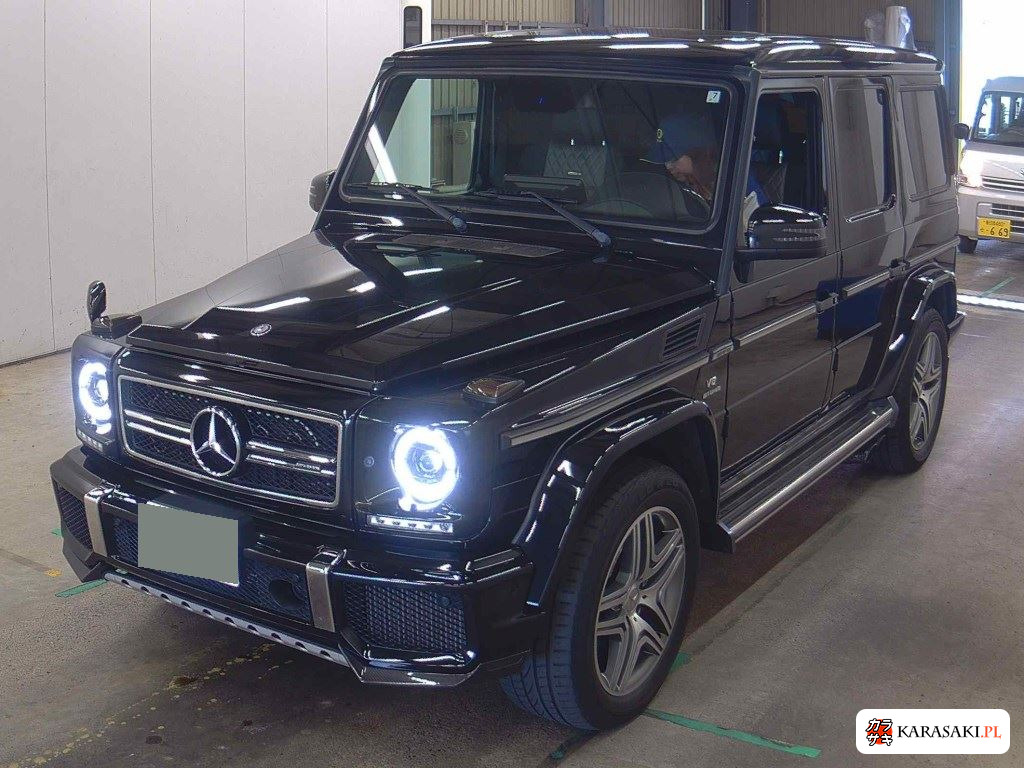
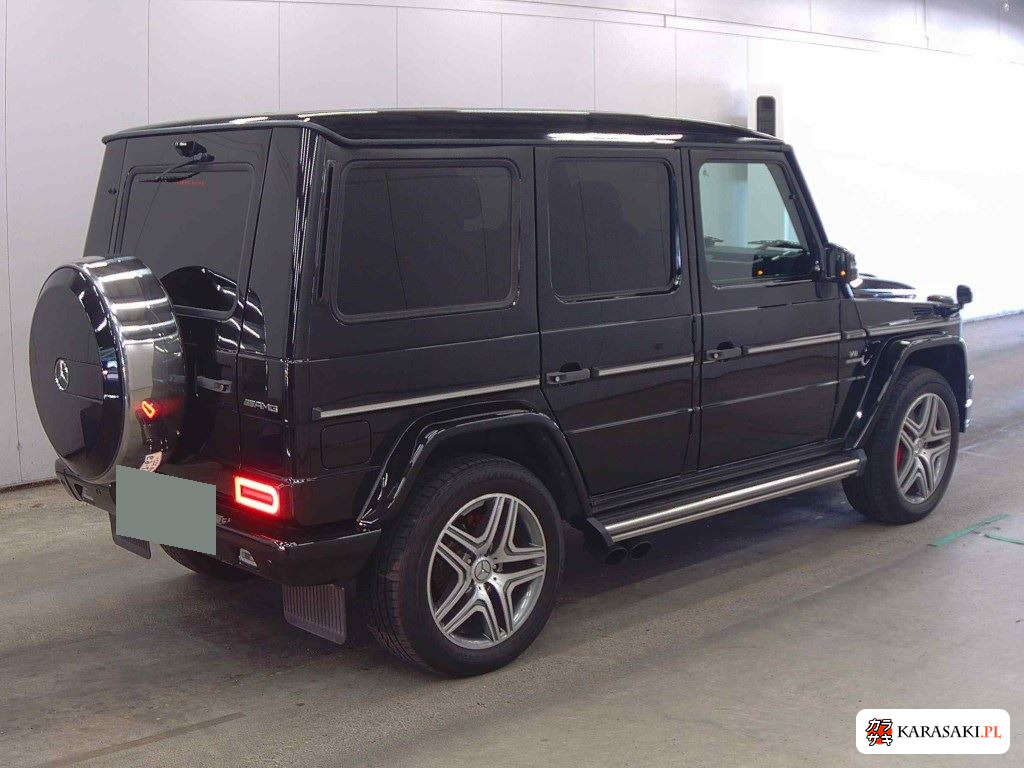
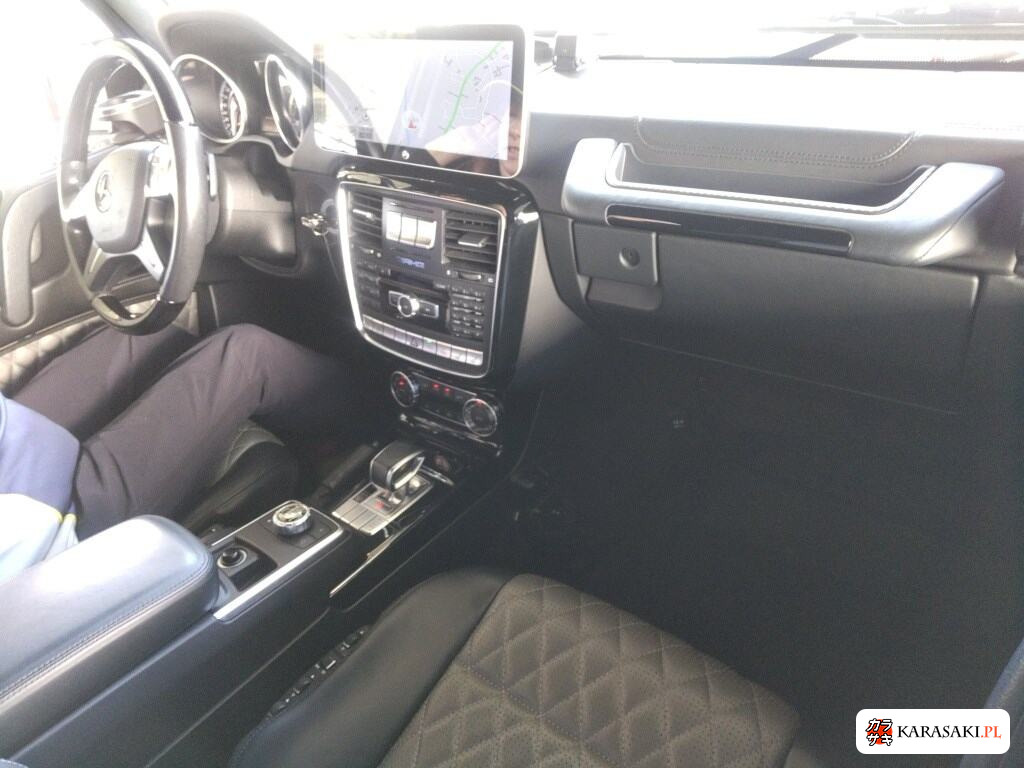
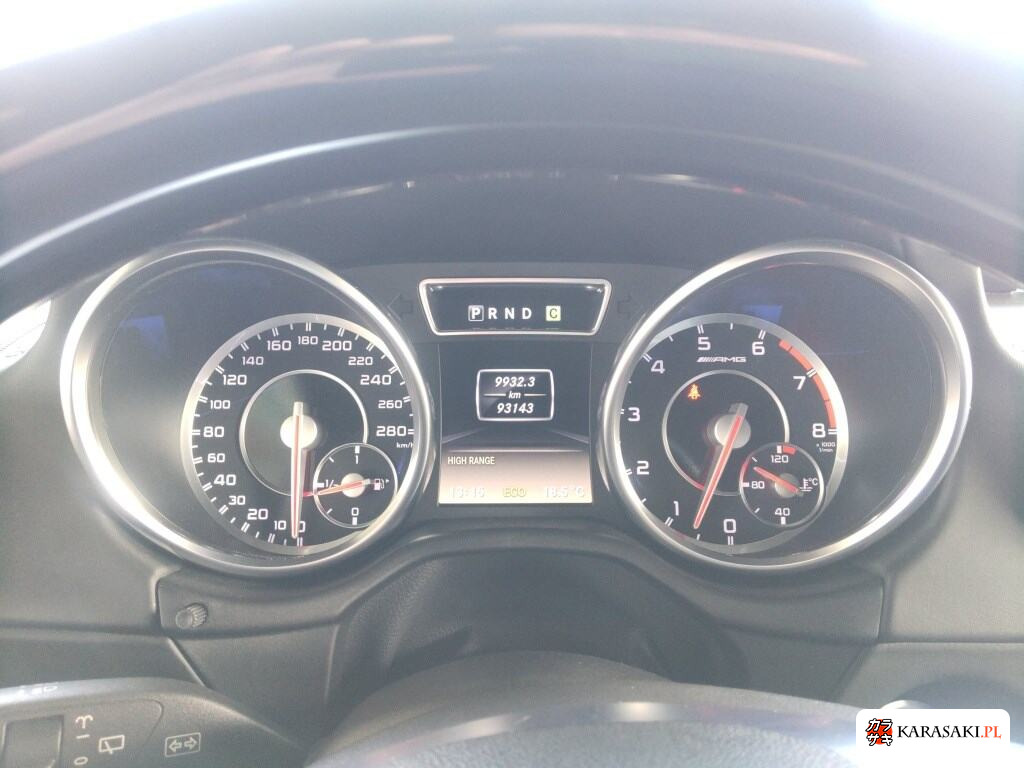
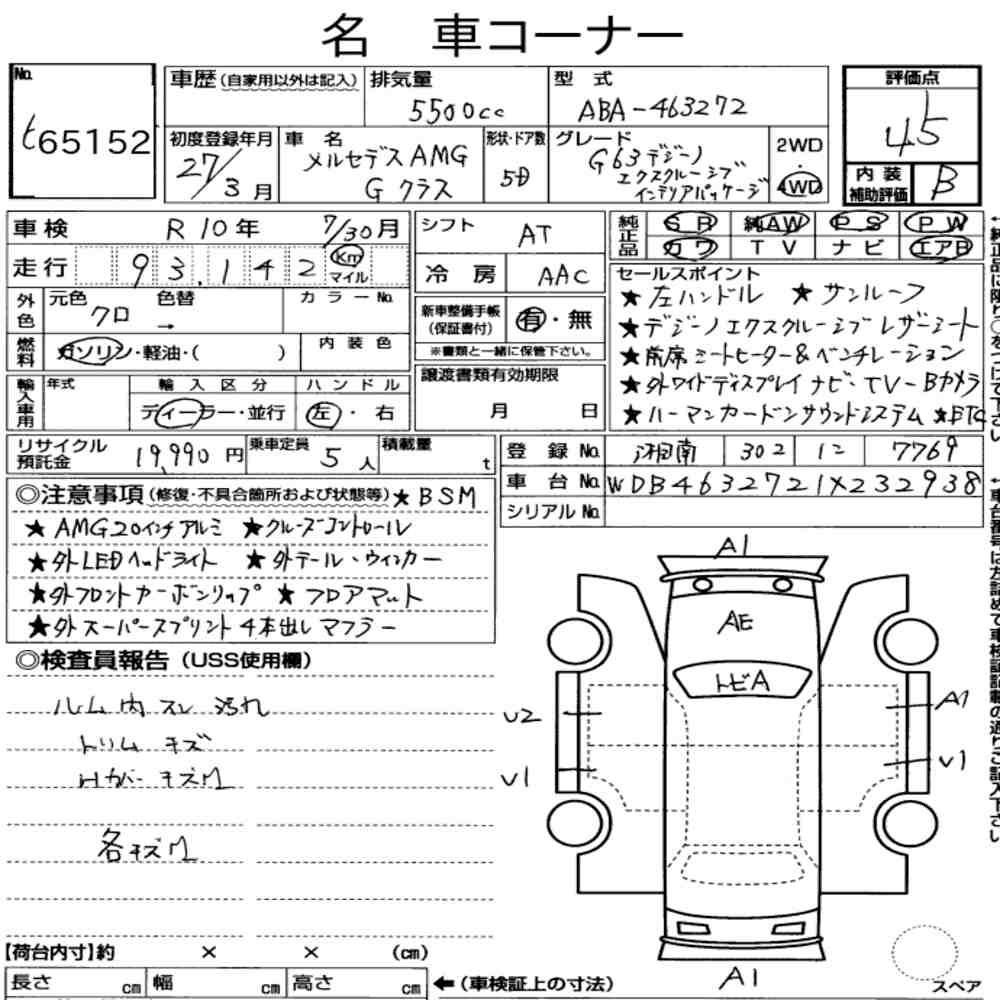

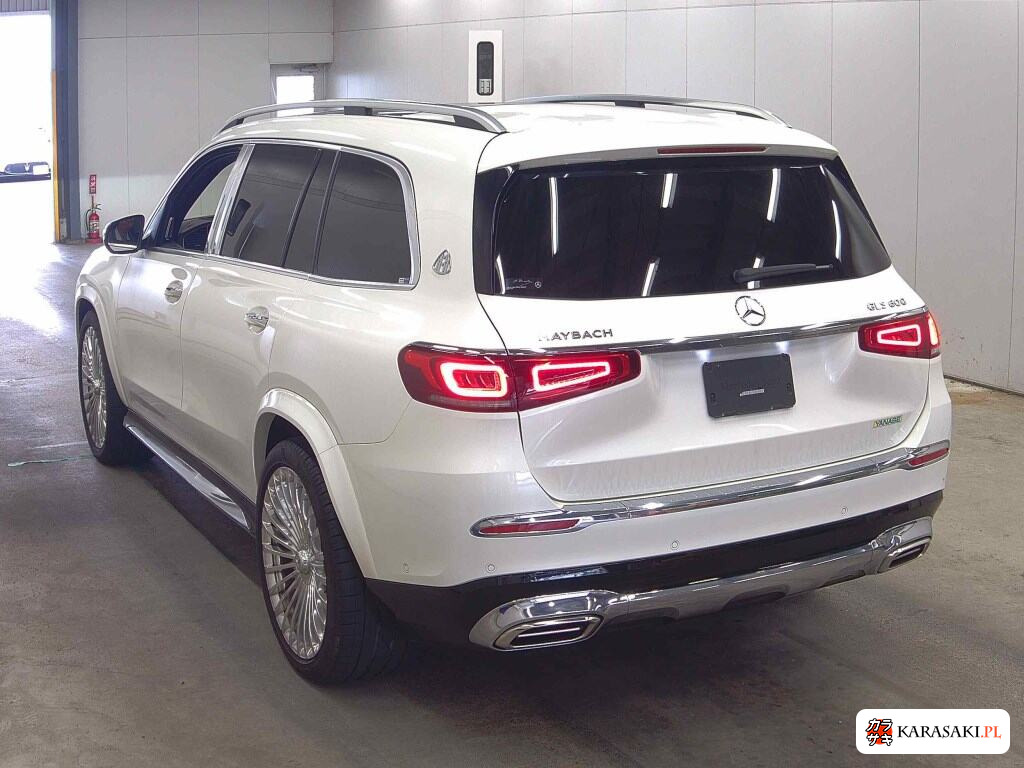
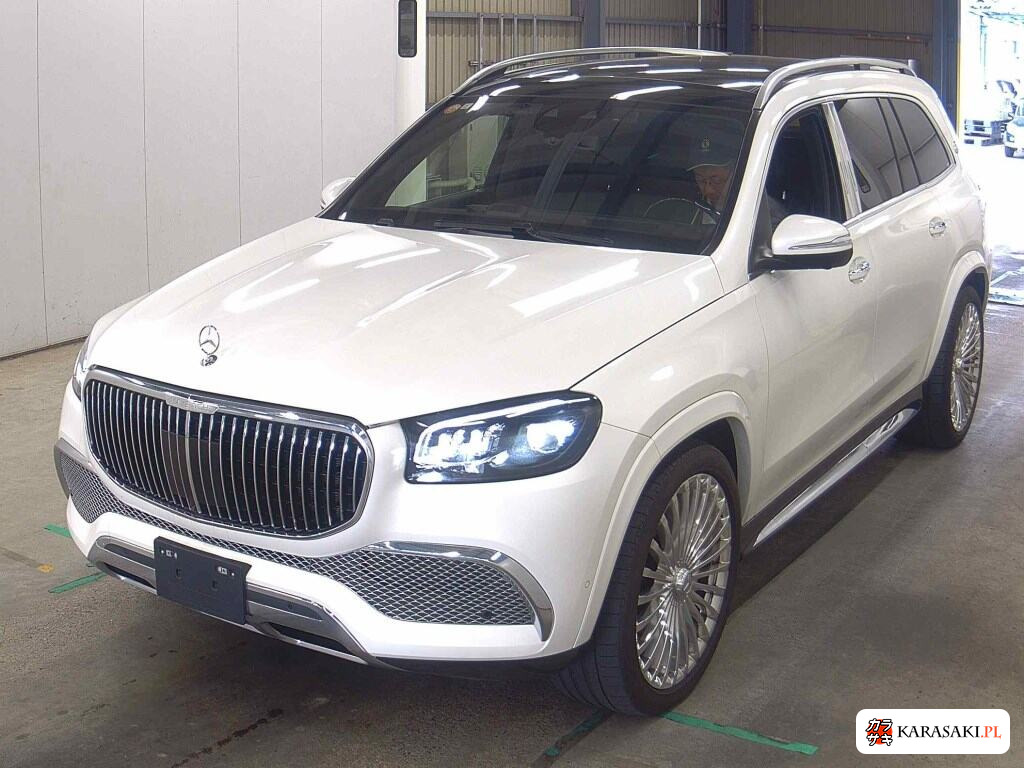
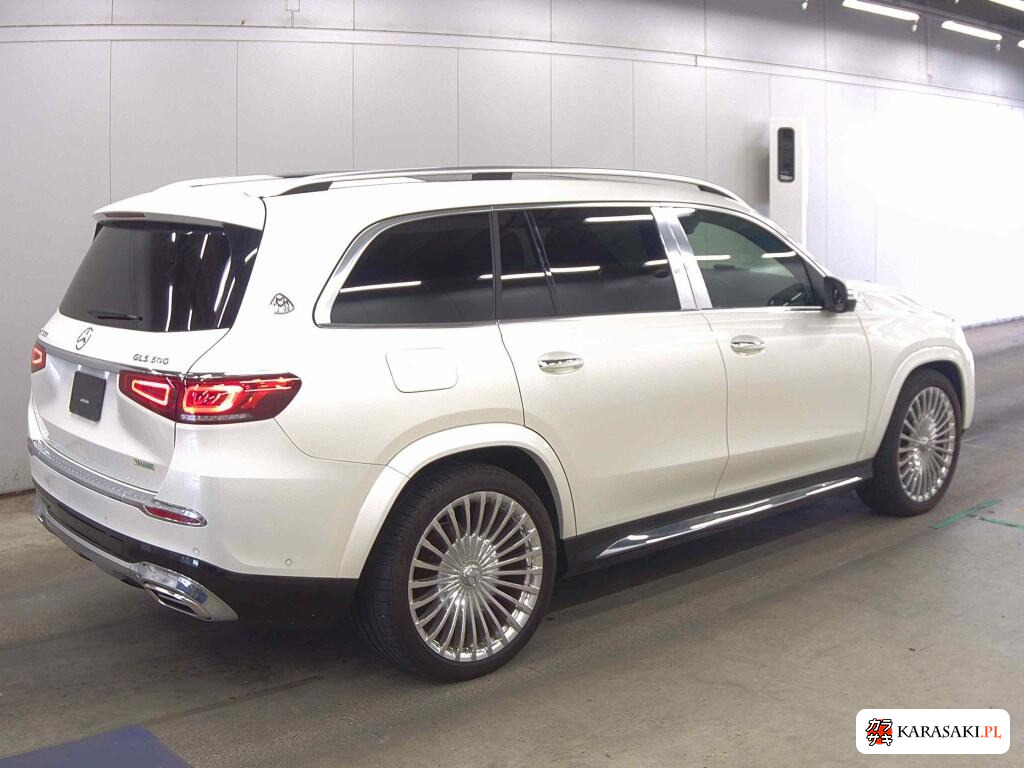
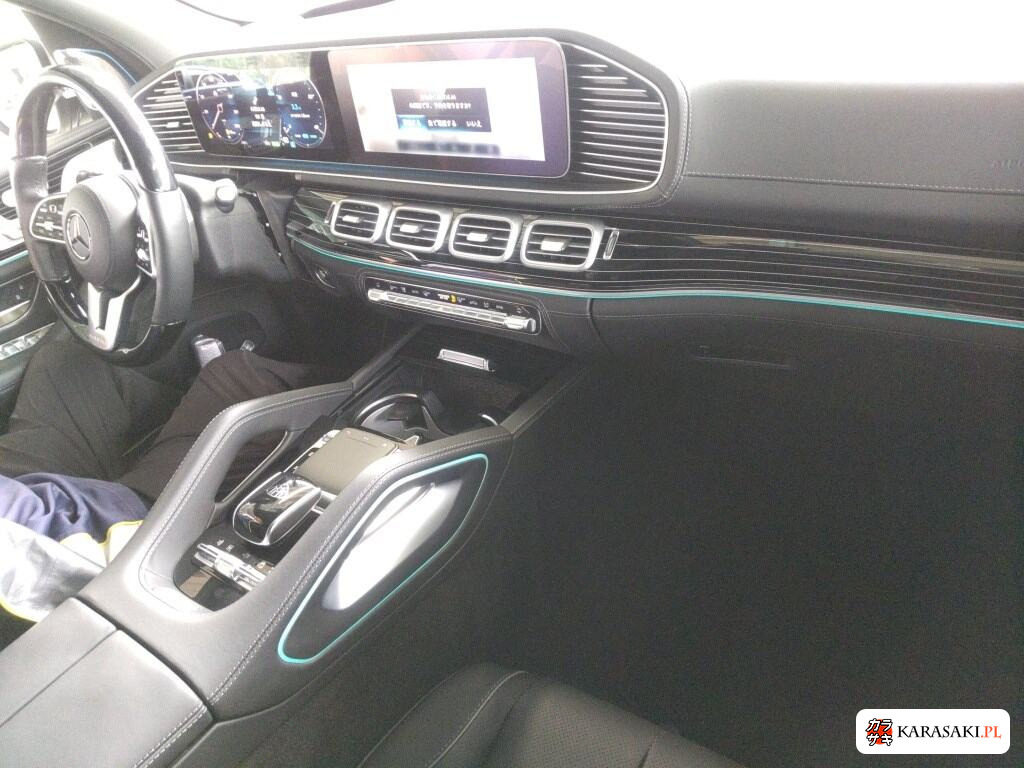
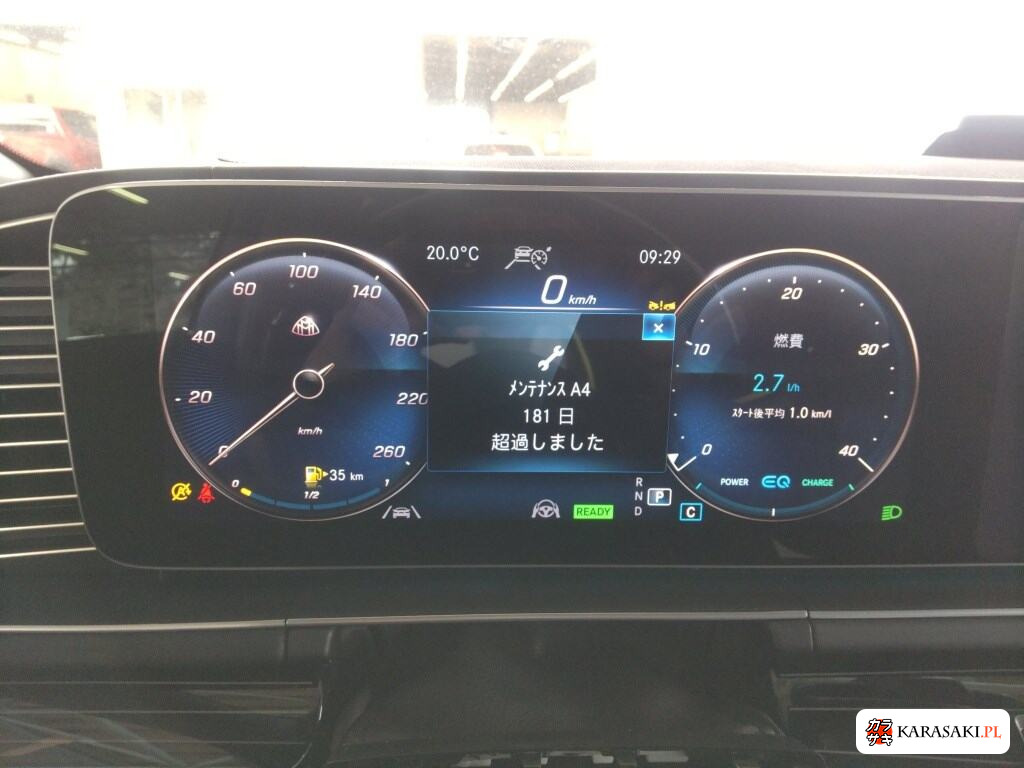
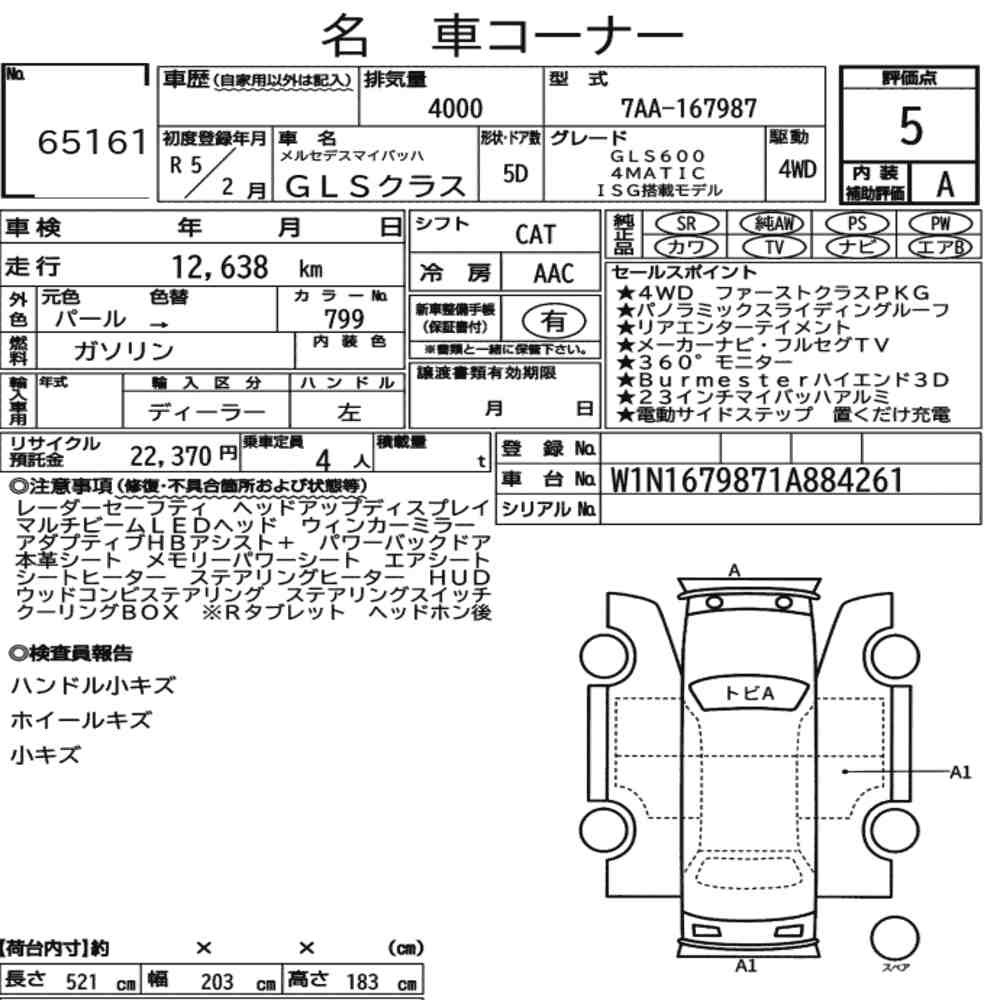

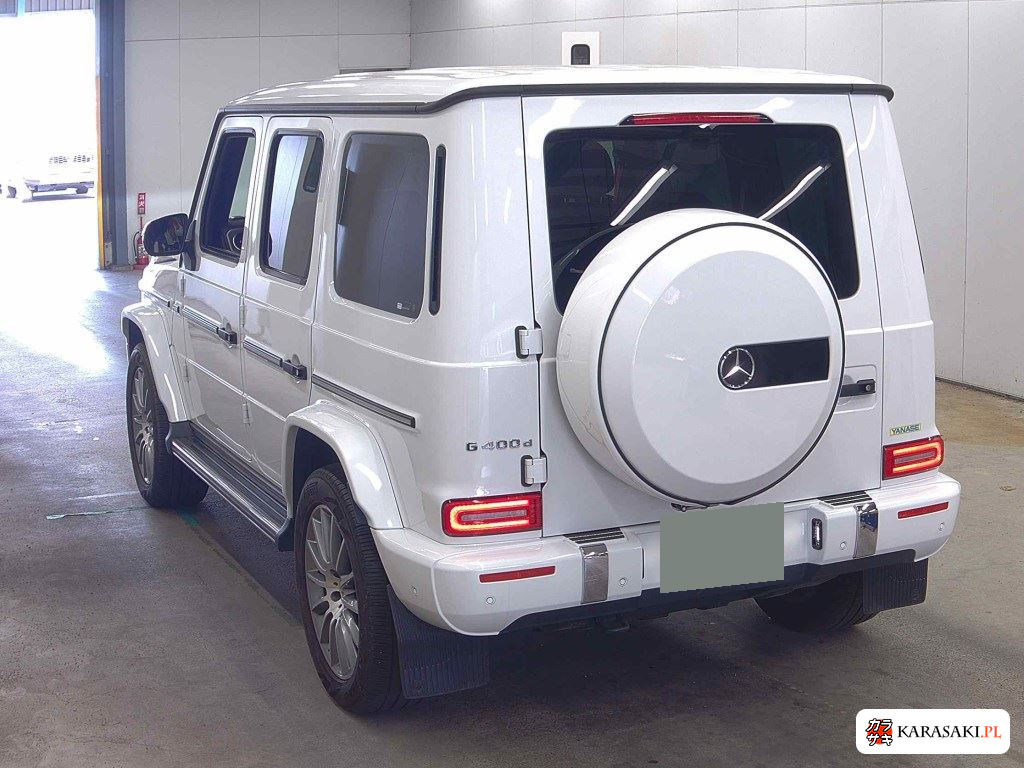
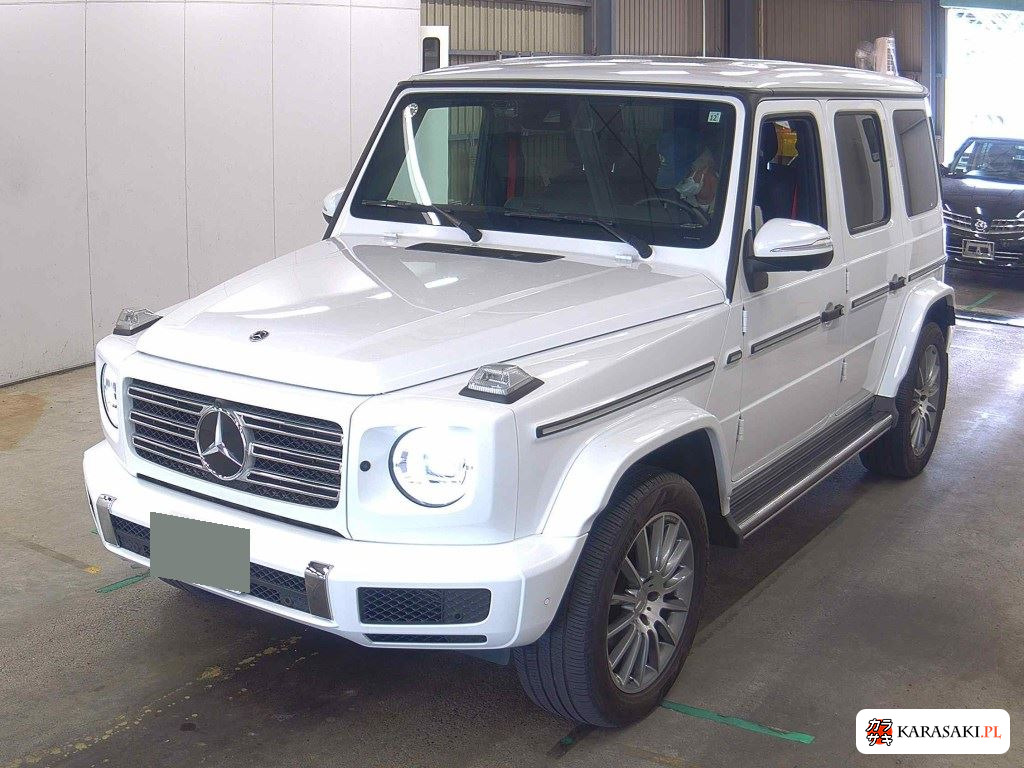
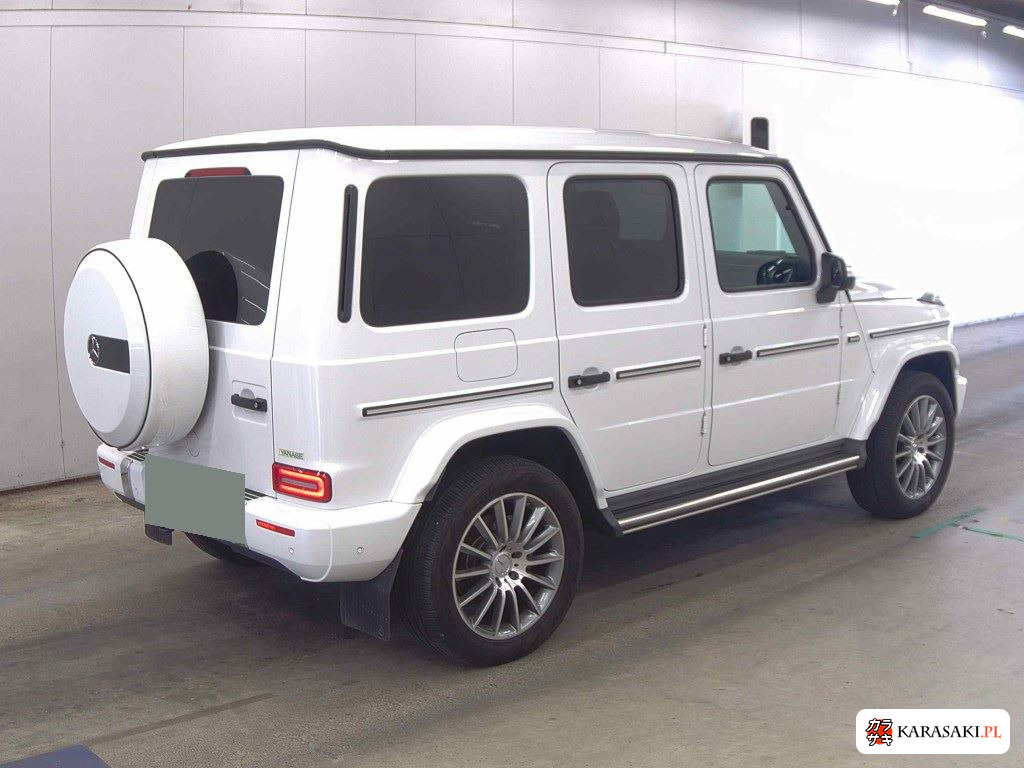
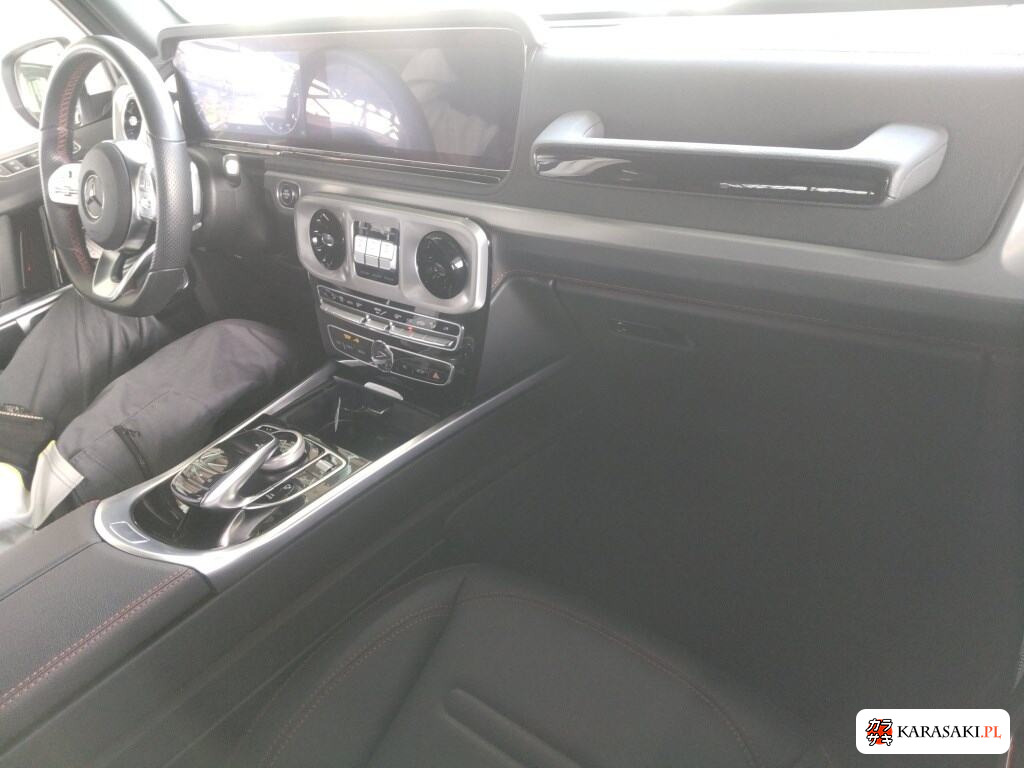
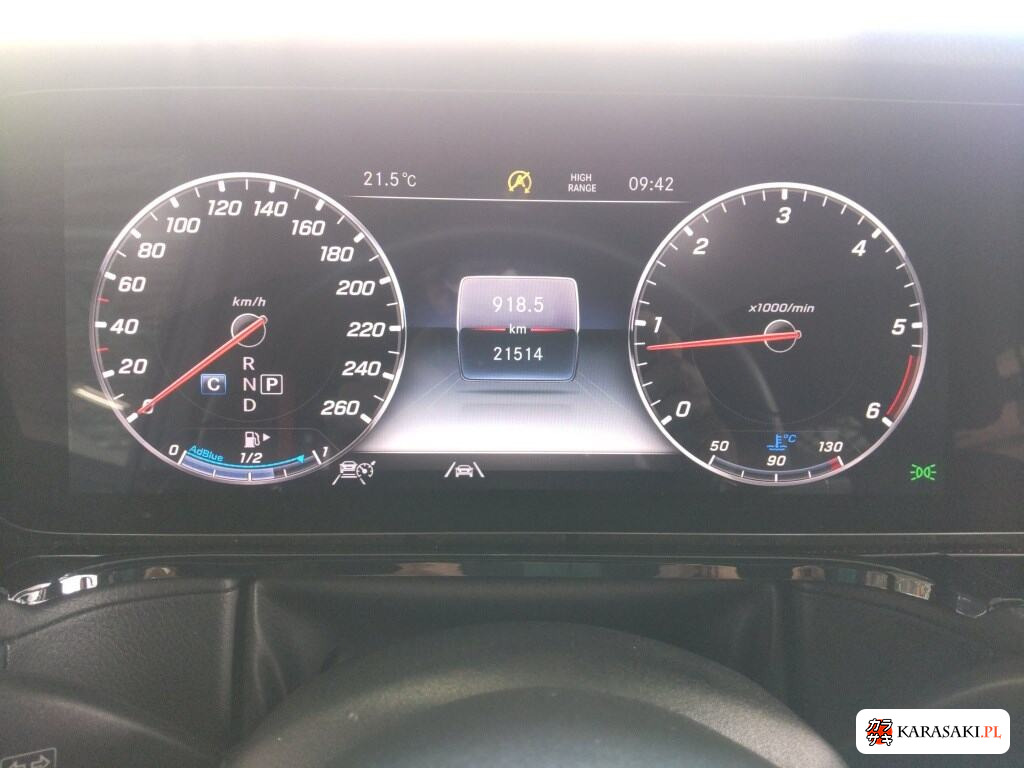
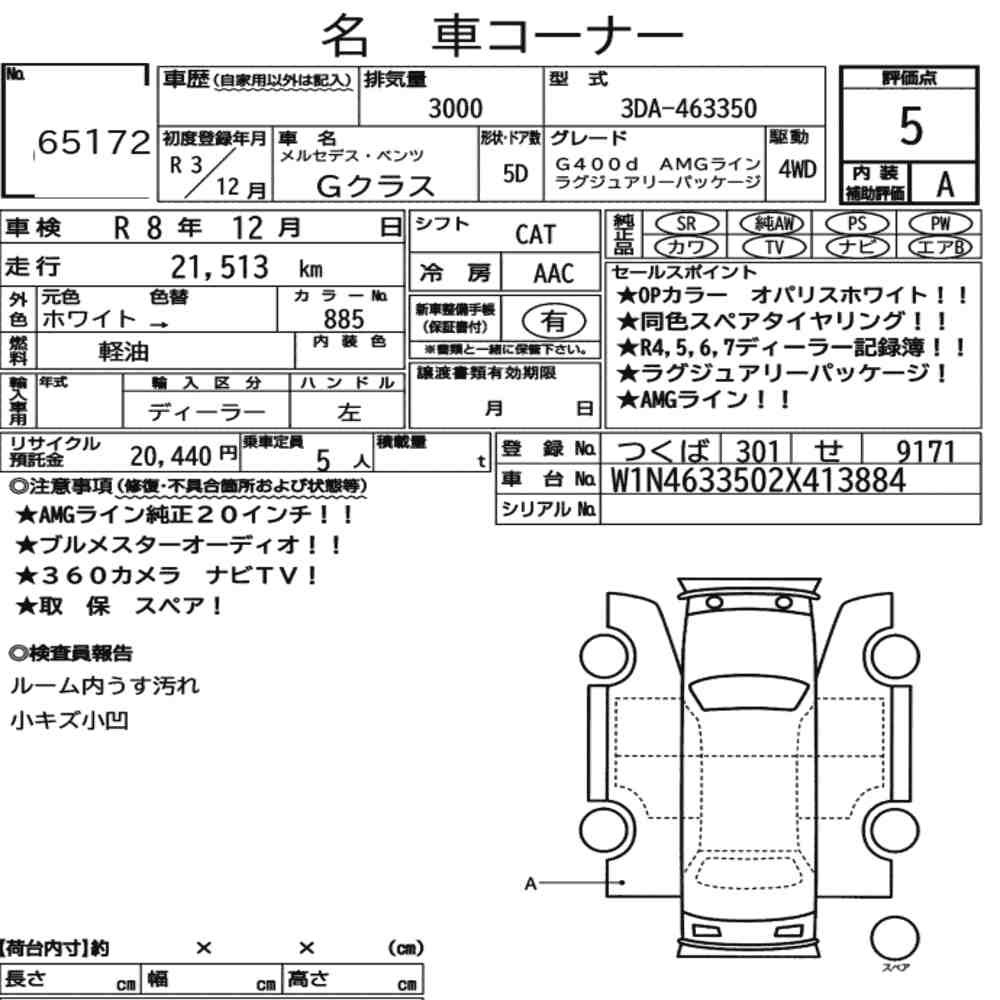

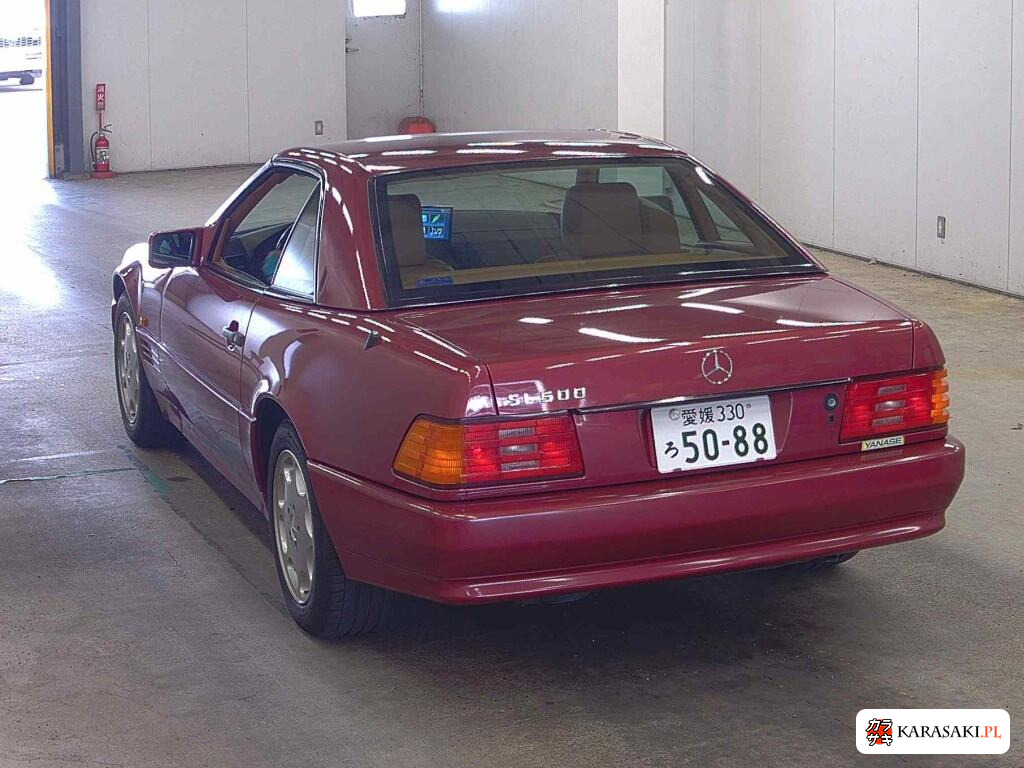
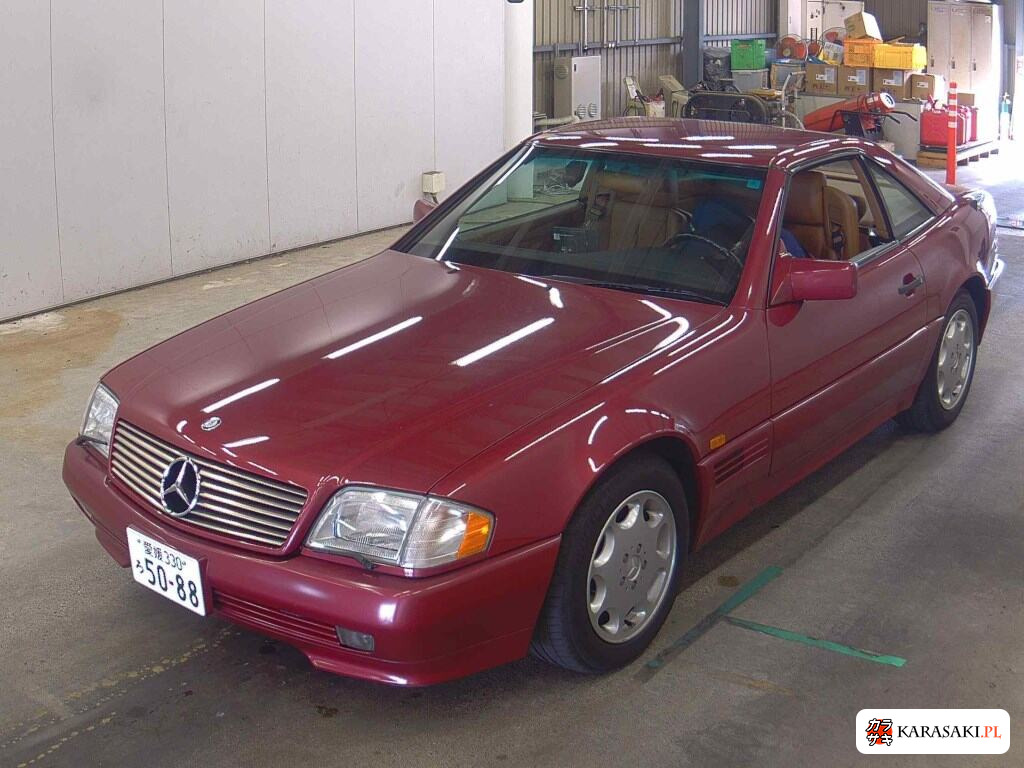
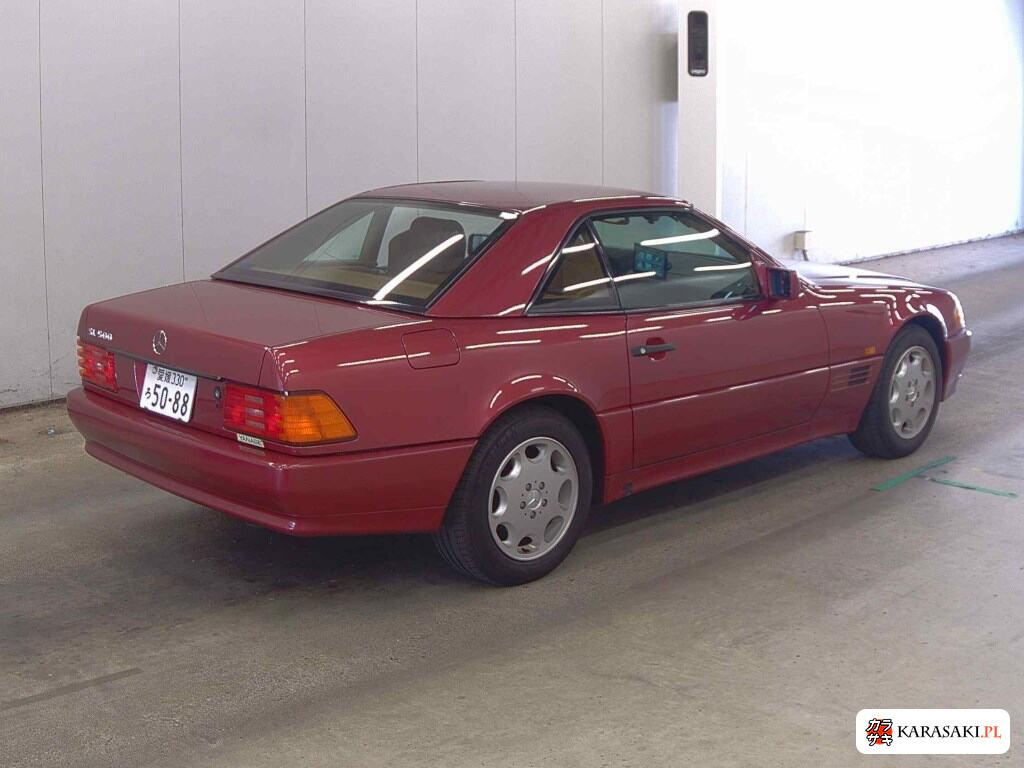
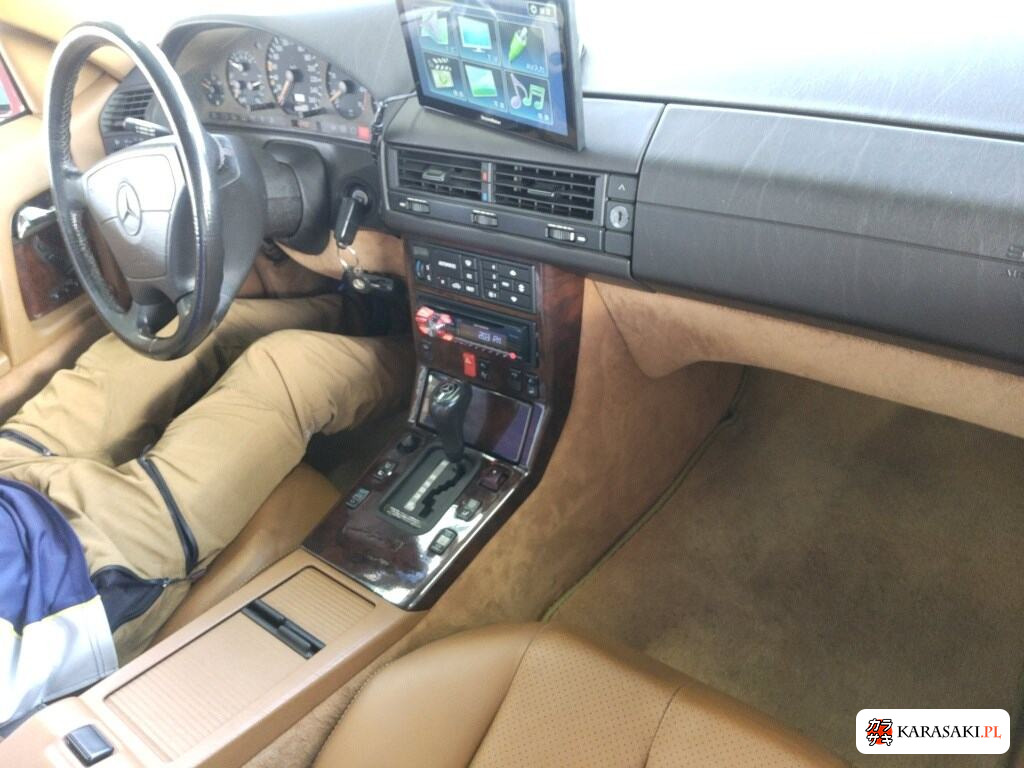
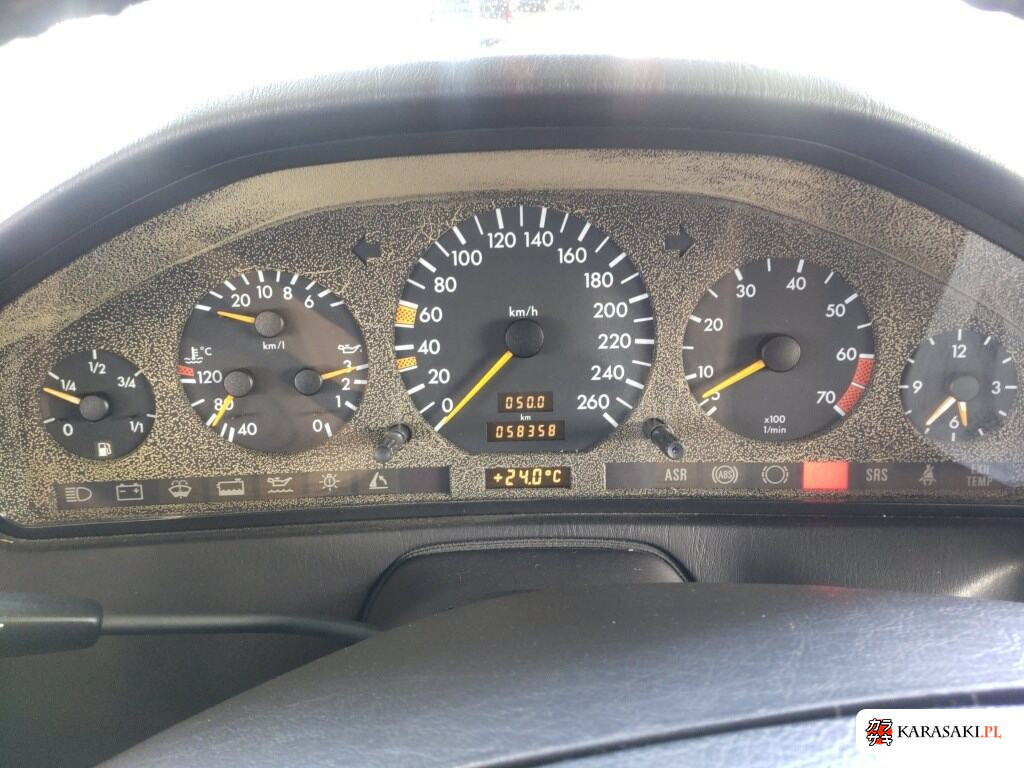
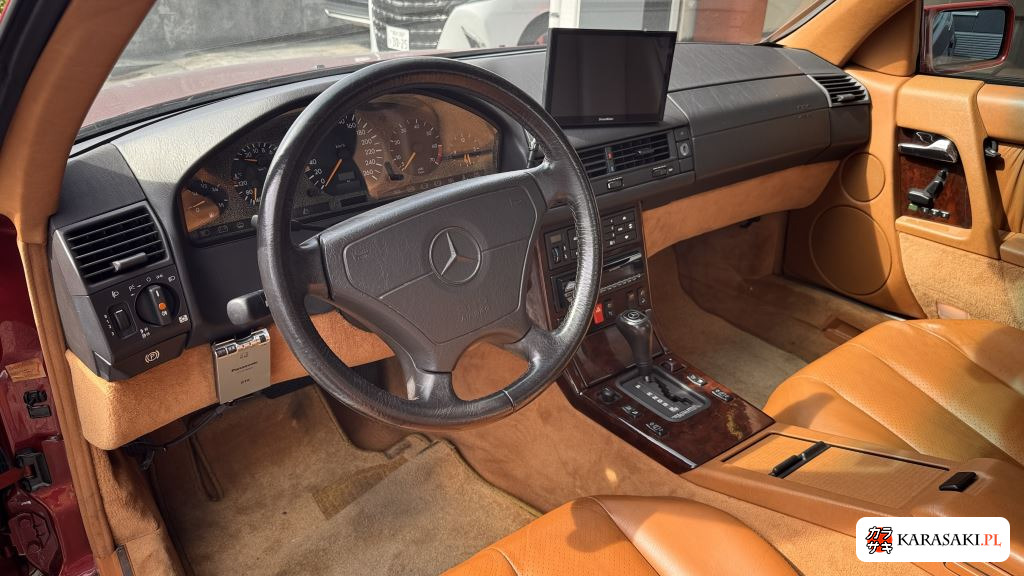
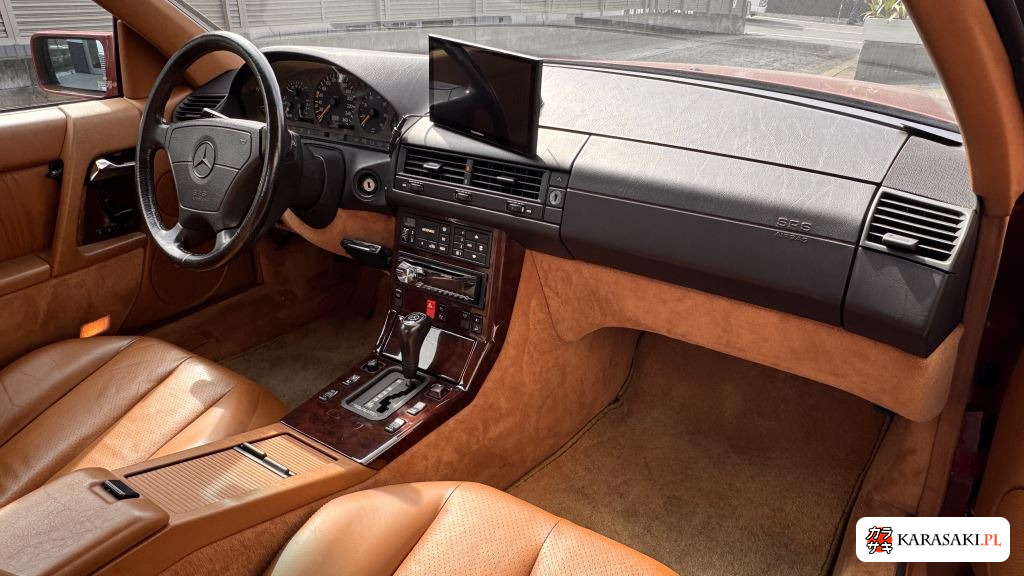
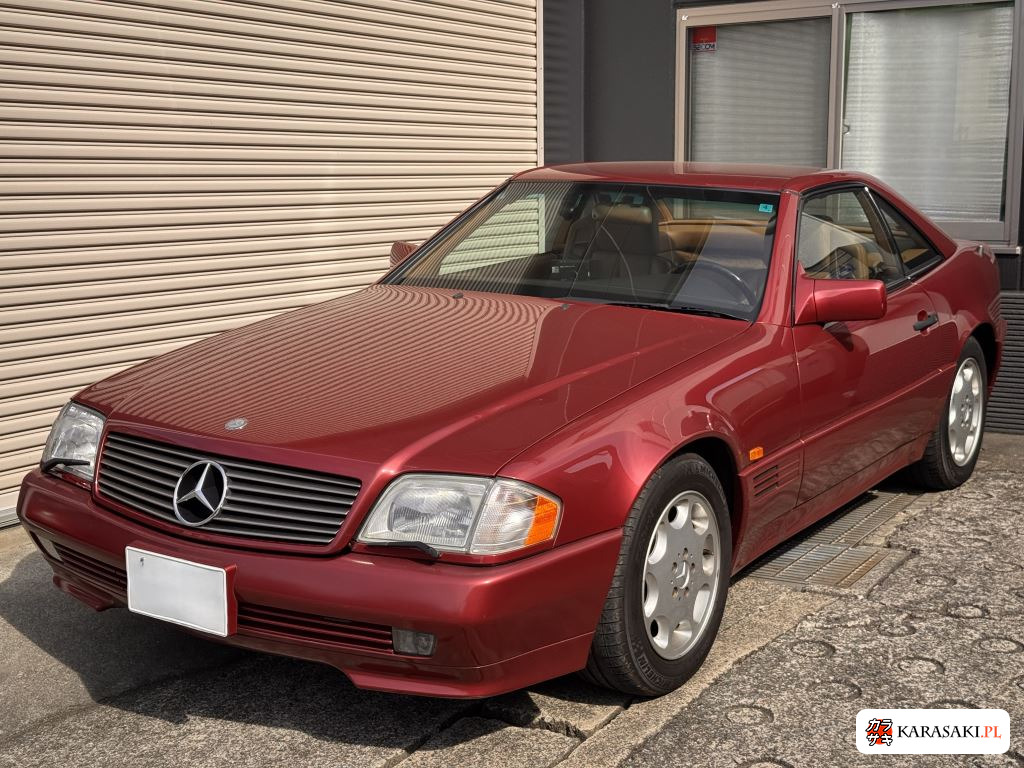
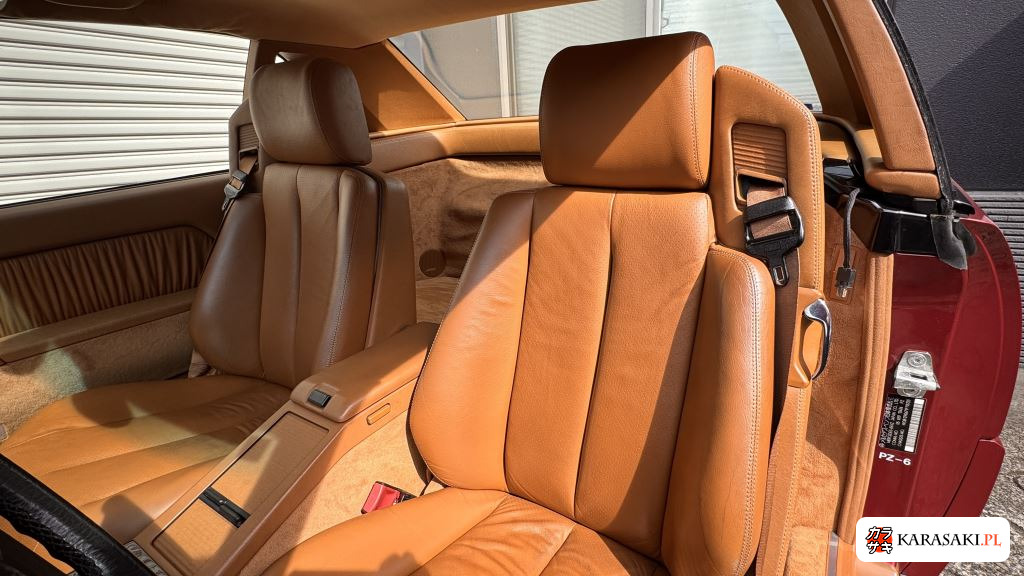
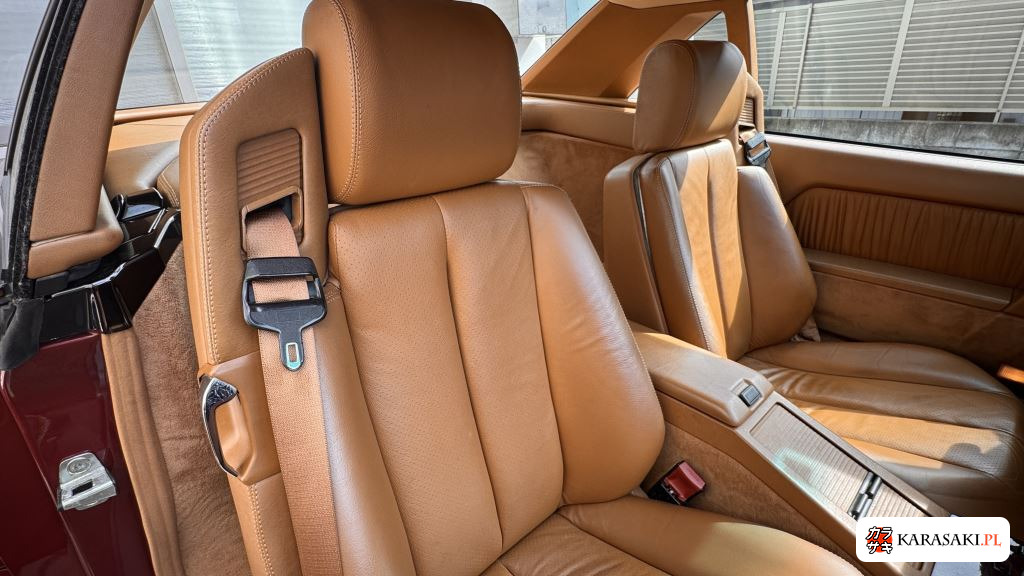
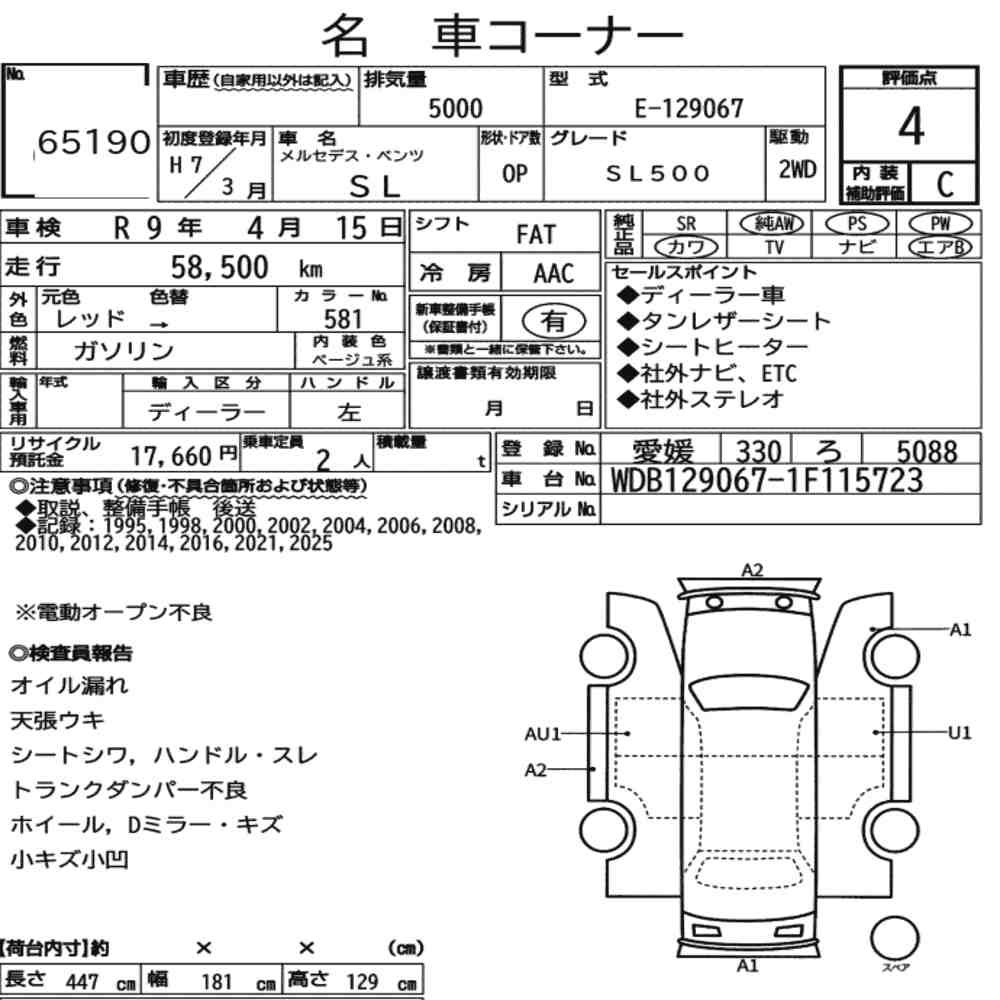

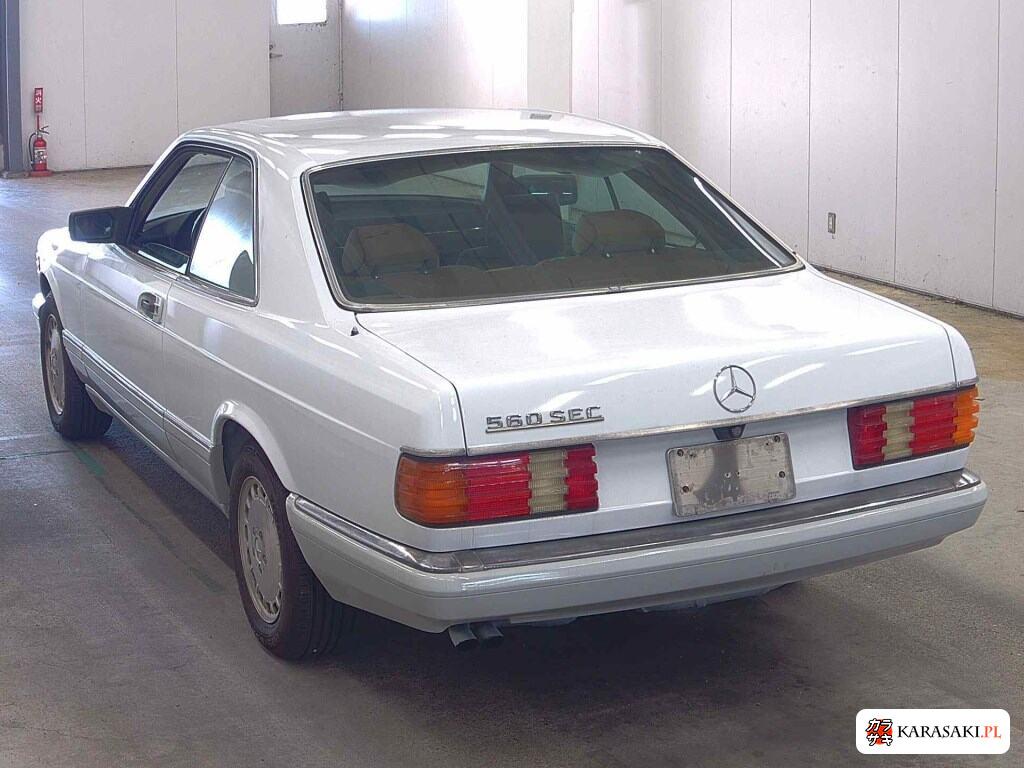
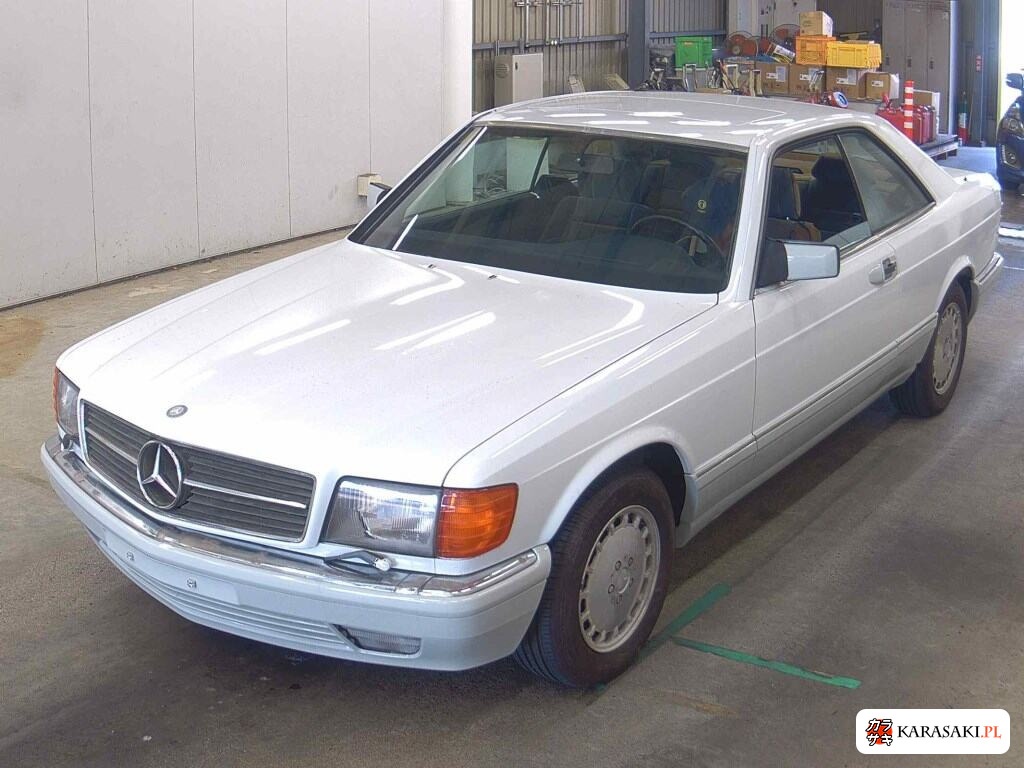
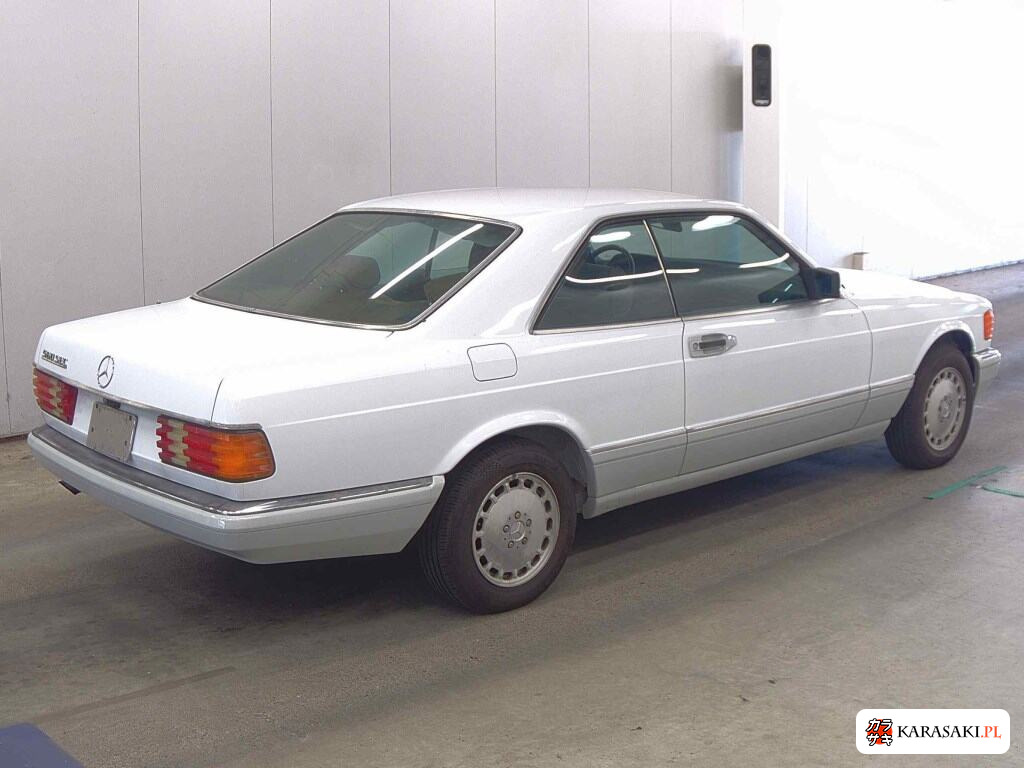
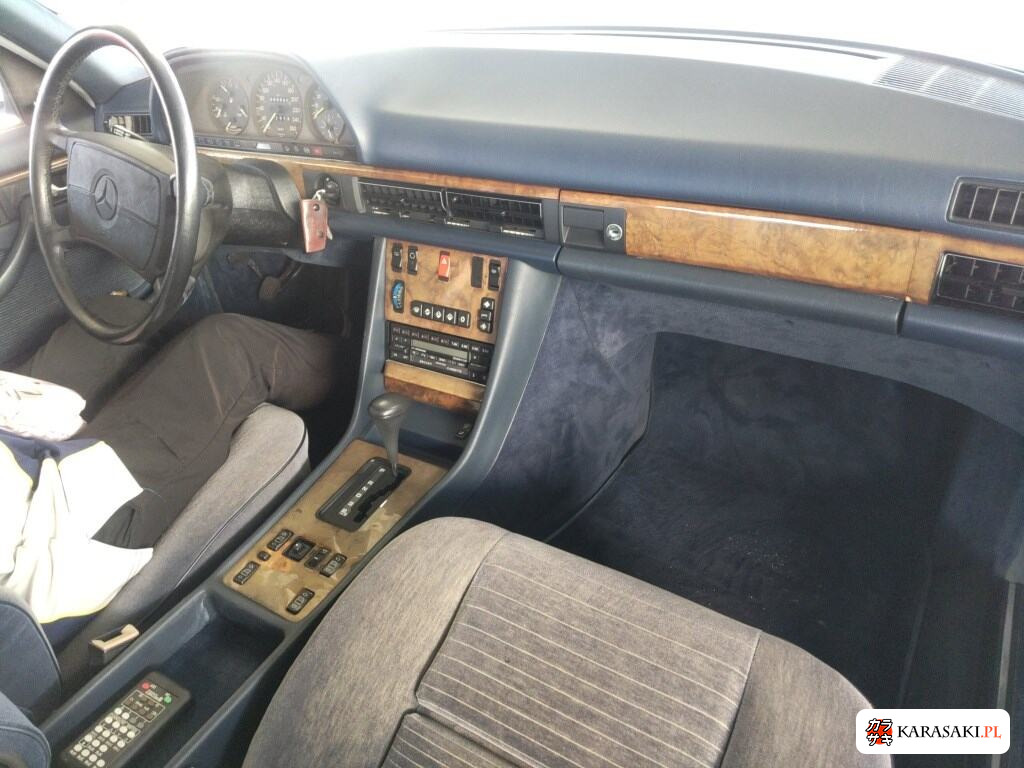
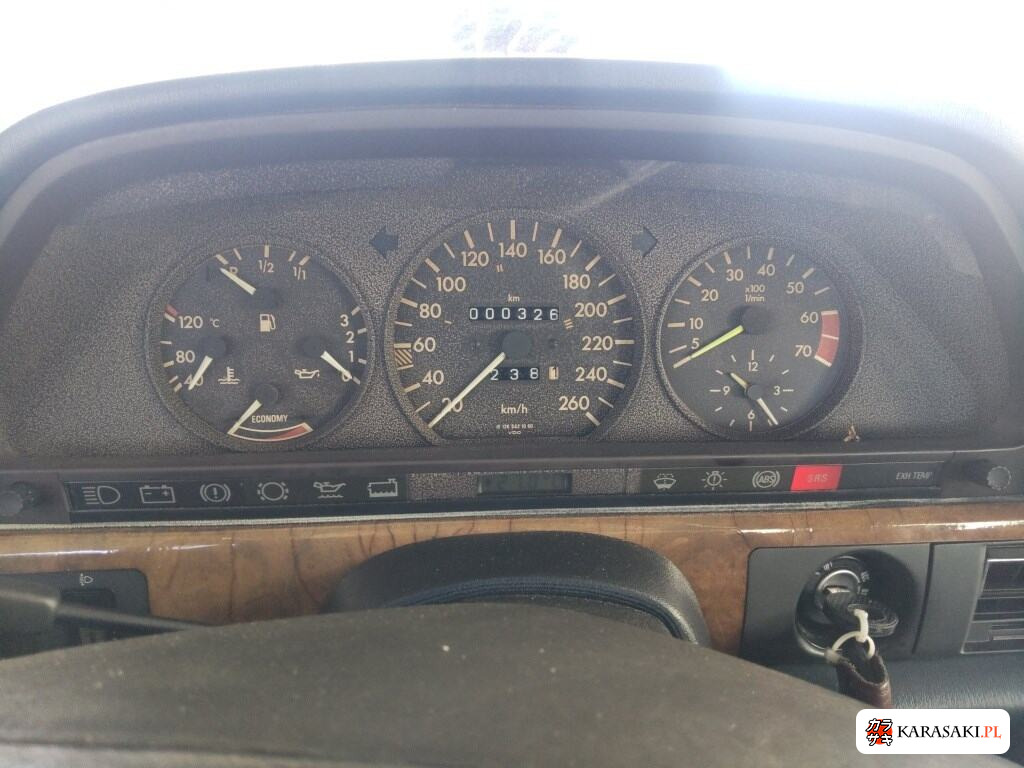
The auction pool turns over every few days. We'll watch these criteria and email you when the next one appears.
Costs of importing a Mercedes from Japan
The total cost includes:
- Hammer price plus auction commission (typically a few to a dozen-or-so percent).
- Ocean freight and transport insurance.
- 10% duty on the invoice value, 23% VAT on the value plus duty, and excise (3.1% or 18.6% depending on engine size).
- Homologation, technical inspection and registration in Poland.
The hammer price is often lower than in Poland — but only the full landed cost gives you the real picture. That's why we always run the math before the auction.
Pros and cons
Benefits
- Thorough technical inspections to Japanese standards.
- Documented service history that boosts confidence.
- Often lower purchase prices than in Poland.
Potential challenges
- Shipping cost and transit risk — minimised by working with an experienced importer.
- Customs and legal paperwork for Polish registration.
- Spec differences between Japanese and European versions.
Legal aspects
Imported cars must meet EU technical and emissions standards (homologation). Polish registration requires a bill of sale, certificate of conformity, customs documents and proof of duty and tax payment. In practice: file the registration application, complete the technical inspection and collect plates.
Picking the right partner
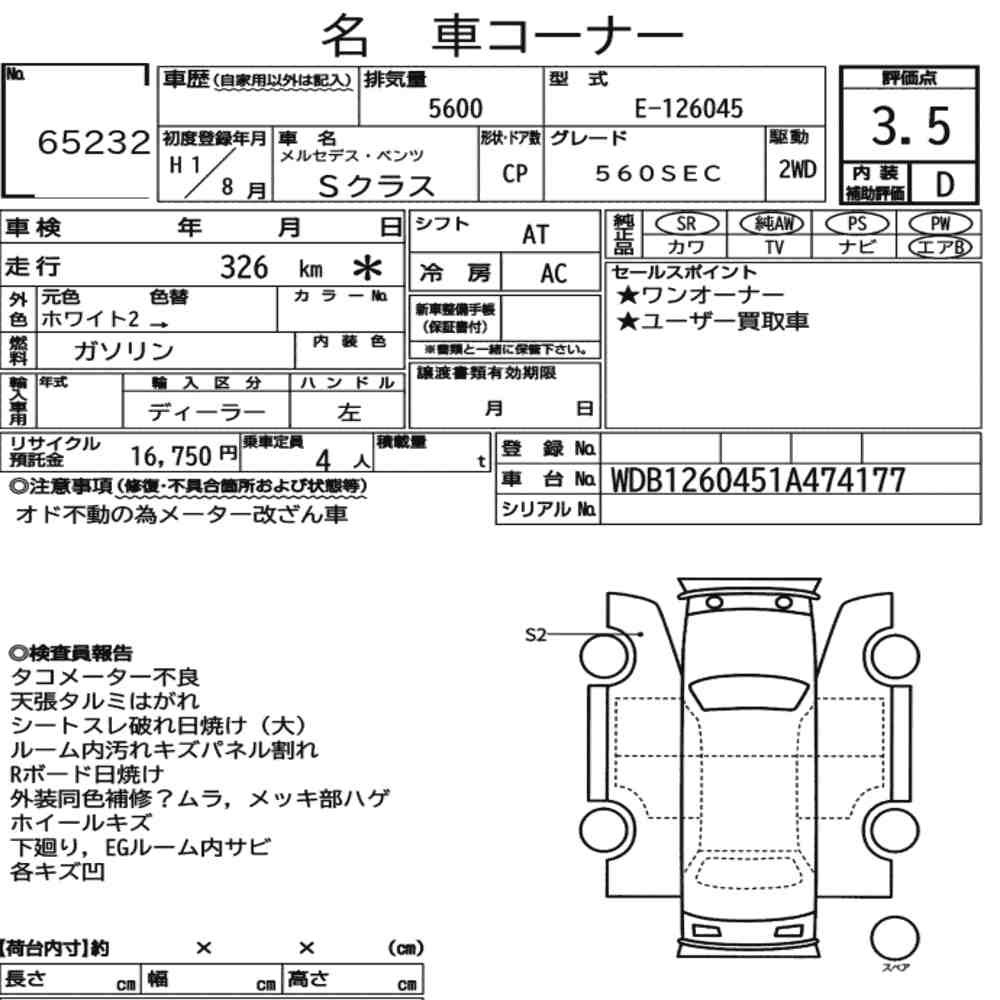
Bringing a Mercedes from Japan starts with someone who reads the auction sheet before any bid is placed. When picking a partner, check three things: whether they show the full sheet with a walkthrough, whether they quote the total landed cost before the auction, and how your money is protected.
At Karasaki those rules are countable: the pre-auction deposit is 10% of the starting price (minimum PLN 8,000) and fully refundable, and the flat PLN 8,000 fee is paid only after the car is delivered. We walk you through every example's auction sheet before bidding.
Frequently asked questions about a Mercedes from Japan
Does a Mercedes from Japan have right-hand drive?
It depends on the model. Some Mercedes cars from the Japanese market have right-hand drive, but many examples were built there in the left-hand-drive version. The G-Class at Japanese auctions comes in left-hand drive only. In our catalog we show left-hand-drive cars first by default.
Which Mercedes models are imported from Japan most often?
The E-Class and S-Class, the G-Class and the AMG versions from the C63 to the E55 appear regularly at Japanese auctions. Classics such as the 500E W124 turn up too. We show current supply and median starting prices in the data block above and in our catalog of Mercedes from Japanese auctions.
How much does importing a Mercedes from Japan cost?
The total is made up of the auction price, commissions, sea freight and Polish charges: 10% duty, excise of 3.1% or 18.6% depending on engine size, and 23% VAT. The car itself is often cheaper than in Poland, but only the full total with delivery tells the real story, so it pays to calculate it before bidding.
Summary
The balance of our catalog: close to 3,900 Mercedes cars, 77% graded 4.0 or higher, median mileage 66,000 km. The next step is practical. Start with the current supply in the catalog and calculate the full landed cost before you get attached to a specific example.


