
For fifteen years Japanese spec sheets ended with the same number: 280 PS. The Toyota Supra, Nissan Skyline GT-R and Mazda RX-7 all declared nearly identical power, because that is what the manufacturers agreed among themselves. The limit only existed on paper, though. Engineers designed these units with a strength reserve the brochure never showed, and that reserve is what built the JDM engine legend. We explain where the gentlemen's agreement came from, how the 2JZ-GTE, RB26DETT and the rest of the big six differ, and check our auction data for what the cars carrying these engines cost today.
Why Japanese engines of the 90s became legends
Japanese engines of the 1990s became legends for a paradoxical reason: the manufacturers agreed that none of them would declare more than 280 PS. The pact, formed under the JAMA industry association around 1988–1989, was meant to calm regulators and insurers before rising performance invited laws imposed from above. There was no statute, just a gentlemen's agreement. Since the numbers war could not be won in the catalogue, it was won in the engineering: cast-iron blocks, forged crankshafts and a durability margin designed for stronger versions that officially never arrived. The factory 280 PS was thus a starting point, not a ceiling, and whoever broke the cap in print risked a conflict with the whole industry. The agreement collapsed only in 2004, when the Honda Legend declared 300 PS. By then, however, a whole generation of engines had been built, from the 2JZ-GTE in the Supra to the RB26DETT in the Skyline GT-R, that the tuning world still treats as the benchmark.
The second parent of these designs was the Japanese tax system. Road tax there climbs steeply with engine displacement, and the recurring shaken inspections punish modifications. So manufacturers picked small displacements and made up for it with technology: forced induction, variable valve timing and engine speeds European units could only dream of. Add motorsport homologation, since Group A rally rules required production cars close to the competition machines. The result: an ordinary customer got technology one step removed from a rally car. Independent tests of stock cars regularly showed more than the catalogue promised, an open secret of the gentlemen's agreement era.
Toyota 2JZ-GTE: the iron block that takes everything
When someone says 2JZ, they mean the 2JZ-GTE: an inline six of 2,997 cc with a cast-iron block, an aluminium DOHC head and twin turbochargers. The geometry is perfectly square at 86 by 86 mm, and the 8.5:1 compression ratio leaves room for high boost. The turbos, developed with Hitachi, work sequentially: up to roughly 4,000 rpm the exhaust drives only the first one for a quick throttle response, above that the second joins in. The Japanese catalogue quoted 280 PS at 5,600 rpm and about 435 Nm of torque; the VVT-i version from 1997 raised torque to 451 Nm. The same unit in export trim declared roughly 325–330 PS, which shows how much really lived inside this design.
The 2JZ-GTE went into two cars: the Toyota Supra RZ (JZA80, 1993–2002) and the Aristo luxury sedan. Toyota also built a naturally aspirated variant, the 2JZ-GE, fitted far more widely, including the Aristo and the Supra SZ, but it was the GTE that built the legend on the swap market. Its strength is the reserve: a forged crankshaft and oil squirters cooling the piston crowns were factory equipment, not tuning. Tuning publications state that a fully stock bottom end handles up to 600 PS, and with reinforced main bearing caps as much as 800 PS. Telling is what actually breaks on a 2JZ: the list of typical faults covers the ageing crank pulley with its elastomer core, the timing-belt tensioner bracket and the valve stem seals, in other words the engine's periphery, not its structure. Hence this unit's status among tuners, and hence the Supra prices we discuss below.
Nissan RB26DETT: the heart of Godzilla
The RB26DETT is Nissan's answer: an inline six of 2,568 cc, also with a cast-iron block and aluminium head, but with a different character. The short stroke, 86 by 73.7 mm, suits high revs, and instead of a sequential setup Nissan chose a parallel one: two smaller turbos with low-inertia ceramic wheels, each feeding three cylinders, plus six individual throttle bodies, one per cylinder. The catalogue said 280 PS at 6,800 rpm and 353 Nm in the R32; in the R34 torque grew to 392 Nm. The engine was fitted exclusively to the GT-R versions of the Nissan Skyline: R32 (1989–1994), R33 (1995–1998) and R34 (1999–2002), always paired with the ATTESA E-TS all-wheel drive. That package earned the Godzilla nickname.
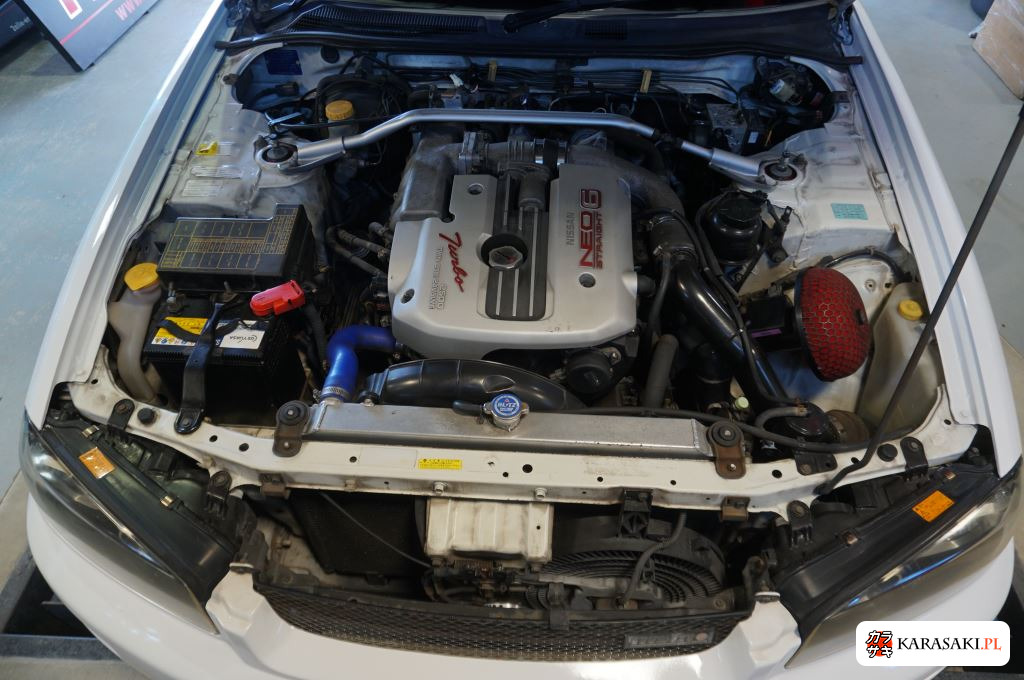
The RB26 has flaws in its character, though. The ceramic wheels of the factory turbos do not tolerate boost raised above stock values, and during sustained running above roughly 7,000 rpm oil pools in the head faster than the narrow return passages can drain it to the sump. That is why a documented, well-kept example is worth more here than a promise of power. Note that the modern Nissan GT-R (R35) belongs to a different engine family, a V6 instead of the straight six, so the market for classic Skyline GT-Rs lives its own life.
SR20DET, 13B-REW, F20C, 4G63: the rest of the big six
The SR20DET took a different path from the iron sixes: a two-litre inline four with a closed-deck aluminium block, light and compact. Across the generations of the Nissan Silvia power grew from 205 PS (S13) through 220 PS (S14) to 250 PS (S15), and the unit also went into the 180SX. A light nose and rear-wheel drive made this platform the foundation of world drifting. The weak point is the valvetrain with its finger followers, which can jump off their seats at high rpm, so a hard-used example is easy to spot by its head-repair history.
The Mazda 13B-REW is the only engine on this list without pistons: two rotors totalling 1,308 cc and sequential twin turbocharging. Power in the RX-7 (FD3S, built from October 1991 to August 2002) grew from 255 PS through 265 PS to 280 PS in the final series. Ownership revolves around the apex seals: they are sensitive to detonation, and the engine meters oil into the combustion chambers by design, so oil consumption is a feature, not a fault. The Honda F20C from the S2000 showed a third way: no turbo, revs instead. The two-litre four spins to about 9,000 rpm and delivers 250 PS at 8,300 rpm, roughly 125 PS per litre. At its 1999 debut this was the highest figure among production naturally aspirated engines, a record that stood until the Ferrari 458 Italia of 2010.
The list closes with the Mitsubishi 4G63T, a two-litre four with a cast-iron block and a long stroke (85 by 88 mm) that powered nine generations of the Lancer Evolution (1992–2007). It started at 250 PS in the Evo I, from the Evo IV (1996) the catalogue already said 280 PS, and torque in the Evo IX reached 392–400 Nm depending on the version. Rally homologation did its work: the block takes pressures civilian designs never dreamed of. Early versions (Evo I–IV) had a known crank thrust-play issue, redesigned from the Evo V on, so with an older car that is the first thing to check.
| Engine | Layout | Displacement | Catalogue power | Fitted to |
|---|---|---|---|---|
| Toyota 2JZ-GTE | I6, cast-iron block, sequential twin turbo | 2,997 cc | 280 PS | Supra RZ (JZA80), Aristo |
| Nissan RB26DETT | I6, cast-iron block, parallel twin turbo | 2,568 cc | 280 PS | Skyline GT-R (R32, R33, R34) |
| Nissan SR20DET | I4, aluminium block, turbo | 1,998 cc | 205–250 PS | Silvia (S13, S14, S15), 180SX |
| Mazda 13B-REW | 2 rotors, sequential twin turbo | 1,308 cc | 255–280 PS | RX-7 (FD3S) |
| Honda F20C | I4, naturally aspirated, VTEC | 1,997 cc | 250 PS | S2000 (AP1) |
| Mitsubishi 4G63T | I4, cast-iron block, turbo | 1,997 cc | 250–280 PS | Lancer Evolution I–IX |
Kultowe JDM aktualnie na aukcji

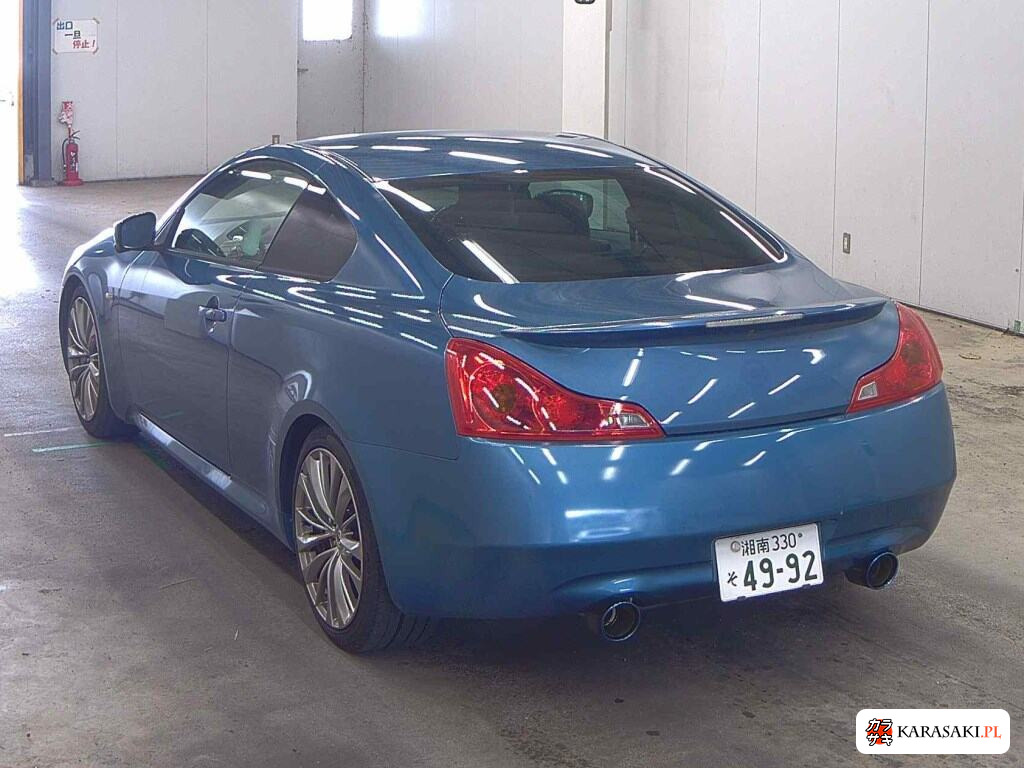
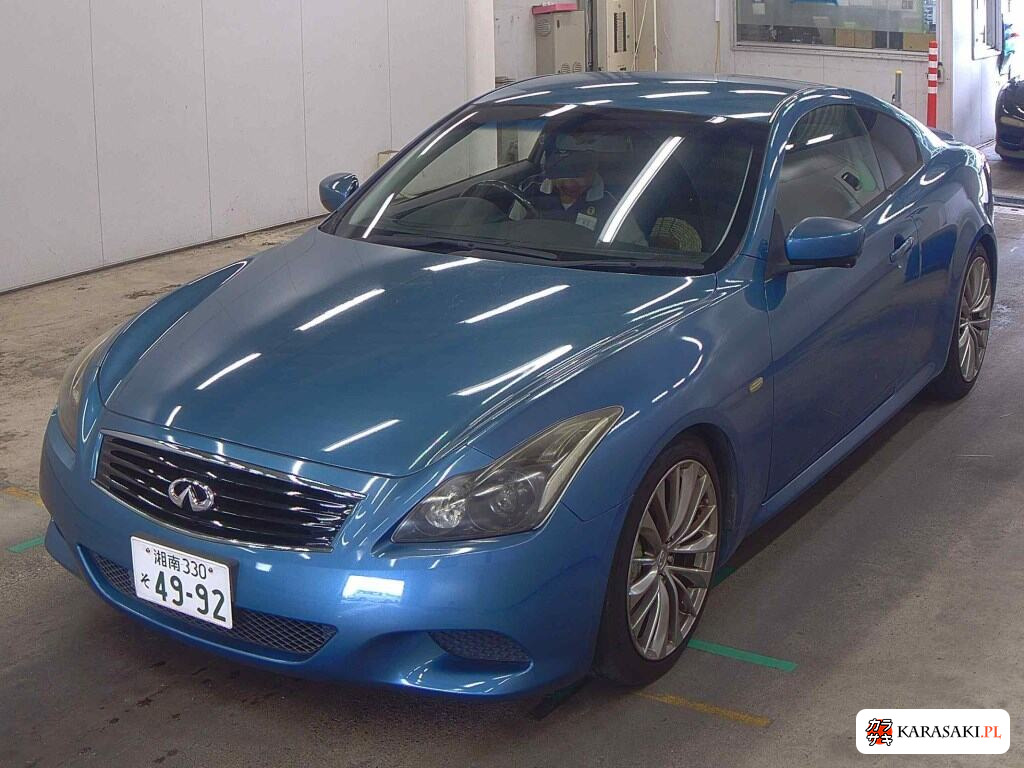
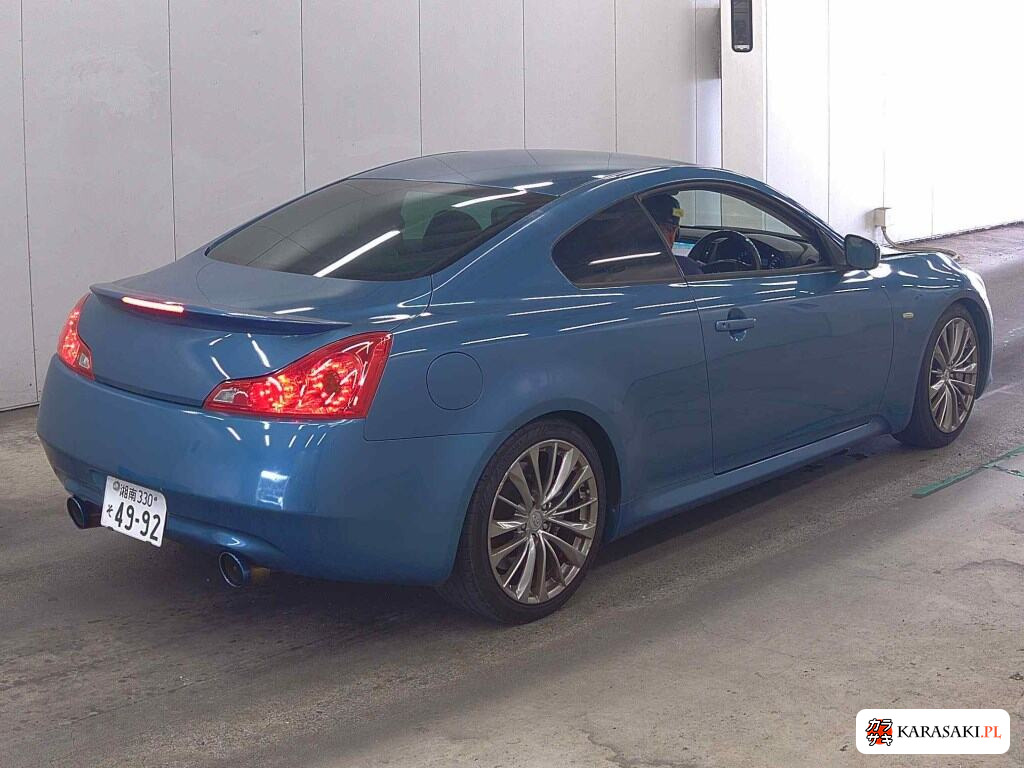
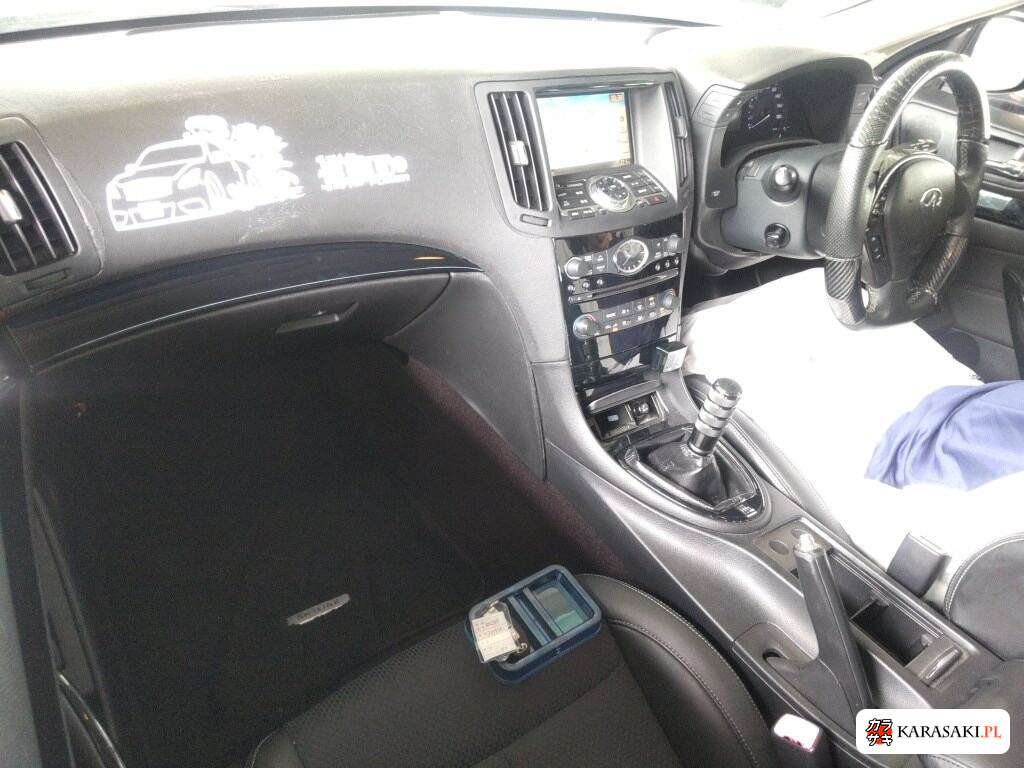
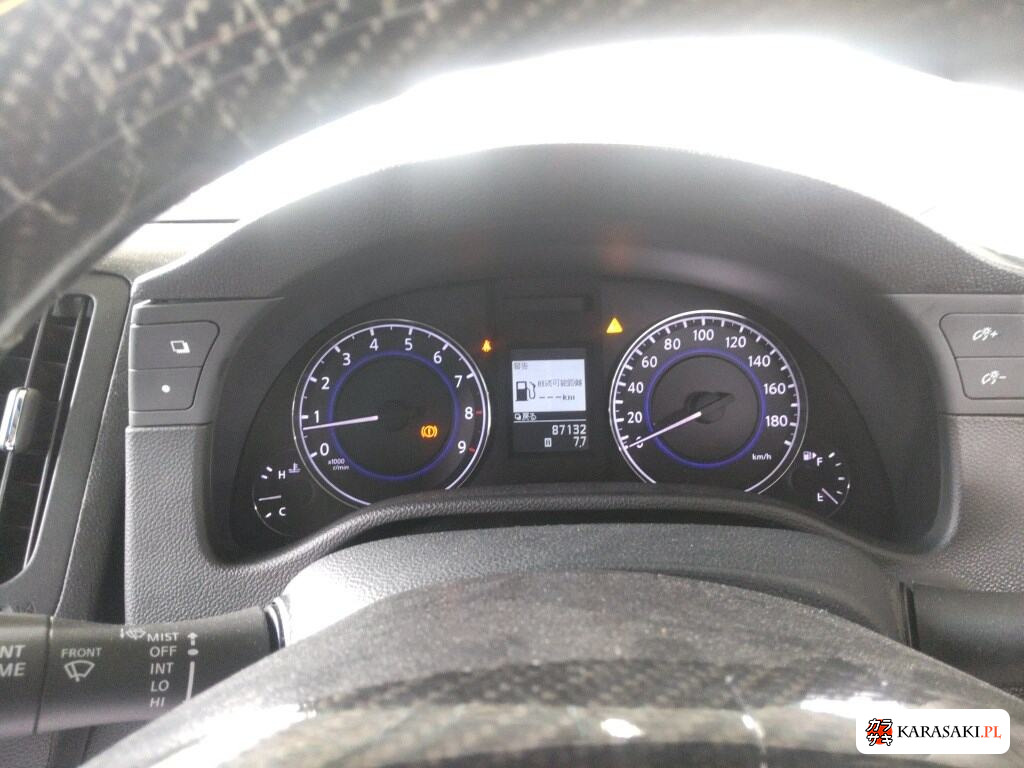
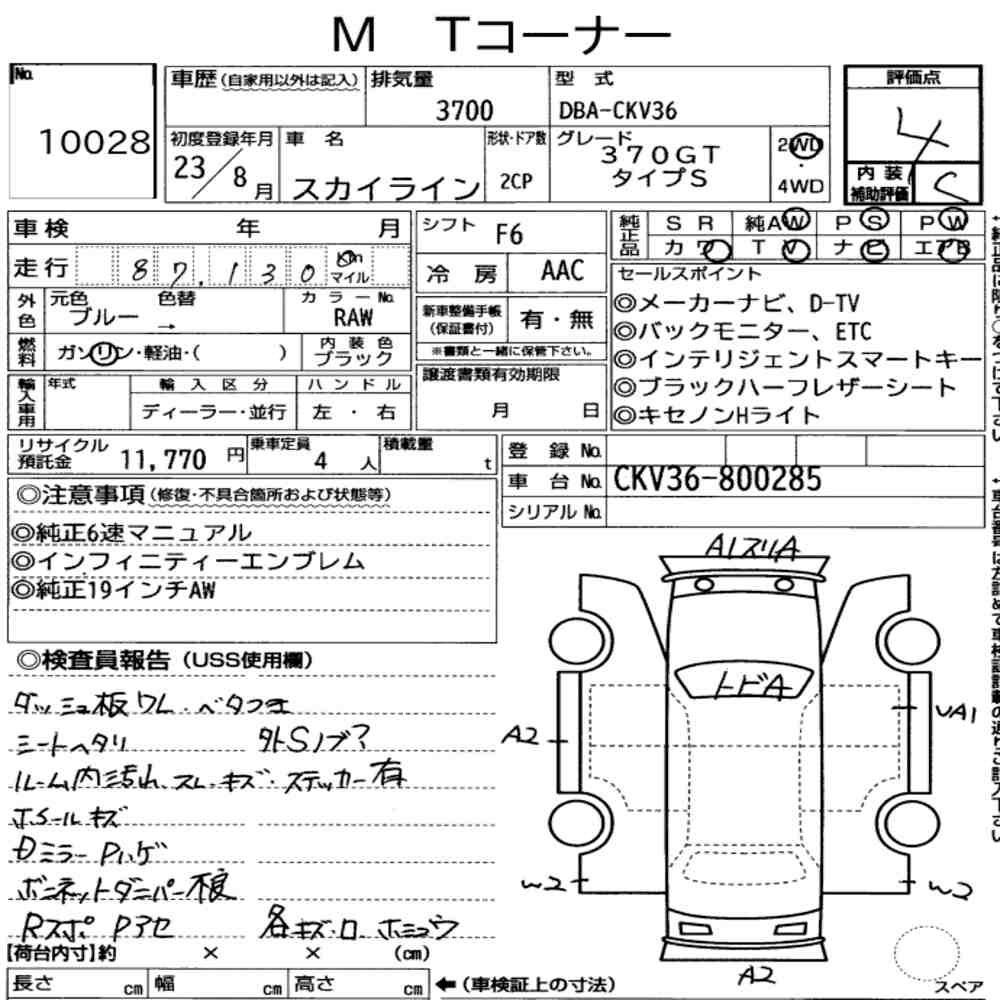

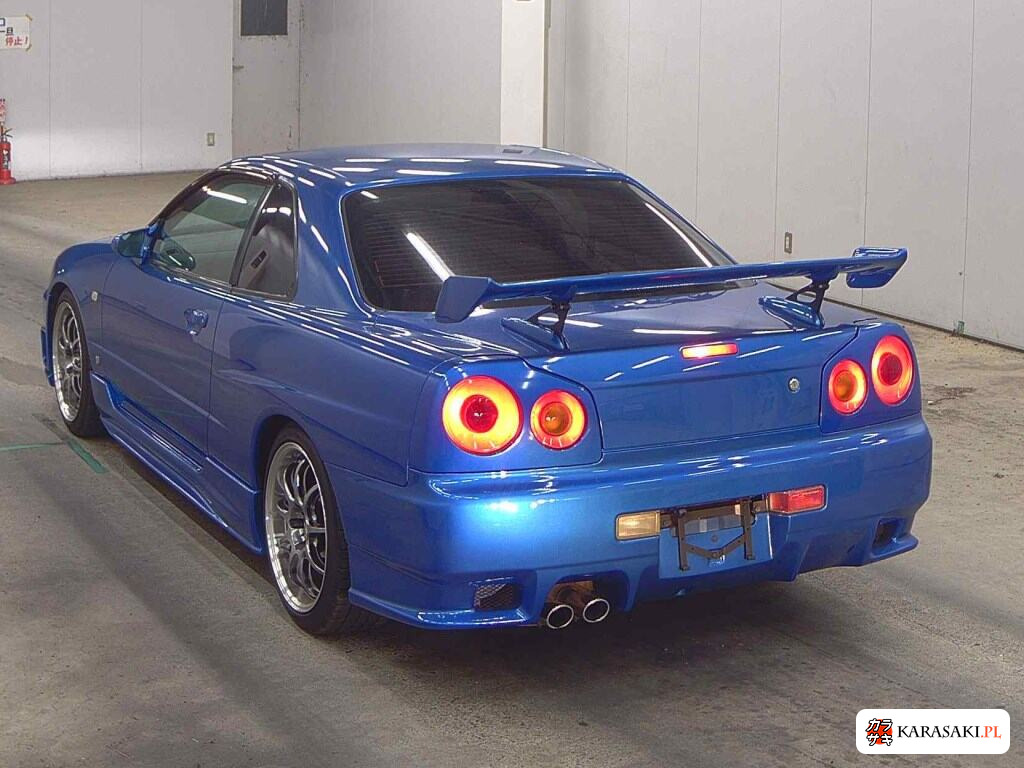
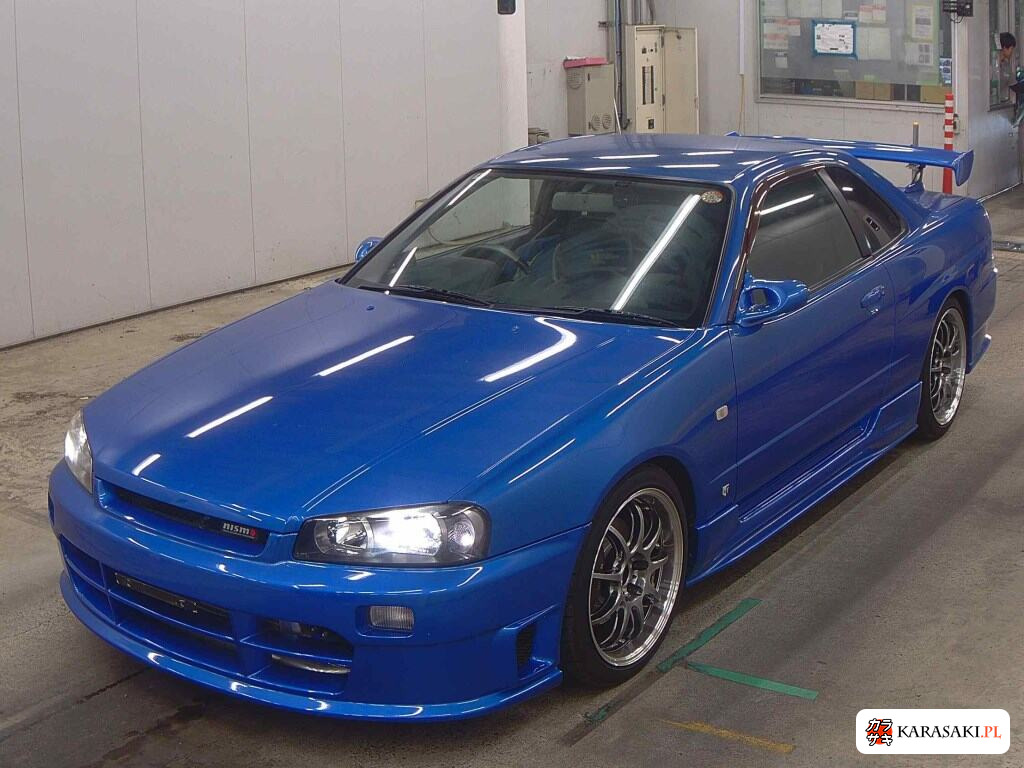
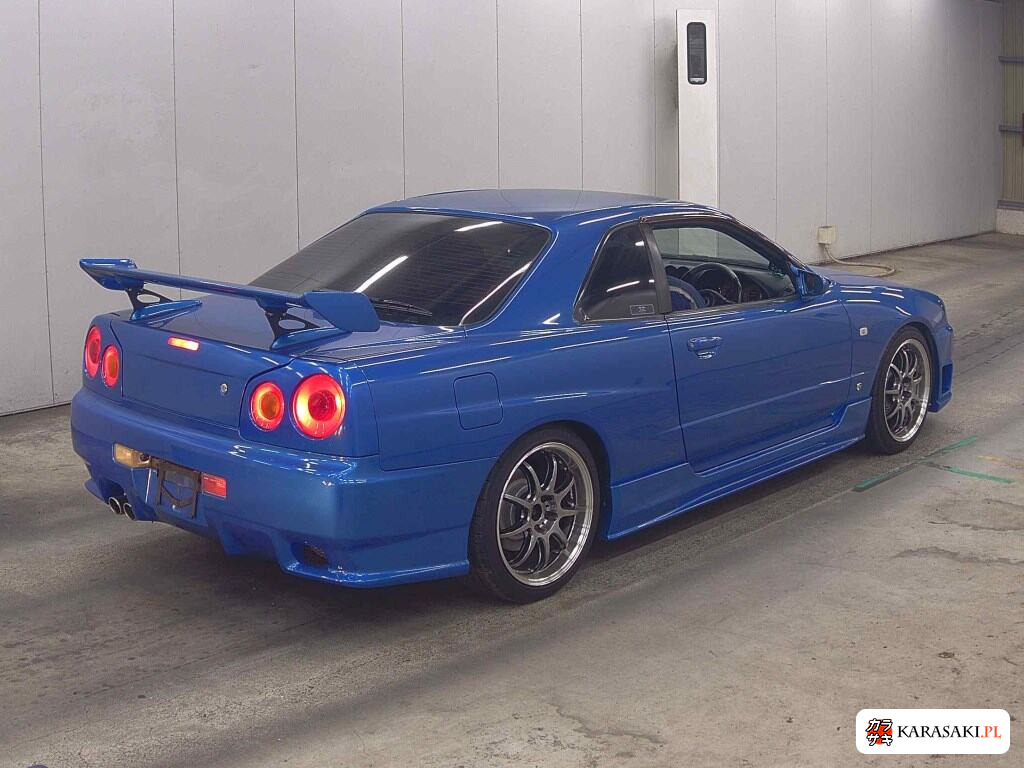
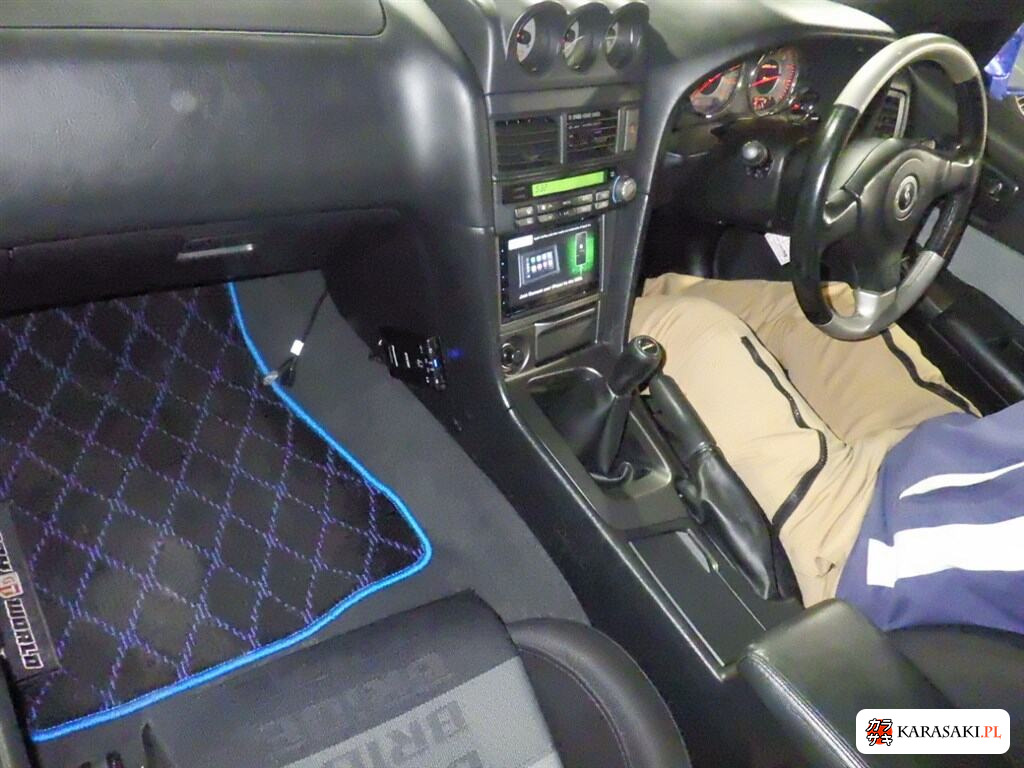
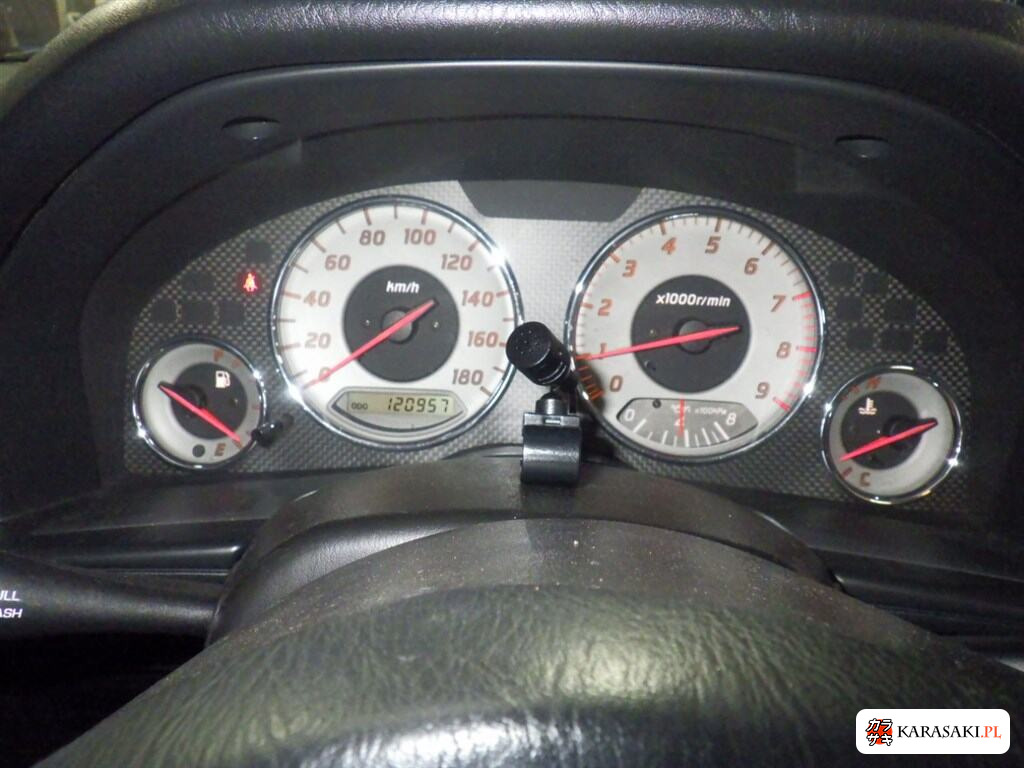
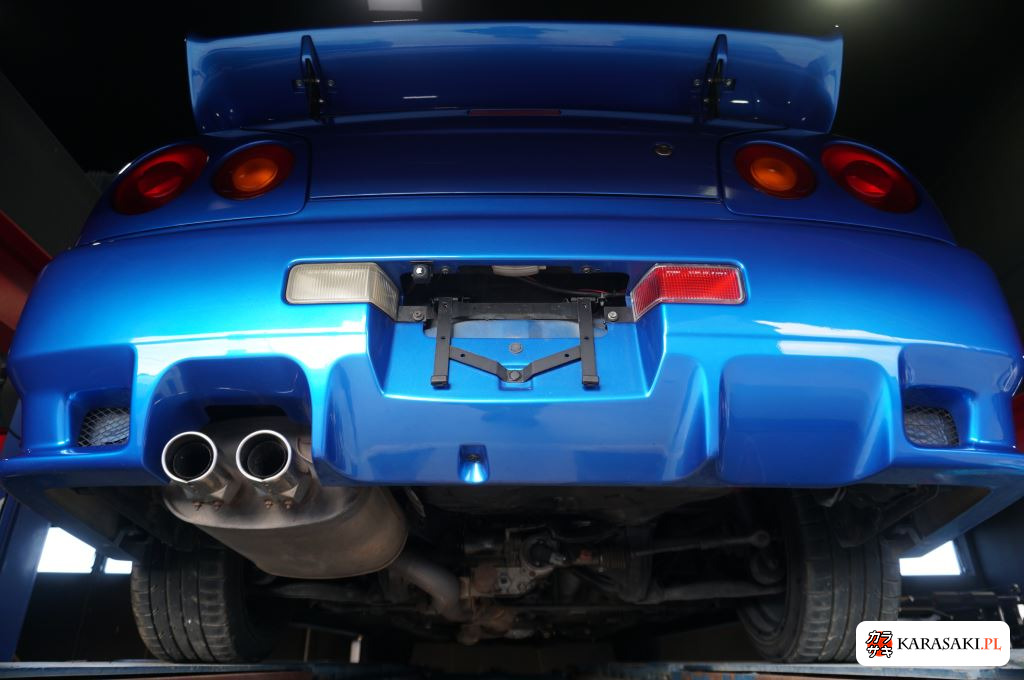
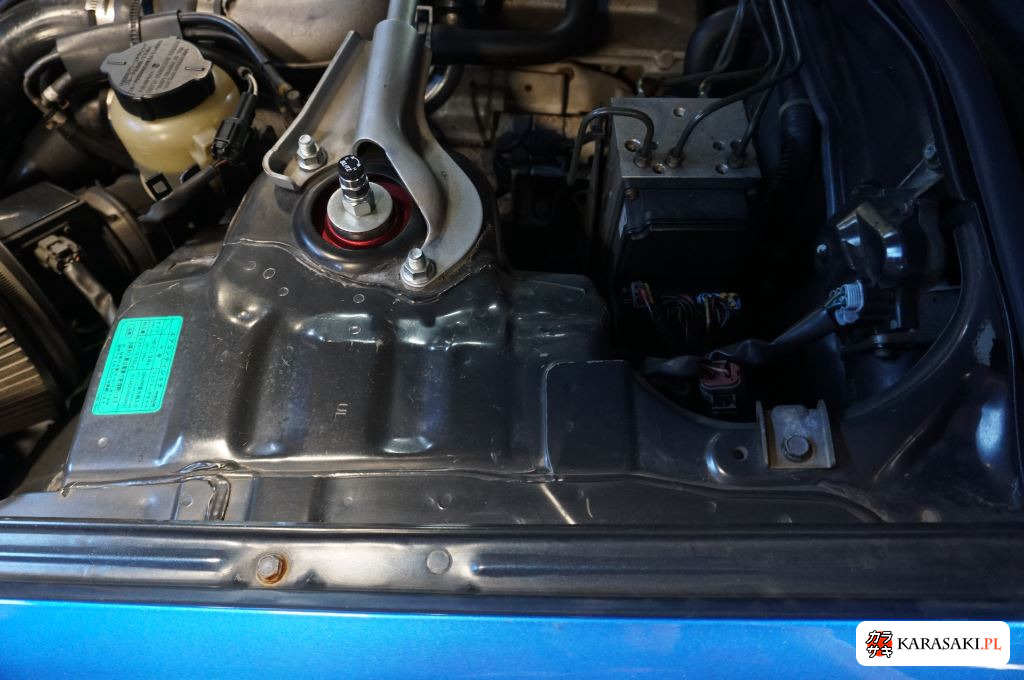
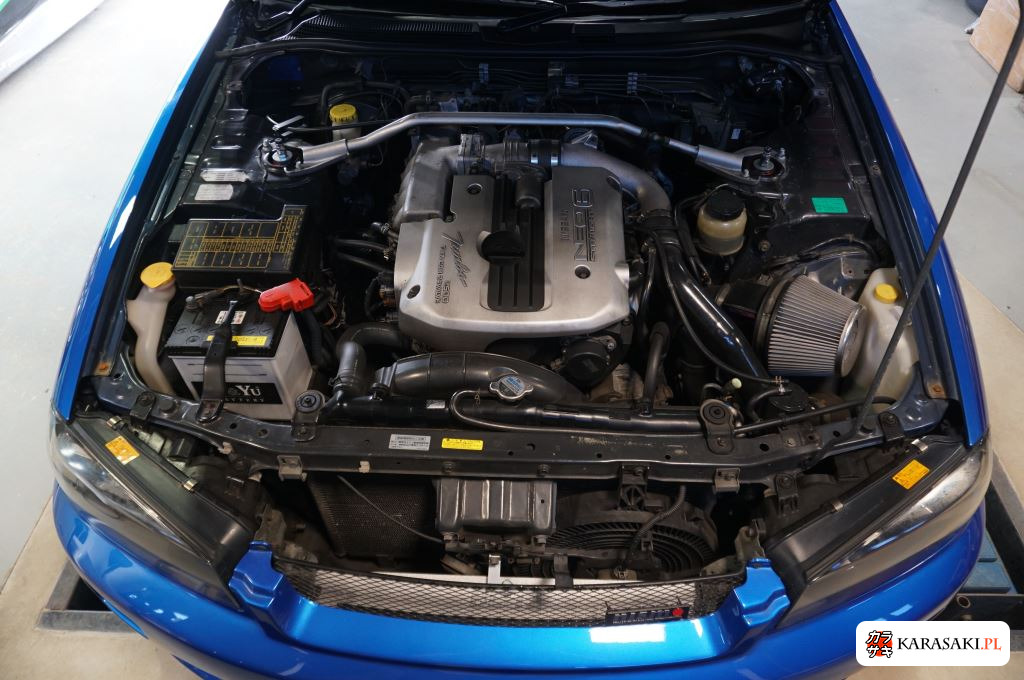
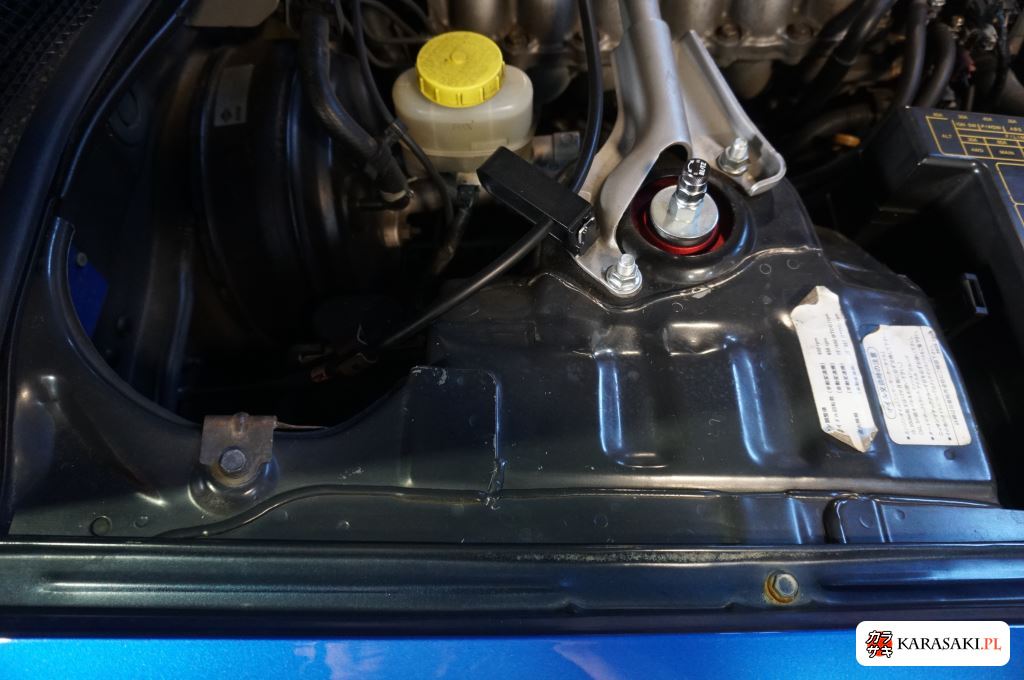
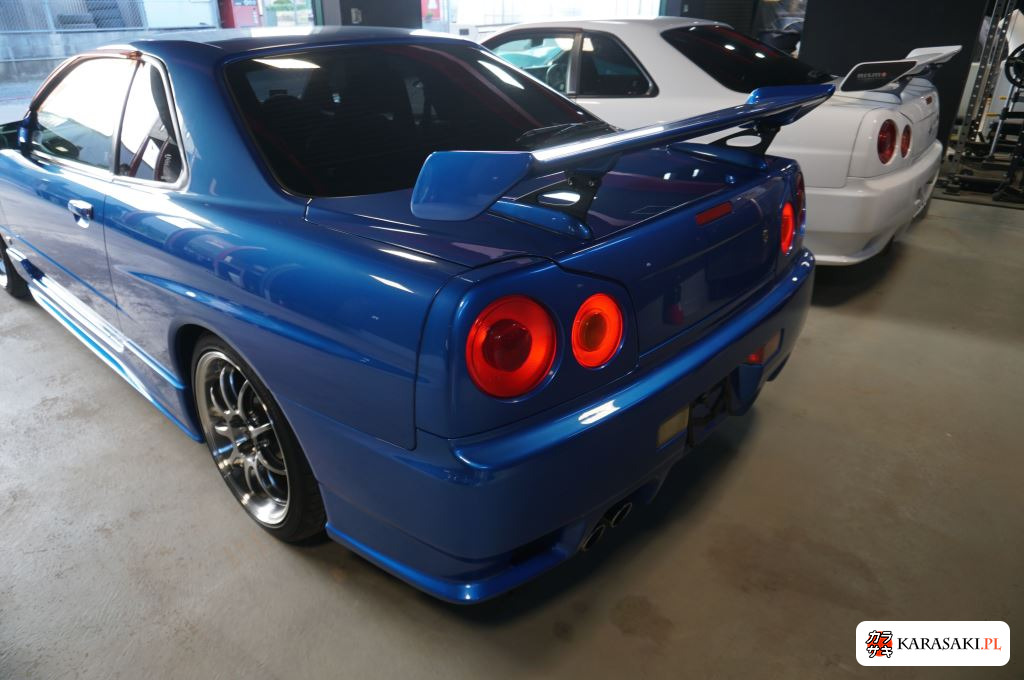
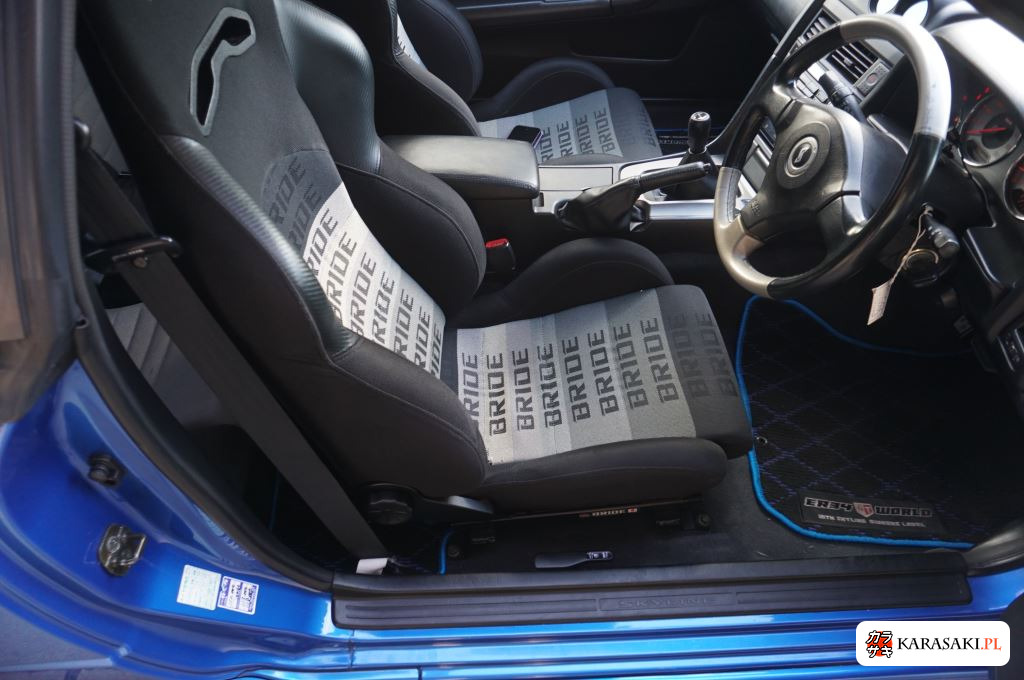
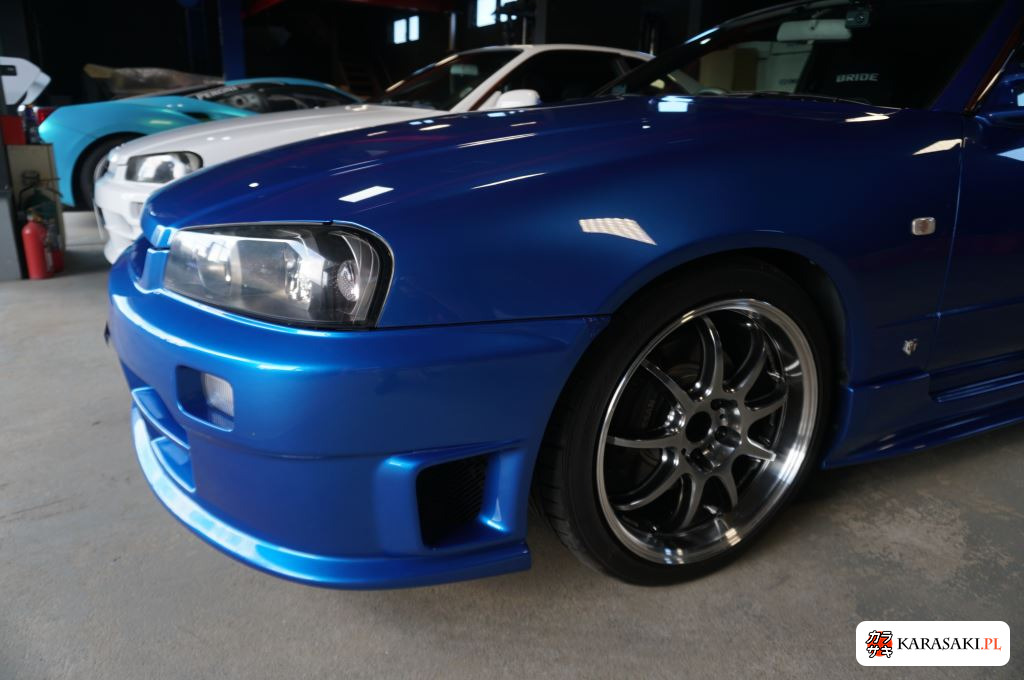
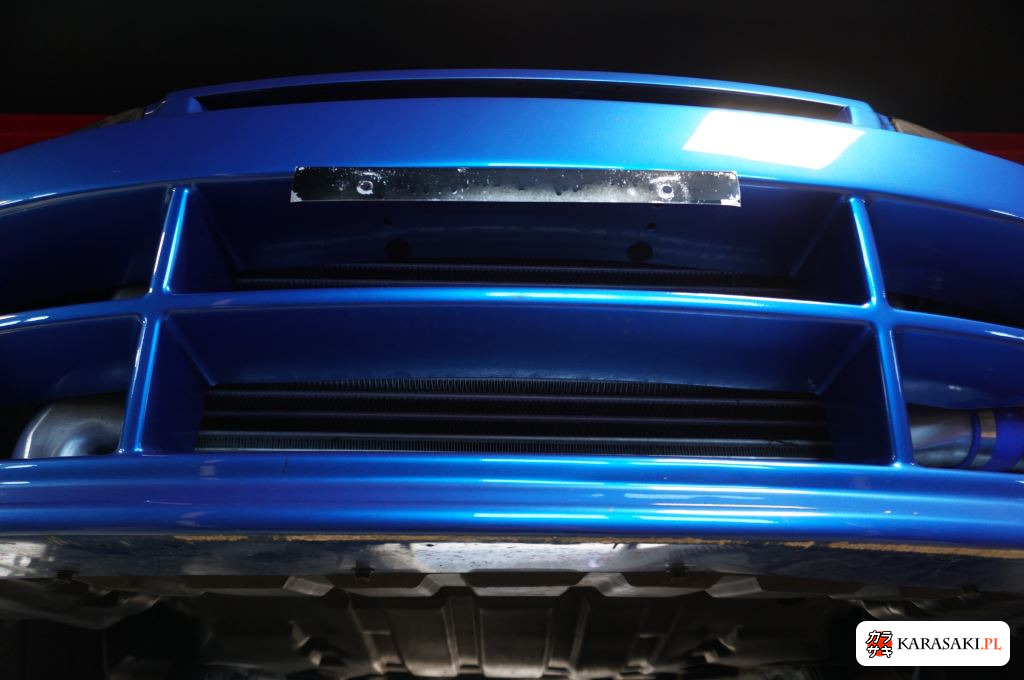
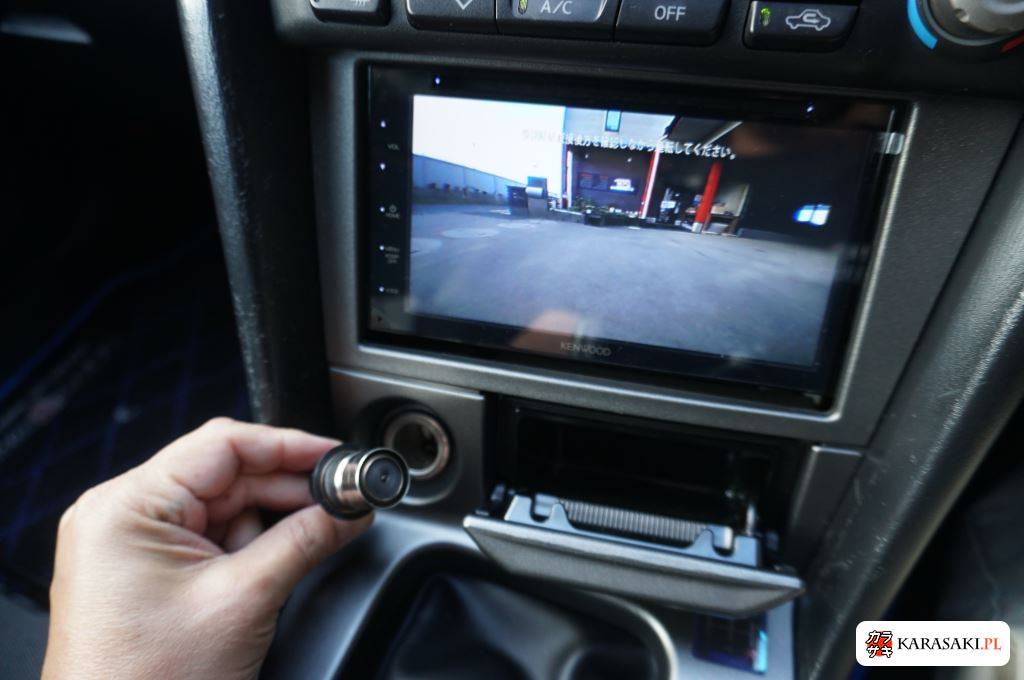
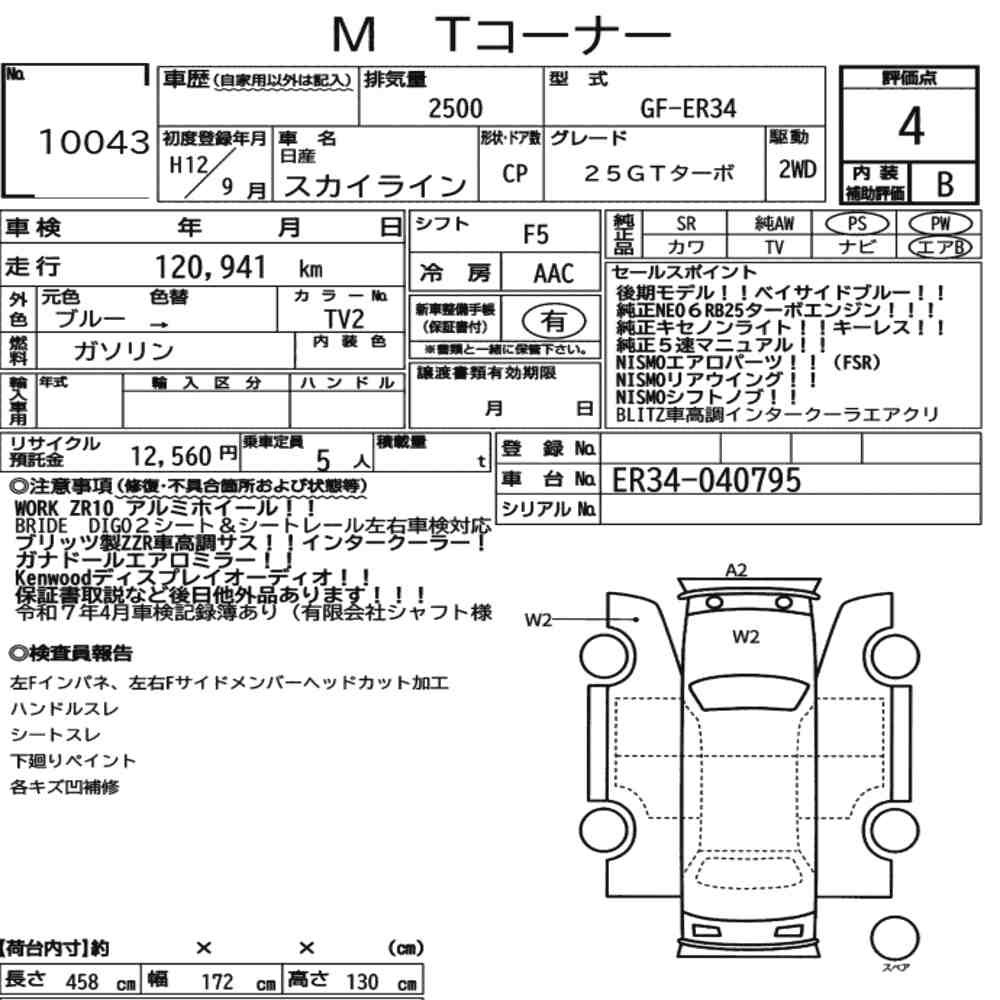

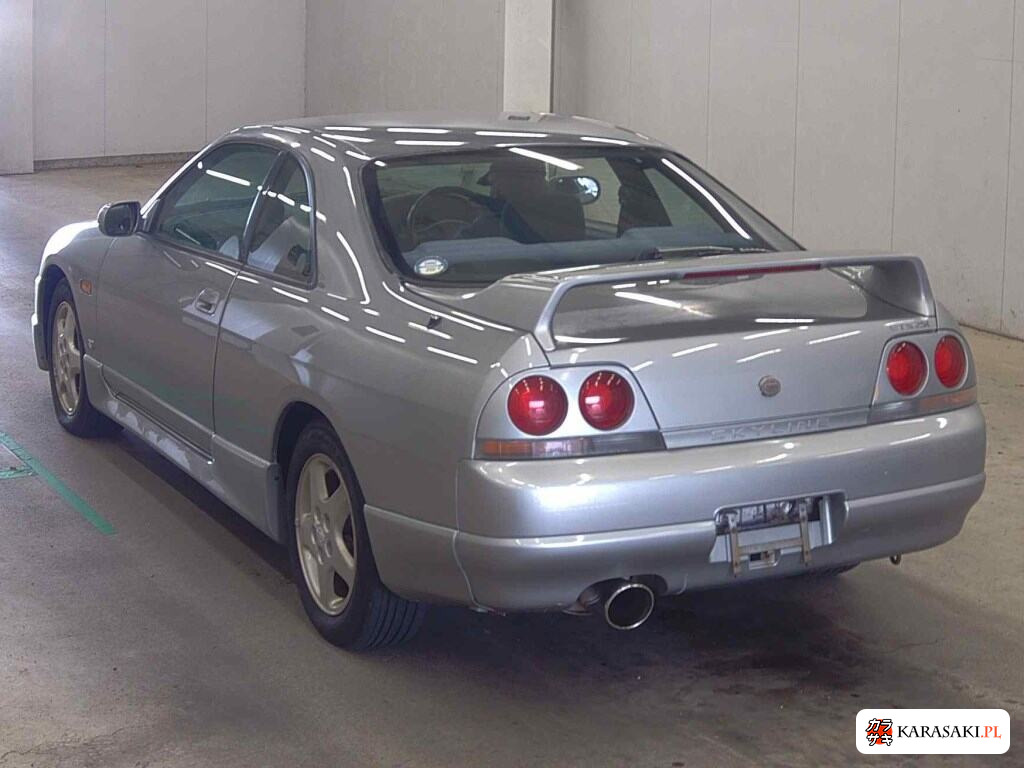
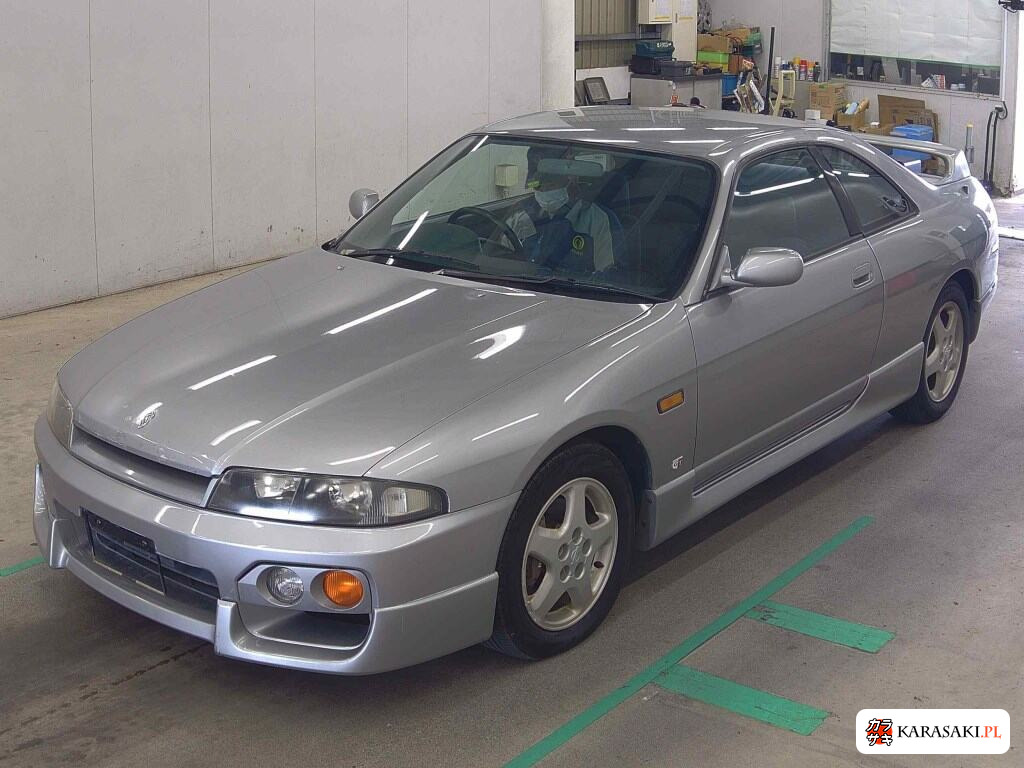
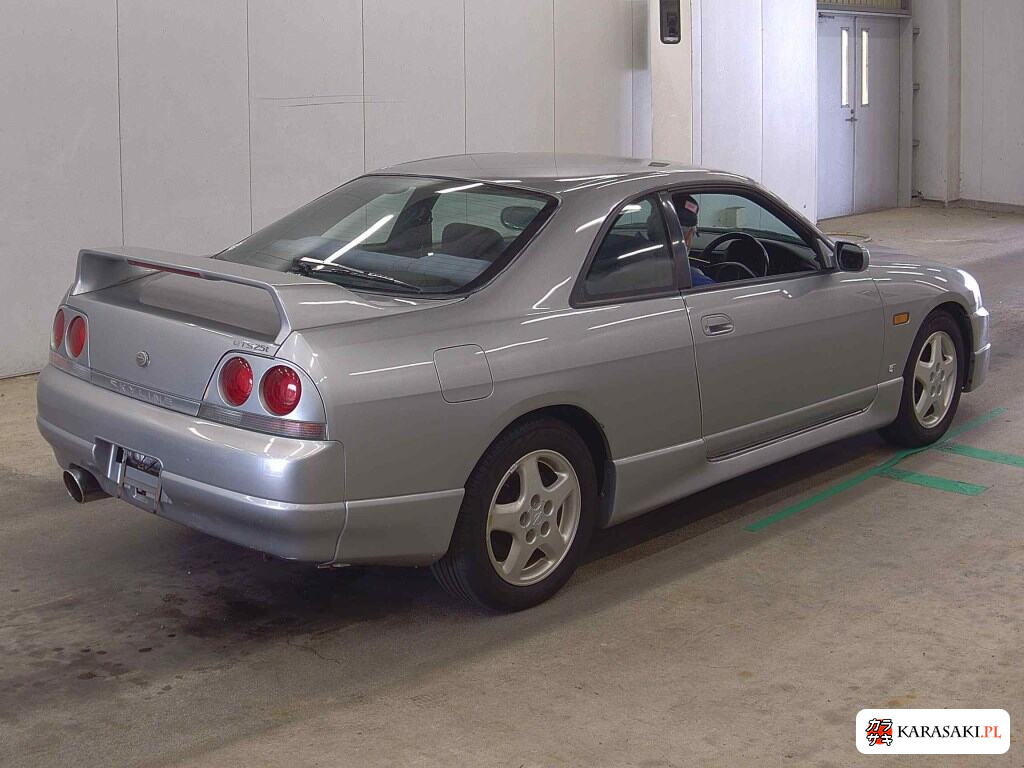
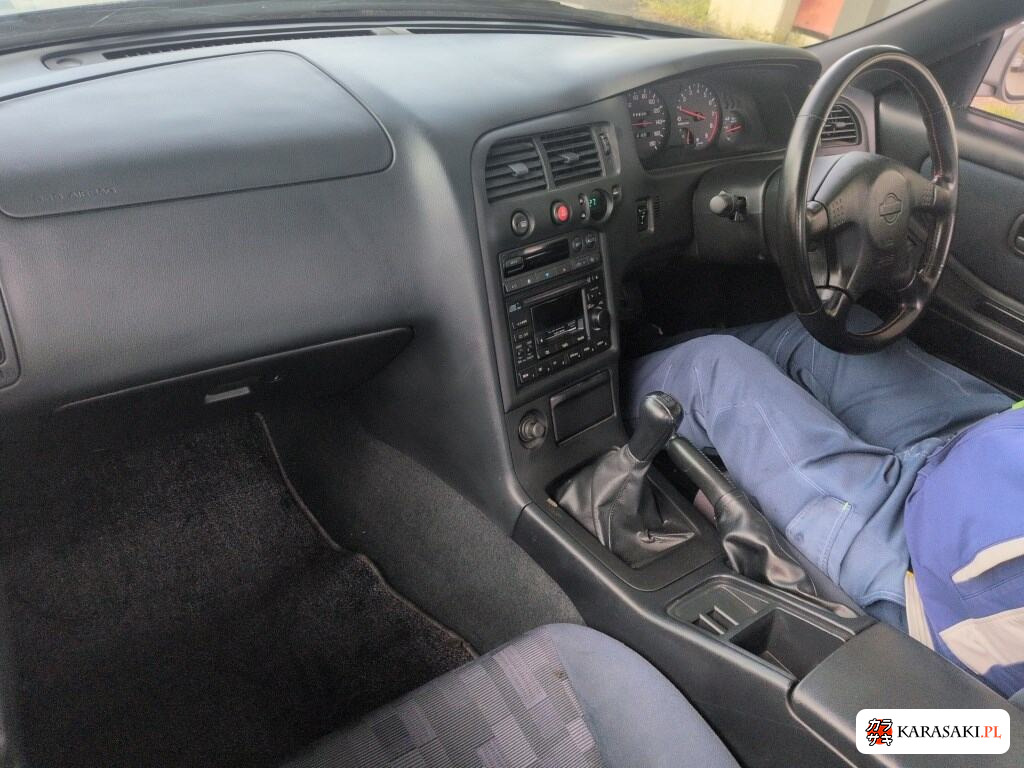
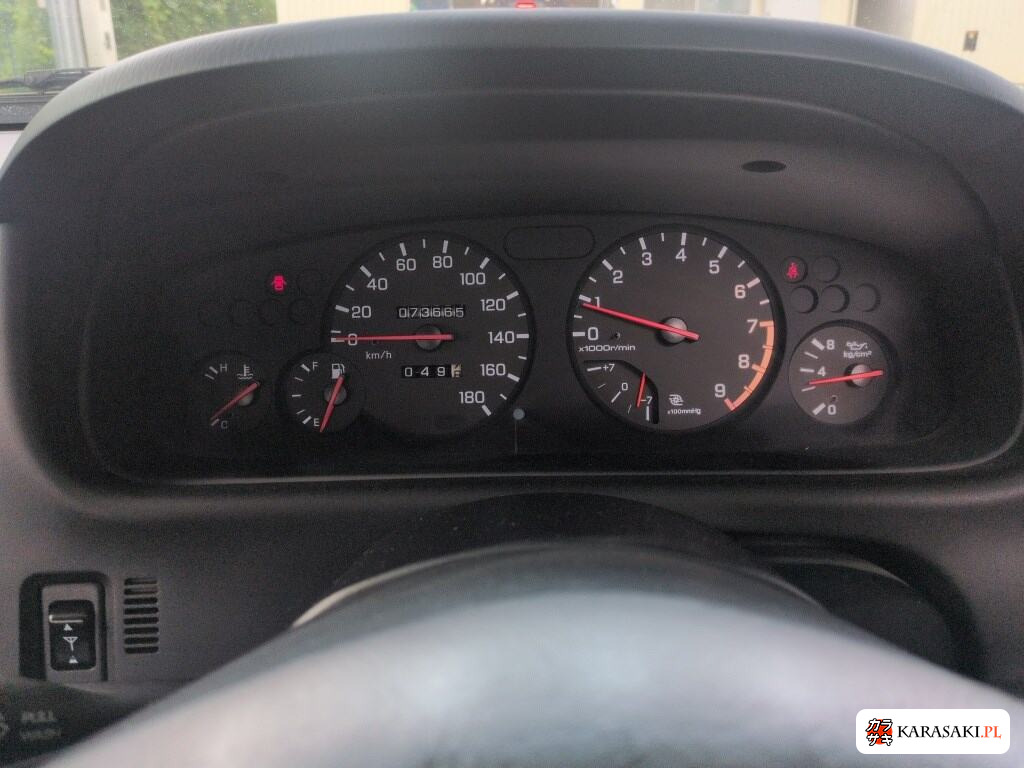
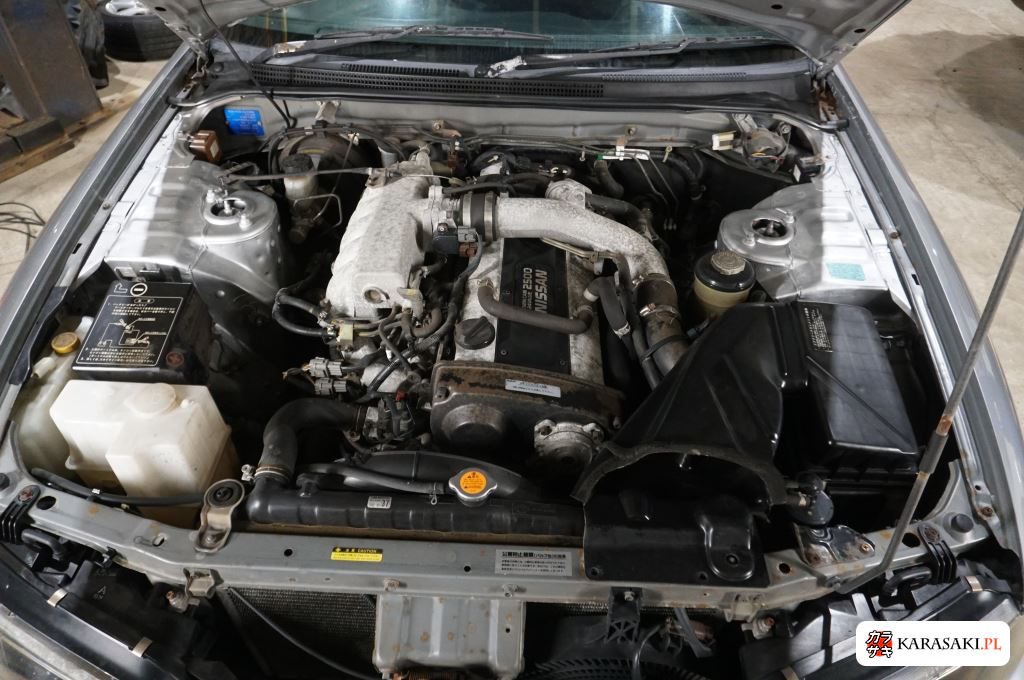
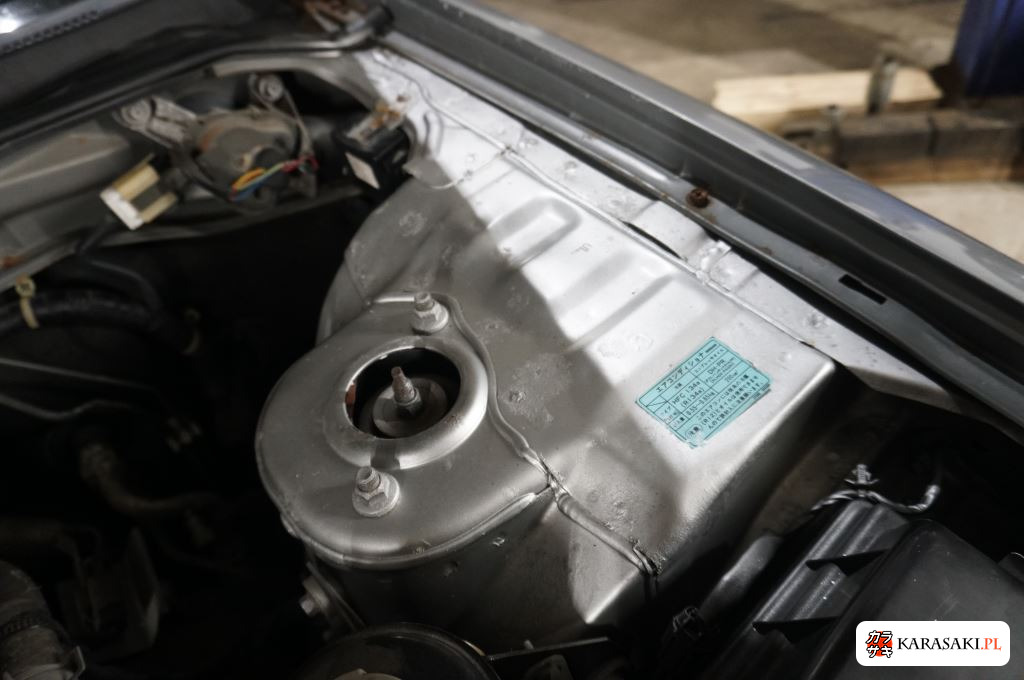
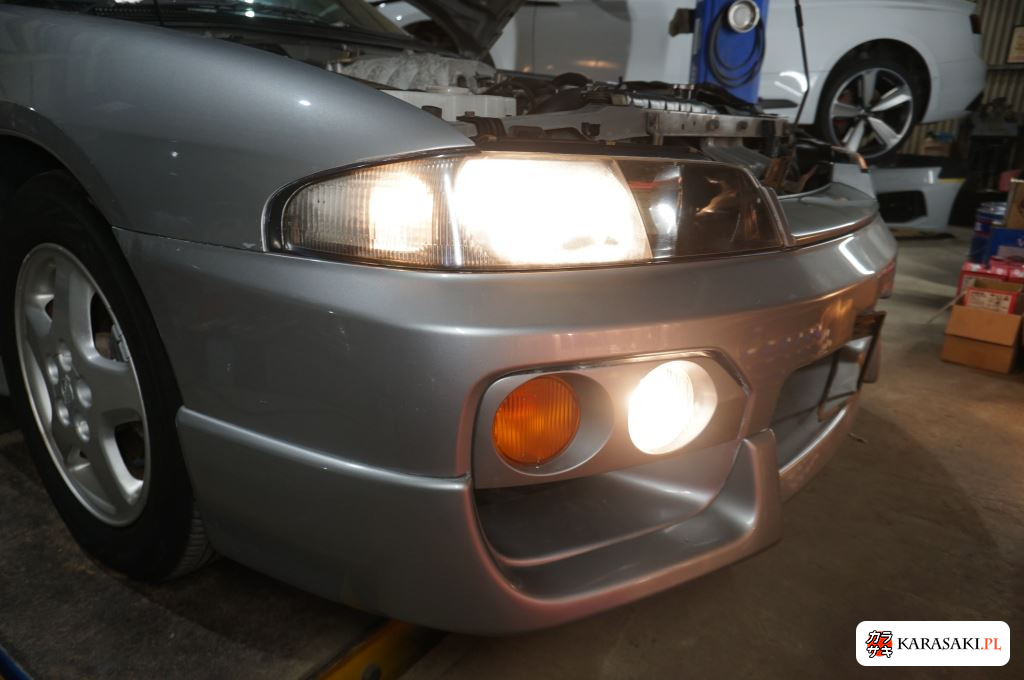
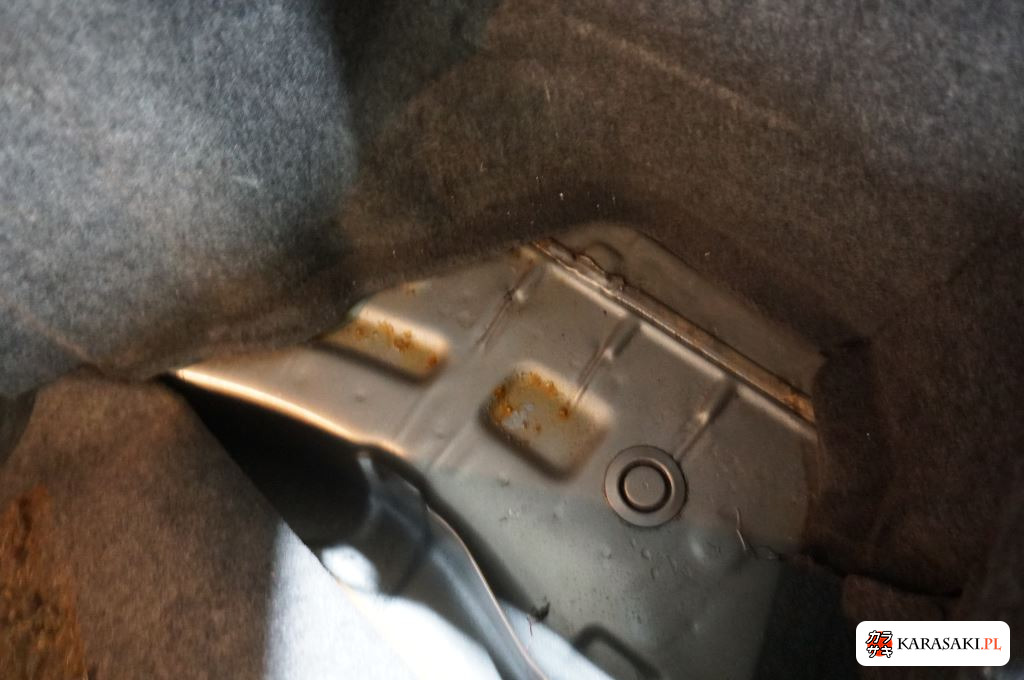
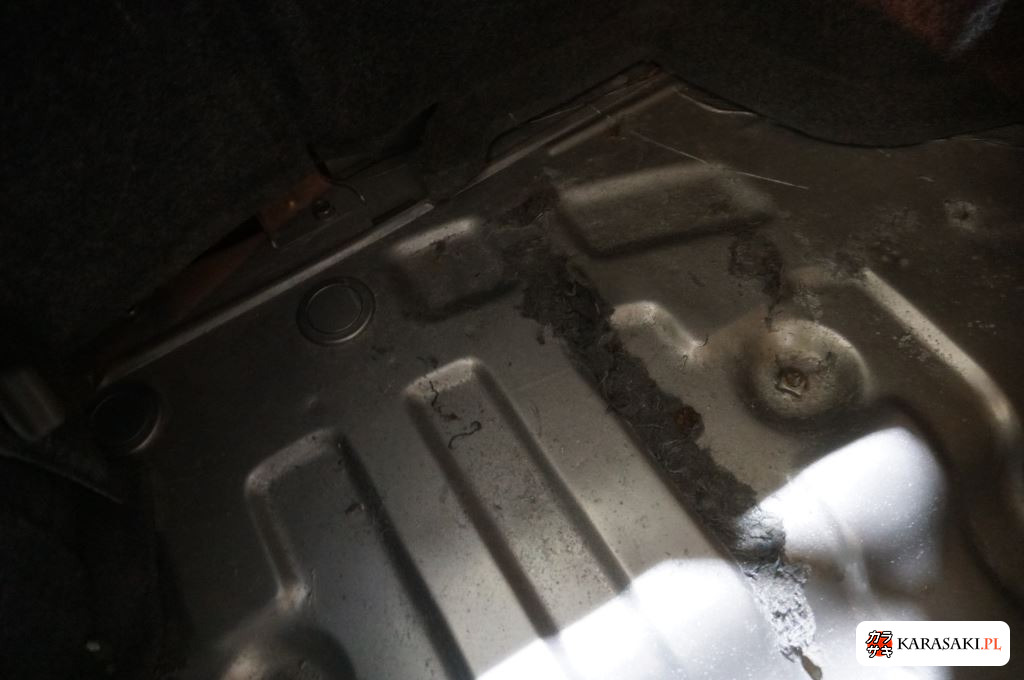
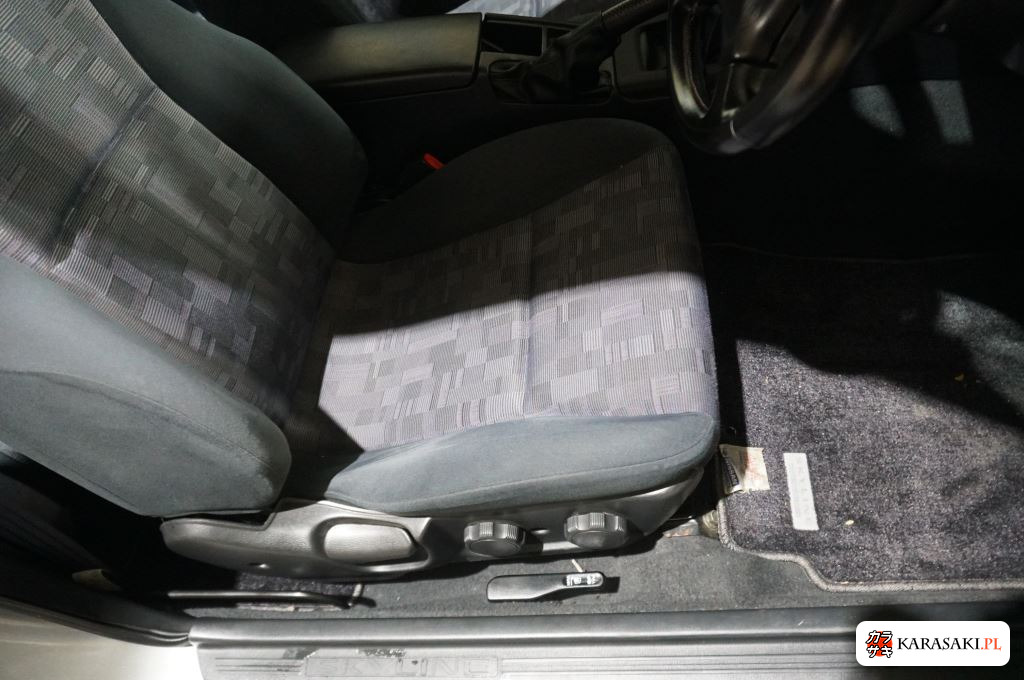
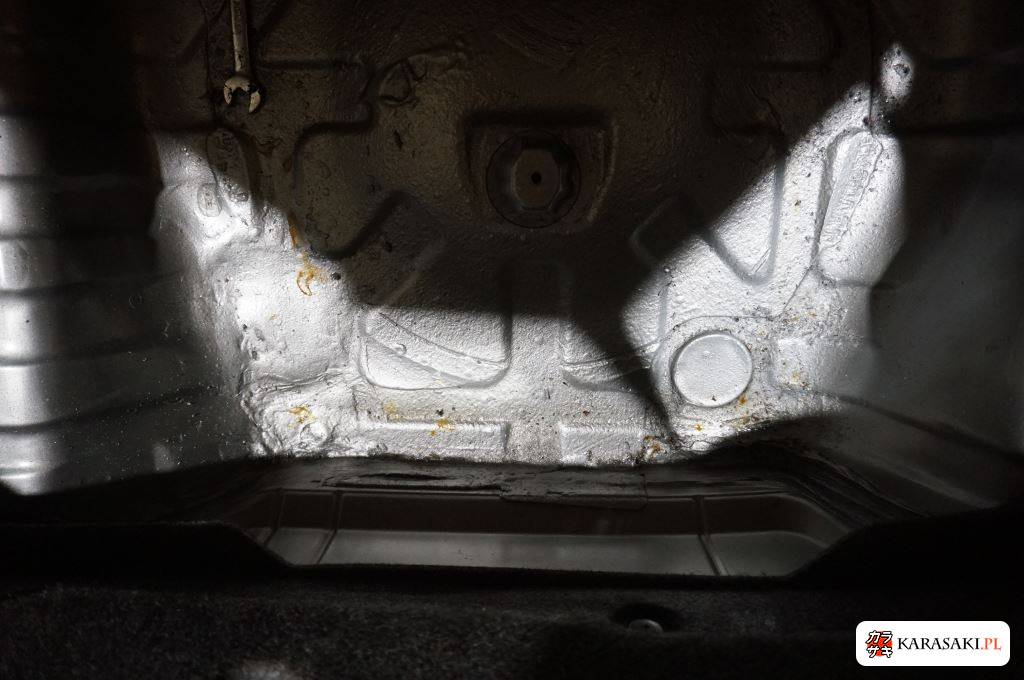
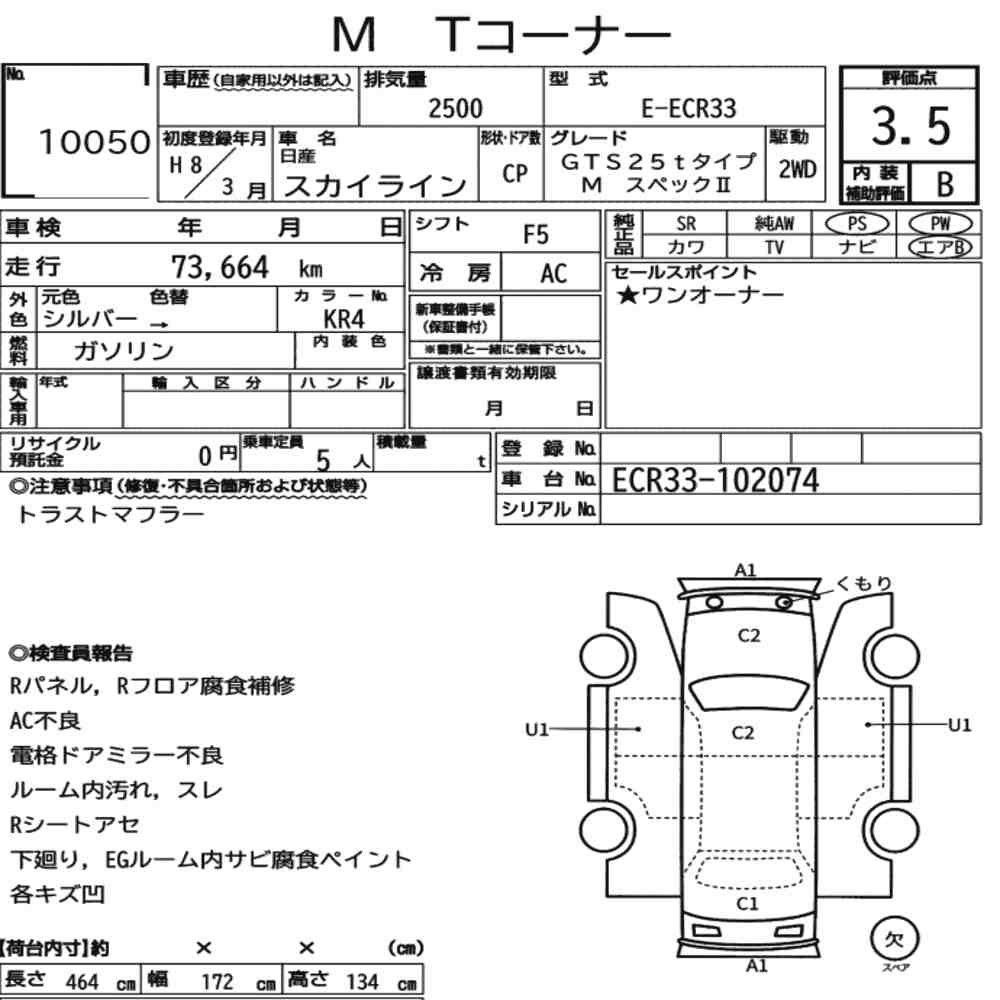

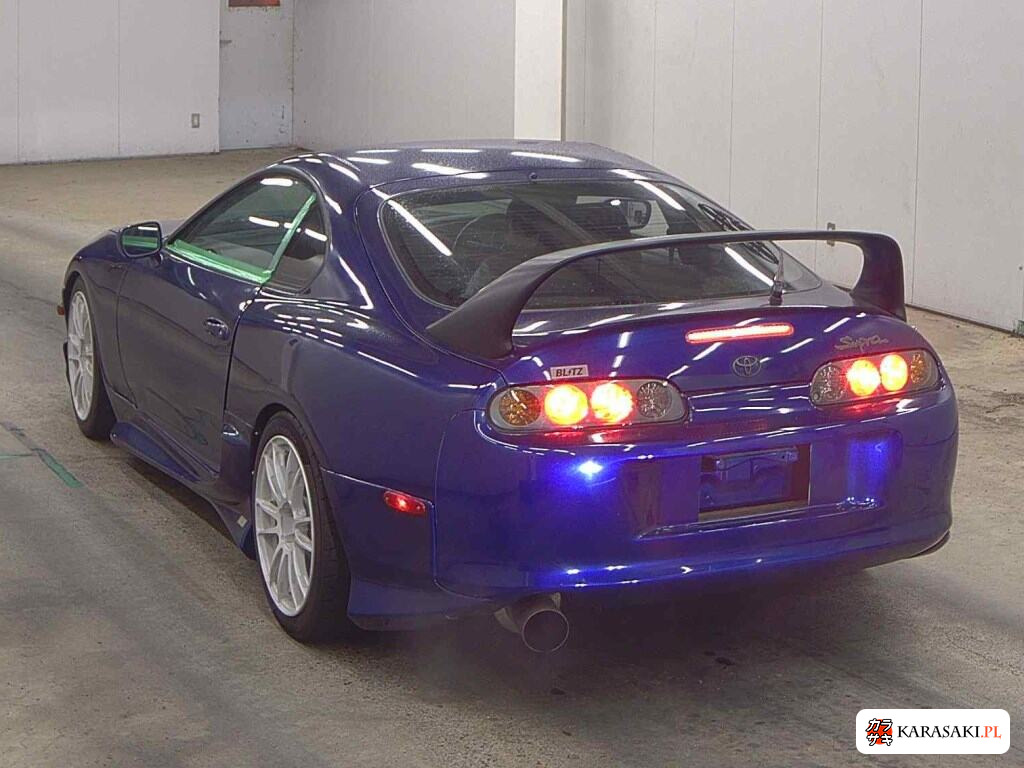
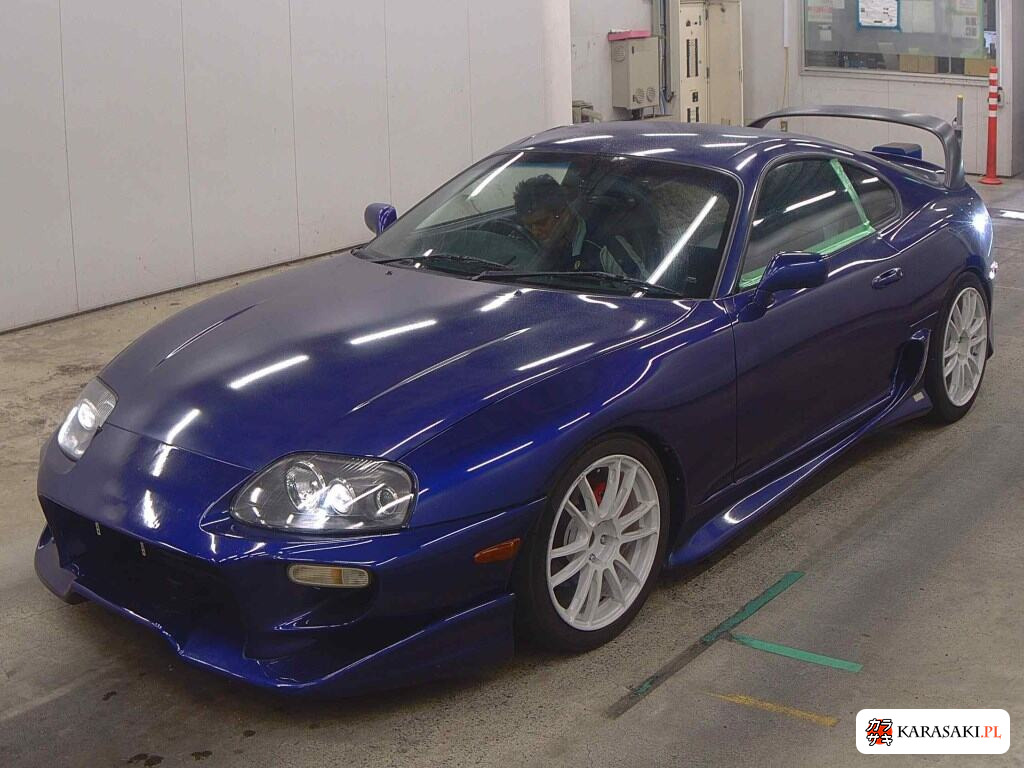
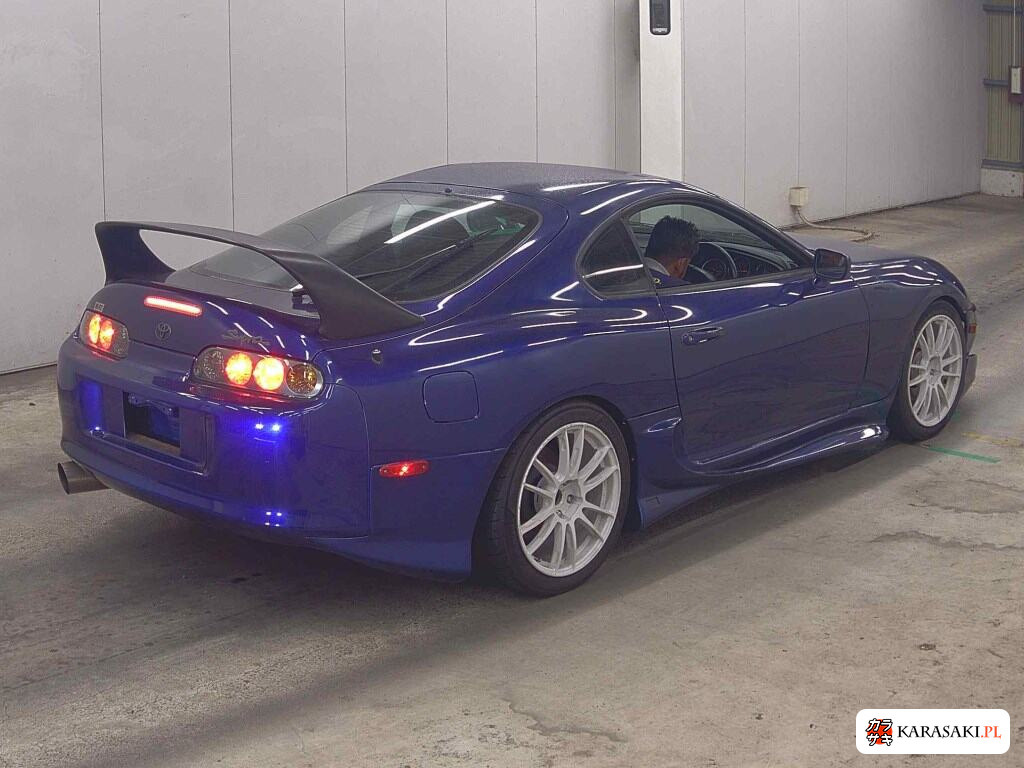
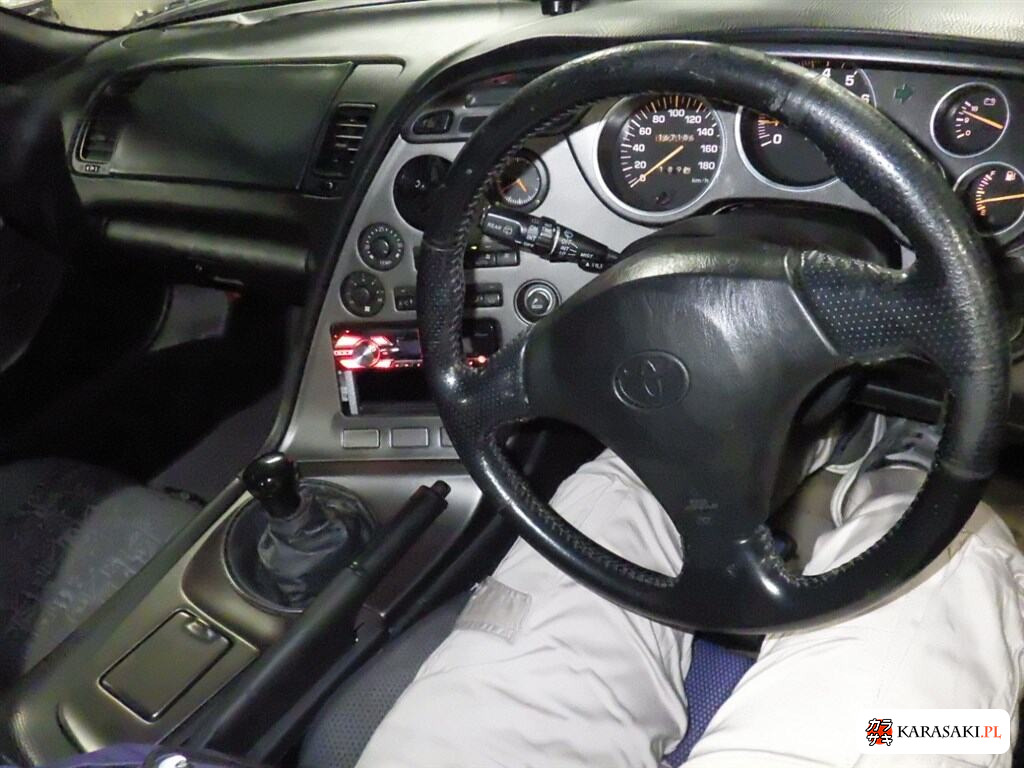
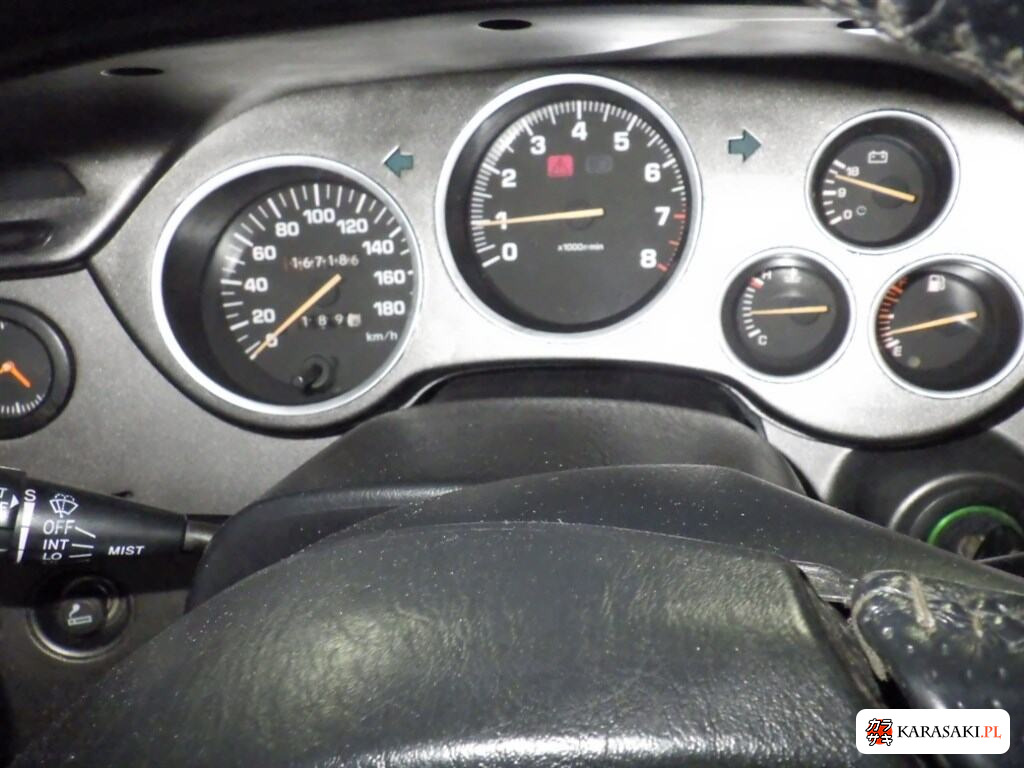
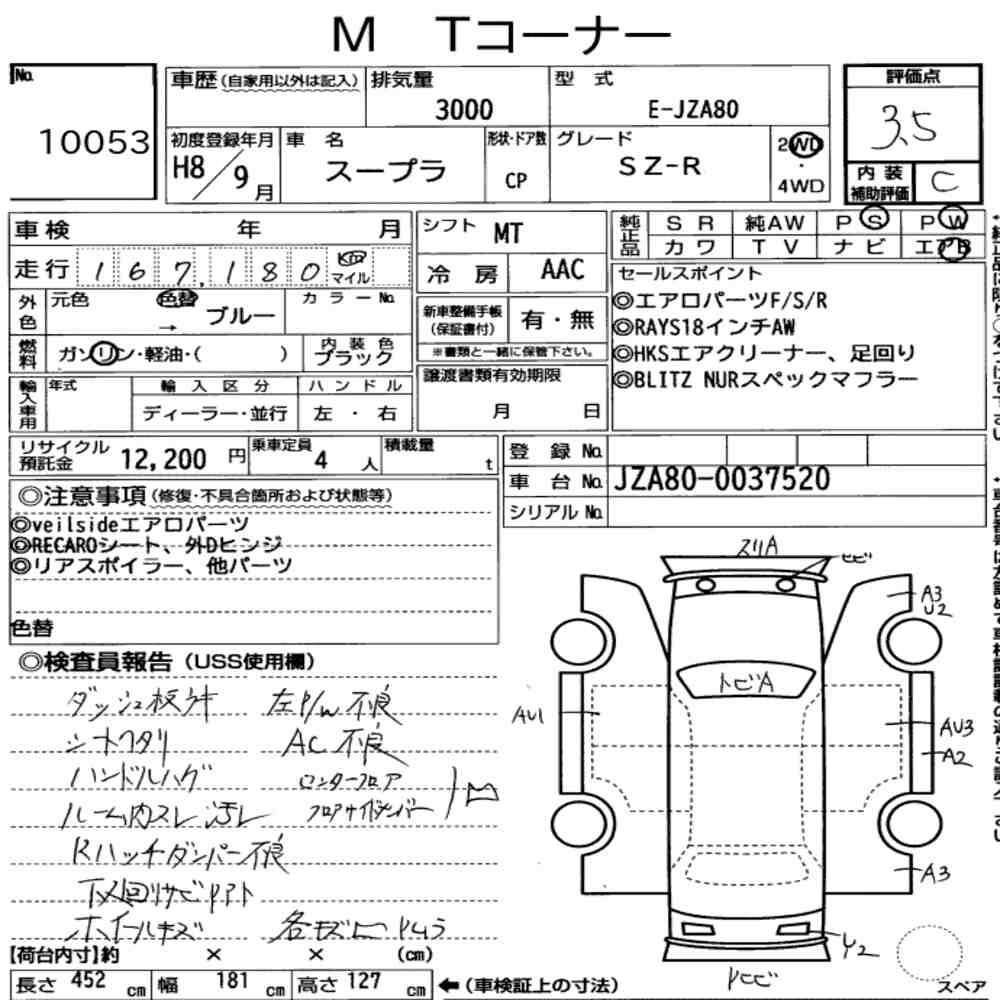

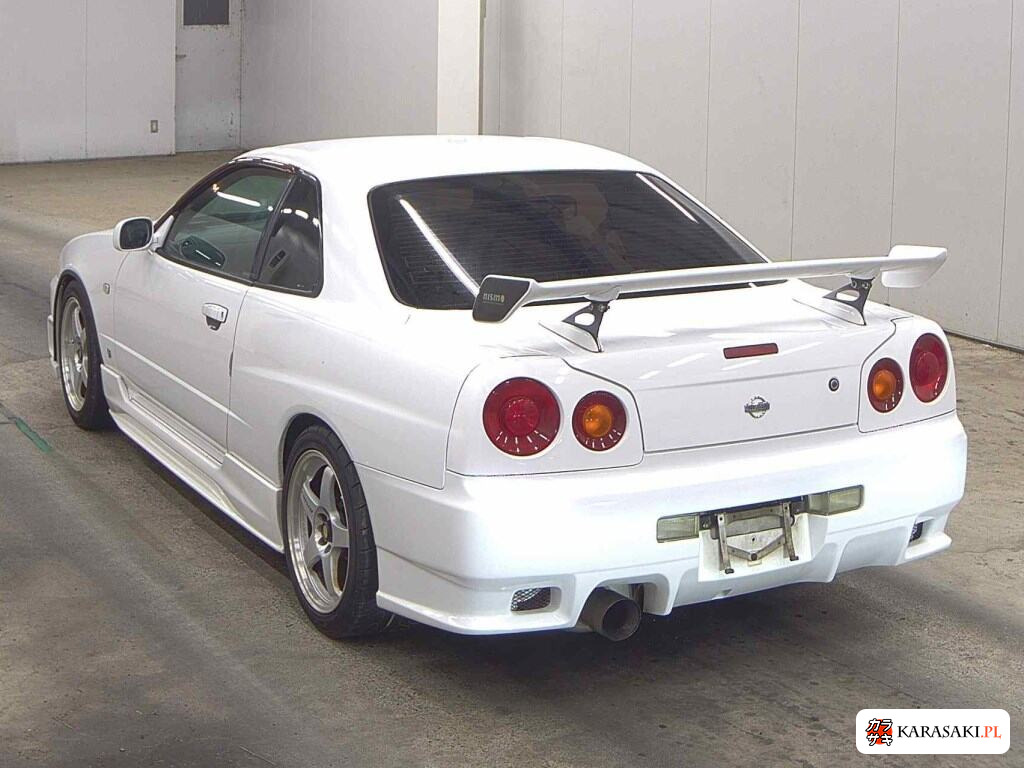
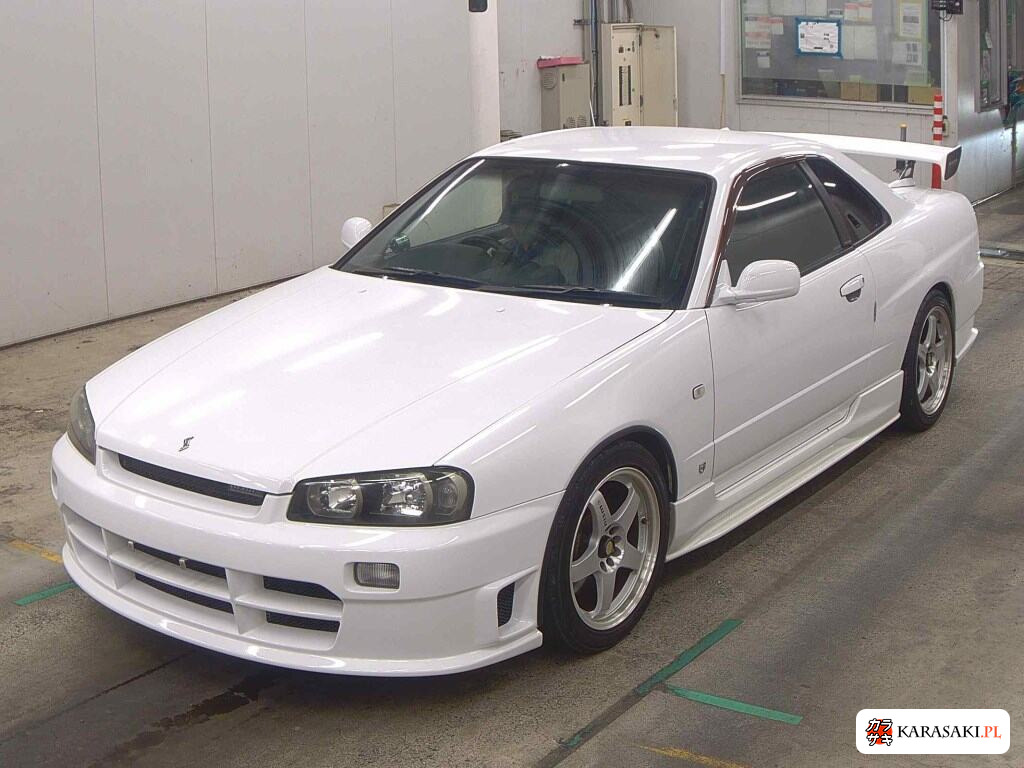
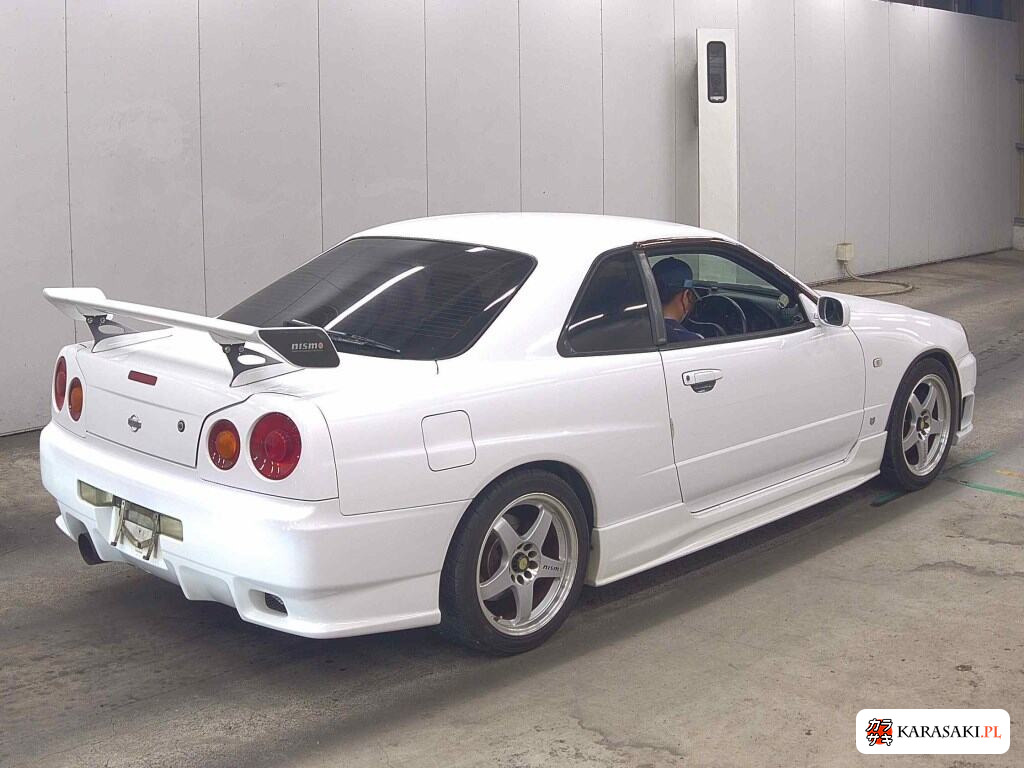
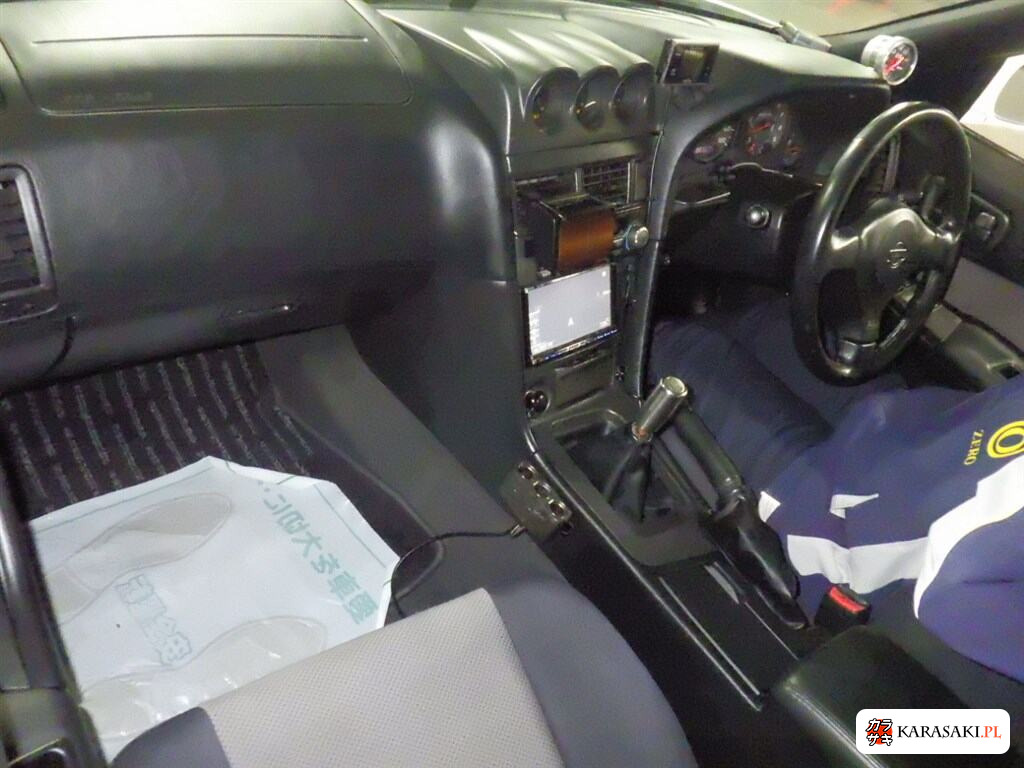
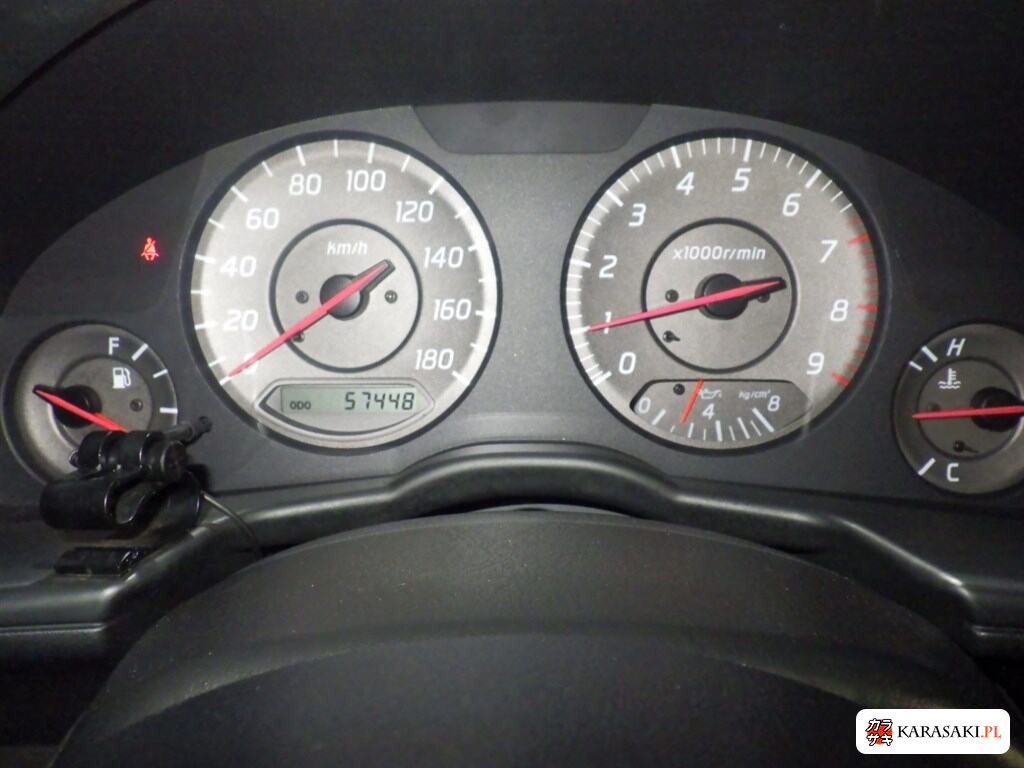
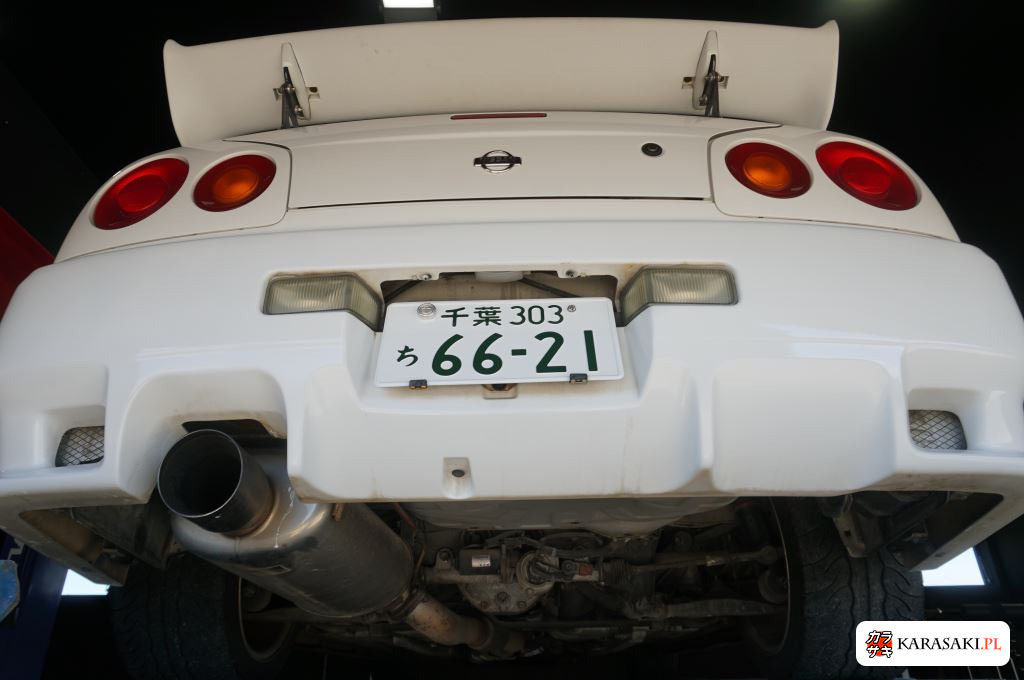
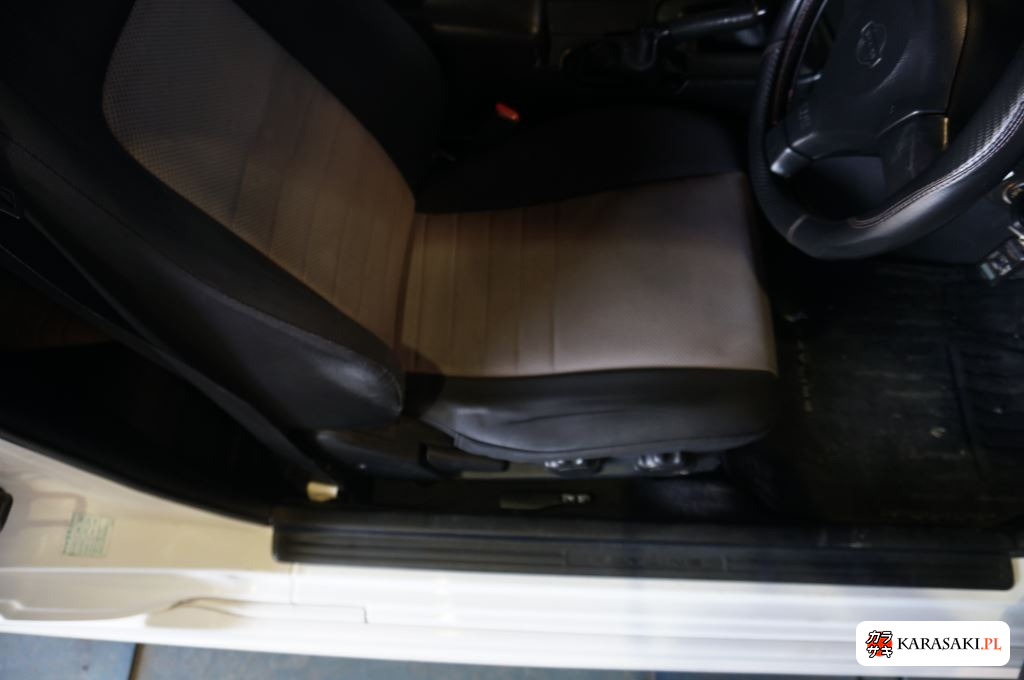
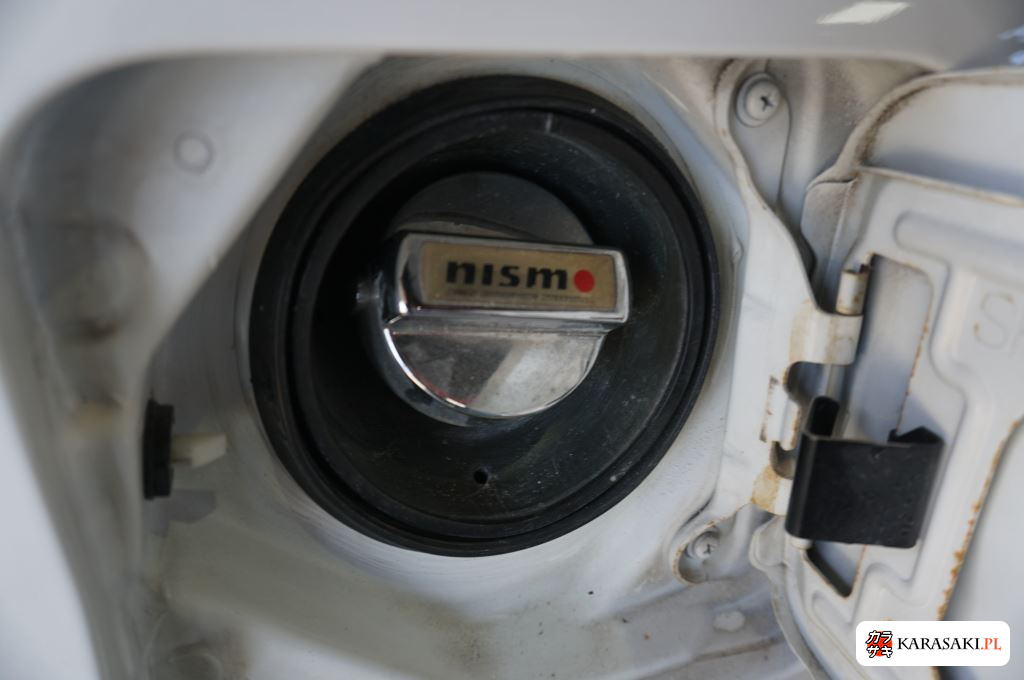
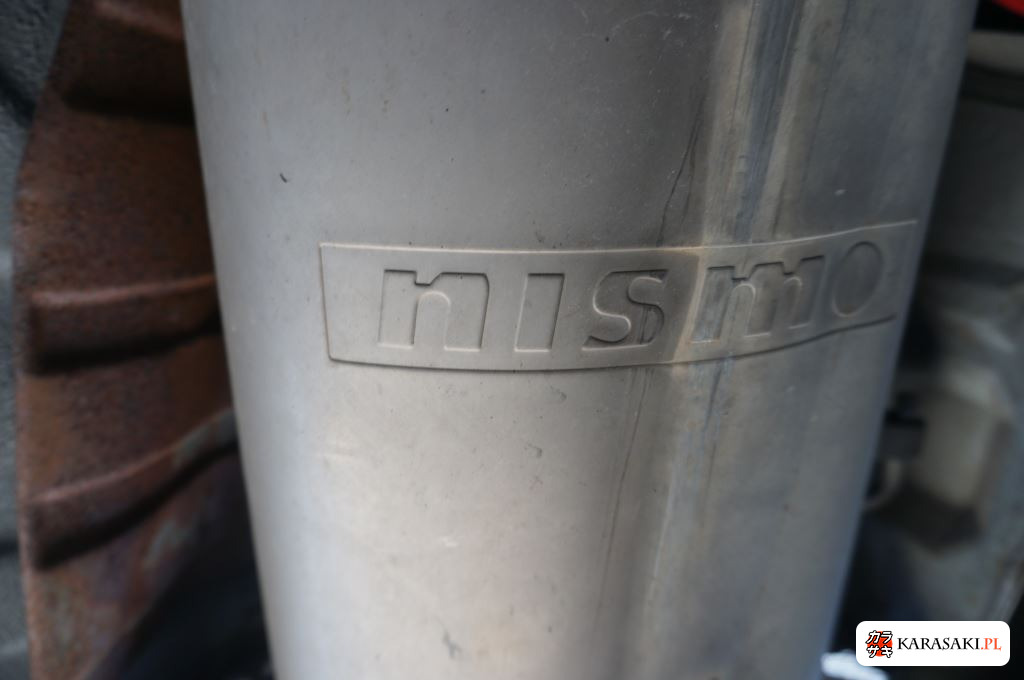
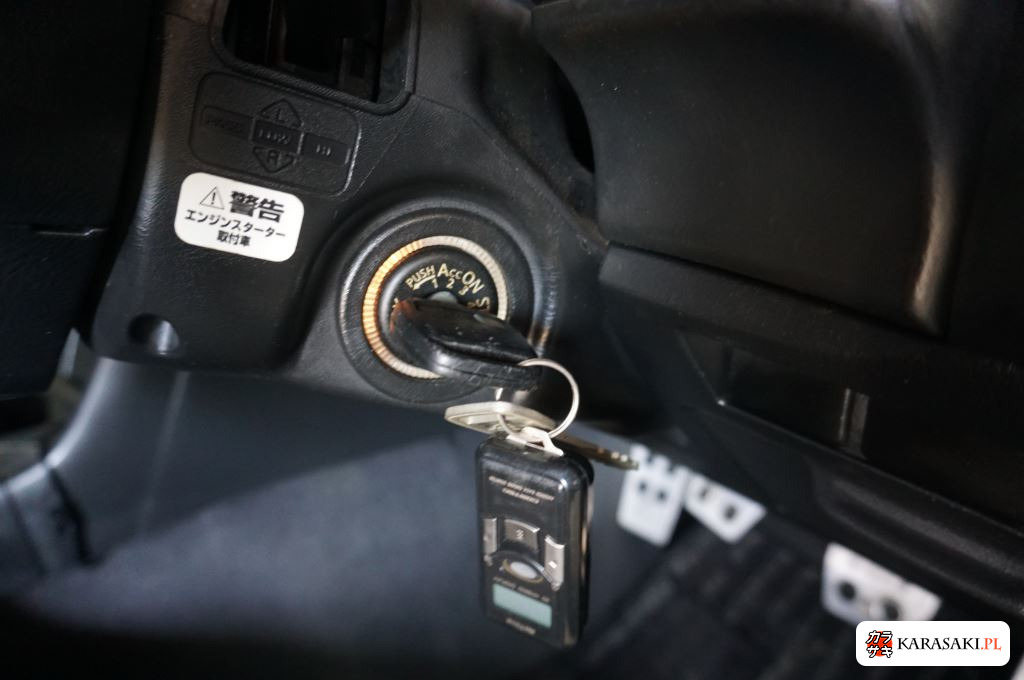
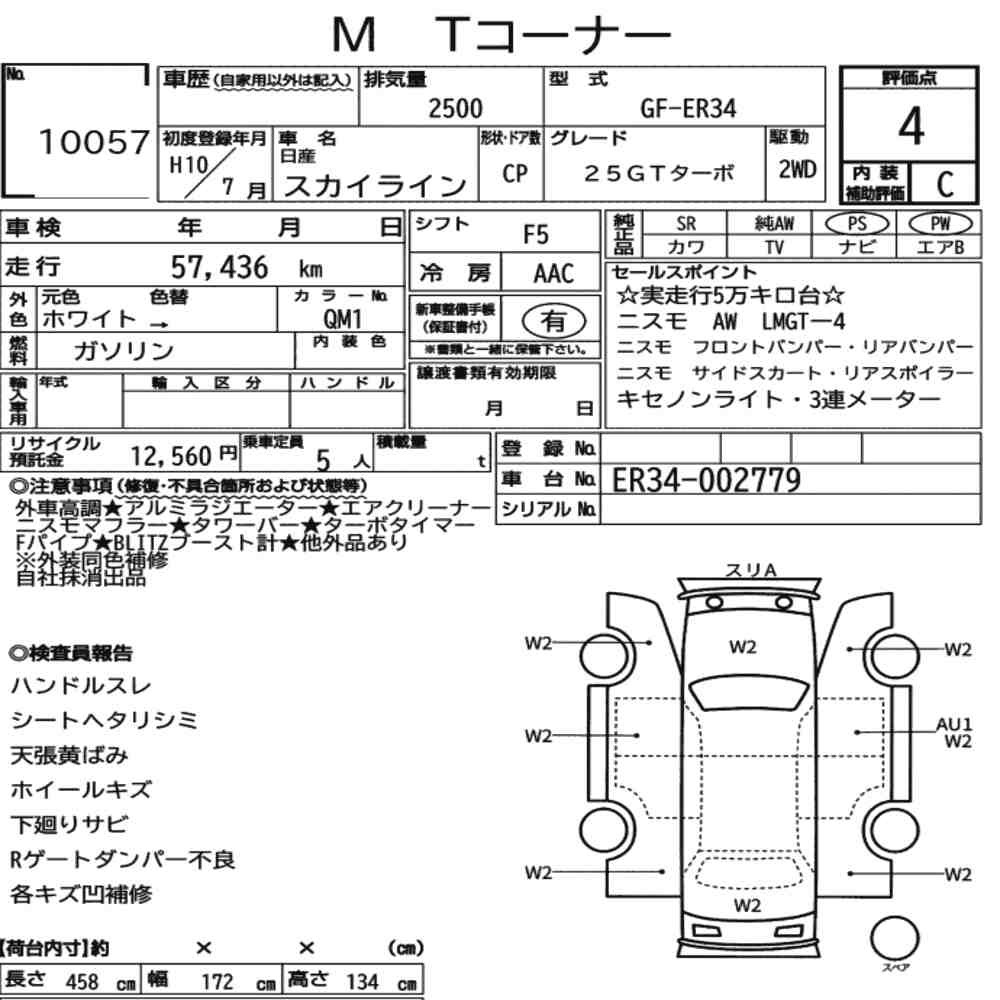

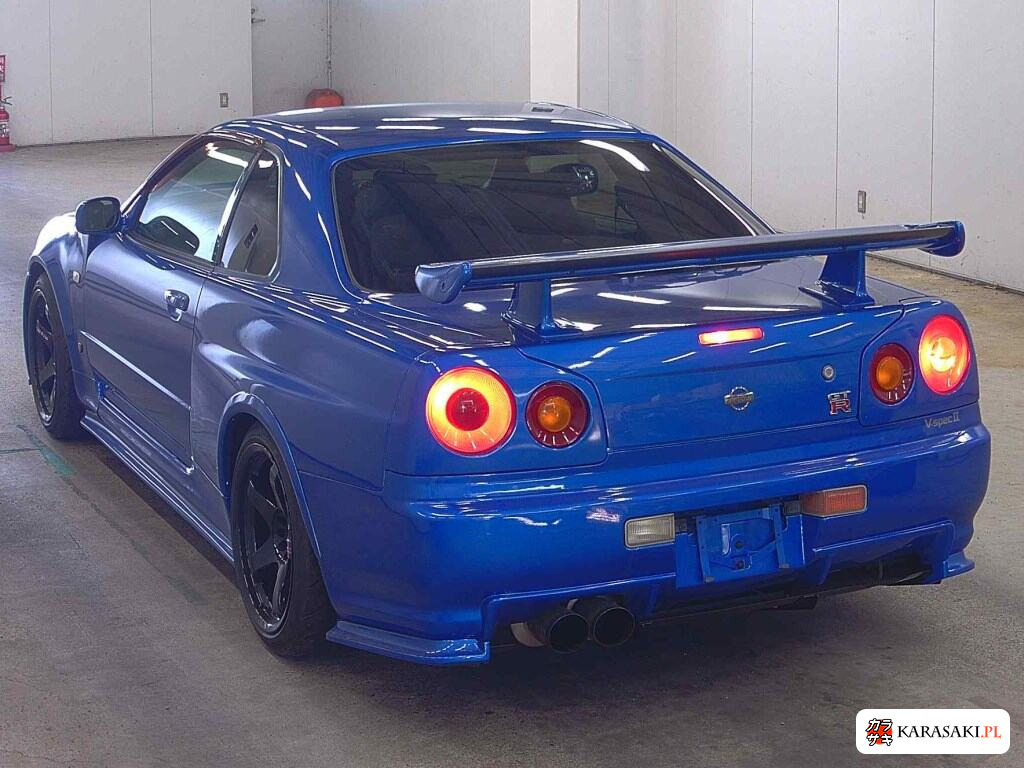
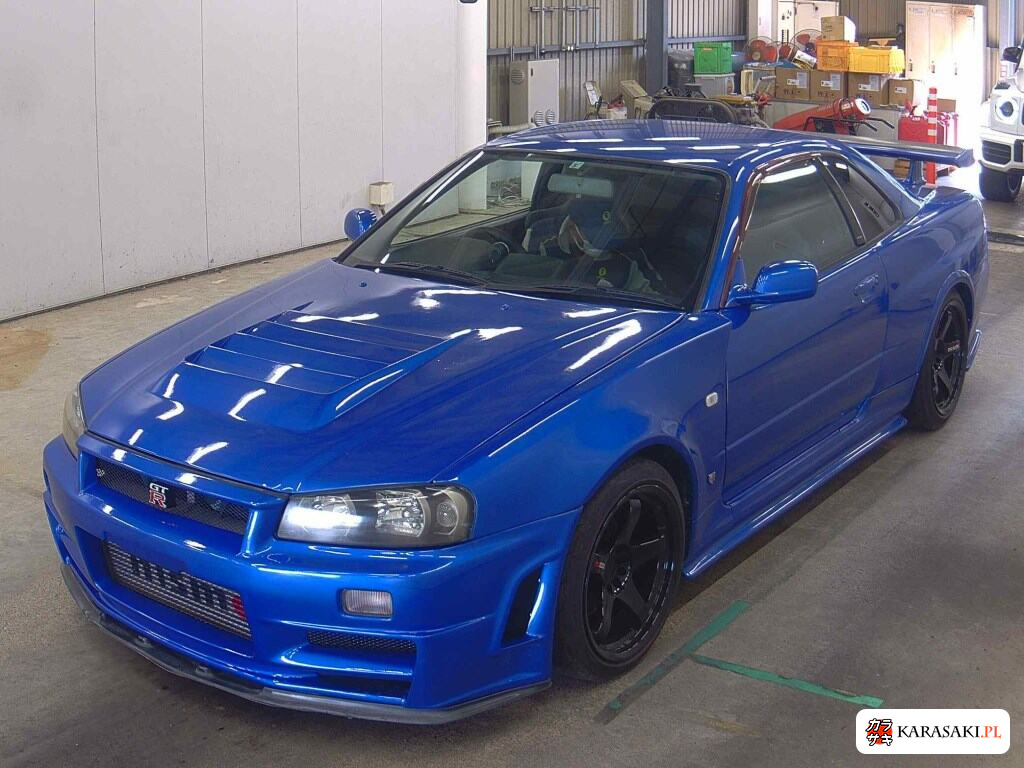
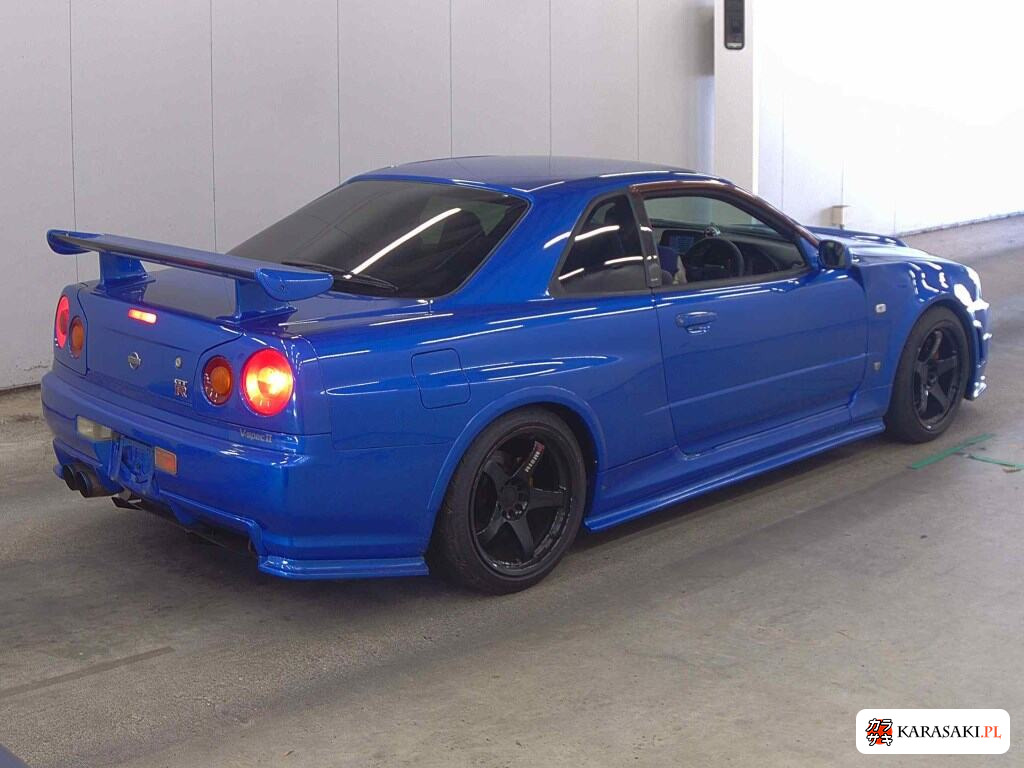
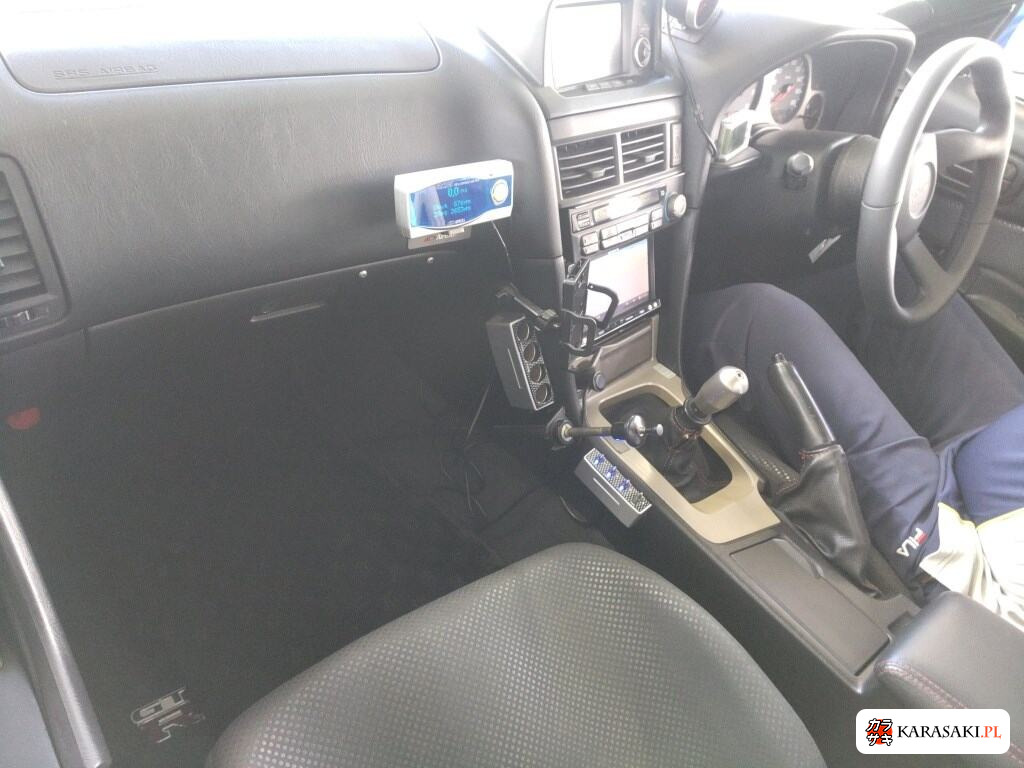
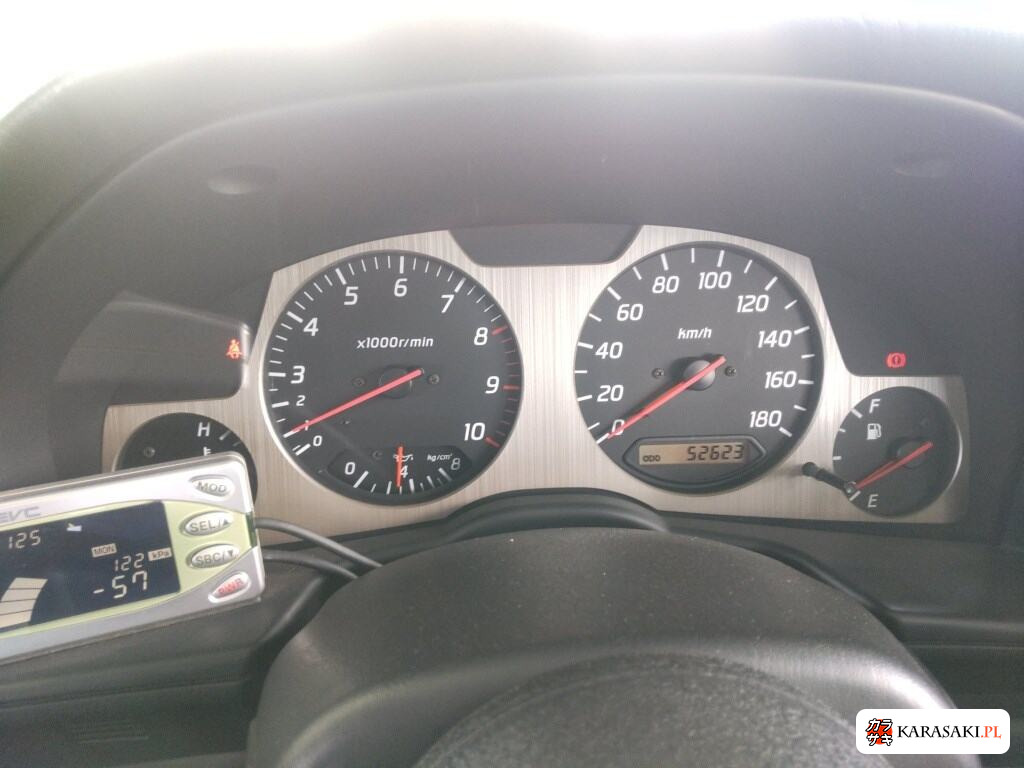
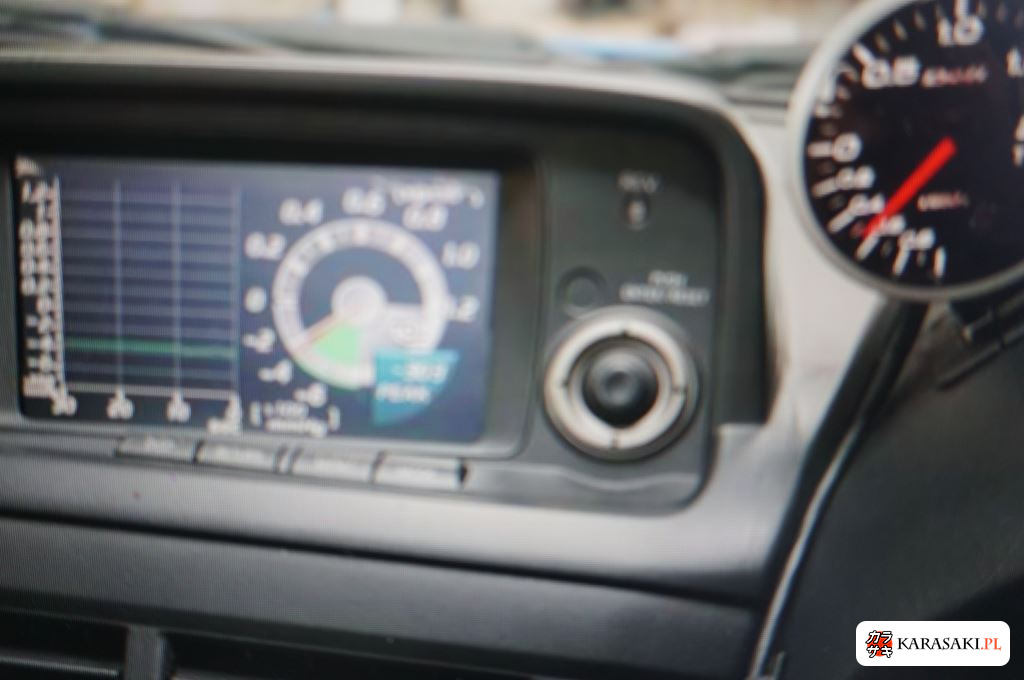
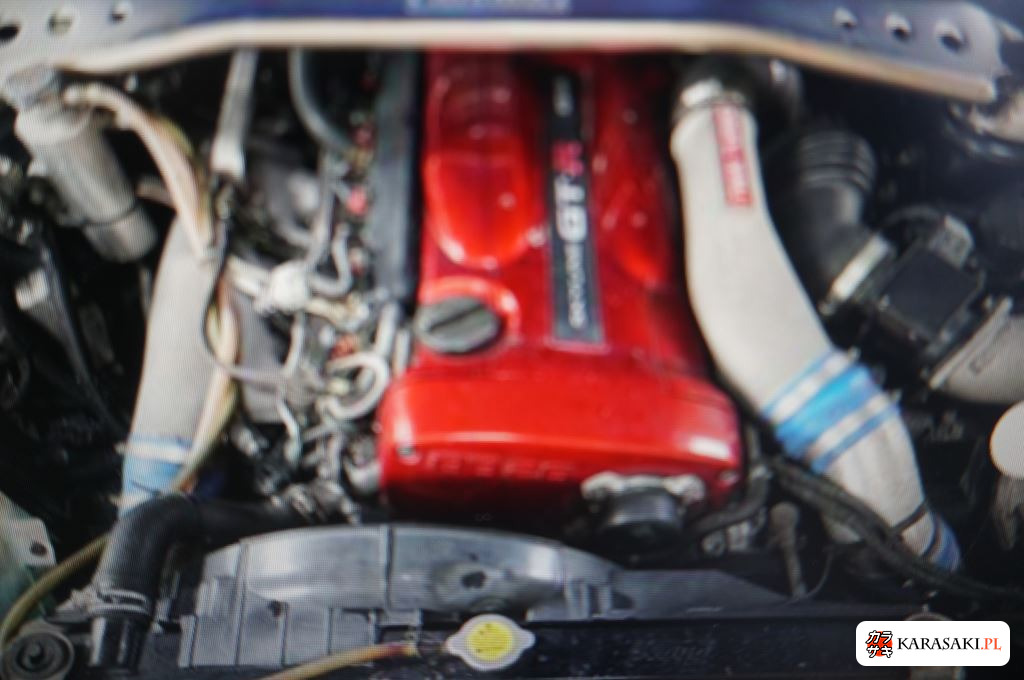

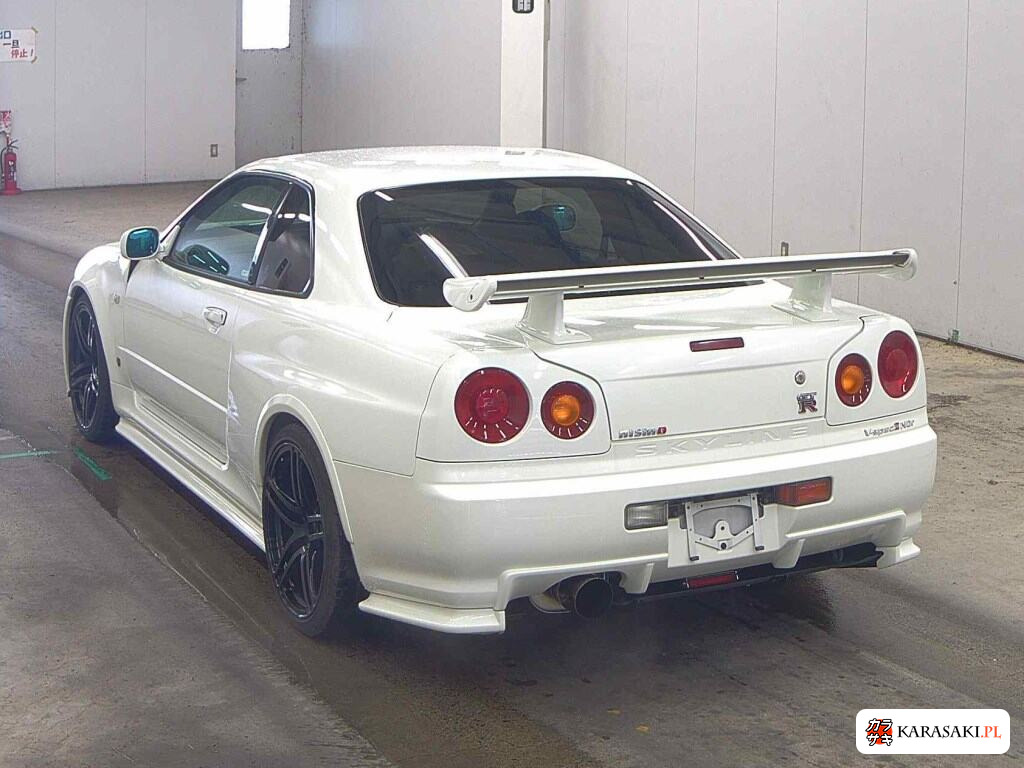
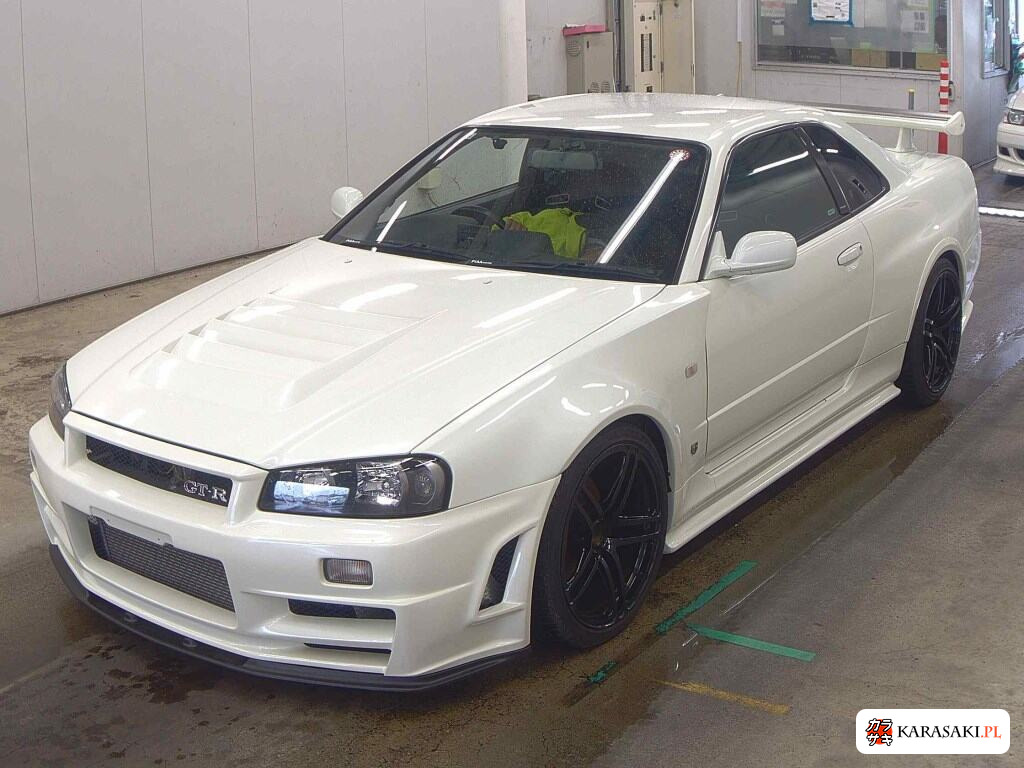
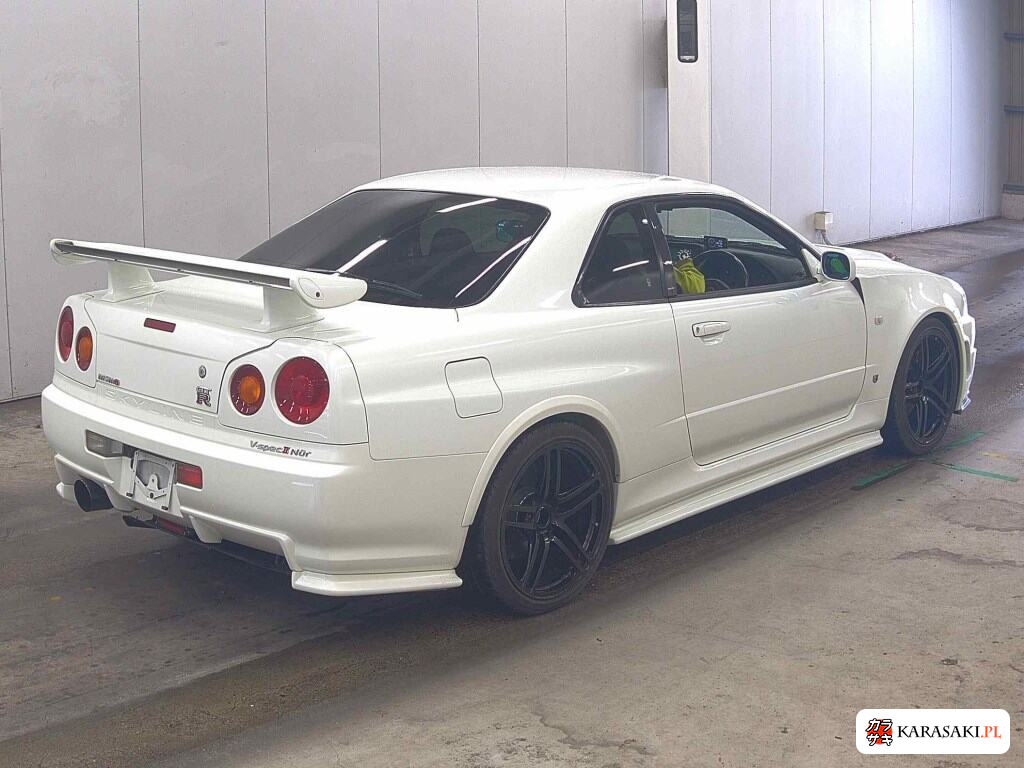
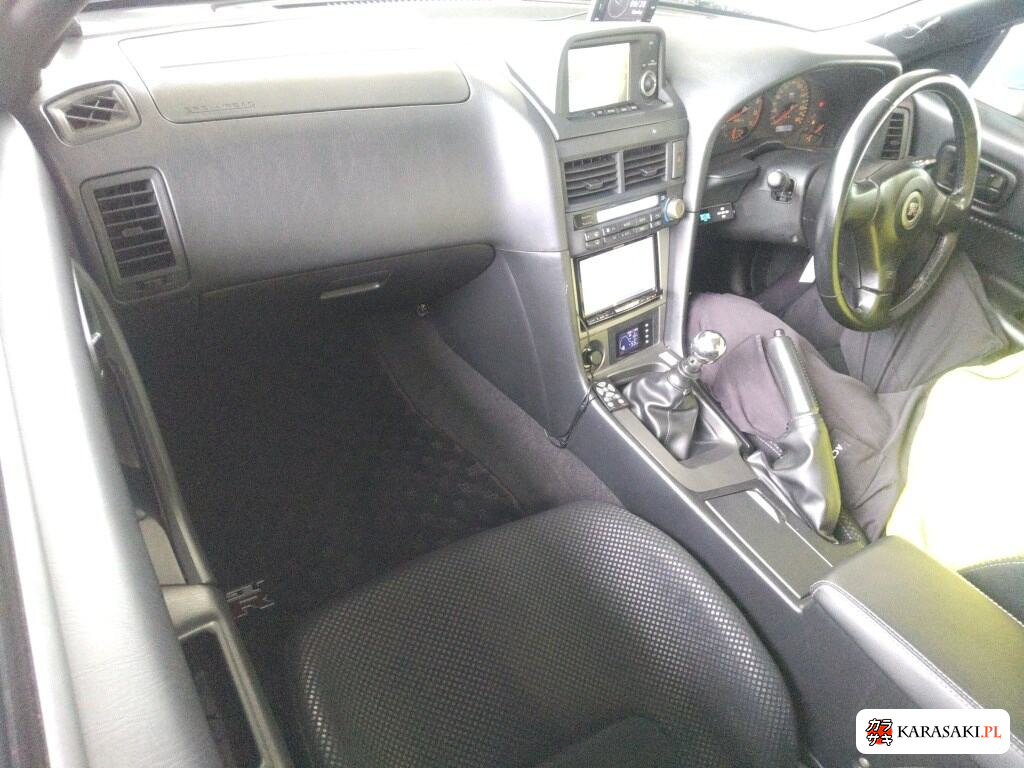
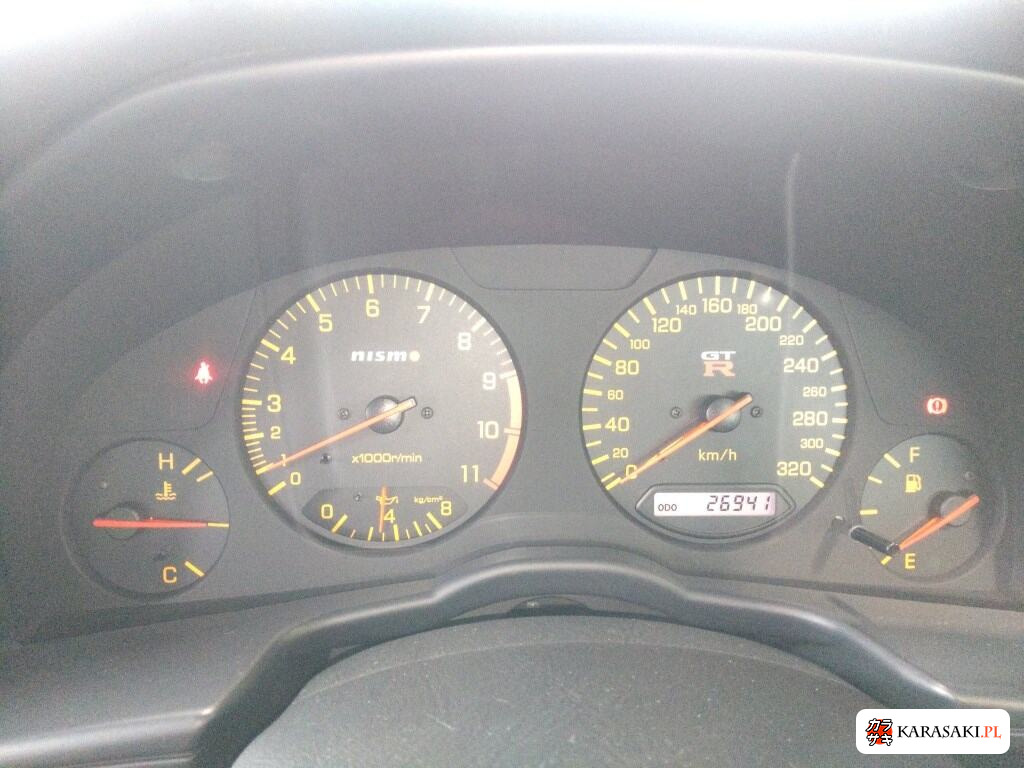
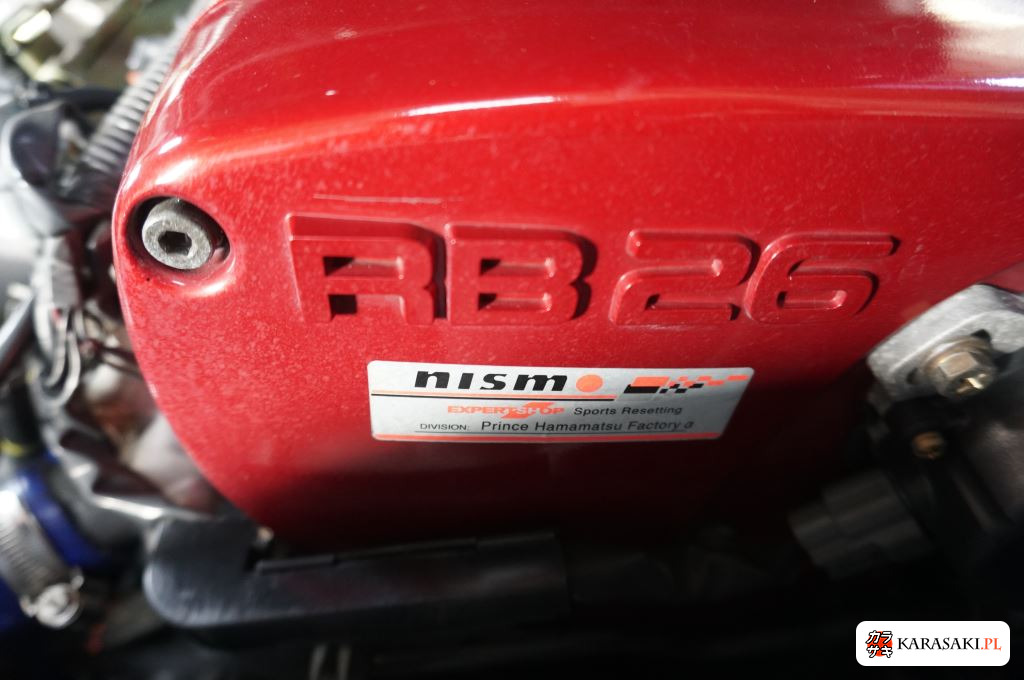
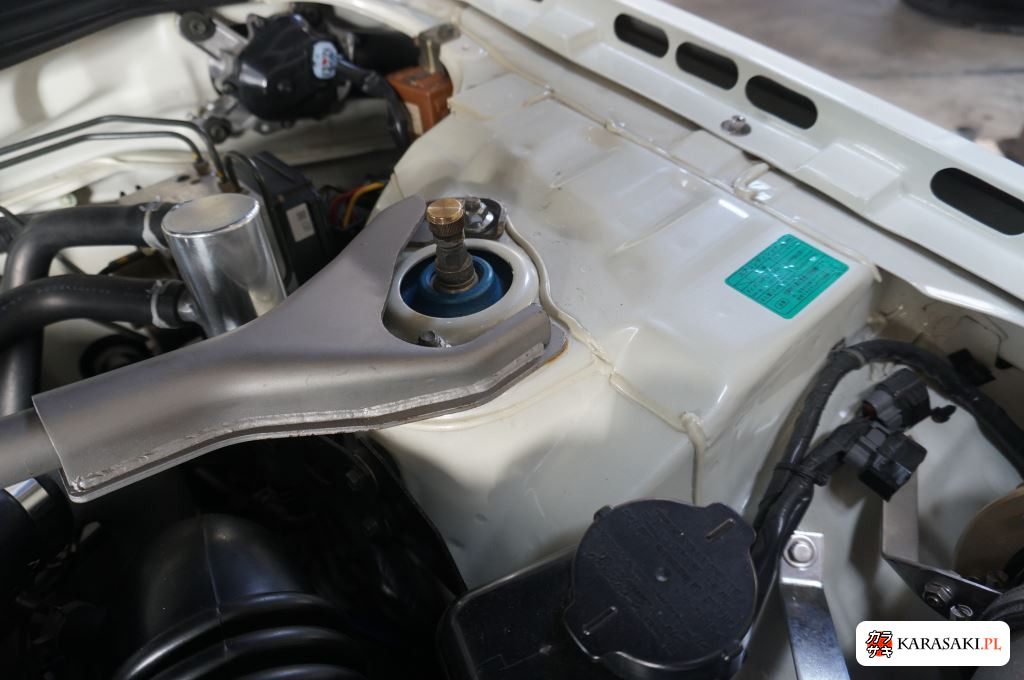
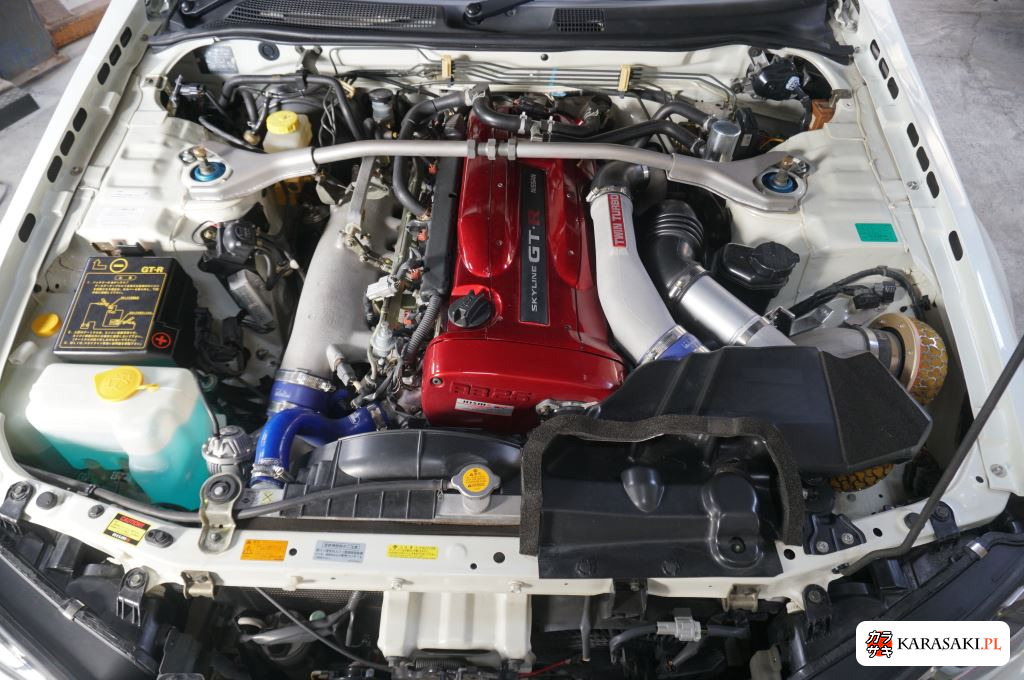
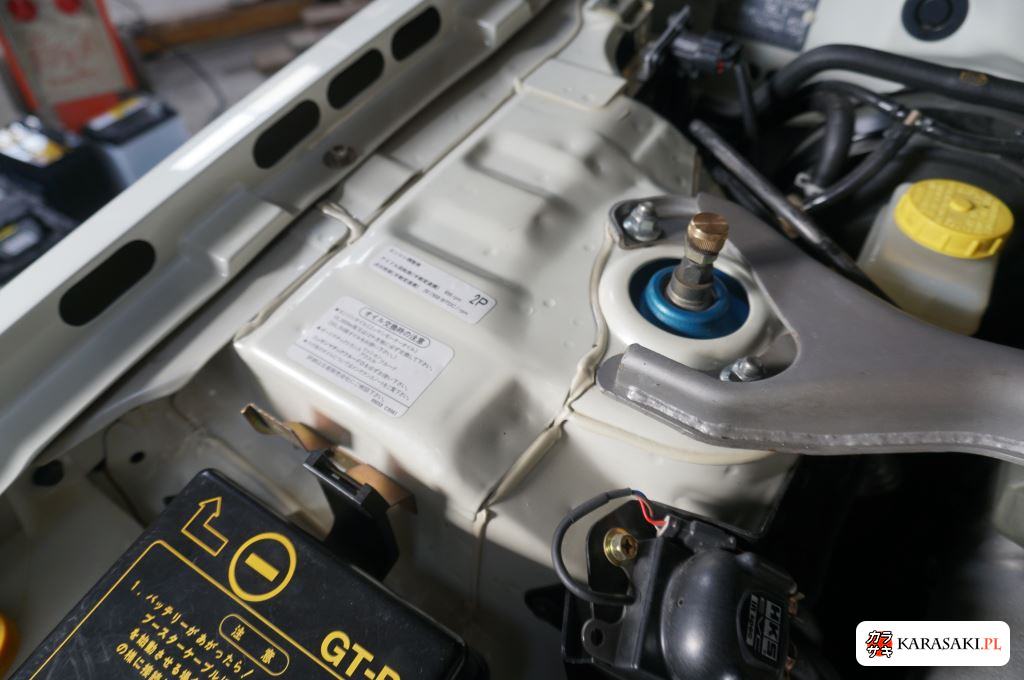
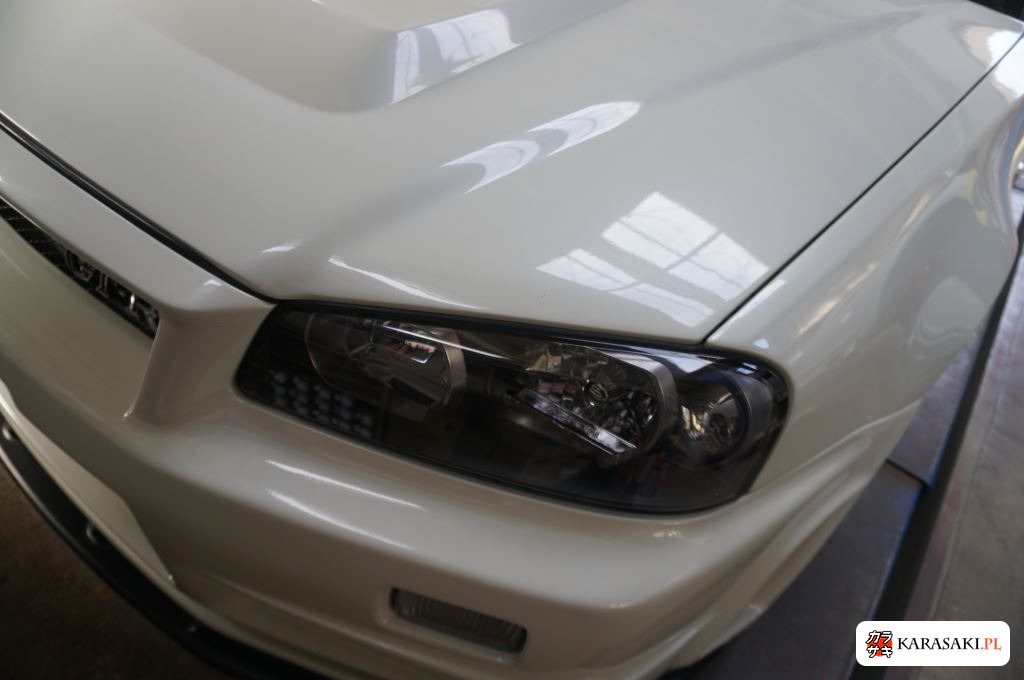
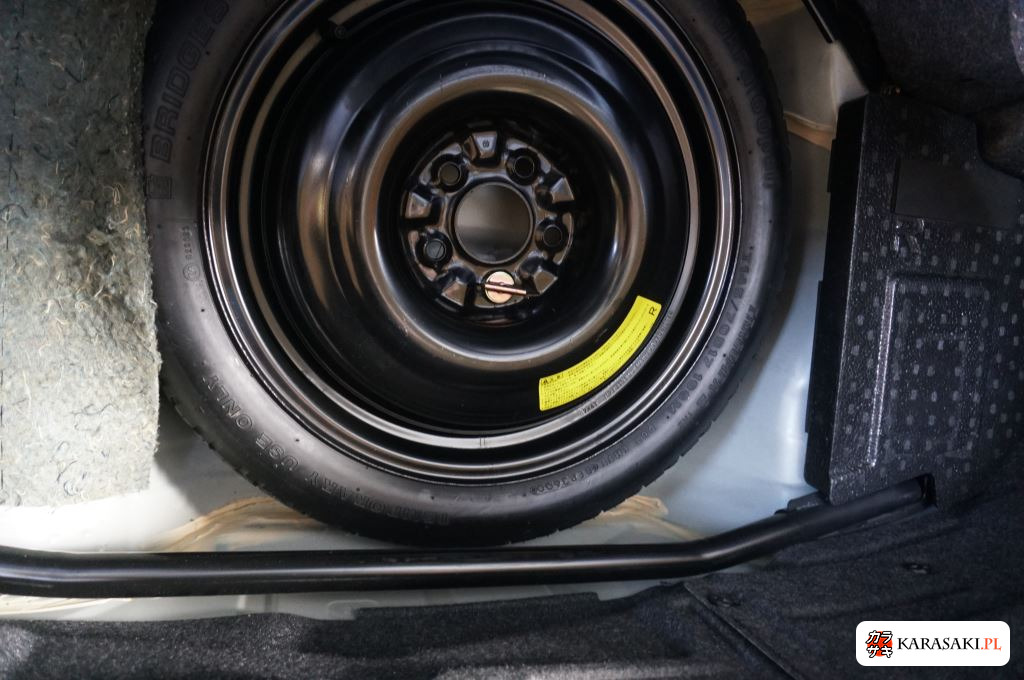
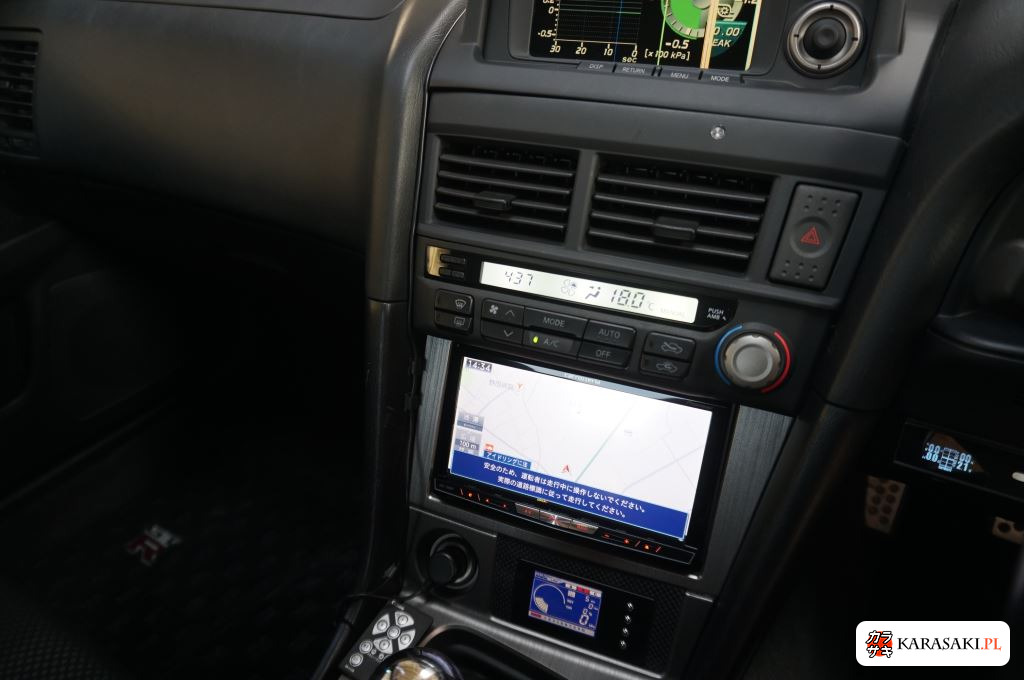
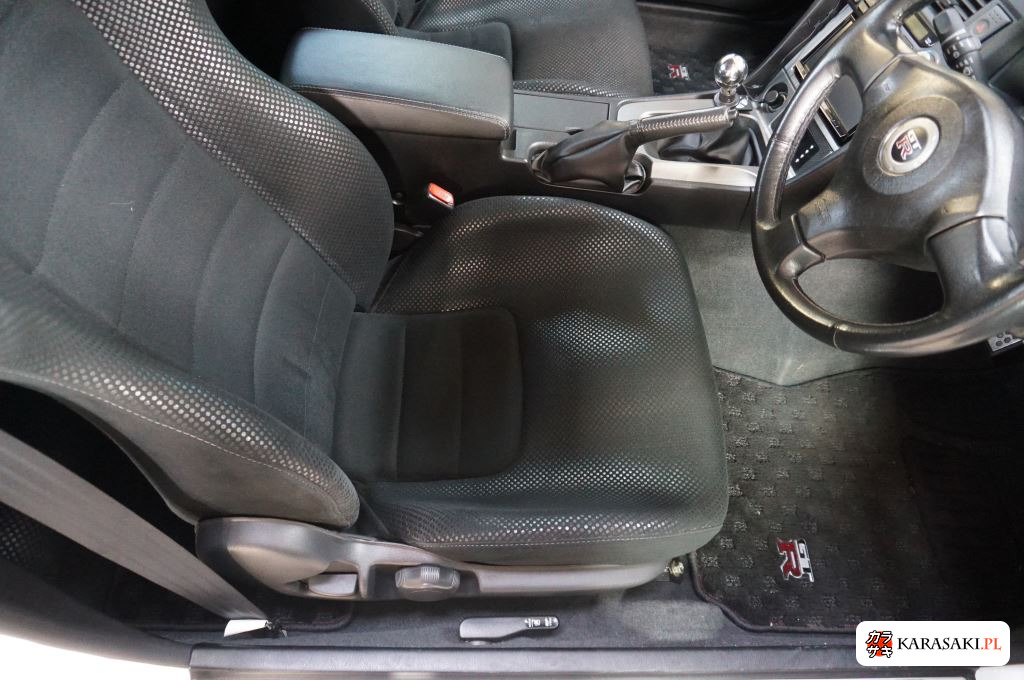
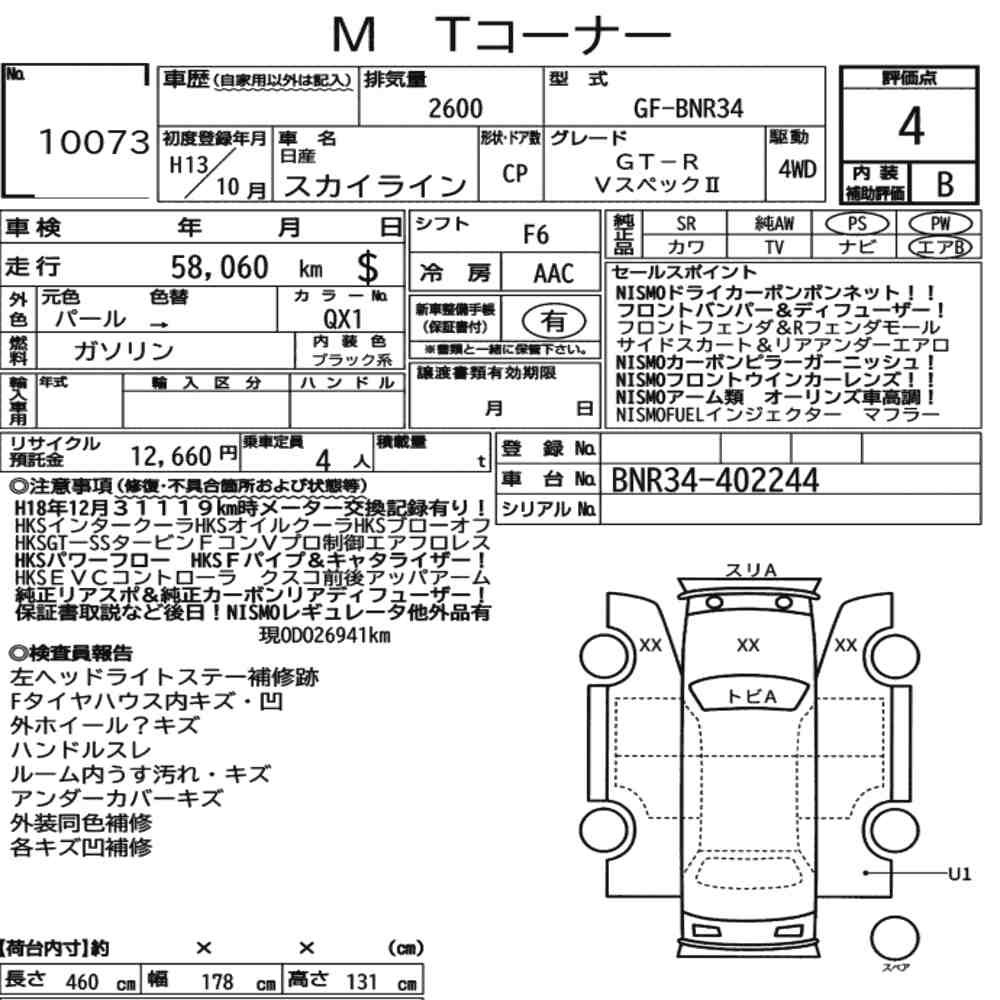

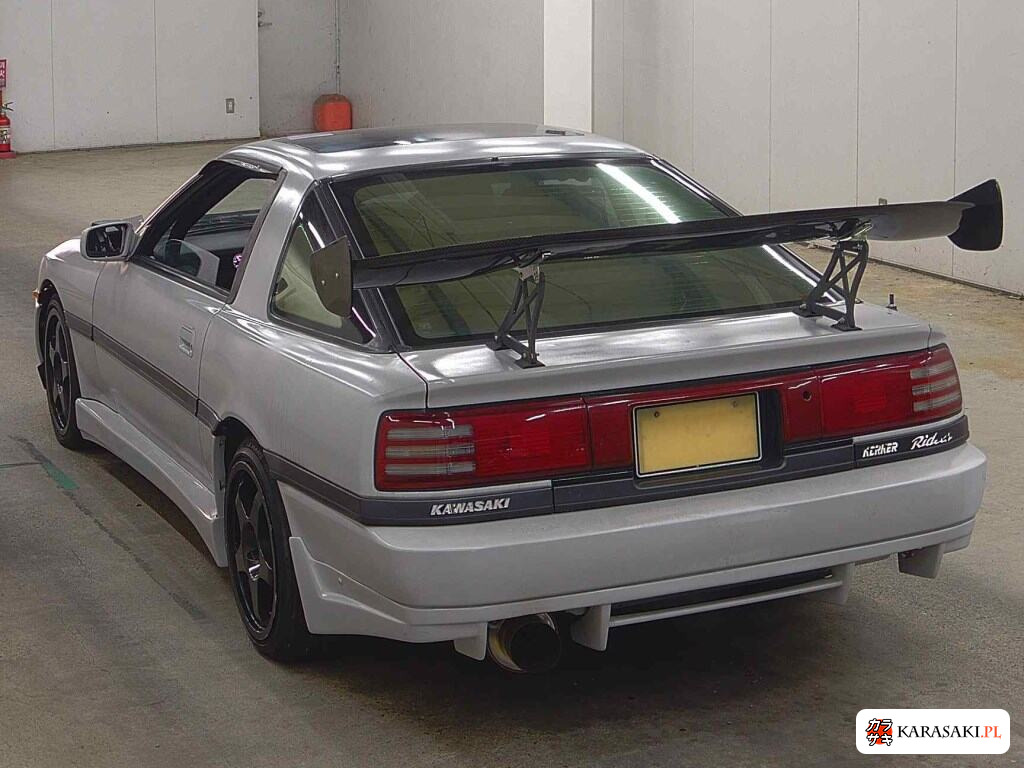
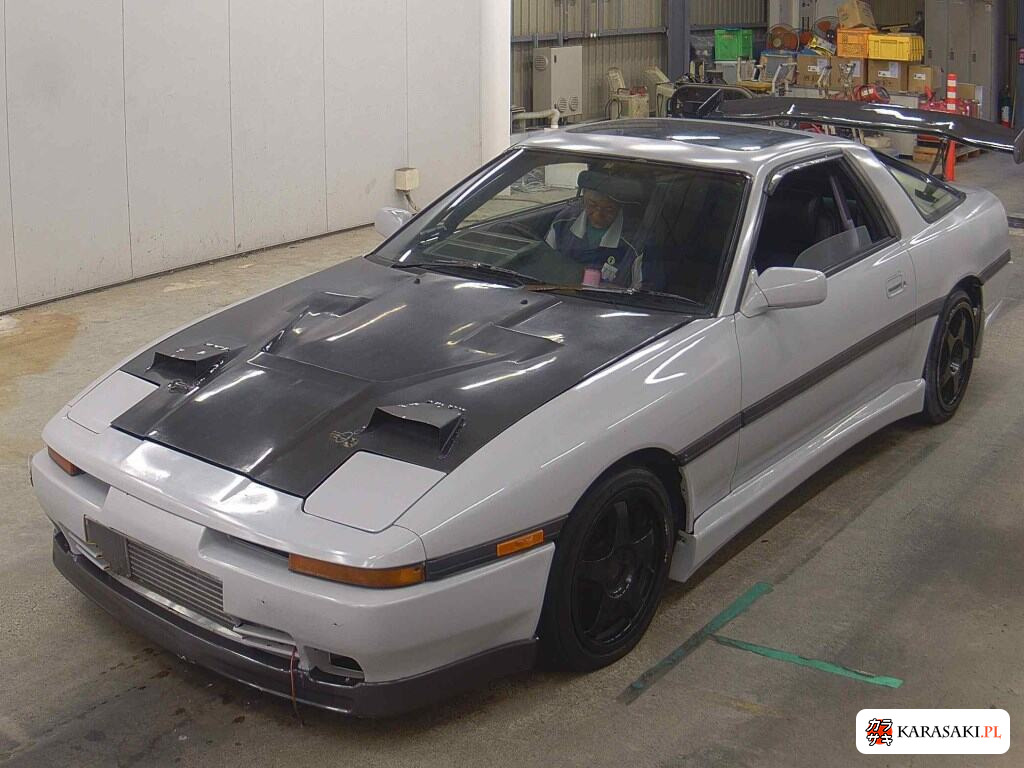
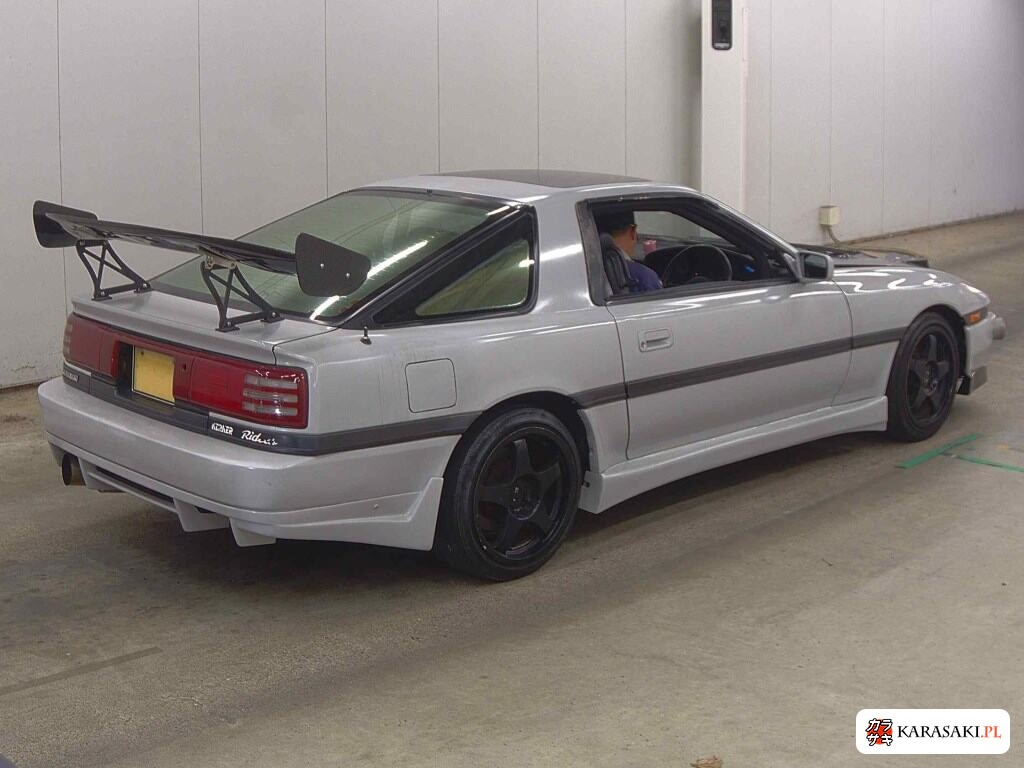
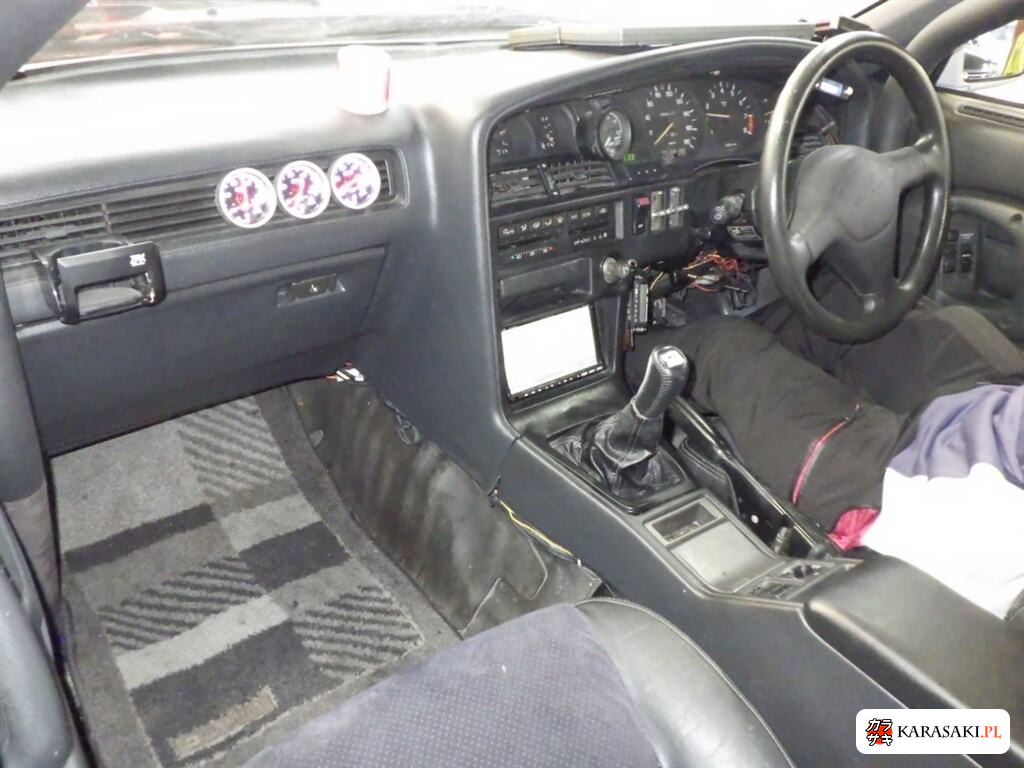
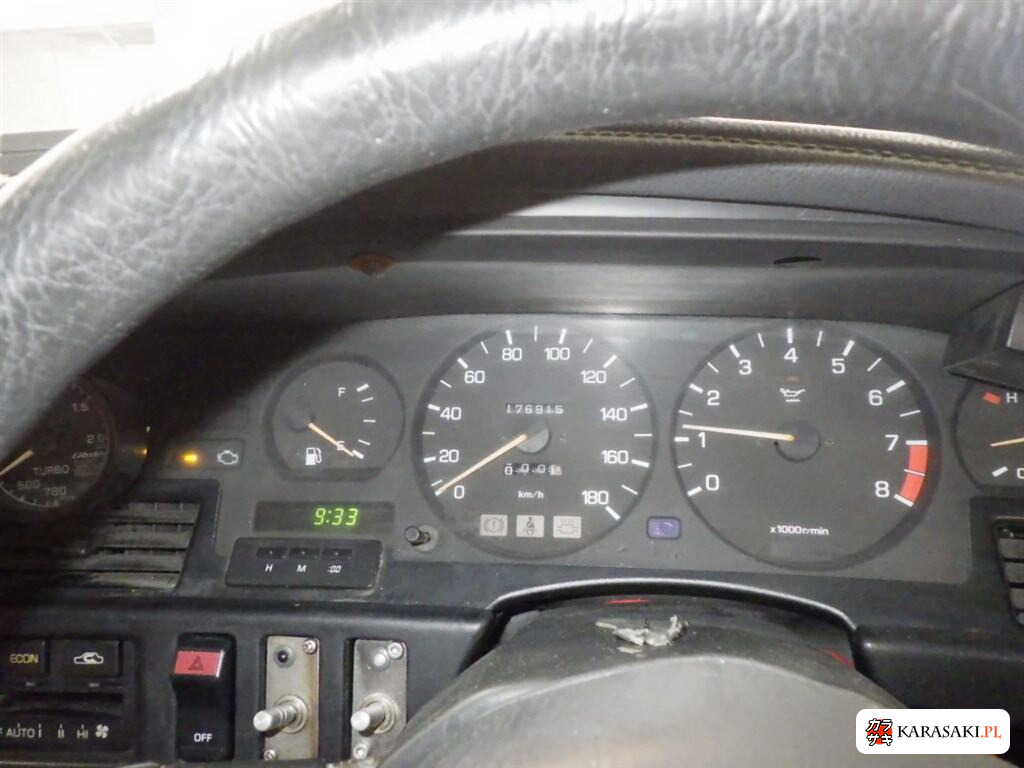
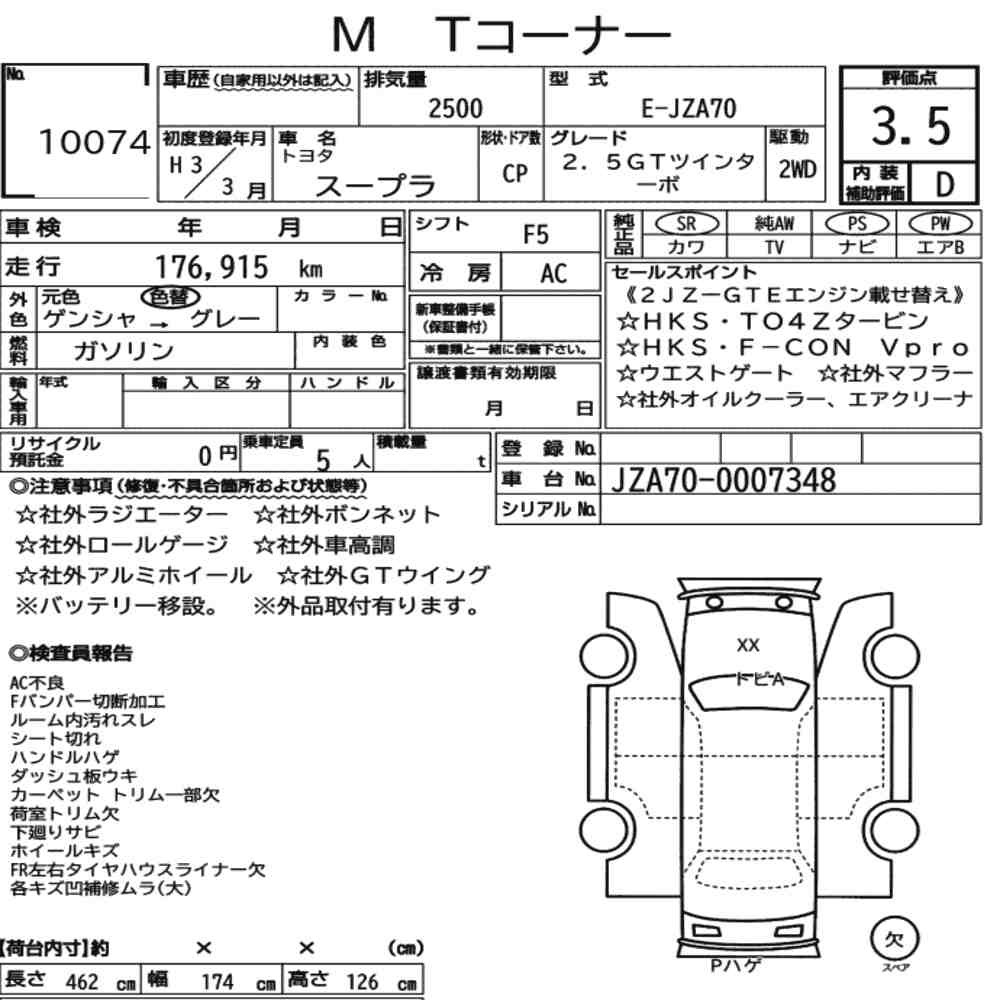

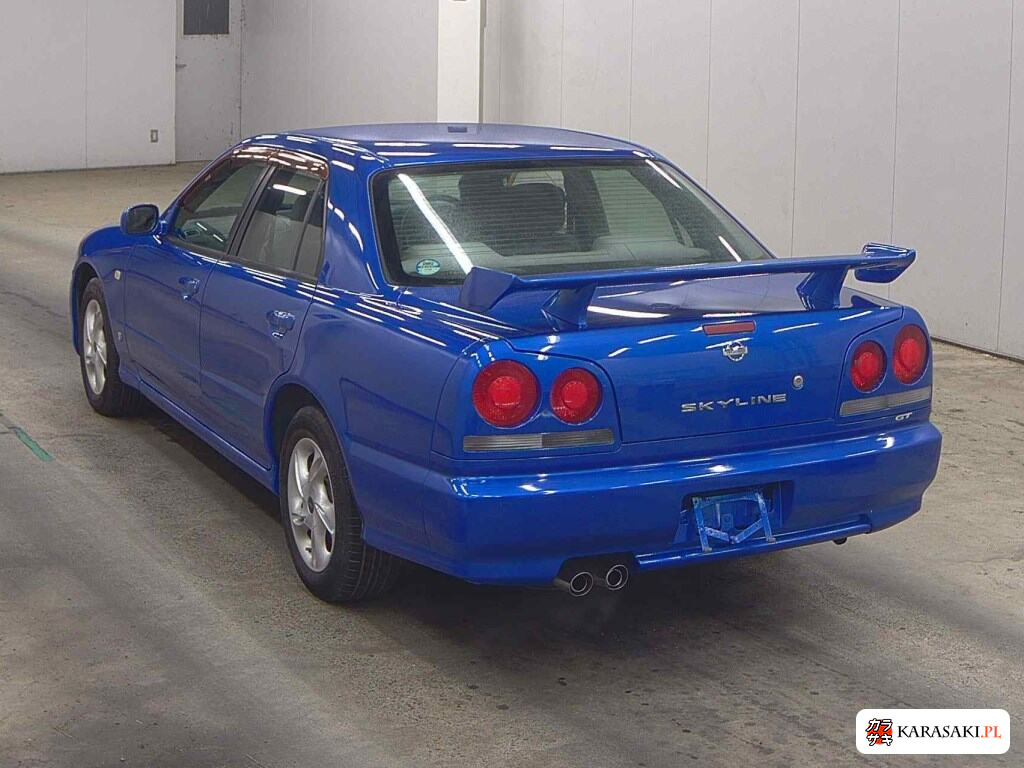
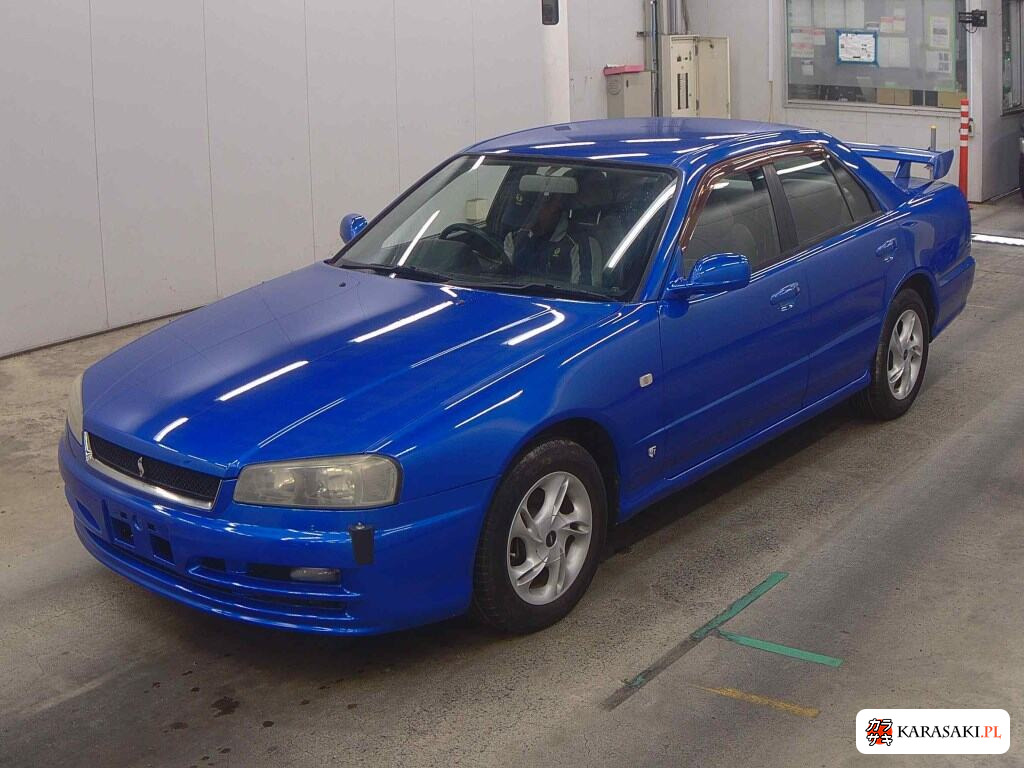
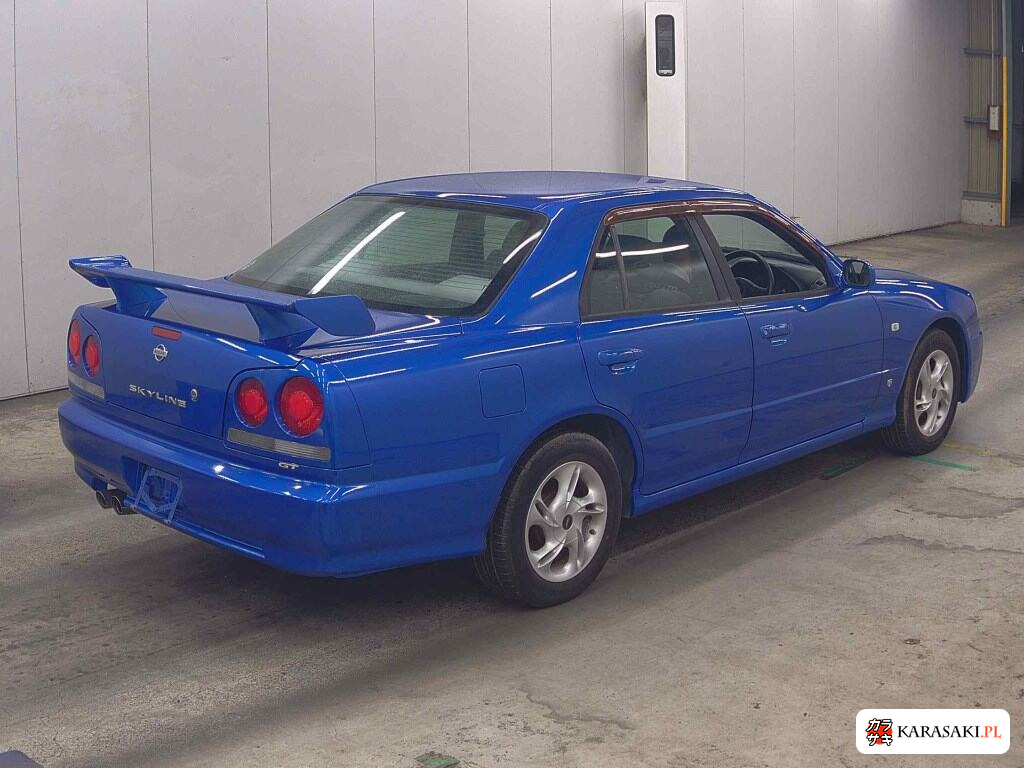
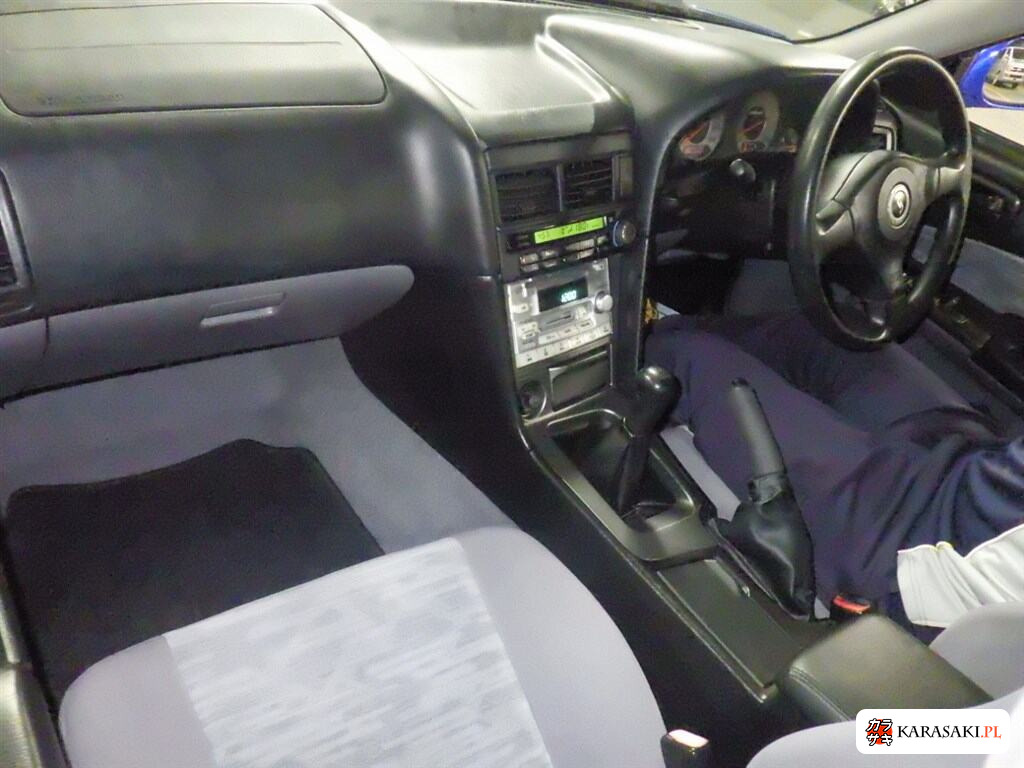
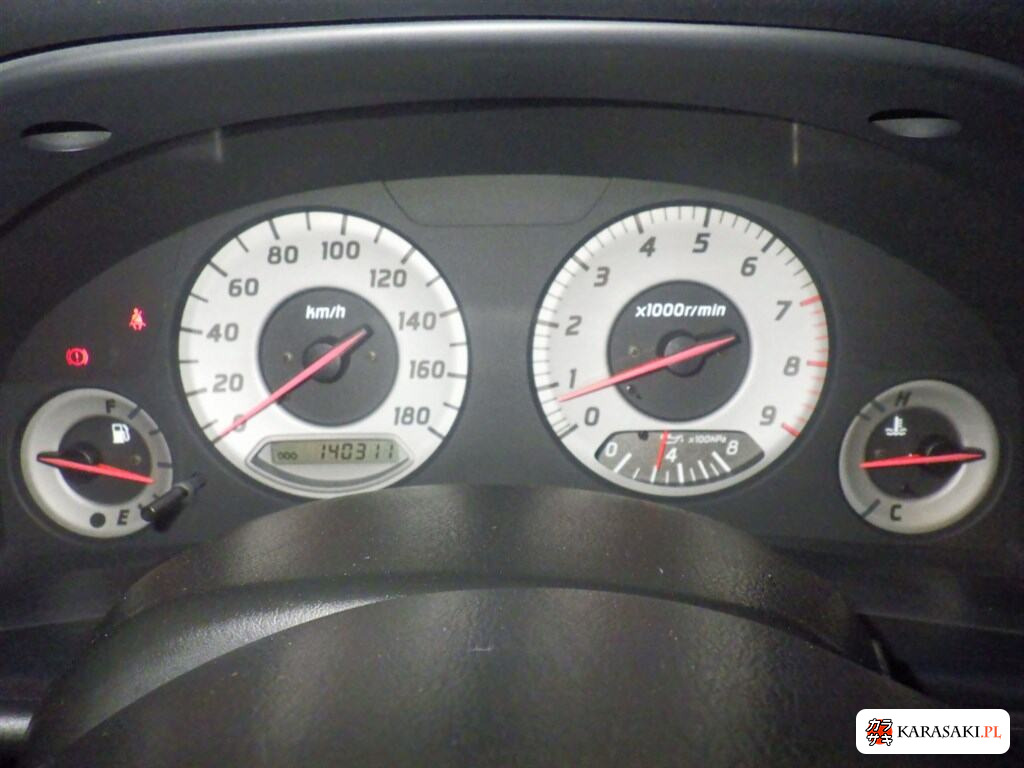
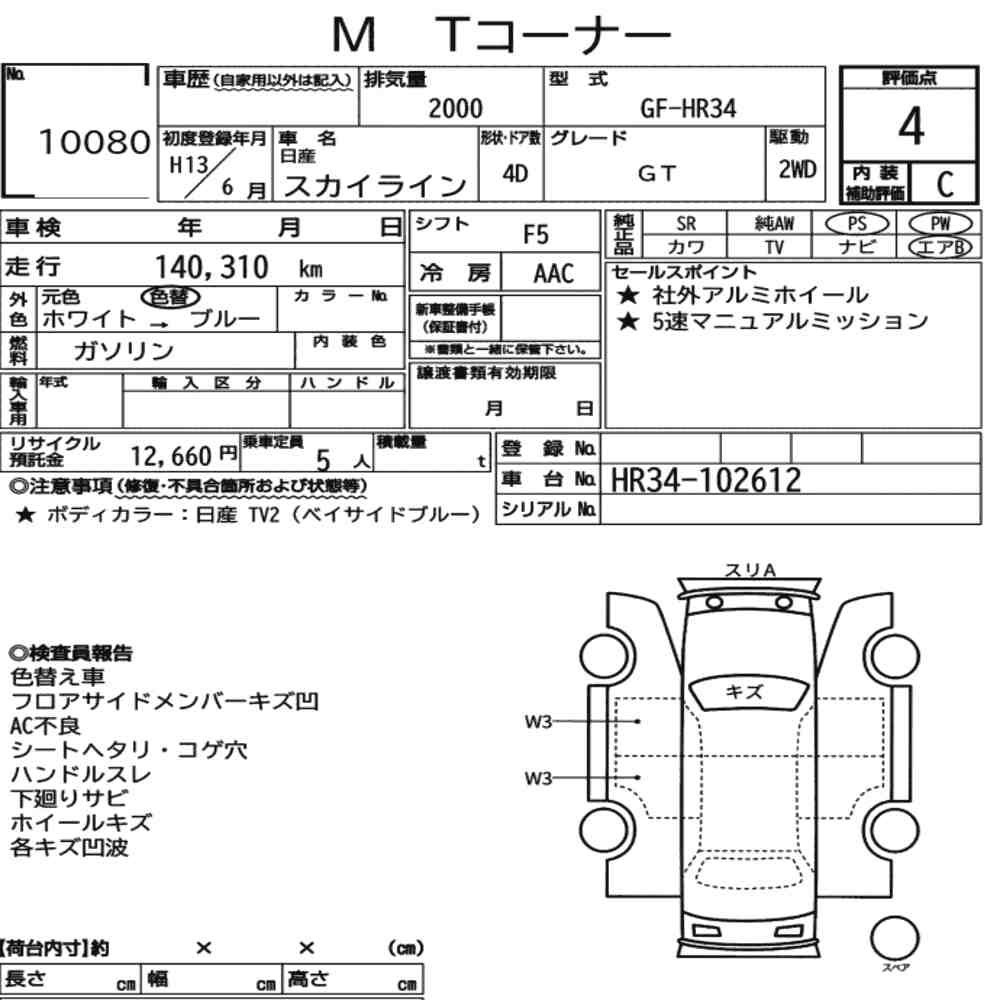

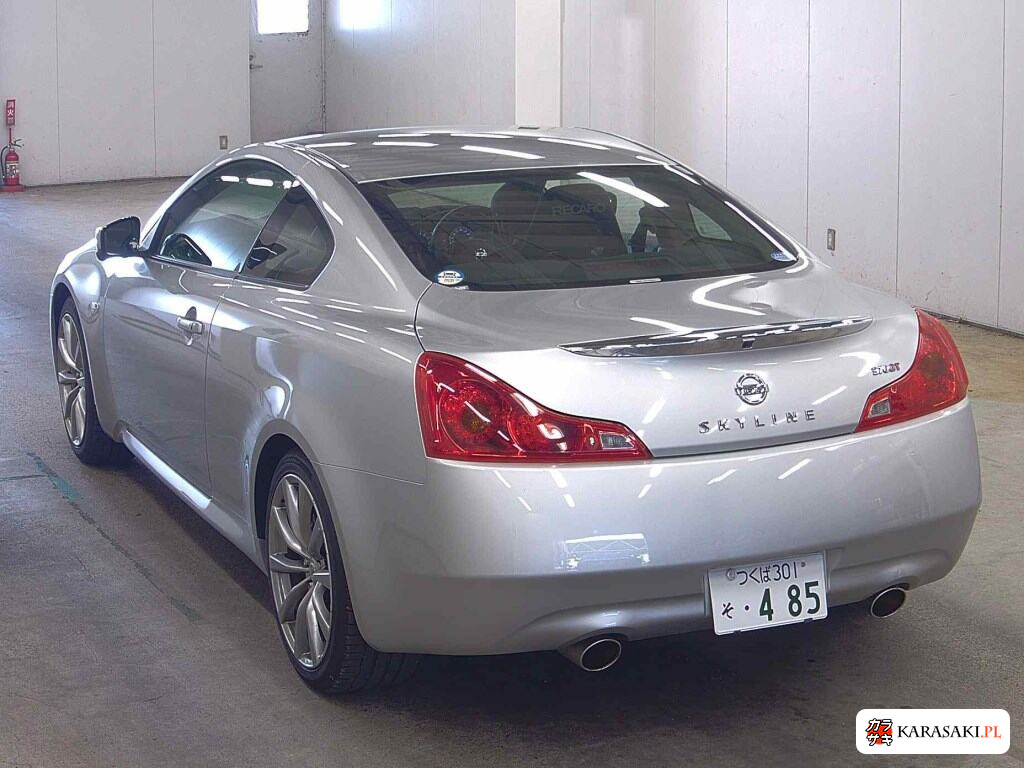
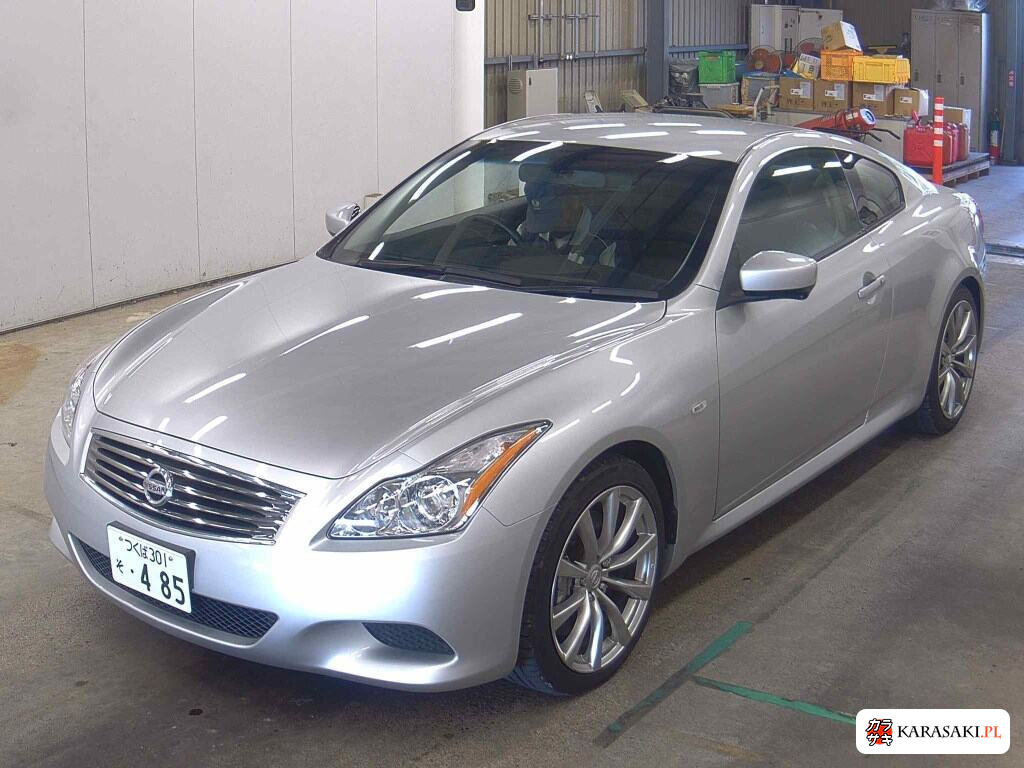
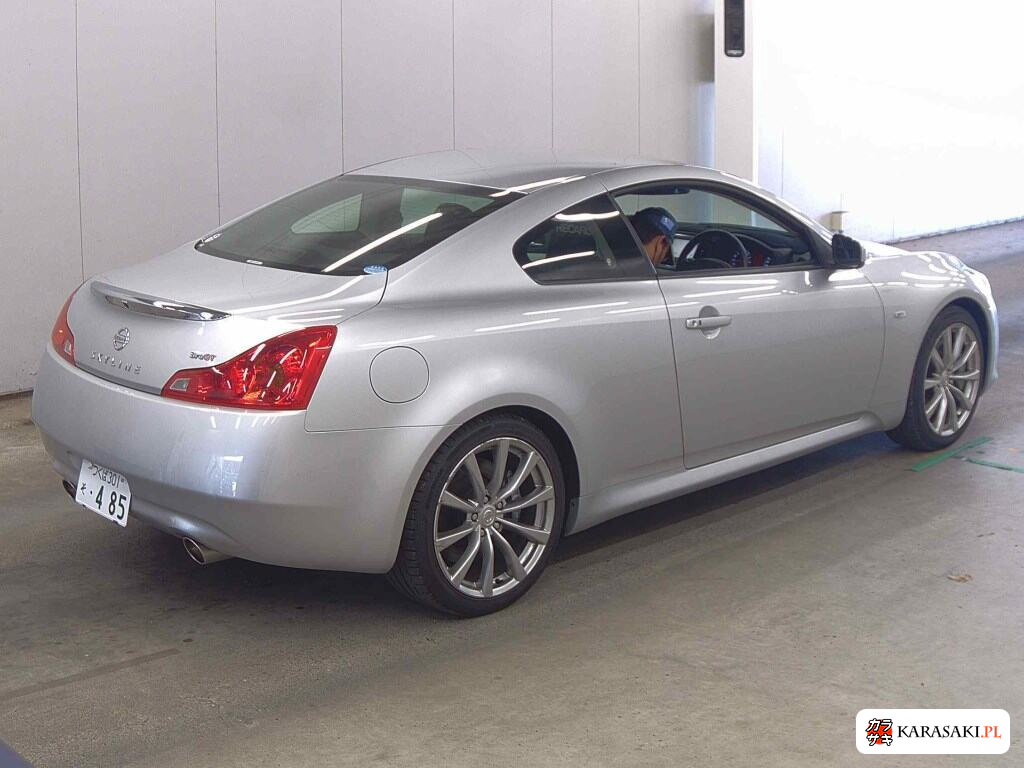
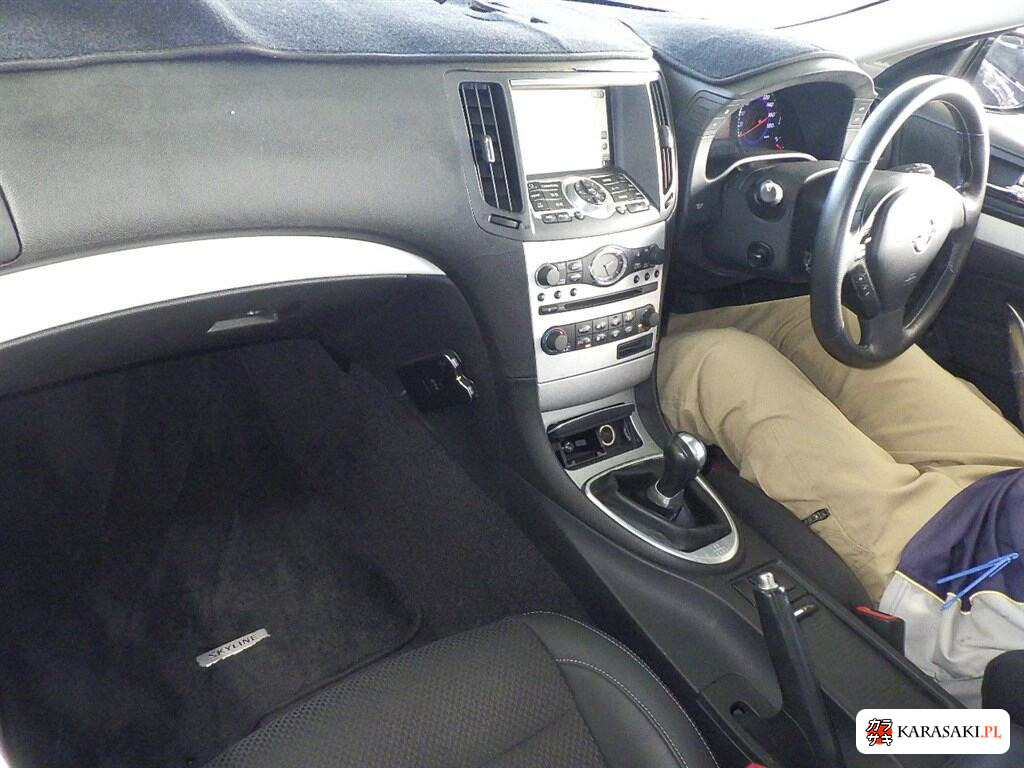
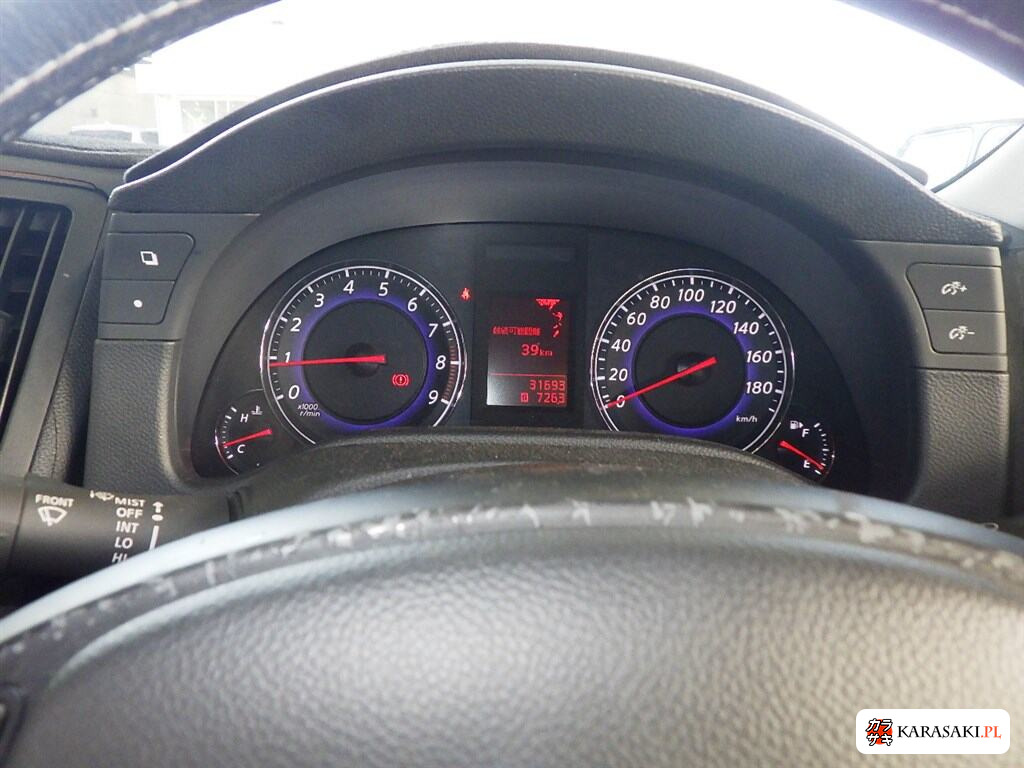
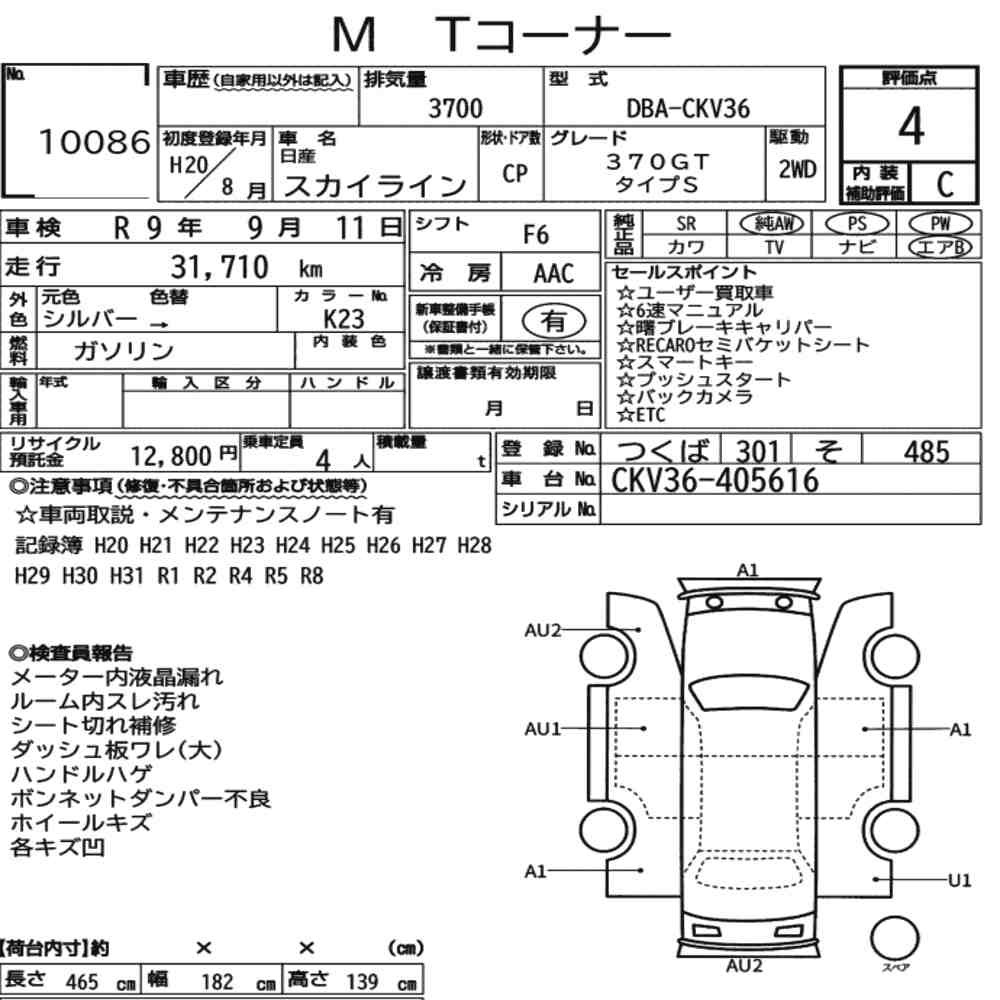

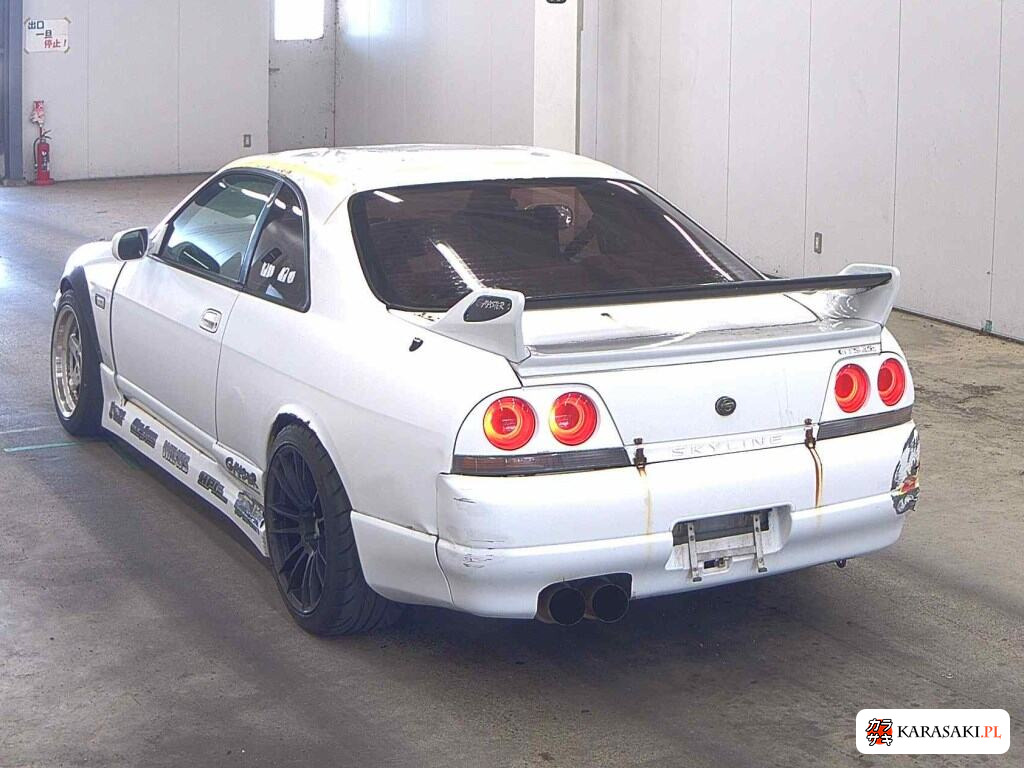
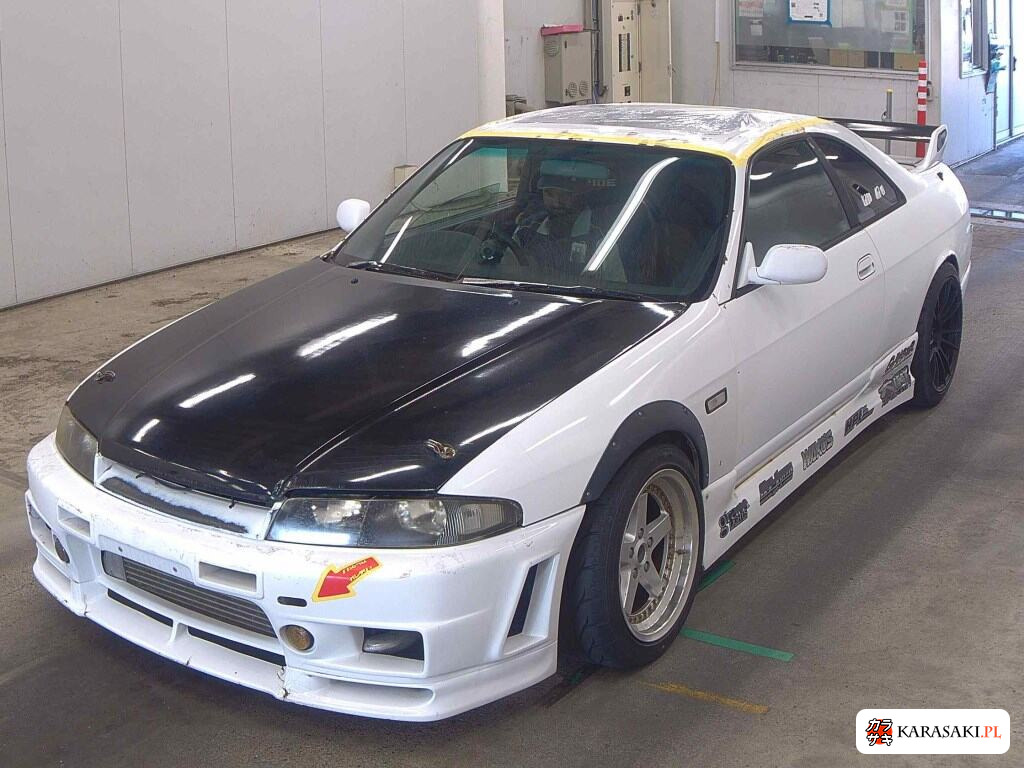
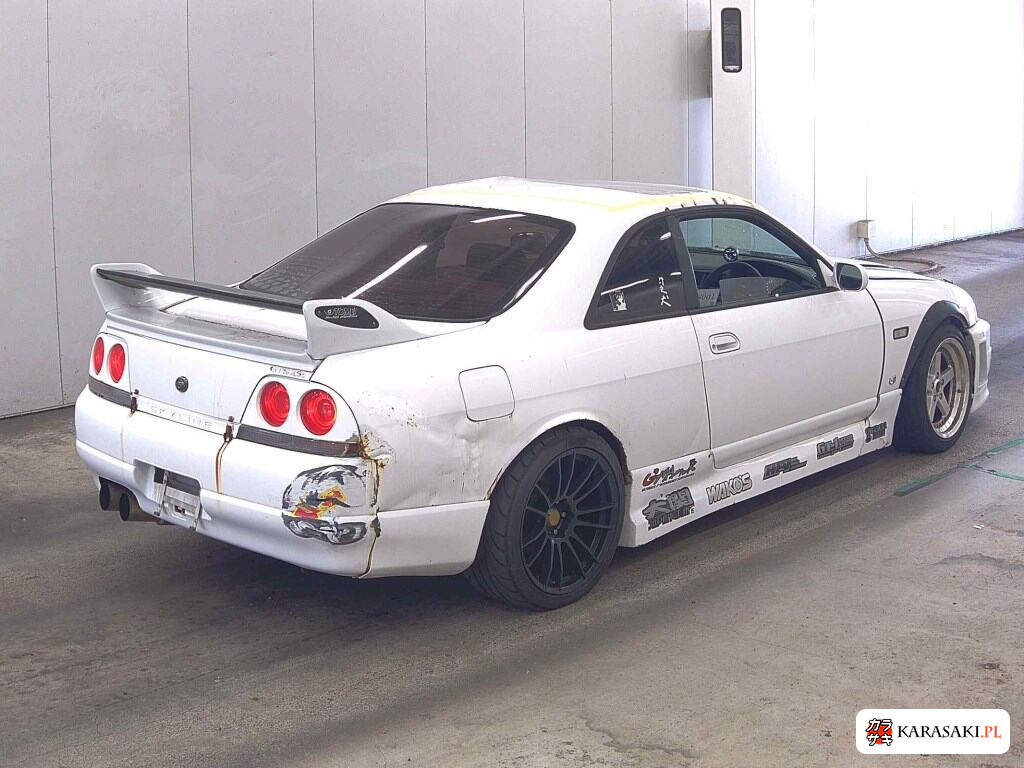
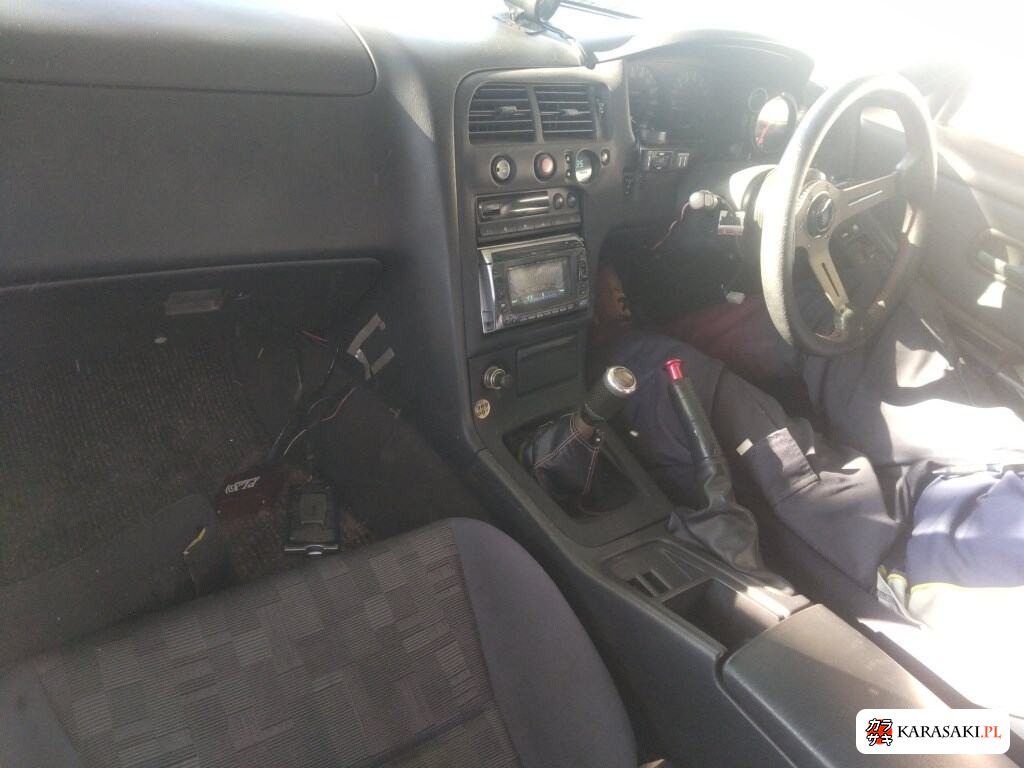
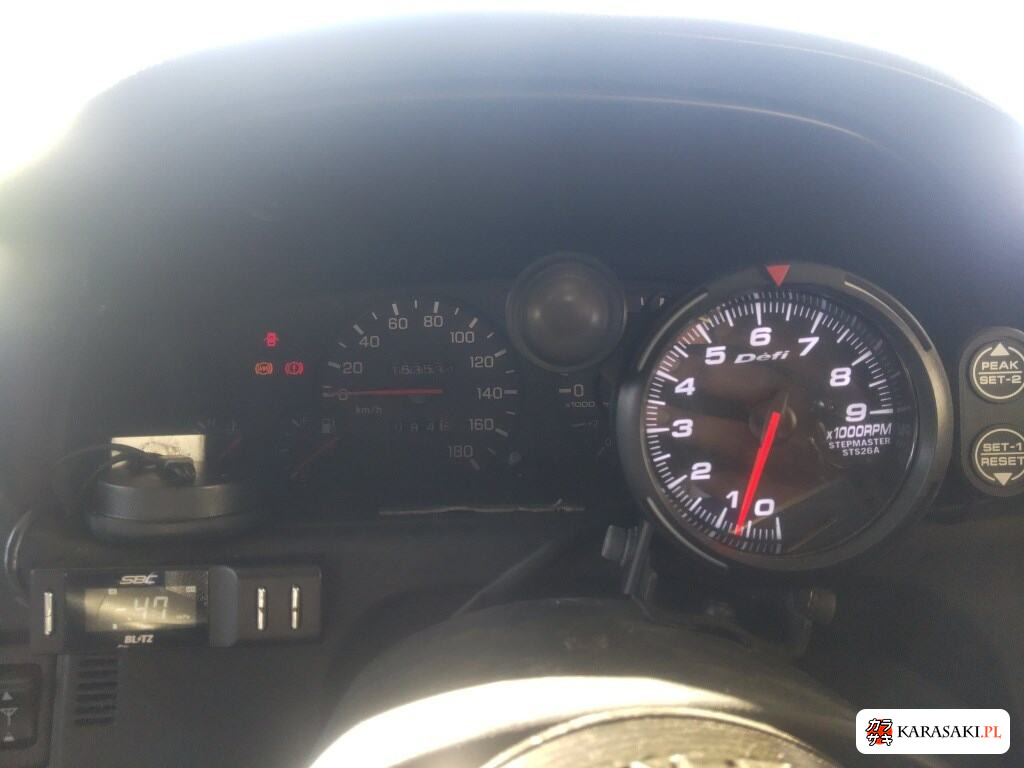
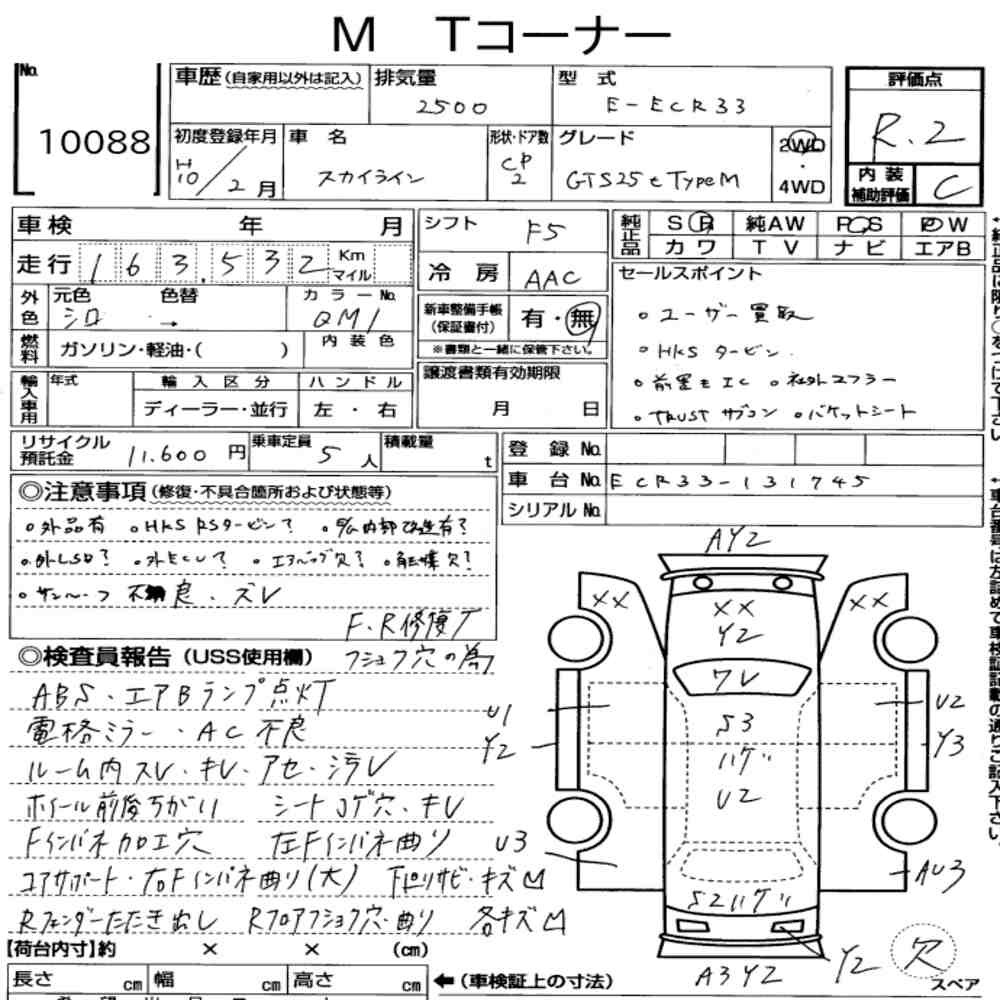

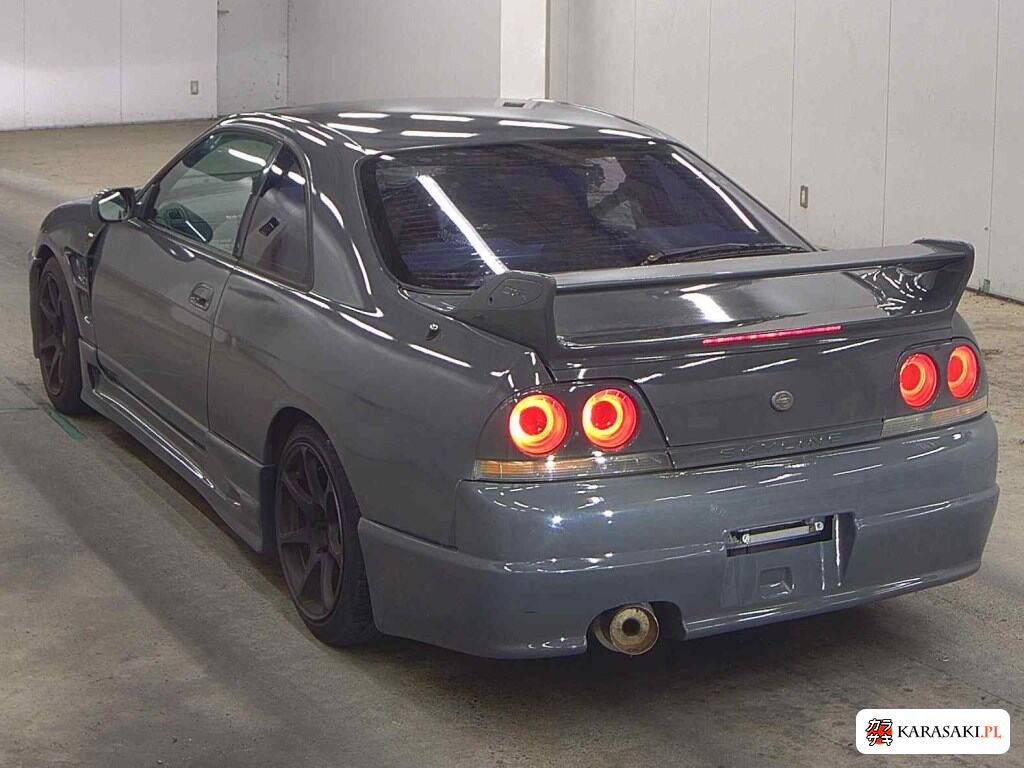
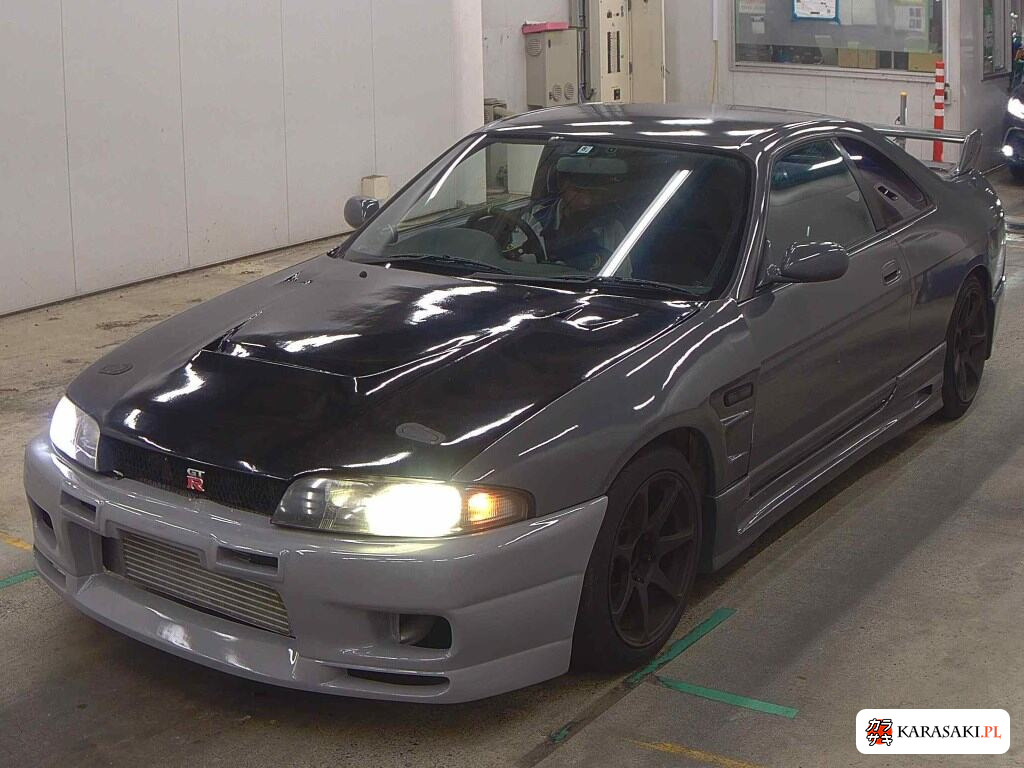
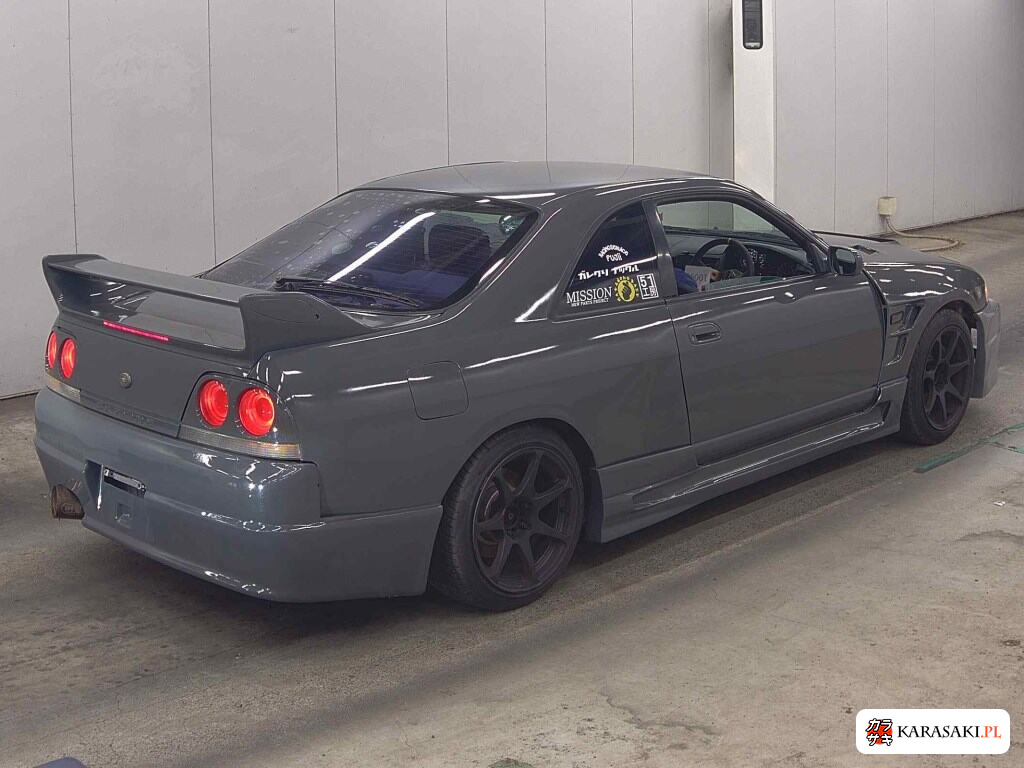
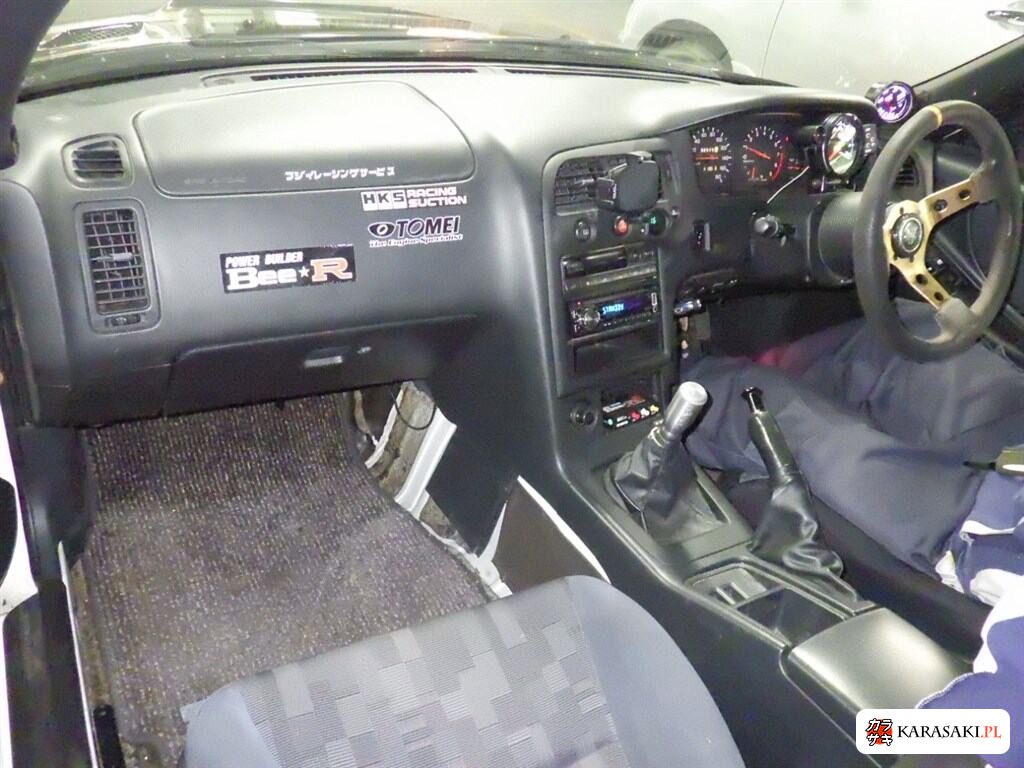
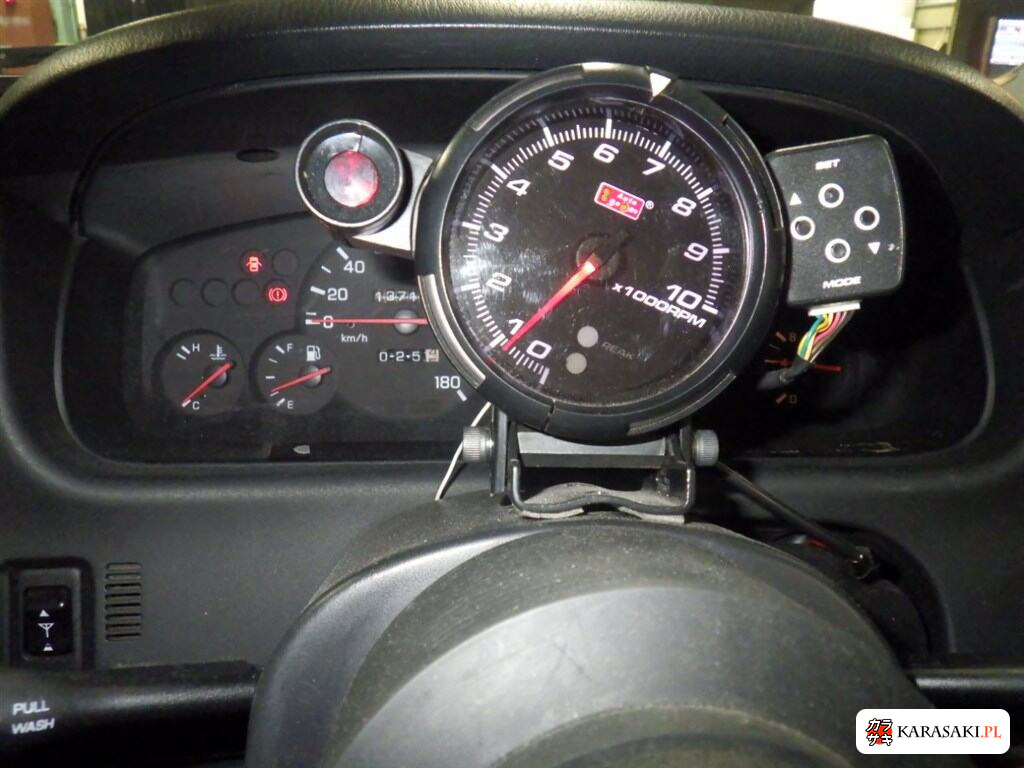
The auction pool turns over every few days. We'll watch these criteria and email you when the next one appears.
What cars with these engines cost: our auction data
Instead of classified-ad prices we show our own data from Japanese auctions: median starting prices of the models that carried the engines described here. One important caveat: the figures cover every generation of a given name, not only the versions with the legendary unit.
How to read it? The Supra median today mostly describes the new GR Supra generation, and the GT-R median almost exclusively the R35, which is why both look the most expensive. Skyline in turn includes ordinary sedans, far more numerous at auction than the GT-R versions, so the median of the whole name is low, yet a specific R34 GT-R can cost as much as several regular Skylines combined. The classics with the engines from this article sit in the older, thinner tail of supply, and that is where you have to hunt for them. All amounts are starting prices, where the bidding begins, not sale prices: treat them as the lower anchor of your budget.
Importing a car with a cult engine: what to watch
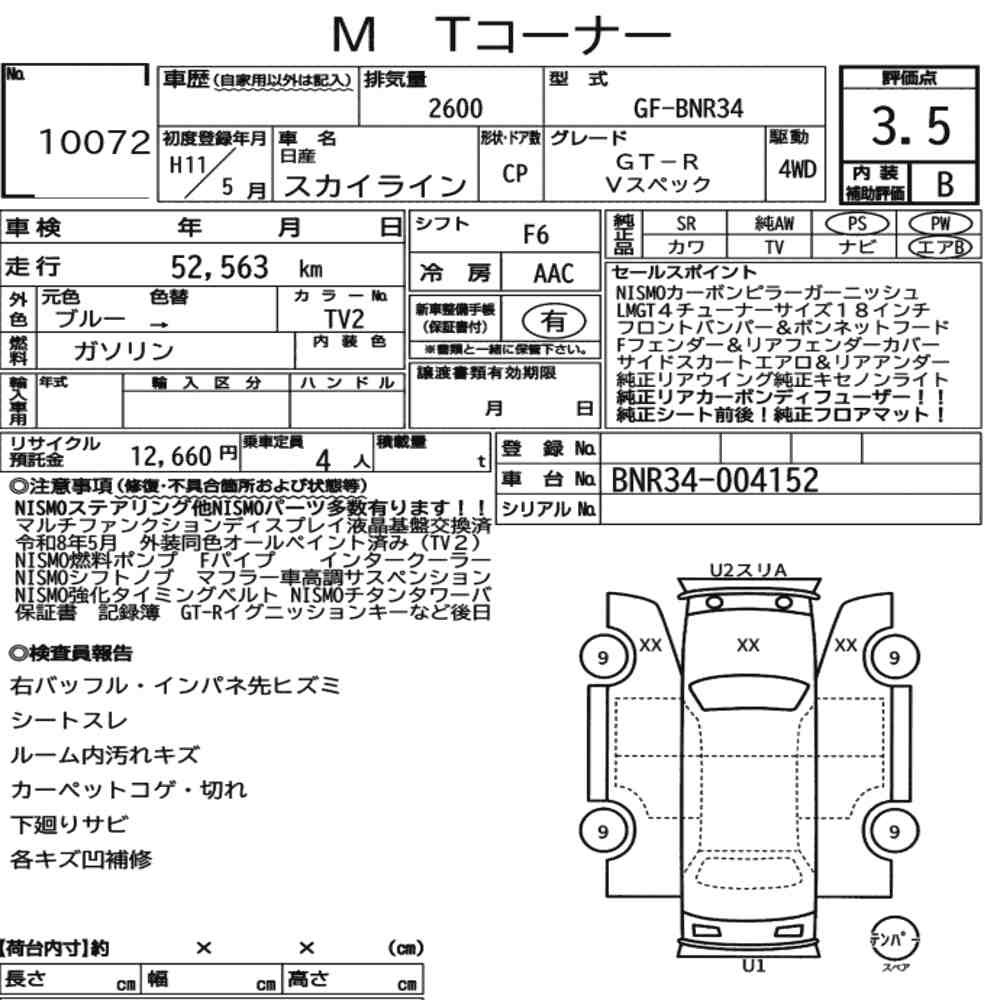
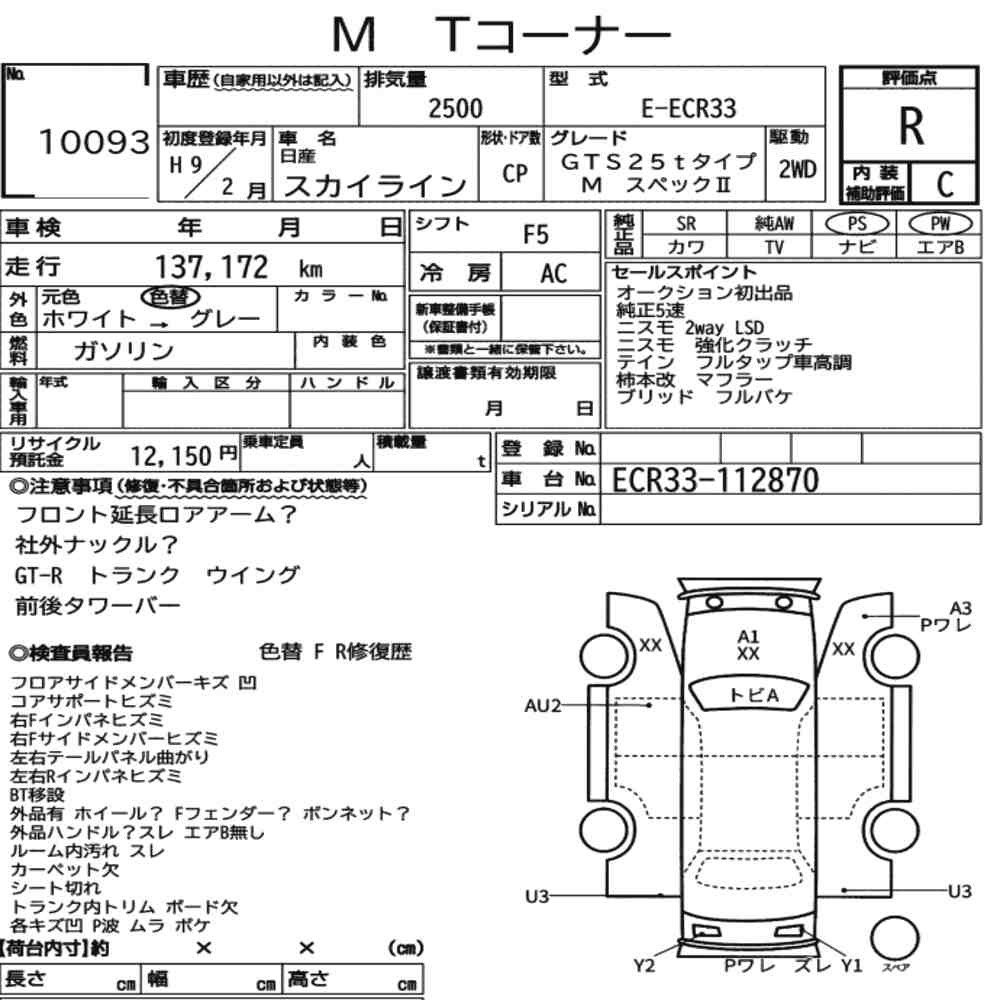
With a thirty-year-old sports car the engine's condition matters more than the odometer. The basis of any assessment is the auction sheet: it describes the body, the interior and the repair history, and we explain how to read it in our separate guide to USS auction sheets. Then come the quirks of the specific units. With an RX-7 a rotor compression test is essential, because apex seals are the most expensive line in the repair bill, and a reluctant start is often the first sign of their wear. With an SR20DET a ticking noise from the head area should worry you, with an RB26DETT low oil pressure, and with early Evos check the crankshaft thrust play. In all of these cars also look for traces of drifting or undocumented tuning. Cars from this list are almost exclusively right-hand drive, which in Poland requires one of the routes permitted by § 9 of the technical-conditions regulation, and how Japanese spec differs from European is covered in our guide to what JDM means.
The full import bill, from the auction through transport to duty, excise and registration, is calculated step by step in our article on what importing a car from Japan costs. One piece of advice straight from the swap market: if you are after a bare 2JZ or SR20 for a project, price the option of buying a whole car at auction too. Pulled engines with documented condition often cost close to complete cars, and a whole car gives you a donor of every component plus certainty about provenance.
Summary
The gentlemen's agreement was meant to cool the horsepower race, and along the way it created the most overbuilt production engines in automotive history. The 2JZ-GTE and RB26DETT are iron sixes with a huge reserve, the SR20DET and 4G63T are fours of two opposite philosophies, the 13B-REW is a rotary without compromise, and the F20C proof that records fall without a turbo too. All of these units still run through Japanese auctions in the cars that made them famous. In our catalogue you will find current examples of the Supra, Skyline, Silvia and S2000, complete with auction sheets and starting prices converted to your currency.


