
The Lamborghini Urus is the best-selling model in the history of the Sant'Agata Bolognese brand, and Japan's secondary market is one of the most interesting places to hunt for one: fresh model years, mileages counted in single thousands of kilometres and a high share of left-hand-drive cars. We break down the versions from the base car to the plug-in hybrids, look at what our auction data says about starting prices, and calculate step by step what importing a Urus from Japan to Poland costs.
Lamborghini Urus: the super SUV behind more than half of the brand's sales
The Urus premiered on 4 December 2017, with first customer deliveries in spring 2018. Lamborghini billed it as the first super SUV: a practical body with supercar performance, powered by a 4.0-litre twin-turbo V8 making 650 PS. The market proved the point quickly. In 2023 — the first year Lamborghini passed ten thousand deliveries — 6,087 of the 10,112 cars sold were Uruses: six out of ten new Lamborghinis left the showroom with five doors. 2024 brought another record of 10,687 deliveries, and the factory openly calls the Urus range the pillar of its sales. For a buyer this means something rare in the segment: genuinely wide choice on the used market, including Japanese auctions, where the Urus shows up more often than the Lamborghini Huracán.
Urus, S or Performante: how do they differ?
Every version shares the same foundation: a twin-turbocharged 4.0-litre V8. The base Urus built from 2018 to 2022 delivers 650 PS and 850 Nm from just 2,250 rpm. In 2022 the range split into the comfort-oriented Urus S and the sharper Urus Performante, both rated at 666 PS, with the Performante 47 kg lighter and tuned for track and rally-style driving. In April 2024, at the Beijing motor show, the Urus SE plug-in hybrid debuted: the combustion engine alone makes 620 PS, the combined system 800 PS and 950 Nm from 1,750 rpm, plus over 60 km of electric range. The SE is set to replace the S and Performante. In July 2026 the factory announced the Urus SE Performante with a combined 812 PS and 1,000 Nm — by Lamborghini's own declaration the most powerful Urus ever.
| Version | Production | Power | 0-100 km/h | Top speed |
|---|---|---|---|---|
| Urus | 2018-2022 | 650 PS | 3.6 s | 305 km/h |
| Urus S | from 2022 | 666 PS | 3.5 s | 305 km/h |
| Urus Performante | from 2022 | 666 PS | 3.3 s | 306 km/h |
| Urus SE (plug-in hybrid) | from 2024 | 800 PS | 3.4 s | 312 km/h |
| Urus SE Performante | announced July 2026 | 812 PS | 3.3 s | 312 km/h |
As a price anchor, at launch in 2017 Lamborghini priced the Urus at 171,429 EUR in Europe and 25.74 million yen in Japan, both before taxes. On the used market the spread between versions is wide: Performante and young SE hybrids hold their prices well above early base-spec cars.
Urus prices at Japanese auctions: what our data says
As of mid-July 2026 our catalog holds 39 published Uruses from Japanese auctions. The median mileage is just 5,000 km, the median model year is 2024, and 8 in 10 cars are left-hand drive. Every figure in these tables is a starting price — the amount bidding opens at, not a sold price: treat it as the lower anchor of your budget, not a final bill.
The wider market confirms the picture. Carsensor, Japan's largest used-car search engine, listed 170 Urus offers at the same time with an average asking price of about 39.4 million yen, and the single largest mileage band was cars with just 1,000-2,999 km on the clock. According to buyback data from the Gulliver chain, a four- or five-year-old Urus retains about 90% of its new price in Japan. This is not a clearance market — it is a market of well-kept, barely used cars where the bargains come from the yen exchange rate and from individual examples.
Lamborghini z Japonii na aukcji

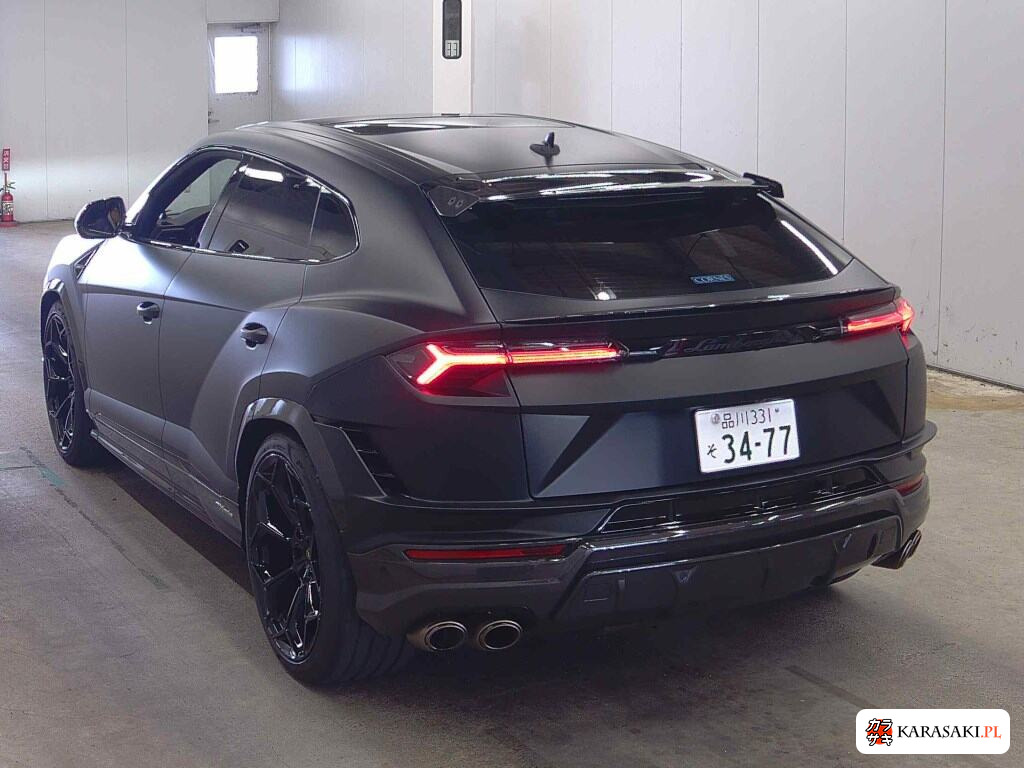
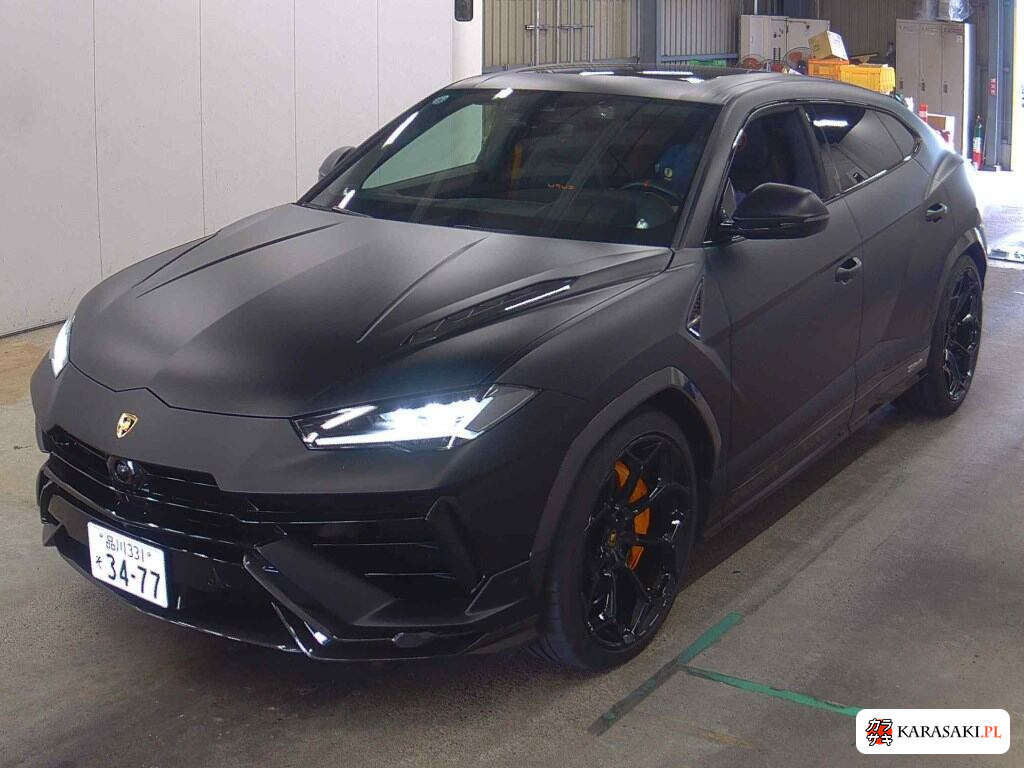
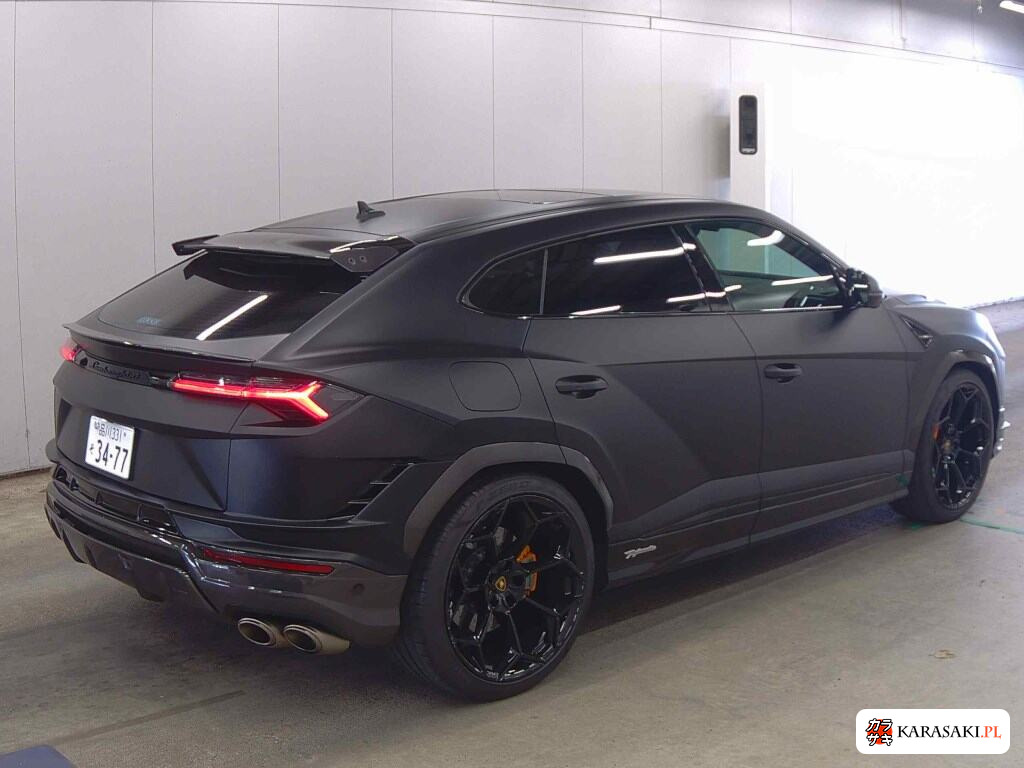
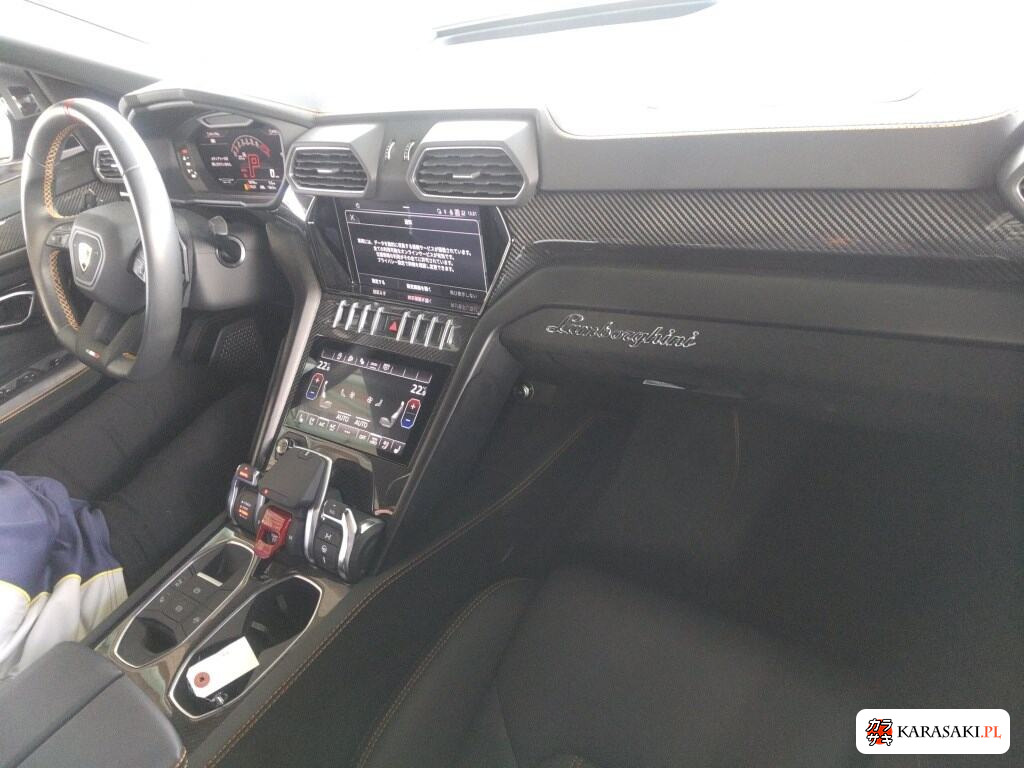
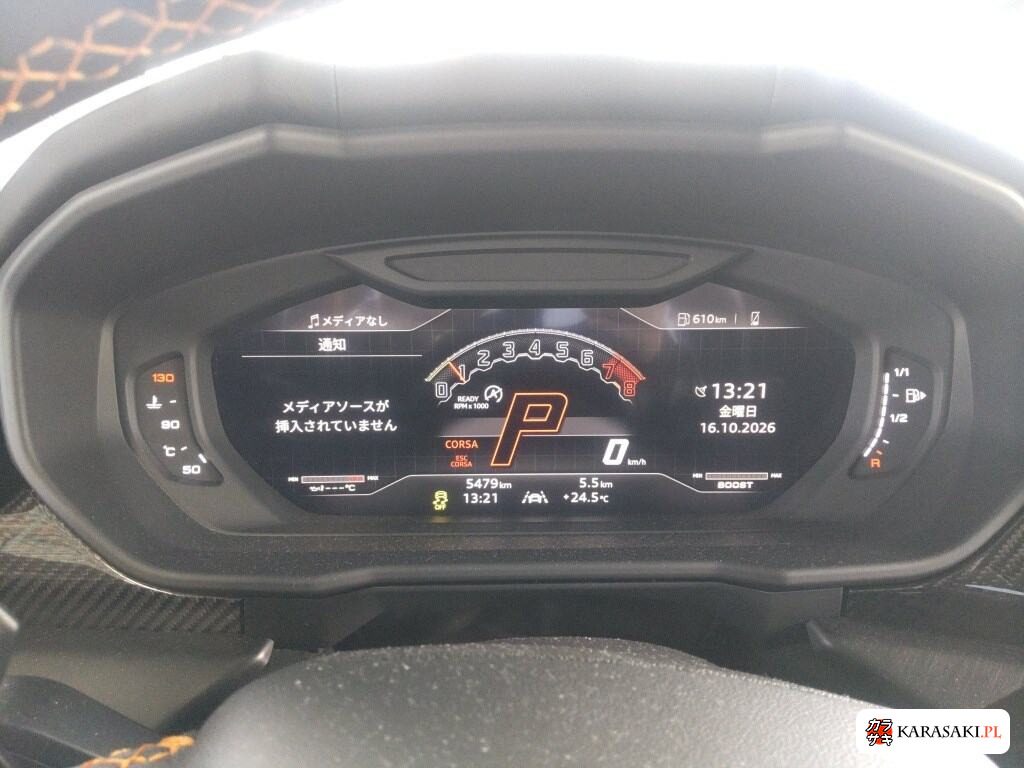
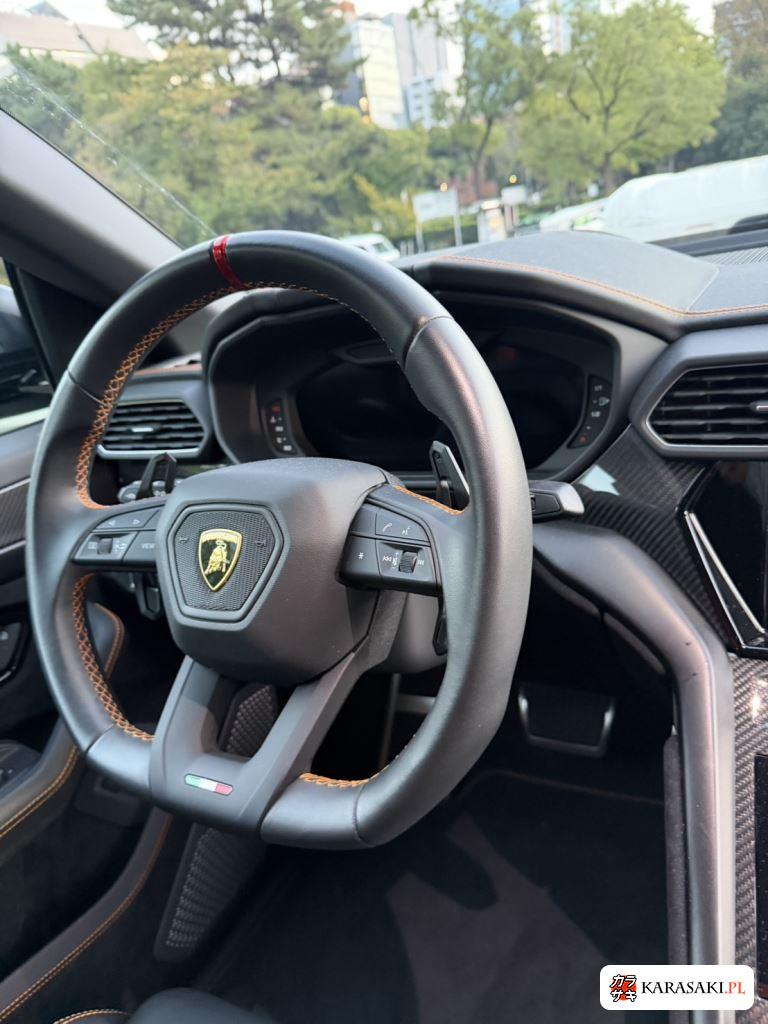
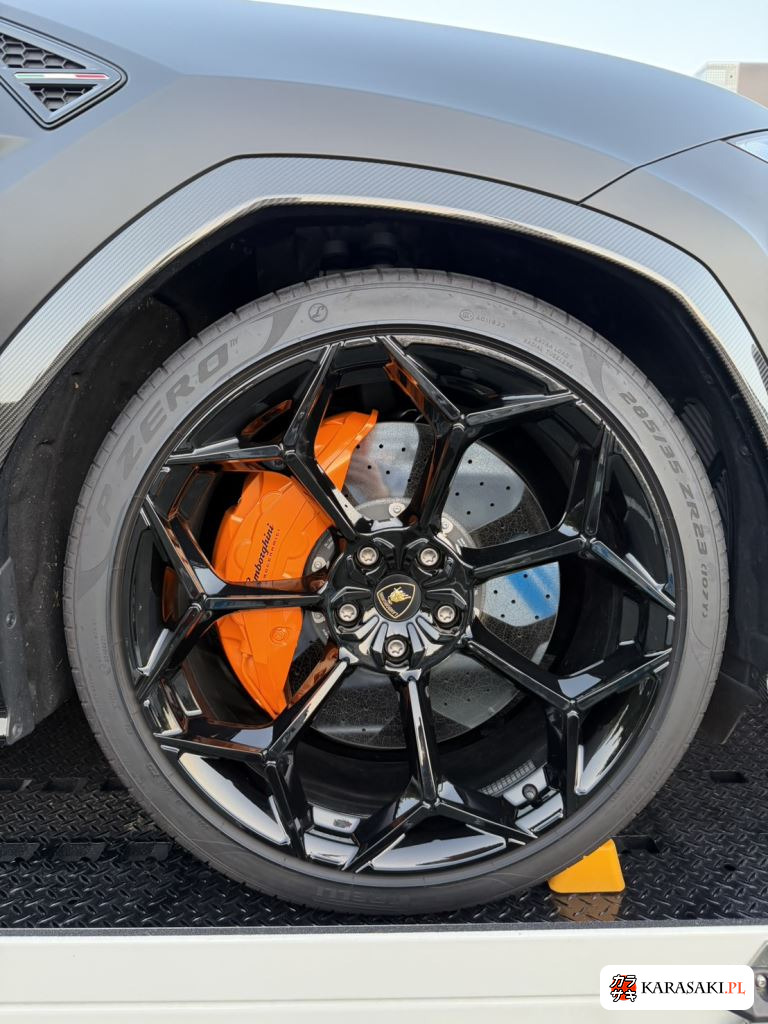
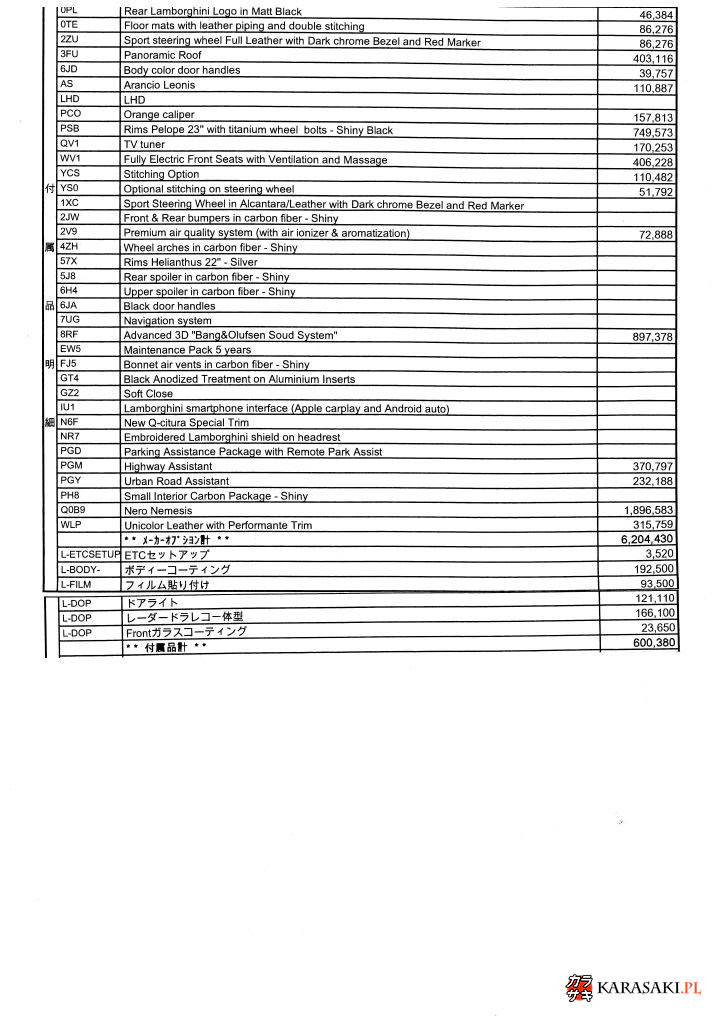



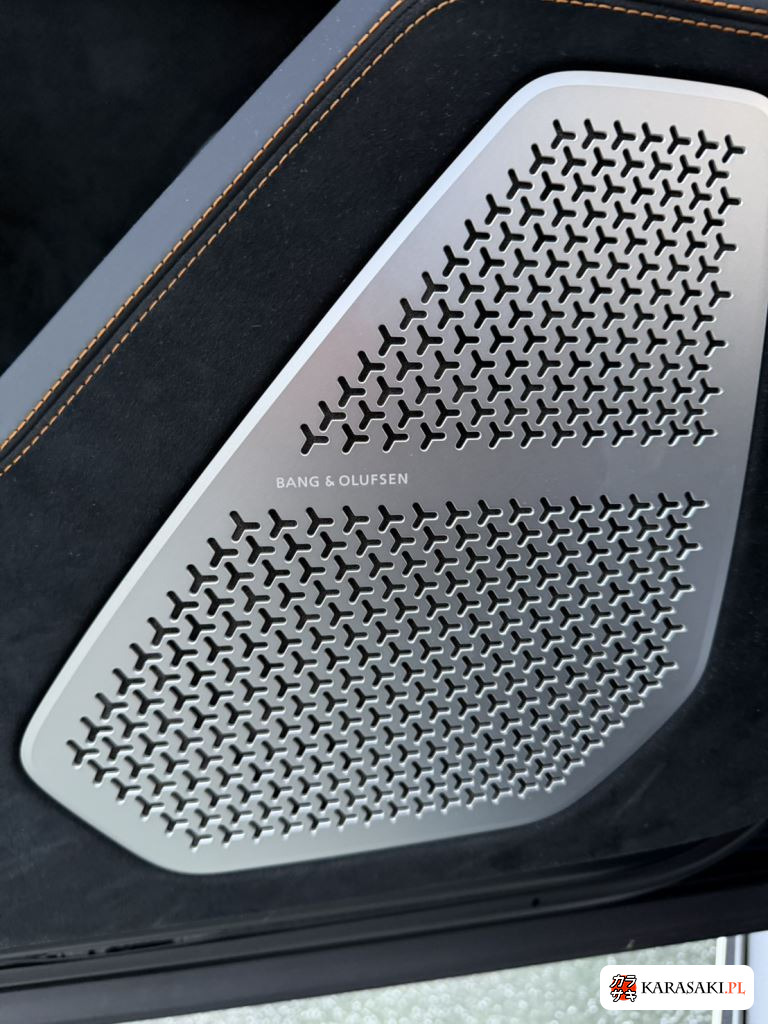
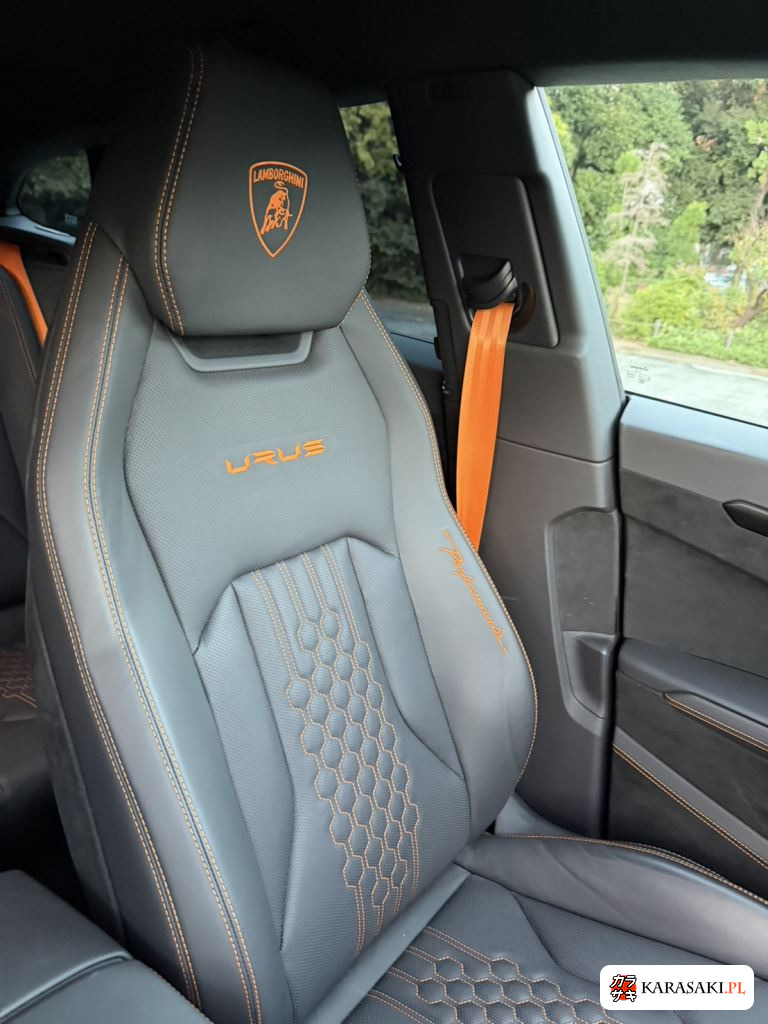
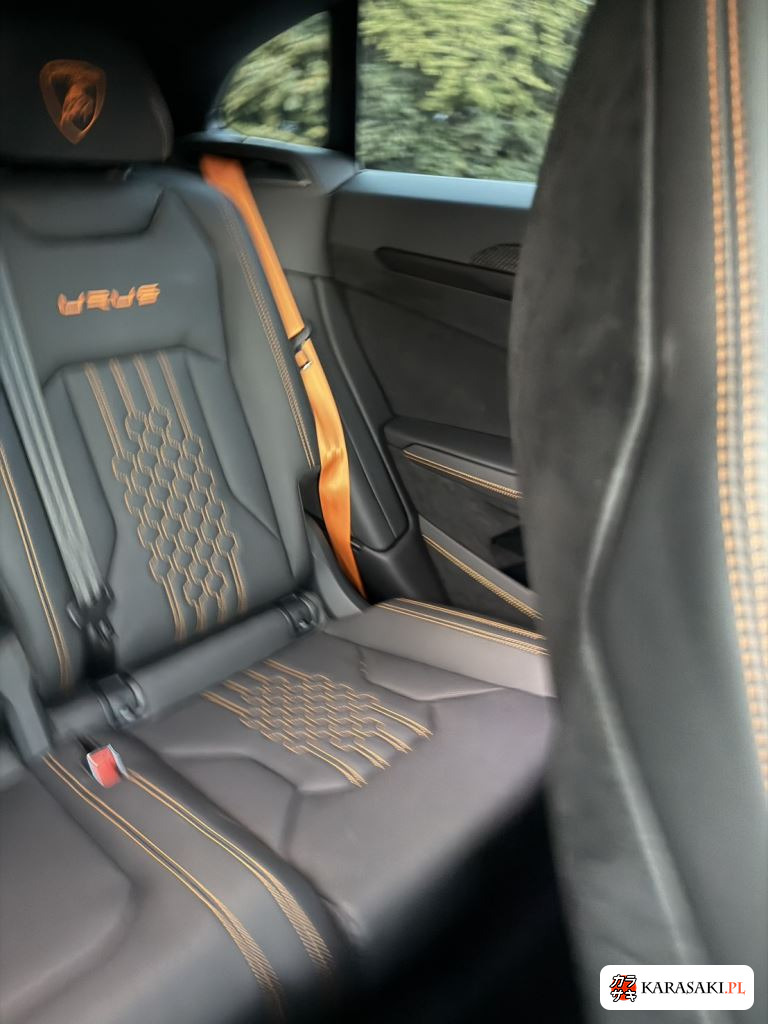
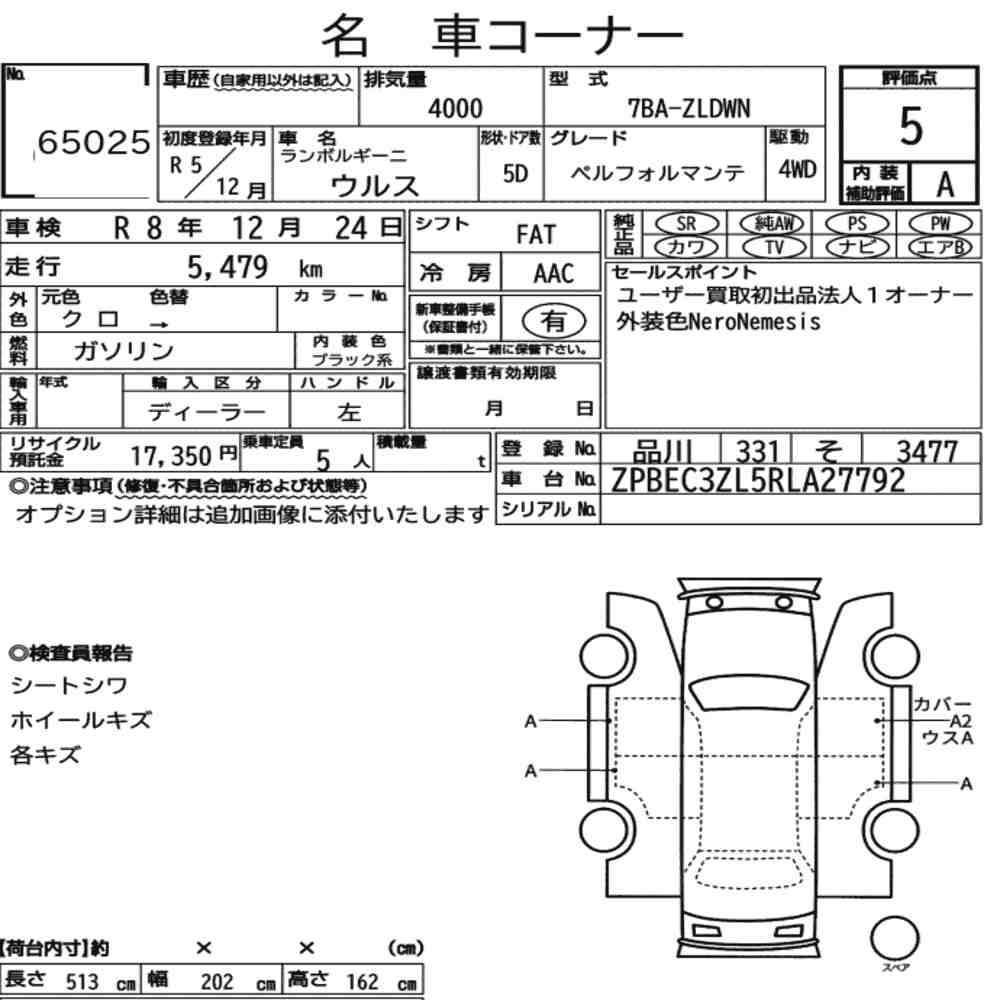

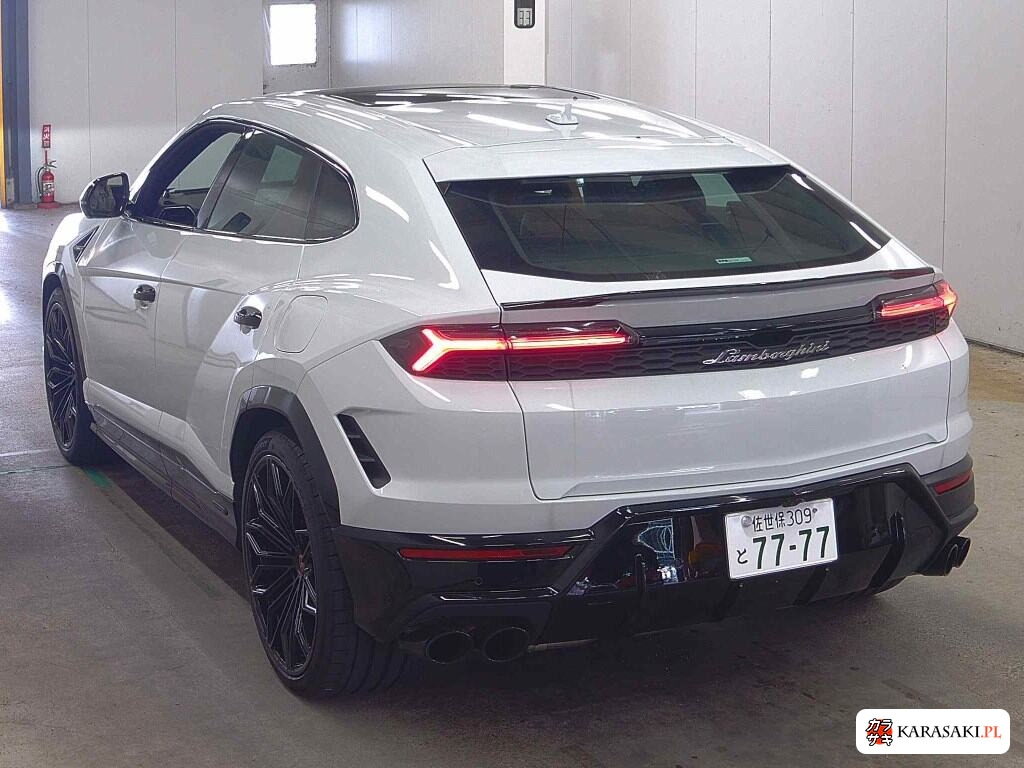

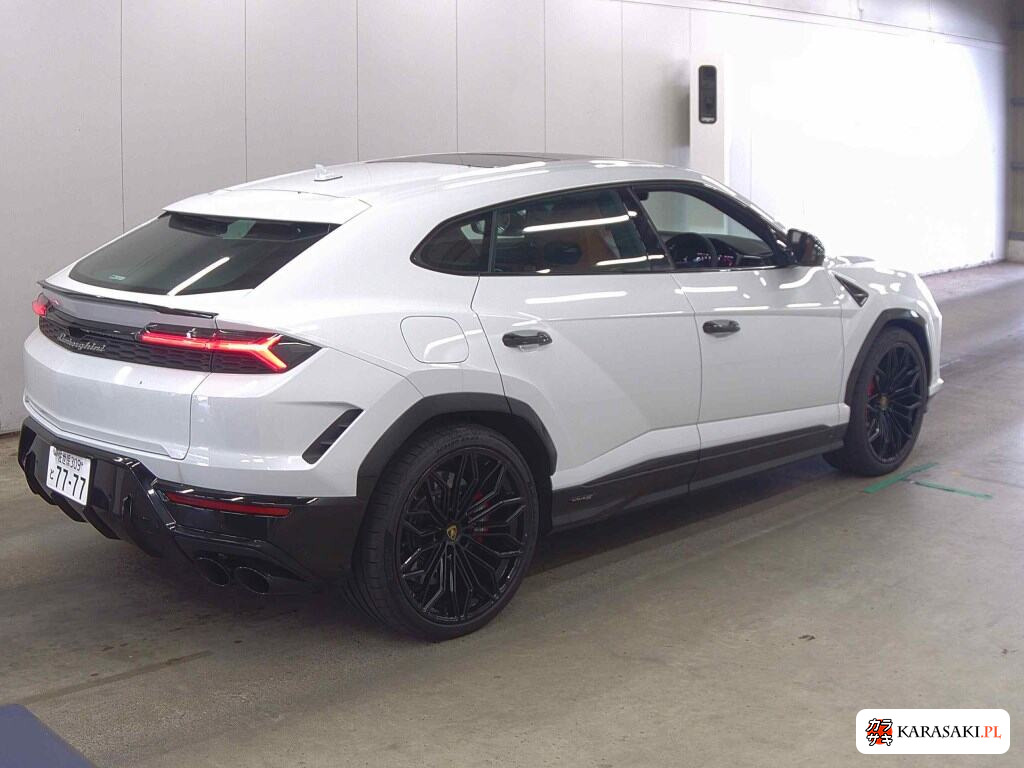
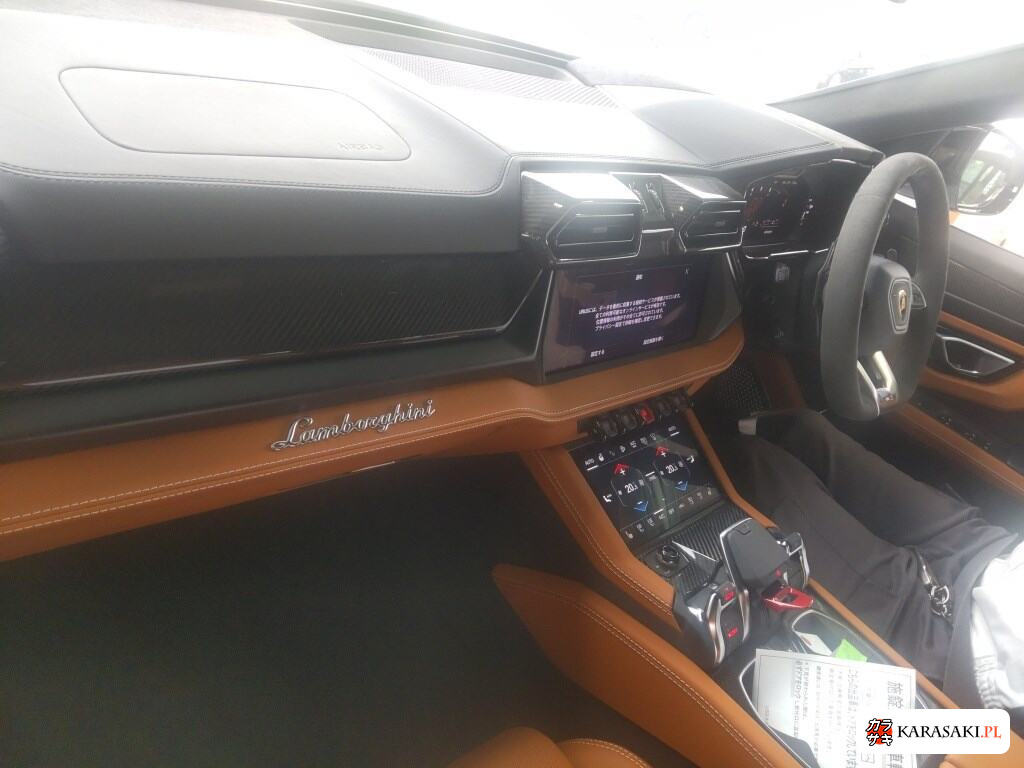
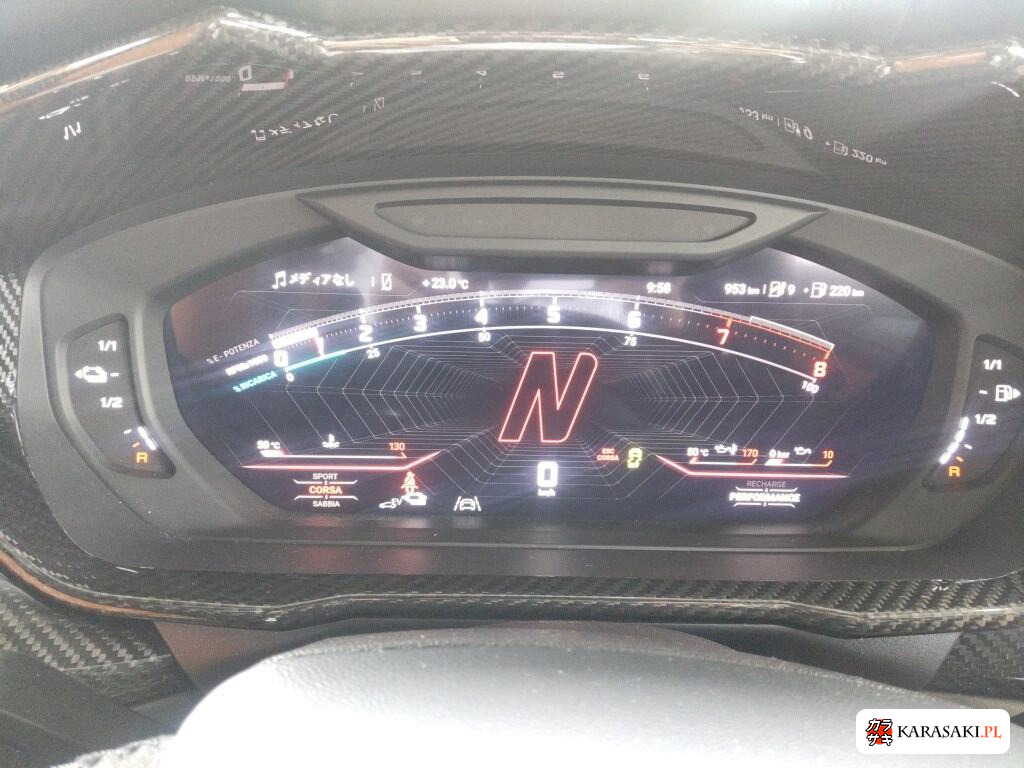
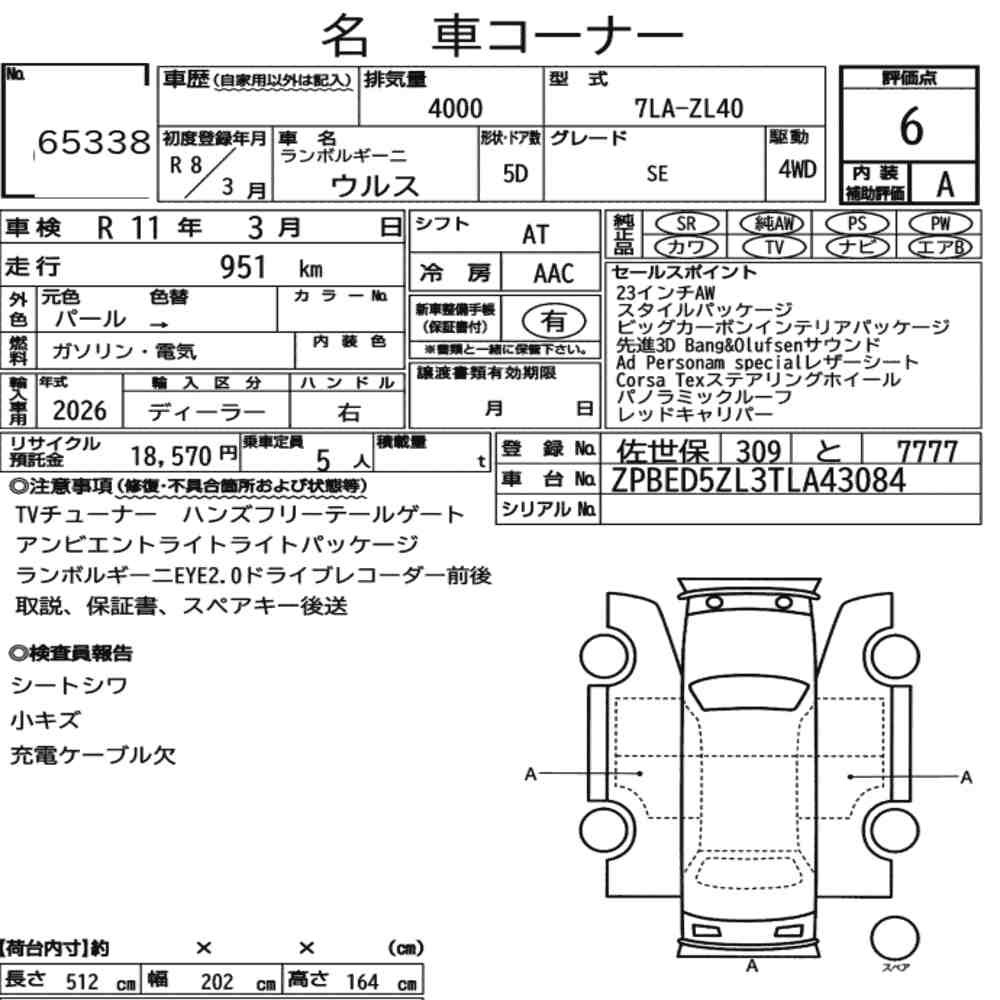

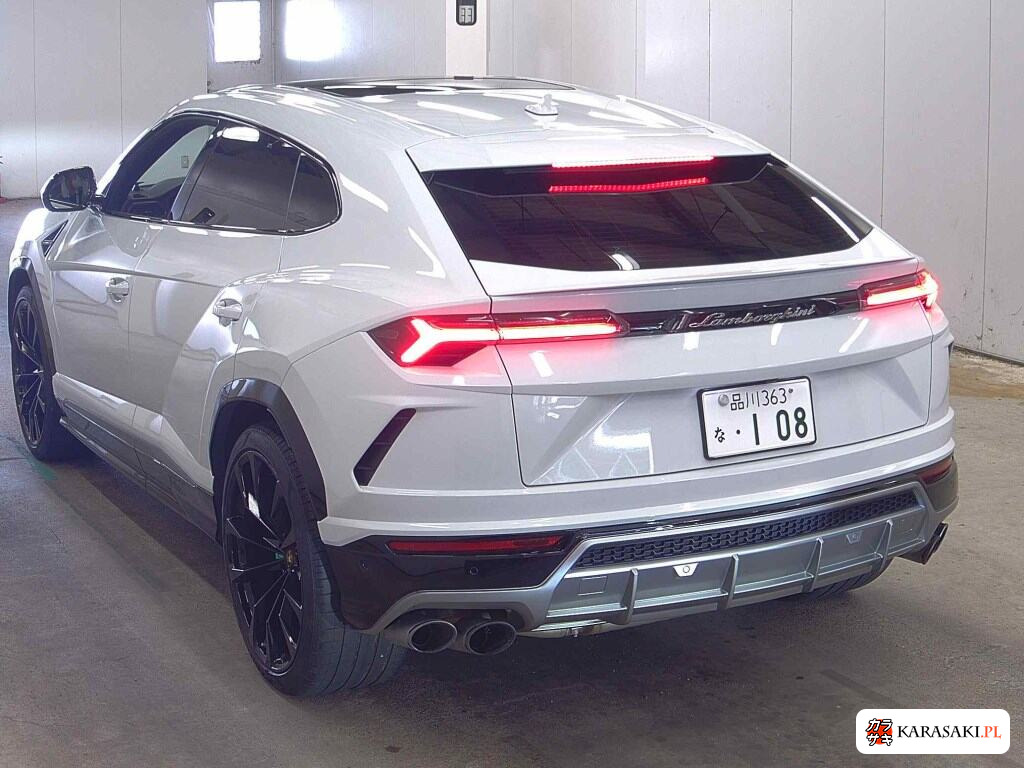

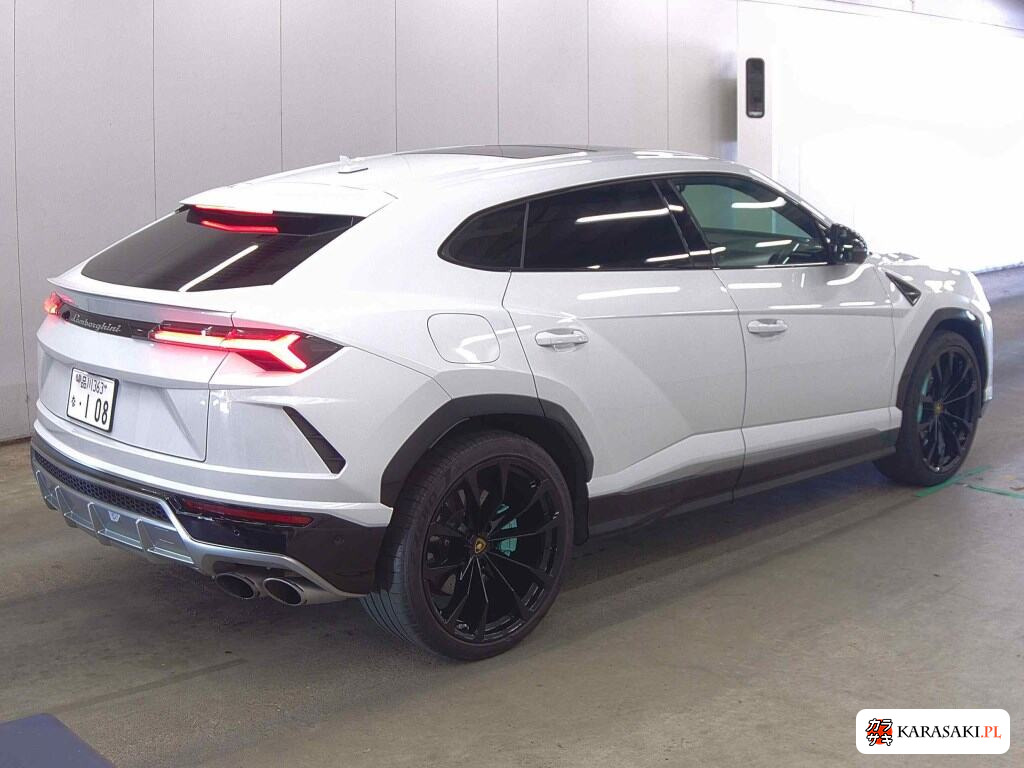
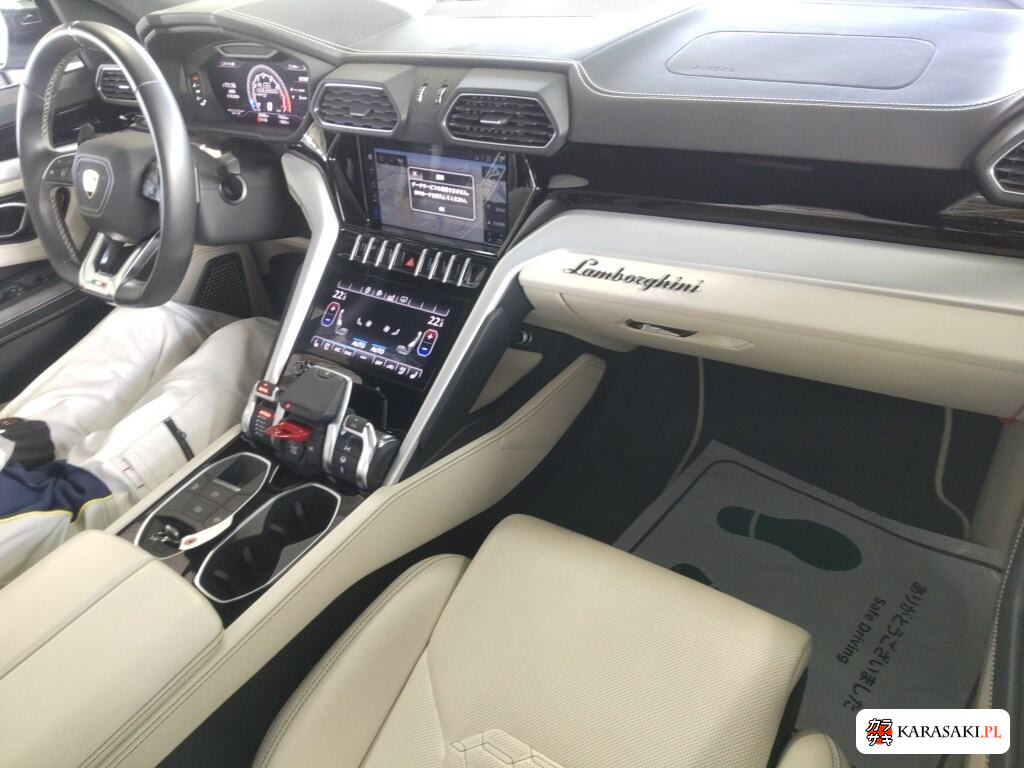
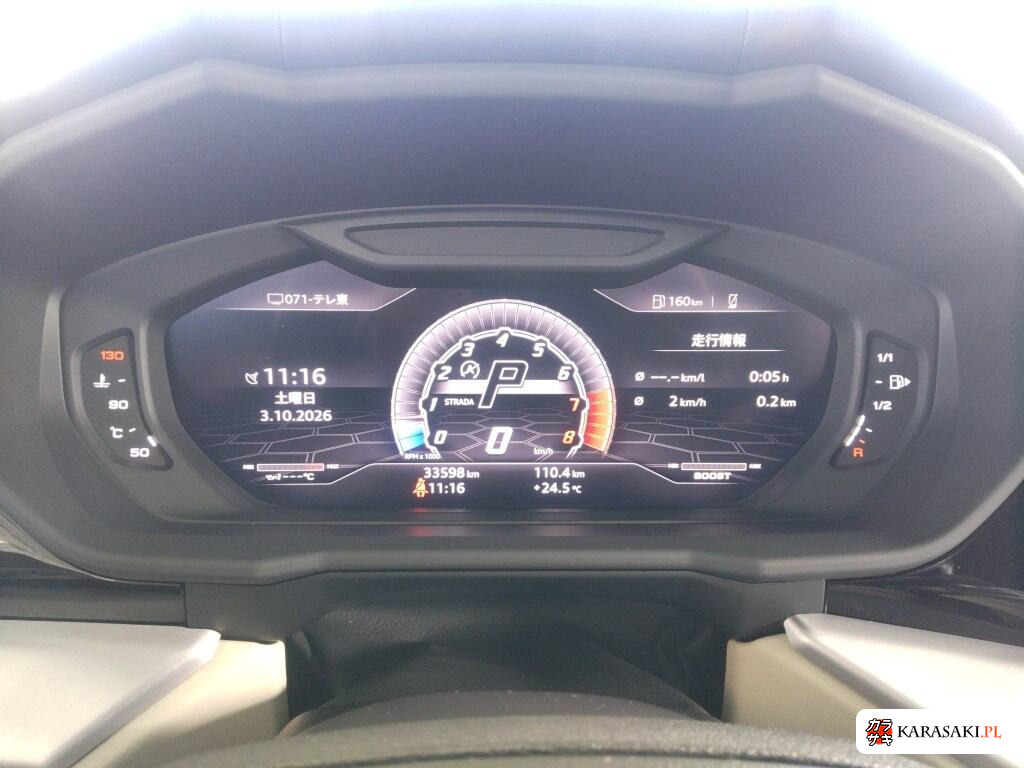
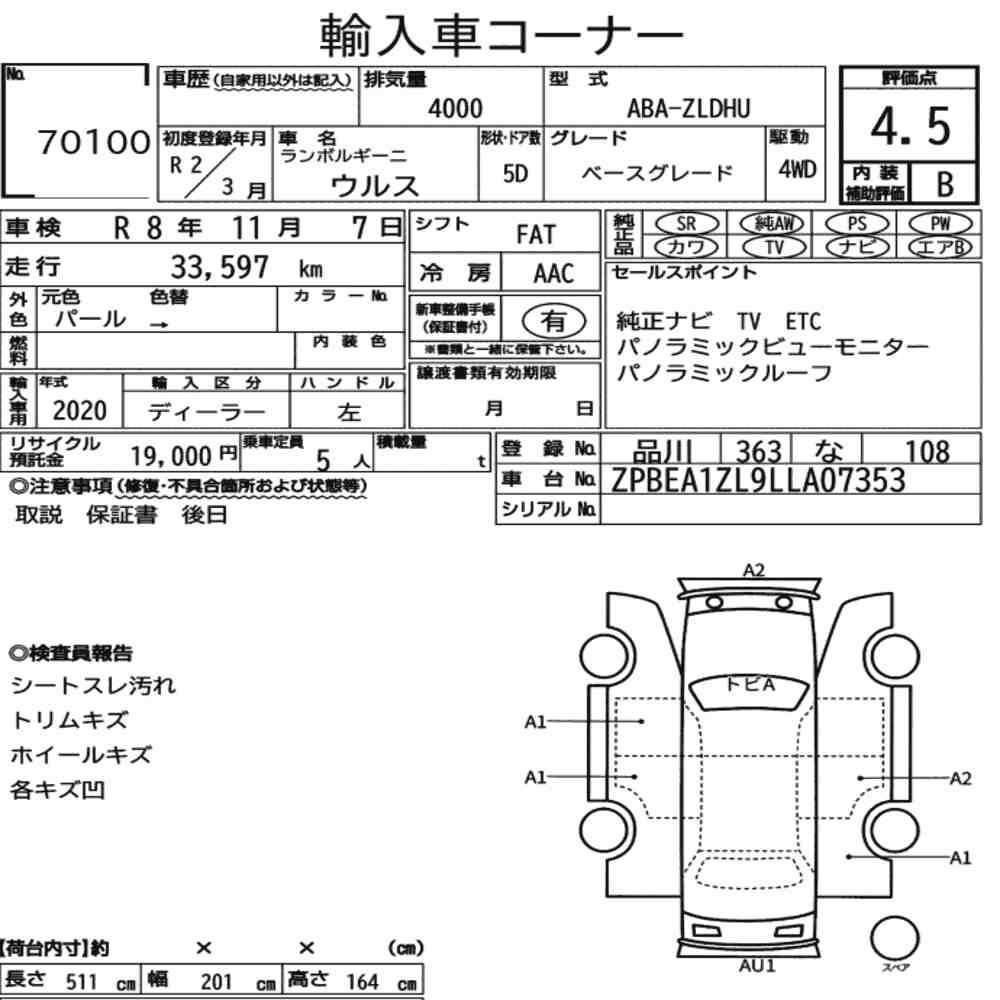

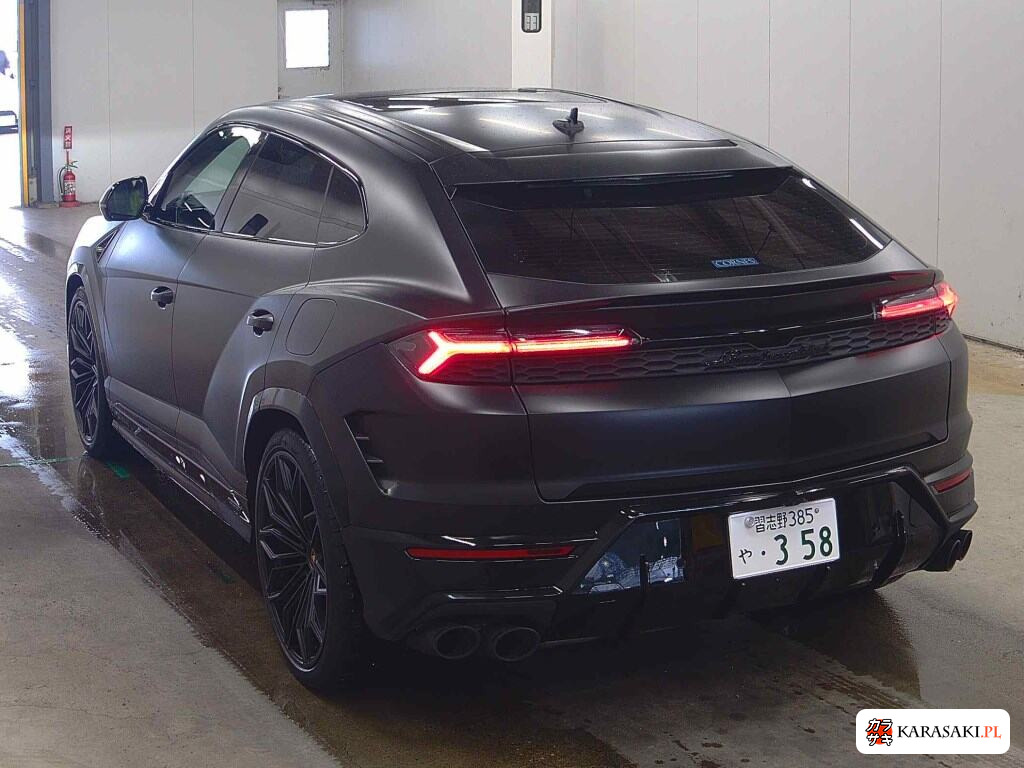

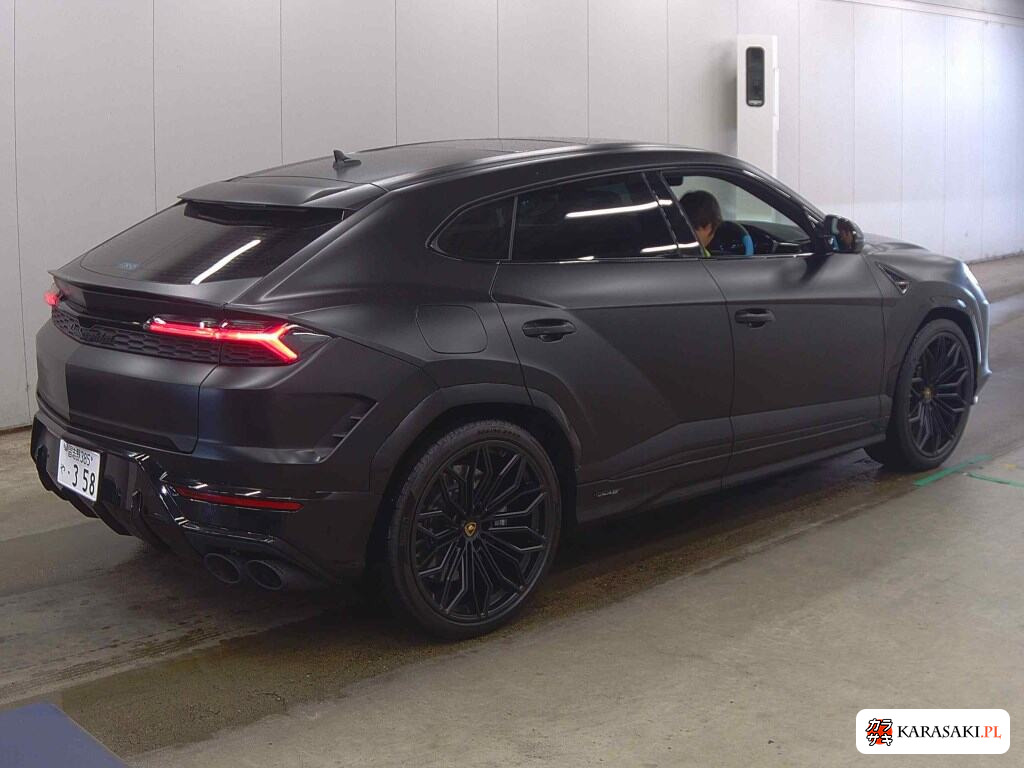
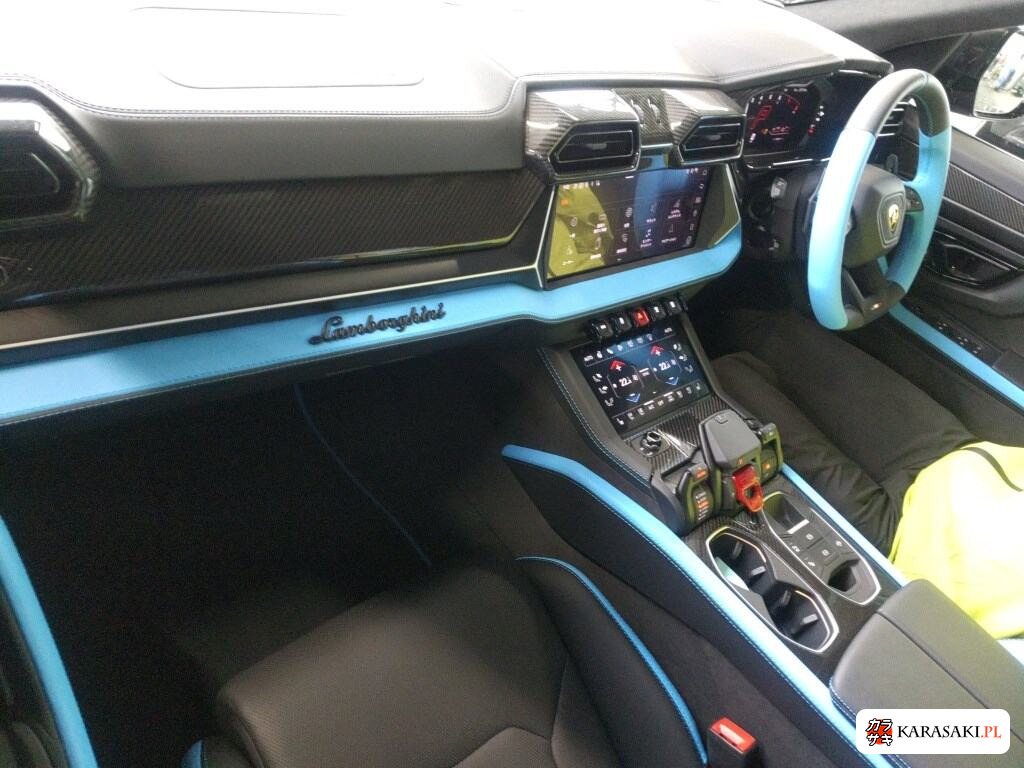
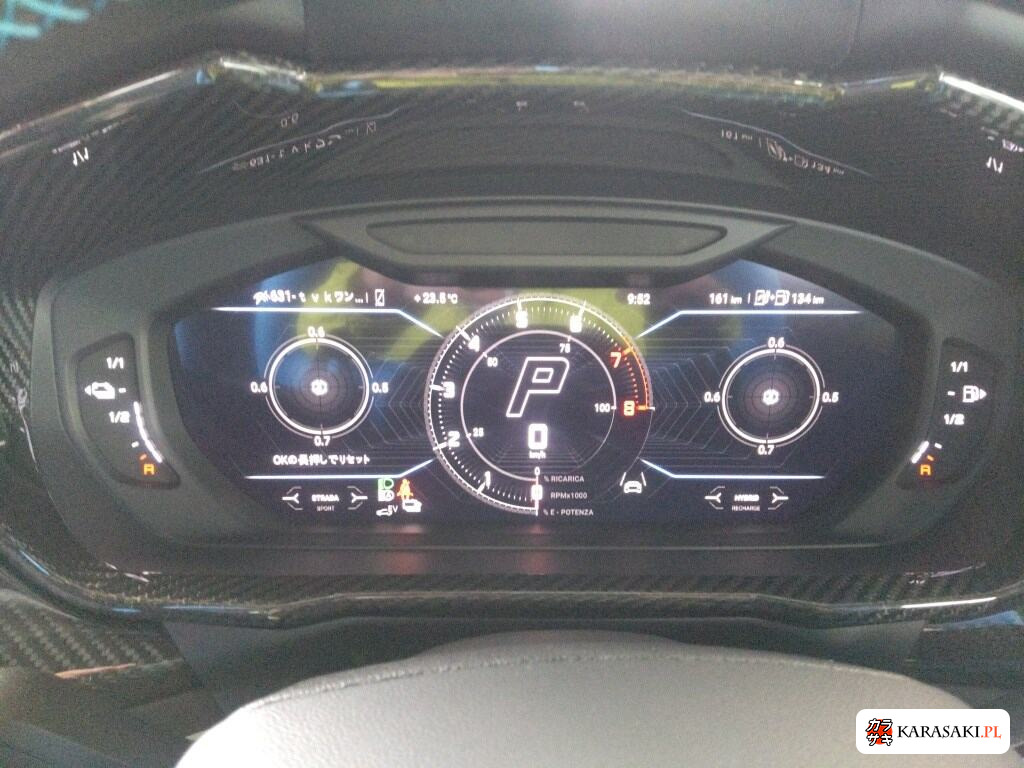
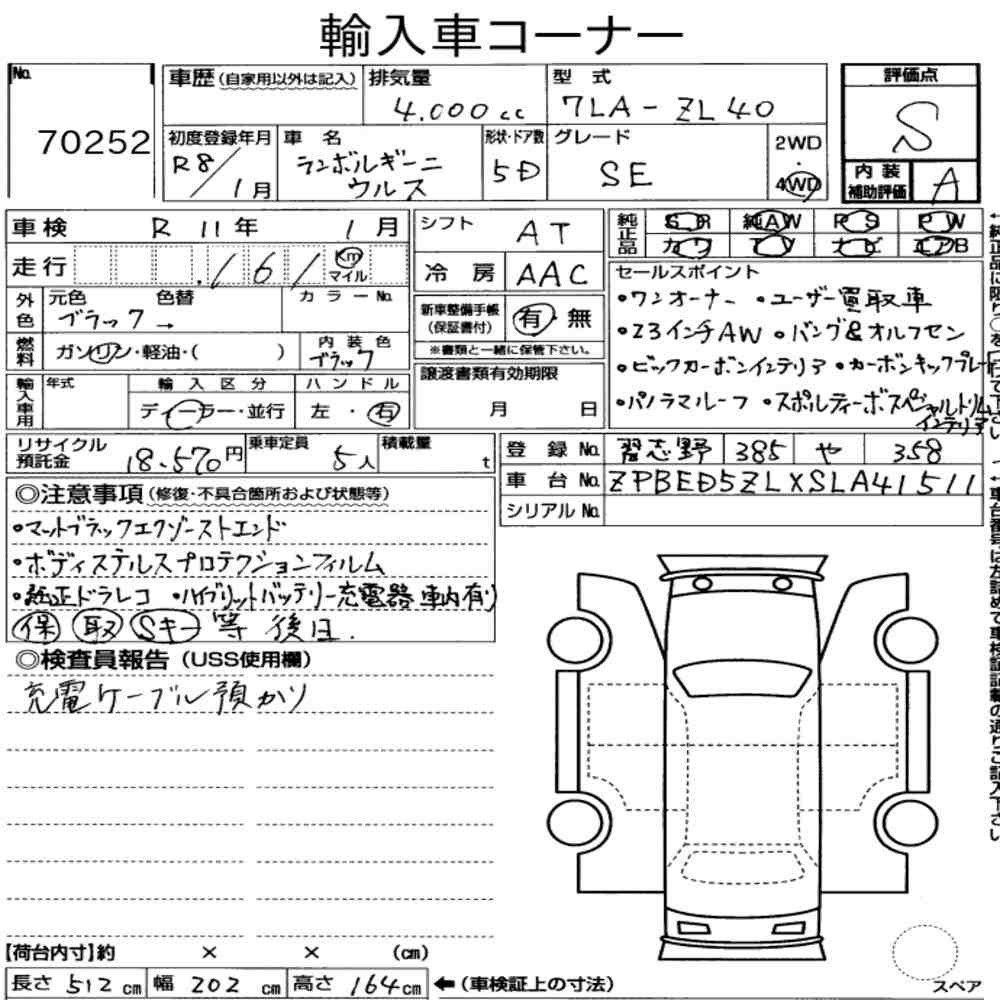

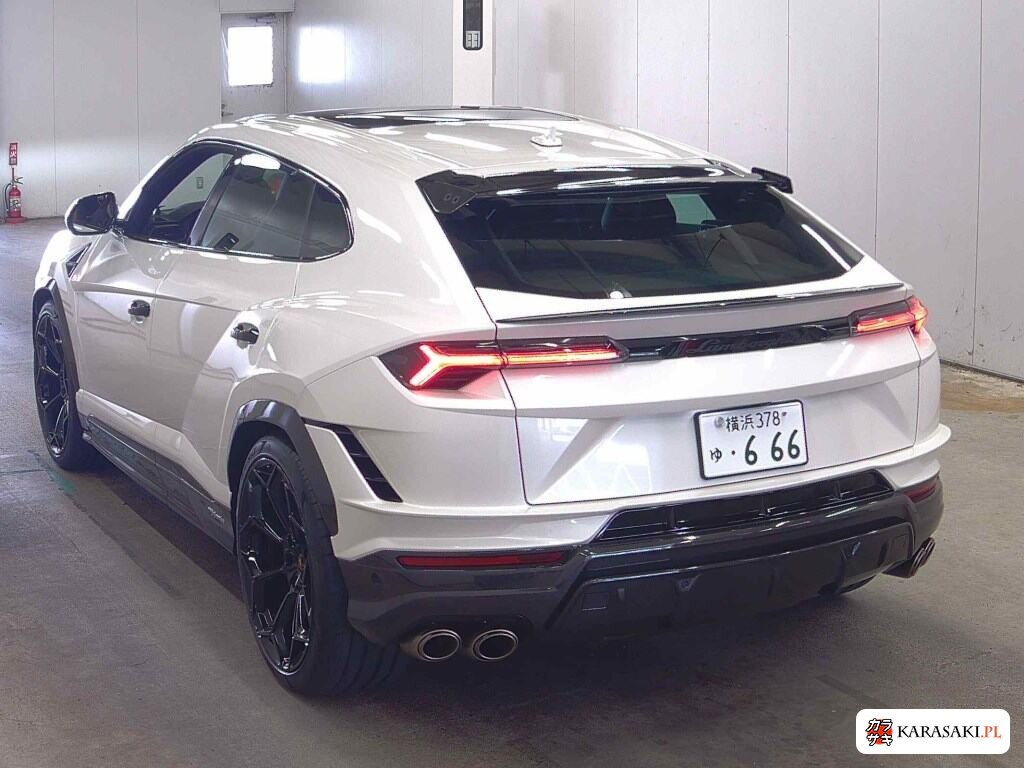
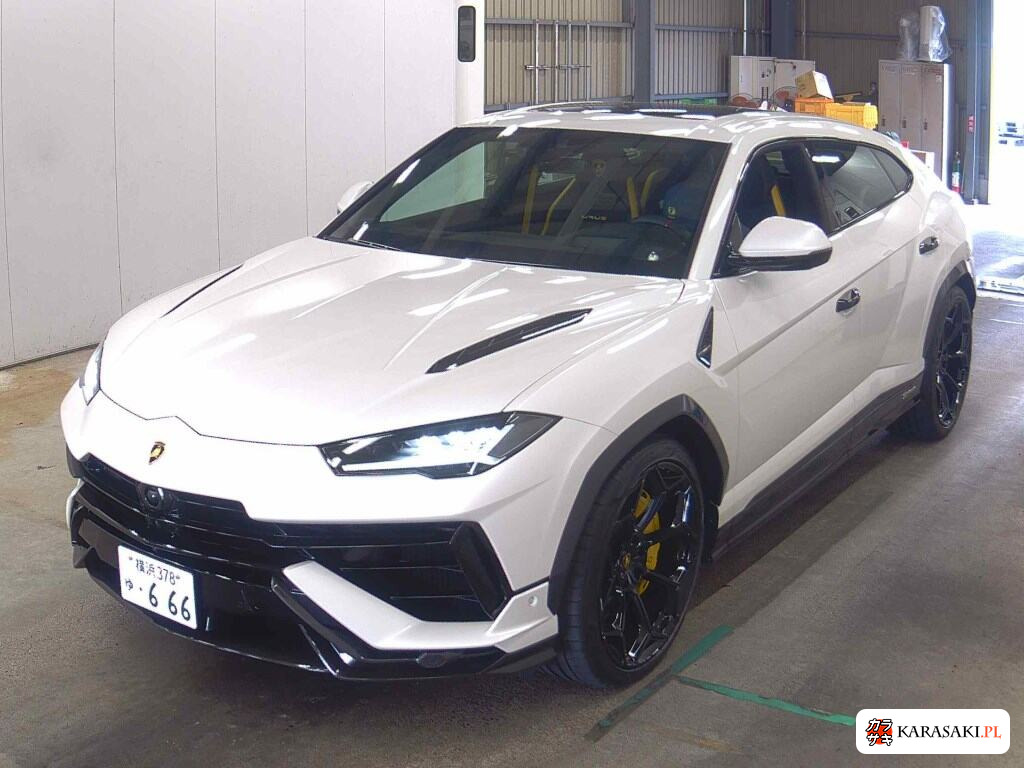
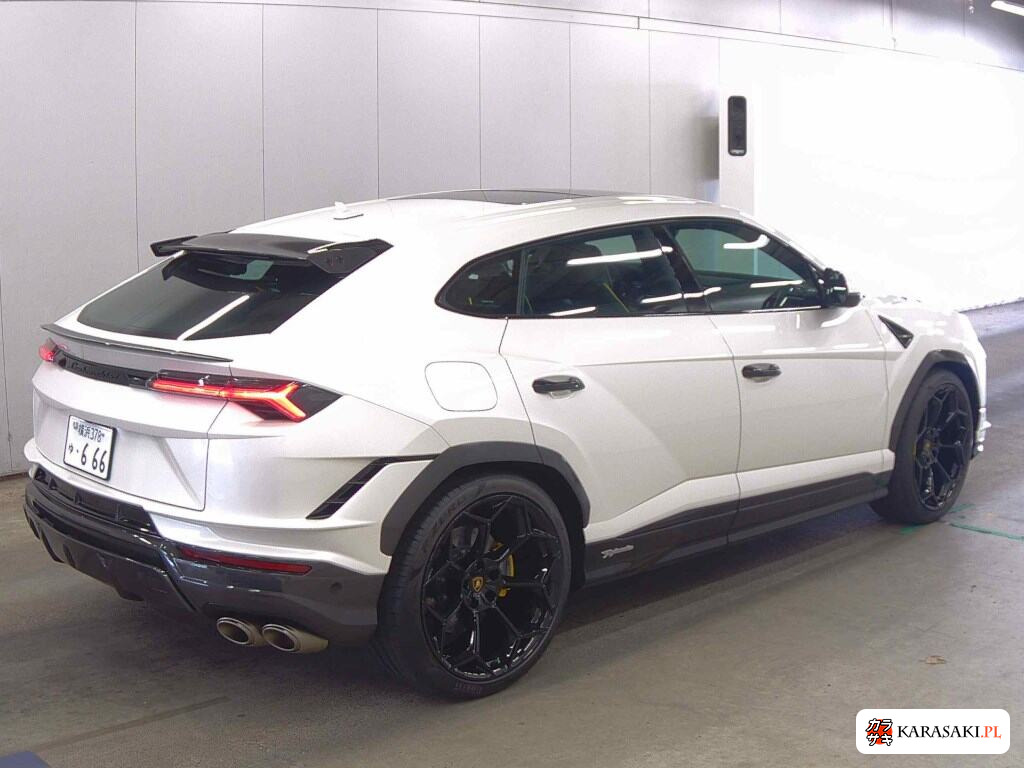
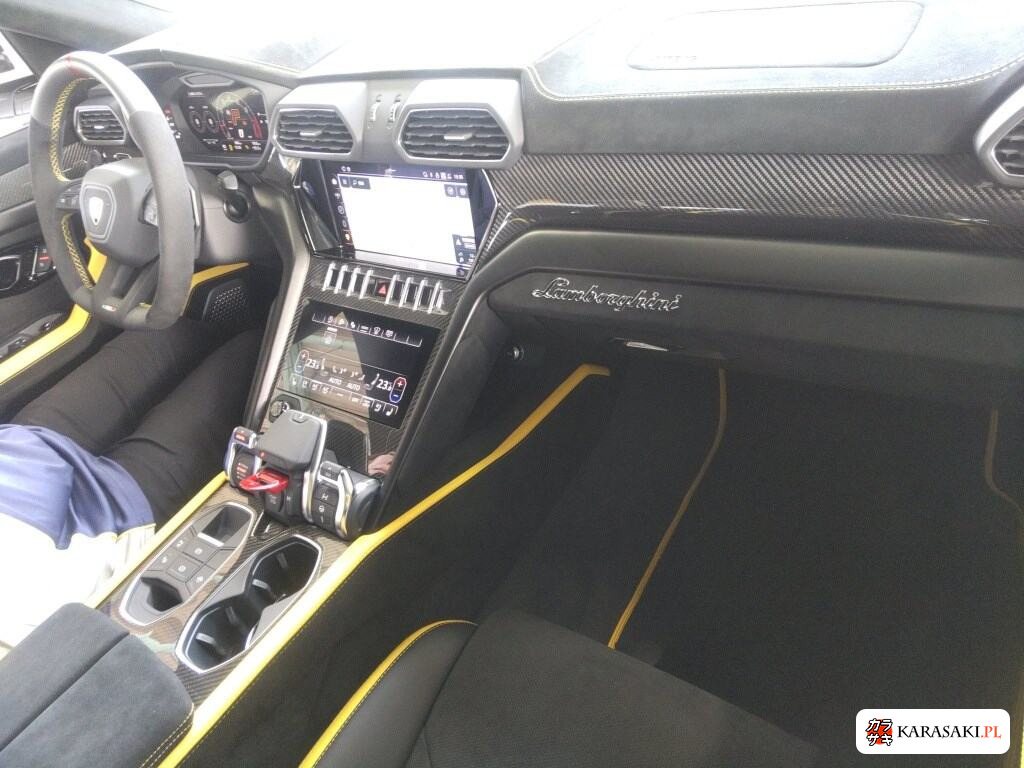
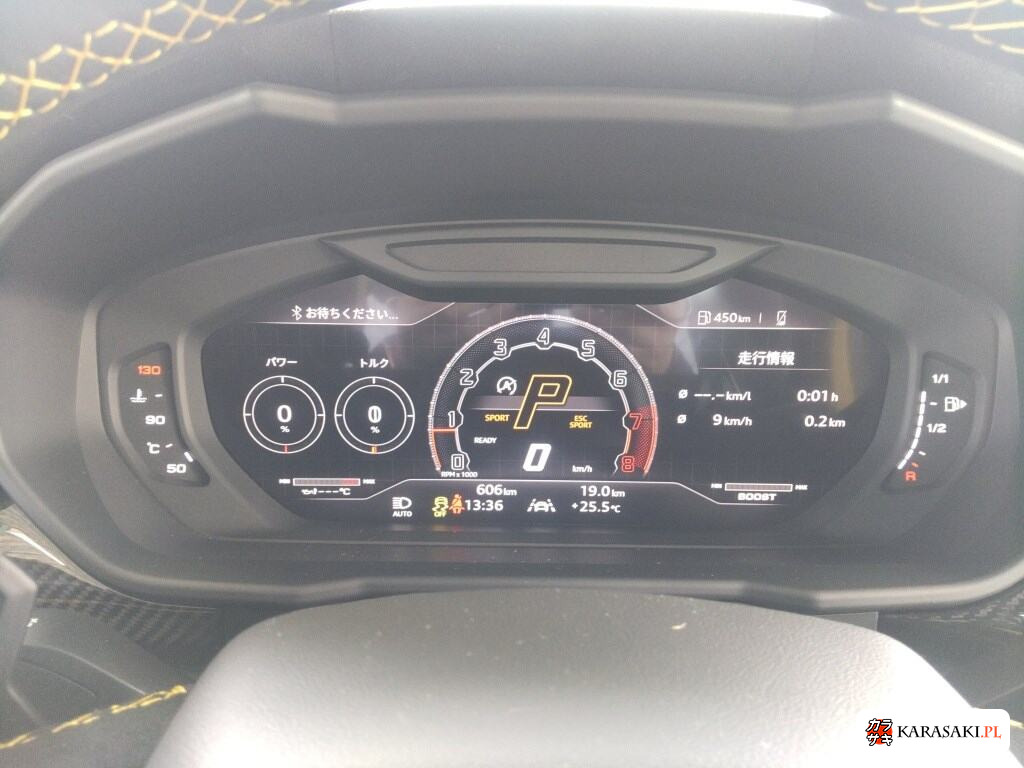
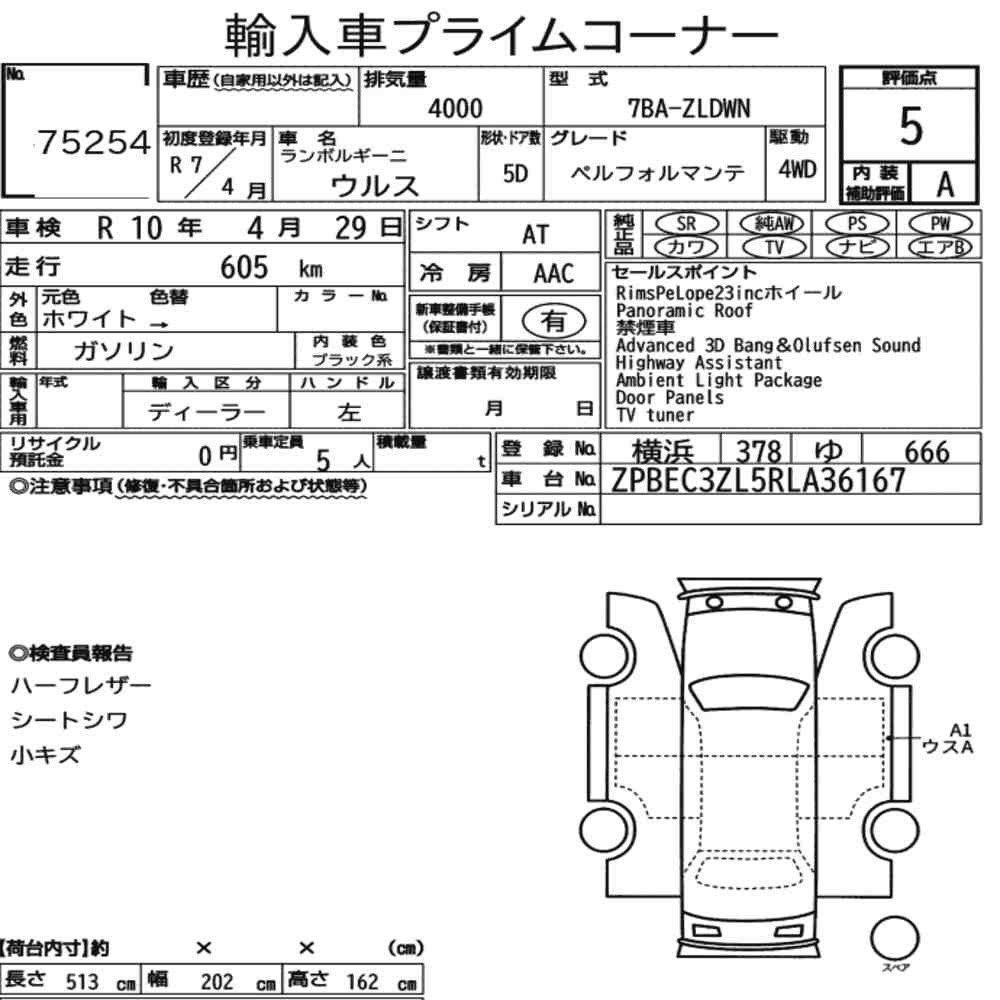

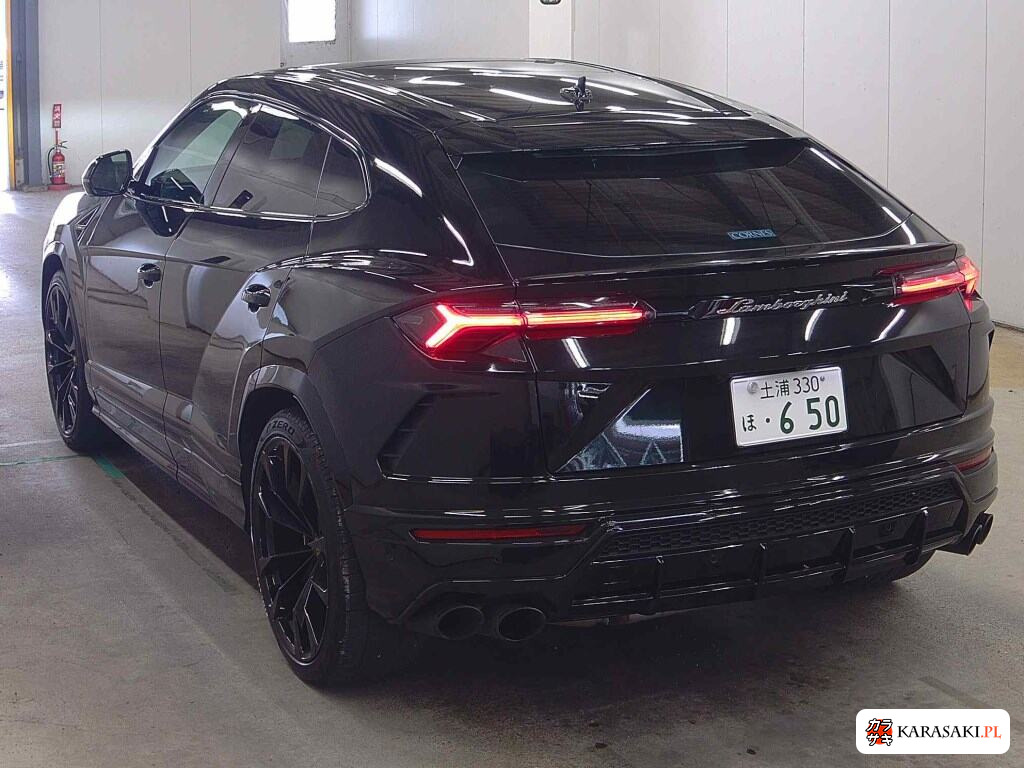
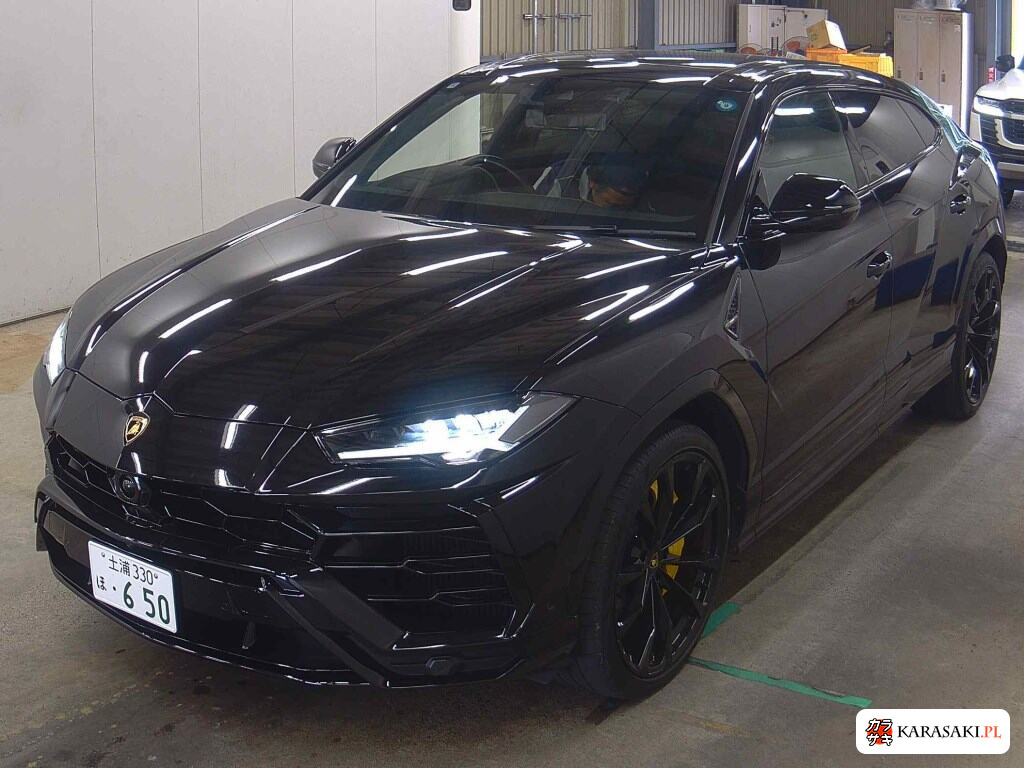
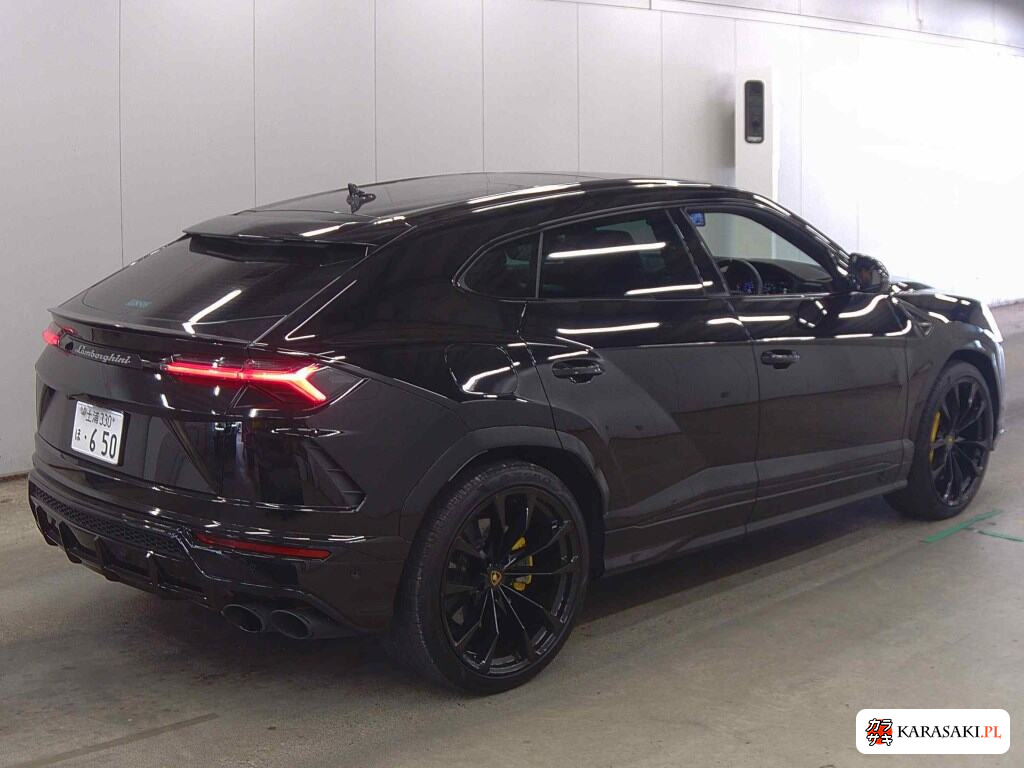
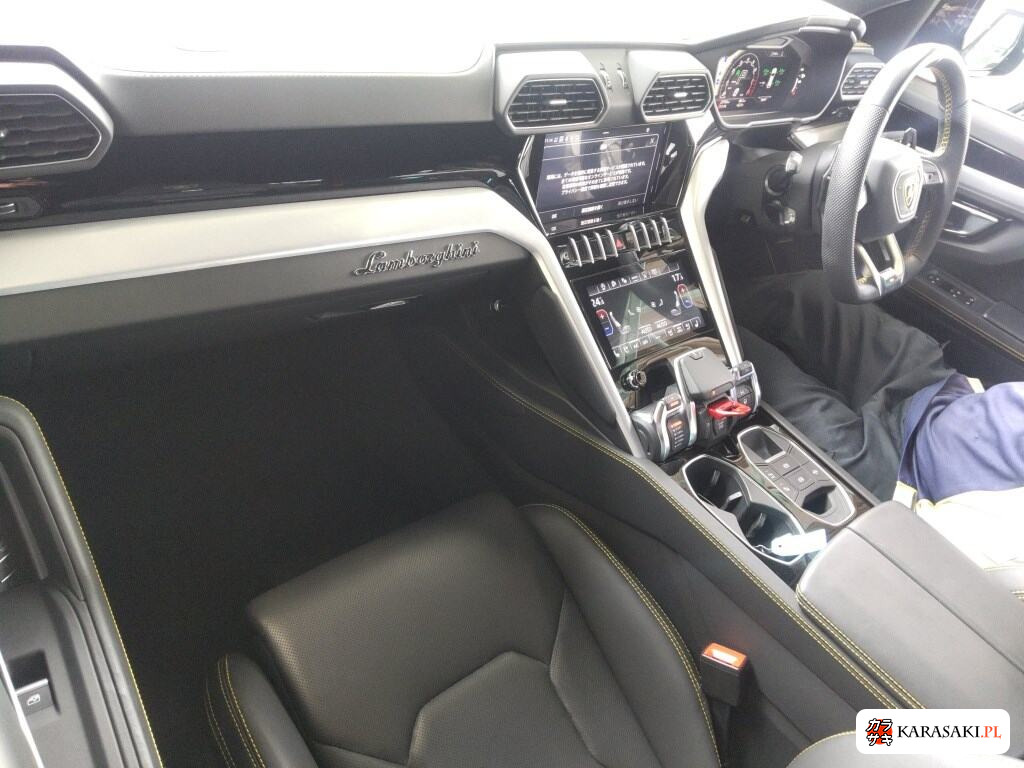
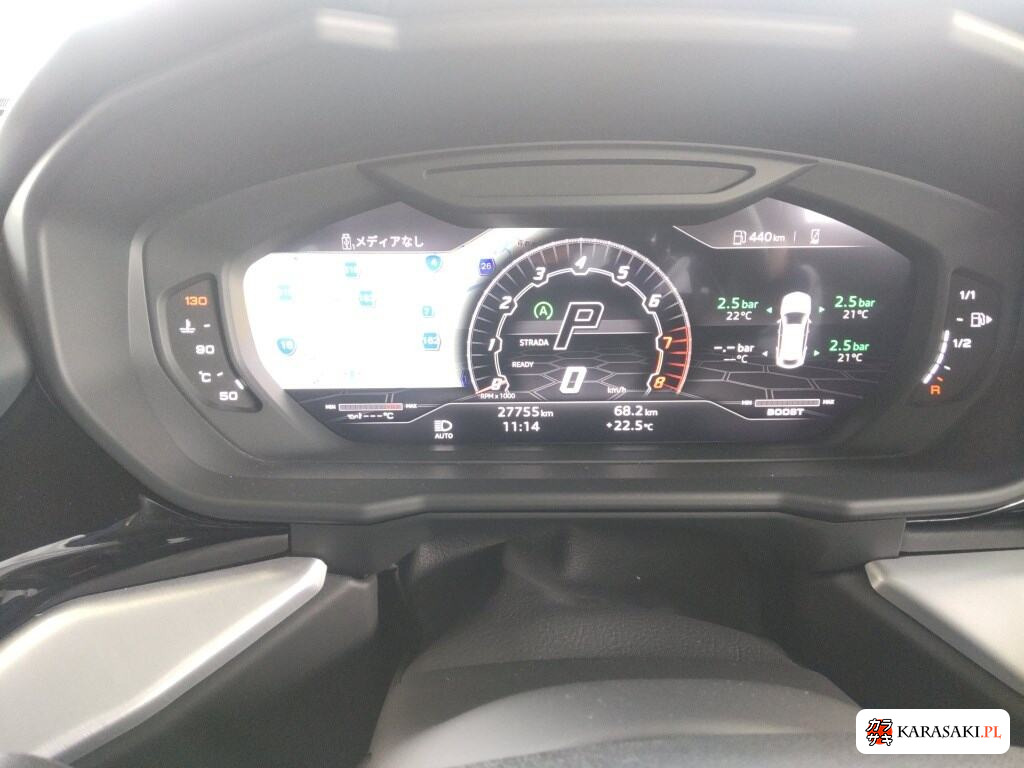
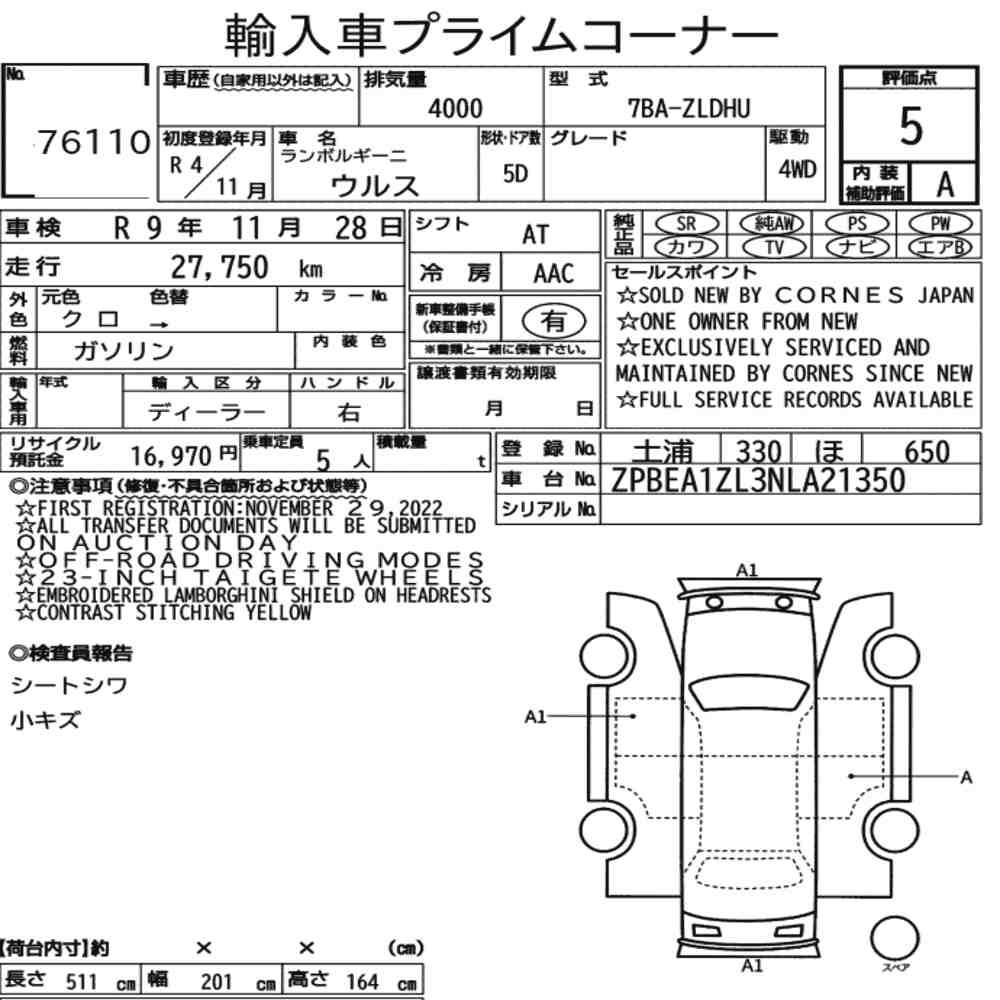



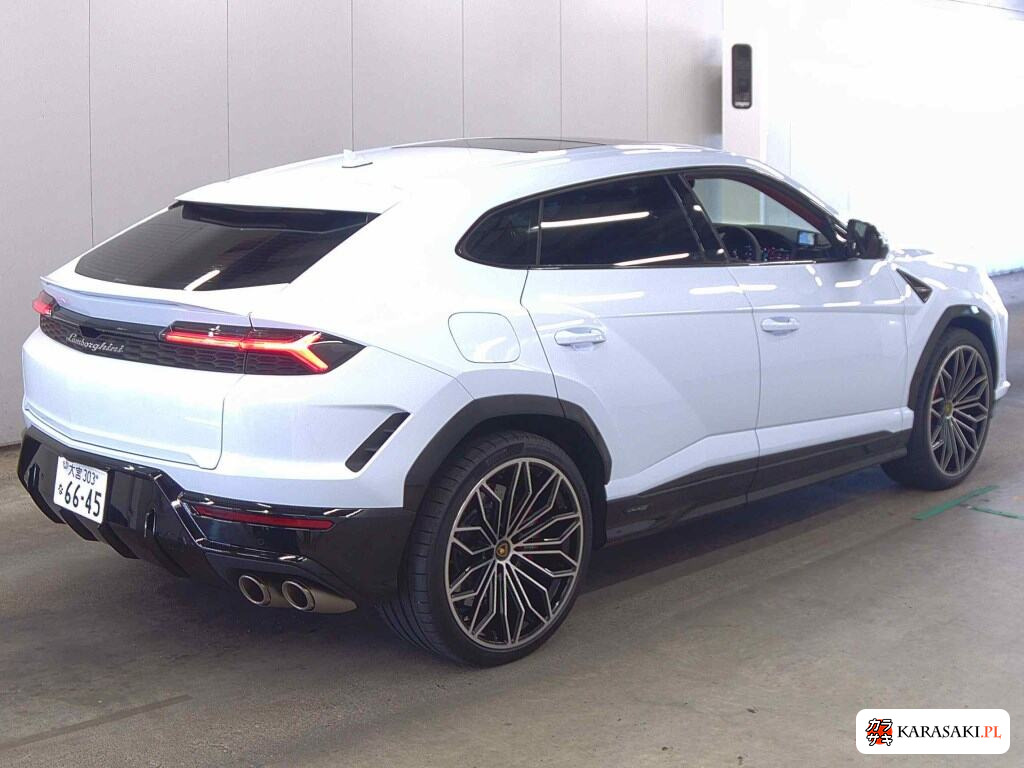
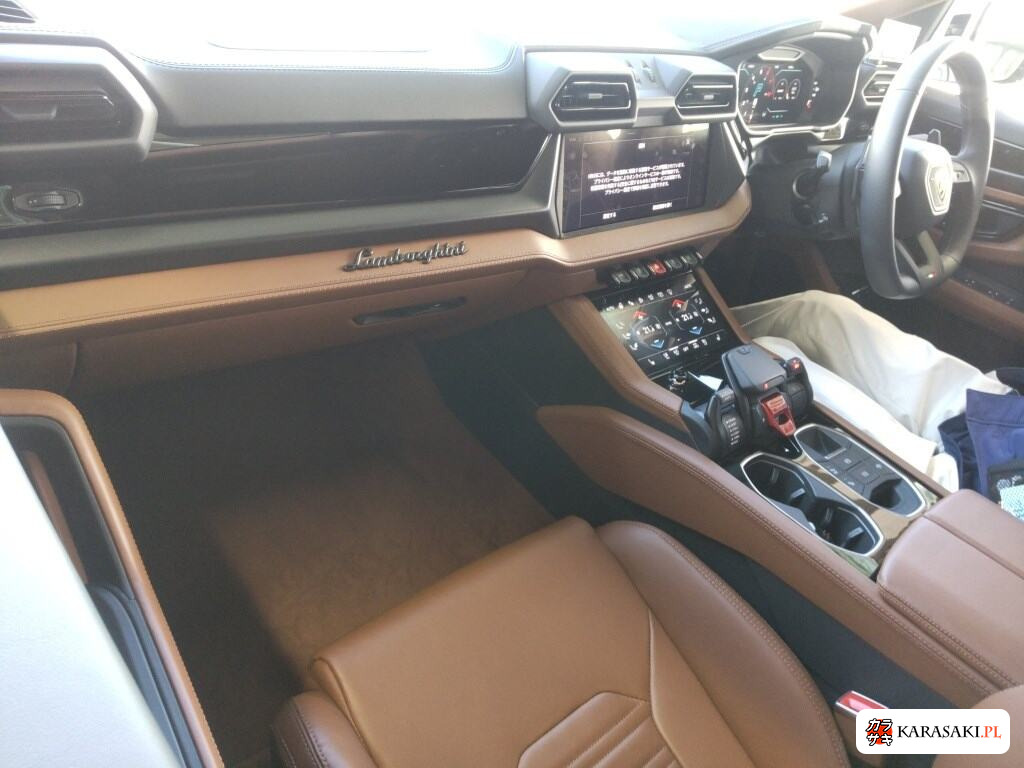
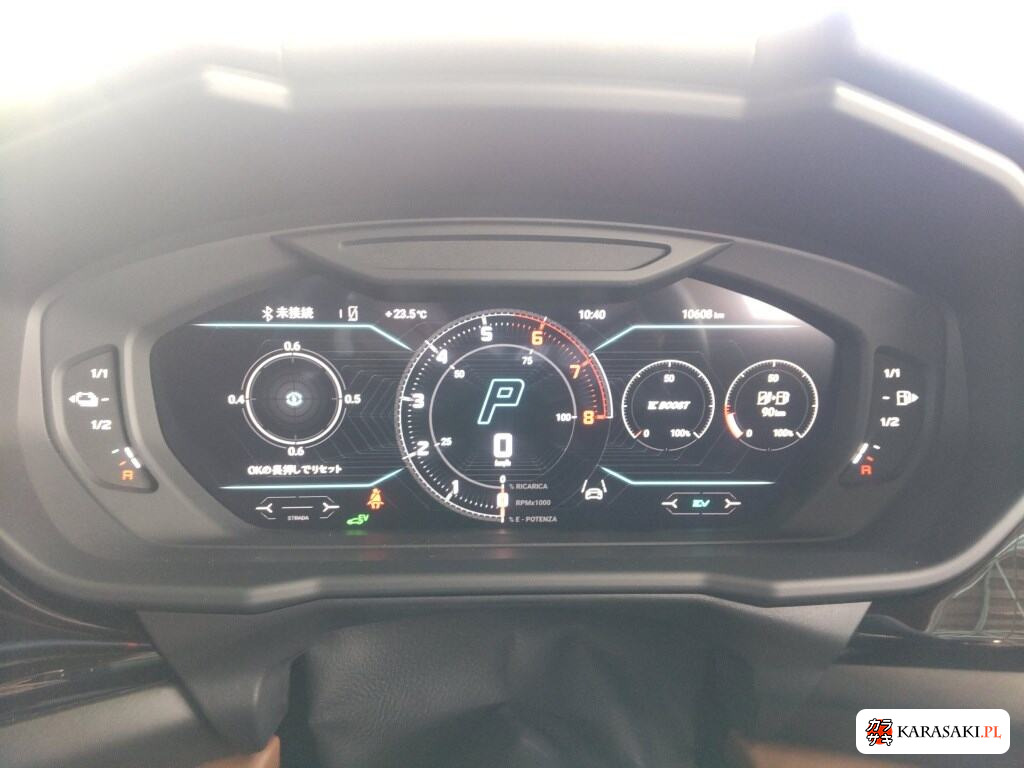
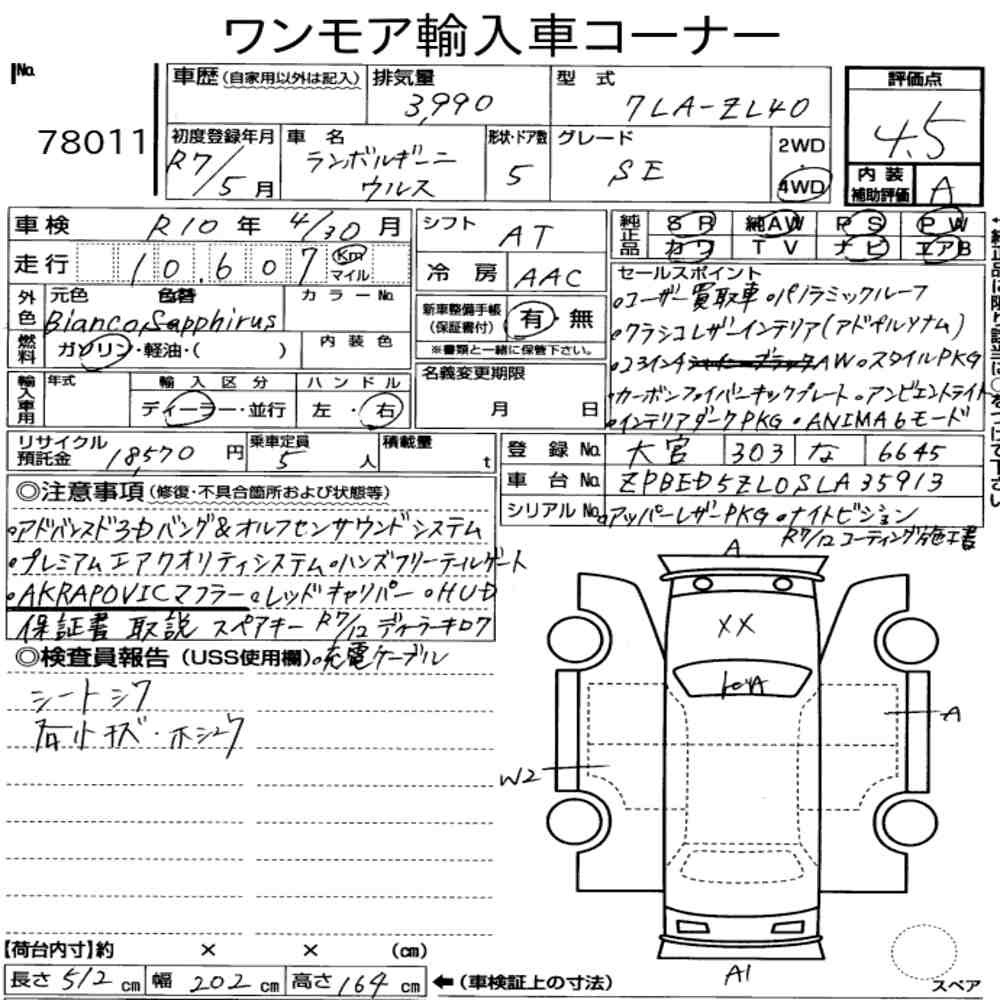

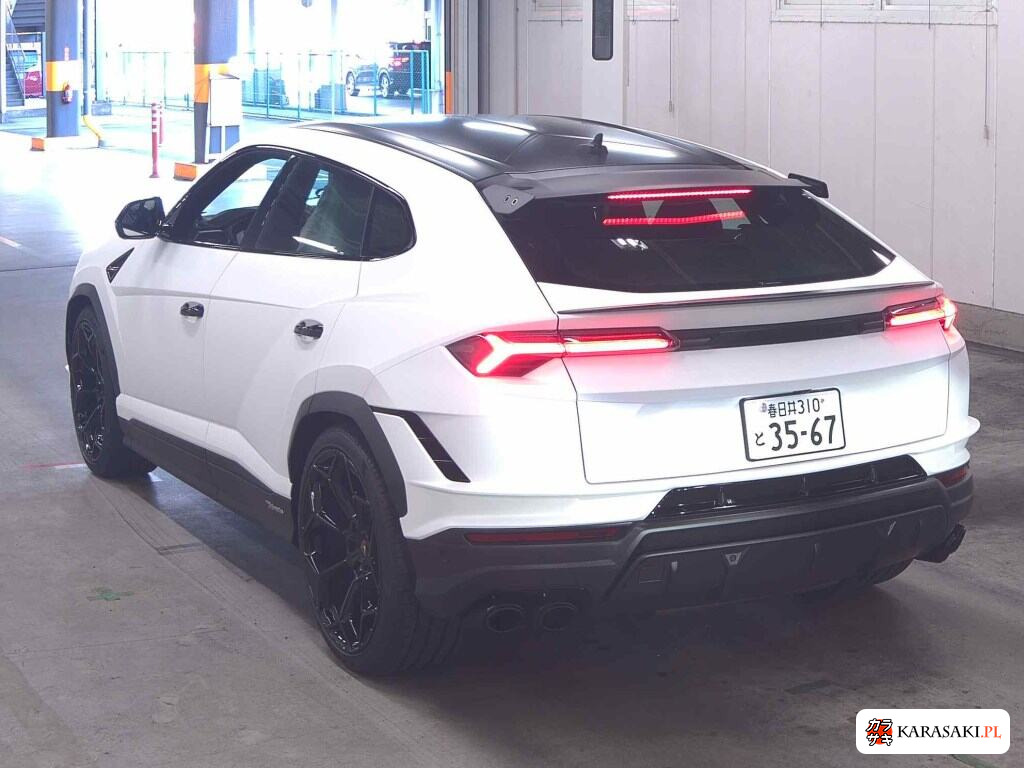

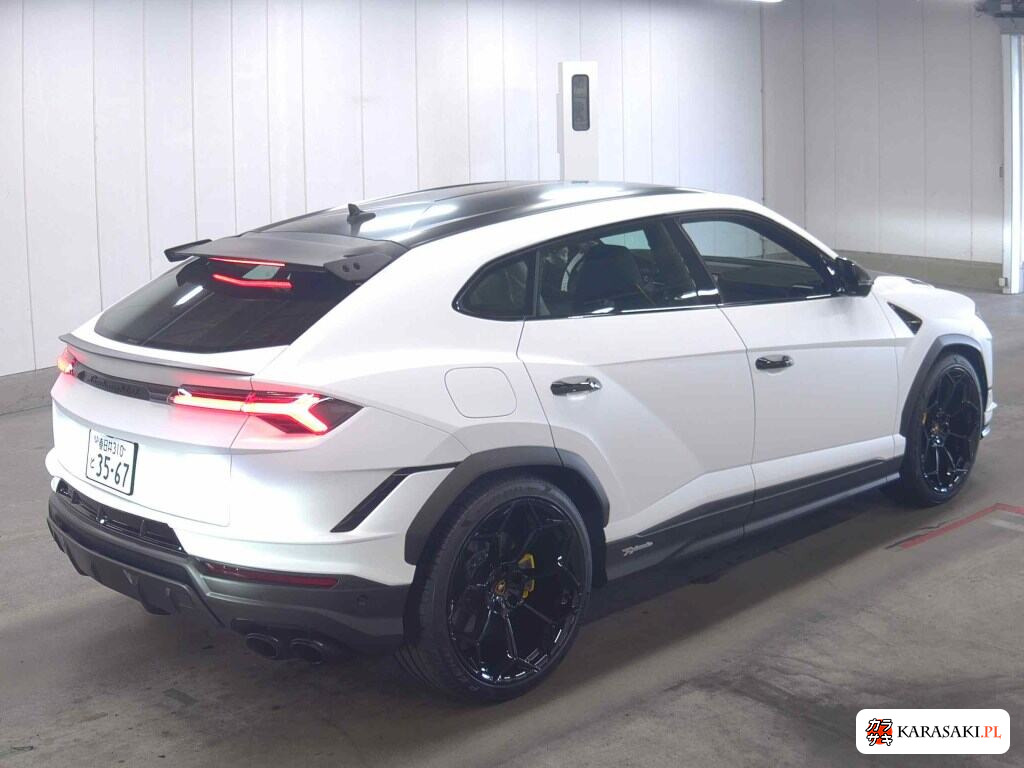
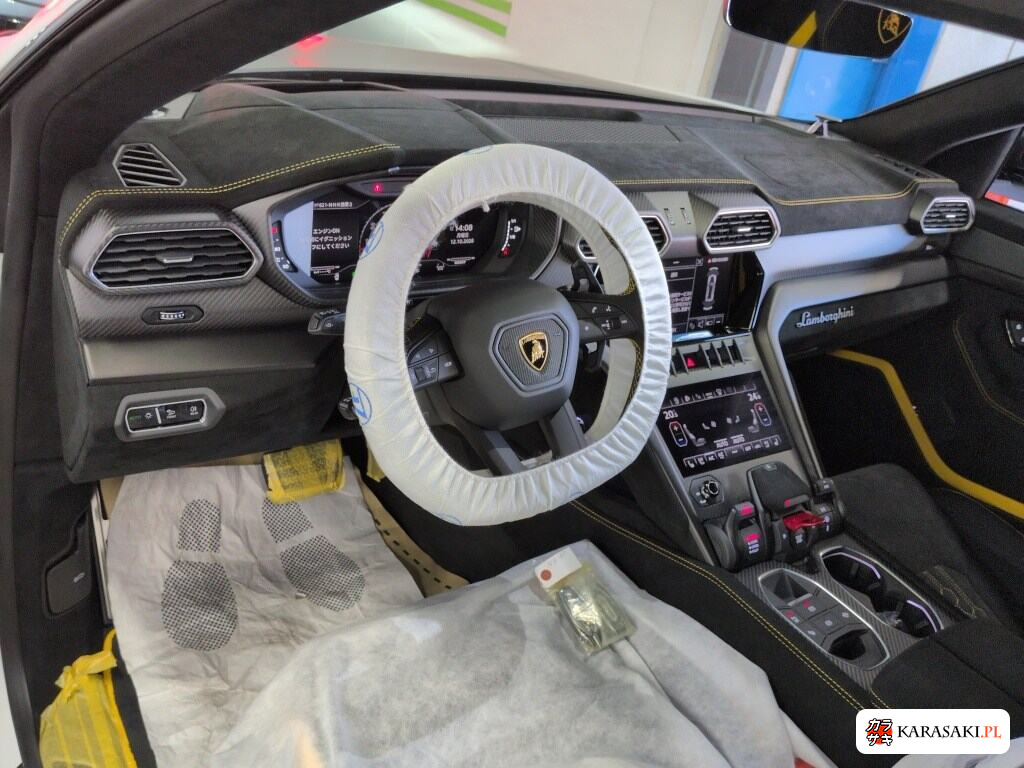
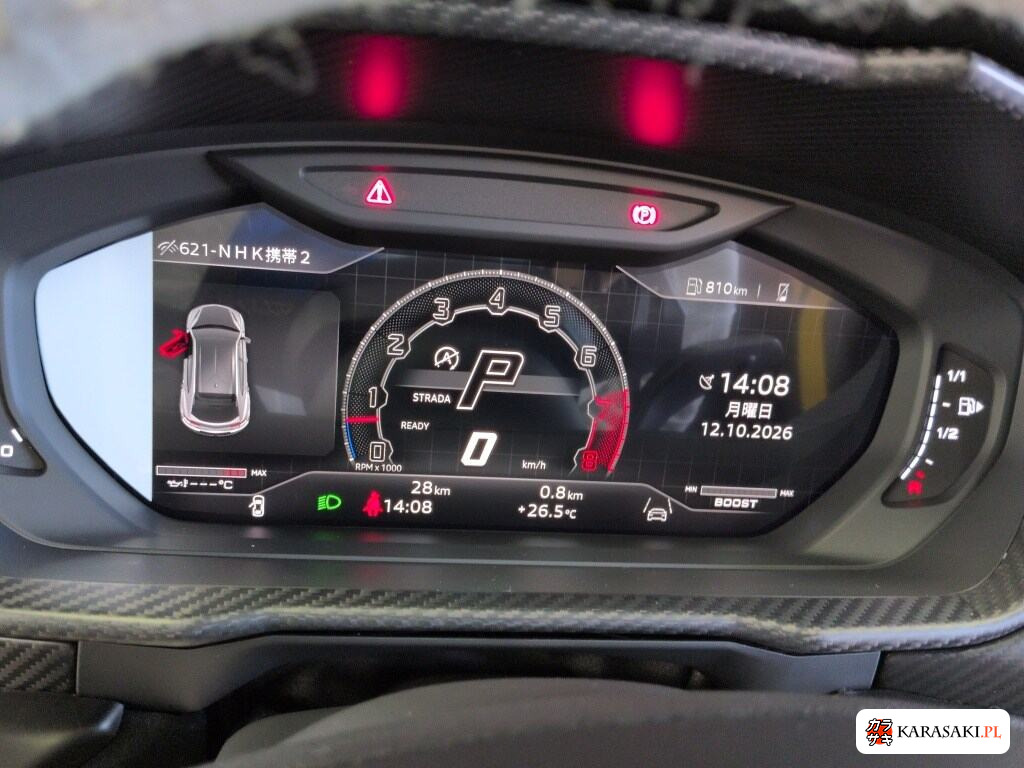
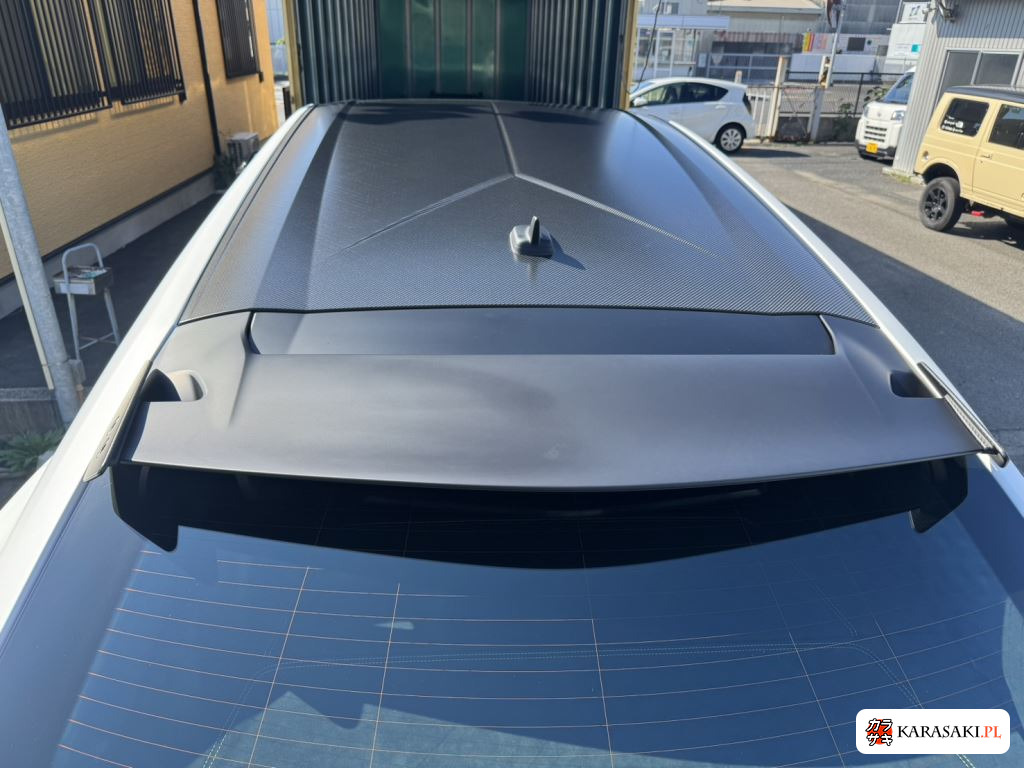
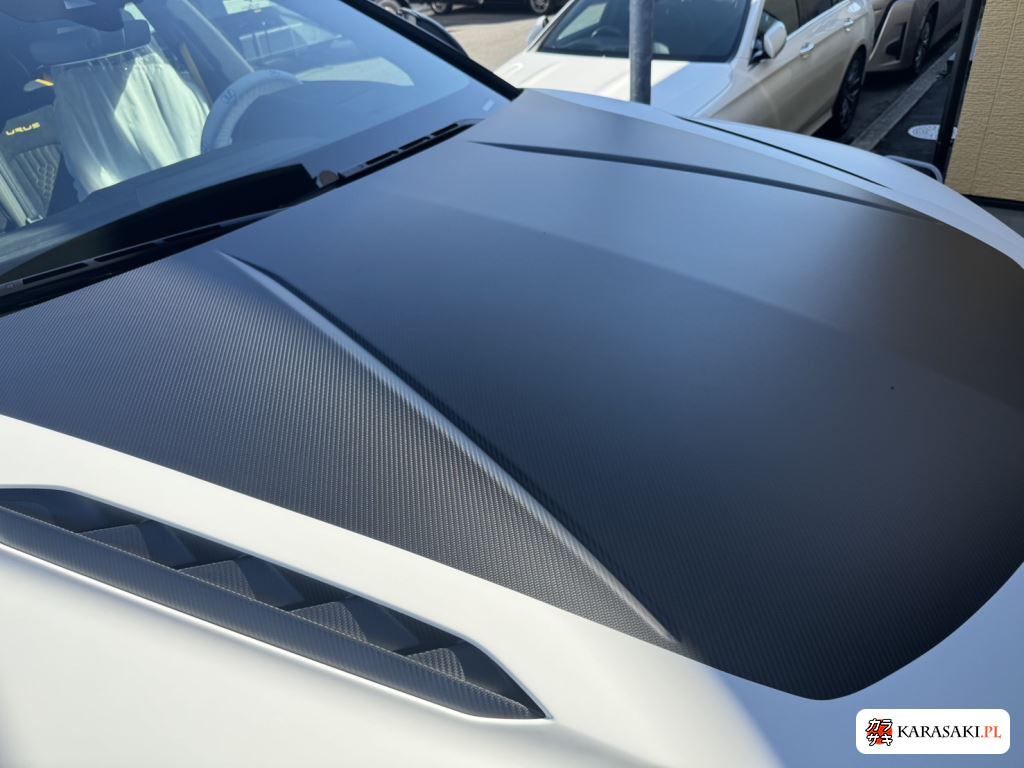
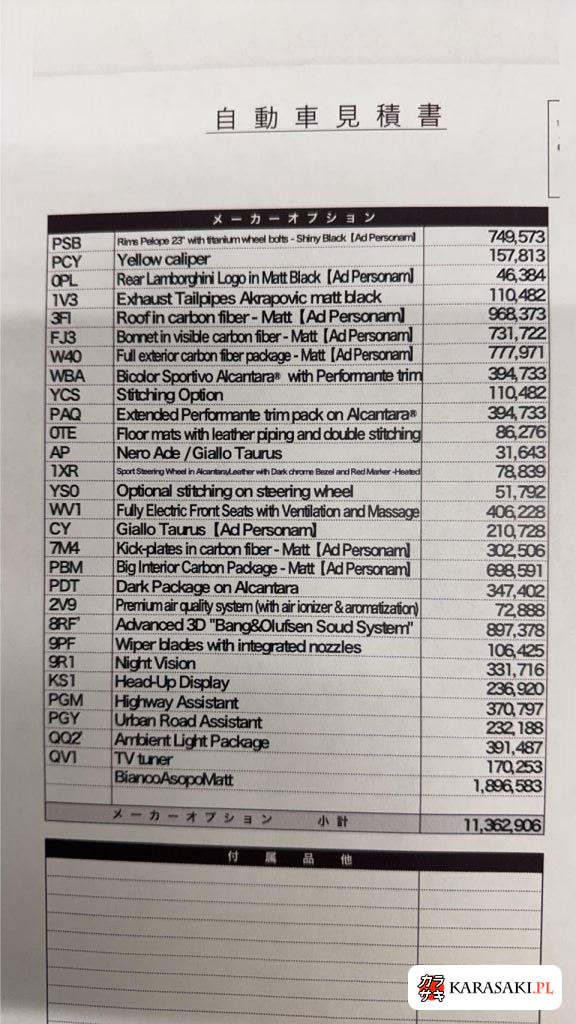

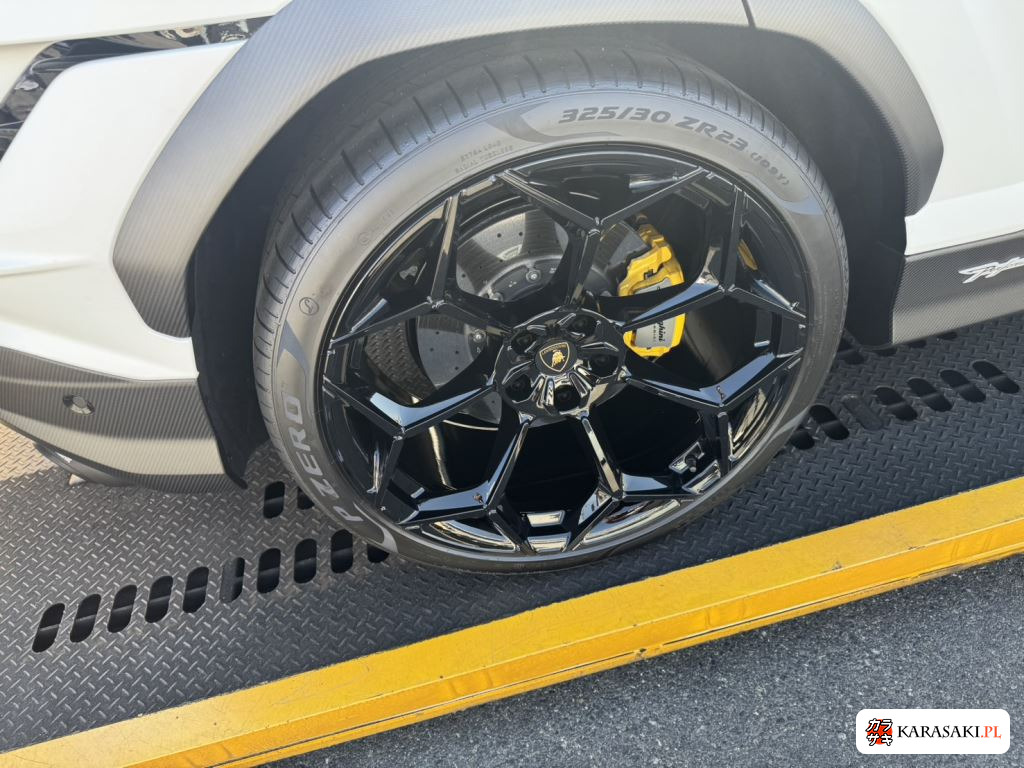
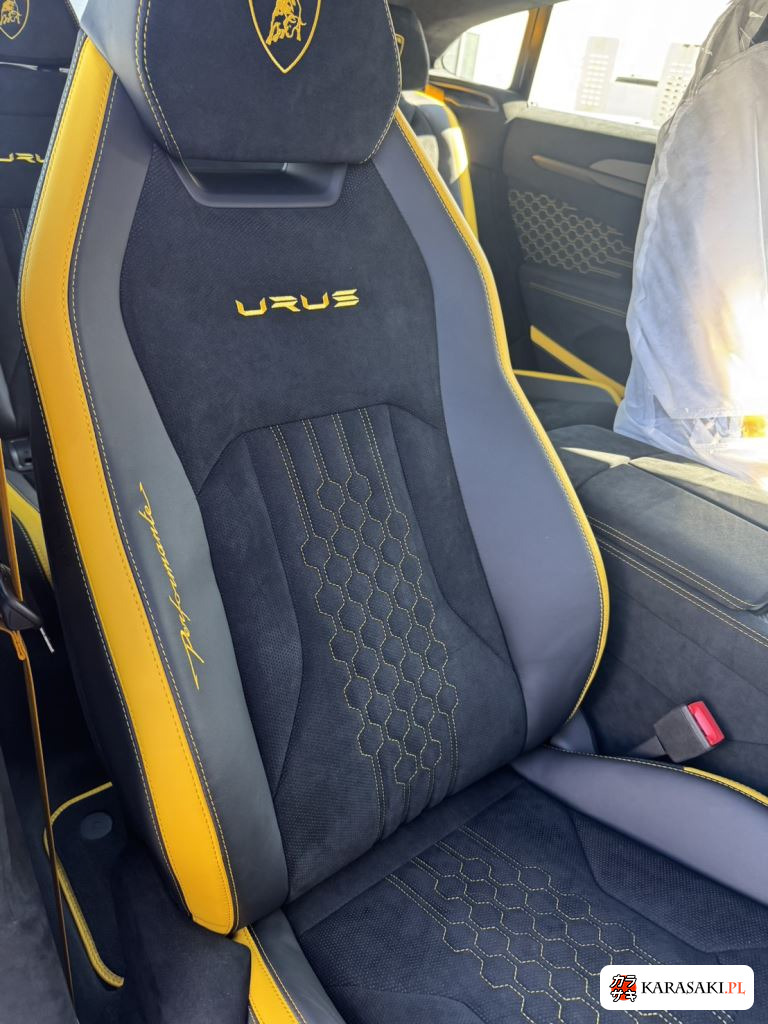
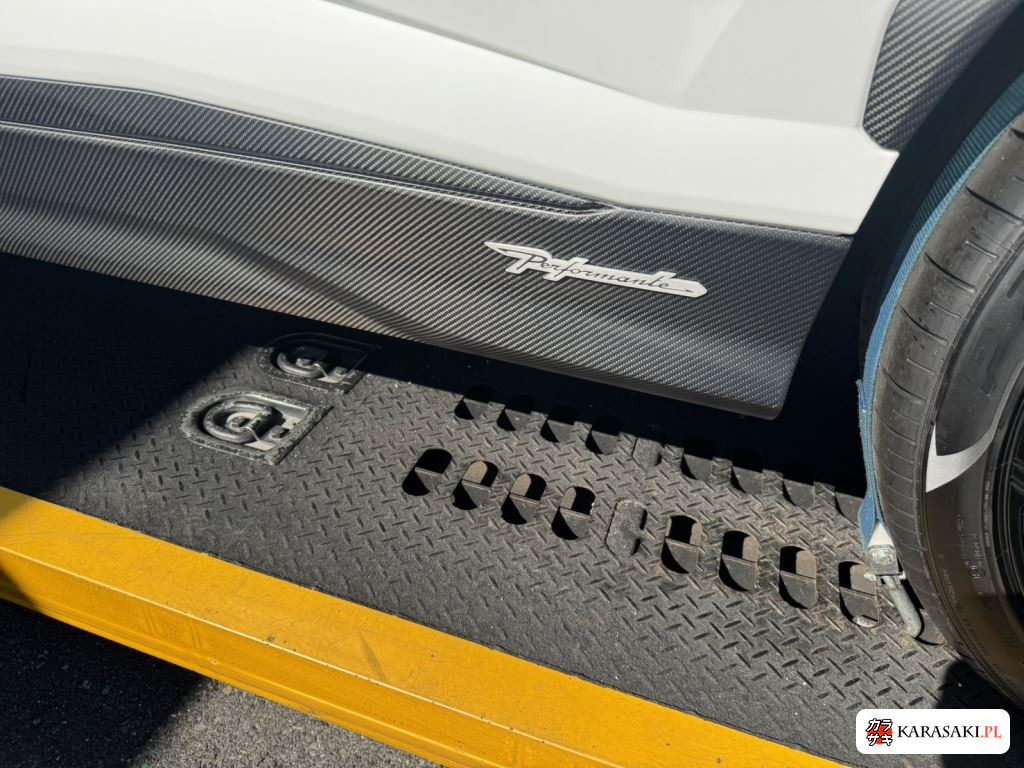
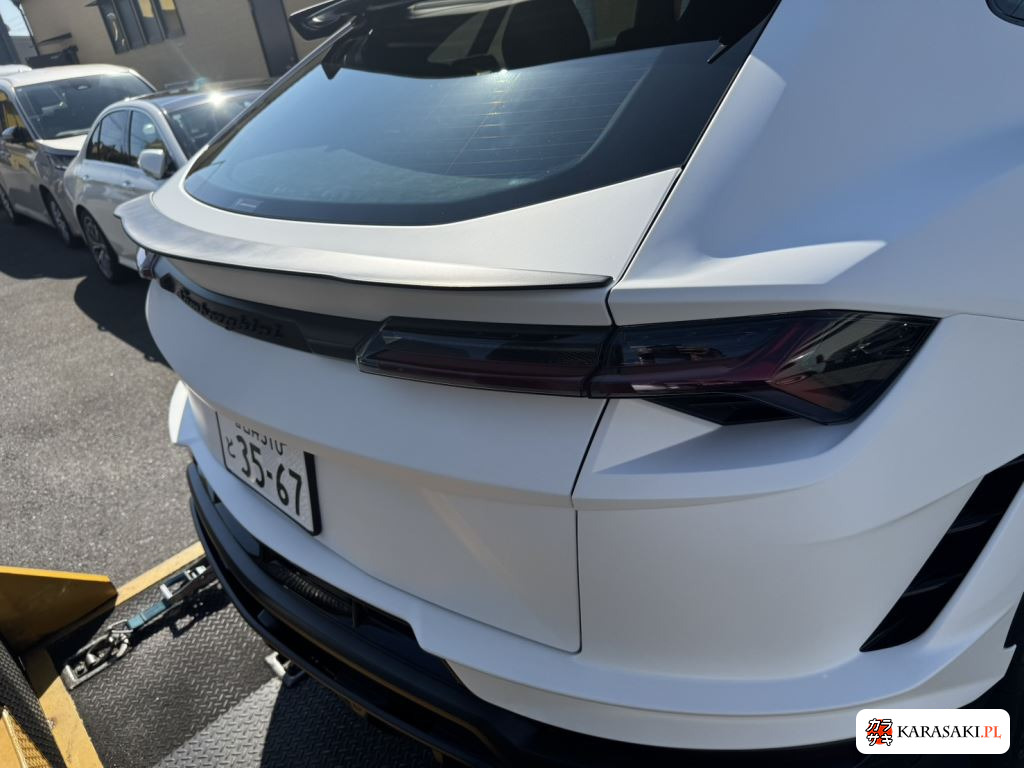
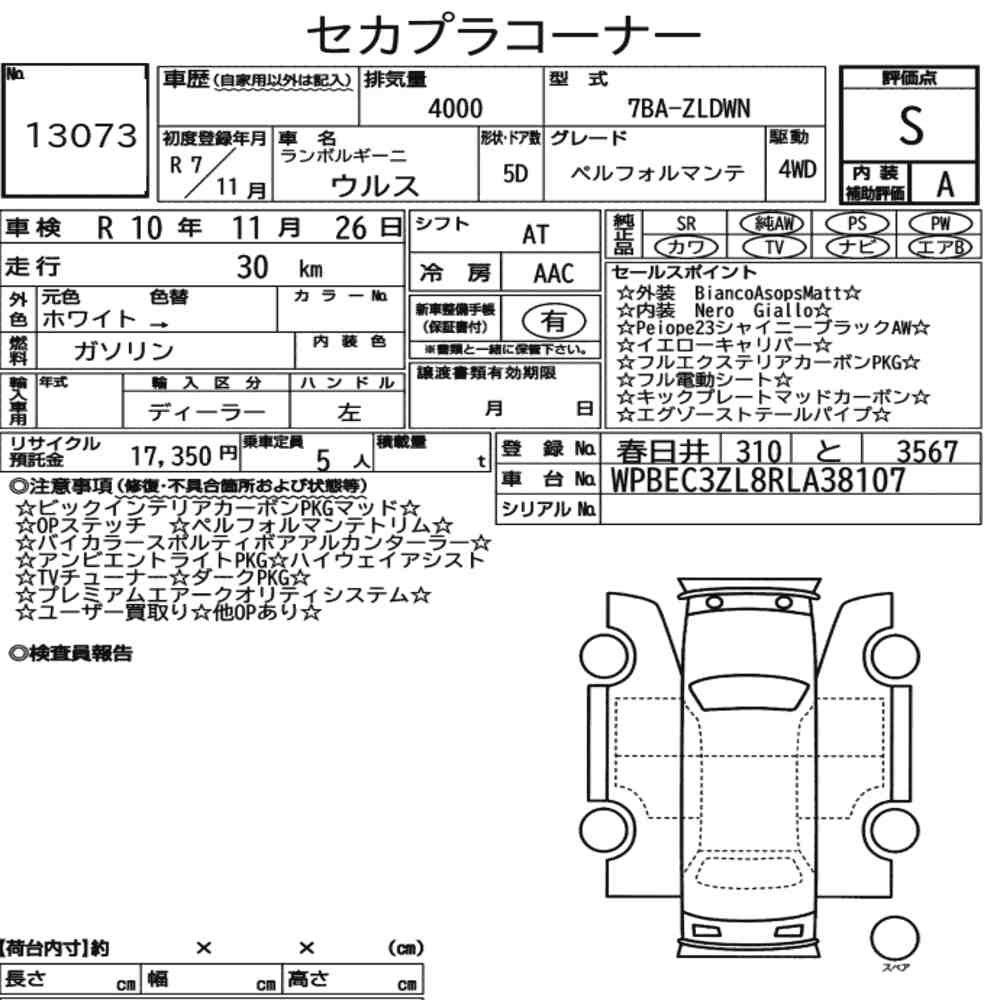


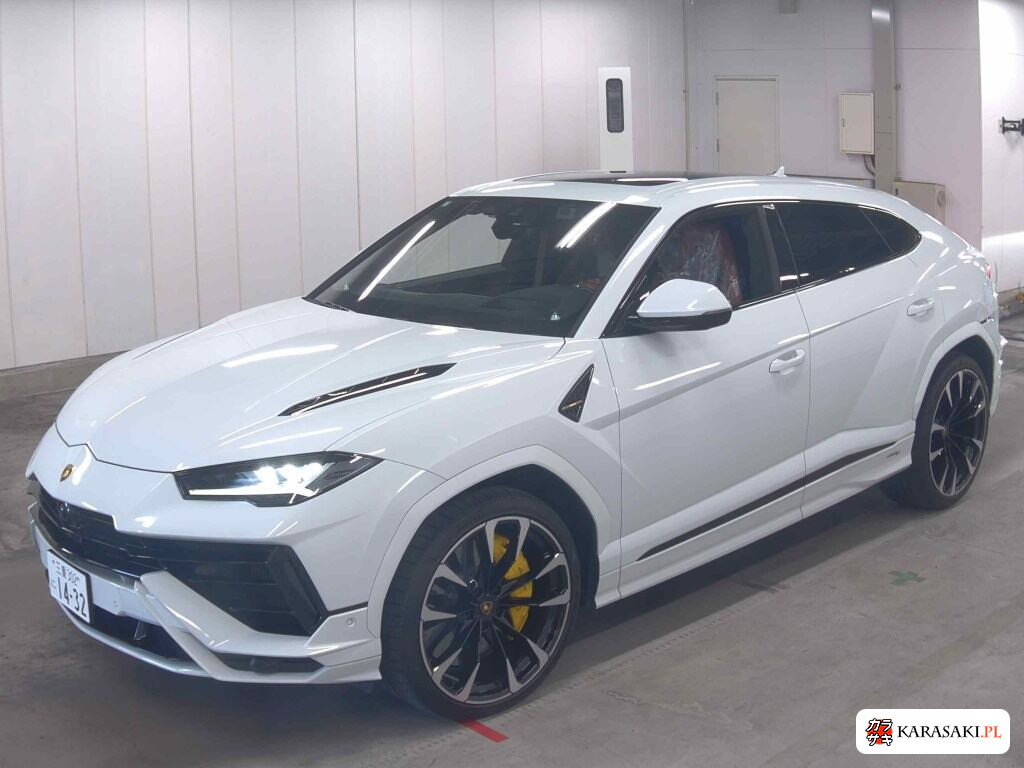
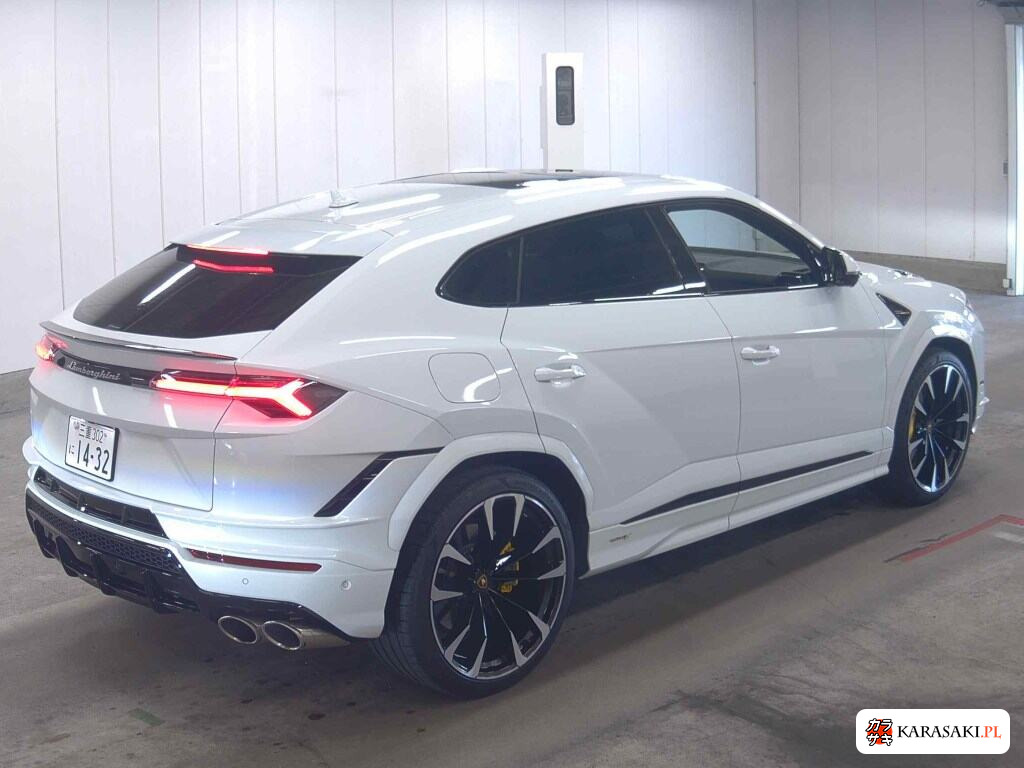
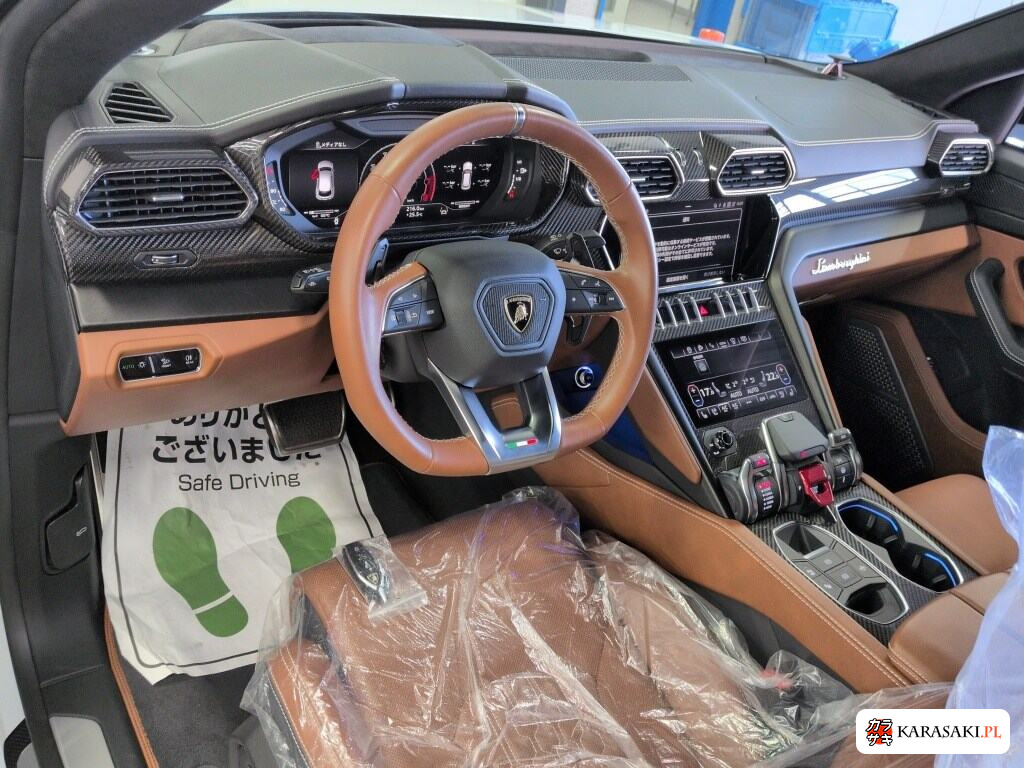
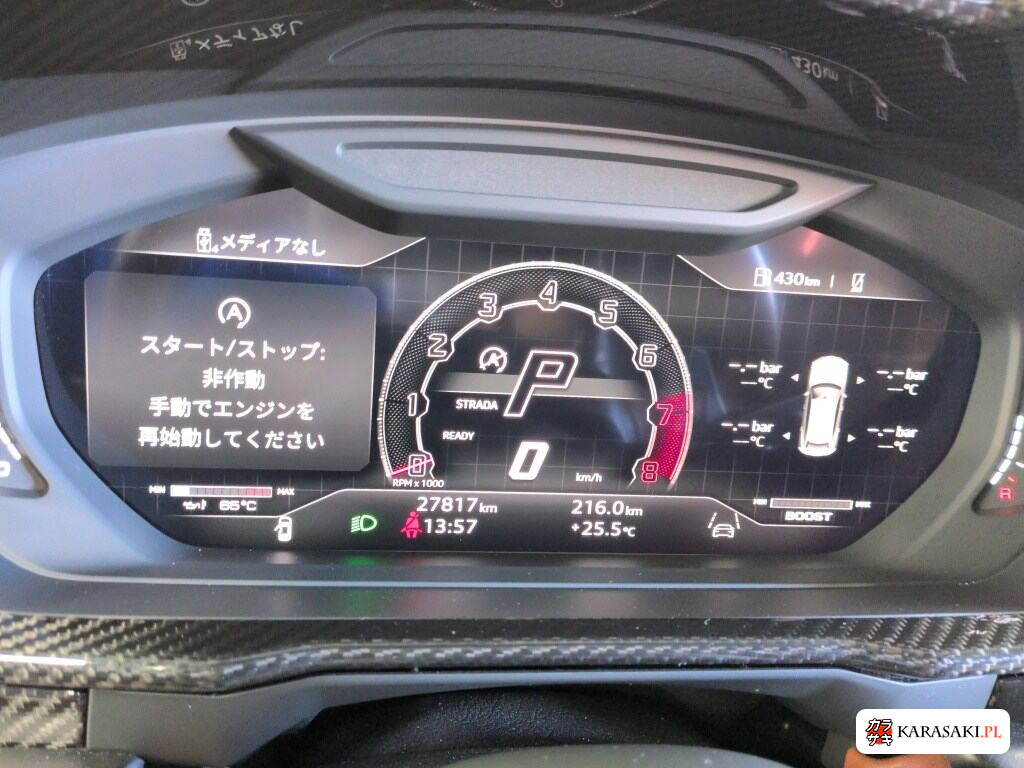
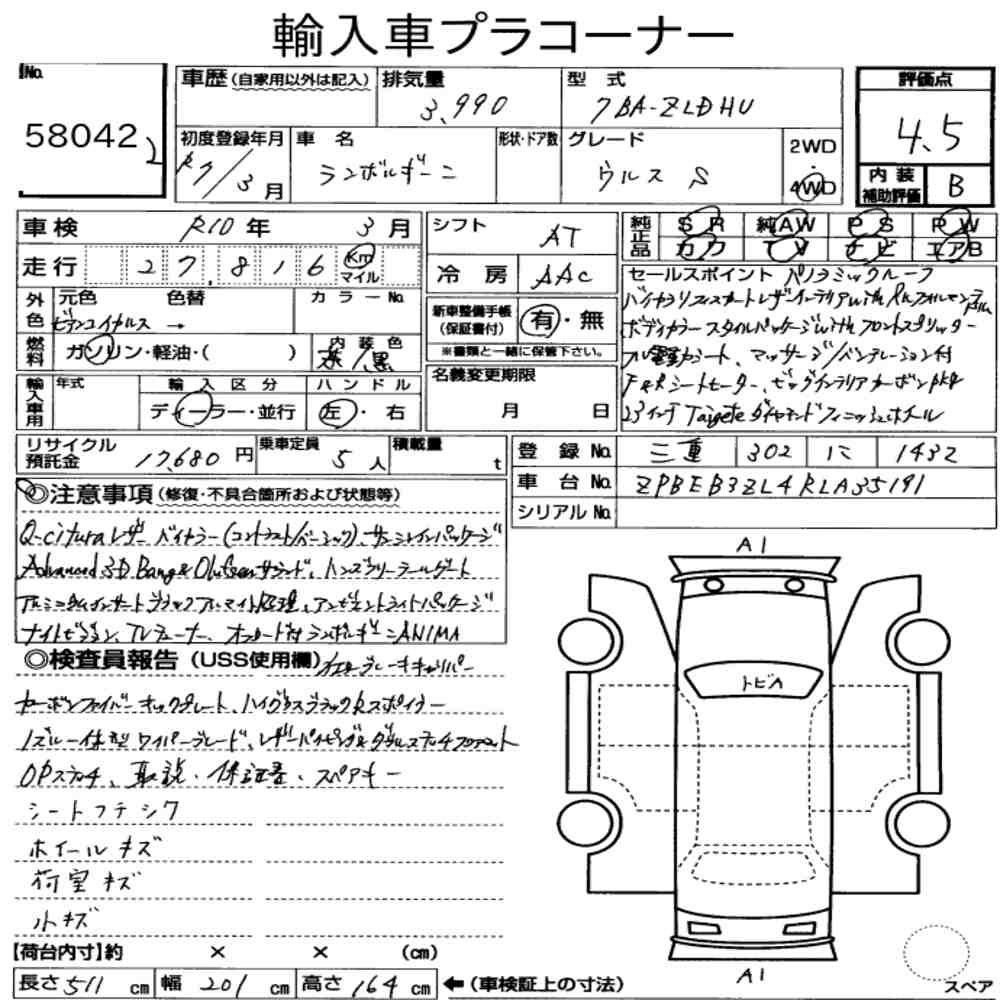

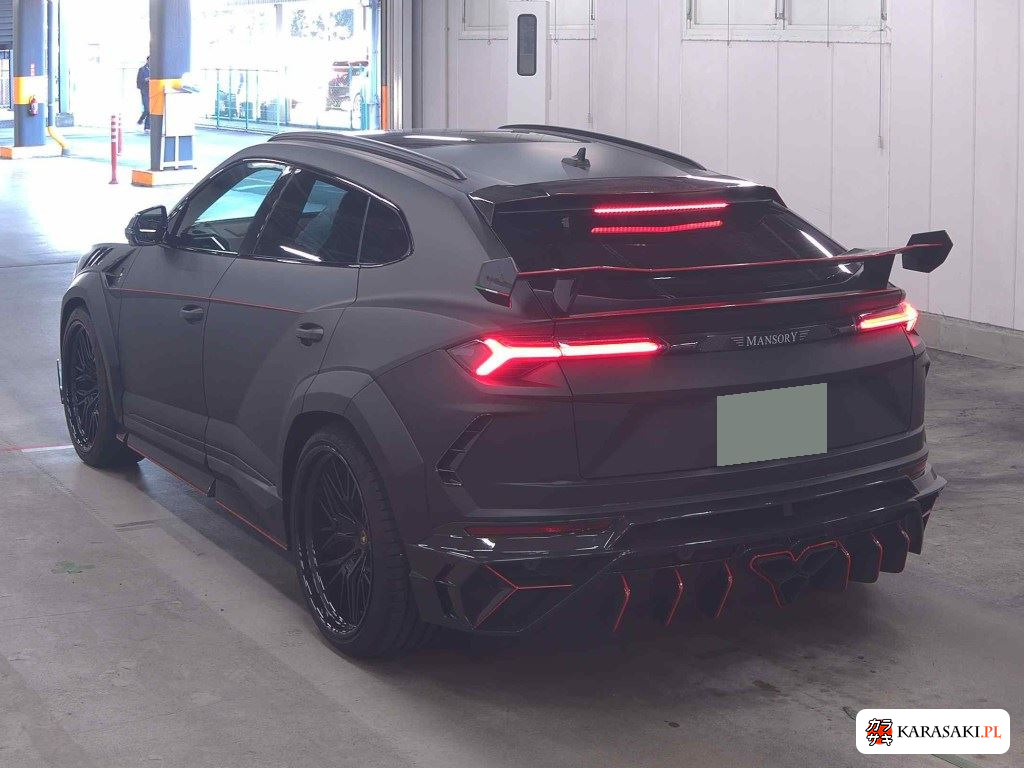
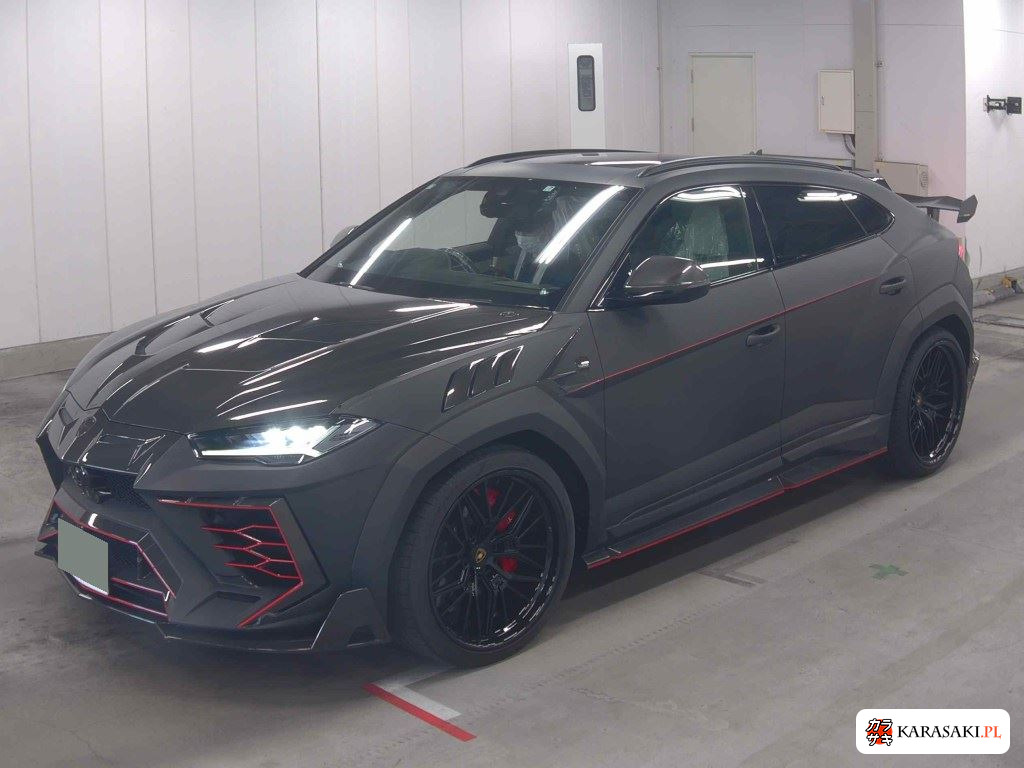
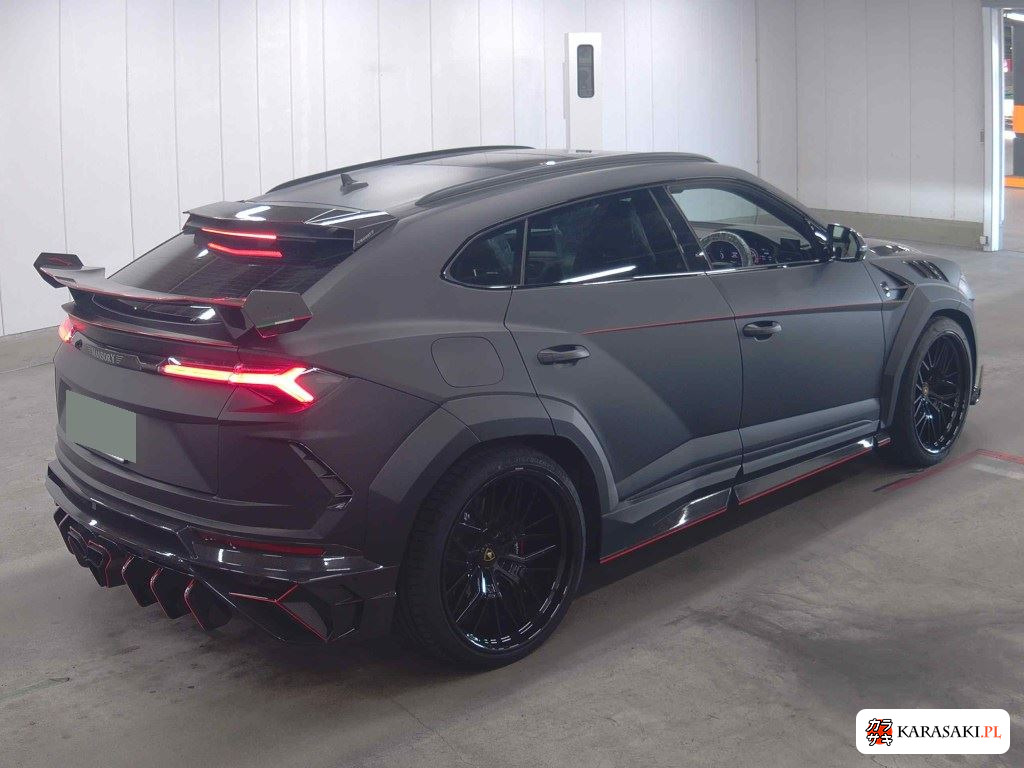
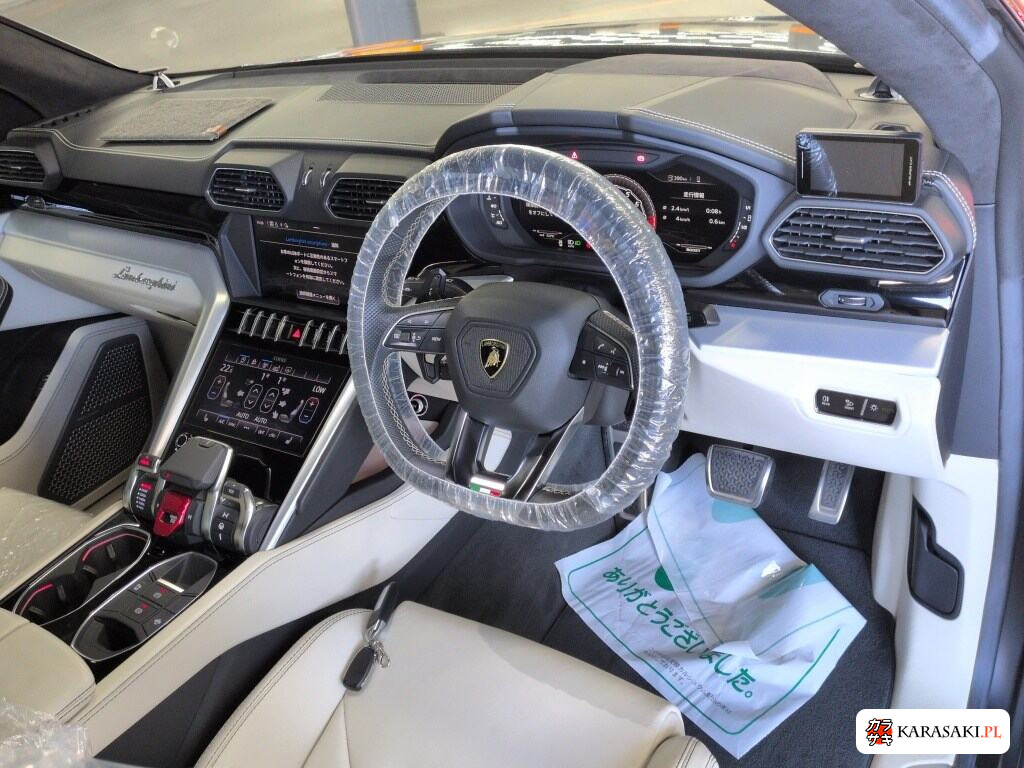
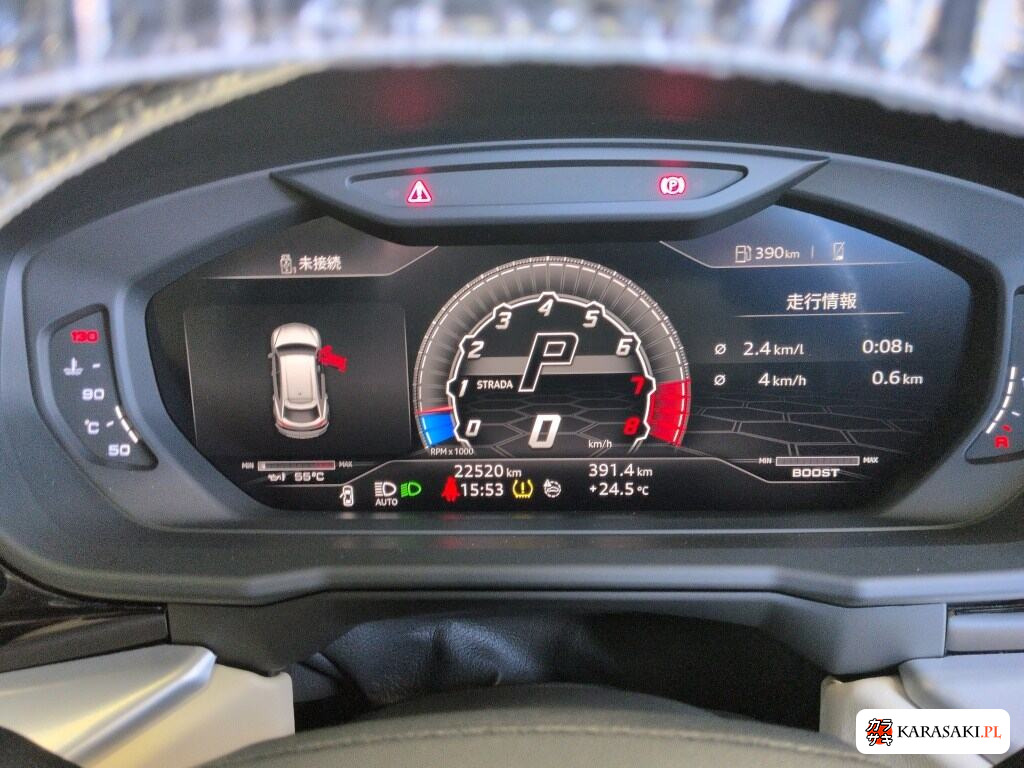
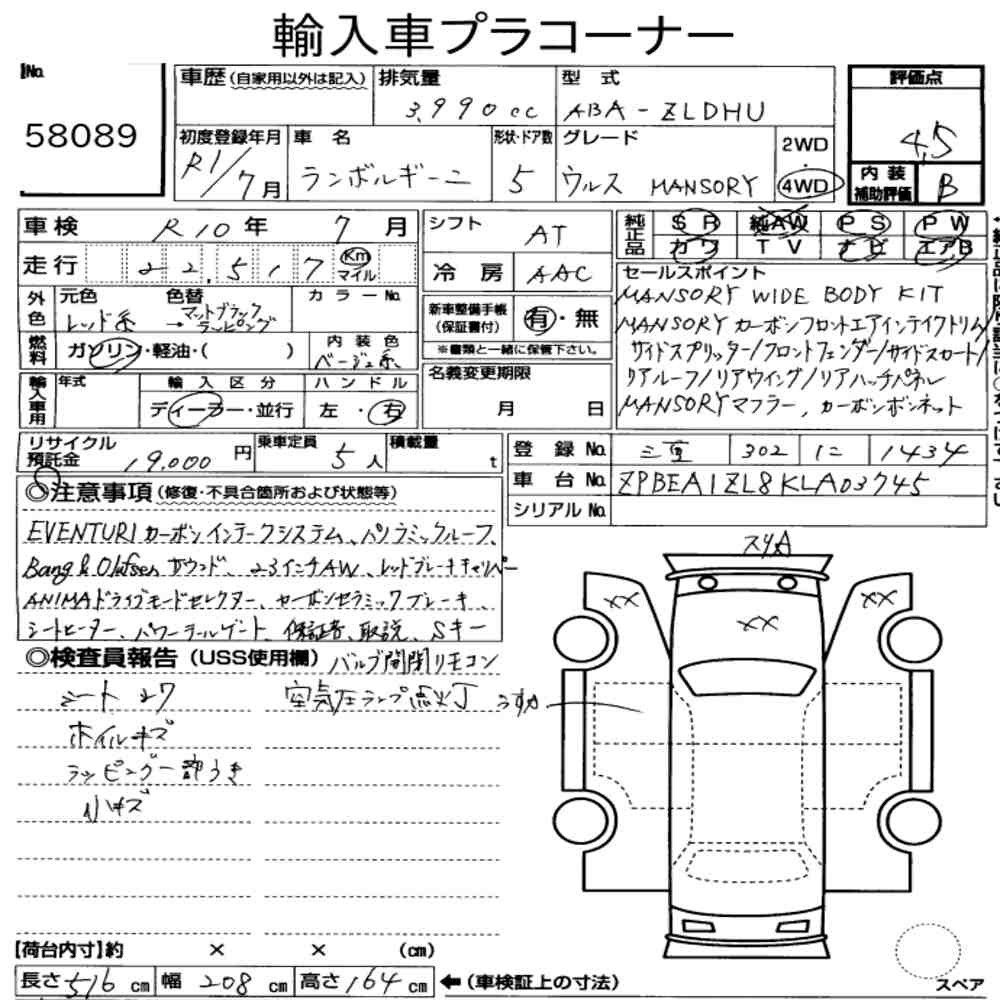
The auction pool turns over every few days. We'll watch these criteria and email you when the next one appears.
Why is Japan a good place to look for a Urus?
The first argument is the steering wheel. Japan drives on the left, yet luxury European cars are often ordered there in left-hand-drive form as a mark of imported provenance. The effect shows in the numbers: 8 in 10 Uruses in our catalog are LHD, ready for Polish registration with zero everyday compromises. The second argument is condition. A mileage distribution whose largest band sits below 3,000 km speaks for itself: a significant share of Japanese Uruses are garaged, occasionally driven cars. The third is transparency. Every car at Japanese car auctions comes with an independent inspection sheet with a grade and body diagram; we explain how to read it in our USS auction sheet guide. On a car costing well over a million zloty, an independent condition report before bidding is worth more than the prettiest photo set in a classified ad.
Running costs and what to expect
The Urus shares its architecture and engine base with the Volkswagen Group's largest SUVs, which makes it one of the easiest Lamborghinis in history to keep: servicing, diagnostics and many components do not require the exotic infrastructure of the V10 and V12 models. What stays exotic is the scale of the bills. An annual dealer service, a set of tyres in sports-SUV sizes or carbon-ceramic brake components are expenses counted in thousands, not hundreds of zloty, and belong in the budget next to the purchase price. The good news: the model has not developed a list of recurring design faults, and the condition of any given car comes down to its service history. Buying from Japan helps on two fronts: the independent auction grade and the low mileages that limit wear on the most expensive components.
Importing a Urus to Poland: costs and paperwork
The procedure is the same as for any car from Japanese auctions: bidding through an agent, sea transport, customs clearance and registration. For a car of this class container shipping is the standard, protecting paint and interior better than an open deck. Two traits of the Urus set the bill. First, the 3,996 cc engine means Polish excise duty at 18.6% of the tax base — the top rate. Second, the Urus is built in Italy, so the zero-duty preference of the EU-Japan agreement does not apply: the preference covers only goods of Japanese origin with a proof of origin, and a re-imported European car pays the standard 10% of customs value. VAT is 23%, charged on the sum of customs value, duty and excise.
Take an example close to our catalog median, at roughly 0.023 PLN per yen. A Urus bought for 34 million yen is about 782,000 PLN; with freight and fees assume a customs value of 800,000 PLN:
- duty 10%: 80,000 PLN,
- excise 18.6% on customs value plus duty: 163,680 PLN,
- VAT 23% on the sum of the above: 240,046 PLN.
Taxes and duties add up to about 484,000 PLN — roughly 60% of the car's customs value — and the Urus costs about 1.28 million PLN after clearance, before translations, the technical inspection and registration. For comparison, the median asking price for used Uruses in Germany is about 279,000 EUR gross across 192 listings as of July 2026. The honest conclusion: importing from Japan is not a way to get a Urus at half price — it is a way to get condition and mileage that take months to find in Europe. We break down the full cost mechanics, with a per-segment table and two worked scenarios, in our guide on how much importing a car from Japan costs, and you can browse current cars in the Lamborghini Urus catalog.
Summary
The Lamborghini Urus is the brand's best-selling model: in 2023 it accounted for six out of ten deliveries, and the record year 2024 only cemented that position. Japan's secondary market is an unusually good source for it, combining three things at once: a high share of left-hand-drive cars (8 in 10 in our catalog), very low mileages with a median of 5,000 km, and an independent condition report on every car before bidding. The import bill is fully computable: 10% duty, 18.6% excise and 23% VAT lift a car bought for 34 million yen to about 1.28 million PLN after clearance, with taxes and duties reaching roughly 60% of the customs value. Importing from Japan does not promise a half-price Urus — it promises condition that takes months to find in Europe, at a price comparable with the best local listings.
This overview is for information only. Duty, excise and VAT rates are statutory, but the final amounts depend on the exchange rate, the customs valuation and the paperwork of a specific car, so confirm the calculation with a customs agency or tax advisor before buying.


