
Buying a car at Japanese auctions is a fast-growing option among Polish drivers. Japanese auctions are known for their huge selection and attractive prices, and the cars come from a market where owners service them meticulously and rarely rack up high mileage. This guide walks you through how an auction works from the inside, what importing to Poland really costs, and what to watch for so you buy with confidence and no surprises.
What are Japanese car auctions?
Japanese car auctions are closed wholesale platforms where licensed dealers bid on used cars put up for sale by auction houses. A foreign buyer never bids directly, only through a licensed intermediary. Every car carries an independent condition sheet, and payment and shipping follow the winning bid.
The market has been running for decades and is hugely popular with Japanese and foreign buyers alike. The biggest networks include USS (one of the largest auction houses in Japan), HAA Kobe and TAA. We source cars from those three among others, plus the JU, BAYAUC and ARAI networks. At that scale, almost every make and class passes through the lanes in a single week, from city runabouts to collector-grade JDM cars.
Why buy from Japan?
Japanese cars are in demand worldwide thanks to high build quality and reliability. Japanese makers pay attention to detail, which translates into durability. On top of that, there's Japan's car-care culture: the mandatory shaken inspection every two years is demanding enough that owners service their cars meticulously and often replace them before they age.
That leads to the second advantage: price. The auctions are a high-turnover wholesale market, so low-mileage cars with documented history reach the lanes at prices you'd struggle to find on the Polish used market. You buy closer to the price the car changes hands for in Japan, not after it's been marked up by a chain of middlemen. For many buyers, that access to the source is the main reason to look toward Japan at all.
JDM — Japanese Domestic Market
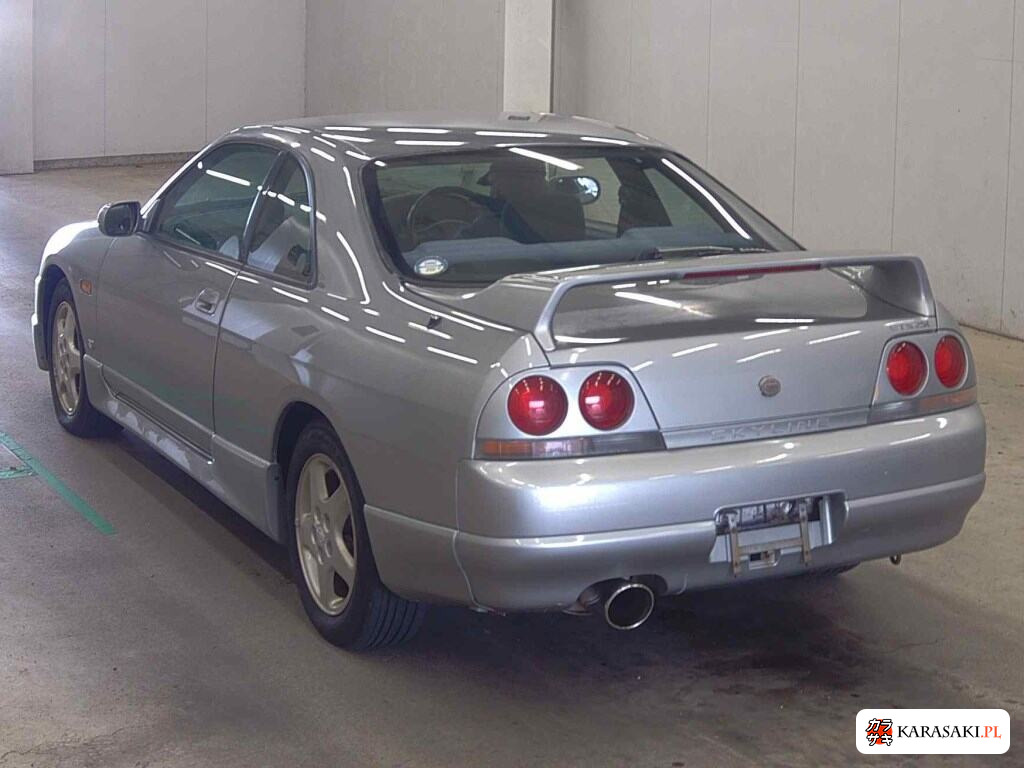
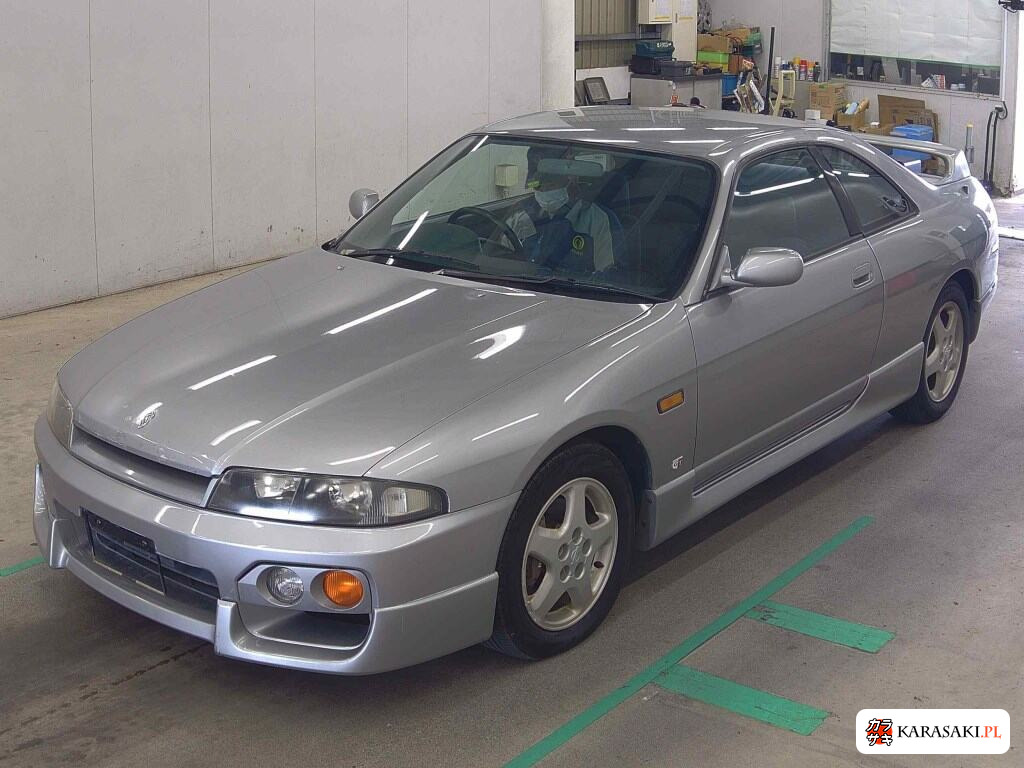
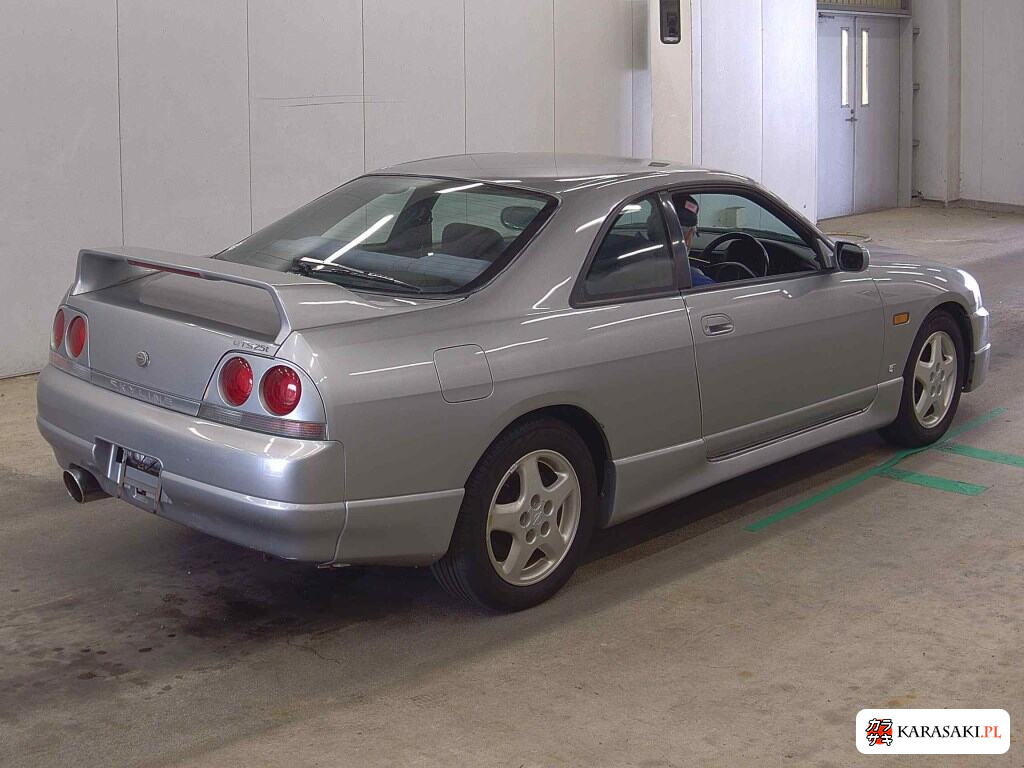
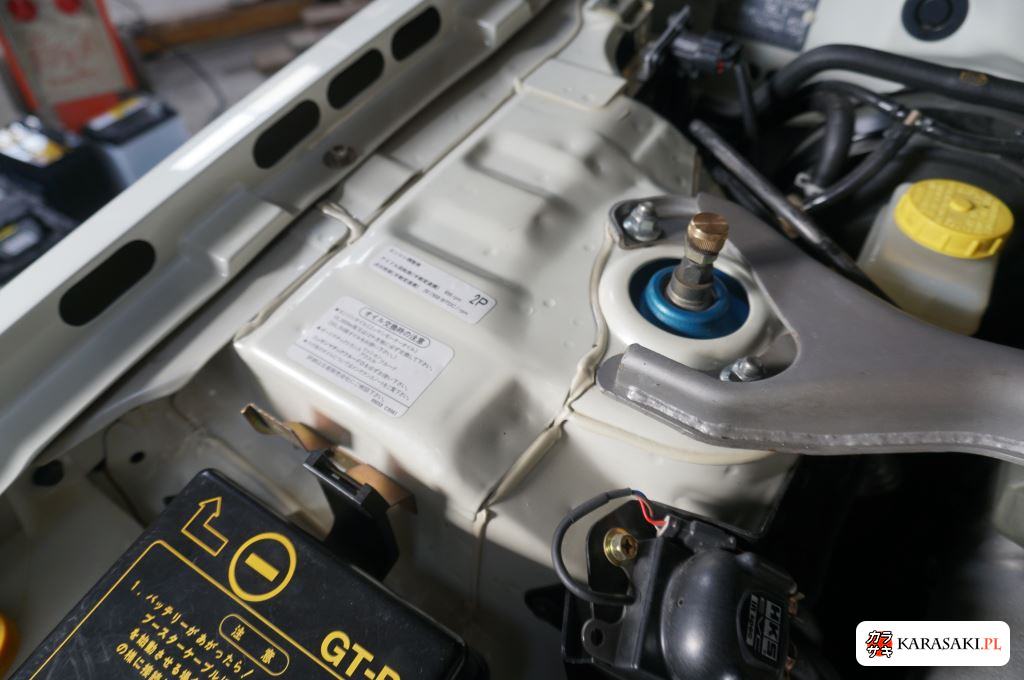
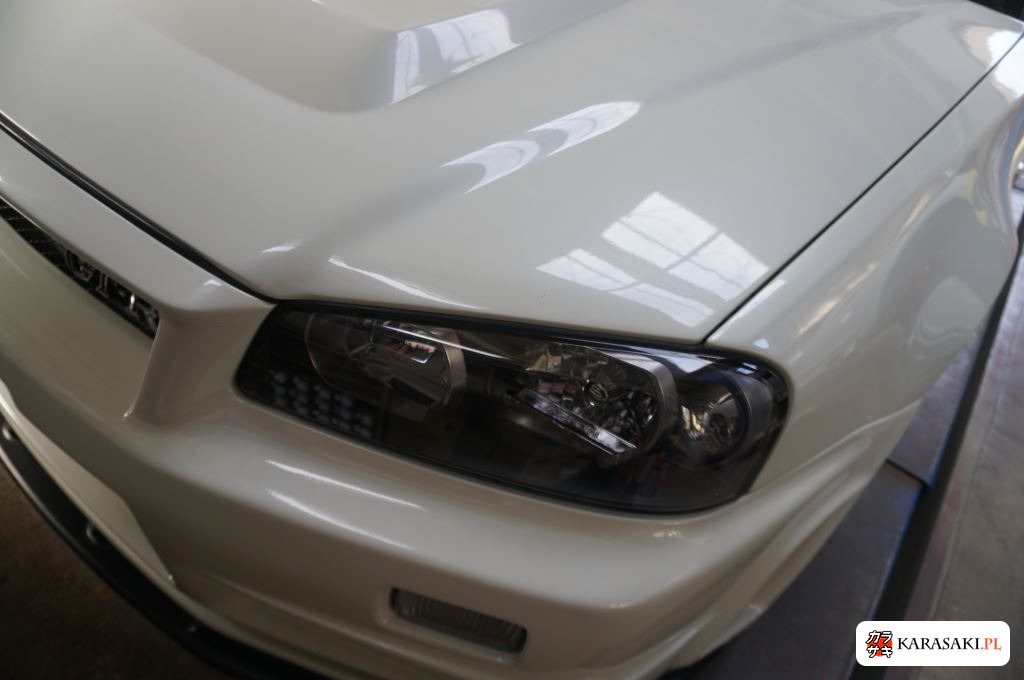
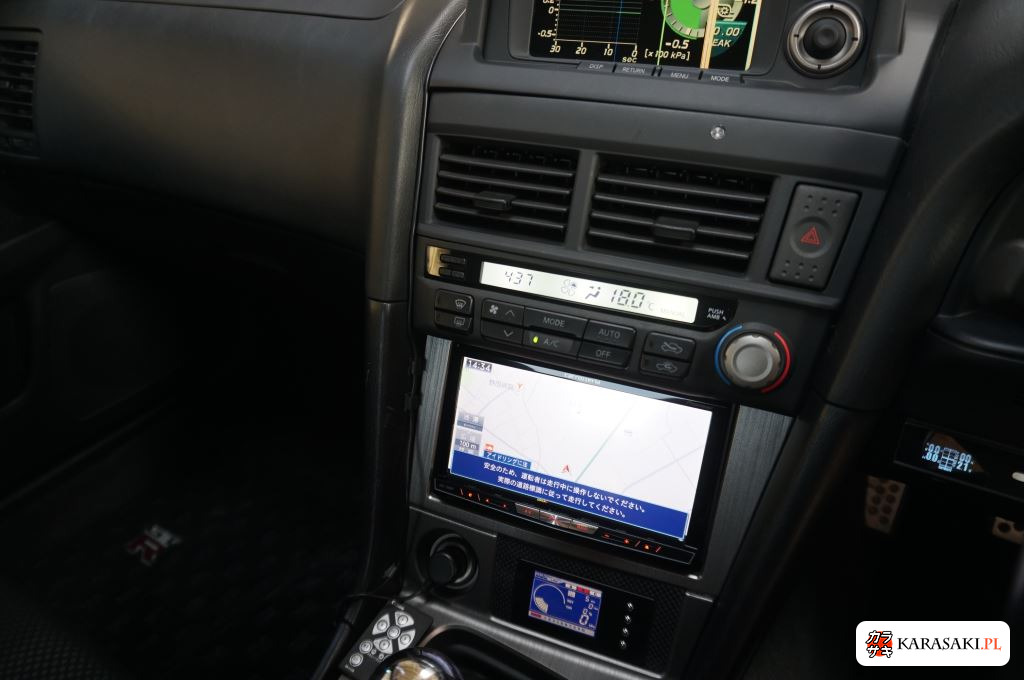
JDM refers to cars designed and built specifically for the Japanese market. These models often feature special engine variants, unique trim and technologies unavailable in export versions. Japanese auctions are the easiest place to find cult icons like Nissan Skyline, Toyota Supra or Honda NSX, known from the race track and 1990s pop culture, and especially prized by collectors and enthusiasts. We break down the full definition and every category of this market in our what is JDM guide.
Grading system
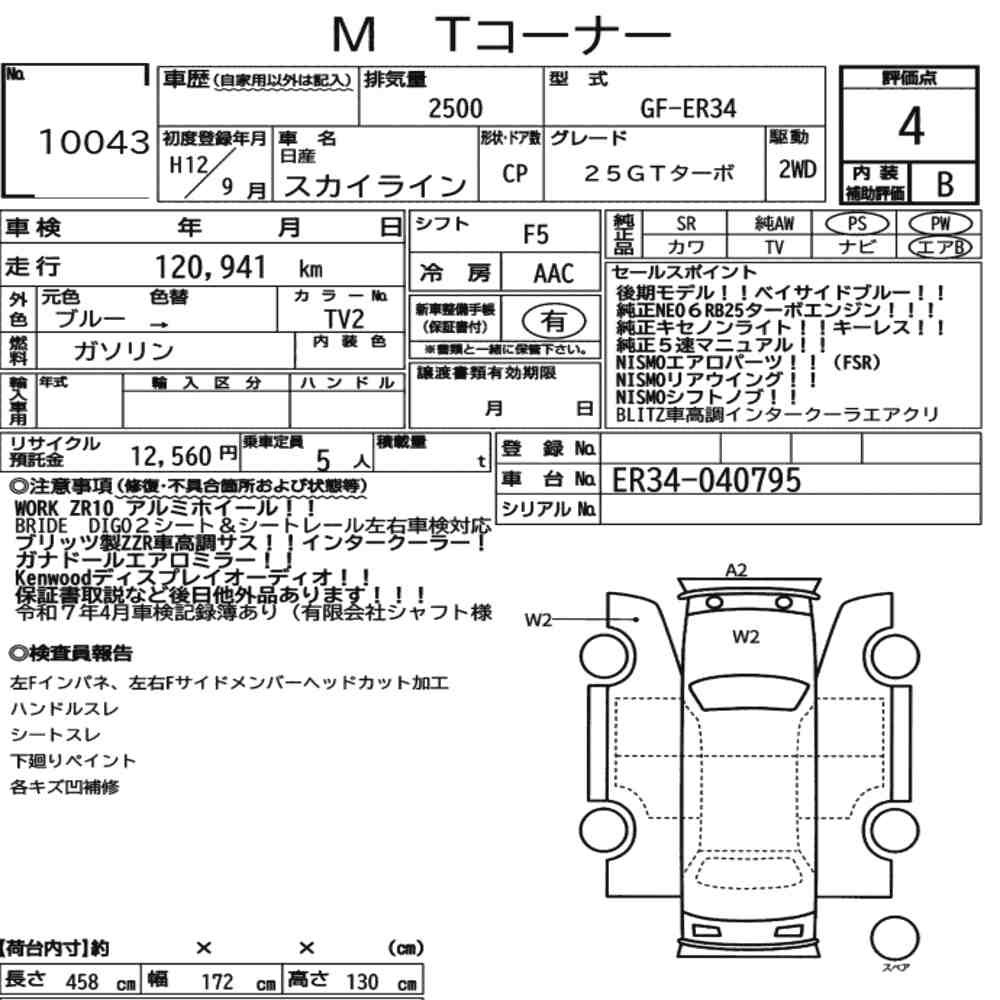
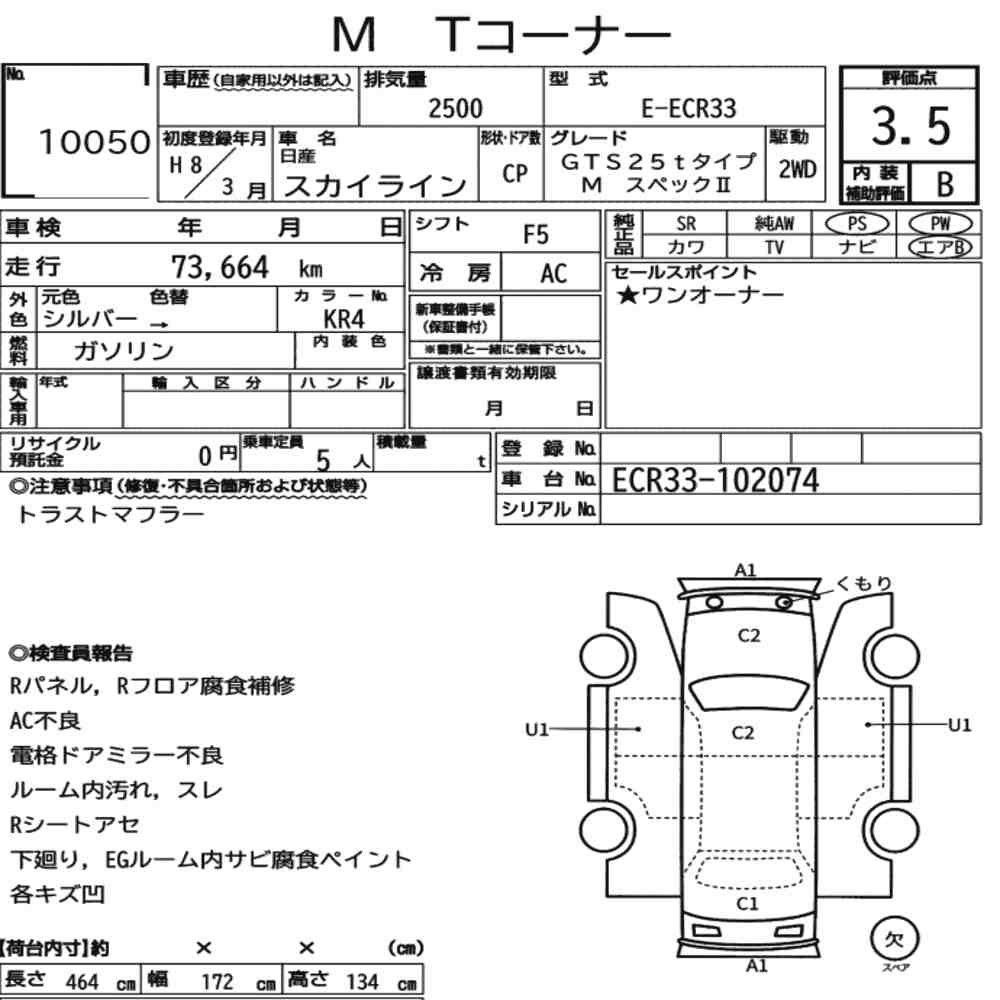
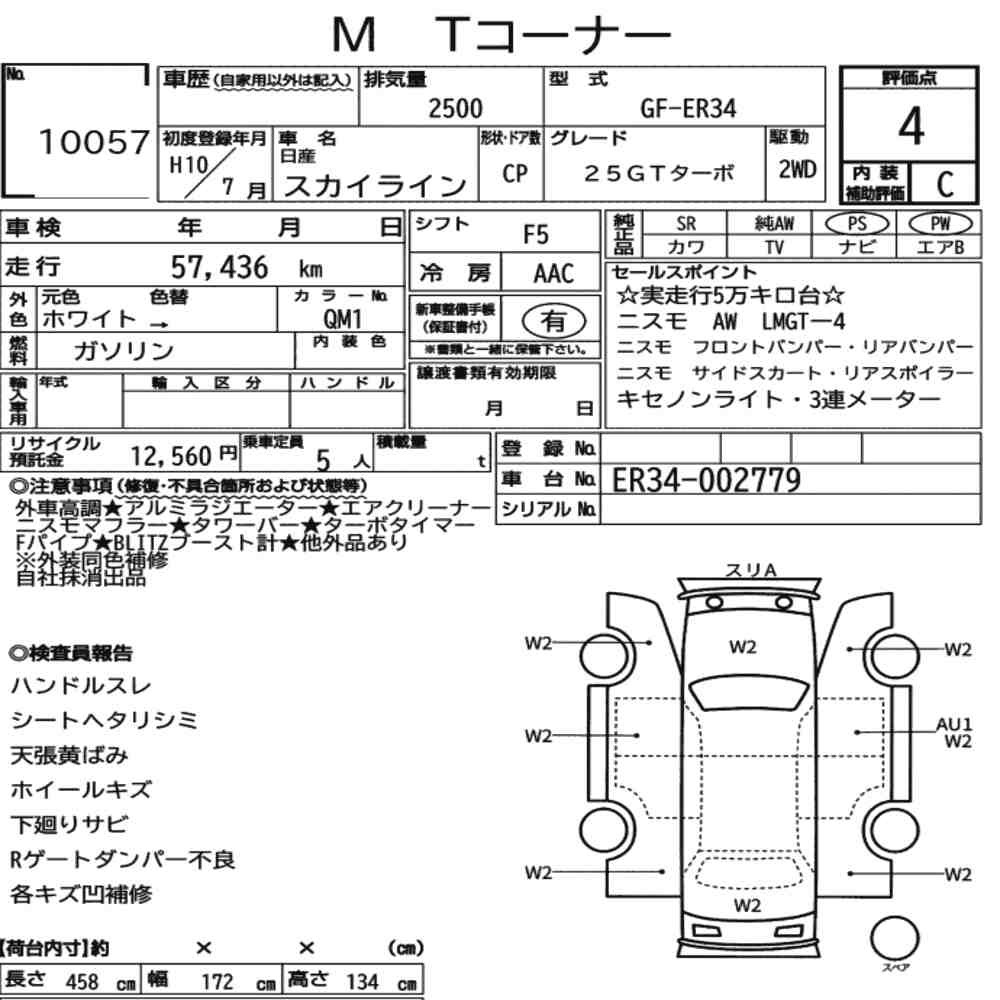
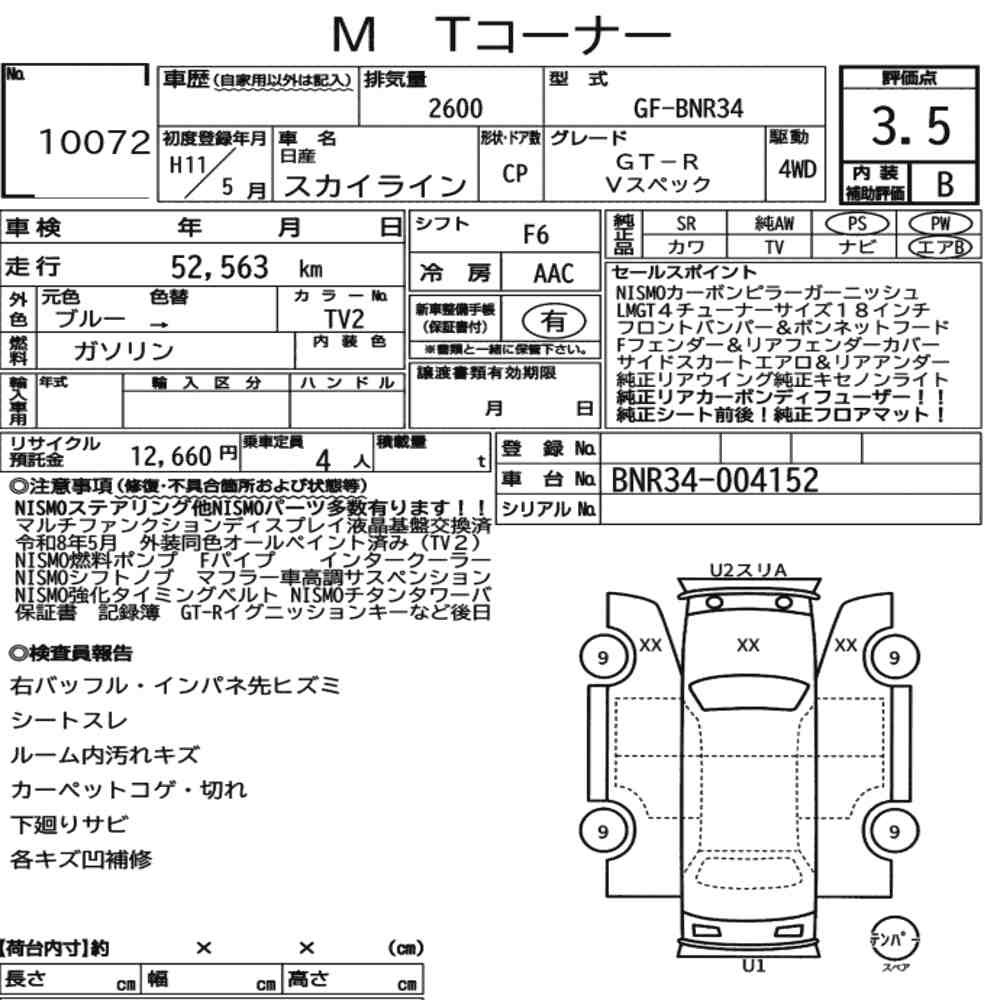
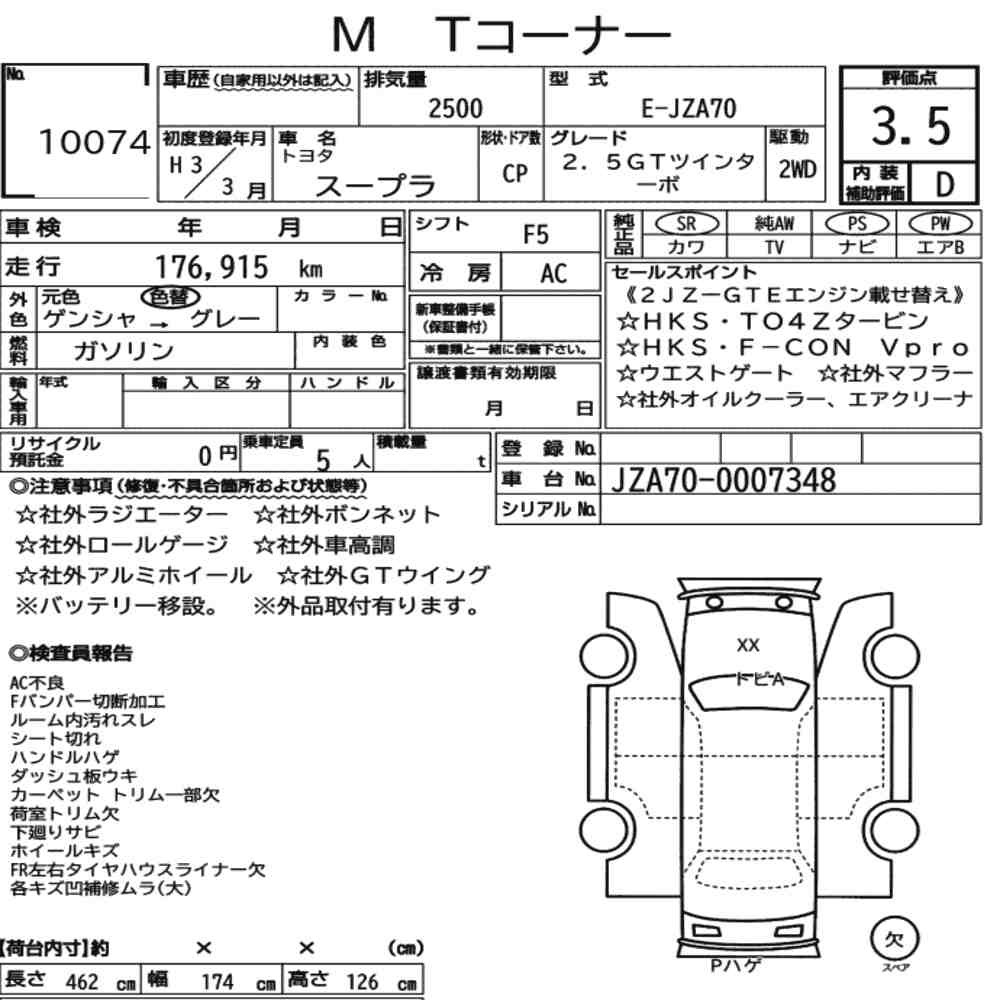
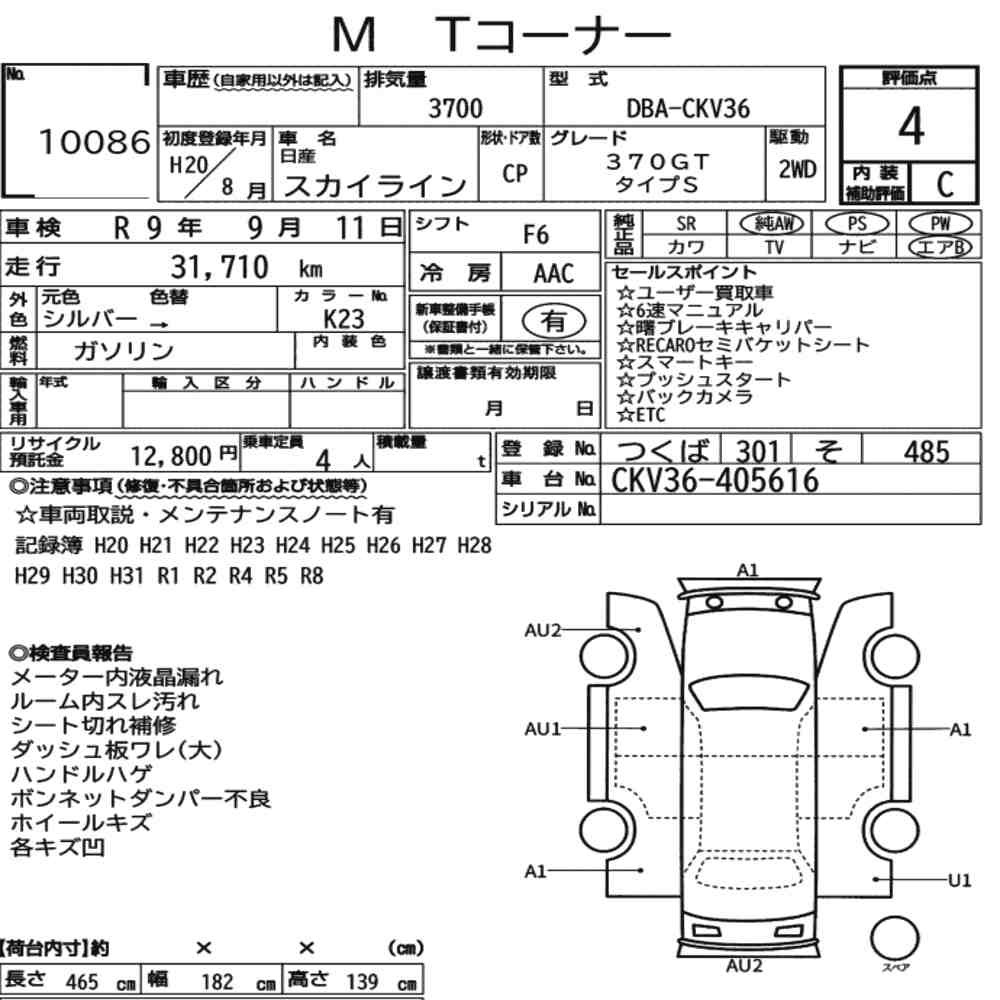
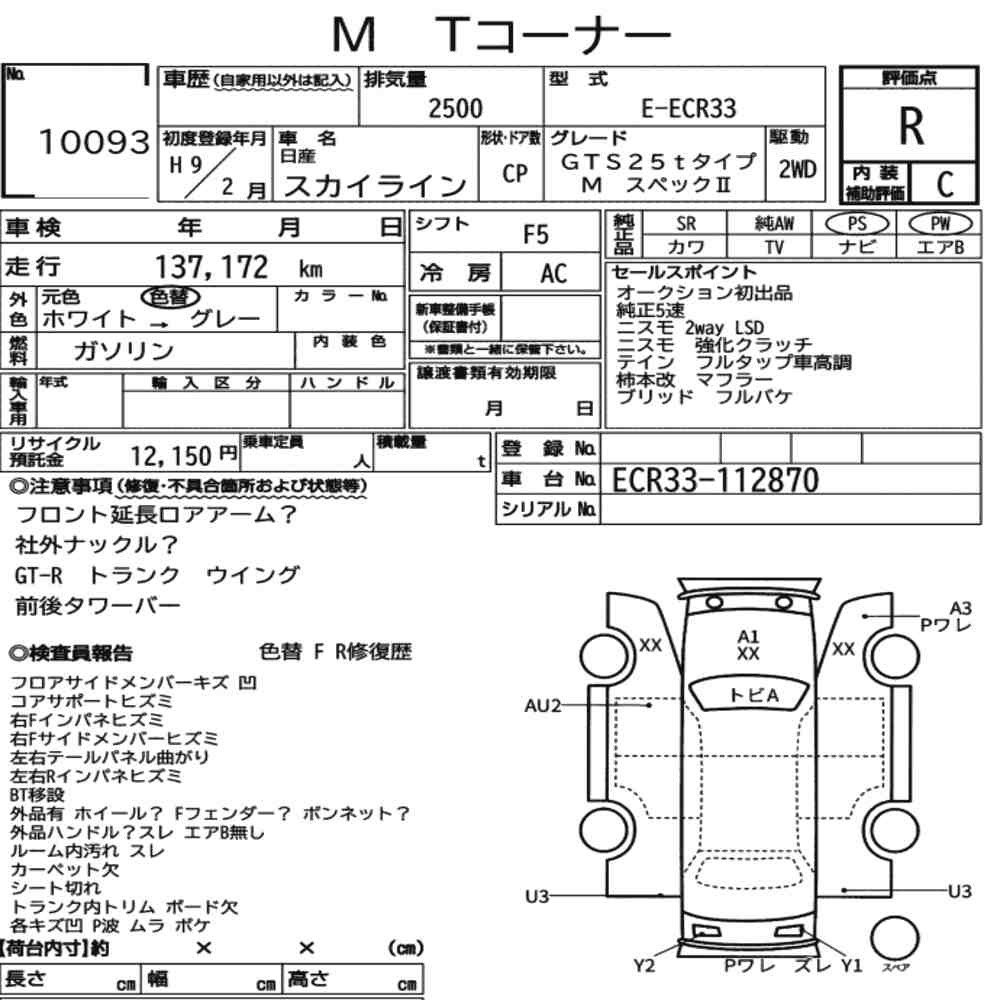
Cars at auction are graded on a detailed scale. The overall grade runs 1–6 (S/6 = museum, 5 = showroom, 4.5 = very good, 4 = good, 3.5 = used with minor flaws, 3 = heavily used, 2/1 = restoration project, R/RA = accident history). Interior is graded separately A–D. The grade covers body, interior, engine and mileage.
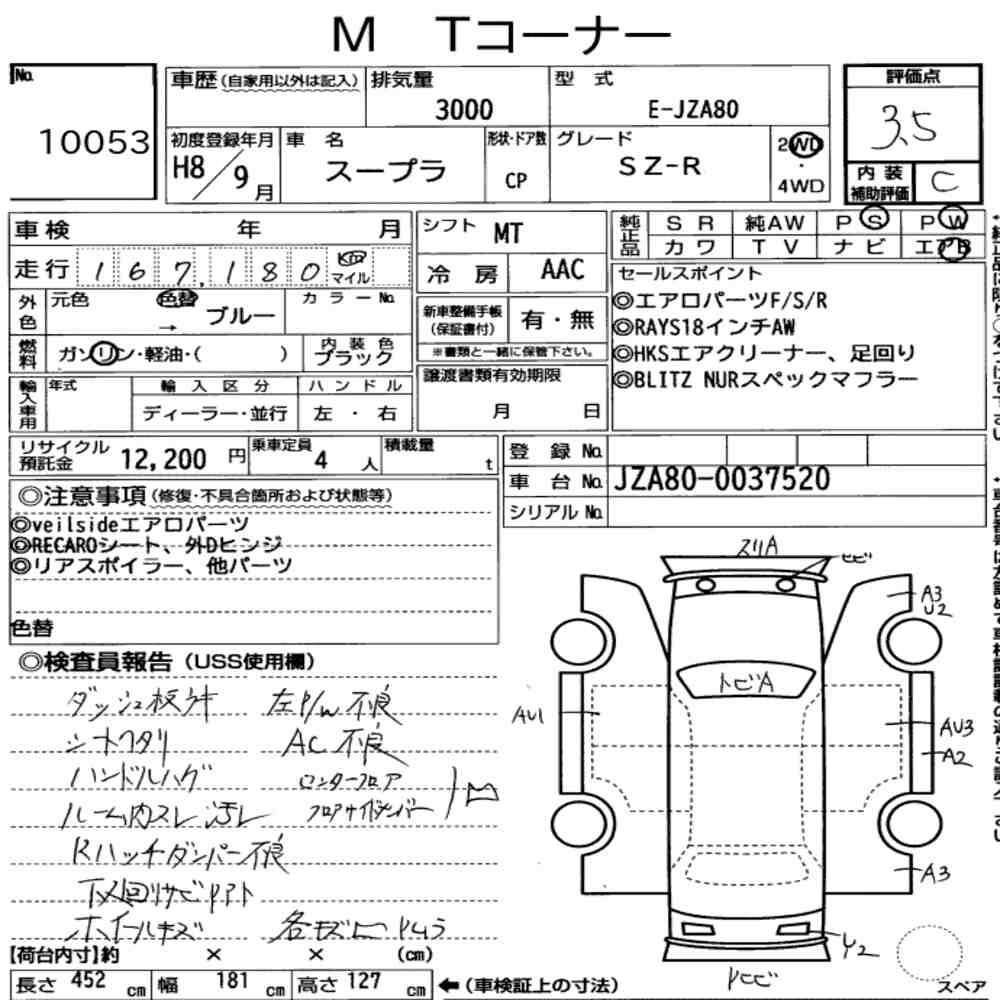
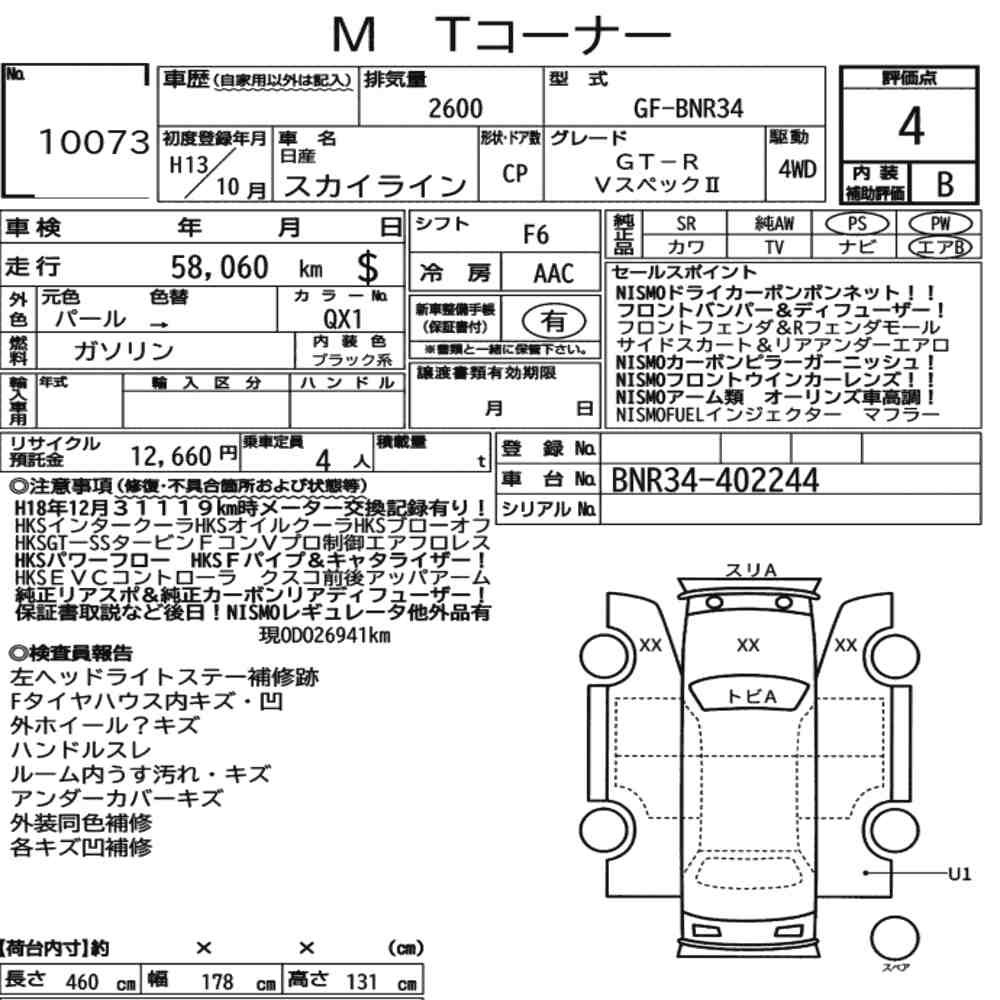
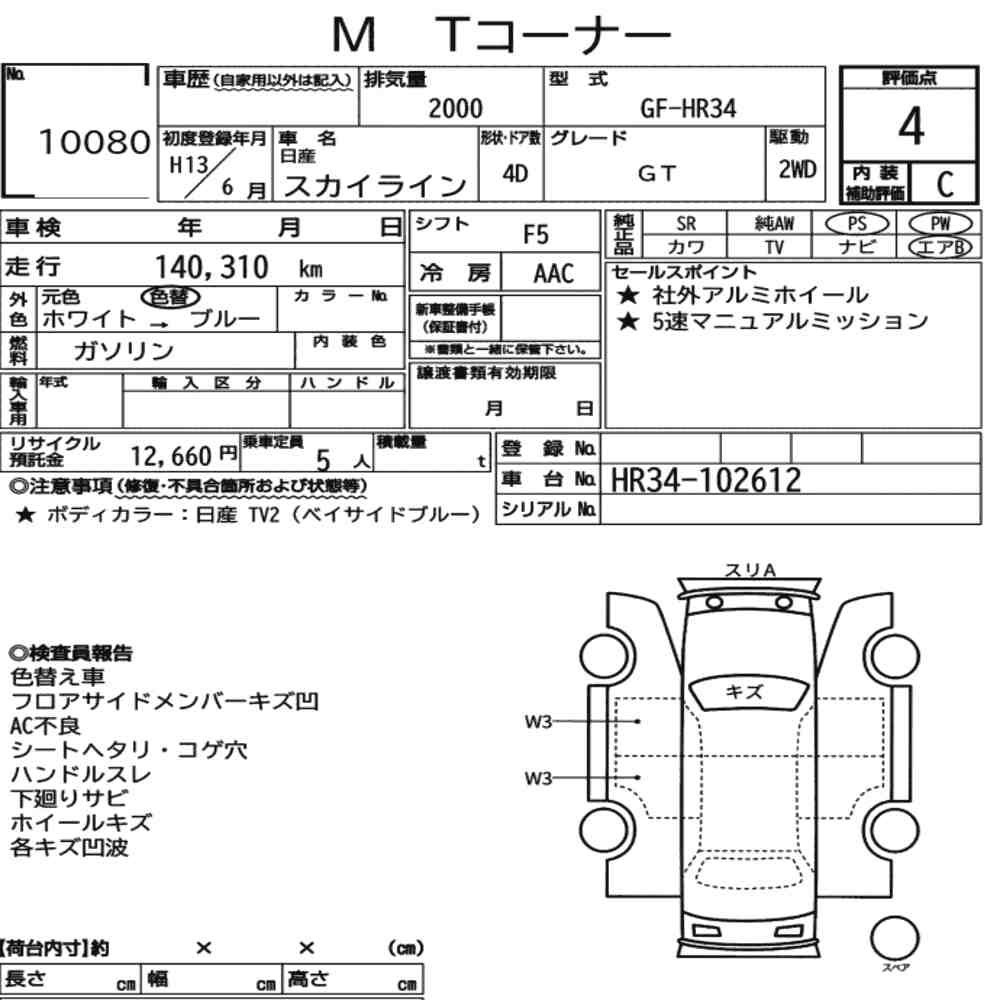
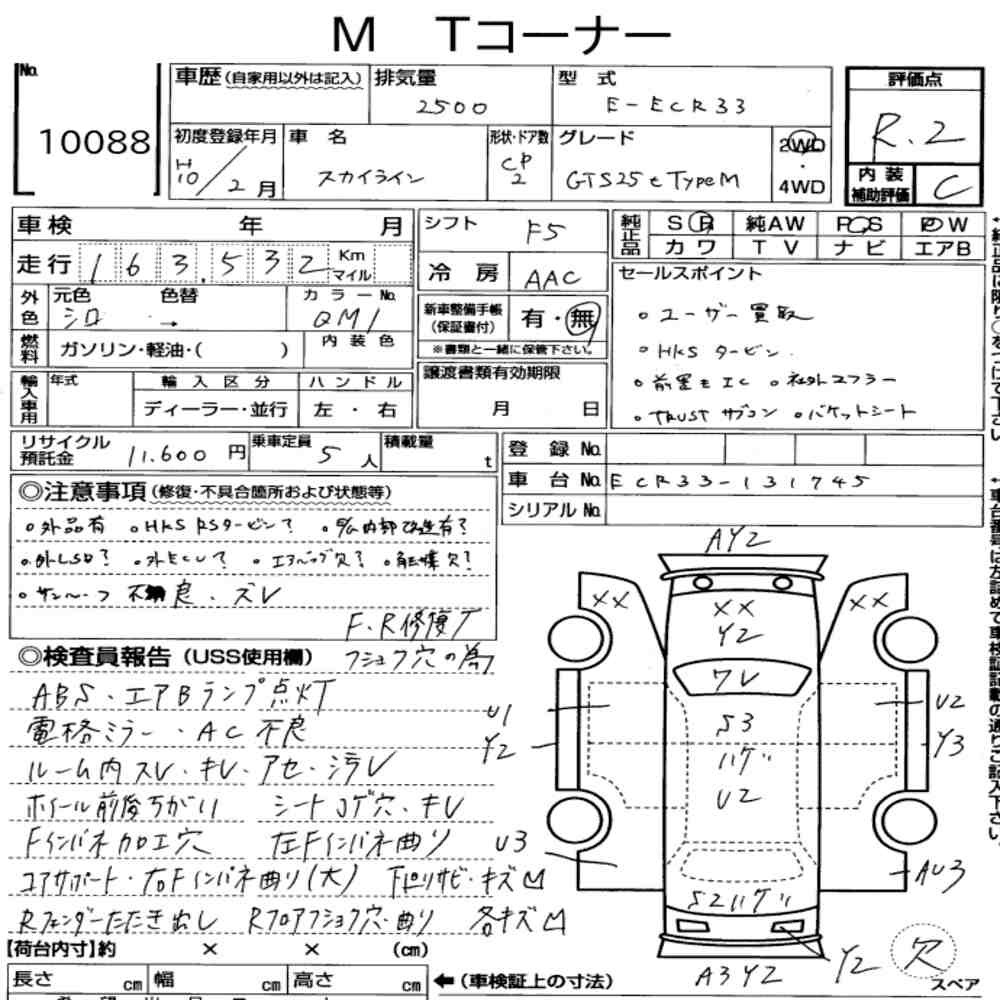
Beyond the numeric grade, the sheet includes a body map where the inspector marks symbols on a diagram of the car. A means a scratch, U a dent, W a repaint and S corrosion, each followed by a number for the severity of the damage. It's these symbols, not the overall grade, that reveal whether a car has seen the body shop. Learning to read them is the shortest path to avoiding a costly mistake.
The purchase process
The whole journey from picking a car to collecting it in Poland breaks down into a few clear stages. Here is how buying at a Japanese auction works step by step:
- Pick a car and check the sheet. You browse the listings while we check the auction sheet, photos and history to weed out cars with repairs or corrosion.
- Set your bidding limit. You set, in advance, the maximum amount we're allowed to bid, so you never overpay in the heat of the auction.
- Refundable deposit. Before bidding you pay a deposit (10% of the starting price, min PLN 8,000). It is fully refundable if we don't win the car for you.
- Our team bids for you. Only a Japanese dealer can register at the auction, so we place bids on your behalf, in real time, up to your limit.
- Payment after winning. Once you've won, you settle the purchase, usually within about 48 hours.
- Ocean shipping to Poland. The car sails by container or RoRo, typically 4 to 6 weeks, insured the whole way.
- Customs and registration. In Poland you settle duty, VAT and excise, then the car goes through homologation and a technical inspection. Our flat PLN 8,000 commission is due only after the car is delivered to your door.
Reading auction sheets
Auction sheets contain detailed information about the technical condition, history and previous results. Pay attention to component grades (A–D or 0–5) for body, engine and interior. Combined with a pre-auction inspection, sheets dramatically improve your odds.
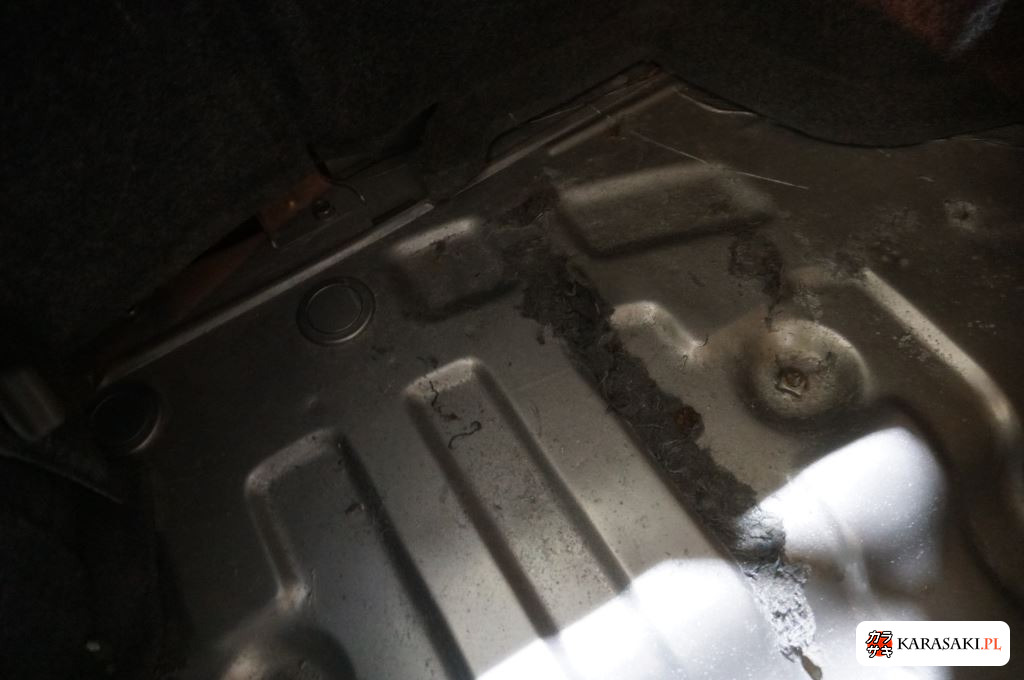
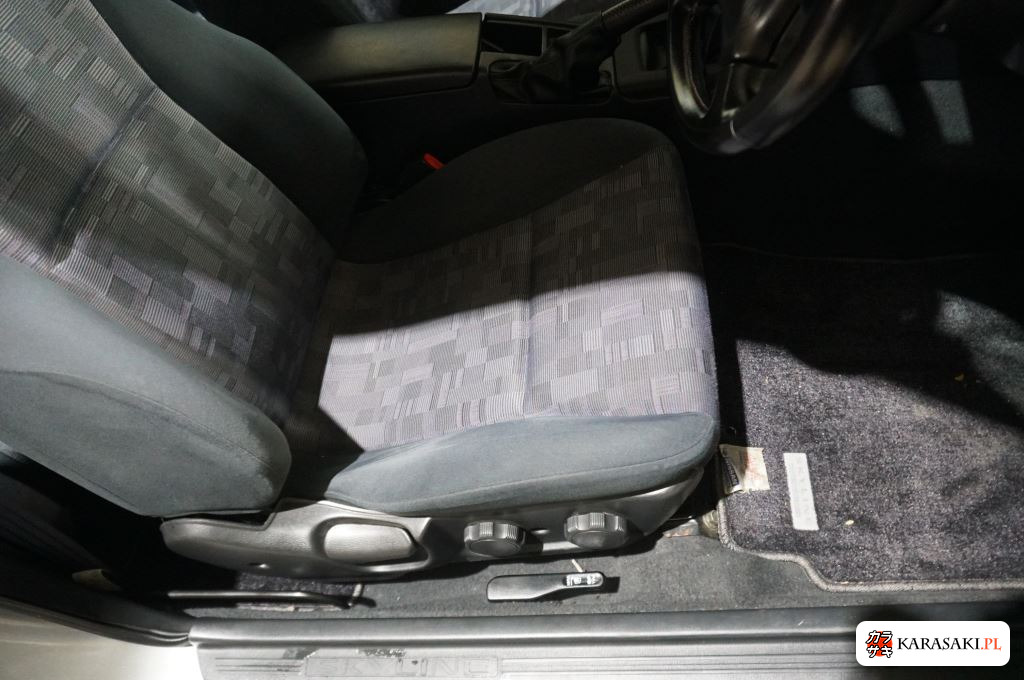
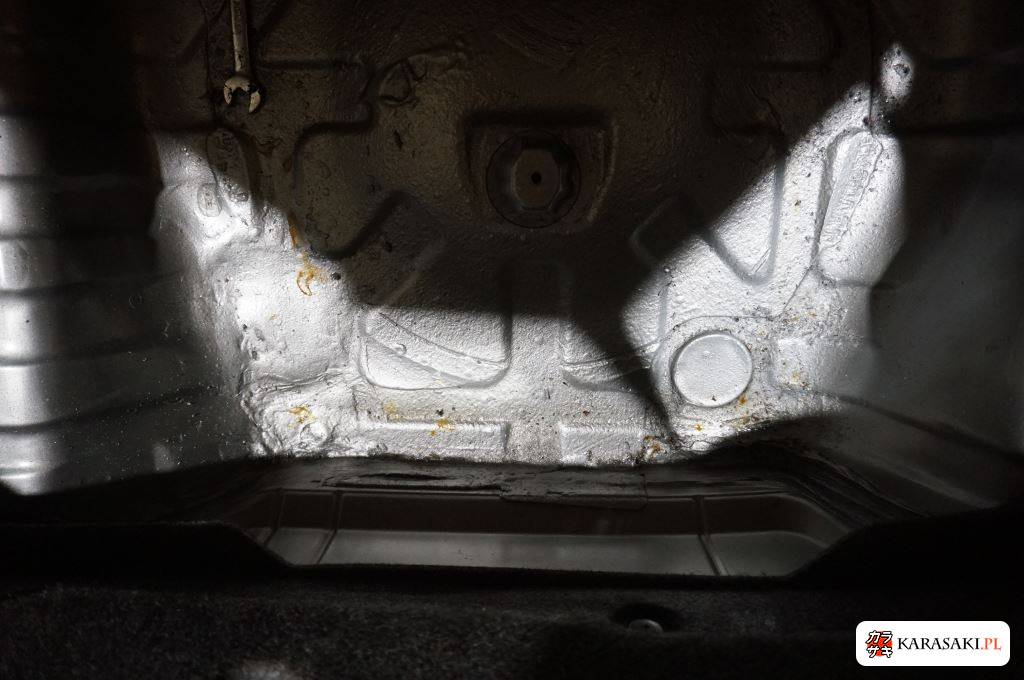
Pay particular attention to the inspector's notes in the header: entries about repair or replacement history can hurt a car's real value more than a few scratches. Photos and video from the pre-auction inspection let you verify what the auction sheet doesn't put into words.
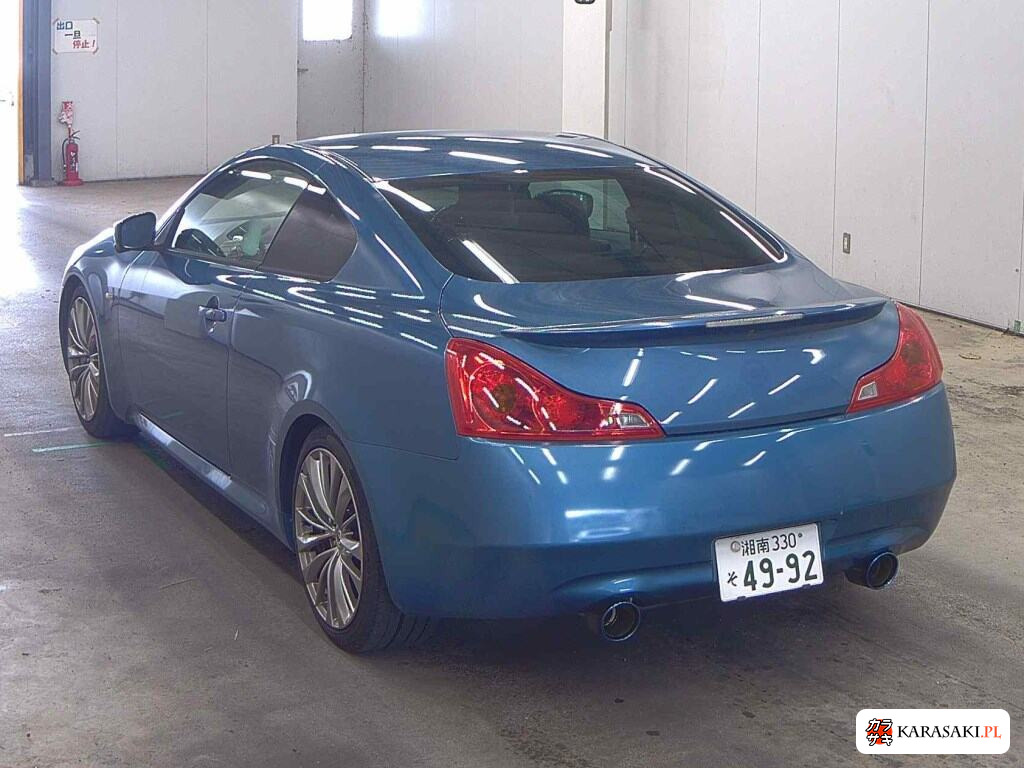
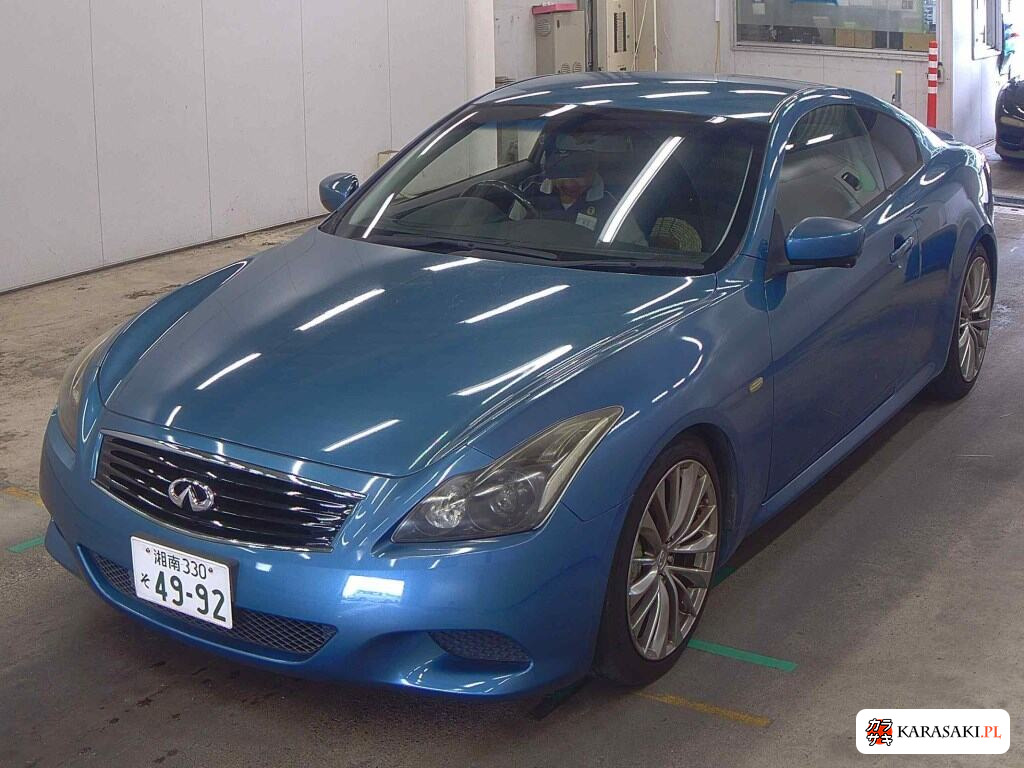
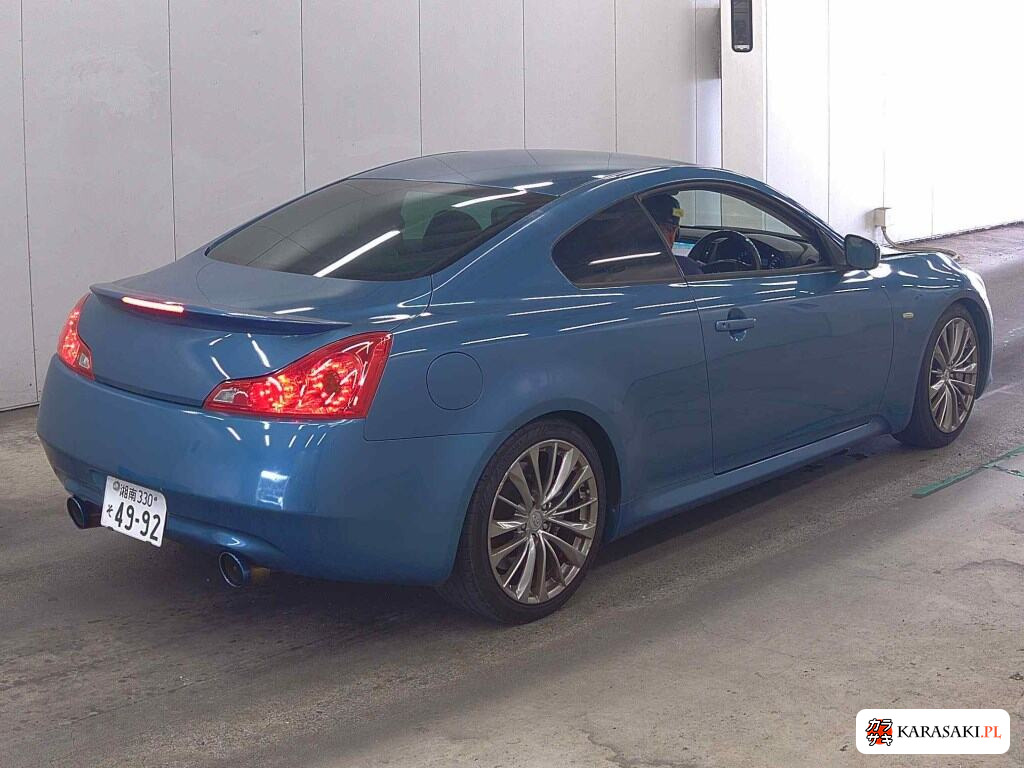
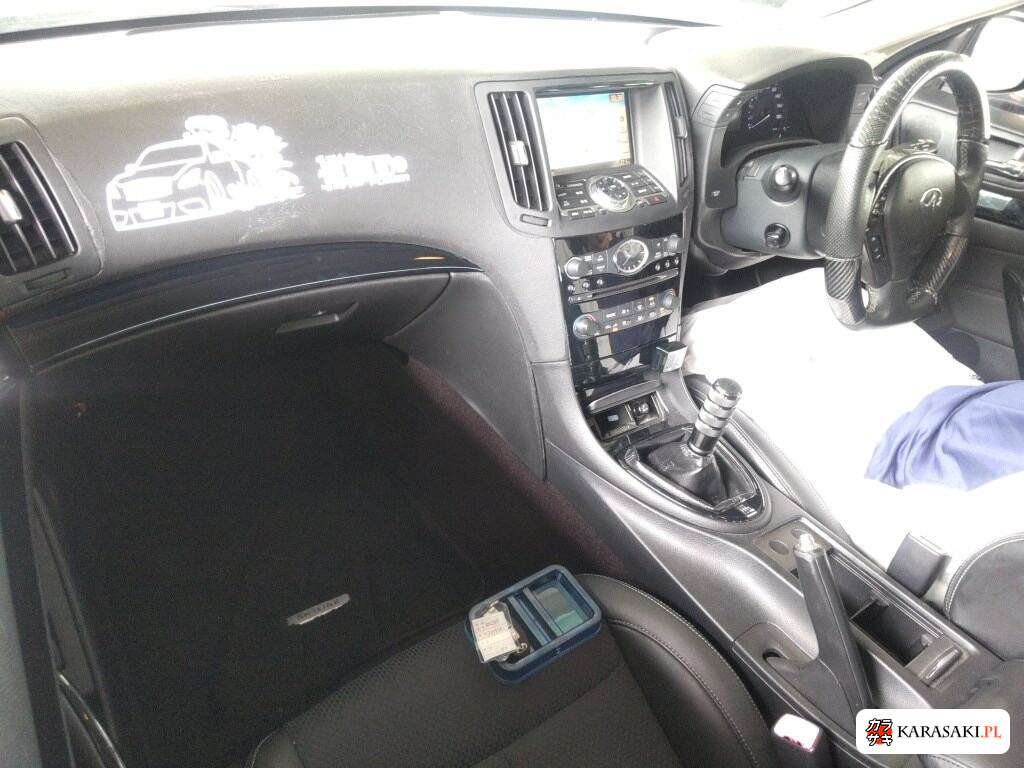
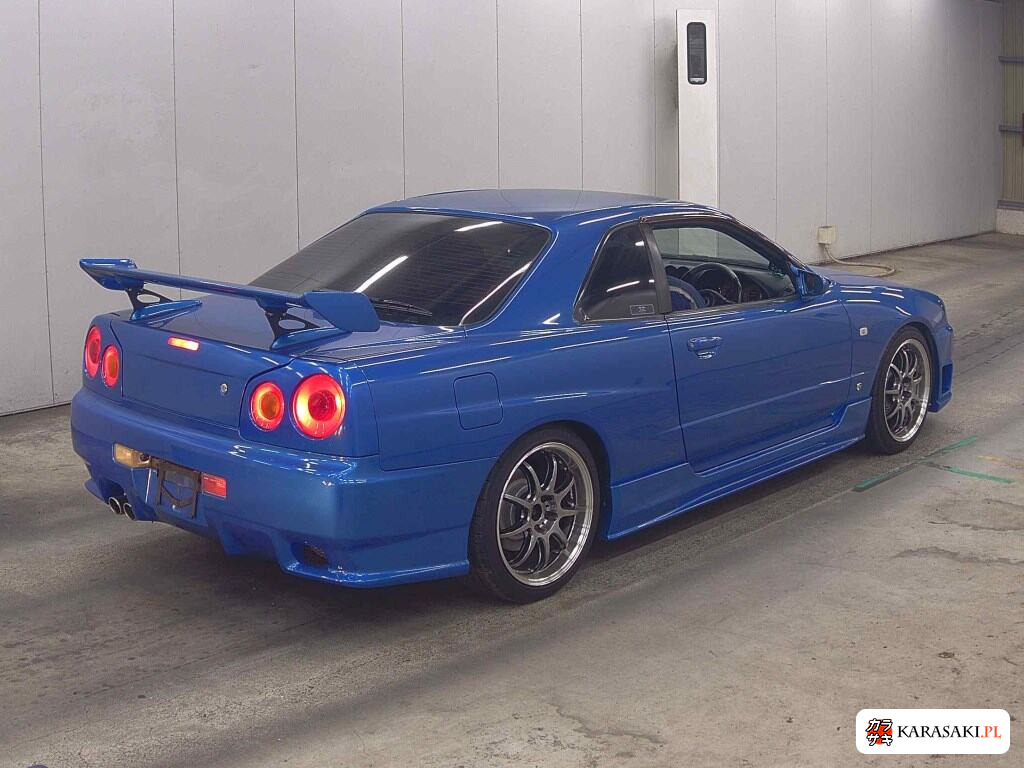
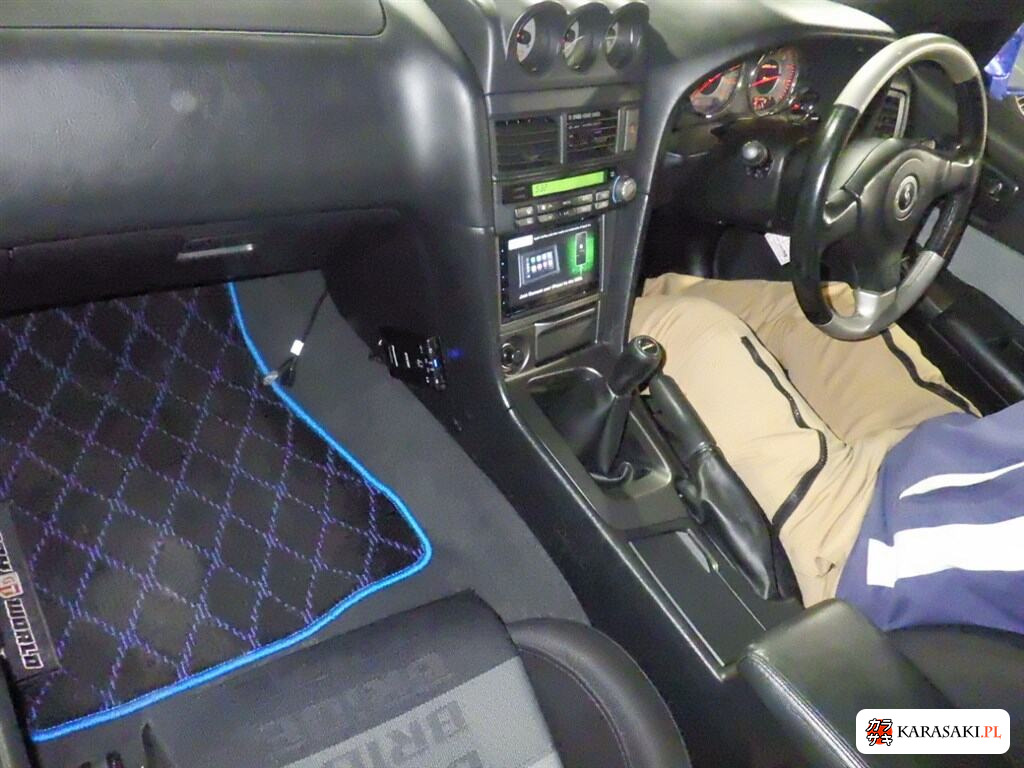
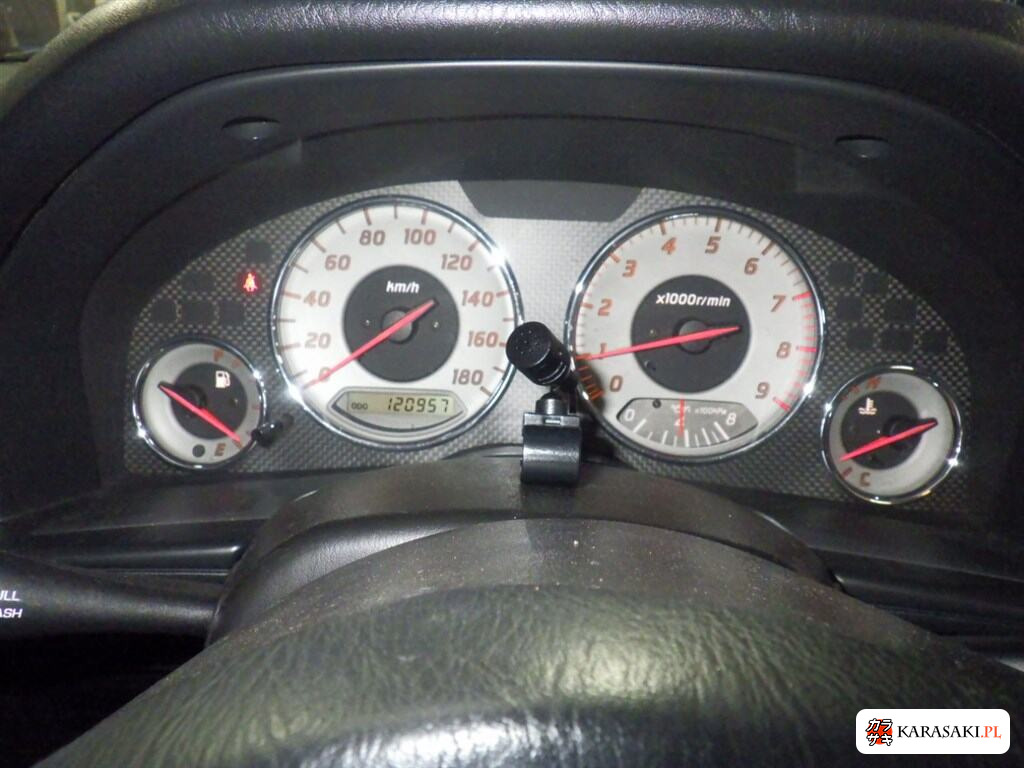
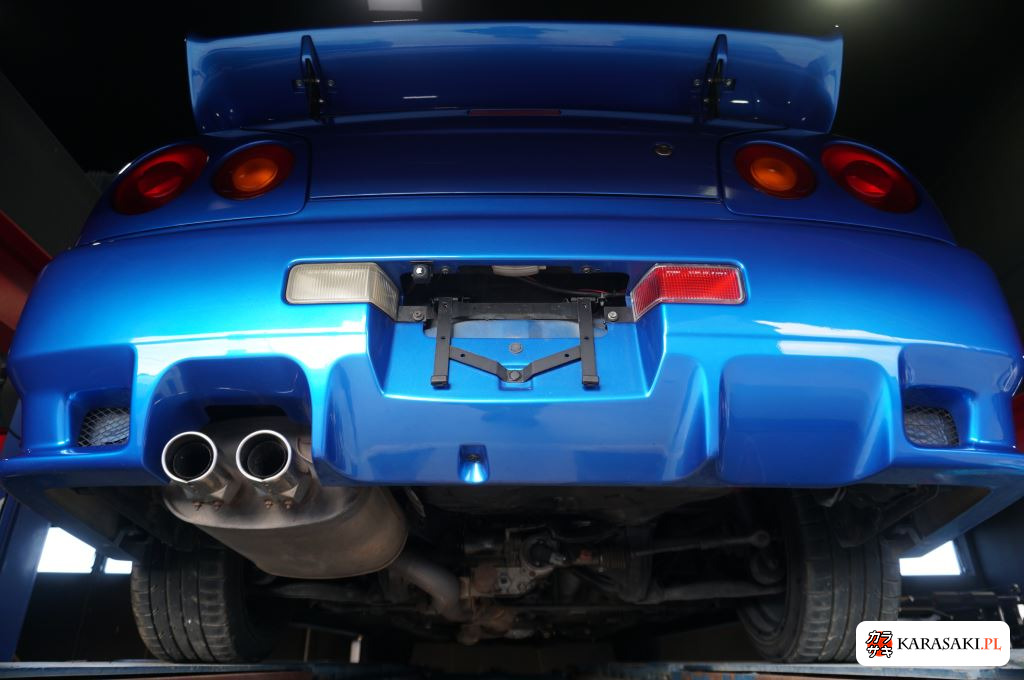
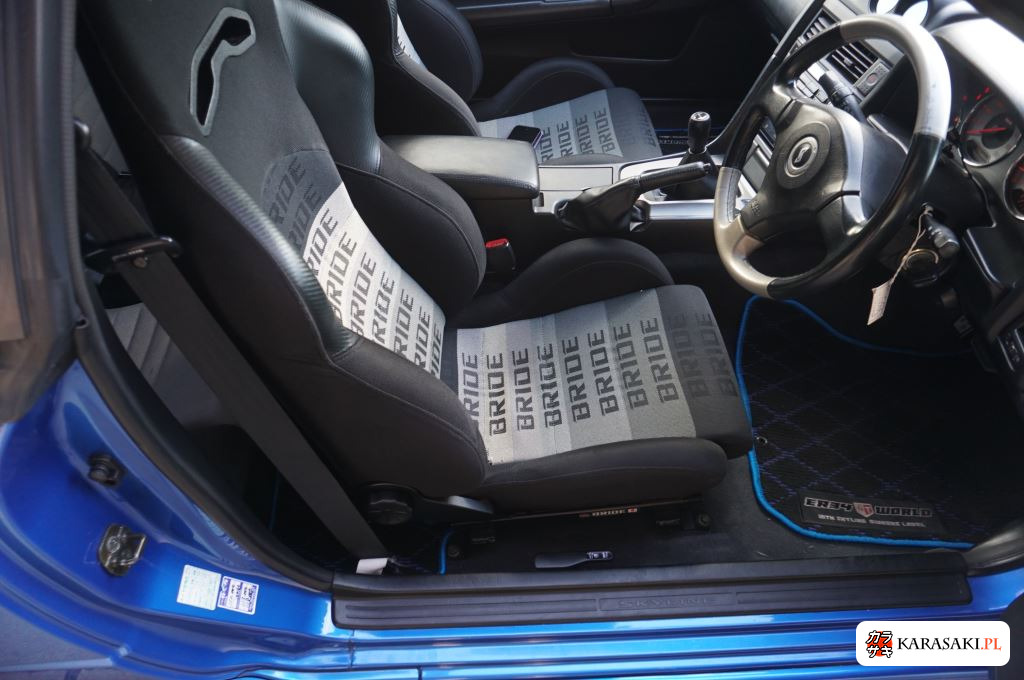
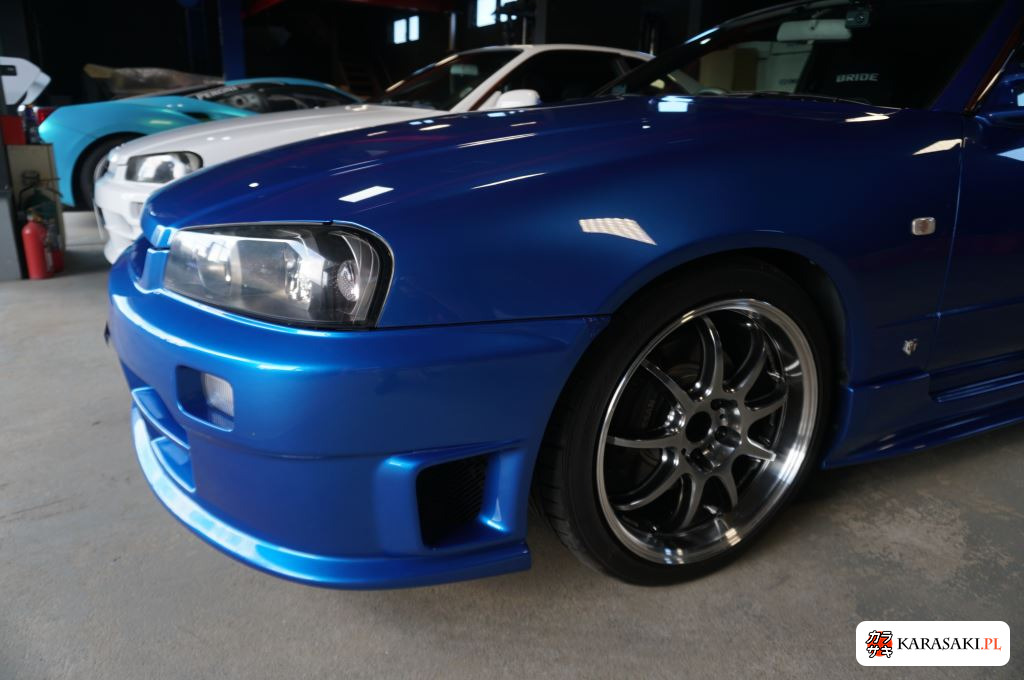
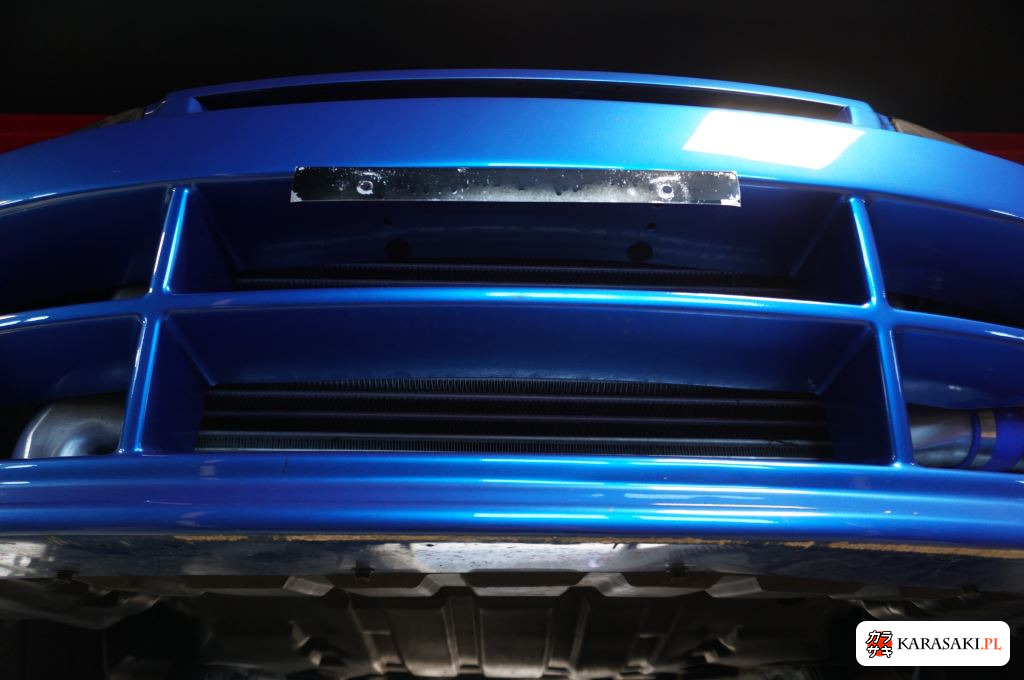
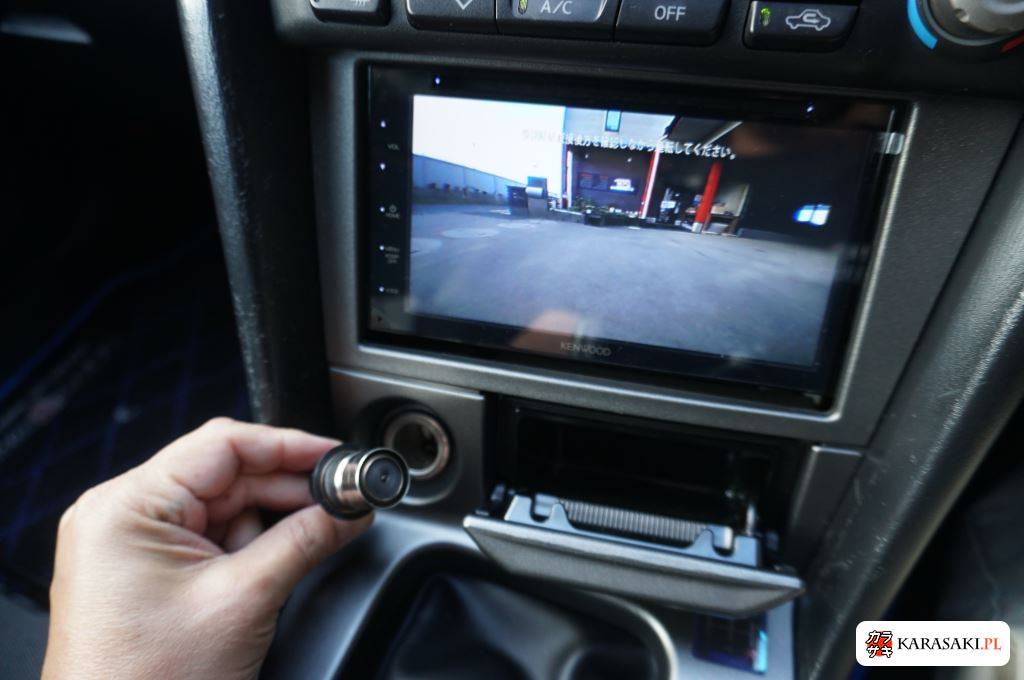
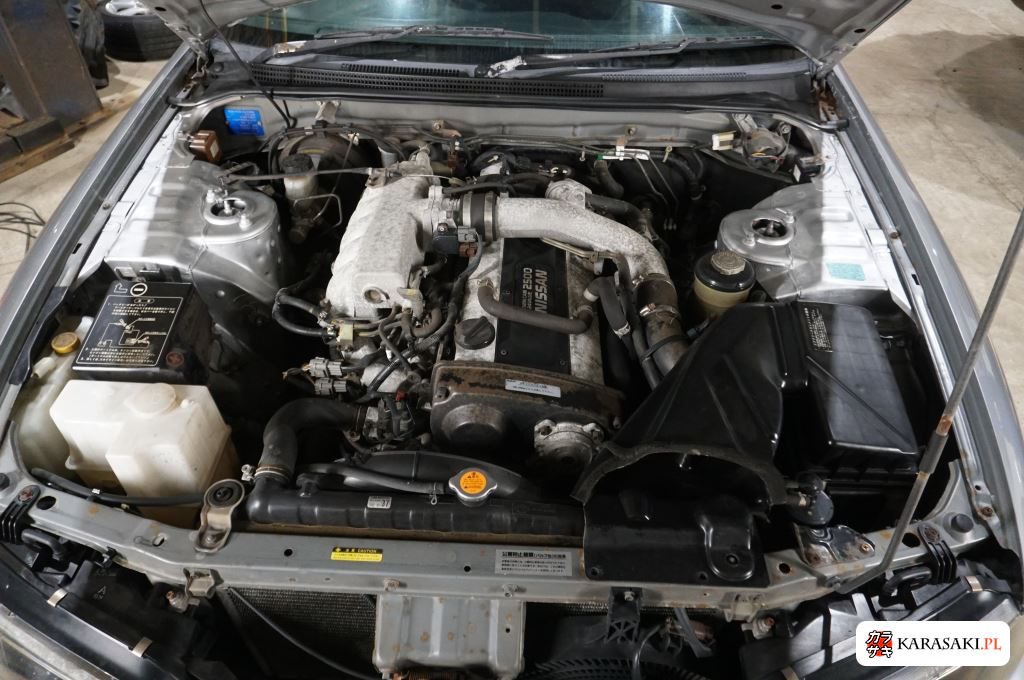
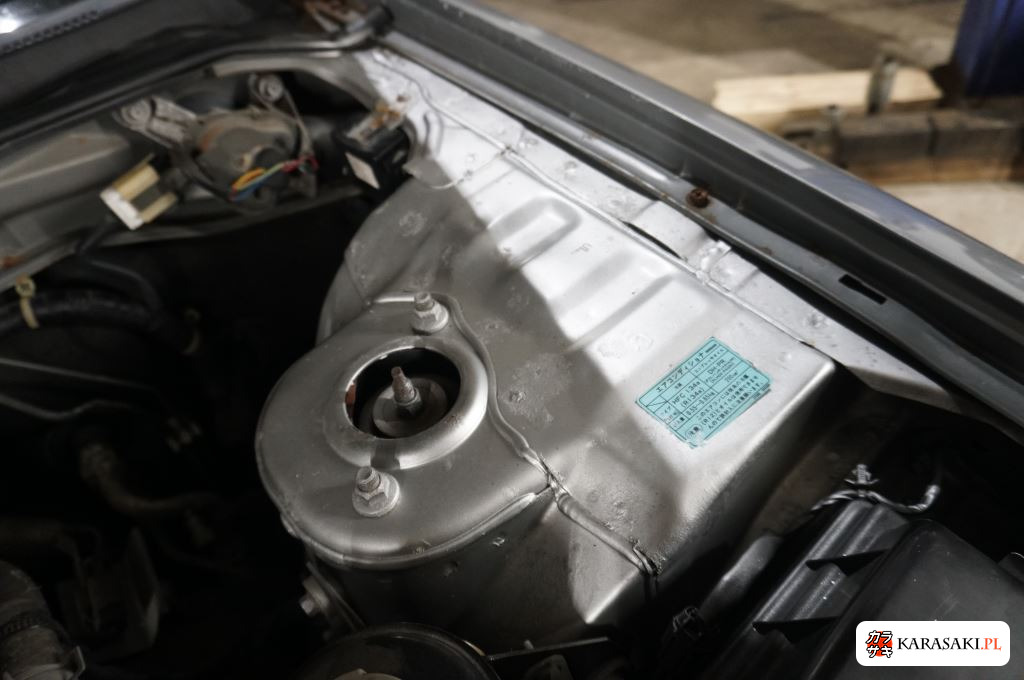
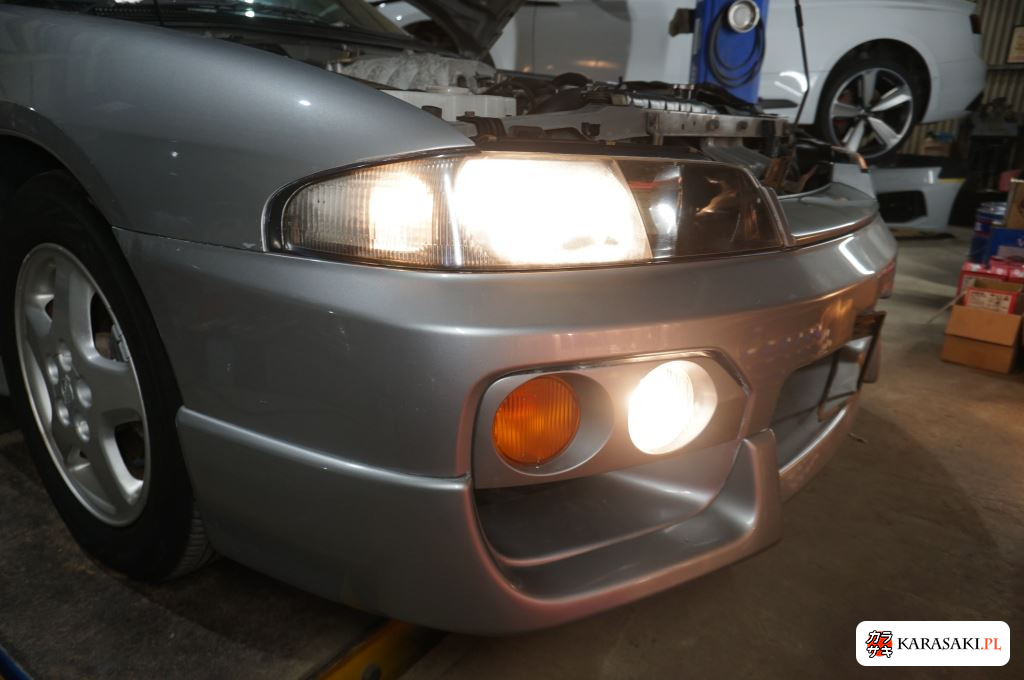
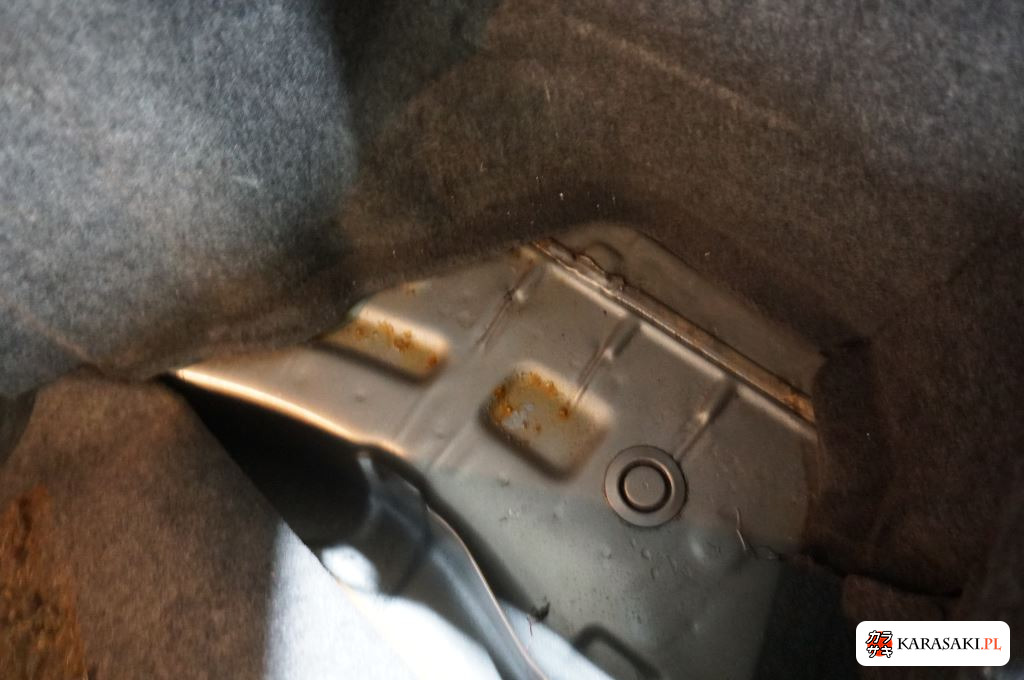
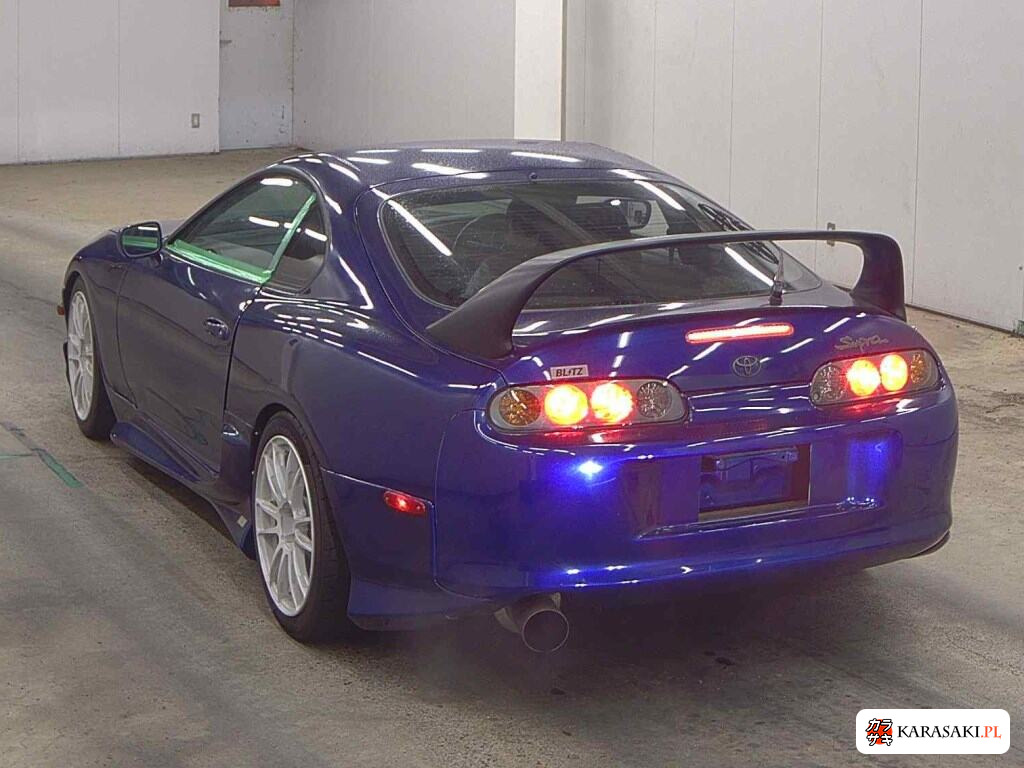
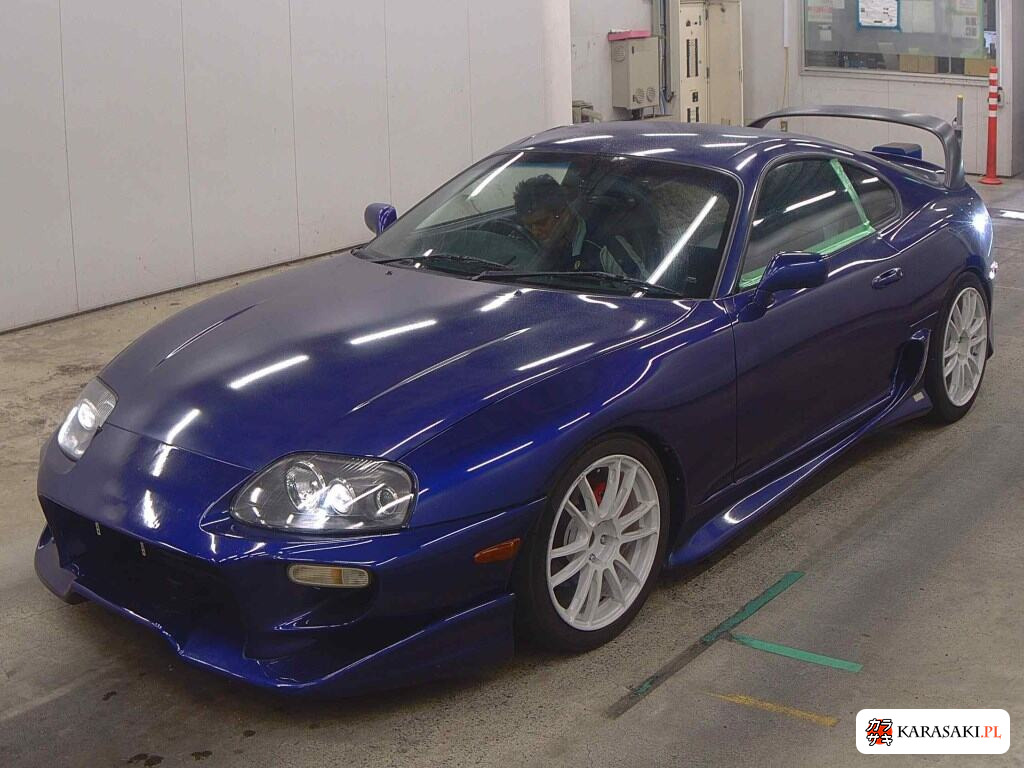
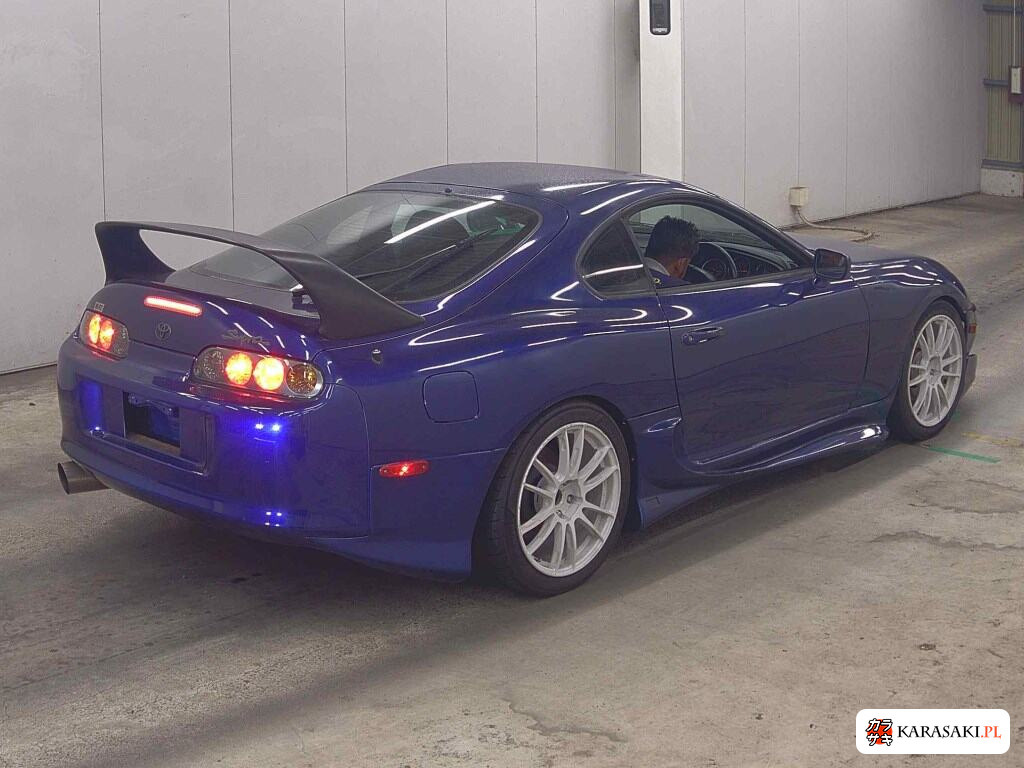
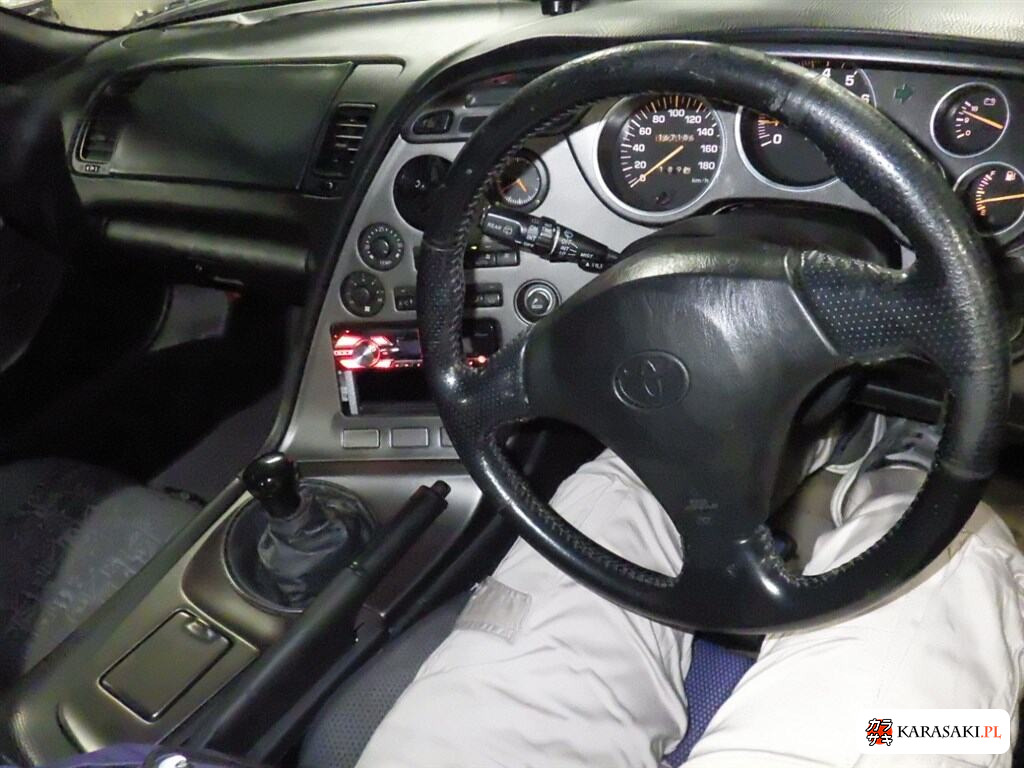
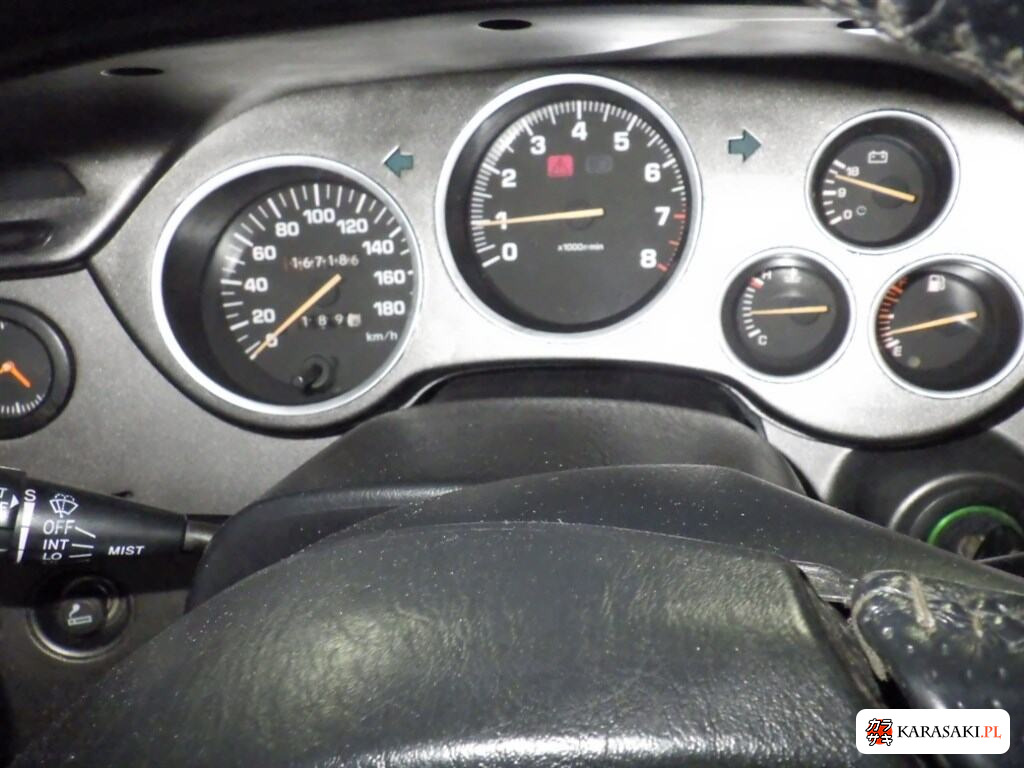
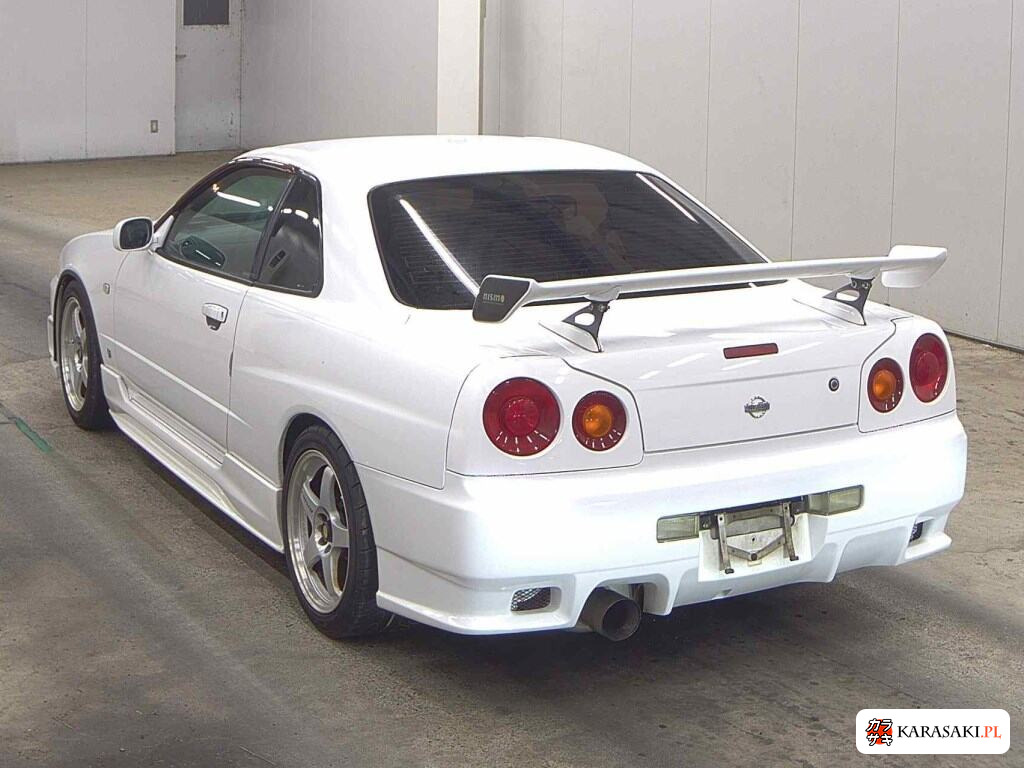
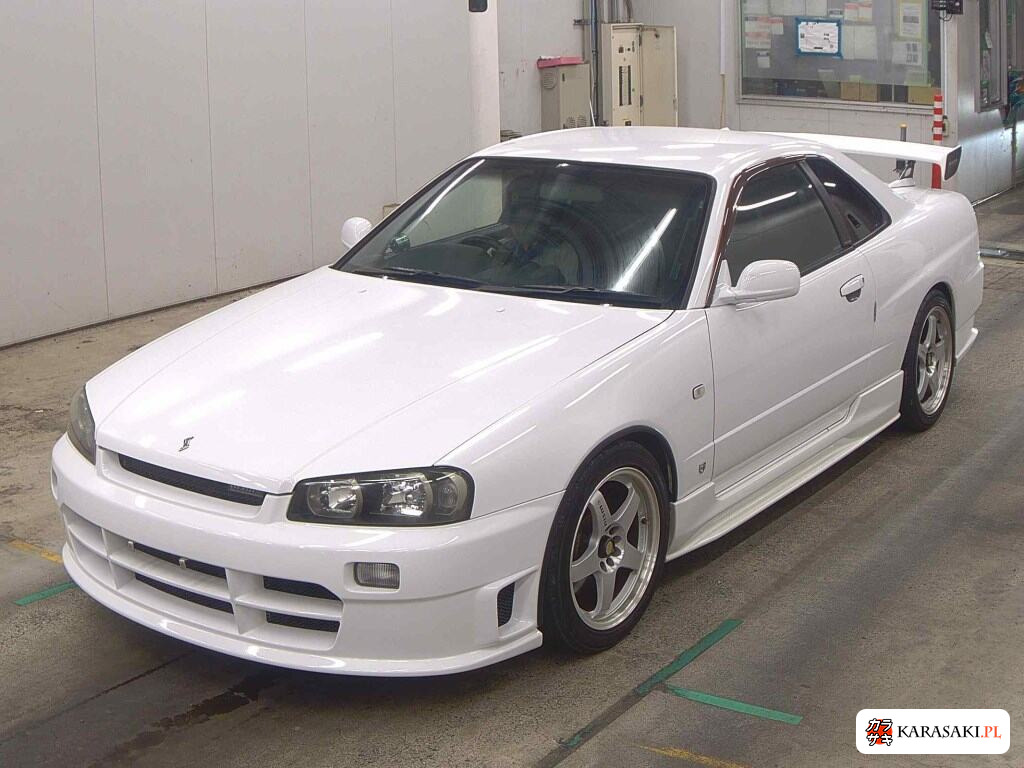
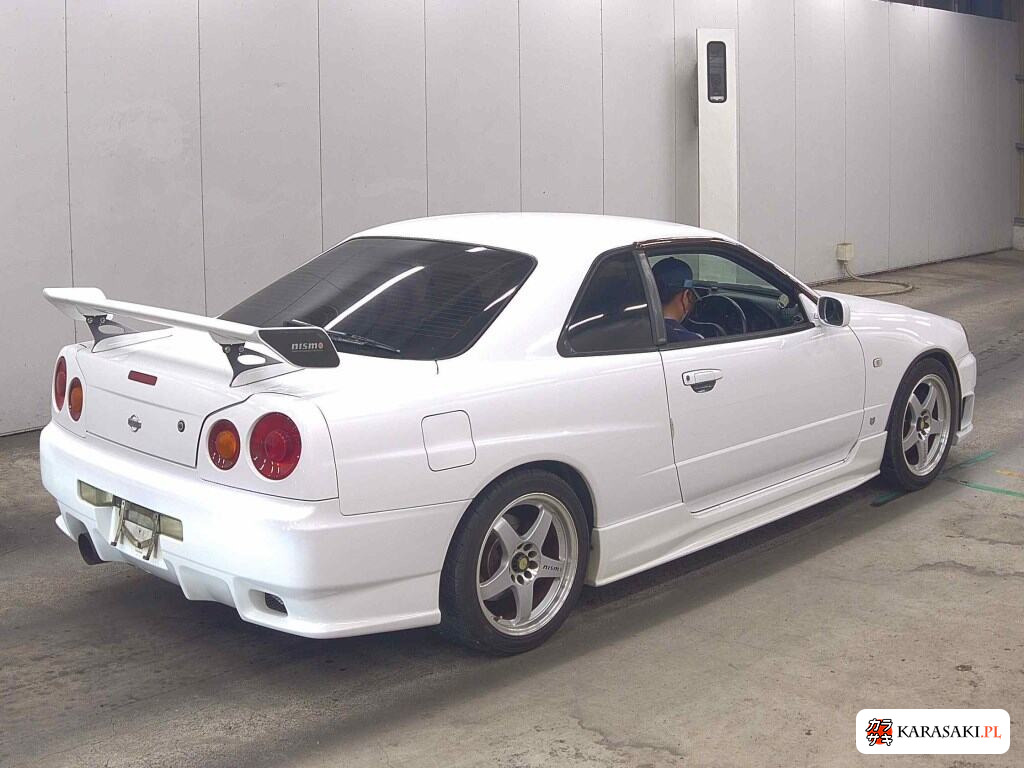
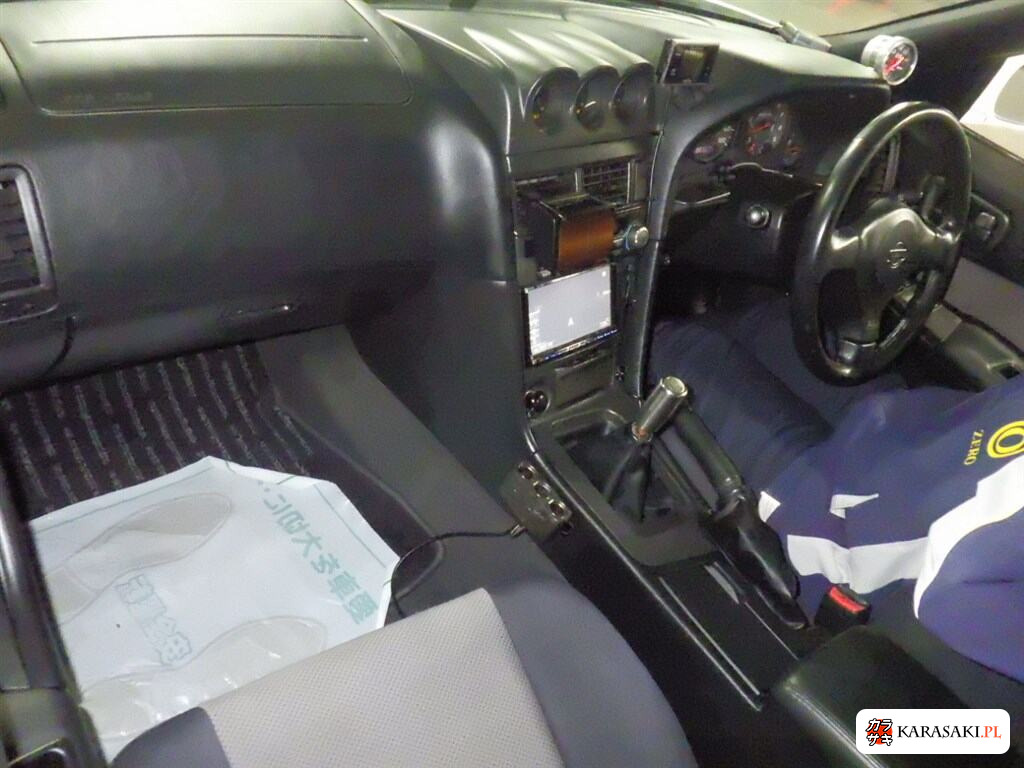
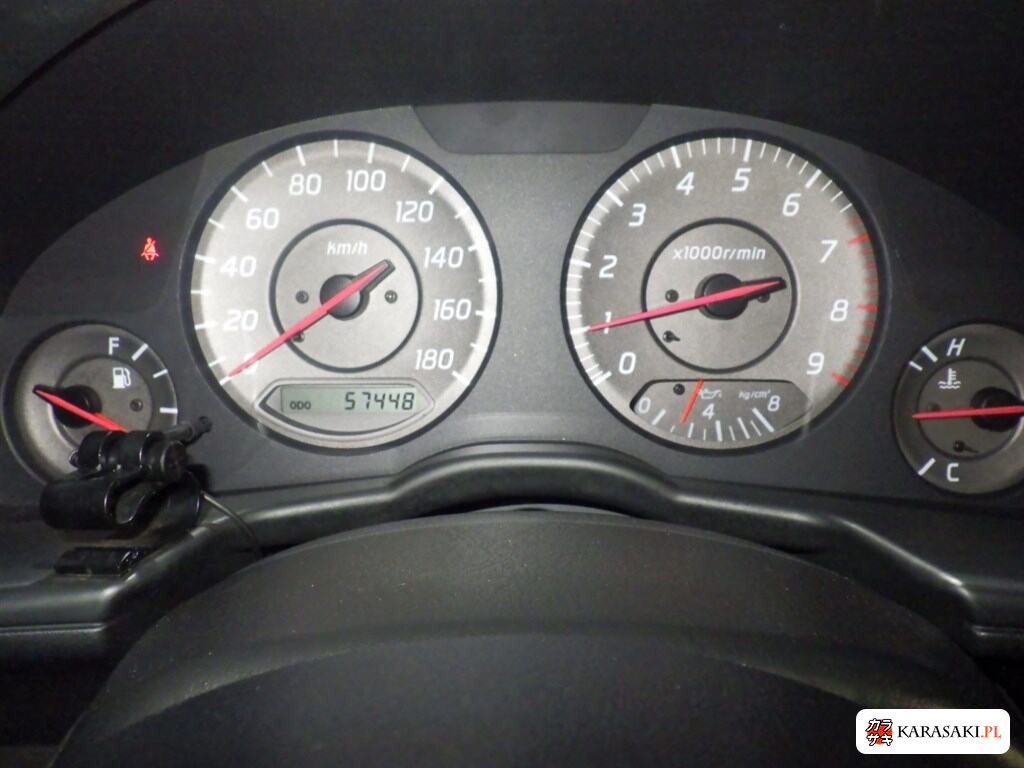
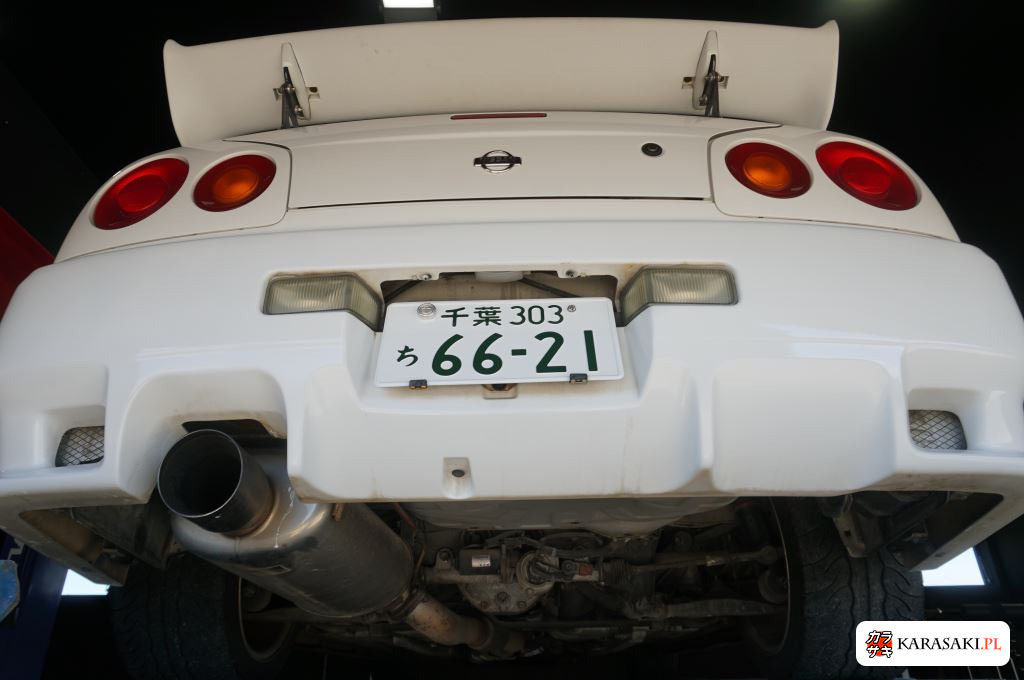
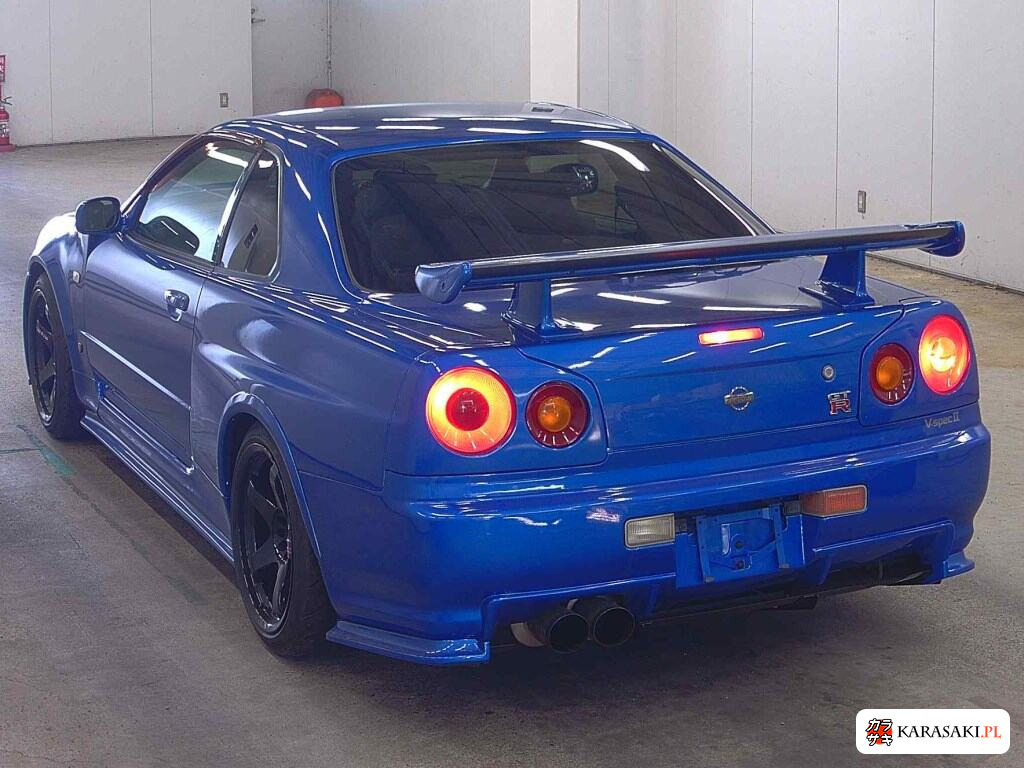
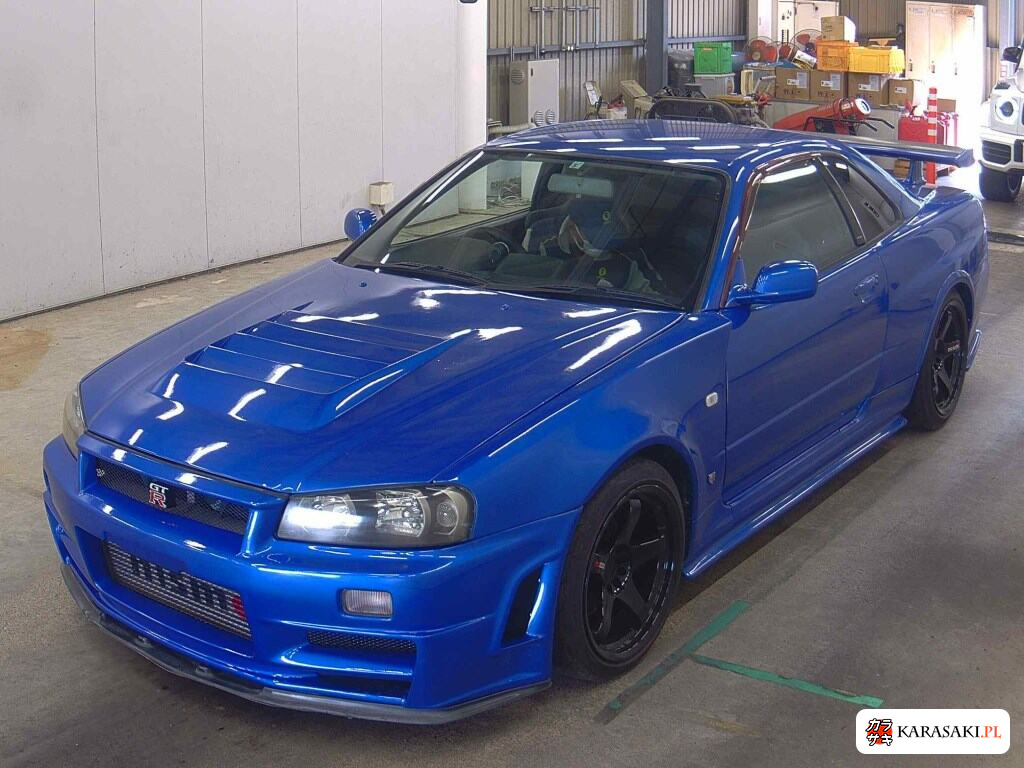
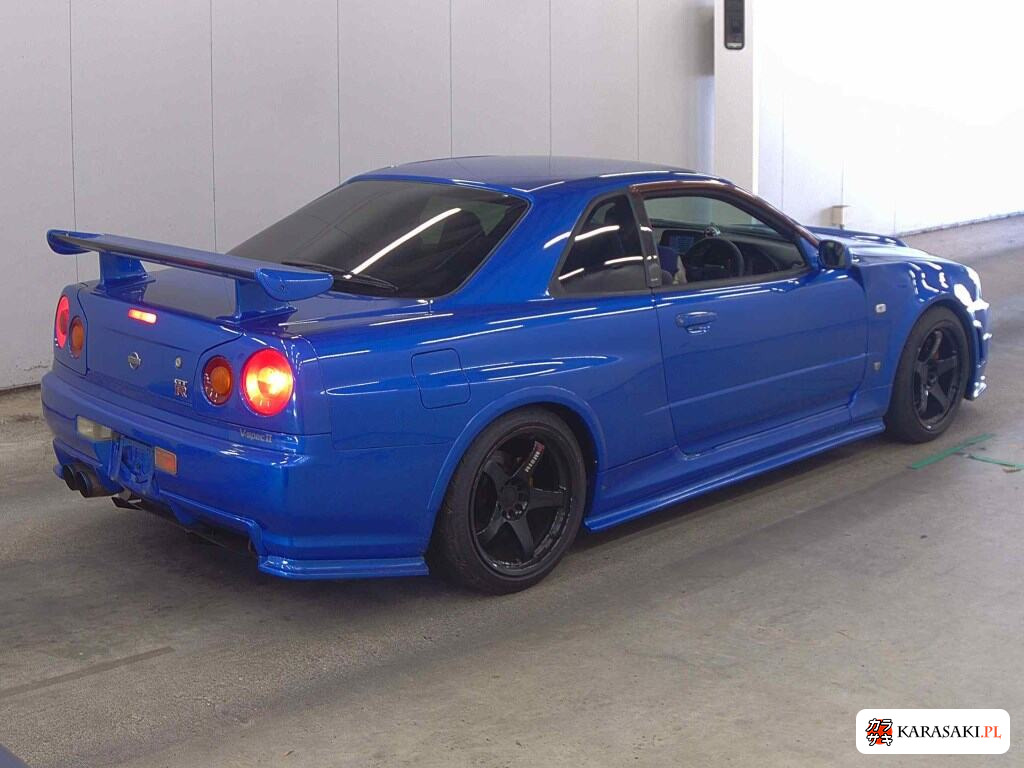
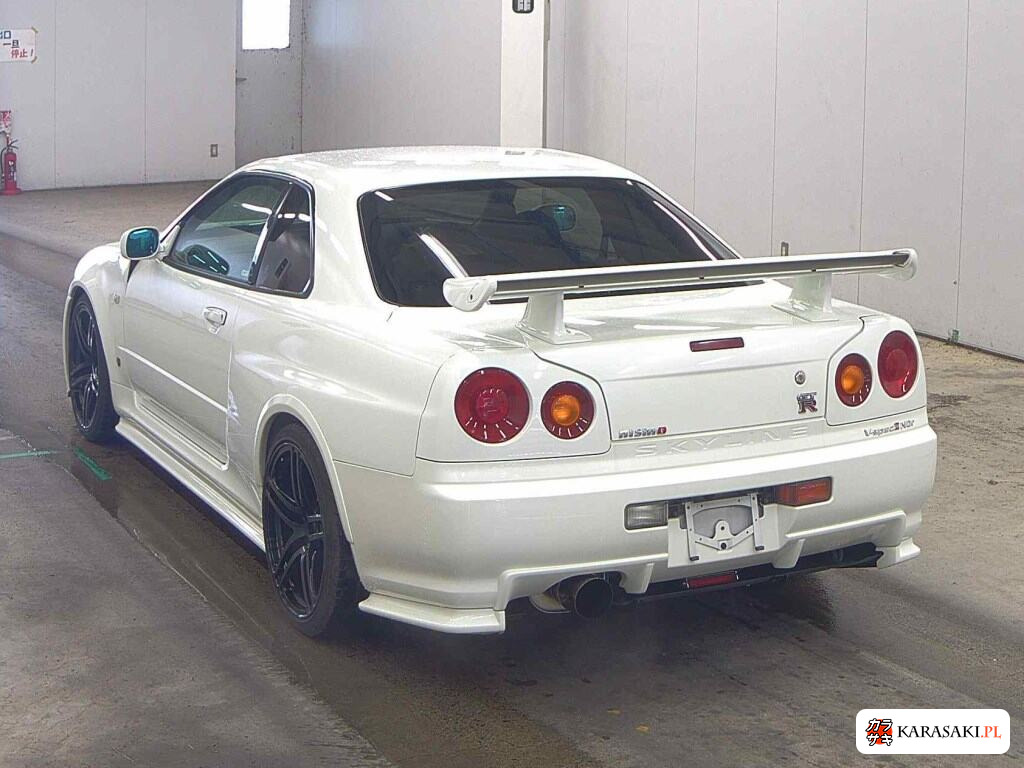
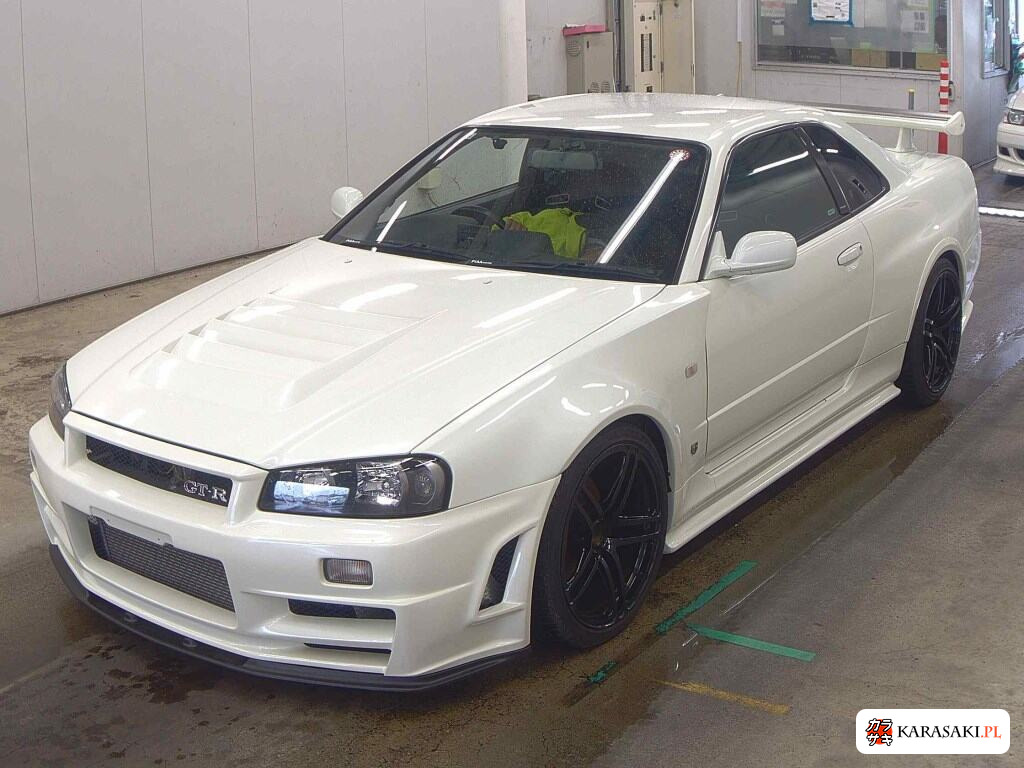
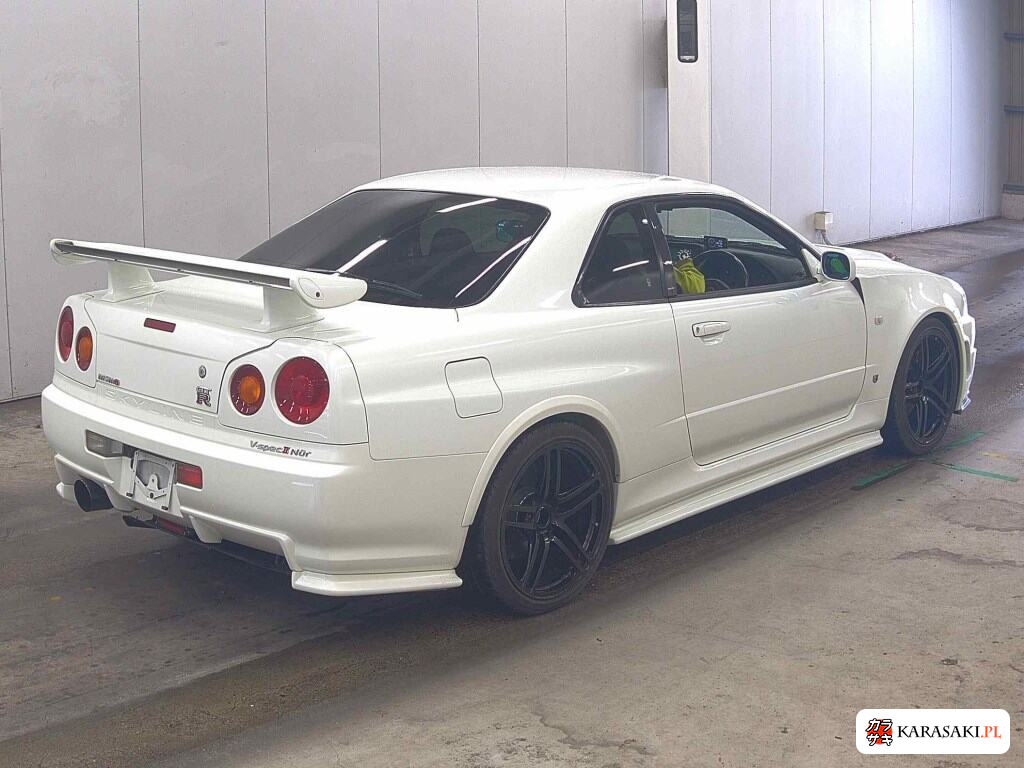
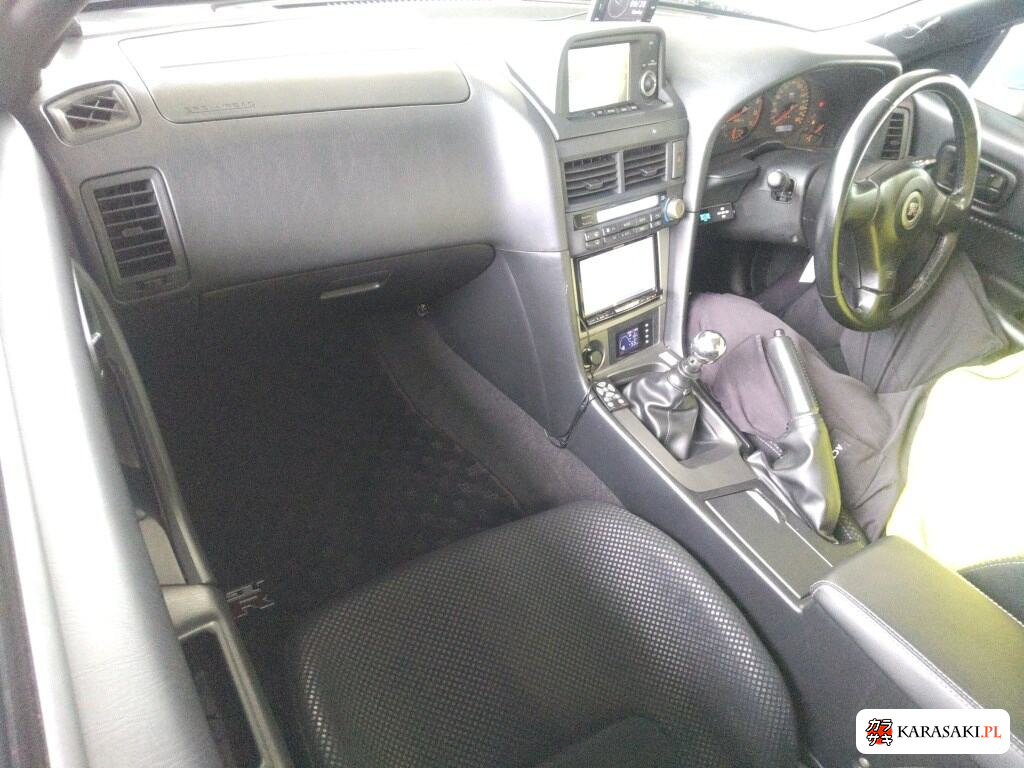
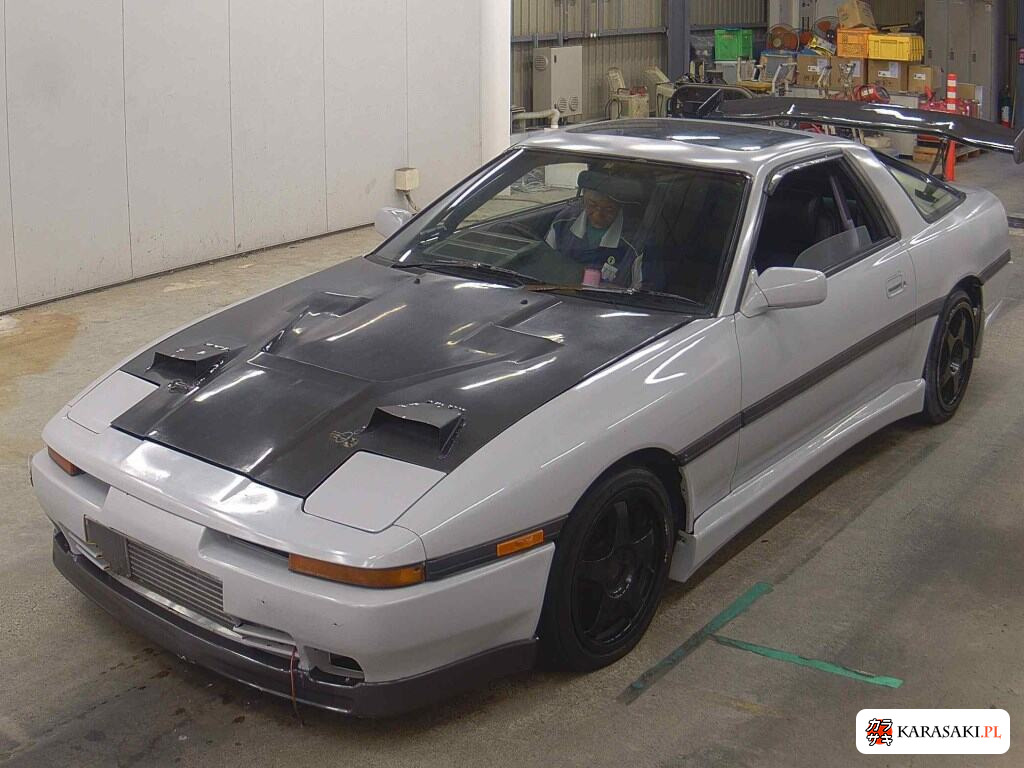
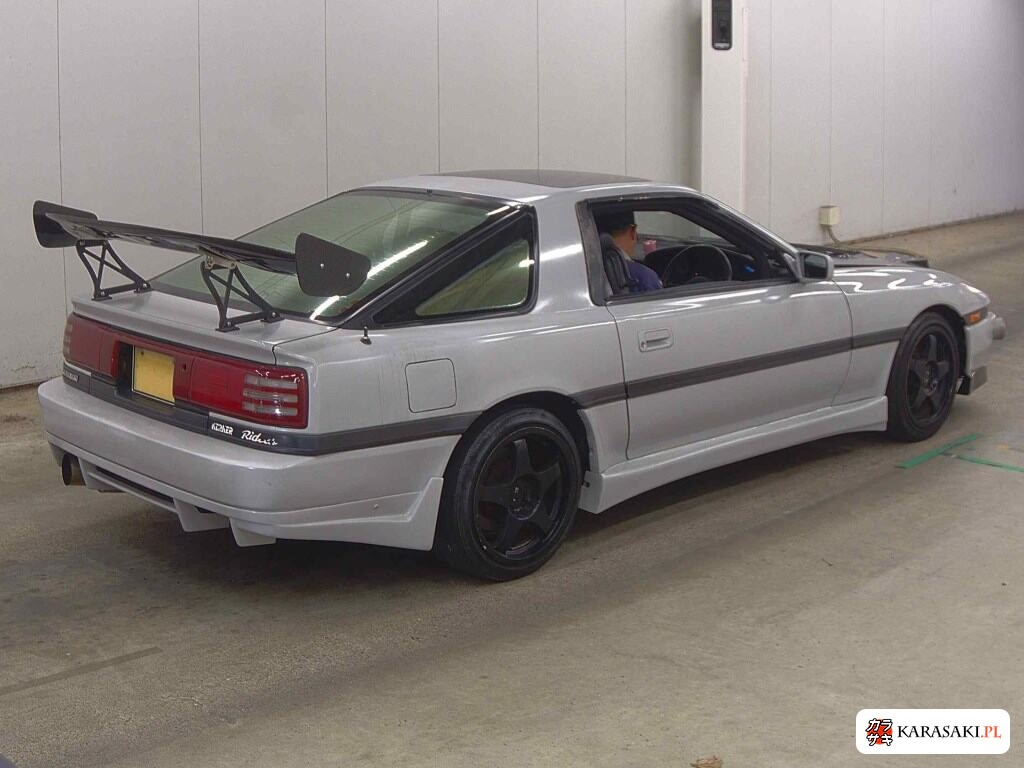
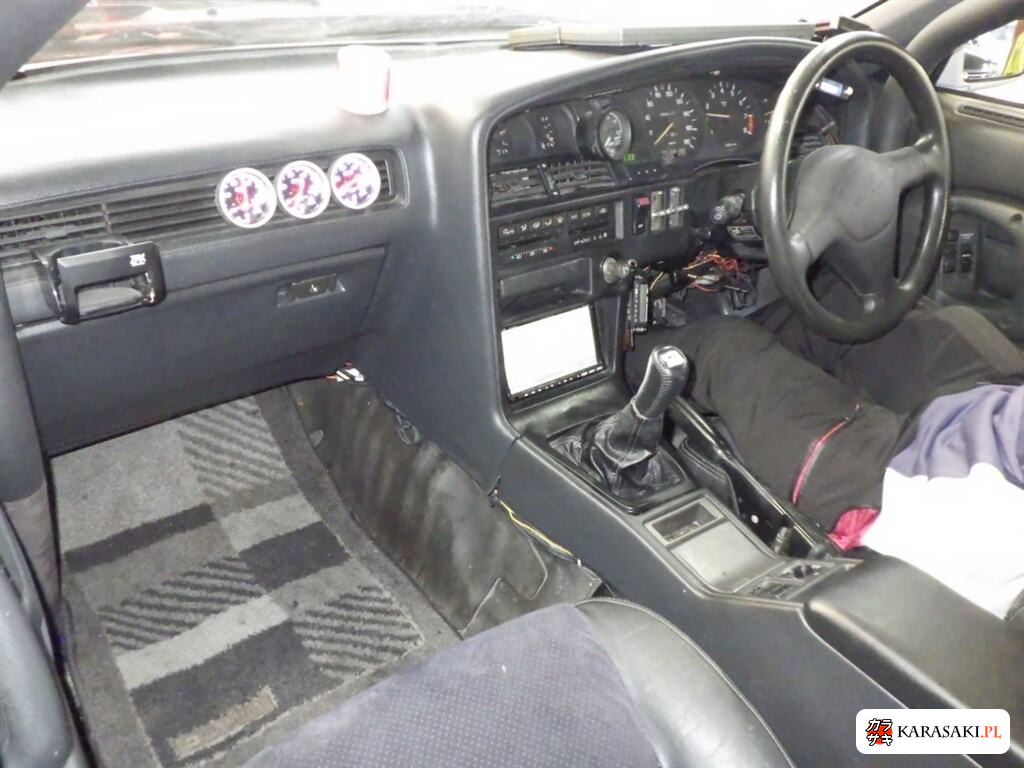
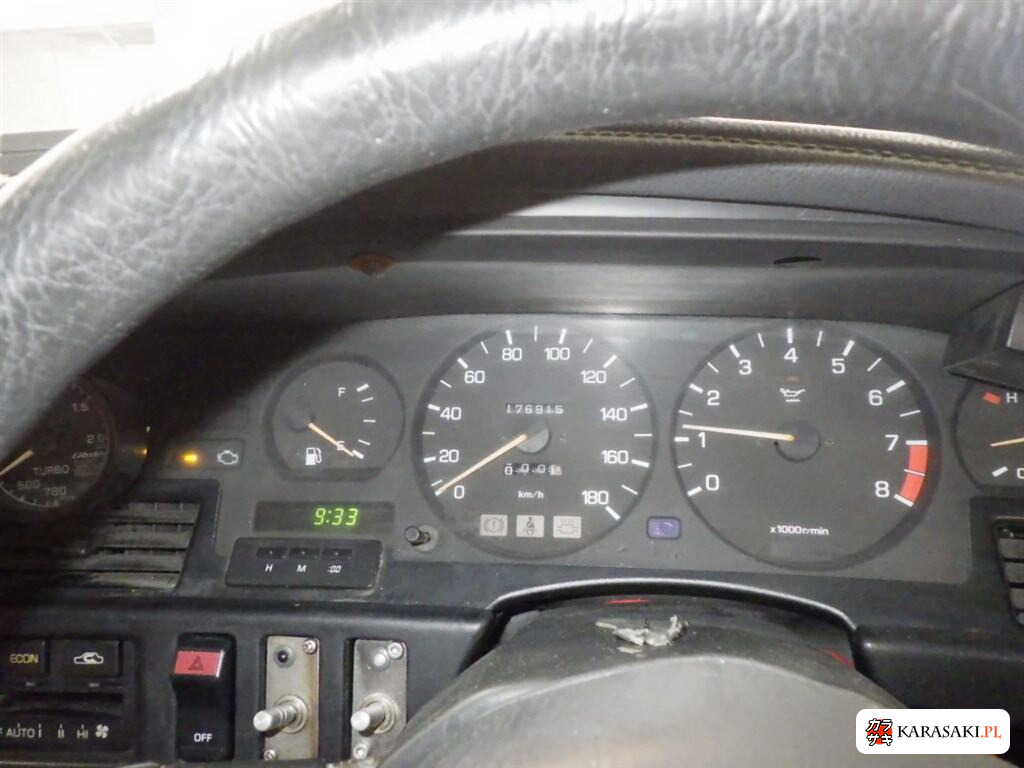
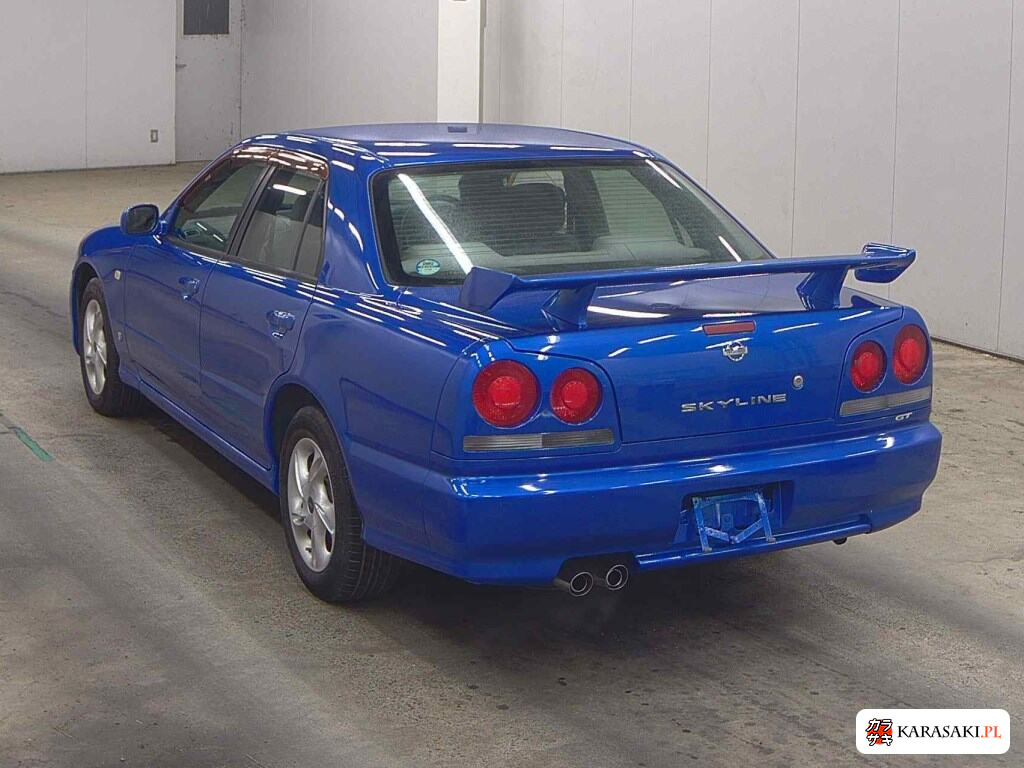
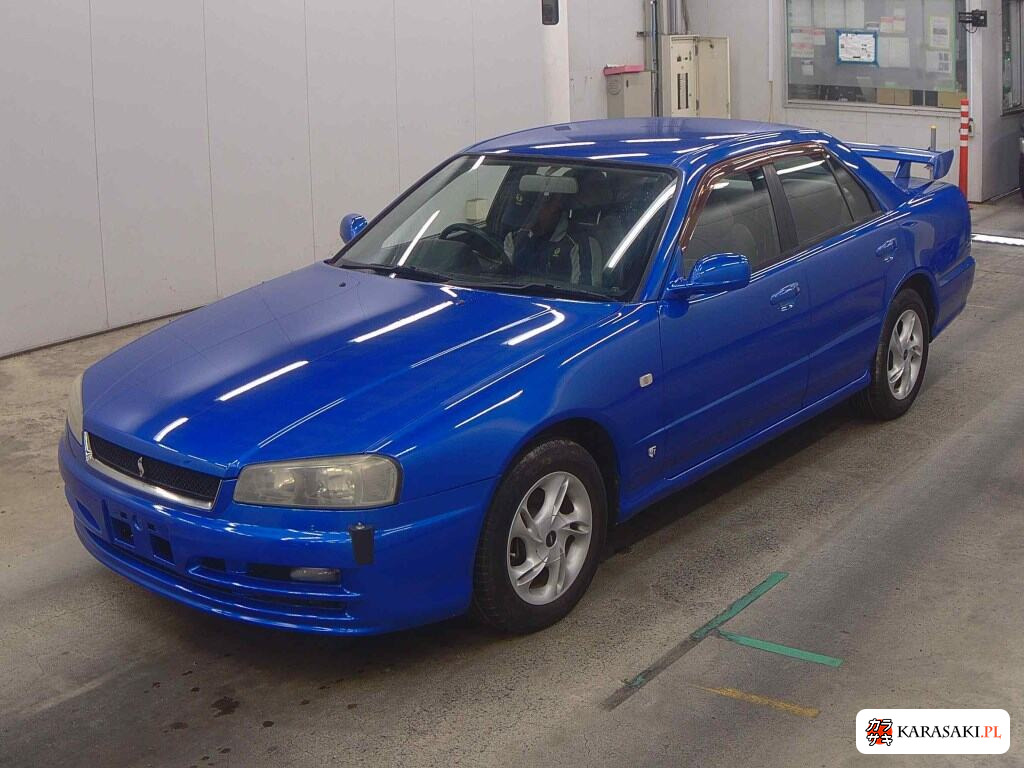
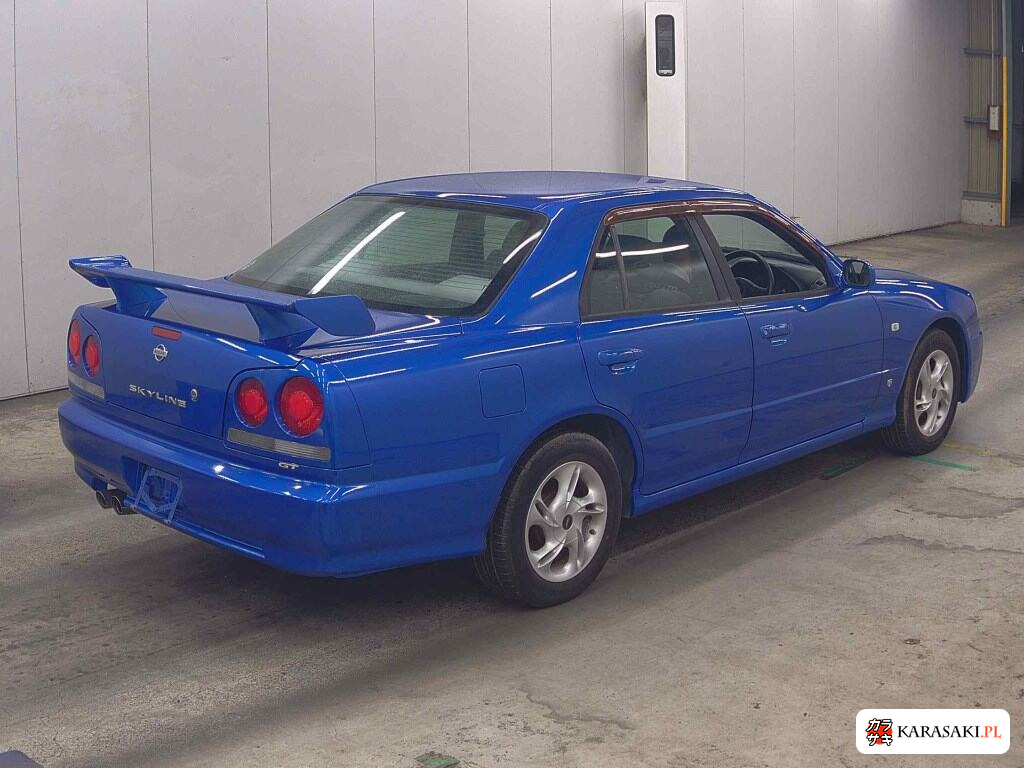
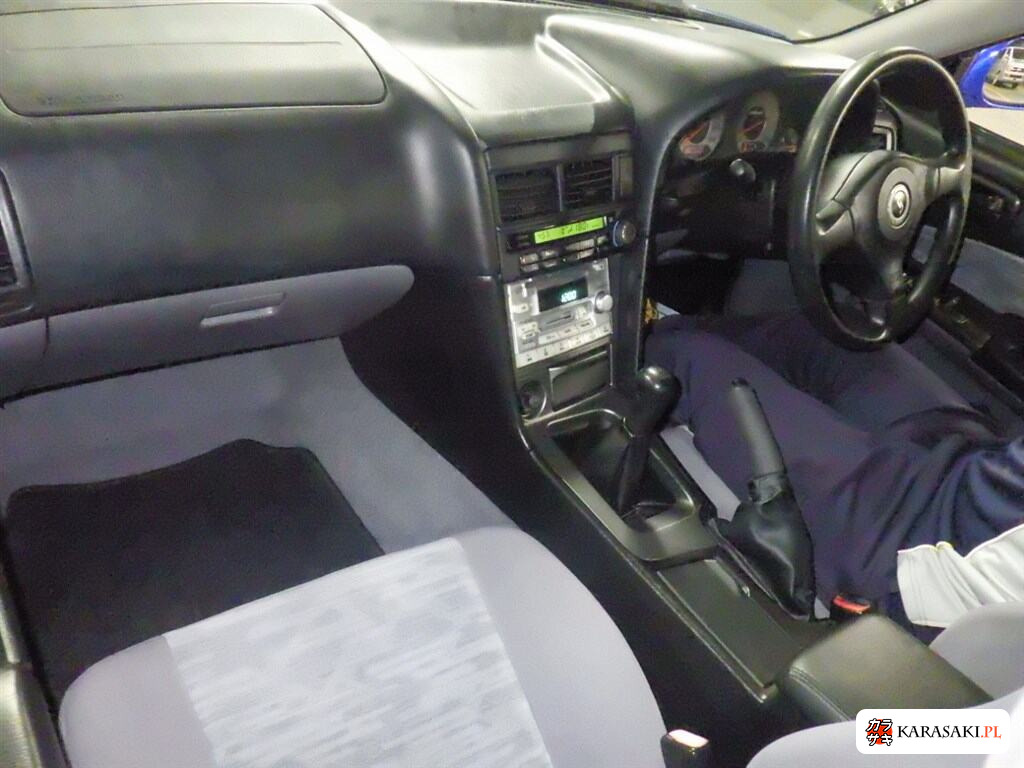
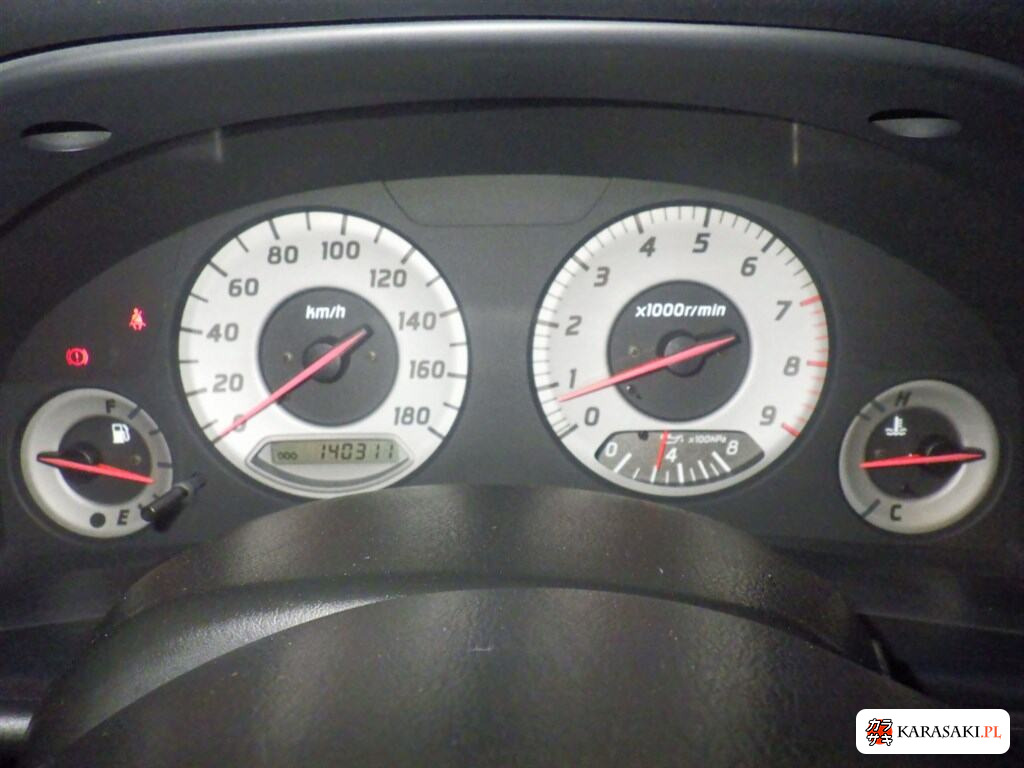
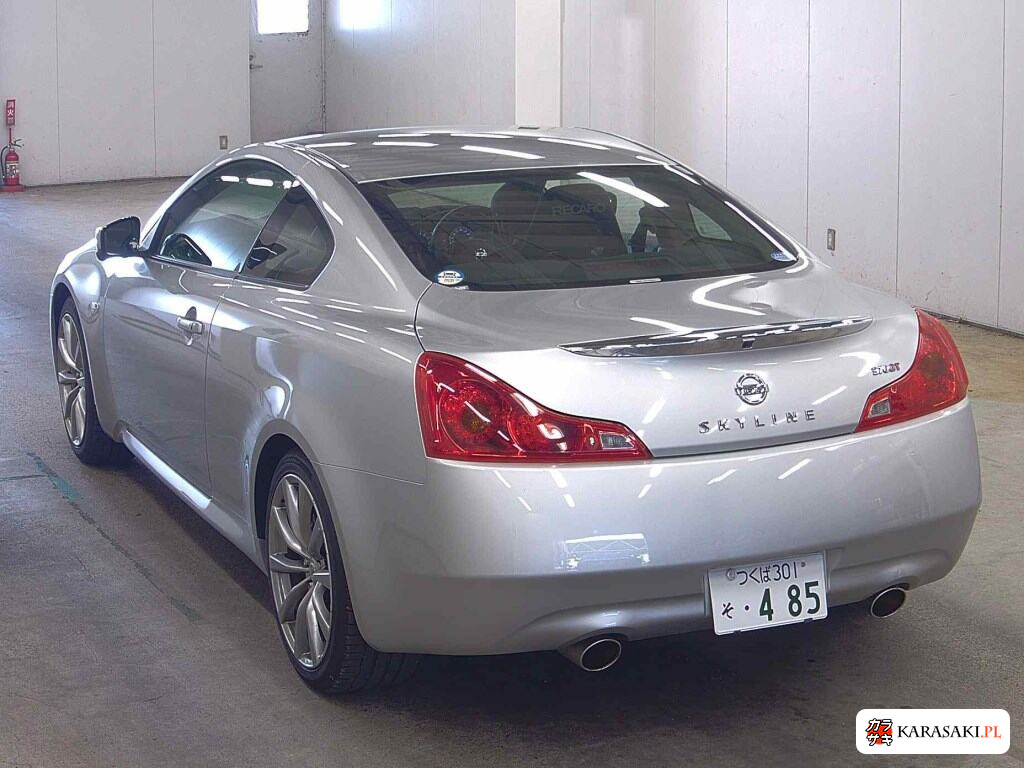
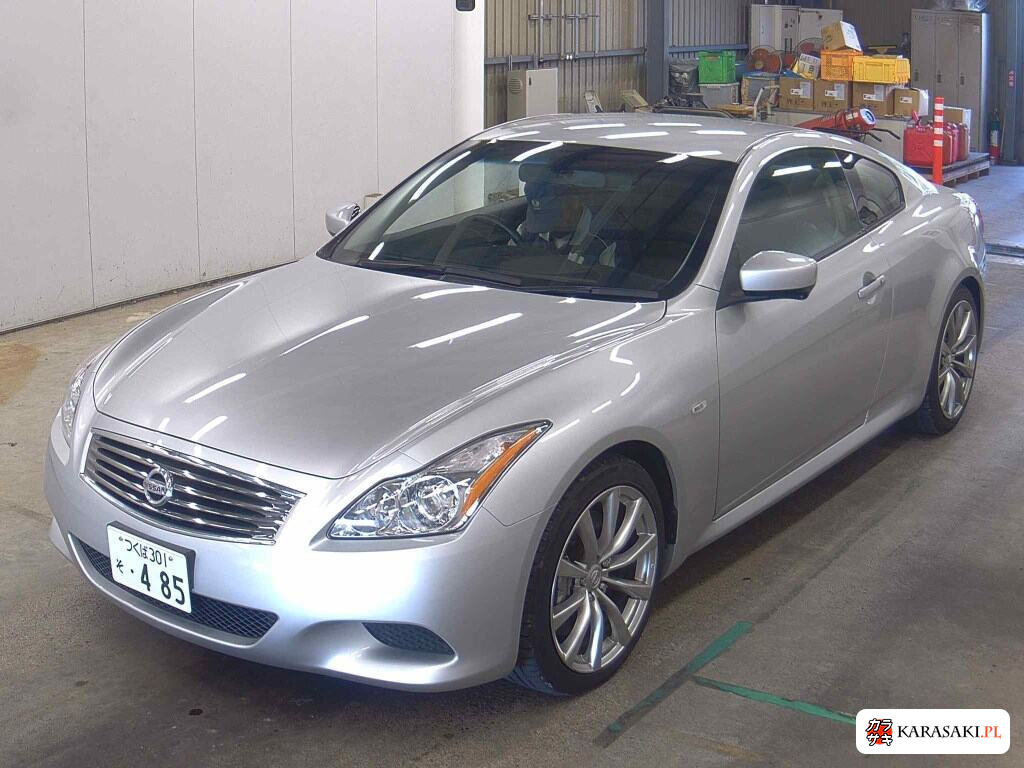
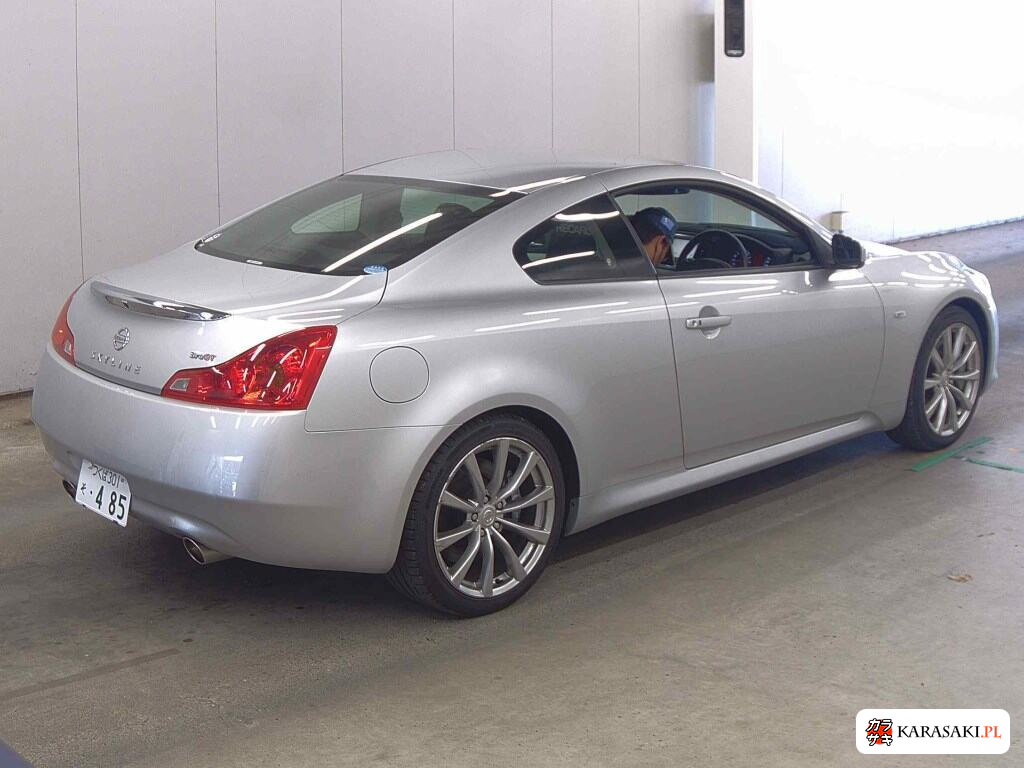
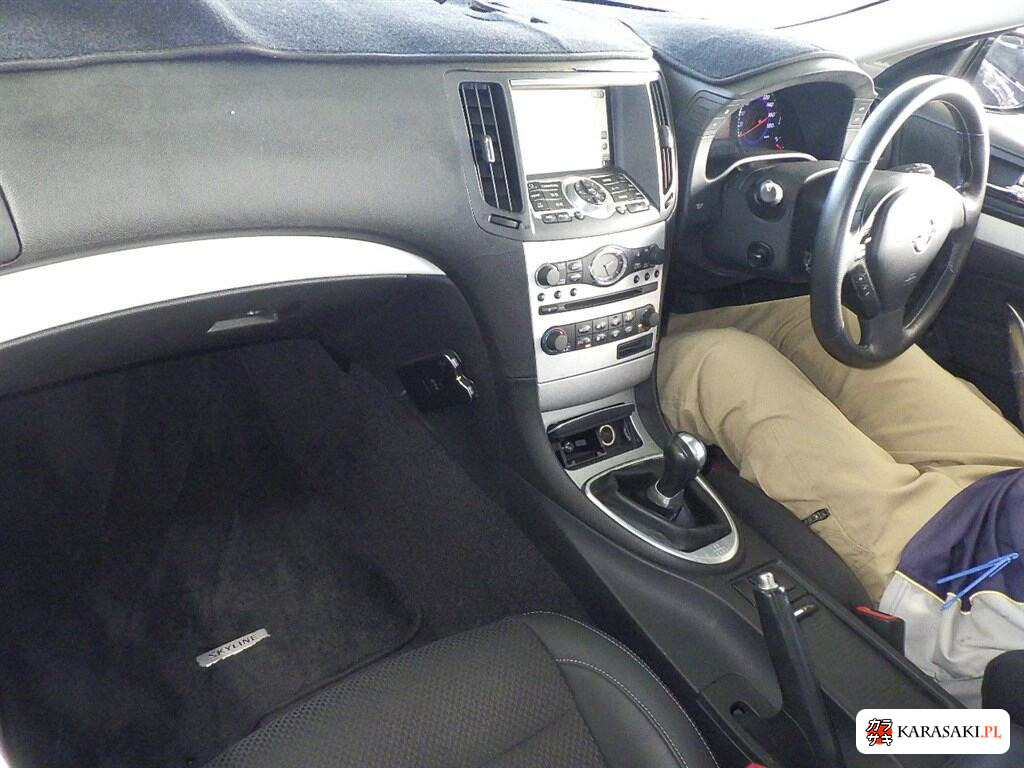
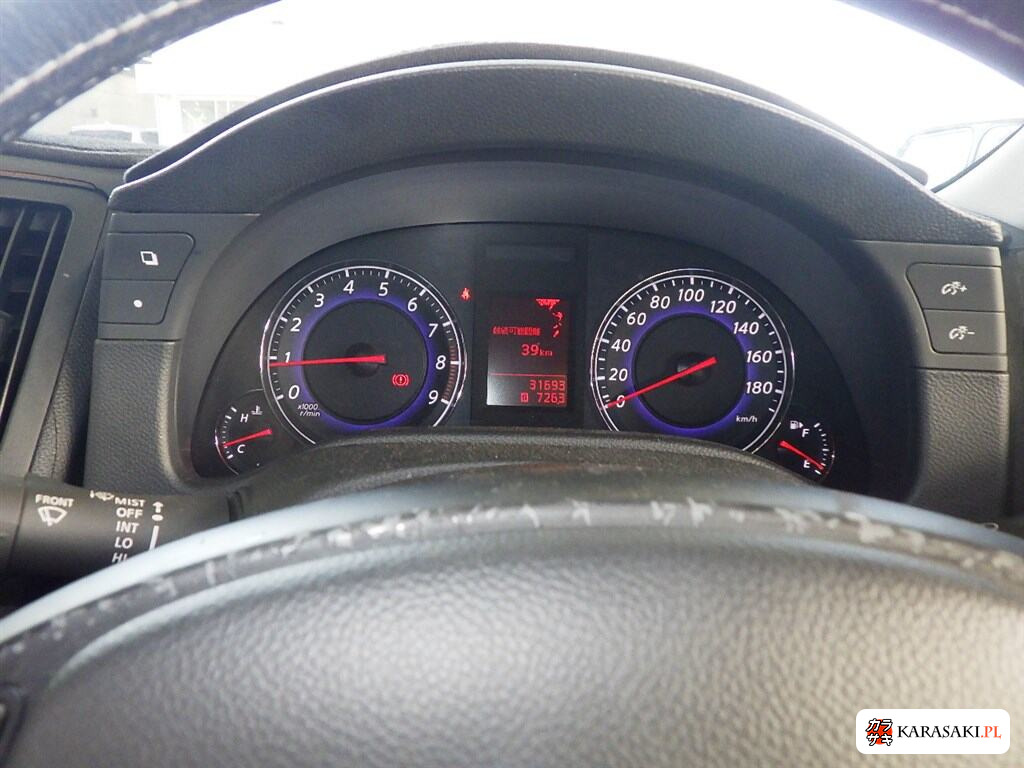
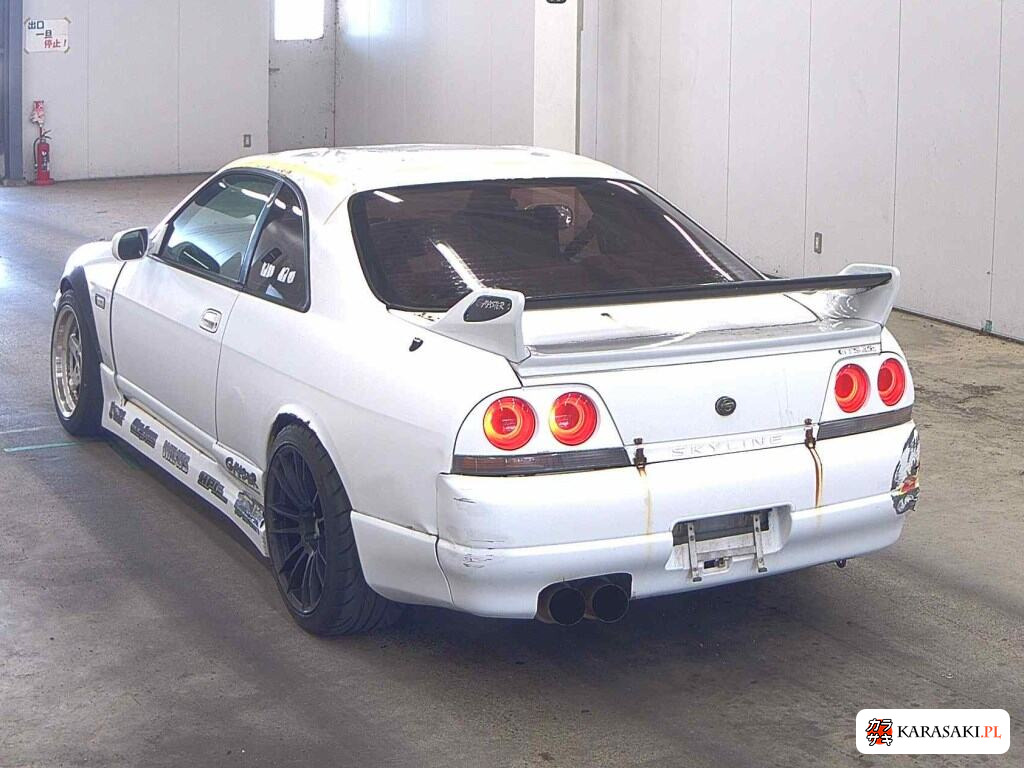
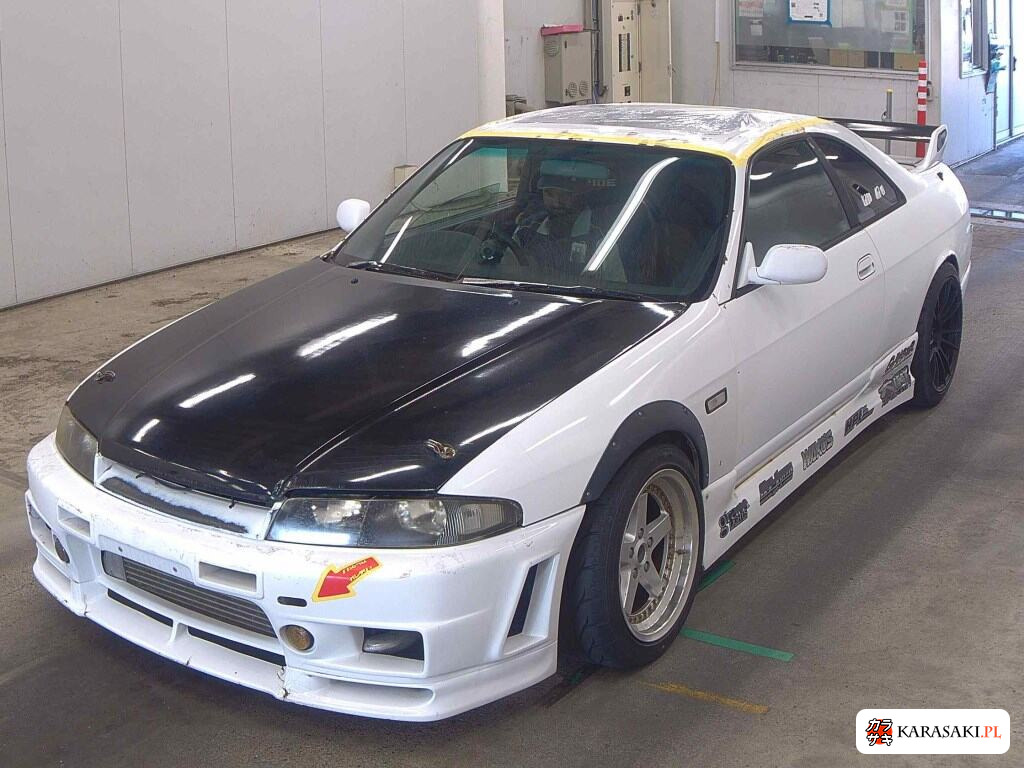
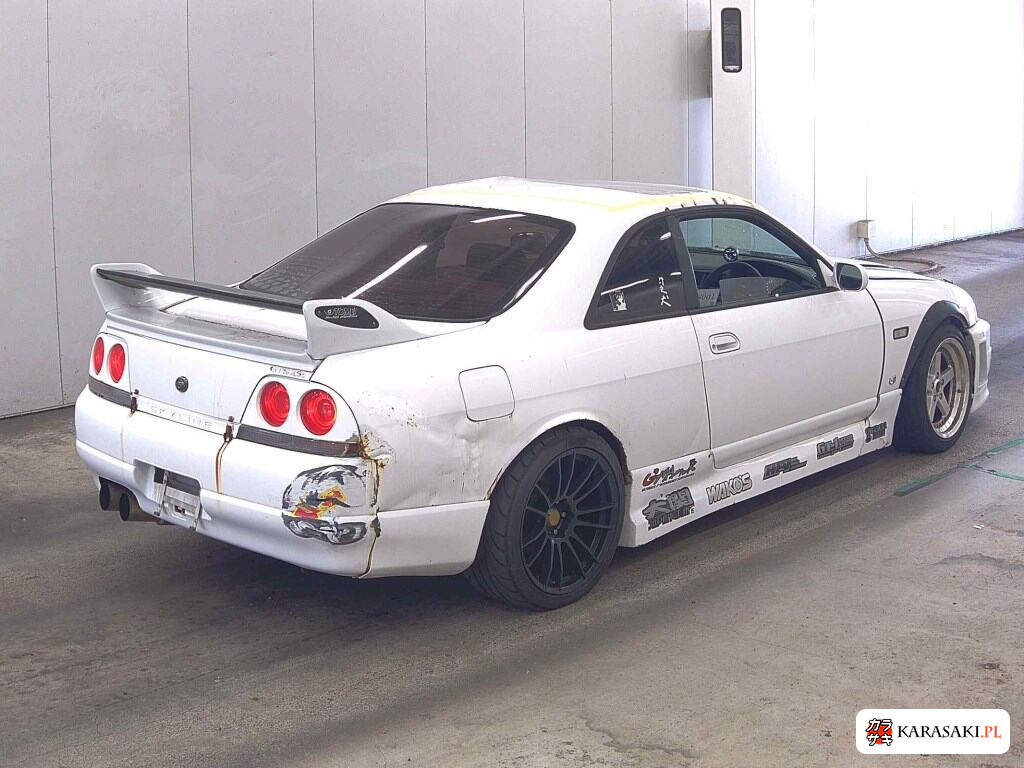
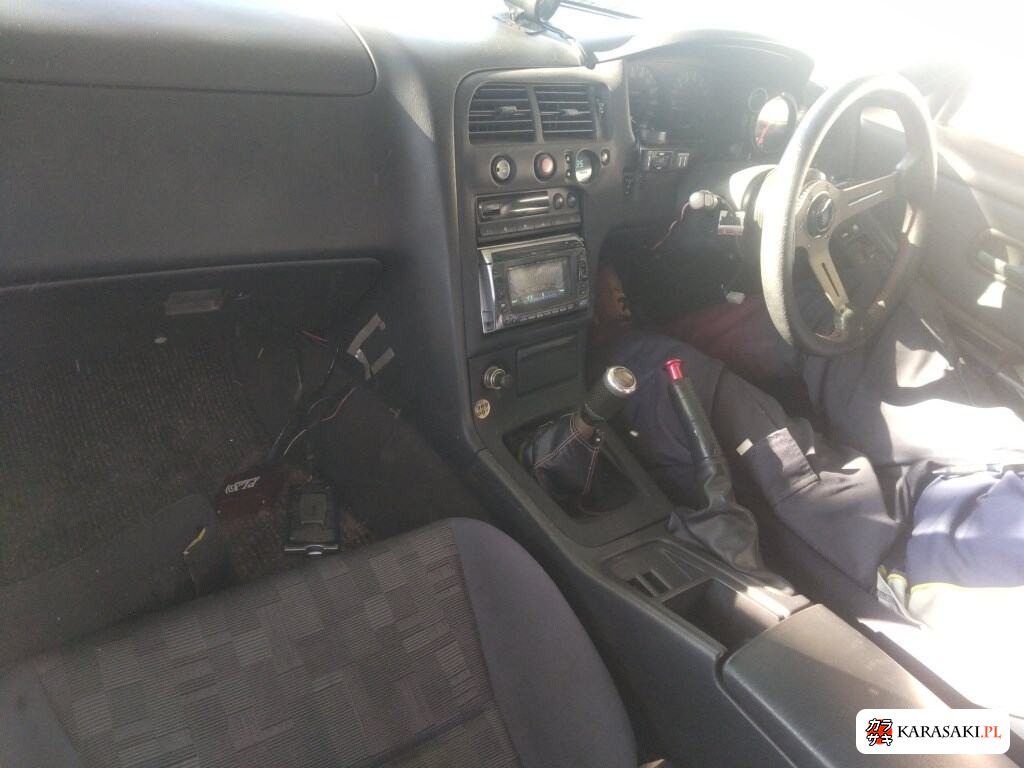
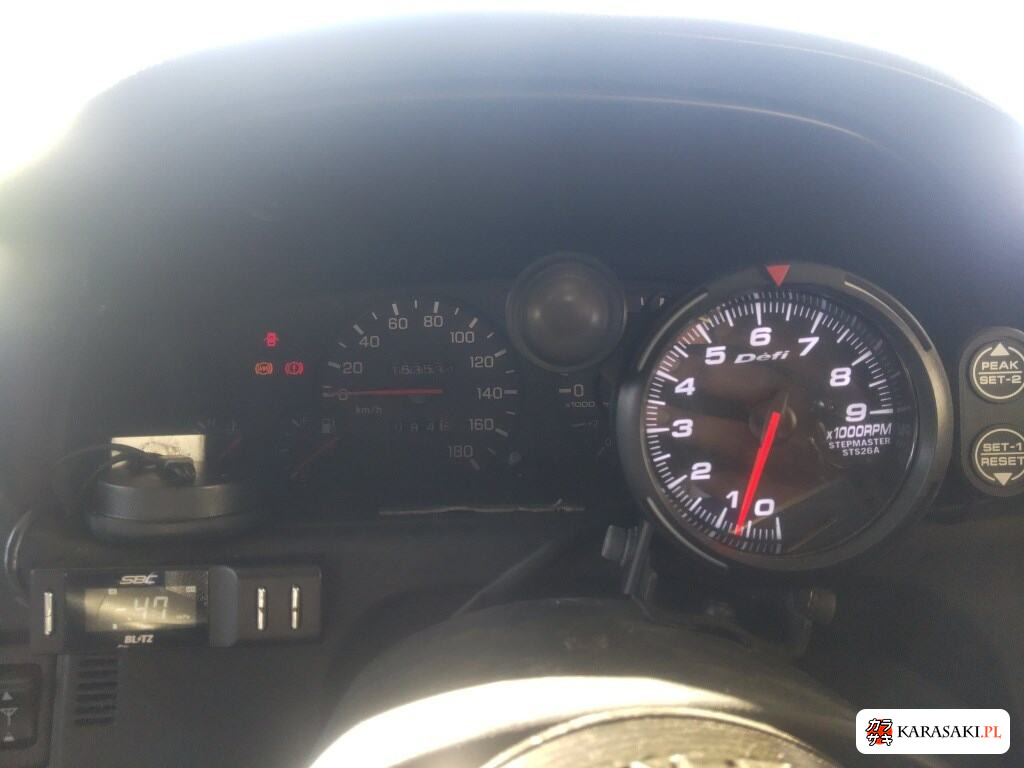
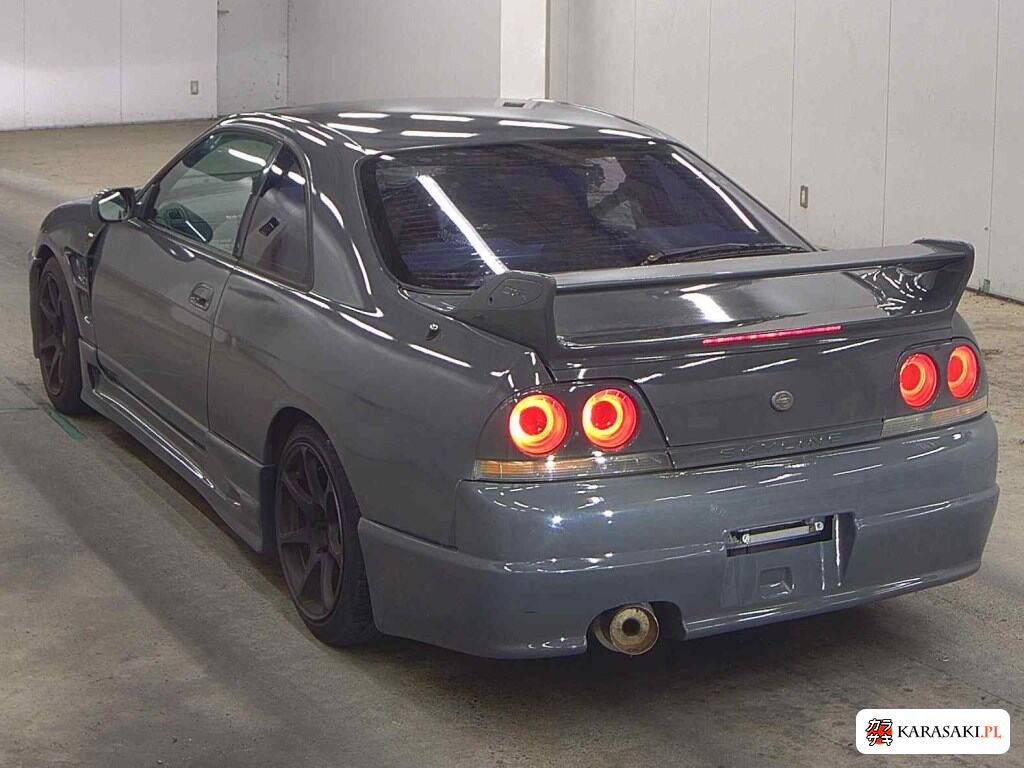
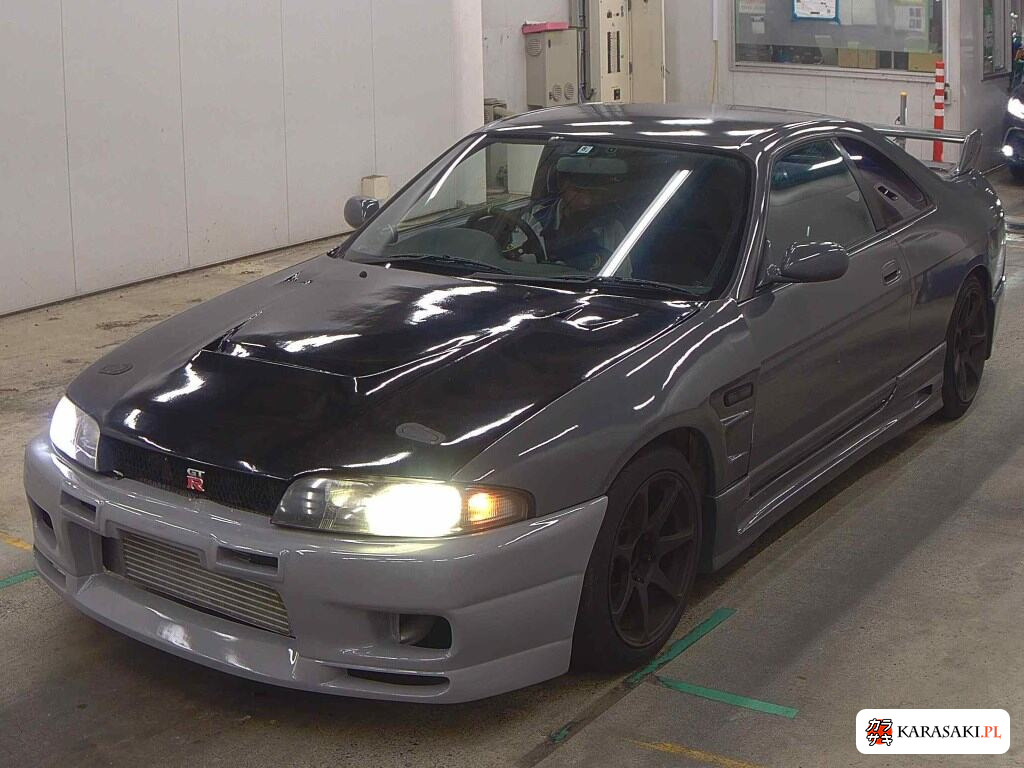
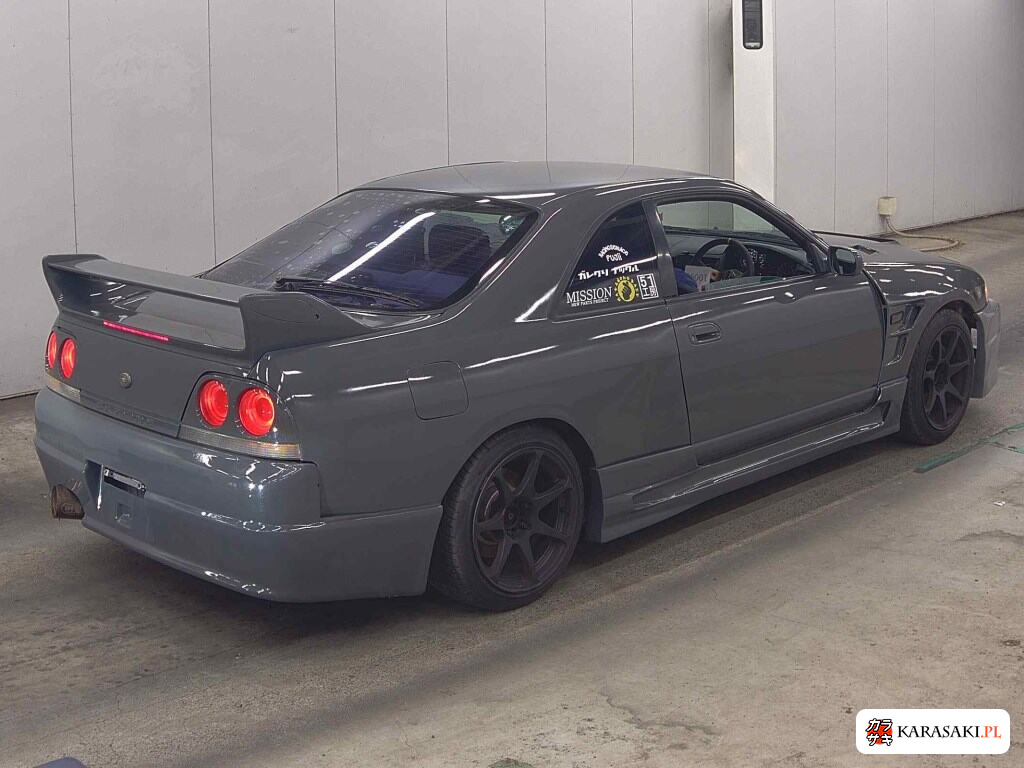
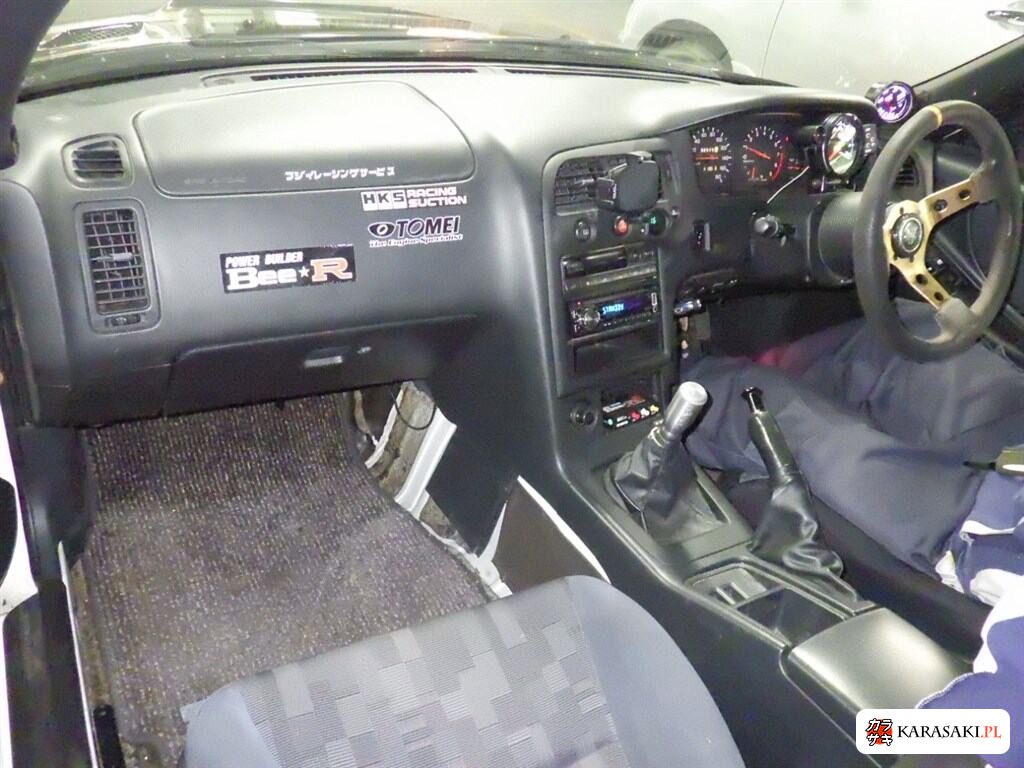
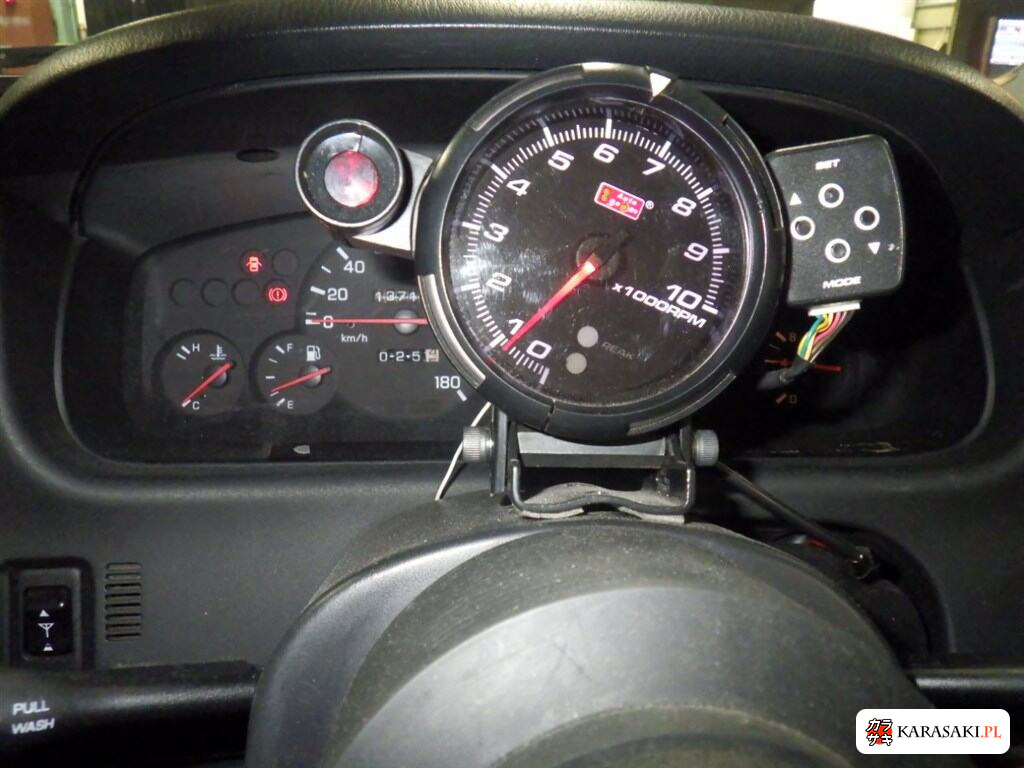
Auta z Japonii aktualnie na aukcji

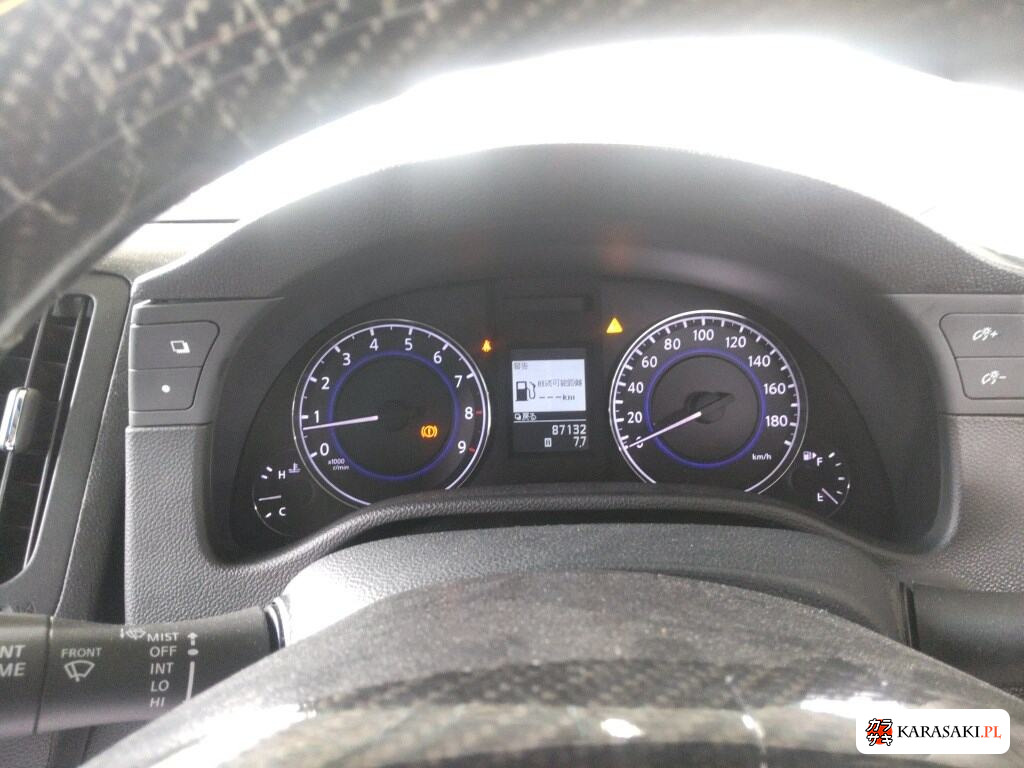
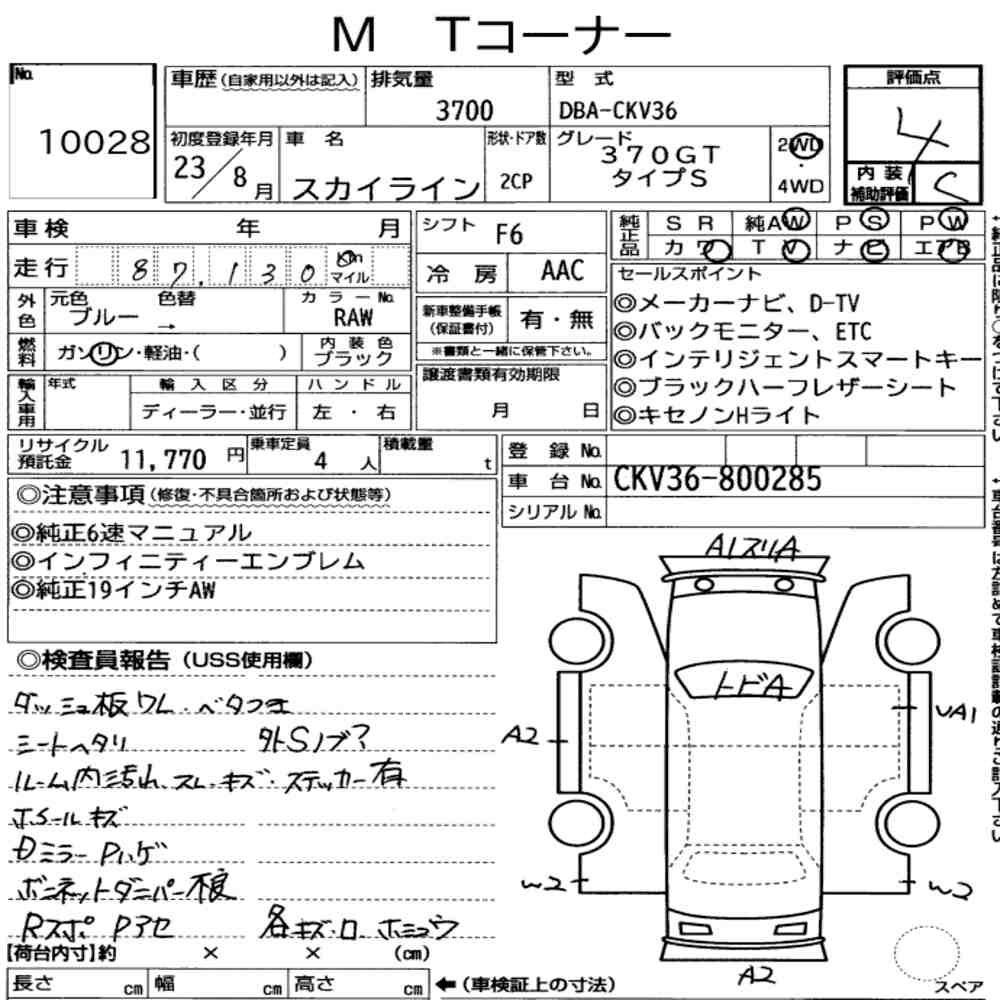

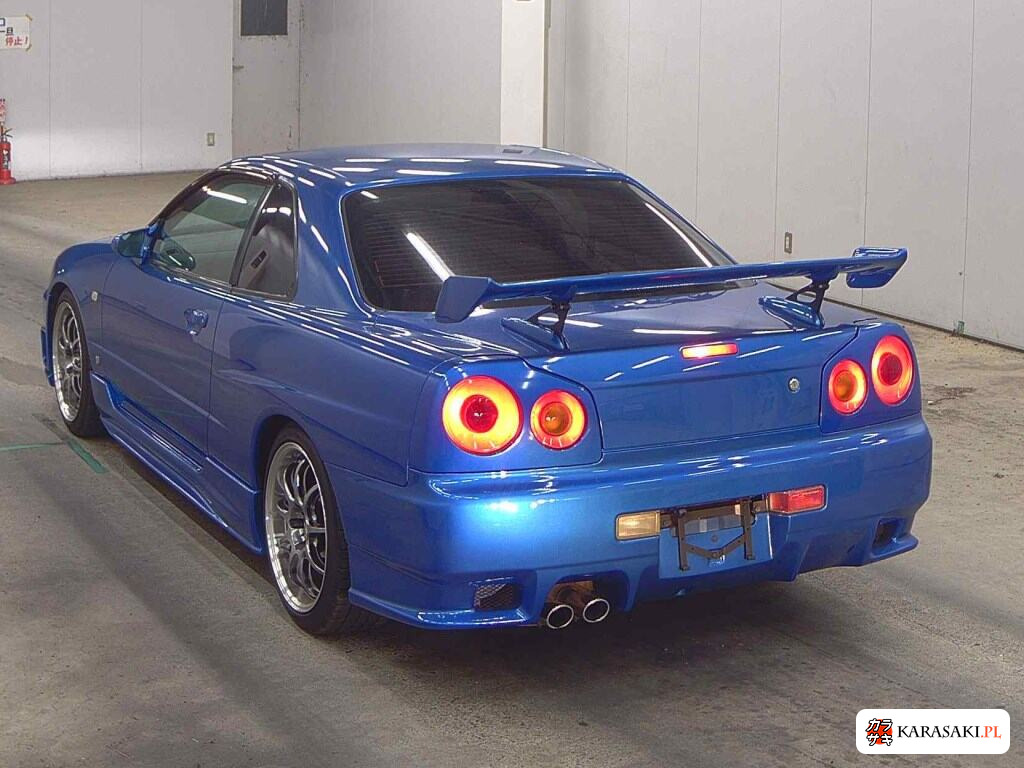
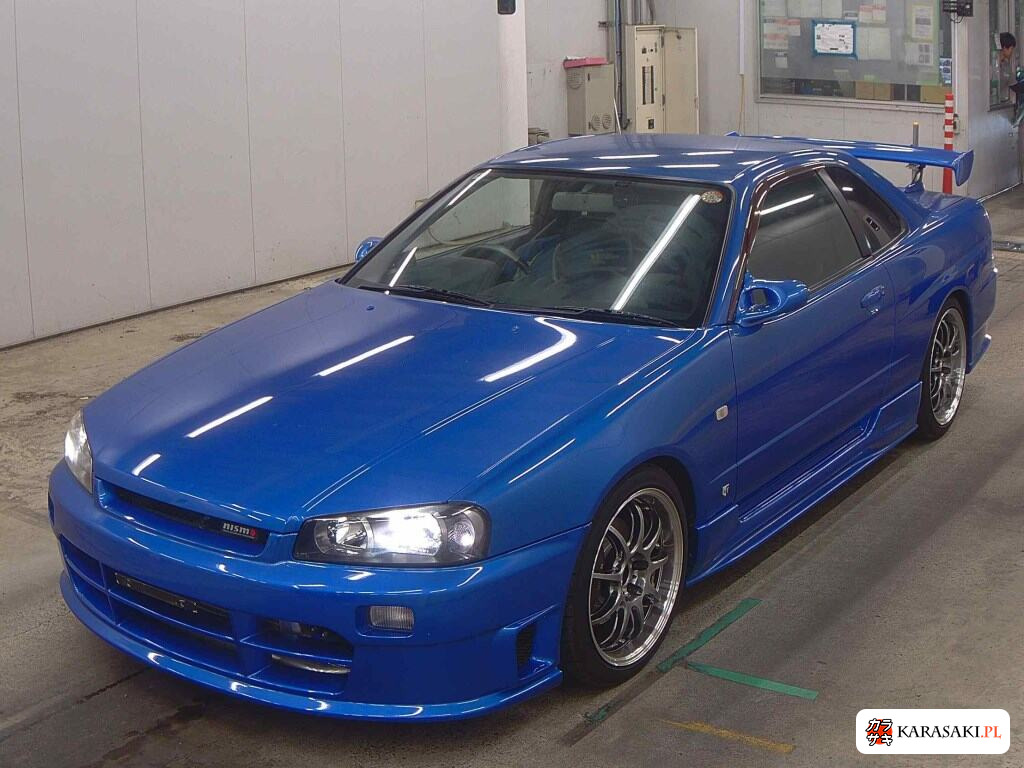

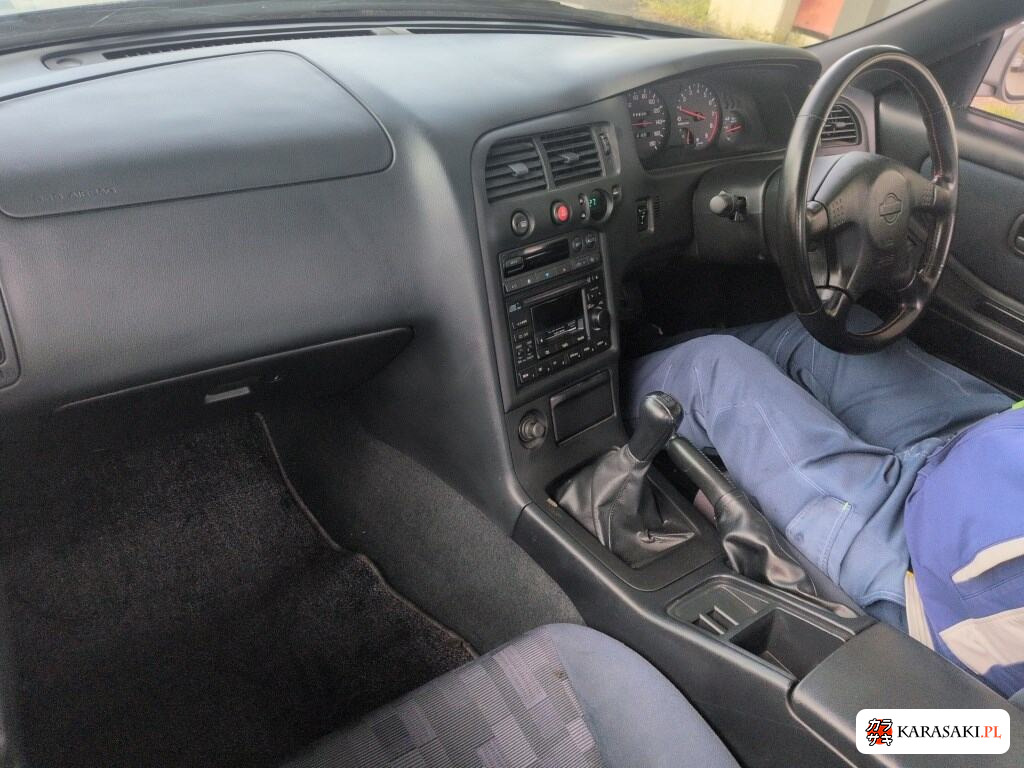
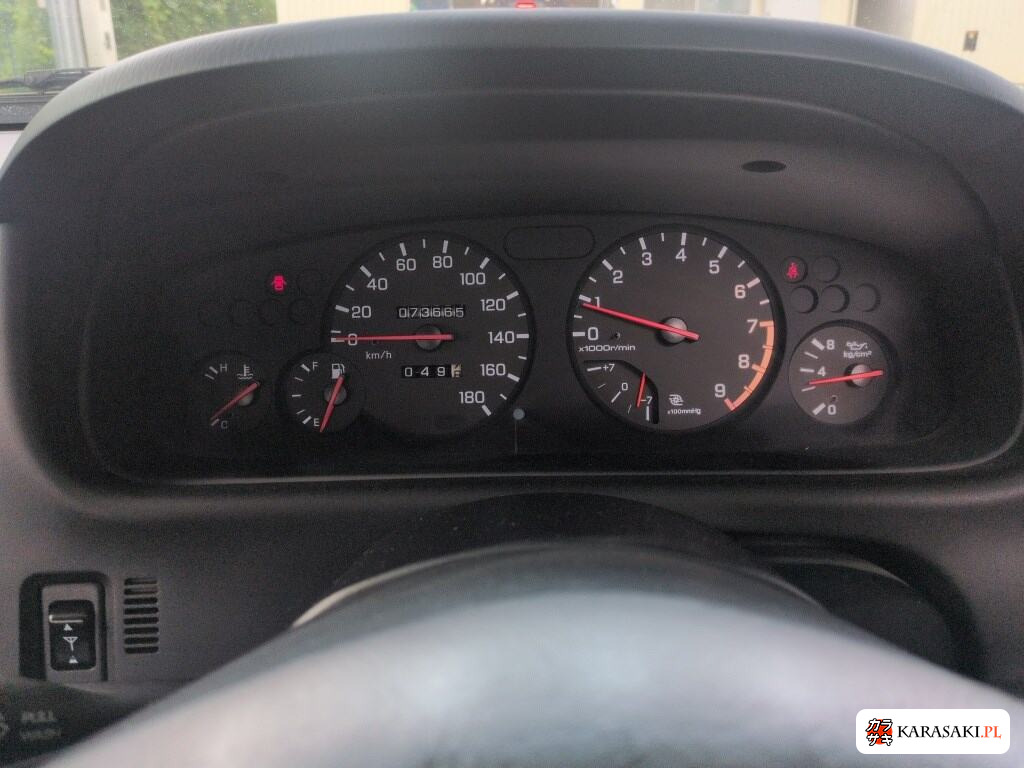
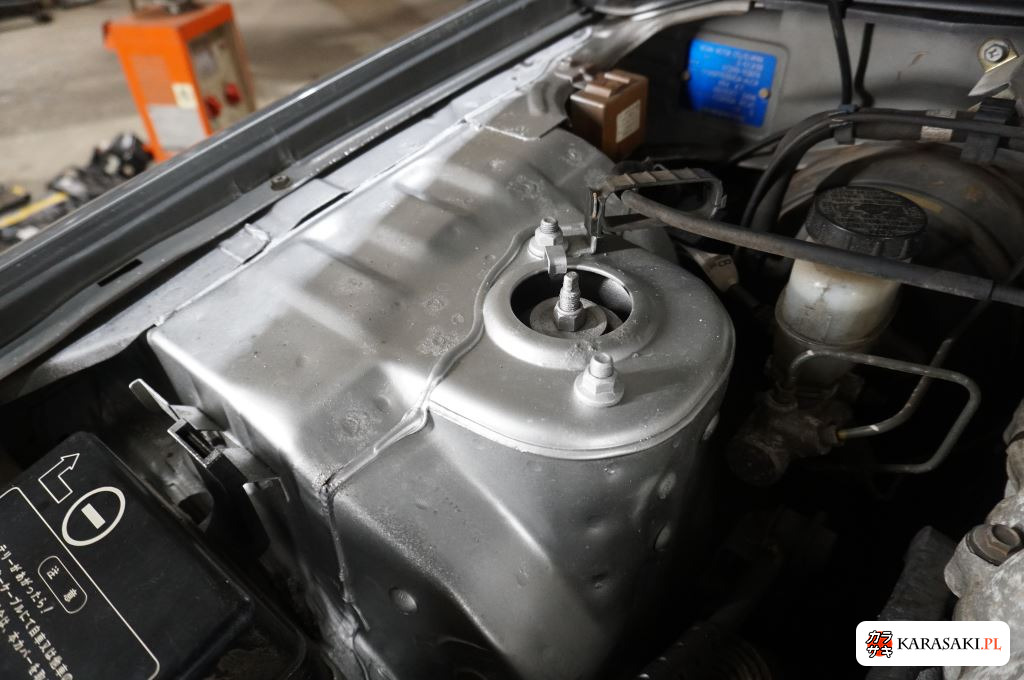



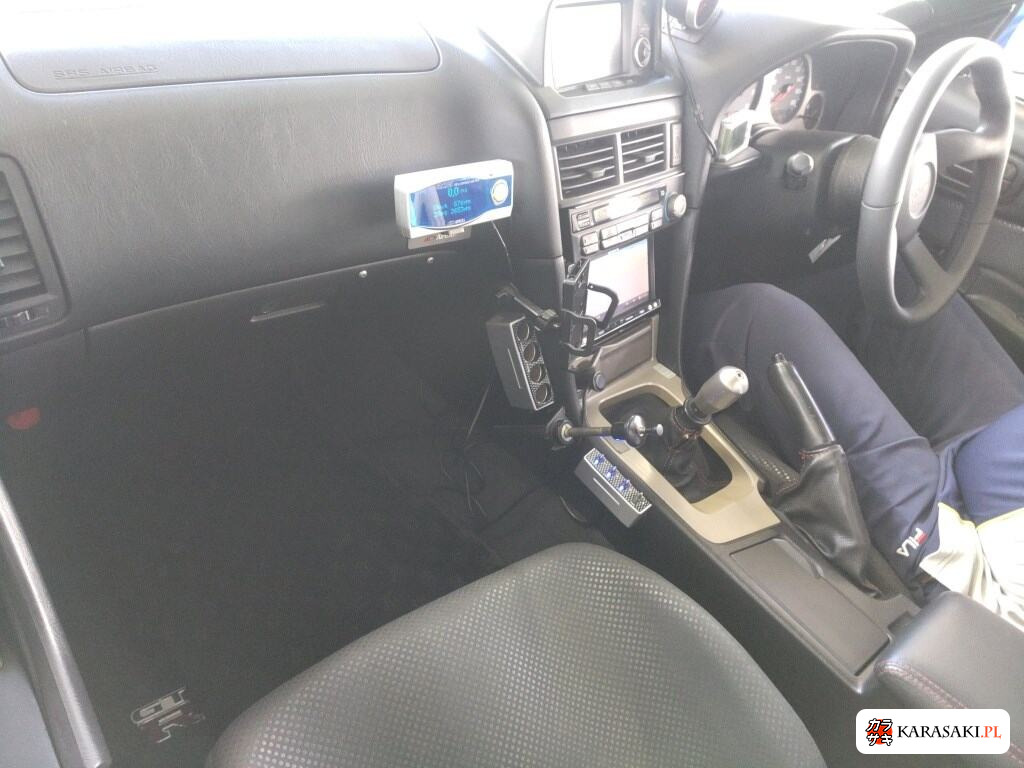
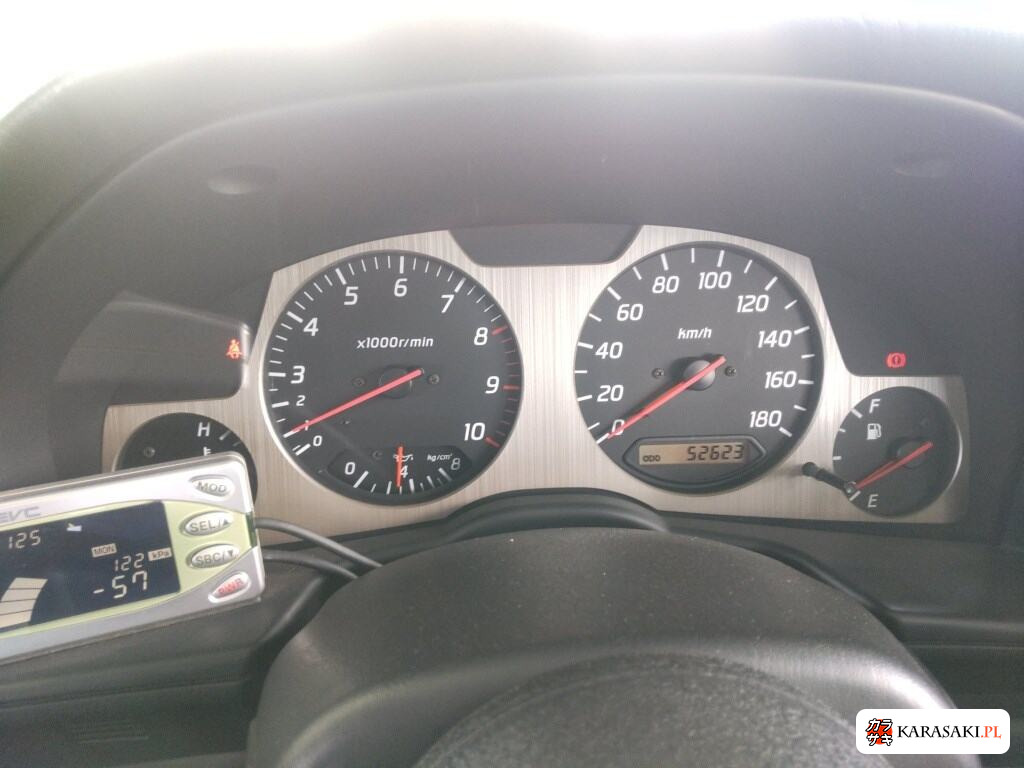

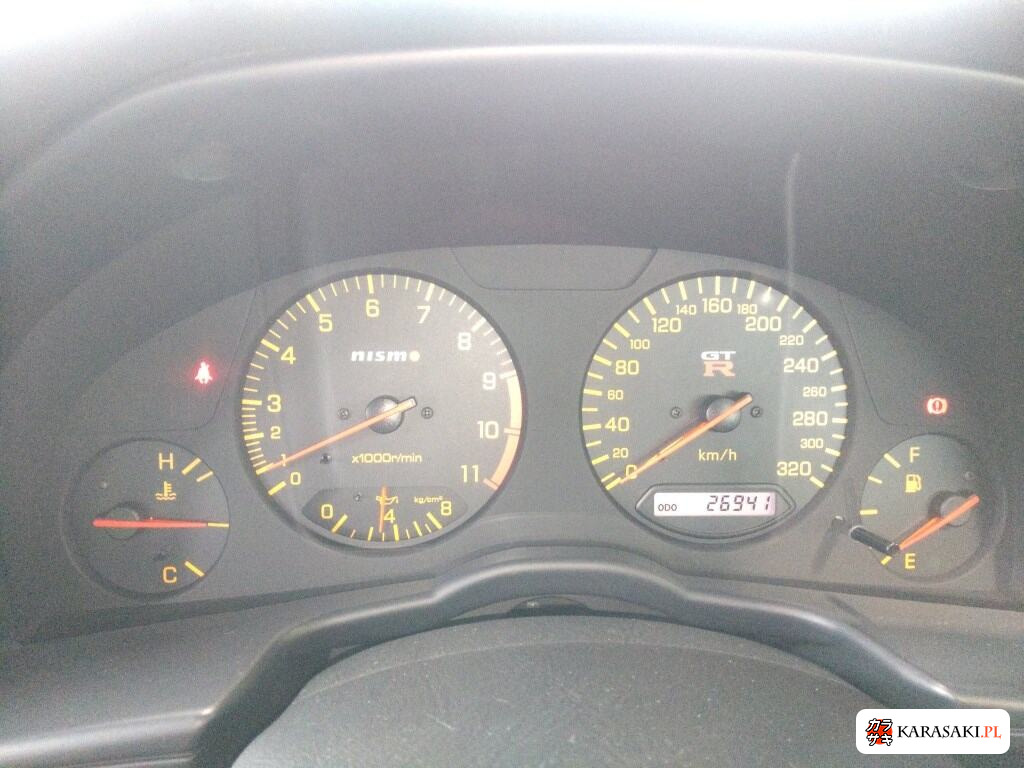
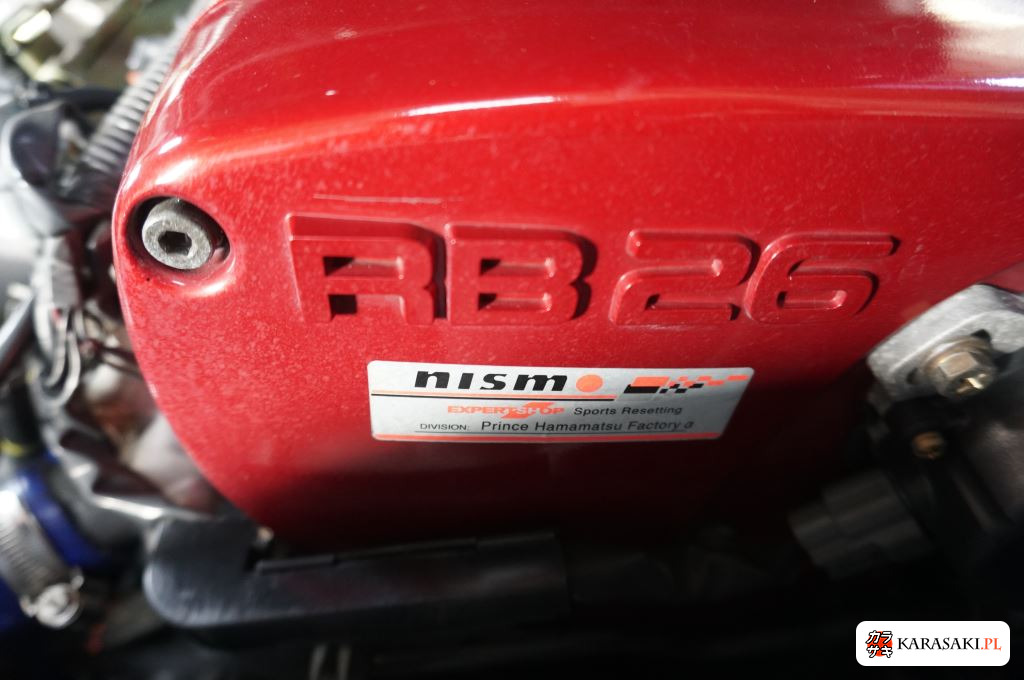
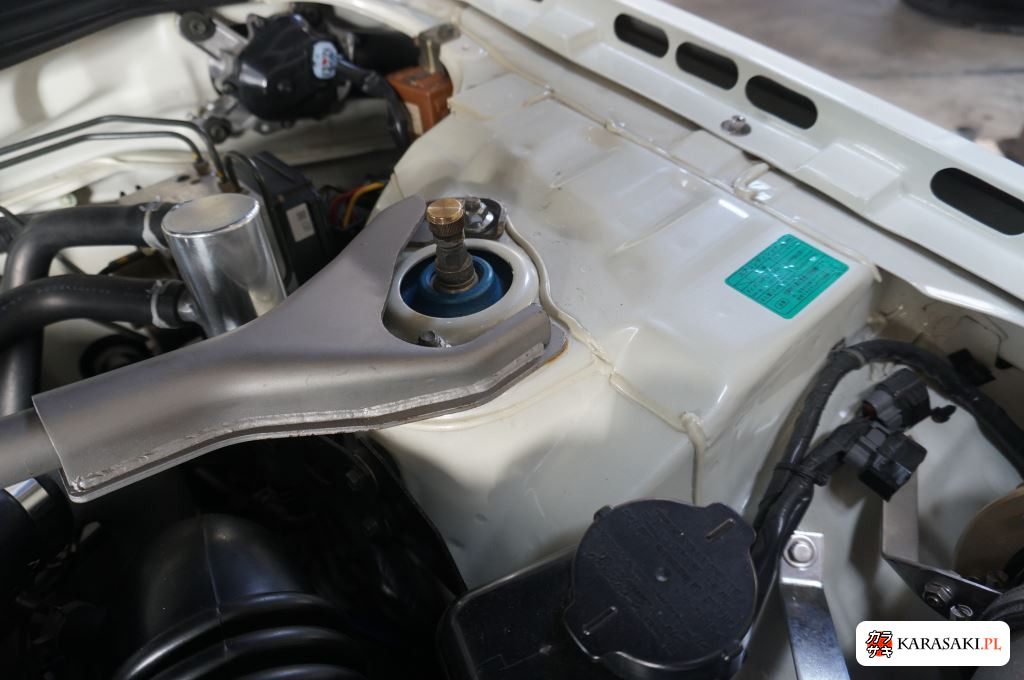
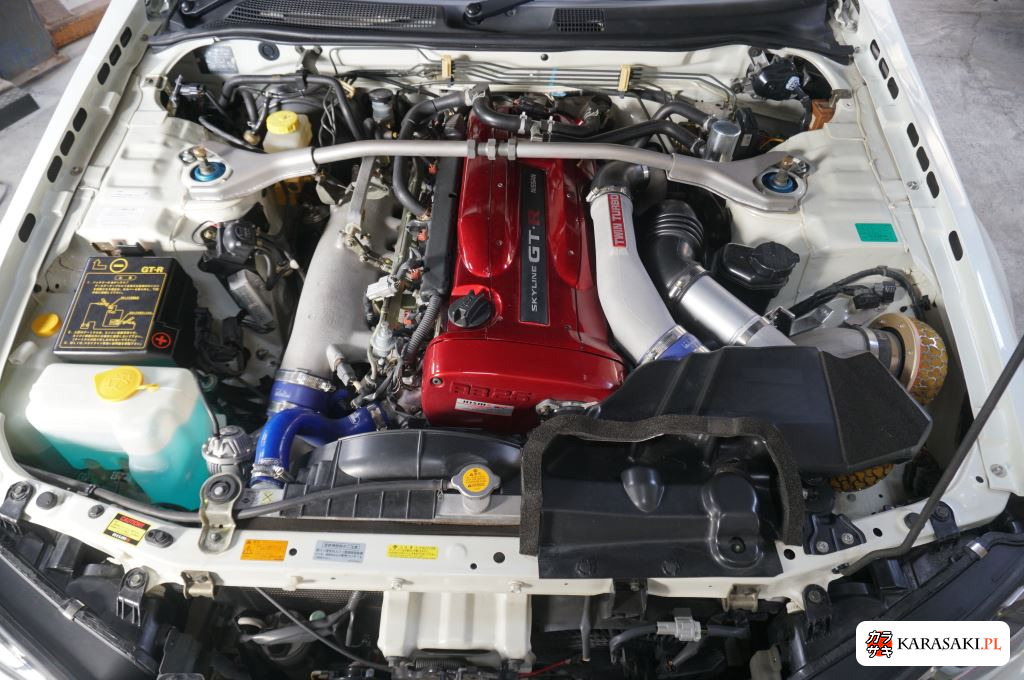





Shipping and logistics — Japan → Poland
After a winning bid, shipping is arranged. The two main options are container (better protection) and RoRo (more economical — the car drives on board). Ocean transit typically runs 4–6 weeks, with cost depending on route and add-ons.
The choice is a trade-off: a container better protects the paint and interior, which matters for collector cars, while RoRo is cheaper. On pricier cars the difference in shipping cost is quickly offset by peace of mind about the car's condition after weeks at sea.
Transport insurance is critical — at Karasaki cover starts the moment the car sits in our secure yard in Japan and runs through ocean freight and customs clearance.
Customs and Polish registration
You'll need a bill of sale, invoice, certificate of origin and customs paperwork. Polish-side fees: 10% duty on the customs value, 23% VAT, and excise (3.1% for engines up to 2.0 L, 18.6% above, and 1.55% for hybrids). Excise is charged on the customs value plus duty. You'll find a full worked example in our guide to how much importing a car from Japan costs. Registration requires an SKP roadworthiness test. A used car from outside the EU does not go through individual homologation, because Polish law provides no such route for it, and the 25-year classic threshold is a US rule that does not operate in Poland.
What you risk, and what you don't
The biggest worry about importing is a fair one: you buy a car you can't see in person. That's exactly the part we take on ourselves. Before we bid, we read the independent auction sheet from the Japanese auction house and reject cars with a repair history, corrosion or a wound-back odometer before you ever see them.
You get a full set of photos, video and a translation of the sheet, so you can make your decision on the same data the Japanese dealers work from. You still don't view the car before bidding, but you're not buying blind. We read hundreds of sheets a week and know which symbols spell trouble.
What buying with us looks like
Only a Japanese dealer can register at a Japanese auction, so an import always goes through an intermediary. The difference is who carries the risk, and when. With us you pay the commission only after the car is delivered to your door, not upfront. That order works in your favour: until the car is with you, you carry no cost for our work.
The deposit before bidding is 10% of the starting price (min PLN 8,000) and is fully refundable if we don't win the car for you. The commission is flat, PLN 8,000 regardless of the car's price, so you know your cost before we start. We handle it all in Polish, from sourcing the car and bidding to shipping, customs clearance and the full set of registration documents.
Frequently asked questions
How much does importing a car from Japan cost?
The cost is made up of the winning bid, Karasaki's flat PLN 8,000 commission paid after delivery, ocean shipping, and Polish charges: 10% duty on the customs value, 23% VAT and excise (3.1% up to 2.0 L, 18.6% above, 1.55% for hybrids). The pre-auction deposit is refundable.
Can I buy at a Japanese auction without a broker?
Not directly. Only a licensed Japanese dealer can register at a Japanese auction, so a foreign buyer always bids through an intermediary. That's not a limitation, just how the wholesale market works. The broker places bids on your behalf up to an agreed limit and settles the purchase with the auction house.
How long does shipping from Japan to Poland take?
Ocean shipping from Japan to Poland usually takes 4 to 6 weeks, depending on the route and option: a container gives better protection, RoRo is cheaper. Add the time for customs clearance and paperwork in Poland. At Karasaki, insurance covers the car already in the yard in Japan.
Can a car from a Japanese auction be registered in Poland?
Yes. Once imported, the car takes an SKP roadworthiness test, then you register it like any other car. You'll need a bill of sale, invoice, certificate of origin and customs paperwork. The steering side is a separate matter: a right-hand-drive example falls under § 9(2) of the technical-conditions regulation and needs one of the permitted routes. At Karasaki we help gather the documents and complete the formalities.
Summary
Japanese car auctions open up real possibilities for Polish buyers: huge selection, cars in good condition and prices closer to the Japanese wholesale market. The keys to a successful purchase are understanding how bidding works, careful sheet analysis and a clear breakdown of the costs. You can walk that road with us: we take on vetting the car, the bidding and all the logistics, and you pay the commission only once the car is parked outside your door.
This overview of costs and formalities is for general information only. Exact rates and required documents are worth confirming with the customs and tax office or an adviser, as they depend on the specific car and clearance date.


