
The winning bid at a Japanese auction is only the start of the bill. On top of it come the Japan-side commissions, sea freight, customs duty, excise, VAT and the Polish paperwork. Together these can add anywhere from a few thousand to several tens of thousands of zloty to the car, so every percent and every fee matters. Below we break the full cost of importing a car from Japanto Poland into its parts, with realistic ranges and a worked example.
| Item | Rough range |
|---|---|
| Winning bid | depends on the model (from ~300,000 JPY up) |
| Auction + agent commission in Japan | ~100,000–300,000 JPY (~2,300–7,000 PLN) |
| Inland transport + port fees in Japan | ~300–500 USD (~1,200–2,000 PLN) |
| Sea freight, RoRo | ~4,500–11,000 PLN |
| Sea freight, container | ~7,000–18,000 PLN |
| EU customs duty | 10% of customs value, or 0% with an EPA proof of origin |
| Polish excise | 3.1% up to 2000 cc, 18.6% above 2000 cc |
| VAT | 23% |
| Sworn translations | ~200–600 PLN |
| Inspection + admission | ~200–1,700 PLN |
| Registration | ~160–256 PLN |
How much does it cost to import a car from Japan?
There is no single number, because half the bill depends on the car and half on the yen rate and the route you pick. Take a common scenario: a solid car with a sub-two-litre engine, won for about 1,200,000 JPY. Add commissions, freight and Polish taxes and the total comes to around 54,000 PLN, or a few thousand less with a valid proof of origin (zero duty). A practical rule of thumb: on top of the winning bid, allow roughly 30 to 60 percent of its value for fees, taxes and shipping. Three items weigh the most: excise (3.1% or 18.6%, depending on the 2000 cc threshold), sea freight, and duty (0% or 10%). The zero duty comes from the EPA trade agreement between the EU and Japan and requires a proof of origin issued by the exporter. Across the segments that means anything from just under 25,000 PLN for a small city car to nearly a quarter of a million zloty for a collector-grade example. The full step-by-step calculation is below.
Exchange rates move, so throughout this guide we give ranges rather than single figures. The rough conversions used here are about 0.023 PLN per 1 JPY and about 4.30 PLN per 1 EUR. The duty, excise and VAT rates, by contrast, are set by law and verifiable in the official sources we link next to each of them below, so they form the hard skeleton of the calculation. We last checked them there on 9 July 2026.
Typical total cost by segment
Before we go through the individual items, look at the whole bill from above. The table below shows the rough total cost of bringing a car to Poland for four typical segments, calculated with the same method as the worked examples at the end of this guide: RoRo freight around 6,000 PLN, tiered commissions that follow the price, excise by engine displacement, and 23% VAT applied last. The lower bound of each range assumes zero duty with an EPA proof of origin, and in practice you should budget for the upper one: for a used car bought at auction the statement on origin is very hard to obtain, because second-hand exporters in Japan usually do not issue it. The upper bound is the full 10% duty. The amounts also include the full set of Polish formalities: sworn translations, the technical inspection with an expert opinion where needed, and the registration fees, so each range shows the complete bill up to the moment you collect the Polish registration document. The cheapest entry point is a small kei car, whose entire calculation fits the budget of a used city hatchback from a Polish classifieds site. At the other end sit collector cars with big engines, where the 18.6% excise and VAT together can exceed the value of many a compact.
| Segment | Example winning bid | Rough total cost in Poland |
|---|---|---|
| Kei car, up to 660 cc | ~400,000 JPY (~9,200 PLN) | ~24,500–26,500 PLN |
| Compact, up to 2000 cc | ~1,200,000 JPY (~27,600 PLN) | ~50,000–54,500 PLN |
| Sports cars and SUVs, above 2000 cc | ~3,000,000 JPY (~69,000 PLN) | ~118,000–129,000 PLN |
| Premium and collector, above 2000 cc | ~6,000,000 JPY (~138,000 PLN) | ~217,000–239,000 PLN |
All amounts are approximate and converted at about 0.023 PLN per 1 JPY, with RoRo freight assumed in the premium row as well. If you choose a container for a collector car, add a few thousand zloty to the freight in exchange for better protection of the paint and interior in transit. For a worked example at the very top of the market, see our guide to importing a Lamborghini Urus from Japan. For a car one class below, with a comparison against Polish asking prices, see our guide to importing a Maserati Ghibli from Japan.
Winning bid and commissions
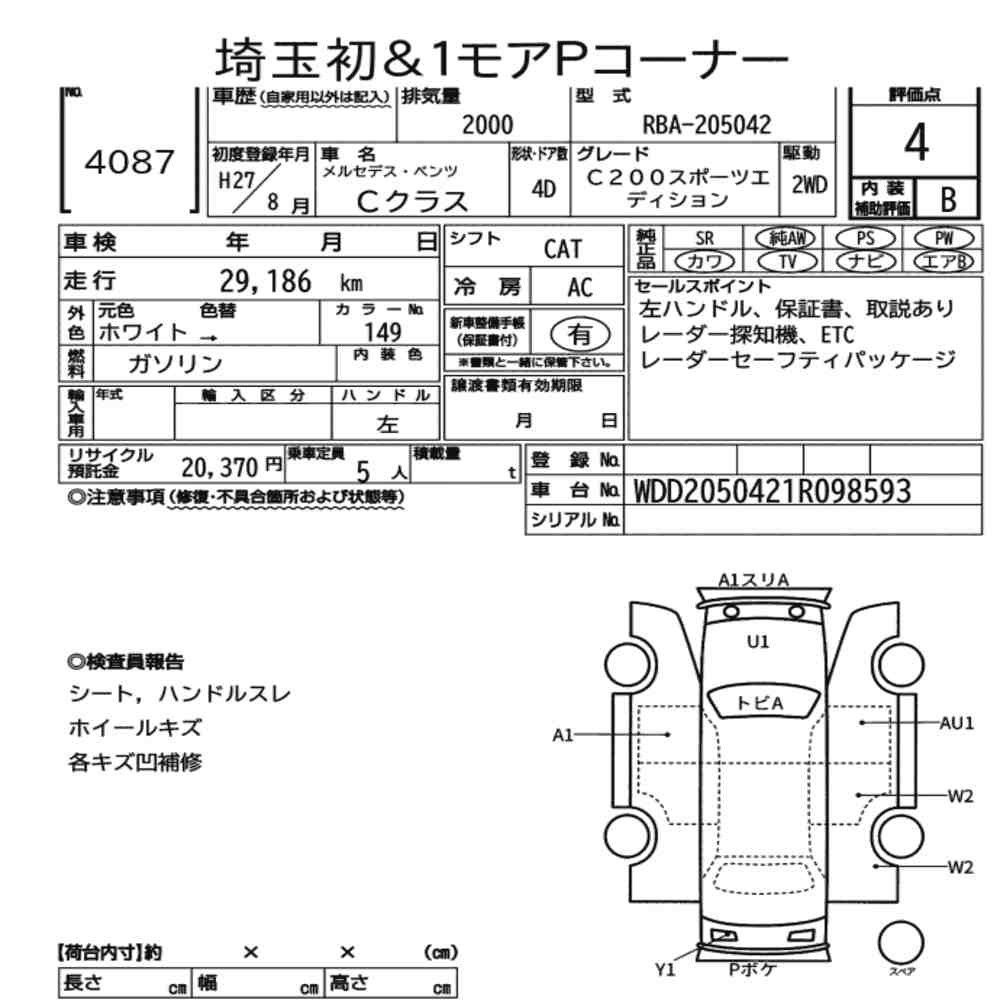
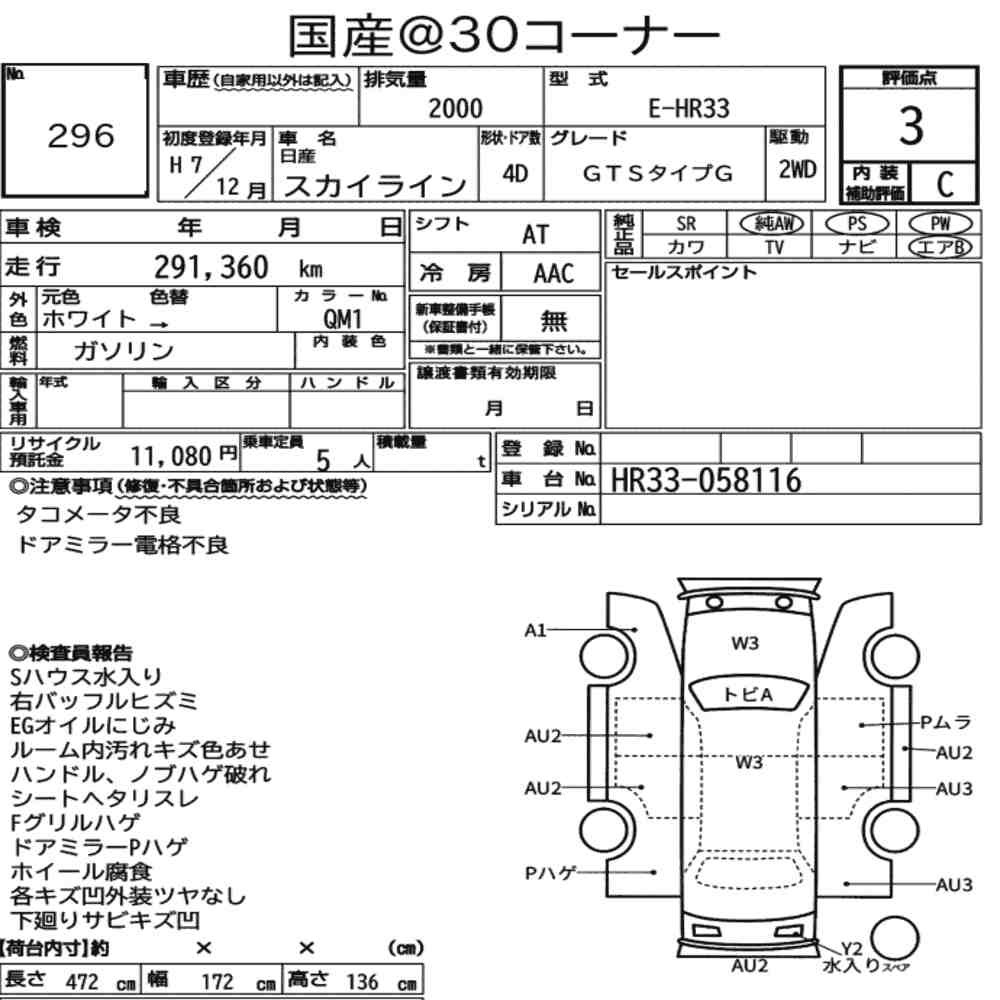
The winning bid is what the agent paid to win the car at auction. It covers neither the auction house fee nor the commission of the firm guiding you through the process. Before you bid, learn to read the inspection sheet, because that is what decides whether a given price is a bargain or a trap. We have a separate guide: how to read a USS auction sheet step by step.
The agent commission in Japan usually rises in tiers with the car price. For cars under one million yen it starts around 100,000 JPY and grows by a few thousand yen per extra half million of price, capping around 290,000 JPY for the most expensive examples. Add the auction house fee on top. Together this stage is roughly 100,000 to 300,000 JPY, or about 2,300 to 7,000 PLN. If the bidding mechanics are new to you, start with our primer: how Japanese car auctions work. The Polish import firm's own fee is a separate line; we put the public terms of four known brands and our own side by side in our comparison of Japan car import companies.
Shipping: freight and port fees
After a winning bid the car heads to a port in Japan. Two items appear then: inland transport to the port with export fees (roughly 300 to 500 USD) and sea freight to Europe. Freight is the biggest logistics variable and depends most on the method you choose.
RoRo, loading the car onto the ship on its own wheels, is cheaper at roughly 4,500 to 11,000 PLN. A container gives better protection and lets you pack parts, but costs more, roughly 7,000 to 18,000 PLN for a shared or dedicated unit. The voyage usually takes four to eight weeks, and the most common destination ports are Hamburg, Bremerhaven and Gdansk. Which method to pick and when, we lay out separately: container or RoRo on the Japan-to-Poland route.
Customs duty, excise and VAT in Poland
This is the part you cannot skip, but can calculate to the zloty. The base for the taxes is the customs value, which in simple terms is the car price plus the cost of transport to the EU border.
Customs duty
The standard duty on passenger cars from outside the EU is 10% of the customs value. Japan, however, has an Economic Partnership Agreement (EPA) with the EU that cuts this duty to zero in equal annual steps spread over eight years from the agreement entering into force in February 2019. That means from 2026 passenger cars of Japanese origin can enter the EU at zero duty. There is one condition: a valid proof of origin, an exporter statement attached to the invoice. Without that document customs will charge the full 10%. In practice, with used auction cars a valid proof of origin can be hard to obtain, so many importers still pay the 10% duty.
Excise
Excise depends on engine displacement. For cars up to 2000 cc it is 3.1% of the base, and for cars above 2000 cc it jumps to 18.6%. That gap is large, so engine size can decide the viability of the whole import. A combustion-electric hybrid up to 2000 cc gets a reduced 1.55%, and in the 2000 to 3500 cc band it is 9.3%. Fully electric cars are exempt. The excise base is the customs value plus duty. The current rate table is published by the Polish Ministry of Finance at podatki.gov.pl. The full rate breakdown, exemptions and examples are in our separate piece on 2026 excise on cars from Japan.
VAT
VAT is 23% and is applied last, to the sum of customs value, duty and excise. The standard rate is confirmed at podatki.gov.pl. That is why order matters: every earlier tax enlarges the VAT base.
The VAT rate is set by the country of clearance, not the country of registration. A car entering the EU through a Polish port pays the Polish 23%. Cleared in the Netherlands it pays 21%, in Germany 19%. The car then circulates as EU goods, and moving it to Poland does not trigger VAT a second time.
In practice the Polish market clears through Rotterdam. That is the industry standard, and the reason is mundane: it is the largest RoRo terminal in Europe, so the ship from Japan calls there anyway, and two percentage points on a base of around PLN 150,000 is roughly PLN 3,000. If a company does not say where it clears the car, just ask.
One caveat that is easy to miss: clearing abroad does not remove Polish excise. It remains due when the car is registered in Poland, by engine displacement, whatever port the car entered the EU through.
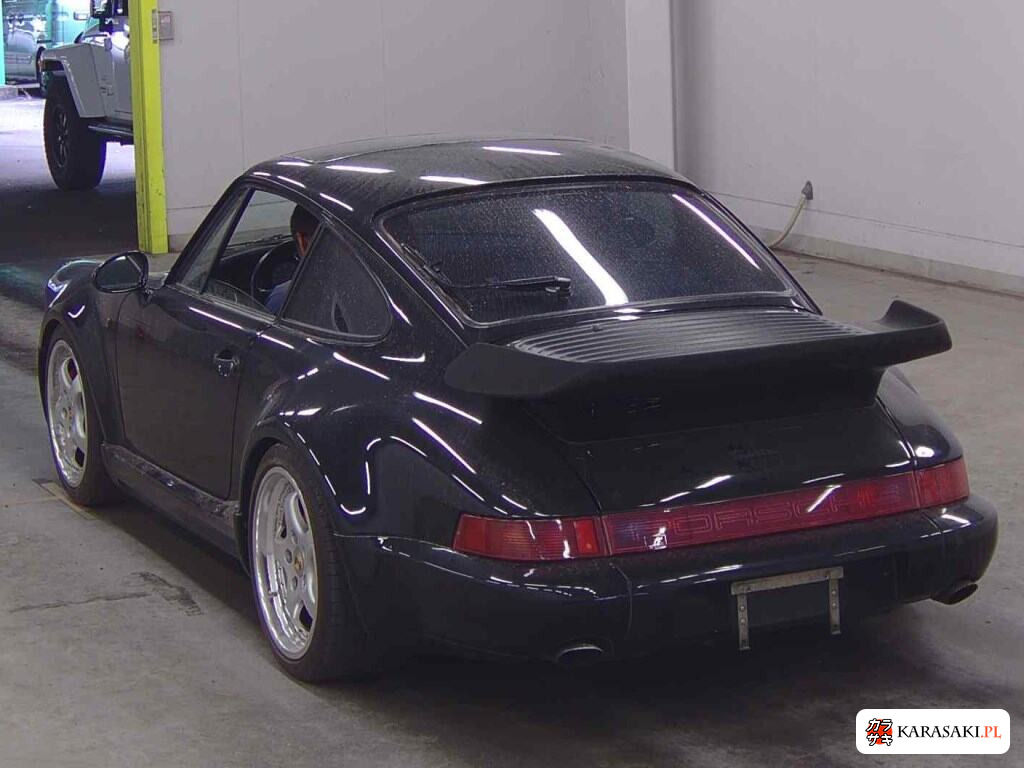
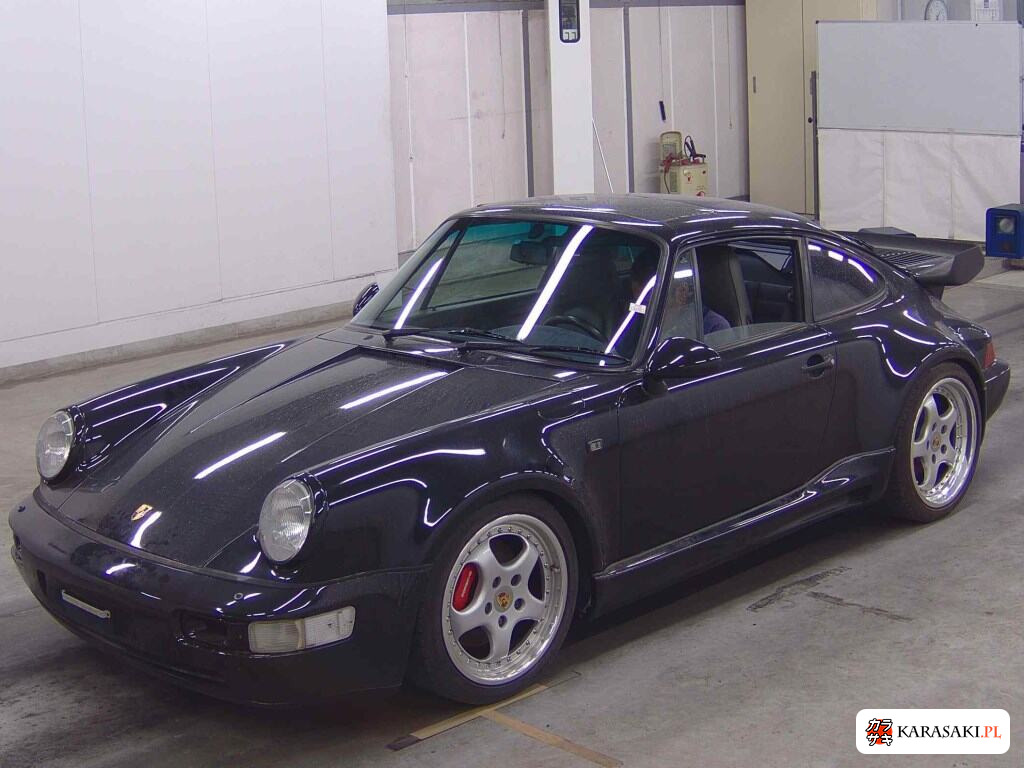
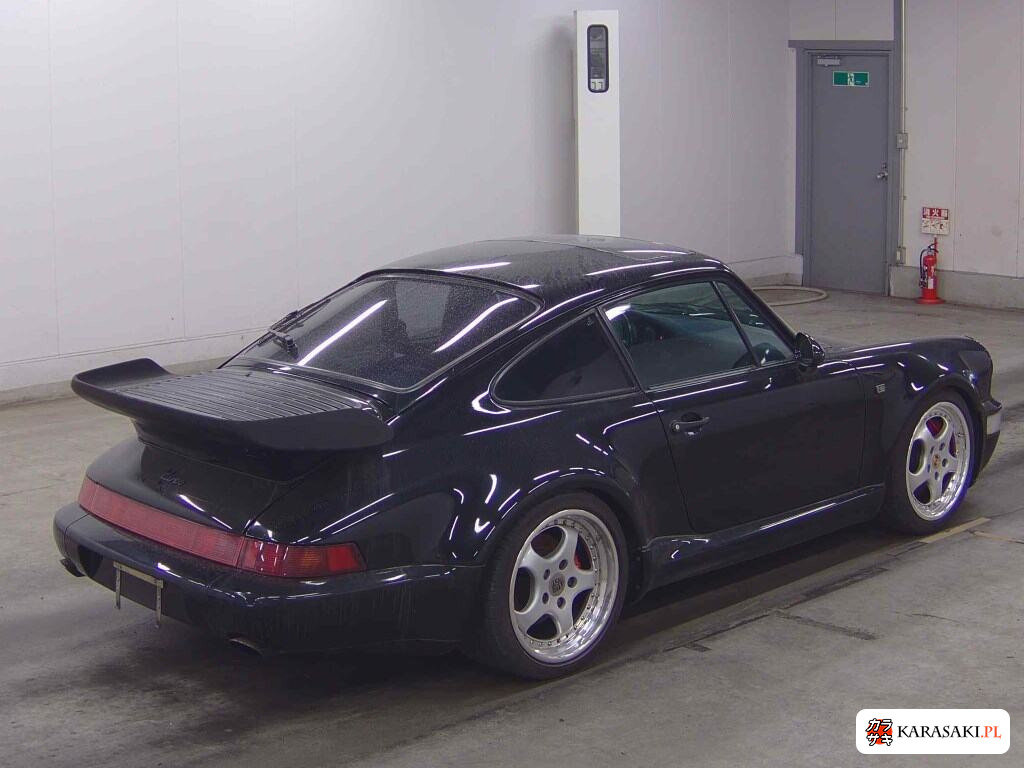
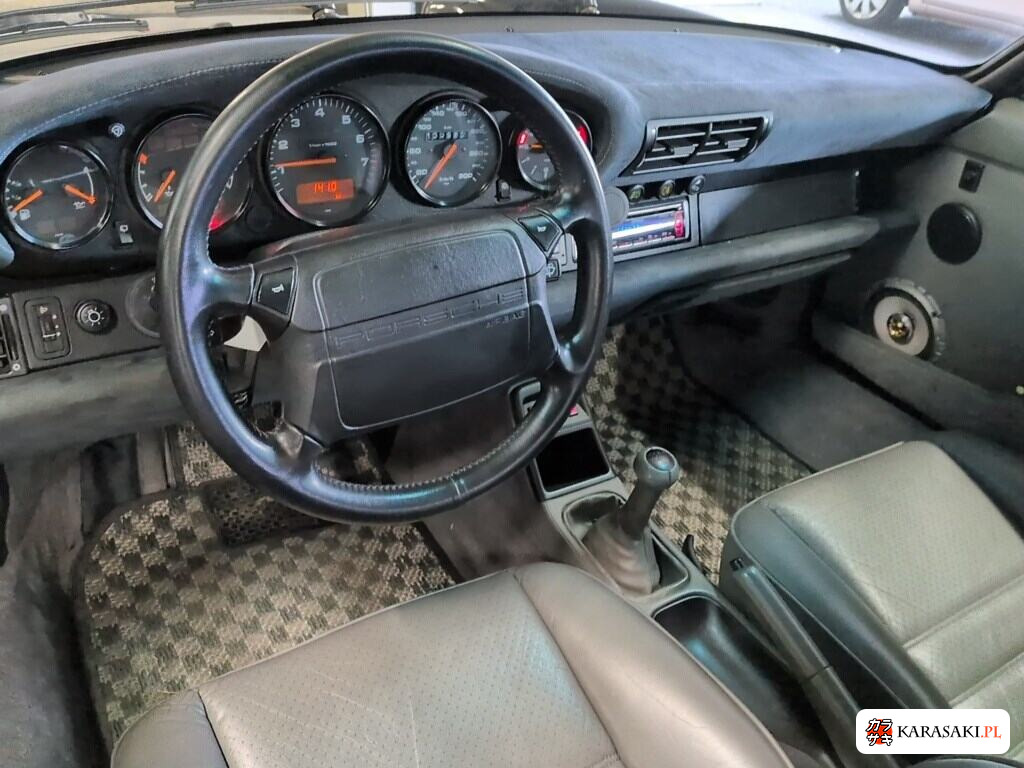
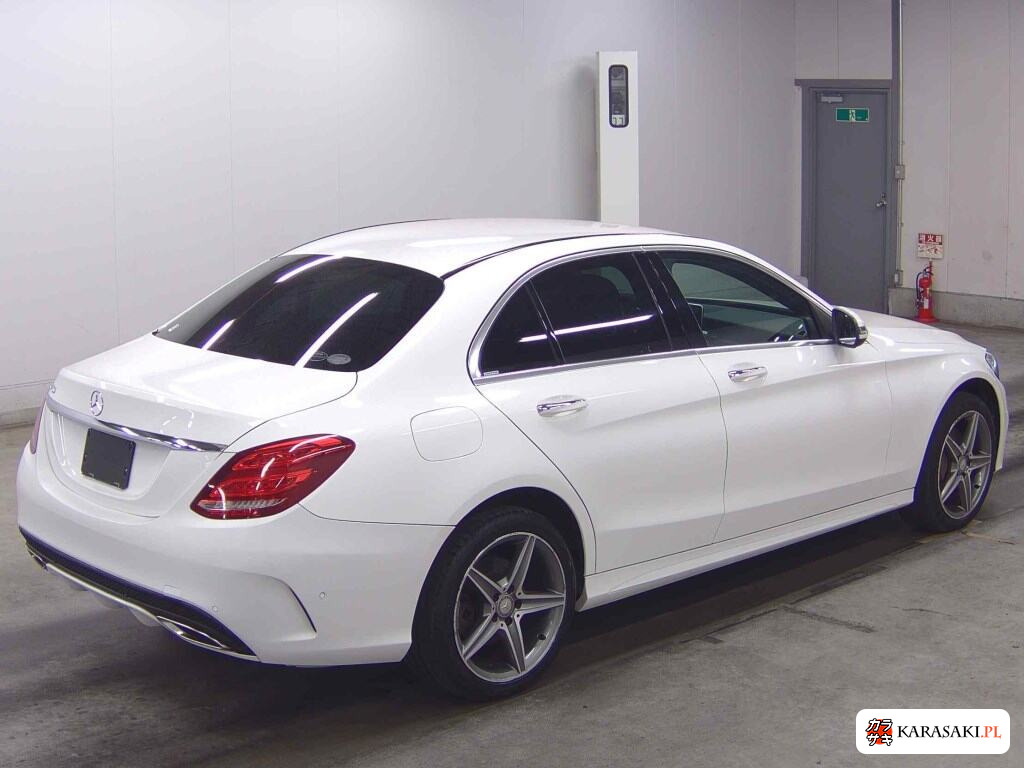
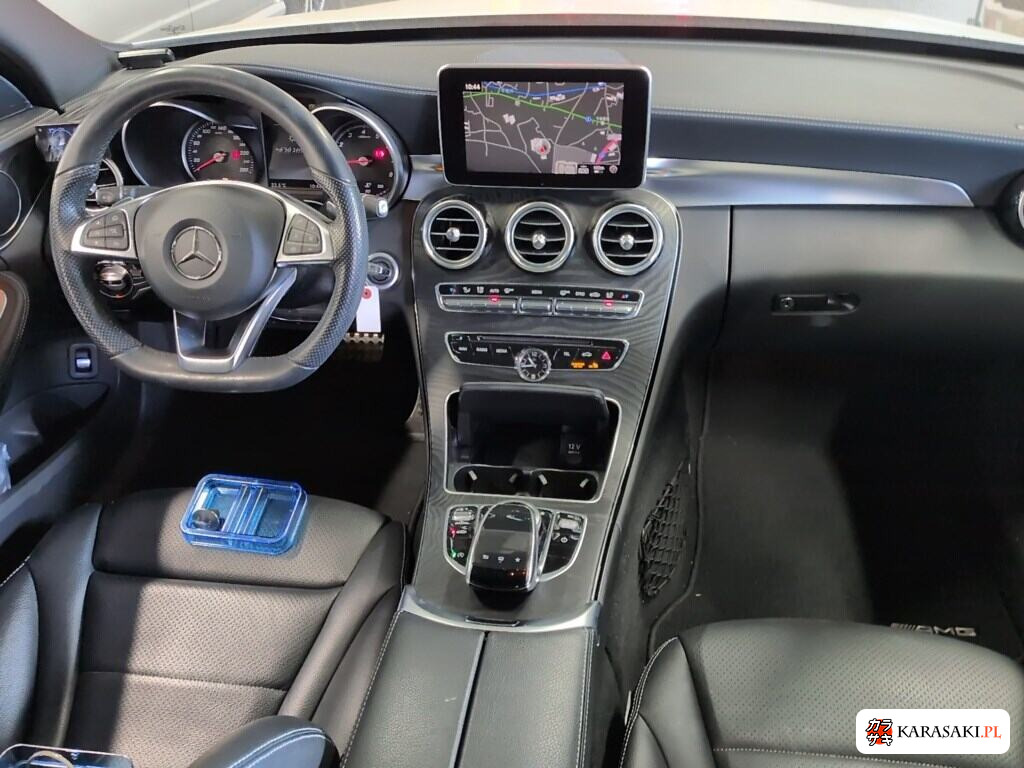
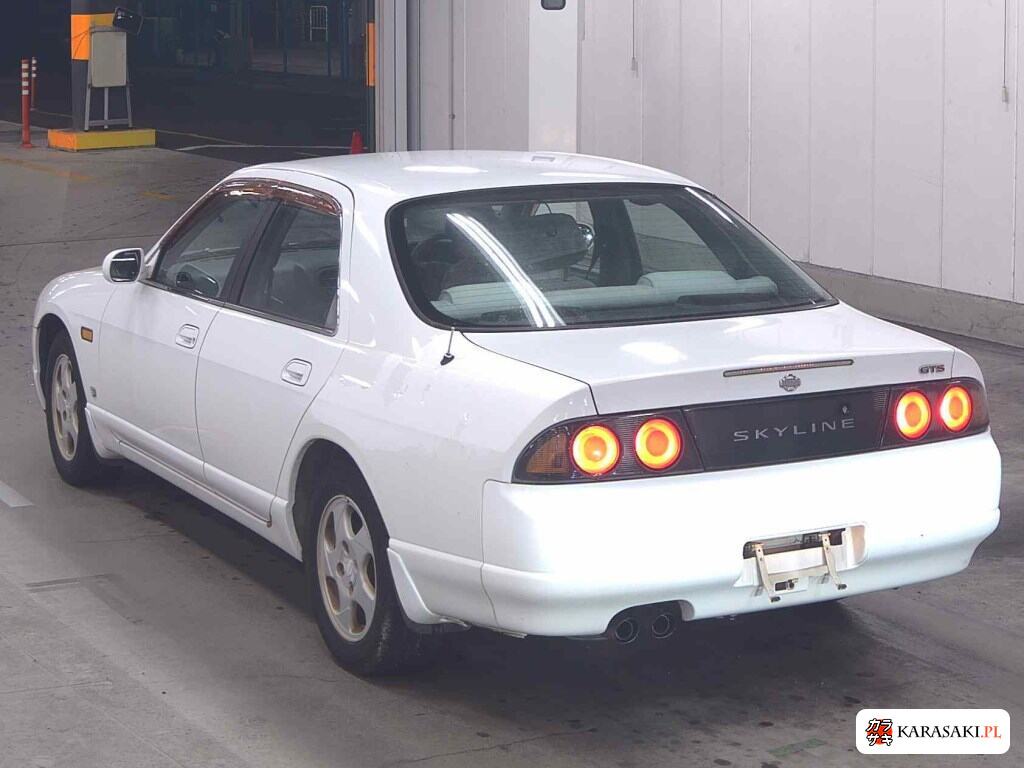
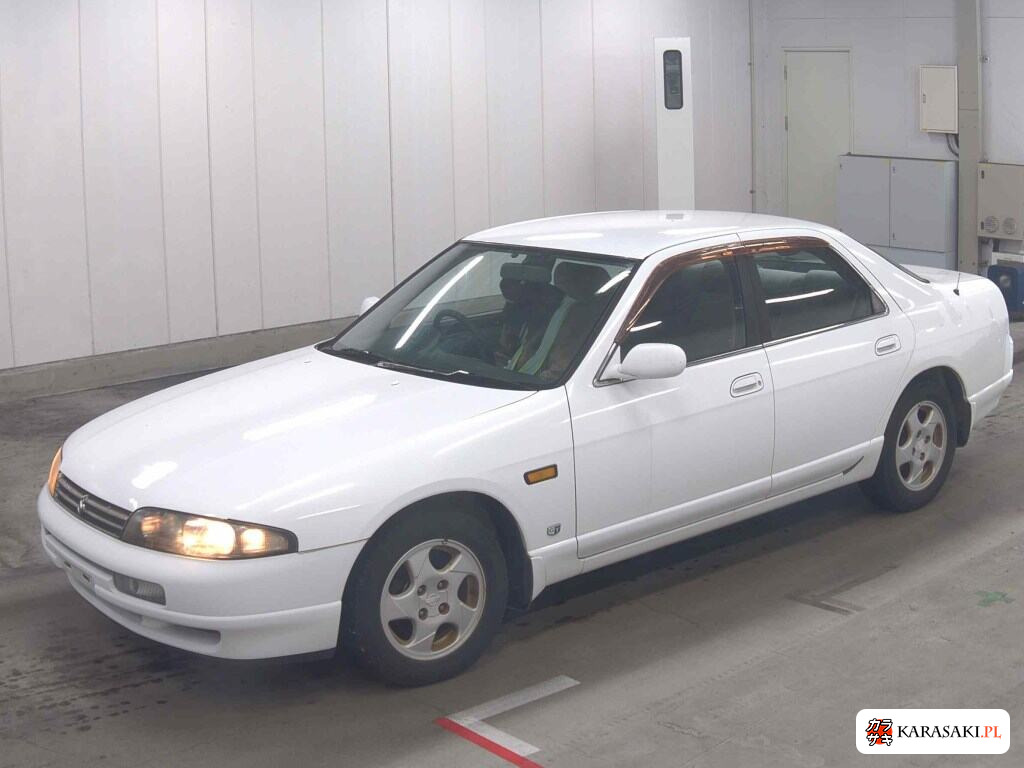
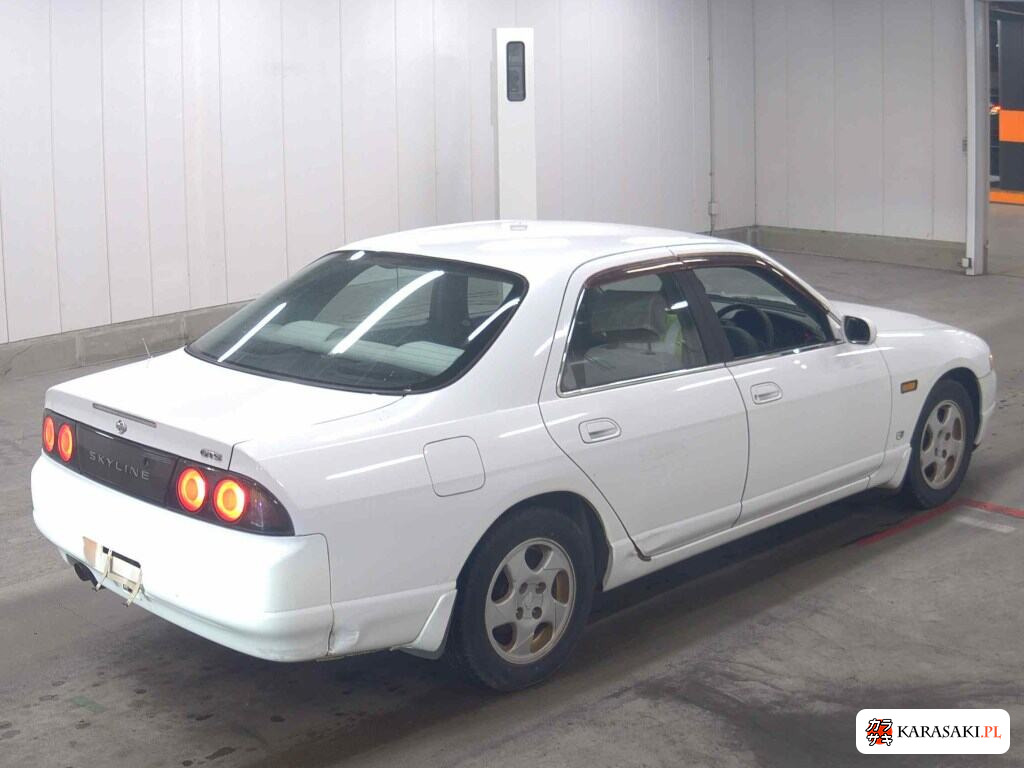
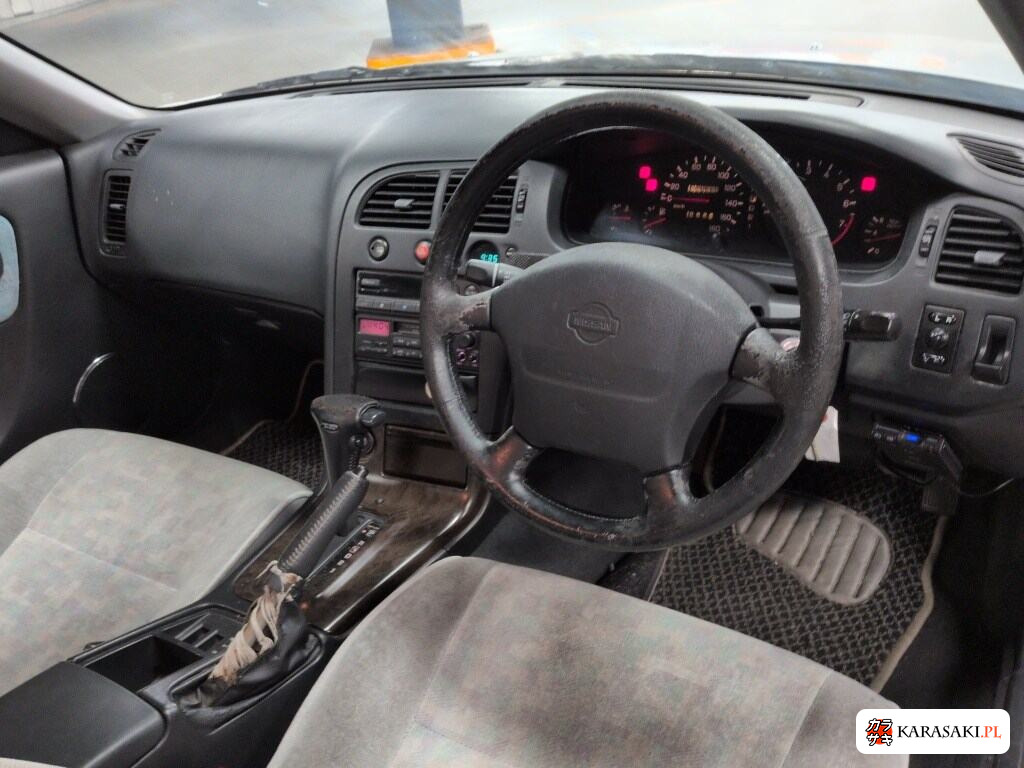
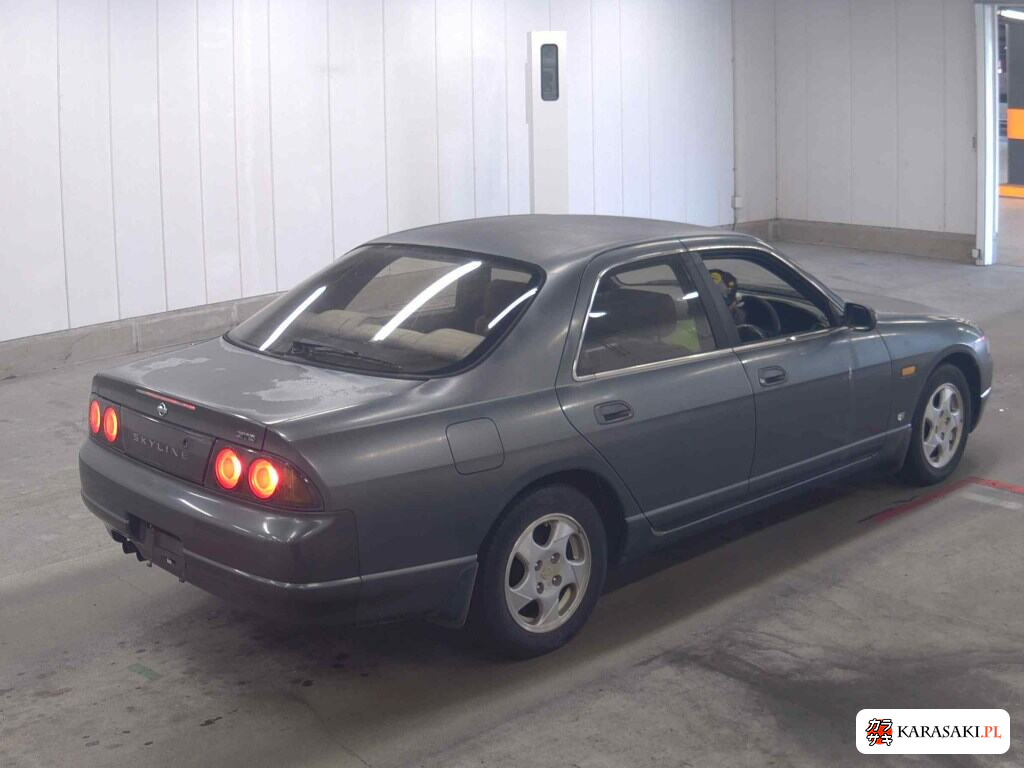
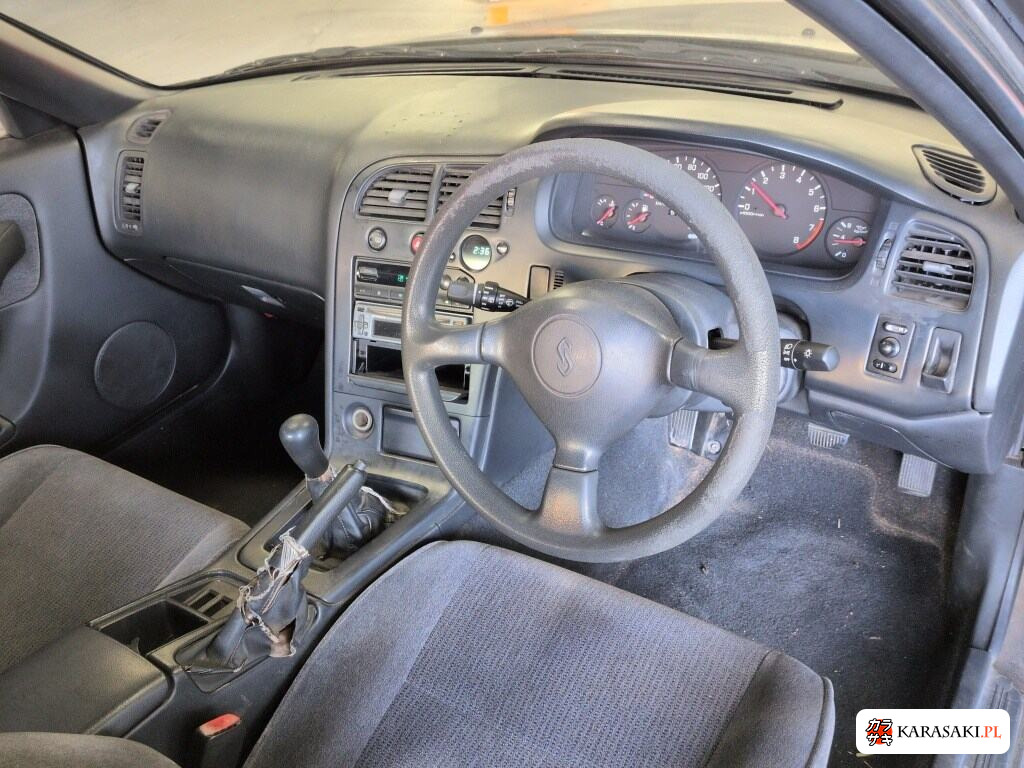
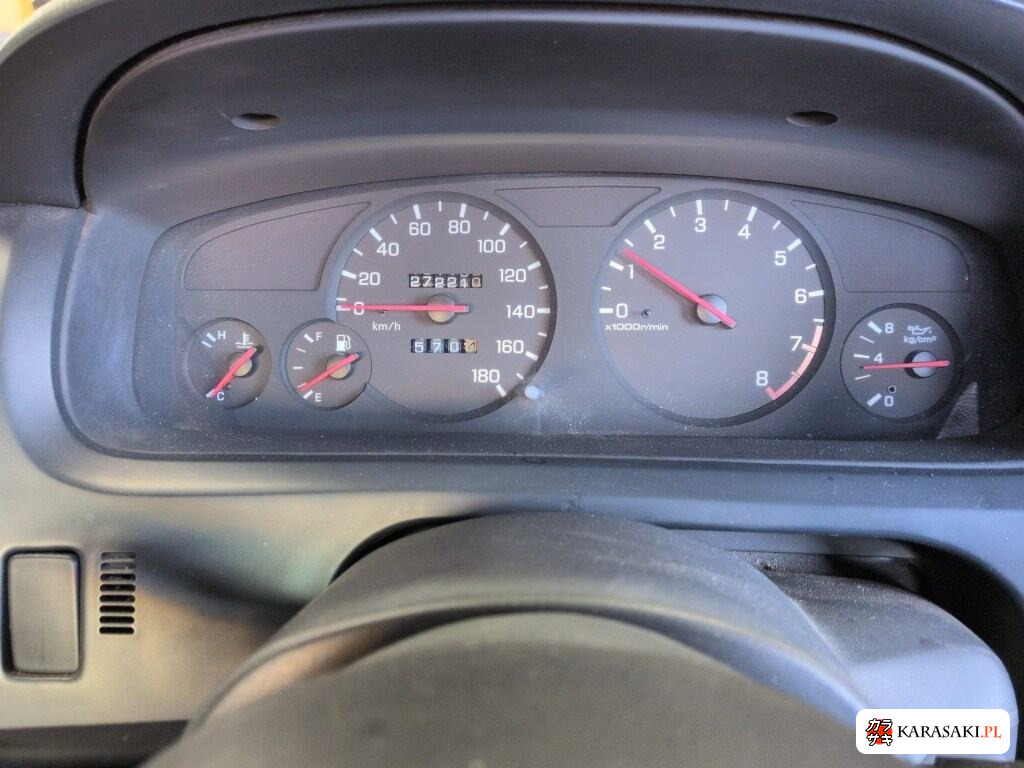
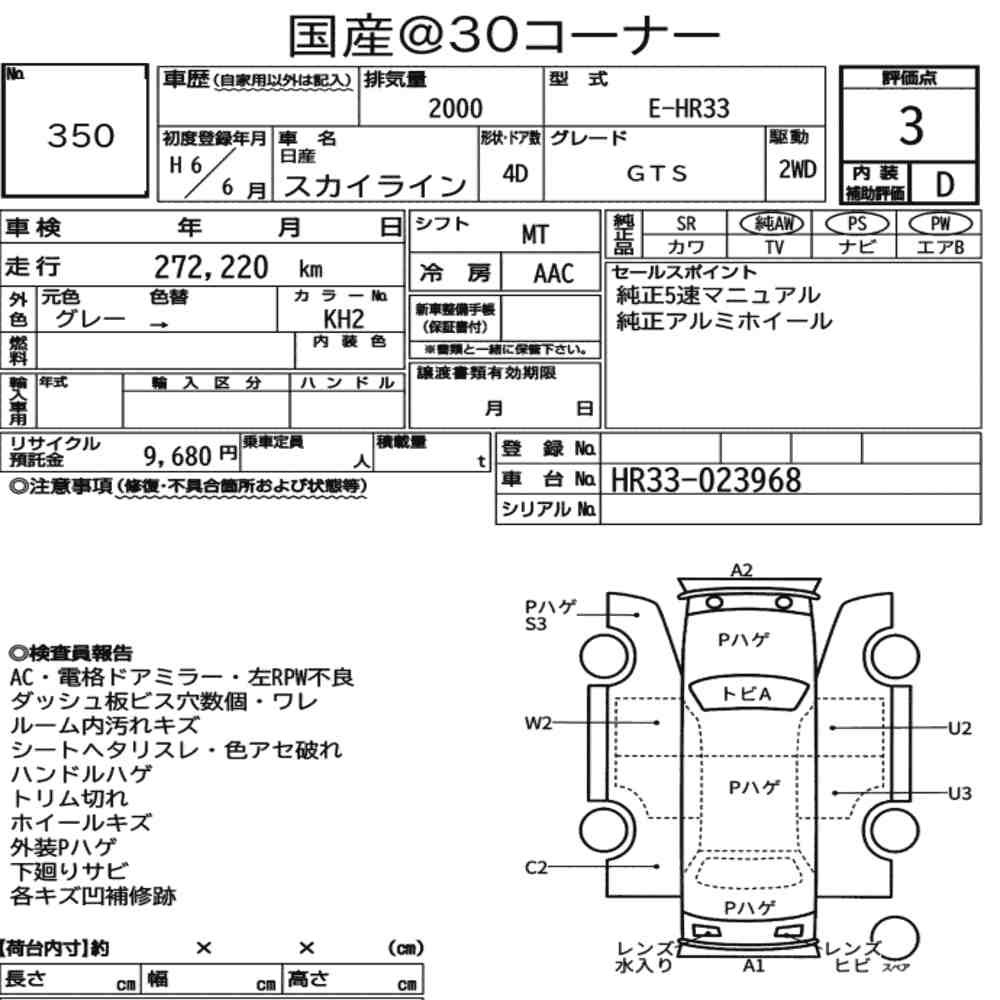
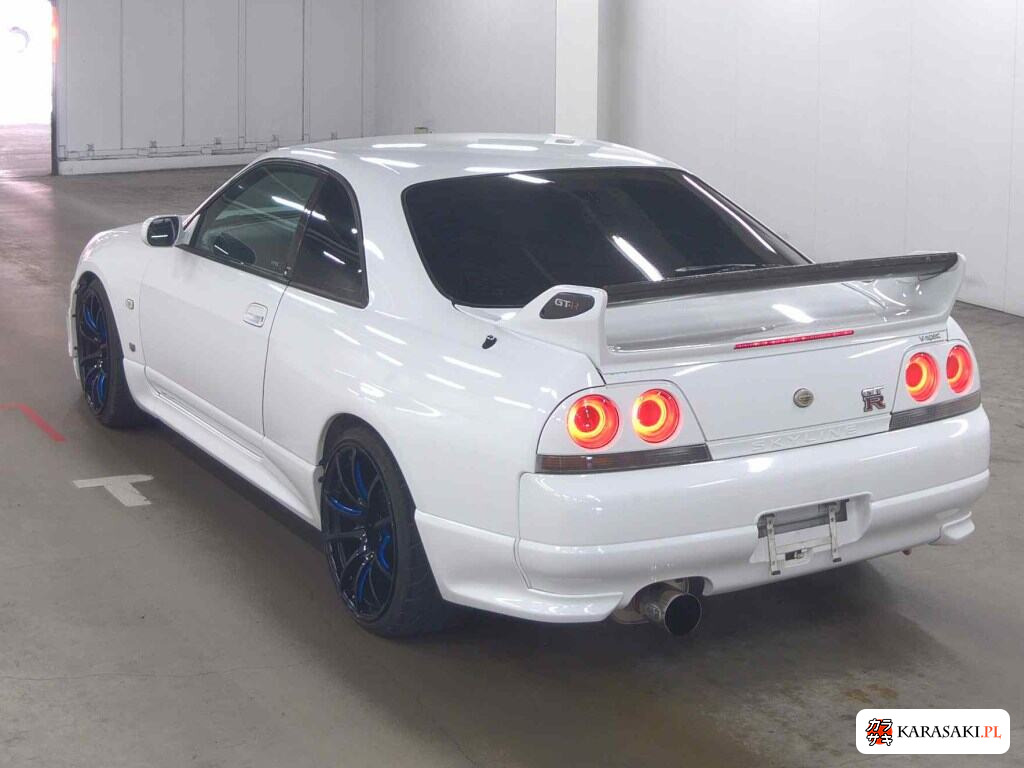
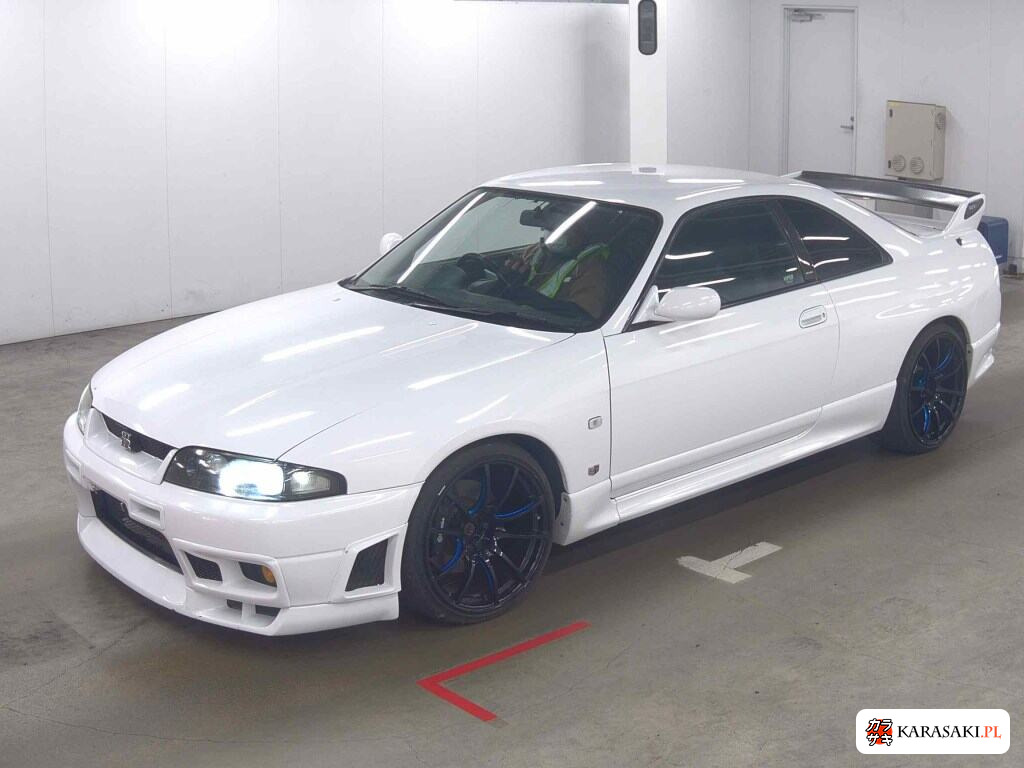
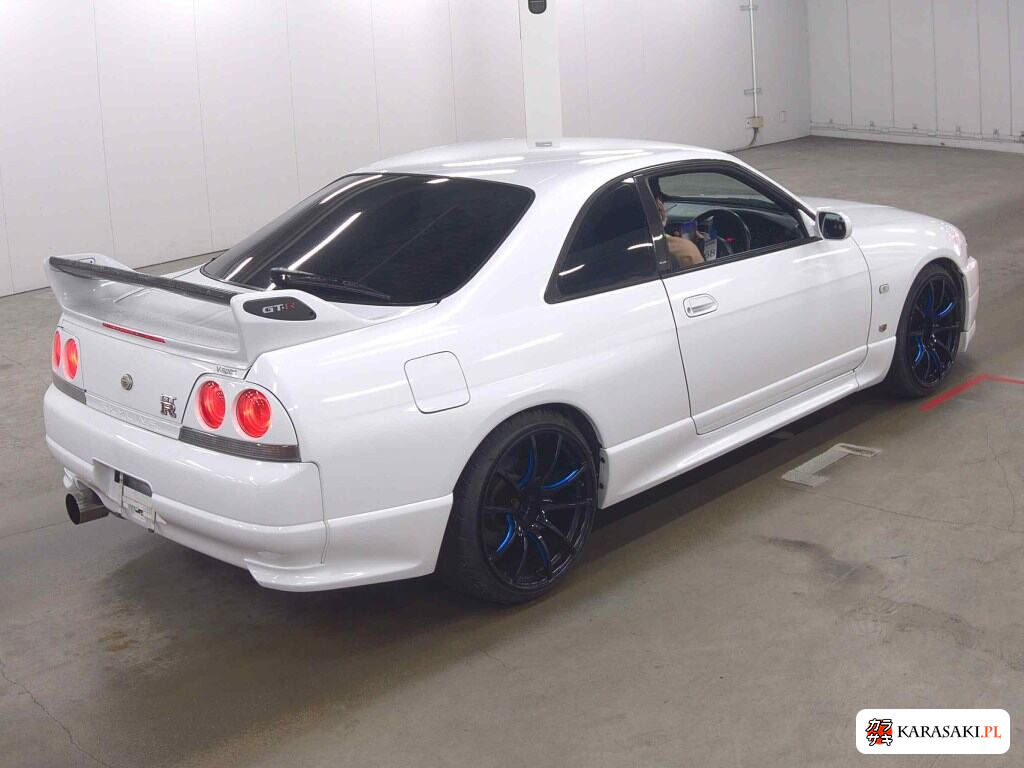
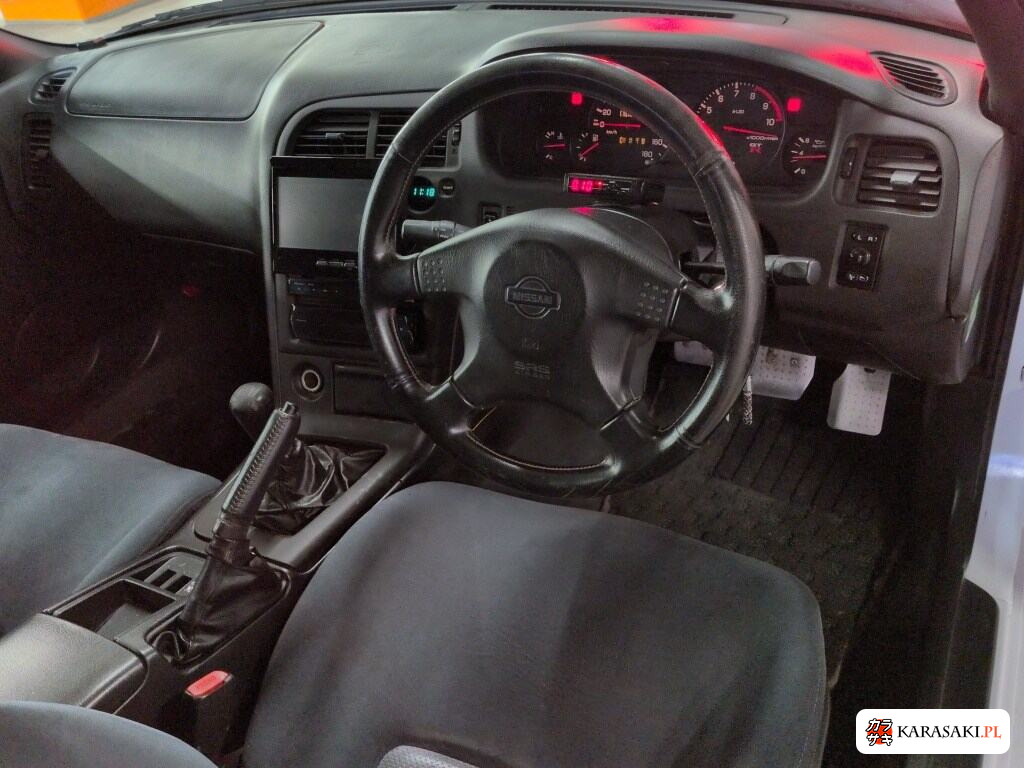
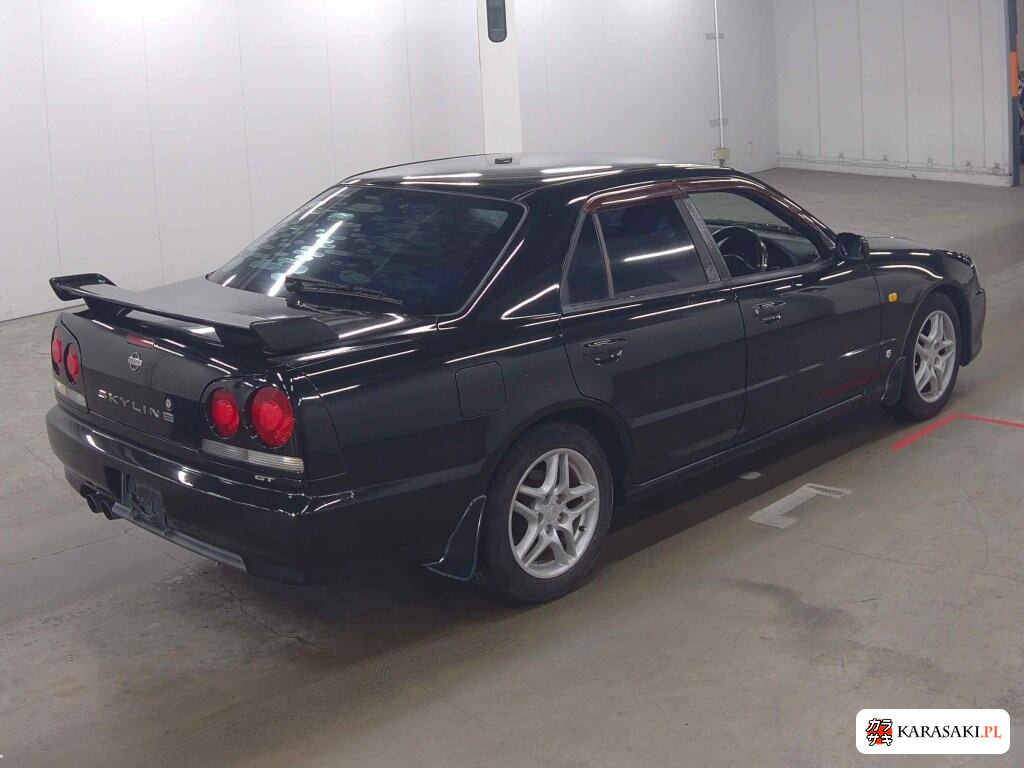
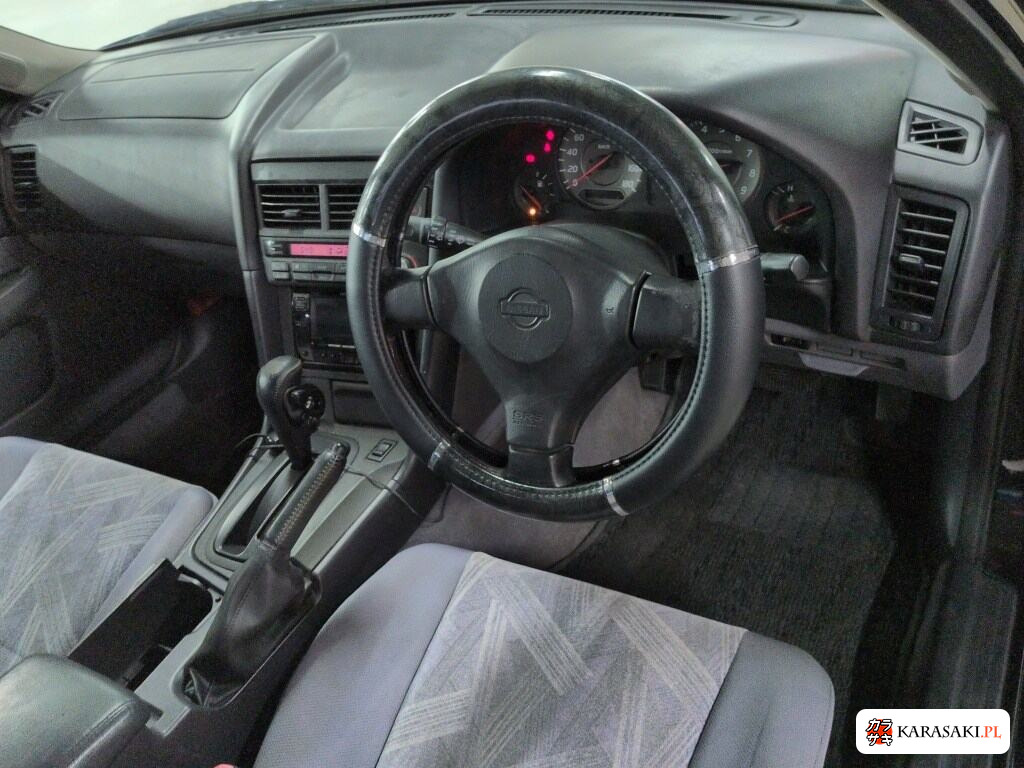
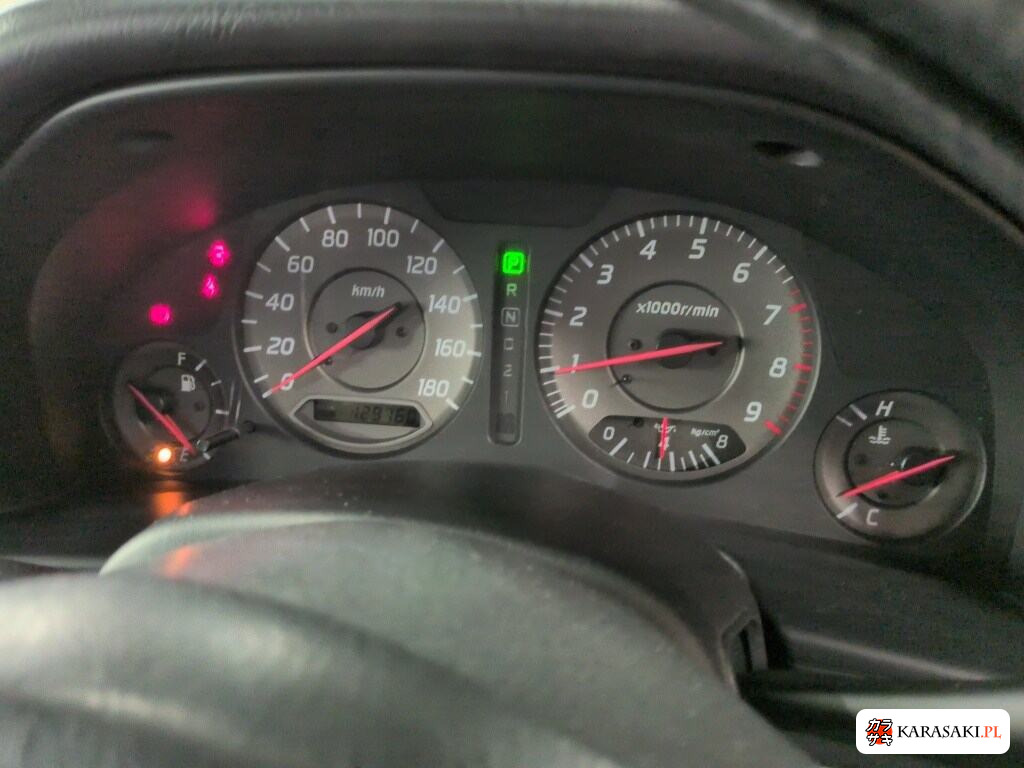
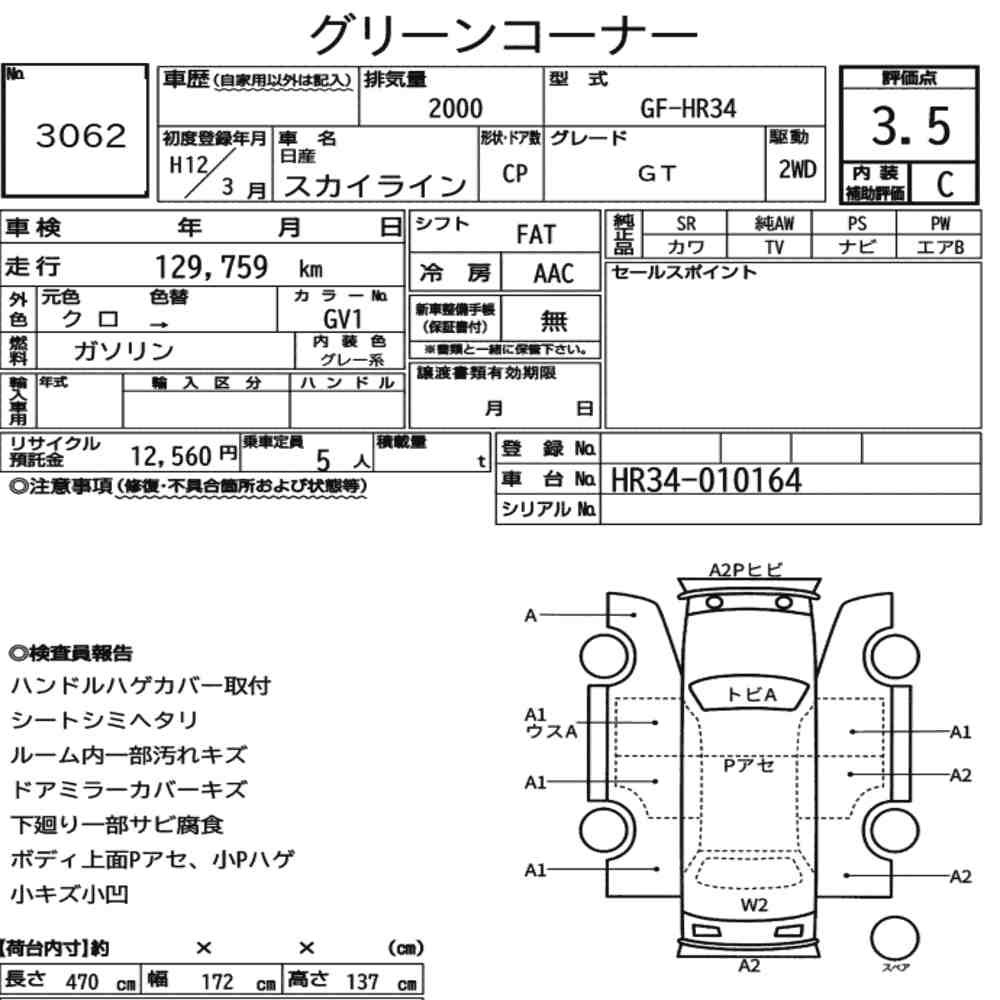
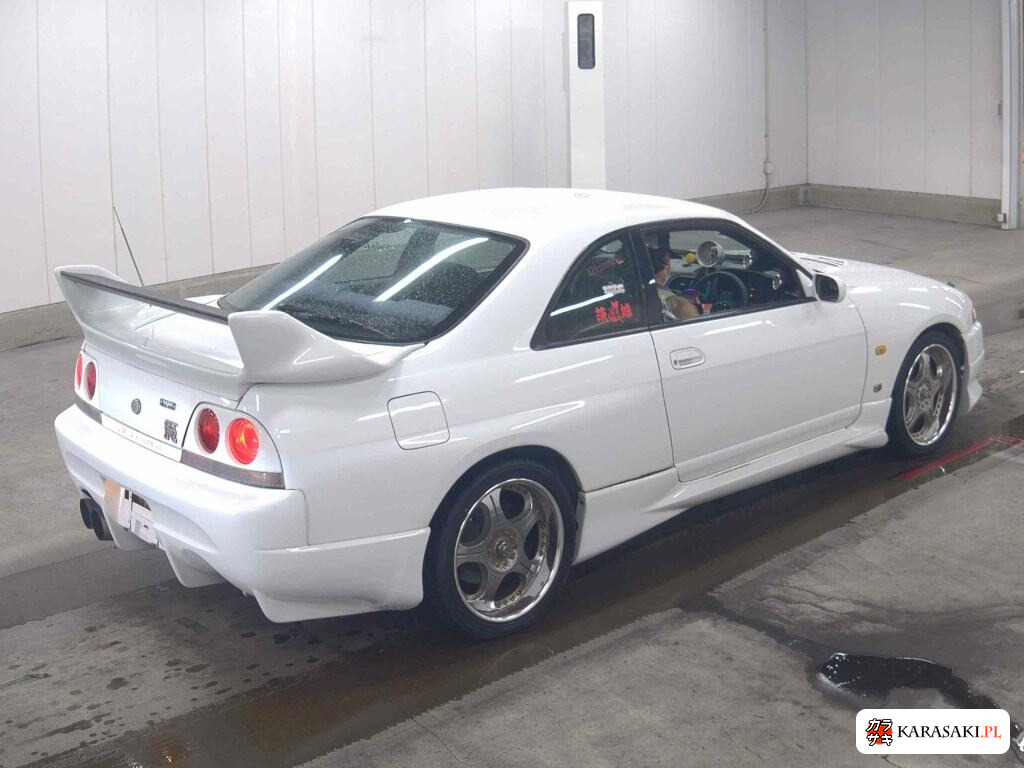
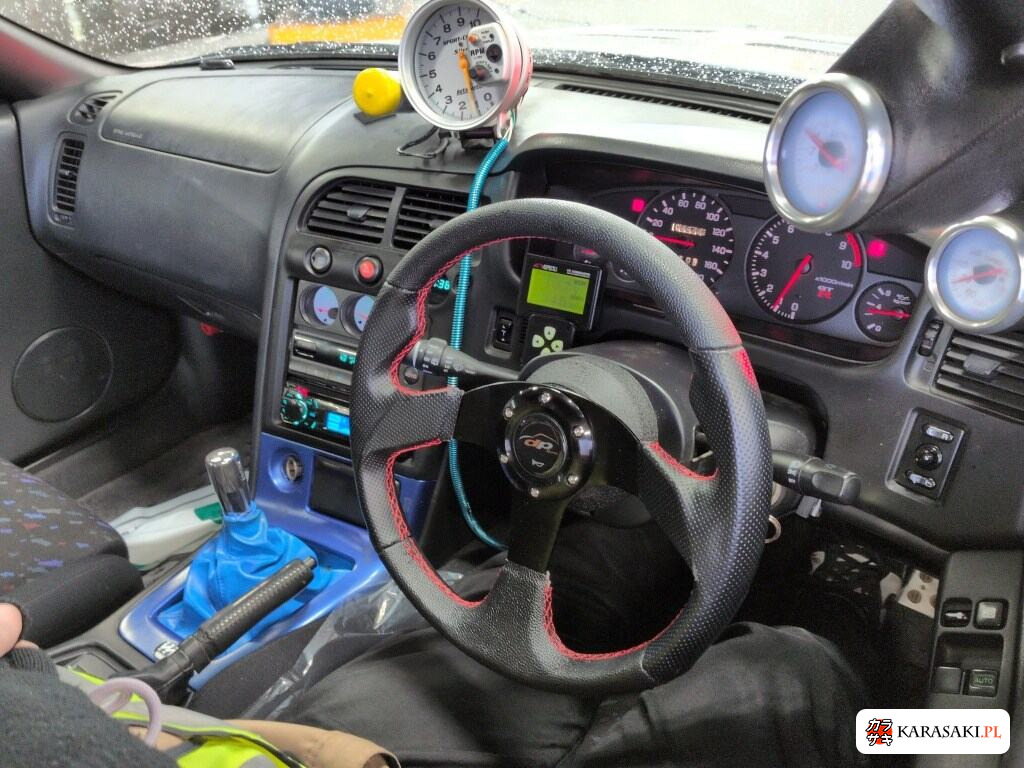
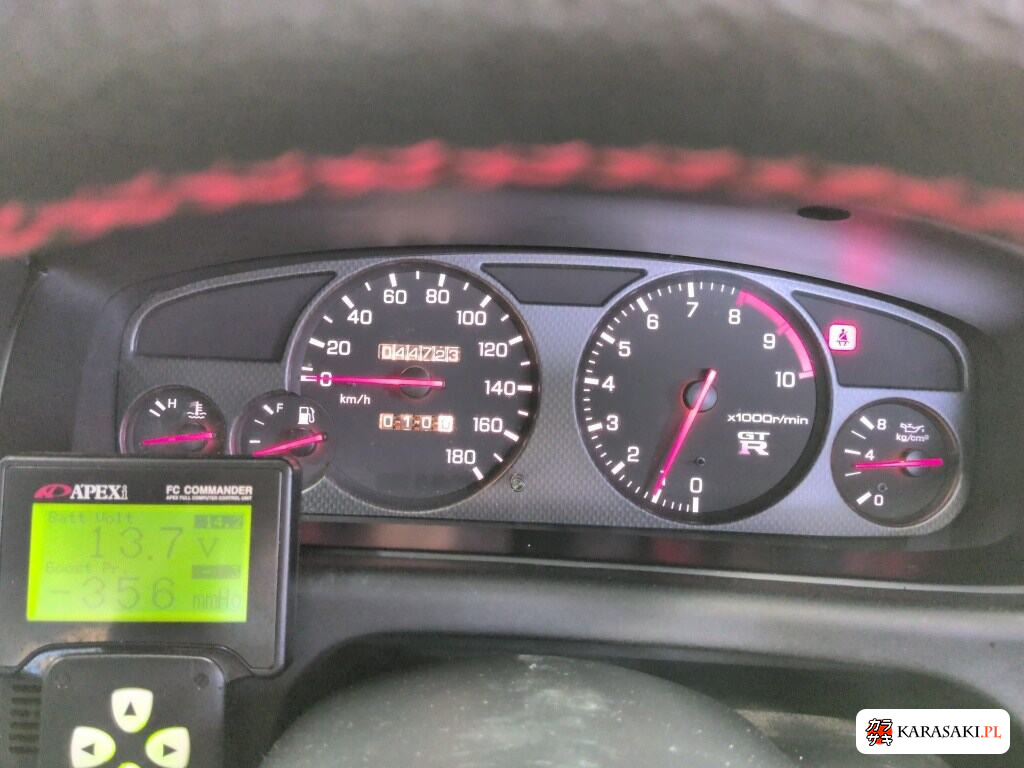
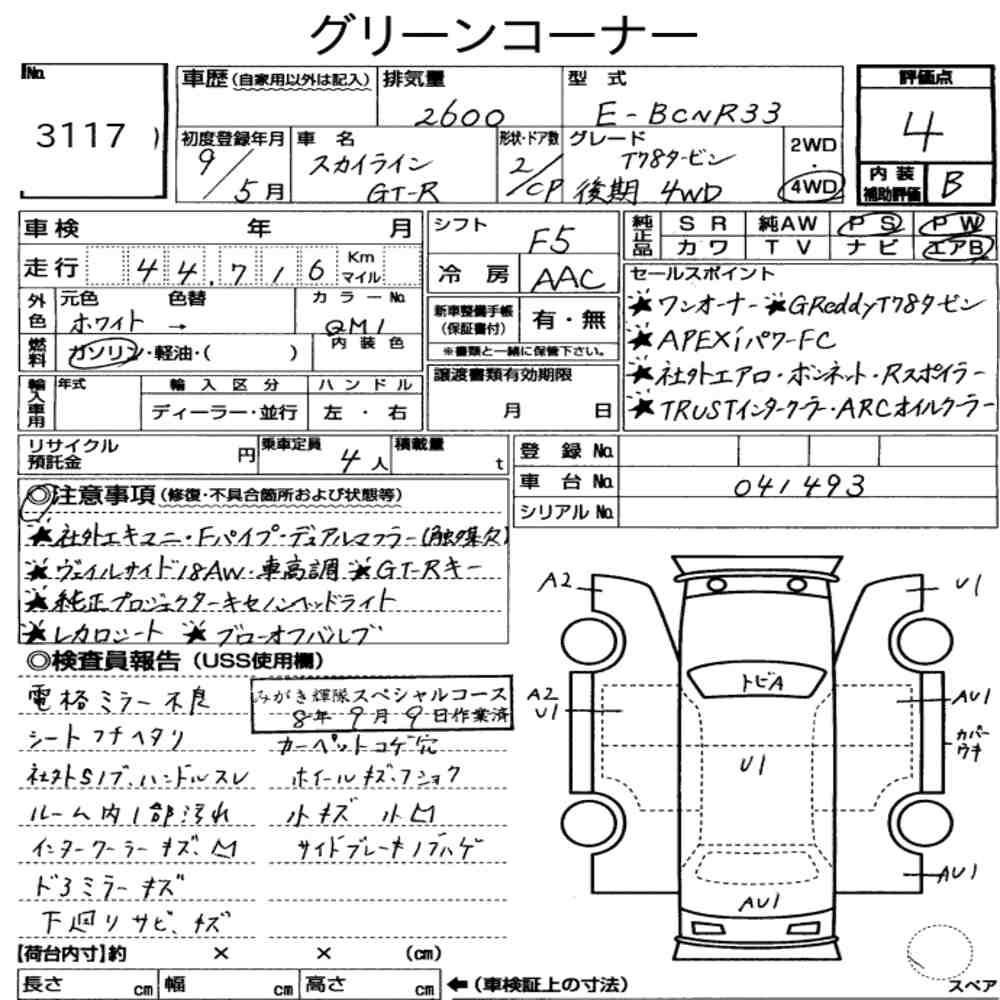
Auta gotowe do importu z Japonii












Translations, inspection and registration
After customs clearance come the Polish formalities. A full set of sworn translations of the Japanese documents (invoice, export certificate, bill of lading) is usually 200 to 600 PLN and one to three days. A technical inspection at a station costs 200 PLN or less.
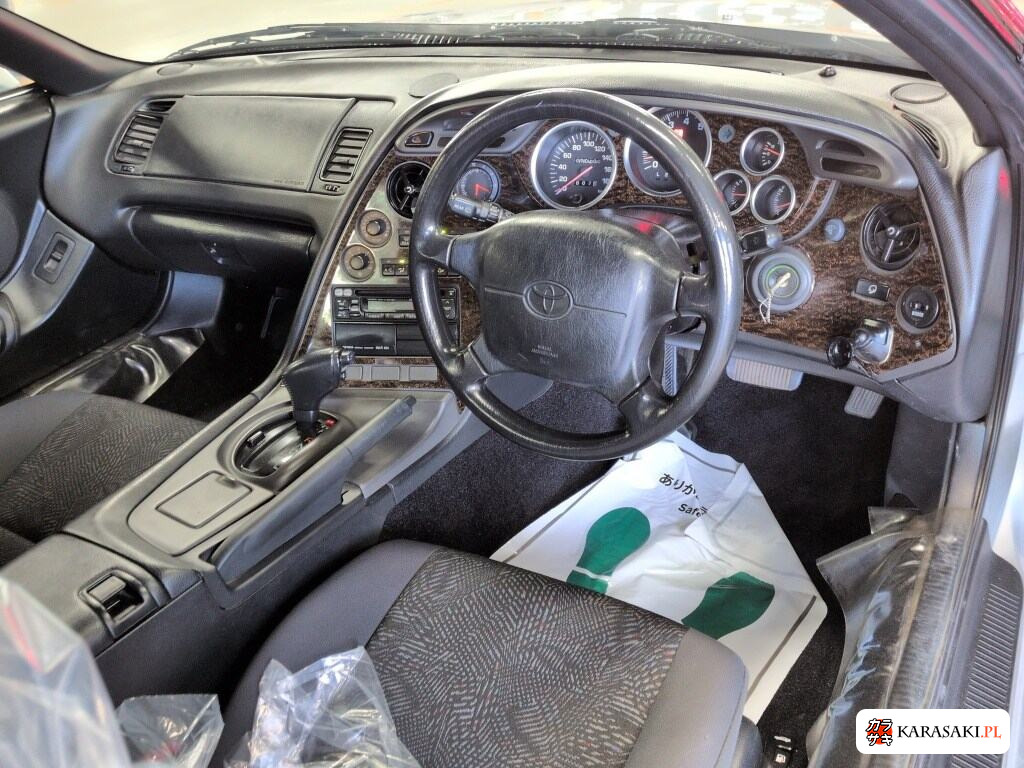
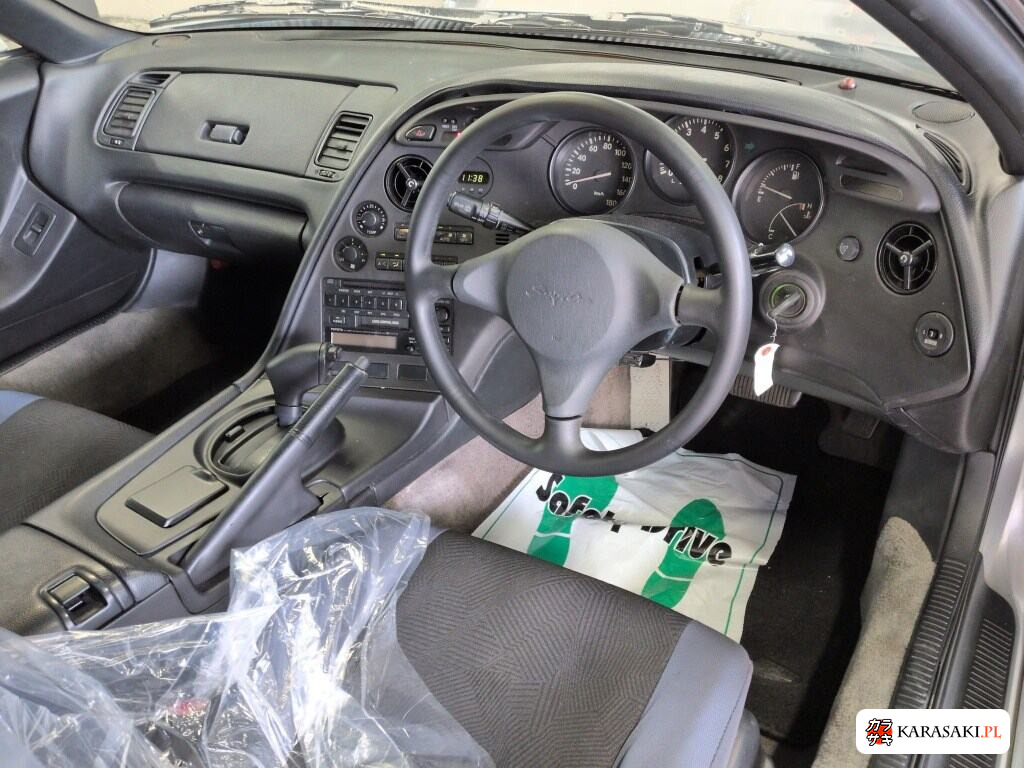
JDM cars carry one specific catch: a short chassis number, often ten or eleven characters. The Polish registration office may then require an expert opinion, adding a few hundred up to about 1,700 PLN. Registration itself, plates and the document, is official fees of about 160 to 256 PLN. Budget for the steering separately: a right-hand-drive example falls under § 9(2) of the technical-conditions regulation, and the permitted routes are a first registration before 1985, prior registration in an EU member state, or converting the steering to the left. We take that apart in our piece on registering a right-hand-drive car in Poland.
Full worked calculations
Let us price two realistic scenarios with the same method: one car under the excise threshold, one above it. Treat the amounts as estimates, because the yen rate moves.
Both calculations assume clearance at a Polish port, so 23% VAT. Cleared in the Netherlands that line is two points lower and the rest of the bill is unchanged.
Scenario 1: a compact with a sub-2000 cc engine
- Winning bid: 1,200,000 JPY, about 27,600 PLN
- Commissions in Japan: about 200,000 JPY, about 4,600 PLN
- Inland transport and port in Japan: about 1,200 PLN
- Sea freight, RoRo: about 6,000 PLN
- Customs value (price plus freight): about 33,600 PLN
- Duty 10%: about 3,360 PLN (or 0 PLN with proof of origin)
- Excise 3.1%: about 1,145 PLN
- VAT 23%: about 8,764 PLN
- Translations: about 400 PLN
- Inspection and admission: about 1,000 PLN
- Registration: about 256 PLN
That totals about 54,300 PLN with a 10% duty, or about 50,000 PLN with a valid proof of origin, because zero duty also lowers the excise and VAT base.
Scenario 2: a sports car with an engine above 2000 cc
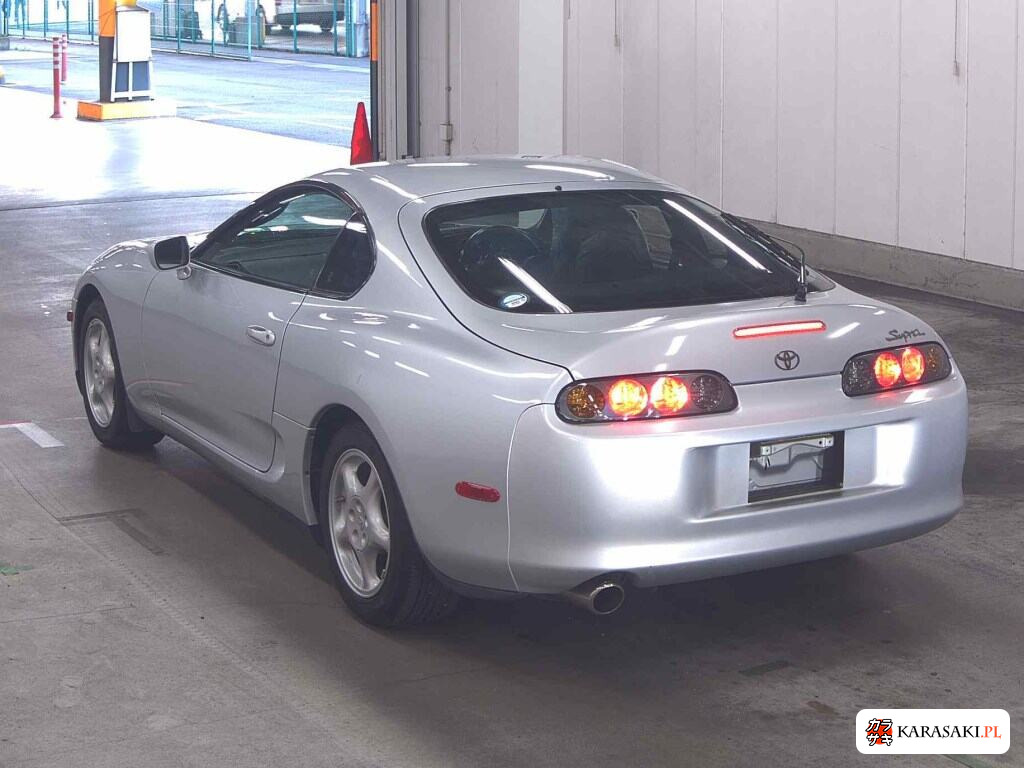
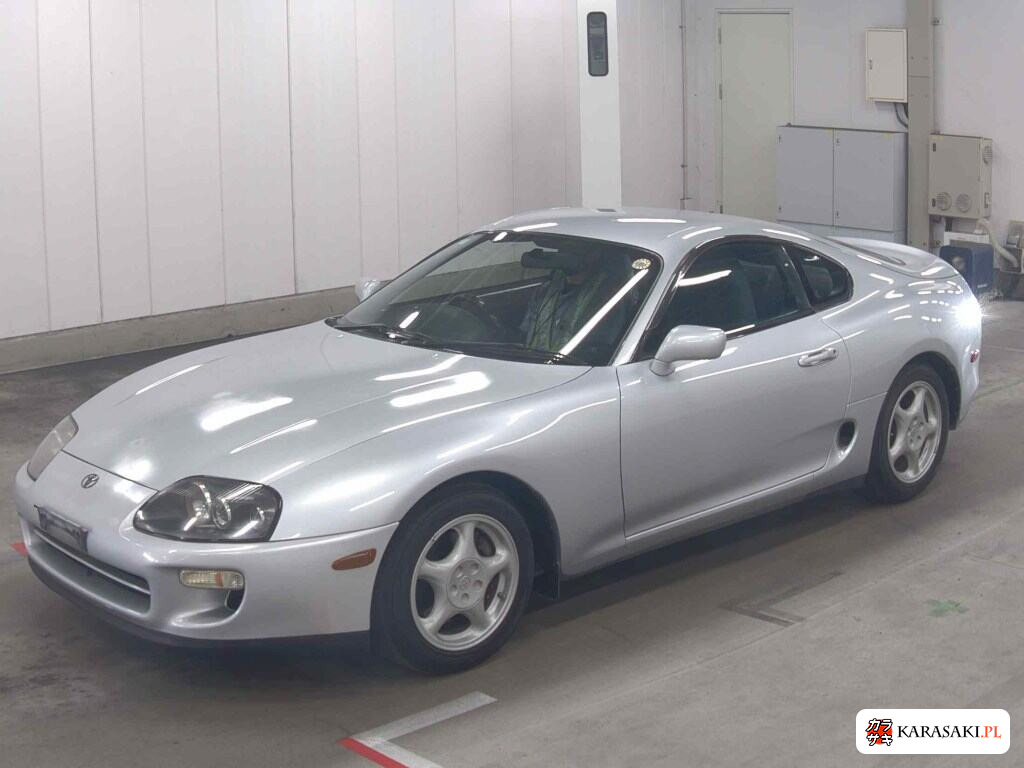
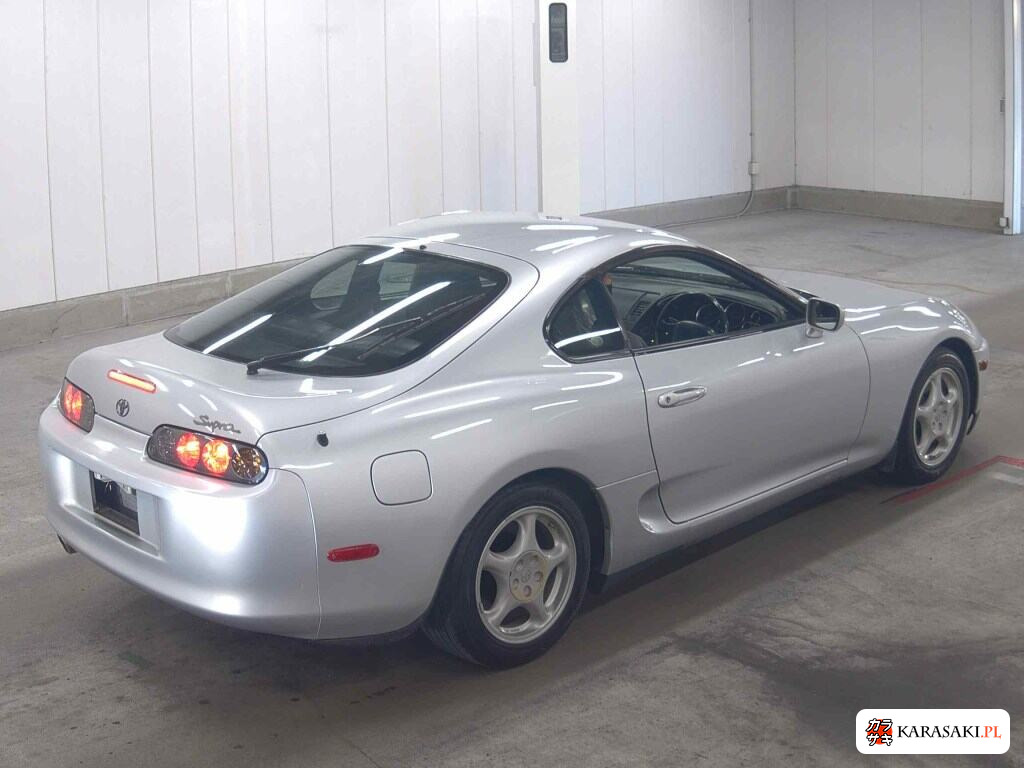
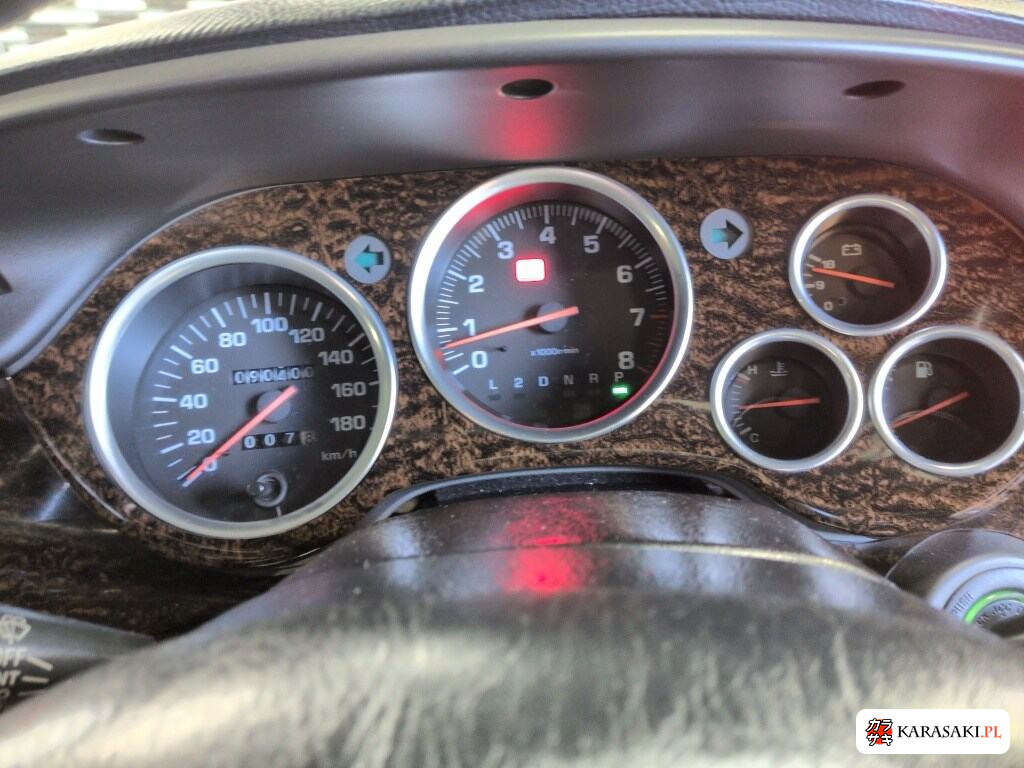
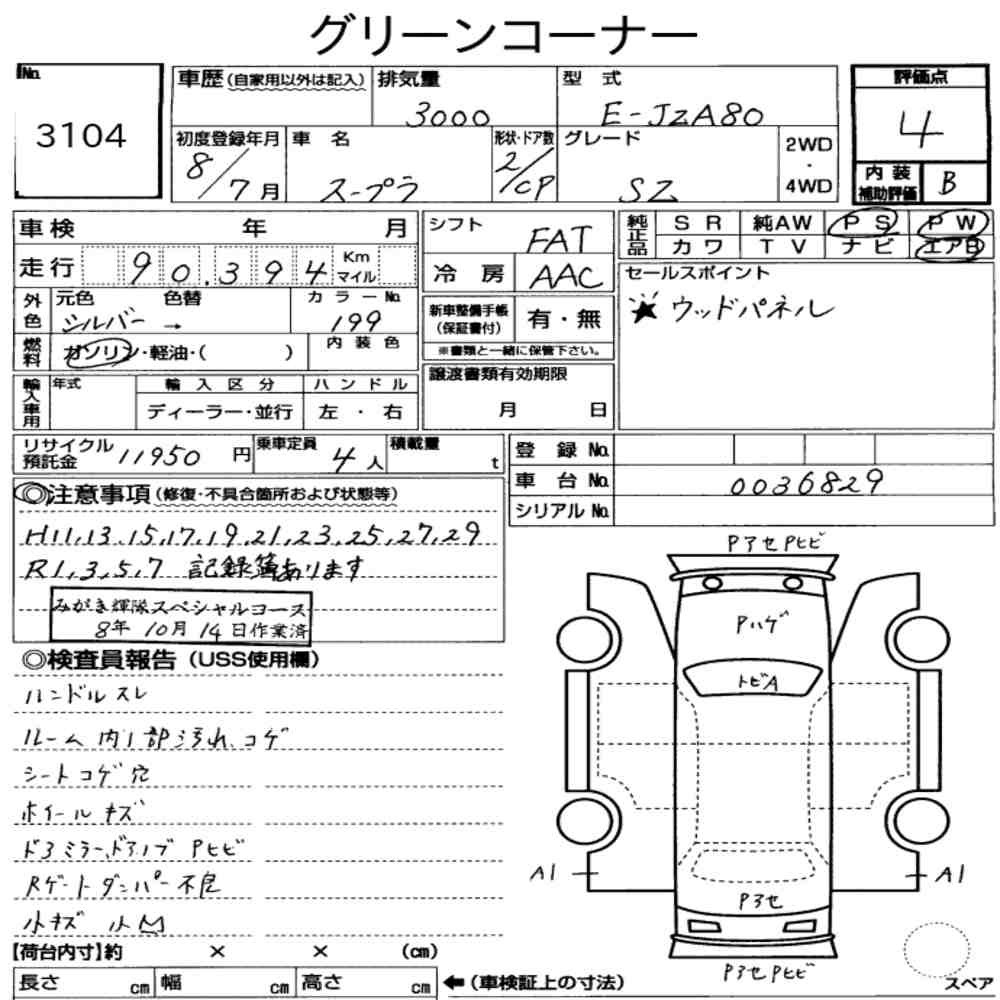
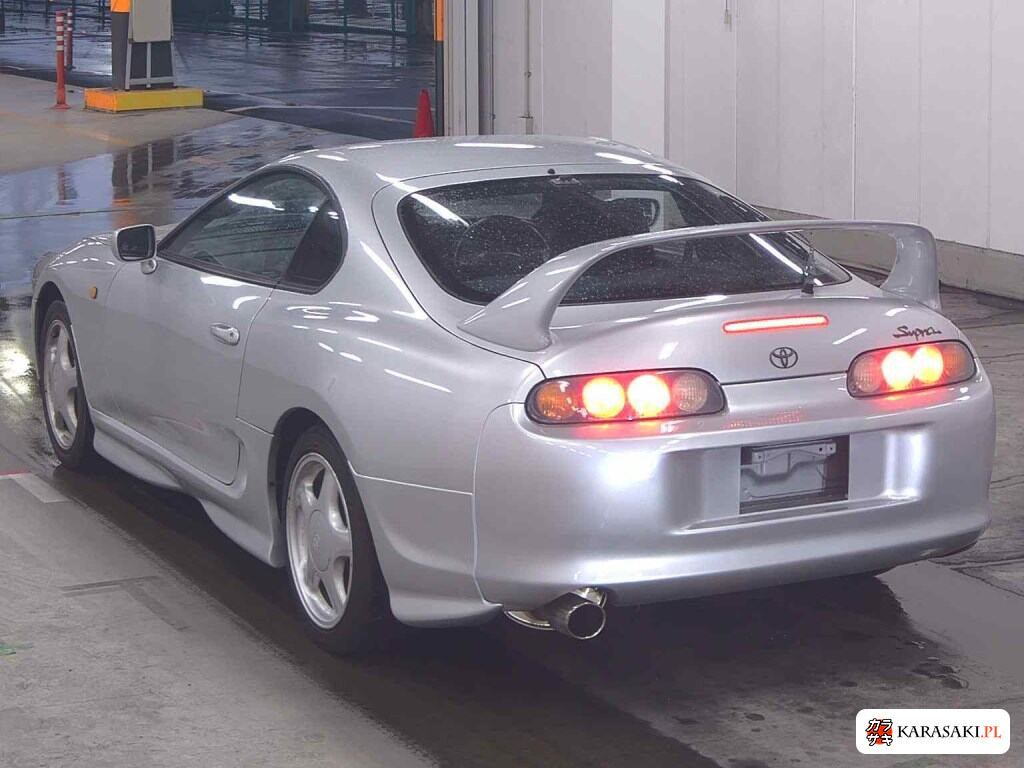
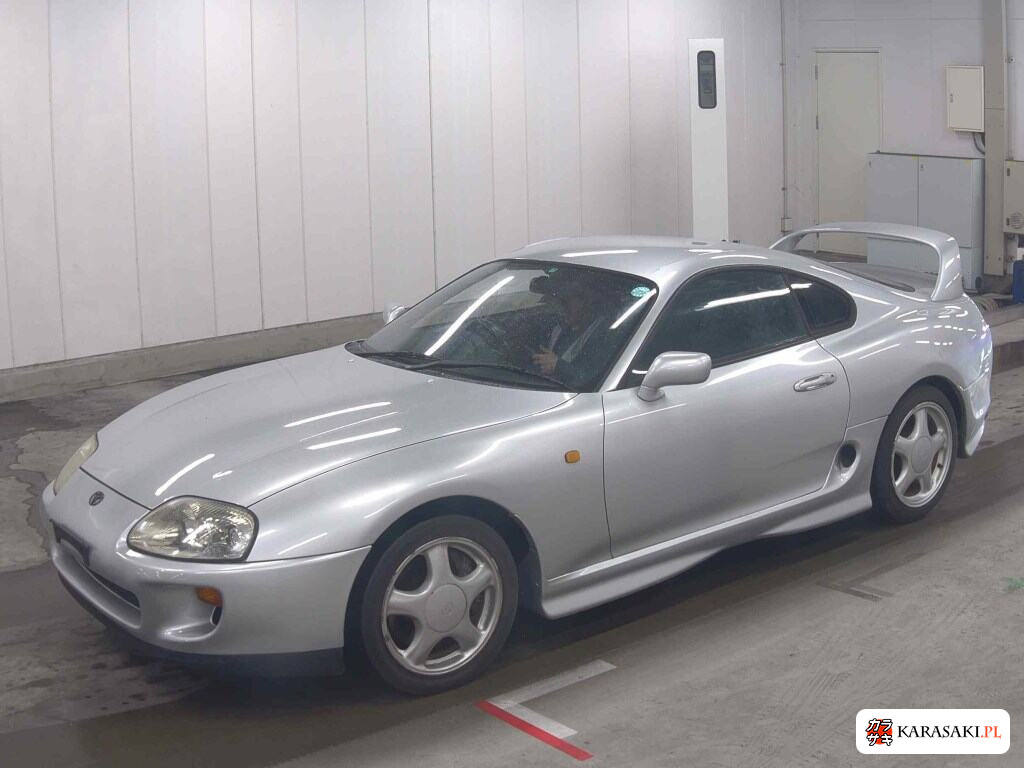
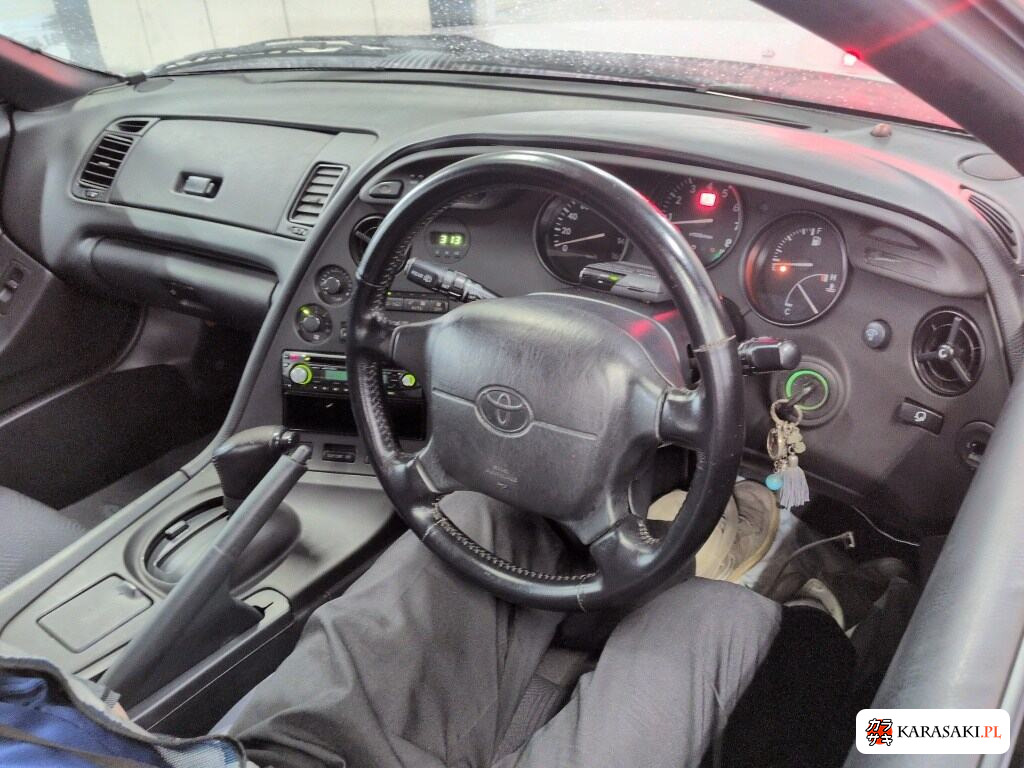
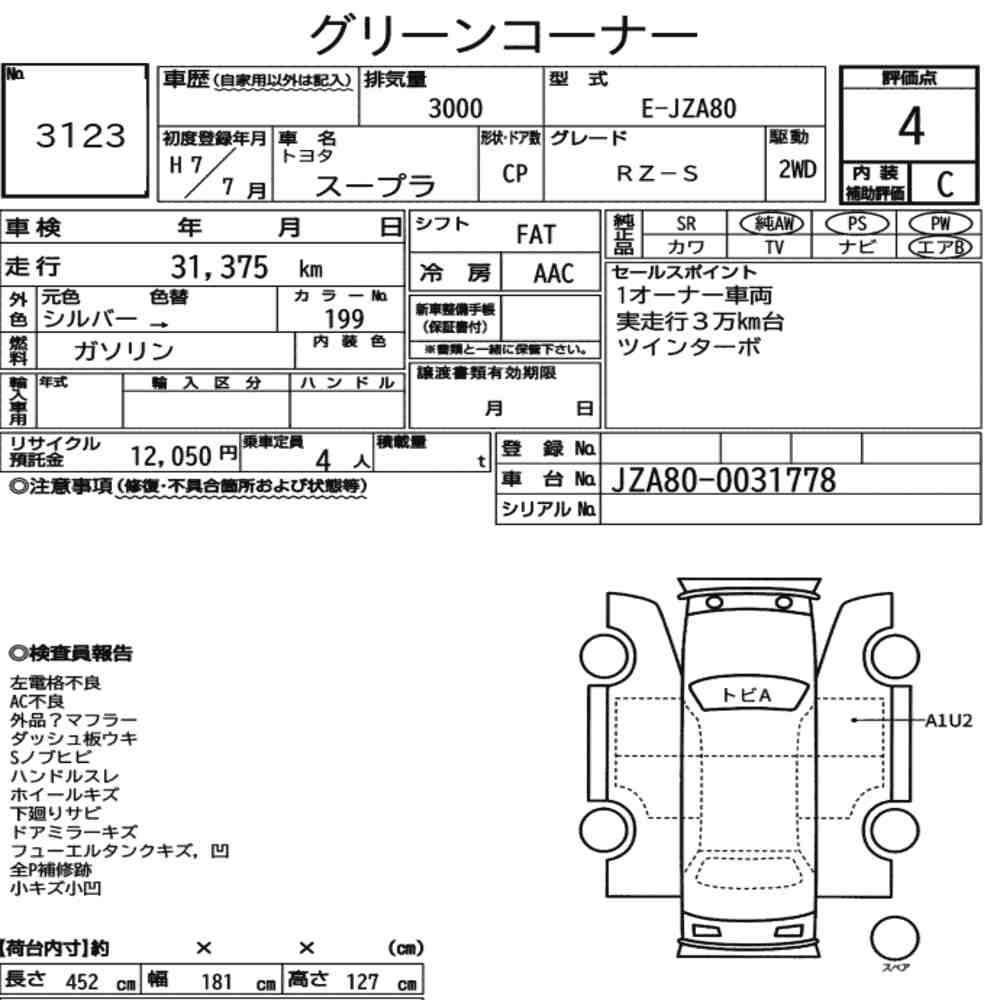
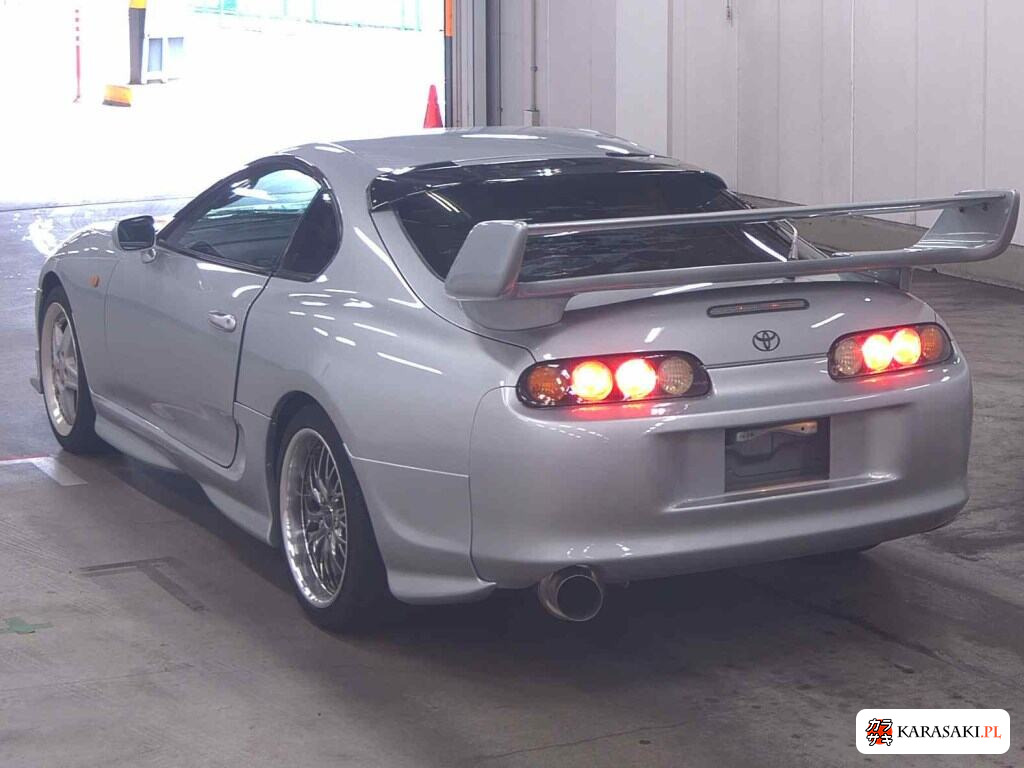
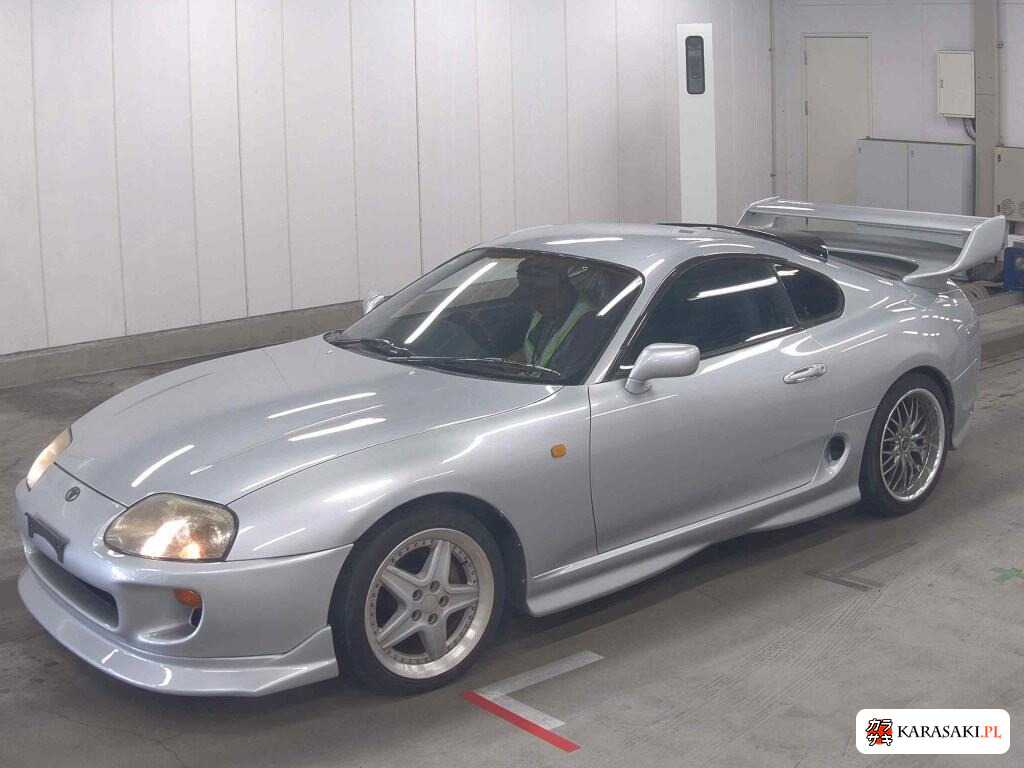
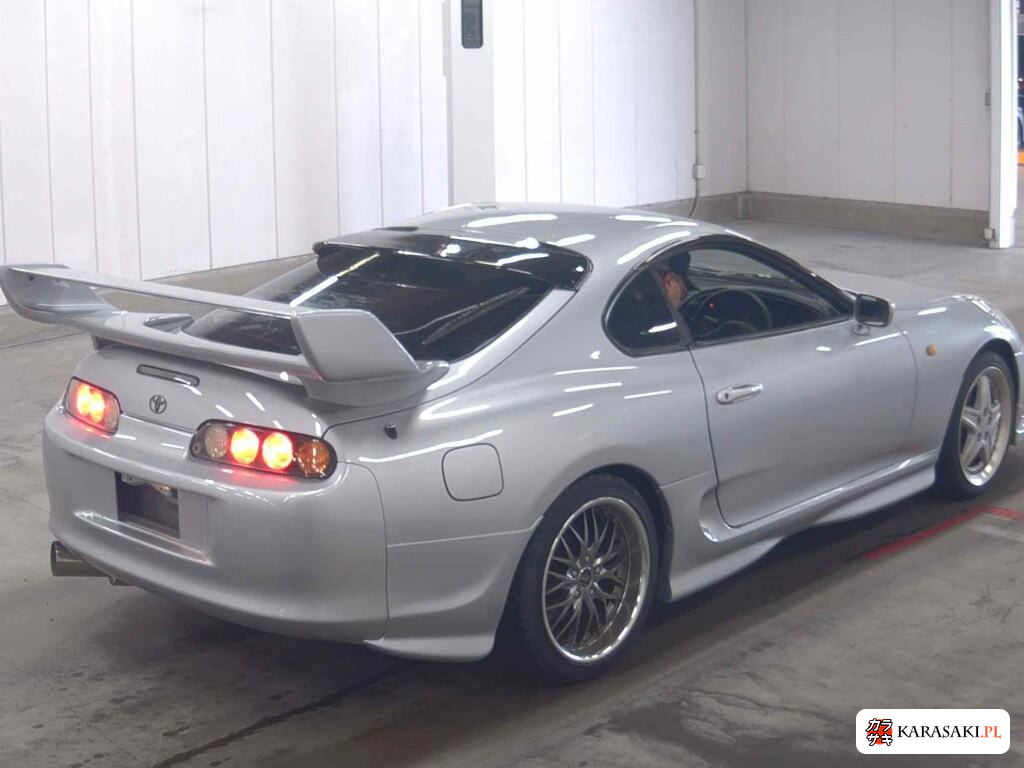
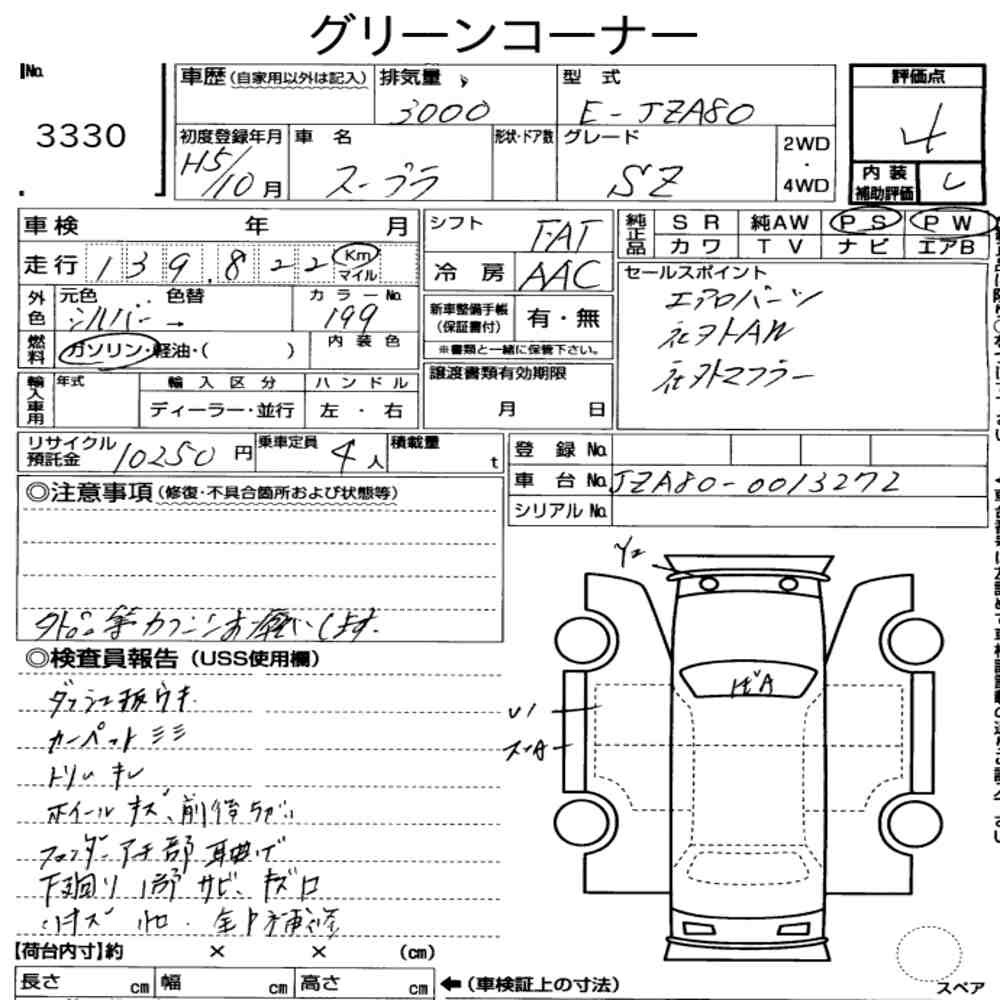
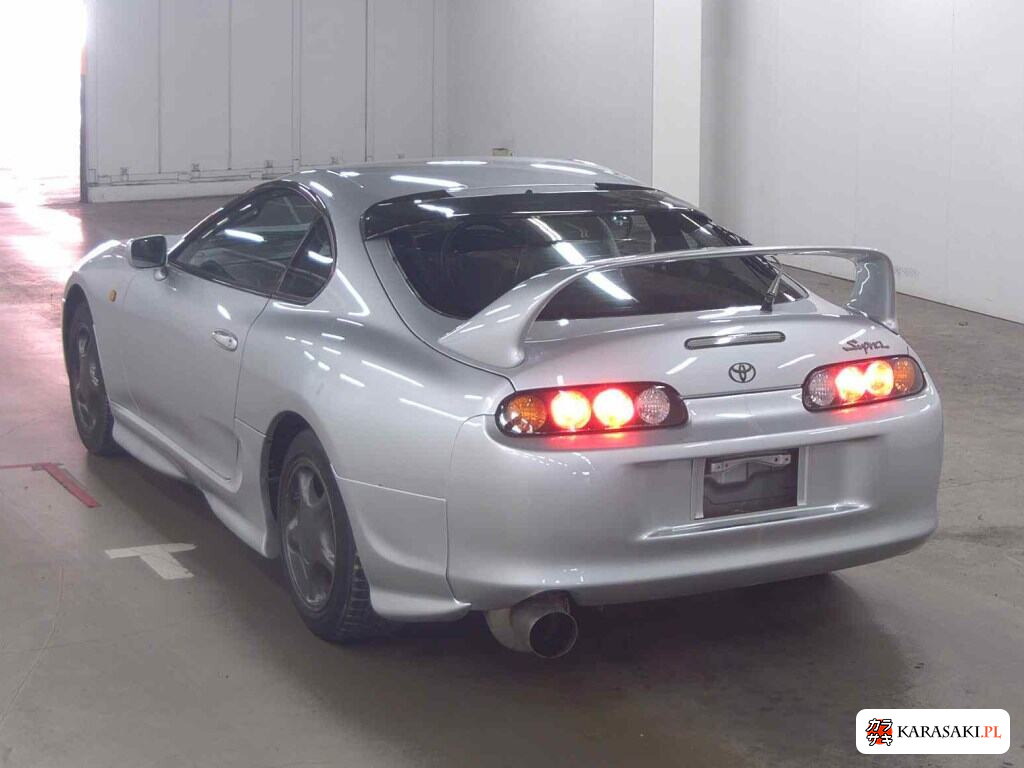
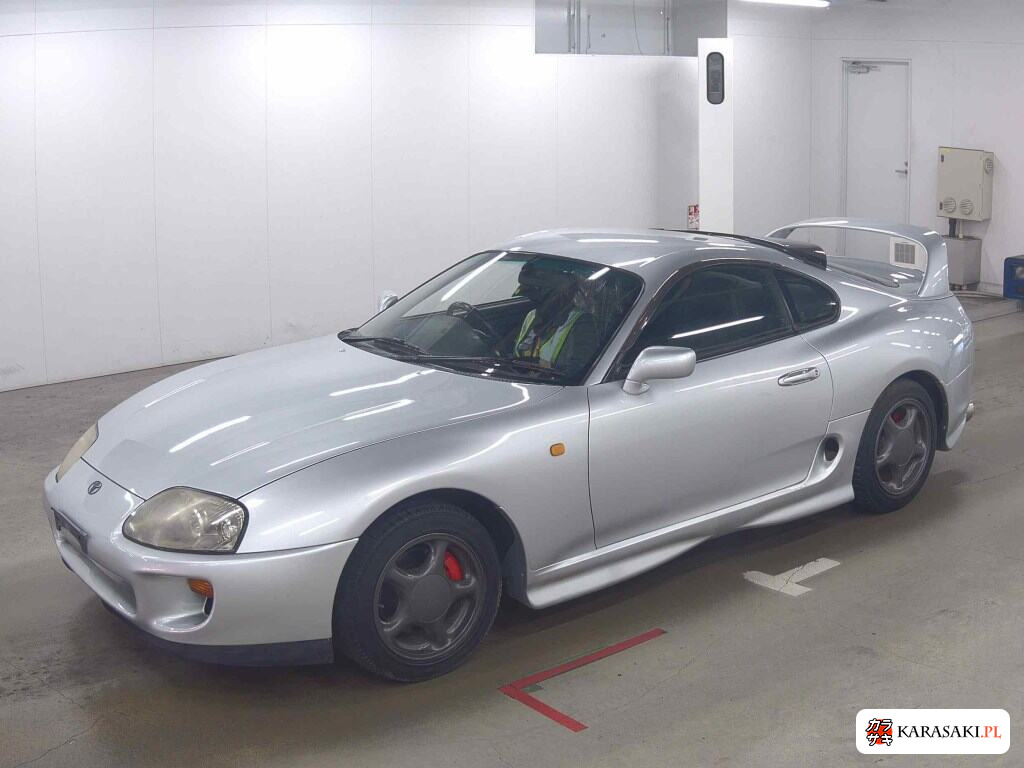
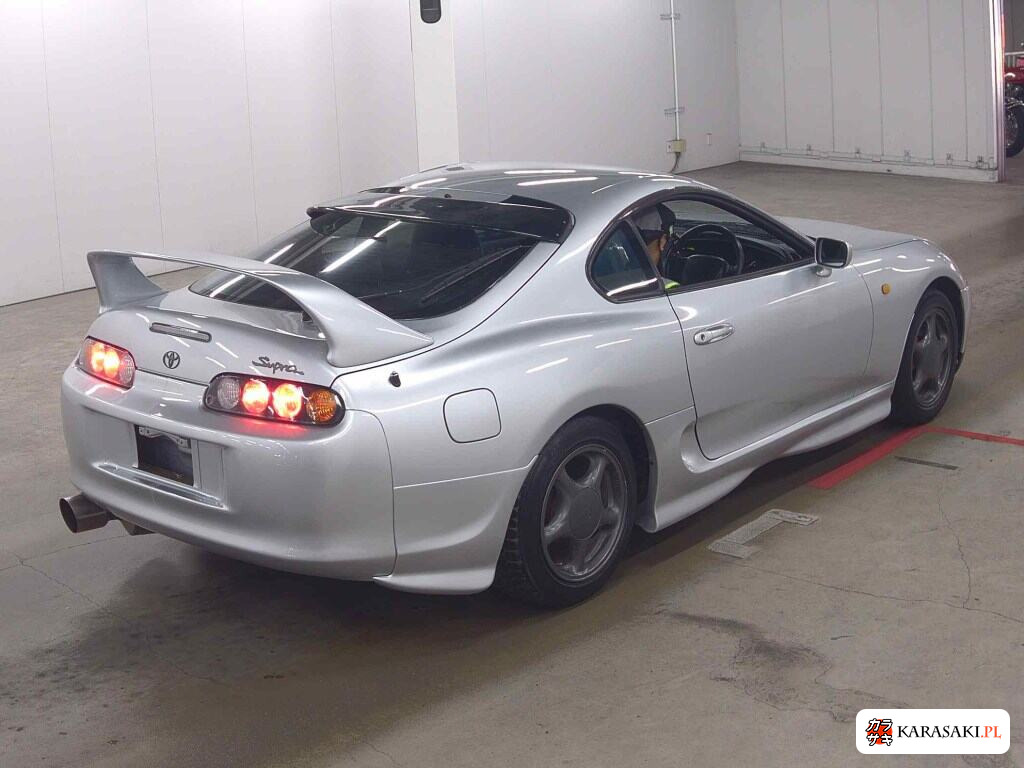
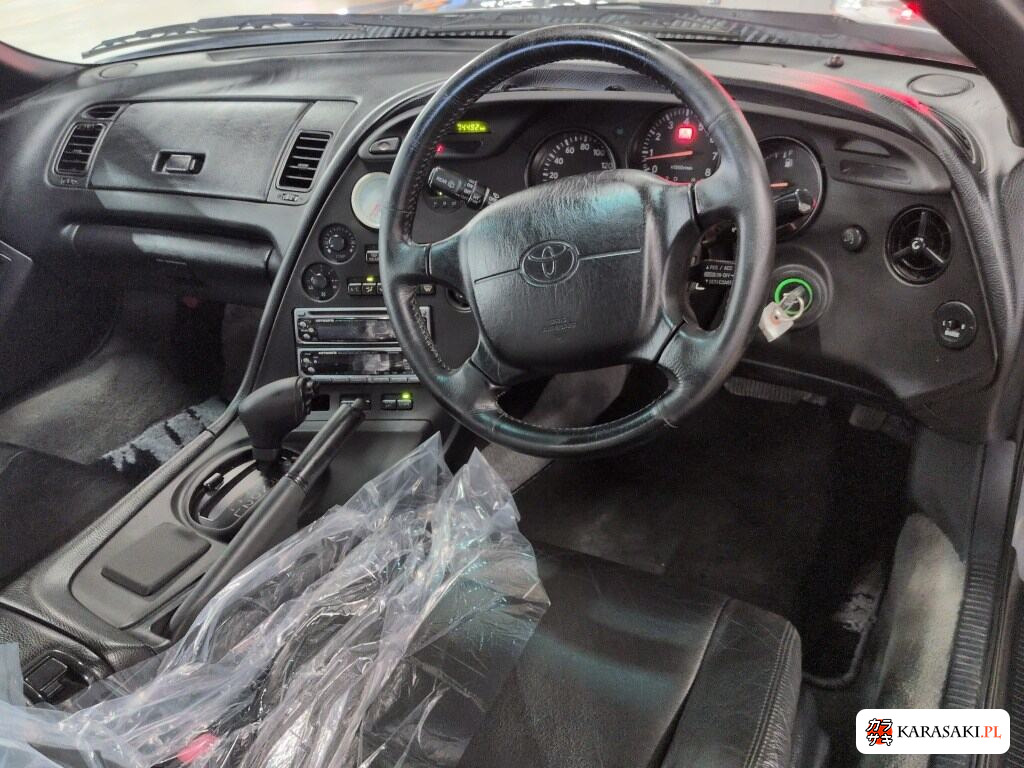
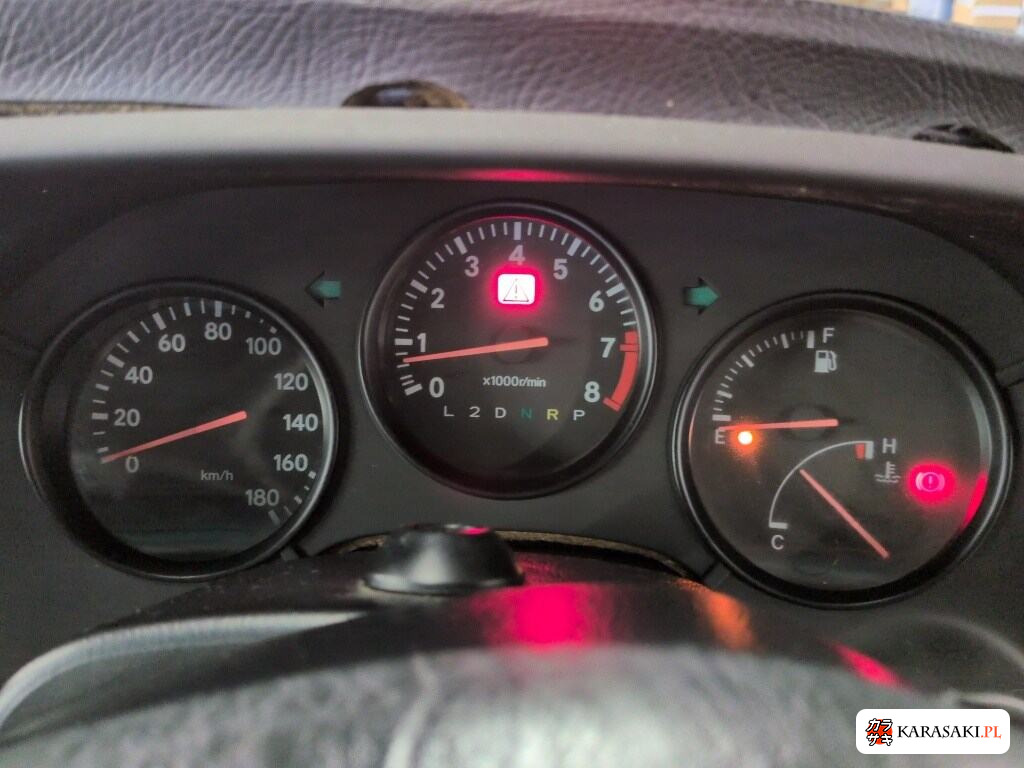
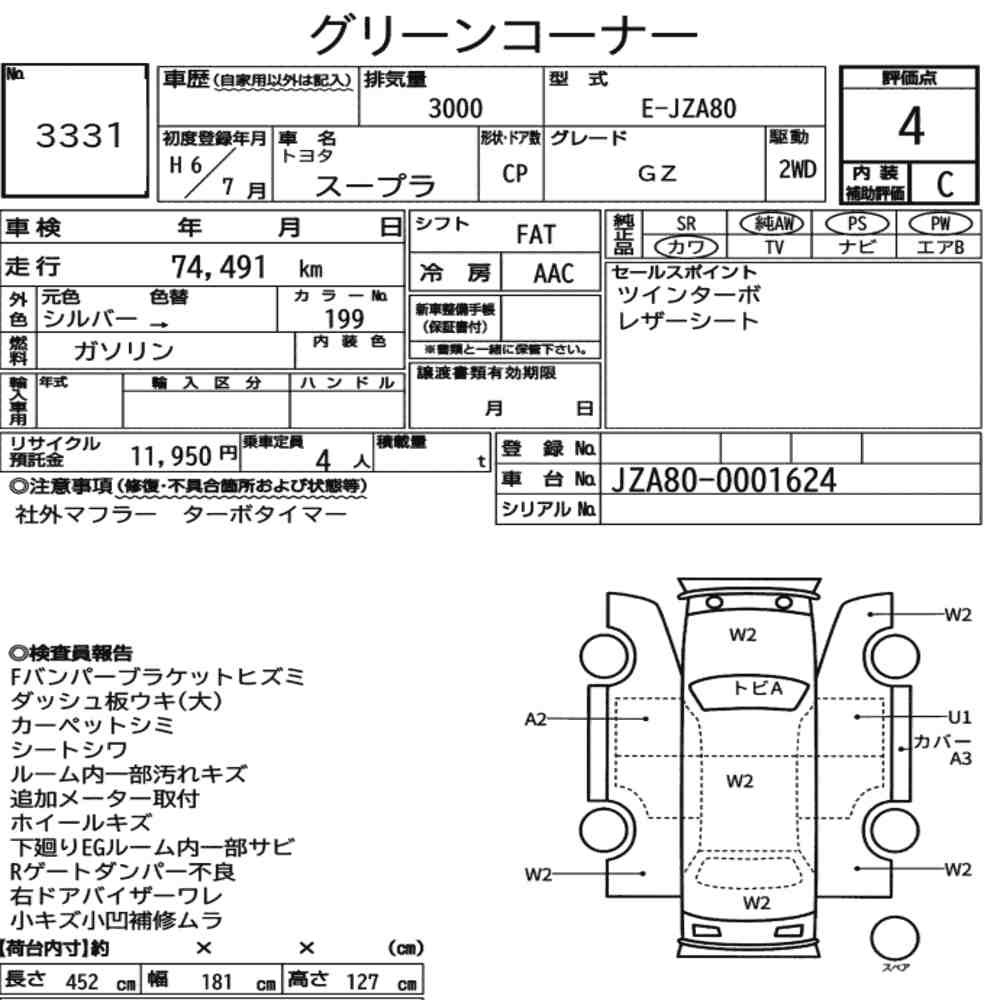
Now a car from the other excise league, say a three-litre coupe like the Toyota Supra, won for 3,000,000 JPY.
- Winning bid: 3,000,000 JPY, about 69,000 PLN
- Commissions in Japan: about 250,000 JPY, about 5,750 PLN
- Inland transport and port in Japan: about 1,200 PLN
- Sea freight, RoRo: about 6,000 PLN
- Customs value (price plus freight): about 75,000 PLN
- Duty 10%: about 7,500 PLN (or 0 PLN with proof of origin)
- Excise 18.6%: about 15,345 PLN
- VAT 23%: about 22,504 PLN
- Translations: about 400 PLN
- Inspection and admission: about 1,000 PLN
- Registration: about 256 PLN
That totals about 129,000 PLN with a 10% duty, or about 118,000 PLN with a valid proof of origin. Comparing the two scenarios shows the price of the 2000 cc threshold in plain numbers. If the same three-litre car were taxed at 3.1%, the excise would be about 2,560 PLN instead of 15,345 PLN, and the lower excise would also shrink the VAT base. The whole bill would end up about 15,700 PLN lower, even though the car itself and its shipping would cost exactly the same. That is why you should always check the displacement of the specific engine variant before bidding: between the 2.0 and 2.5 versions of the same model there is often a five-figure tax difference. The extreme case of that league, importing a Cadillac Escalade from Japan with its 6.2 engine, is calculated step by step in a separate article. The same logic also works in a gentler direction: a hybrid up to 2000 cc pays 1.55% excise, a hybrid between 2000 and 3500 cc pays 9.3%, and a fully electric car is exempt, which with big hybrid engines can rescue the whole calculation.
If you plan to spread the purchase over time, ask us about import financing options.
Frequently asked questions about import costs
How much is the customs duty on a car from Japan?
The base rate is 10% of the customs value. Since 1 February 2026 the EPA agreement between the EU and Japan allows zero duty for cars of Japanese origin, provided the exporter issues a statement on origin. A European-brand car bought at a Japanese auction does not qualify for the preference, and without the document customs charges the full 10%.
How much is the Polish excise on a car from Japan?
Excise depends on engine displacement: 3.1% for cars up to 2000 cc and 18.6% above that threshold. Hybrids get reduced rates, 1.55% up to 2000 cc and 9.3% between 2000 and 3500 cc, and fully electric cars are exempt. The base is the customs value plus the duty.
How much does shipping a car from Japan cost?
RoRo sea freight runs roughly 4,500 to 11,000 PLN, a container 7,000 to 18,000 PLN. On top of that come inland transport and port fees in Japan, about 300 to 500 USD. The voyage to Europe usually takes four to eight weeks, depending on the route and the destination port.
Does importing a car from Japan pay off?
The practical rule: on top of the winning bid, allow roughly 30 to 60 percent of its value for fees, taxes and shipping. A compact up to 2000 cc closes at around 50,000 to 54,500 PLN, and a sports car above 2000 cc at around 118,000 to 129,000 PLN. The best value comes from examples whose condition and spec are hard to find in Europe.
Summary
The total cost of importing a car from Japan is the winning bid plus roughly 30 to 60 percent of its value in fees, taxes and shipping, depending on engine size and whether you can secure zero duty with a proof of origin. As a guide: a kei car closes at around 25,000 PLN, a sub-2000 cc compact at about 50,000 to 54,500 PLN, and a three-litre coupe at about 118,000 to 129,000 PLN. The biggest levers are excise (the 2000 cc threshold) and freight. The rest is predictable and can be calculated up front. Before you commit to a specific car, run the numbers for its exact engine variant and ask about the proof of origin, because those two things weigh more in the calculation than all the remaining fees combined. Once you know the cost structure, you can choose a car to fit your budget deliberately. Start with our selection of cars from Japanese auctions.


