
The Mercedes SL R129 is regarded as the last SL designed with no regard for the budget: a roll bar that deploys in 0.3 seconds, seat frames cast in magnesium and an engine range from a straight-six to a V12. It was that V12 that AMG later developed into the Pagani Zonda unit. Every Mercedes SL in our catalog of Japanese auctions is left-hand drive. We break the R129 generation down piece by piece: versions and engines, median starting prices from our data, typical faults and the import bill, including the 18.6% excise that applies to every single example.
Mercedes R129: the last SL built with no expense spared
The Mercedes R129 is the fourth generation of the SL roadster, built in Bremen from March 1989 to July 2001. A total of 204,940 cars were made, with engines ranging from a straight-six to a V12. The car became famous for a safety roll bar that deploys in 0.3 seconds and is regarded as the last SL engineered without cost compromises.
The successor to the iconic R107, which stayed in production for eighteen years, took shape under Bruno Sacco, head of styling at Daimler-Benz from 1975 to 1999 and the man behind the W124 and W126, among others. The body sits on a shortened W124 E-Class floorpan, and the car made its debut at the Geneva Motor Show in March 1989. Demand immediately outstripped the plan: the Bremen plant had planned for 20,000 cars a year, and buyers waited years for delivery. The last example left the line on 2 July 2001.
The SL's reputation for solidity is grounded in real engineering. The roll-over bar, a novelty at the time, hides behind the seats and, if the car senses an imminent rollover, pops up in 0.3 seconds under the force of pre-compressed springs and is locked in place by pawls. The seats have frames cast from magnesium alloys with integrated belts and tensioners, the soft top folds electrohydraulically in about 30 seconds, and every car came with an aluminium winter hardtop as standard. That engineering was priced accordingly: a base 500 SL cost 125,400 Deutsche Marks in March 1989.
Nothing sums up the car's status better than Princess Diana. In December 1991 she swapped her official Jaguar for a privately leased red 500 SL and became the first member of the British royal family to drive a foreign car. The press and politicians raised such an outcry that she had to return the car in September 1992. That very car is now on display in the Mercedes museum in Stuttgart.
Versions and engines: from the 300 SL to the SL 600 and AMG
The range evolved in three phases. Until 1993 it was built around the 300 SL and 300 SL-24 straight-sixes plus the V8-powered 500 SL, joined in July 1992 by the twelve-cylinder 600 SL. The 1995 facelift brought body-colour bumpers and a five-speed automatic for the V8 and V12, and a second facelift in 1998 swapped the engines: the straight-sixes gave way to V6 units and the prized M119 V8 was replaced by the simpler M113.
| Version | Years | Engine | Power | Built |
|---|---|---|---|---|
| 300 SL | 1989-1993 | 3.0 straight-six (M103) | 190 PS | 12,020 |
| 300 SL-24 | 1989-1993 | 3.0 straight-six, 24 valves (M104) | 231 PS | 26,984 |
| 500 SL / SL 500 | 1989-1998 | 5.0 V8 (M119) | 326 PS, from late 1992: 320 PS | 79,827 |
| 600 SL / SL 600 | 1992-2001 | 6.0 V12 (M120) | 394 PS | 11,089 |
| SL 280 | 1993-1998 | 2.8 straight-six (M104) | 193 PS | 10,319 |
| SL 320 | 1993-1998 | 3.2 straight-six (M104) | 231 PS | 32,223 |
| SL 280 | 1998-2000 | 2.8 V6 (M112) | 204 PS | 1,704 |
| SL 320 | 1998-2001 | 3.2 V6 (M112) | 224 PS | 7,070 |
| SL 500 | 1998-2001 | 5.0 V8 (M113) | 306 PS | 23,704 |
Above the series range stood the AMG versions, fewer than a thousand cars in total. The most numerous was the SL 60 AMG with its 381 PS V8, at 633 cars, followed by the SL 55 AMG at 65, and the twelve-cylinder SL 70 and SL 72 at 150 and 35 cars respectively. The pinnacle was the SL 73 AMG: 7.3 litres, 525 PS and around 50 cars built, though some sources say up to 85, because no official register was ever kept.
That engine passed into legend by a roundabout route. Mercedes-AMG later built the 7,291 cc M297 unit for Pagani, and in the Zonda S 7.3 it made 555 PS and 750 Nm. The Zonda F took its name from Juan Manuel Fangio; it was originally going to be called the Fangio F1. According to sources on the M120 engine, a handful of S 73 T estates with this unit were also built, most of them bought by the Sultan of Brunei. It is hard to think of better proof that the R129 belonged in the very top tier. We cover the modern heir to these top-end engines in our piece on the Mercedes-AMG GT from Japan.
Which one to hunt for? Collectors rate the 32-valve M119 V8 from the first two production phases highest, and the SL 500 is seen as the best balance of performance and cost. The later M113 from the final years is simpler and cheaper to run. V8s account for half of production anyway: of 204,940 cars, 103,531 had the five-litre V8, and just 11,089 had the V12.
R129 prices at auction: what our data shows
The figures above cover every SL generation in our catalog, including the newer R230 and R231, so from here on we'll stick to the narrower slice. We have 56 R129s proper, cars from model years 1989-2001, and 50 of them list a starting price (as of 10 August 2026). Their median is 850,000 yen, roughly 20,000 PLN before taxes, the typical price range runs from 500,000 to 1,298,000 yen, and the median mileage is 72,000 km. Every one of our 255 SLs is left-hand drive. Remember these are auction opening prices, not sale prices: the auction data available to us in most cases does not carry the final figure, so we quote the starting price and say so plainly.
Things get interesting at the extremes. The oldest cars, from 1989, can start at several million yen, because examples from the first, now collectible series come up for auction; though that reading comes from a small sample of just five cars. The whole generation's trend is confirmed by Hagerty's valuation: an R129 in excellent condition gained 49% in five years, to an average of 23,645 dollars (data from January 2023). The photo opening this article is, by the way, a car from our catalog: a 1991 500 SL graded 4.5 with 11,000 km on the clock. The full price-by-year breakdown is in the table below.
You'll find current examples on the Mercedes SL model page.
Mercedesy SL z Japonii na aukcji

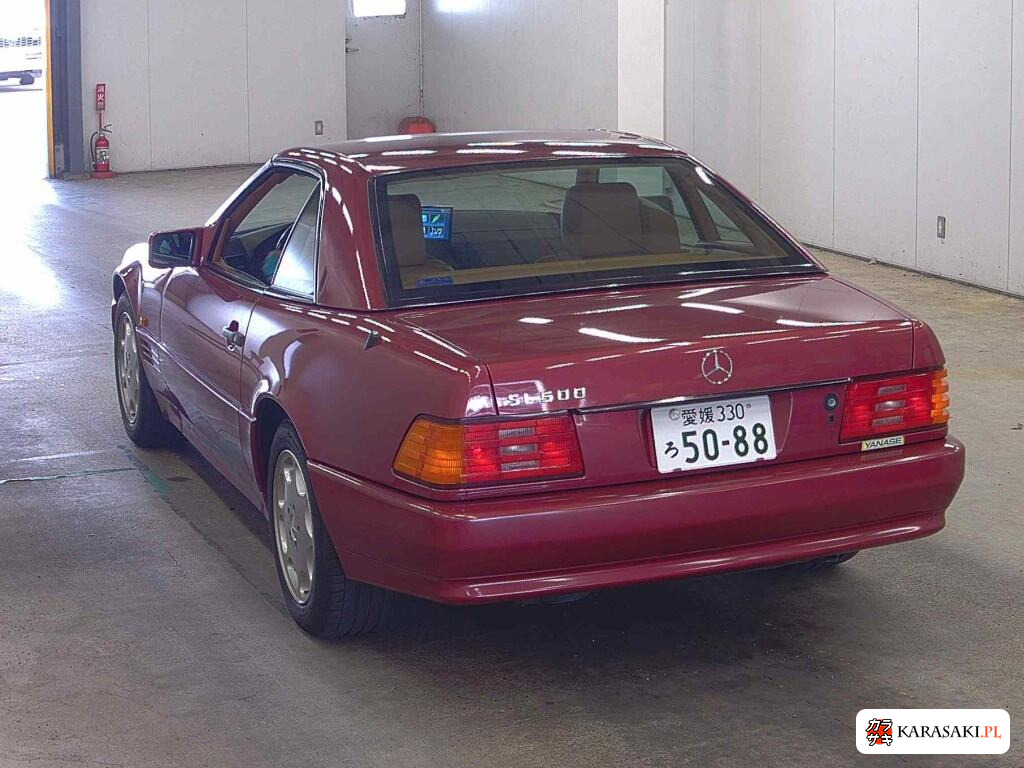
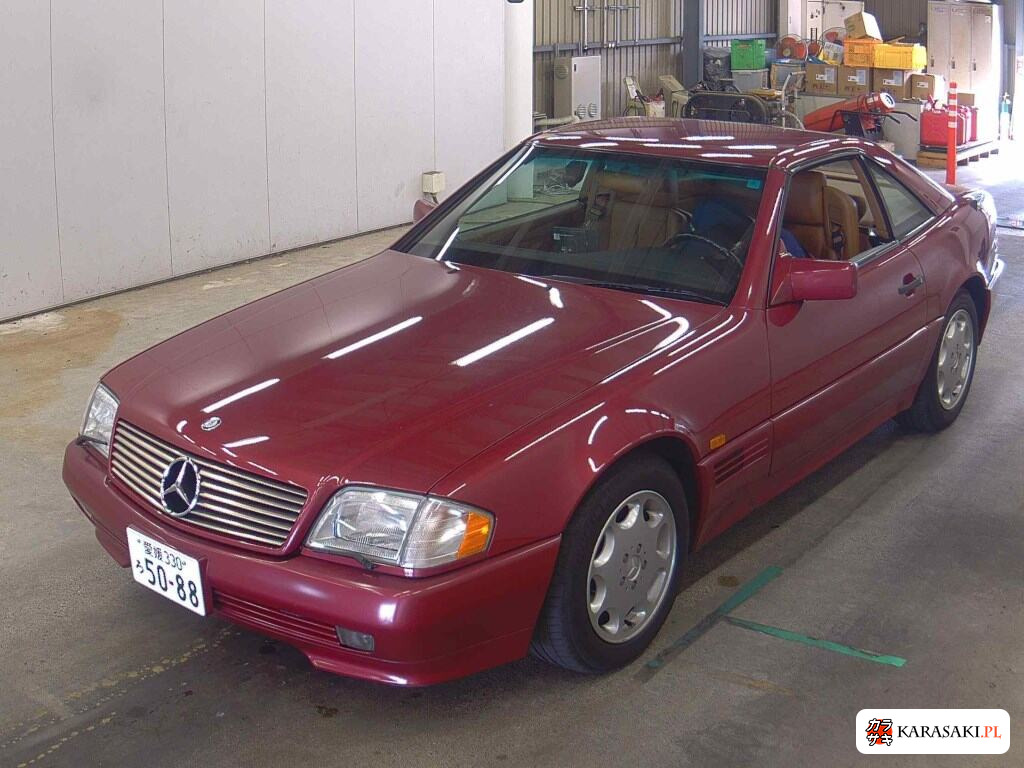
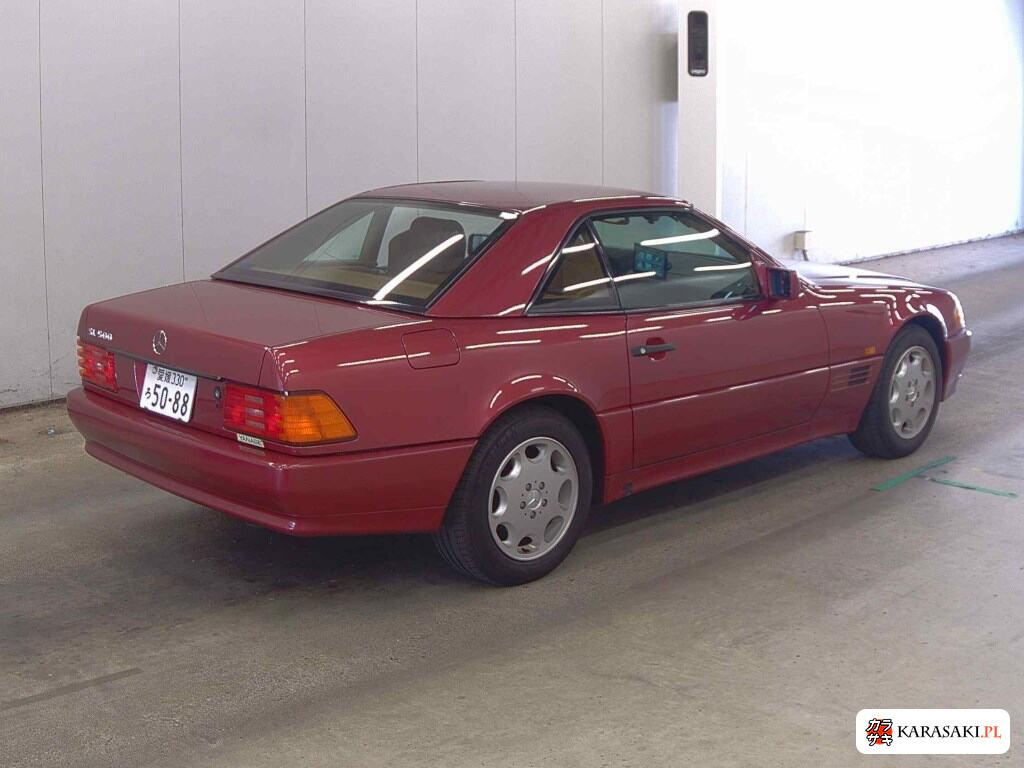
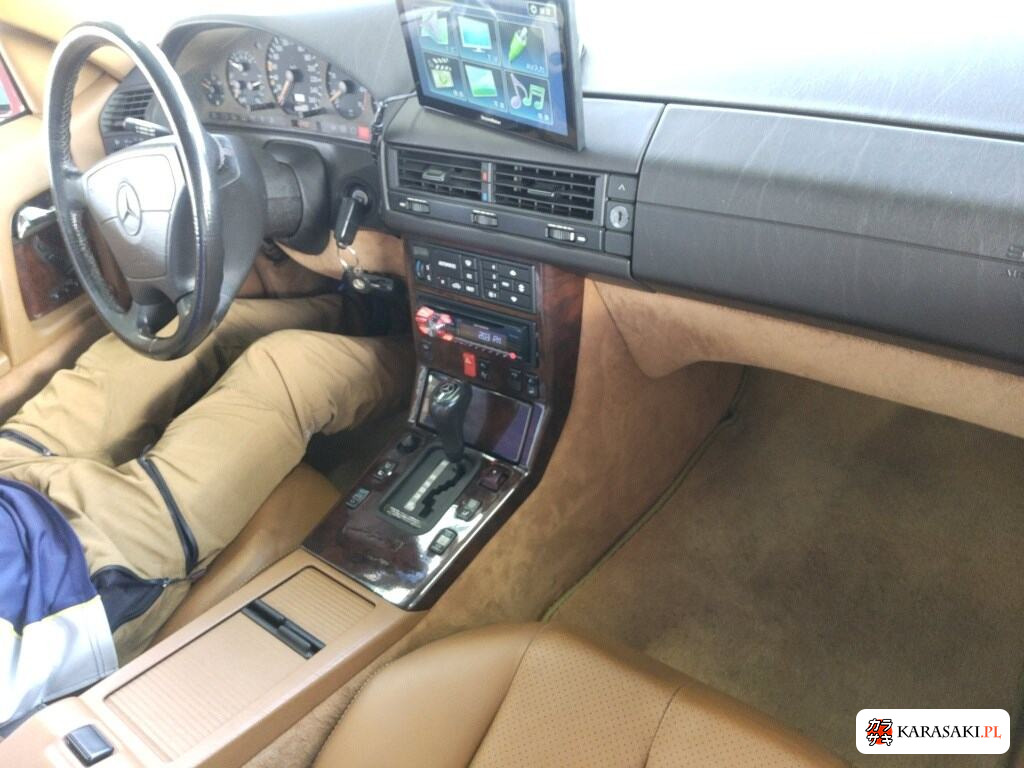
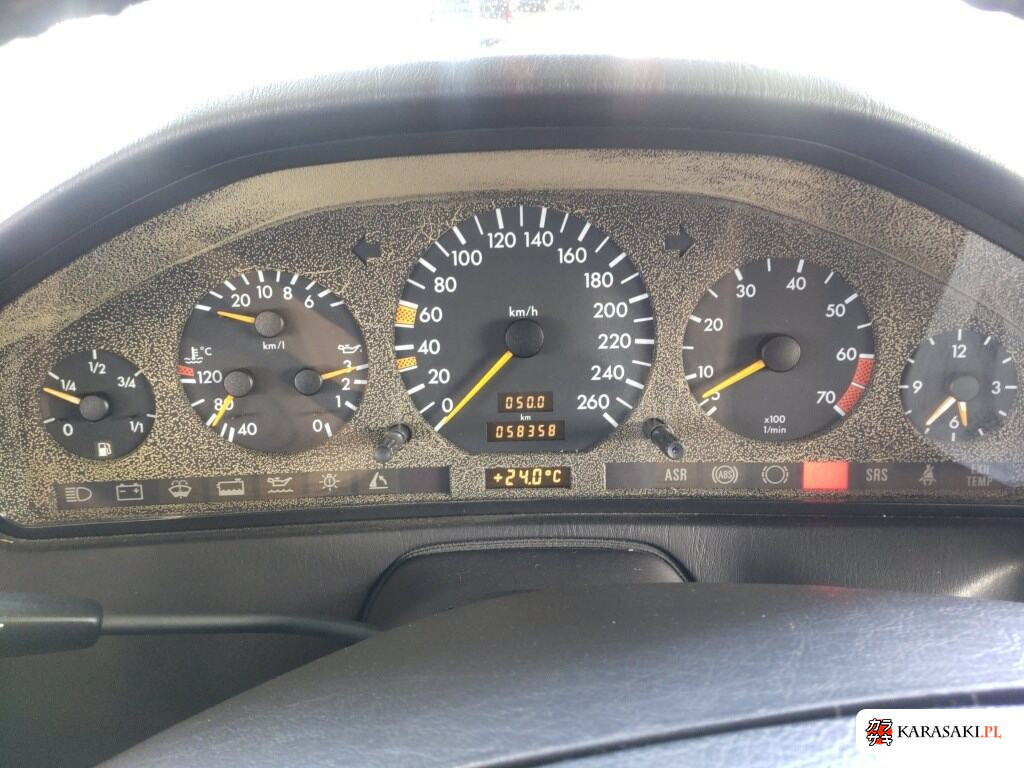
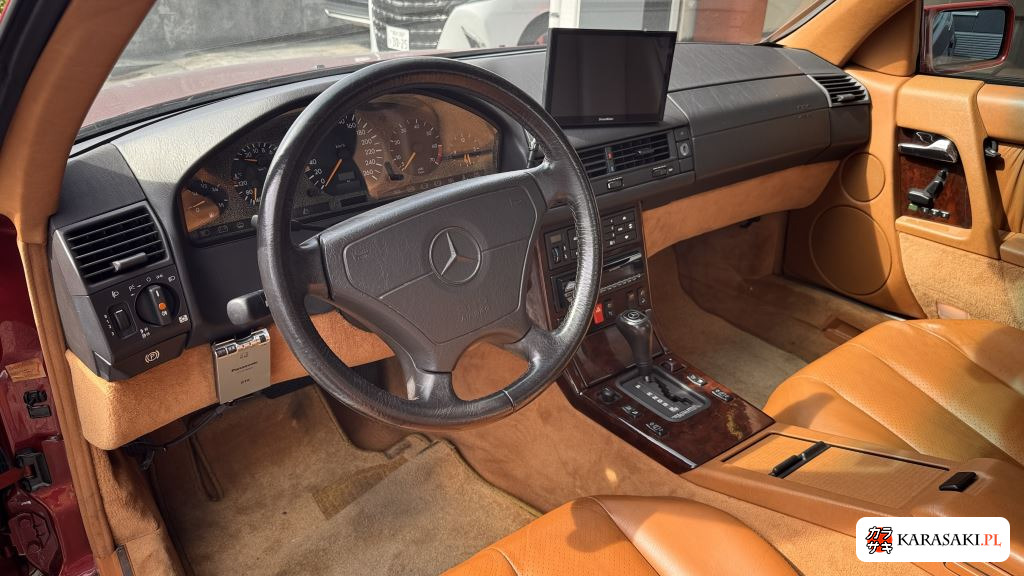
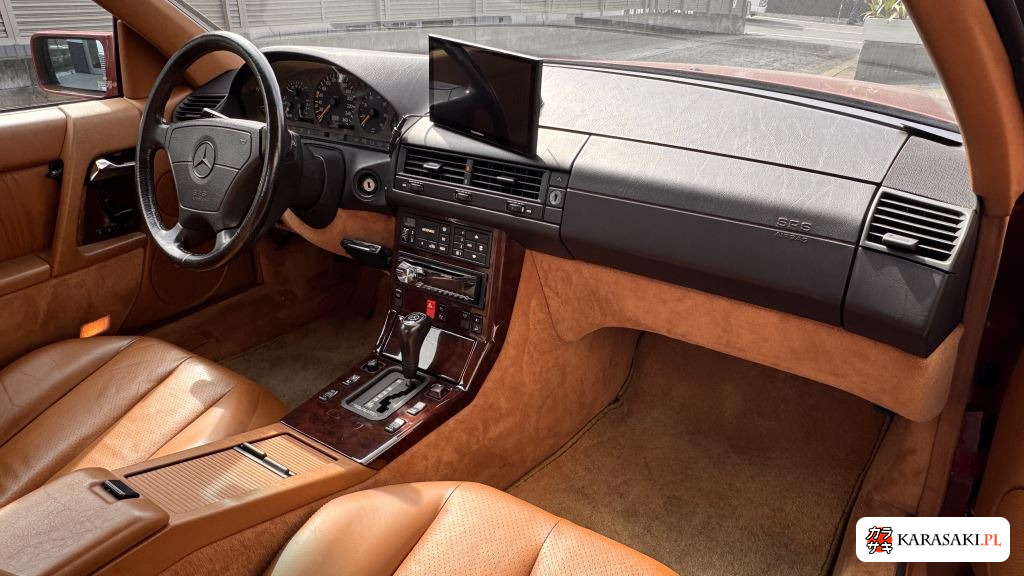
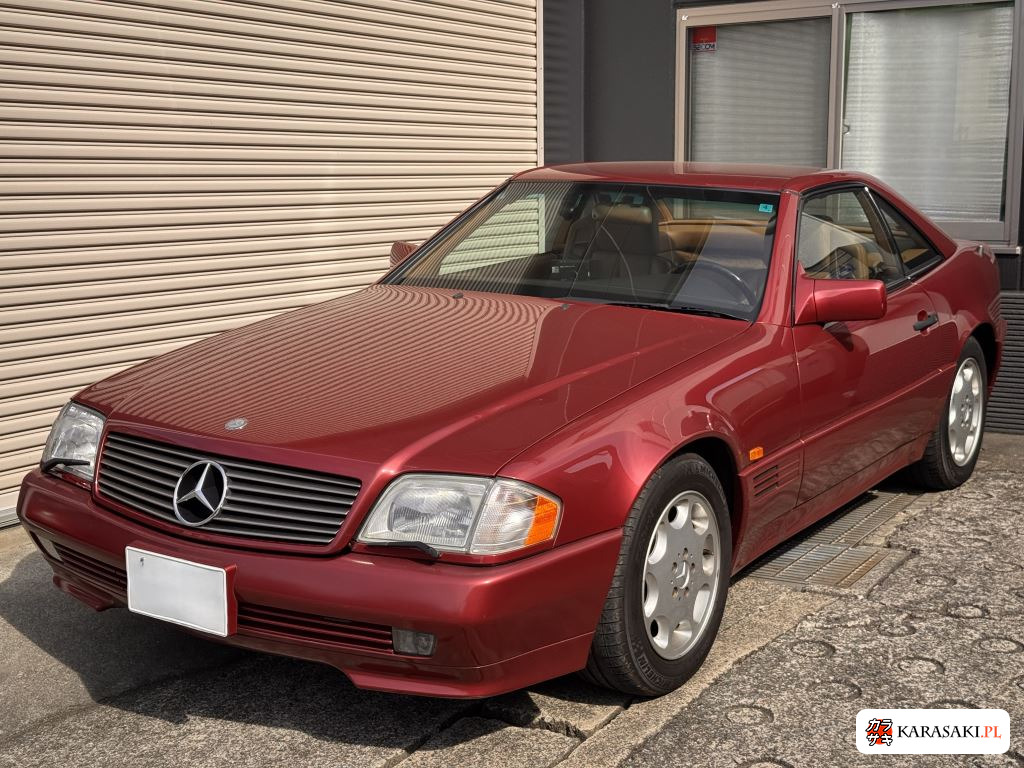
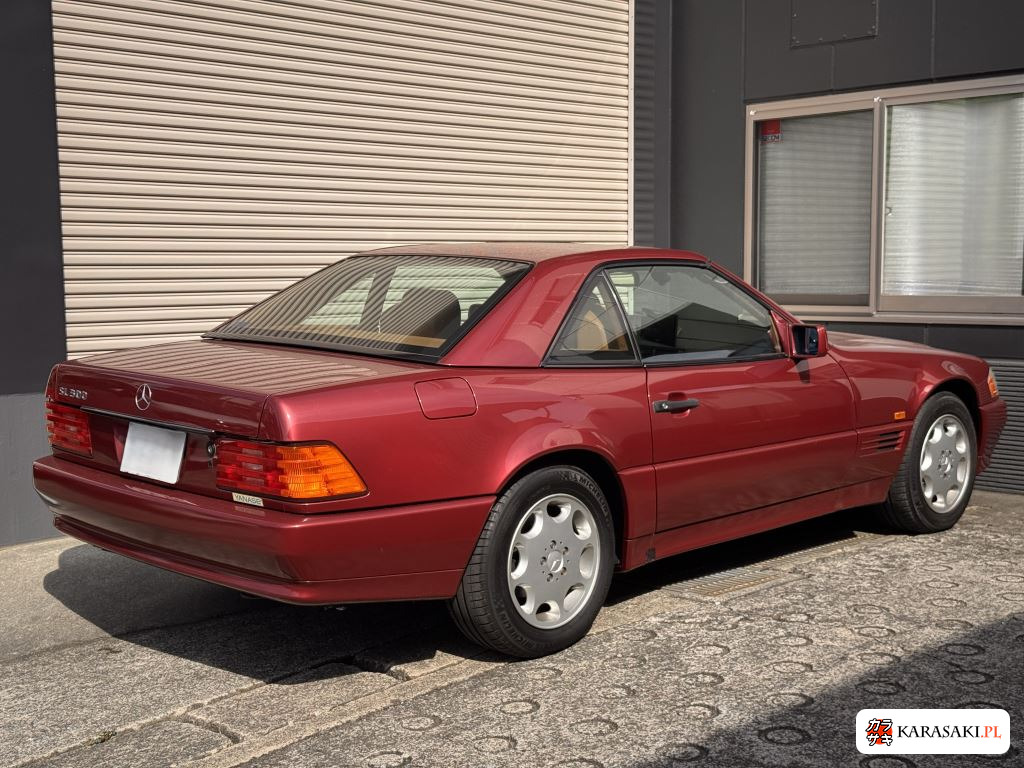
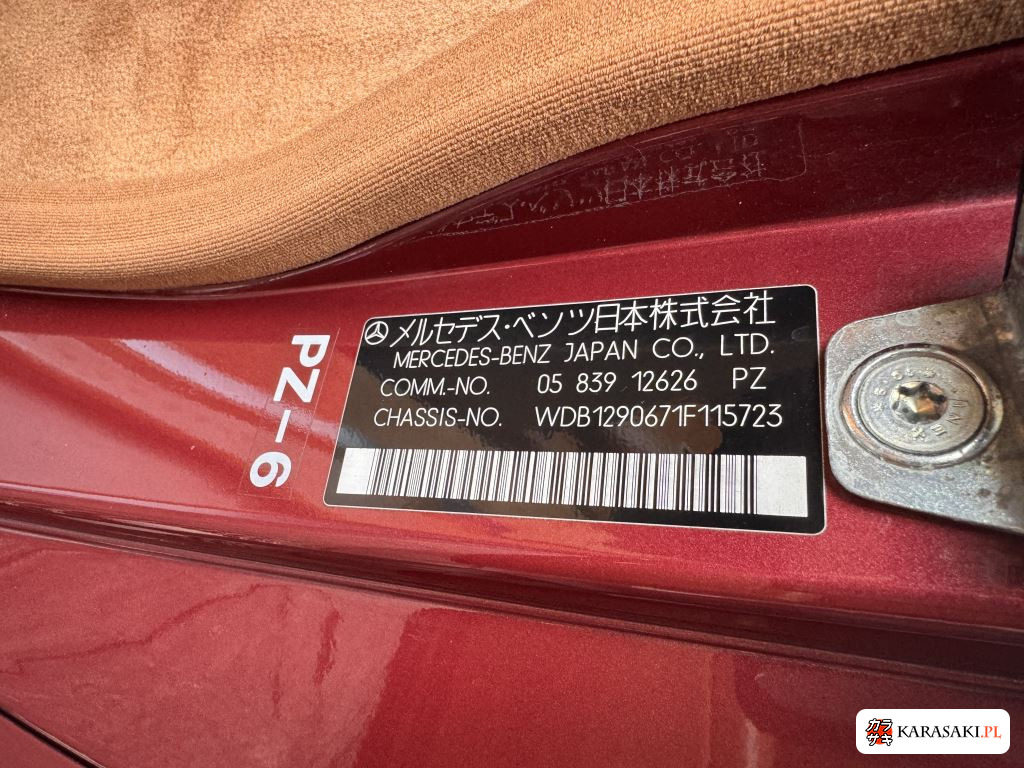
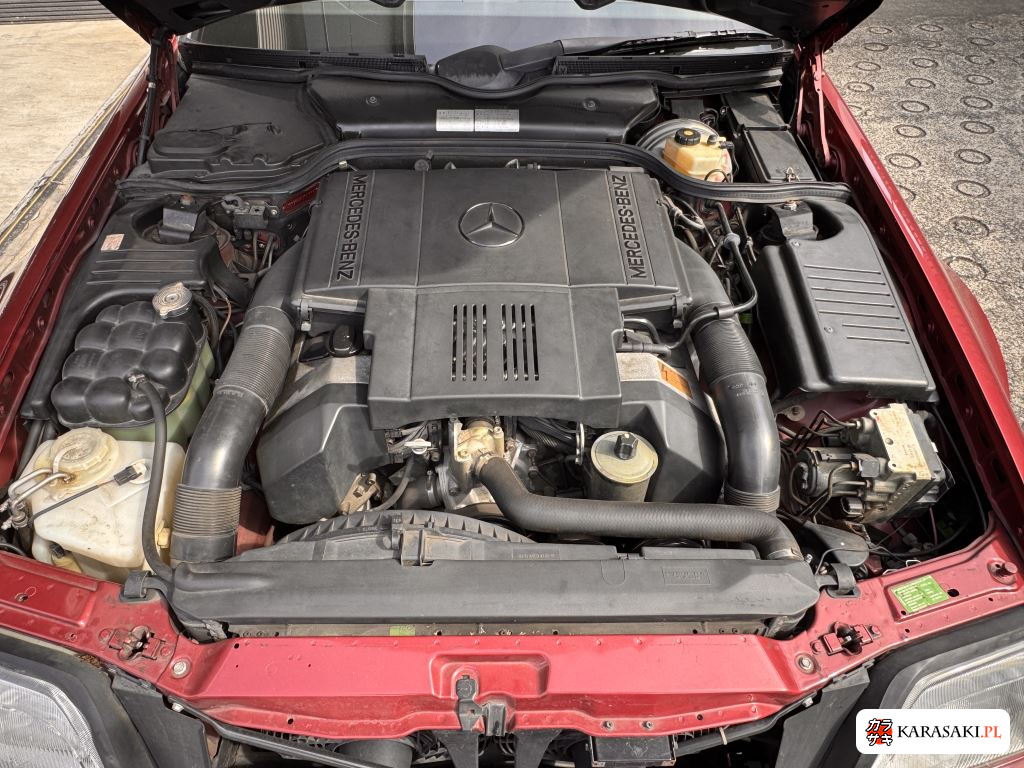
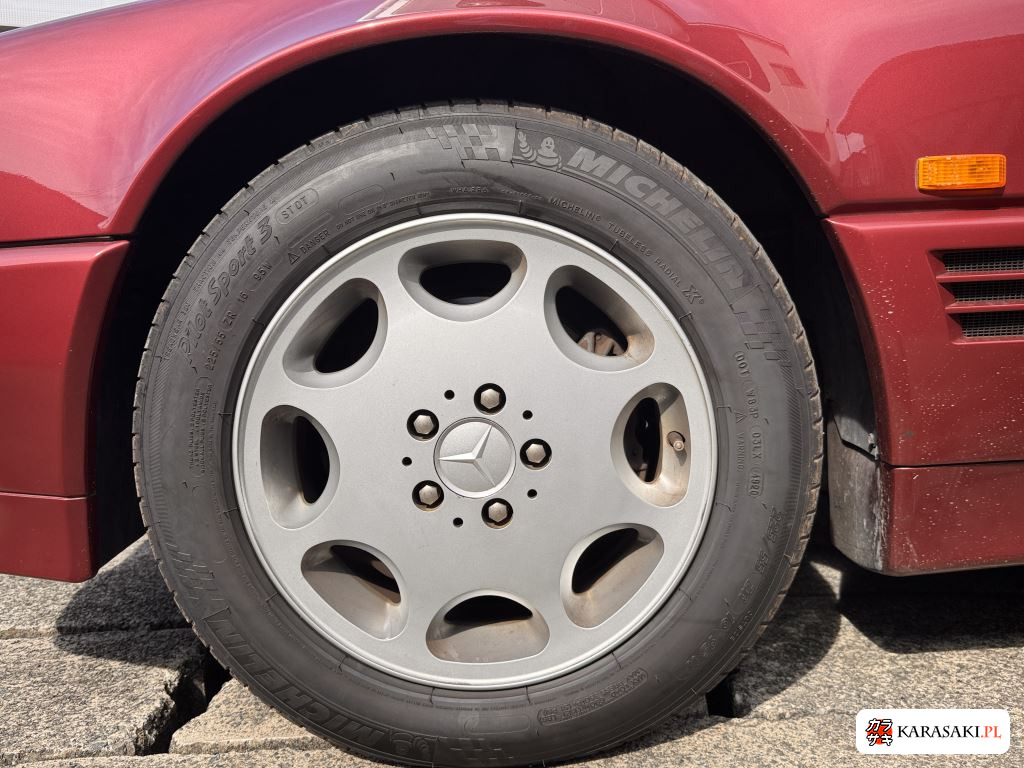
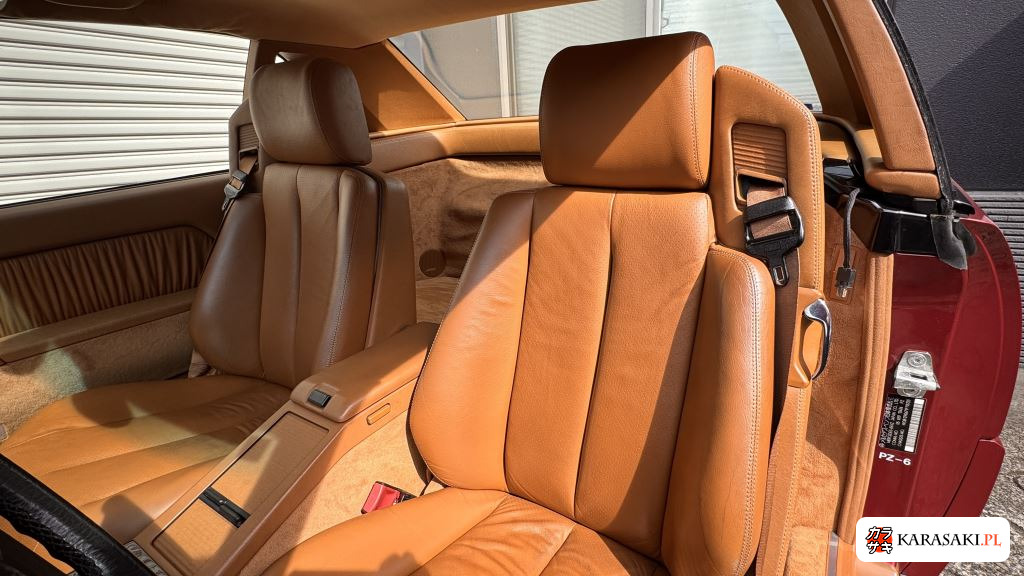
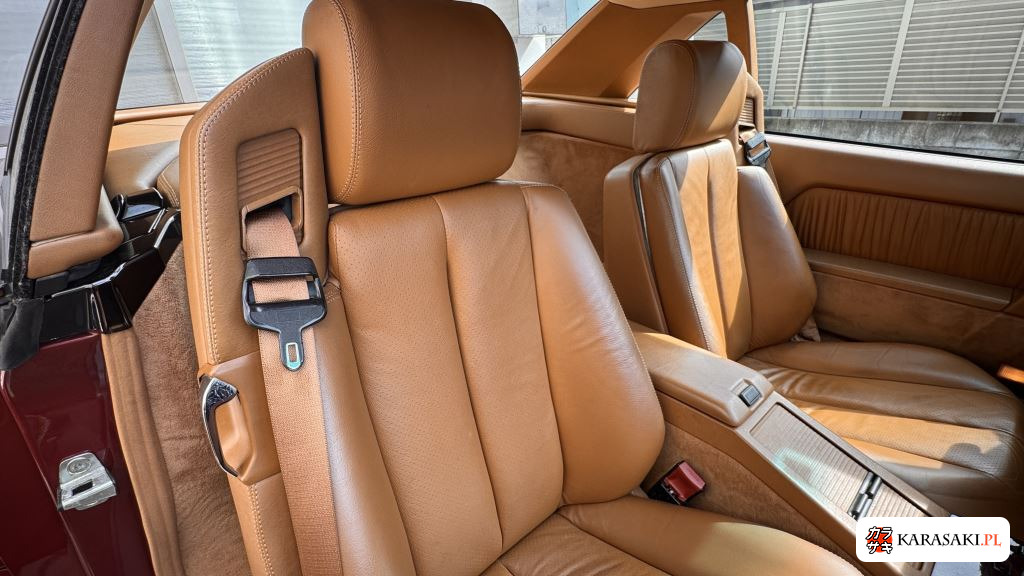
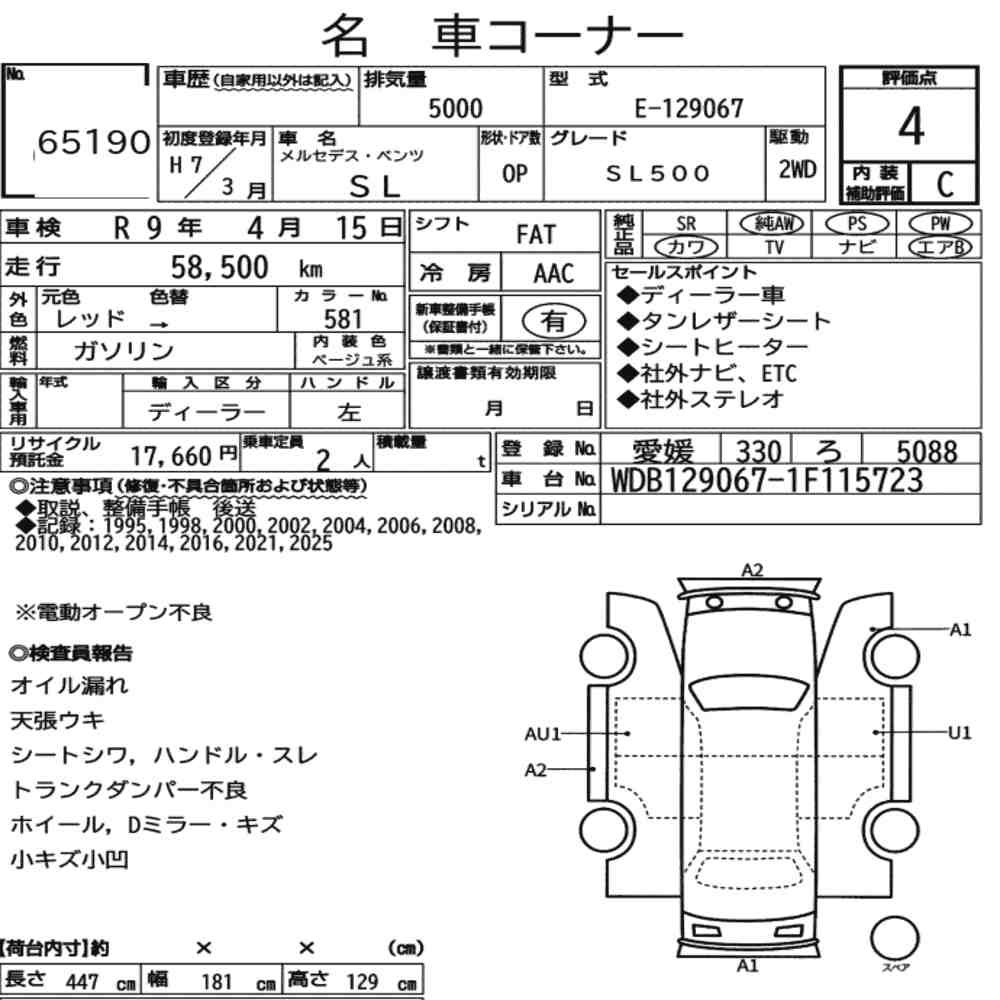

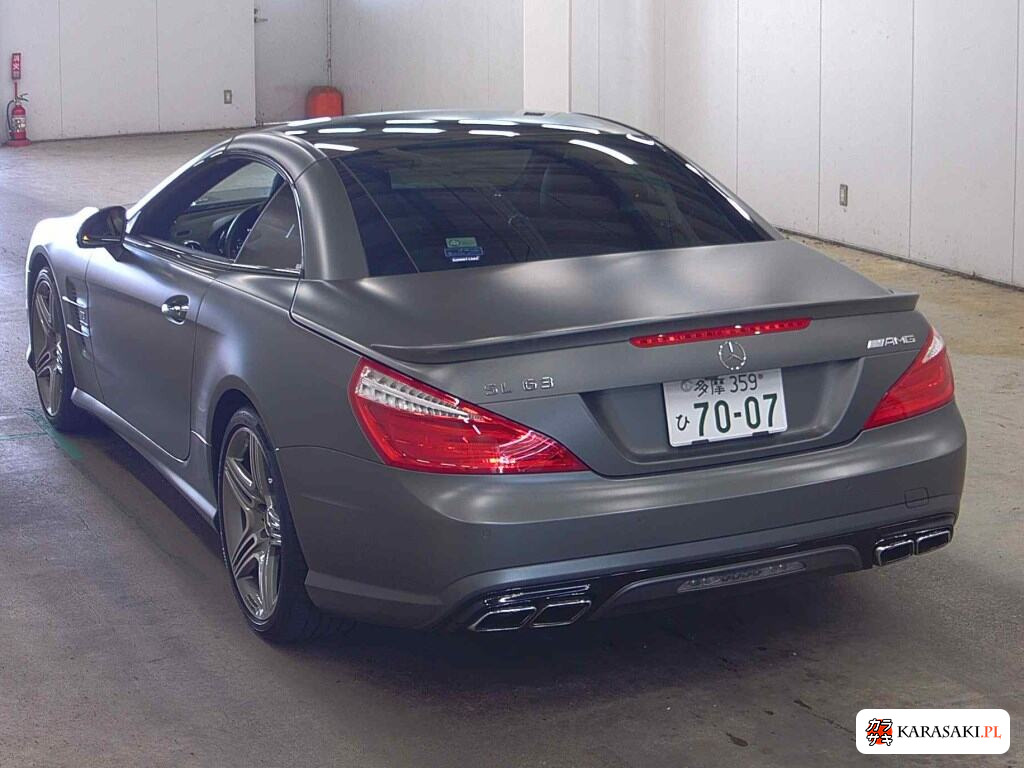
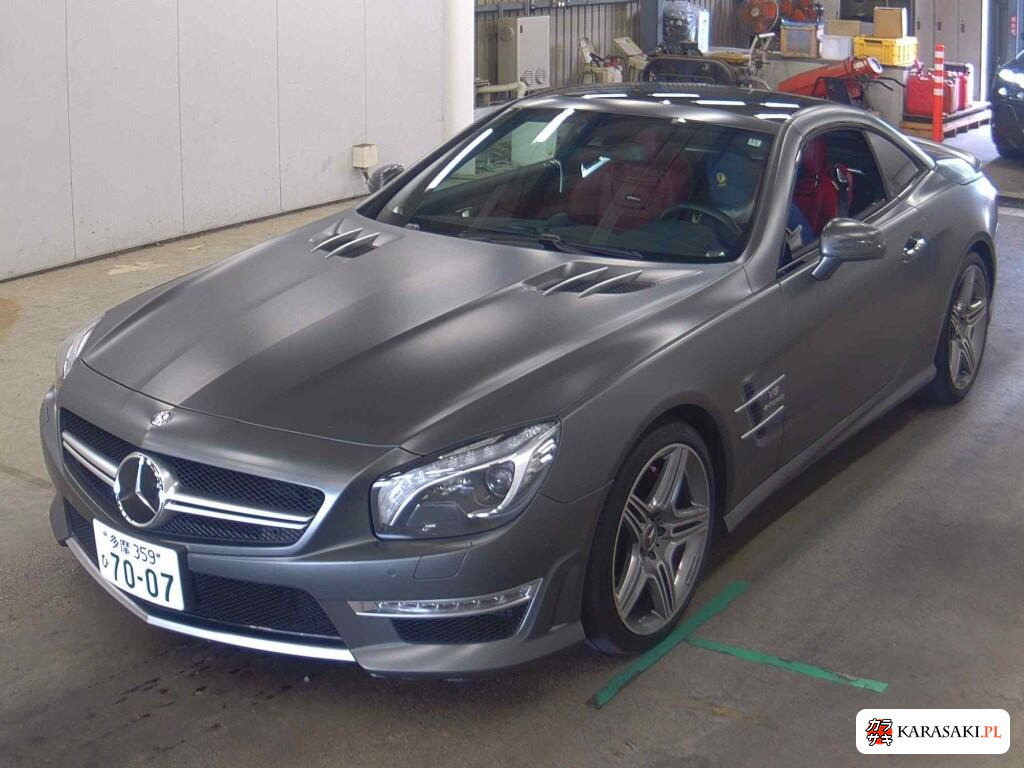
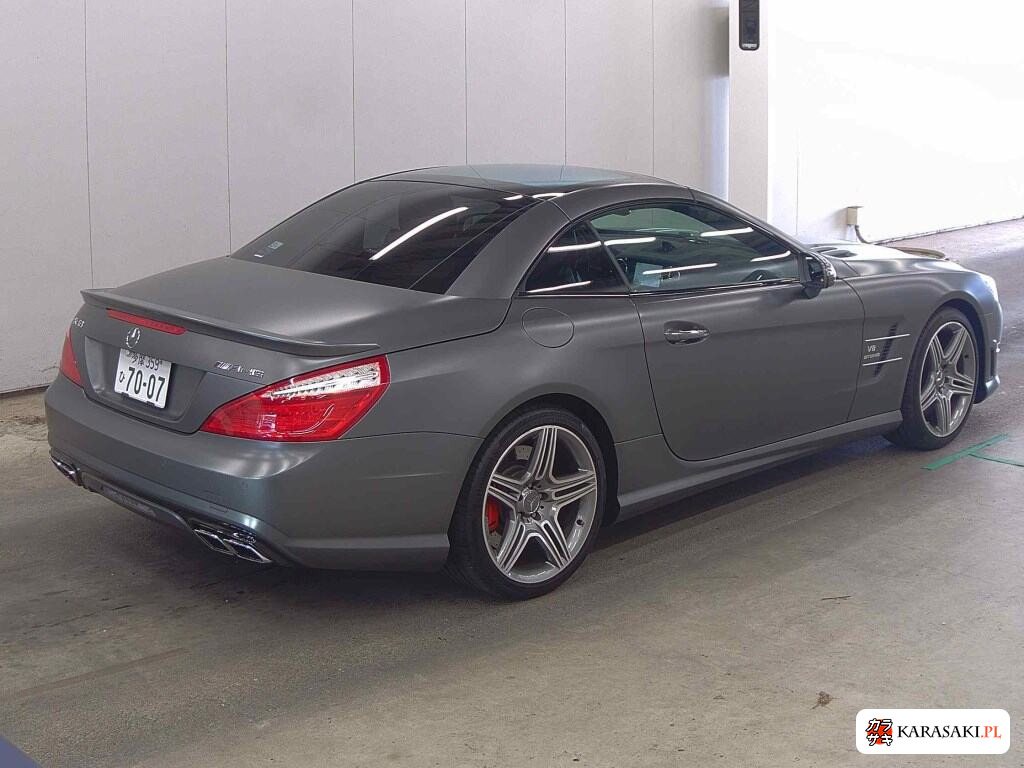
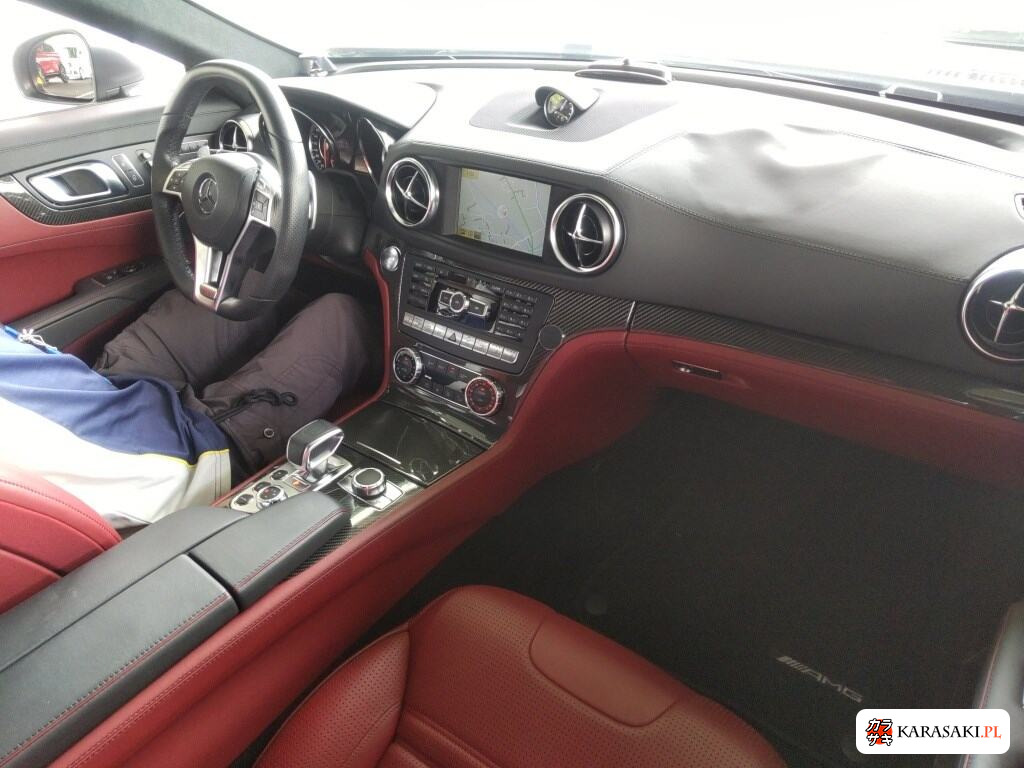
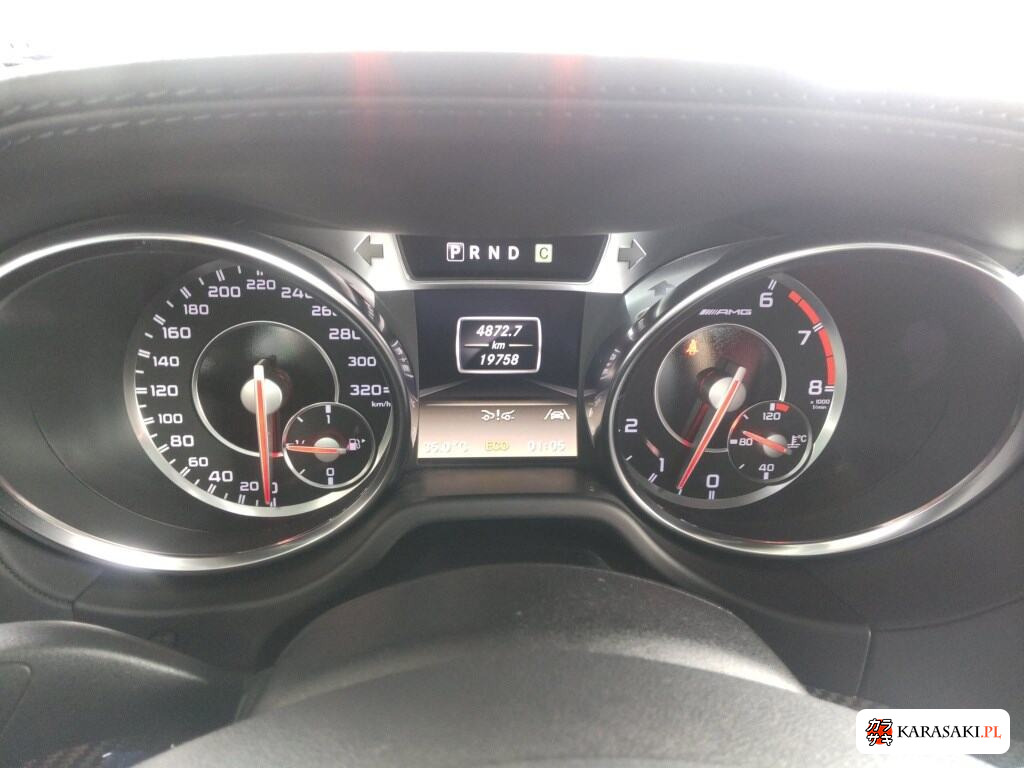
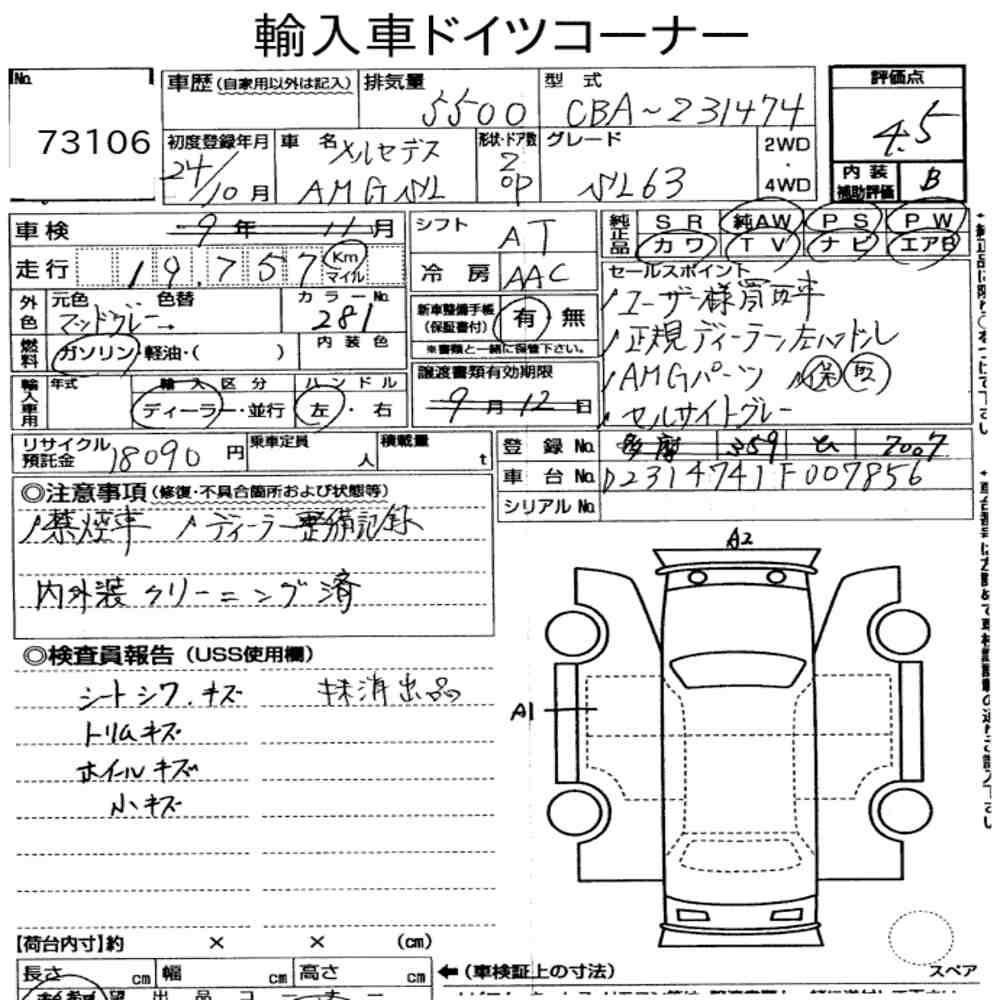

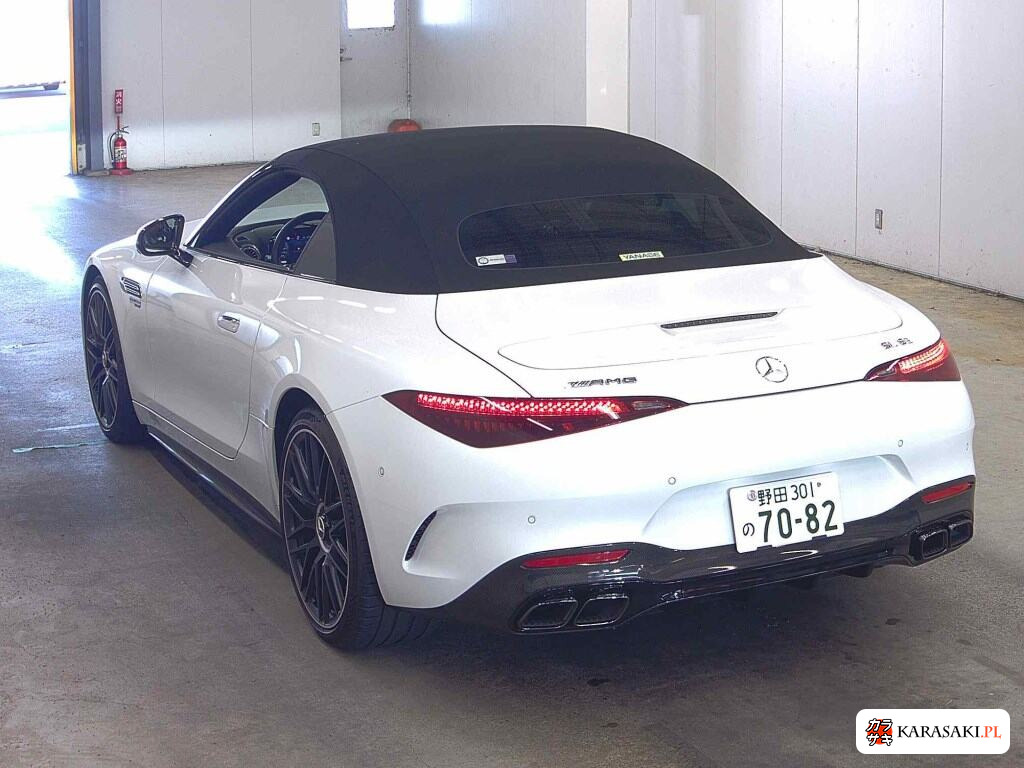
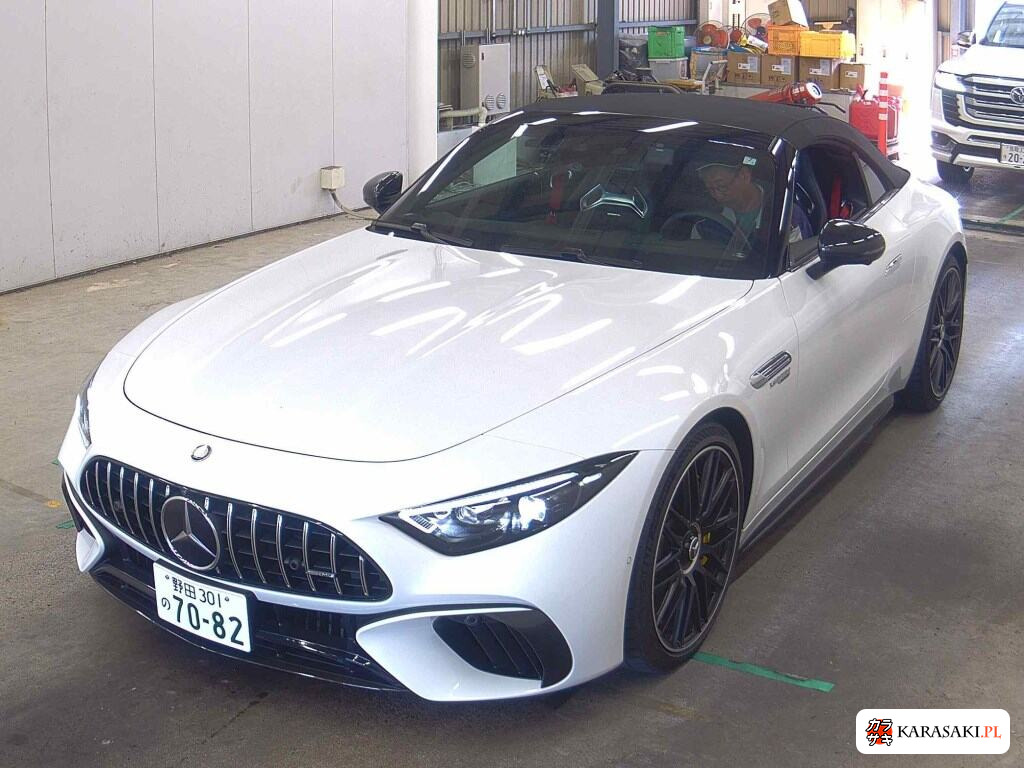
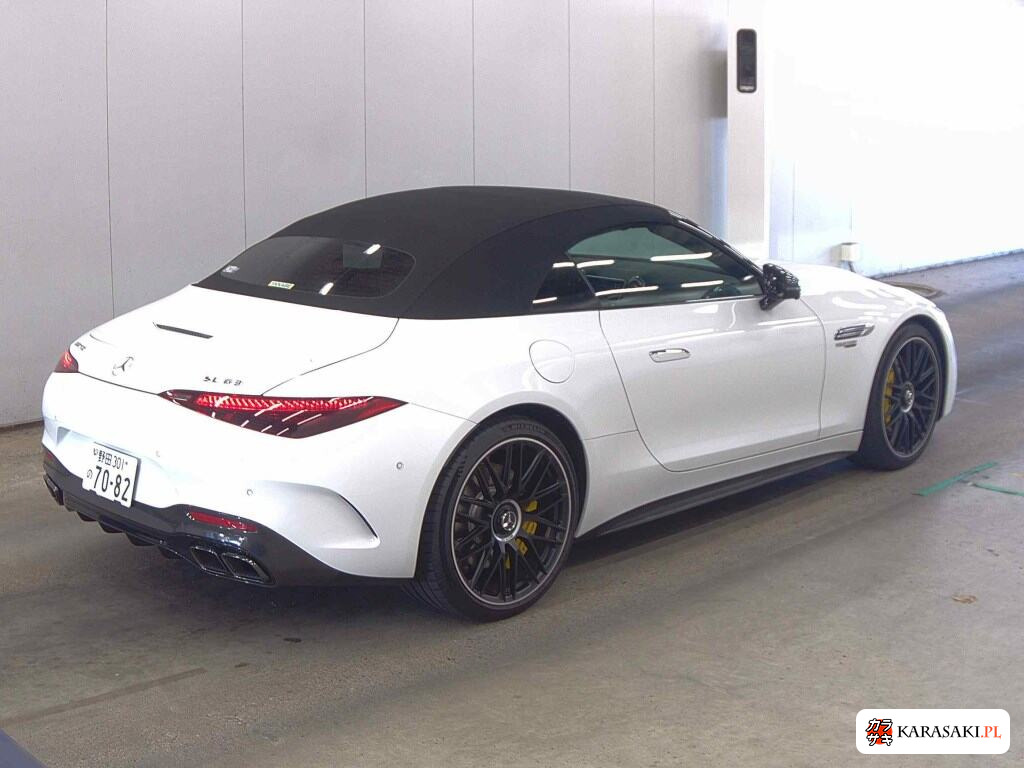
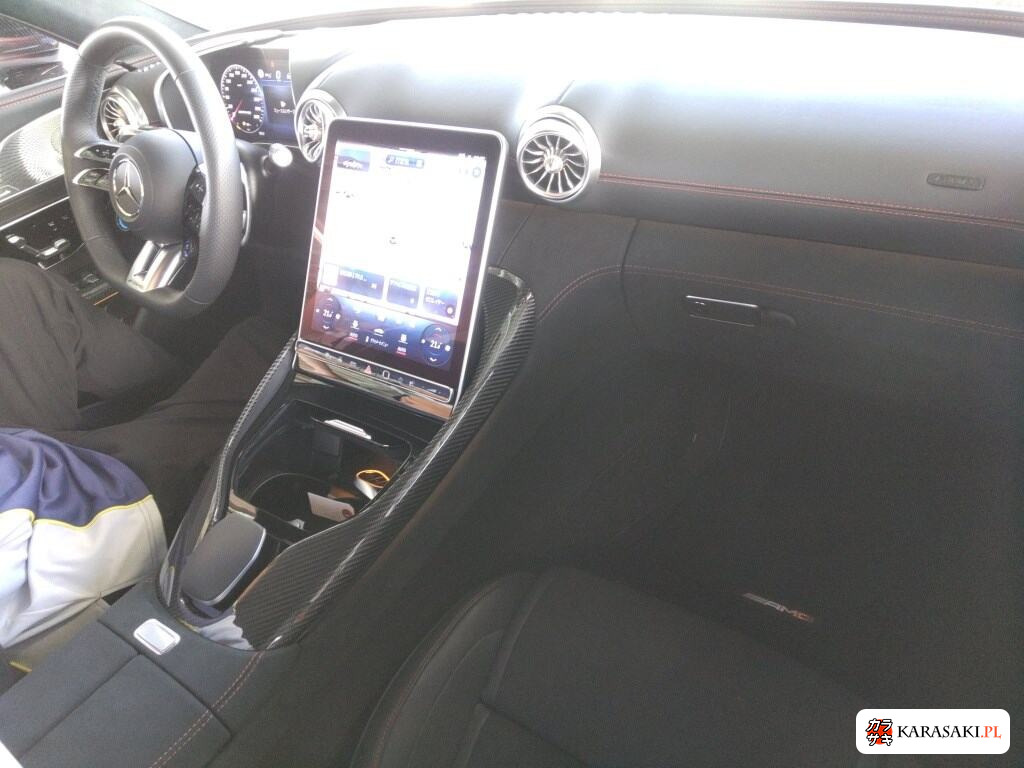
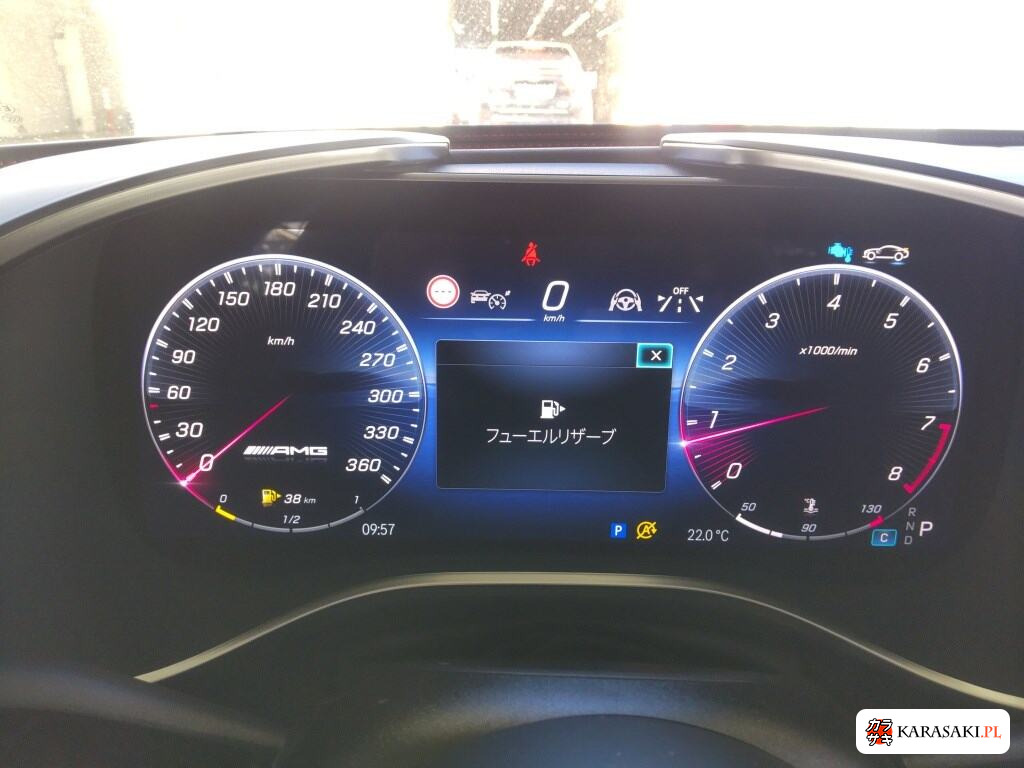
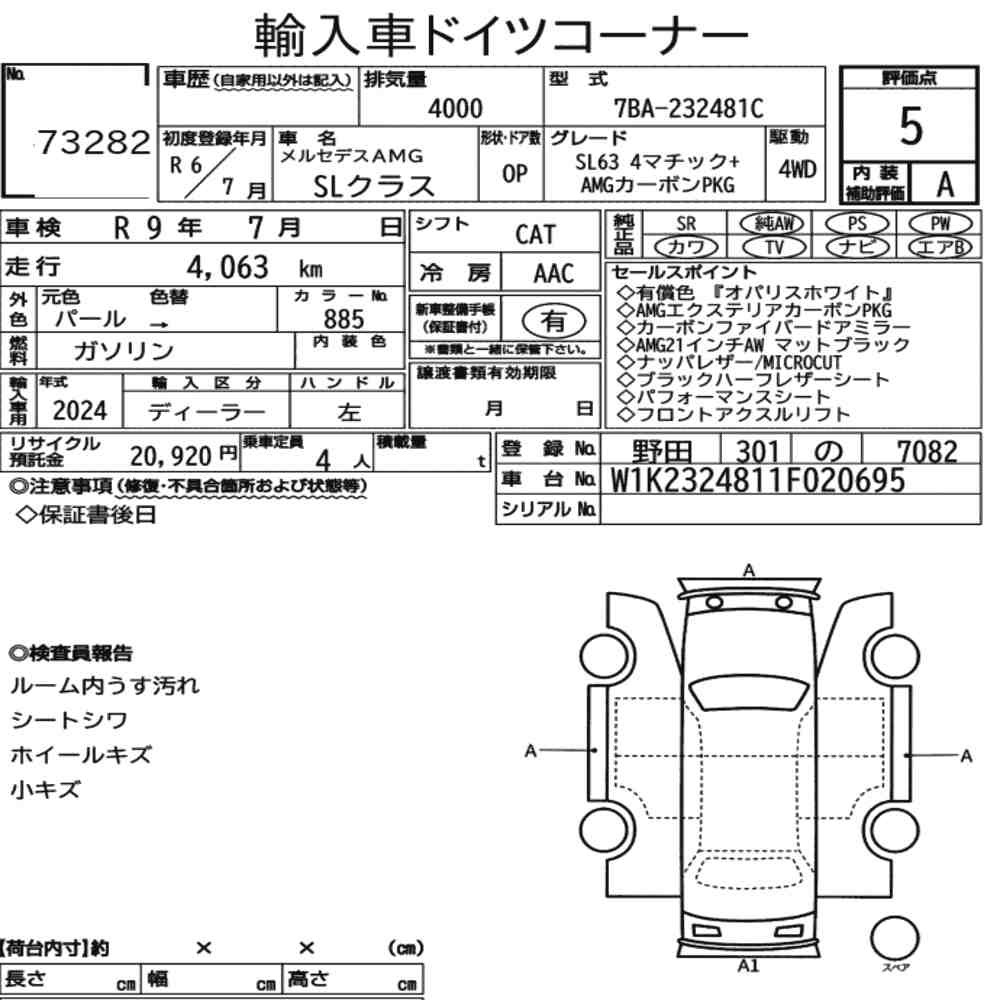

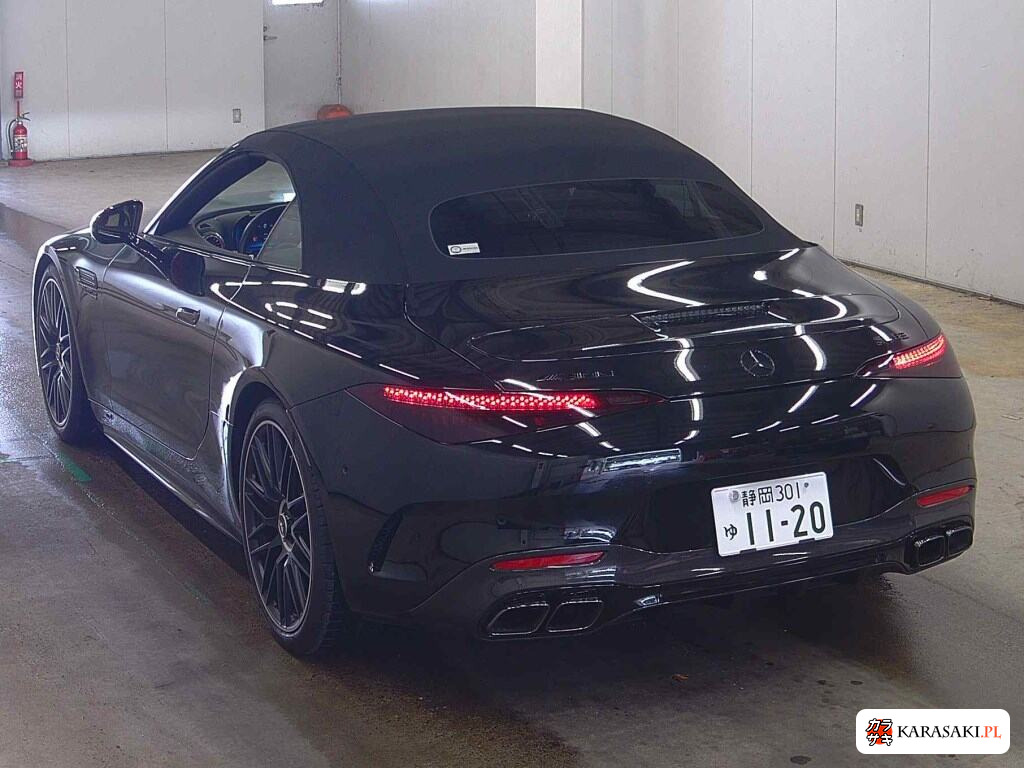
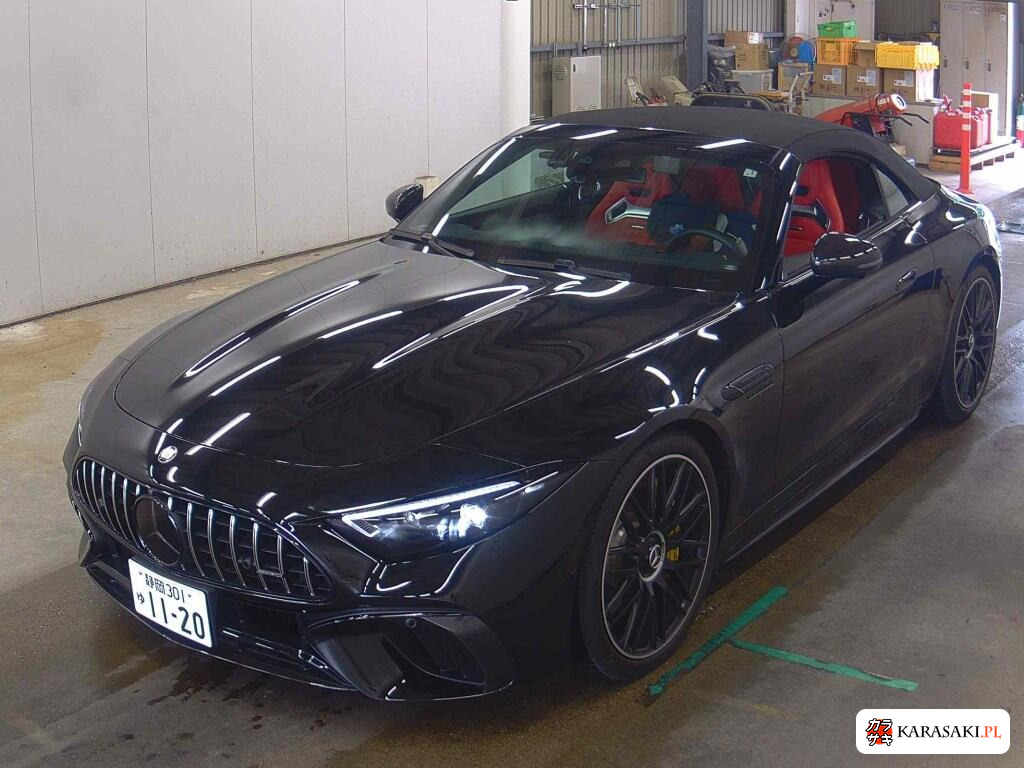
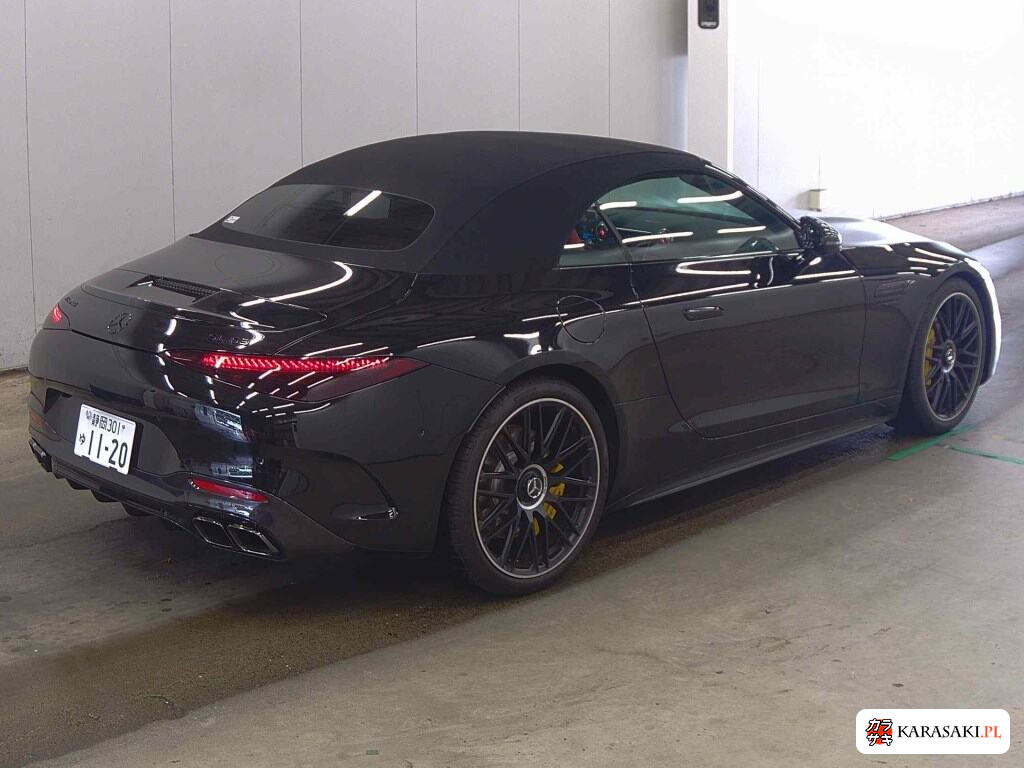
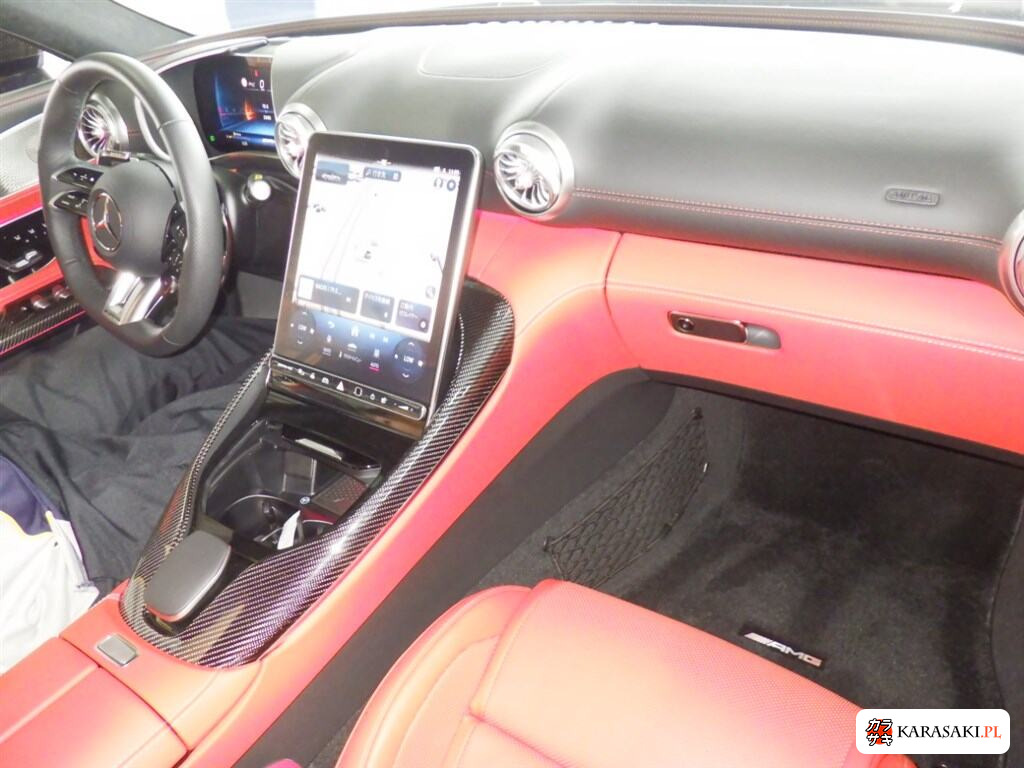
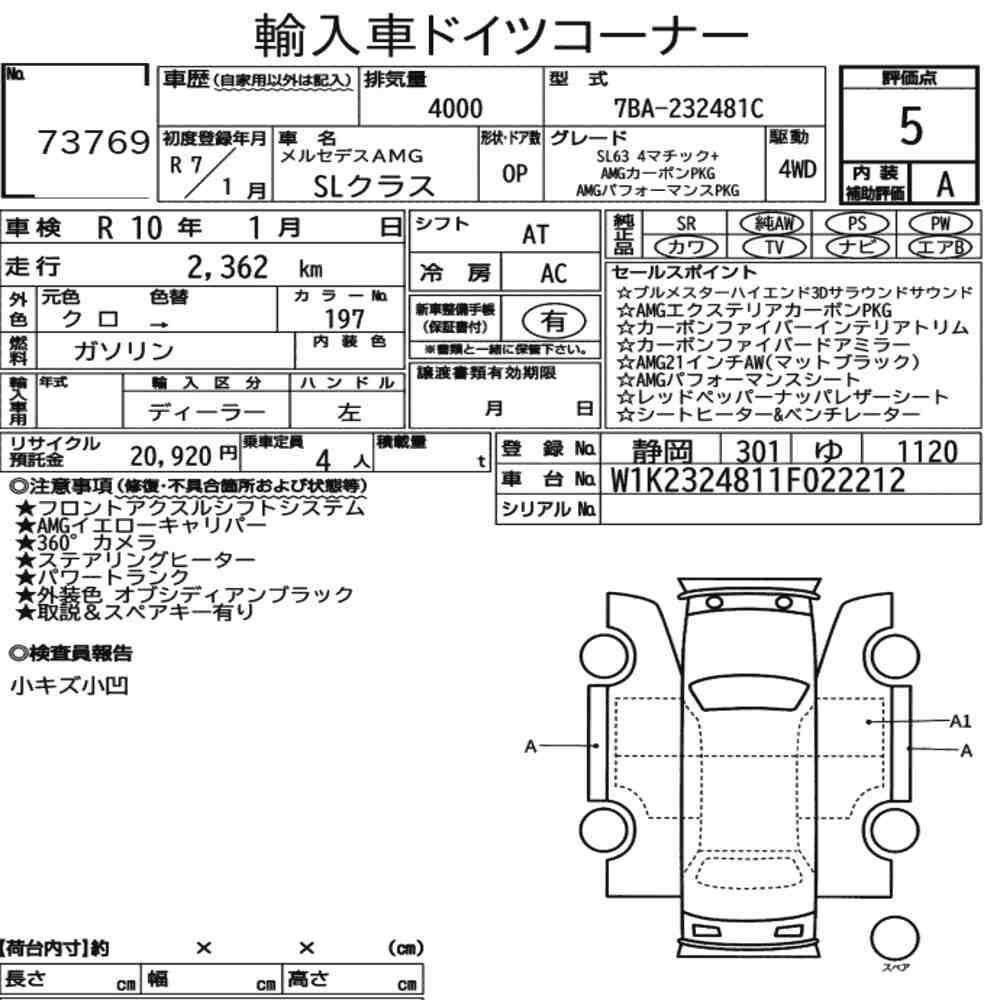

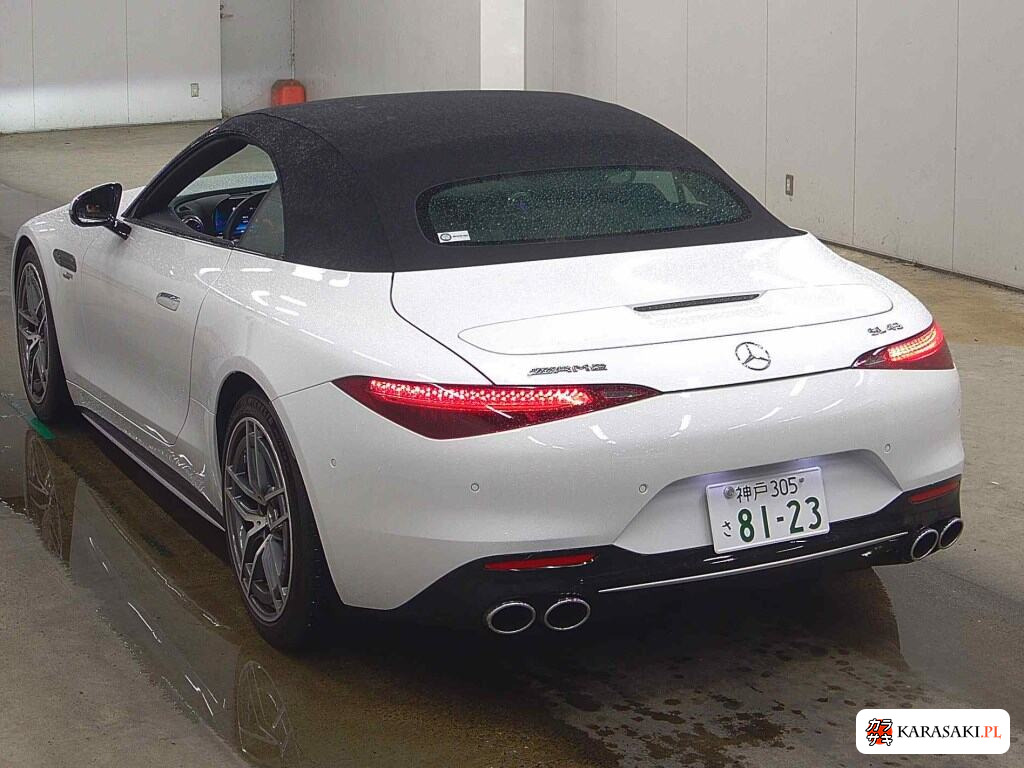
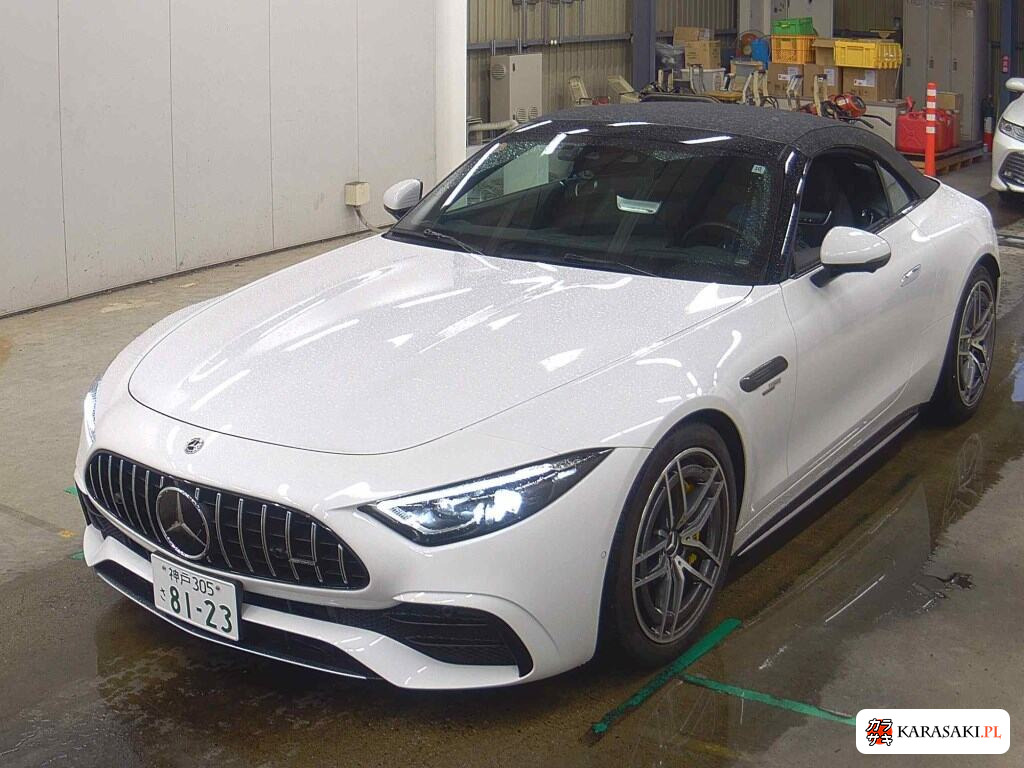
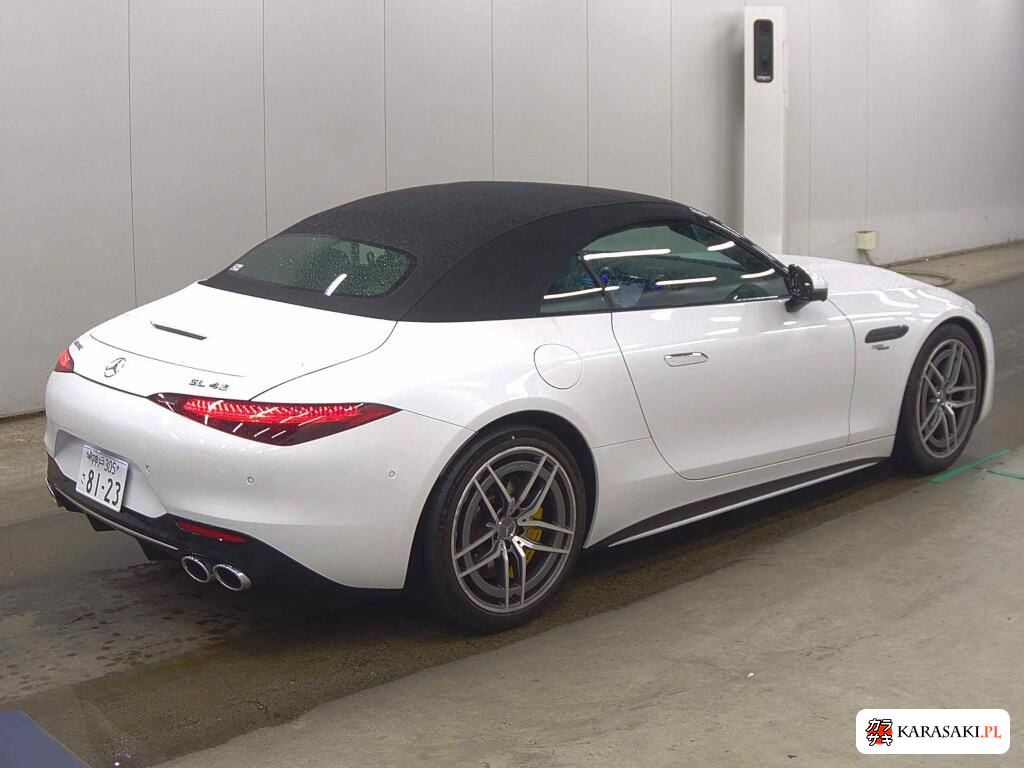
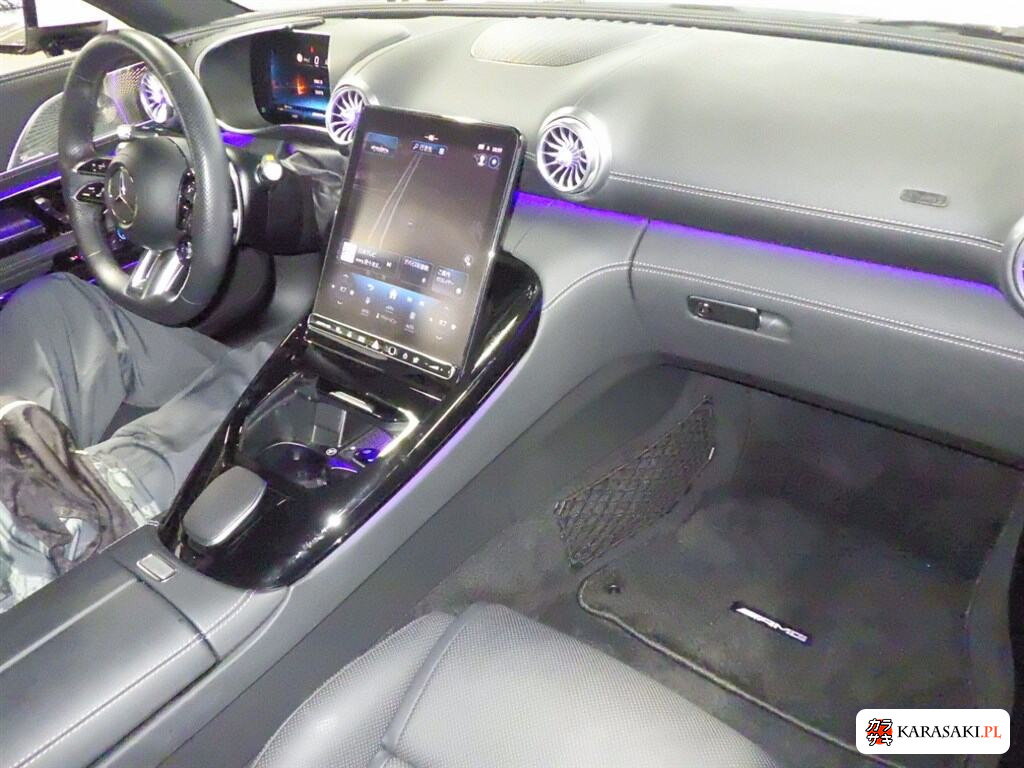
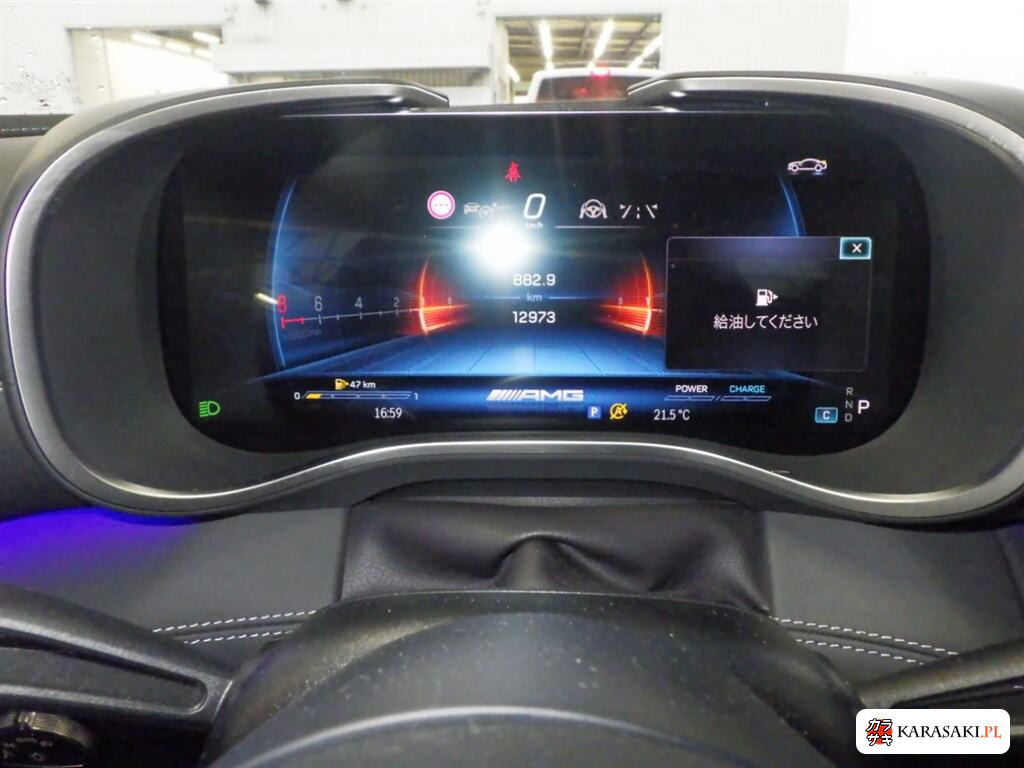
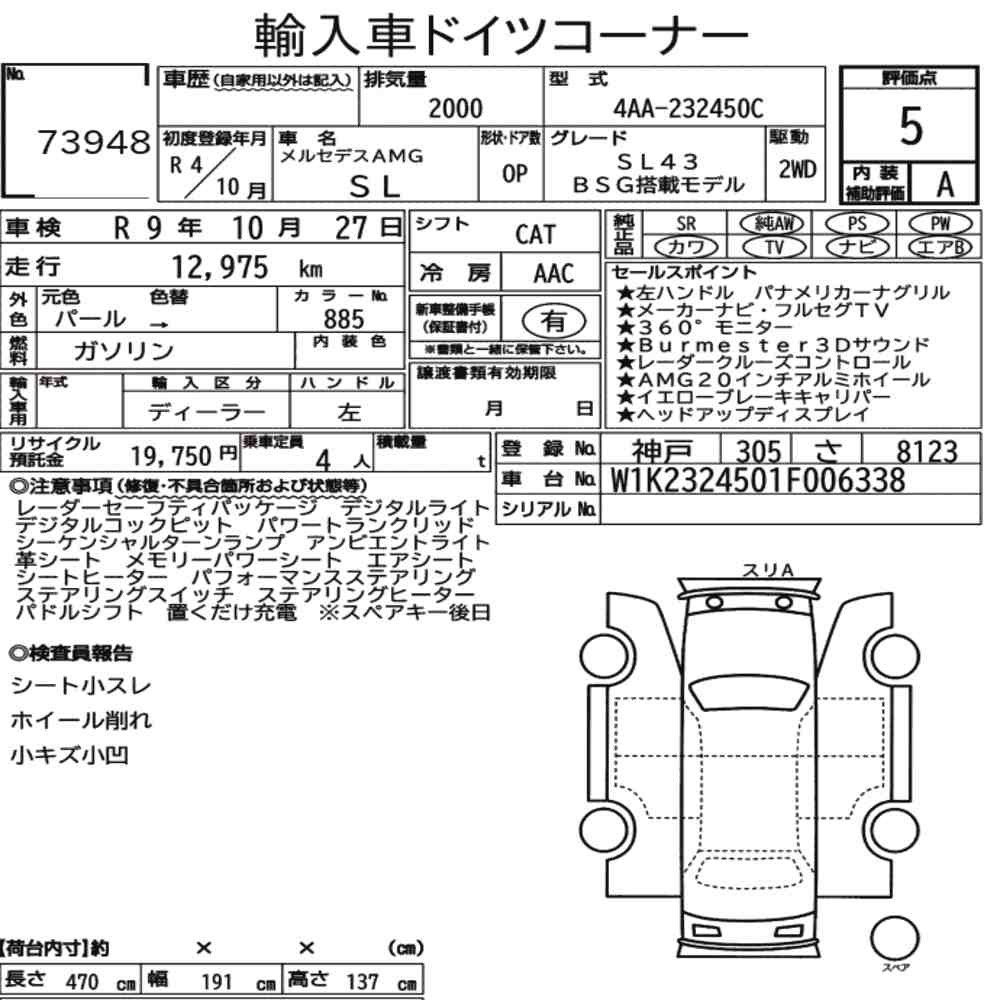

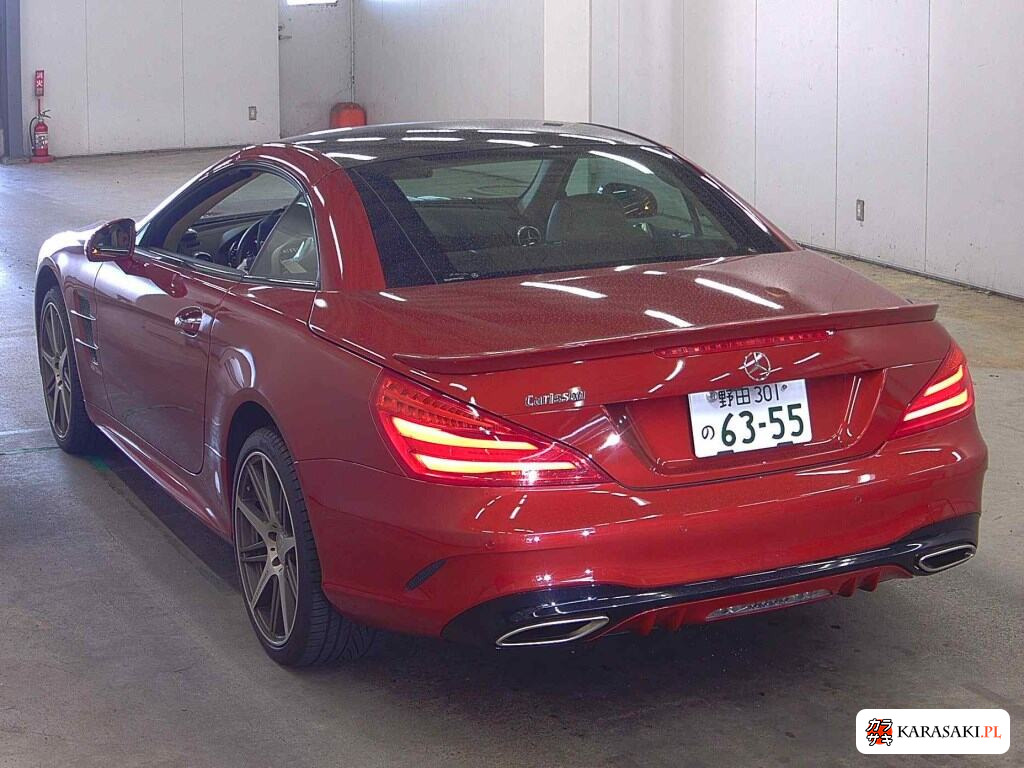
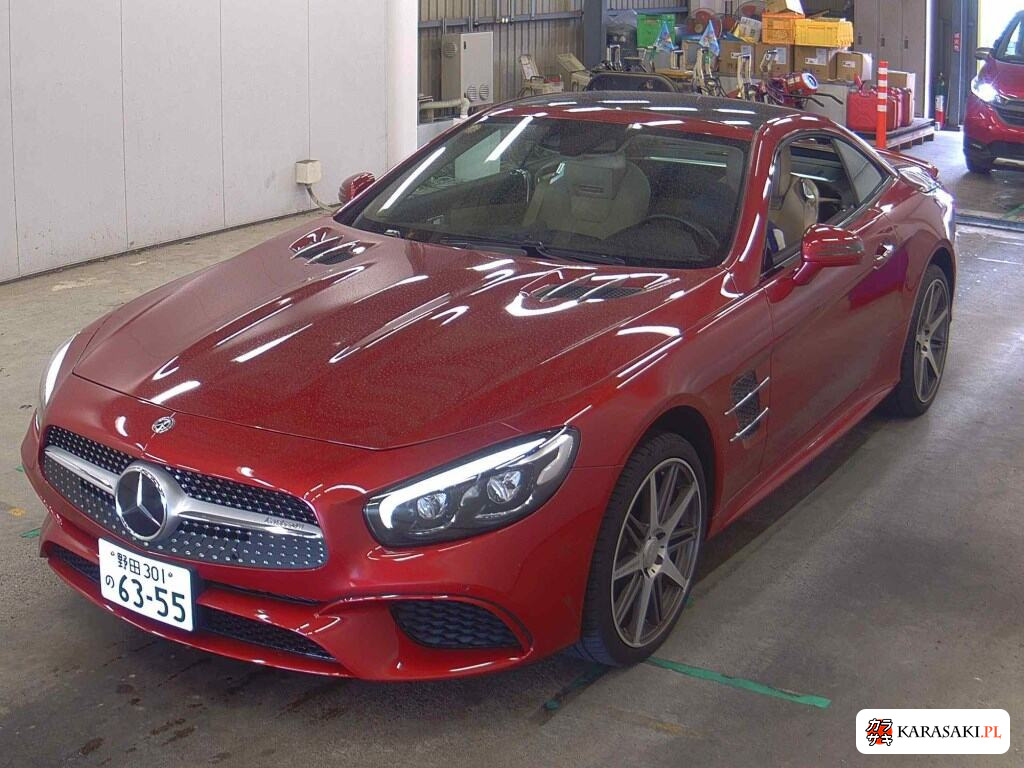
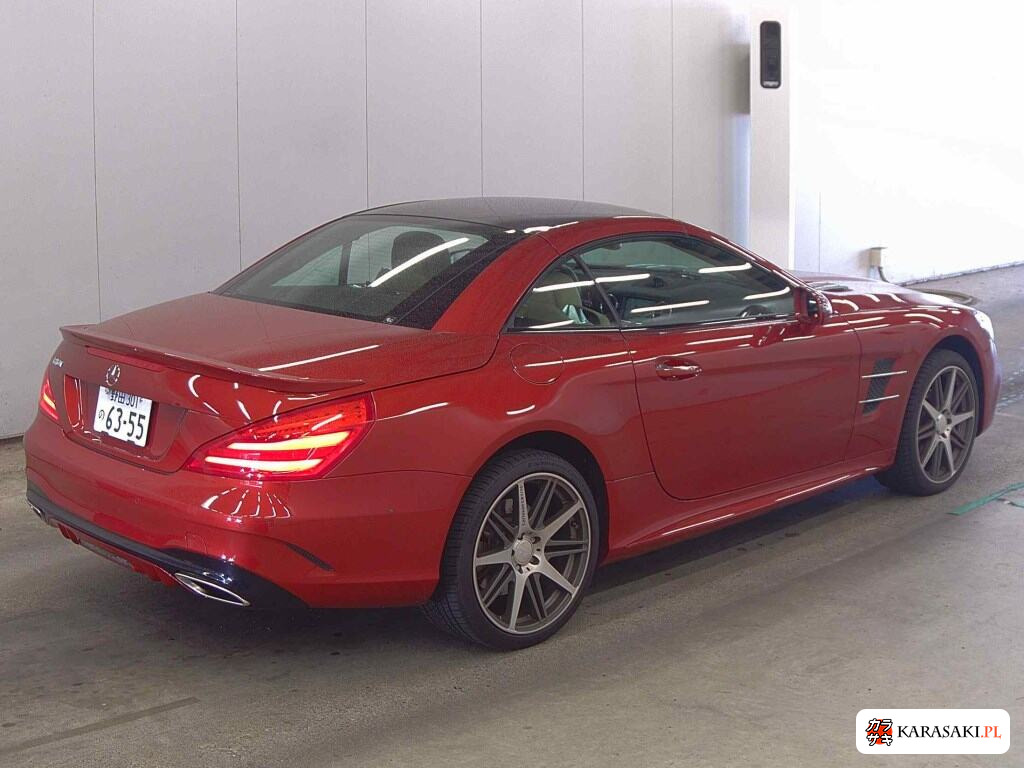
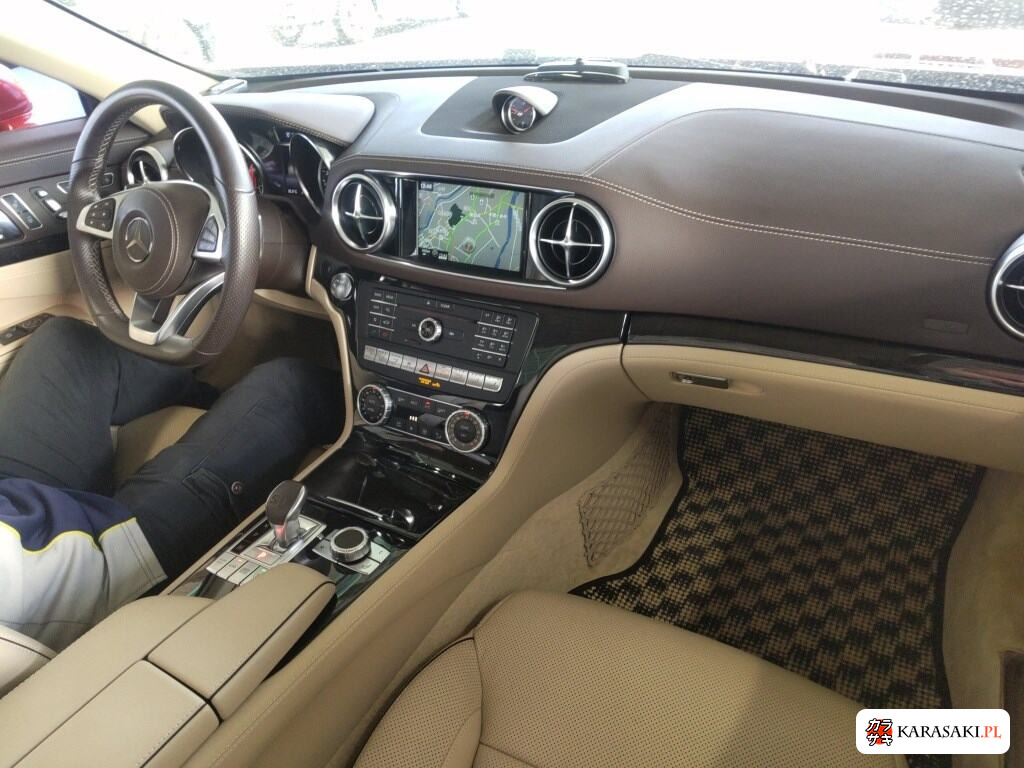
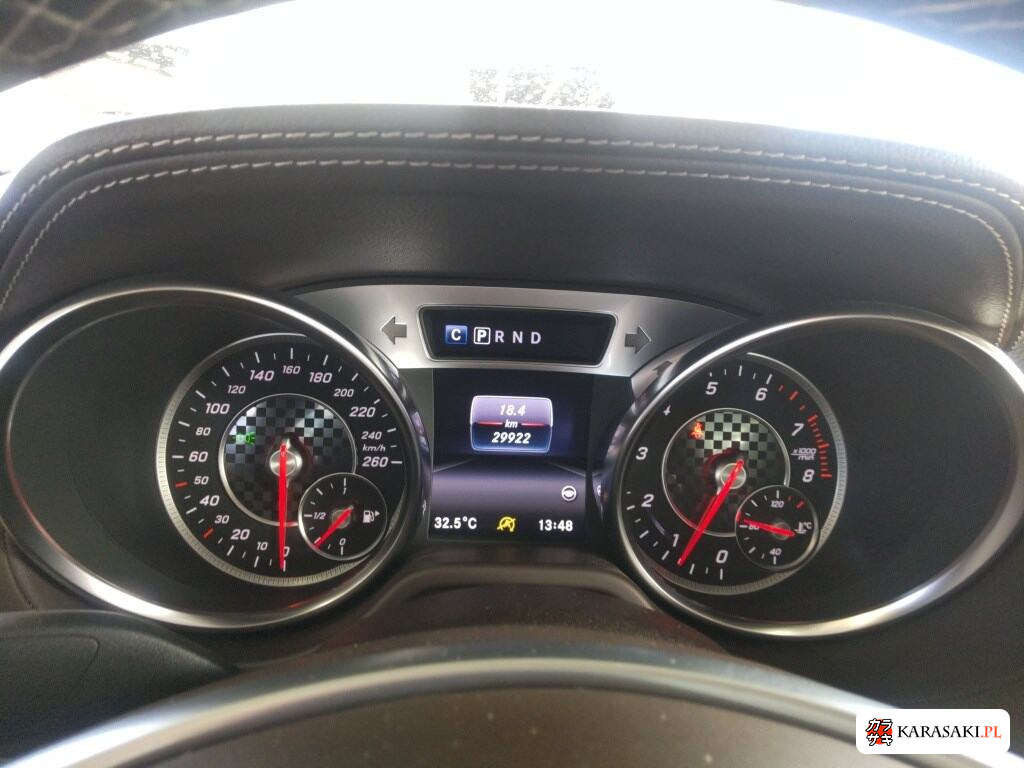

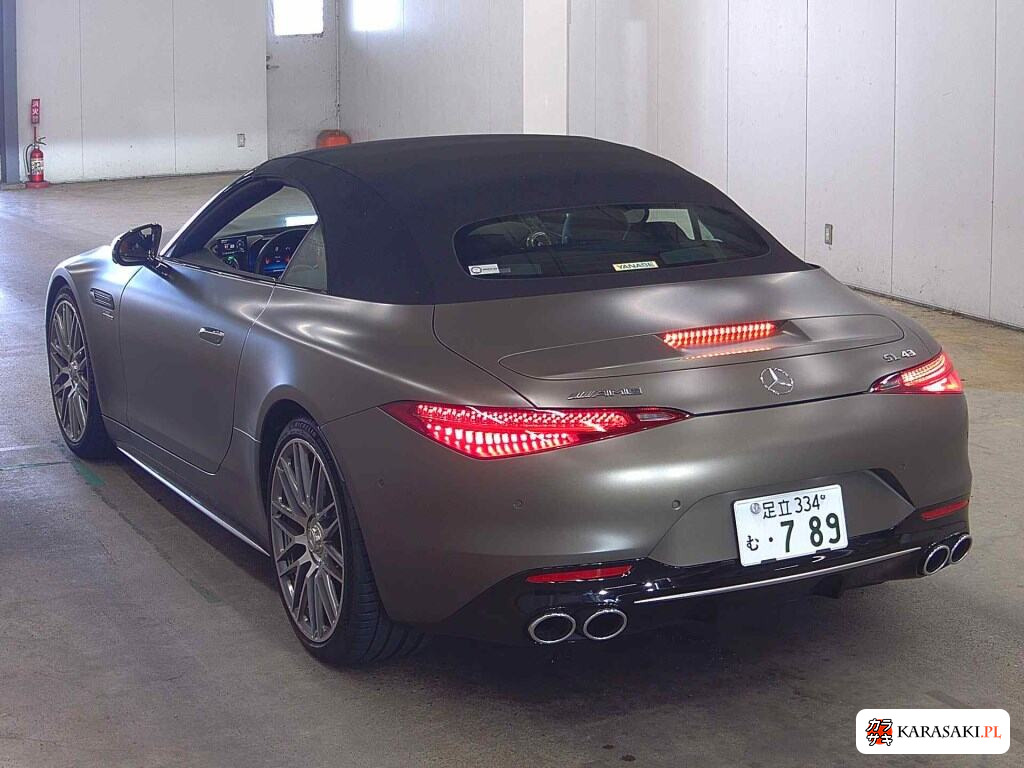
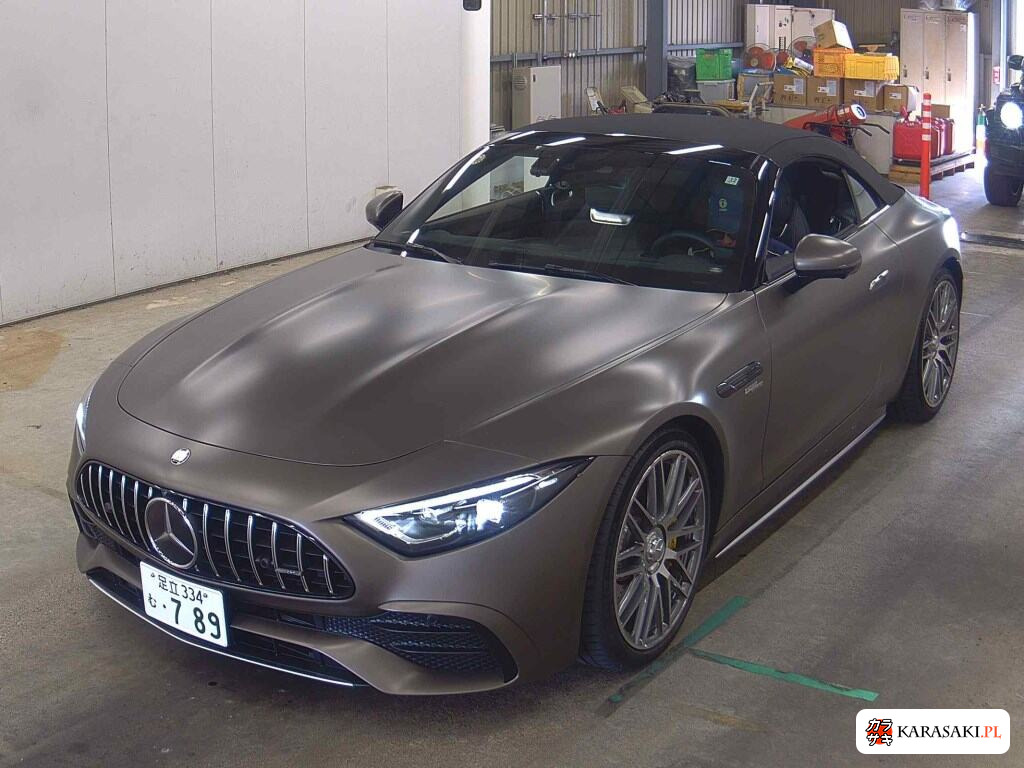
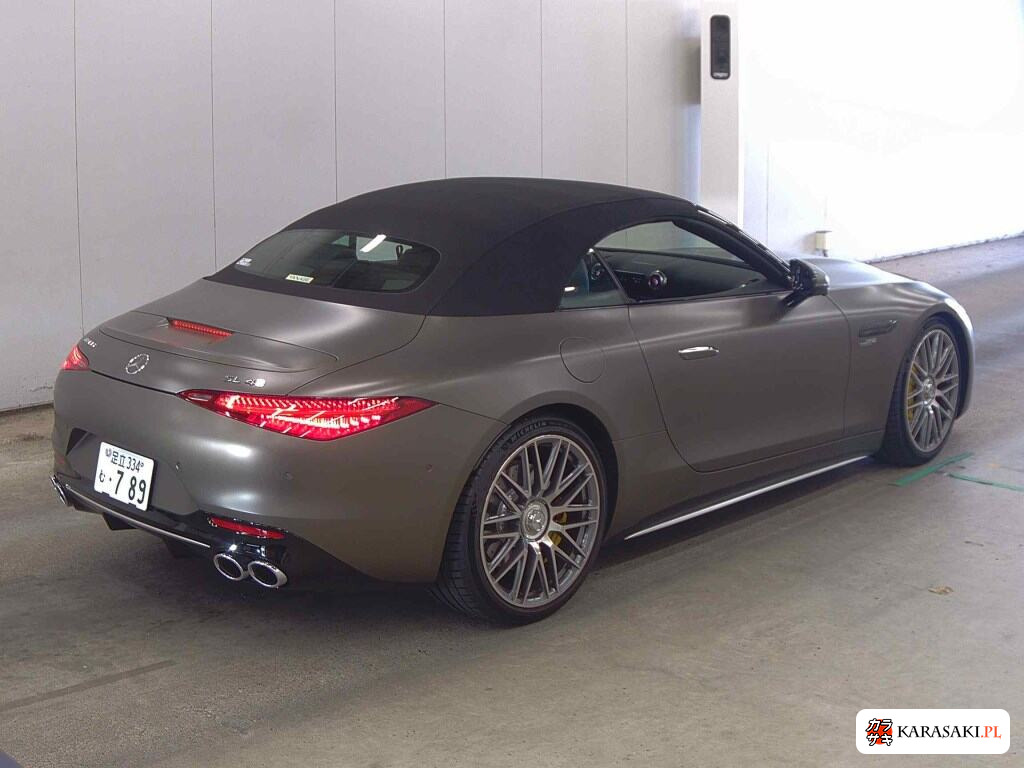
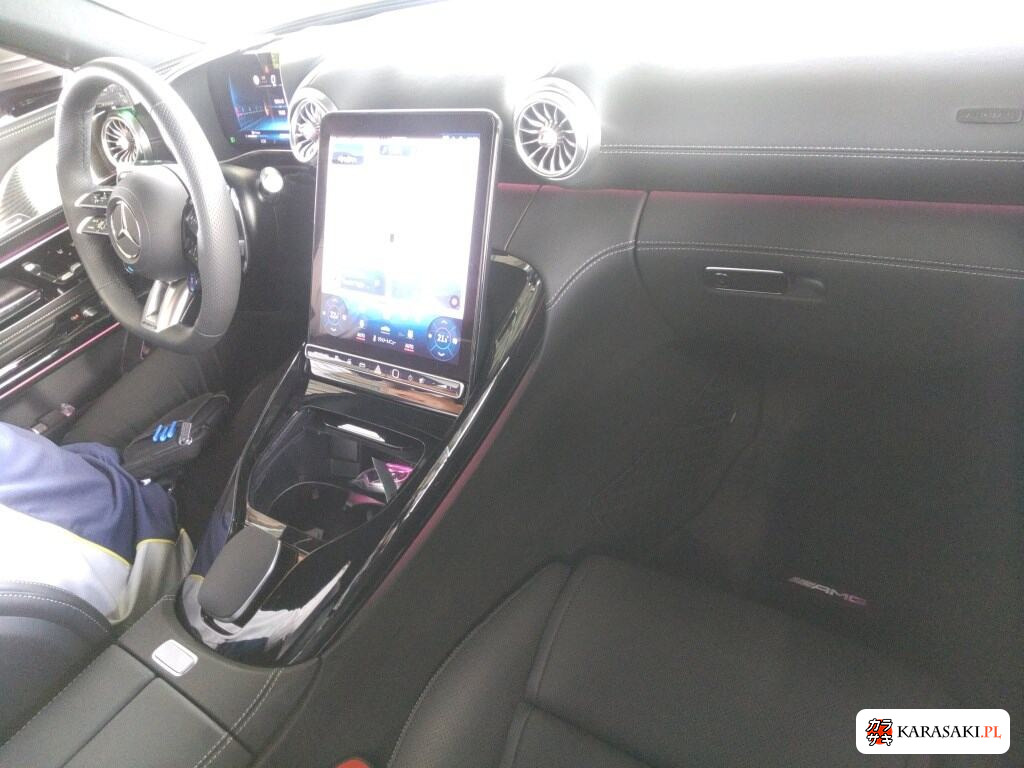
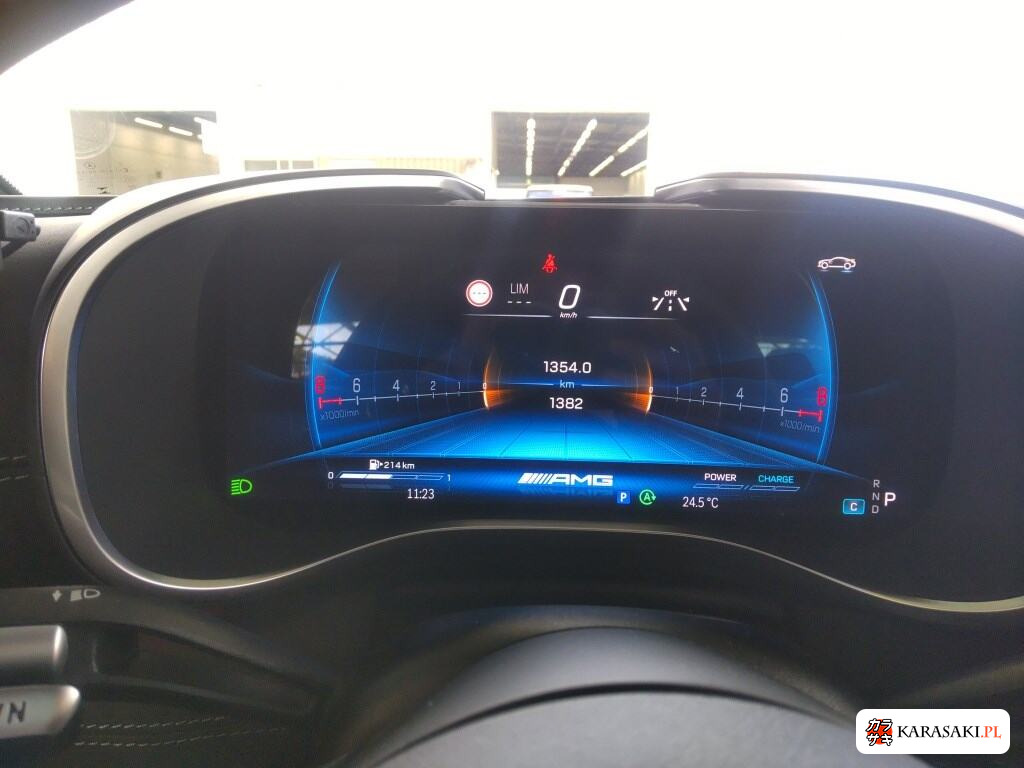
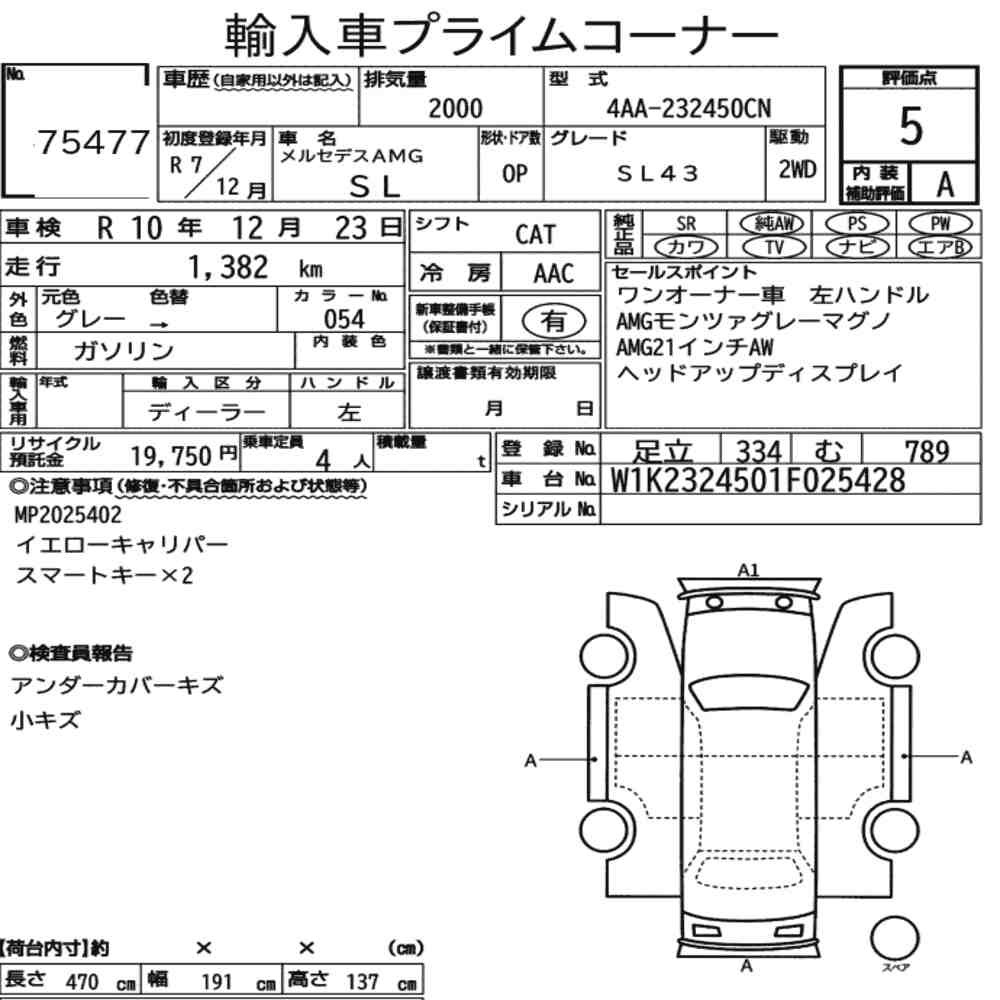

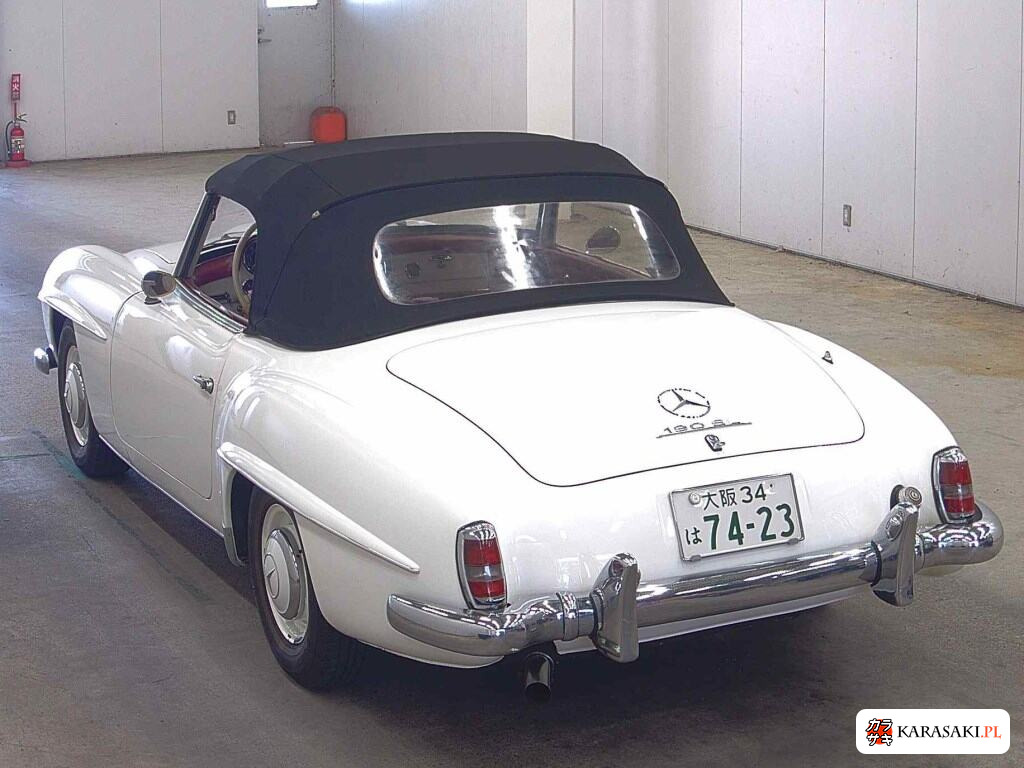
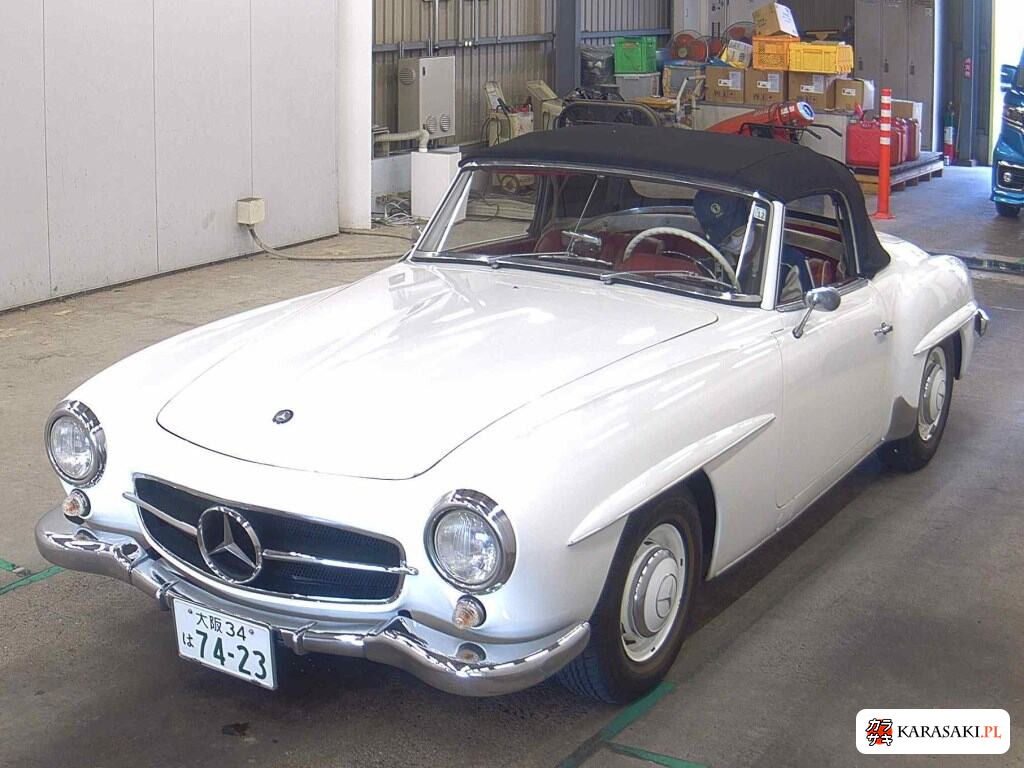
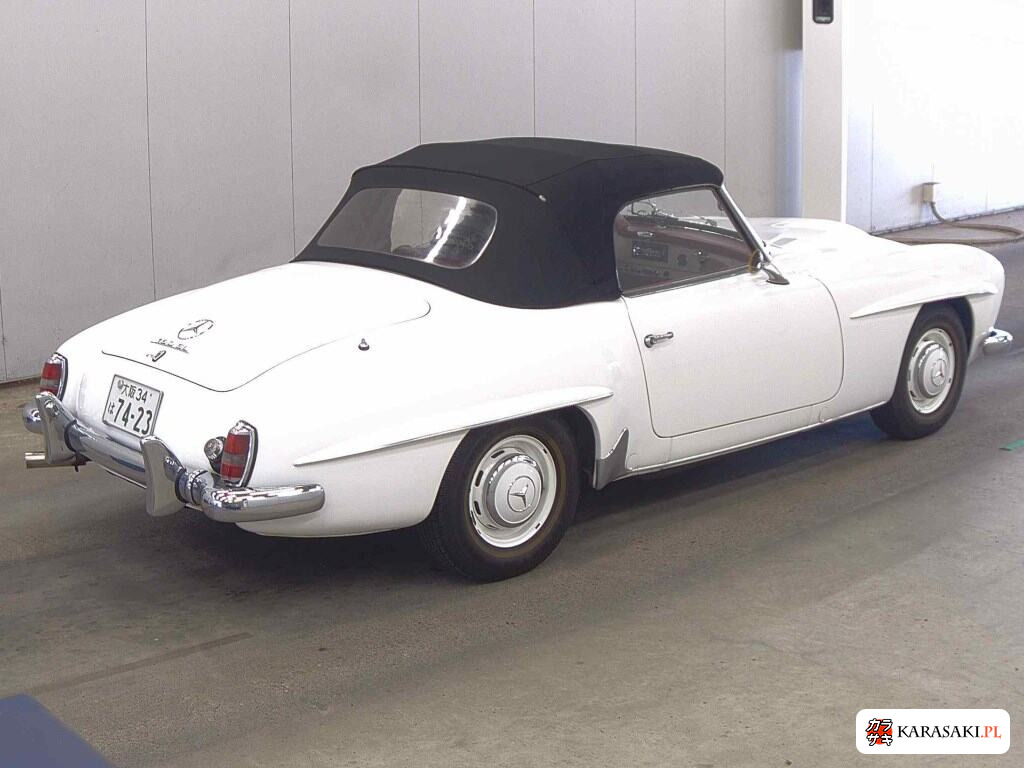
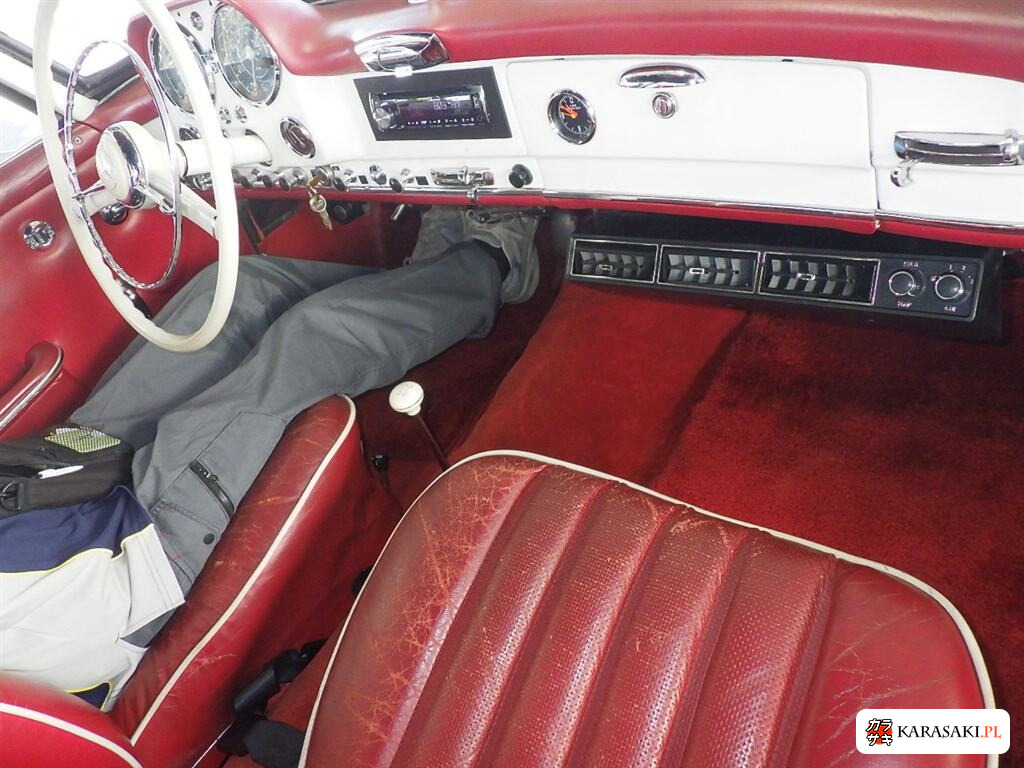
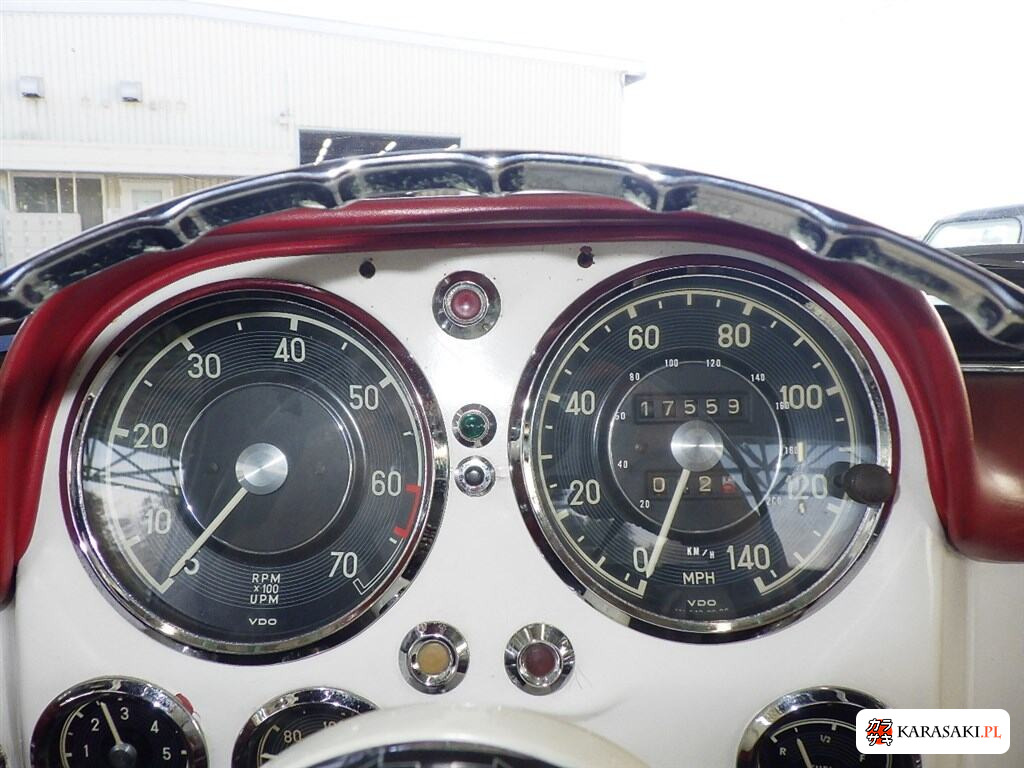

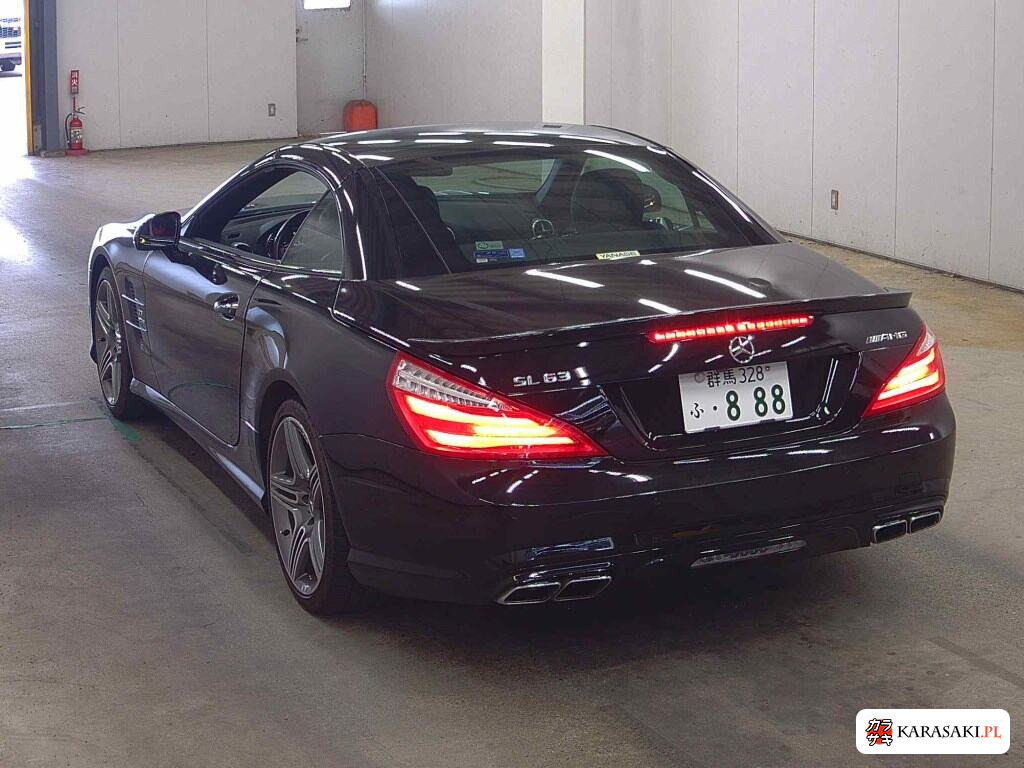
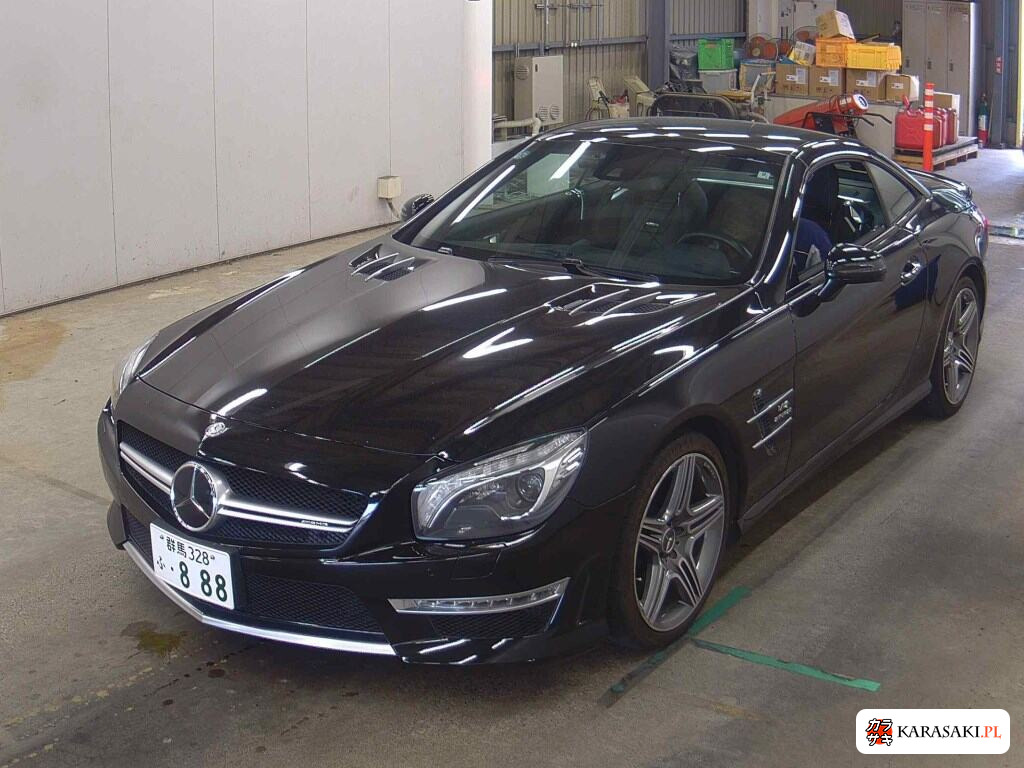
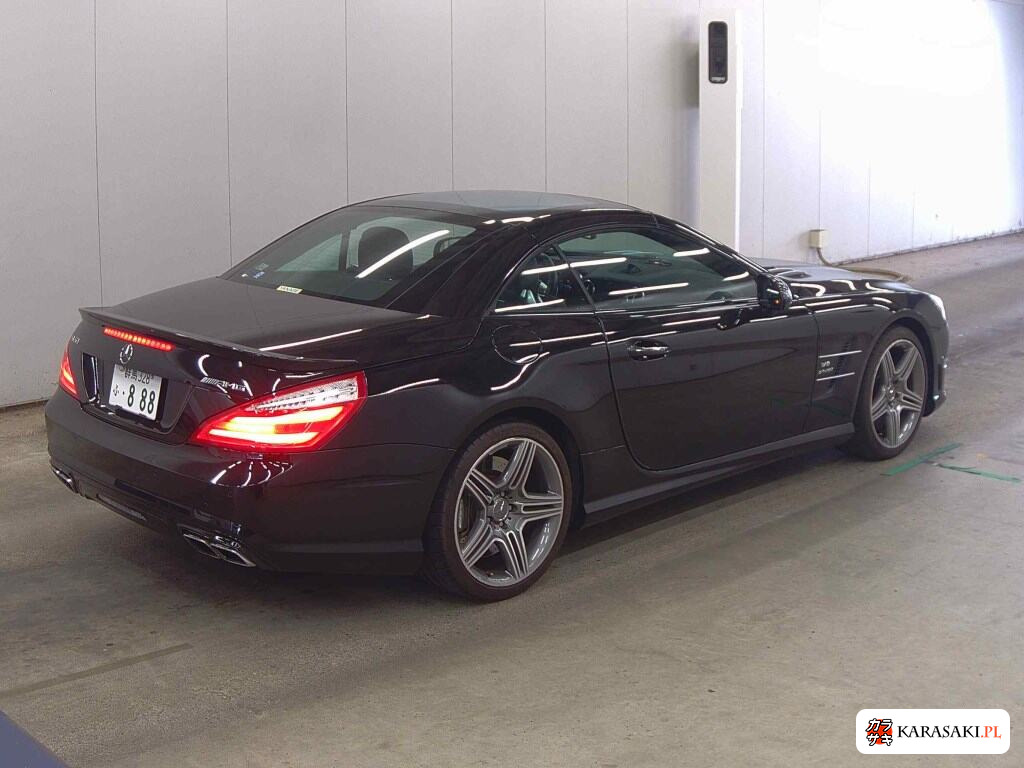
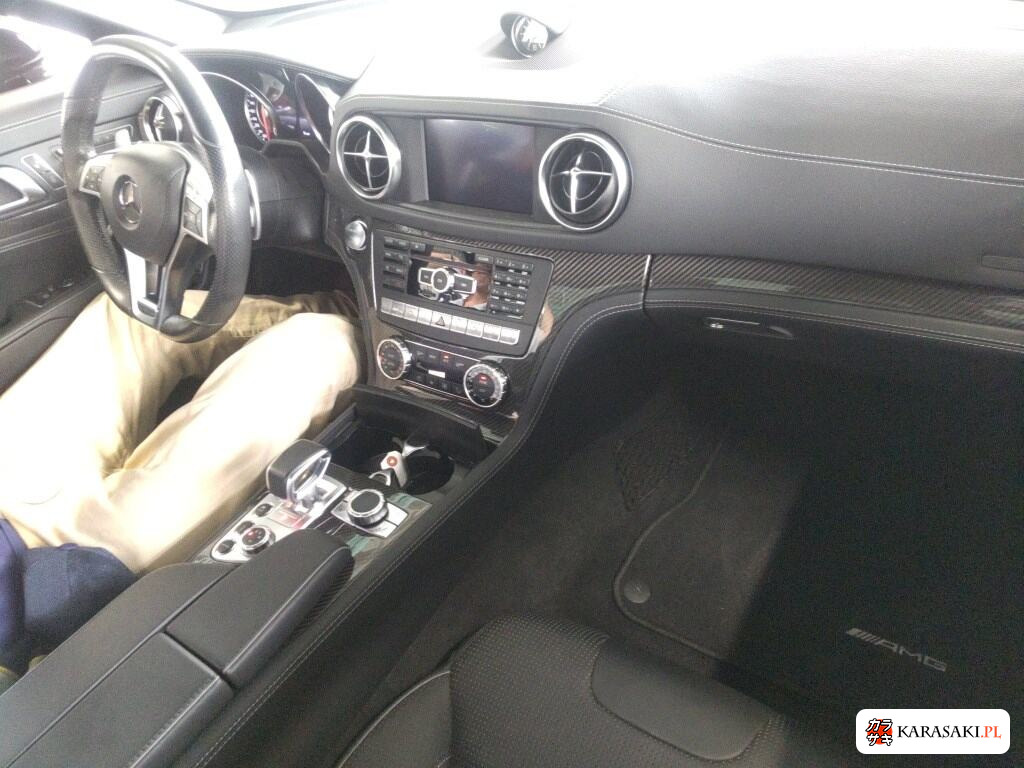
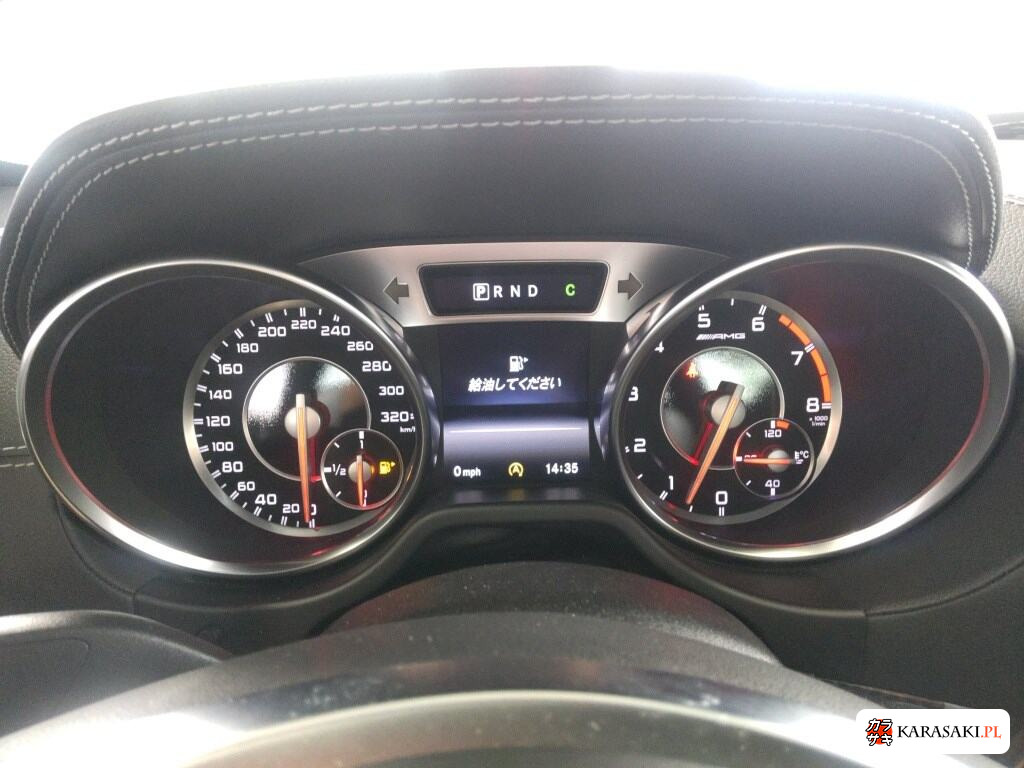
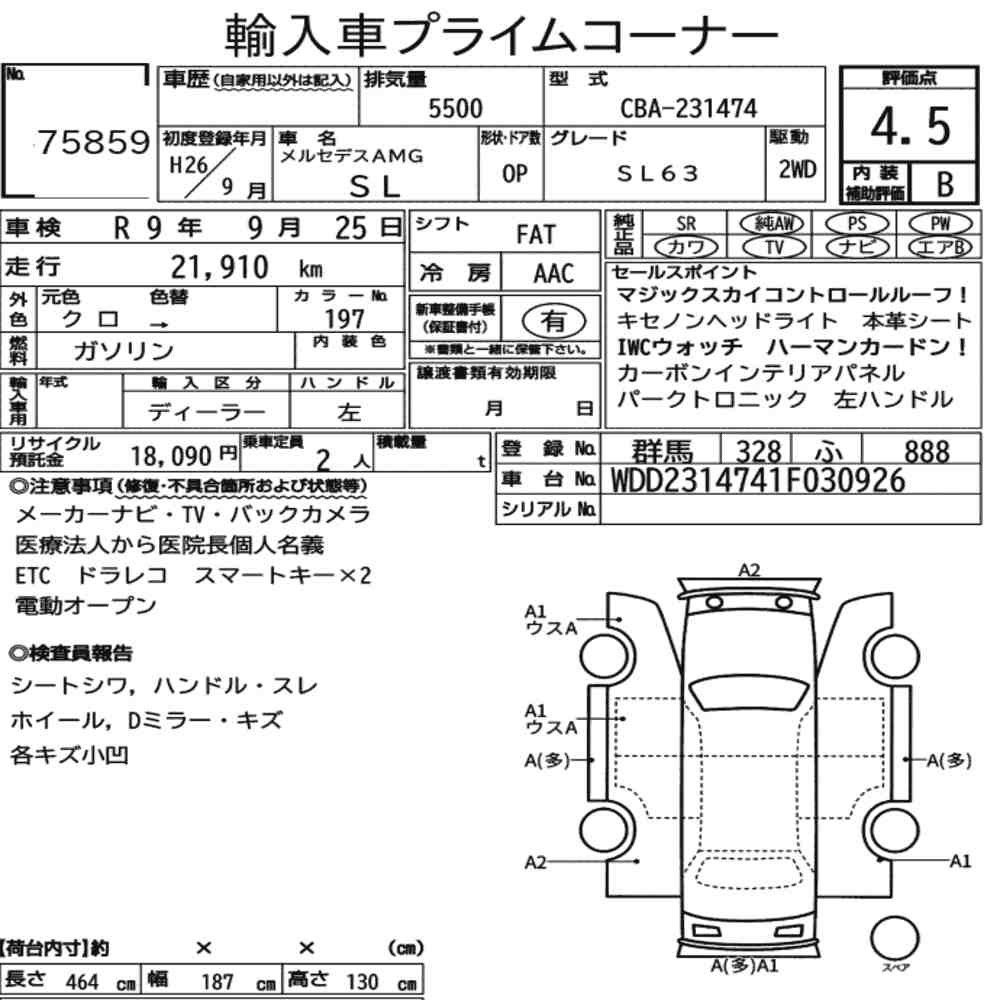

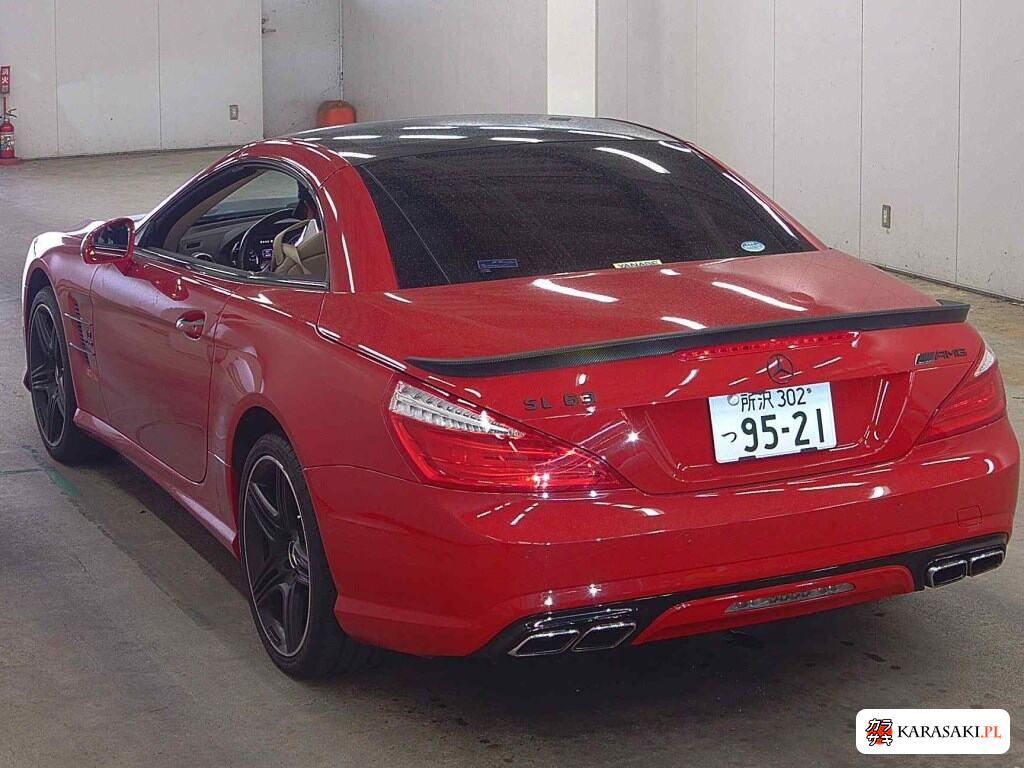
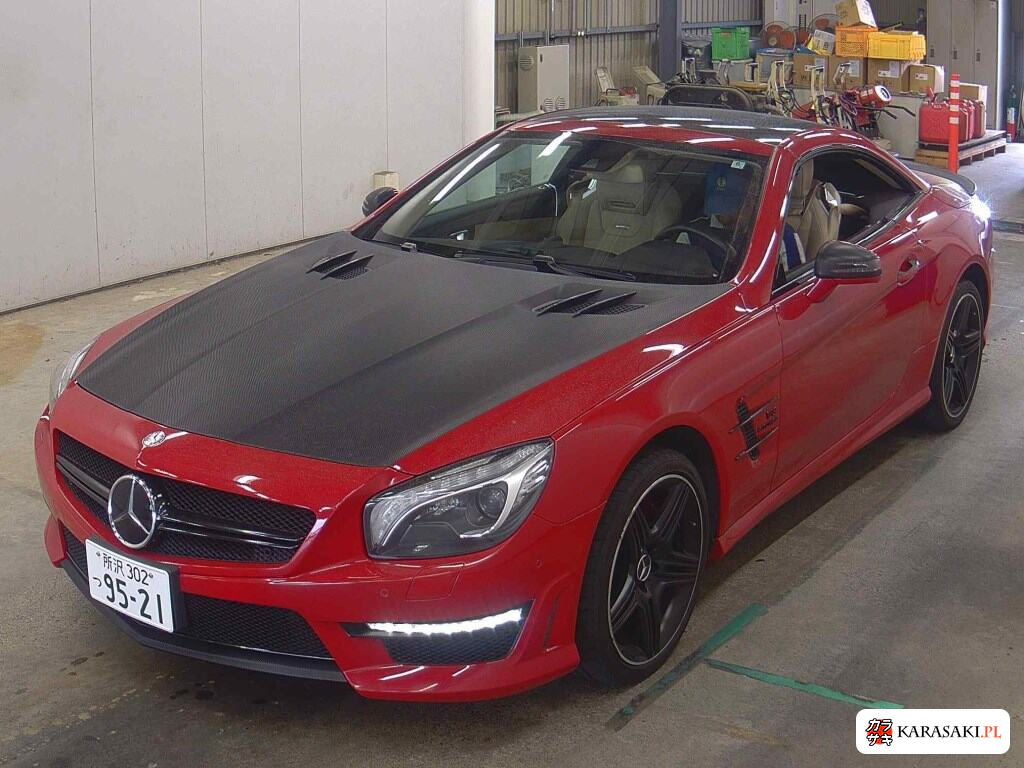
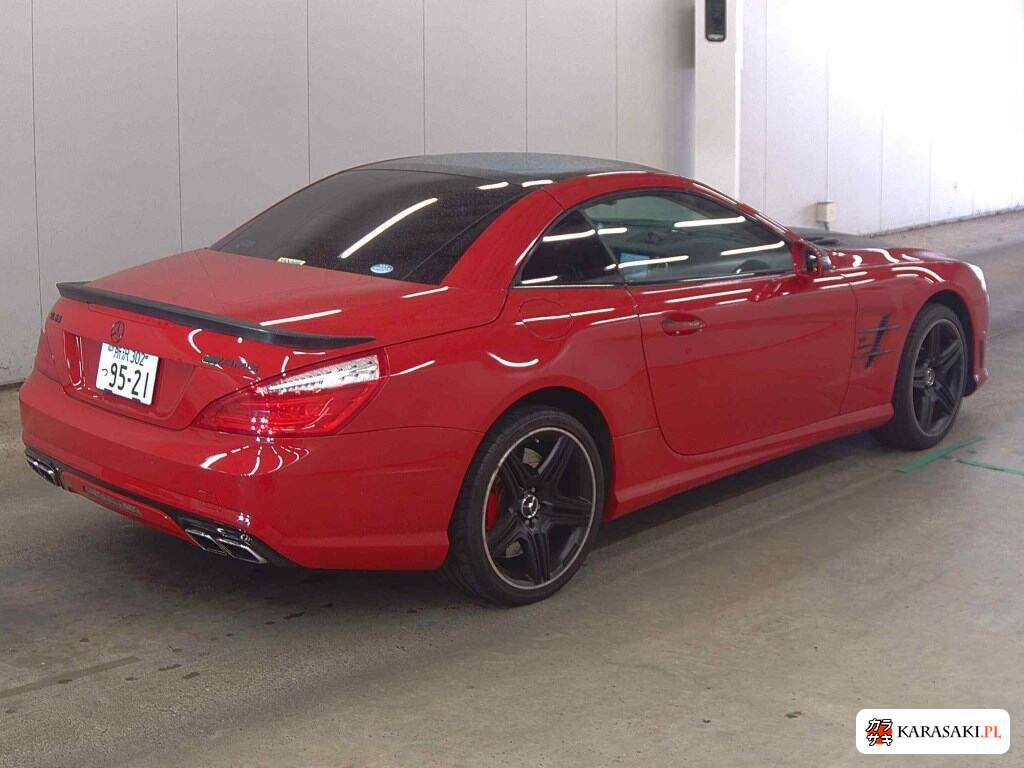
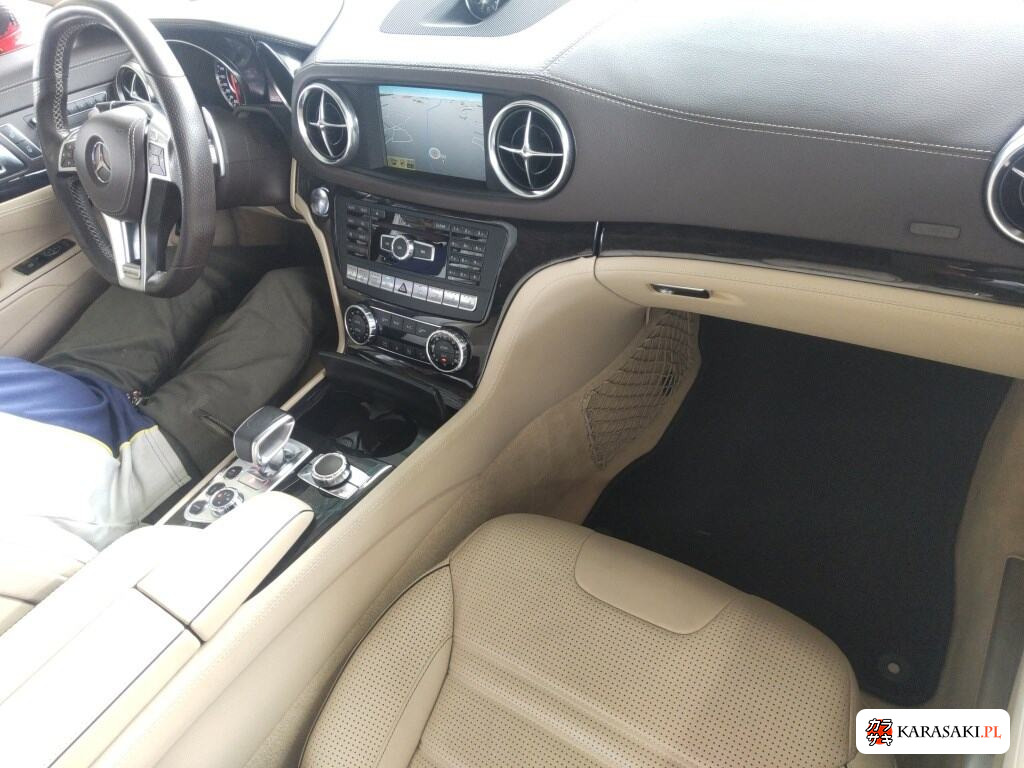
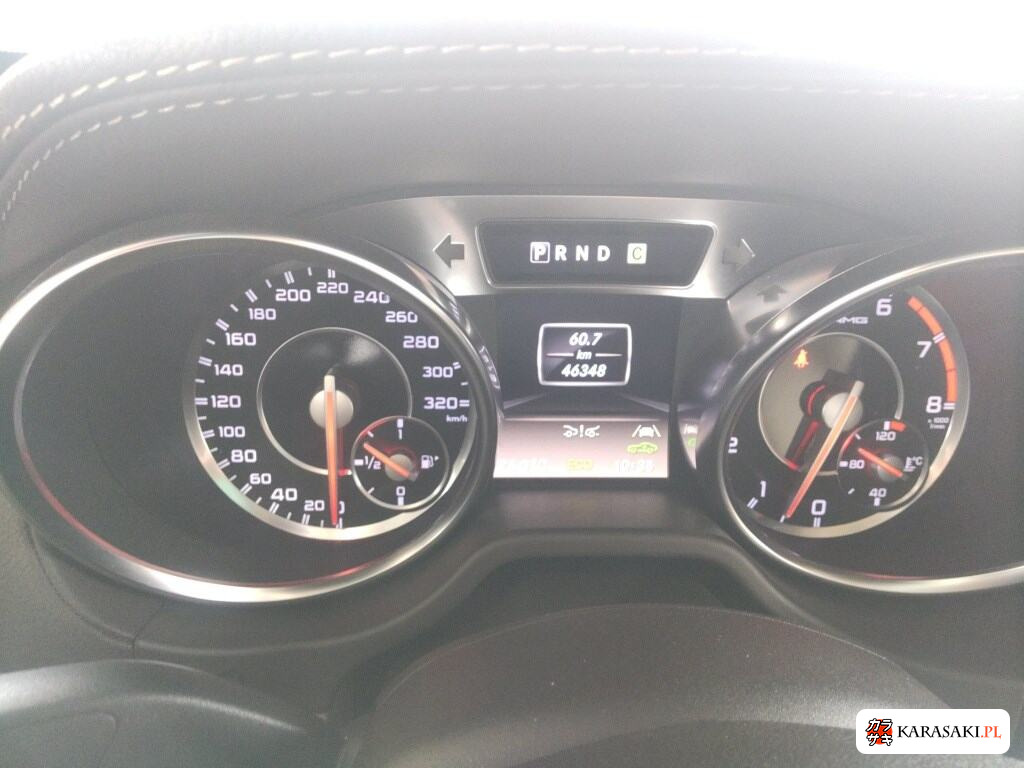
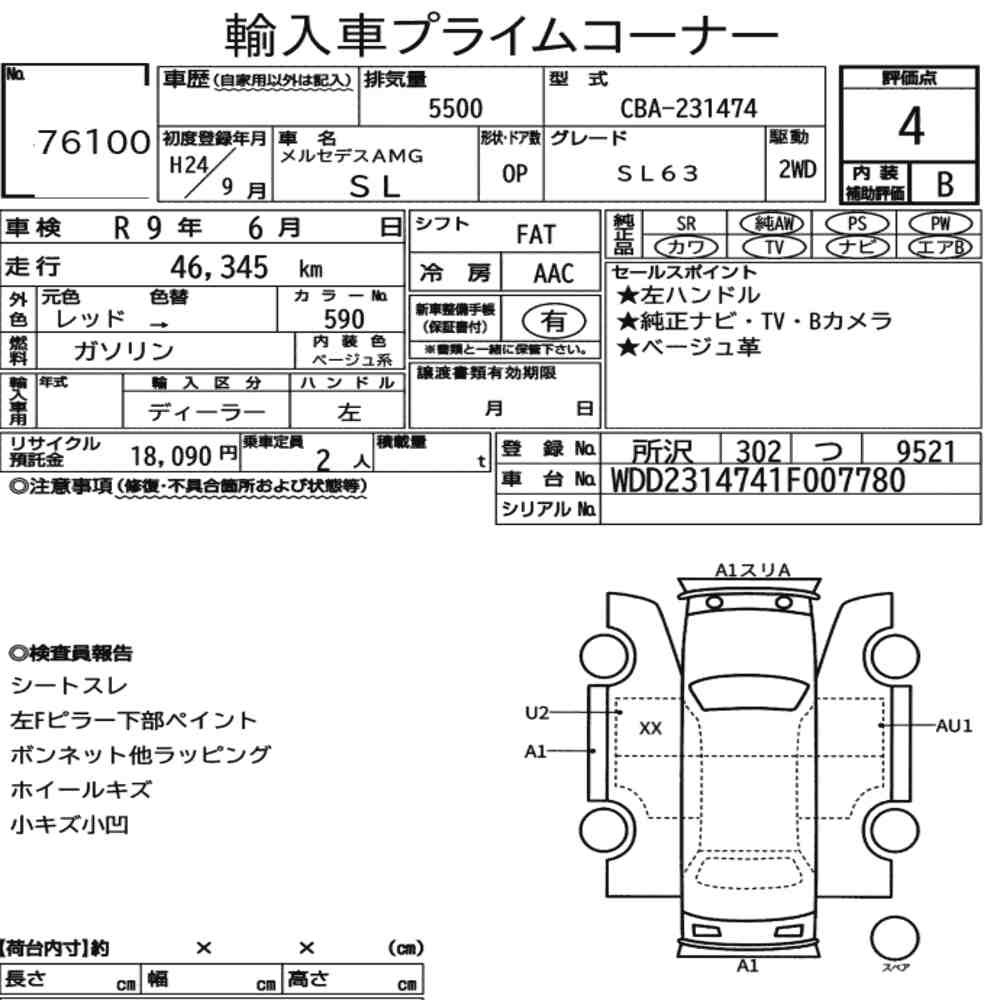

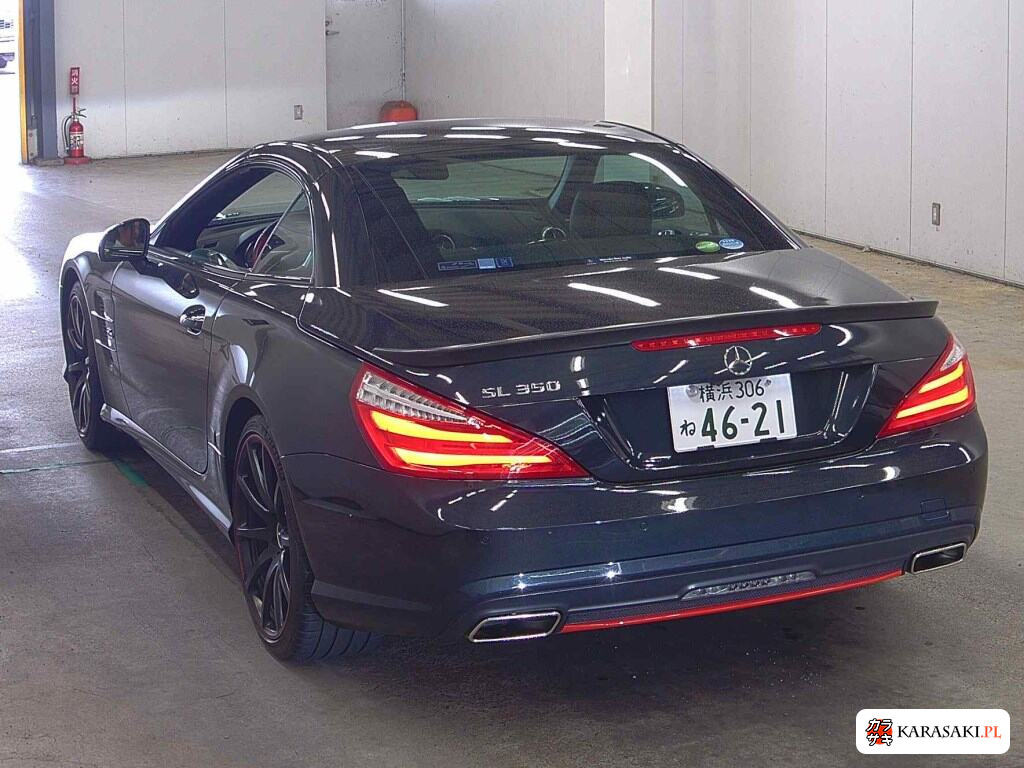
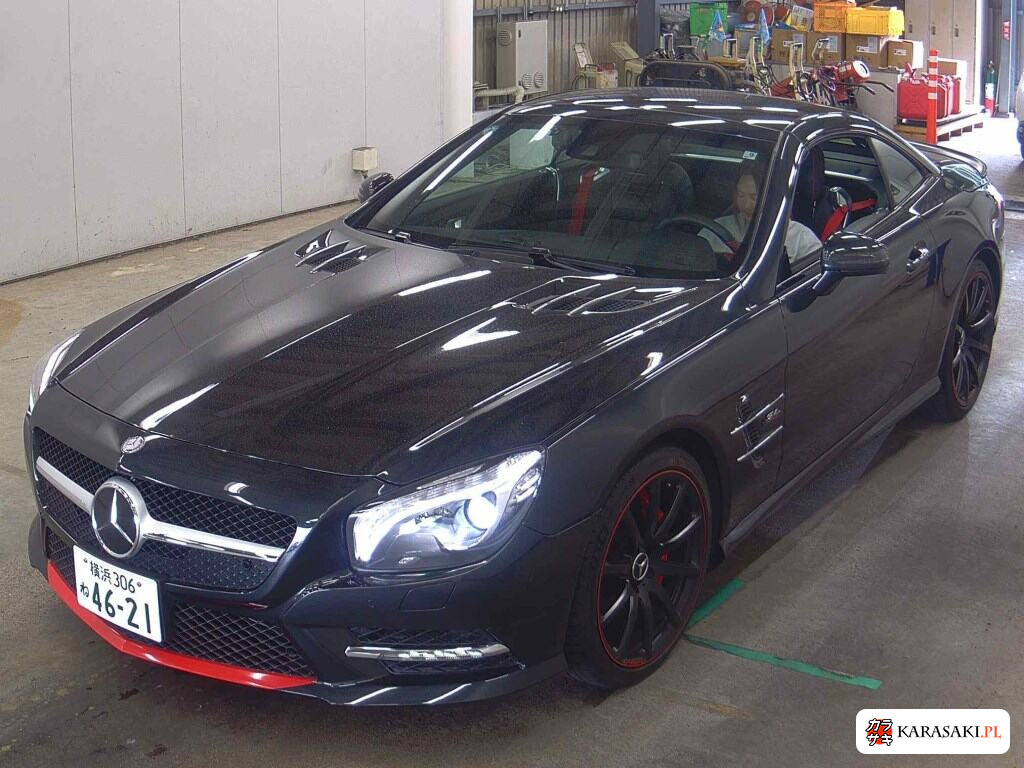
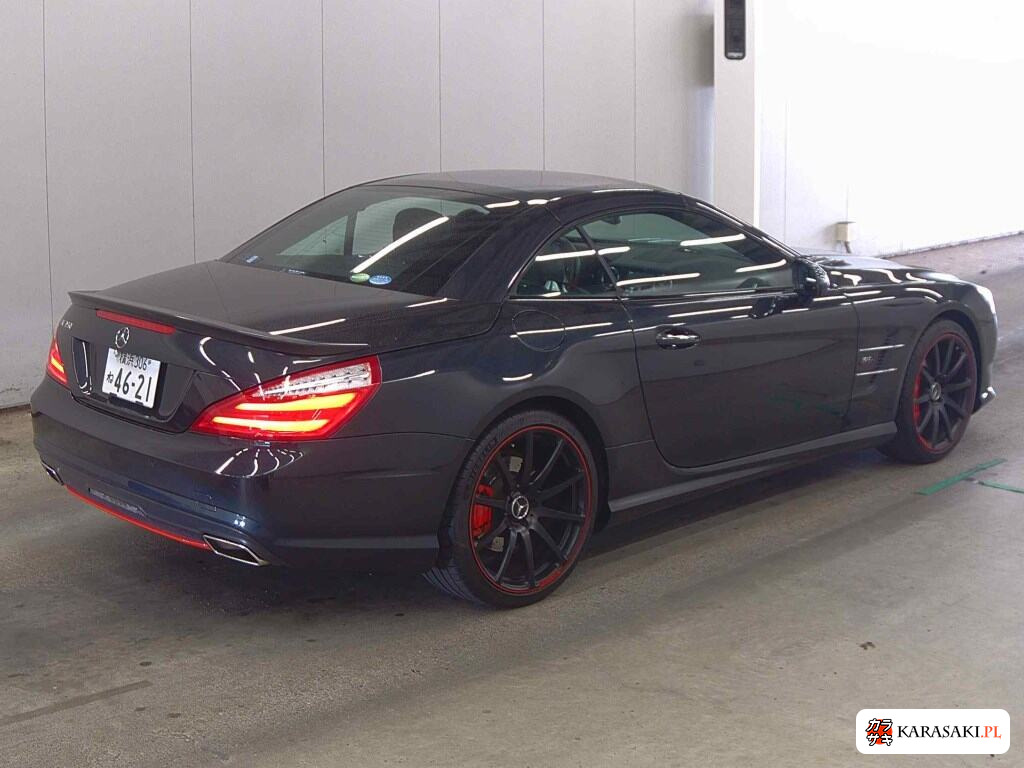
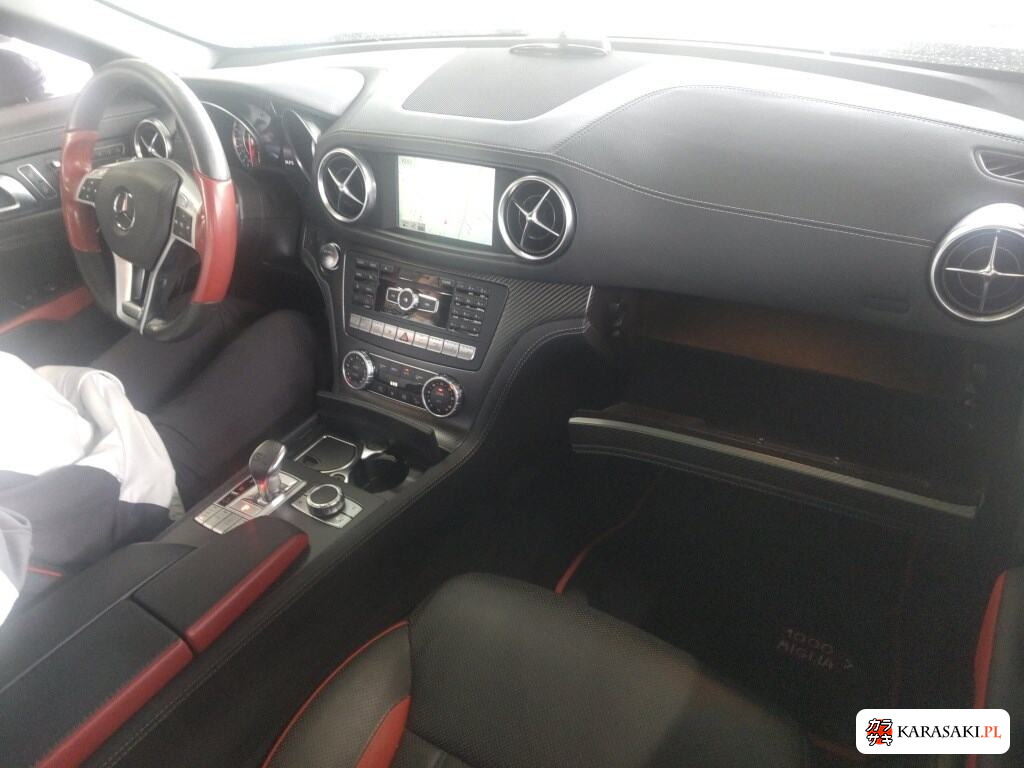
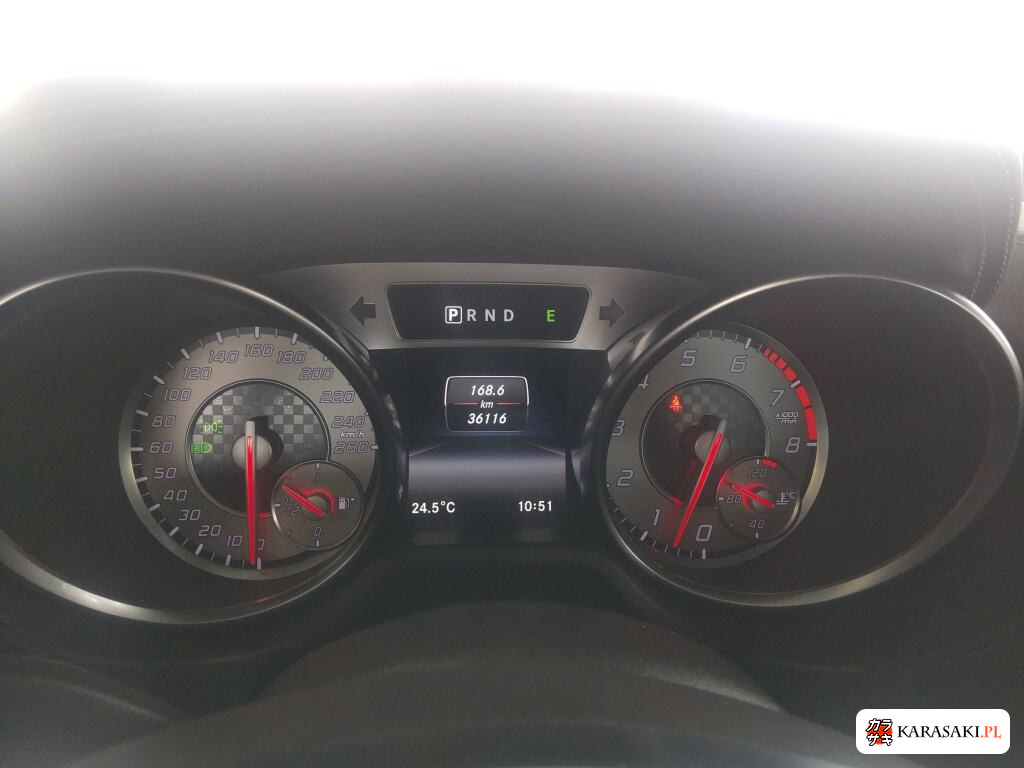
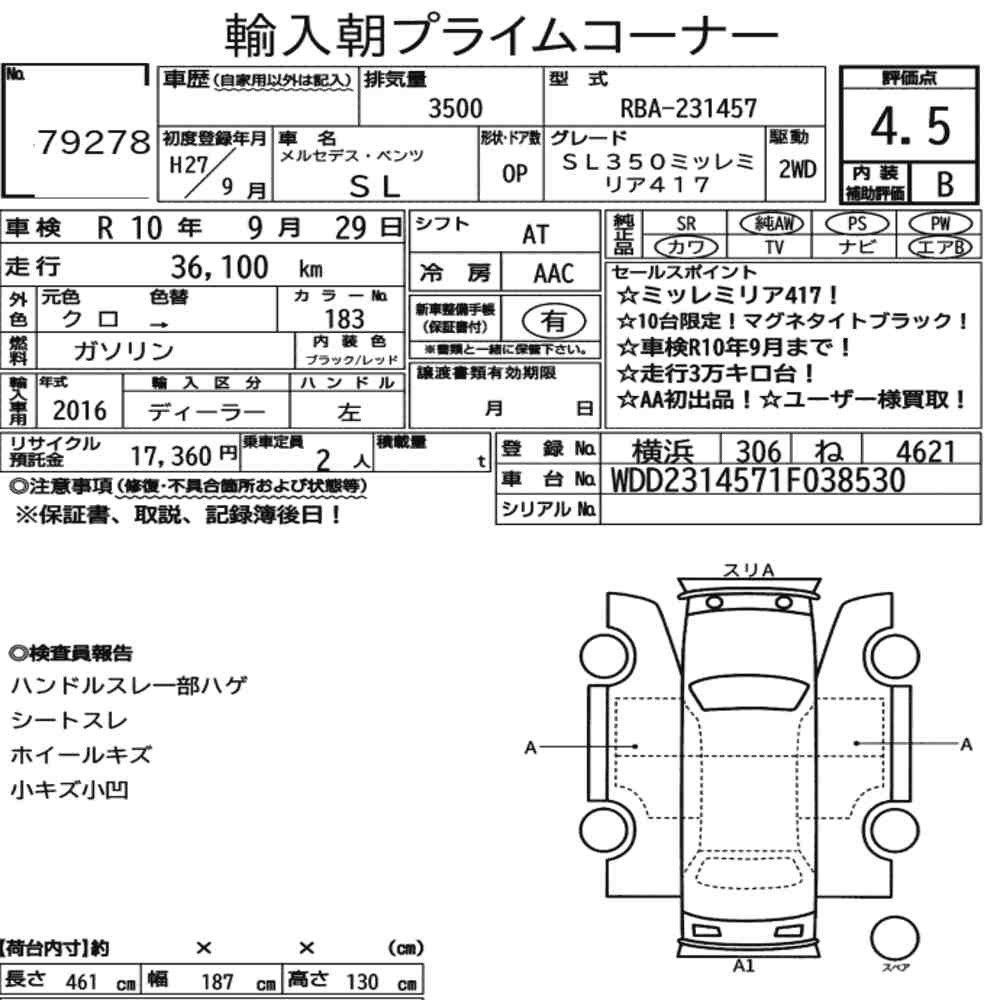

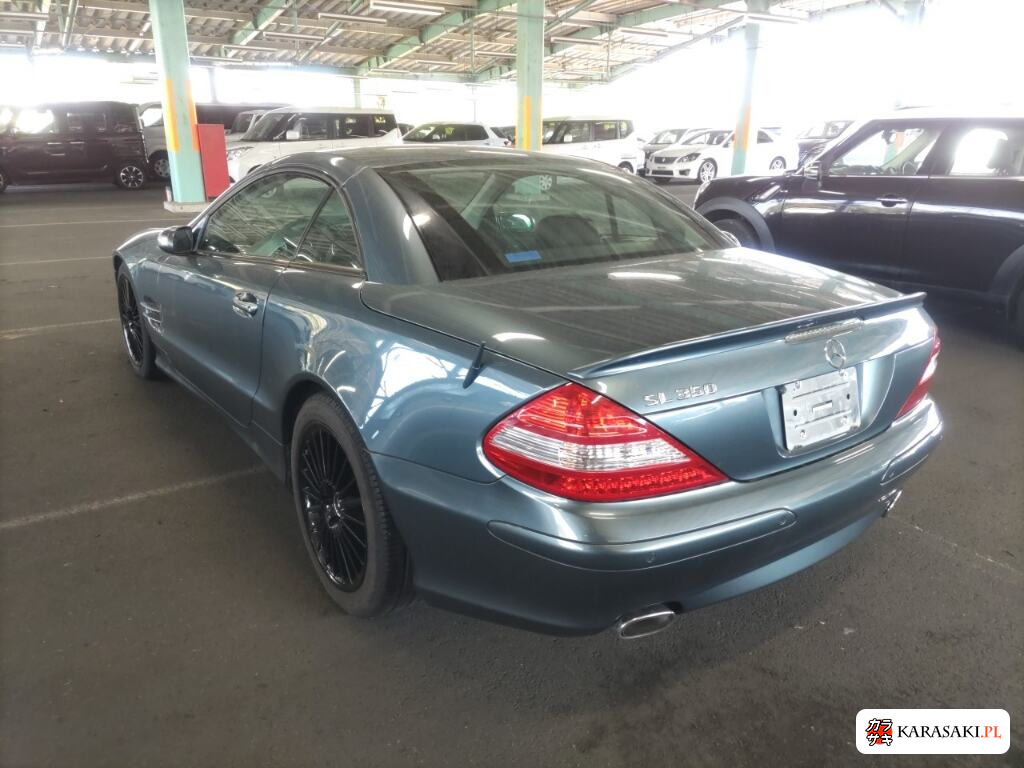
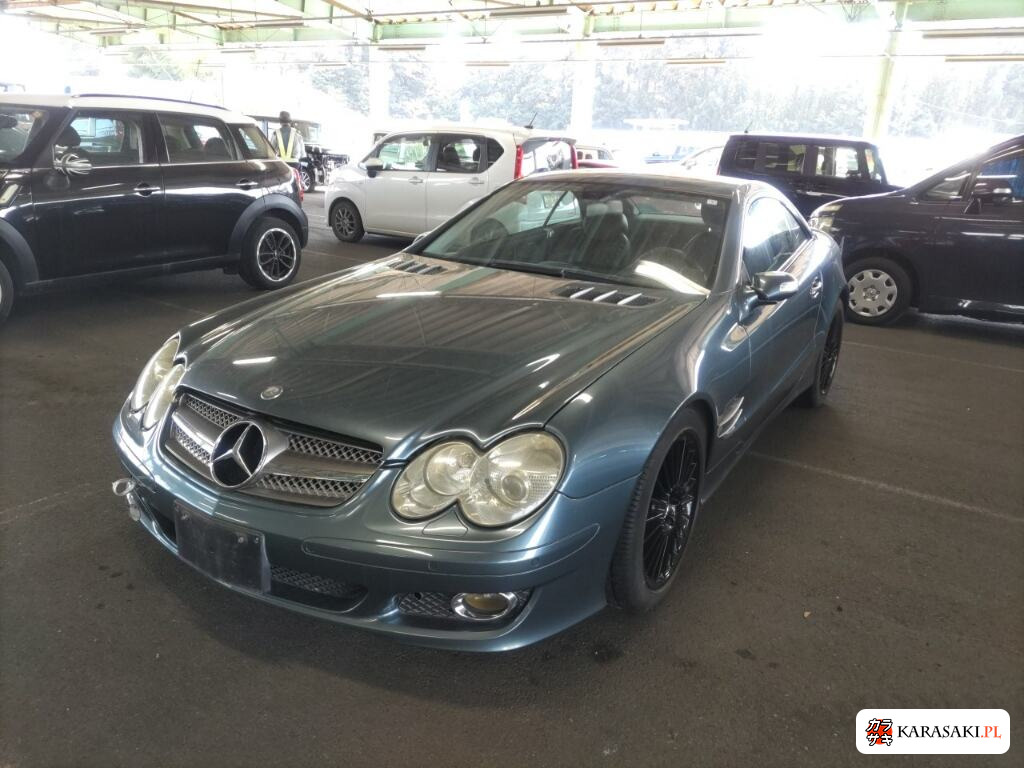
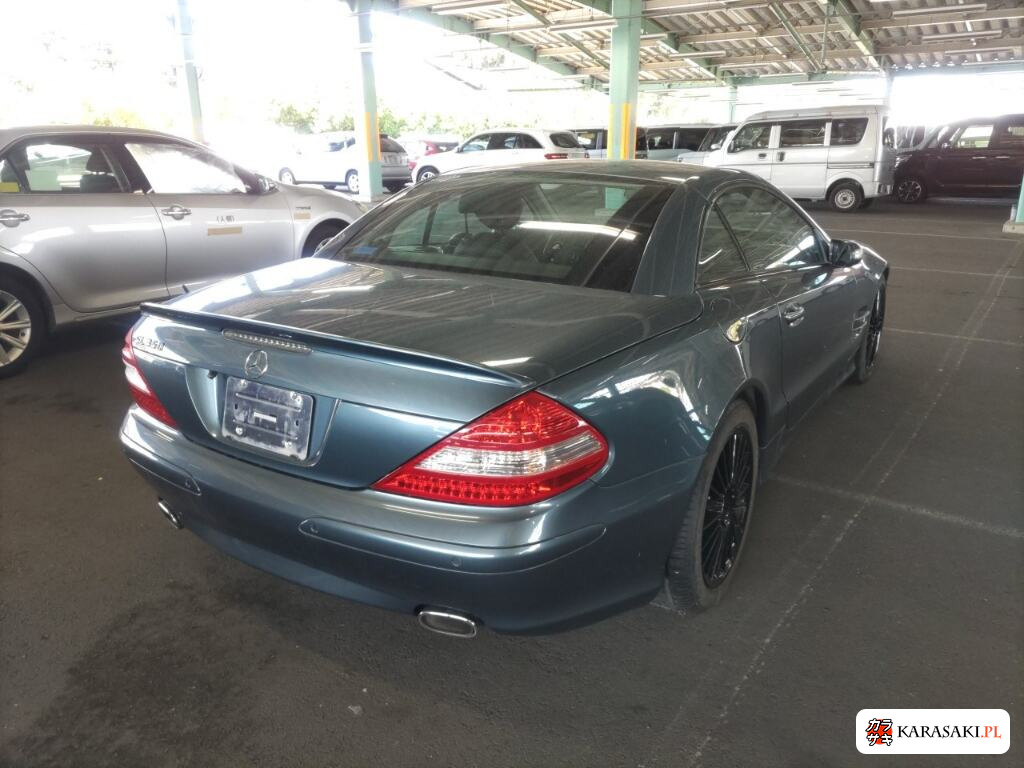
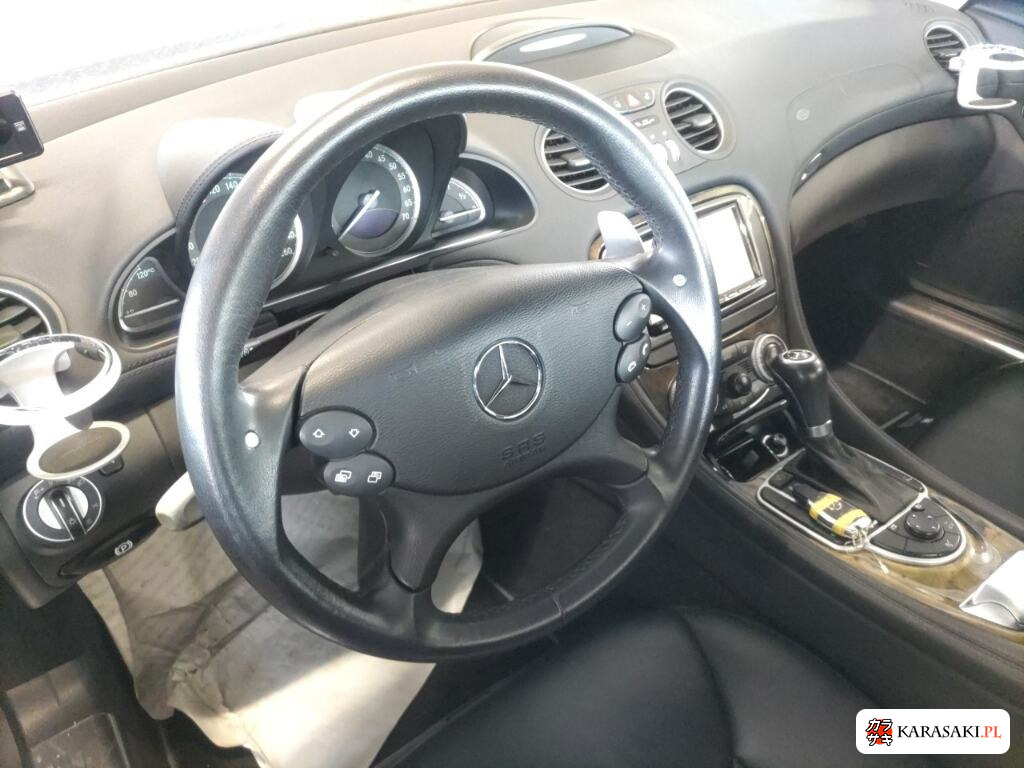
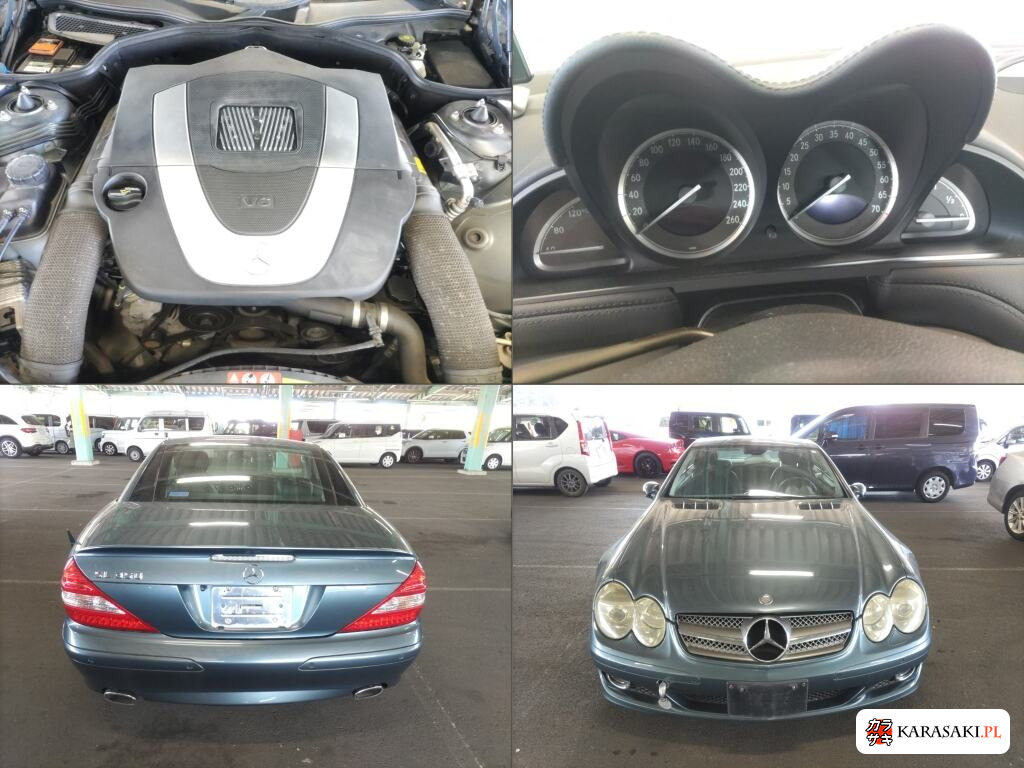
The auction pool turns over every few days. We'll watch these criteria and email you when the next one appears.
What to watch for: the roof, wiring and completeness
The R129's typical faults are best known to the workshops that make their living on these cars. Callum Harkness, lead R129 technician at the UK's The SL Shop, points out that about half of all roof problems come down to the control module, usually killed by water from a leaking soft top or by a voltage spike. Hence the golden rule repeated by the UK club Mercedes Enthusiasts as well: never jump-start this car, because the surge can kill the roof controller. The rest of the trouble comes from leaking hydraulic cylinders at the windscreen header rail and more than twenty micro-switches hidden in the roof assembly.
The other classic trouble spot is the wiring. On cars from the first half of the 1990s the insulation, biodegradable by design, crumbles with age and causes faults that are hard to diagnose; the Polish specialist site klasyk.pl prices a harness replacement at 4,000 to 7,000 PLN. The M104 straight-sixes can blow a head gasket at high mileages, and on the V12 even a simple change of all 24 spark plugs means removing the intake manifolds. The active suspension of the top versions can cost tens of thousands to rebuild. The body resists rust better than most of its peers, but you should still check the front edge of the front wings and the spare-wheel well, where fluid from a leaking roof system collects.
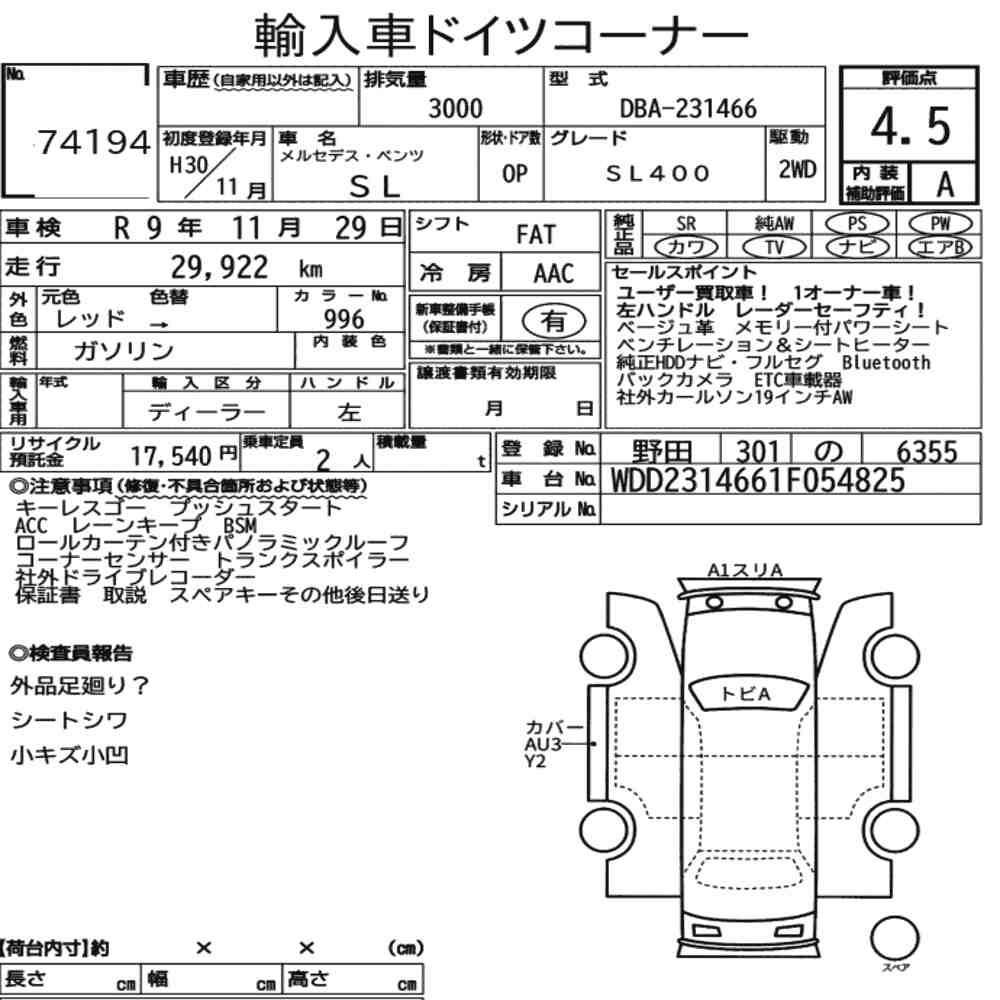
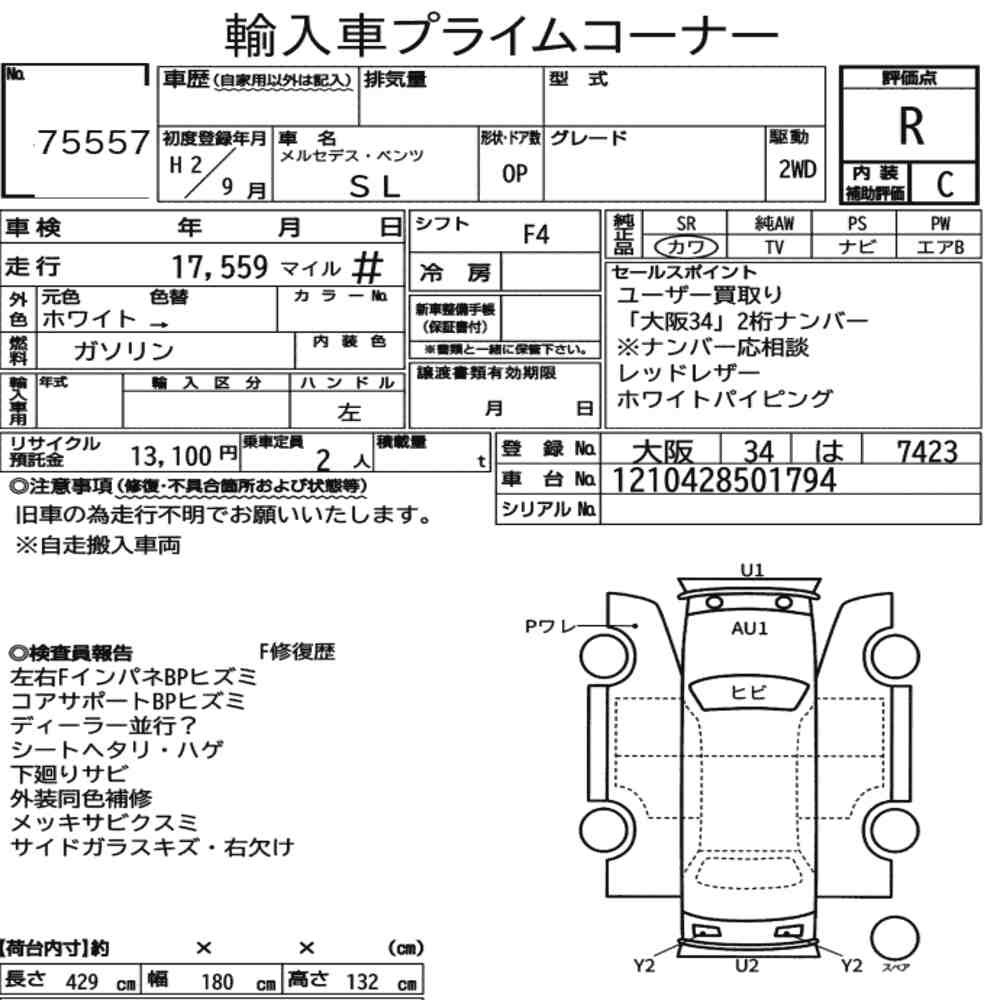
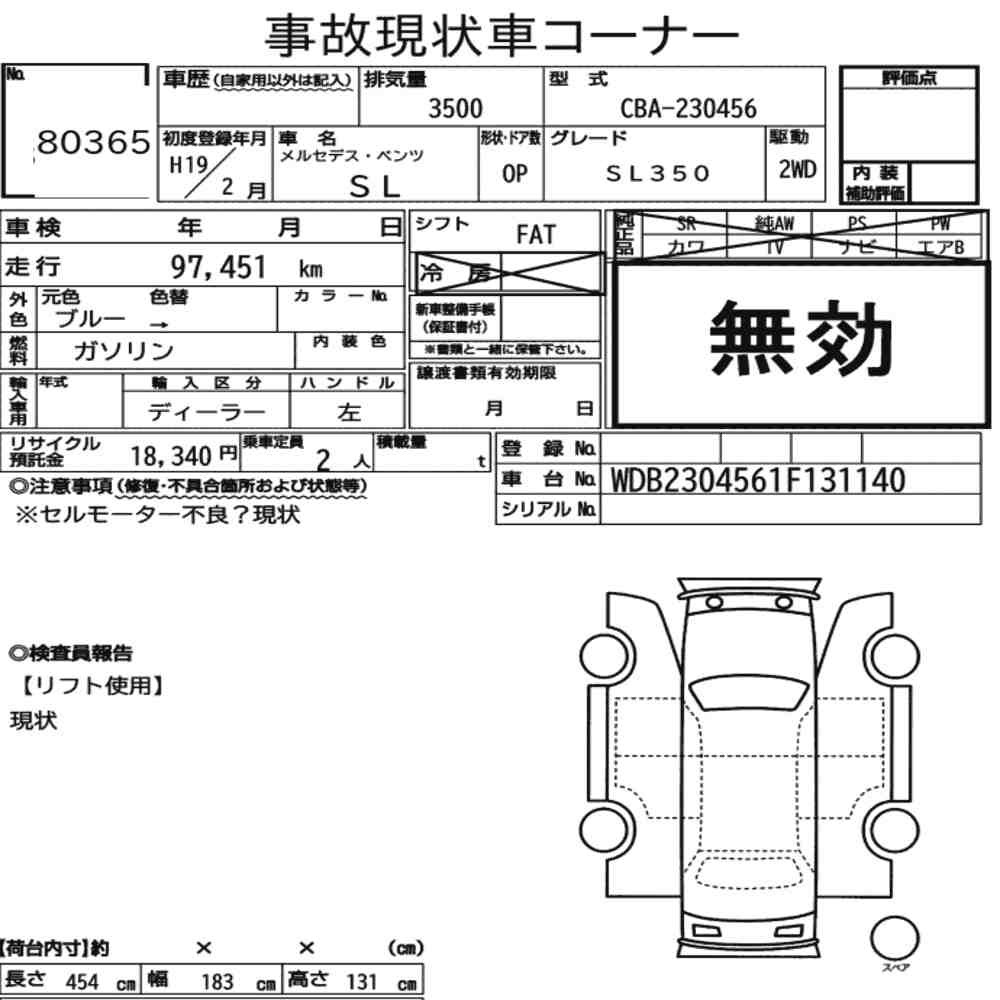
When you buy, completeness counts. The hardtop was standard, so its absence is a red flag and a real loss of value, which klasyk.pl puts at 5,000 to 10,000 PLN. Run the roof through a full cycle, and check the set of keys and the service history. Instead of trusting the listing, read the independent auction sheet issued by the Japanese auction house; we explain how in our piece on the auction sheet.
Importing an R129 from Japan: the maths and the Japanese advantage
Japan is an unusually good source of R129s, for three reasons. First, the steering wheel: an imported left-hand-drive Mercedes was a status symbol there, proof the car came straight from Europe, which is why there is not a single right-hand-drive example in our SL catalog. Second, condition: cars of this class were driven sparingly and kept garaged, and the roads are not salted. Third, the shaken inspection system, which makes keeping an older car ever more expensive and pushes well-kept examples to auction; we cover that mechanism in our guide to Japanese car auctions.
As always, we itemise the bill down to the last zloty. Every R129 has an engine above 2,000 cc, so excise is 18.6%; the current rates are published at podatki.gov.pl. Below is an example for a car at 850,000 yen, exactly the median starting price of our R129s, at the National Bank of Poland rate of 10 August 2026.
| Item | Amount (yen) | In PLN |
|---|---|---|
| Car price | 850,000 | about 19,900 PLN |
| Shipping to the EU border | 350,000 | about 8,200 PLN |
| Customs value | 1,200,000 | about 28,200 PLN |
| Duty 10% | 120,000 | about 2,800 PLN |
| Excise 18.6% | 245,520 | about 5,800 PLN |
| VAT 23% | 360,070 | about 8,400 PLN |
| Total at customs | 1,925,590 | about 45,200 PLN |
On top of that there is our fee of 8,000 PLN net (9,840 PLN gross), payable only after the car is delivered, plus the formalities: the technical inspection, translations, registration and domestic transport. Realistically, a well-kept R129 in the typical starting-price range lands at a total cost of about 50,000 to 85,000 PLN. Treat these figures as the floor, because bidding usually ends above the starting price.
On the other side of the ledger are the Polish classifieds. When we checked on 10 August 2026, Otomoto carried 74 R129 listings from 1989-2001, from 54,900 PLN for a 1997 SL 500 up to 239,000 PLN for collector examples. In May 2026 the specialist site klasyk.pl valued good SL 280s and SL 320s at 45,000 to 90,000, a post-second-facelift SL 500 at 95,000 to 160,000, and the SL 600 at 160,000 to 280,000 PLN. Set the real import cost against asking prices, which can usually be negotiated, and the honest conclusion is this: importing does not always beat the cheapest local listings, but for similar money you usually get a car a class better, with lower mileage, no corrosion and an auction sheet instead of a seller's assurances.
One customs point worth knowing. The R129 was built in Bremen, so the zero duty under the EU-Japan trade agreement does not apply; that preference only covers goods of Japanese origin, so you pay the standard 10%. For cars over 30 years old there is a separate customs heading for collector vehicles, which is worth asking a customs agency about for the oldest model years. We break down the full cost mechanics in our guide to how much it costs to import a car from Japan and the excise rules in our piece on excise duty on a car from Japan.
What buying with us looks like
We have set this up so you risk as little as possible. You pay our fee only once the SL is parked outside your home, not before the auction. The deposit, 10% of the starting price with a minimum of 8,000 PLN, is fully refundable if we do not win the car for you. Sea transport from Japan usually takes four to eight weeks, followed by customs clearance and registration.
You will not see the car in person before the auction, but you are not buying blind. Every example carries an independent auction sheet from the Japanese auction house, and we read hundreds of them every week, rejecting cars with accident repairs, corrosion or a wound-back odometer before you ever see them. On a car with this much roof hydraulics, that vetting matters more than usual. If you'd like company on your first purchase from someone who bids at these auctions daily, get in touch before you settle on a specific car.
Frequently asked questions about the Mercedes SL R129
How much does a Mercedes R129 cost?
In Poland asking prices start around 45,000 PLN for an SL 280 or SL 320, good SL 500s cost 95,000 to 160,000, and the SL 600 up to 280,000. If you import from Japan, the median starting price of our R129s is 850,000 yen, which with taxes and our fee comes to about 55,000 PLN.
Is the Mercedes R129 worth buying?
Owners rate the model 4.47 out of 5 (based on 18 ratings) on autocentrum.pl and praise it as a comfortable GT with excellent body rigidity, while workshops confirm the mechanicals are durable. A good buy hinges on two things: a healthy, leak-free roof mechanism and a complete car with the hardtop and history. An R129 like that has been gaining value for years.
Is the Mercedes SL R129 expensive to run?
According to estimates by the specialist site klasyk.pl, annual upkeep of the six-cylinder versions is 8,000 to 12,000 PLN, the V8 SL 500 12,000 to 18,000, and the V12 at least 18,000 to 30,000. The biggest single expenses are a roof hydraulics rebuild, priced at 5,000 to 10,000 PLN, and replacing the crumbling wiring harnesses.
What is the average fuel consumption of the SL 500 R129?
Owners on autocentrum.pl report an average of 13.5 litres per 100 km for the model as a whole, and put the overall running cost at 69 PLN per 100 km. The five-litre V8 can exceed those figures in town, while on a gentle motorway cruise it drops well below. This is a car for covering distance, not for sitting in traffic.
Summary
The Mercedes SL R129 combines things that rarely go together: engineering from an era when Mercedes did not count costs, and prices that still start in the tens of thousands of zlotys. Japanese auctions add what is hardest to find in Europe: garaged, low-mileage examples, all of them left-hand drive. We do the maths honestly: at the median starting price of 850,000 yen the car costs about 45,200 PLN after customs, and with the fee and formalities typically 50,000 to 85,000 PLN, bearing in mind that bidding starts at the starting price rather than ending there. What you gain by importing is, above all, condition rather than price.
You'll find current examples on the Mercedes SL model page. There's more on importing this brand's cars in our guide to Mercedes from Japan.
This cost breakdown is for information only and reflects the rates in force in August 2026 and the exchange rate on the day of publication. Final duty, excise and VAT amounts, and the vehicle's classification, should be confirmed with a customs agency or a tax adviser for the specific car.


