
Excise is, alongside duty and VAT, one of the three taxes you pay when importing a car from Japan. Its size depends above all on one number: engine displacement. The 2000 cc threshold splits cars into two completely different cost leagues, and hybrids and electrics have their own, gentler rules. Below are the 2026 rates straight from the statute, the calculation base, the differences between clearing customs in Poland and in another EU country, the common mistakes, and worked examples to the zloty.
| Car type | Excise rate |
|---|---|
| Combustion up to 2000 cc | 3.1% |
| Combustion above 2000 cc | 18.6% |
| Hybrid up to 2000 cc | 1.55% |
| Hybrid 2000 to 3500 cc | 9.3% |
| Plug-in hybrid up to 2000 cc | exempt until 31 December 2029 |
| Electric and hydrogen | exempt |
How much is excise in 2026?
For an ordinary combustion car there are two rates: 3.1% for engines up to 2000 cc and 18.6% above that line. It is not a typo, the gap is sixfold. So the same car price with a 1.8 engine versus a 3.0 engine produces a very different final bill. On a tax base of 50,000 PLN that is the difference between 1,550 and 9,300 PLN, and it grows proportionally with pricier cars. An electrified drivetrain pays less: a regular hybrid up to 2000 cc is 1.55%, a hybrid between 2000 and 3500 cc is 9.3%, a plug-in hybrid up to 2000 cc is exempt until the end of 2029, and electric and hydrogen cars are exempt with currently no statutory end date. For an import cleared in Poland the base is the customs value plus duty, not the winning bid itself; for a car cleared in another EU country the base differs, as we explain below. Excise is only one component of the whole, which we lay out in our guide to how much it costs to import a car from Japan.
The rates come from Article 105 of the Excise Tax Act and did not change with the new year. The current rate table is published by the Polish Ministry of Finance at podatki.gov.pl; we checked the values quoted here against it on 9 July 2026. What counts is the car's actual state, its displacement and drivetrain, not its model year. The circulating myth of a separate, higher excise for cars older than five years finds no support in the statute in force. The rate is the same for a 1995 car and a 2025 car, as long as displacement and drivetrain match.
Rates by displacement
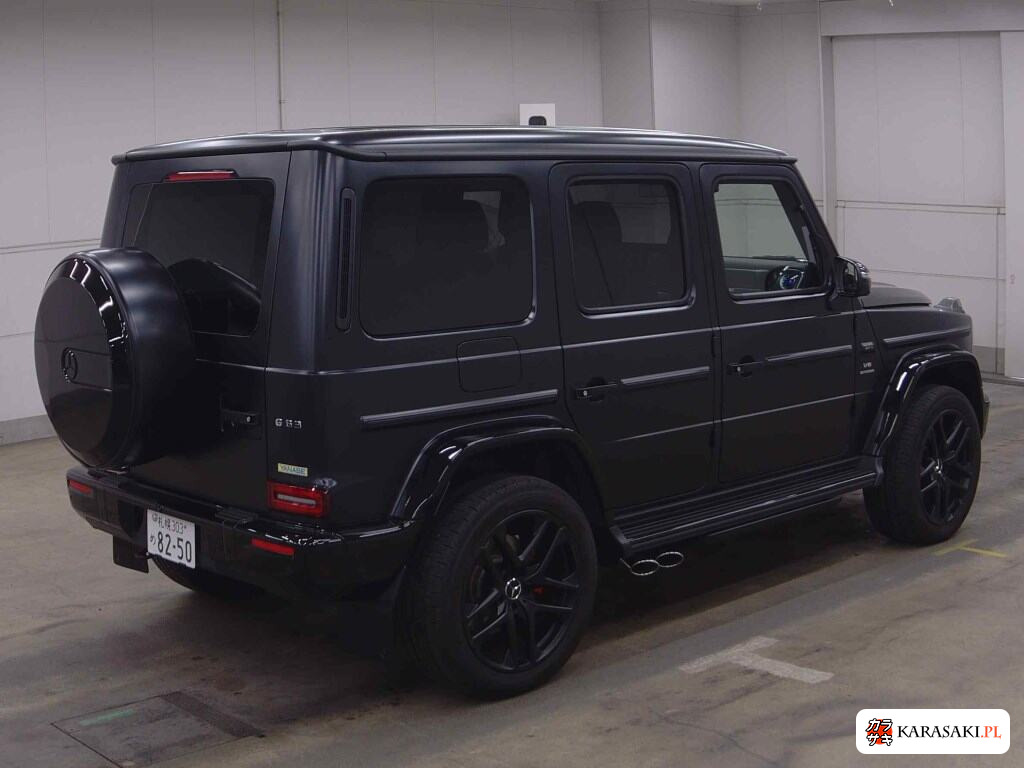
The 2000 cc threshold is the single most important number in the calculation. Below it you pay 3.1%, above it 18.6% right away. On a customs value of 80,000 PLN that is a difference of well over ten thousand zloty, so the engine version can decide the viability of the whole import. The worked scenarios at the end of this guide show exactly this mechanism: a 1.8 engine pays about 1,364 PLN of excise and a three-litre one 16,368 PLN, even though the price difference between the cars themselves need not be large. That is why you check the displacement of the specific engine variant before bidding, not just the model.
For an import cleared in Poland, the excise base is not the winning bid but the customs value plus the duty due (Article 104 of the Act). In practice: take the car price with transport to the EU border, add the duty, and only then apply the percentage. The base also includes the commission, the customs fees, and the transport and insurance costs, if they were not already counted in the customs value. If you hold a valid proof of origin and the duty is zero, the base is slightly lower, because no duty enlarges it.
Hybrids, electrics and hydrogen
An electrified drivetrain gets clearly better terms. A regular hybrid up to 2000 cc is 1.55%, and in the 2000 to 3500 cc band it is 9.3%, half the combustion rates. In practice a 2.5 hybrid pays 9.3% where its petrol counterpart pays 18.6%, so on the same base the bill halves. In February 2026 the Ministry of Finance confirmed in an interpretation that the preference also covers mild-hybrid cars, as long as the electric motor genuinely assists with propulsion (interpretation PAD6.8101.1.2026).
A plug-in hybrid up to 2000 cc is exempt from excise until 31 December 2029. Mind the displacement: a plug-in with an engine between 2000 and 3500 cc does not qualify for the exemption and pays the 9.3% rate like other hybrids in that band. Fully electric and hydrogen cars are exempt, currently with no statutory end date. The exemptions themselves sit in Article 109a of the same act, and podatki.gov.pl lists them as well. An exemption does not mean zero paperwork: at registration you still show a document confirming there was no payment obligation.
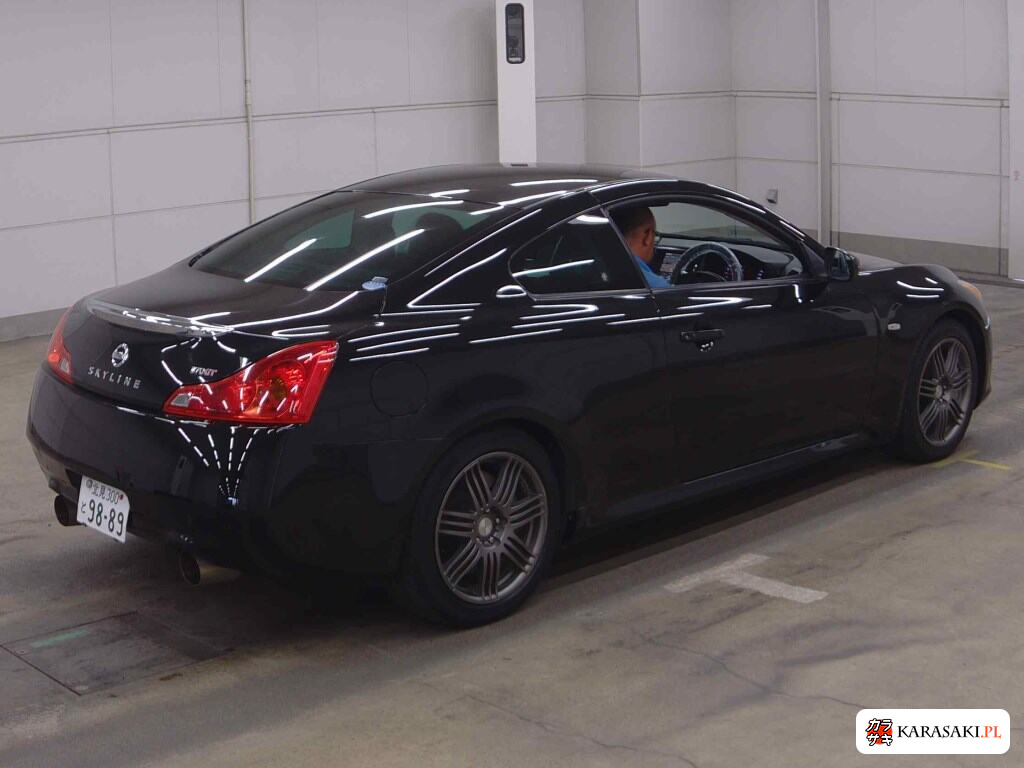
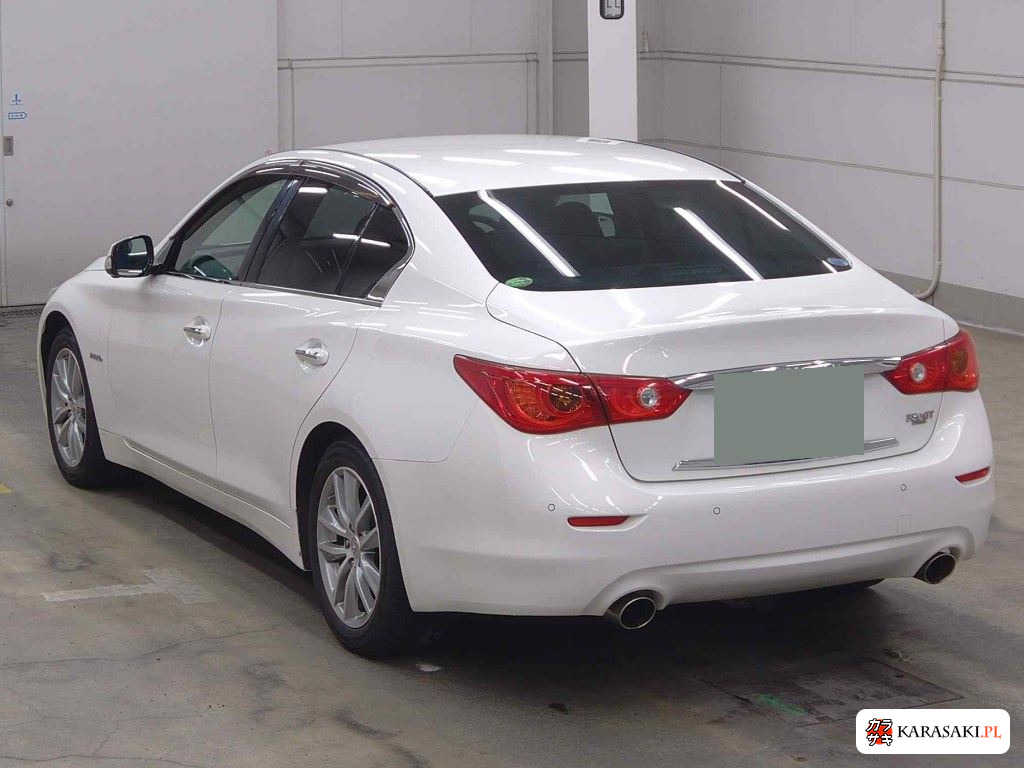
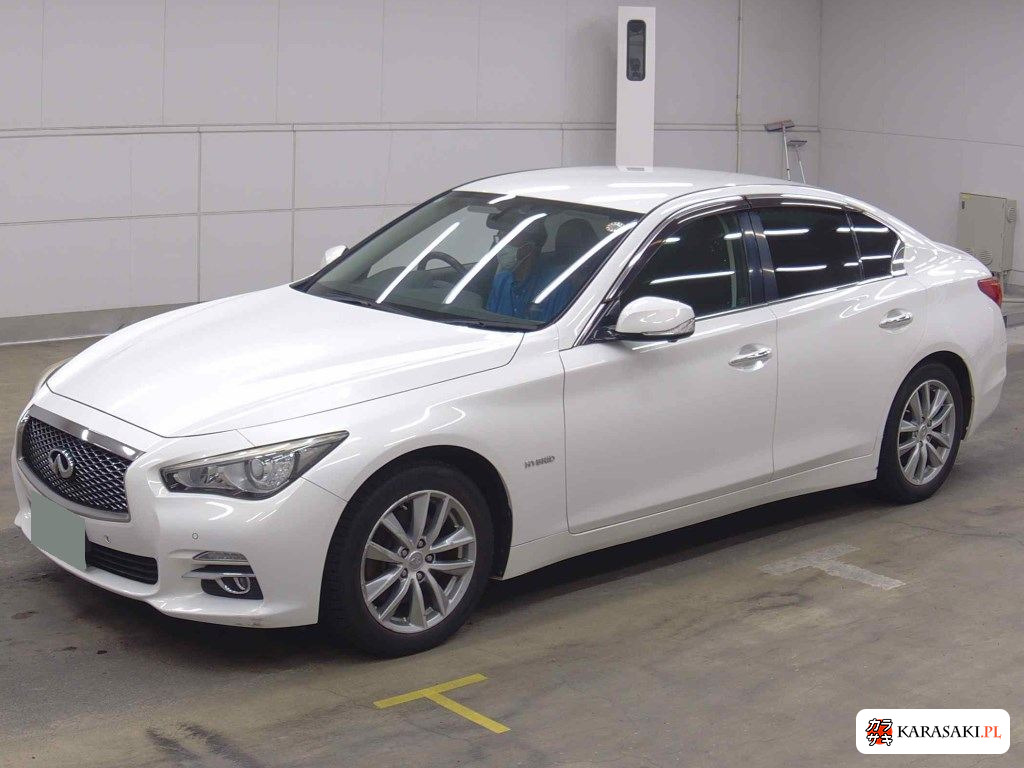
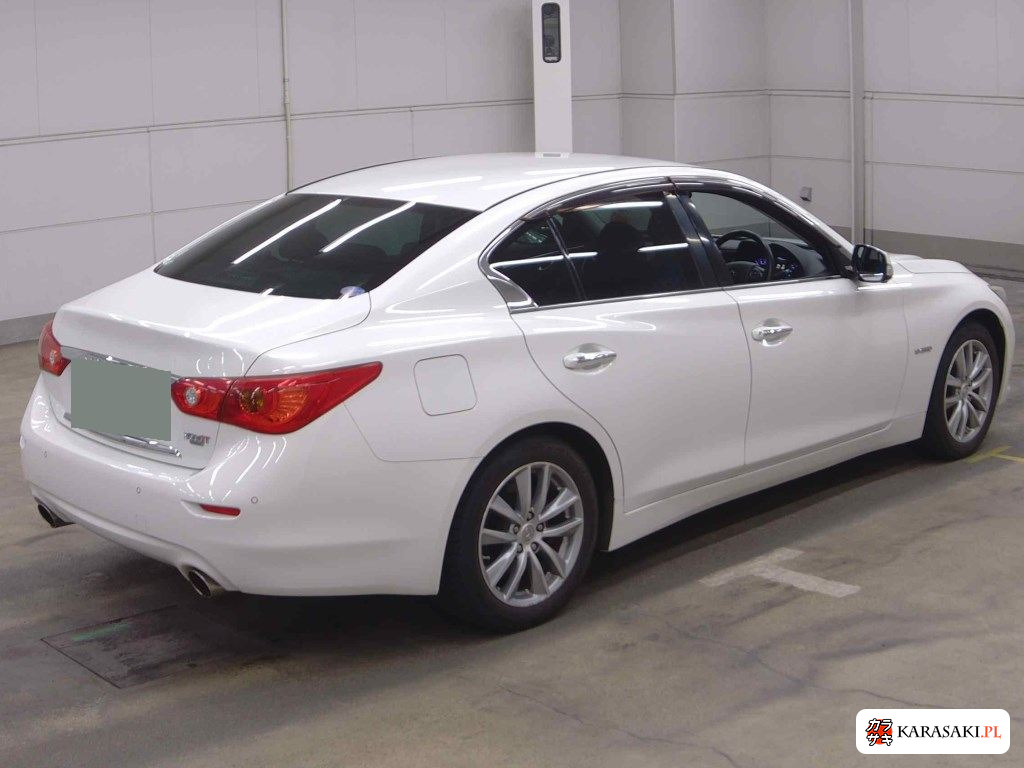
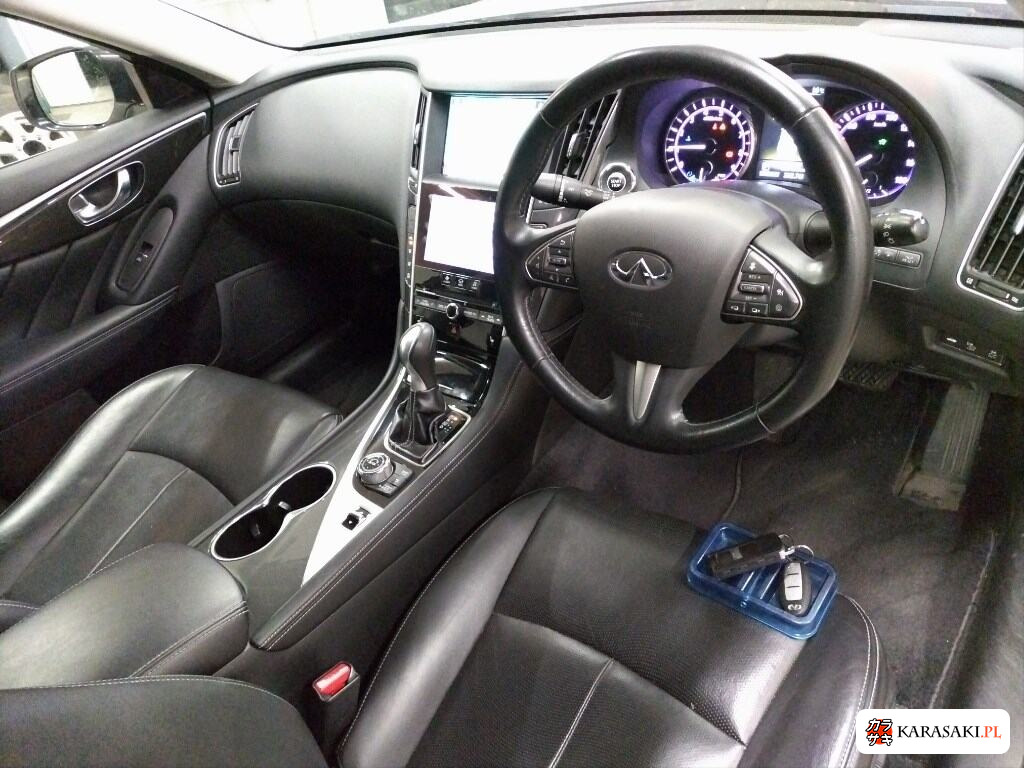
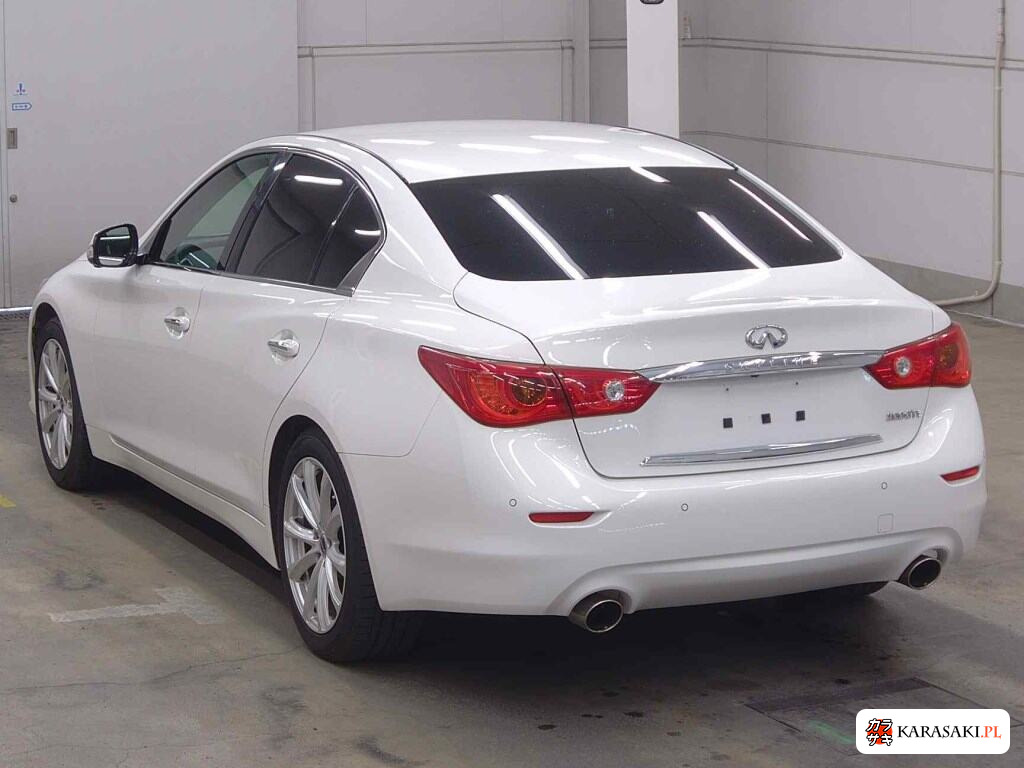
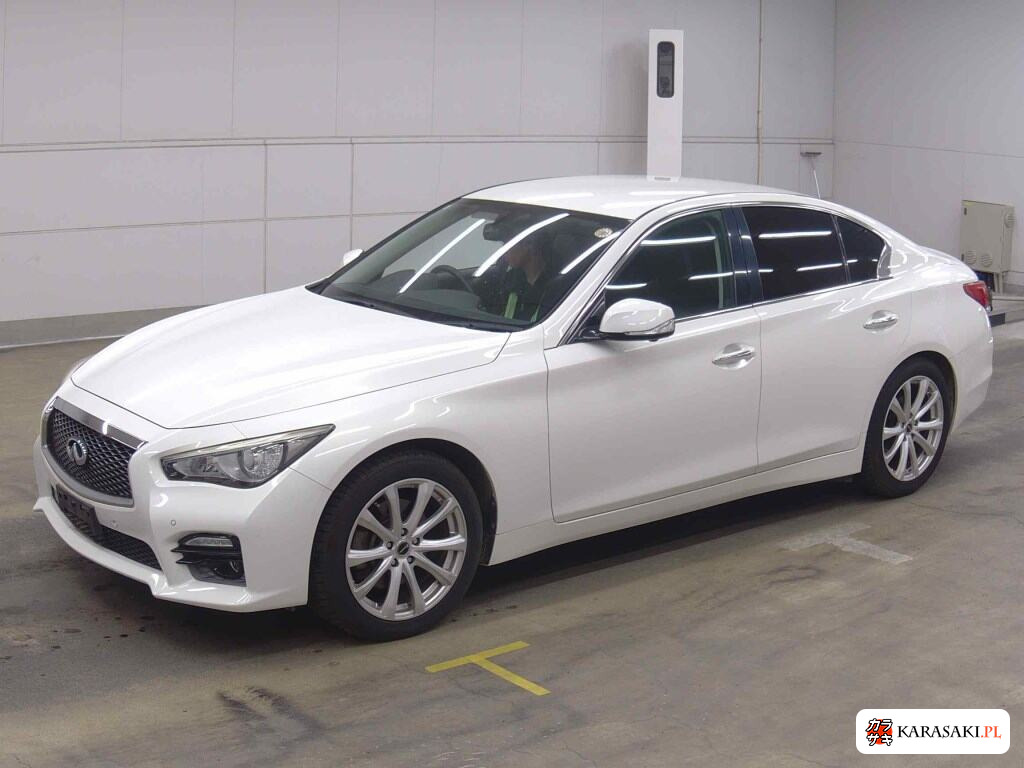
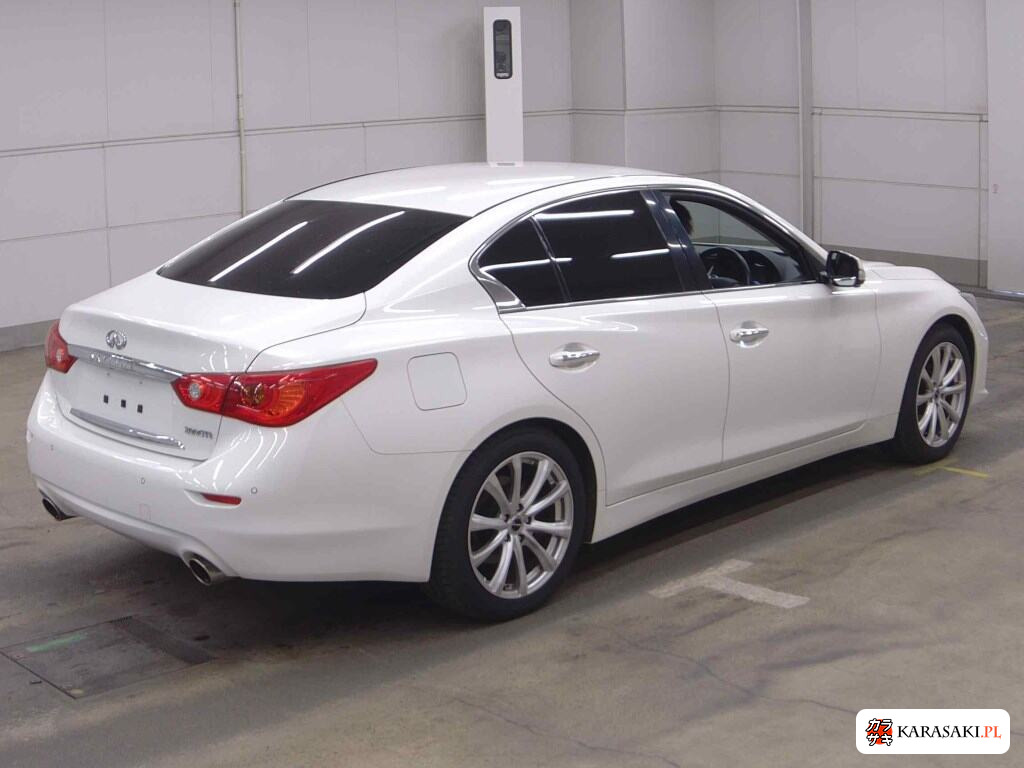
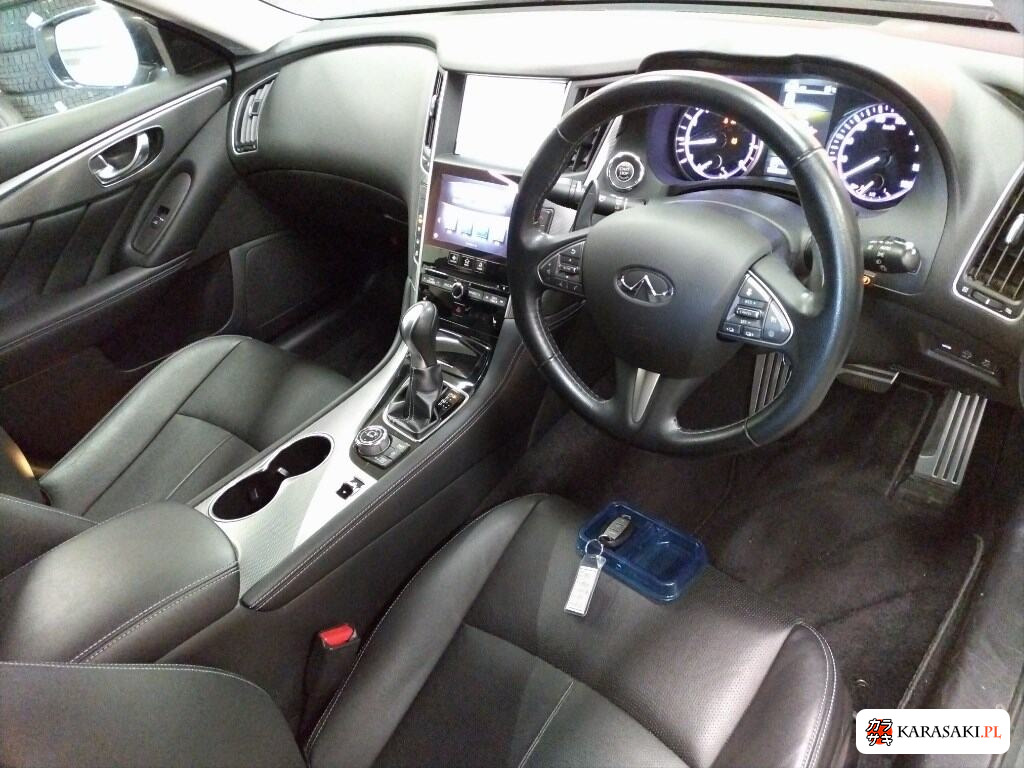
Auta z Japonii gotowe do importu












Deadline, form and registration
The settlement path depends on the route. When you import a car straight from Japan and clear it in Poland, excise is settled within the customs procedure at import, together with duty and VAT. You do not file a separate car declaration then, and the customs document with the settled excise doubles as the confirmation for the registration office, so all the paperwork closes in one procedure.
When the car cleared customs in another EU country (a German port, say) and only then comes to Poland, it is an intra-EU acquisition. Then you file the simplified AKC-US declaration, with 14 days from when the tax obligation arises and no later than the registration day. You can file it via the e-Tax Office. In both routes excise must be settled before first registration, because the registration office requires proof of payment or of no liability. Keep the confirmation of filing and payment for your visit to the office, together with the rest of the car's documents.
The route also changes the tax base itself, which follows directly from Article 104 of the Act. For an import cleared in Poland the base is the customs value plus duty. For an intra-EU acquisition the base is the amount you actually pay for the car. Using the example from further down this guide: for customs clearance in Poland the base would be 44,000 PLN, the customs value plus duty, while for a car bought after clearance in Germany it is simply the invoice amount. Clearing in Germany also brings the local 19% VAT, settled in a different system, which is a common motivation for that route but complicates the paperwork. The amounts can come out close, yet the documents, deadlines and bases differ, so make this decision before the car leaves Japan. We break the route and freight differences down in container or RoRo on the Japan-to-Poland route.
Common mistakes and how to recover an overpayment
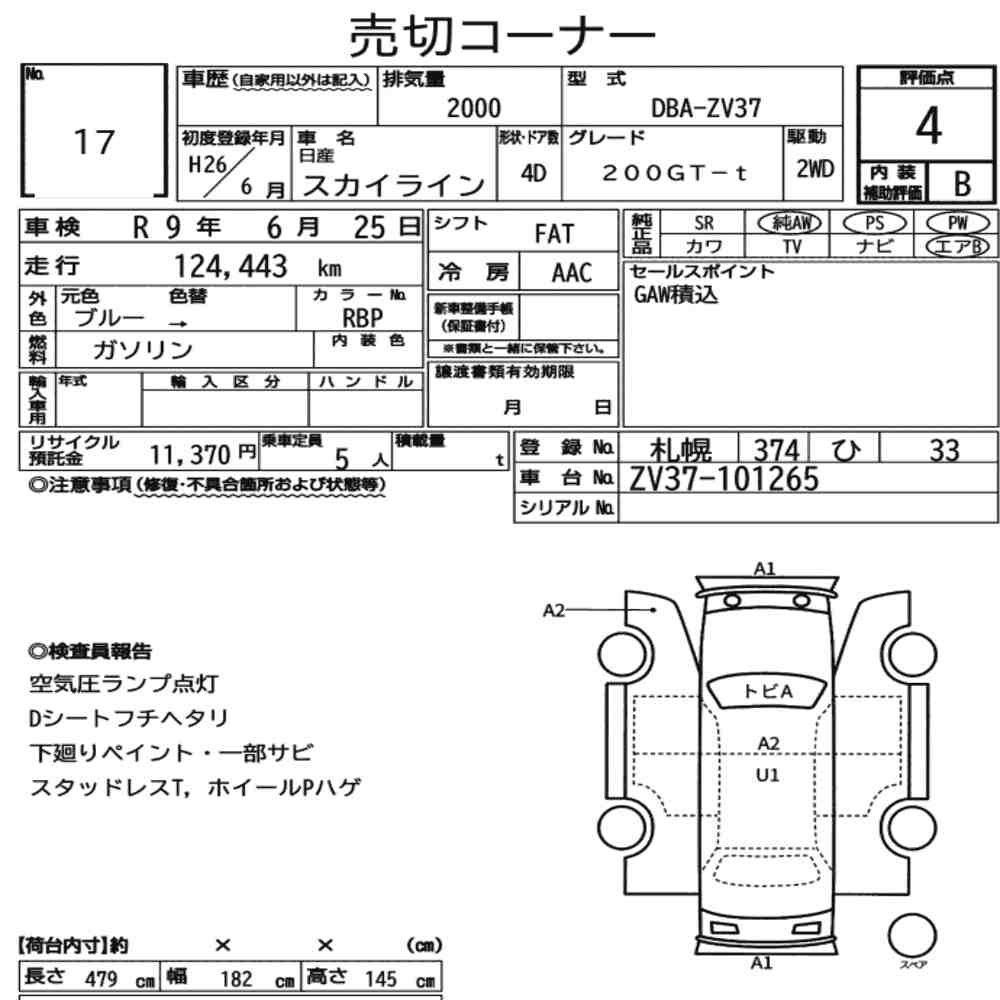
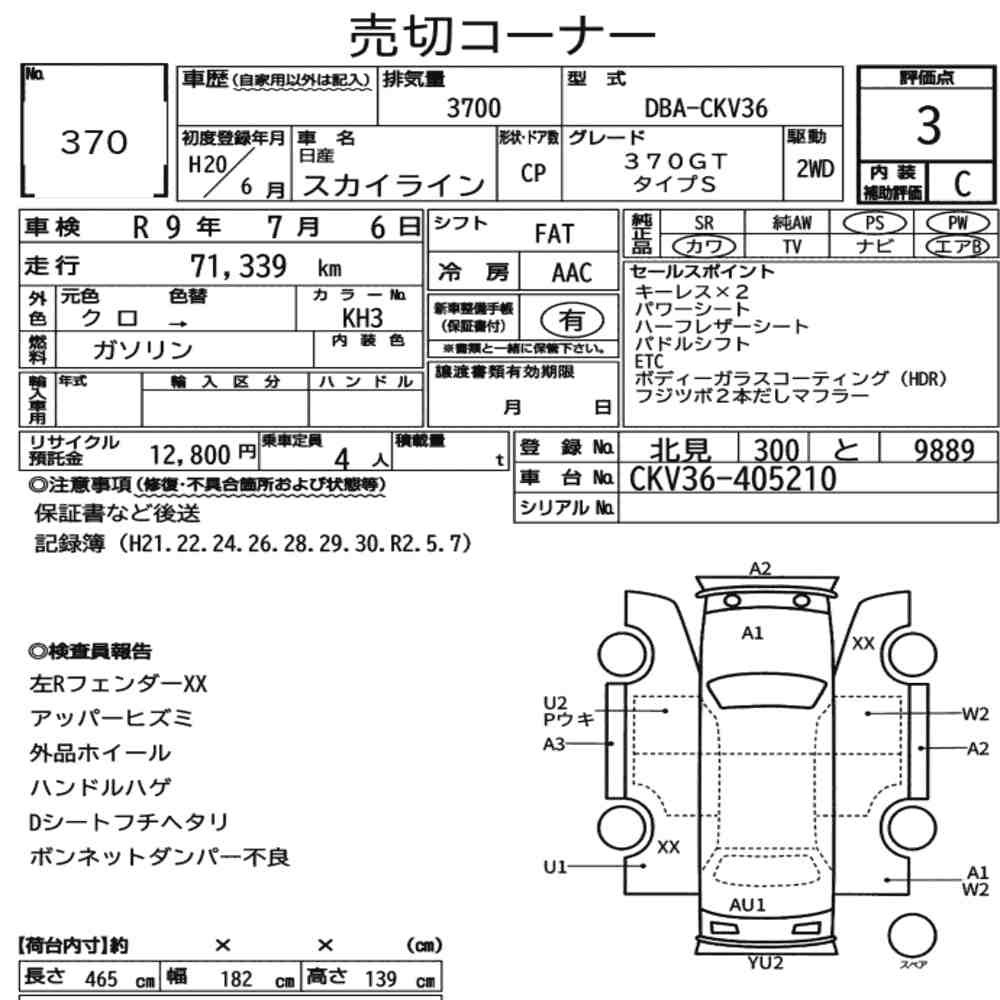
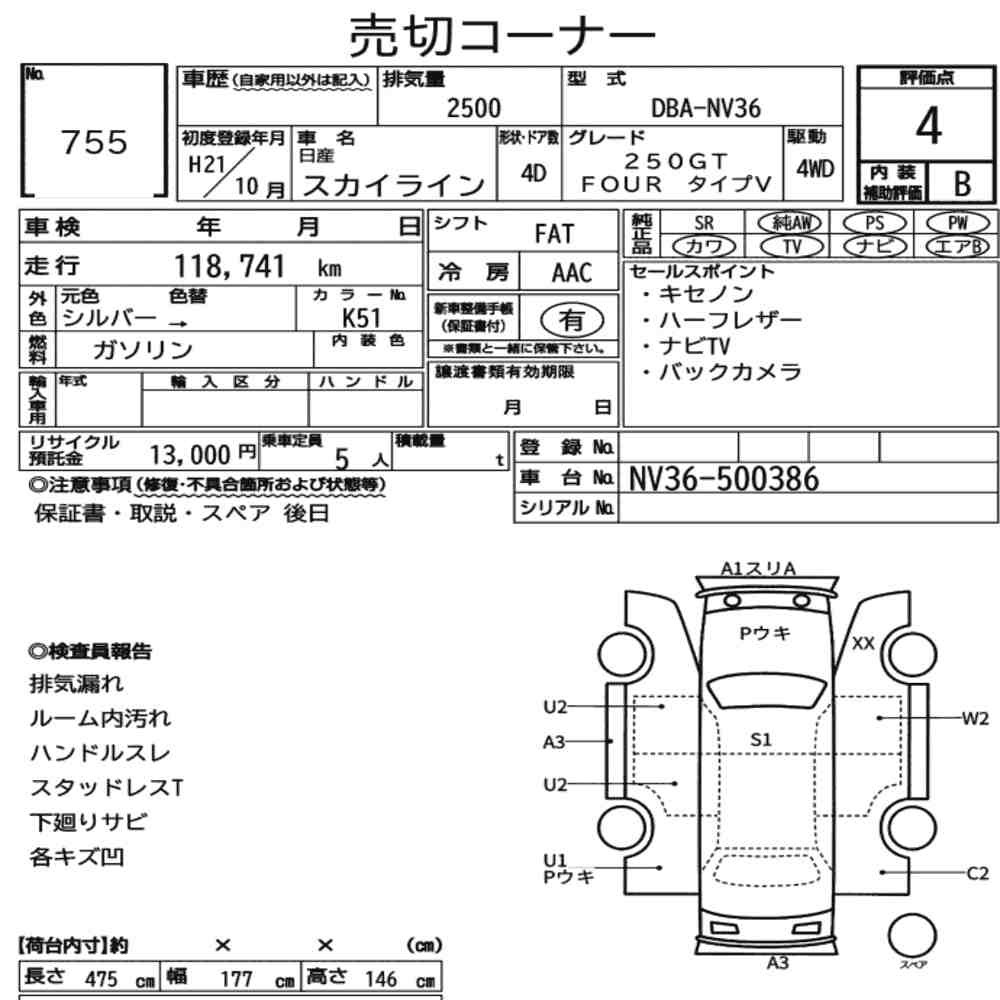
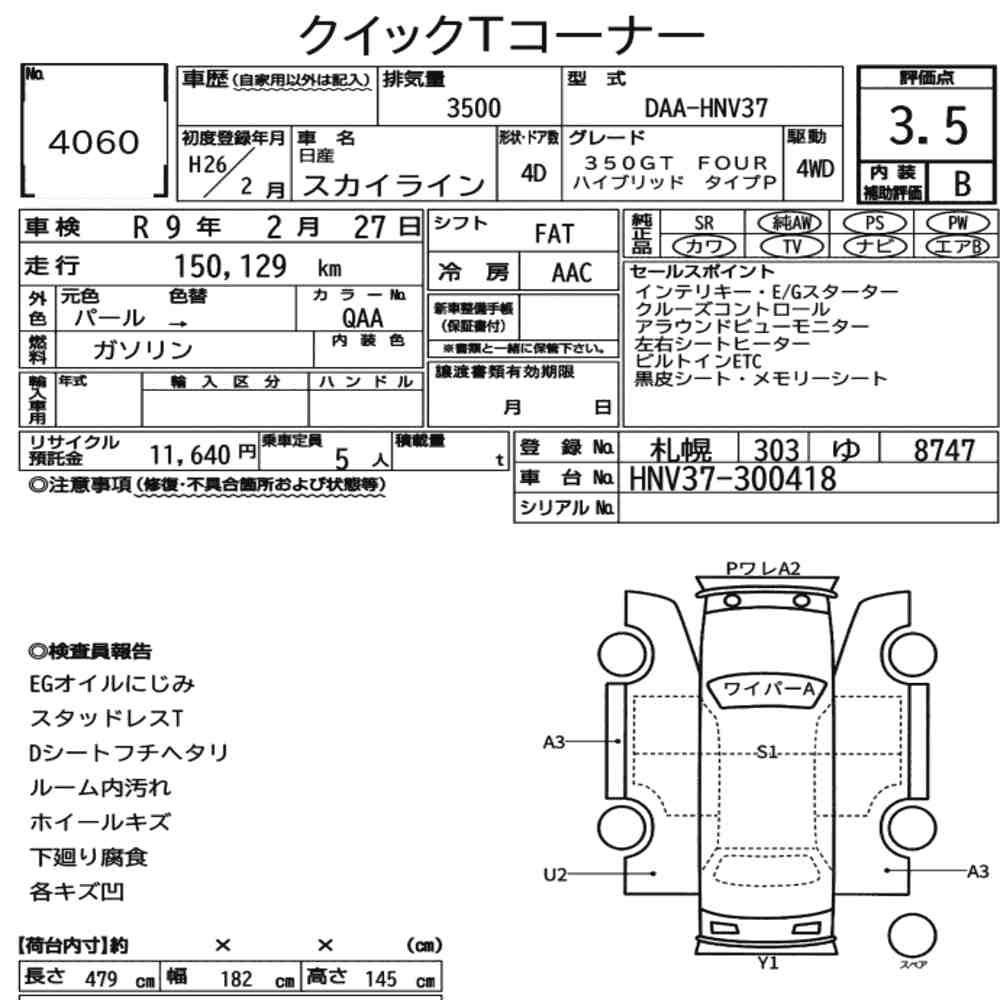
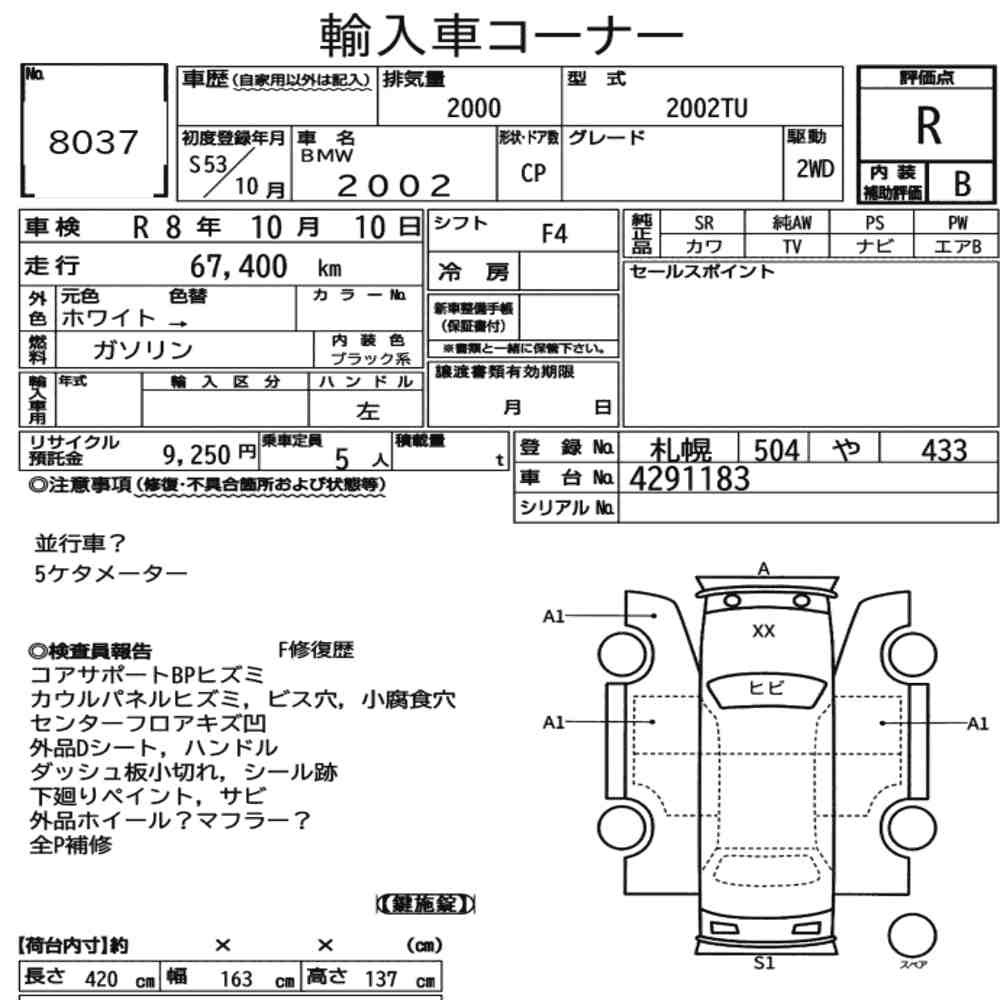
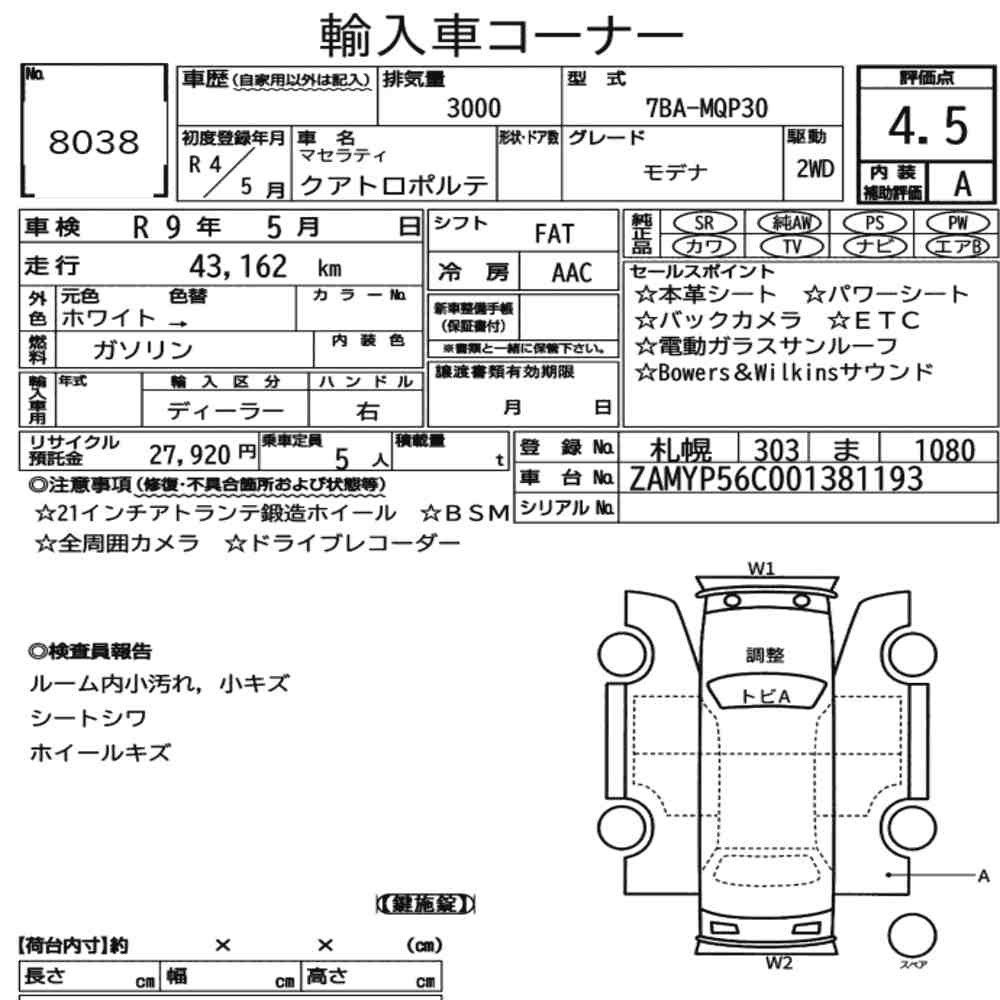
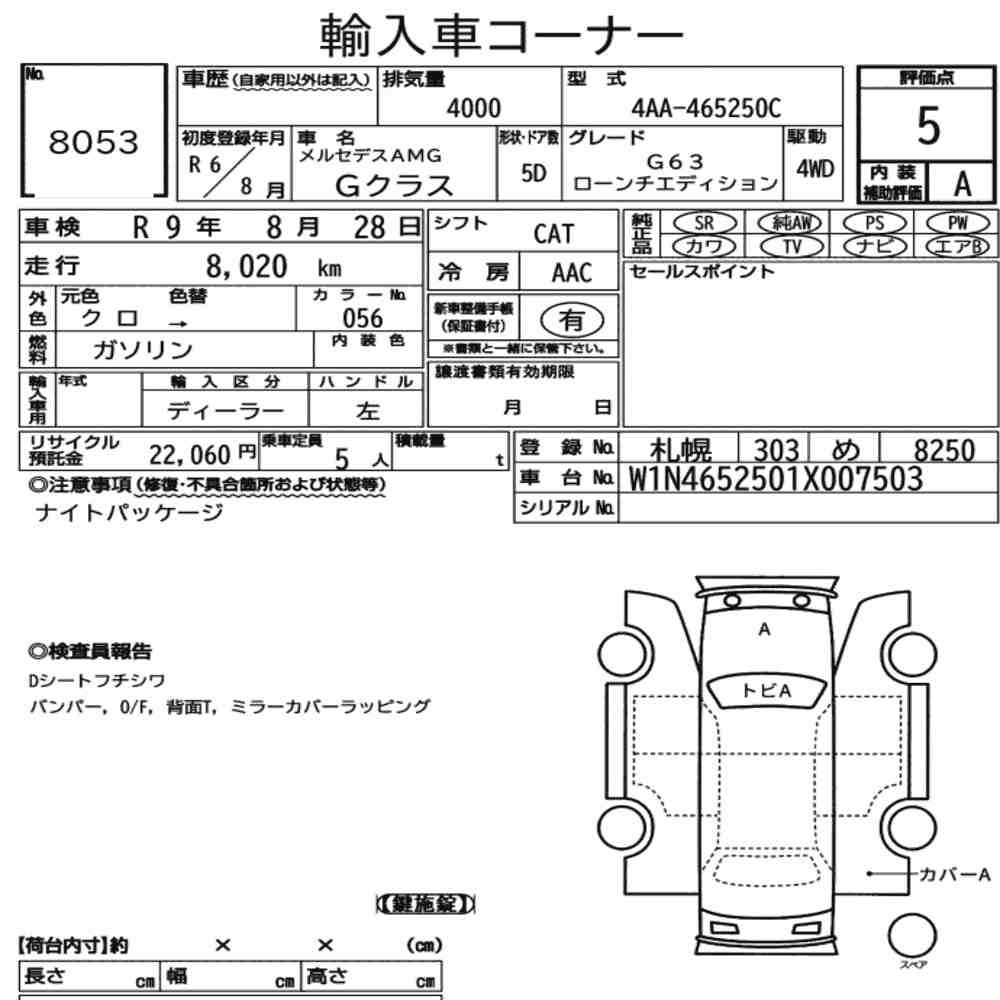
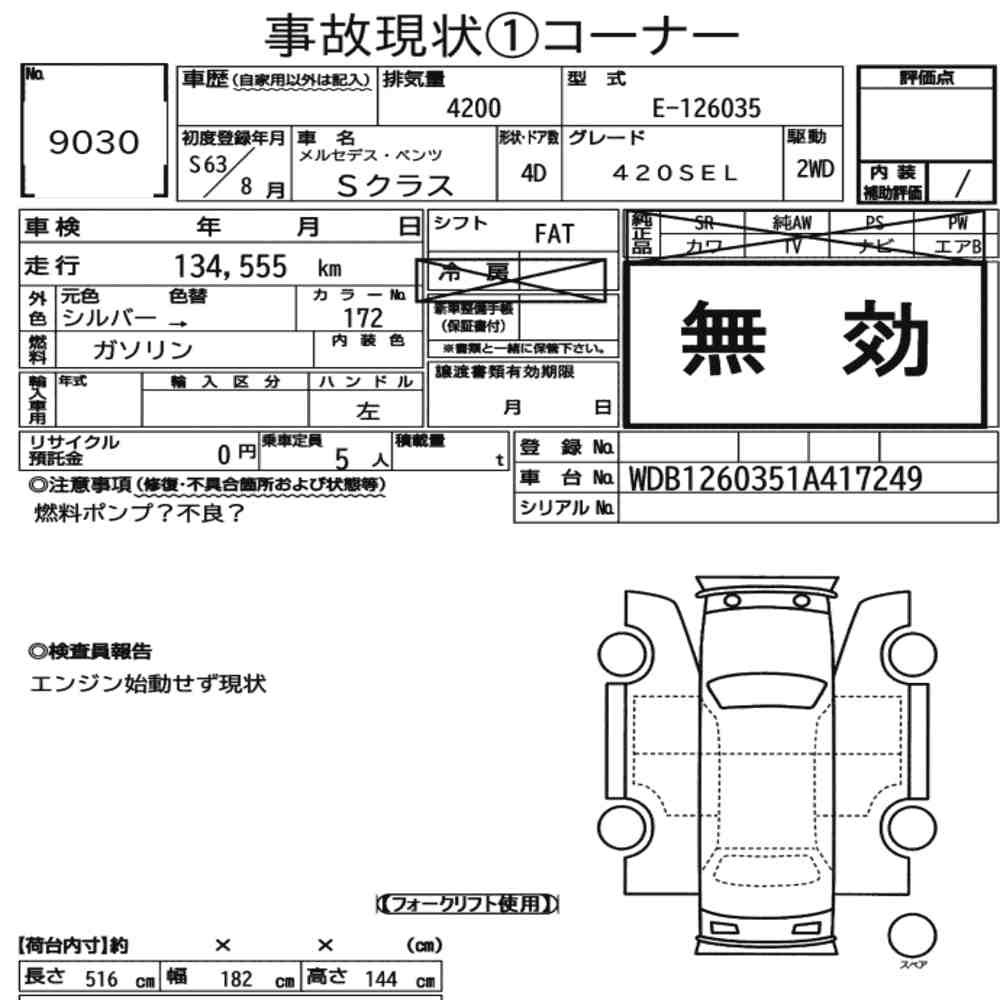
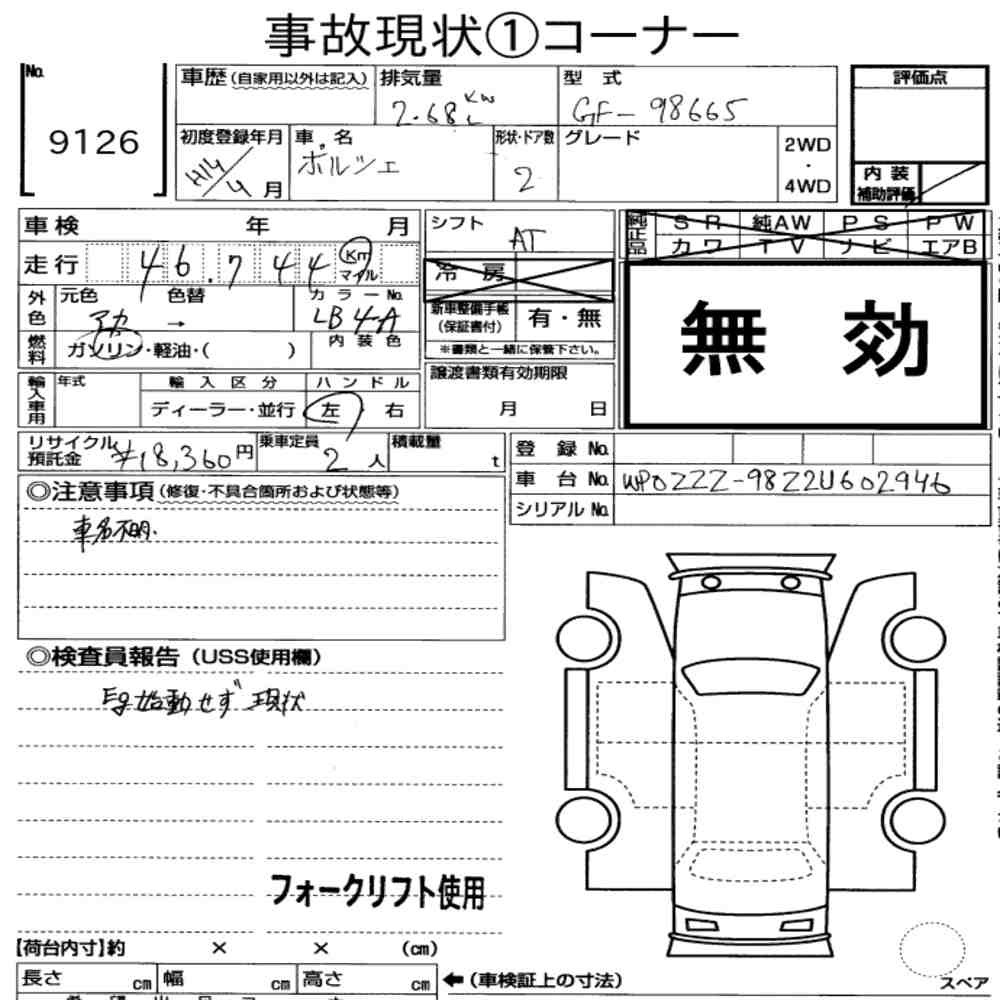
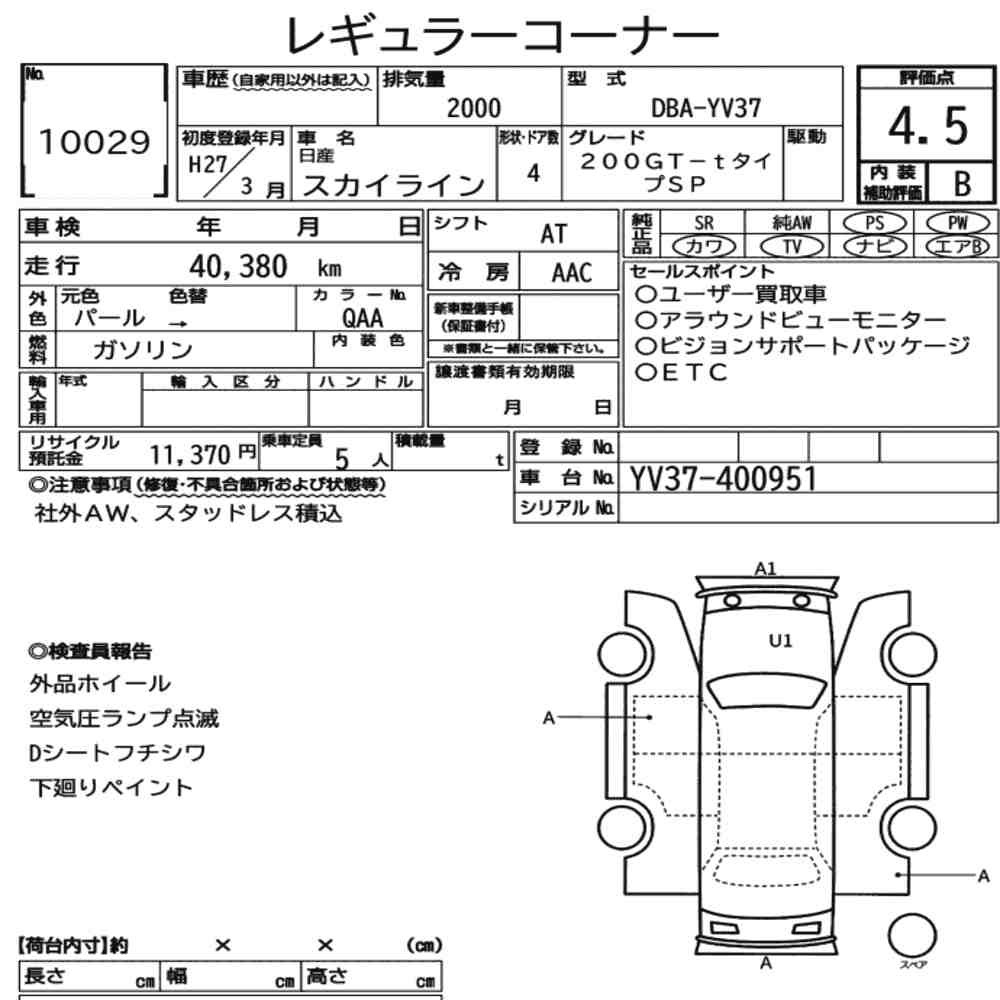
The most expensive mistake is misreading the threshold: the 2.0 and 2.5 versions of the same model look almost identical in a listing, yet a rate jump from 3.1% to 18.6% separates them. Always check the displacement in the Japanese export documents and on the auction sheet, not in the listing description. The second common mistake concerns hybrids: the full combustion rate charged where the preferential one applied, including for mild-hybrid cars (see the hybrids section above for the February 2026 interpretation). If you paid the full rate instead of the hybrid one, you file for an overpayment refund under Article 72 of the Tax Ordinance and recover the difference. The third mistake is registering before settling the excise; the registration office will hold the application without proof of payment anyway, so the order cannot be skipped. The fourth is calculating the tax on the winning bid alone instead of the Article 104 base; the result comes out understated and surprises you only at customs.
Worked examples
All amounts are approximate, the base is the customs value plus duty. The four scenarios below match typical cars from Japanese auctions: a compact, a three-litre coupe and a mid-size hybrid. The fourth scenario shows how zero duty under the EPA agreement affects the base. The customs values in the scenarios differ because they match real cars; only the table below holds one common base across all drivetrains.
- 1.8 engine (up to 2000 cc): customs value 40,000 PLN, duty 10% is 4,000 PLN, base 44,000 PLN, excise 3.1% is about 1,364 PLN.
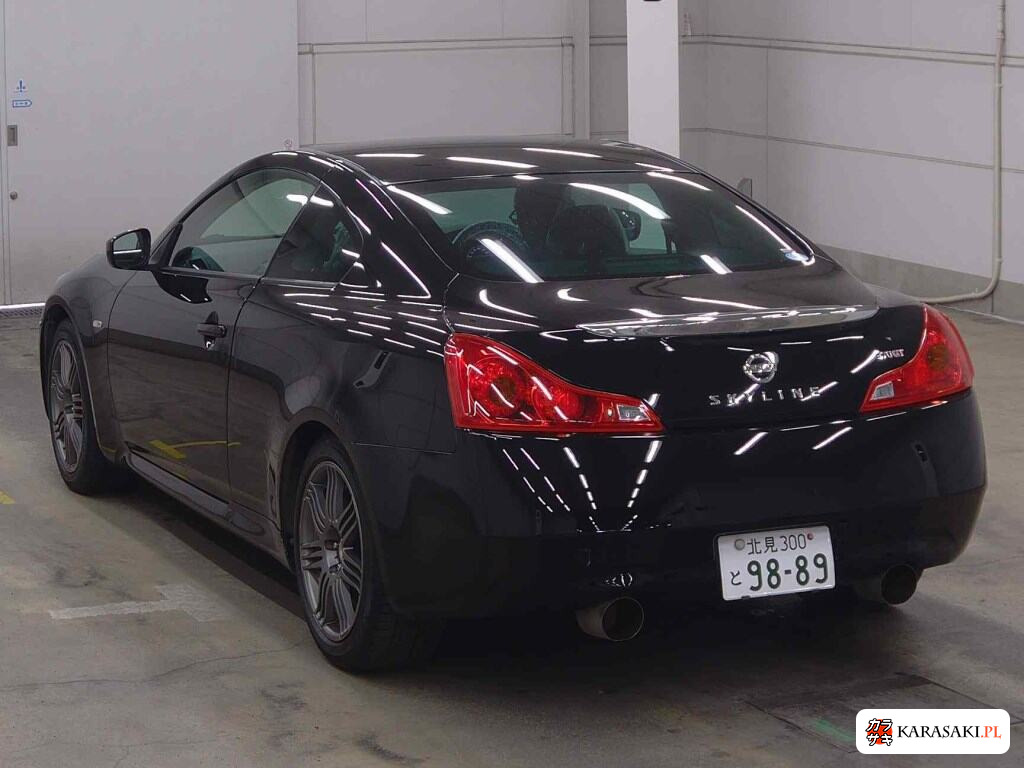
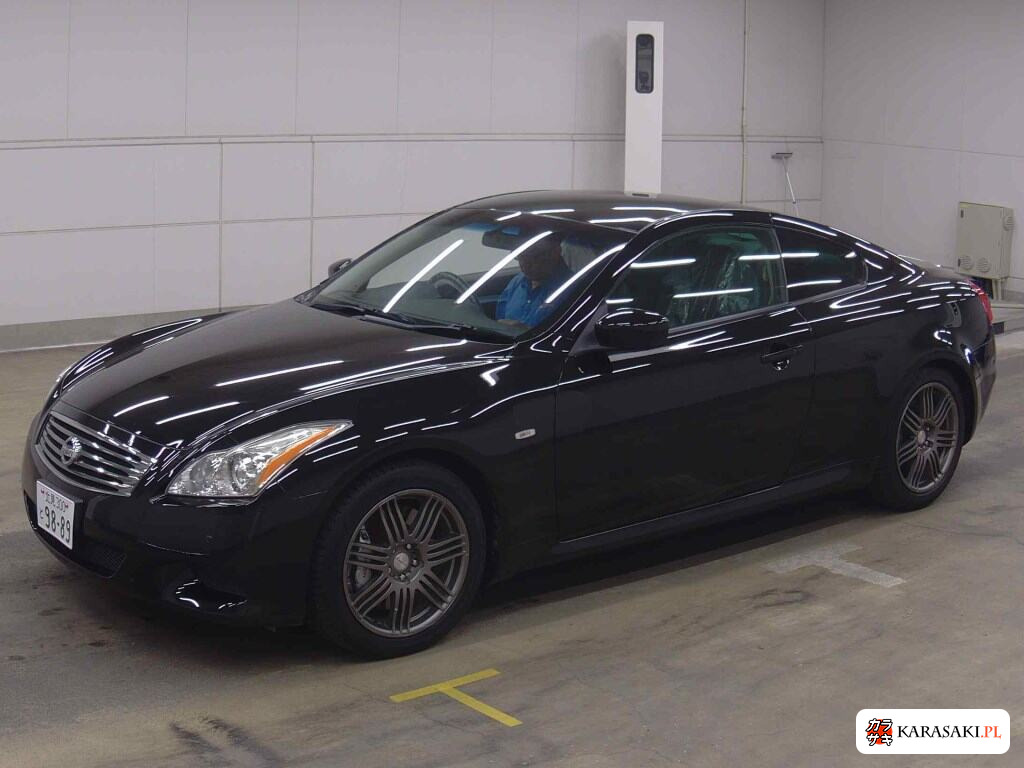
- 3.0 engine (above 2000 cc): customs value 80,000 PLN, duty 10% is 8,000 PLN, base 88,000 PLN, excise 18.6% is about 16,368 PLN.
- 2.0 hybrid (up to 2000 cc): the same 44,000 PLN base, excise 1.55% is about 682 PLN.
- 1.8 engine with an EPA proof of origin (0% duty): the base is the bare customs value of 40,000 PLN, excise 3.1% is 1,240 PLN, about 124 PLN less than with the full duty.
To compare drivetrains on one base, here is the same car with a 50,000 PLN tax base in every variant. The table shows excise only; duty and VAT are calculated separately:
| Drivetrain and displacement | Rate | Excise |
|---|---|---|
| Combustion up to 2000 cc | 3.1% | 1,550 PLN |
| Combustion above 2000 cc | 18.6% | 9,300 PLN |
| Hybrid up to 2000 cc | 1.55% | 775 PLN |
| Hybrid 2000 to 3500 cc | 9.3% | 4,650 PLN |
| Plug-in hybrid up to 2000 cc | exempt until end of 2029 | 0 PLN |
| Electric or hydrogen | exempt | 0 PLN |
Two levers stand out: the 2000 cc threshold and the drivetrain. A car with a big petrol engine, say a three-litre coupe like the Toyota Supra, can have excise alone higher than all the other fees combined. A plug-in hybrid or an EV zeroes this line, but remember that duty and VAT are due regardless of the excise exemption. If you spread the purchase over time, ask us about import financing options.
Summary
Excise in 2026 is 3.1% for cars up to 2000 cc and 18.6% above, charged on the customs value plus duty. Hybrids pay half, a plug-in hybrid up to 2000 cc is exempt until the end of 2029, and electrics and hydrogen are exempt with currently no statutory end date. You settle it at customs in Poland together with duty and VAT, or, after clearing in another EU country, with the AKC-US declaration within 14 days, always before first registration. Before you choose a specific car, calculate the excise from its displacement, because that is what most often decides whether the import pays off, and with hybrids make sure the office applied the preferential rate. The biggest trap is versions just above the threshold: 2.2, 2.5 or 3.0 engines pay a rate six times higher than a 1.8 or 2.0, even though the cars look nearly identical in a listing. This guide is informational; confirm the amounts with a customs agency or a tax advisor before filing. Ready examples are in our selection of cars from Japanese auctions.


