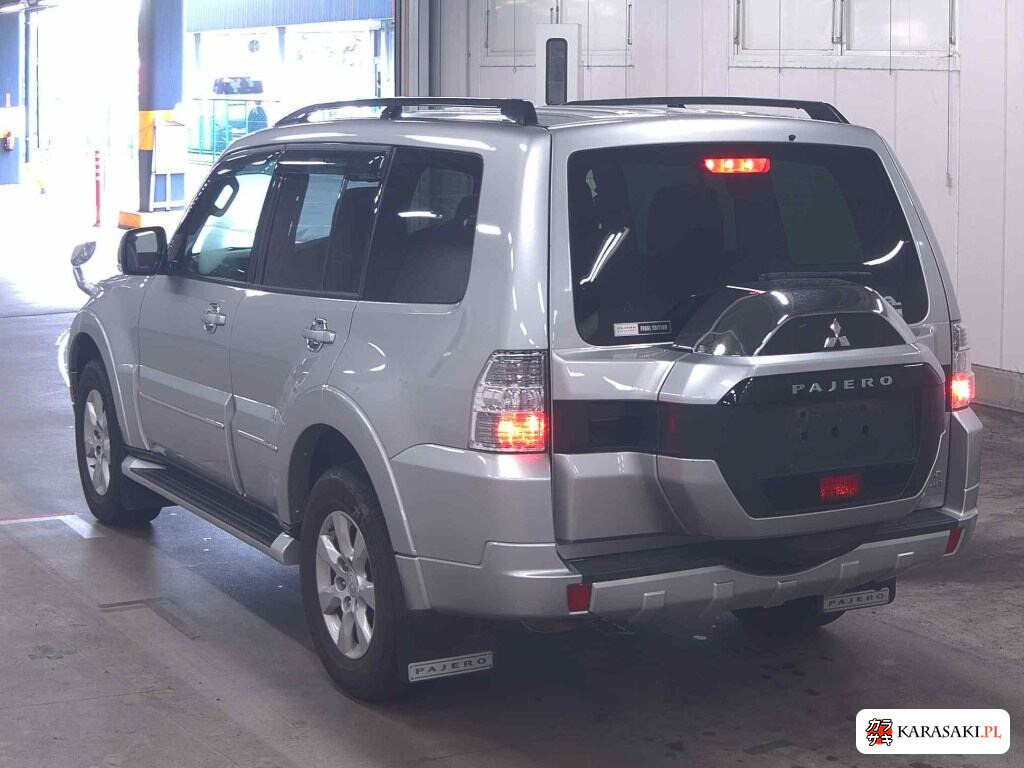
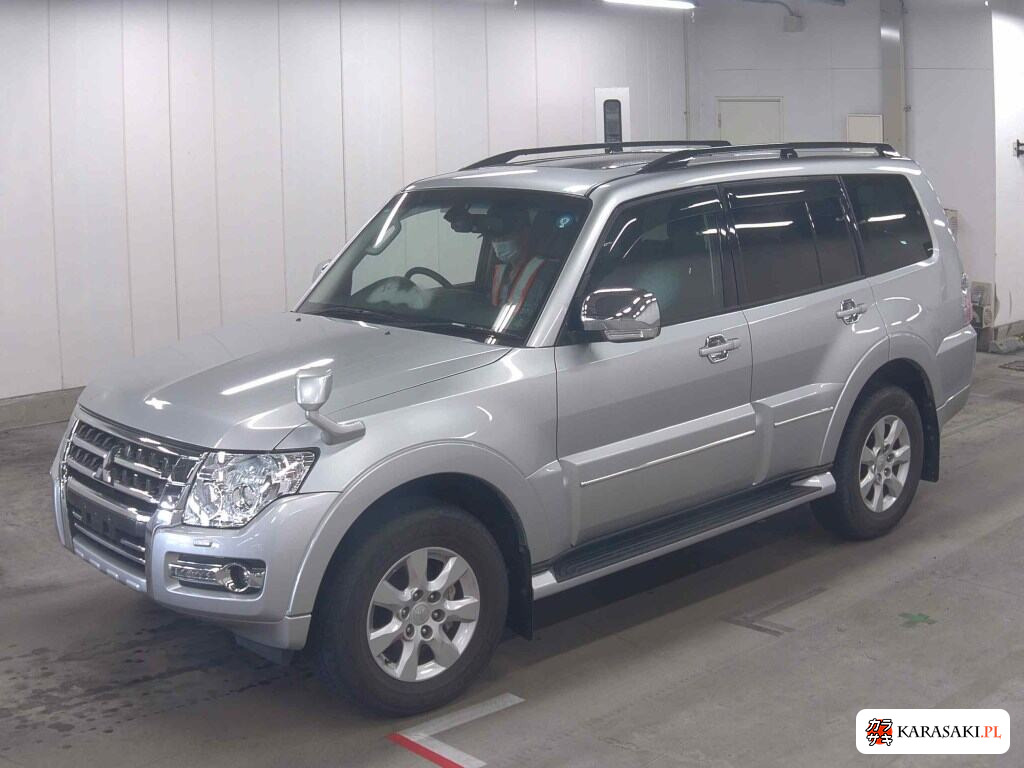
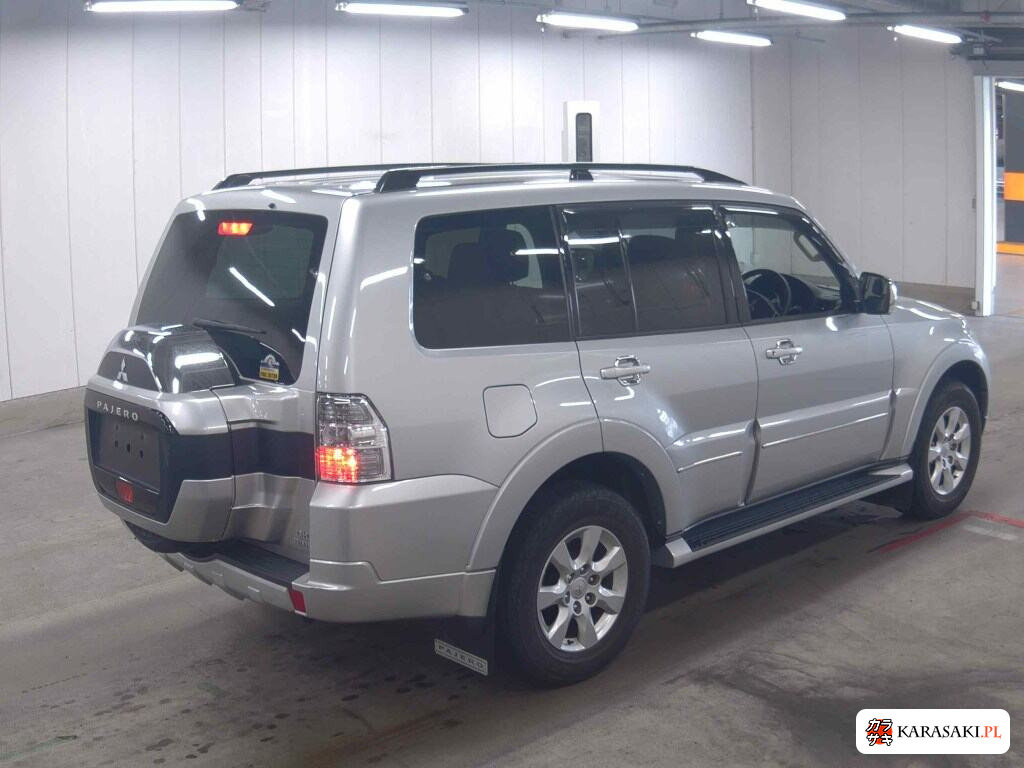
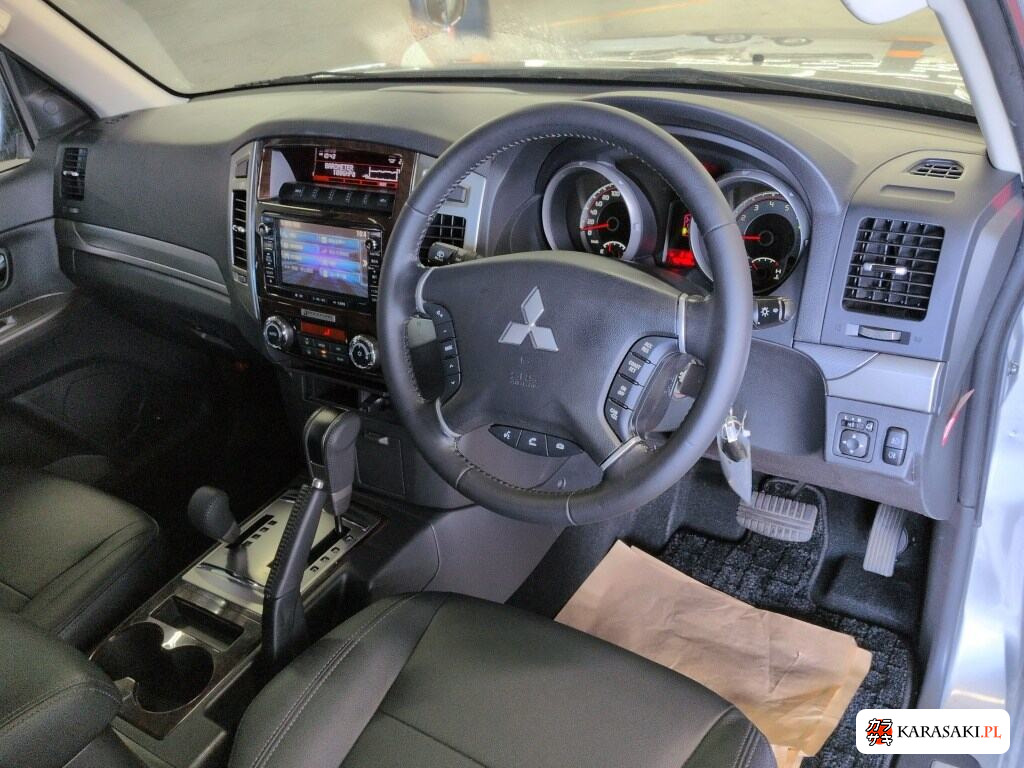
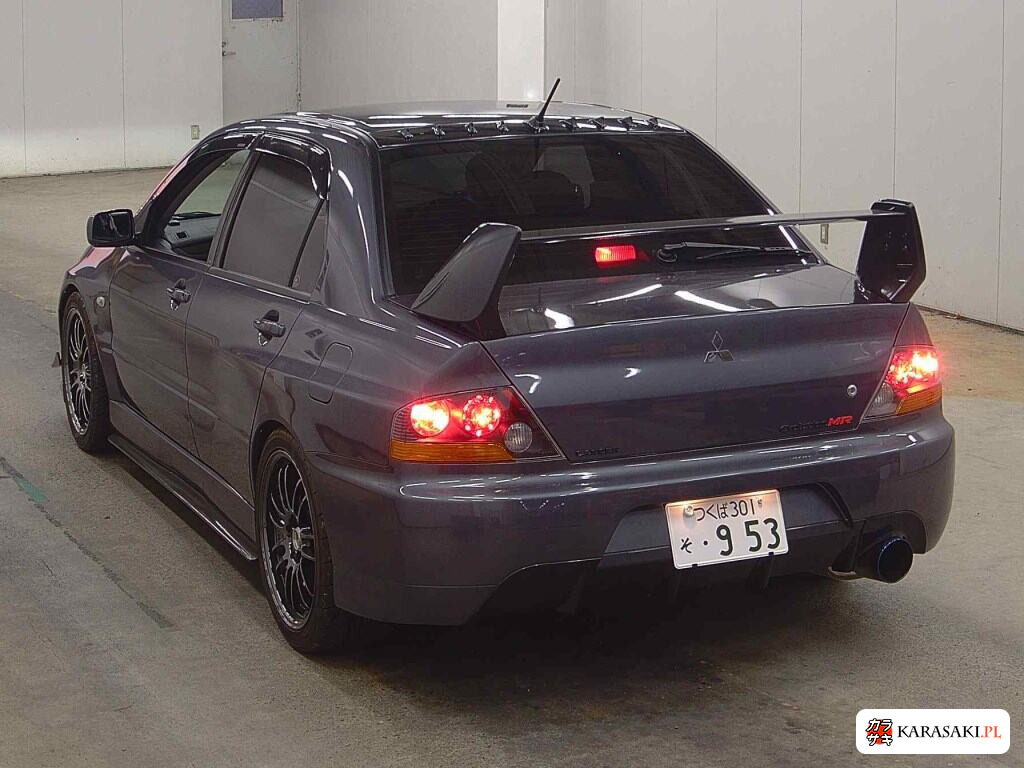
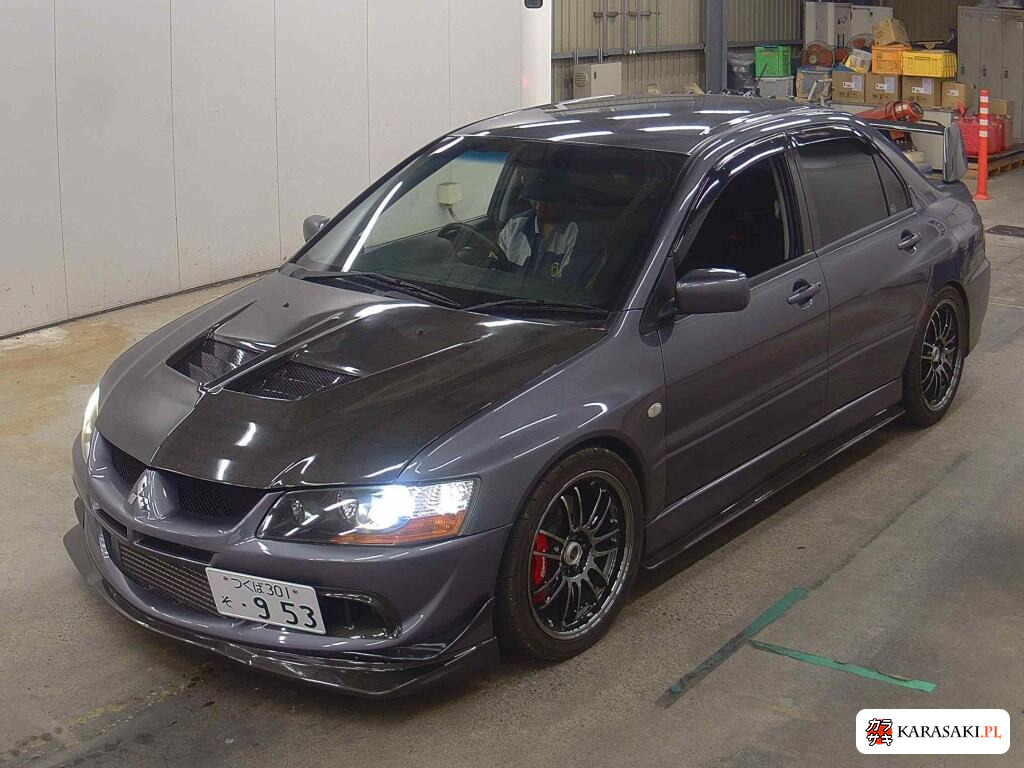
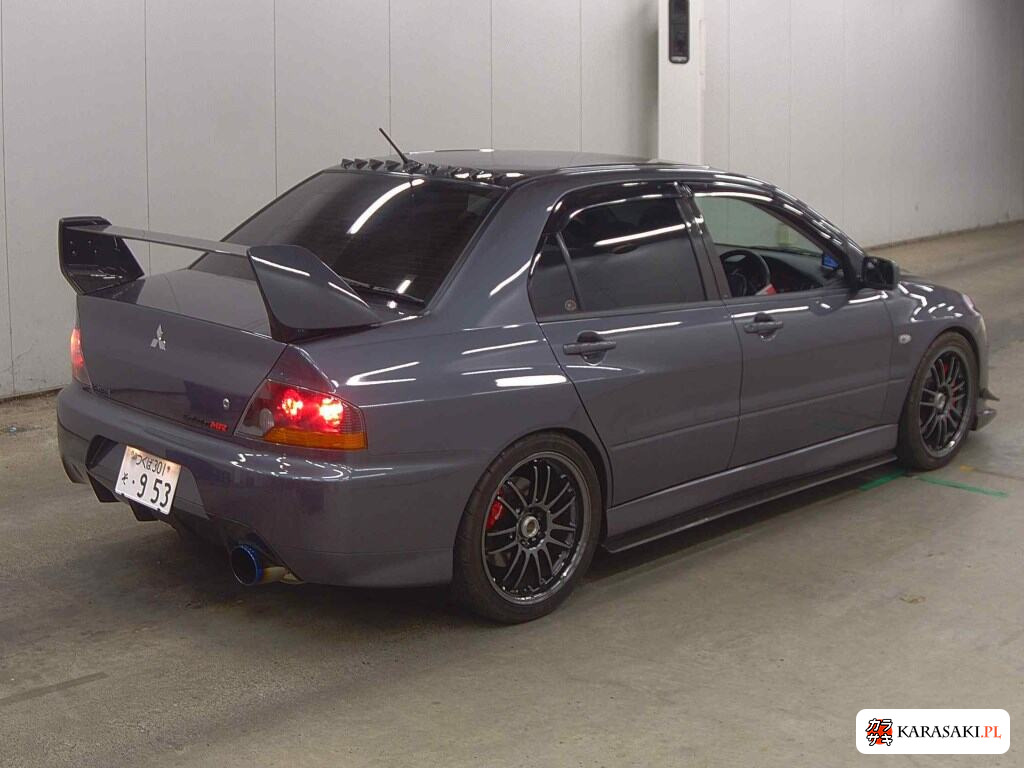
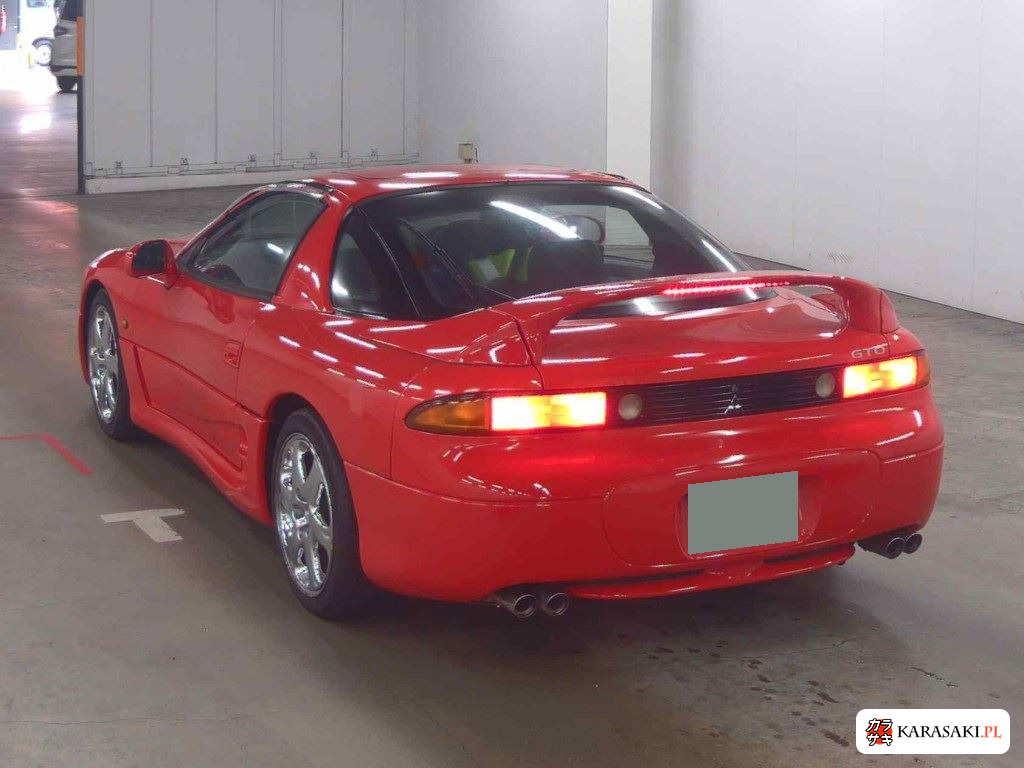
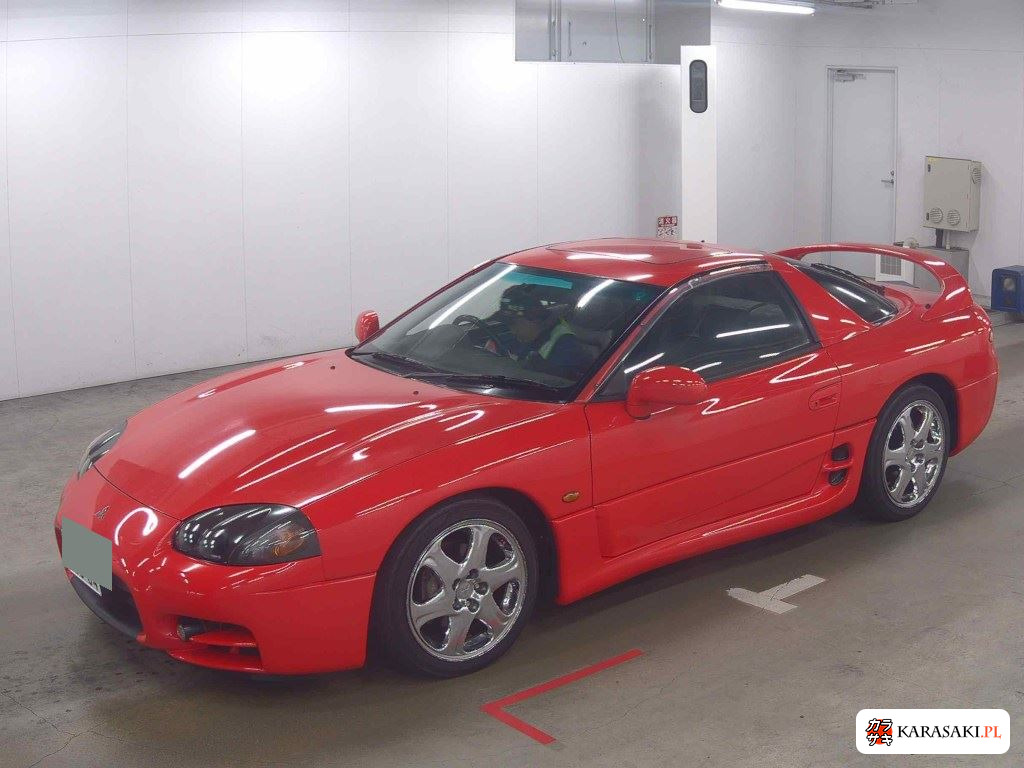
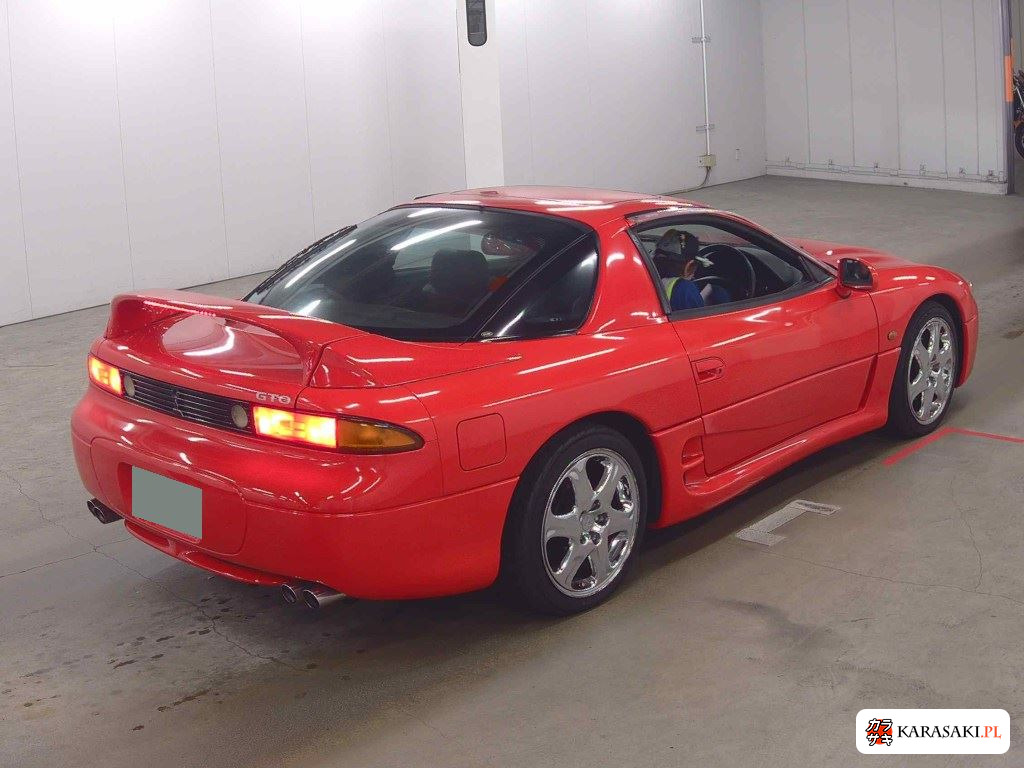
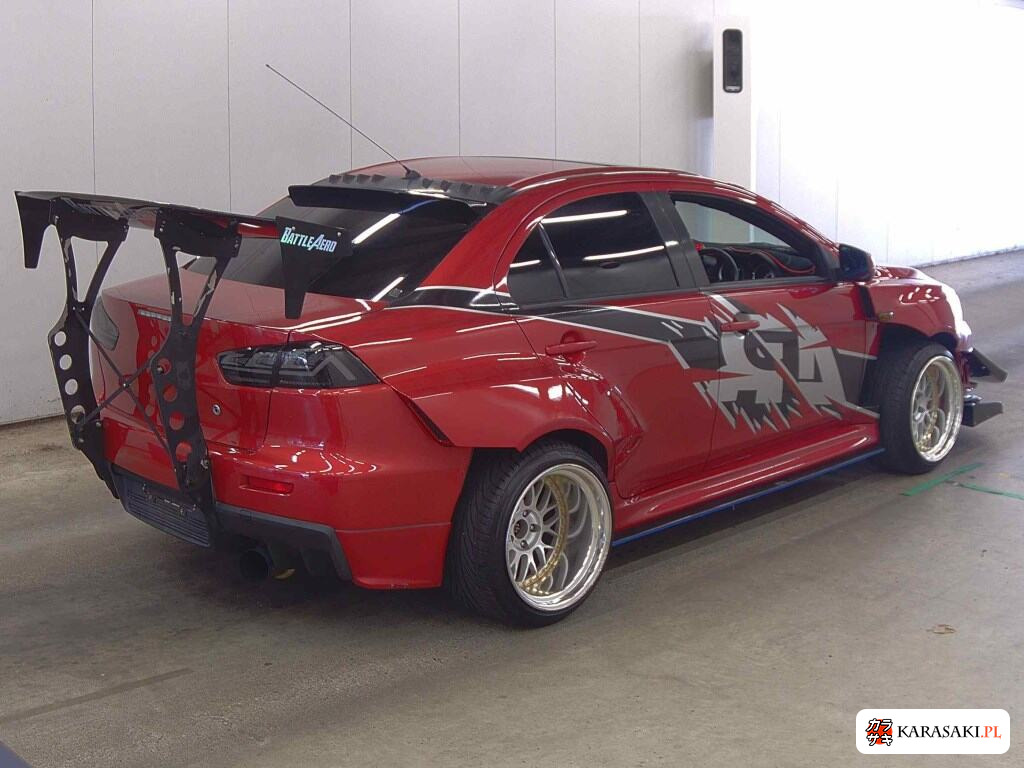
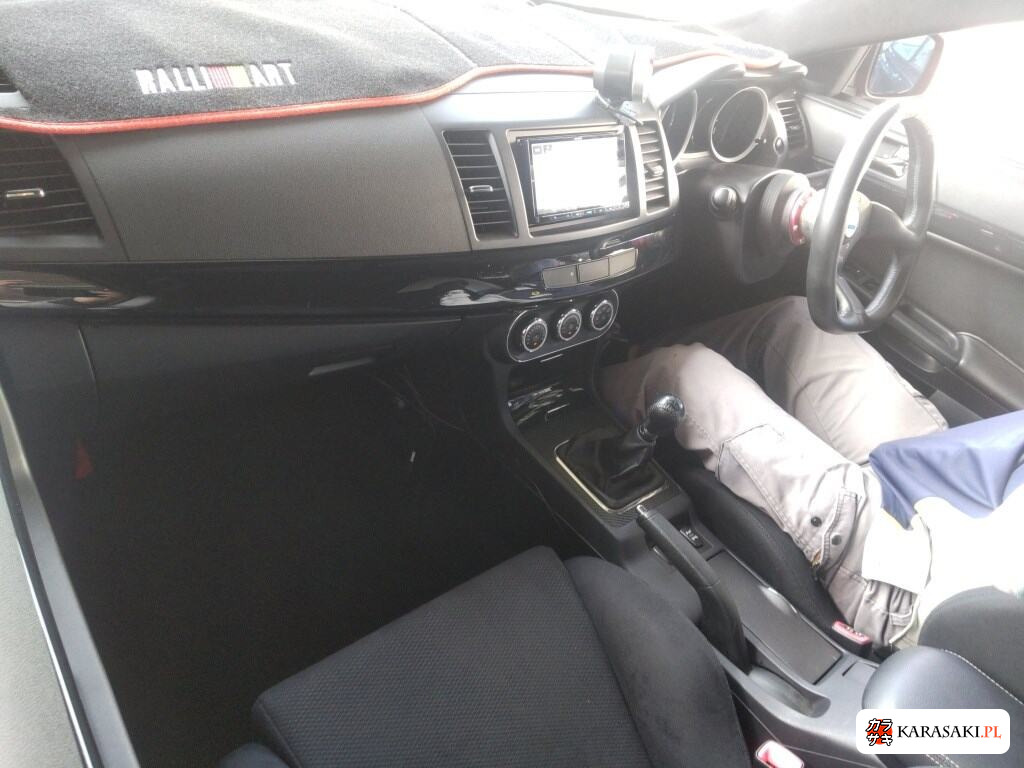
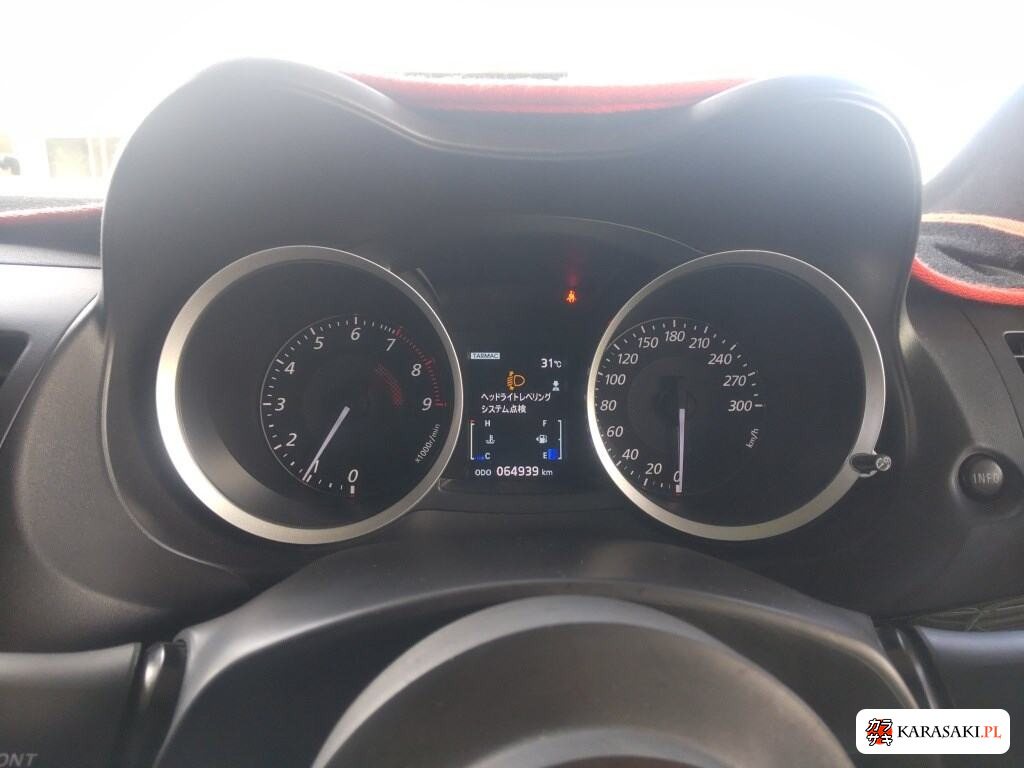
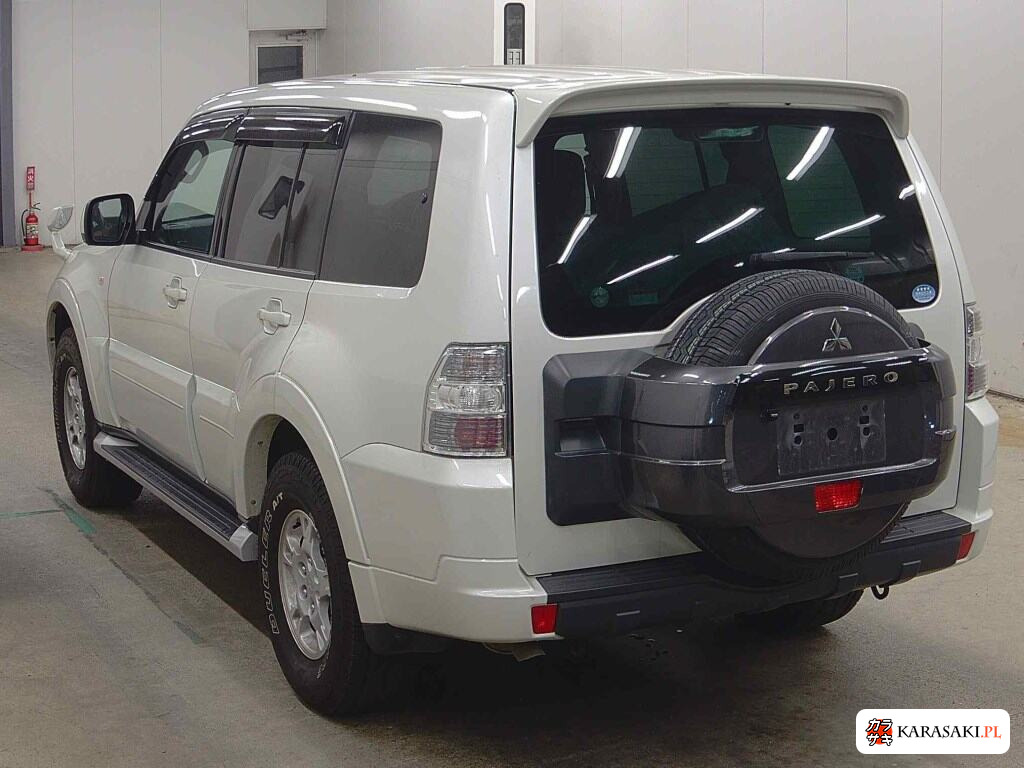
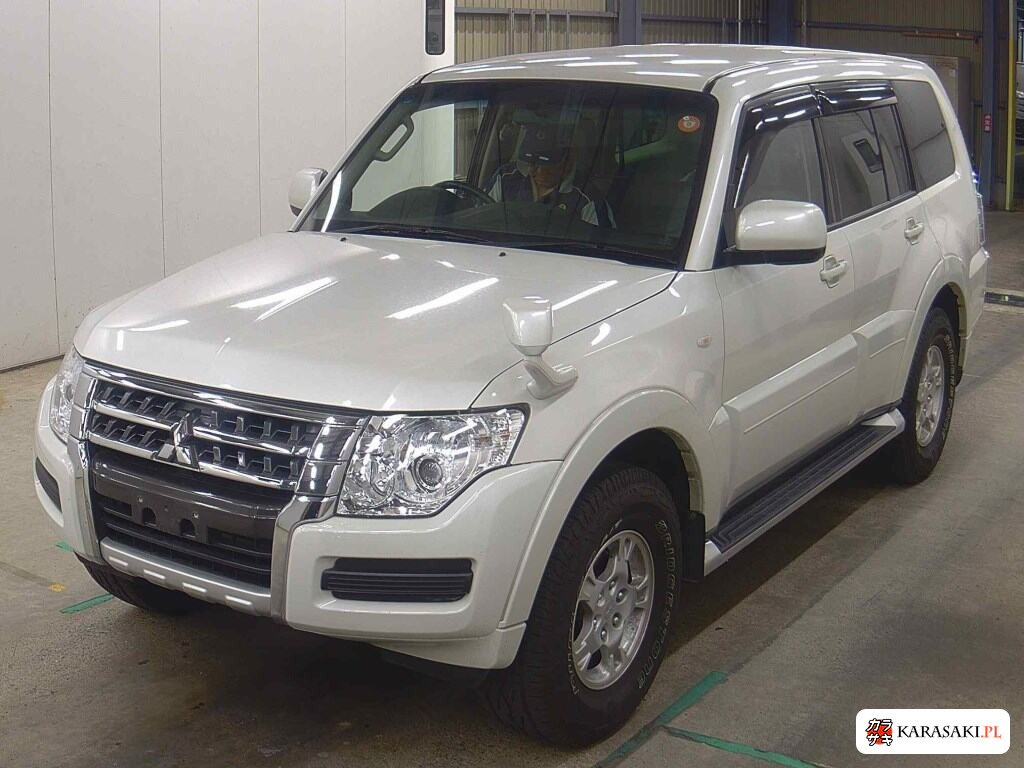
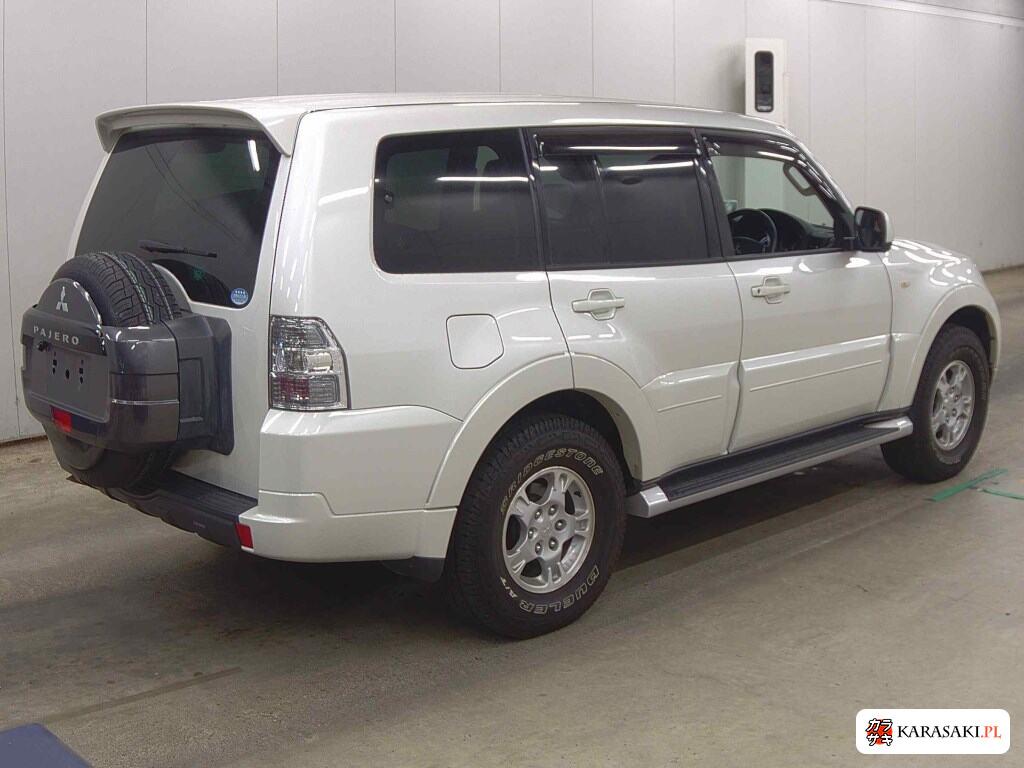
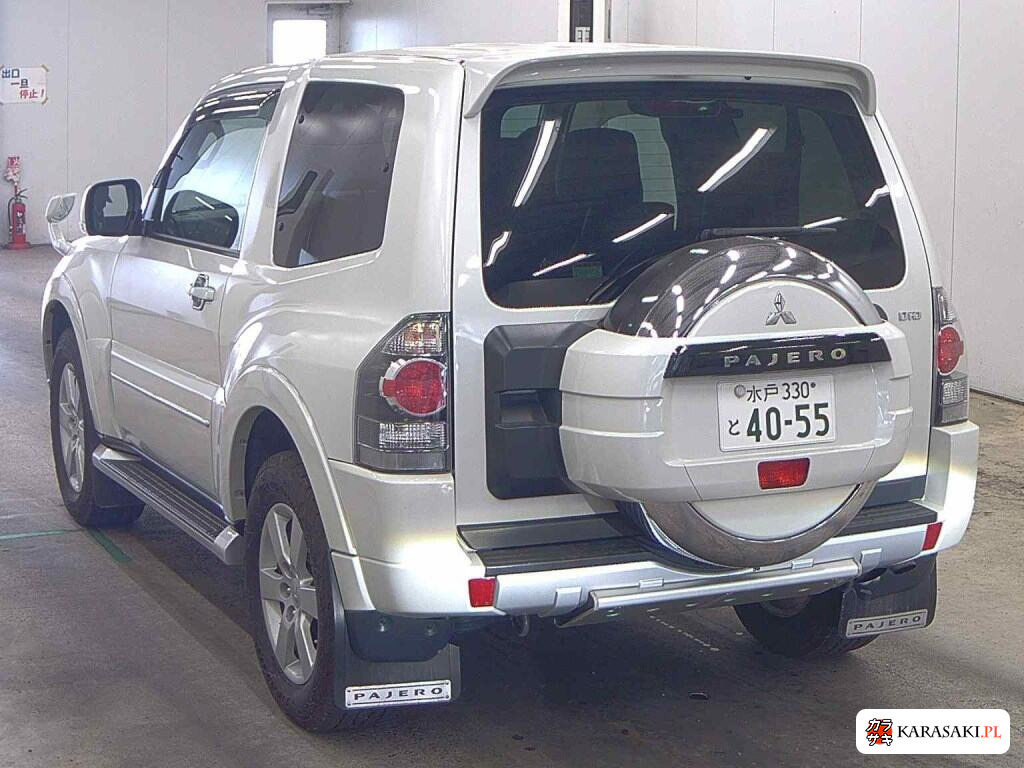
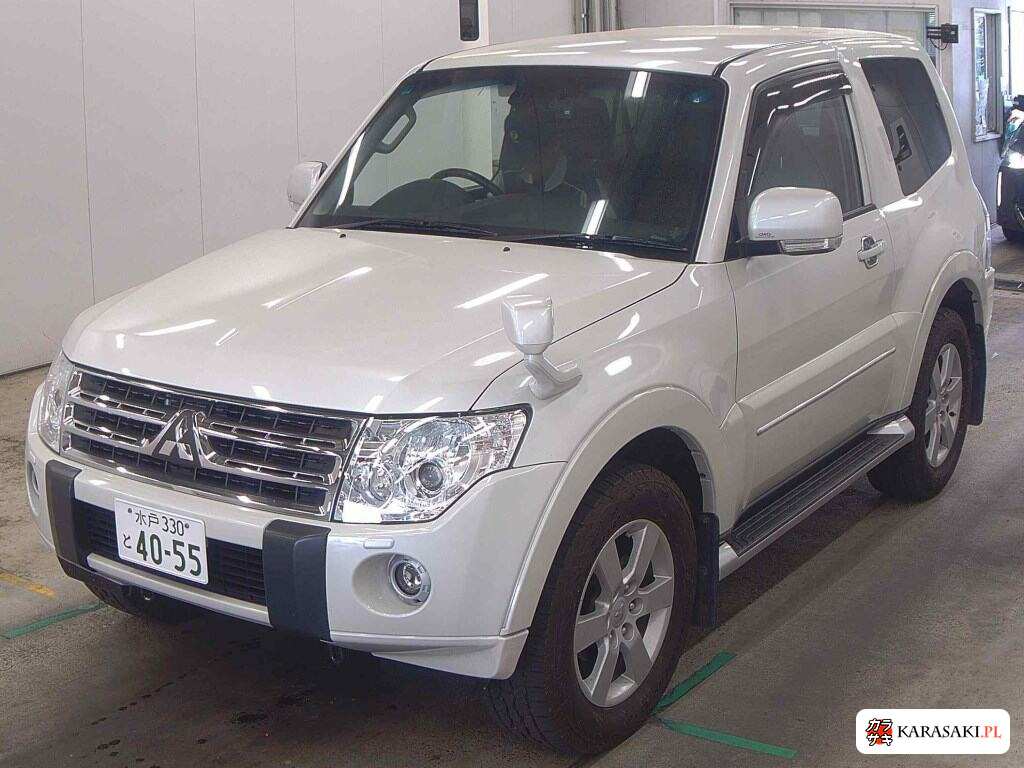
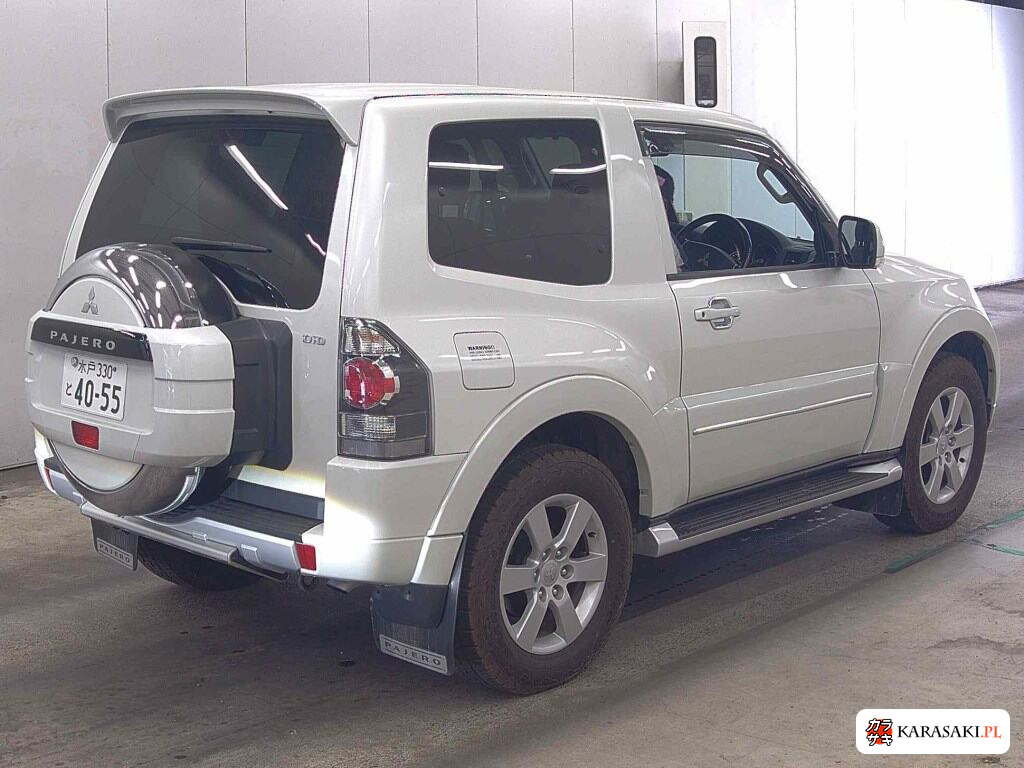
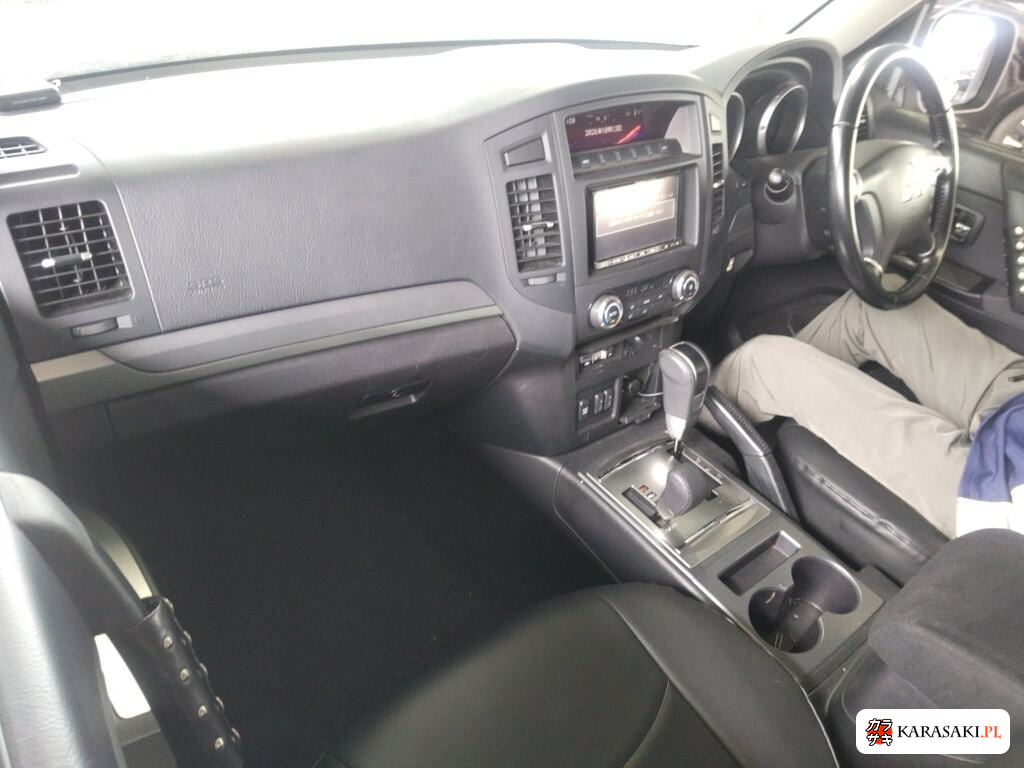
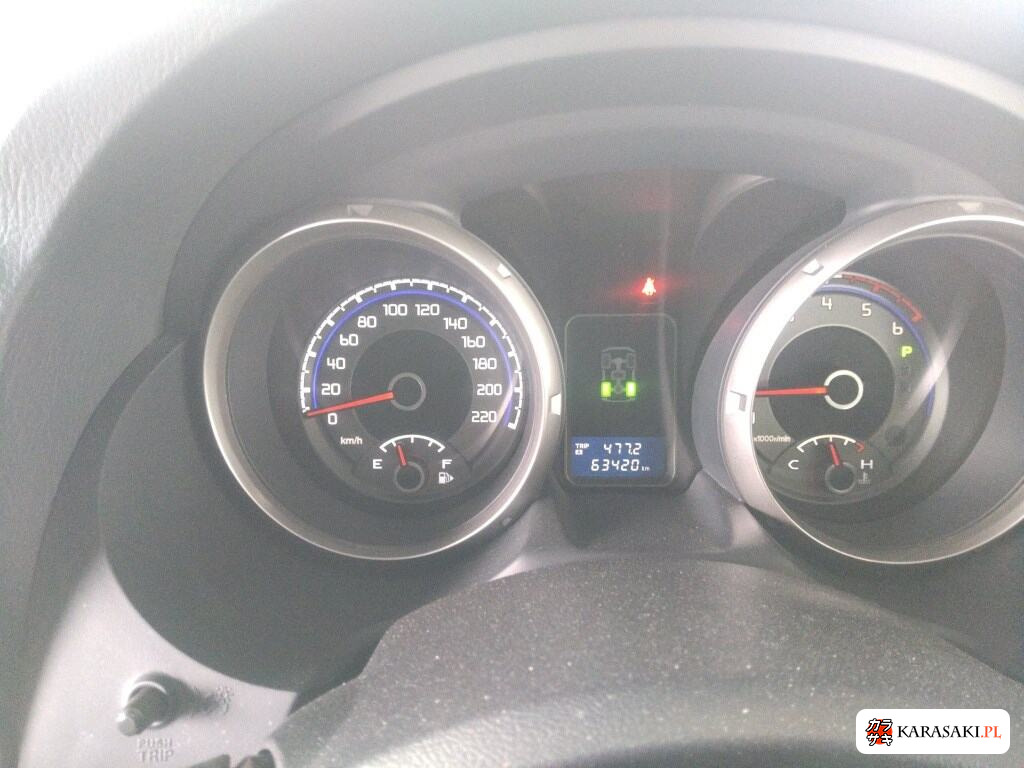
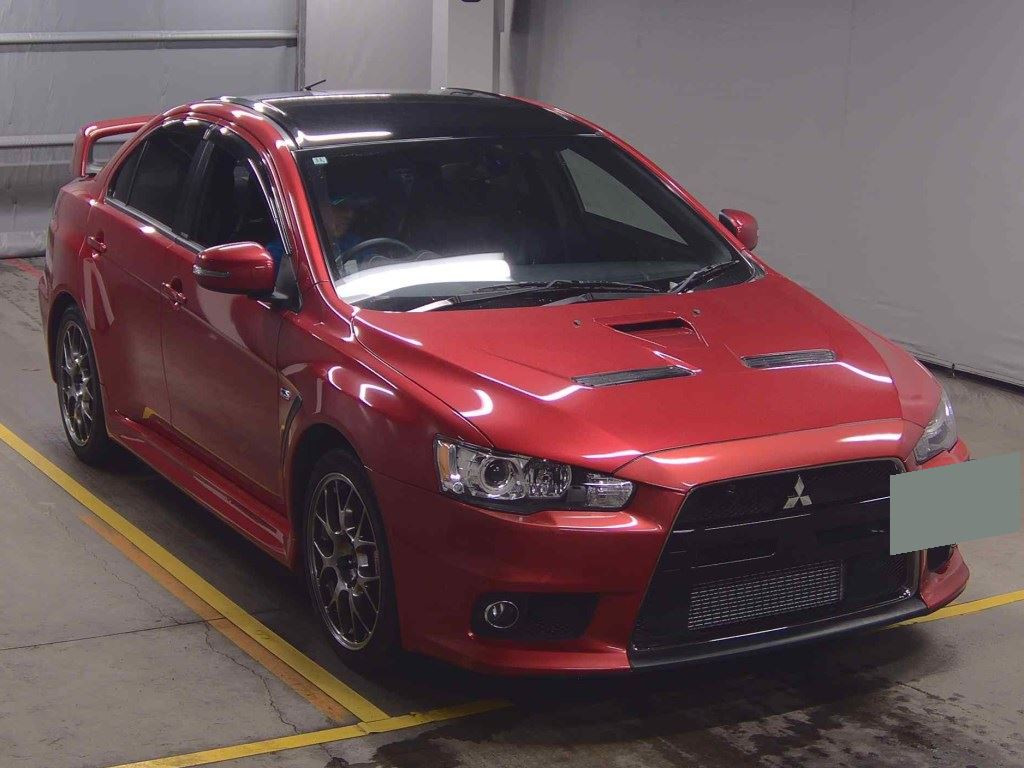
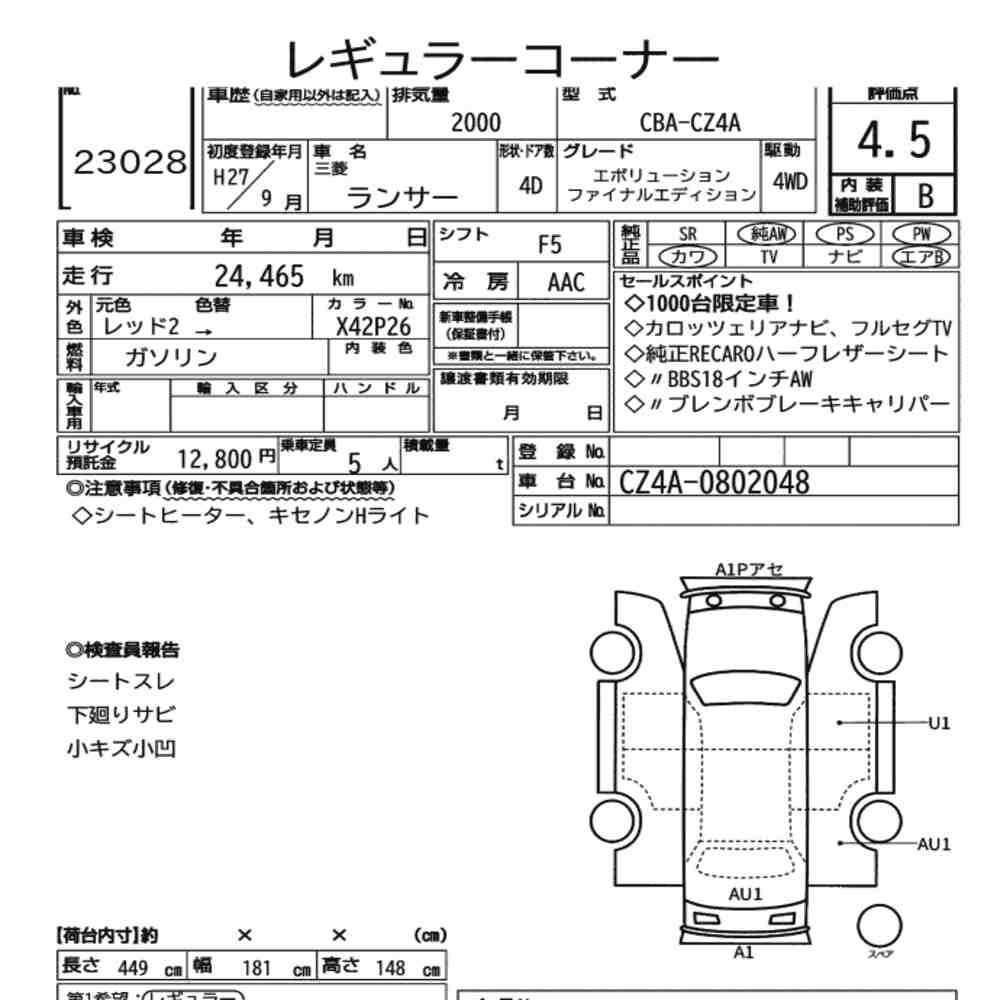
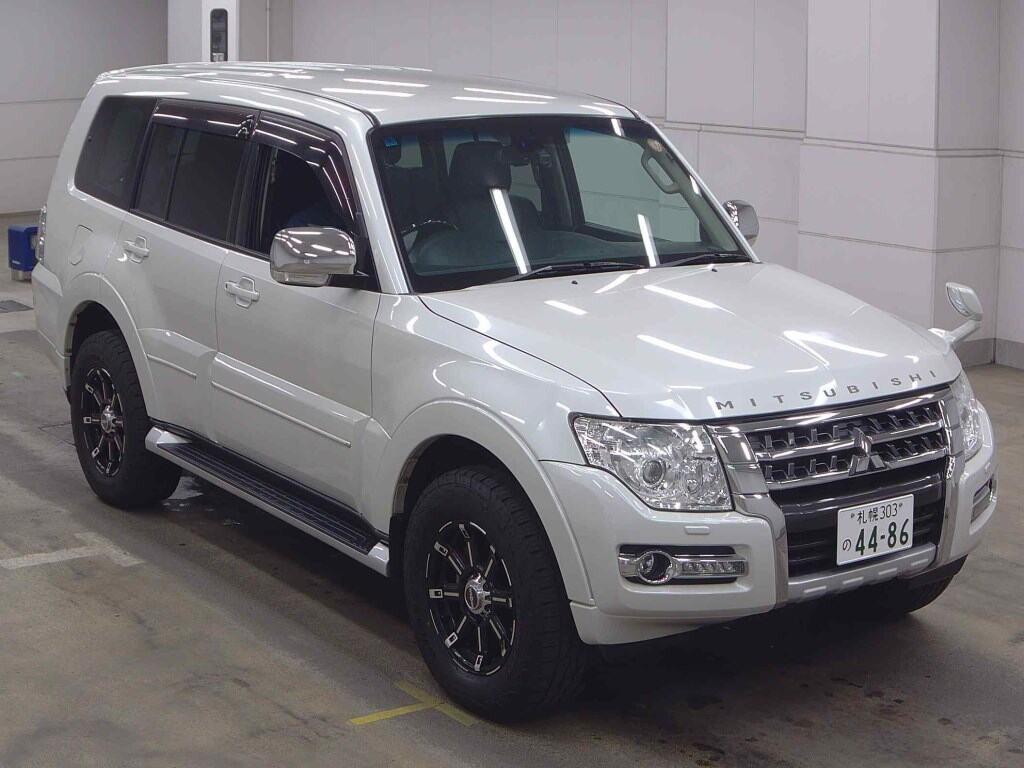
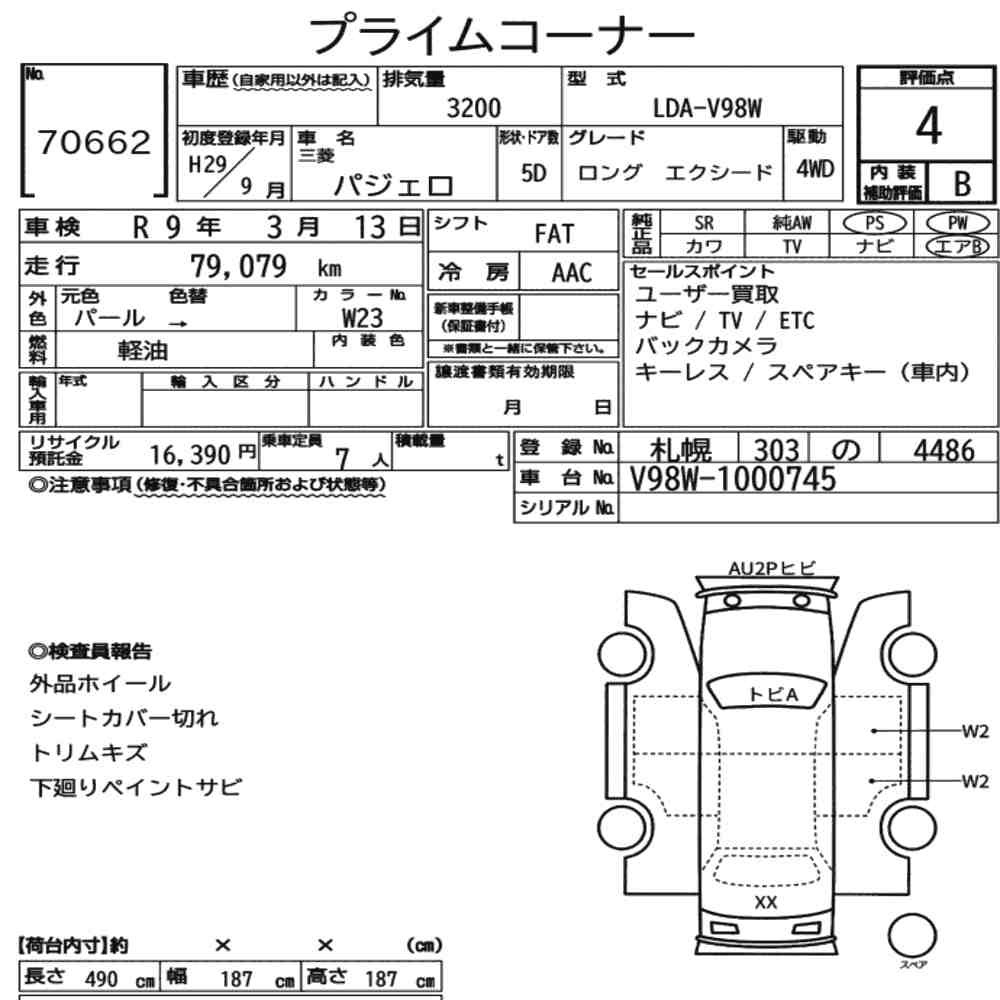
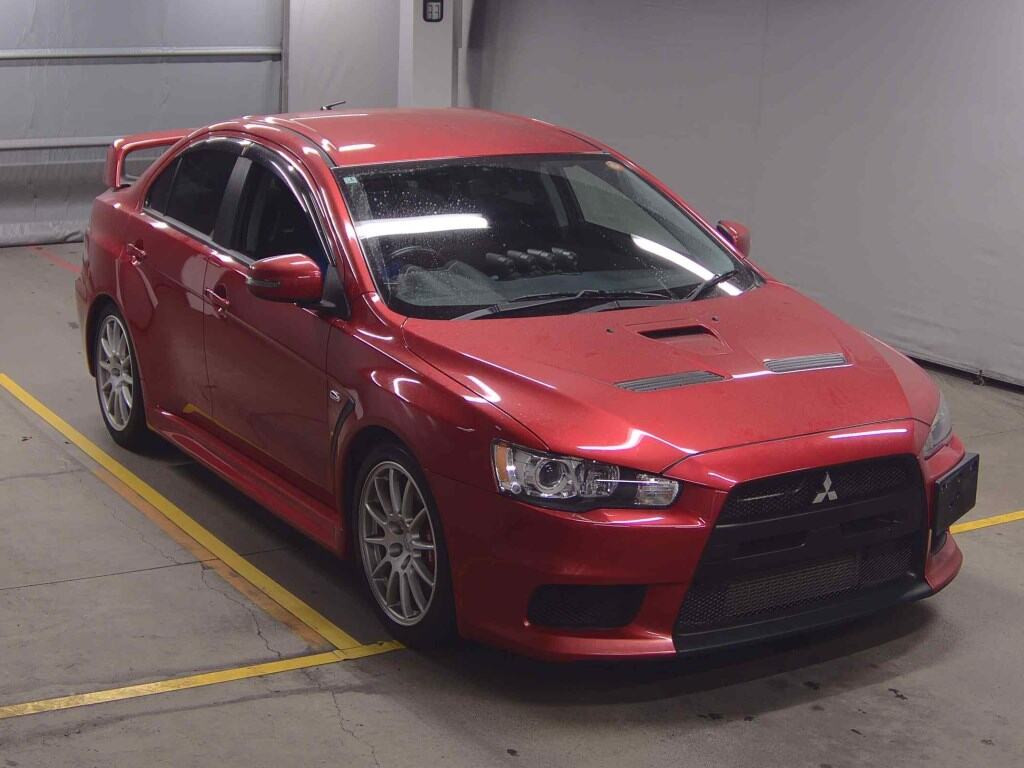
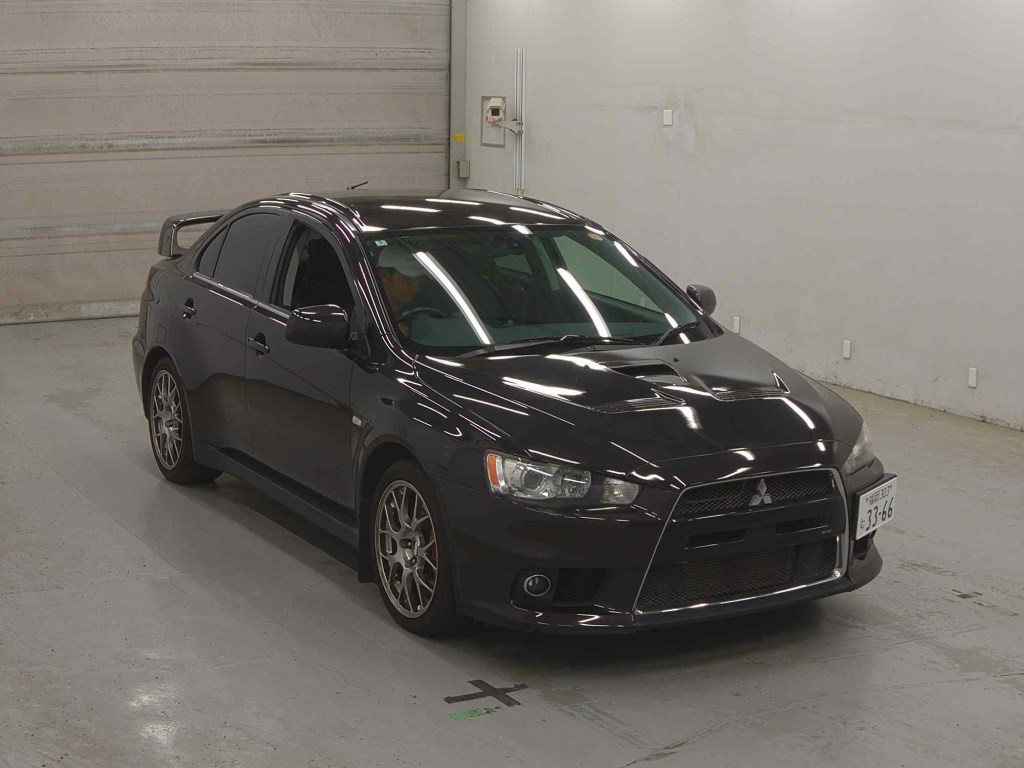
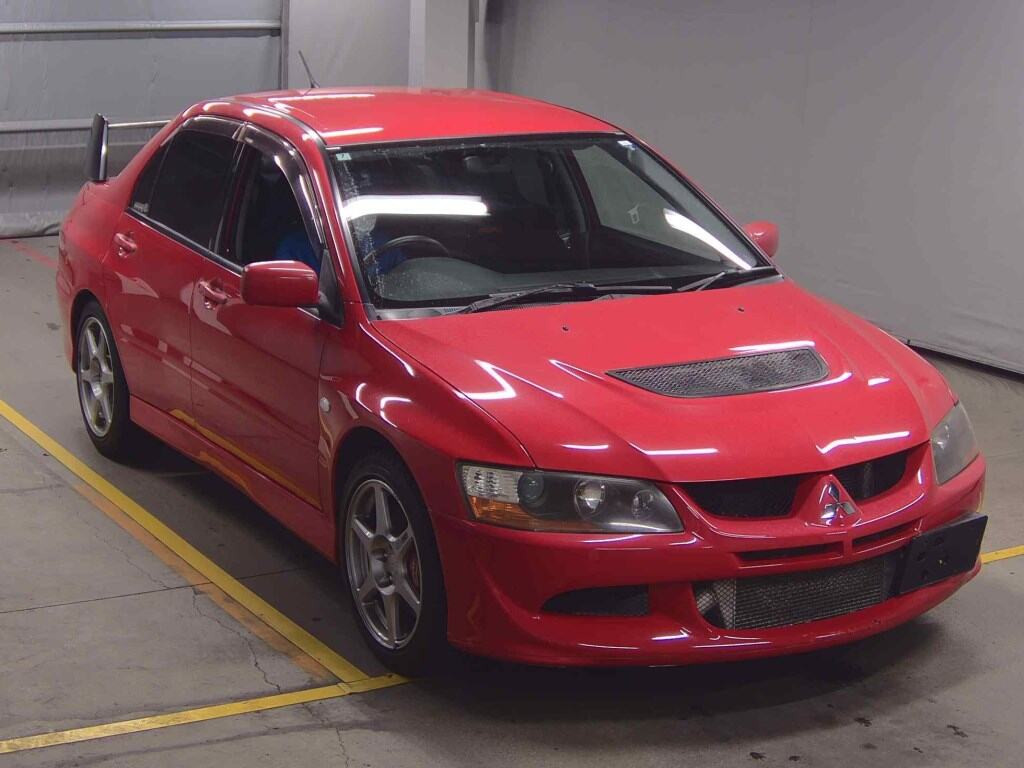
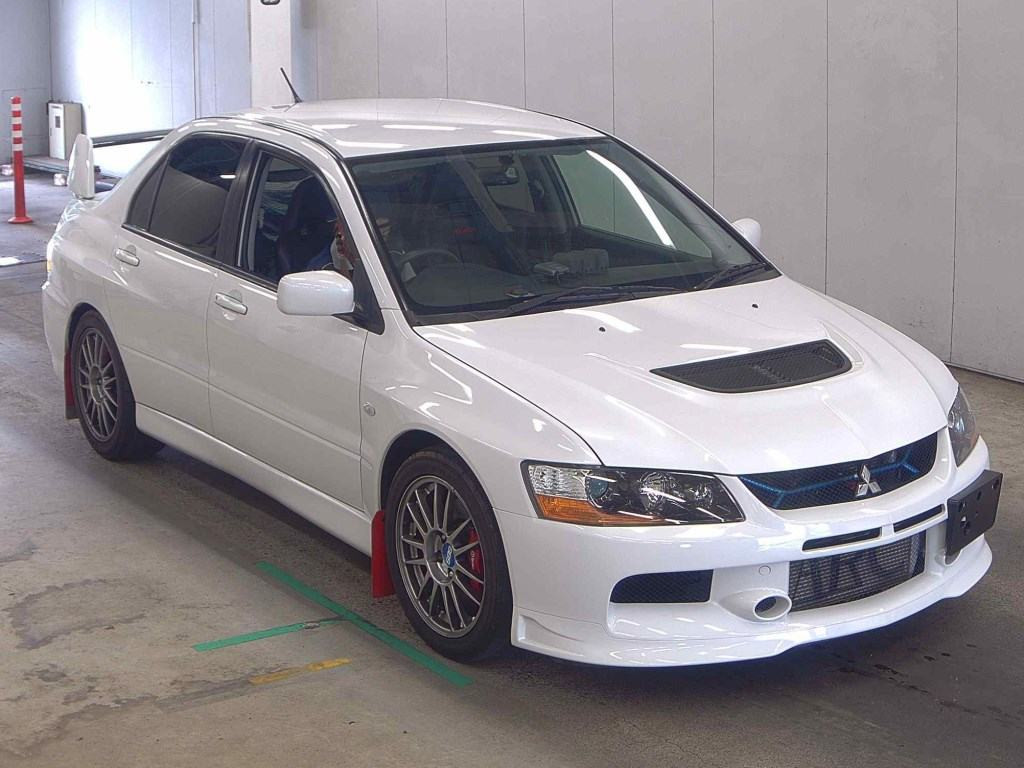
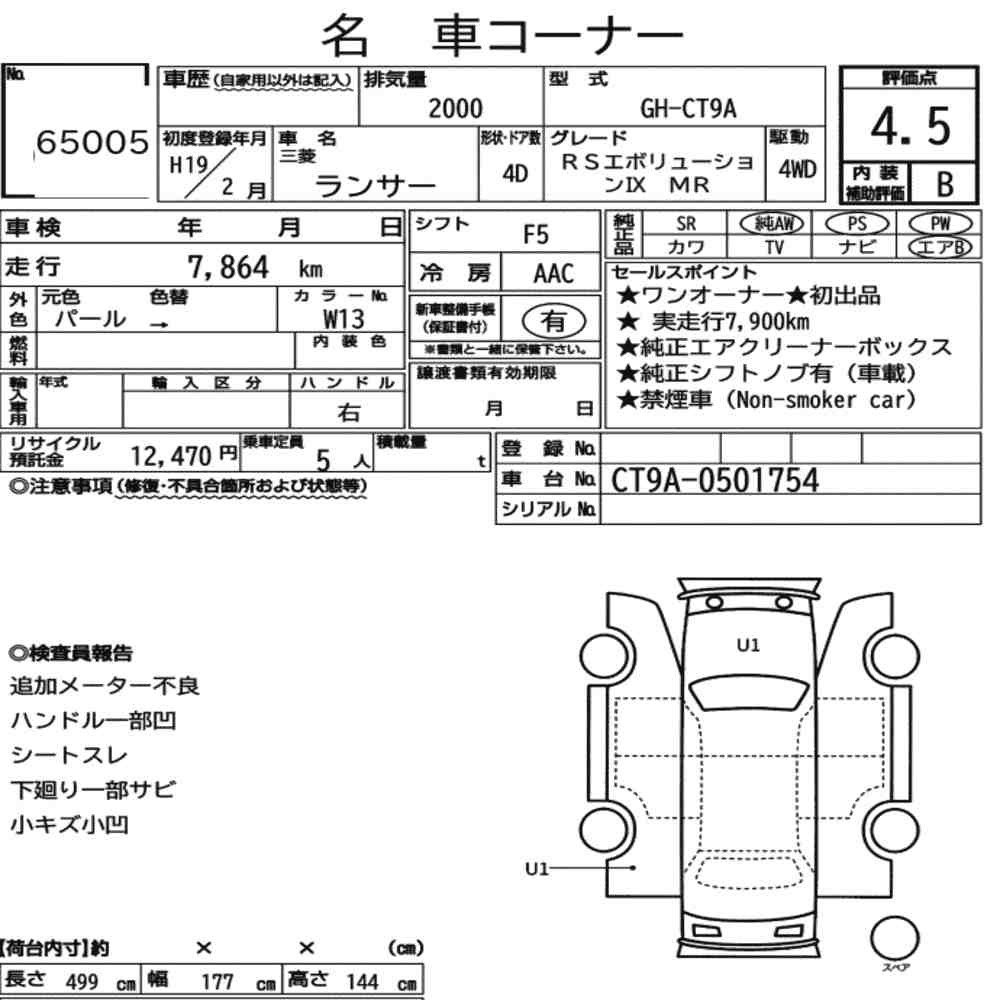
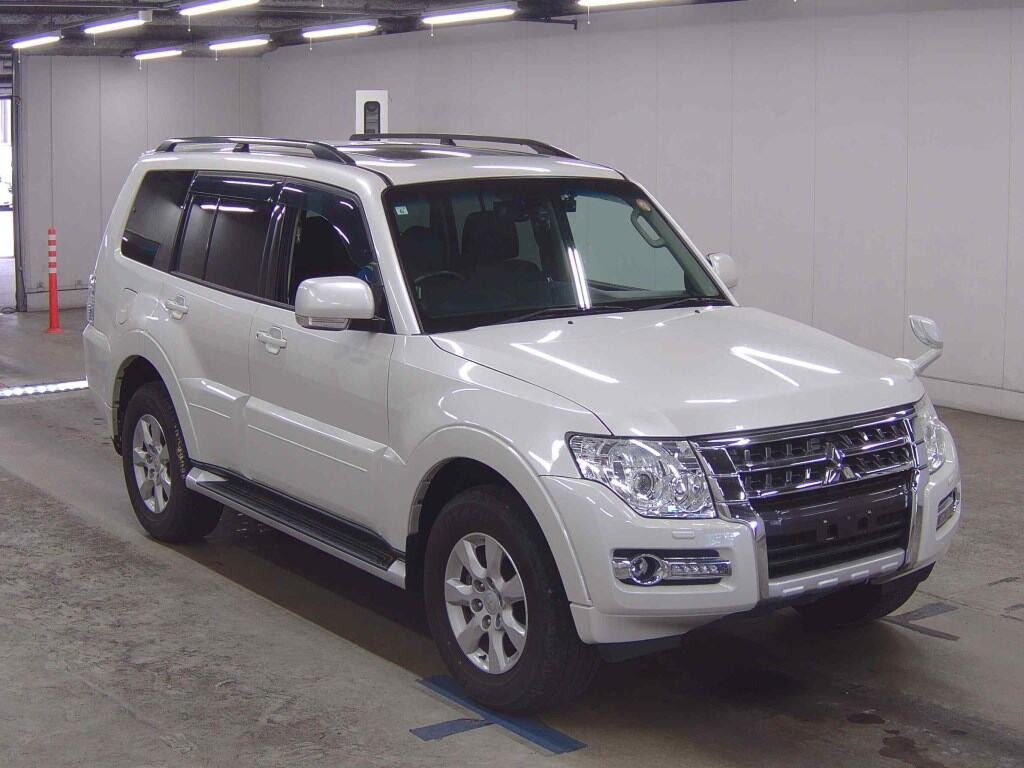
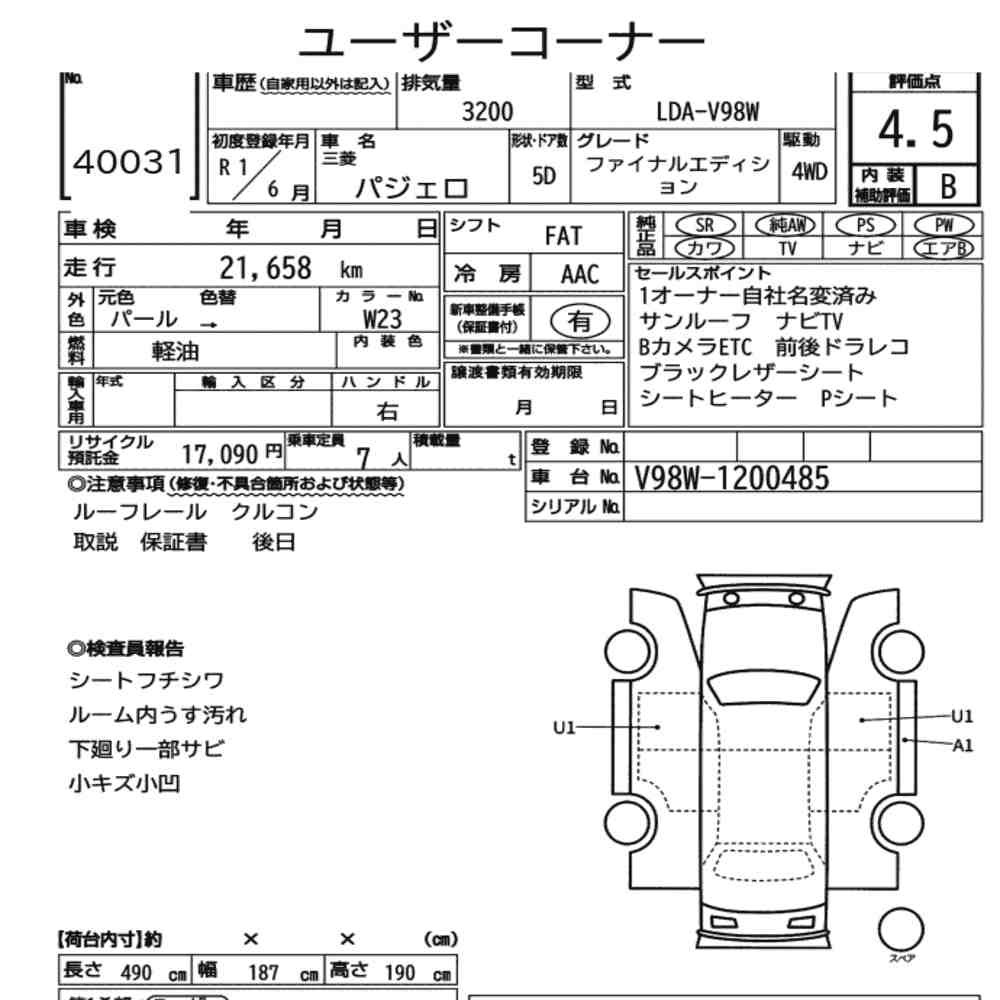
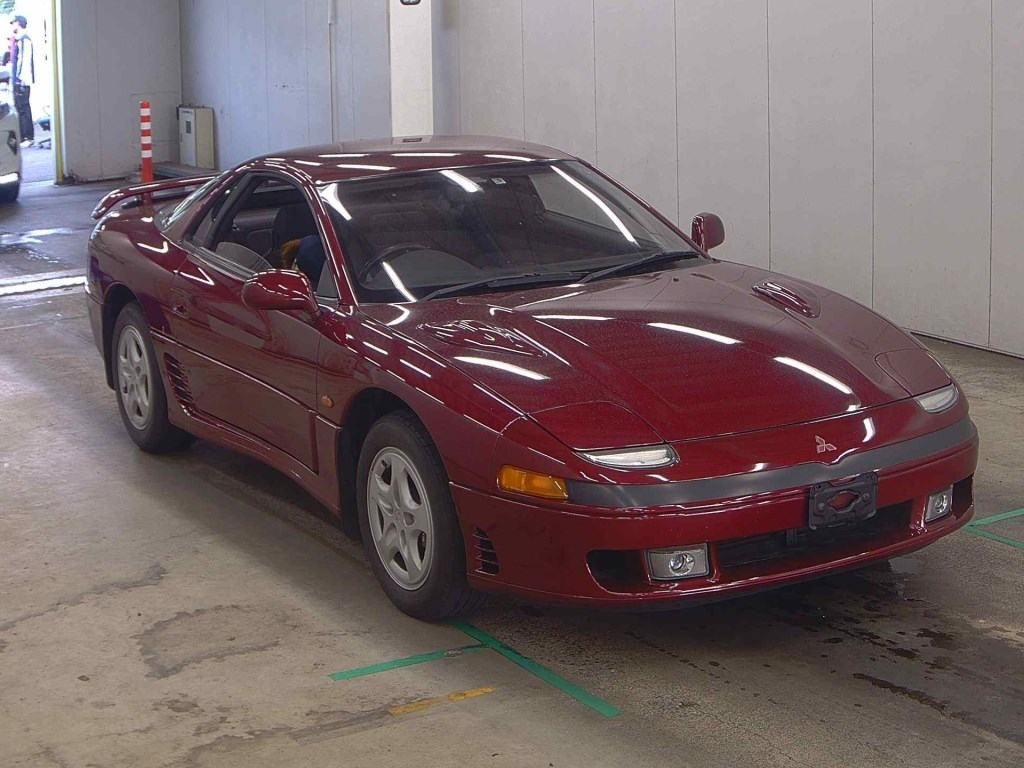
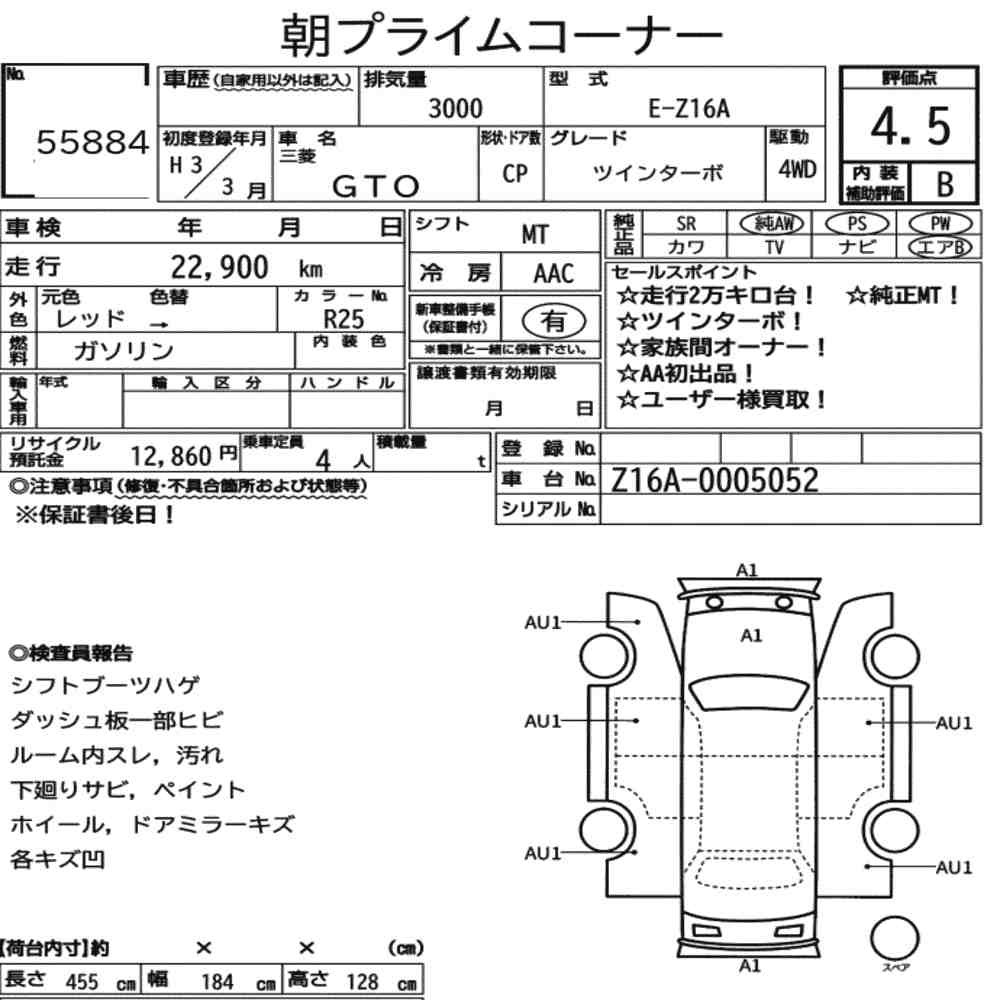
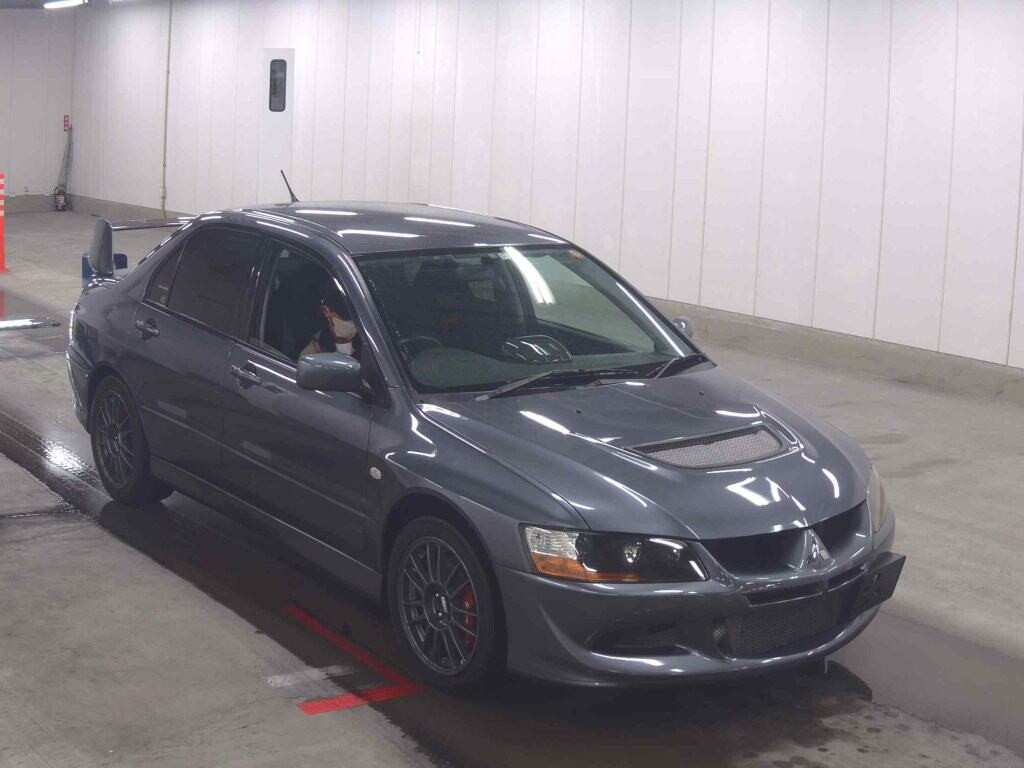
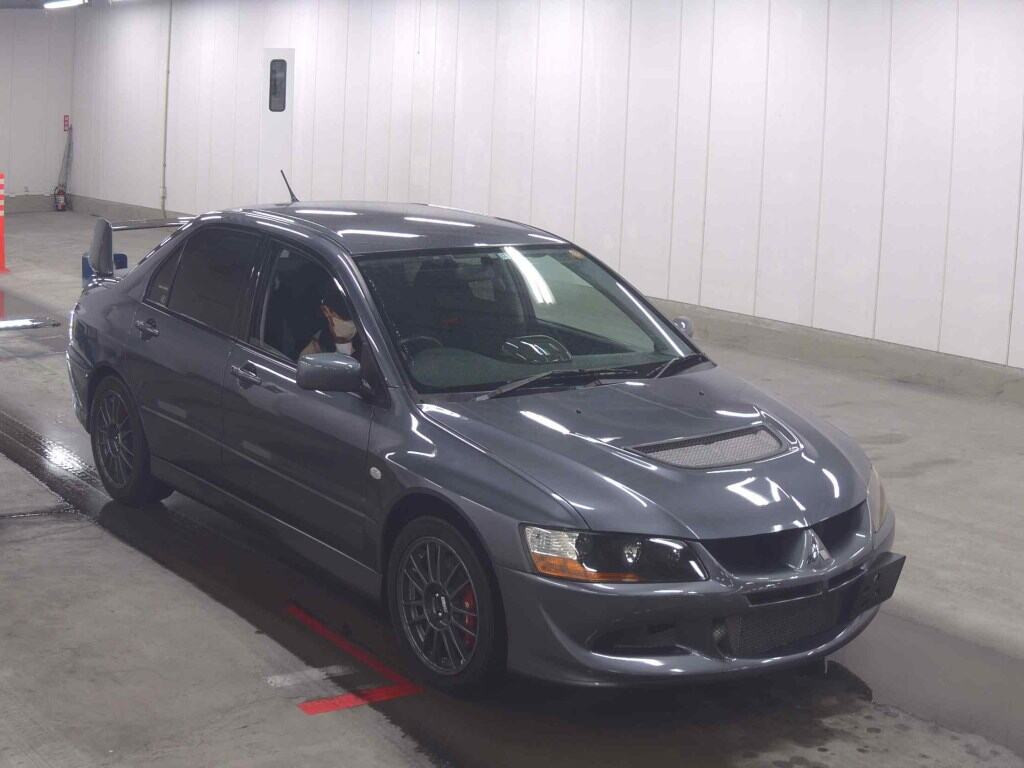
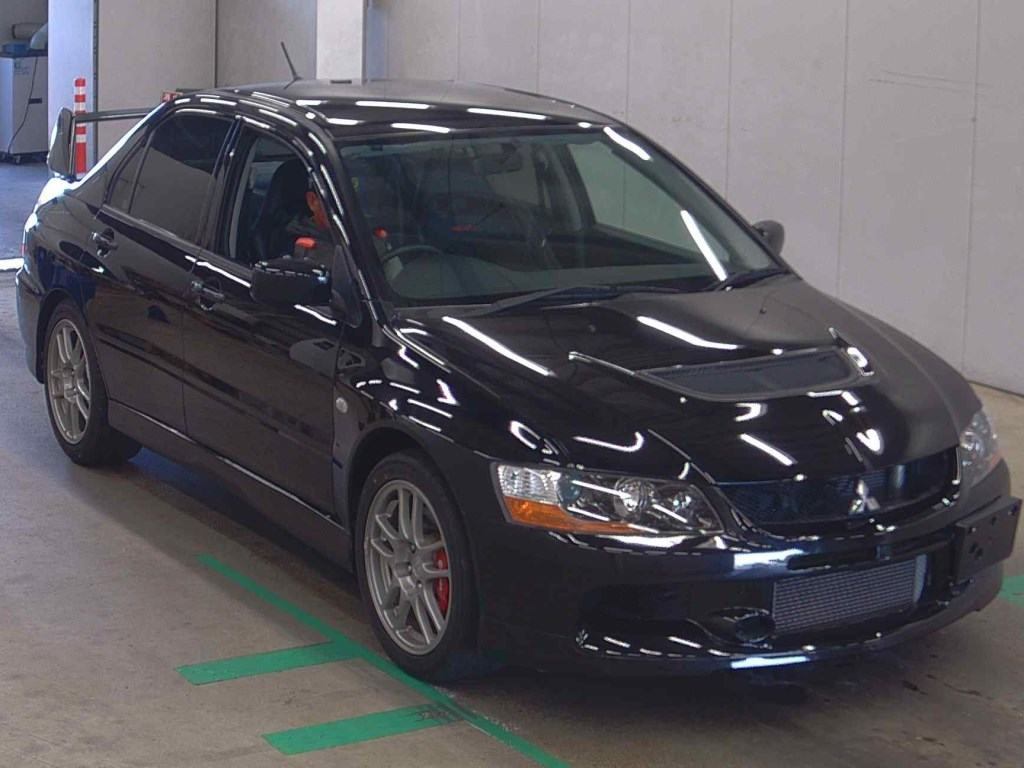
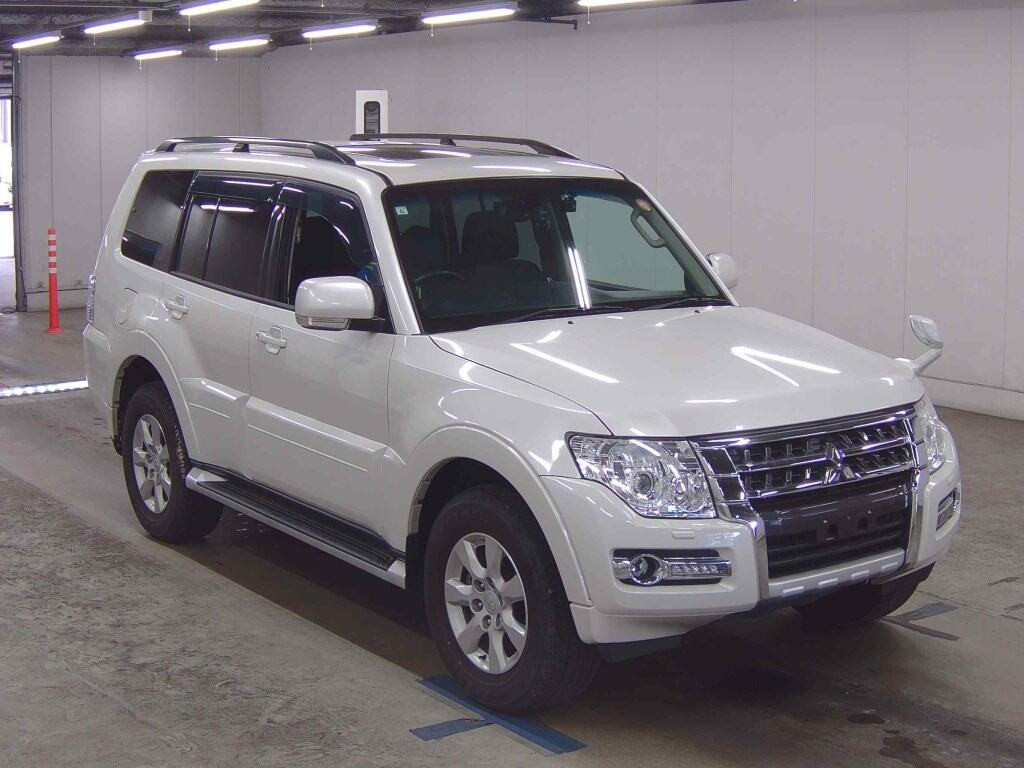
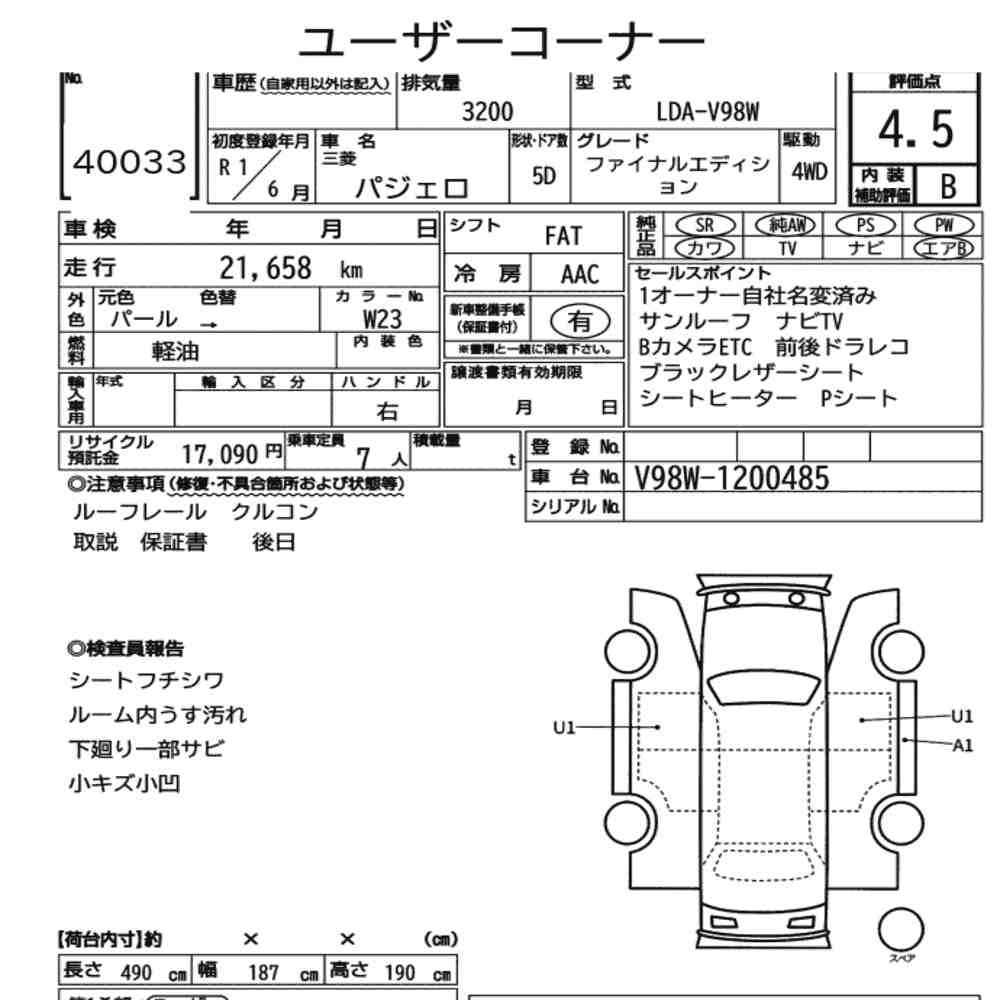
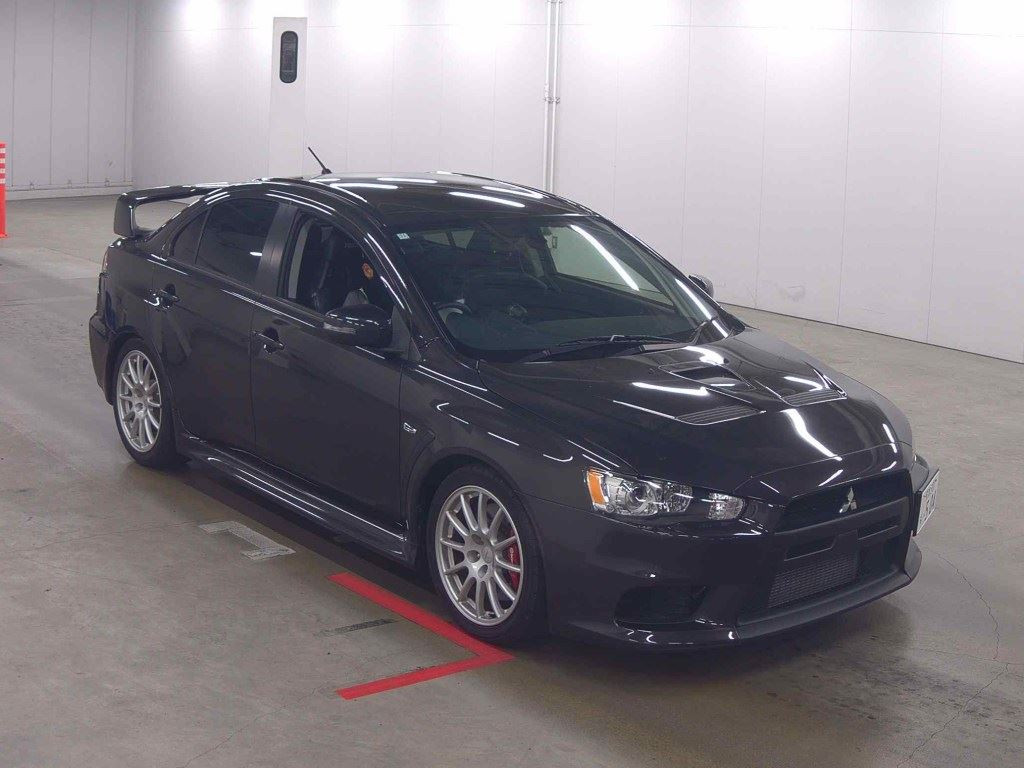
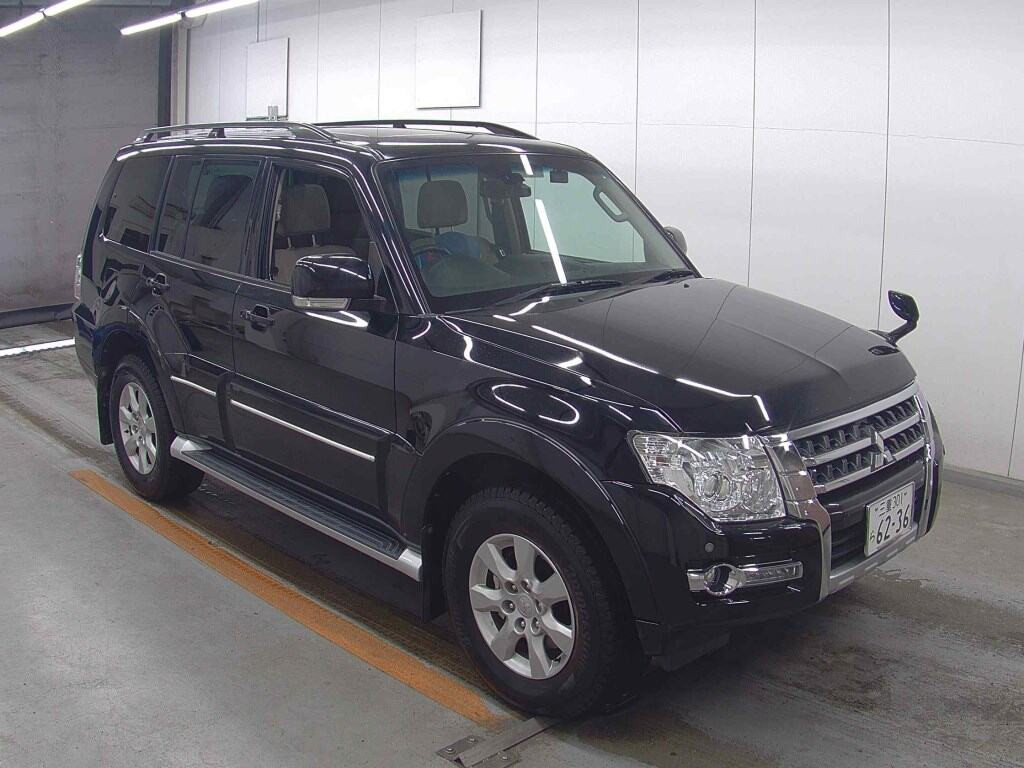
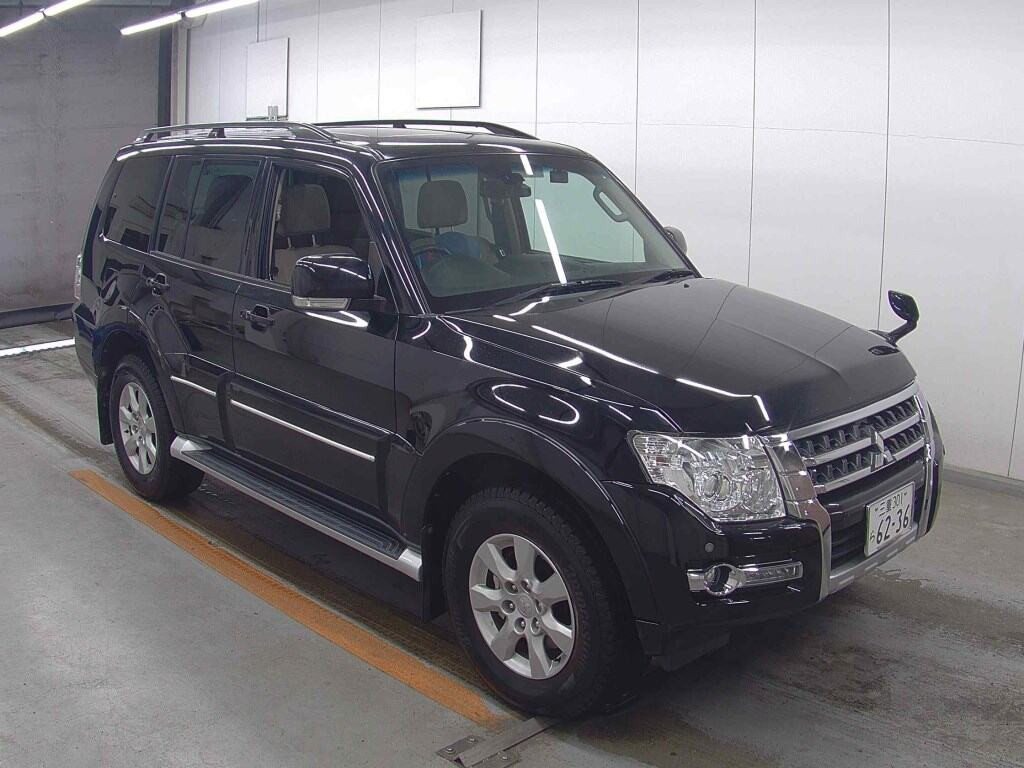
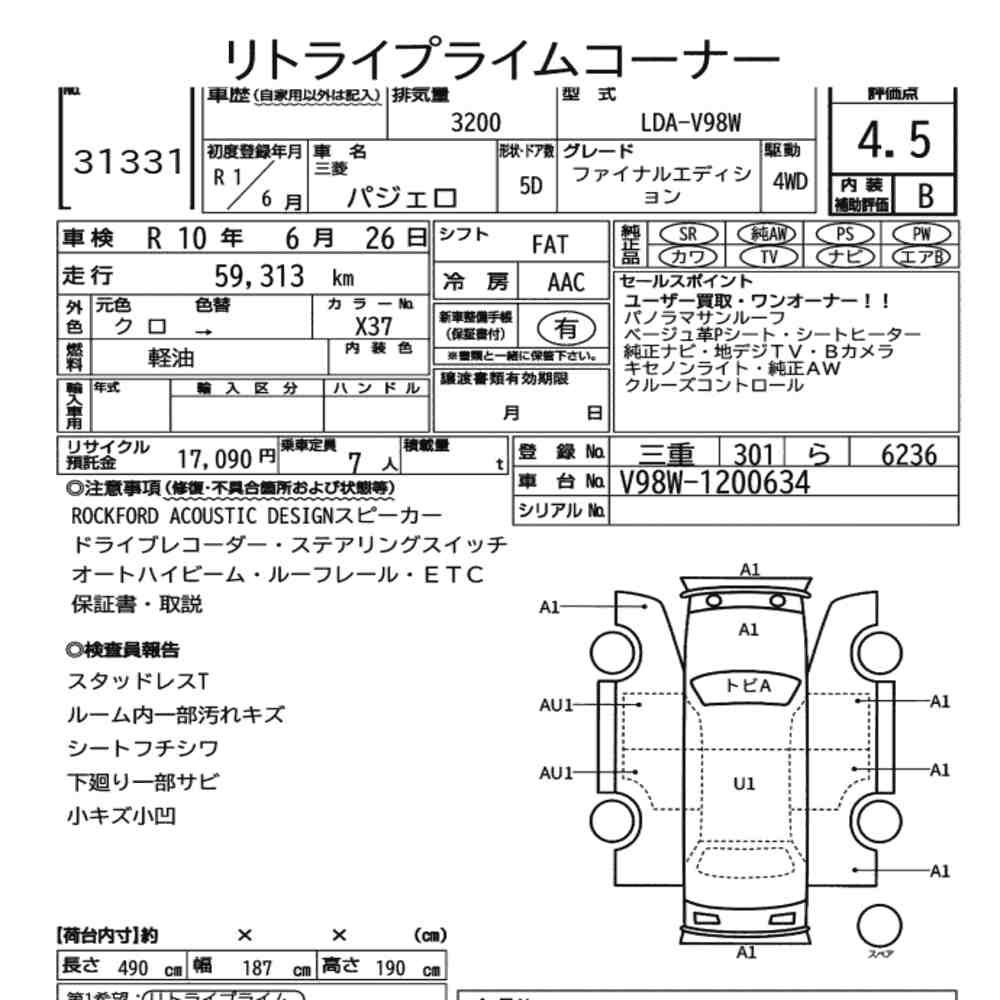
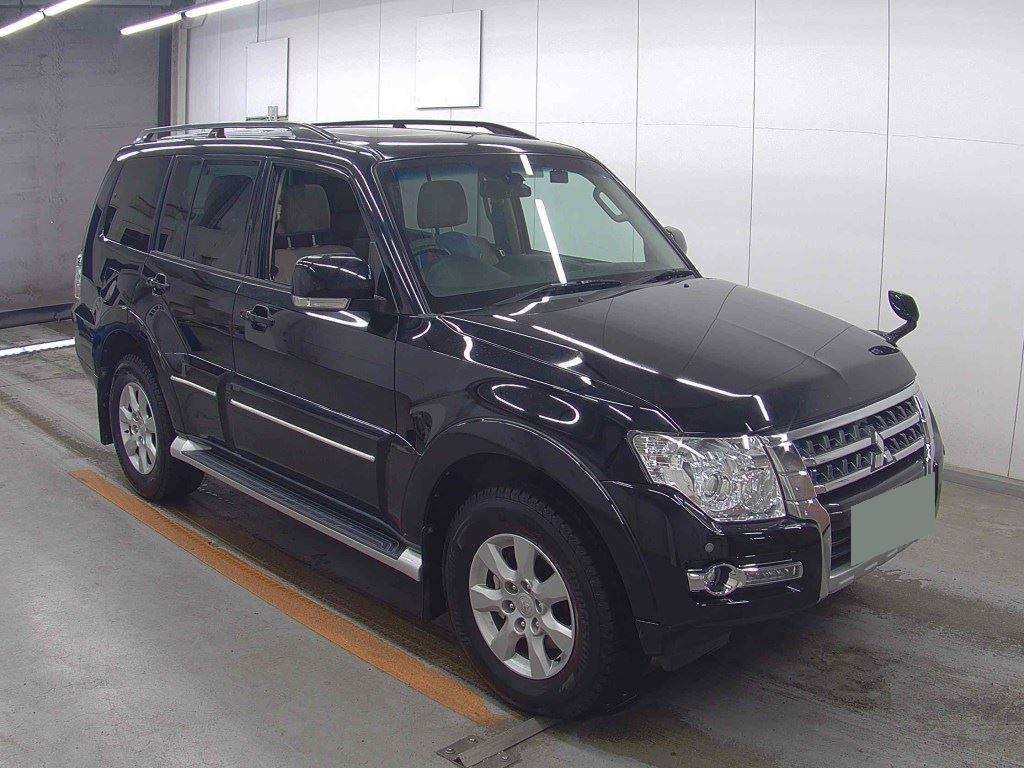
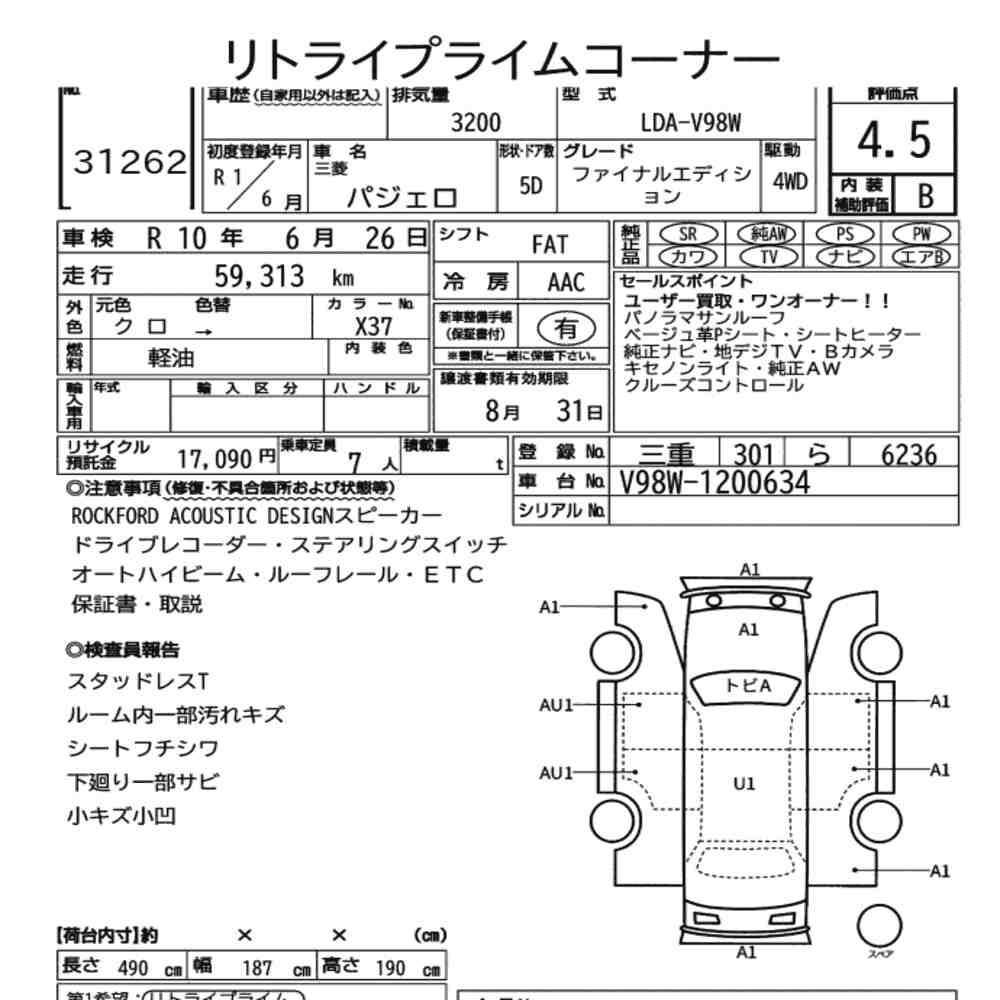
Mitsubishi is a brand defined in our catalogue by rally heritage and all-wheel drive. The core is the Lancer Evolution: ten generations from Evo IV to Evo X. Versions IV through IX run the turbocharged 2.0-litre 4G63; the Evo IX MR adds MIVEC variable valve timing, and the Evo X moved to the new aluminium-block 4B11T. The most sought-after variants are the Evo VI Tommi Mäkinen Edition, the Evo IX MR and the farewell Evo X Final Edition. Alongside the Evo we keep the old school: the big 3000GT grand tourer (the GTO in Japan) with its twin-turbo V6 and four-wheel drive, the compact FTO, the Eclipse coupe, and the Pajero off-roader and rally-bred Pajero Evolution.
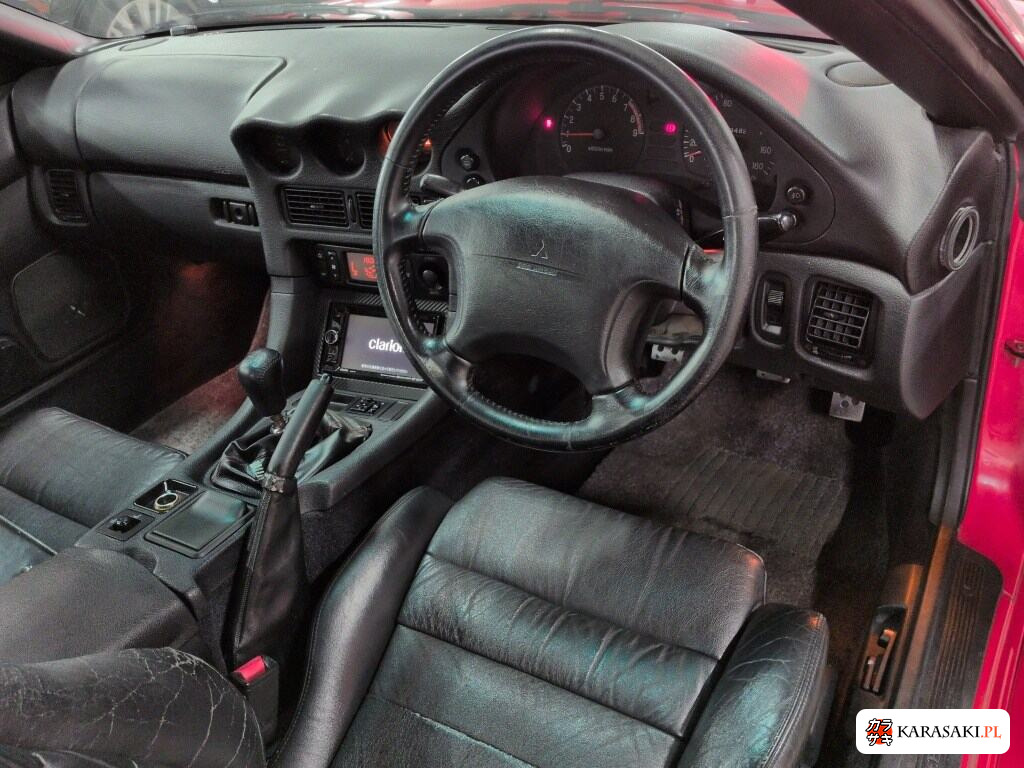
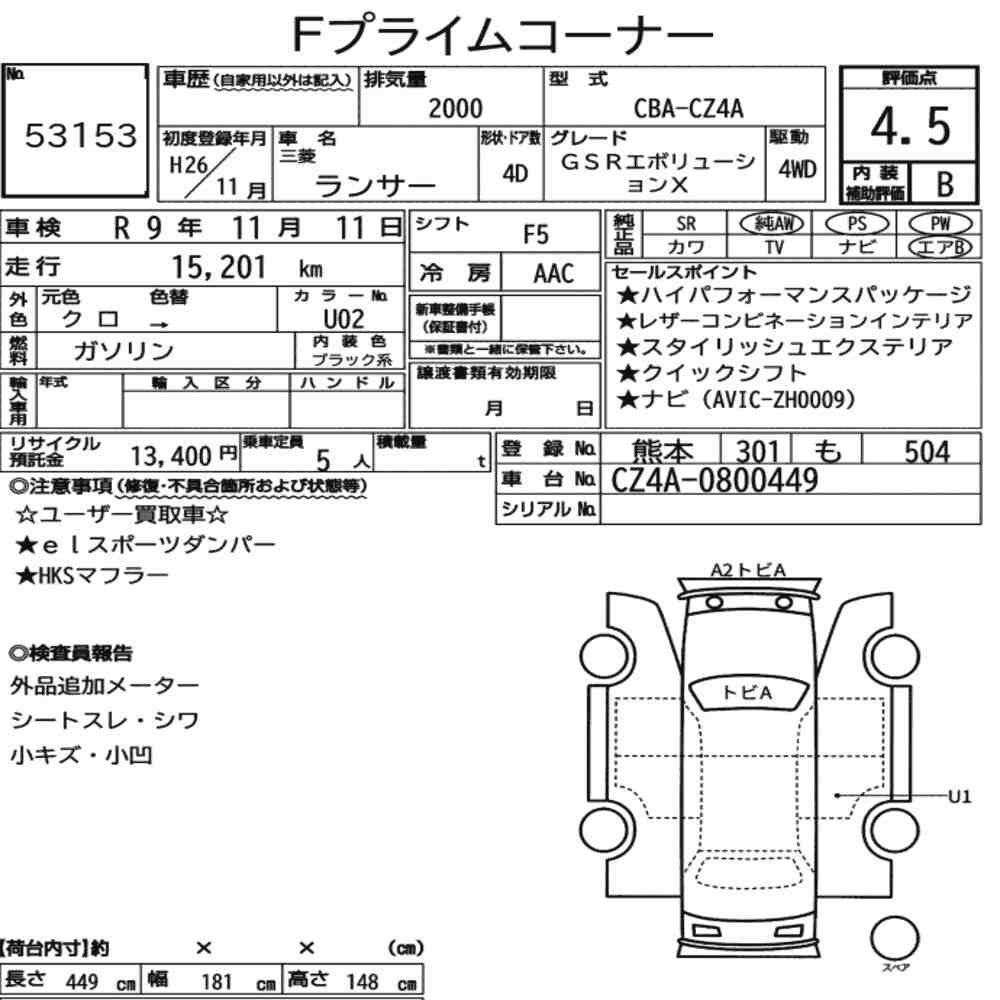
At USS Nagoya and USS Tokyo the Lancer Evolution surfaces steadily, a handful to a dozen a week, but supply of clean cars is shrinking, since most were used hard on track and in rallying. This is where the Japanese market pays off: you find garaged, low-mileage examples with complete histories that are far rarer in Europe. The Pajero Evolution, a homologation run built for the Dakar Rally, and the 3000GT VR-4 are now collector classics that appear occasionally. Every car from Japan is original right-hand drive, though for clients wanting left-hand drive we source the appropriate market variant where one is available.
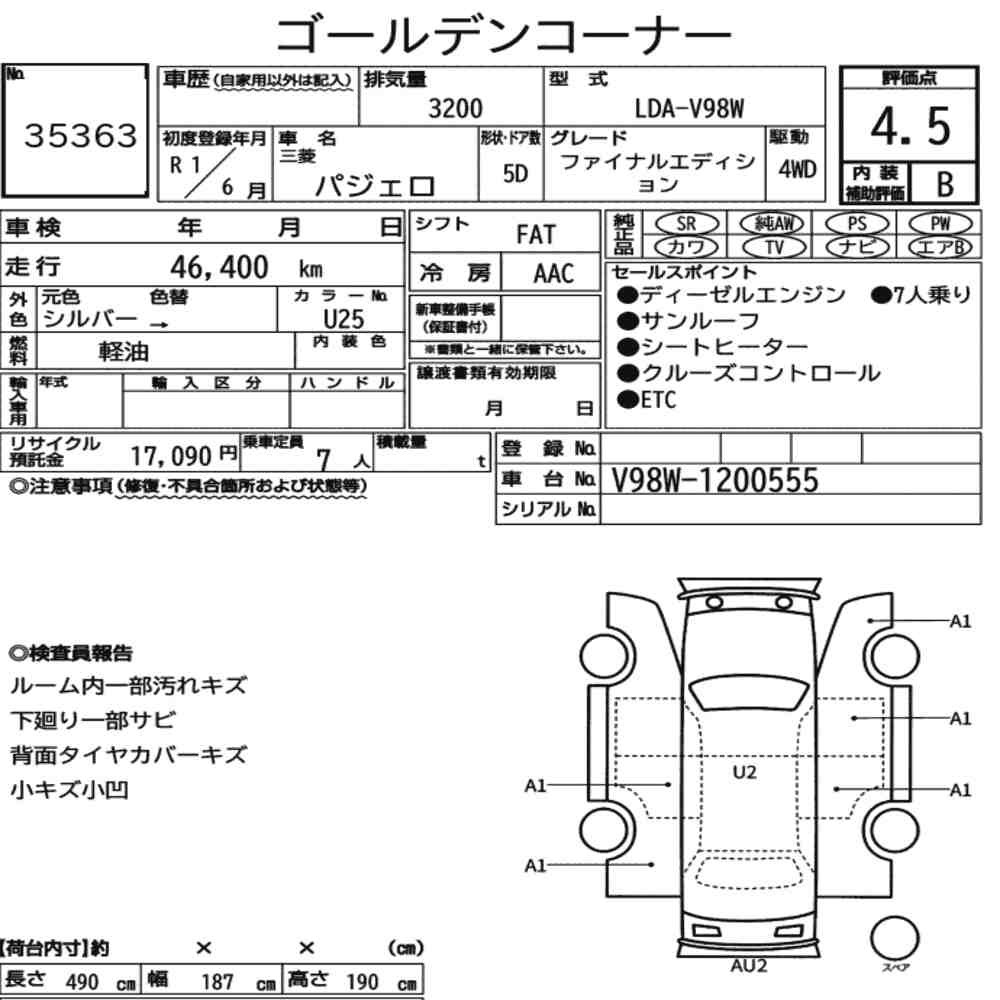
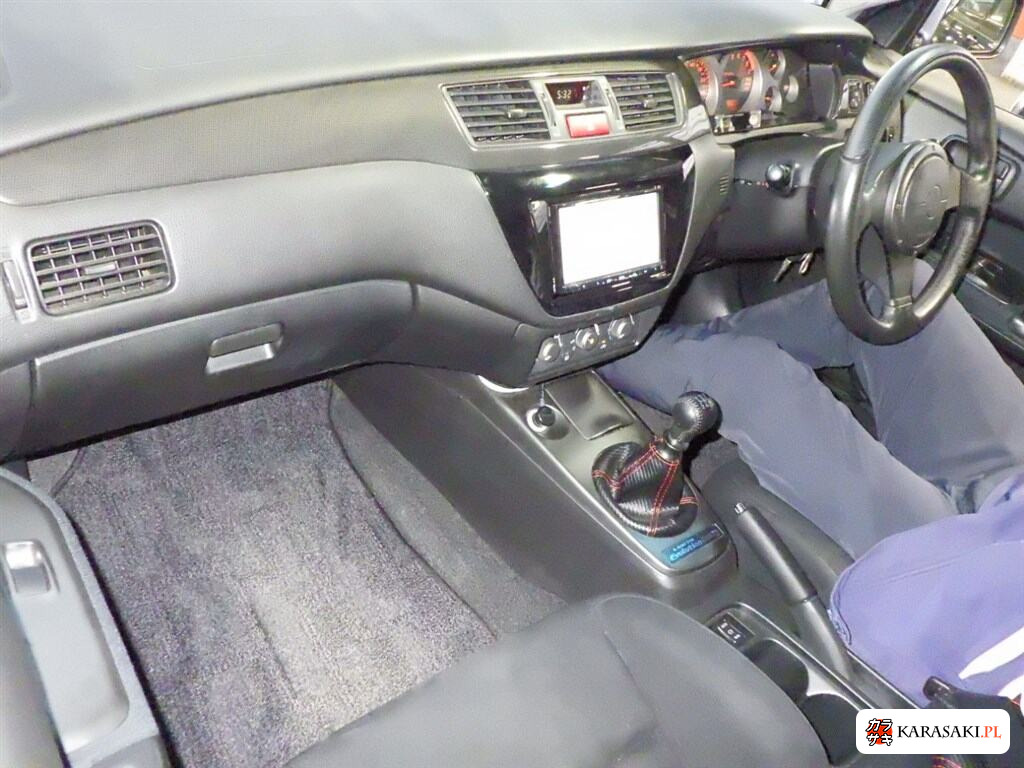
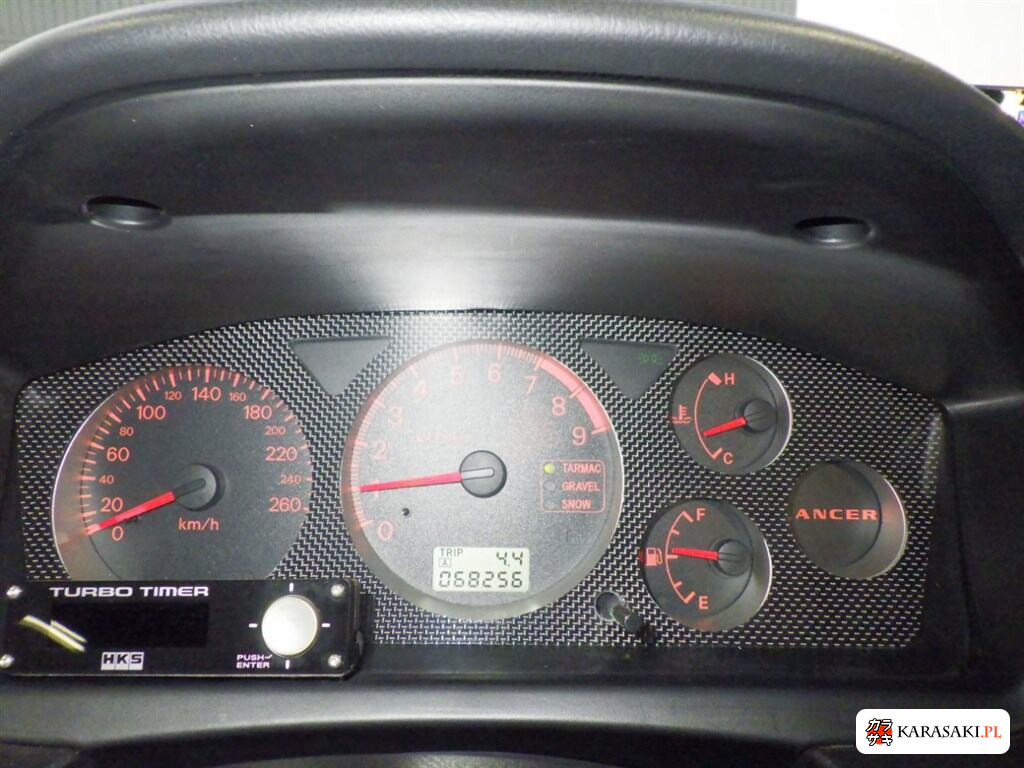
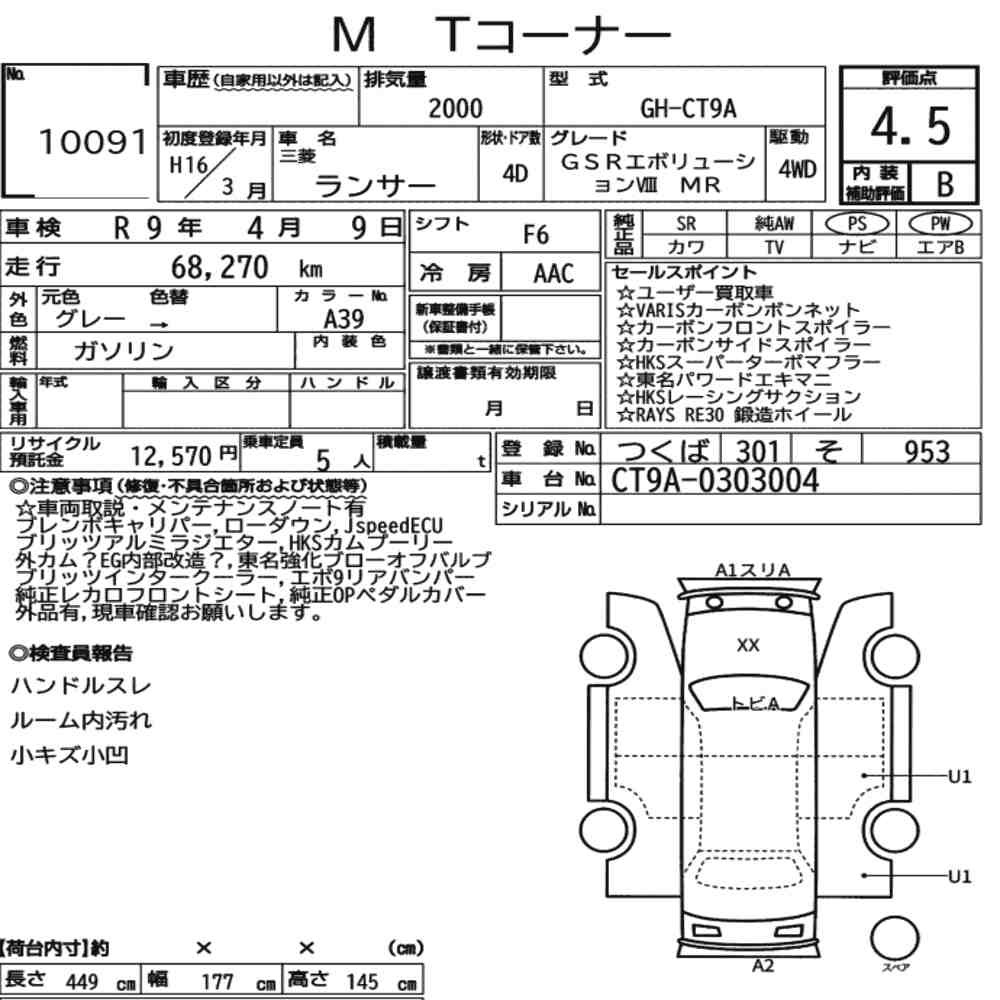
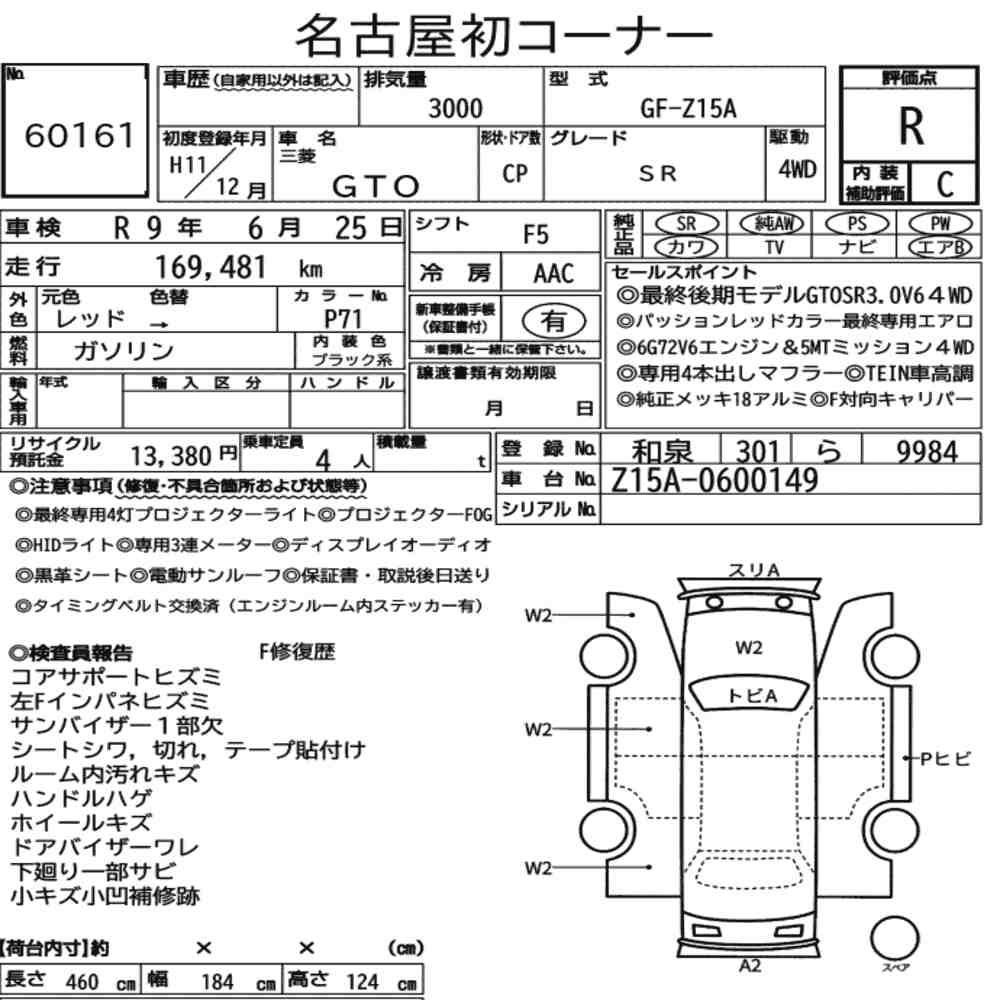
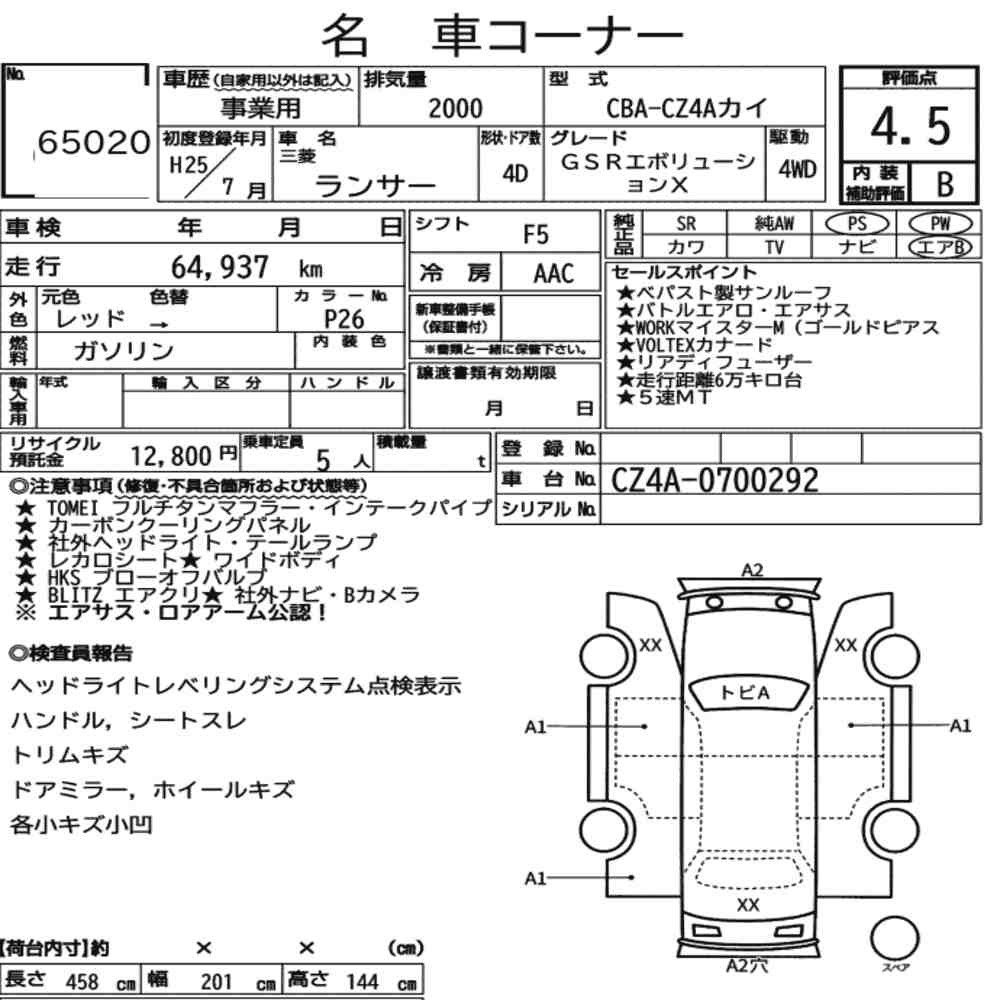
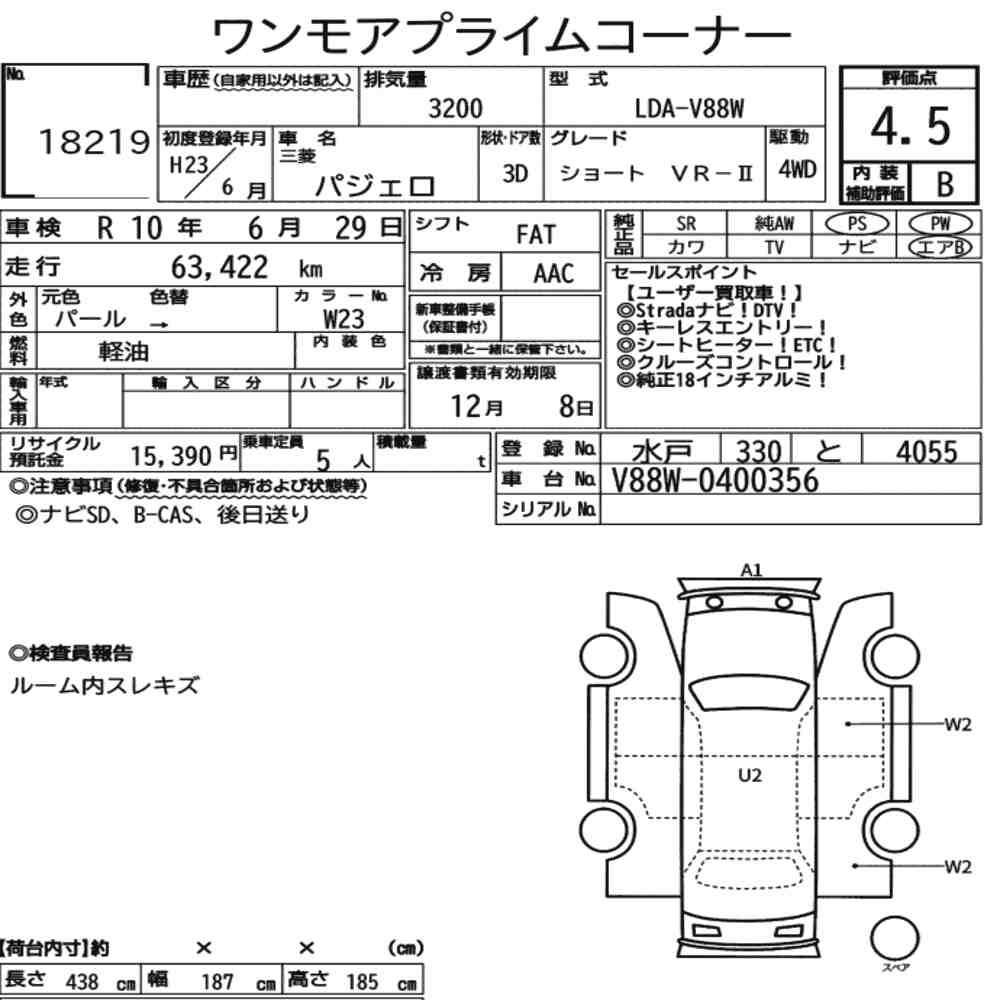
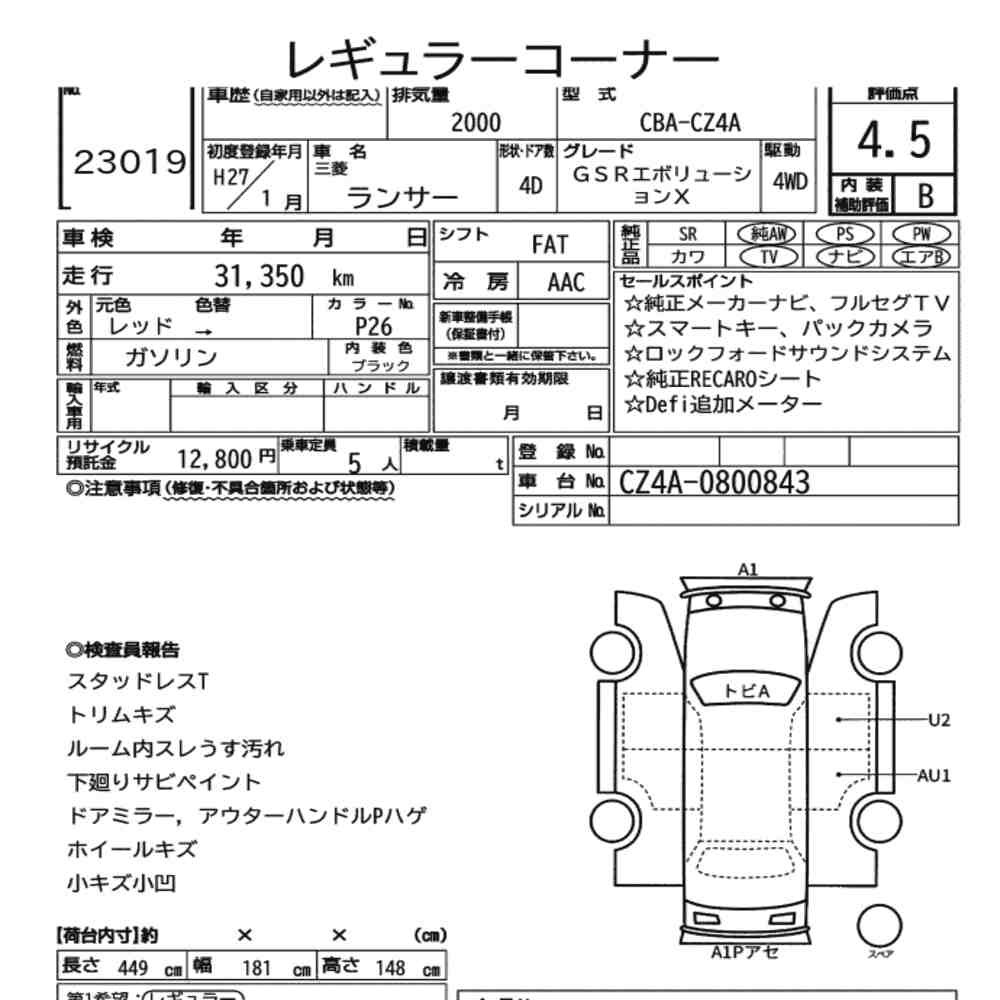
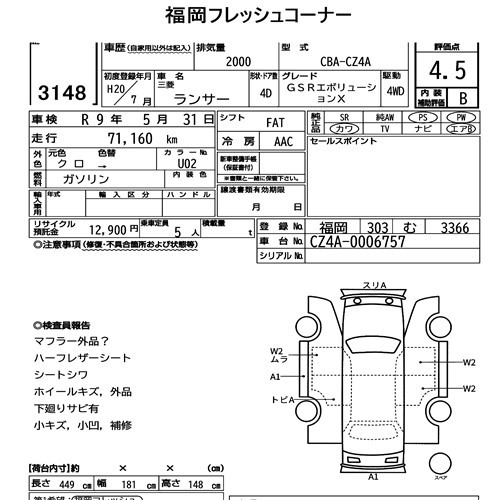
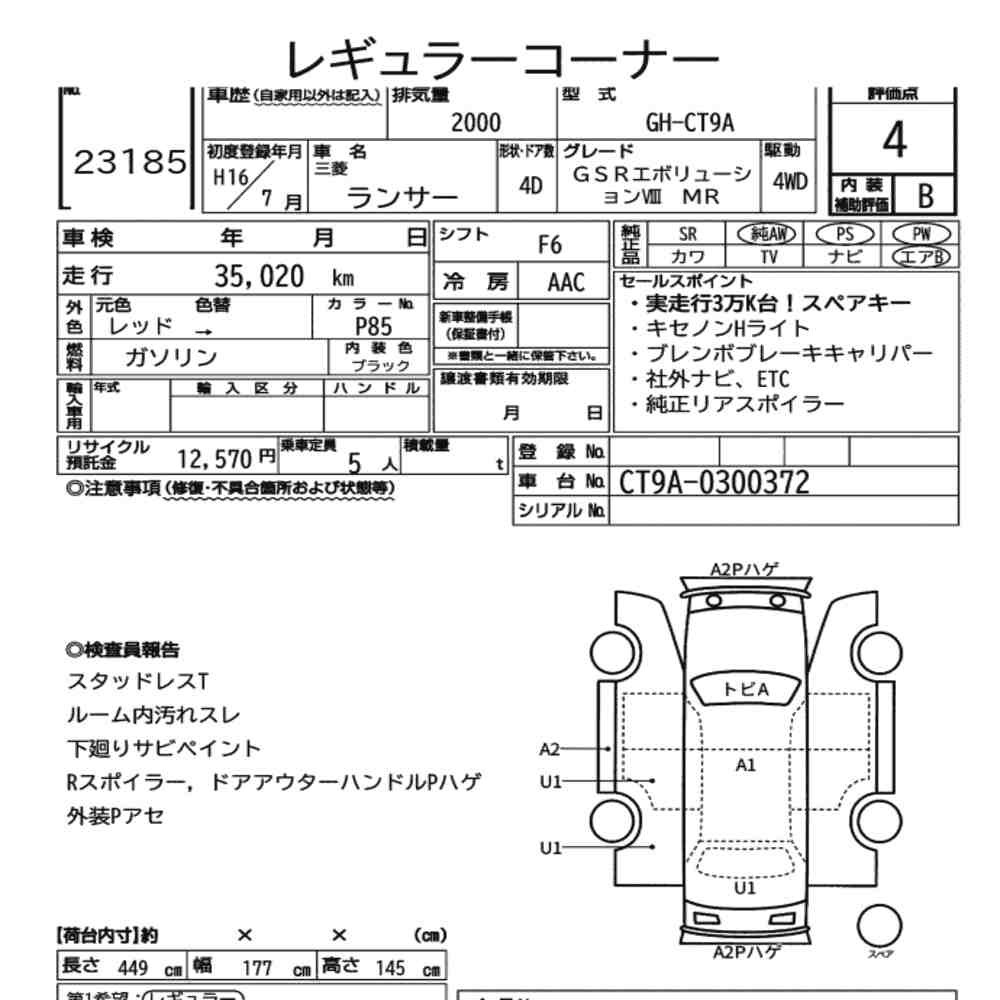
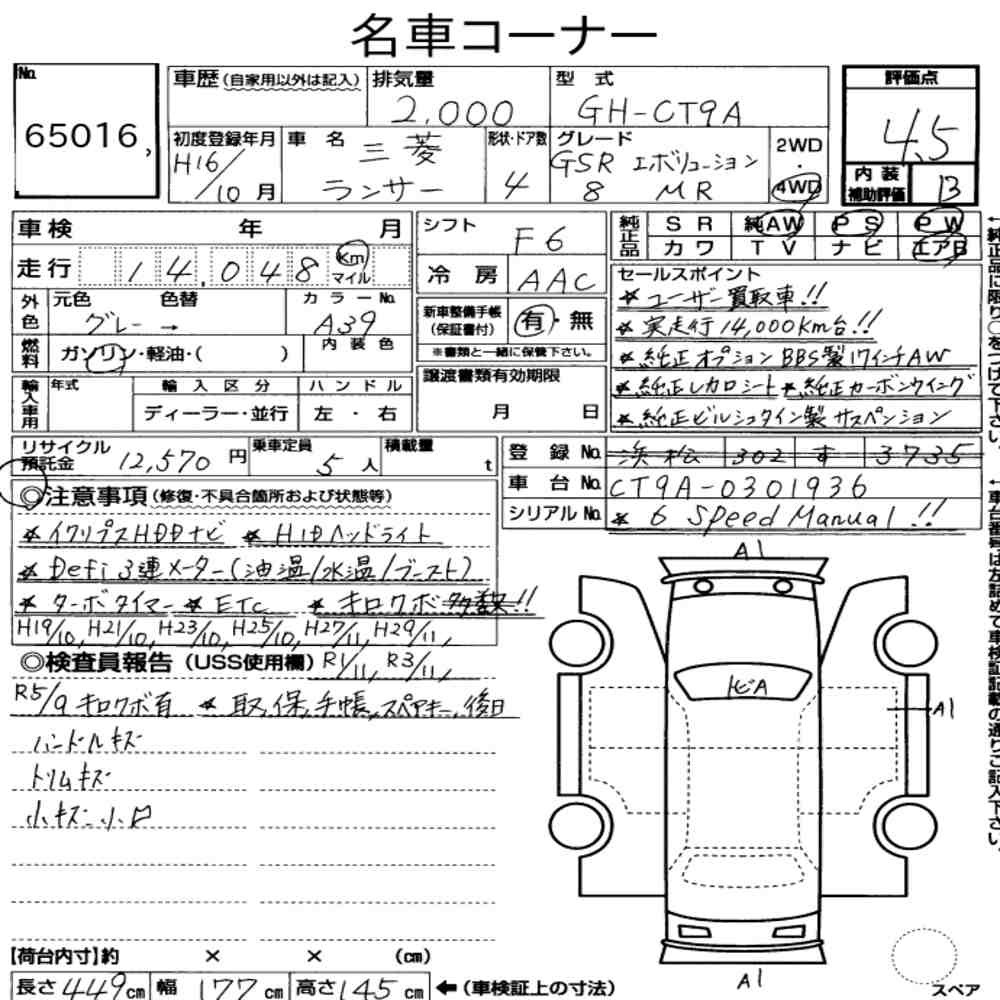
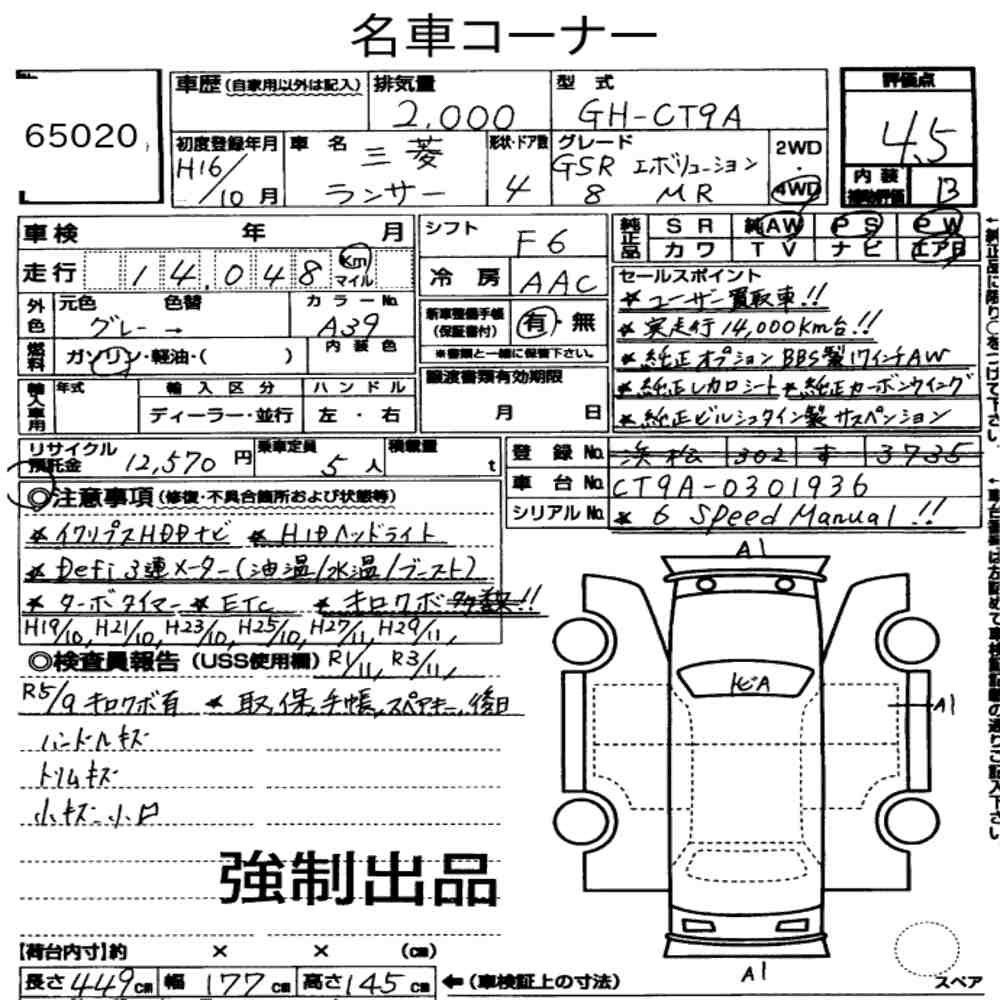
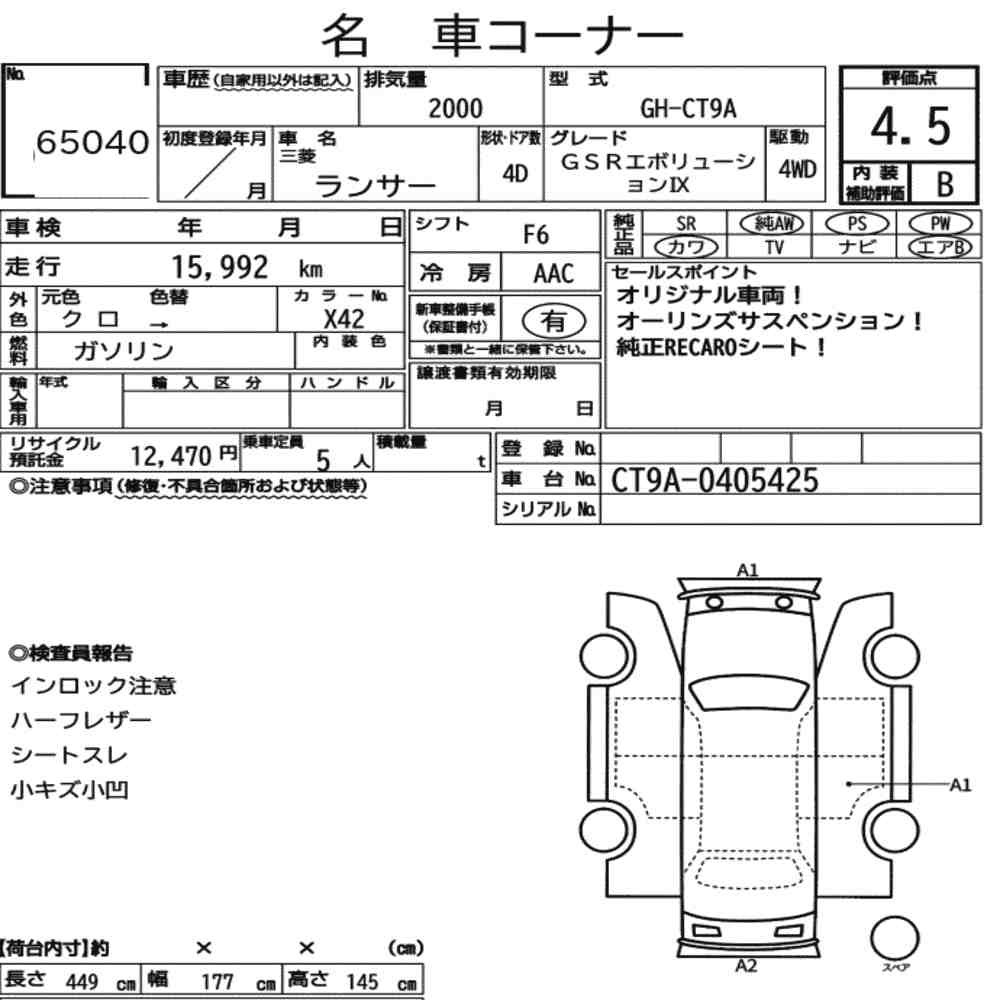
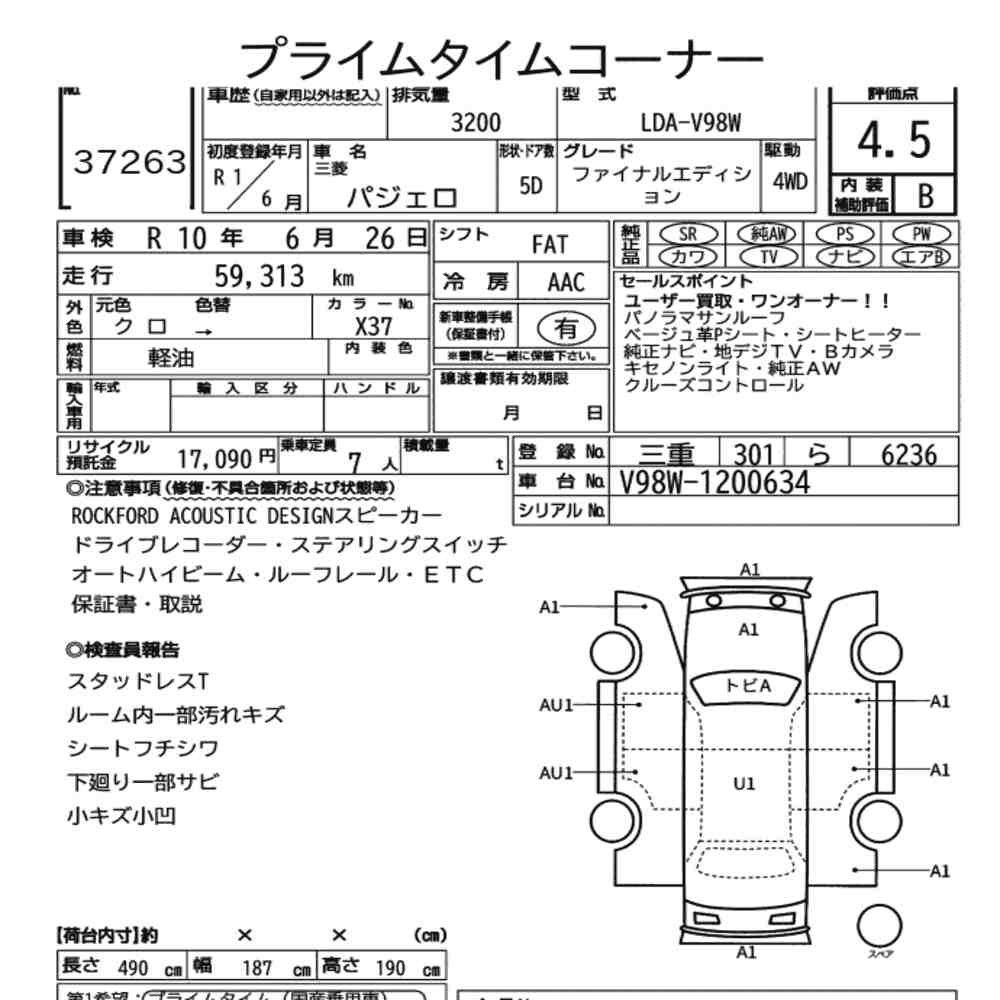
What we do exceptionally well. Our inspector visits every Mitsubishi we seriously bid on. On the Lancer Evolution the priorities are confirming an original 4G63 or 4B11T (matching numbers lift value), compression, and tuning history, since many cars ran elevated boost. On the sheet we look for accident repairs, welded chassis sections and track wear, common in rally-derived cars. We also verify the completeness of the limited-edition kit: Recaro seats, BBS wheels and the MR badging, which drives collector value.