
The Toyota Chaser is a four-door sedan that became one of the most important platforms in drifting history almost by accident of engineering. Rear-wheel drive, an inline-six 1JZ engine and the price tag of an ordinary family car turned it into the base on which a legend was built. Our Japanese auction catalog holds 142 Chasers, and close to 70% of them have a manual gearbox, exactly the version that is hard to find in Europe. We show where the cult status came from, how the JZX90 and JZX100 generations differ, what is actually under the hood of the Tourer V, and how much it costs to bring one to Poland, worked out line by line.
Toyota Chaser: the sedan that became a drift legend
The Toyota Chaser is a Japanese sedan built from 1977 to 2001 across six generations, sold exclusively on the domestic market and exclusively with the steering wheel on the right. It owes its cult status to the sixth-generation JZX100 with the 1JZ-GTE engine: rear-wheel drive, a strong turbocharged engine and a cheap, widely available base made it the drift scene's favourite platform.
The Chaser never reached showrooms in Europe or America. It was the sportiest of three sibling Toyota sedans built on the rear-wheel-drive X platform, shared with the Mark II and the Cresta. All three cars were technically identical and differed in sheet metal, trim and sales channel. The Mark II played the conservative-luxury card, the Cresta went for comfort, and the Chaser got the sharpest styling and the widest range of sporty variants. The closest relative the West actually knew was the export-market Toyota Cressida, but that car had neither the 1JZ-GTE engine nor a Tourer V.
Three things came together to make the Chaser a drifting icon. The classic front-engine, rear-wheel-drive layout, a long 2,730 mm wheelbase, and predictable handling at the limit of grip. The turbocharged 1JZ-GTE, with its cast-iron block, absorbs huge power increases without ever needing to be opened up. And, finally, plain availability: the Chaser was a mass-produced, popular sedan, so cheap examples and parts from its siblings were easy to find. From 2001 to 2011 the JZX100 dominated Japan's D1 Grand Prix drift championship, and in 2011 Daigo Saito, the only driver to hold titles in both D1GP and America's Formula Drift, won the D1GP crown from behind the wheel of a Chaser.
There is a delicious inconsistency in this story. The most famous racing Chaser did not run a 1JZ engine at all. In the Japanese Touring Car Championship (JTCC) in 1997 and 1998 it competed with a naturally aspirated, four-cylinder 3S-GE, and Masanori Sekiya won six of eleven rounds and the 1998 season title with it. The Chaser also entered pop culture by another route, as a playable car in the Wangan Midnight Maximum Tune arcade series. It is sometimes called the four-door Silvia, because under the suit of a calm sedan it hides the temperament of a sports coupe. That is the very definition of a sleeper.
The X81 to X100 generations: which one to choose?
For a collector, the Chaser really begins with the fourth generation. Earlier cars, from the first one in 1977 through the boxy hardtops of the 1980s, are curiosities today for a narrow circle of enthusiasts, since parts for them are scarce. The turning point came in August 1990, when the new 1JZ-GTE engine arrived in the X80 generation.
- The JZX90 (1992 to 1996) split the range into the sporty Tourer line and the luxury Avante. The range-topping Tourer V got the 1JZ-GTE with twin parallel turbochargers, the R154 manual gearbox and a Torsen limited-slip differential. It is a rawer, lighter and cheaper way into the same formula.
- The JZX100 (1996 to 2001) is, for many, the definitive Chaser. Here the 1JZ-GTE got a single, larger turbocharger and variable valve timing (VVT-i), four round headlights became its signature look, and in 1998 the car received a facelift known as Series 2. The most sought-after version on the used market is precisely the JZX100 Tourer V with the factory manual gearbox.
The story has a bitter ending. Chaser production ended in June 2001, and the Toyota Verossa took its place. The avant-garde styling, deliberately Italian in spirit, did not appeal to customers who valued conservative sedans, so the successor turned out to be a market flop and disappeared from the lineup after only three years. It was the Mark X that eventually inherited the Chaser's and Cresta's character. Today, the lack of a direct successor only raises the original's status.
The Tourer V and the 1JZ-GTE: the heart of the Chaser
The heart of the legend is the 1JZ-GTE, an inline-six of 2491 cc with double overhead camshafts and turbocharging. Factory output is 280 hp. That round number is no accident: in that era Japanese manufacturers stuck to an informal pact capping declared output at 280 hp. That gives you a simple honesty test for any listing. If an ad claims a factory output above 280 hp, it is a mistake, because anything higher comes exclusively from aftermarket tuning.
There is a real technical difference between the generations that is easy to mistake for a data discrepancy. The JZX90 runs two parallel turbochargers, with peak torque of 363 Nm at 4,800 rpm. The JZX100 has one, larger turbocharger and VVT-i, which lifts torque to about 378 Nm and brings it in as low as 2,400 rpm. The newer Chaser's engine therefore delivers its power lower in the rev range and more smoothly, with practically no turbo lag. The factory five-speed R154 manual gearbox underpins the car's collector value, handling around 500 hp without trouble once paired with the right clutch.
Chasery z Japonii na aukcji

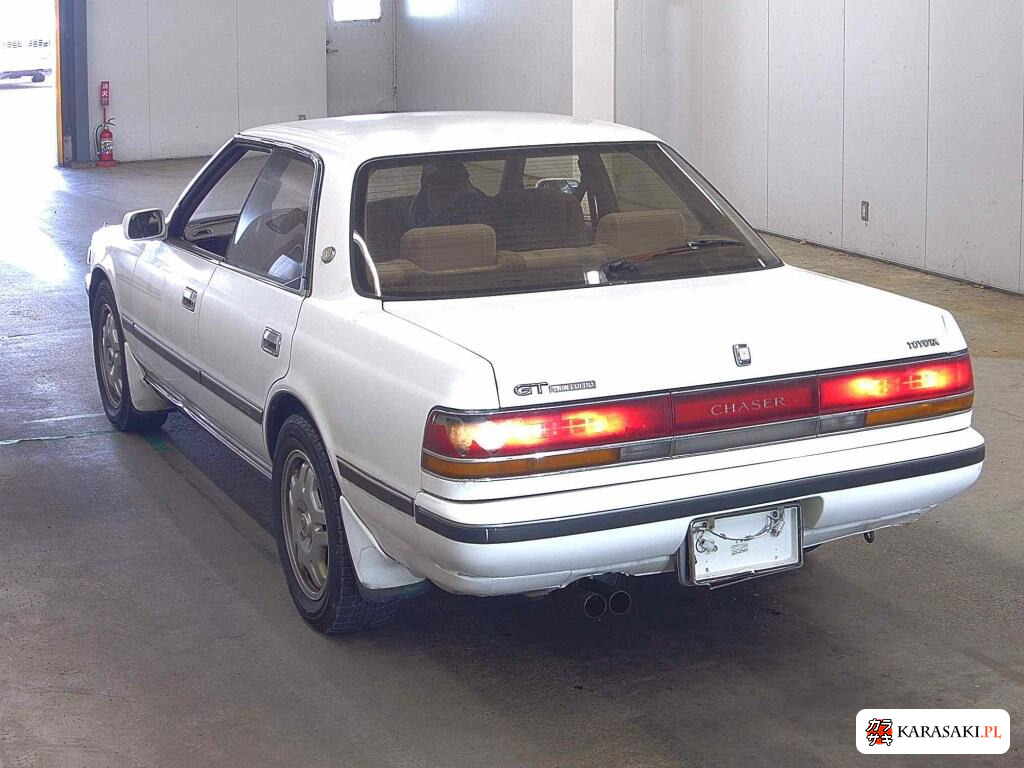
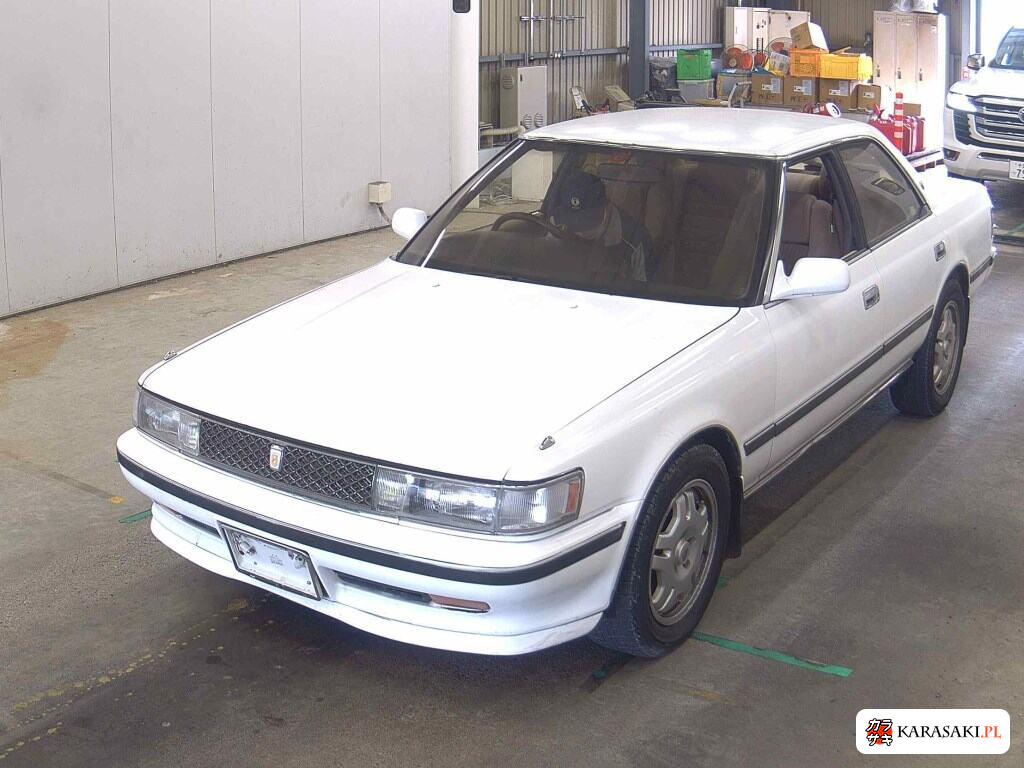
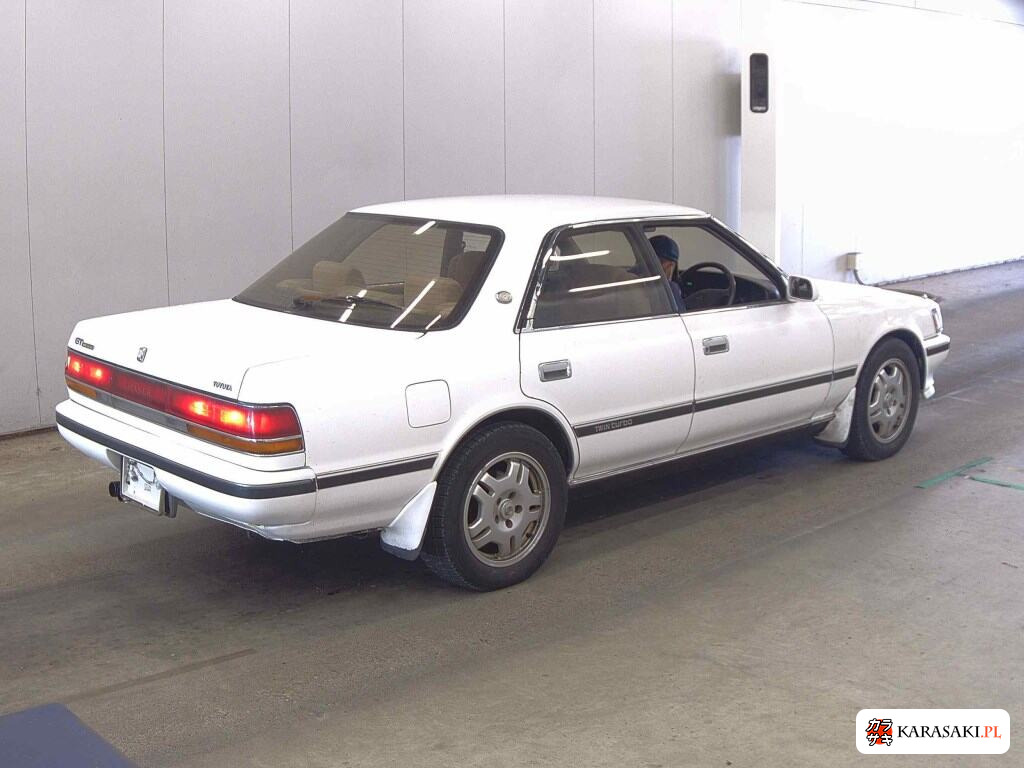
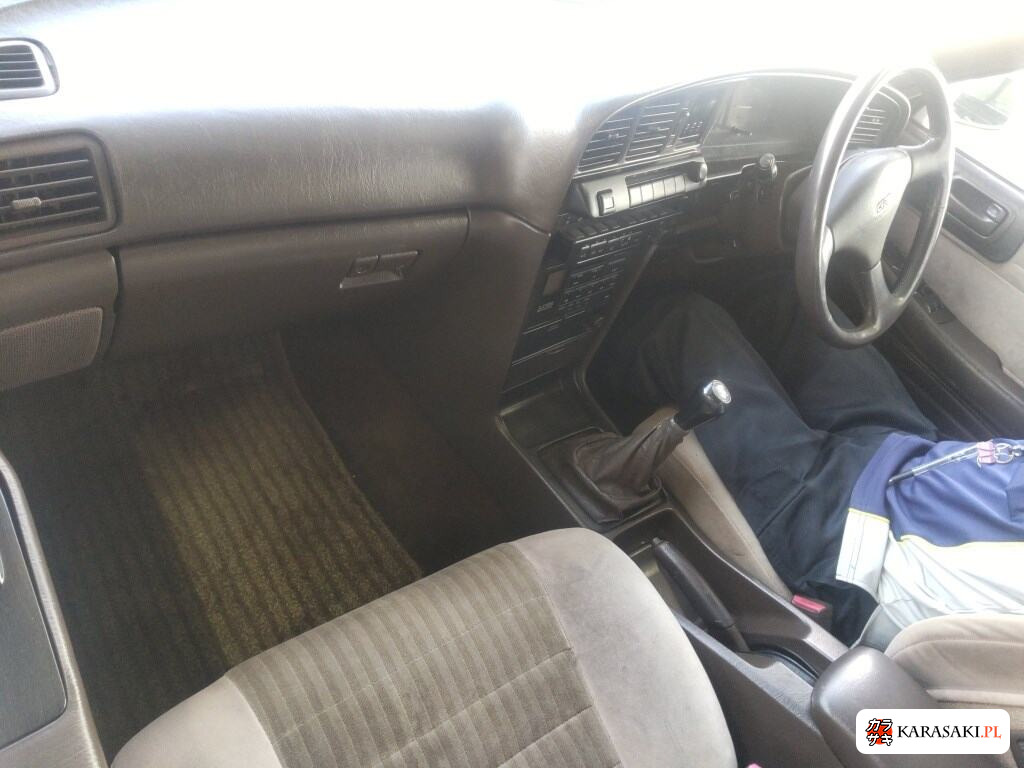
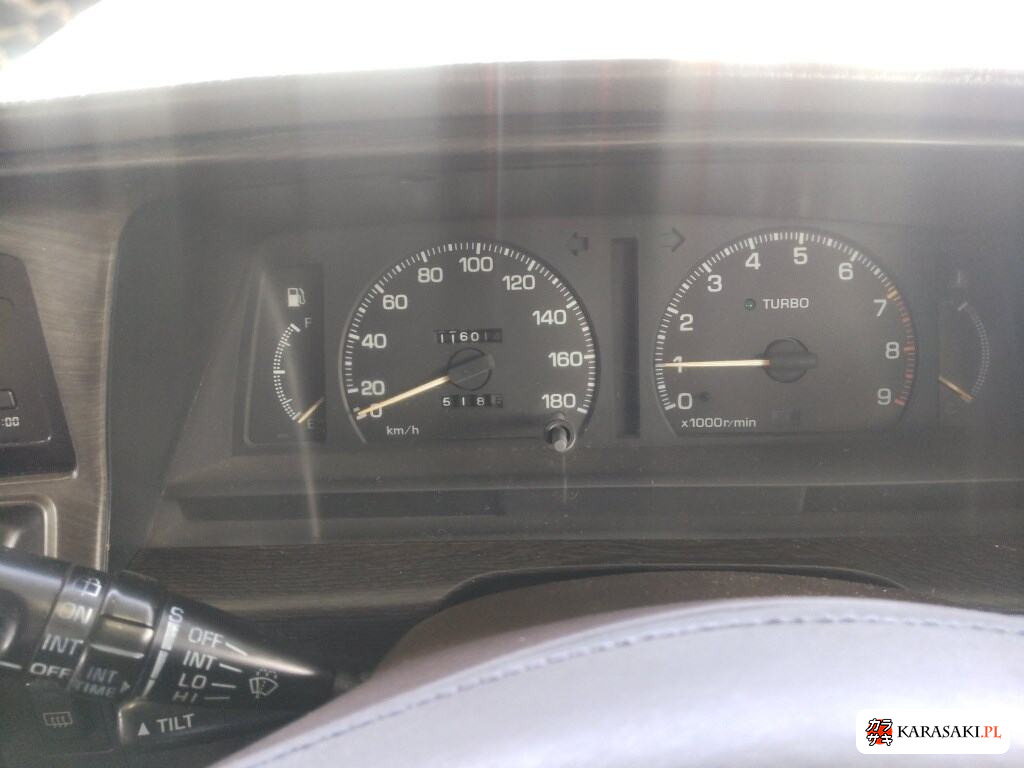
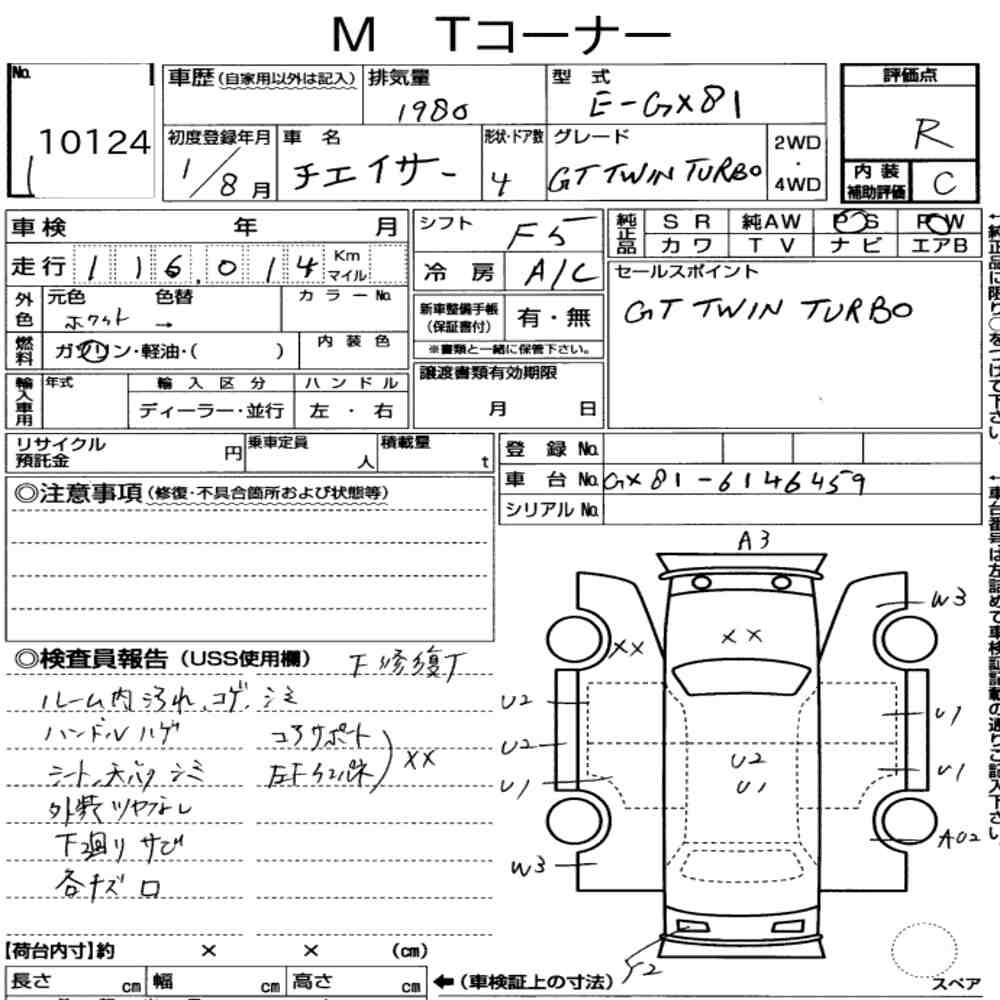

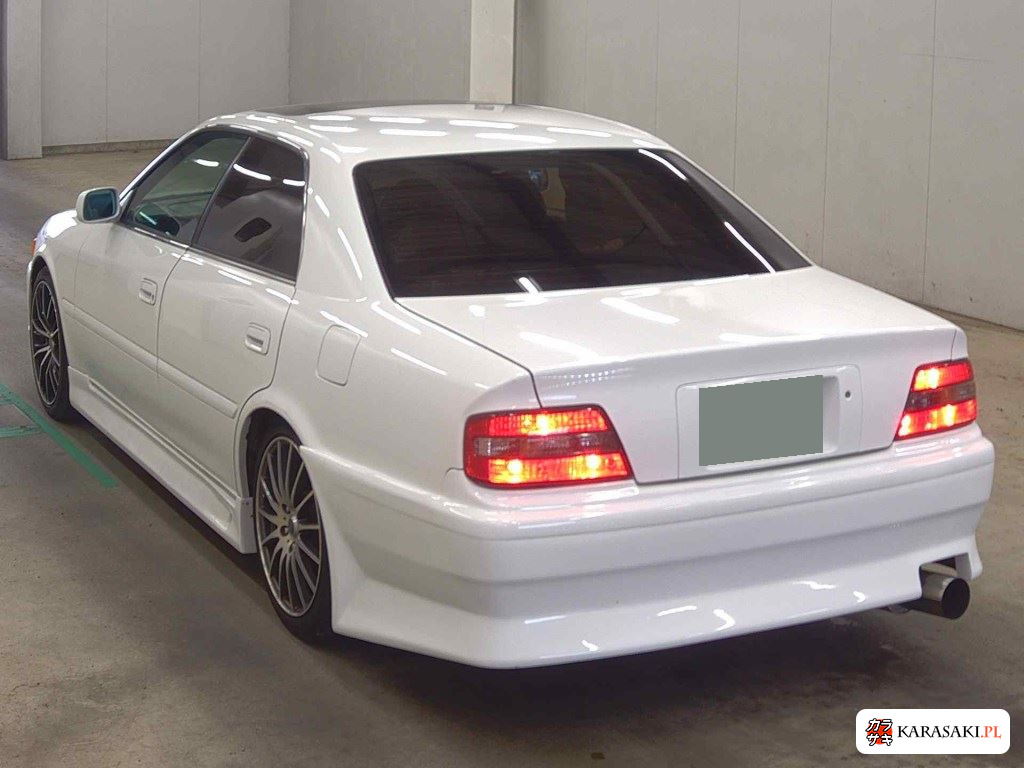
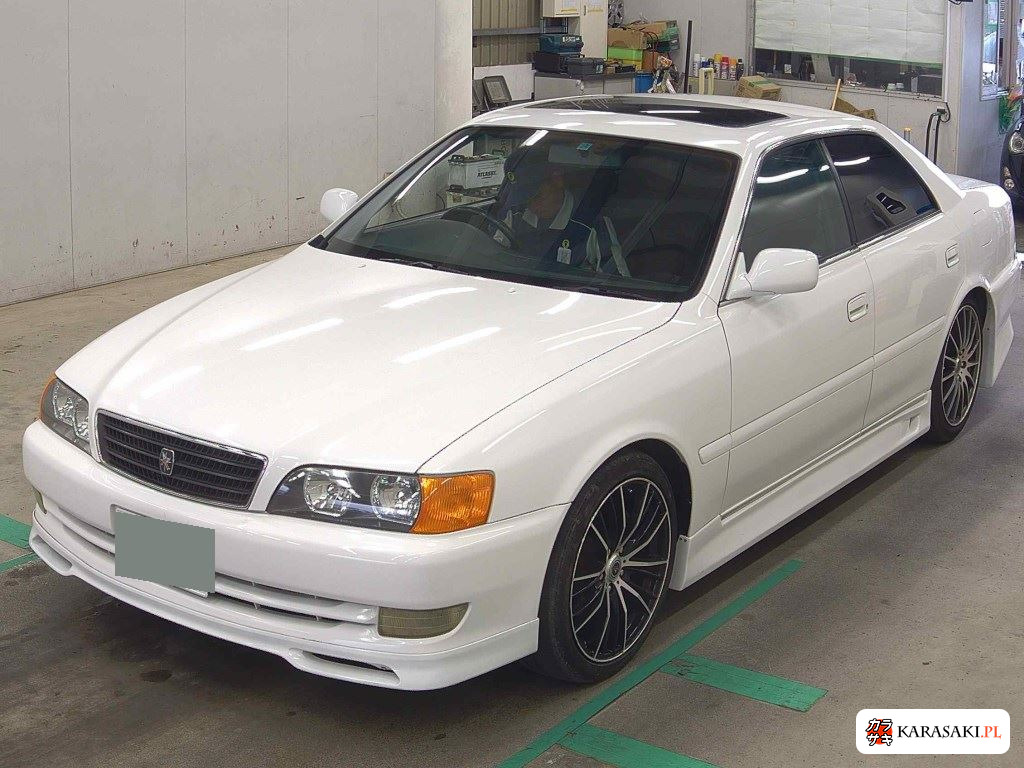
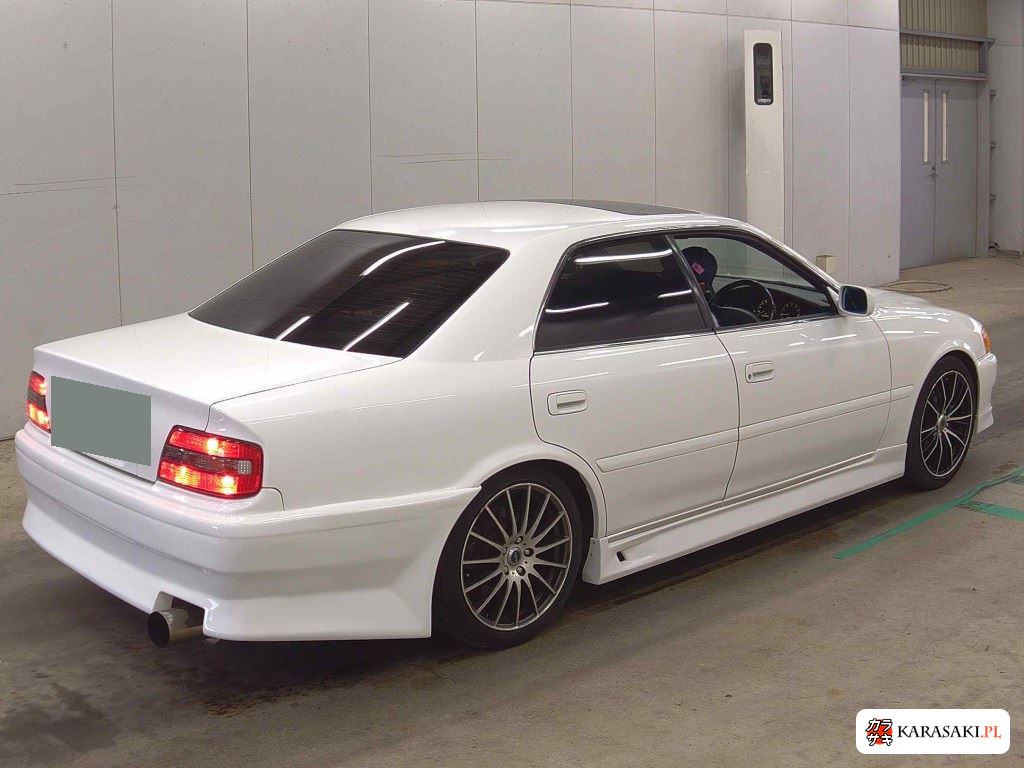
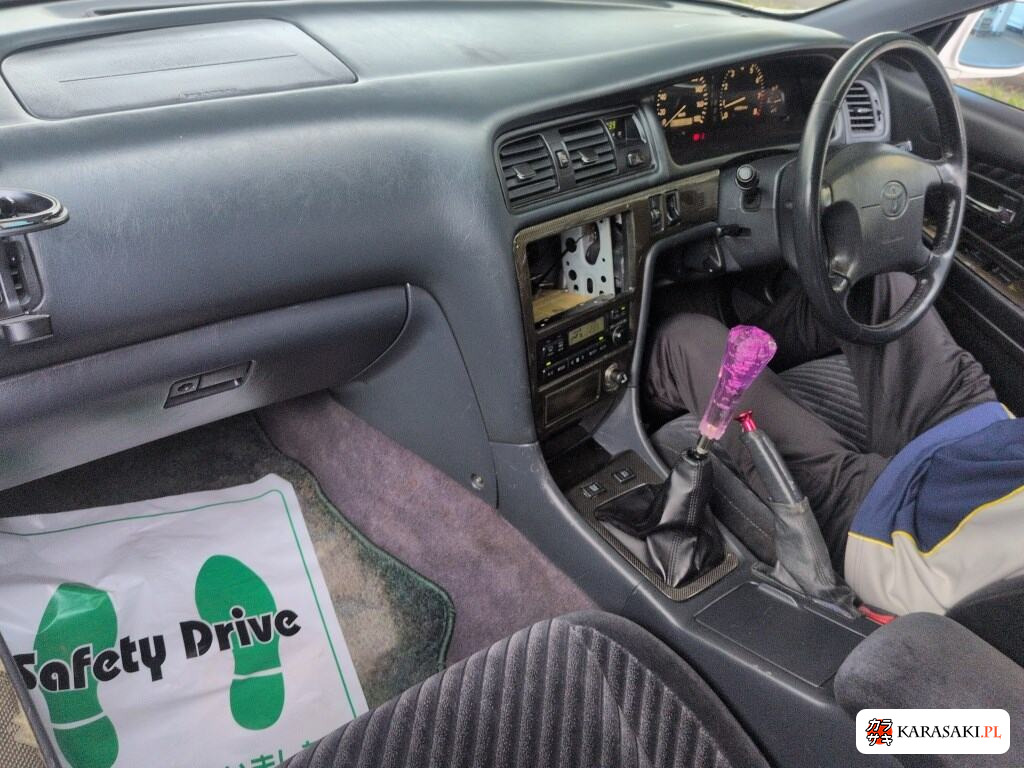
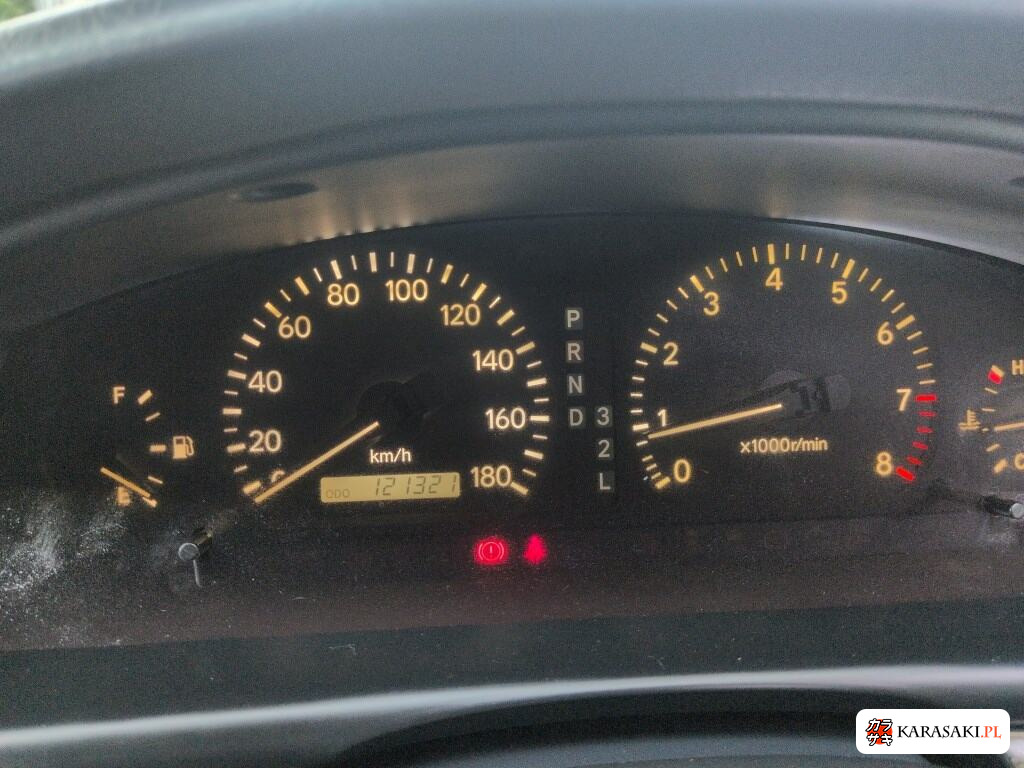
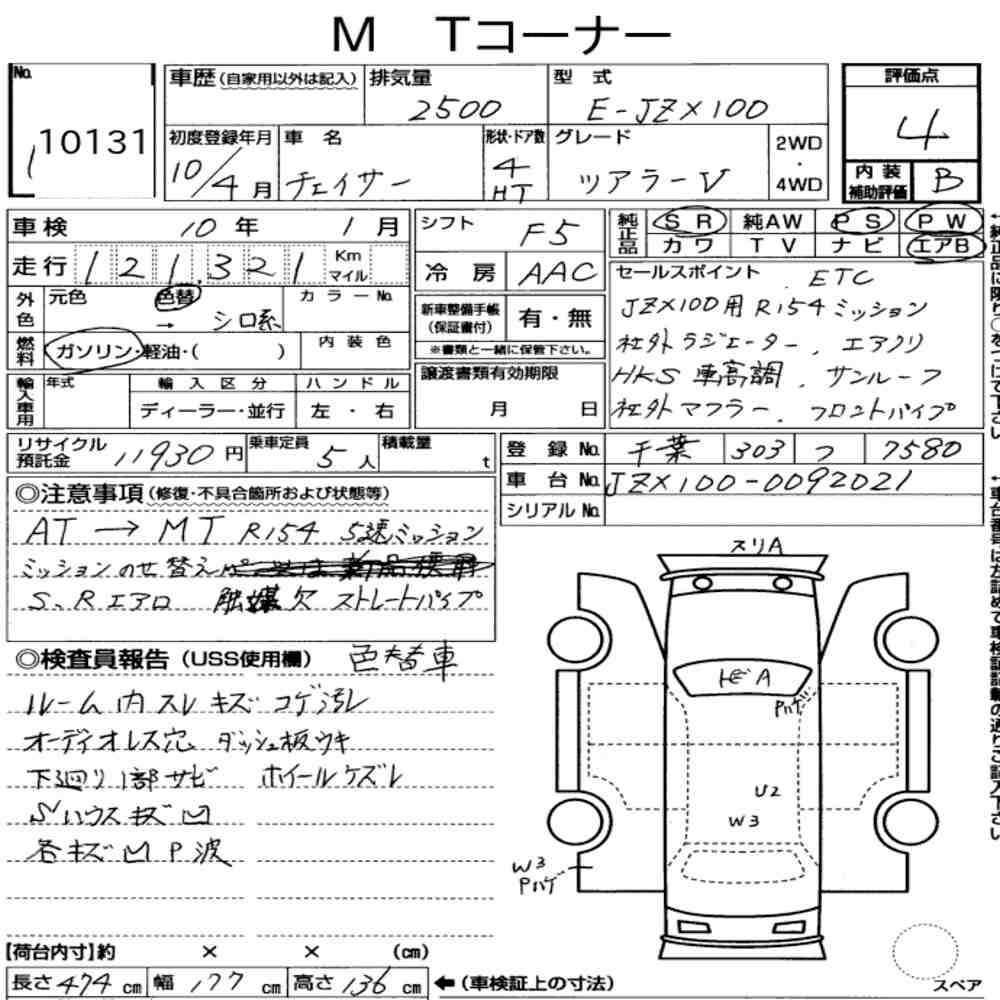

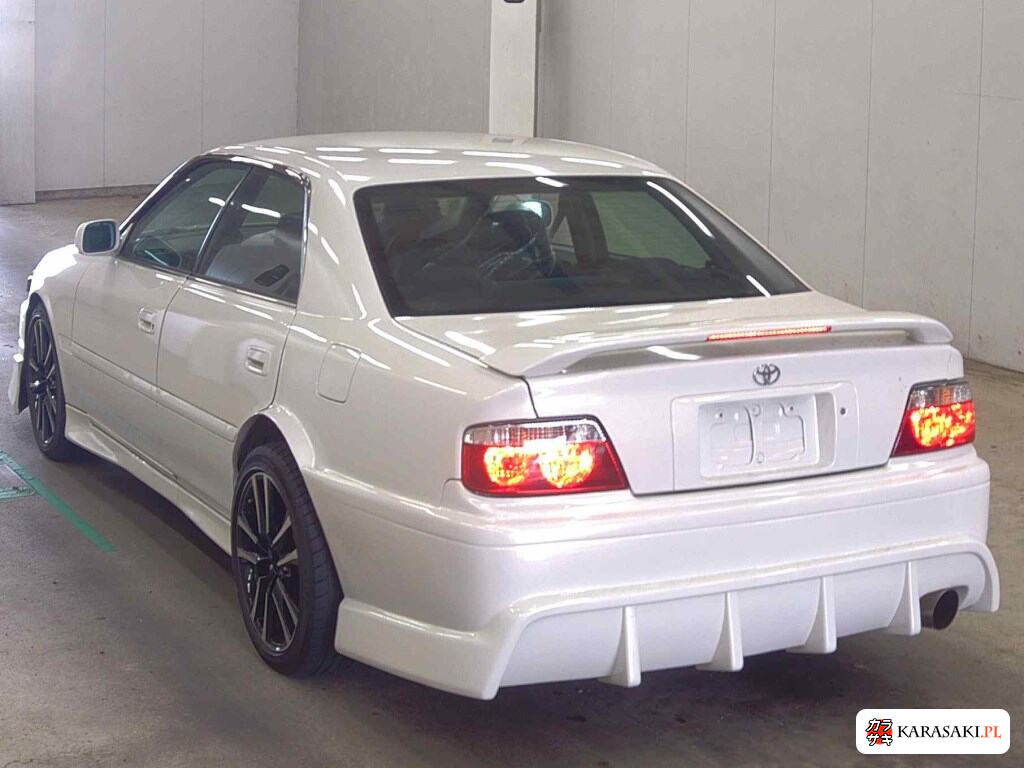
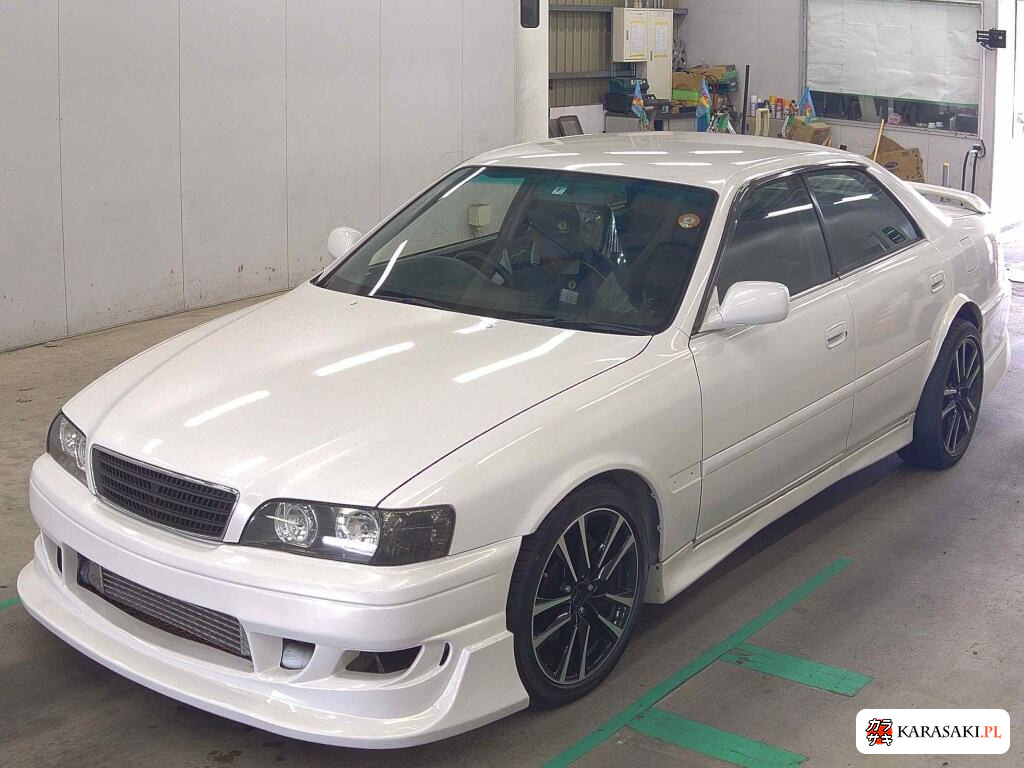
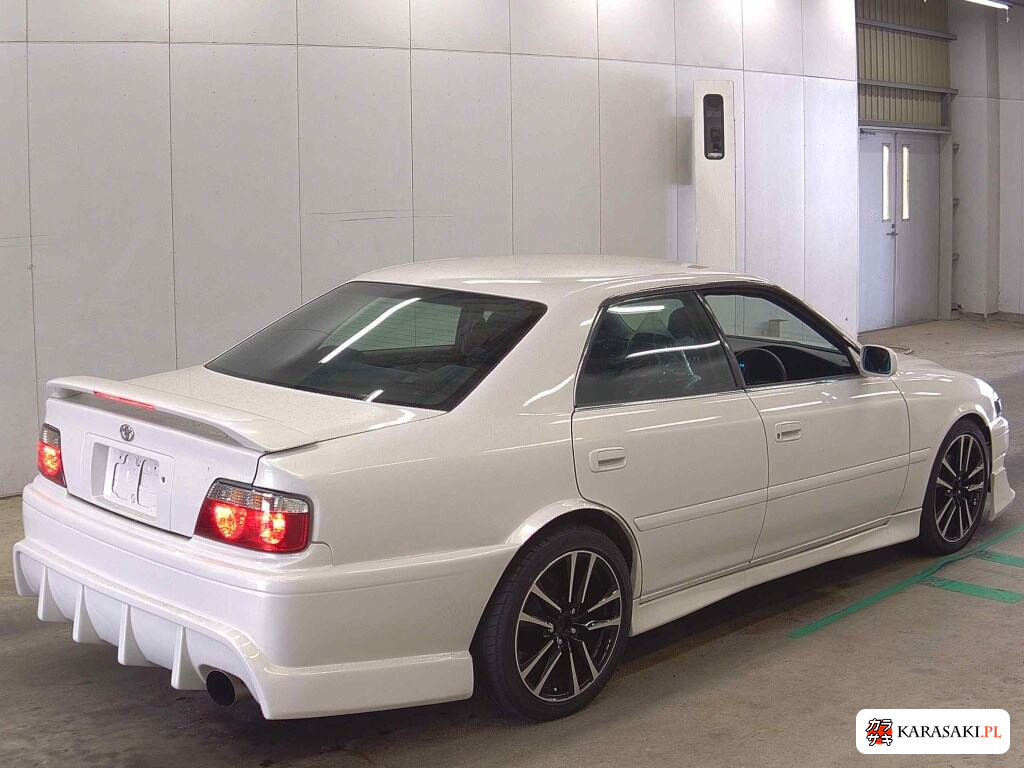
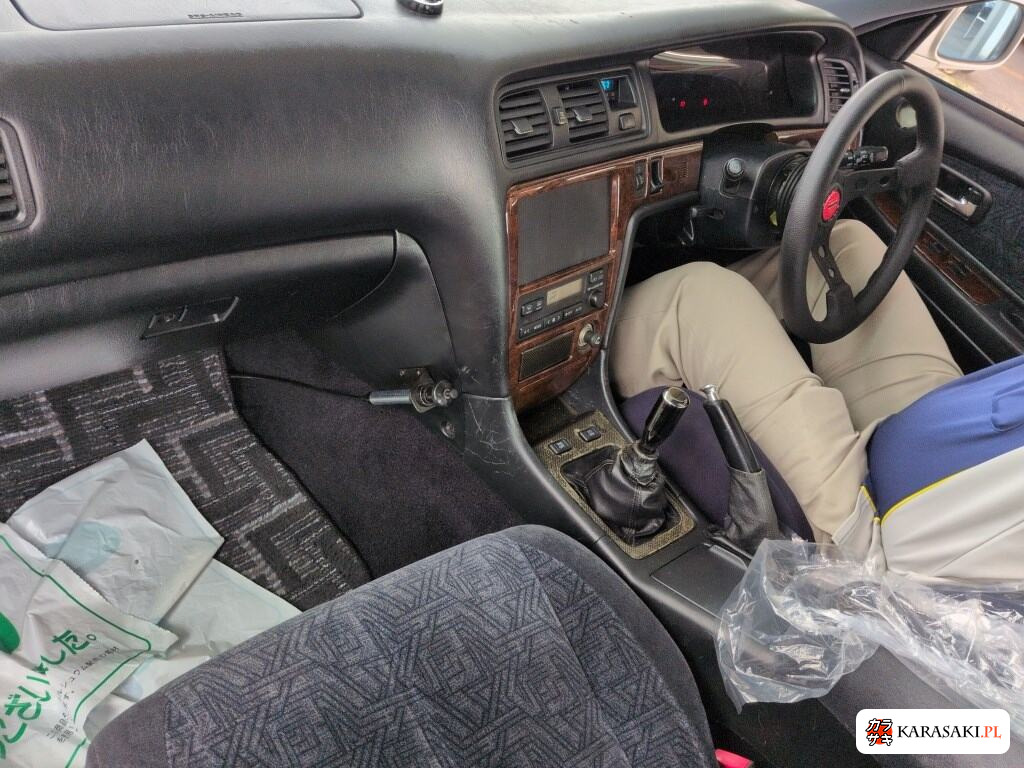
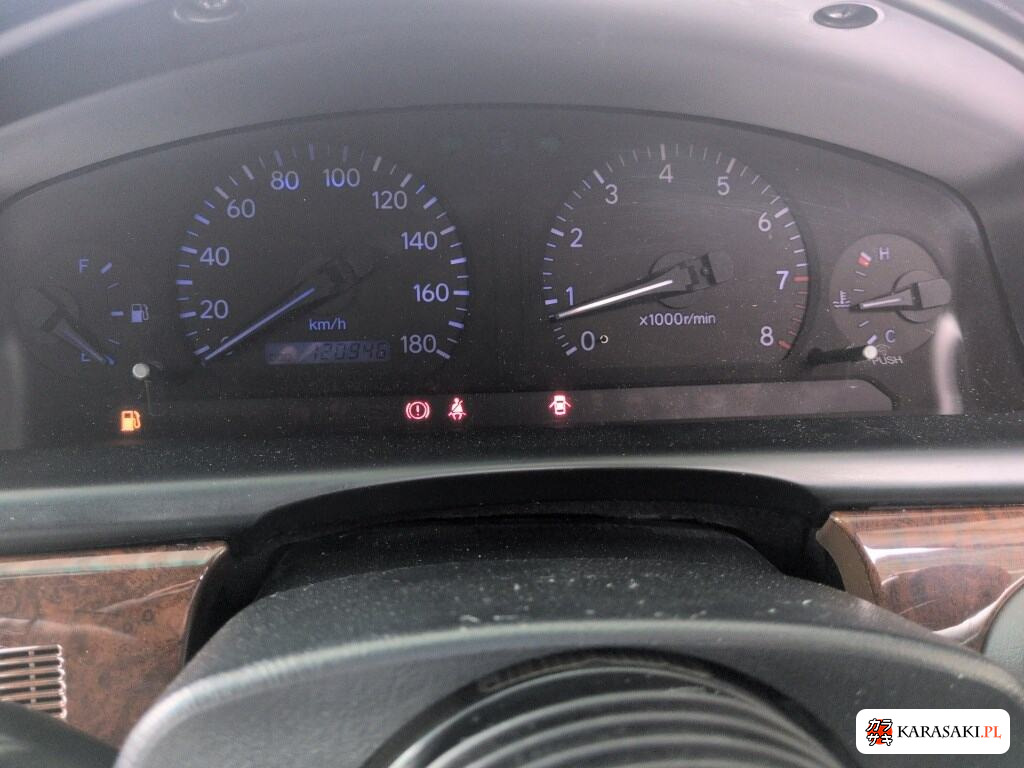
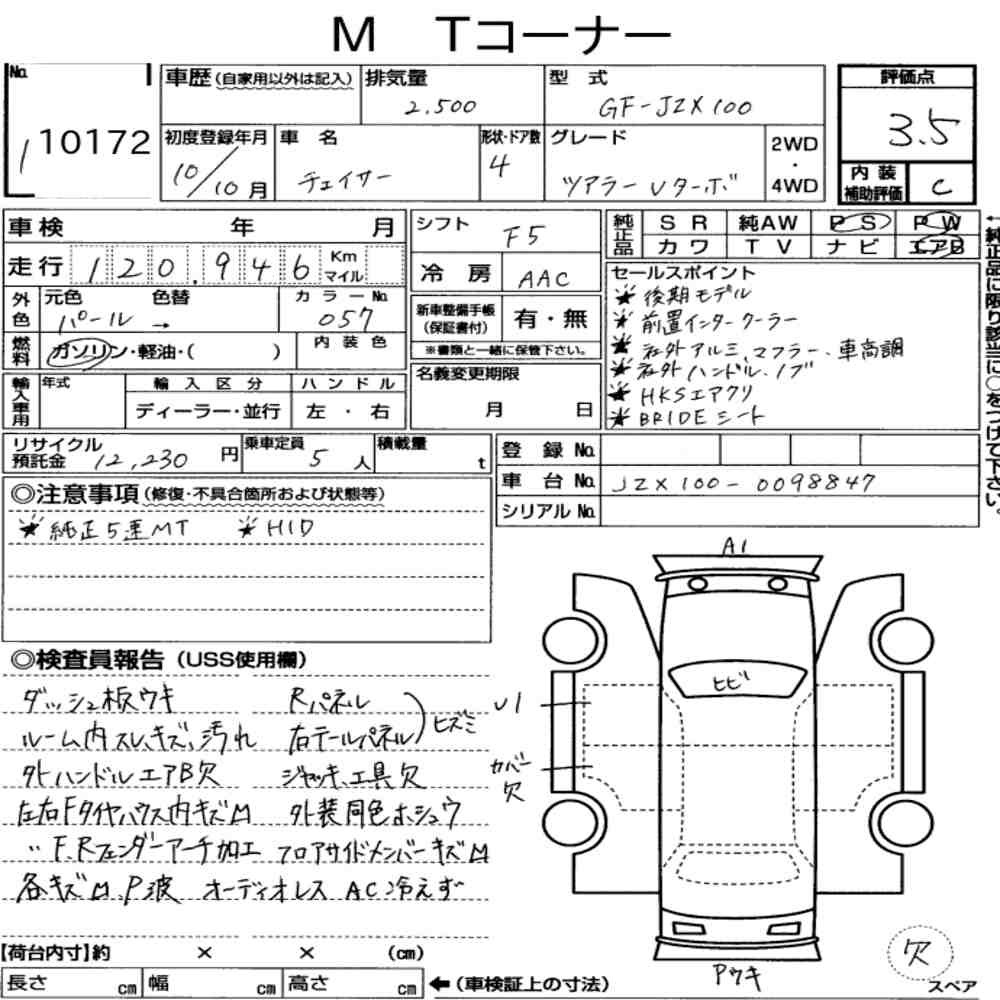

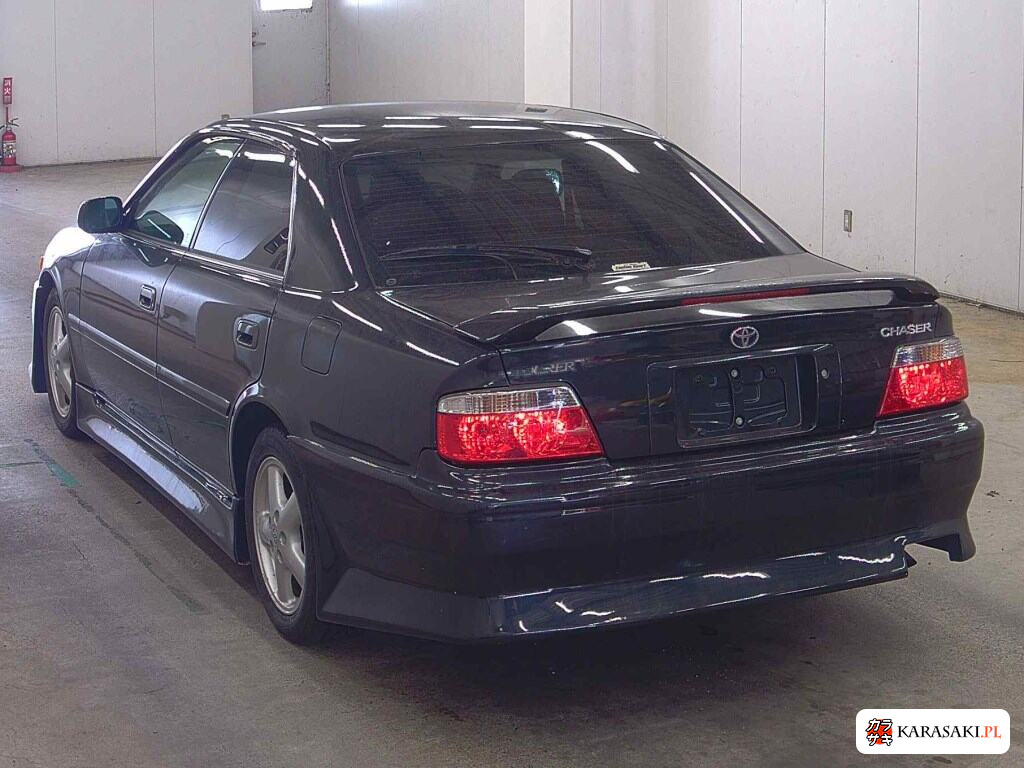
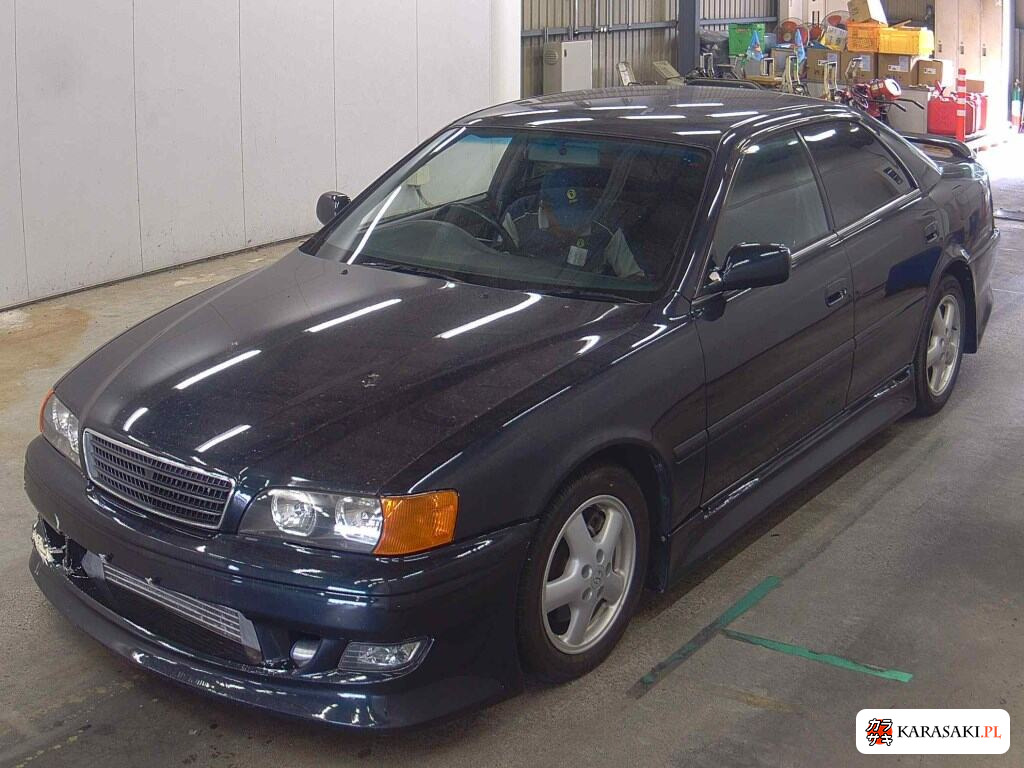
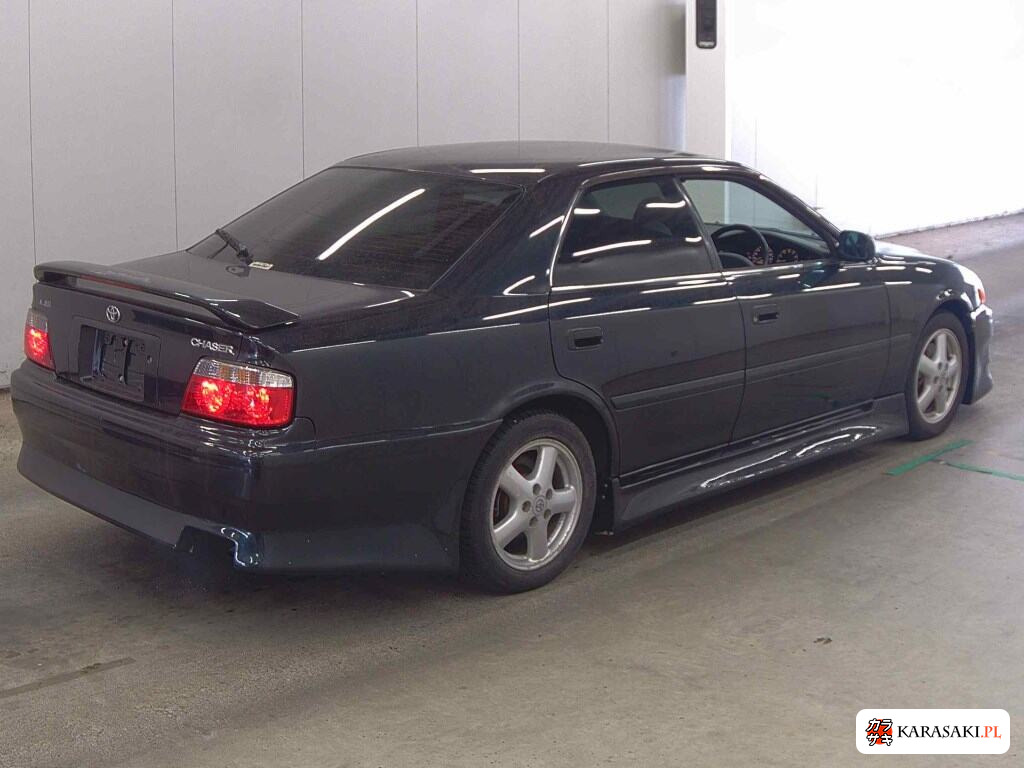
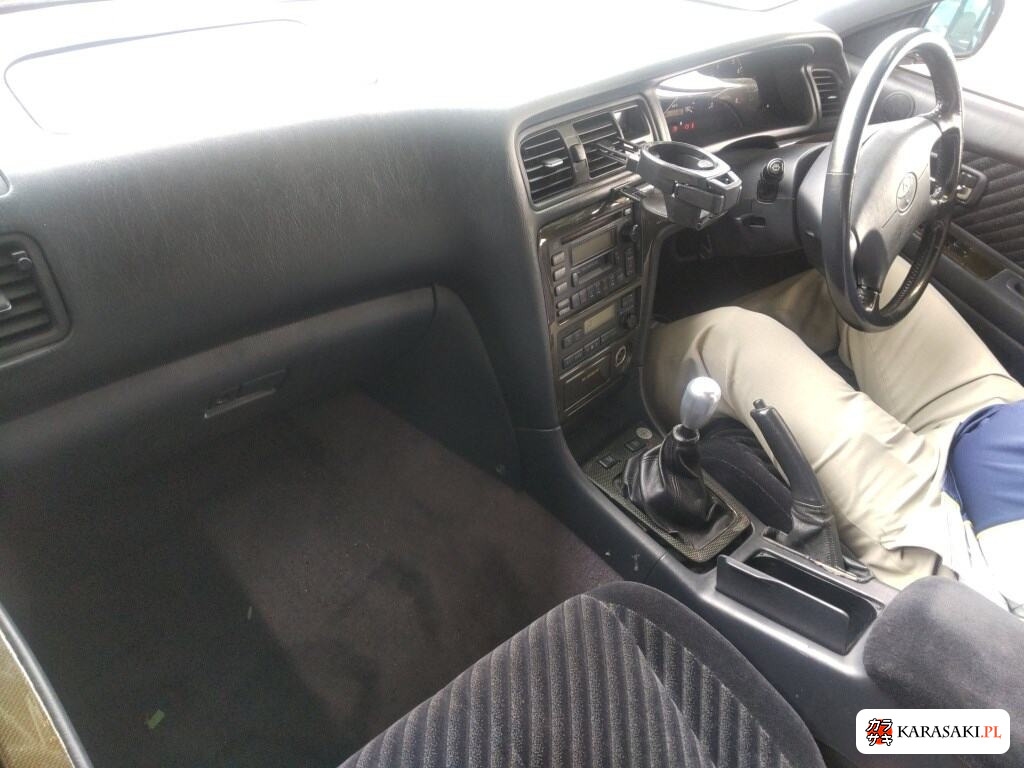
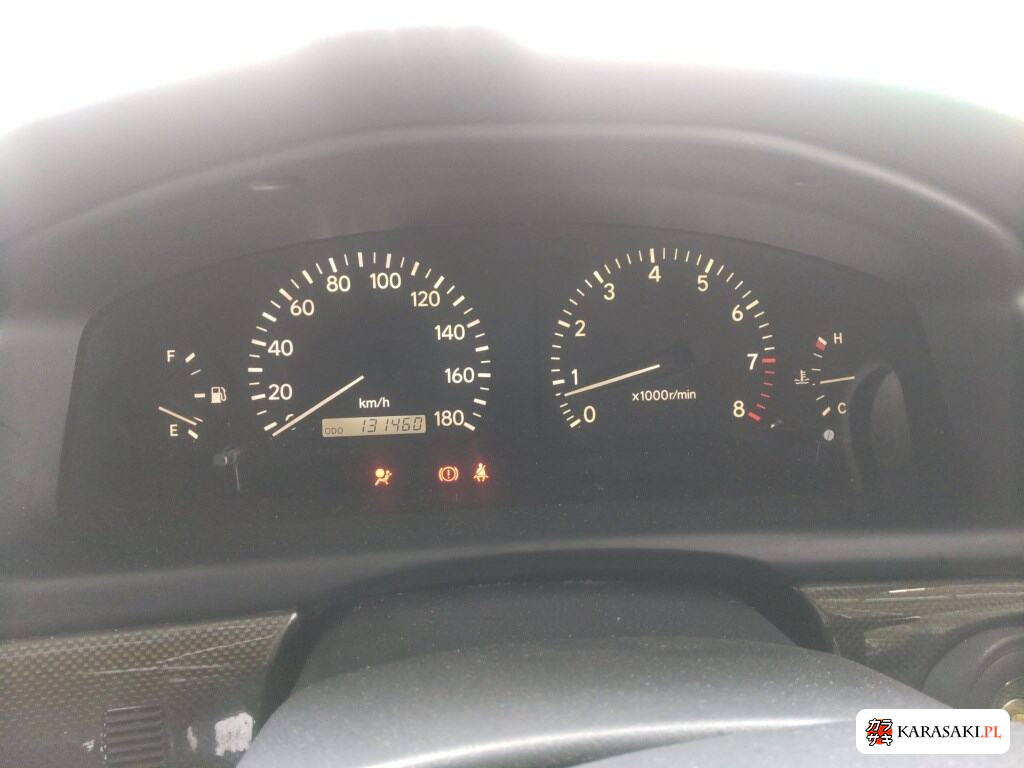
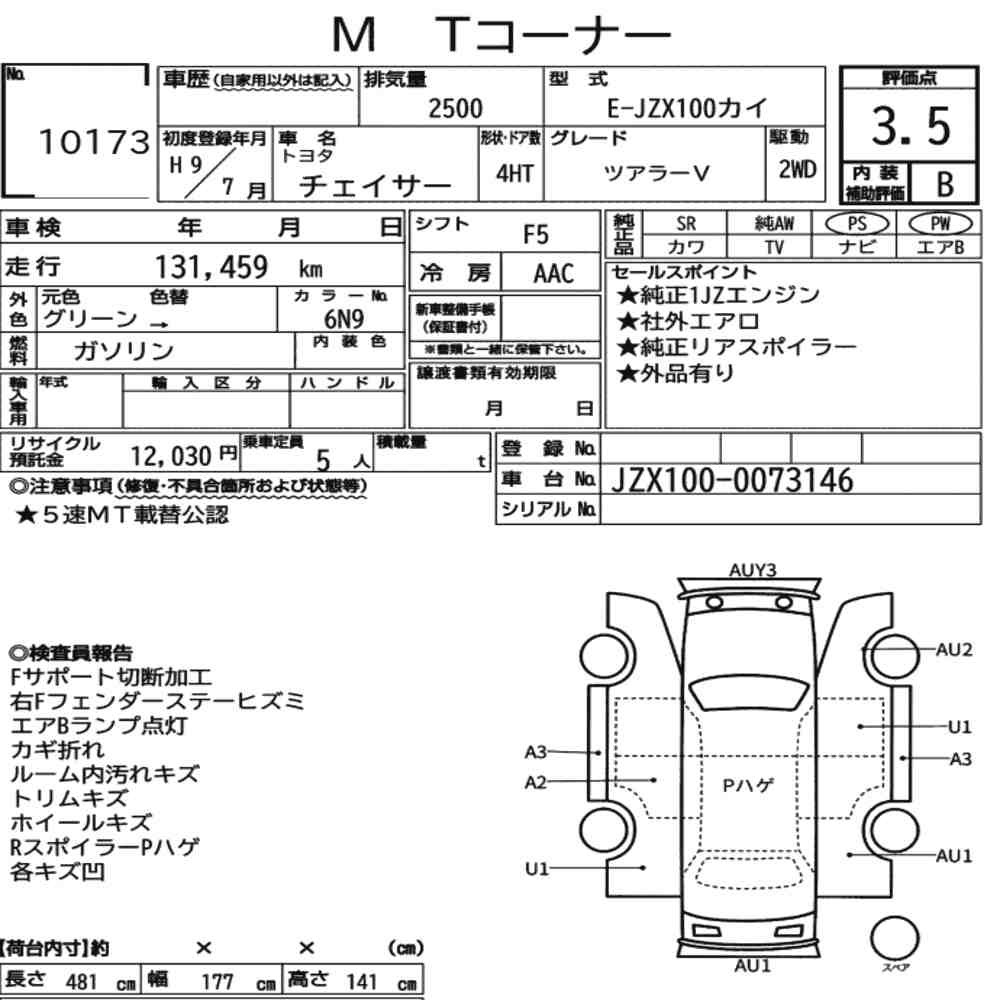

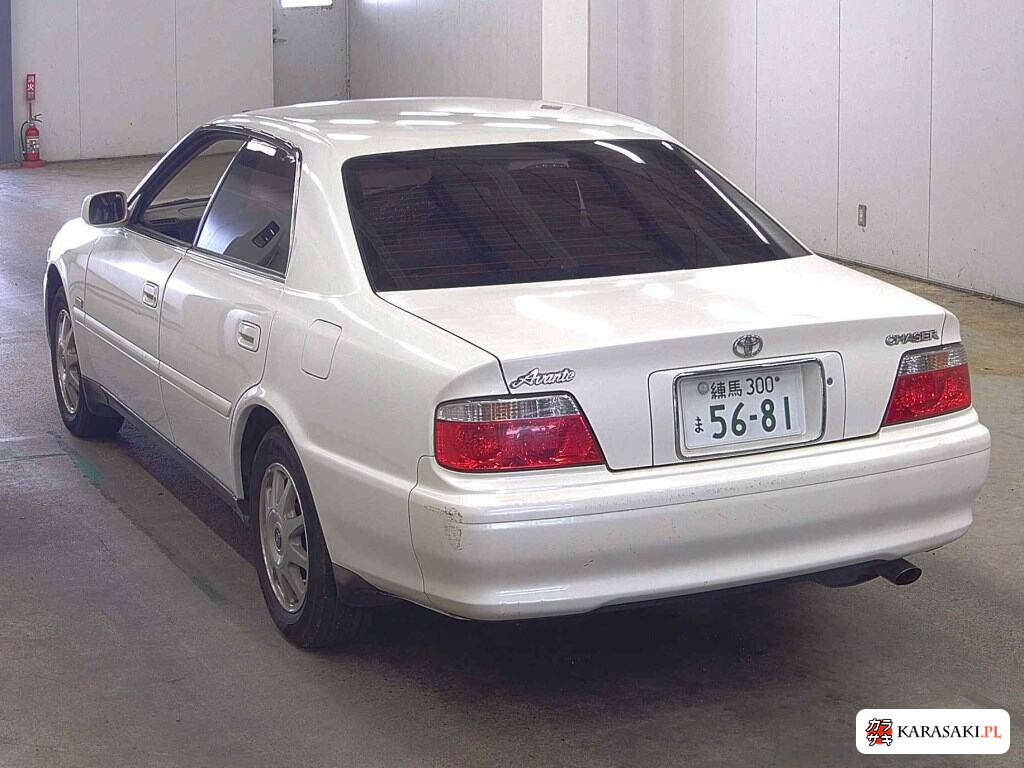
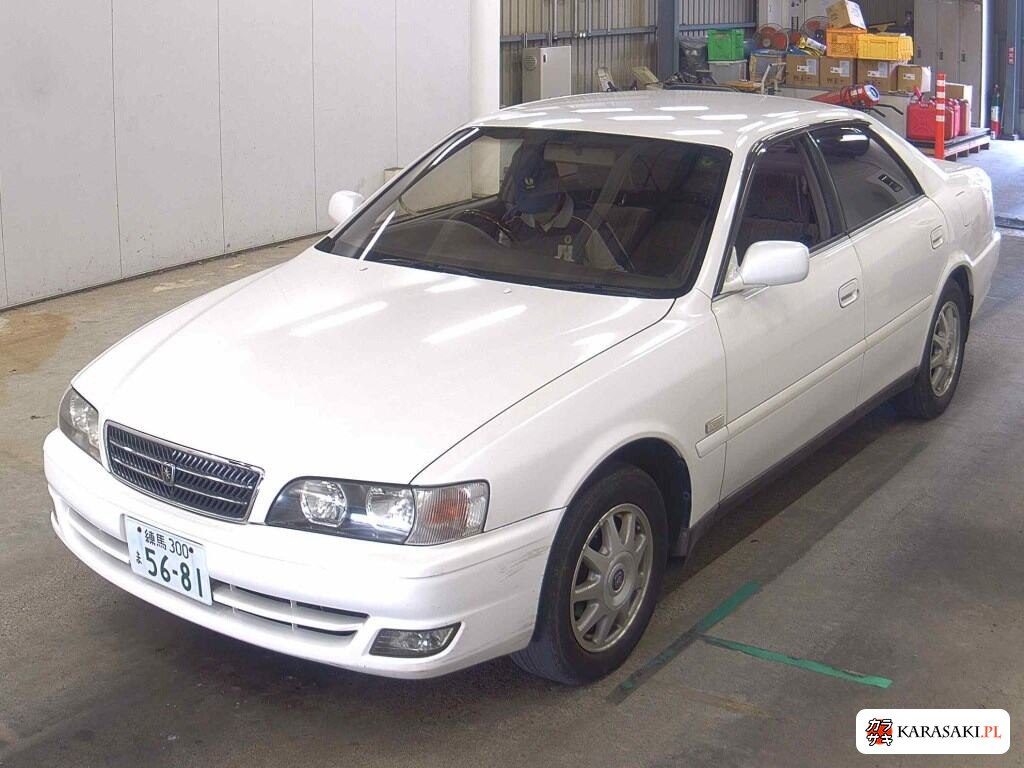
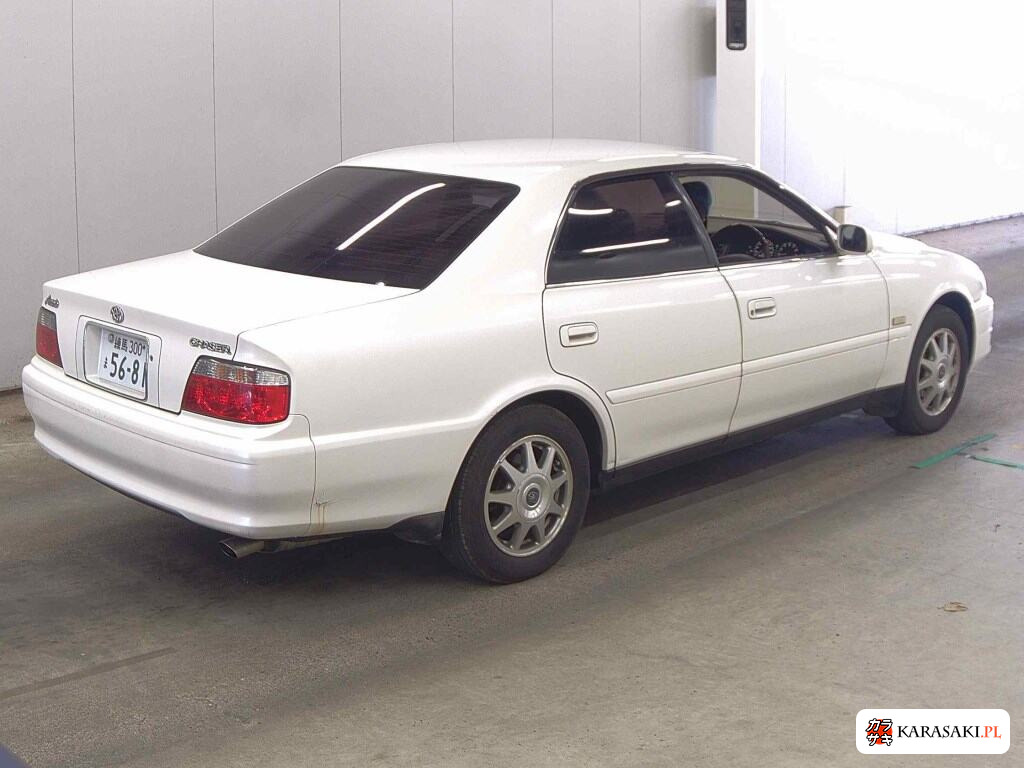
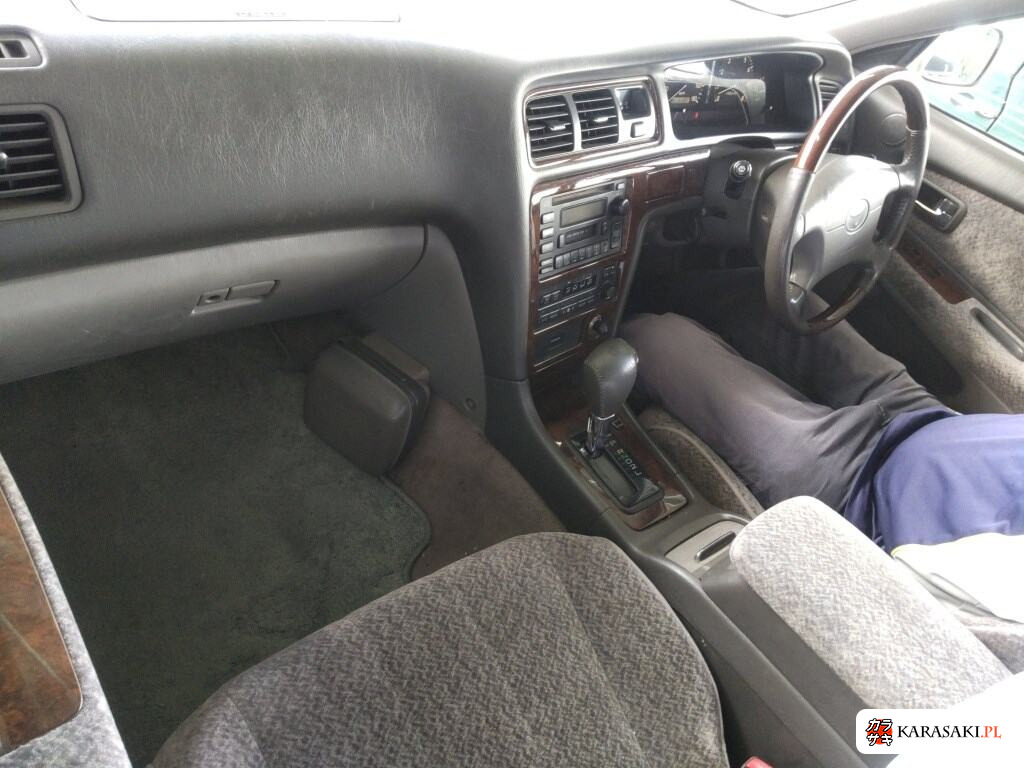
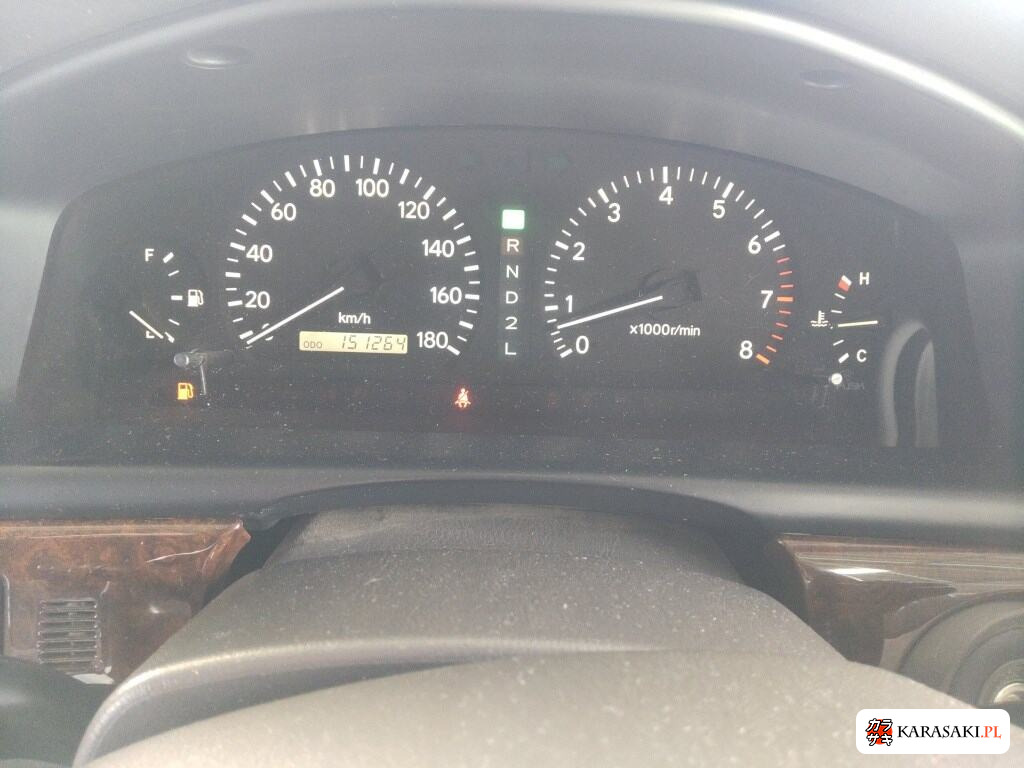
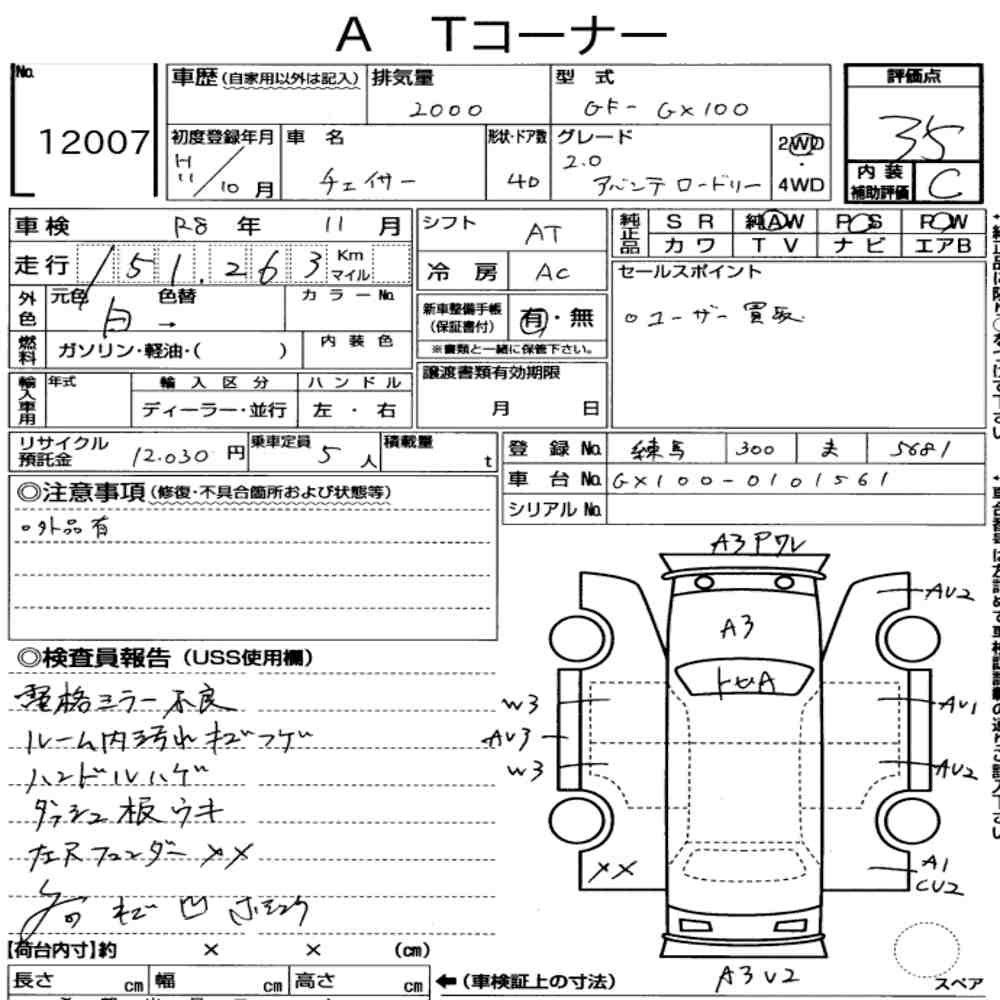

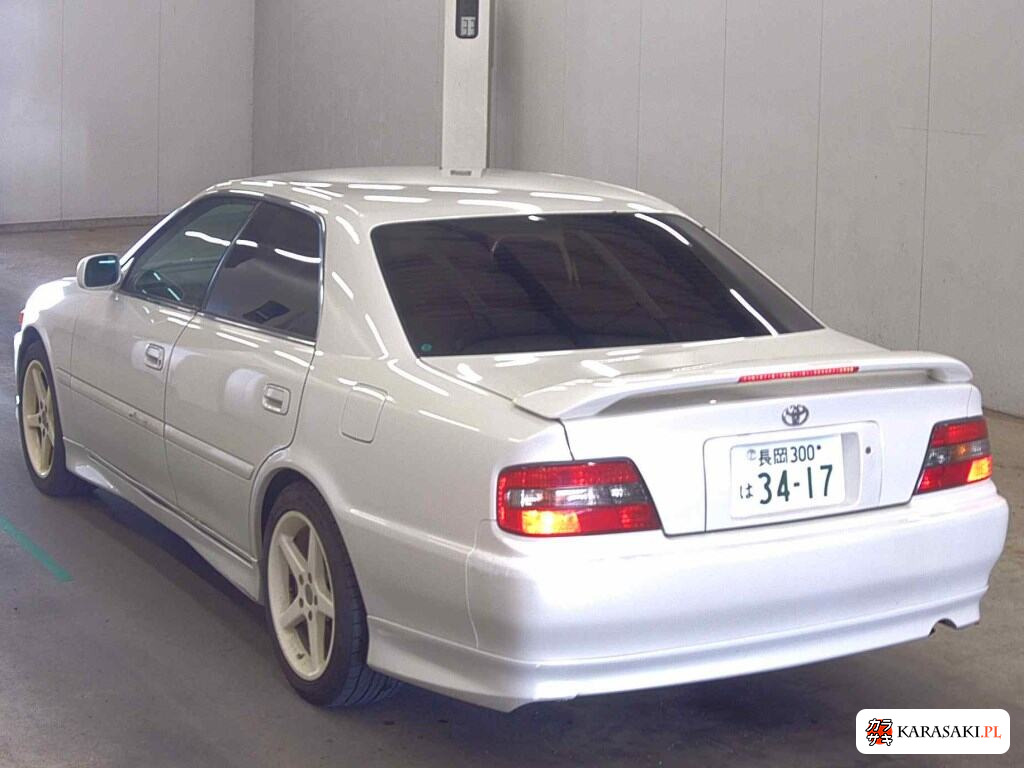
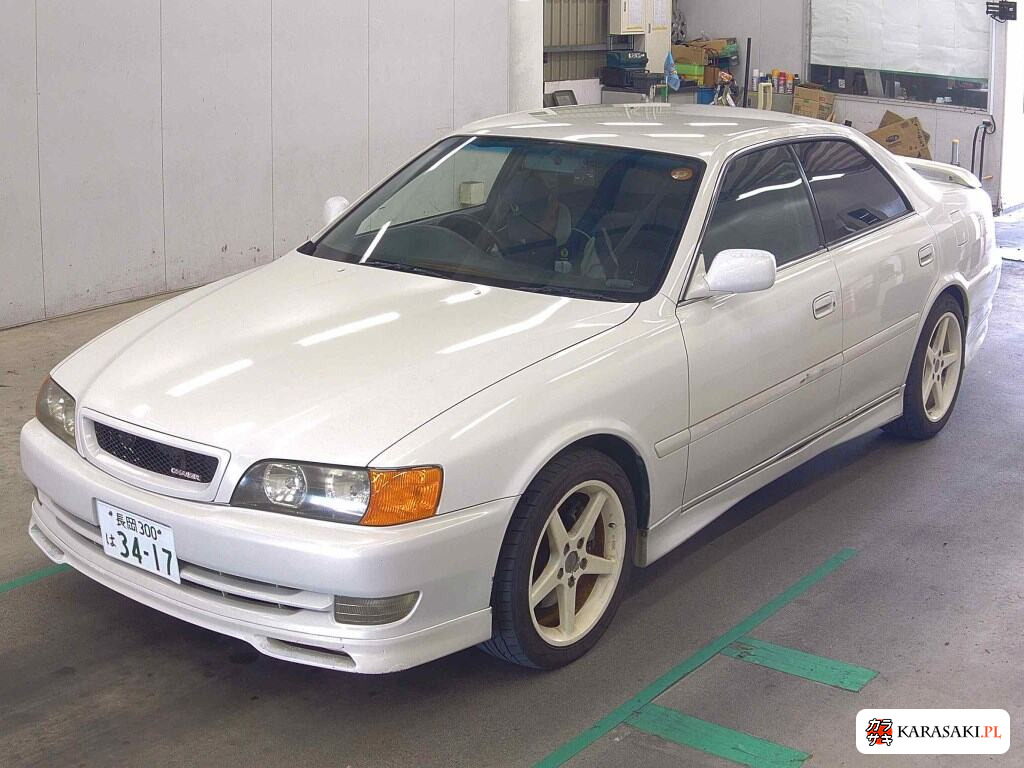
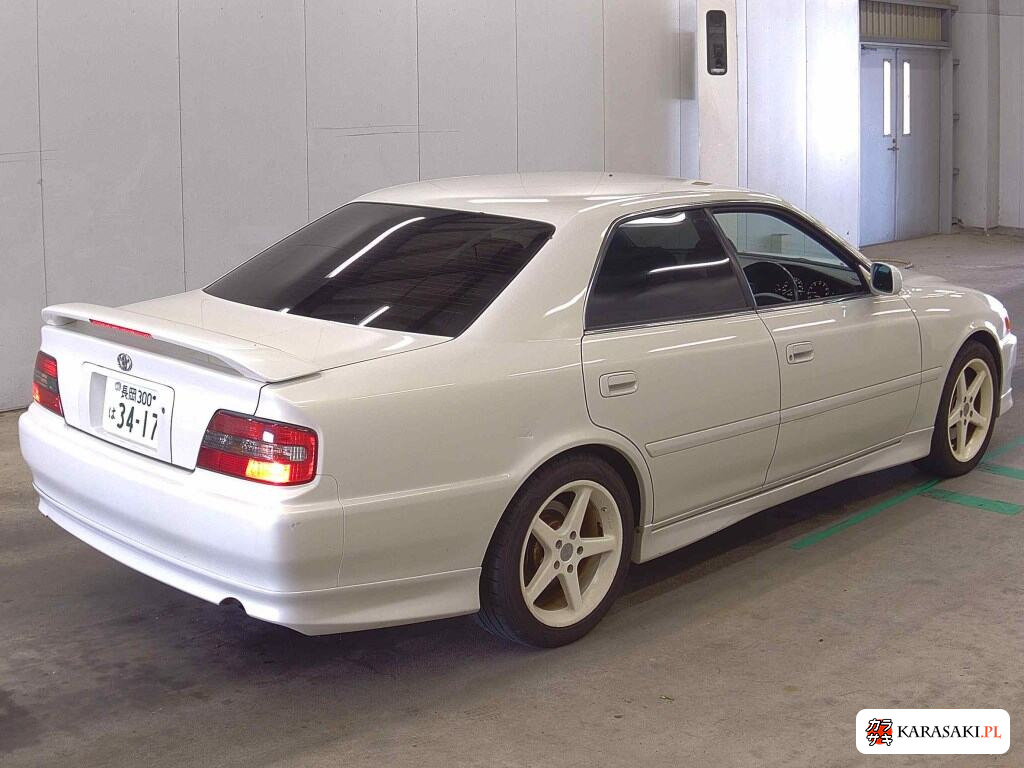
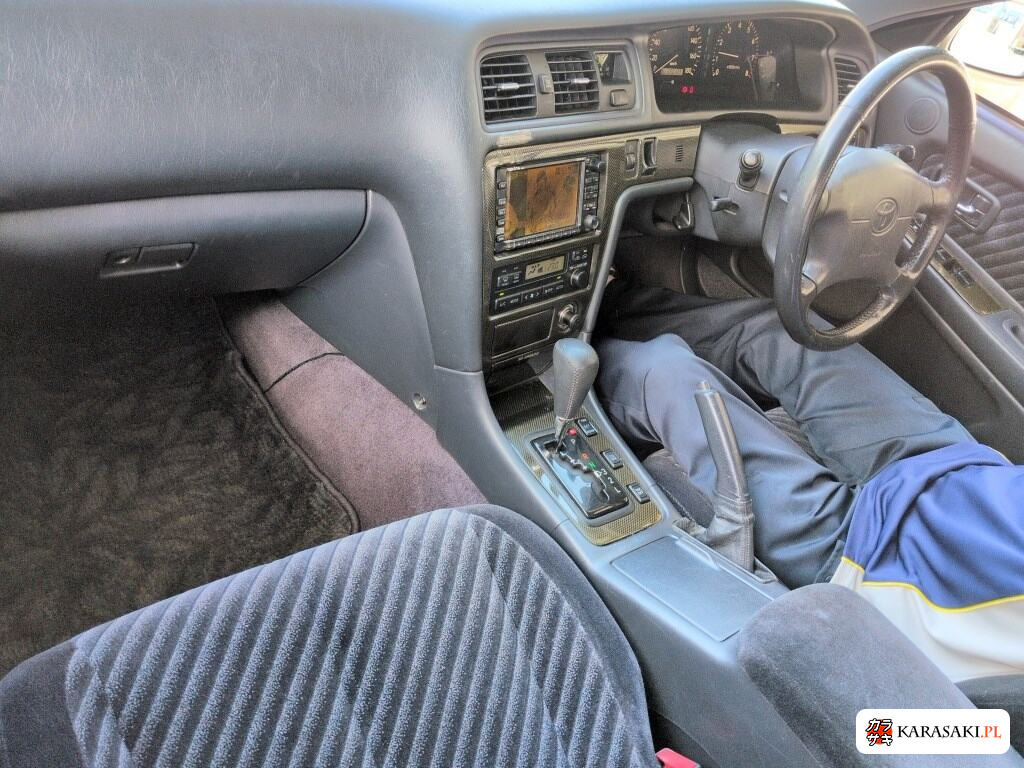
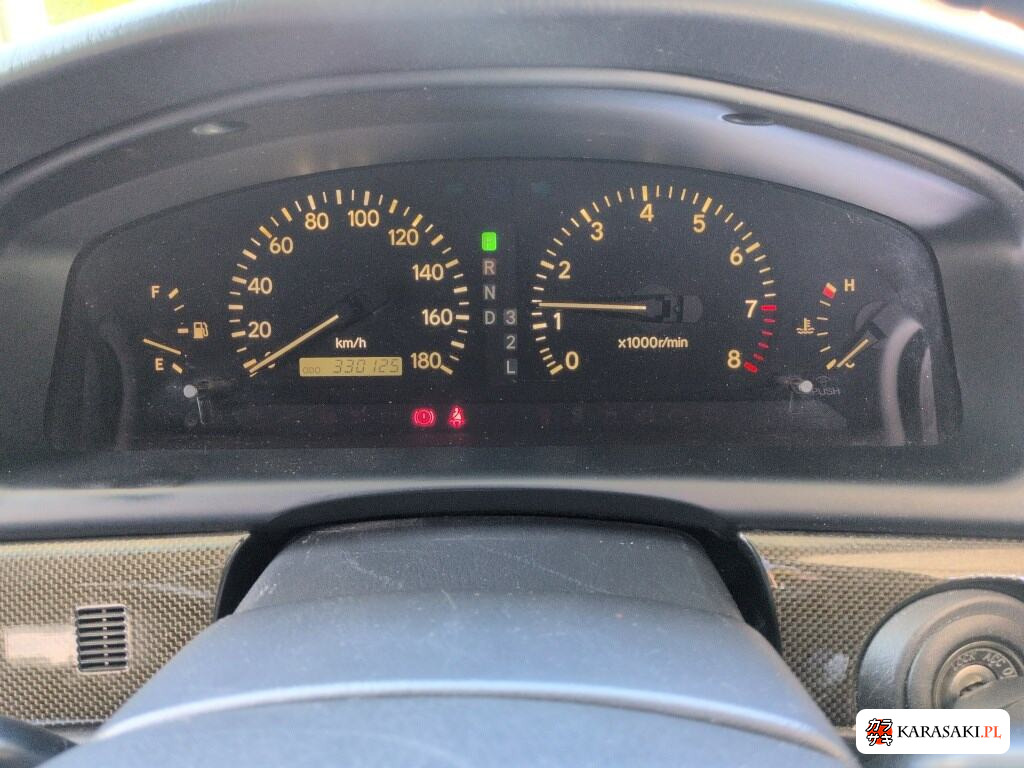
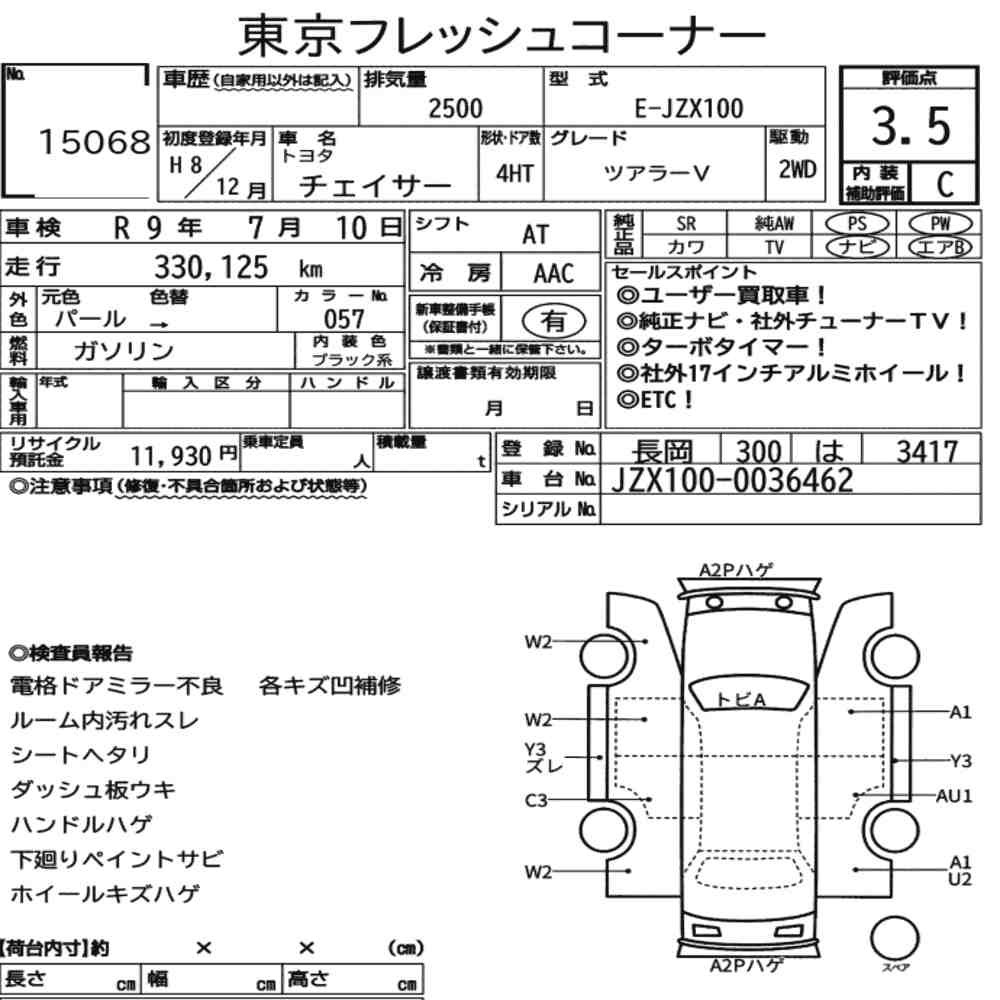

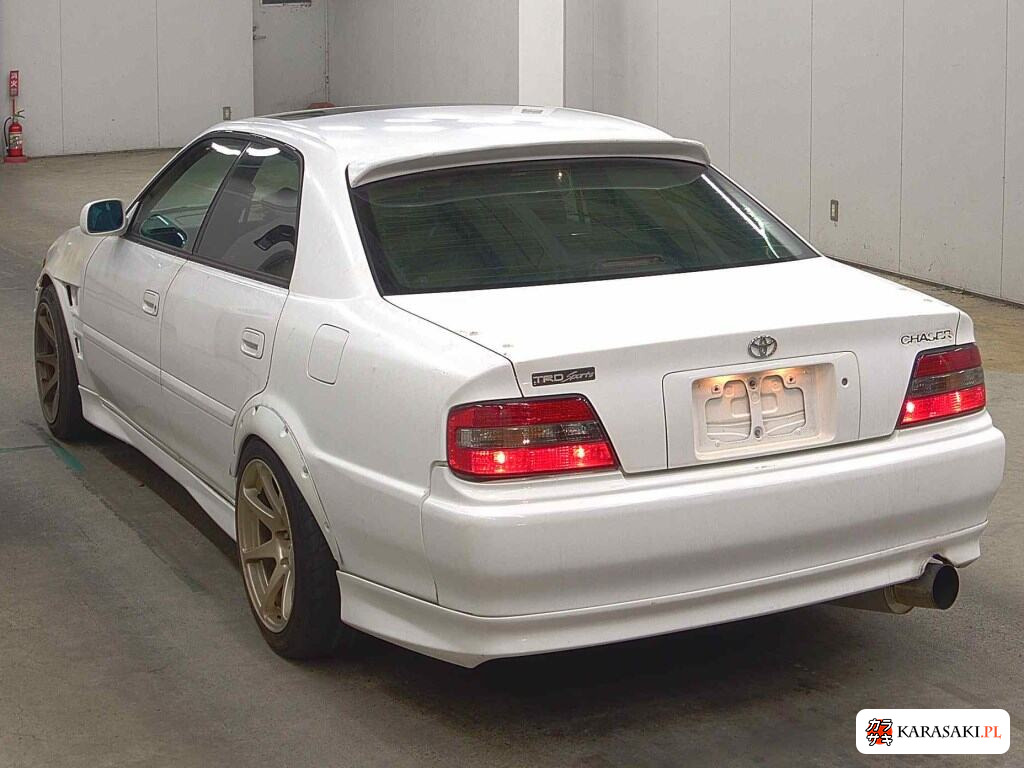
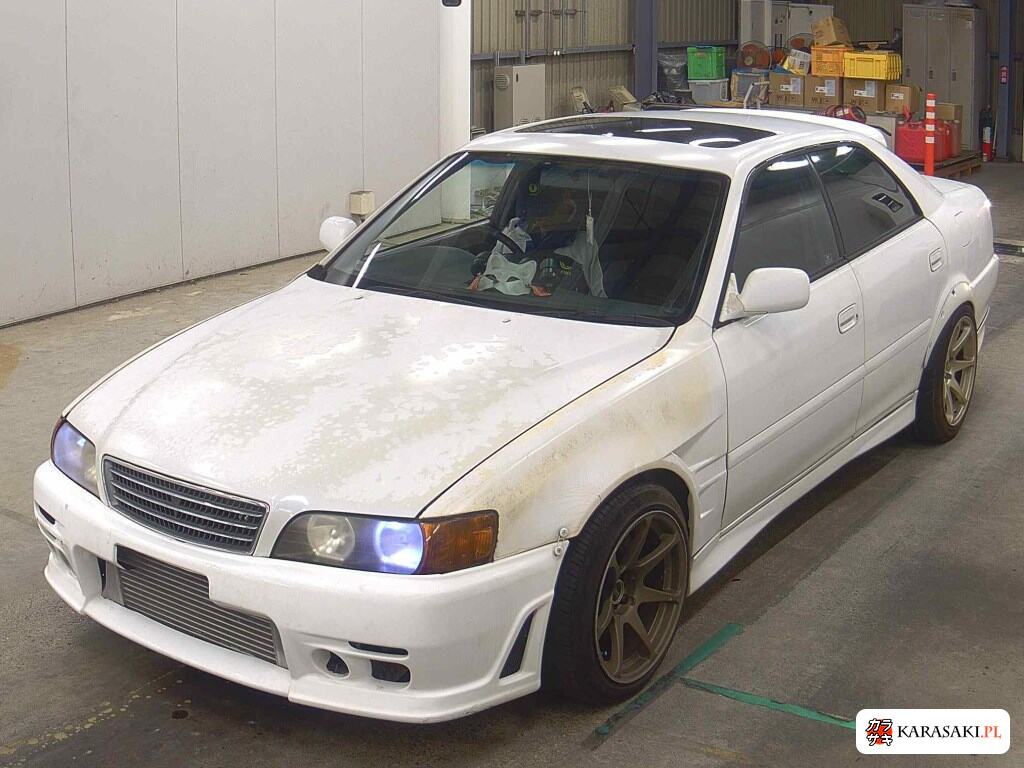
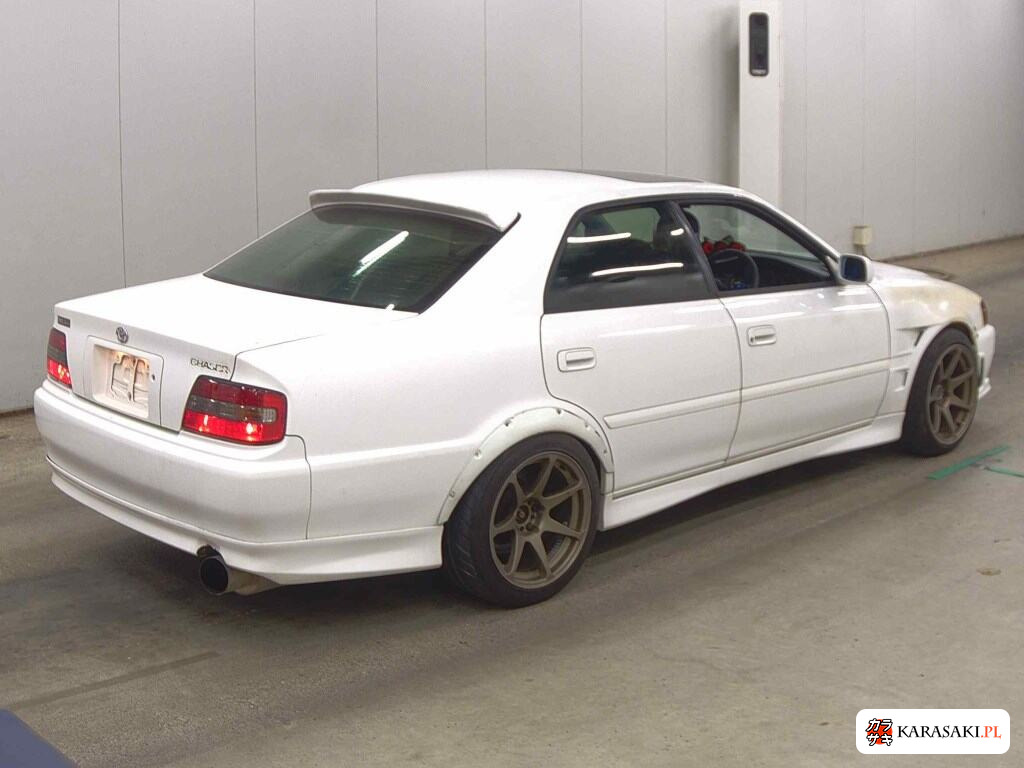
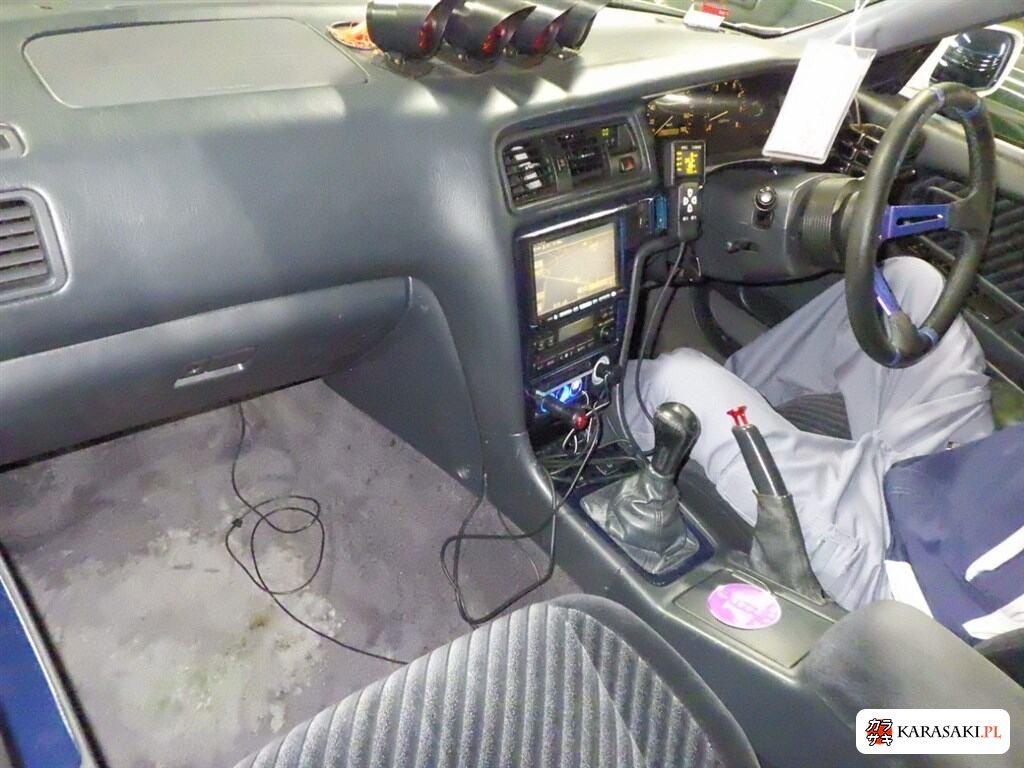
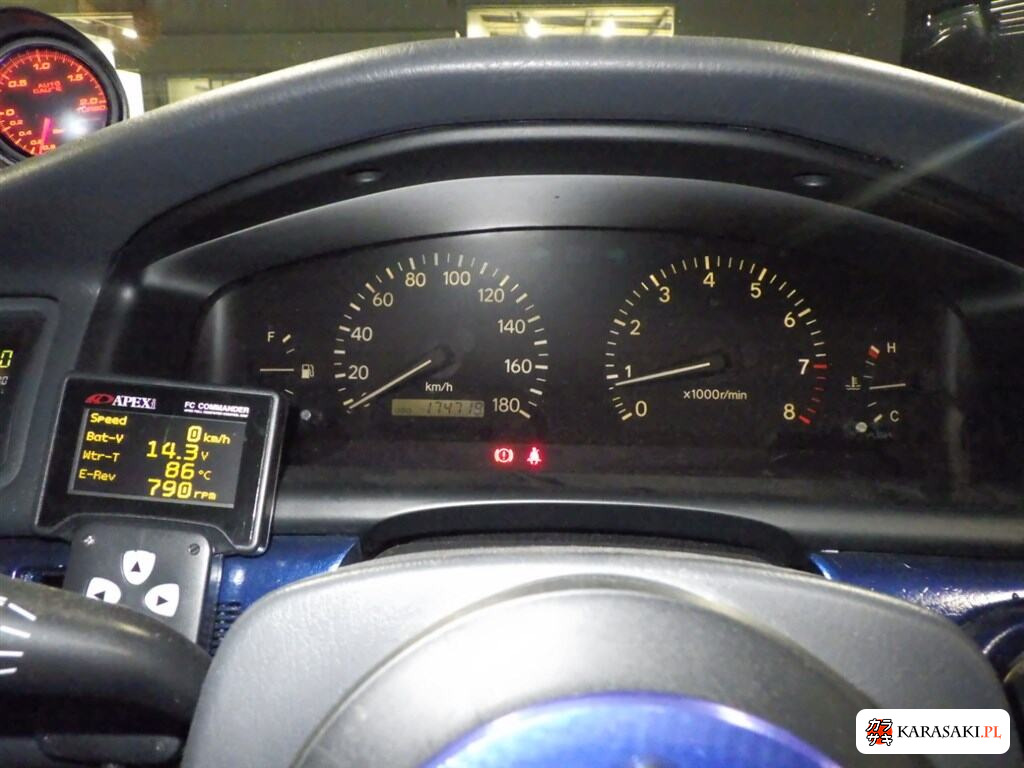
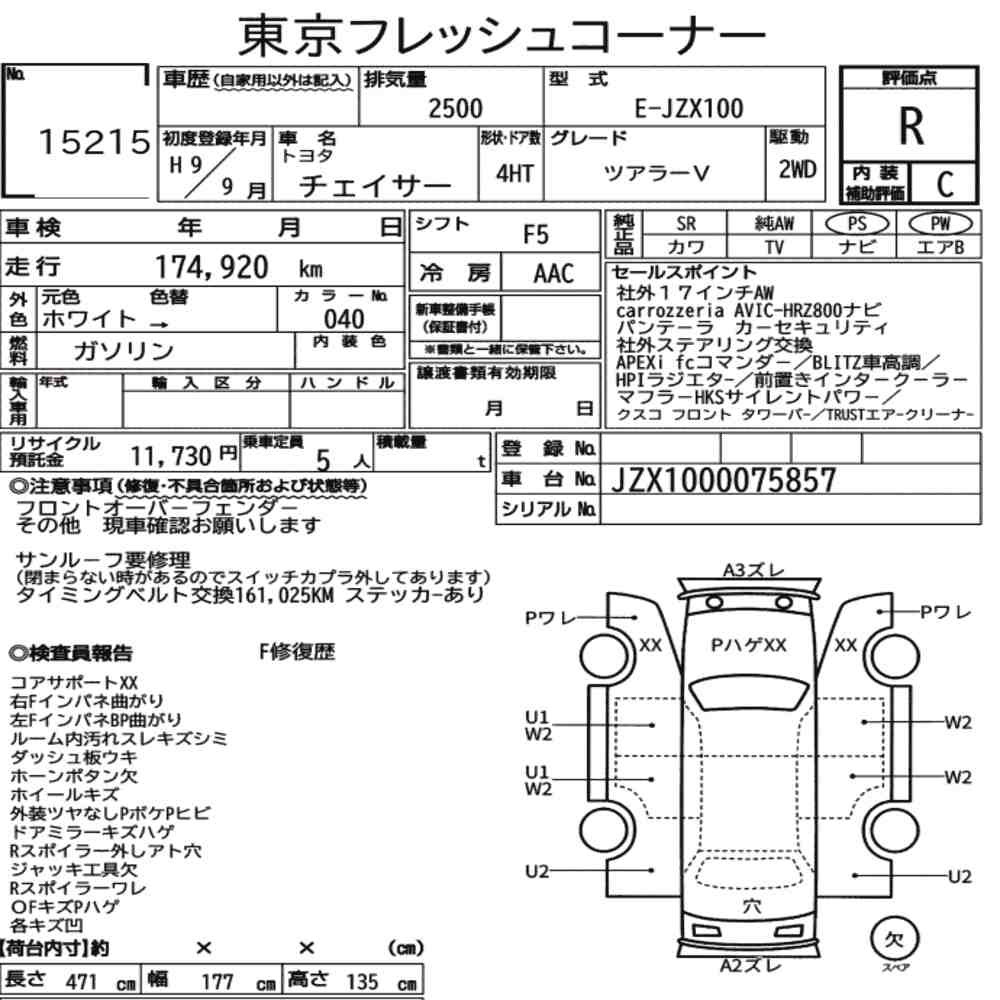

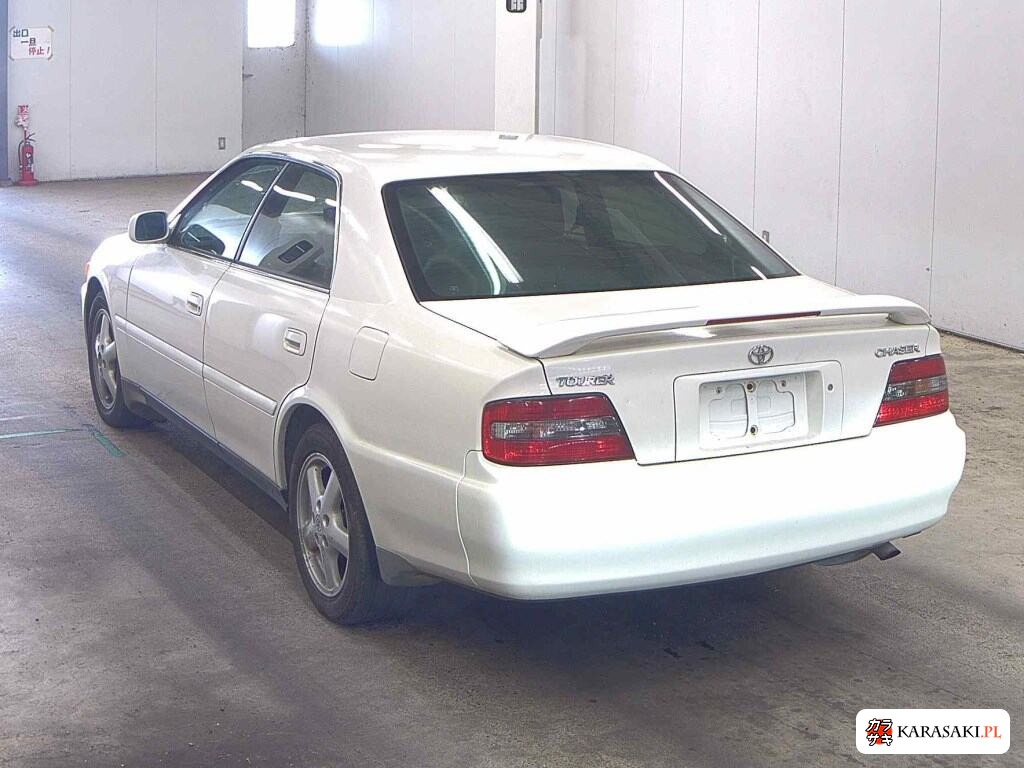
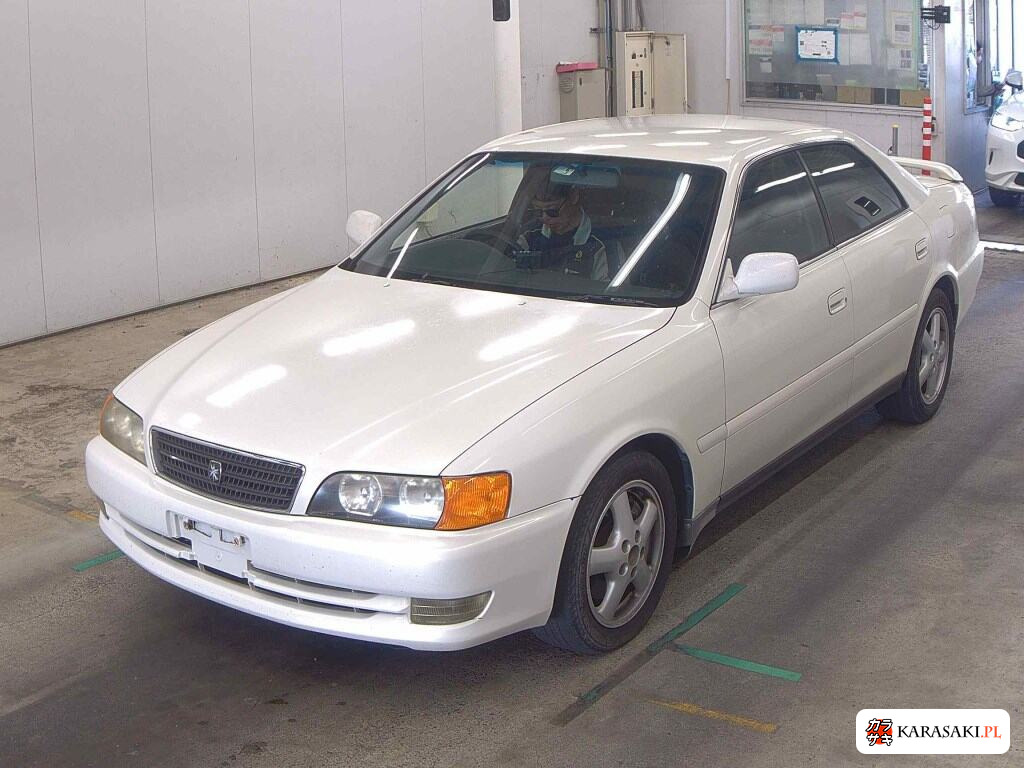
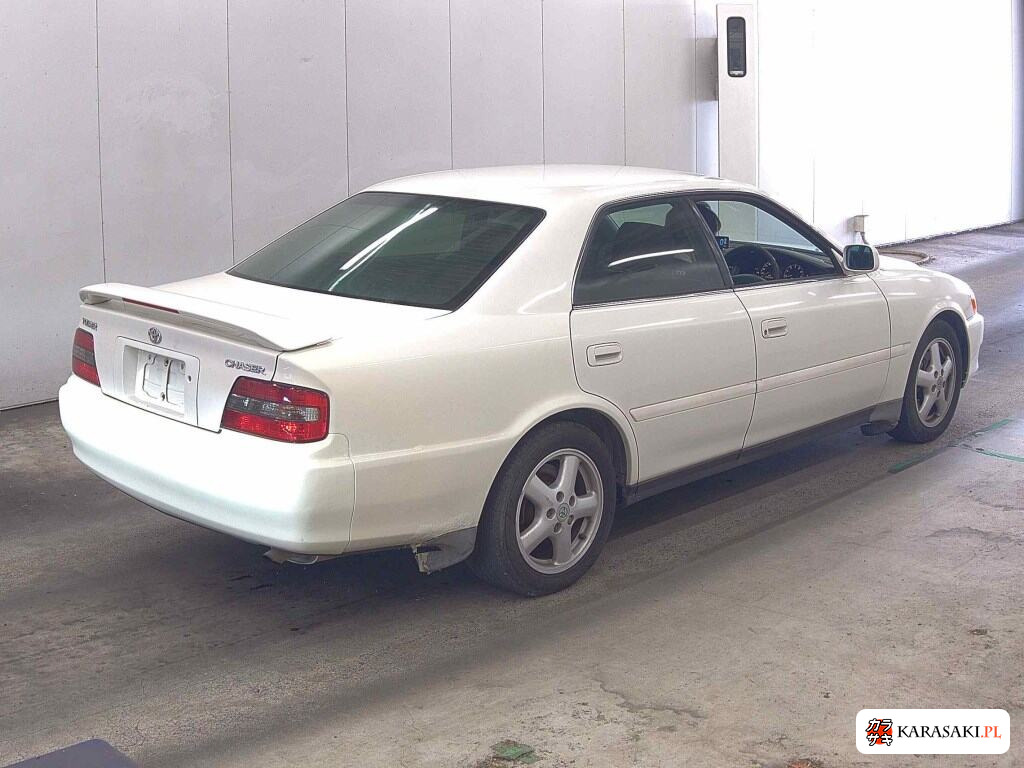
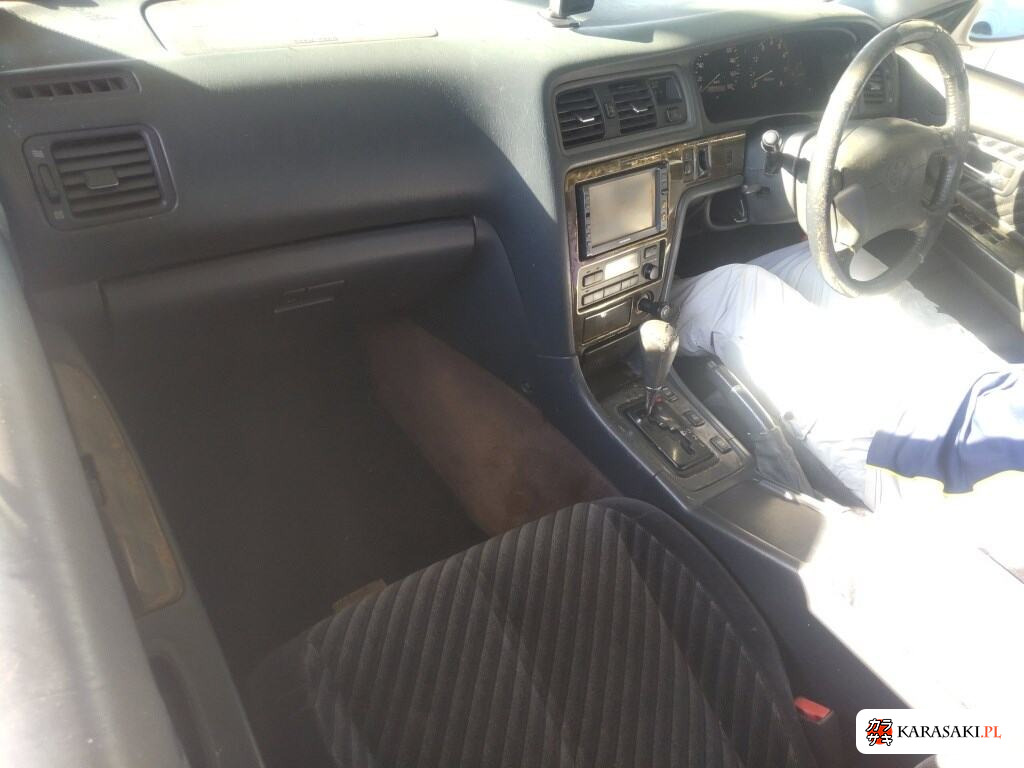
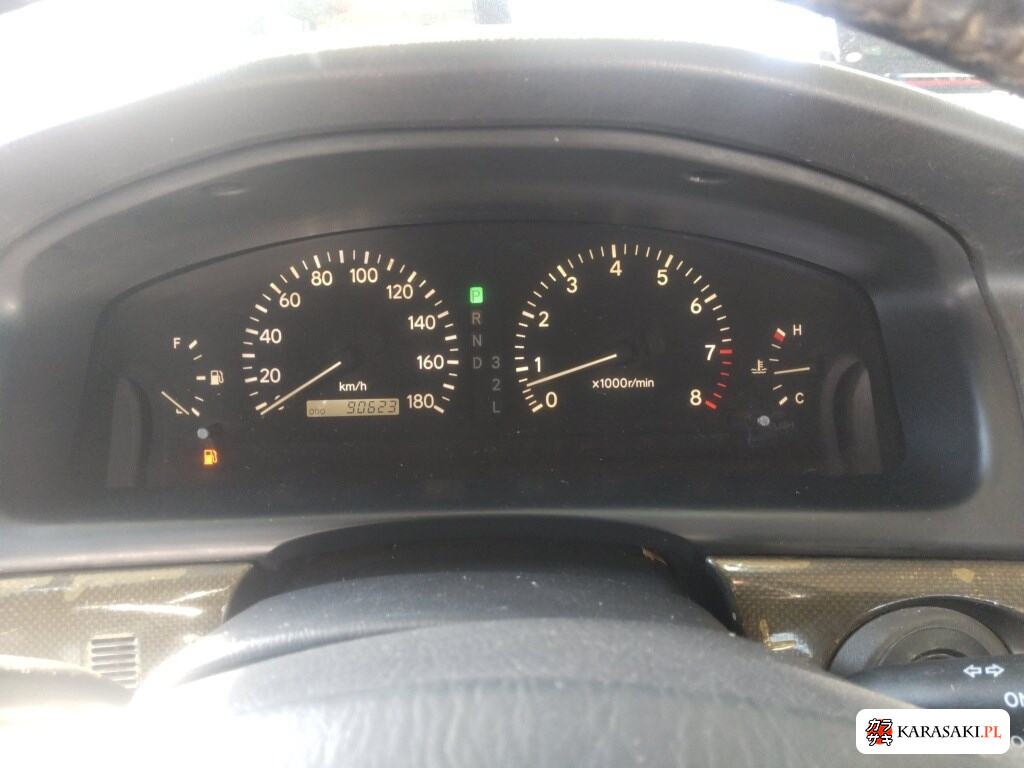
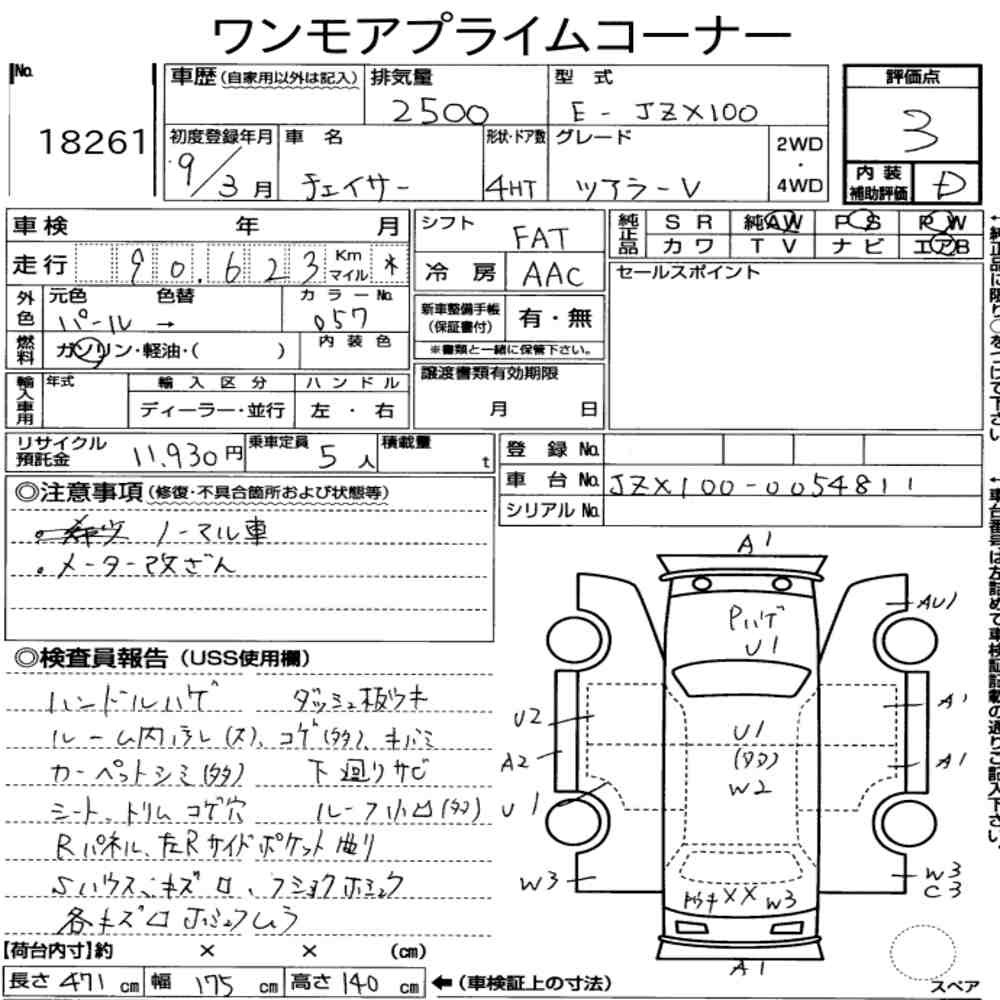

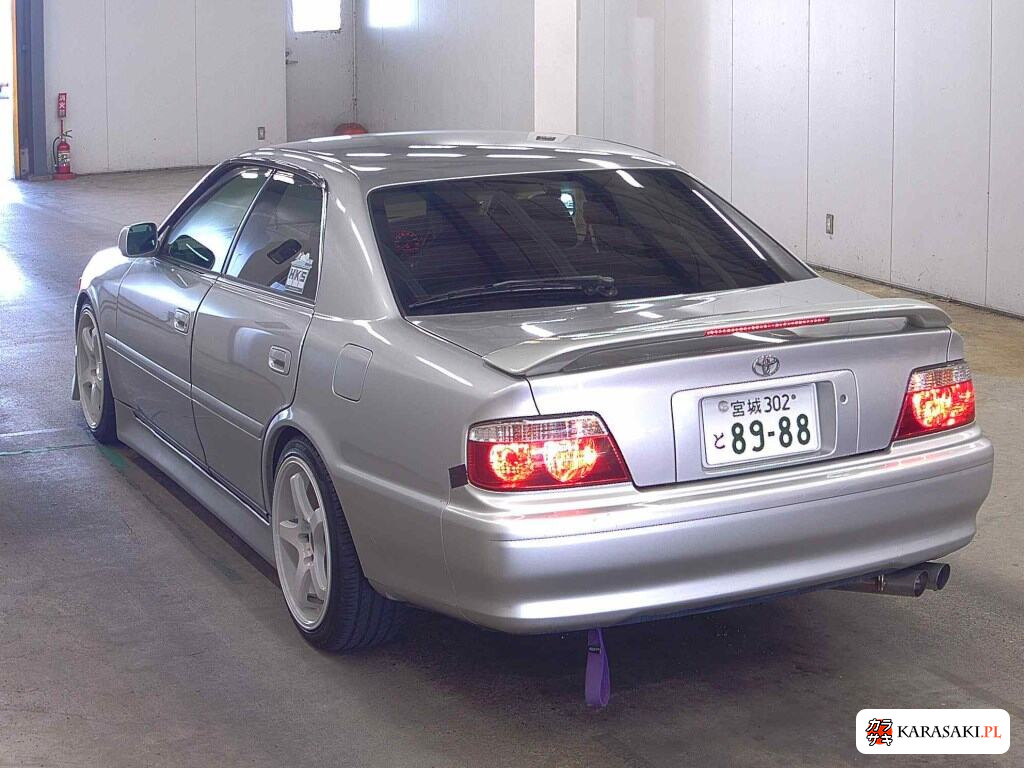
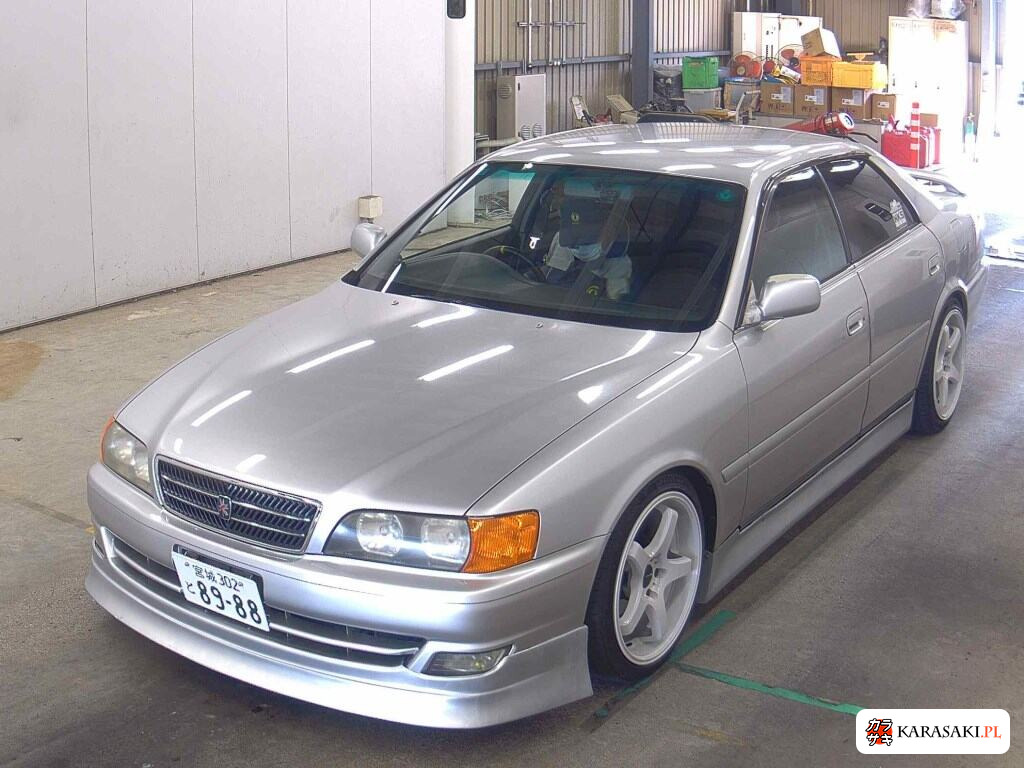
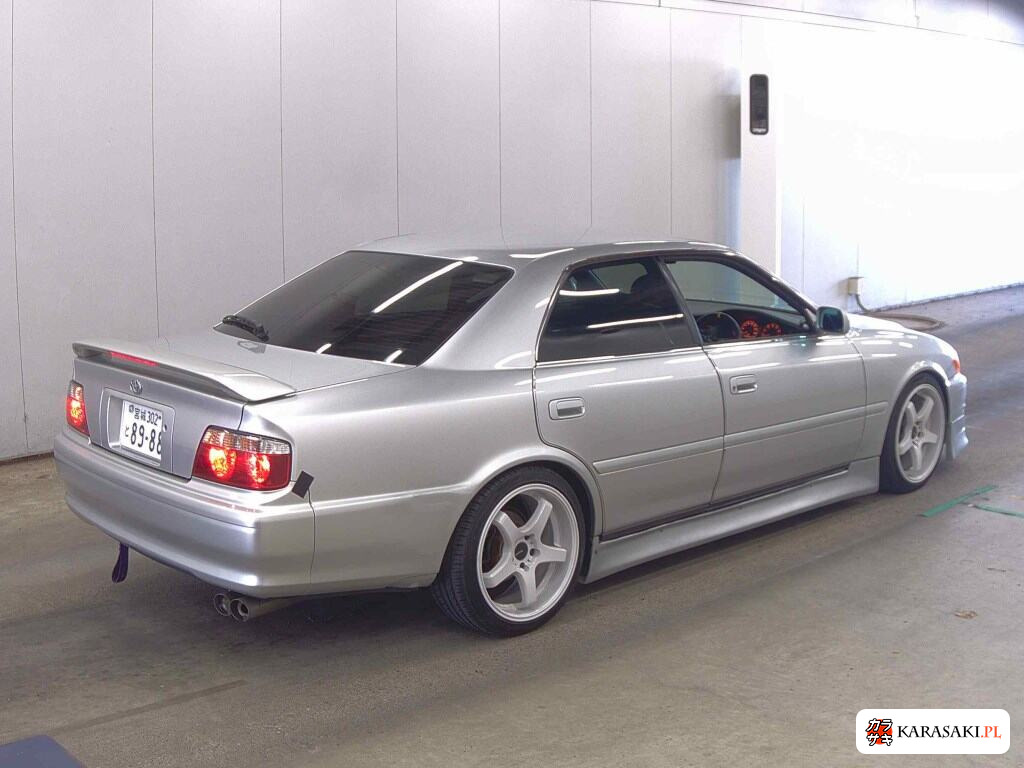
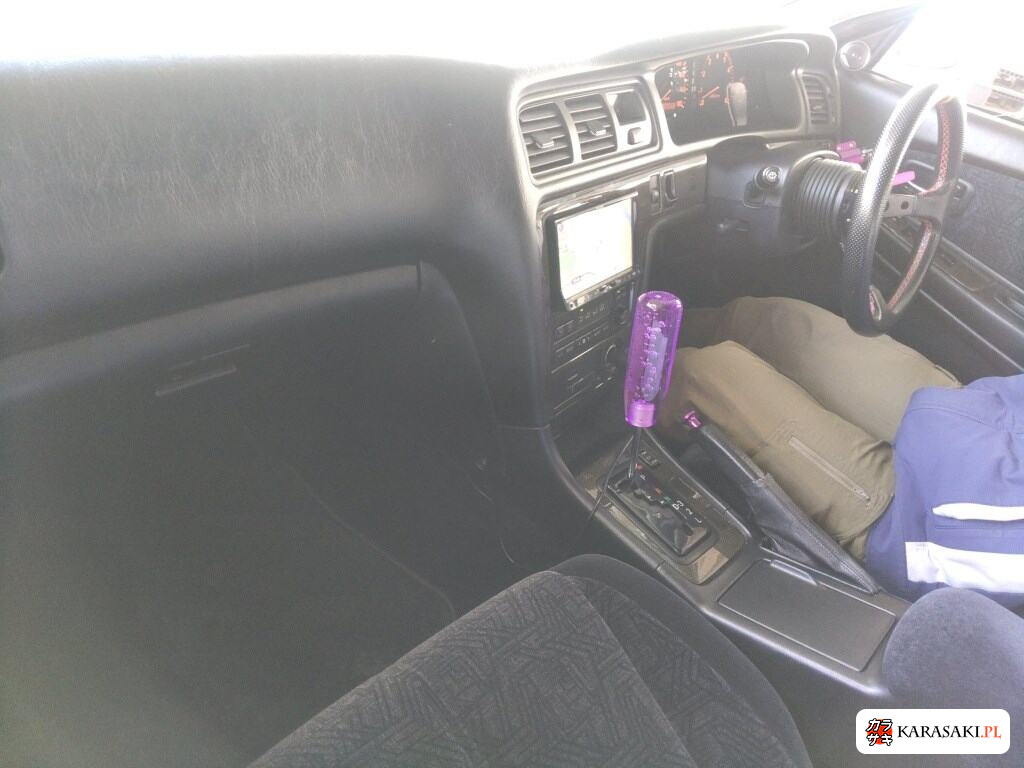
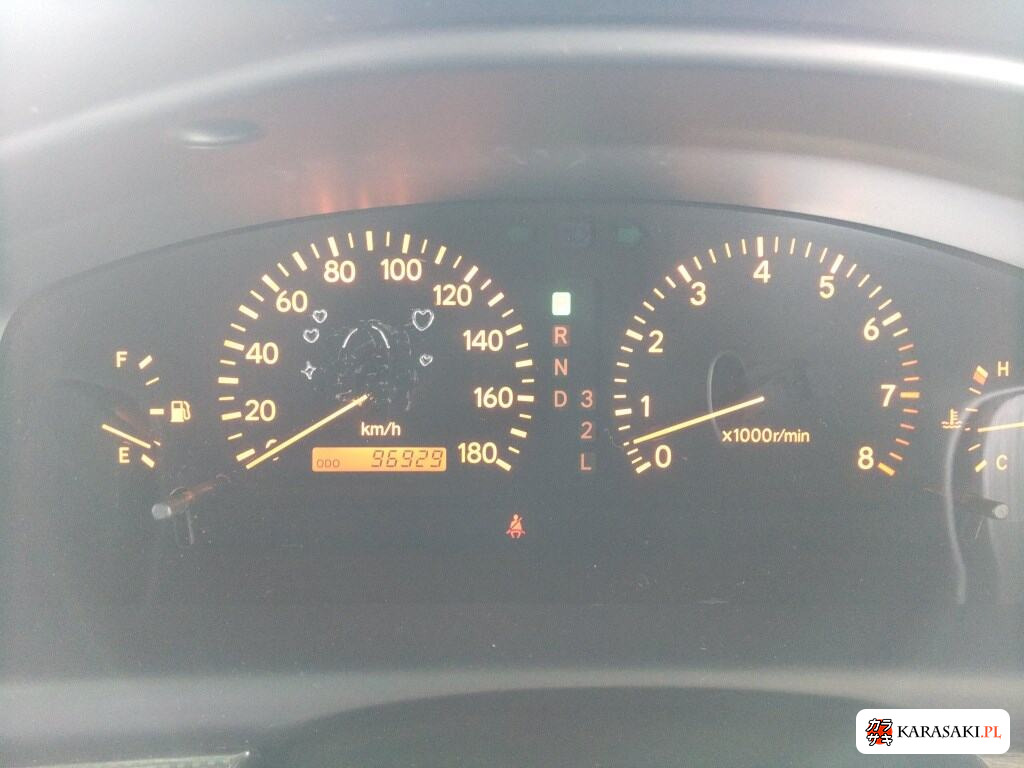
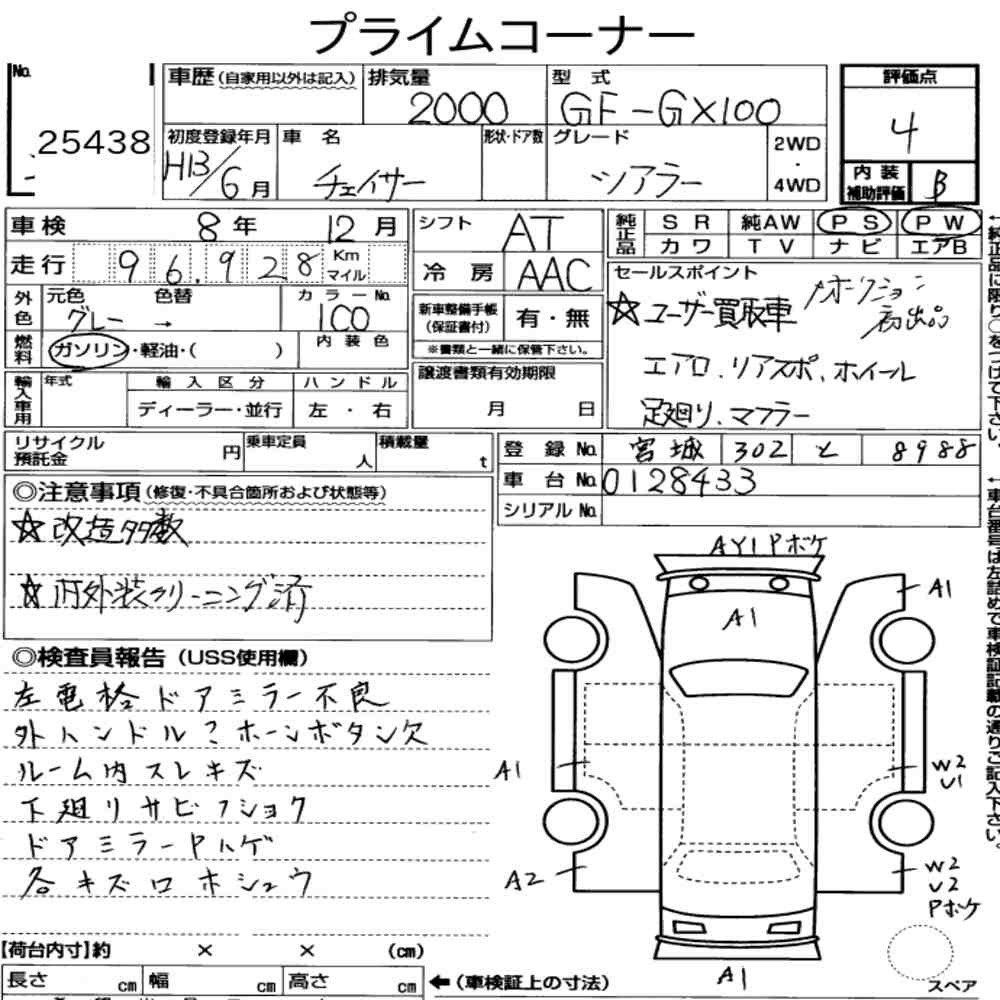

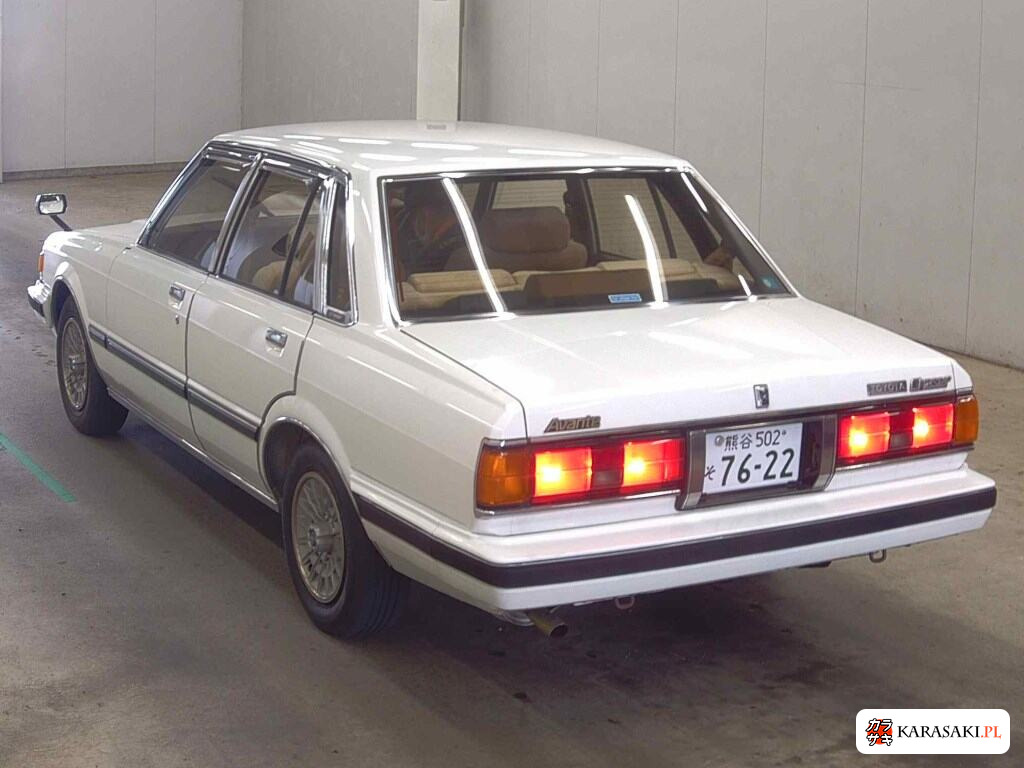
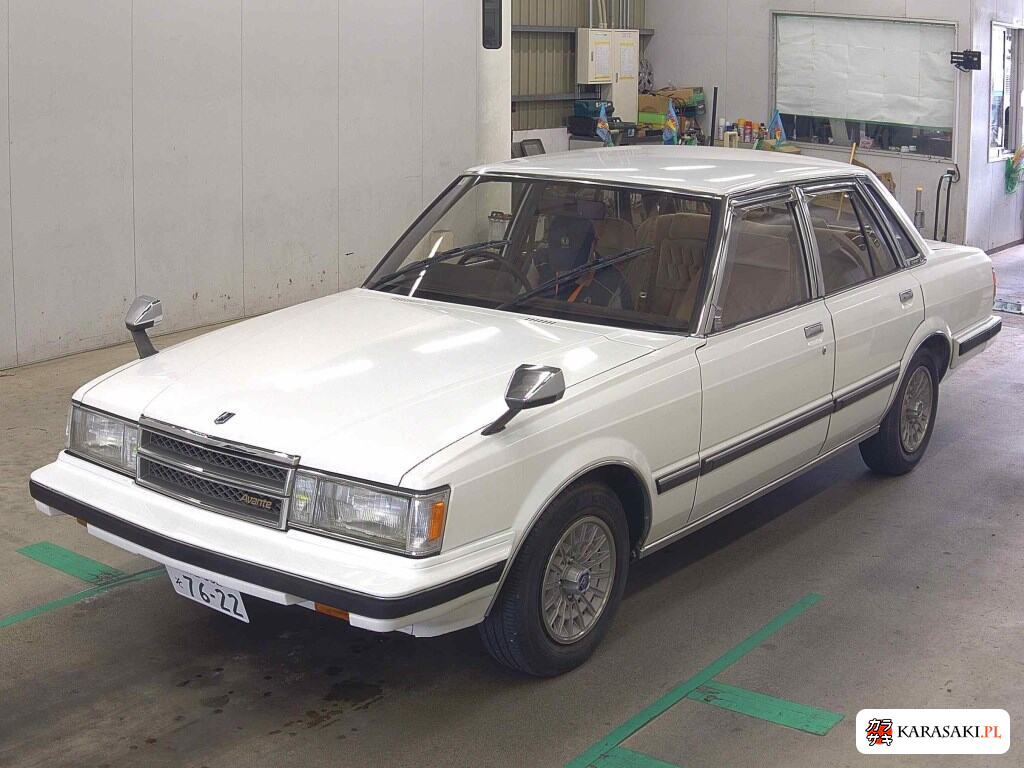
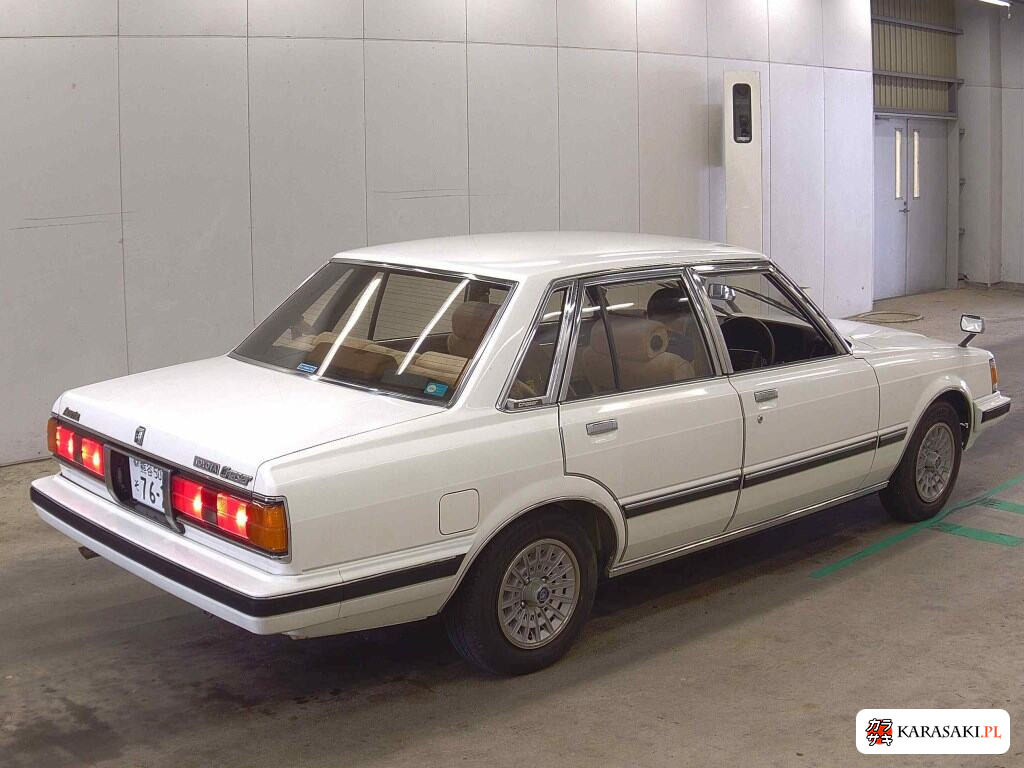
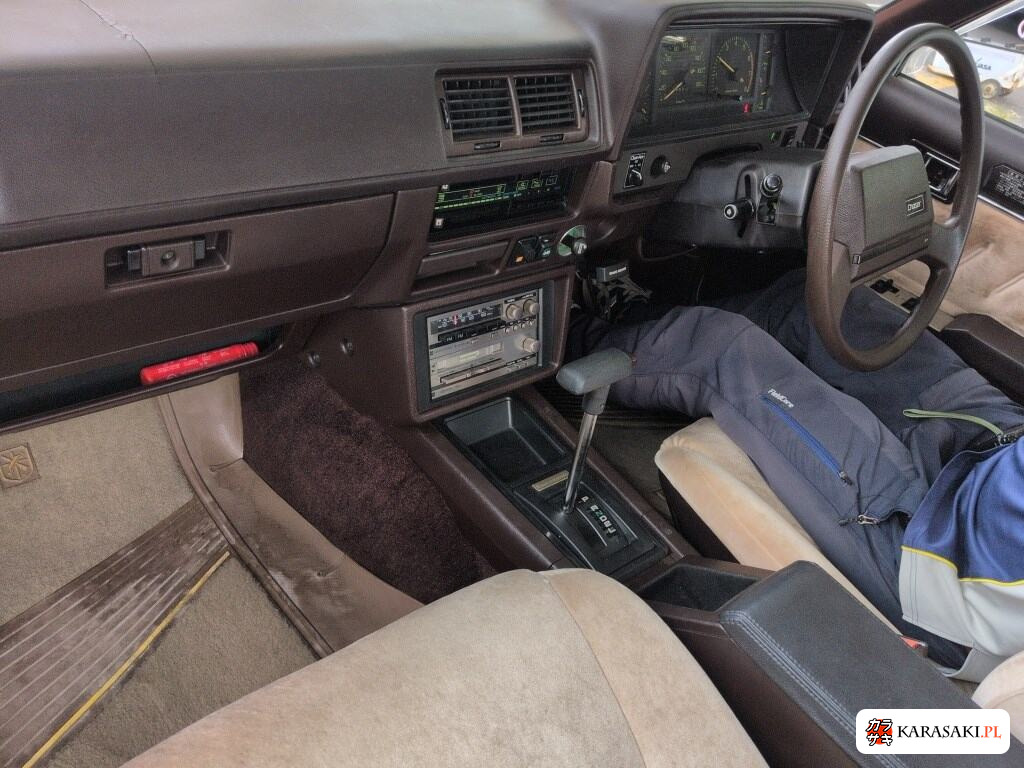
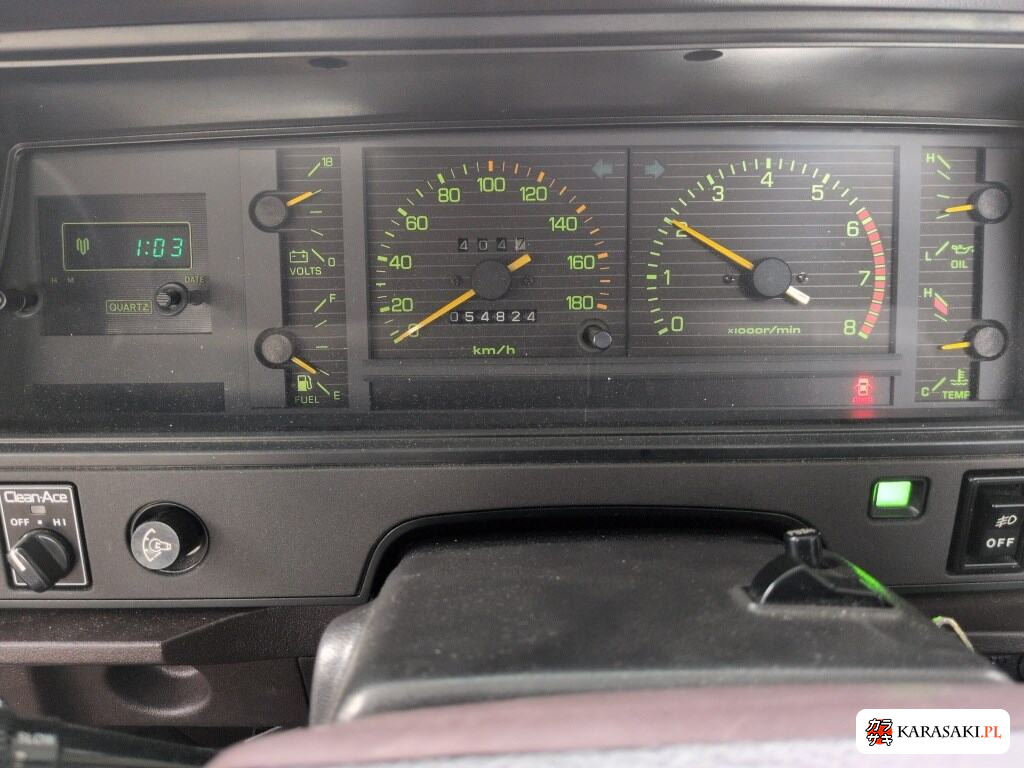
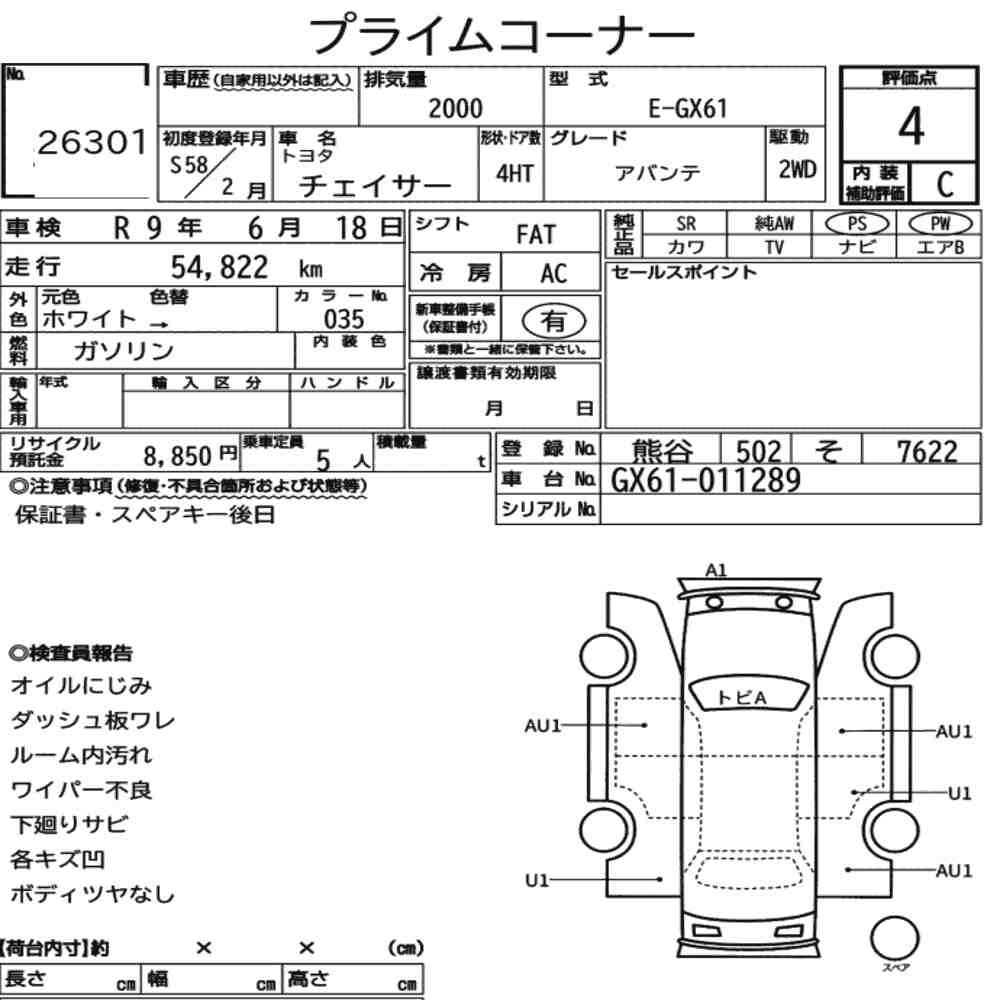

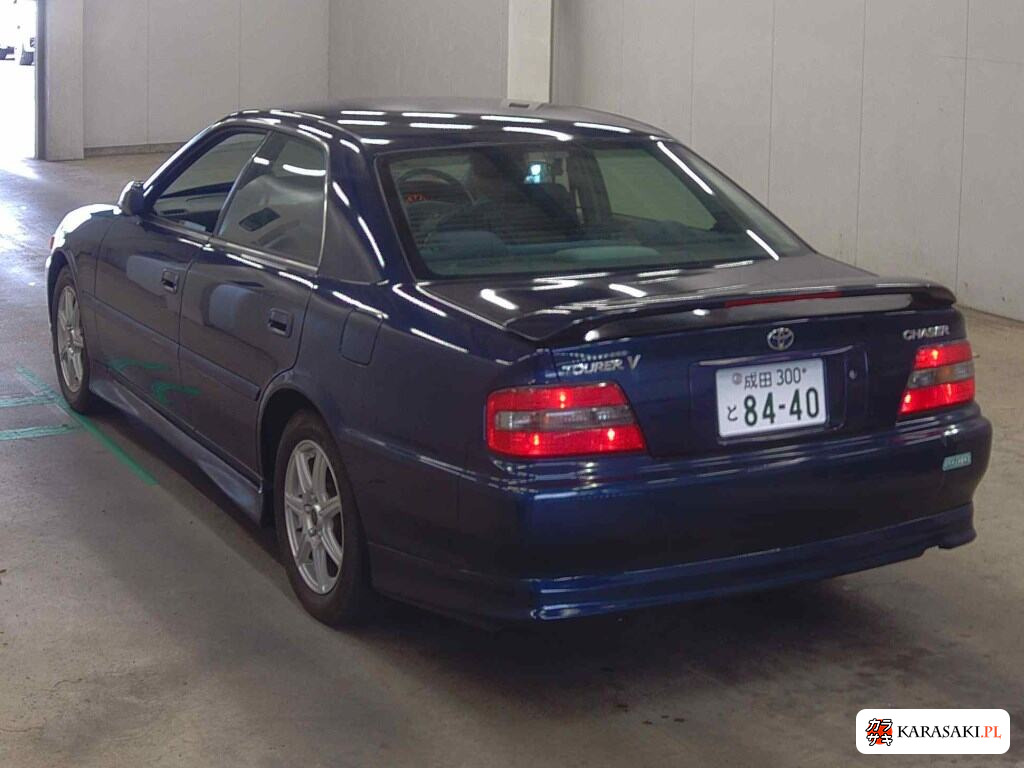
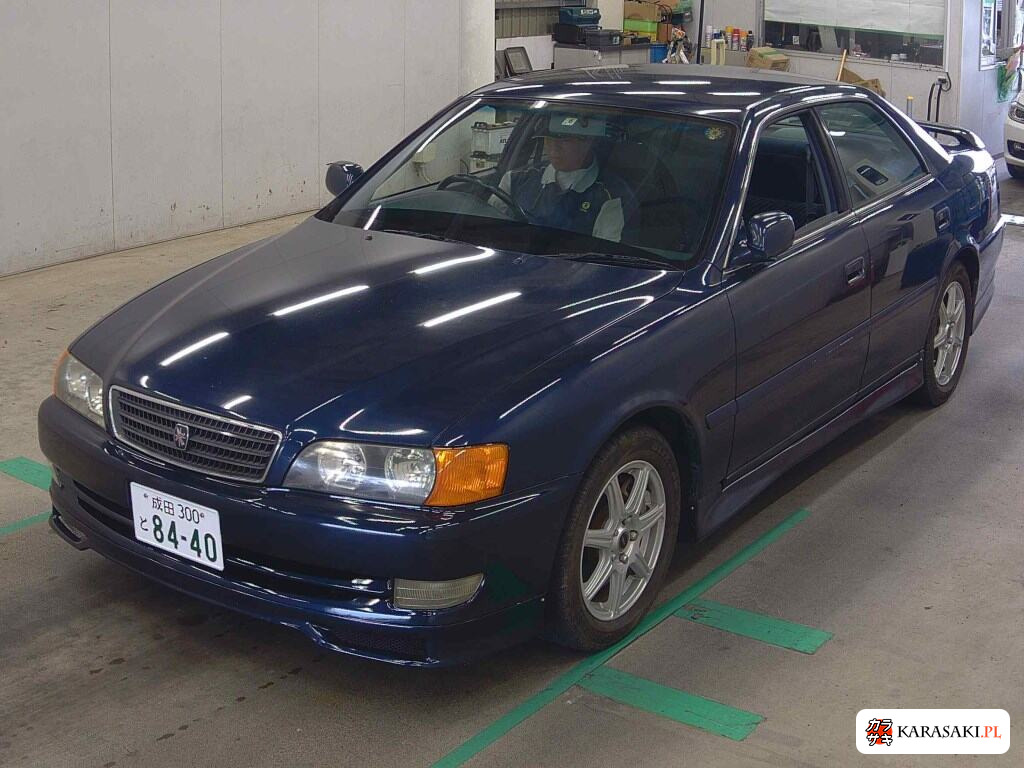
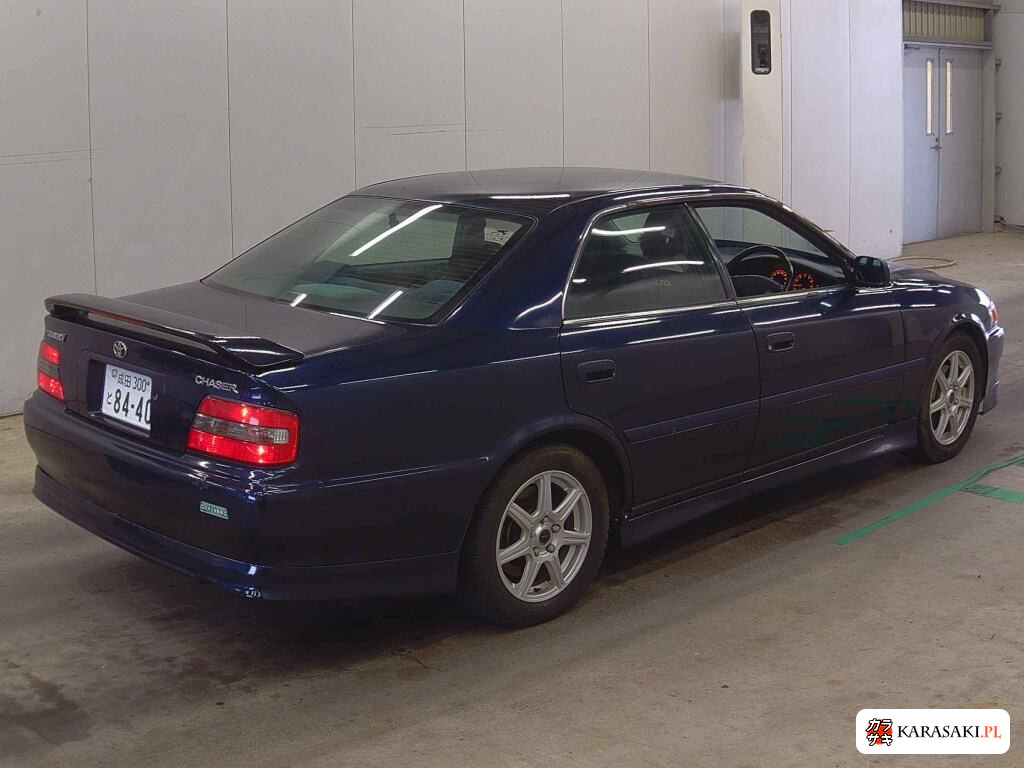
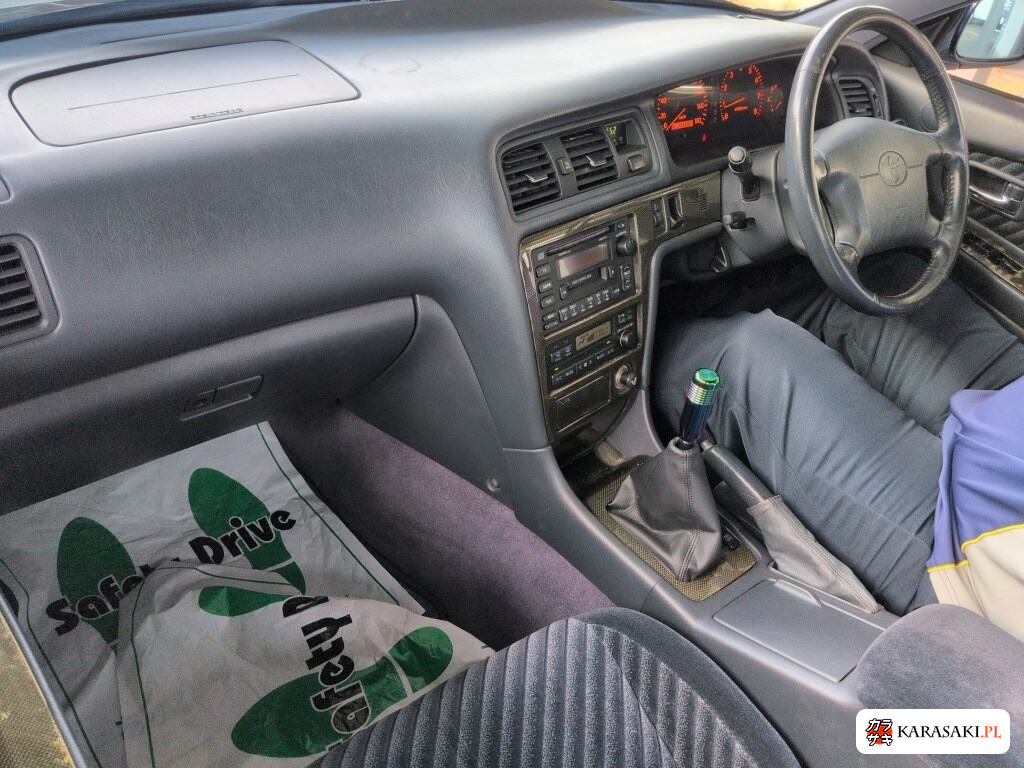
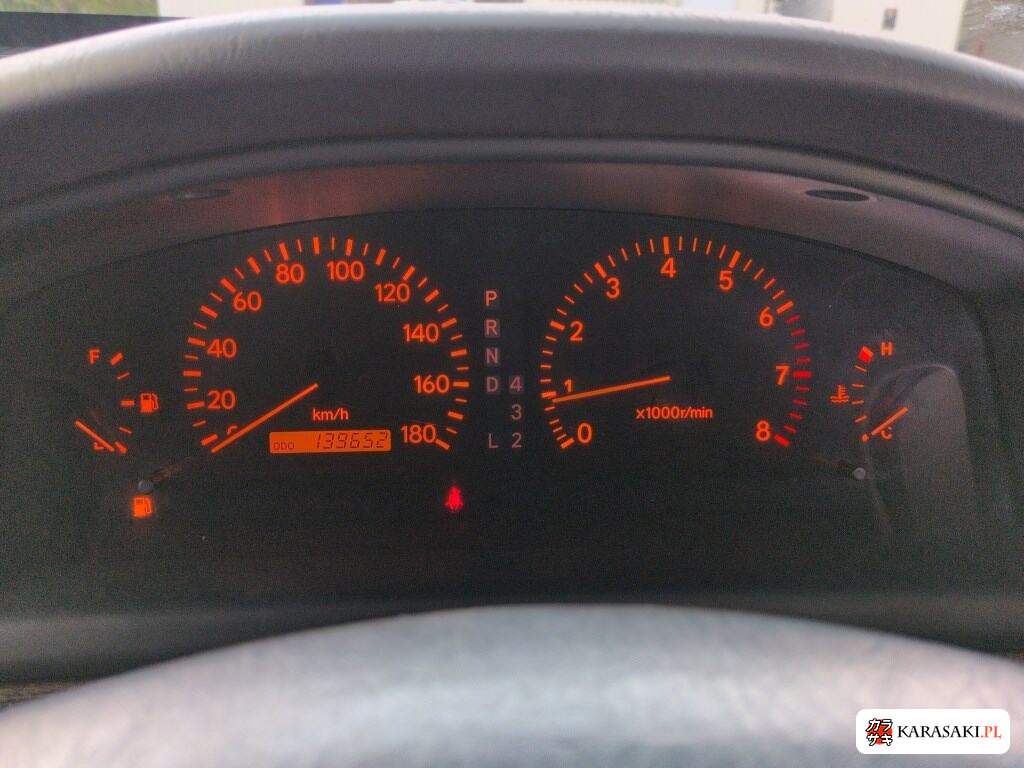
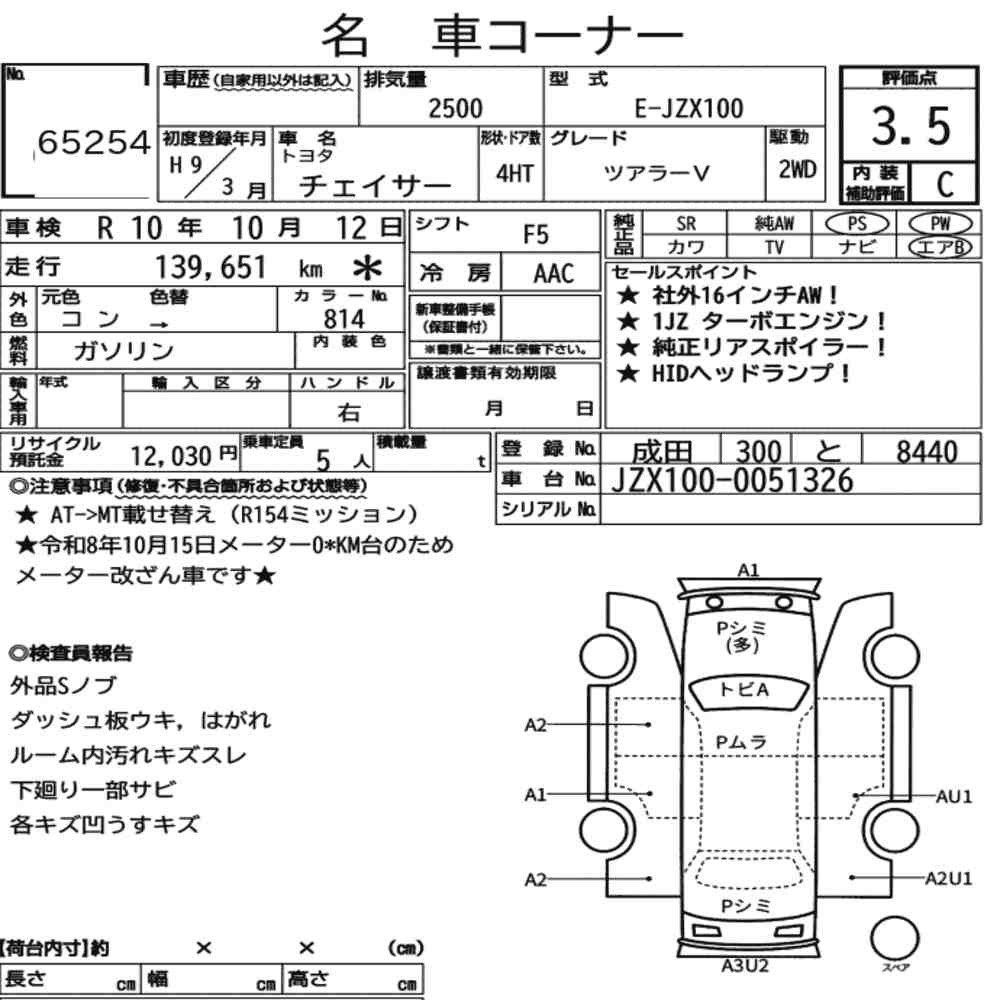

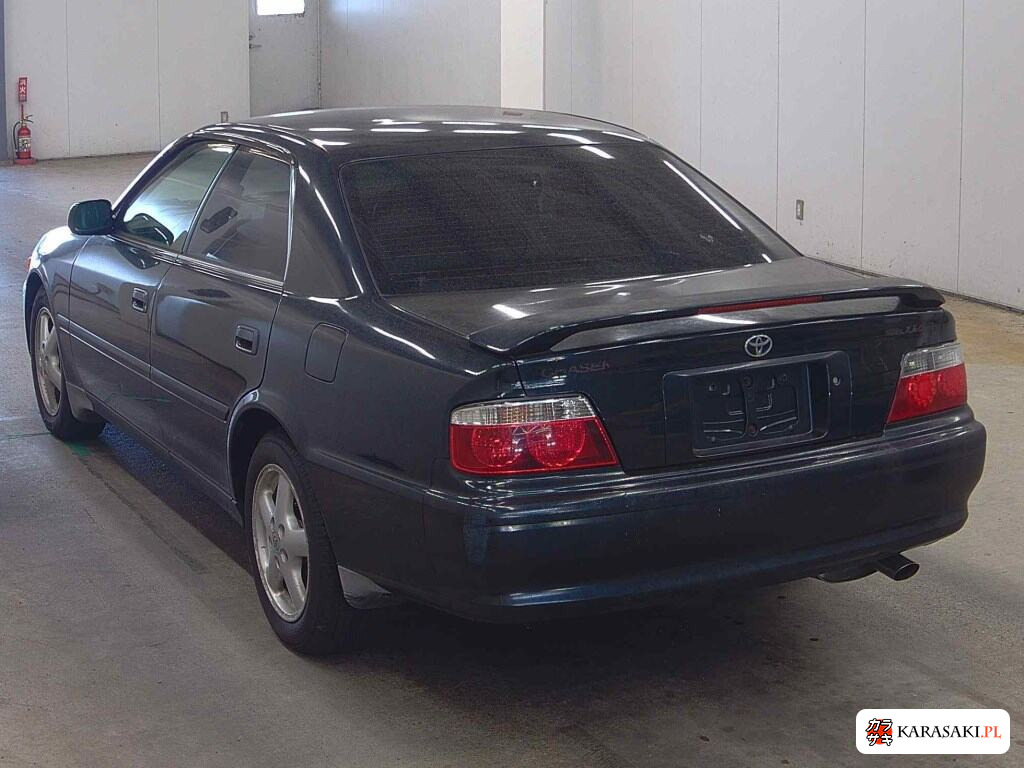
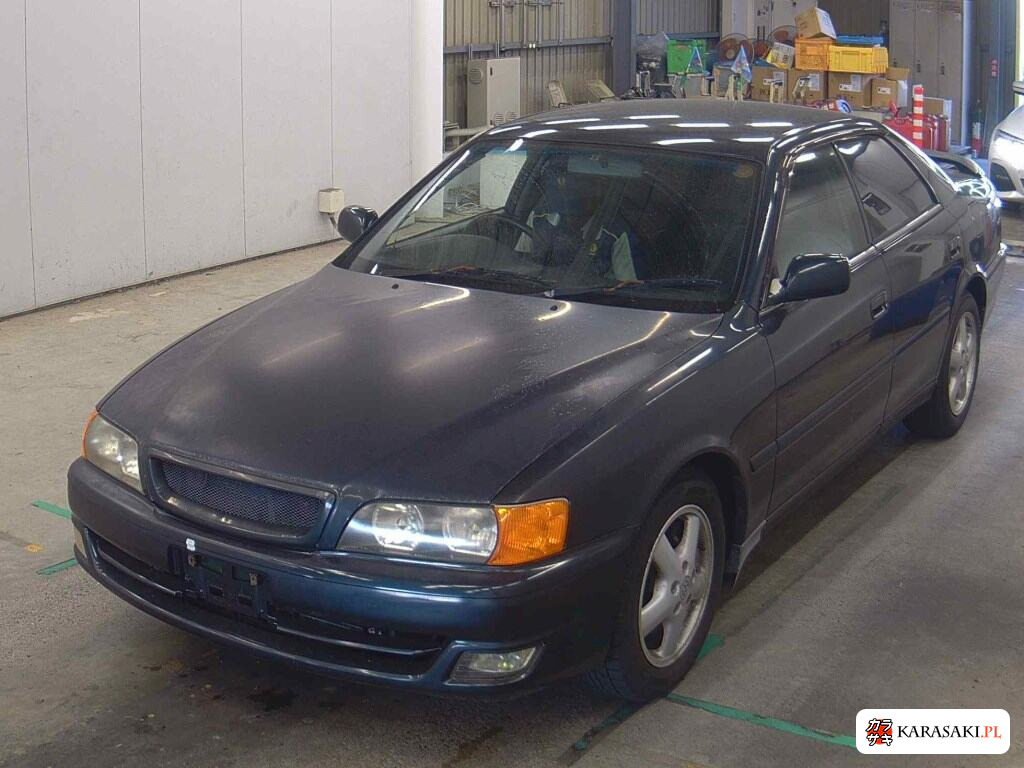
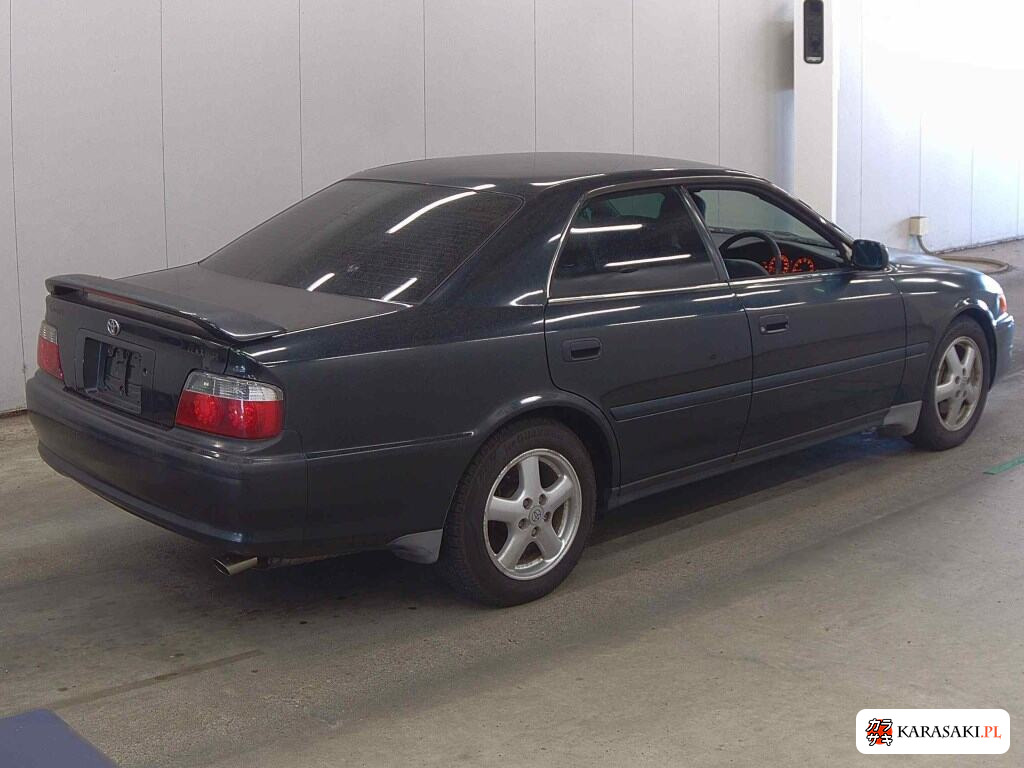
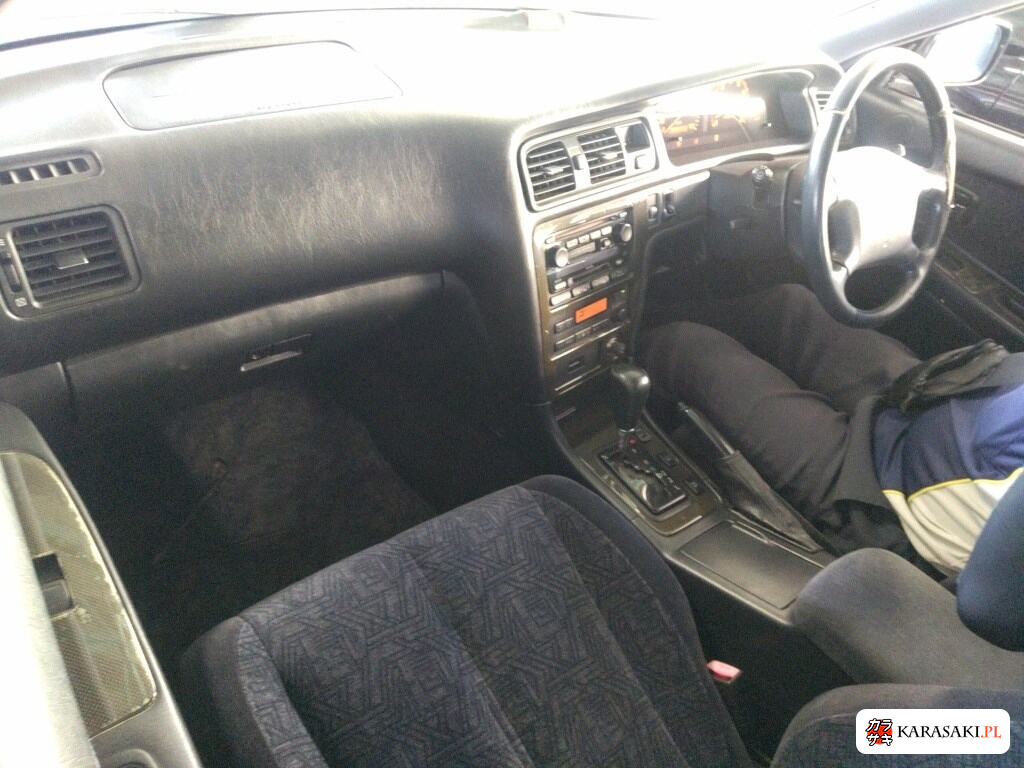
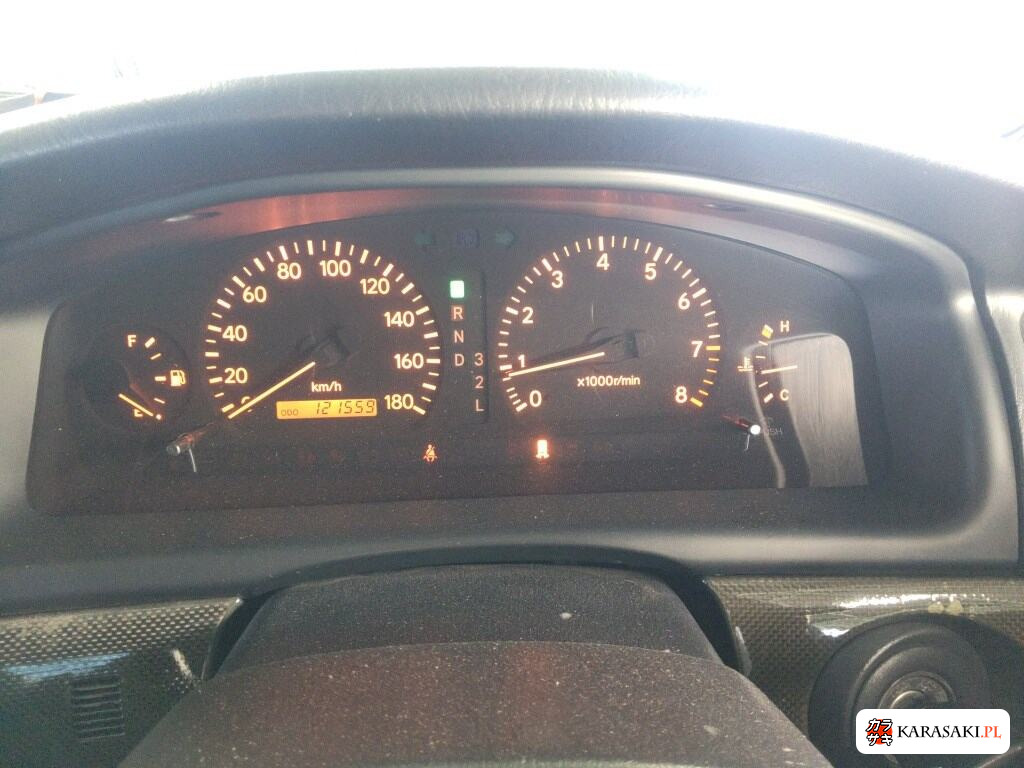
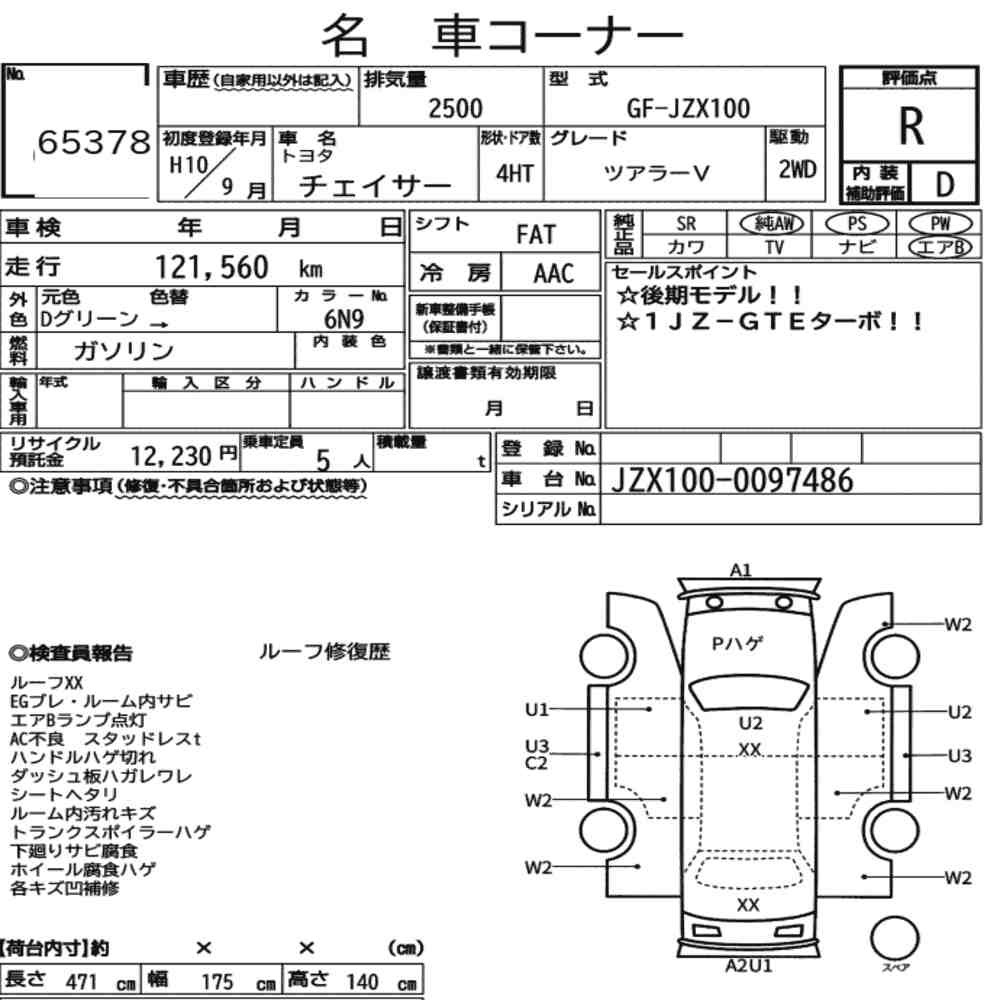
The auction pool turns over every few days. We'll watch these criteria and email you when the next one appears.
Chaser prices at auction: what our data says
Our catalog holds 142 published Chasers, of which 121 carry a starting price, with model years ranging from the mid-1980s to 2001. Two figures sum up this model better than any description could. First, every single car has the steering wheel on the right, because this is an inherently Japanese car and a left-hand-drive version simply does not exist. Second, close to 70% of our supply is manual, which is the reverse of the situation in Japan, where the Tourer V mostly left the factory as an automatic. The reason is simple: it is mostly manuals that head to Europe, because that is what the market is looking for.
The medians below are starting prices, meaning the opening bid, not sale prices. The auction data available to us in most cases does not carry the final sale price, so we honestly report what we can see: the starting point. The real price a well-kept manual Tourer V actually sells for is noticeably higher, and typically runs from two to two and a half million yen.
What to watch for when buying: modifications and corrosion
Mechanically, the Chaser is very durable, and most of the real problems concern the bodywork, the electrics and a given car's history, not the engine itself. Risk number one is corrosion. Toyota did not rustproof these cars, because Japan does not salt its roads, so over time rust attacks the sills, the rear wheel arches, the floor and the rear subframe mounts. A fresh coat of underbody sealant is a warning sign, because it often masks exactly that kind of rust.
Because the Chaser market is so closely tied to drift culture, the second group of risks concerns competition history and modifications. Check for signs of accident repair: non-factory welds on the chassis rails and sills, and cracks around the strut towers. Watch out for tampered odometers, since instrument clusters were often swapped during manual-gearbox conversions. A great many cars sold as "manual" left the factory as automatics, so it is worth verifying the quality of the conversion and whether the ECU is throwing any fault codes. The auction sheet is the only reliable description of a car's condition, so being able to read one is worth more here than almost anywhere else. We explain how that grading works in a separate guide to the auction sheet.
Importing a Chaser to Poland, step by step
The import bill can be itemised line by line. It starts with the customs value, the car's price plus freight to the EU border. Duty is charged on that, then excise on the sum of the customs value and duty, and finally VAT on everything together. Below is a worked example for a well-kept Tourer V won at auction for two and a half million yen. The 1JZ-GTE engine is 2491 cc, above the 2000 cc threshold, so excise comes to 18.6%. Amounts in PLN are at the National Bank of Poland's rate of 21 July 2026.
| Item | Amount (yen) | In PLN |
|---|---|---|
| Car price (winning bid) | 2,500,000 | about 58,200 PLN |
| Freight to the EU border | 350,000 | about 8,150 PLN |
| Customs value | 2,850,000 | about 66,400 PLN |
| Duty 10% | 285,000 | about 6,600 PLN |
| Excise 18.6% | 583,110 | about 13,600 PLN |
| VAT 23% | 855,165 | about 19,900 PLN |
| Total at customs clearance | 4,573,275 | about 106,500 PLN |
On top of that comes our 8,000 PLN commission plus paperwork, homologation, headlight adjustment, sworn translations and registration, together usually running from around fifteen thousand to the low thirty-thousands of PLN. The total cost of importing a clean, manual Tourer V therefore lands roughly in the 130,000 to 145,000 PLN range. On the other side of the equation are the offers available in Europe, where the best low-mileage manuals are priced from 170,000 to 300,000 PLN, and the cheapest examples go down to about 110,000 PLN, usually with higher mileage or needing work. Importing a Chaser from Japan is therefore not a way to get this car for half price. It is a way to get a clean, original manual that simply does not exist in Poland. We break down the full import bill in a separate guide to the cost of importing a car from Japan.
Two notes on duty. The 10% rate is the baseline. The EU's trade agreement with Japan phased that duty down to zero as of early February 2026, but the zero rate requires a statement of origin for the goods, and for a thirty-year-old used car that document can be hard to obtain, so 10% often applies in practice. For every car, though, we do our best to obtain proof of the country of origin from the Japanese seller, because that is your real shot at the zero rate. A separate route is collector-vehicle status for cars over thirty years old in original condition, which gives zero duty and reduced VAT regardless of the trade agreement. Right-hand drive, by contrast, is a separate question to settle before buying: § 9(2) of the technical-conditions regulation admits such a vehicle only if it was previously registered in an EU member state, or first registered before 1985. By model year the Chaser does not fall into that second exception, so we always work out the route case by case.
How buying with us works
We built this partnership so you take on as little risk as possible. You pay the 8,000 PLN commission only once the Chaser is sitting outside your house, not before bidding and not during transport. The deposit, 10% of the starting price with an 8,000 PLN minimum, is fully refundable if we do not win the car. The voyage from Japan usually takes four to eight weeks, with customs clearance and registration on top.
You will not see the car in person before bidding, but you are not buying blind. Every car has an independent grading sheet from the Japanese auction house, and we read hundreds of them every week, rejecting cars with a repair history, corrosion or a tampered odometer before you ever see them. With the Chaser specifically, that screening matters more than it would on a quiet family car, because so many examples have been through tuning shops and track days. If you would rather go through your first purchase with someone who bids at these auctions every day, get in touch before you pick a car.
Frequently asked questions
How much does importing a Toyota Chaser from Japan to Poland cost?
For a clean JZX100 Tourer V manual won at auction for two and a half million yen, the total cost at customs clearance is about 106,500 PLN, made up of 10% duty, 18.6% excise and 23% VAT. Add the 8,000 PLN commission and paperwork, and the landed cost usually comes to between 130,000 and 145,000 PLN.
What engine does the Toyota Chaser Tourer V have?
The Tourer V is powered by the turbocharged, inline six-cylinder 1JZ-GTE, 2491 cc and 280 hp from the factory. In the JZX90 generation it runs two turbochargers; in the newer JZX100 it has one larger turbocharger and VVT-i variable valve timing.
What is the difference between the JZX90 and the JZX100?
The JZX90, from 1992 to 1996, has the 1JZ-GTE with twin parallel turbochargers and is the rawer, cheaper of the two. The JZX100, from 1996 to 2001, got a single turbocharger and VVT-i variable valve timing, which gives it fatter low-end torque, and it is the most sought-after version today.
Why does the Toyota Chaser only come with right-hand drive?
The Chaser was sold exclusively on the Japanese domestic market, where traffic drives on the left, so a left-hand-drive version was never built. Polish regulations restrict registering such a car: in practice it needs prior registration in an EU member state or a steering conversion to the left side, and the path must be chosen before bidding. We explain the conditions in our piece on registering a right-hand-drive car in Poland.
Summary
The Toyota Chaser is a rare case of a car that is both a practical sedan and a motorsport legend. There are two reasons to import one from Japanese auctions, and neither of them is "cheapest". First, clean, original examples with a manual gearbox turn up there, cars that Europe is short of and that make up close to 70% of our supply. Second, the import bill can be worked out to the last PLN, as long as you remember the 2000 cc threshold, which on the 1JZ-GTE engine means 18.6% excise.
Before bidding, decide whether you are after the rawer JZX90 or the more polished JZX100, and hold out for a car with a clean sheet and no rust, no exceptions. You can see current Chasers on the model page: Toyota Chaser. We cover what a car from Japan's domestic market actually is in our guide to what JDM means.
This cost breakdown is informational and reflects the rates in force in July 2026 and the exchange rate on the day of publication. Final duty, excise and VAT amounts, and the vehicle's classification, are confirmed by a customs agency or a tax adviser for the specific car.


