
The Mercedes-AMG GT badge covers two completely different cars: a two-door coupe with its gearbox at the rear axle, and a four-door liftback built on the E-Class platform. In our Japanese auction catalog they differ by more than layout: the median starting price is 11.0 million yen (about 257,000 PLN) against 8.0 million (about 187,000 PLN), and those are opening bids for the car alone, before shipping and taxes. We separate the two families, show median starting prices and mileage from our own auction data, and work through the import maths, where the 2000 cc threshold swings excise by roughly 64,000 PLN.
Mercedes-AMG GT: the SLS AMG successor with a hand-built V8
The Mercedes-AMG GT is a sports coupe that replaced the SLS AMG. It premiered in Paris in October 2014 and went on sale in March 2015. It uses the M178 engine of 3982 cc, a twin-turbocharged V8 with the turbochargers placed inside the cylinder banks. The first generation is coded C190, the second C192.
That layout has its own name: hot inside V. The turbos sit inside the vee rather than outside it, so the exhaust paths are shorter and throttle response is quicker. The seven-speed AMG SPEEDSHIFT dual-clutch gearbox does not sit next to the engine but at the rear axle. This transaxle arrangement pushes mass rearward, over the driven wheels.
One misconception is worth clearing up straight away. The V8 really is built in Affalterbach and assembled by hand by a single technician under the One Man, One Engine principle, but the car itself is assembled in Sindelfingen. That distinction returns with a sizeable bill at customs, as we explain below.
The AMG GT is two different cars: the coupe and the four-door X290
The AMG GT name covers two separate cars. The coupe, coded C190 and C192, is a two-door sports car with a rear-mounted gearbox. The AMG GT 4-Door Coupe, coded X290, is a five-door liftback on the MRA platform, closely related to the AMG E 63. Our median starting price: 11.0 million yen for the coupe, 8.0 million for the four-door.
This is the most common mistake buyers make with this model. The X290 was shown in Geneva and launched in September 2018, but despite the name it is not a stretched coupe. One car is a sports coupe designed around a rear-mounted gearbox; the other is a very fast family hatchback wearing the same badge. Run both medians through the same customs cascade and they end up about 112,000 PLN apart after clearance.
Buyers are not the only ones who confuse them. The coupe body filter on Poland's largest classifieds site also mixes both cars together, so browsing listings you will find four-door GT 53s described as coupes. We keep the two families apart in our data, because averaging them produces a number that describes neither car.
The gap in median starting price is 3 million yen, but mileage matters more. The median is 8,000 km for the coupe and 31,000 km for the four-door. The first is often a collector's weekend toy kept in a garage; the second serves as a fast family car. Buy on the "AMG GT" description alone, without checking the body, and you can end up with something entirely different from what you intended.
GT, GT S, GT C, GT R: how they differ
The first-generation range grew with each model year. Every version shares the same M178 block of 3982 cc; what differs is boost, suspension and aerodynamics.
| Version | Power | Character |
|---|---|---|
| GT | 462 PS | base version |
| GT S | 510 PS | AMG Ride Control adaptive suspension, electronically controlled limited-slip differential |
| GT C | 557 PS | wider body (2,007 mm), active rear steering |
| GT R | 585 PS | high-performance variant; the properly track-focused one is the GT R PRO |
| GT Black Series | 730 PS | range topper, flat-plane crankshaft instead of cross-plane |
The second generation, shown at Pebble Beach in August 2023, dropped the transaxle and moved onto a platform shared with the SL roadster. The GT 55 and GT 63 produce 476 PS and 585 PS from the same 3982 cc V8, and the GT 63 PRO makes 612 PS. The most interesting variant for a Polish buyer is the entry-level GT 43: a four-cylinder engine of 1991 cc producing 421 PS, supported by a 48-volt starter-generator adding a brief 14 PS. That displacement is not a technical footnote but a line in the tax bill.
The four-door X290 has its own range: GT 43 and GT 53 with a three-litre inline-six (367 PS and 435 PS) and GT 63 and GT 63 S with the V8 (585 PS and 639 PS). Mind the names: GT 43 in the four-door X290 and GT 43 in the C192 coupe are two entirely different engines.
AMG GT prices and mileage at Japanese auctions: what our data says
Start with prices, since that is usually what brings people here. The median starting price for the coupe is 11.0 million yen, and the typical range, the middle 50% of lots, runs from 7.98 to 15.8 million. The four-door X290 is clearly cheaper and clearly tighter: a median of 8.0 million with a typical range of 7.0 to 8.77 million. The coupe's spread comes from lumping base GT 43s together with collector-grade cars like the GT R PRO.
Within the coupe itself, the engine decides. The median across our 26 V8 cars is 14.89 million yen; the median of the seven GT 43s with the 1991 cc engine is 10.88 million. That second figure matters more than it looks, because it is the one that sets the excise rate at customs.
Now condition. Our Japanese auction catalog holds 74 published Mercedes-AMG GTs from model years 2015 to 2026, of which 67 carry a starting price. Median mileage across the family is 19,000 km, and 49 of the 74 cars show under 30,000 km. The auction-grade spread tells the same story: 46 cars graded 4.5 and 19 cars graded 5.
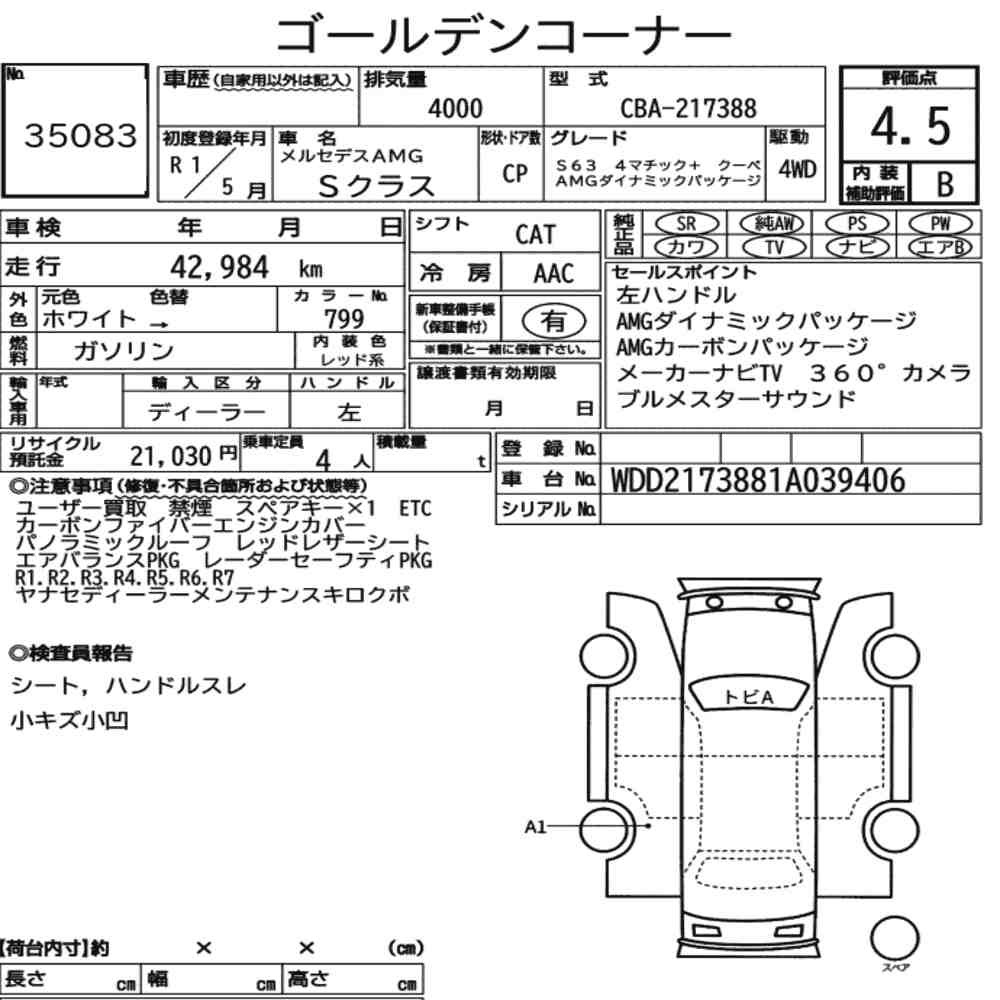
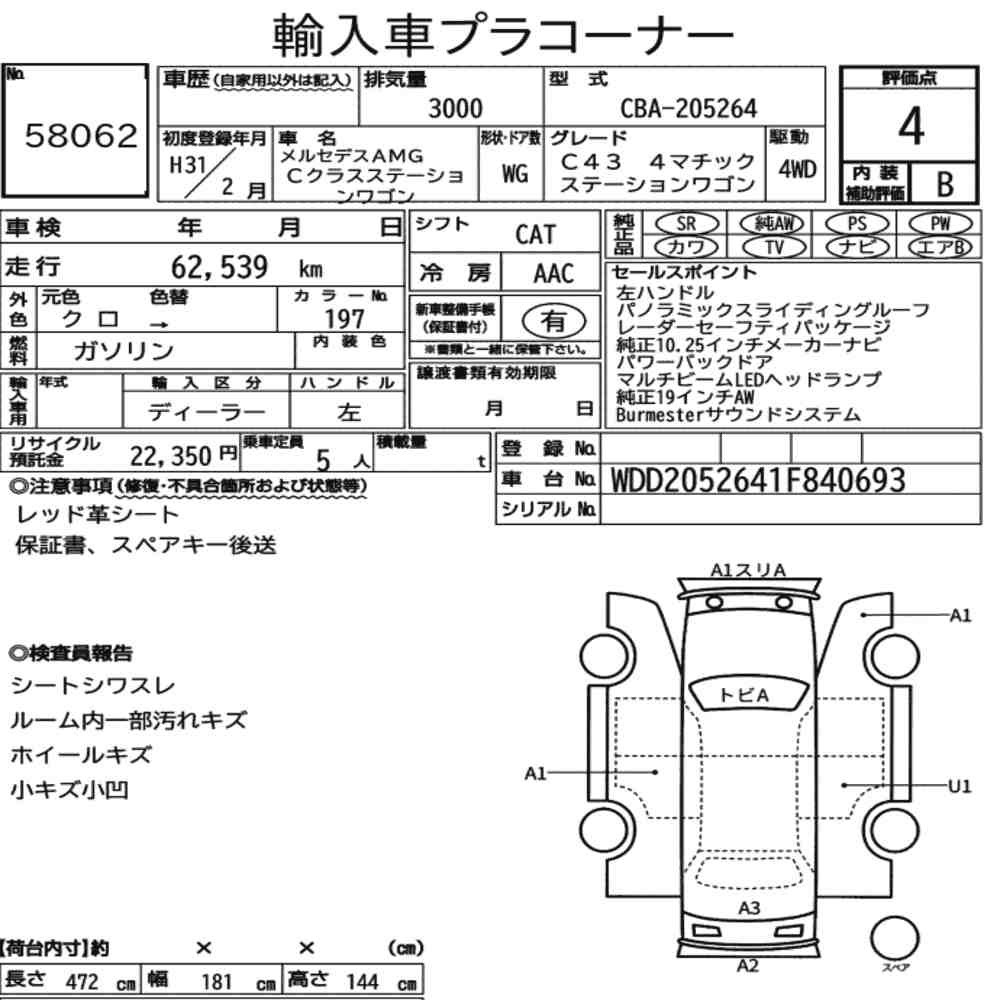
Those mileages are no accident. In Japan an AMG GT is often the second or third car in the garage, bought for weekend use, and Japanese maintenance culture plus the mandatory technical inspection do the rest. A car showing 8,000 km is not the exception here, it is the median. How to read the grade and the damage map on an auction sheet is covered in a separate guide: how to read a USS auction sheet step by step.
Mercedes-AMG z Japonii na aukcji

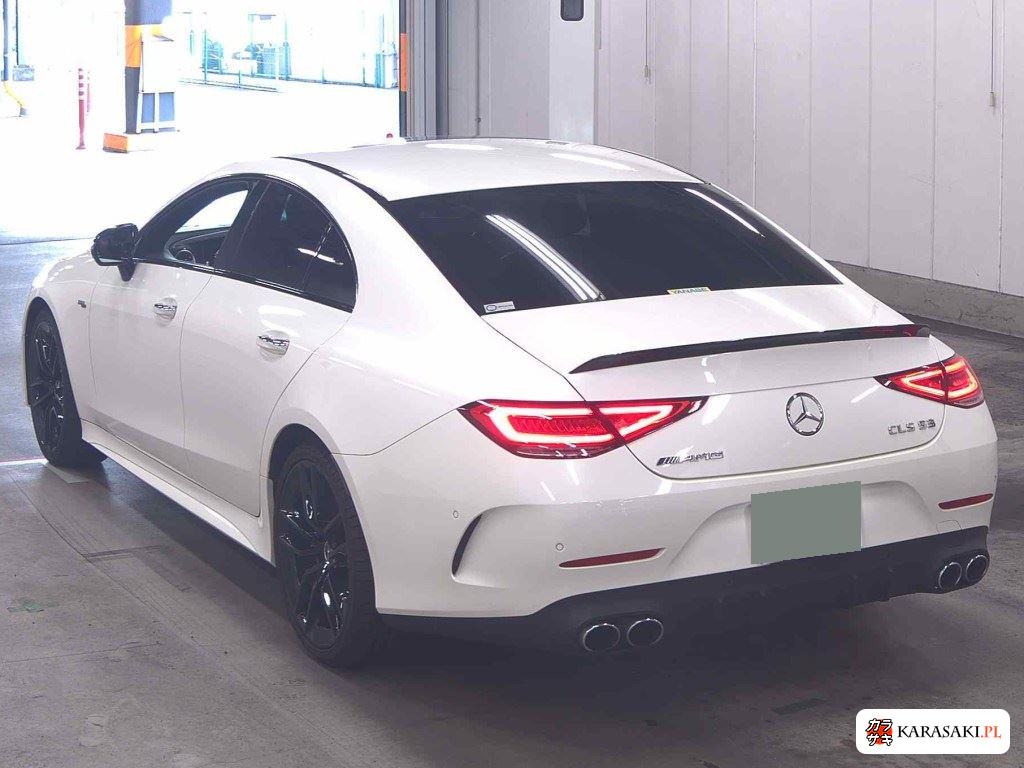
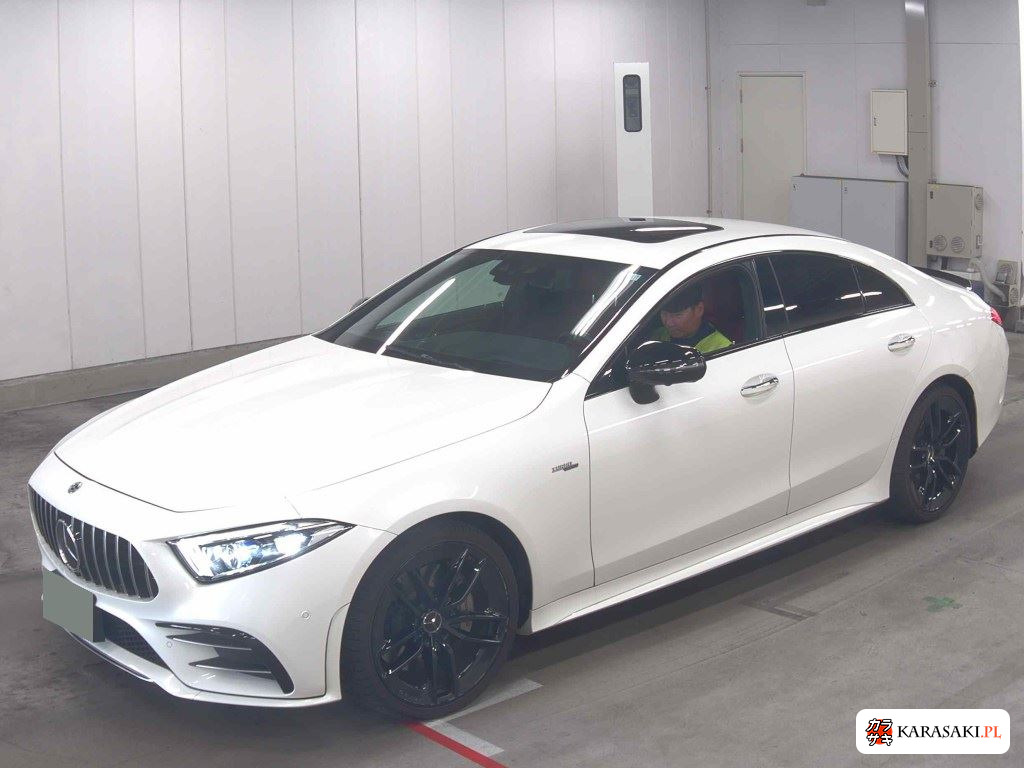
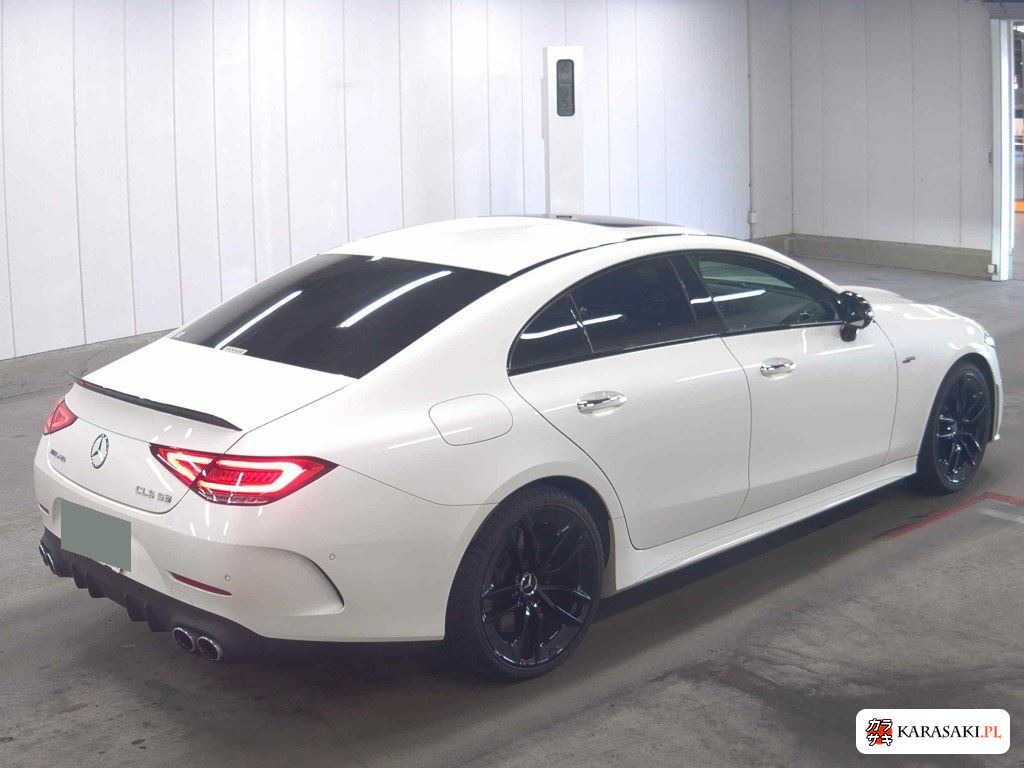
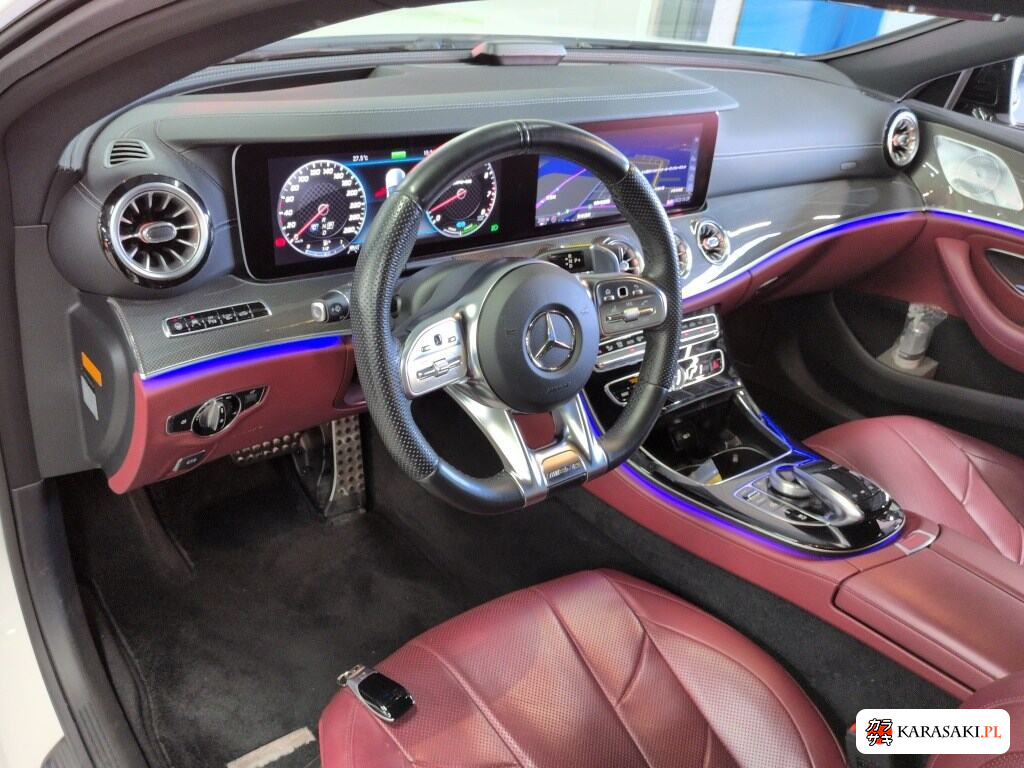
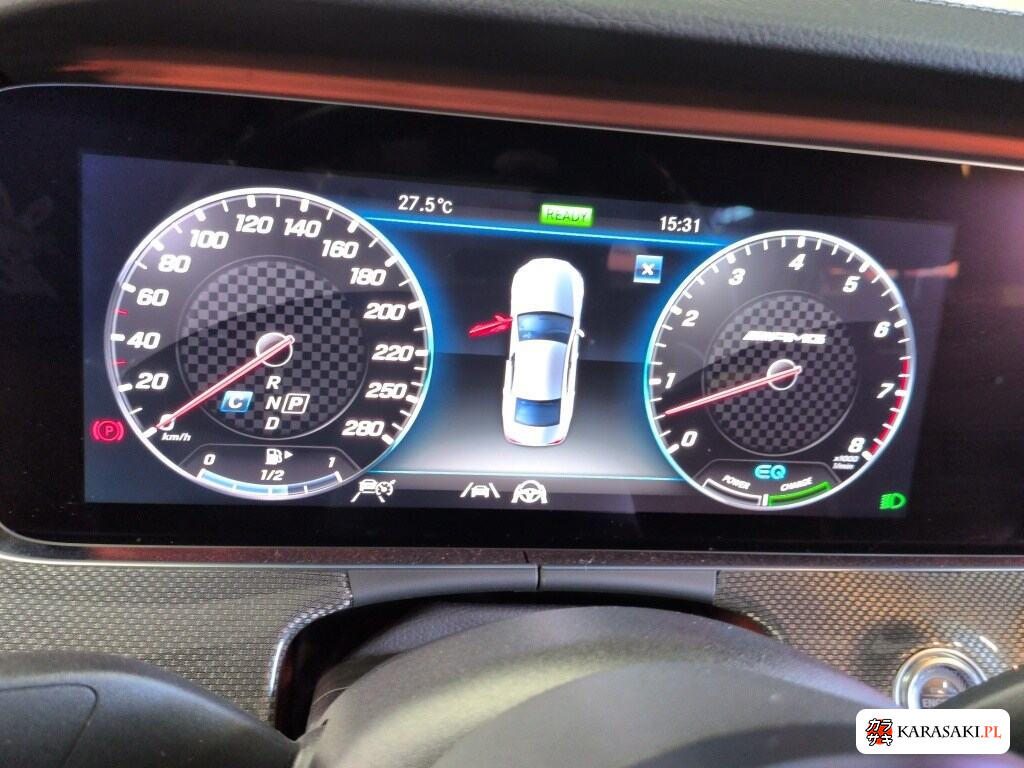
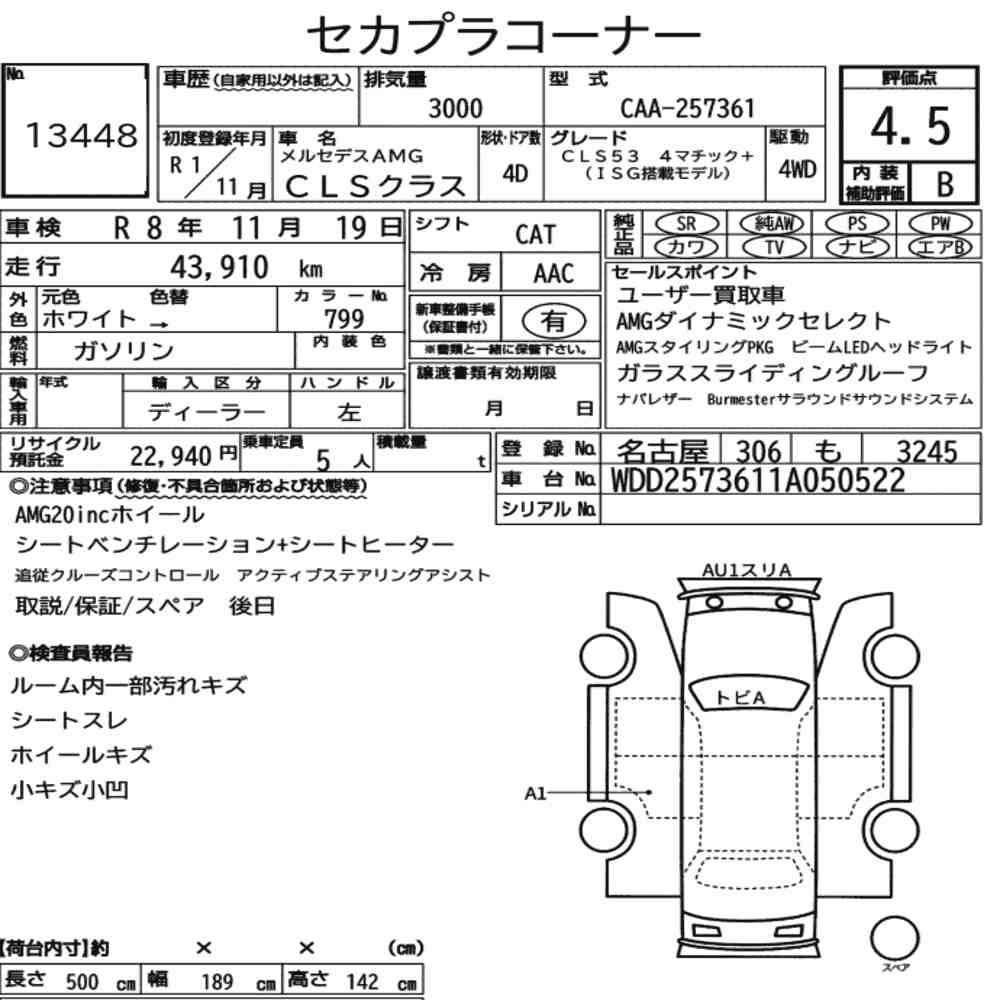

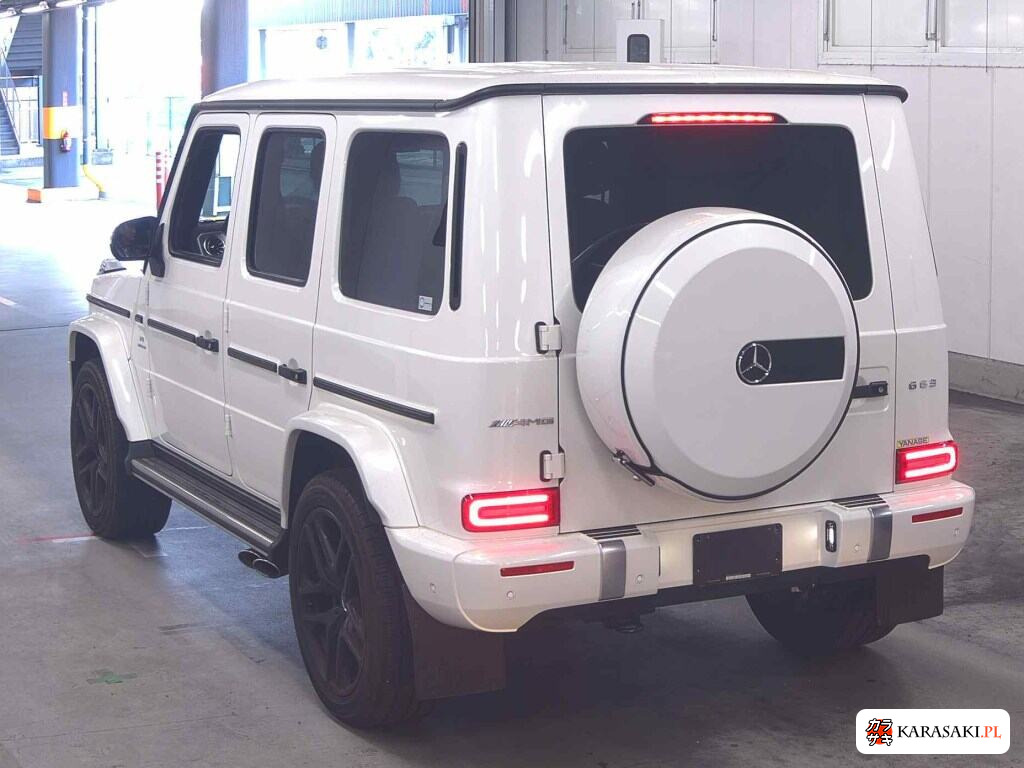
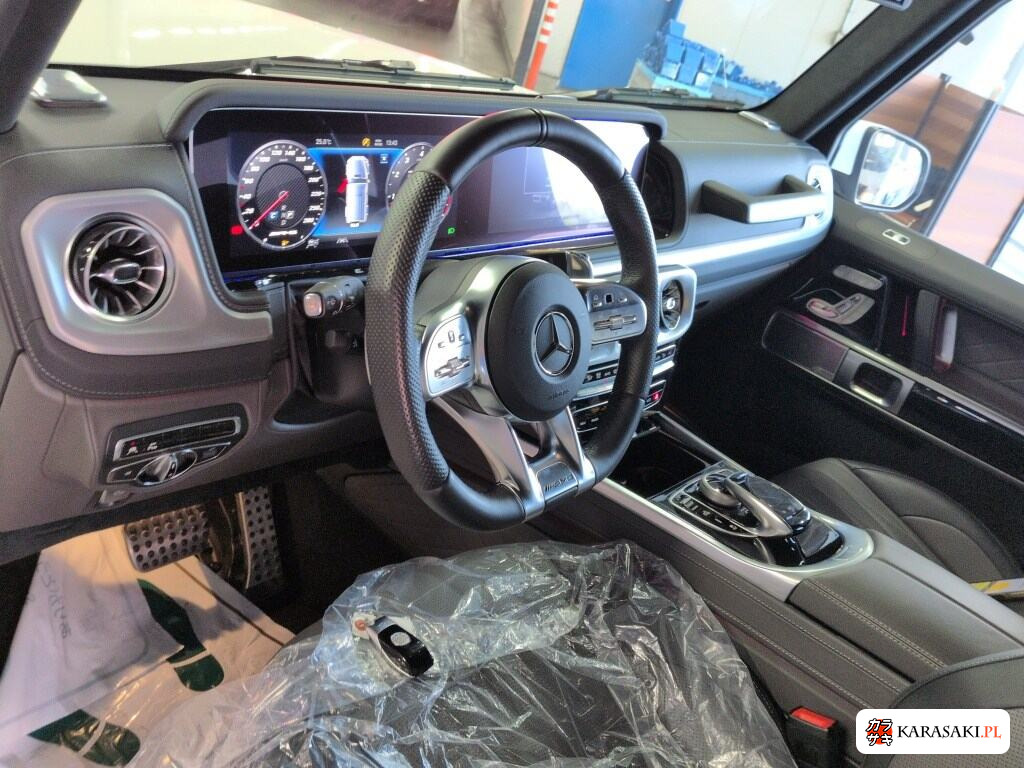
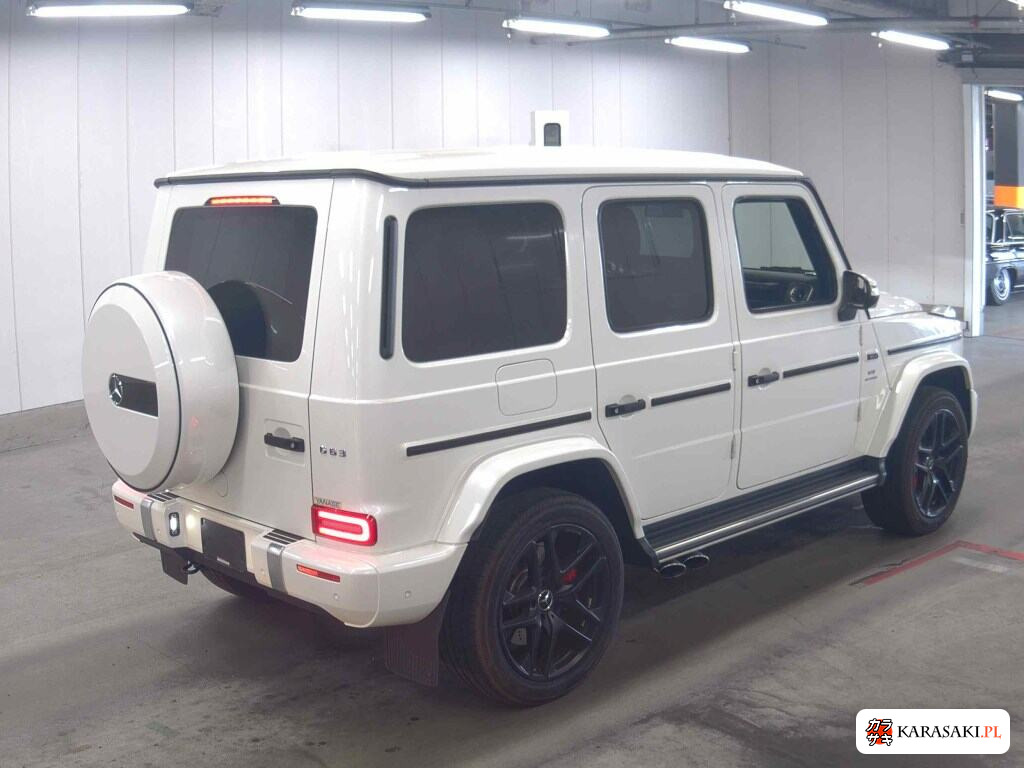
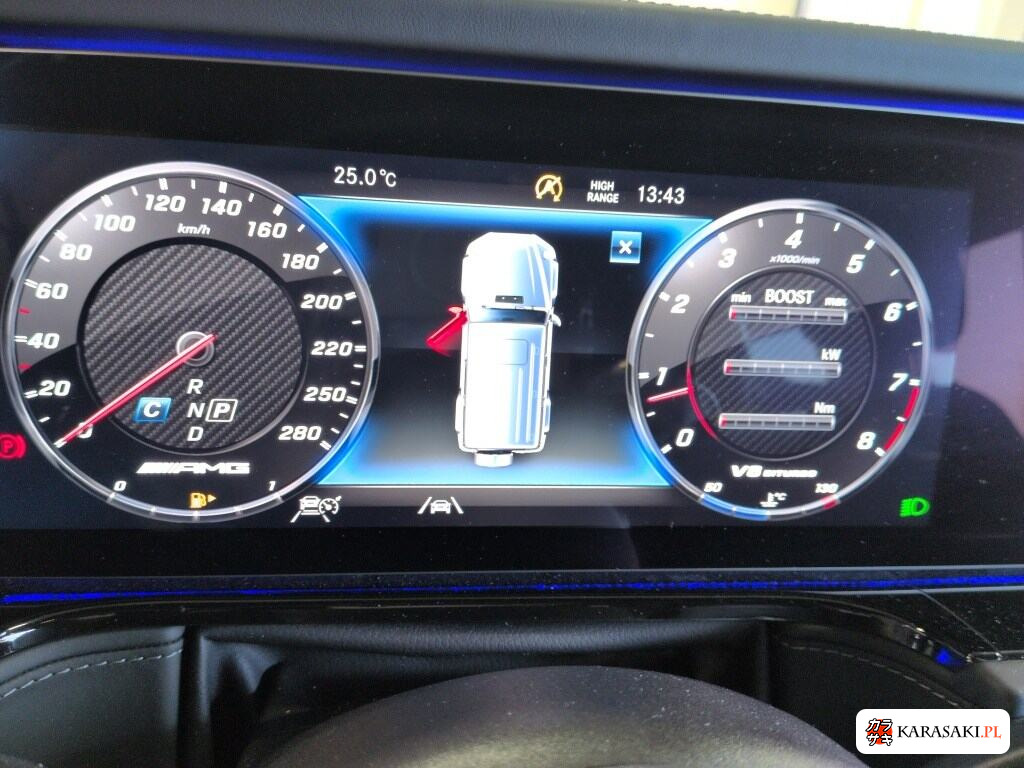
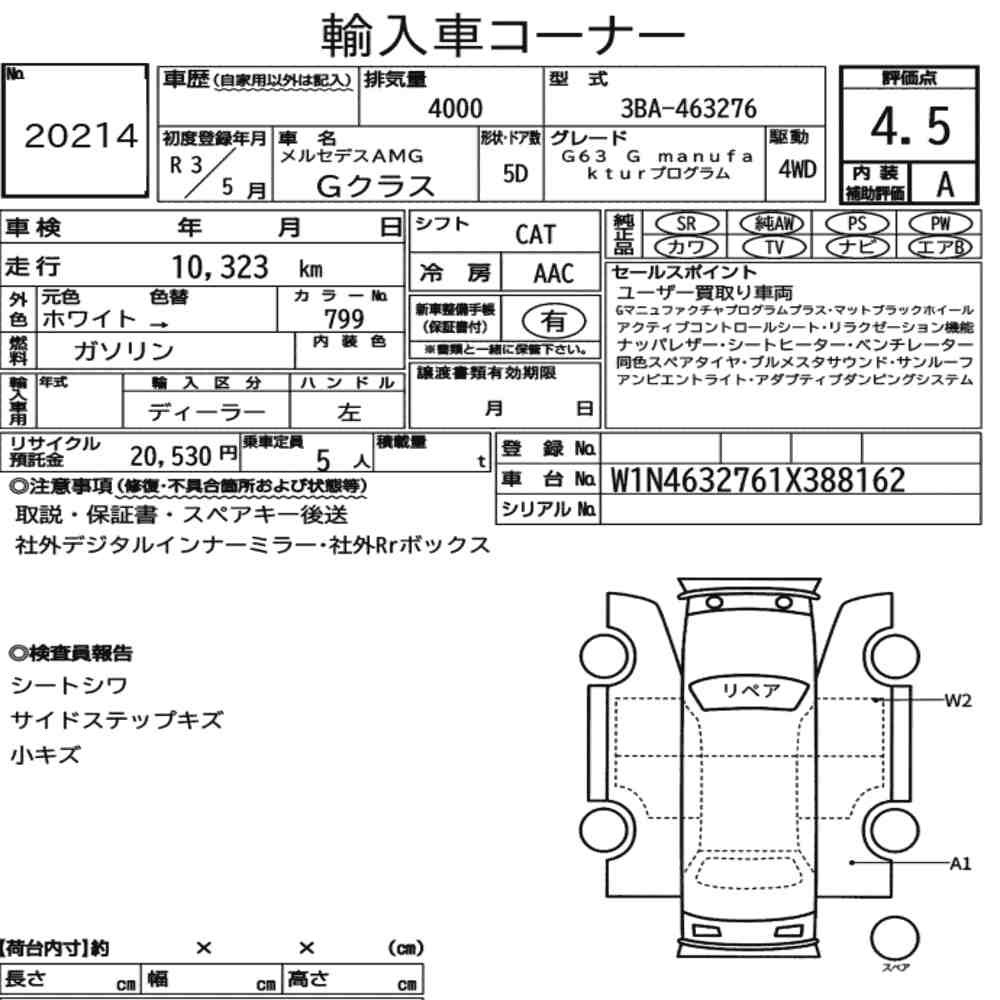

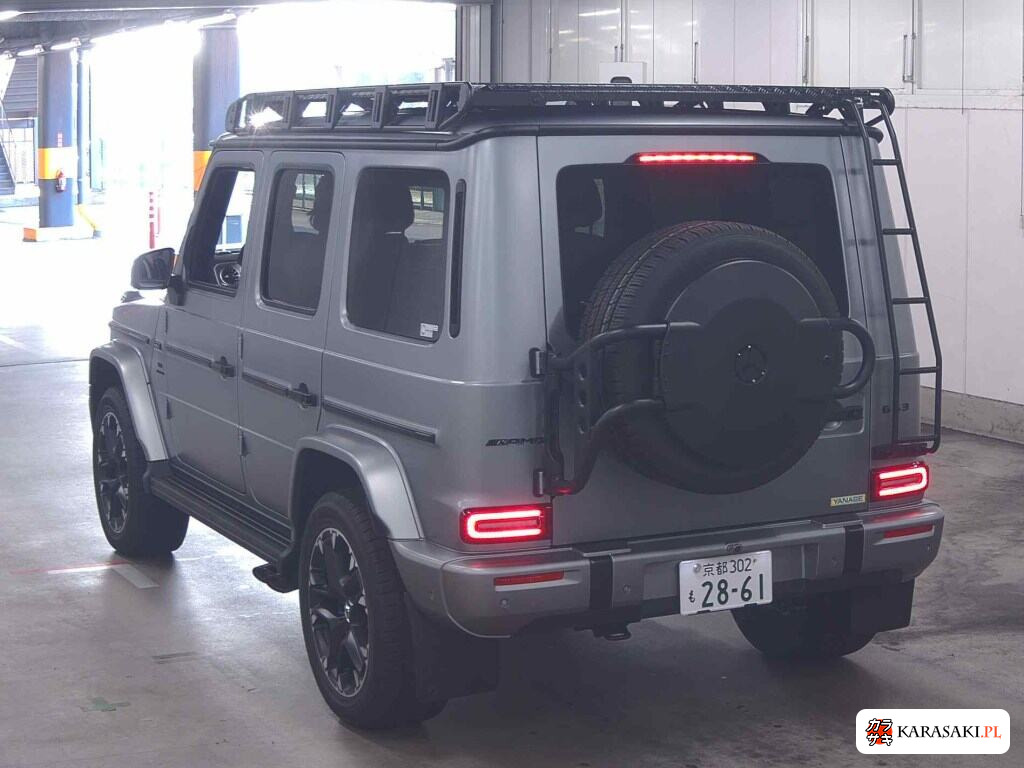
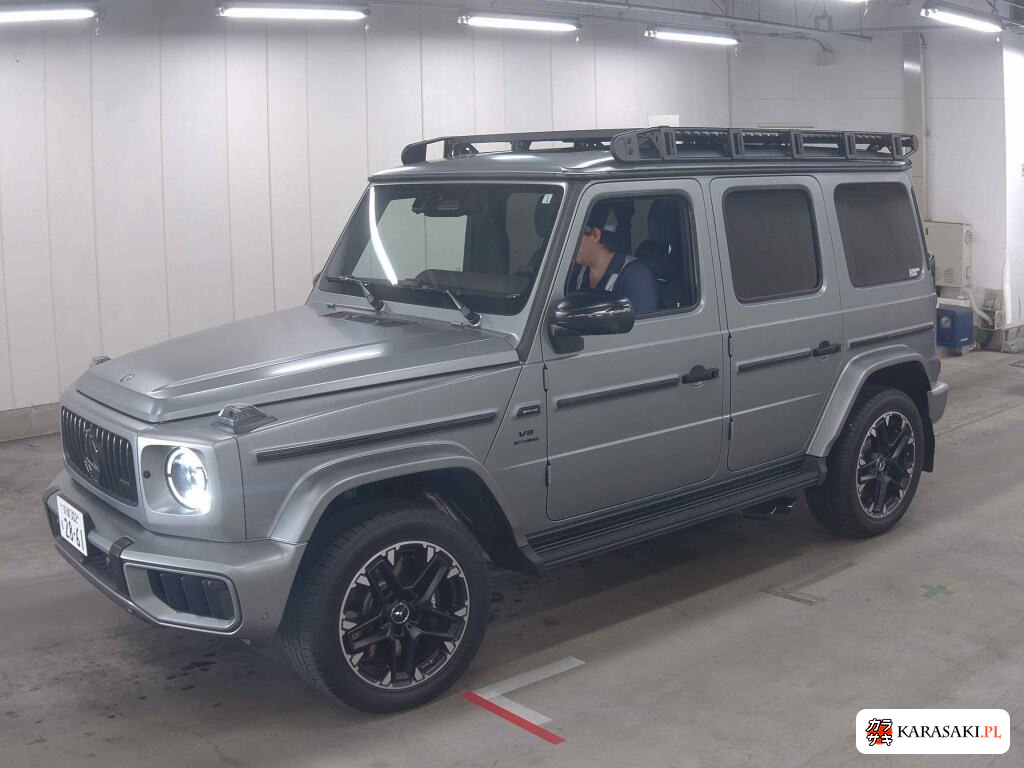
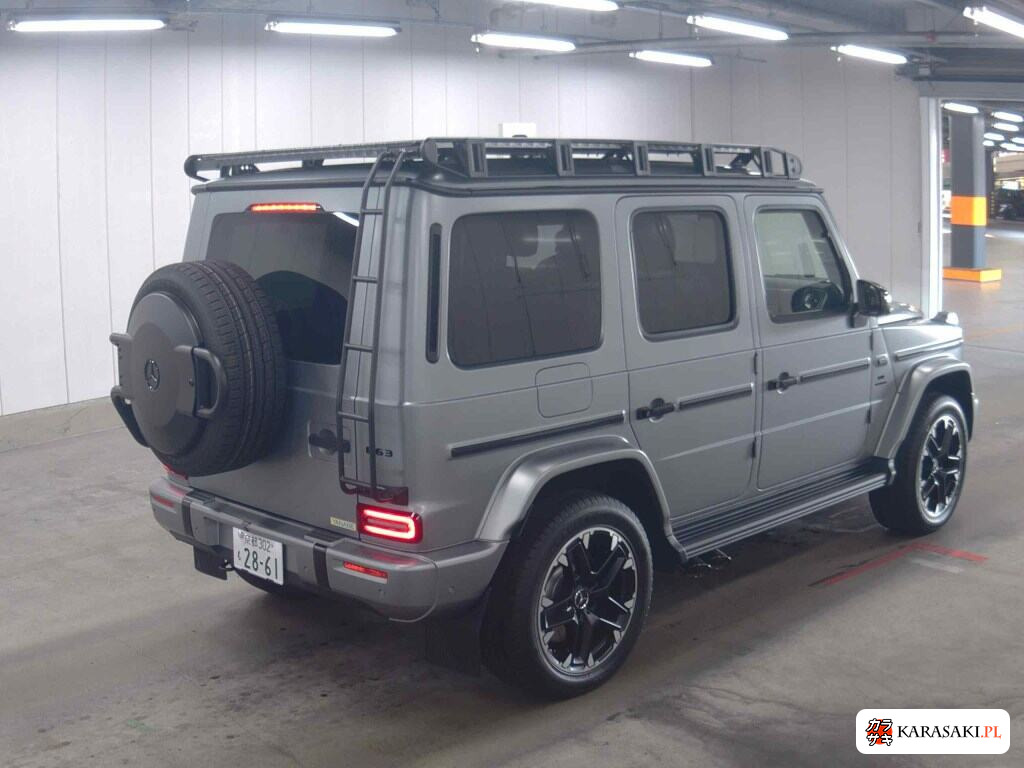
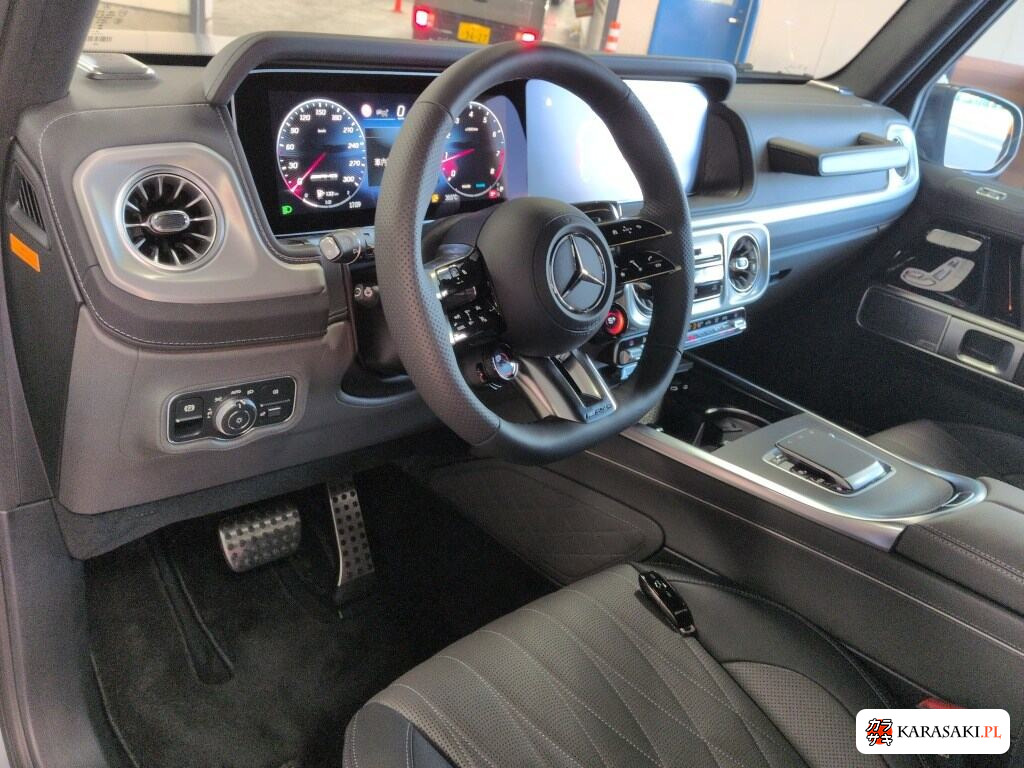
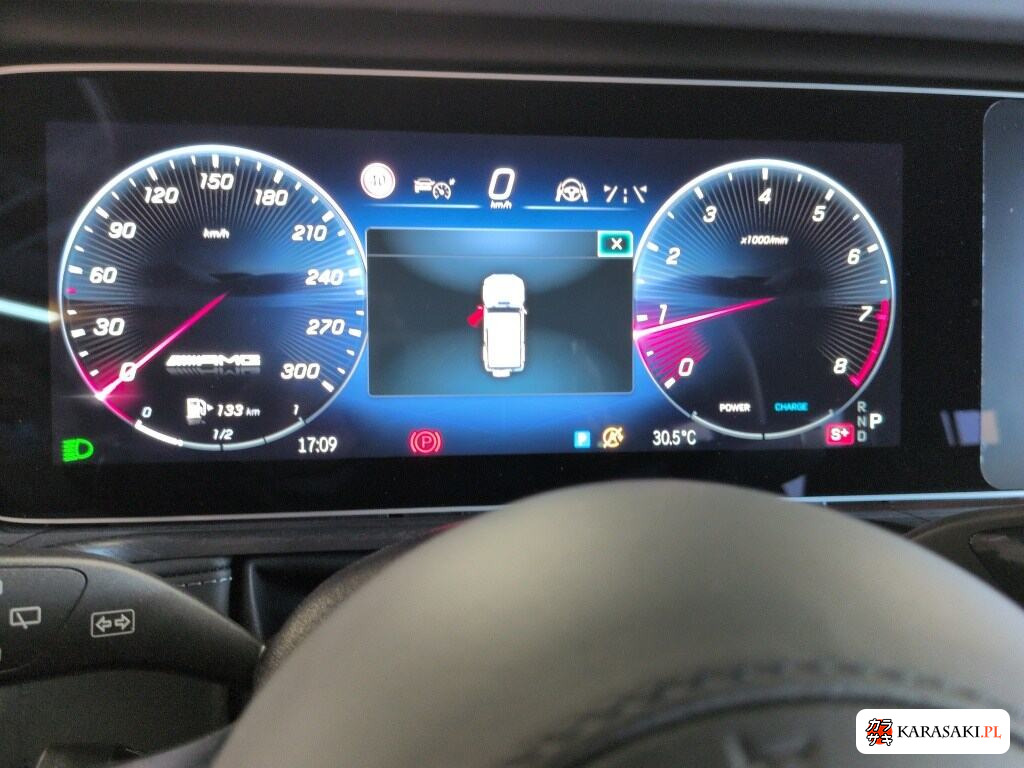
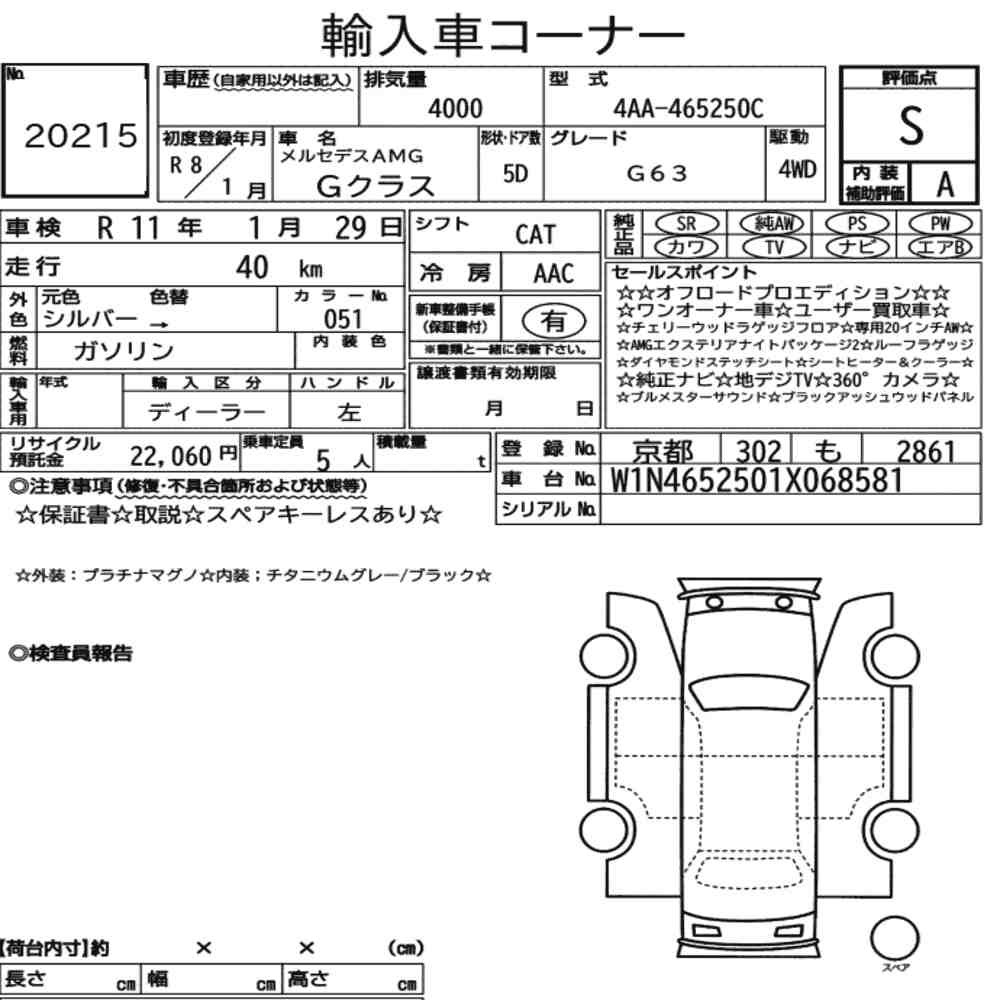

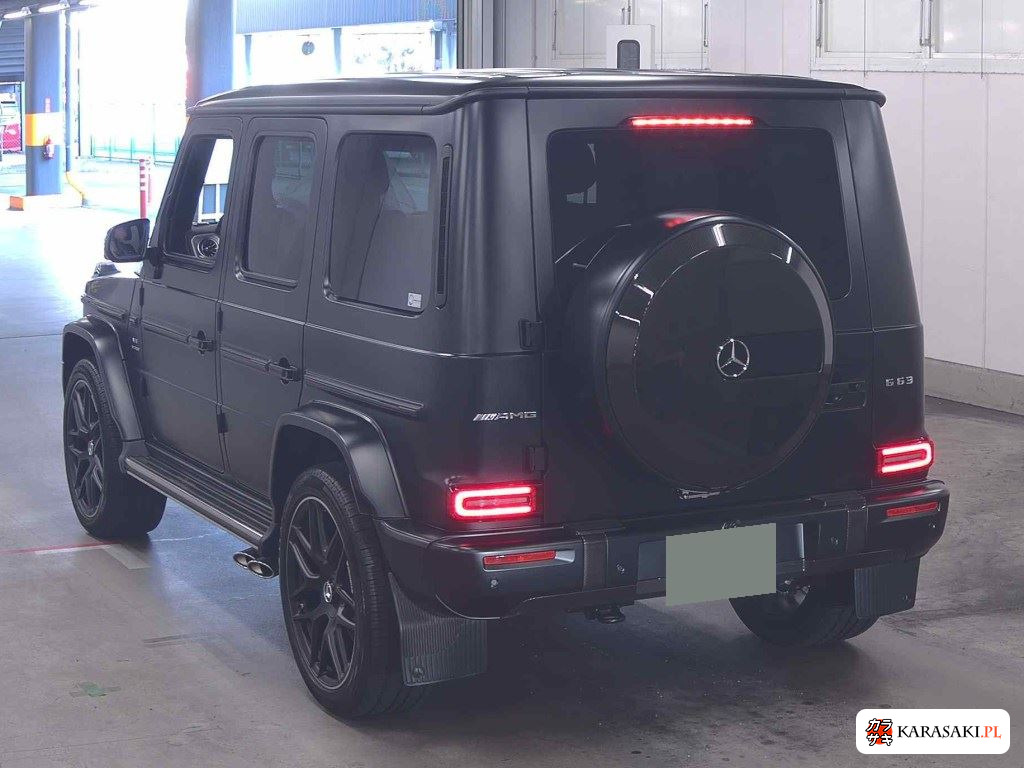
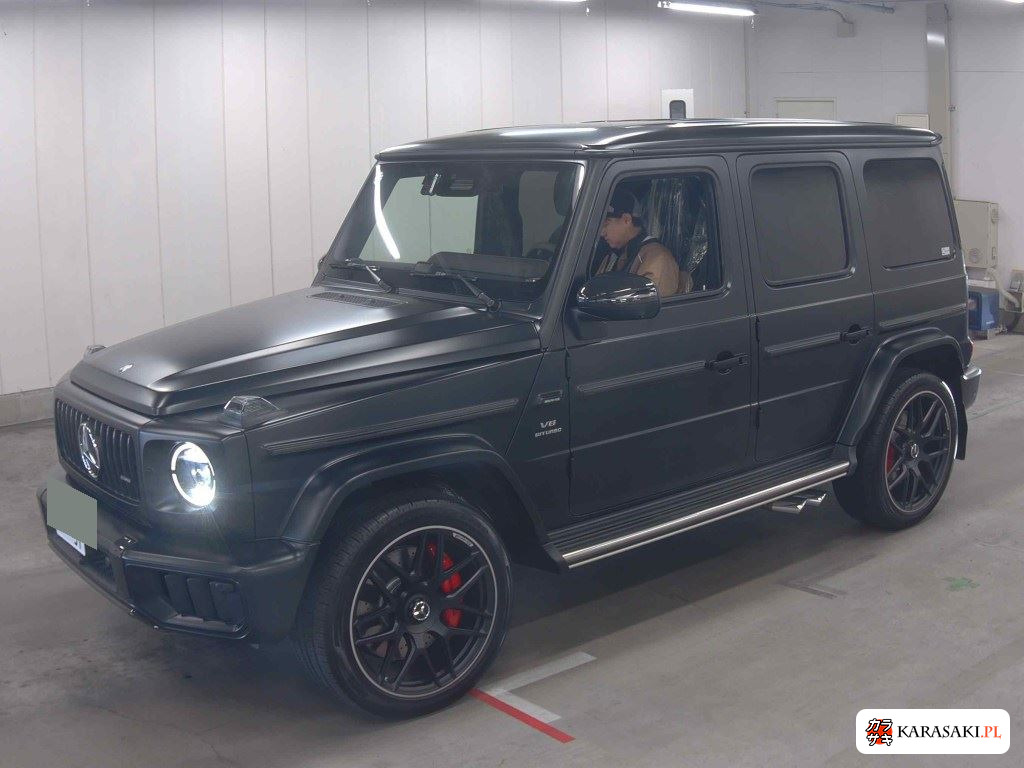
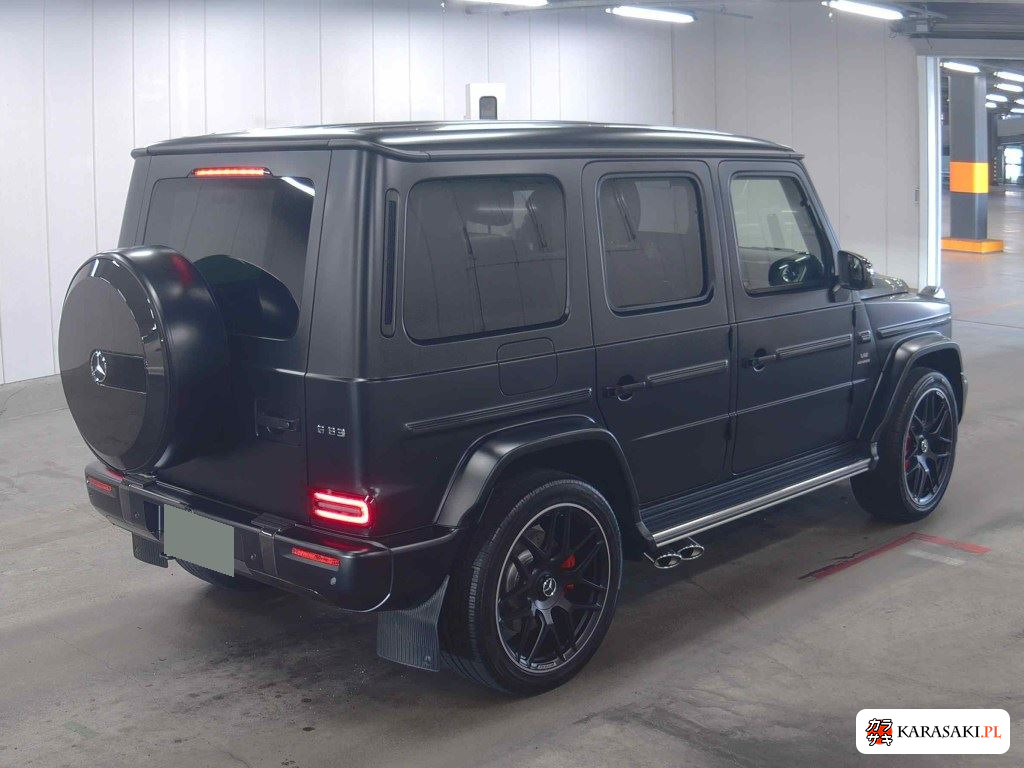
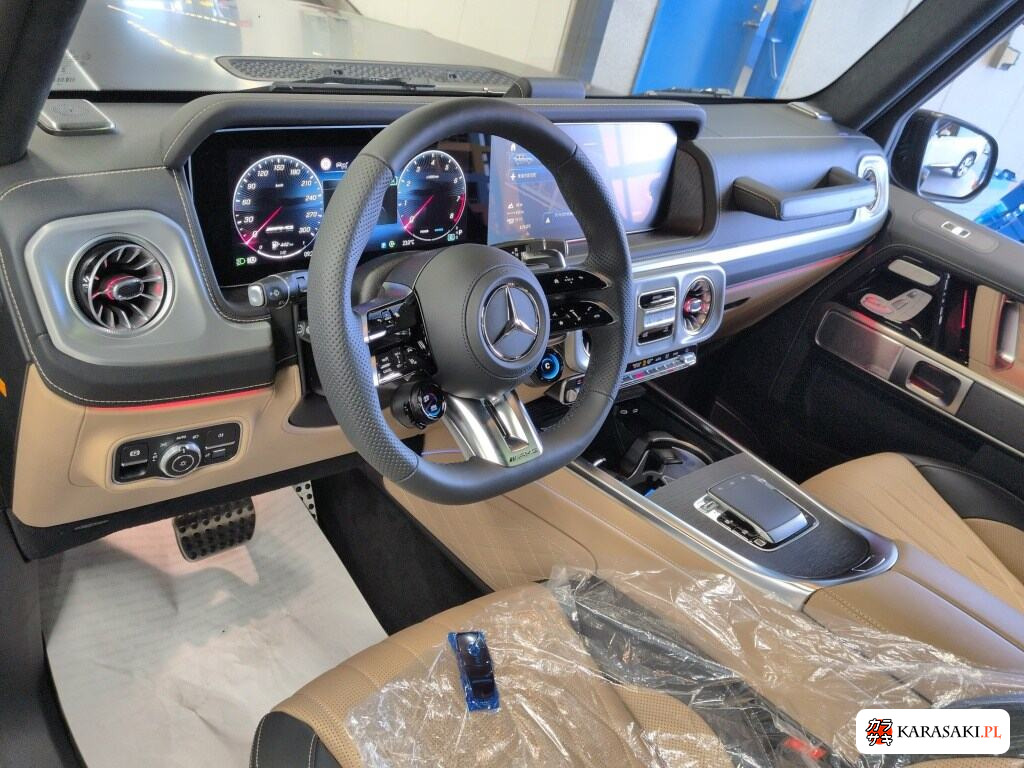
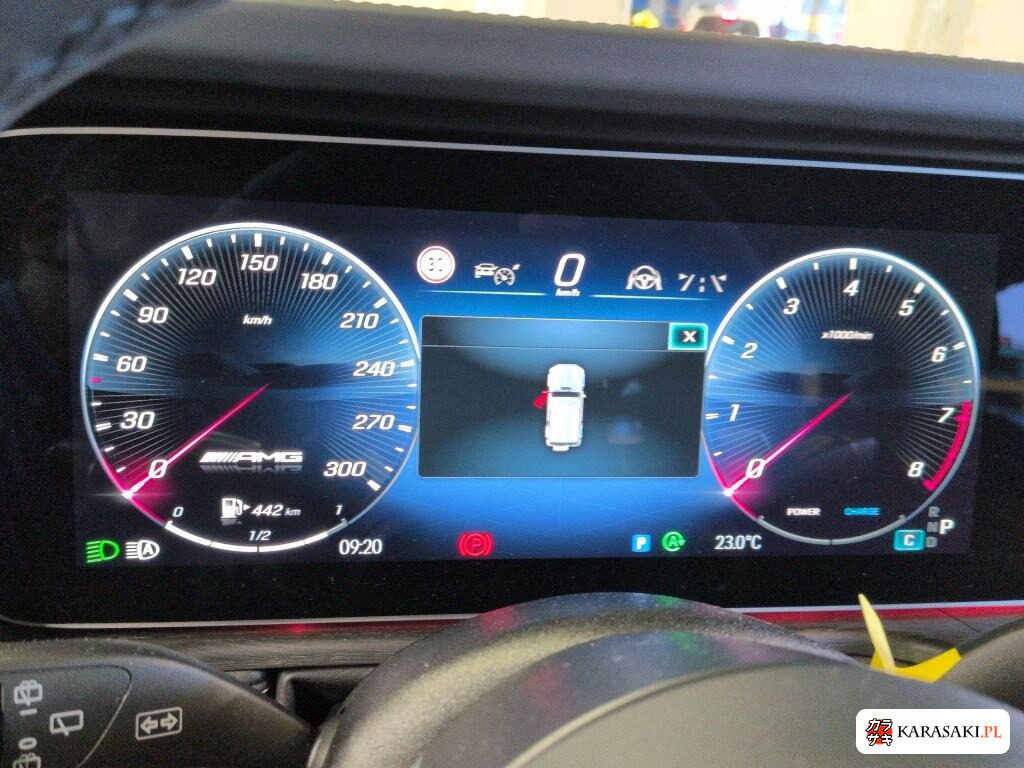
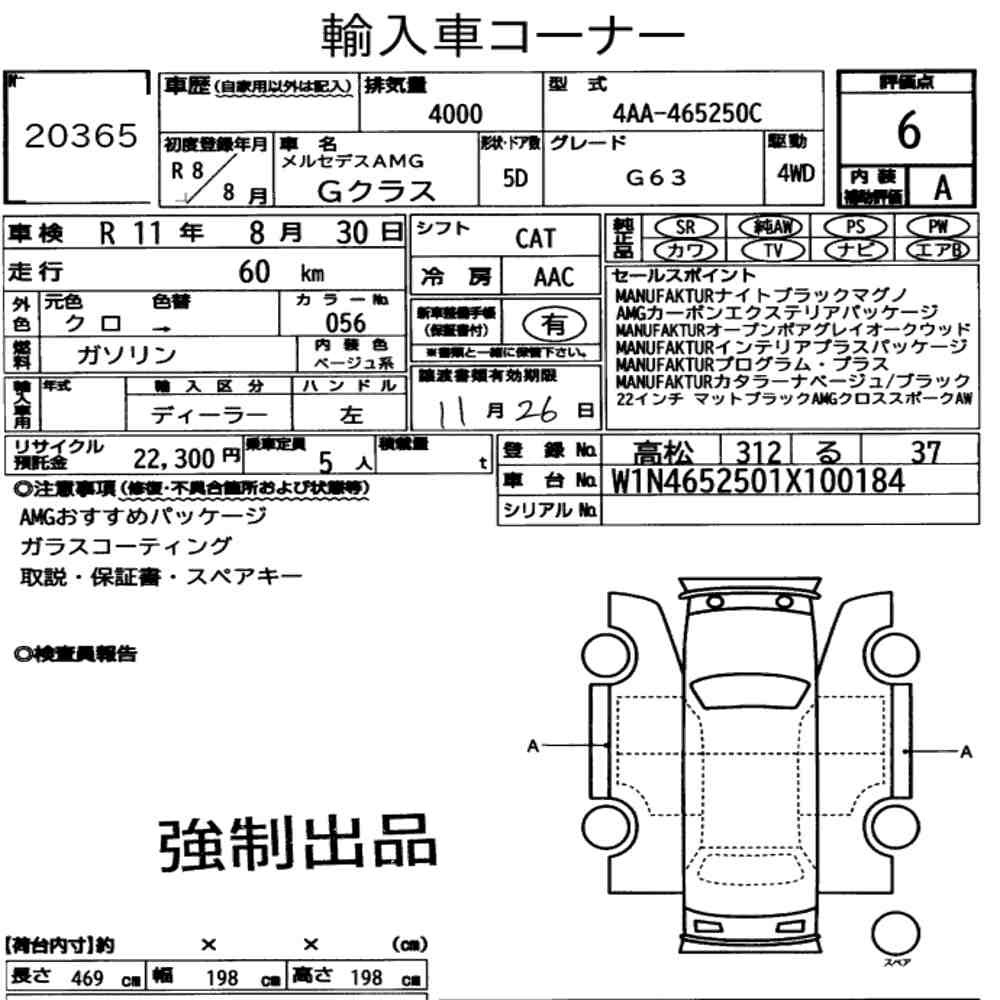

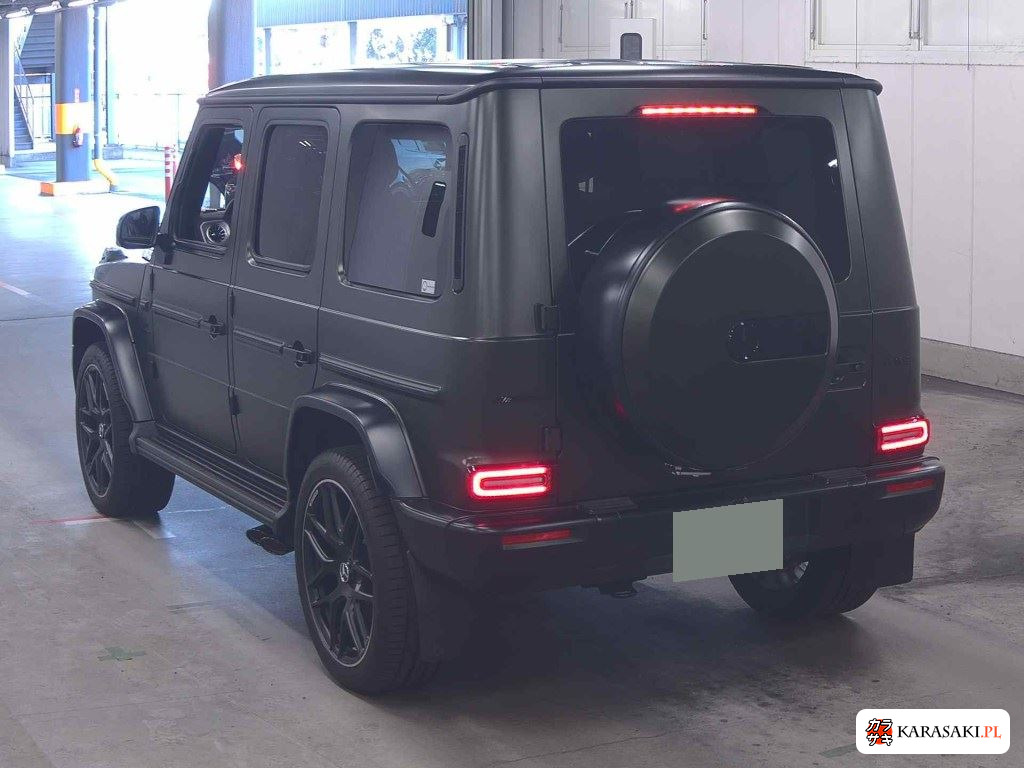
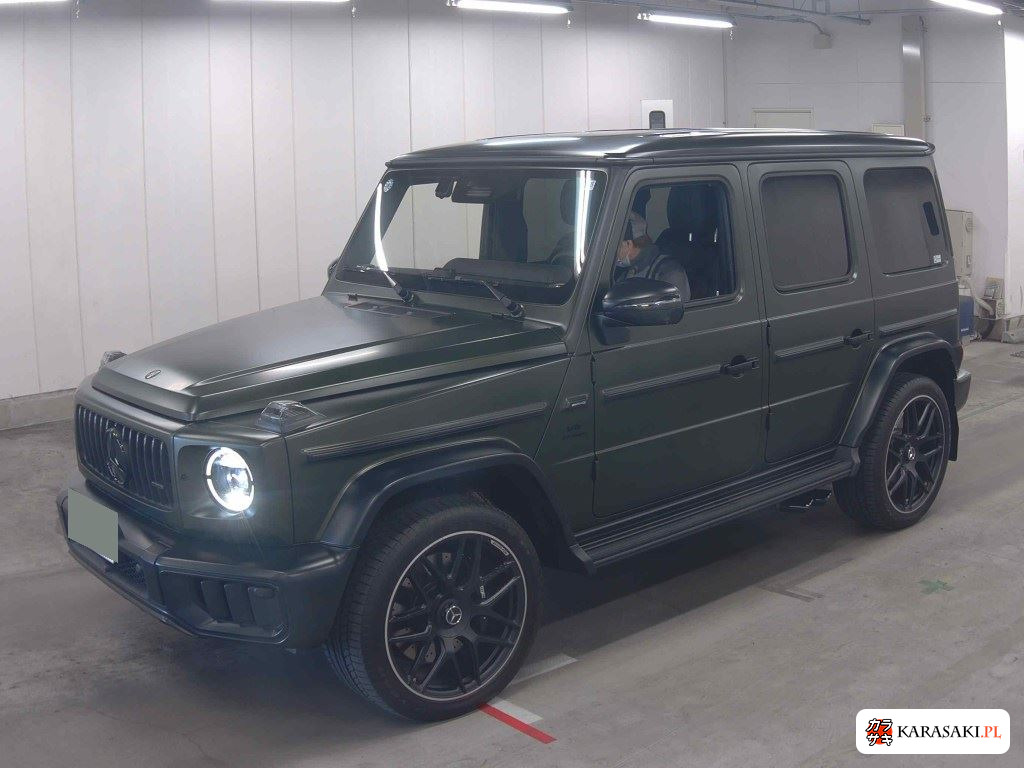
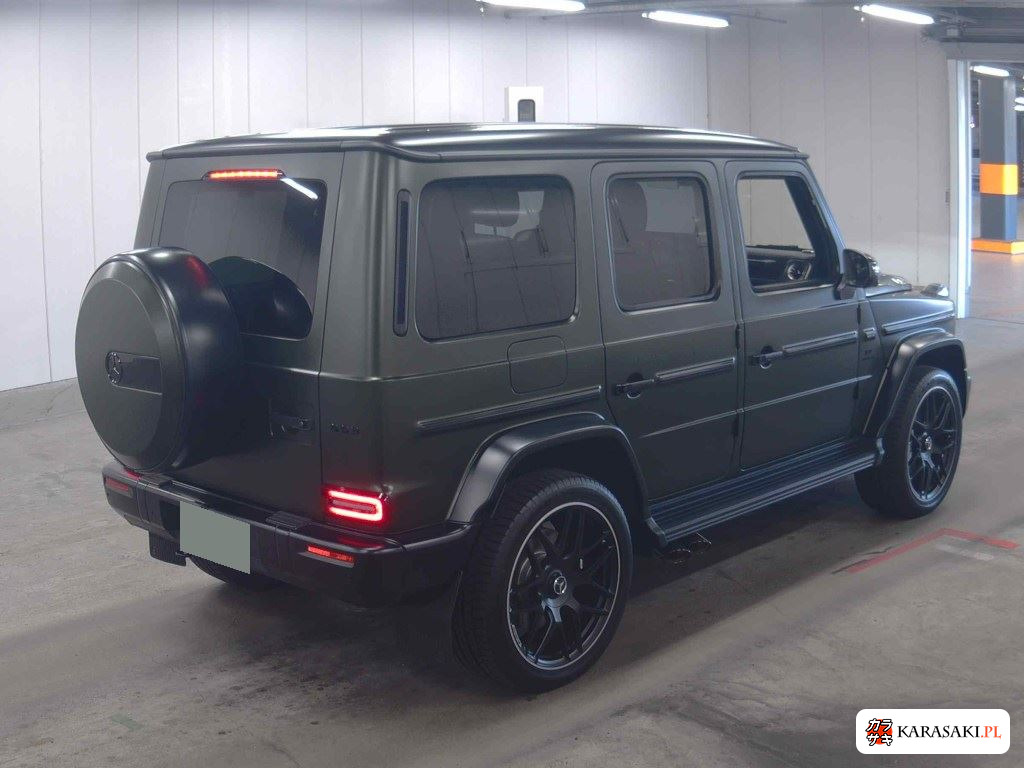
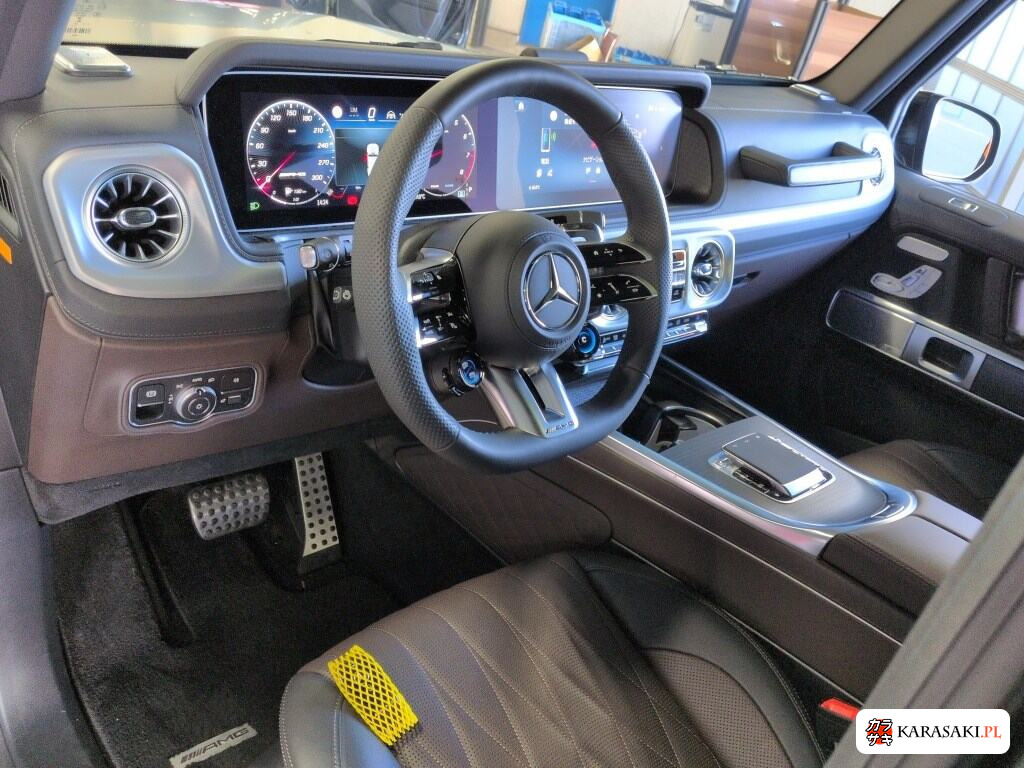
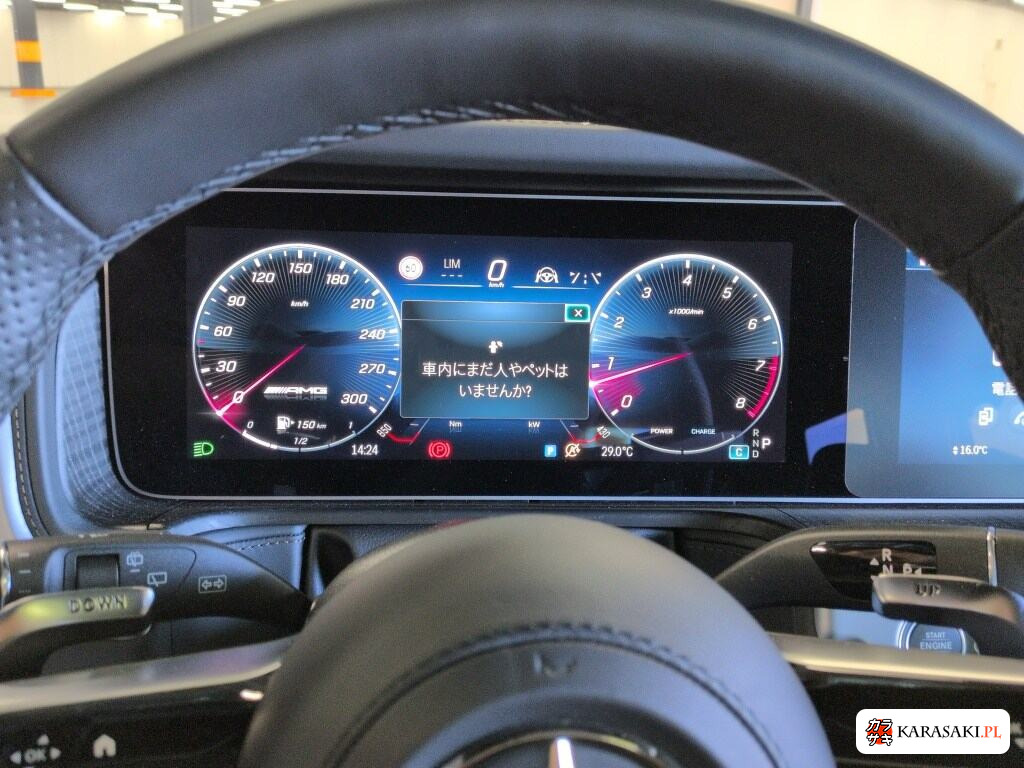
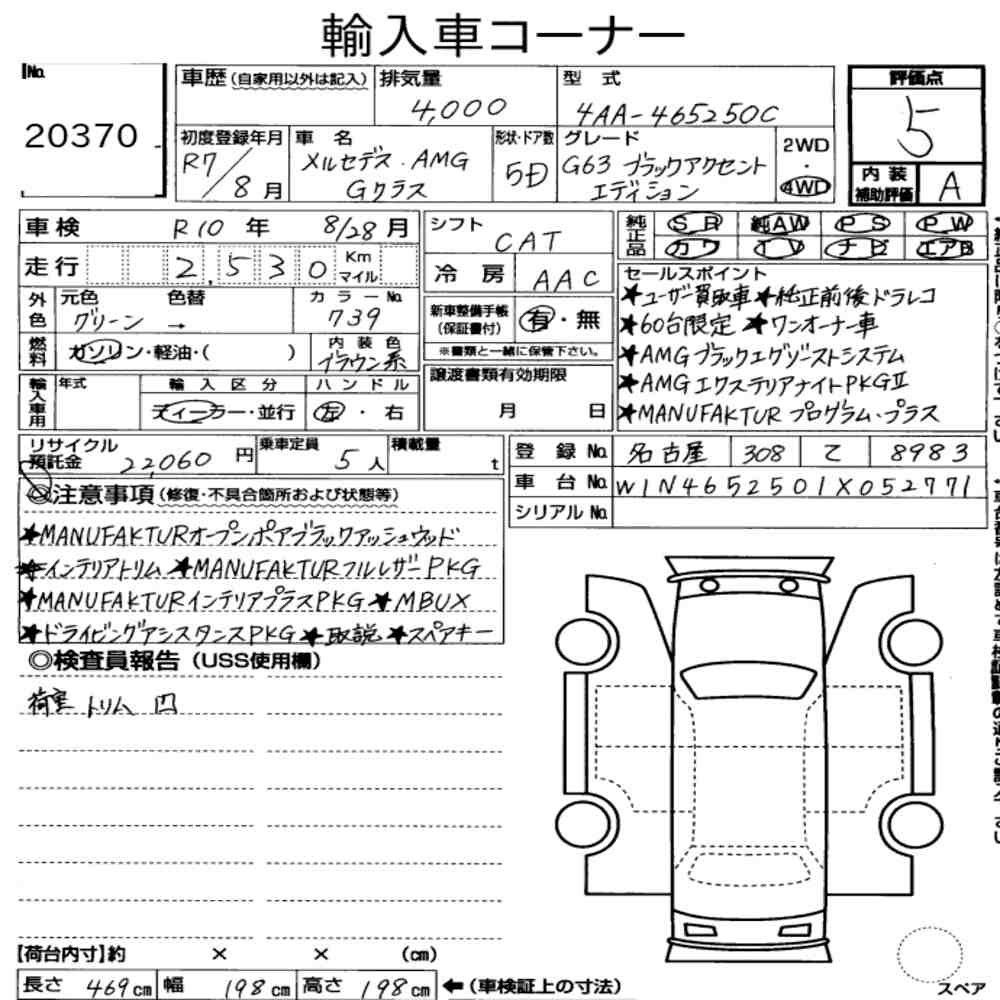

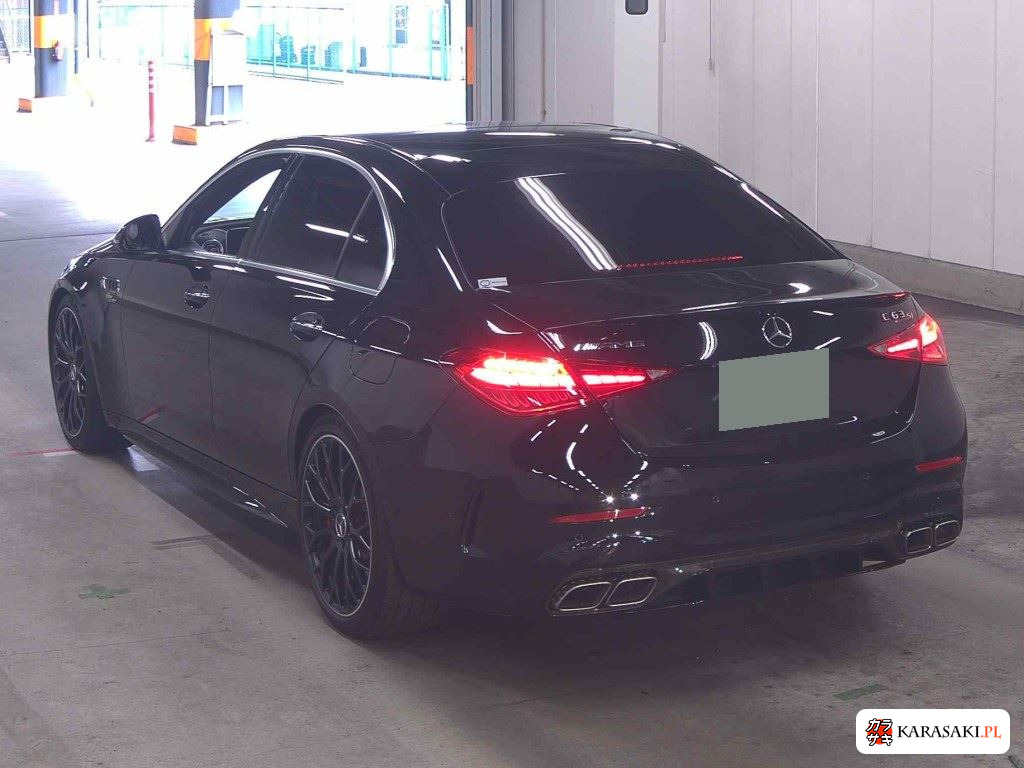
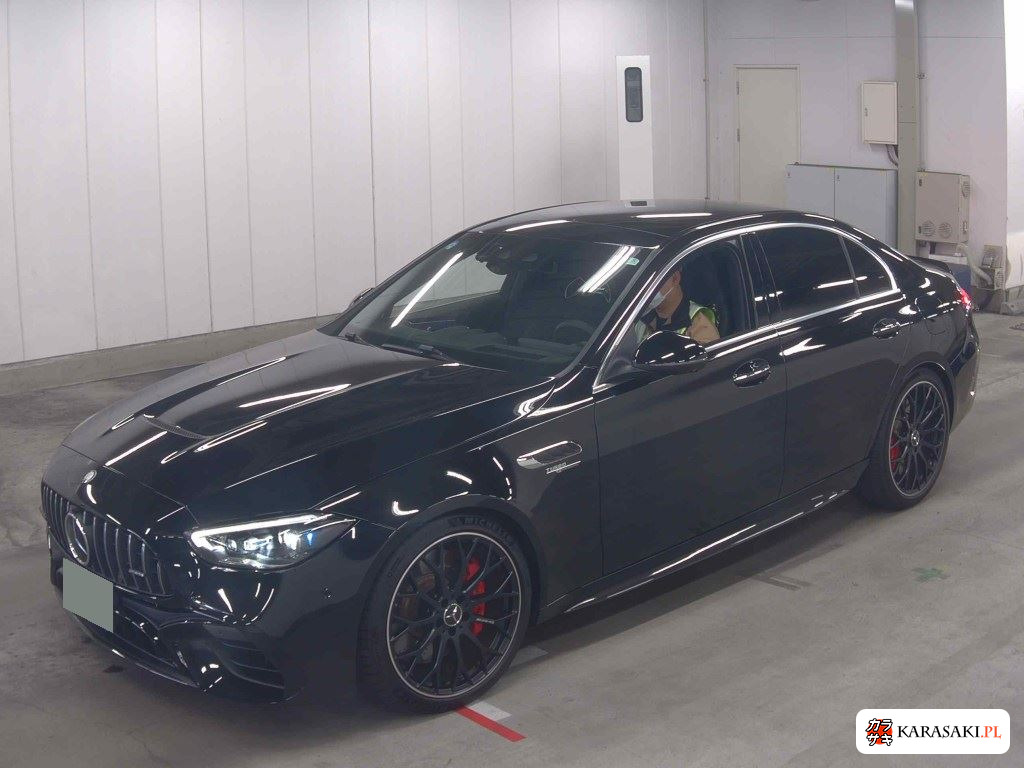
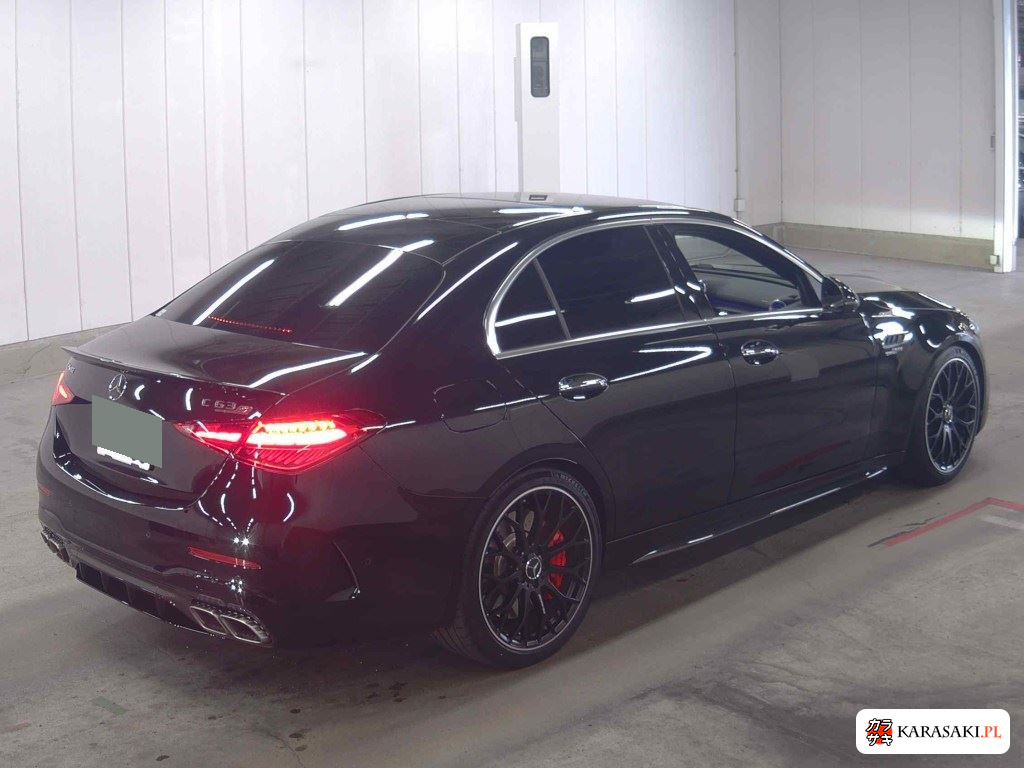
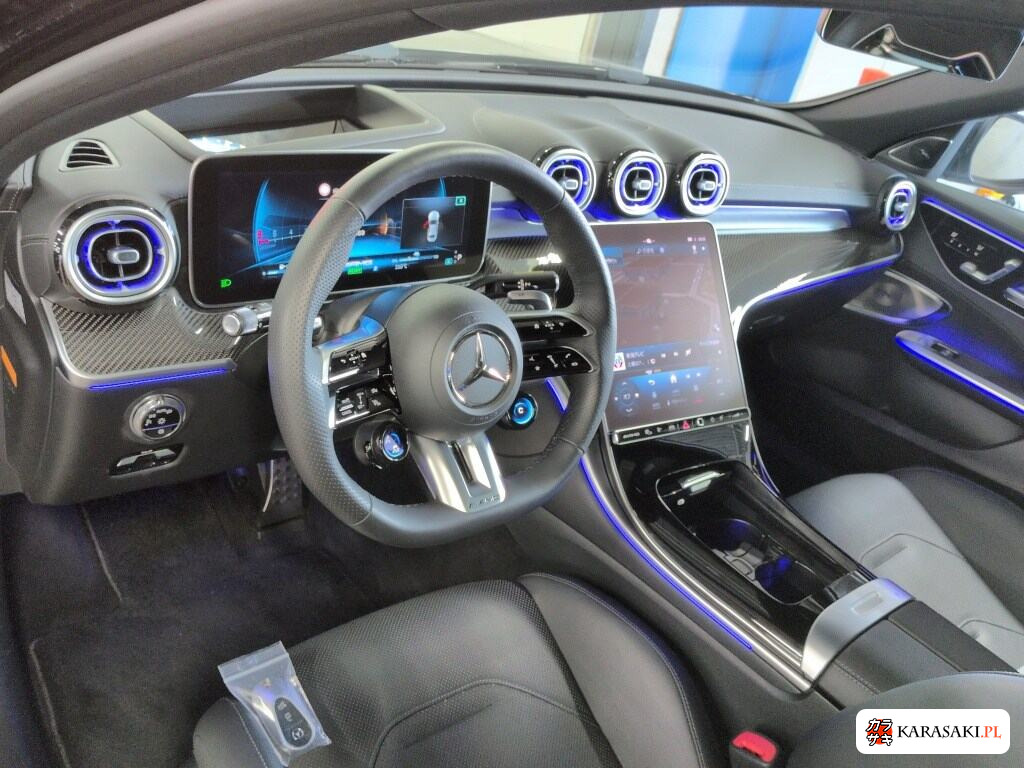
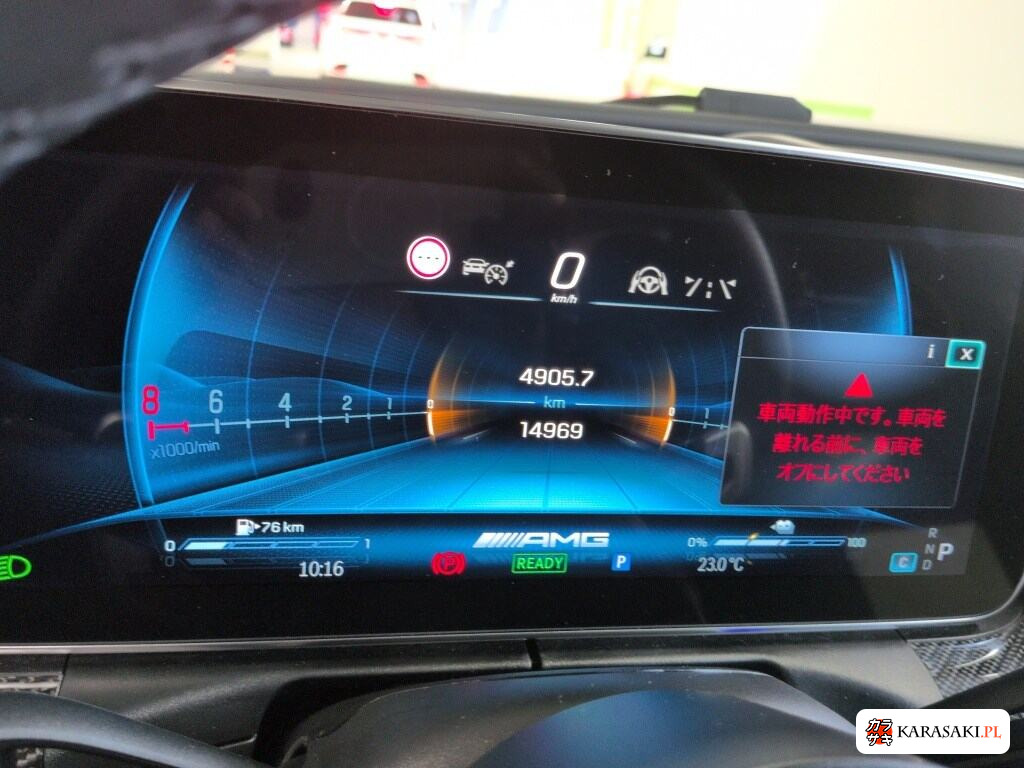
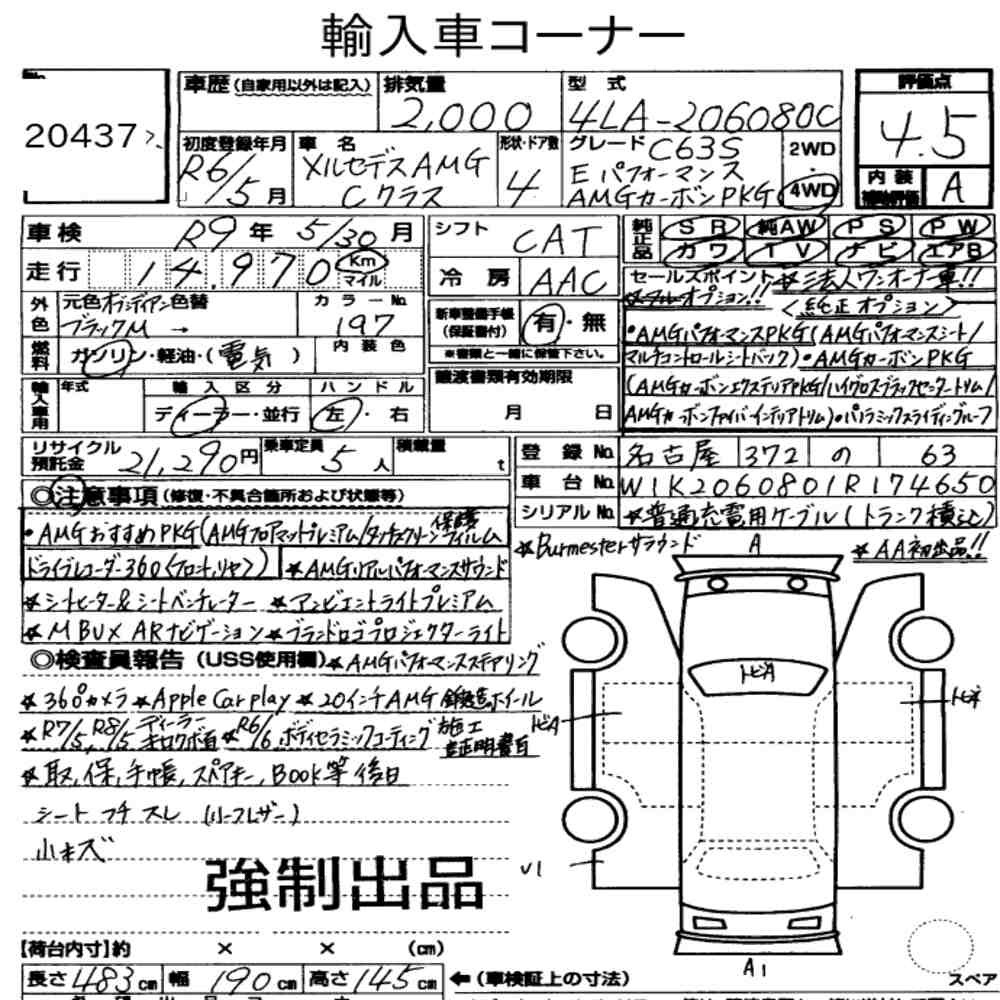

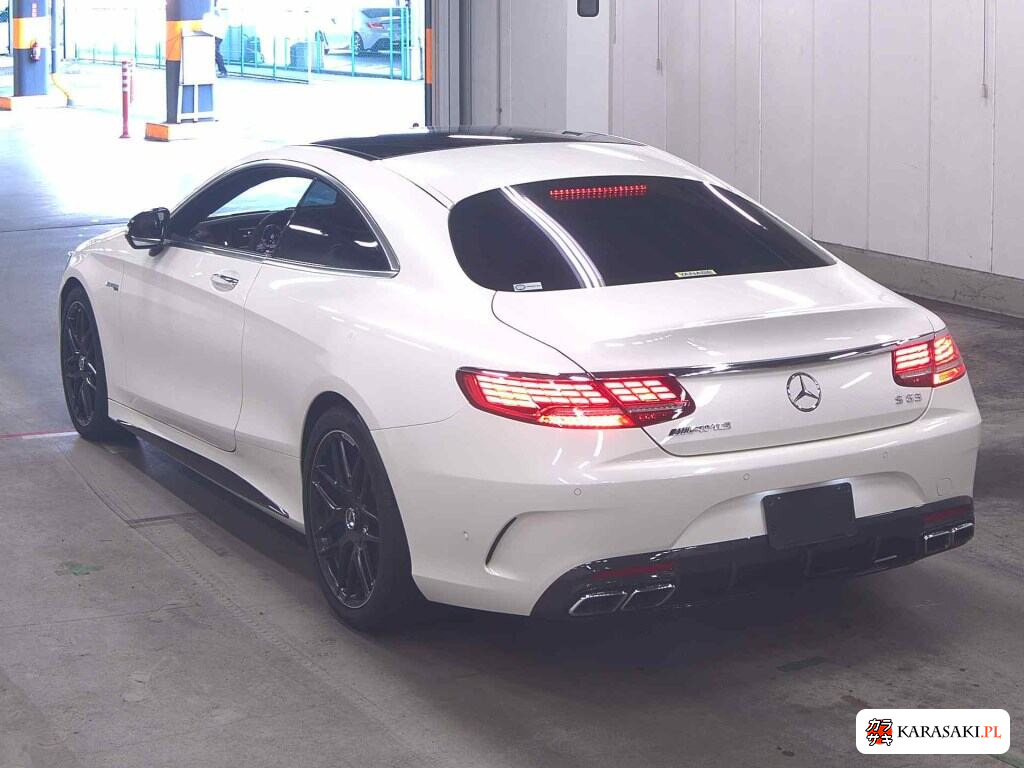
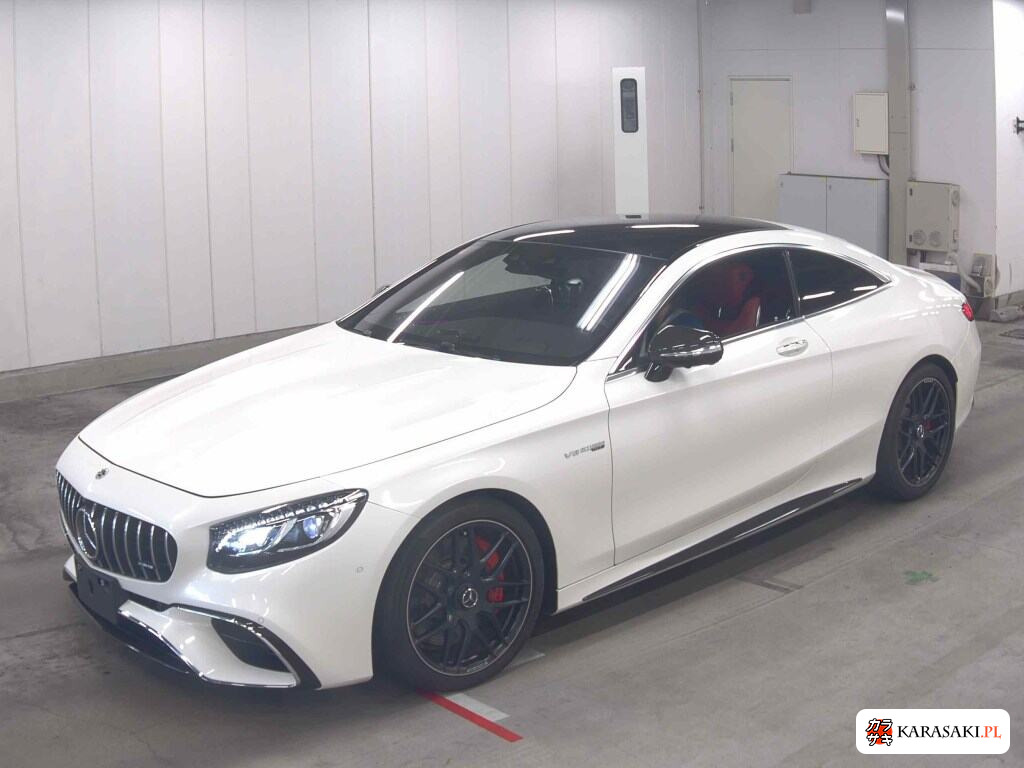
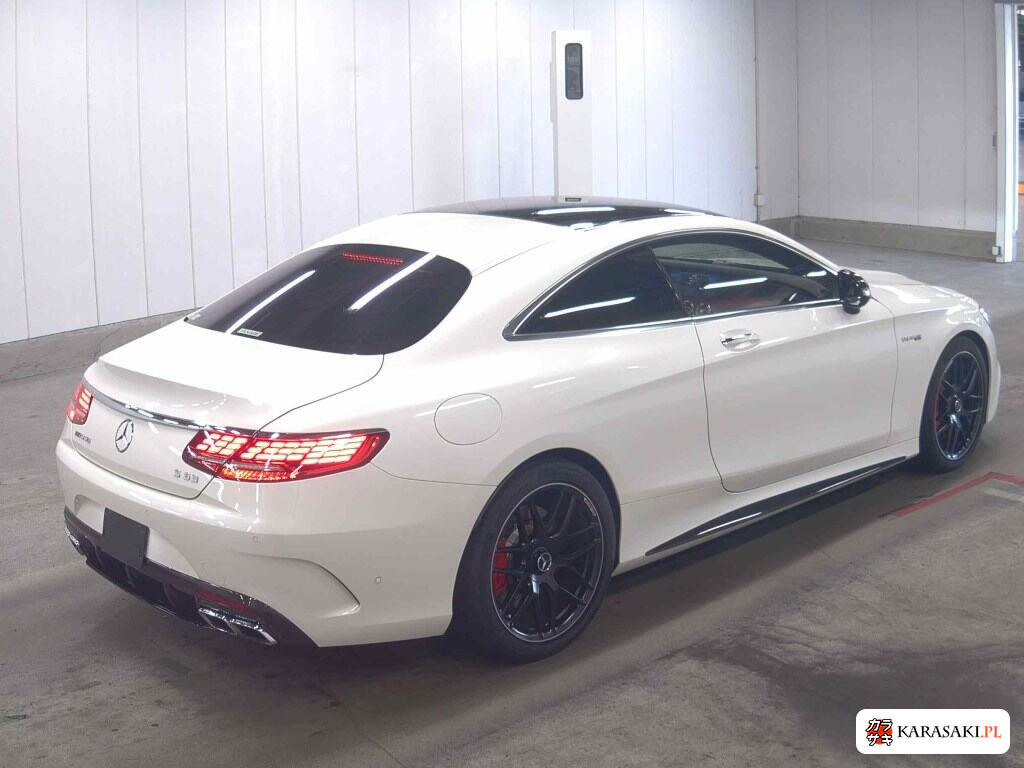
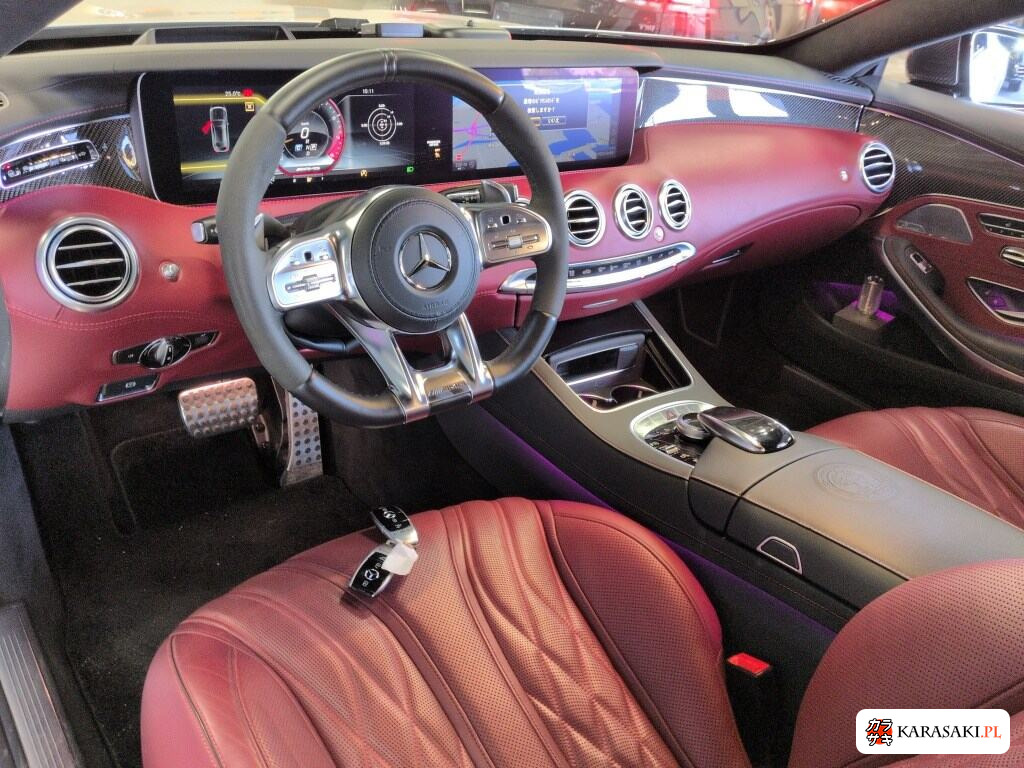
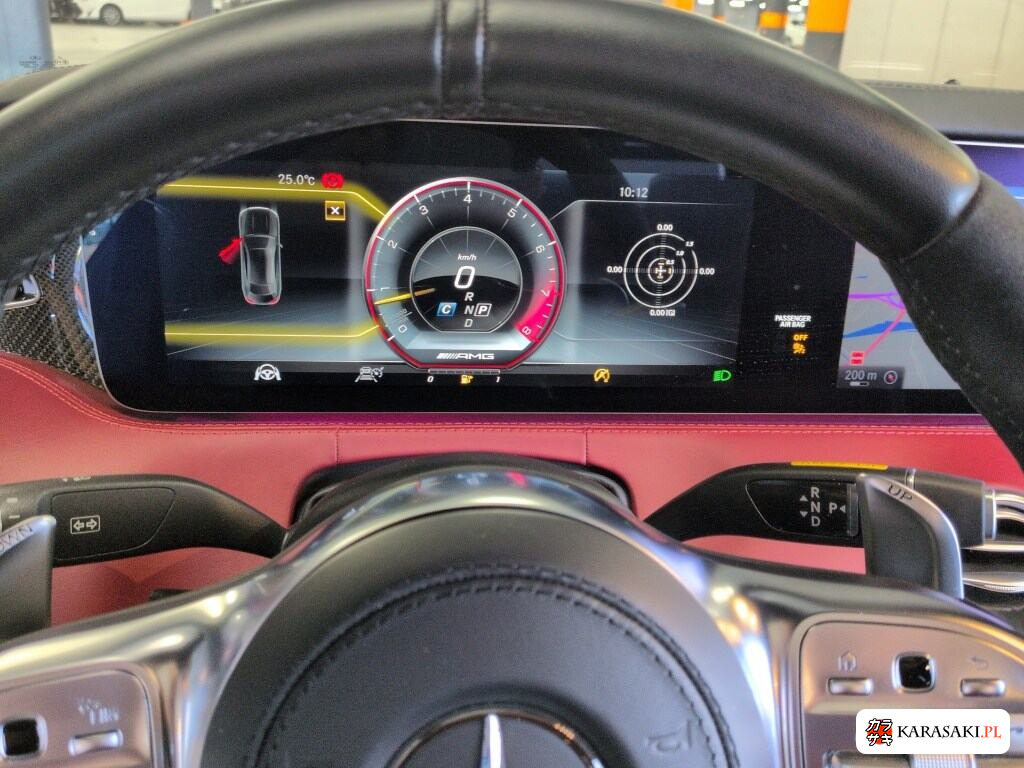
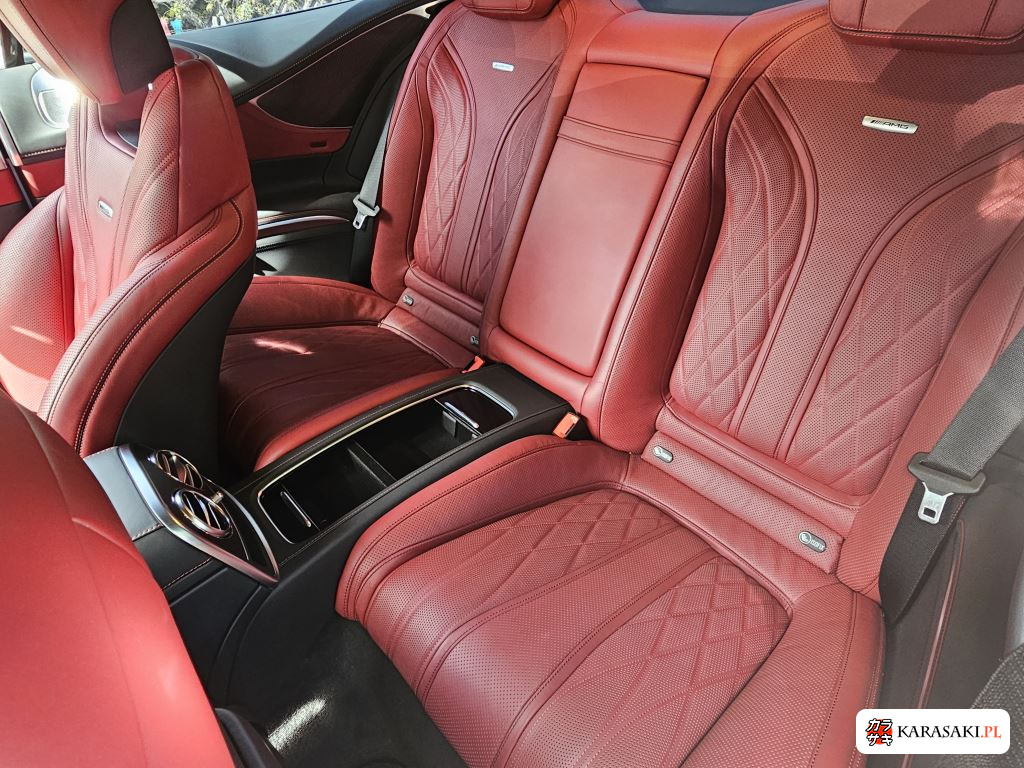
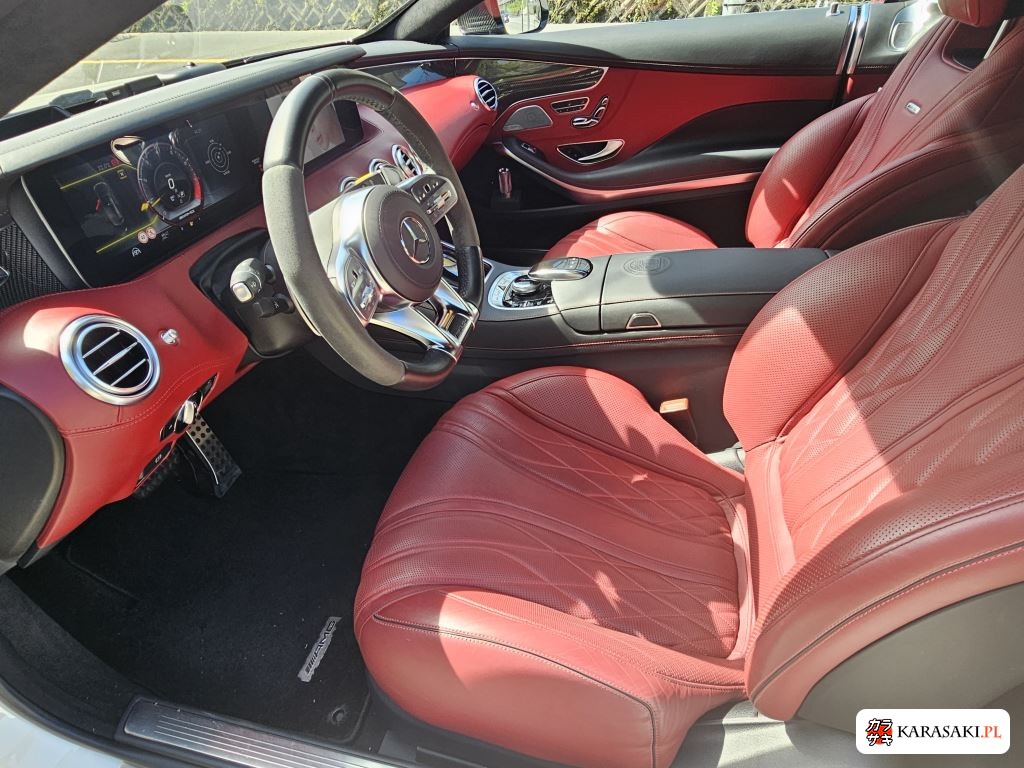
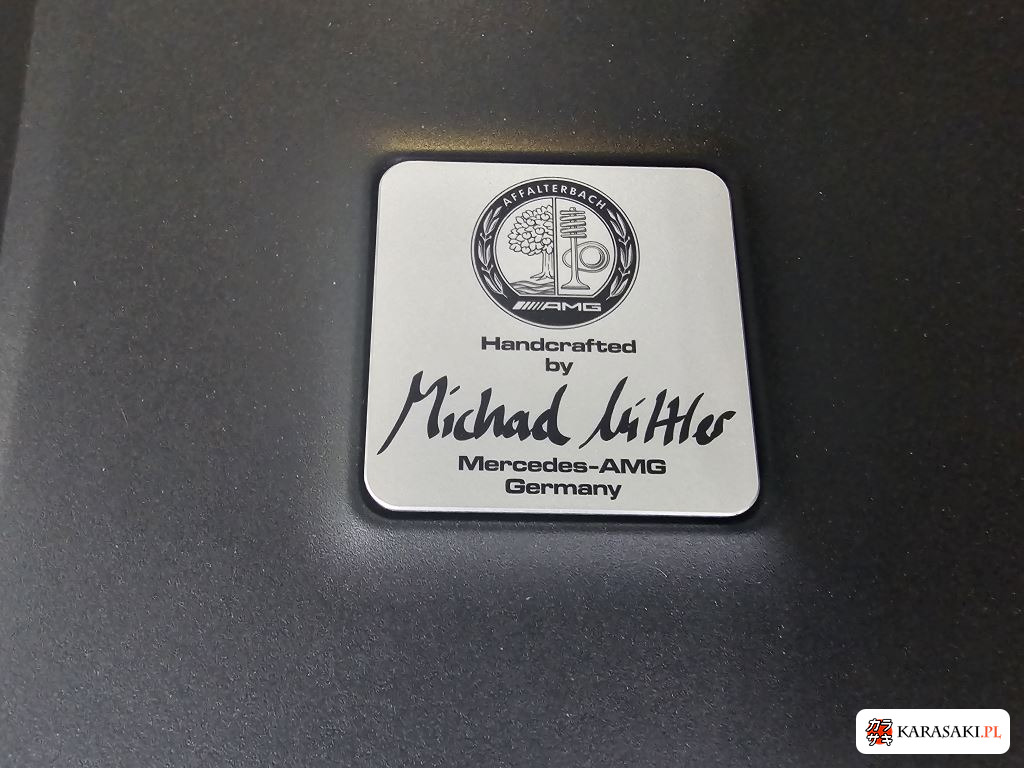
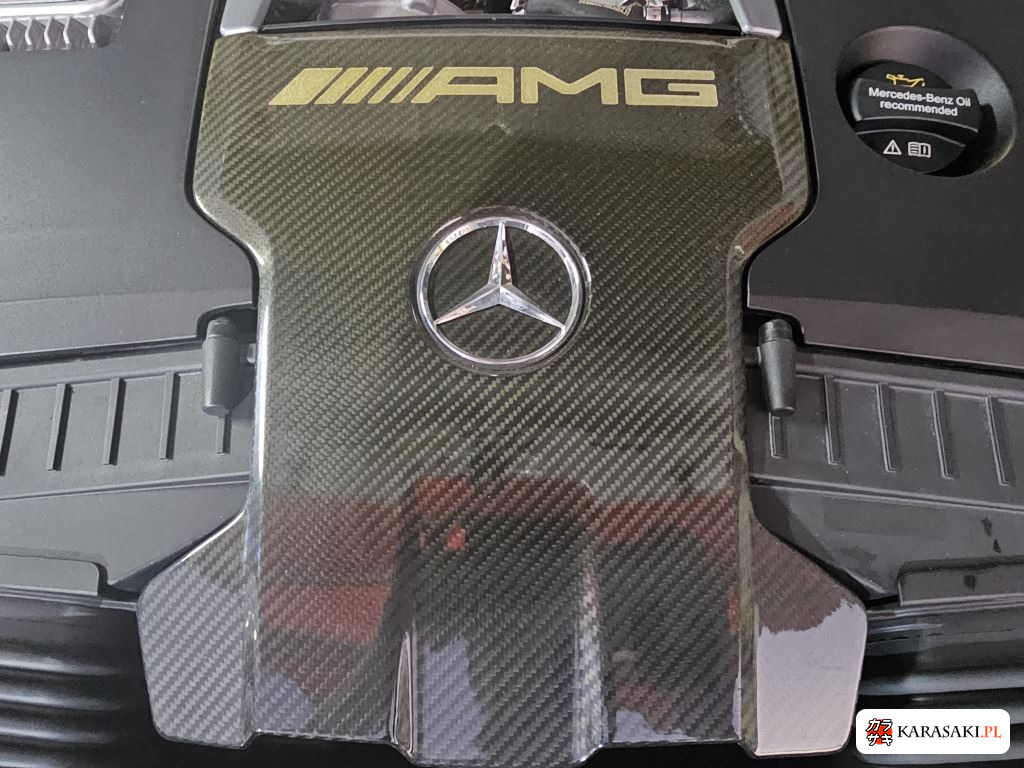
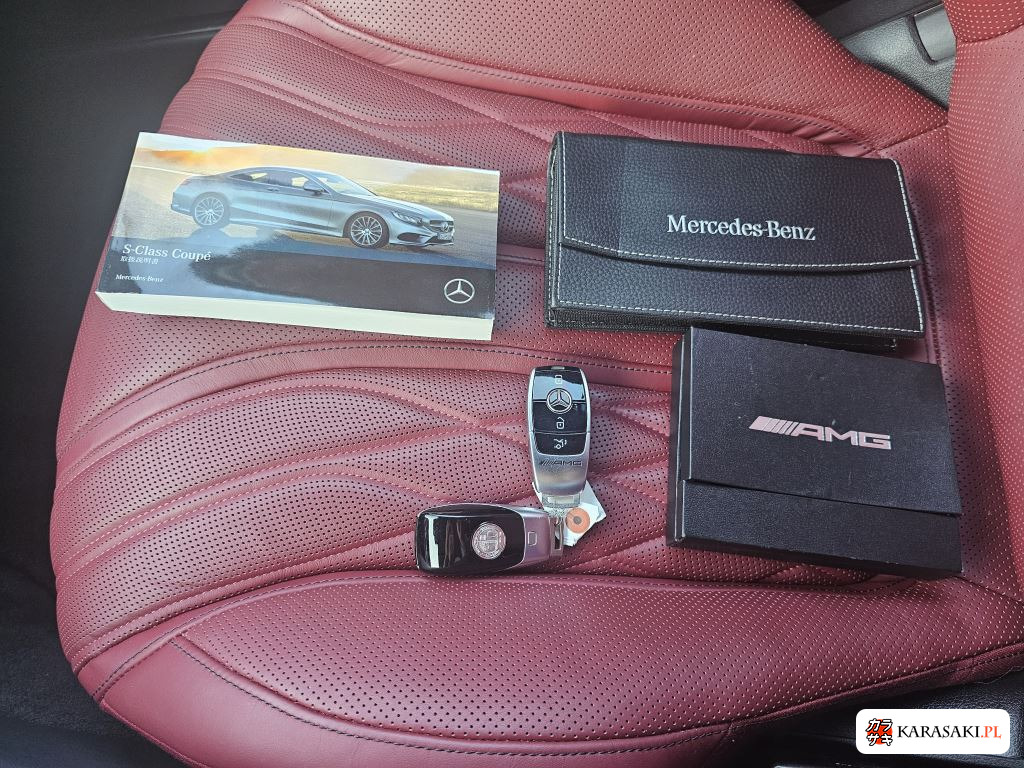
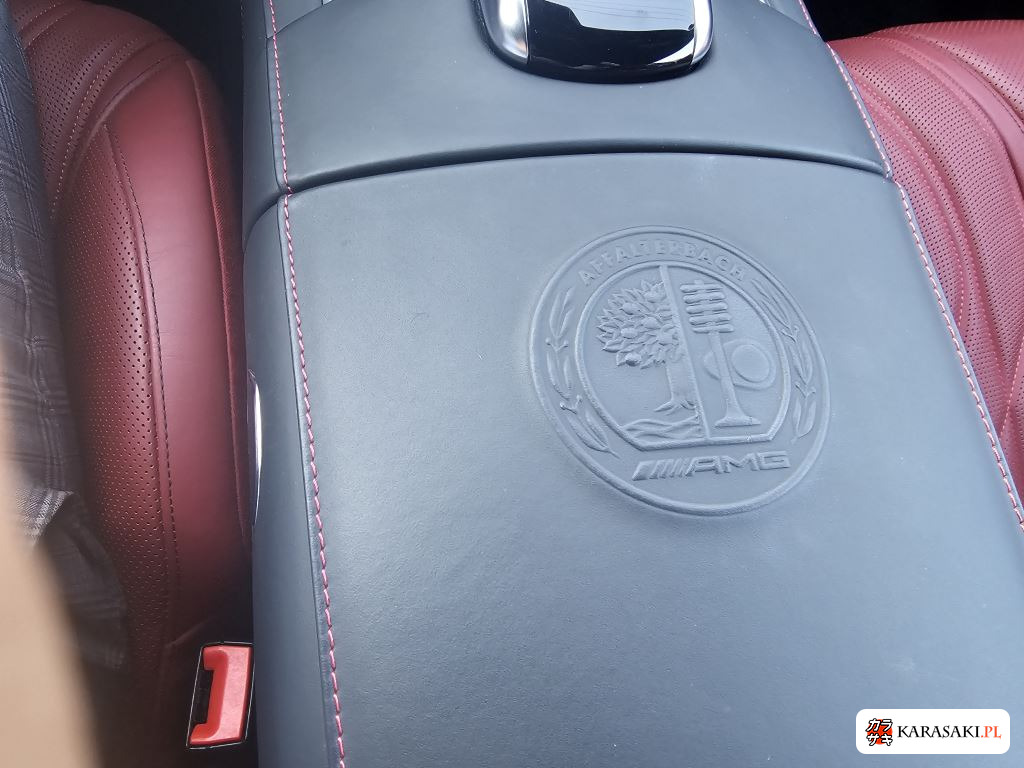
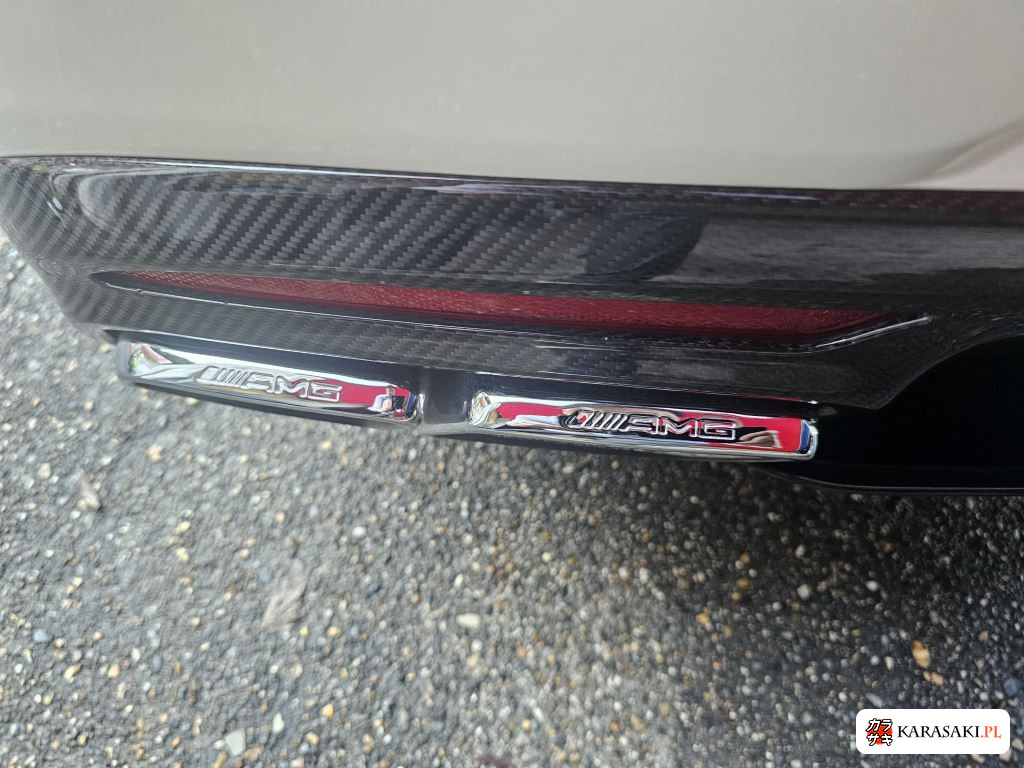
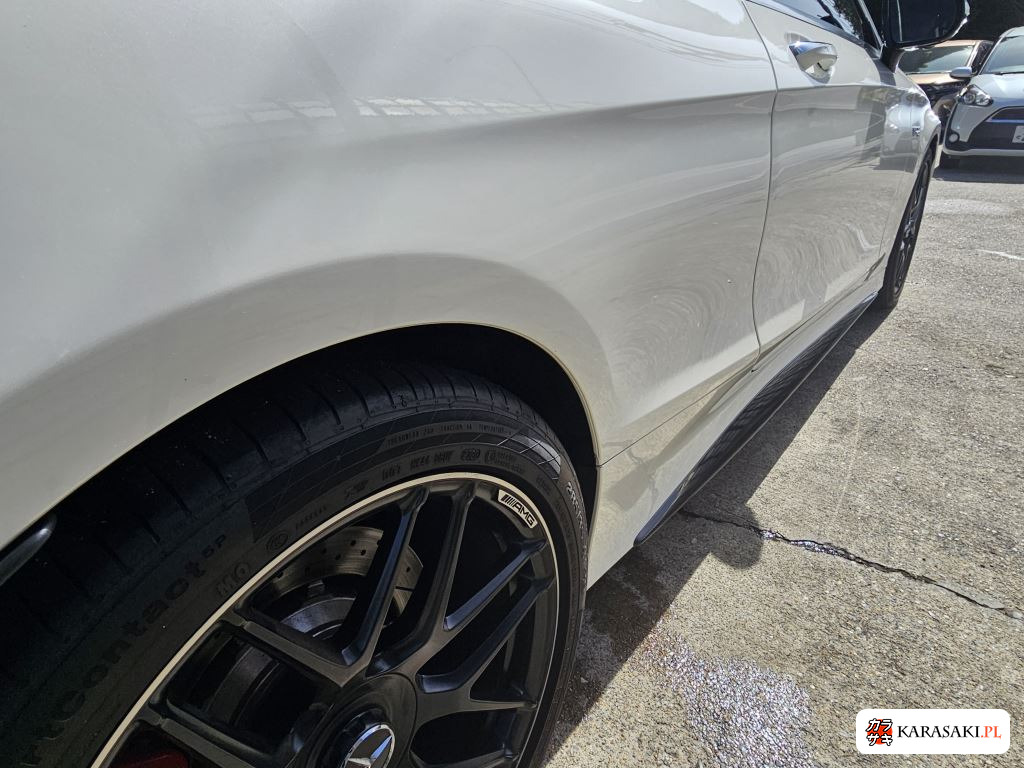

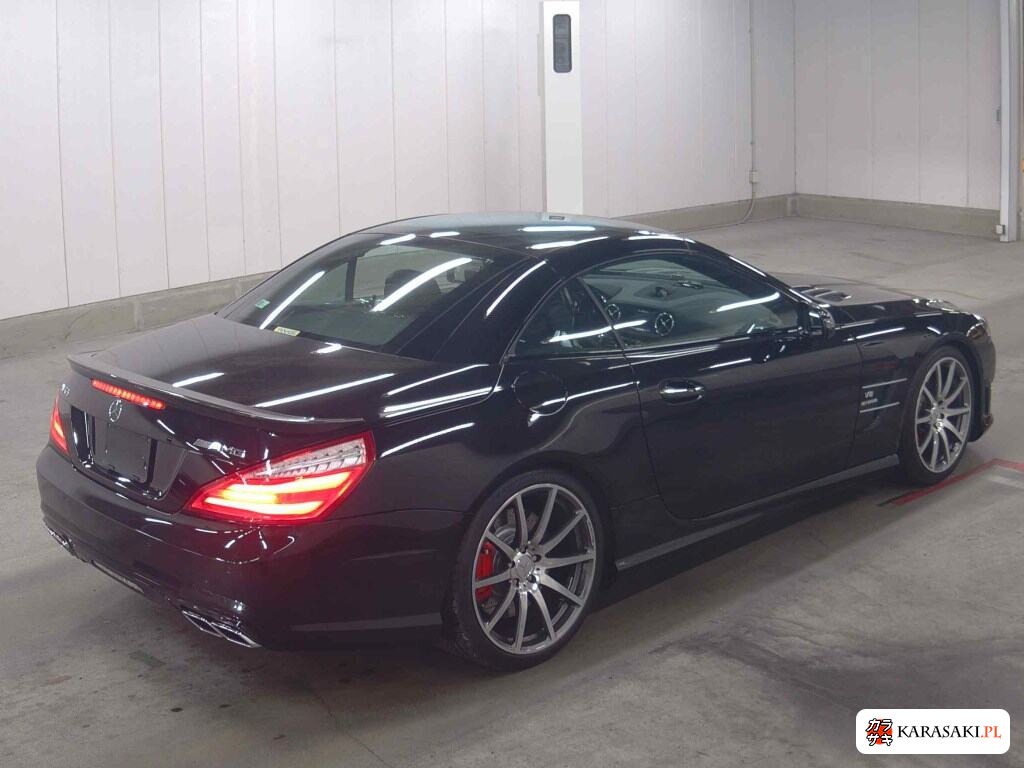
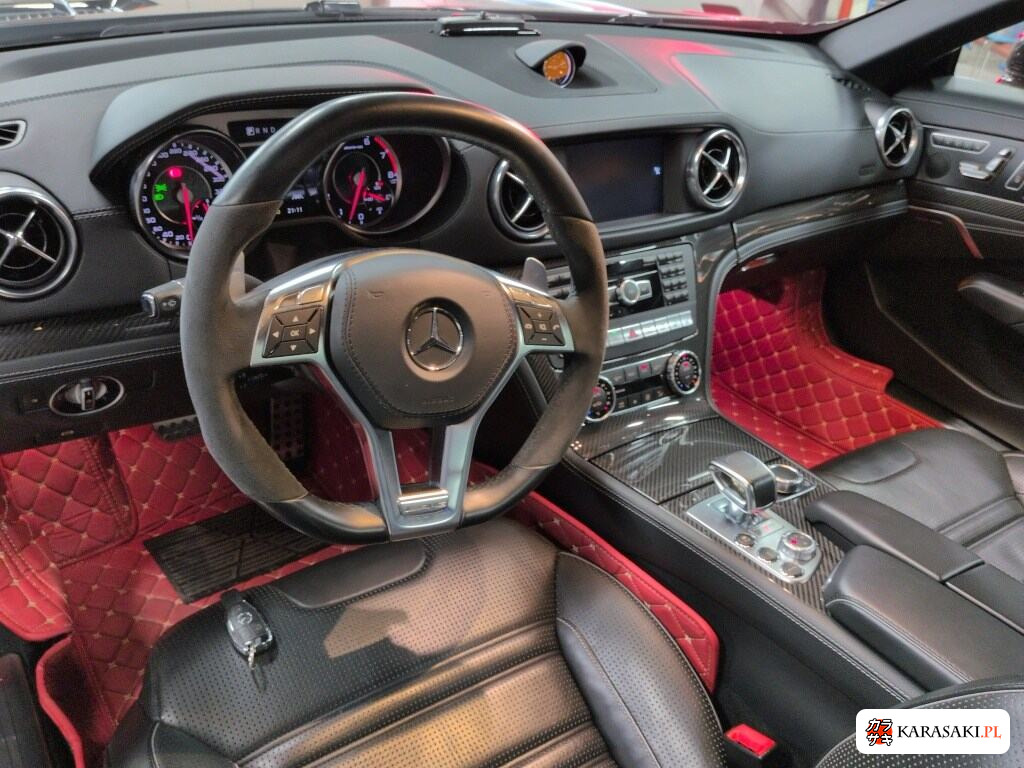
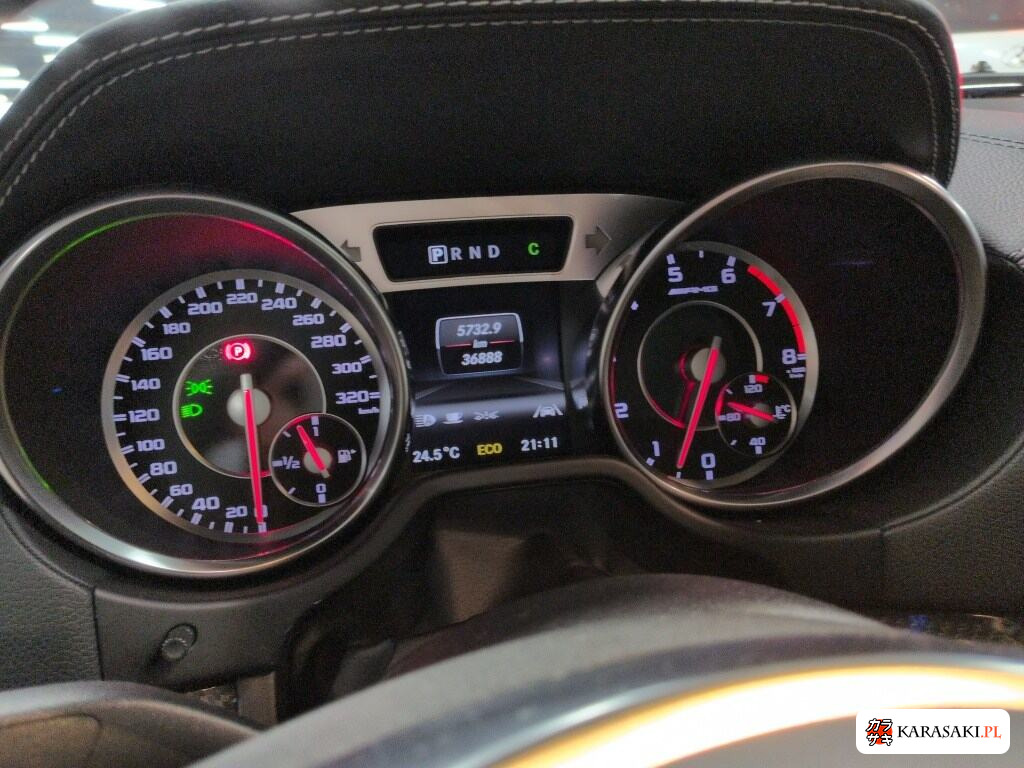
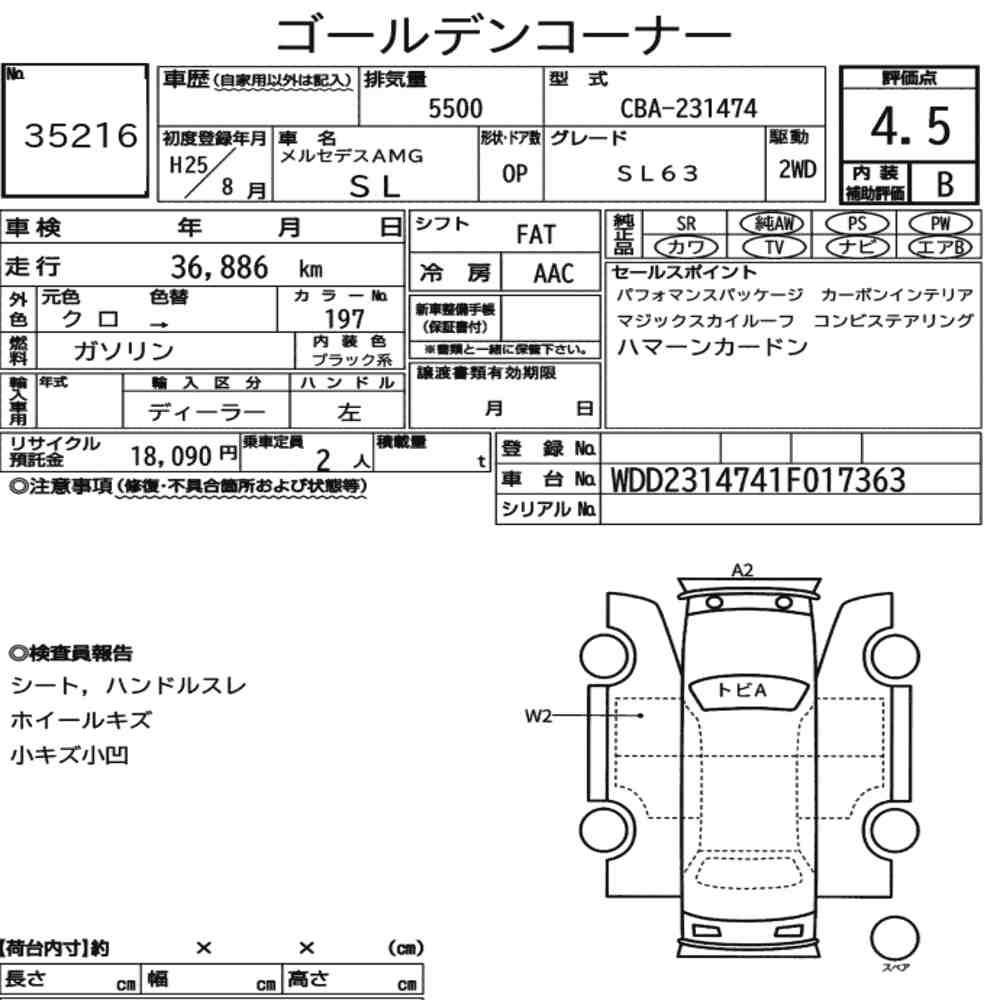

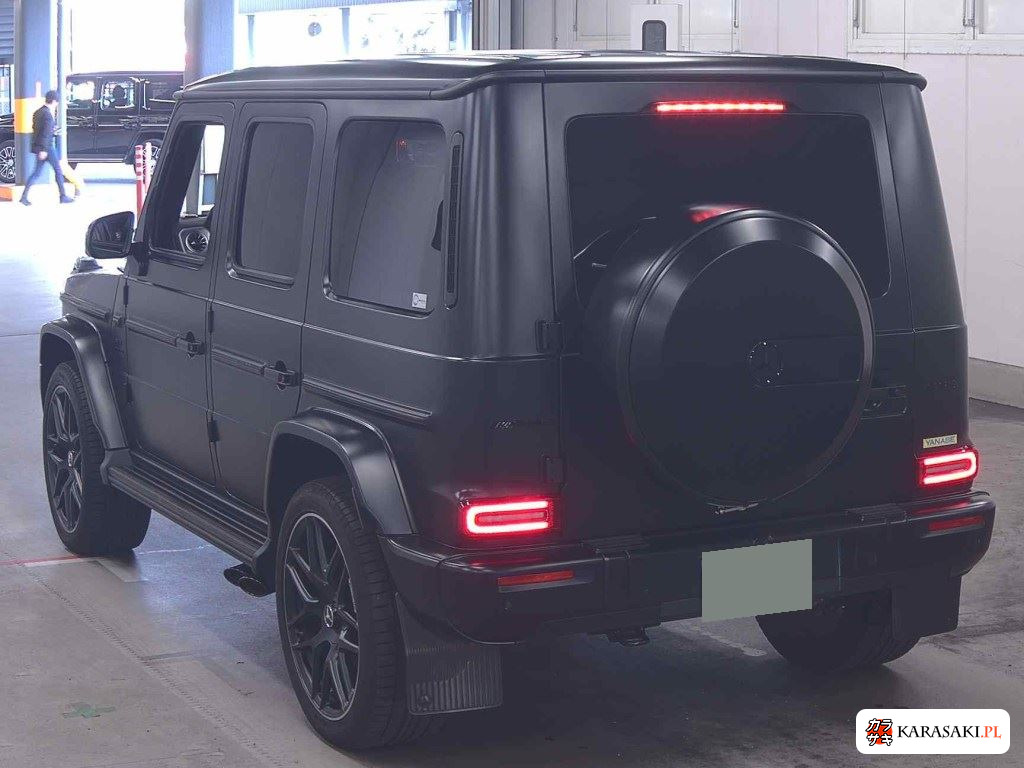
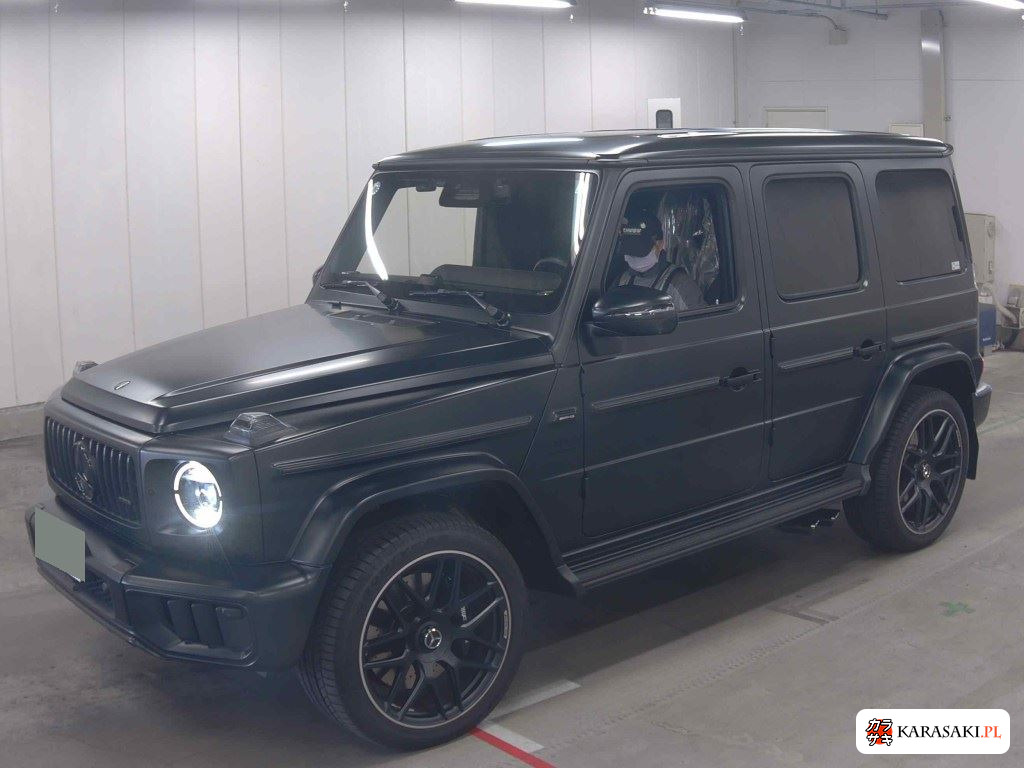
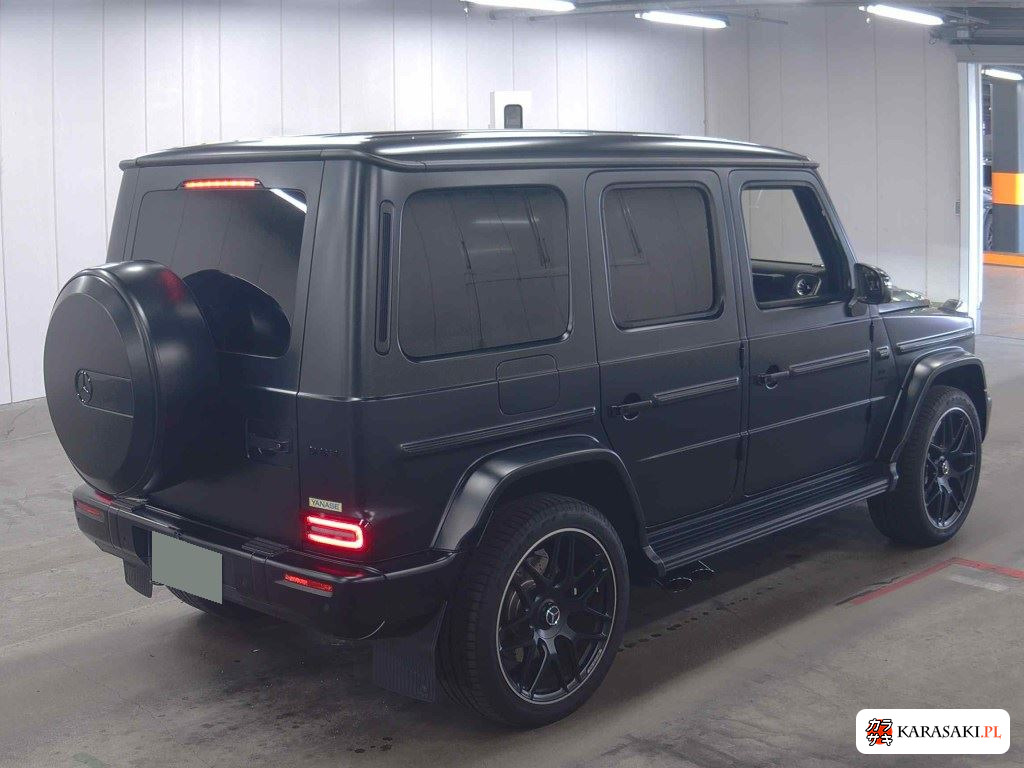
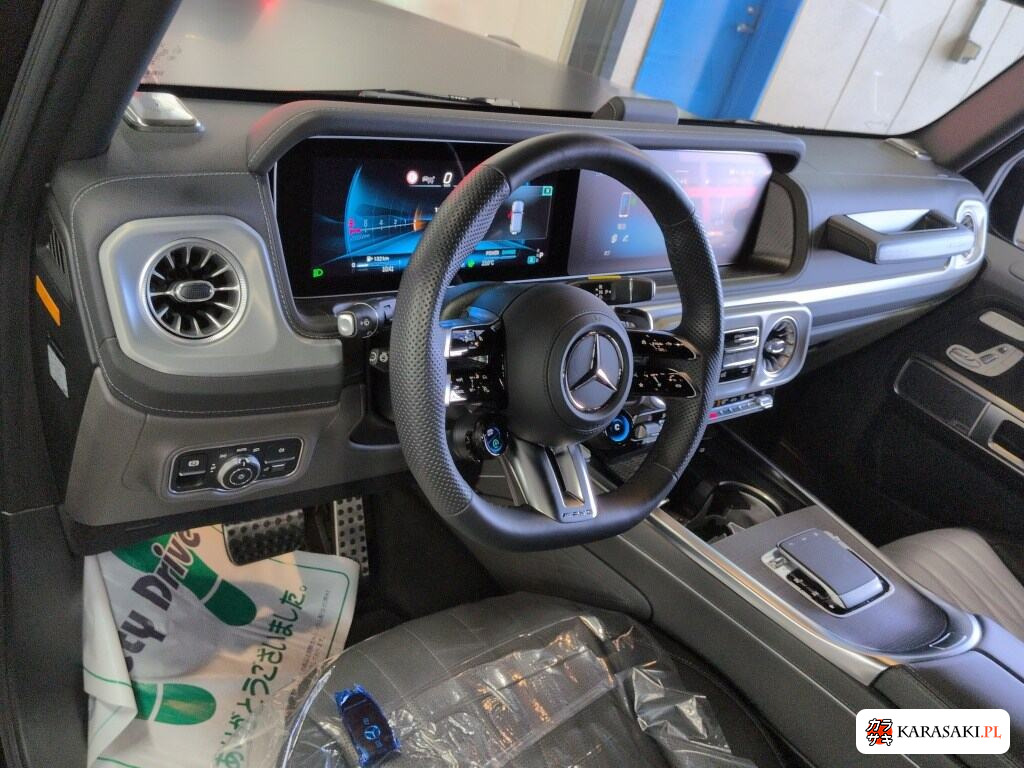
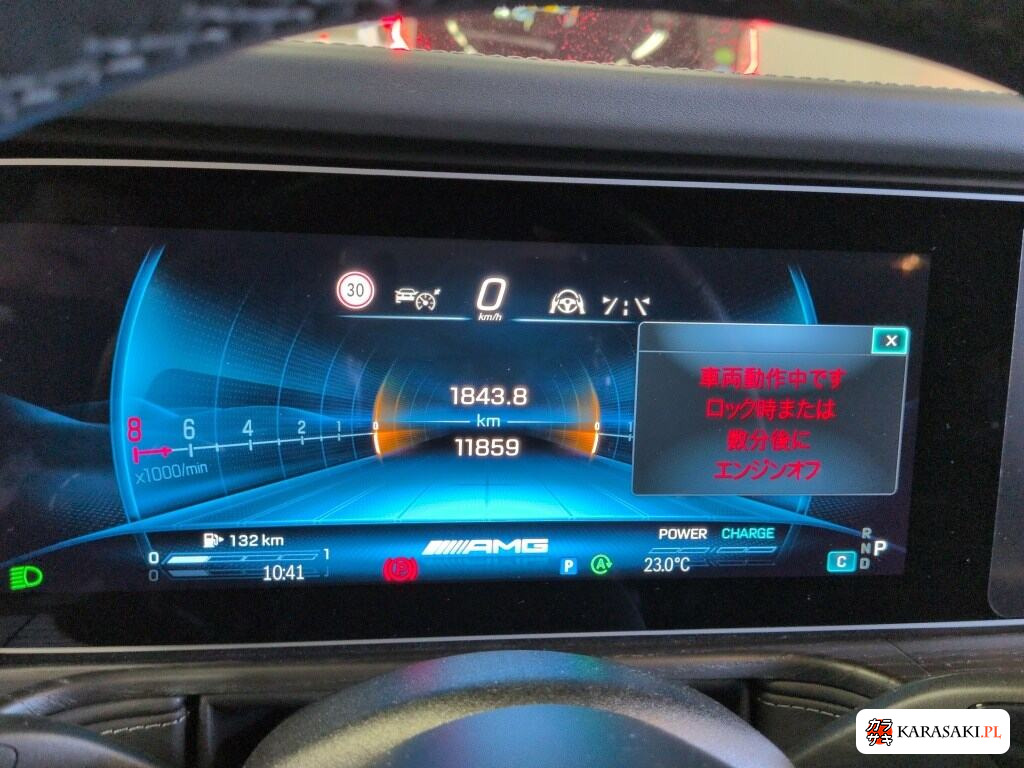
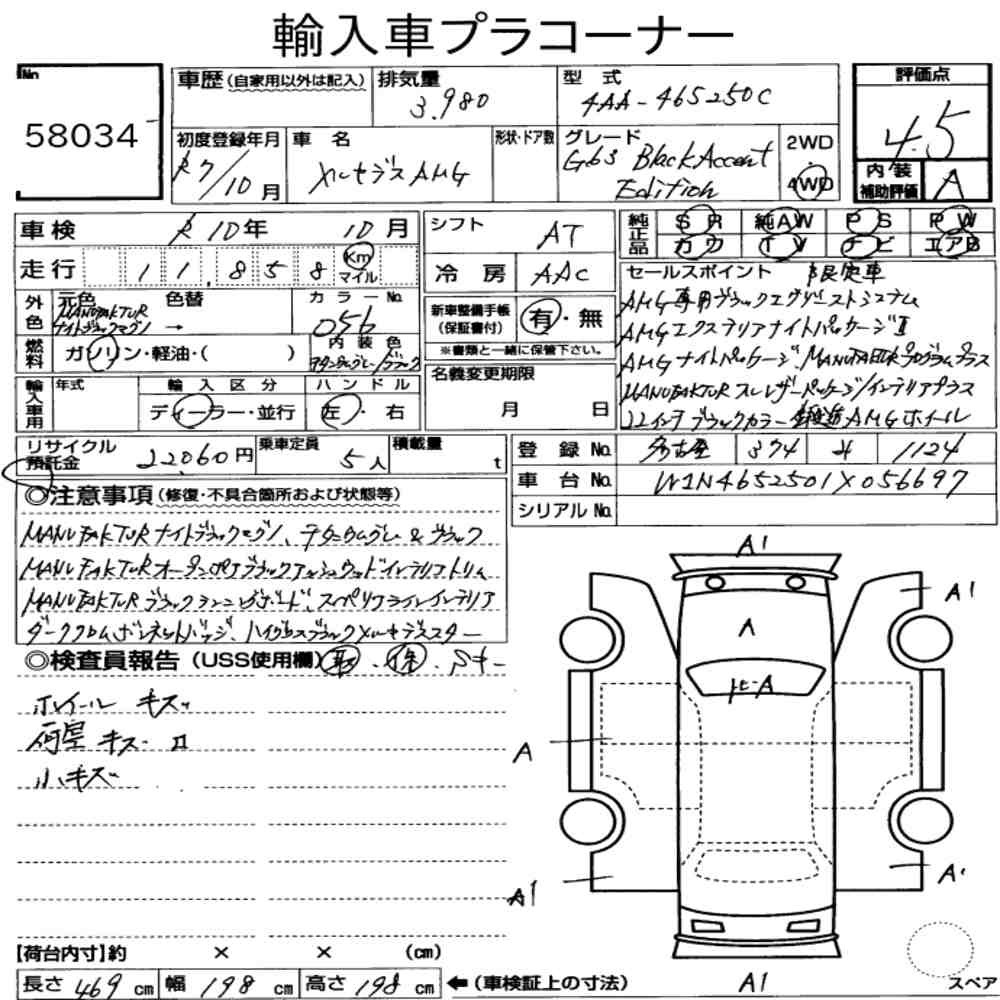

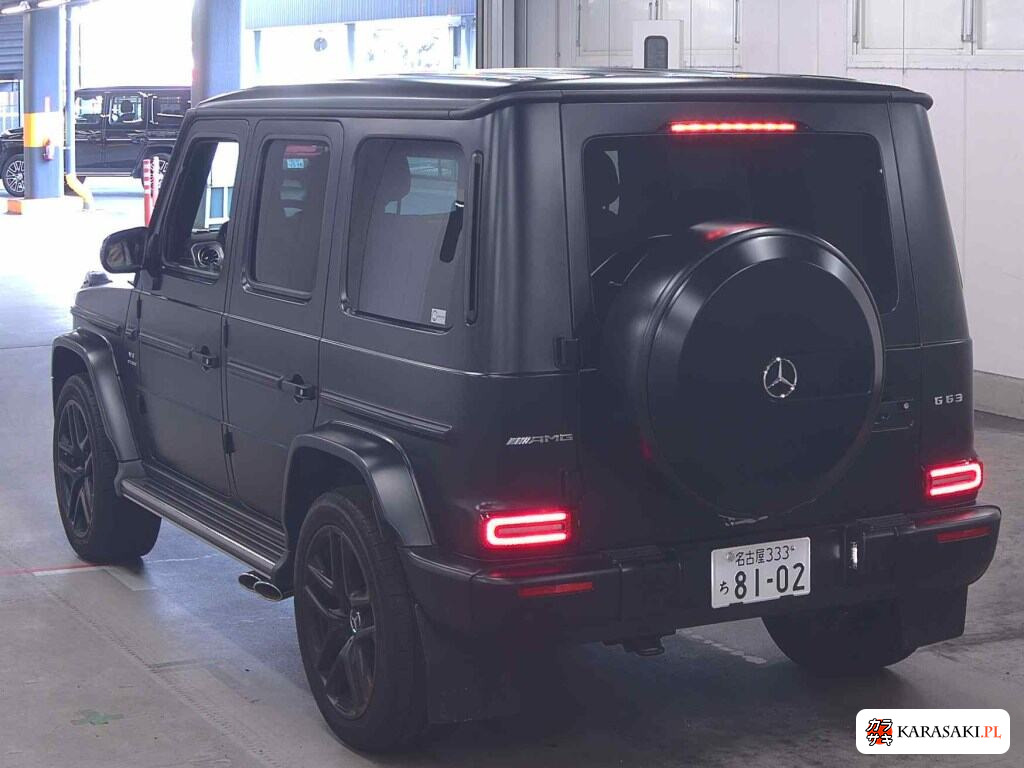
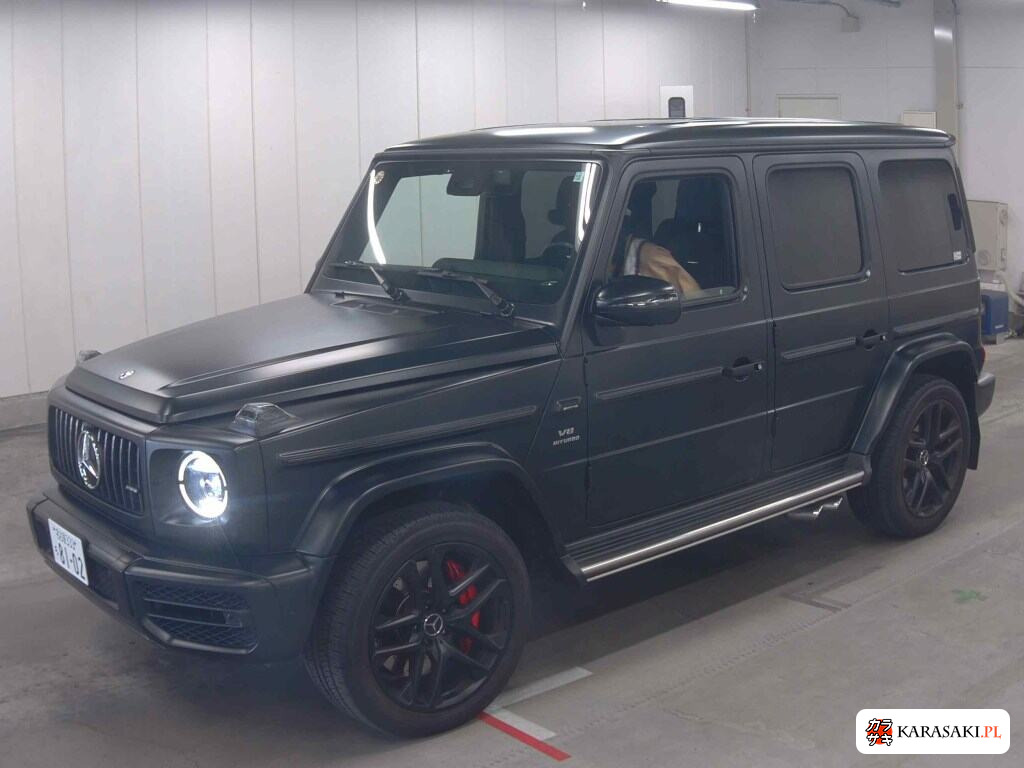
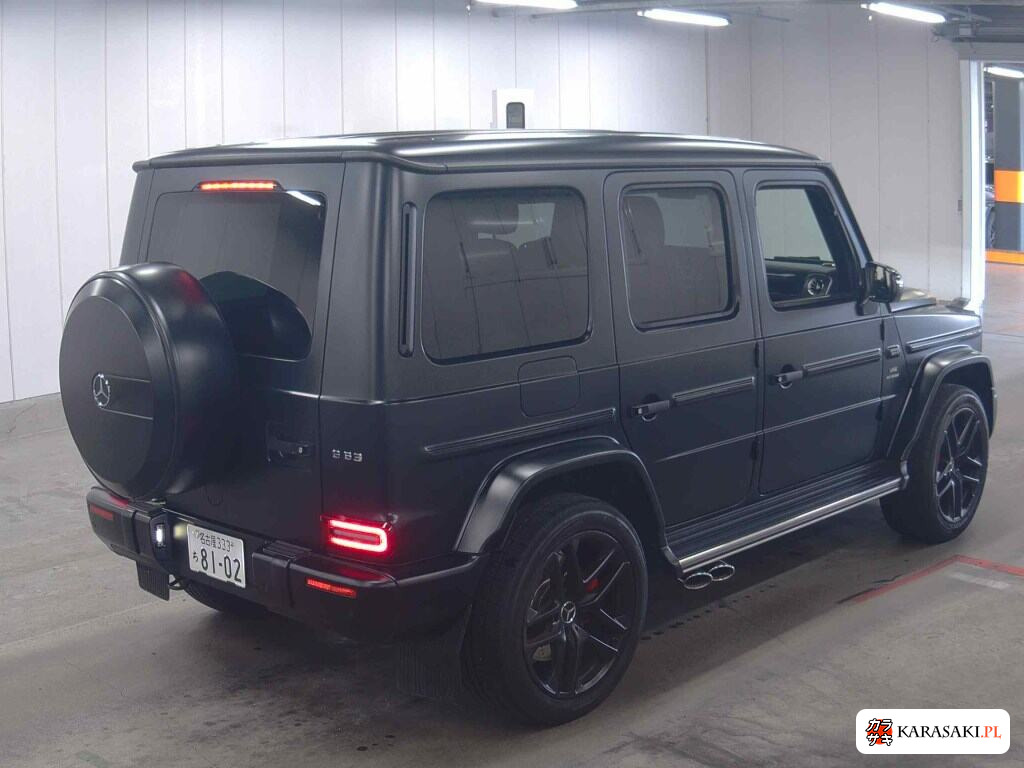
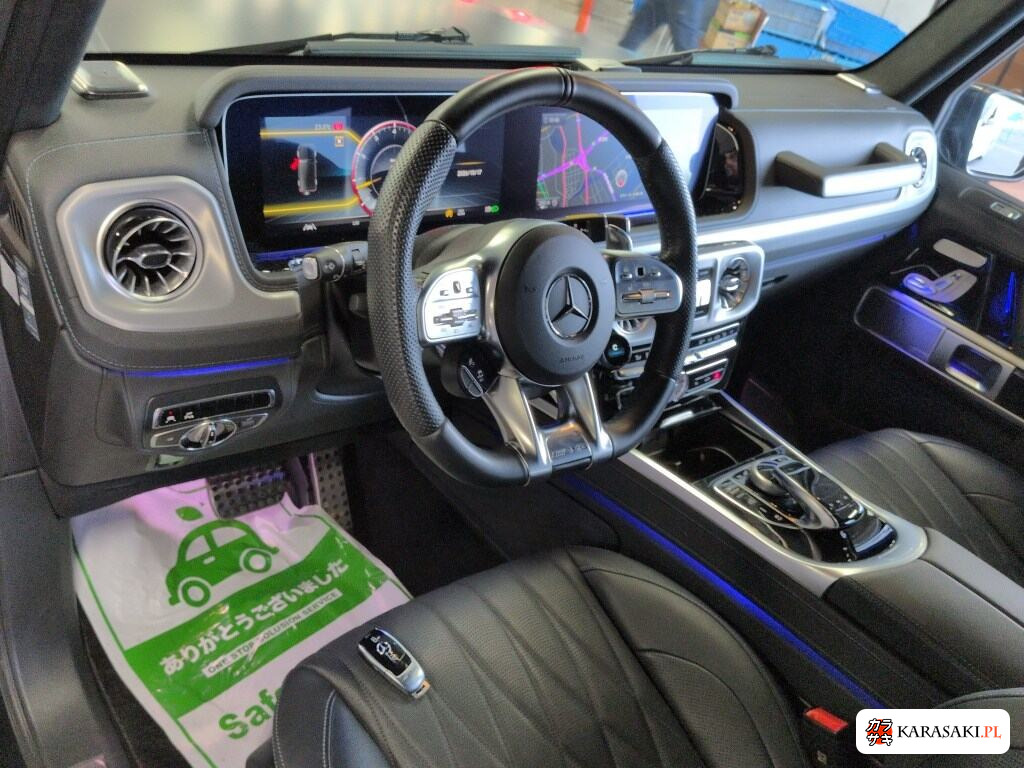
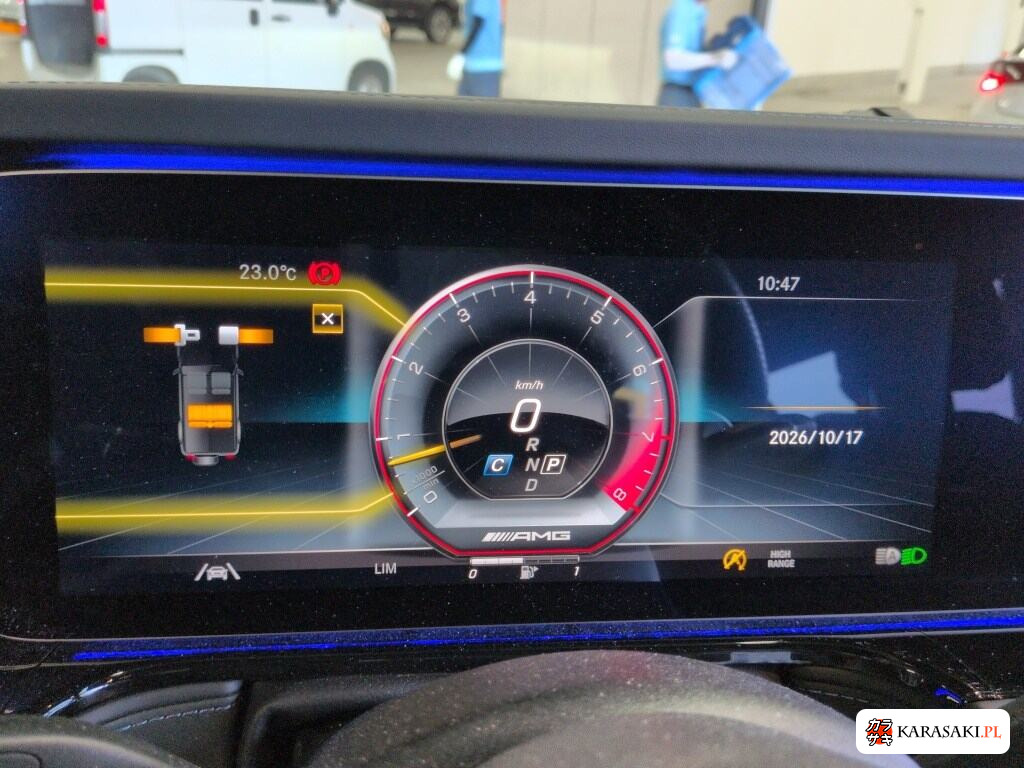
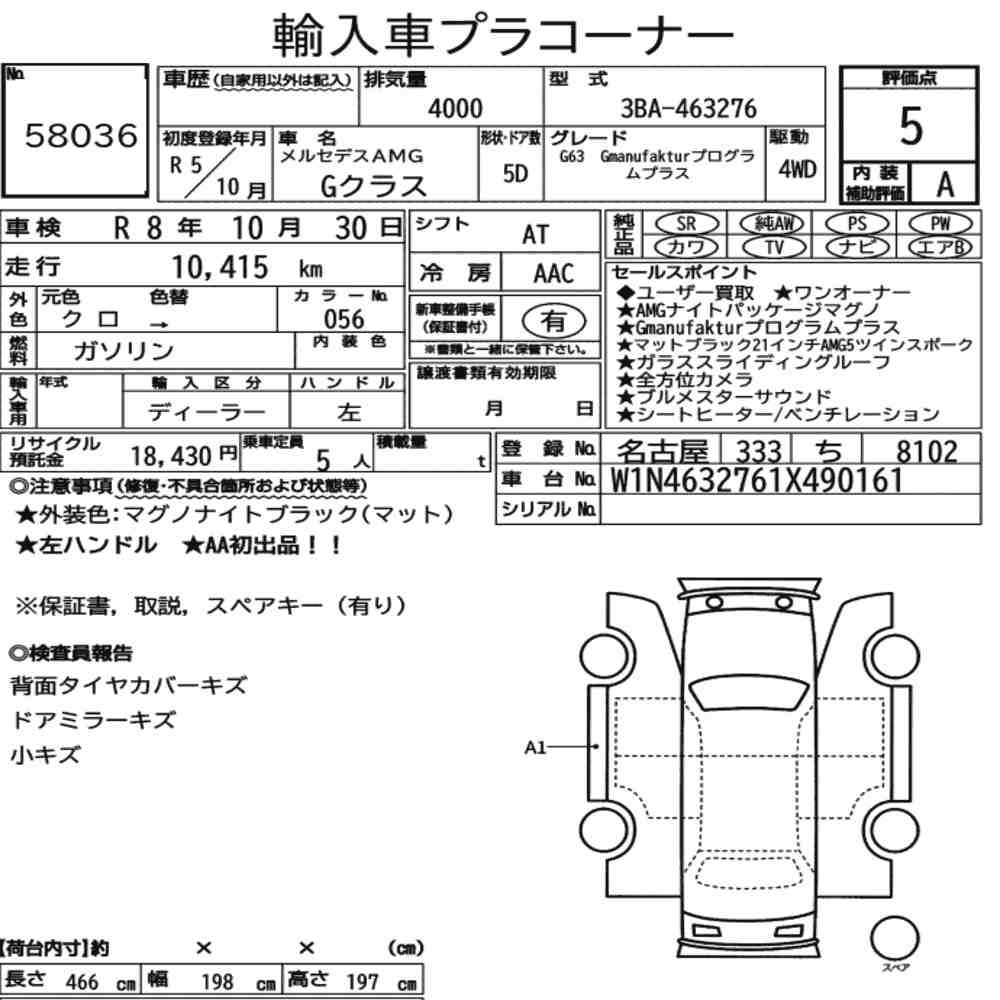

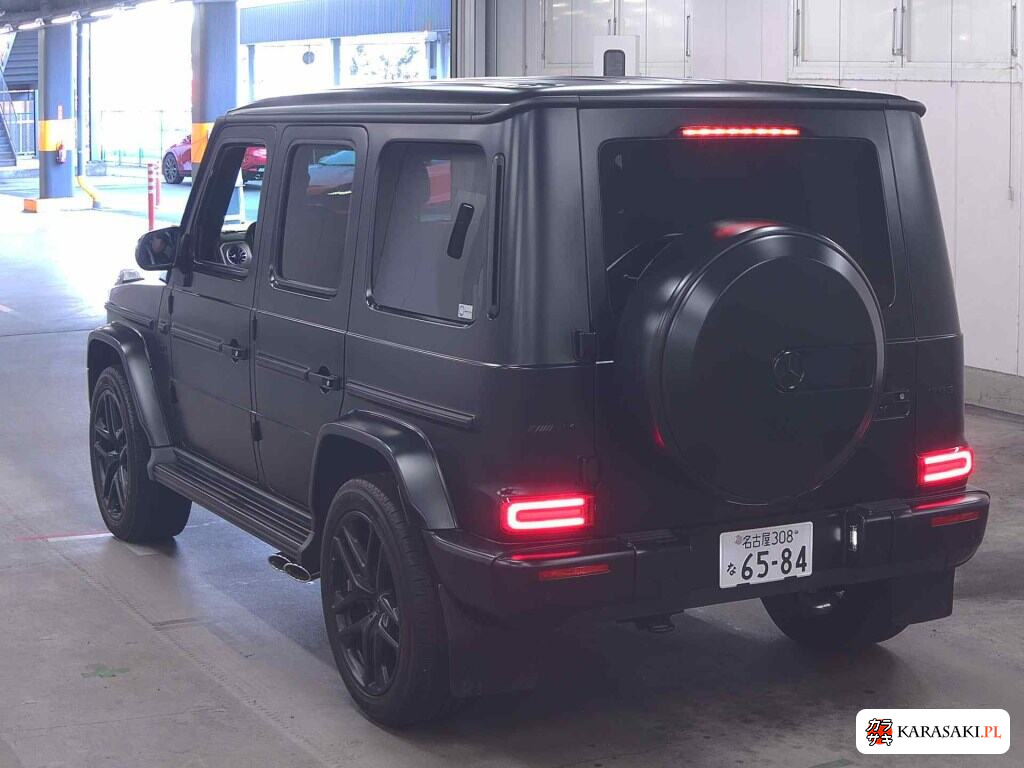
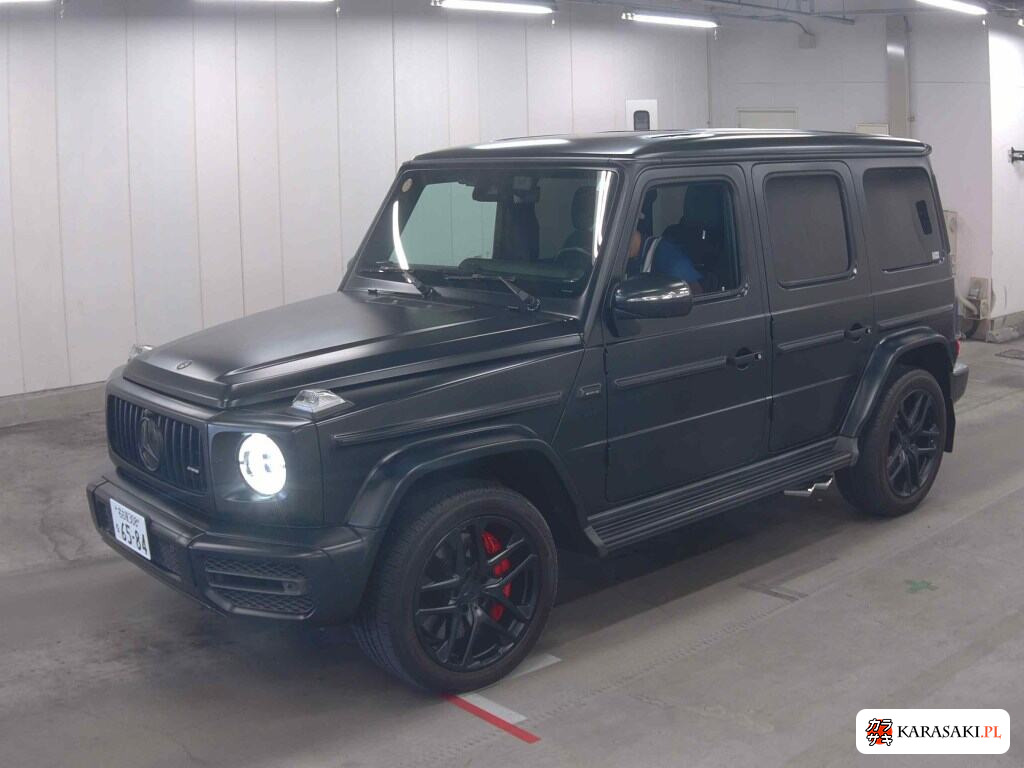
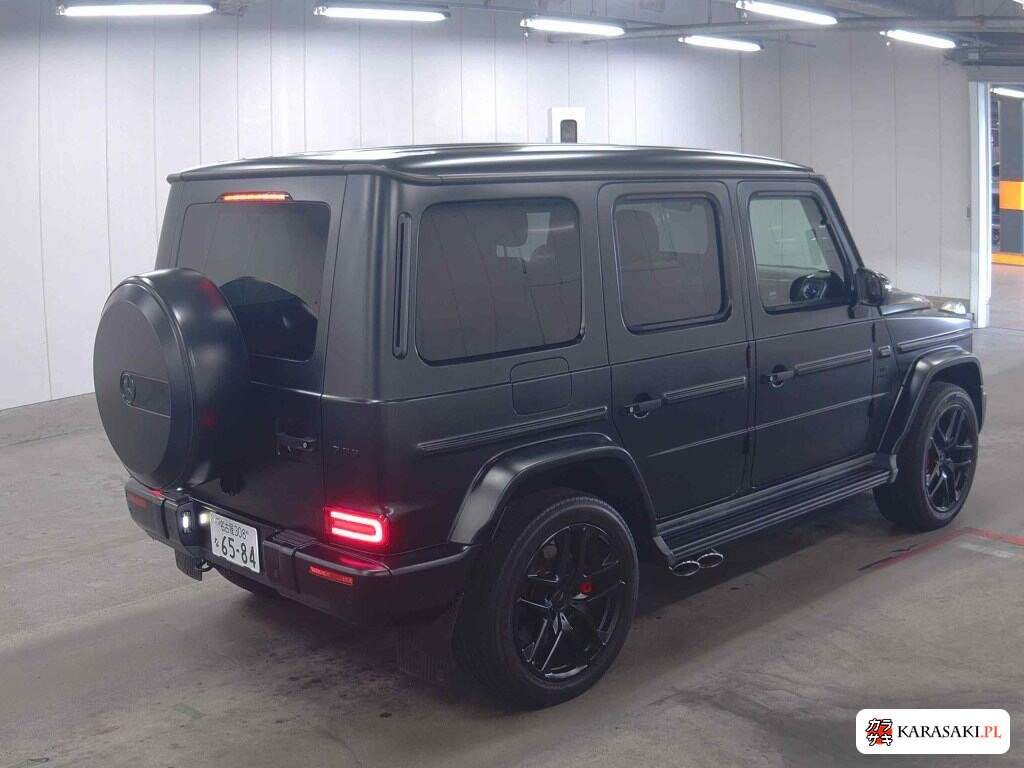
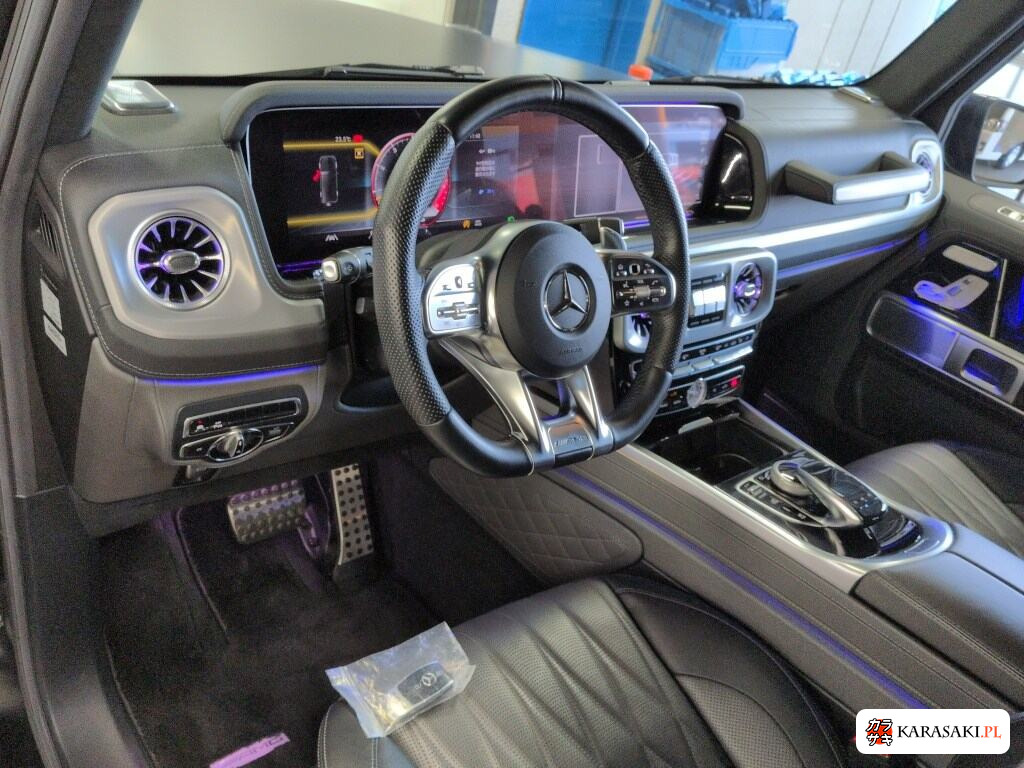
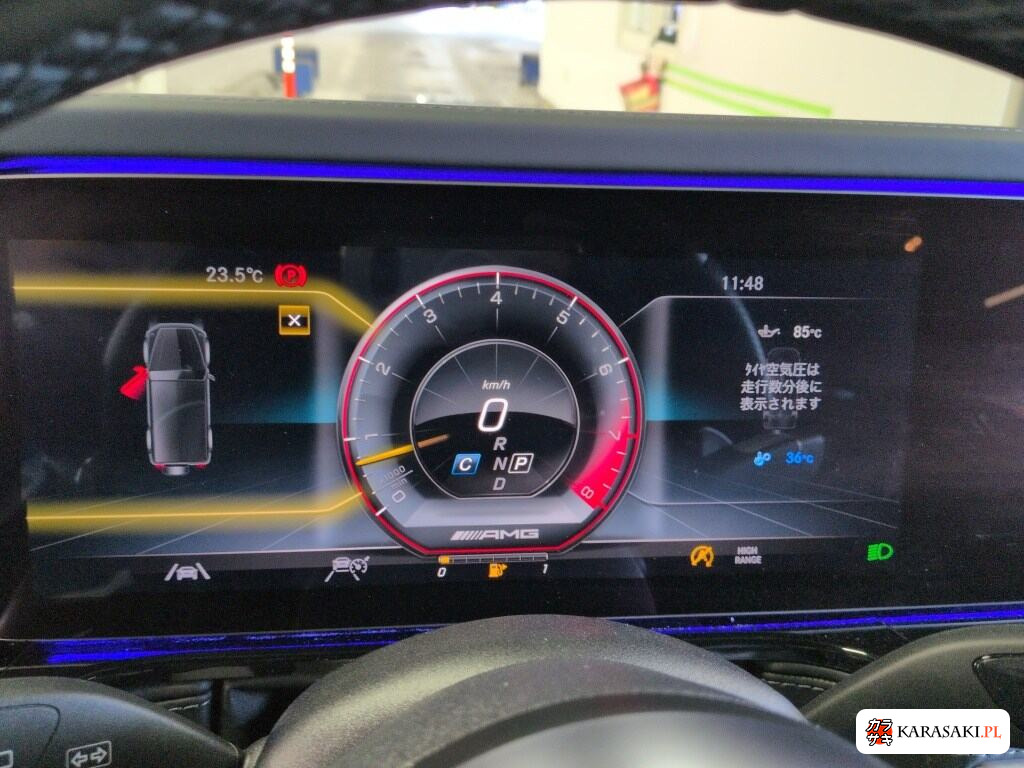
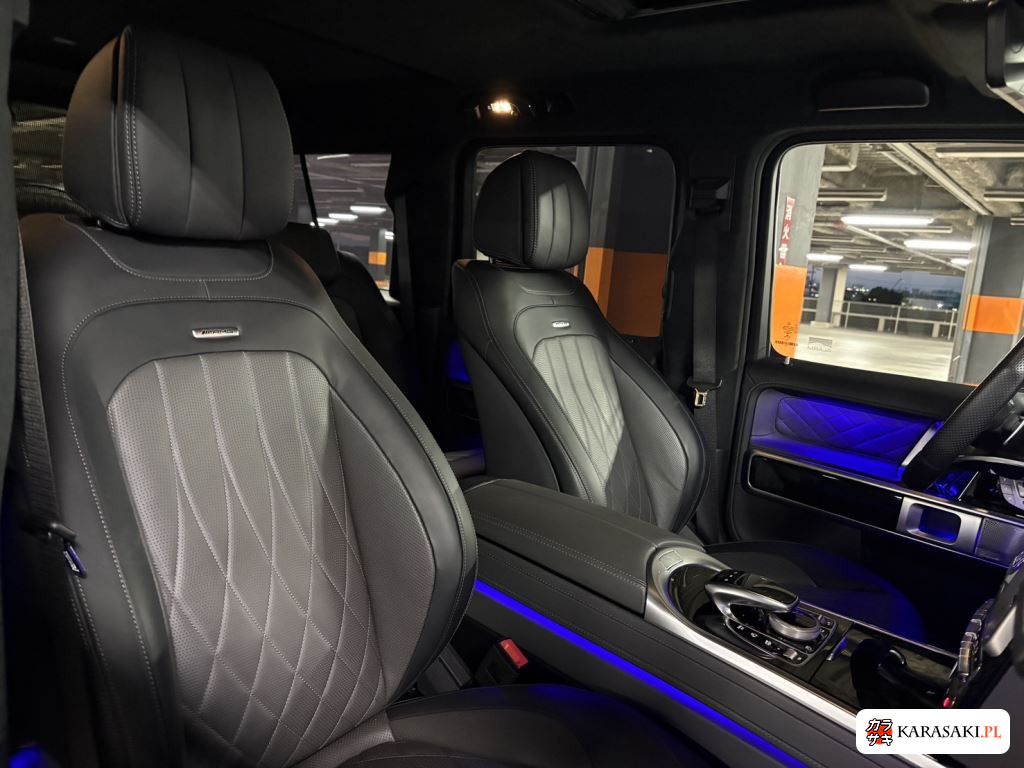
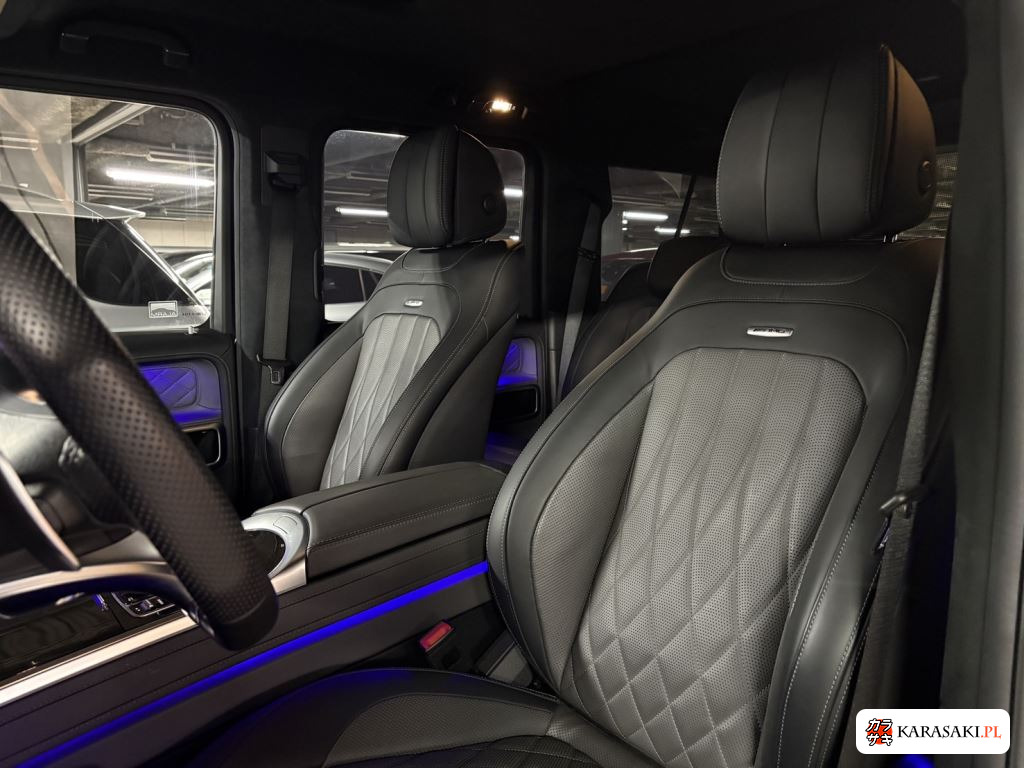
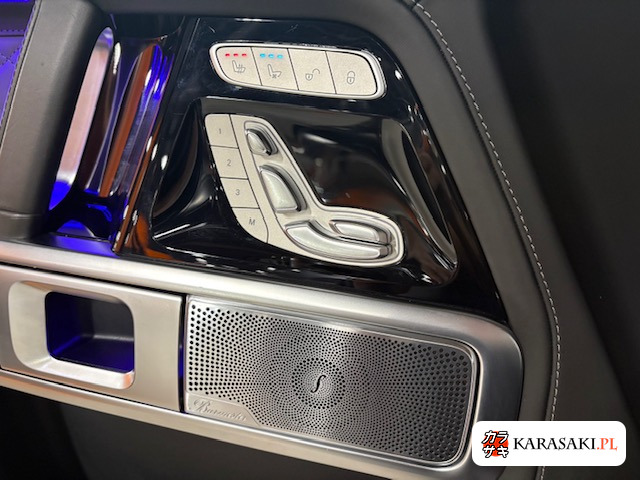
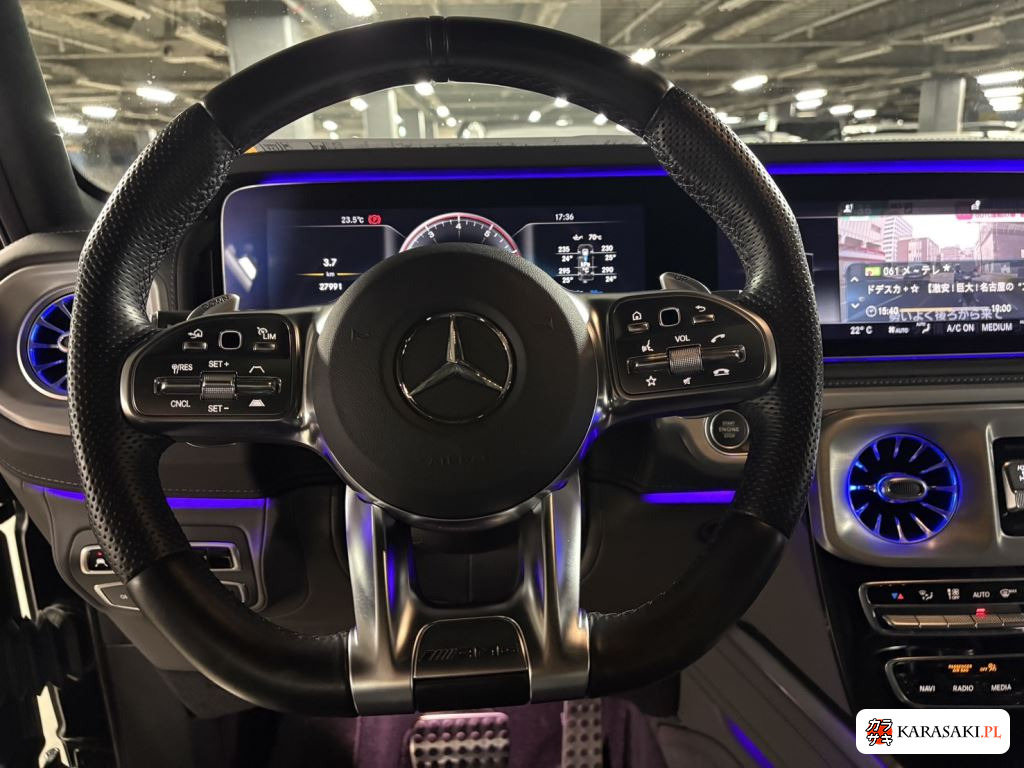
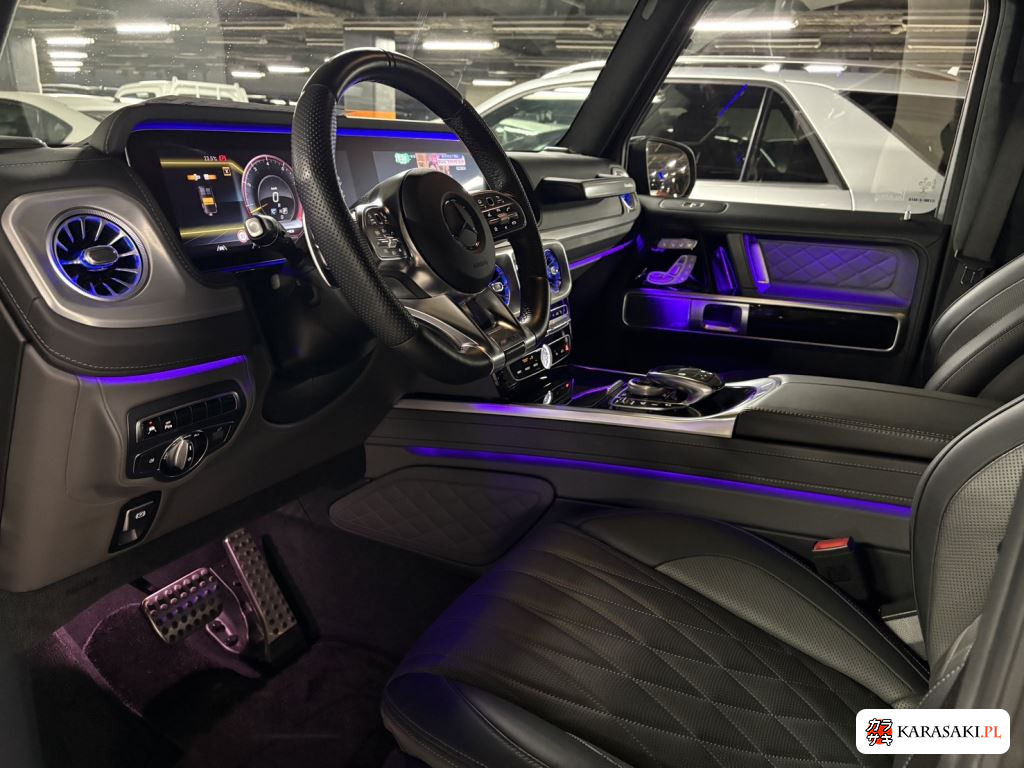
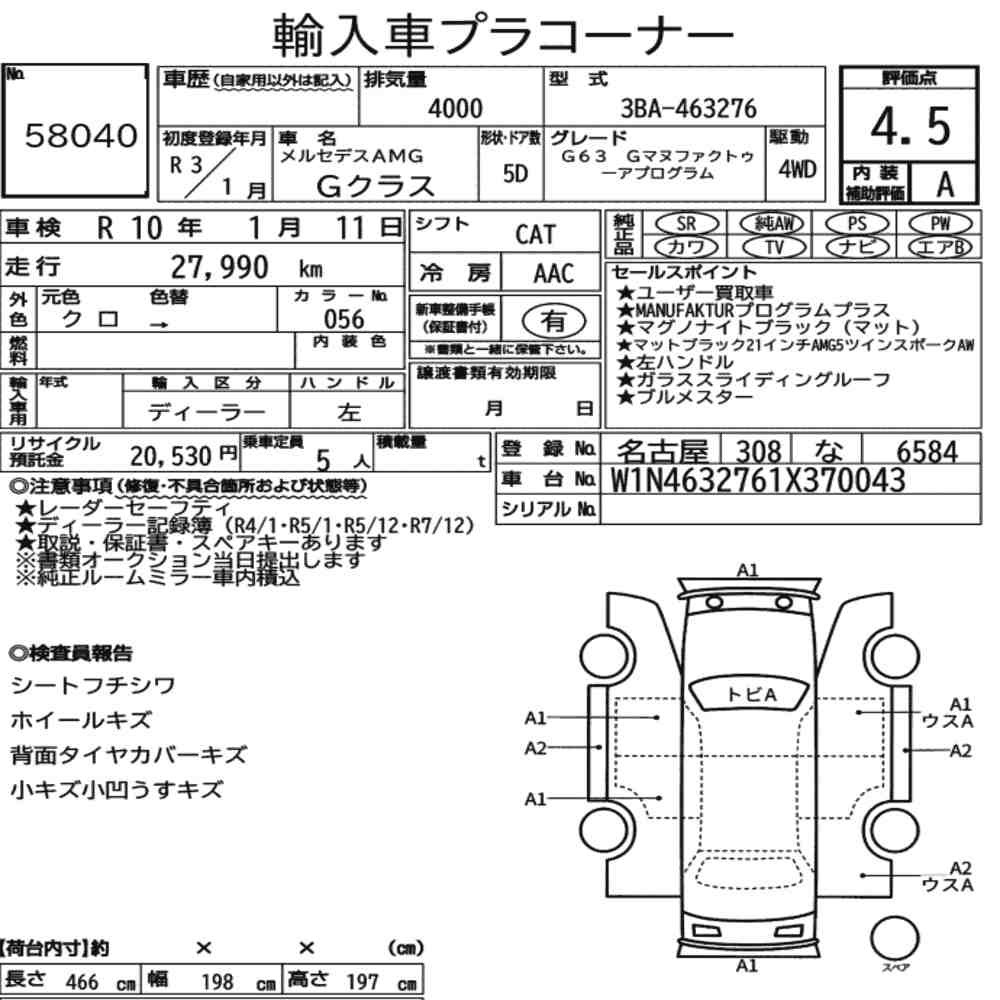

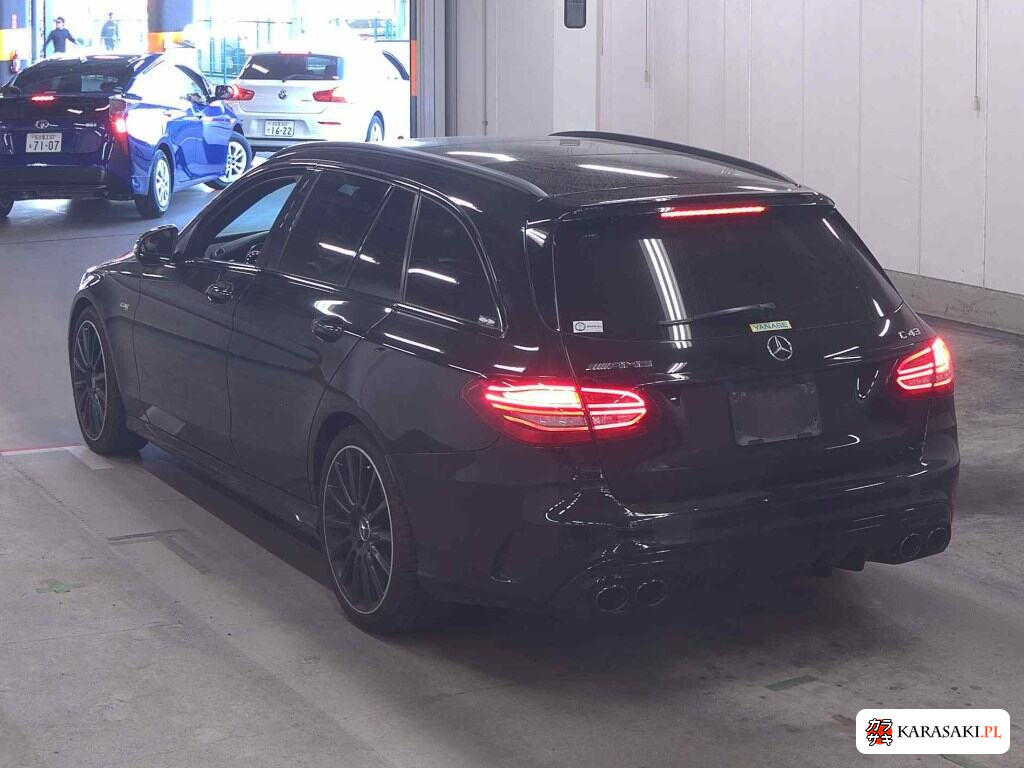
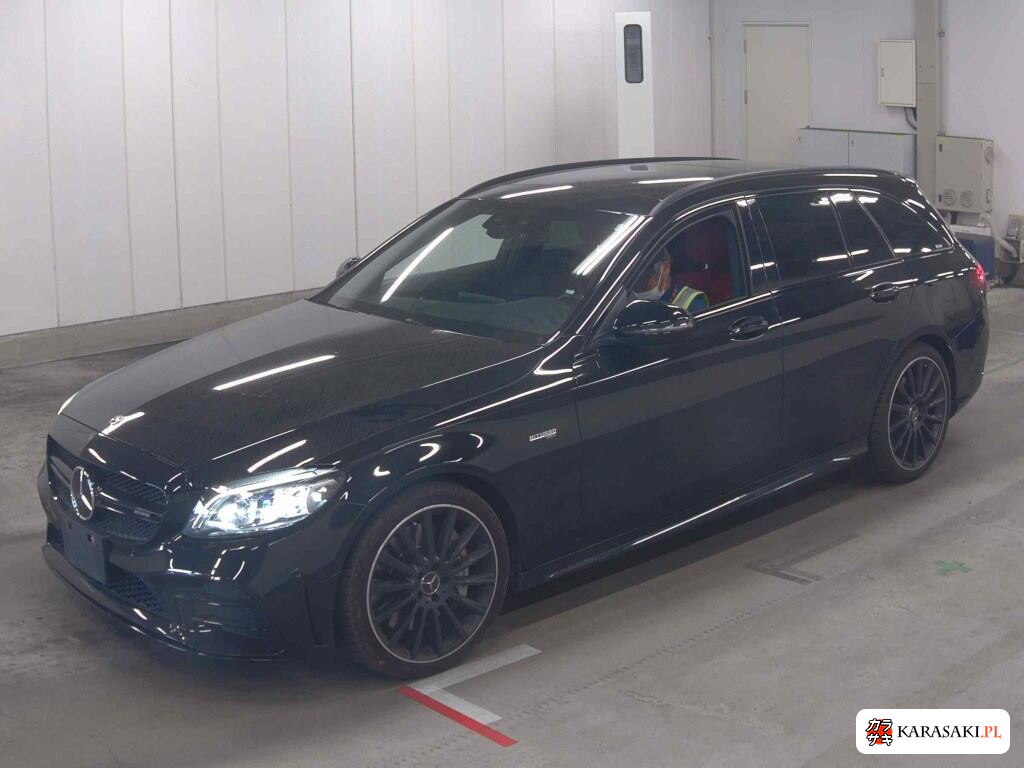
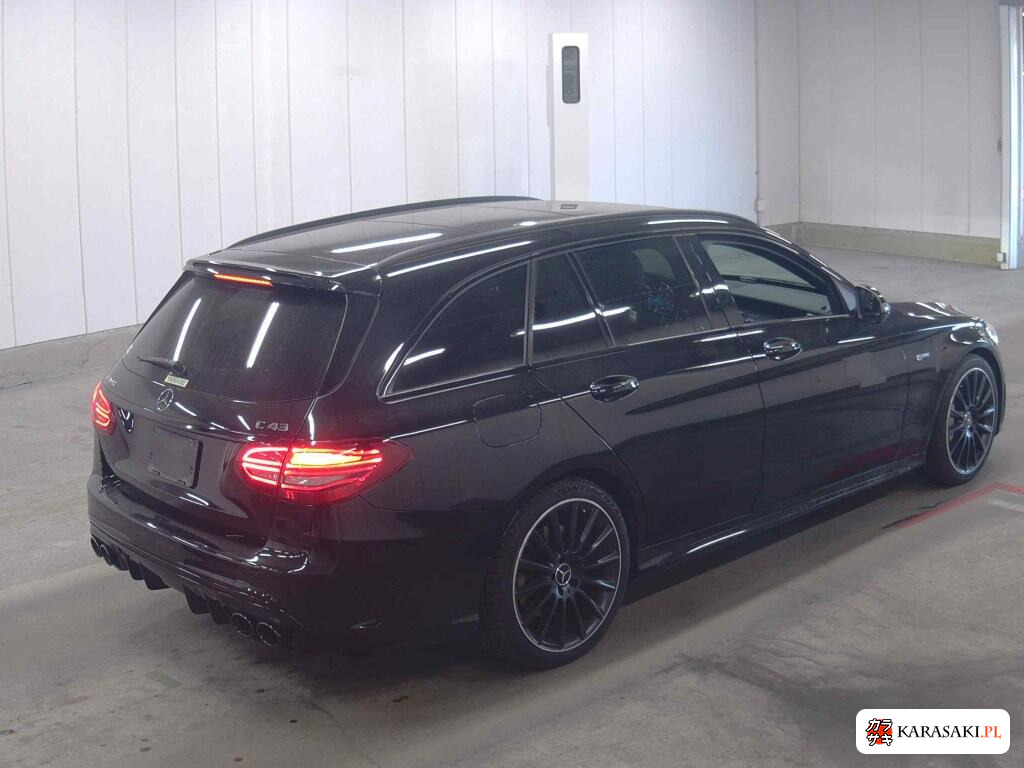
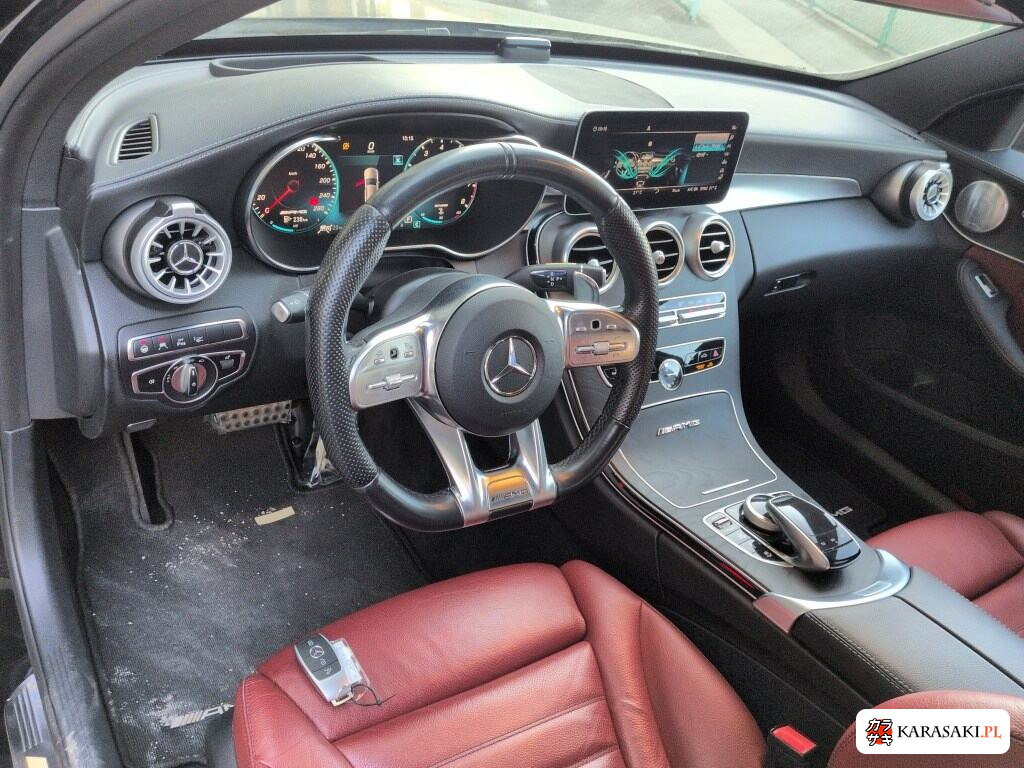
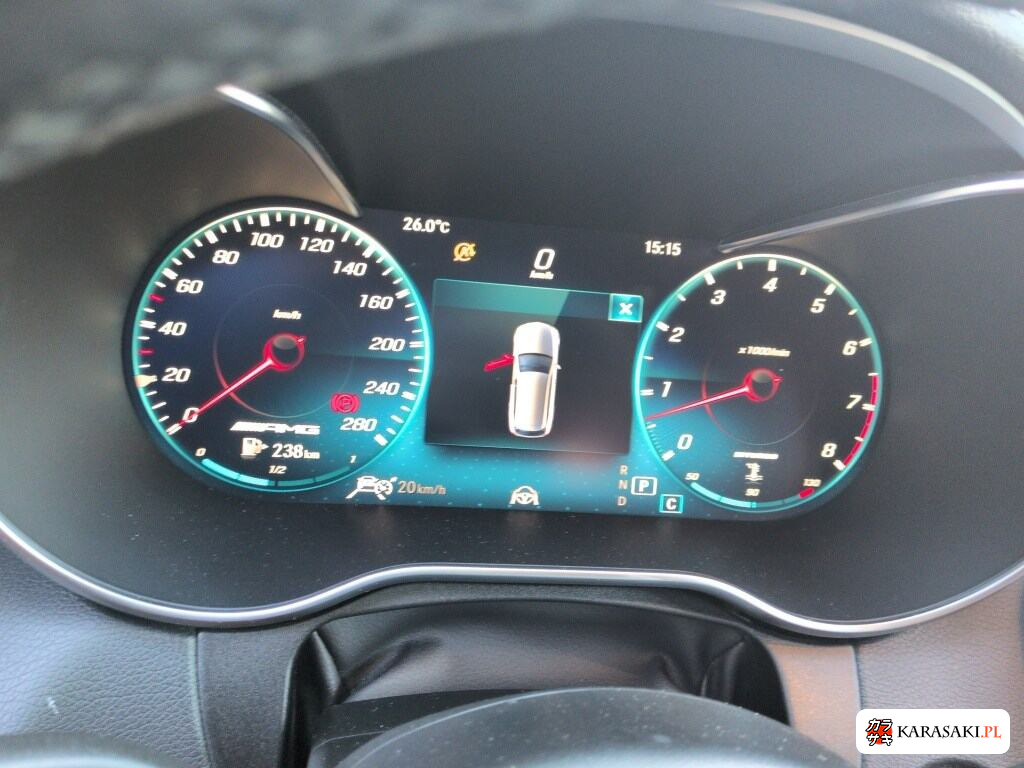
The auction pool turns over every few days. We'll watch these criteria and email you when the next one appears.
An AMG GT from Japan is left-hand drive
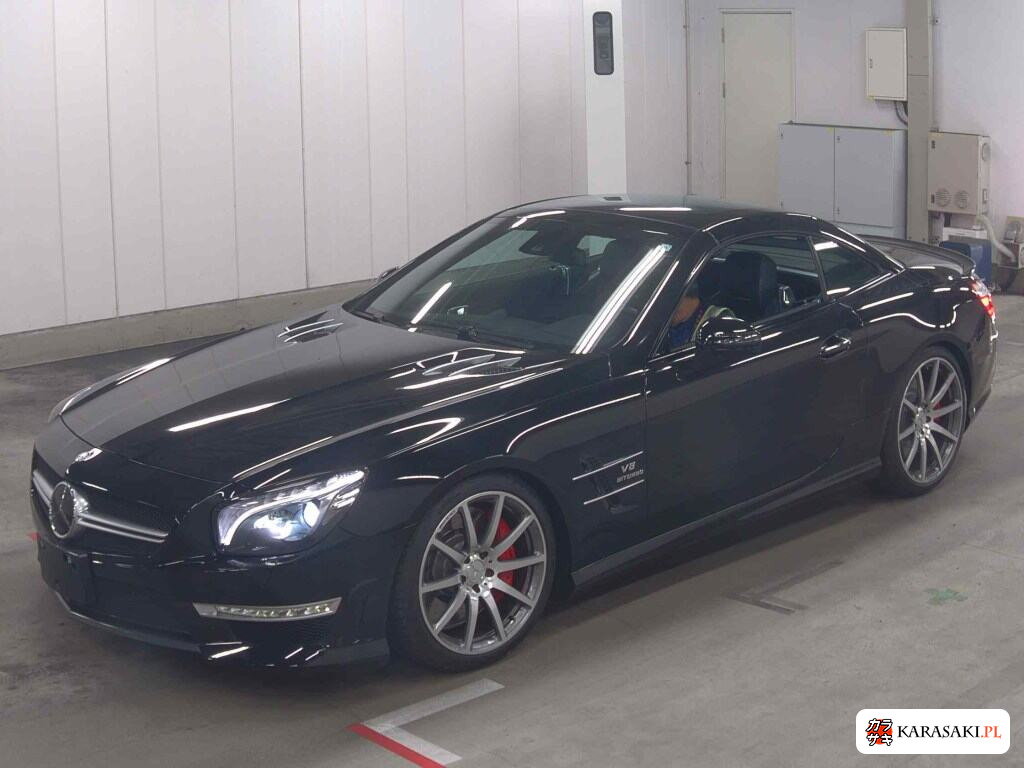
Here is the figure that surprises people most: all 74 Mercedes-AMG GTs in our catalog are left-hand drive. Not most of them, all of them. You can see it in the photo opening this article: that is a GT R PRO from our catalog, shot in a Japanese auction hall, with the steering wheel on the left visible through the windscreen.
Japan drives on the left, so domestic cars are right-hand drive. With European exotica the rule inverts. Japanese sports car buyers frequently ordered them in left-hand drive, because that is how they left the German factory and that was the "proper" specification. For a Polish buyer this means an AMG GT from Japan requires no compromise on the steering wheel, unlike Japanese classics. We cover the same mechanism across the brand in Mercedes from Japan. Current supply sits on the model page: Mercedes-AMG GT.
The M178 engine and running costs
The first generation has a reputation for being mechanically solid but expensive to run. A British used-car review of the 2015-2023 AMG GT gives the car 7.4 out of 10 overall, with practicality scoring 4 out of 10.
When inspecting a specific car, check above all:
- the 19 and 20-inch wheels for kerb damage, since repair or replacement is costly;
- the electrics and interior trim, the most commonly reported faults;
- panel gaps and paint quality;
- that the air conditioning works;
- that the Lane Assist system behaves, as it has caused trouble;
- a fully documented service history.
Add two things typical of cars with this character. Aggressive suspension geometry eats the inner edges of the tyres, so tread depth in the middle says little about their condition. Brakes, especially the carbon-ceramic option, are among the most expensive consumables on this car. At mileages around 8,000 km both points are usually moot, but on a genuinely used example they can decide whether the purchase makes sense.
Importing an AMG GT to Poland: duty, excise and VAT
The bill for this model has two quirks that Japanese classics do not have. Both work against a buyer who applies the general import rules without thinking.
The zero duty from the Japan agreement does not apply here
From 2026, passenger cars of Japanese origin can enter the EU duty-free under the Economic Partnership Agreement between the EU and Japan. We cover this in our guide to the cost of importing a car from Japan. The catch is that the preference depends on the origin of the goods, not on the country the car ships from.
The Mercedes-AMG GT is built in Germany, so it is not a product originating in Japan even though it is loaded onto a ship in a Japanese port. The agreement's zero duty does not cover it and the 10% rate applies. Special procedures for goods returning to the EU have narrow conditions and must be confirmed with a customs agency before purchase.
In this range the 2000 cc threshold is worth roughly 64,000 PLN
Polish excise depends on displacement: 3.1% of the base up to 2000 cc, jumping to 18.6% above it. The base is the customs value plus duty, and 23% VAT is applied last, on the sum of everything before it. The full rate table is in our piece on 2026 excise on cars from Japan.
The AMG GT range sits on both sides of that threshold. The 3982 cc V8 pays 18.6%, while the second-generation GT 43 with its 1991 cc engine falls below it. For the median of all 26 V8 coupes in our data, that is 14,890,000 yen, excise comes to 72,777 PLN; for the GT 43 median it is 8,938 PLN. The difference is about 63,800 PLN, between cars from the same model range.
There is one more nuance. The GT 43 has a 48-volt system assisting the drivetrain, and a February 2026 ruling by the Polish Ministry of Finance (reference PAD6.8101.1.2026) extended the preferential hybrid rates to mild-hybrid cars as well. If a customs agency classified a given car that way, excise would fall to 1.55%, roughly 4,469 PLN. Classification is always confirmed by the agency at clearance, and it is their finding, not the version name, that sets the rate.
Two worked scenarios
The figures below start from the median starting price in our data, at 1 yen to 0.02334 PLN (NBP table 135/A/NBP/2026 of 15 July 2026). The customs value includes sea freight of 350,000 yen.
Before you look at the numbers, one thing plainly: we do not know the hammer price. The auction data available to us covers, in most cases, only the opening bid, so we do not fake a forecast and we calculate from that instead. That makes the figures below a floor, not a prediction. What is worth knowing is how fast the bill grows: every extra million yen bid above the starting price adds roughly 37,500 PLN to the final amount, because duty, excise and VAT all follow the car. Two million above the opening is already about 75,000 PLN.
| Item | 2024 GT 63 coupe (4.0 V8) | GT 43 coupe (2.0) |
|---|---|---|
| Median starting price | 15,800,000 JPY (368,772 PLN) | 10,880,000 JPY (253,939 PLN) |
| Freight | 8,169 PLN | 8,169 PLN |
| Customs value | 376,941 PLN | 262,108 PLN |
| Duty 10% | 37,694 PLN | 26,211 PLN |
| Excise | 77,122 PLN (18.6%) | 8,938 PLN (3.1%) |
| VAT 23% | 113,104 PLN | 68,369 PLN |
| Total after clearance | 604,861 PLN | 365,626 PLN |
| Auction fees in Japan | 4,668 PLN | 4,668 PLN |
| Karasaki commission (flat, payable after delivery) | 8,000 PLN | 8,000 PLN |
| Paperwork in Poland | about 1,000 PLN | about 1,000 PLN |
| Estimated all-in | about 618,500 PLN | about 379,300 PLN |
On the other side of the equation sit the offers in Poland, but before we line them up, two caveats, without which such a comparison is plain manipulation. Our column starts from the opening bid, not from the price the car will actually reach. The advertised figure, in turn, is an asking price rather than a transaction price, so the seller will usually come down. Both numbers therefore move toward each other, and the gap is narrower than subtraction suggests.
With that in mind: on 15 July 2026, Otomoto listed 115 Mercedes-AMG GT ads in coupe body style. A 2024 GT 63 4MATIC+ with 14,084 km was priced at 854,000 PLN, and a 2025 GT 43 at 675,900 PLN. Bear in mind that the site's body filter mixes both families, so among the "coupe" ads you will find four-door X290s.
Importing an AMG GT from Japan is not a way to get this car for half price. It is a way to get an example with mileage that simply does not exist in Poland, and with the steering wheel on the right side.
Buy with peace of mind: we carry the risk
We built this partnership so you take on as little risk as possible. You pay the 8,000 PLN commission only once the car is sitting outside your house, not before bidding and not during transport. The deposit, 10% of the starting price with an 8,000 PLN minimum, is fully refundable if we do not win the car. The voyage from Japan usually takes four to eight weeks, with customs clearance and registration on top.
You will not see the car in person before bidding and you will not drive it, but you are not buying blind. Every car has an independent grading sheet from the Japanese auction house, and we read hundreds of them every week, rejecting cars with a repair history, corrosion or a tampered odometer before you ever see them. With the AMG GT that screening does double duty, because one name covers different bodies and engine sizes, and the sheet is where we confirm we are bidding on exactly the version you want. If you would rather go through the purchase with someone who bids at these auctions every day, get in touch before you pick a car.
Frequently asked questions
What is the difference between the AMG GT 43 and the GT 63?
In the second-generation coupe the GT 43 has a four-cylinder 1991 cc engine making 421 PS, while the GT 63 has the 3982 cc V8 with 585 PS. The difference is fiscal too: the GT 43 falls under the 2000 cc threshold, paying 3.1% excise instead of 18.6%. In the four-door X290, GT 43 means a different engine.
How much does importing an AMG GT from Japan to Poland cost?
For the median starting price of a 2024 GT 63 coupe, 15,800,000 yen, the all-in estimate is about 618,500 PLN. That covers a customs value of 376,941 PLN, 10% duty, 18.6% excise, 23% VAT plus fees and paperwork. The figure is a floor, because bidding ends above the starting price.
What is the difference between the AMG GT coupe and the AMG GT 4-Door?
They are two separate designs. The C190 and C192 coupe has two doors, engineered as a sports car. The AMG GT 4-Door Coupe, coded X290, is a five-door liftback on the MRA platform, closely related to the AMG E 63. Our median starting price is 11.0 million yen for the coupe and 8.0 million for the four-door.
Does the EU-Japan zero duty cover an AMG GT from Japan?
No. The tariff preference depends on the origin of the goods, not the port of shipment. The AMG GT is built in Germany, so it does not originate in Japan and enters the EU at the 10% rate. Special procedures for EU goods returning to the EU have narrow conditions and need confirmation from a customs agency.
Summary
A Mercedes-AMG GT from Japanese auctions is a good buy for three reasons, none of which is "cheaper". First, our entire supply, 74 cars out of 74, is left-hand drive. Second, the mileages are collector-grade: a median of 8,000 km for the coupe, and 46 cars graded 4.5 across the whole family. Third, the import bill can be itemised line by line, as long as you remember the car originates in Germany and therefore pays 10% duty, and that the 2000 cc threshold splits this range into two halves differing by about 63,800 PLN in excise.
Settle one question before bidding: are you after the two-door coupe or the four-door X290? It sounds trivial, but on this model it matters most, because the two answers lead to entirely different cars. You will find current examples of both families on the model page: Mercedes-AMG GT.
This cost breakdown is informational and reflects the rates in force in July 2026 and the exchange rate on the day of publication. Final duty, excise and VAT amounts, and the engine classification, are confirmed by a customs agency or a tax adviser for the specific car.


