
Our catalog of Japanese auctions holds 448 Mercedes G-Class cars, and every single one is left-hand drive. The median mileage across the pool is 40,000 km, and nearly every second car is the range-topping G 63. The maths also lands differently than usual: a 2019-2021 G 63 clears customs at around 543,600 PLN, while comparable cars in Polish classifieds ask 640,000 to 750,000. We show where Japan's pool of well-kept Gelandewagens came from, how the 2018 generation change splits prices into two shelves, and how to work the import bill out line by line.
Mercedes G-Class from Japan: hundreds of Gelandewagens in left-hand traffic
The Mercedes G-Class, colloquially the Gelandewagen, is Mercedes' off-road icon, built since 1979 in Graz, Austria. Our catalog of Japanese auctions lists 448 published cars, every one of them left-hand drive, and the median mileage across the pool is just 40,000 km.
That number sounds like a mistake, because Japan drives on the left and its own cars have the steering wheel on the right. With German premium cars the rule flips: Japanese buyers spent years ordering them in left-hand drive, because that was the "real" car, true to the factory original. We cover that mechanism across the whole brand in Mercedes from Japan. For a Polish buyer it means no steering compromise at all, unlike with Japanese classics.
You can browse the current supply of both families on the model pages: Mercedes-Benz G-Class and Mercedes-AMG G-Class.
Old and new W463: what changed in 2018
The story starts with the military. Talks between Daimler and Austria's Steyr-Daimler-Puch began in 1972, and one of the project's initiators was the Shah of Iran, Mohammad Reza Pahlavi, who planned to order the off-roader for his army. The civilian W460 went on sale in 1979, and the G-Class has been built in the same Graz plant ever since.
The turn towards luxury came with the W463 series, shown in autumn 1989 and sold from 1990: permanent all-wheel drive, three locking differentials, leather and wood in the cabin. That series lasted 28 years on the market, until 2018, and its late model years make up a good share of today's Japanese auction supply.
In 2018 an entirely new construction debuted. Nearly identical outside, different underneath: an independent multi-link setup replaced the front live axle, while the rear stayed solid. Mercedes formally kept the W463 code, so the trade calls the new generation W463A. Only the 2024 facelift received the official W465 code and a 48V mild-hybrid system across the range, adding a momentary 20 PS. A separate 2024 premiere is the electric G 580 with EQ Technology: four individually controlled motors with a combined 587 PS, a 116 kWh usable battery and the G-TURN function, which spins the car on the spot.
| Series | Years | What it brings |
|---|---|---|
| W460 | 1979-1993 | the original, utilitarian character |
| W463 | 1990-2018 | permanent 4x4, three lockers, luxury cabin |
| W463A | 2018-2024 | new construction: independent front, solid rear axle |
| W465 | 2024- | 48V mild hybrid, new MBUX infotainment |
| G 580 EQ | 2024- | electric drive, four motors, 587 PS |
G-Class auction prices: what our data says
The supply is large and clearly split. Of the 448 published cars, 429 carry a starting price, and the statistics run on those. Mercedes-Benz-badged versions carry a median starting price of 4.9 million yen, around 115,000 PLN, with a typical range (the middle 50% of listings) from 2.35 to 12.95 million. AMG versions cost more than twice as much: a median of 12.9 million yen, around 302,000 PLN, with a typical range from 6.0 to 16.8 million. These are opening bids for the car itself in Japan, before shipping and duties.
One number describes the structure best: 186 of the 448 cars, or 41%, are G 63s. Add 87 G 500s and G 550s, 74 diesels and 59 examples of the older supercharged G 55 AMG. Japan bought this range from the top down, so a range-topper is easier to find at auction than a base car.
The split by model year matters most, though. The median for 2017, the old series' last full year, is 5,965,000 yen. The median for 2018, the new construction's first year, is already 10,000,000 yen. The generation change lifts the price by two thirds, and the step carries through the following years: 2024 cars reach a median of 18.5 million, and 2025 as much as 22 million yen, around 513,000 PLN.
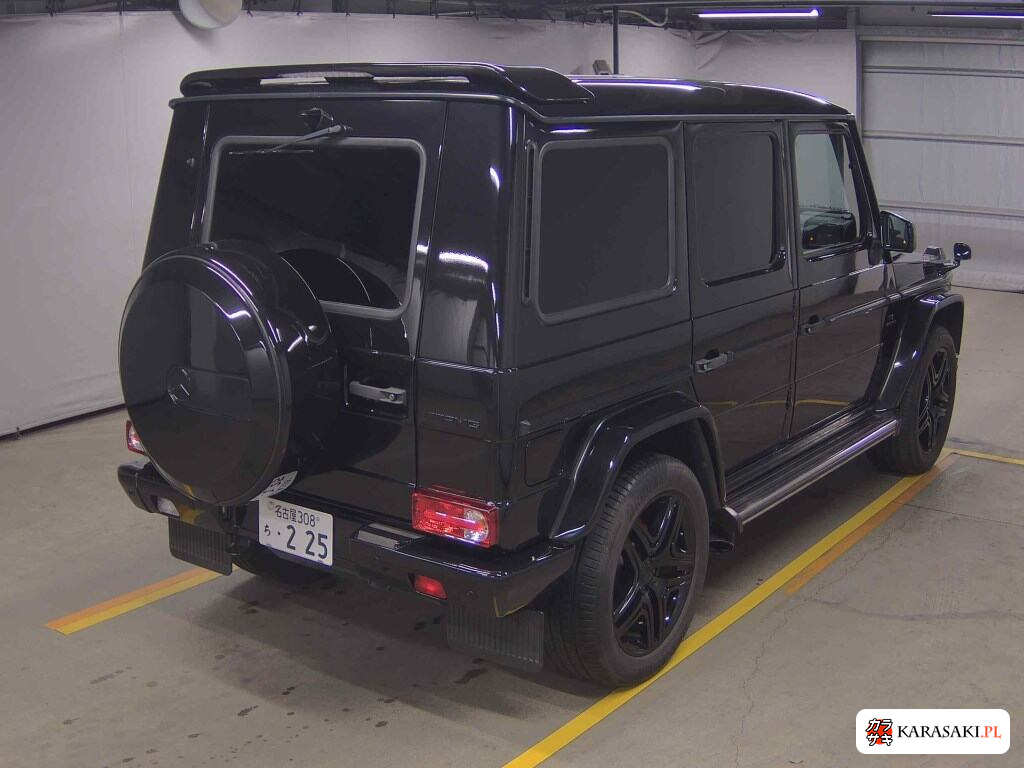
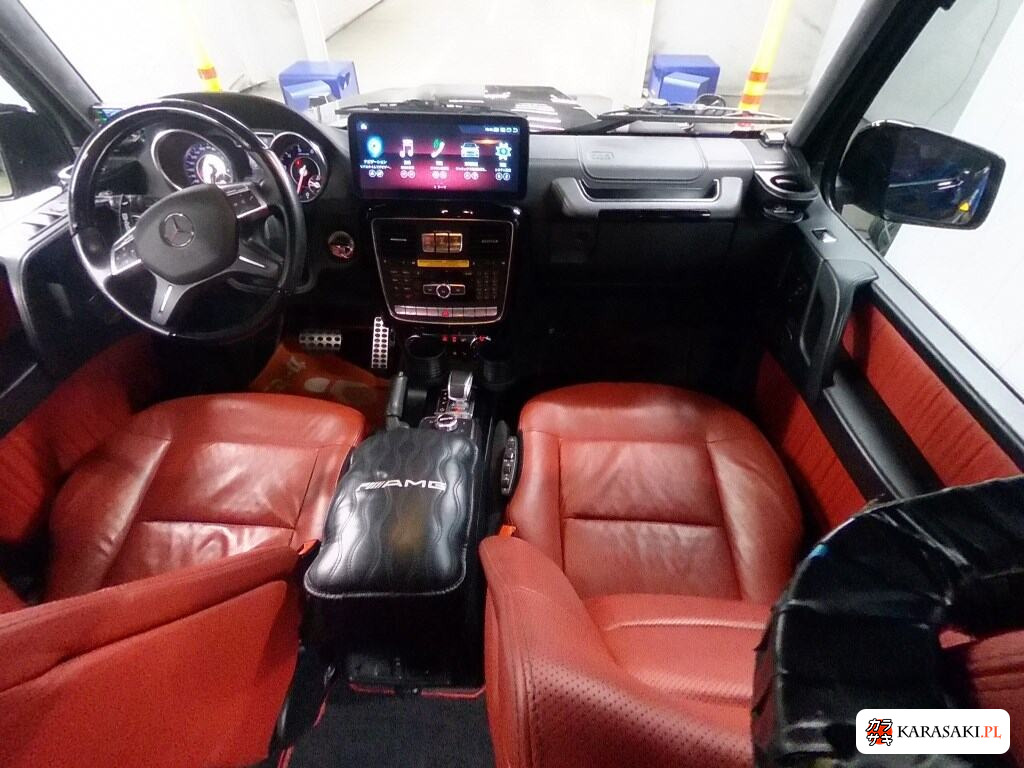
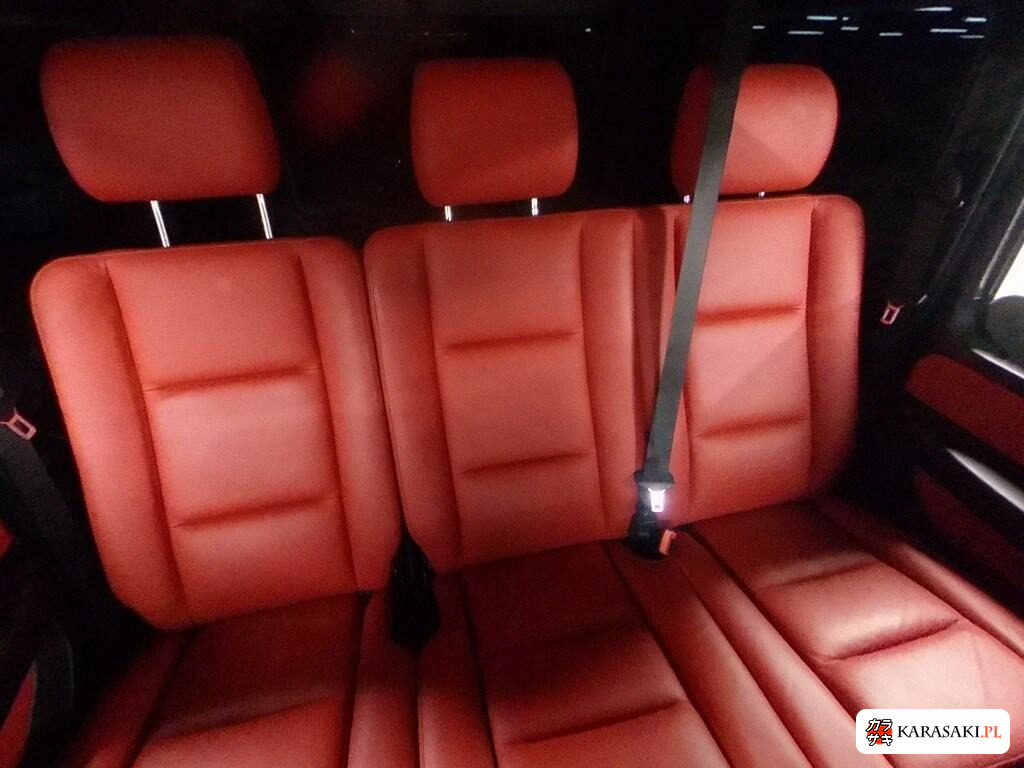
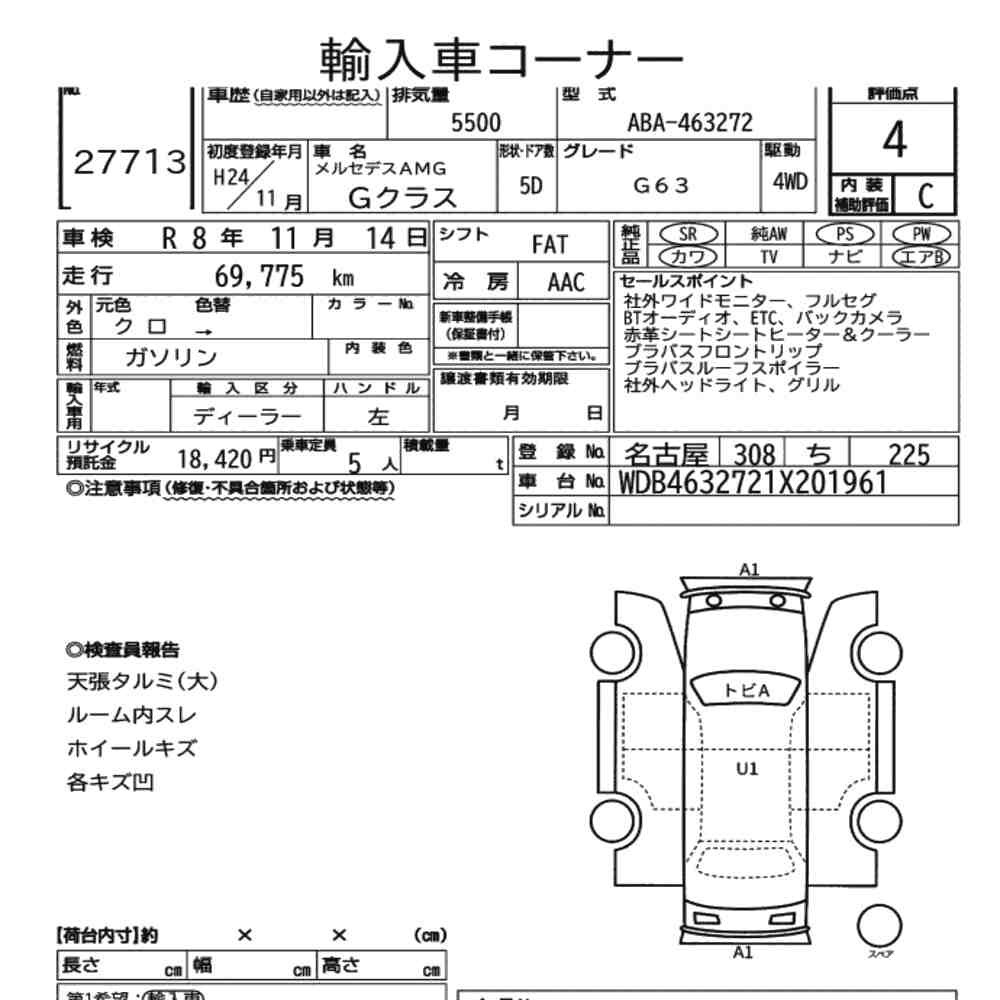
Mercedes Klasa G z Japonii na aukcji

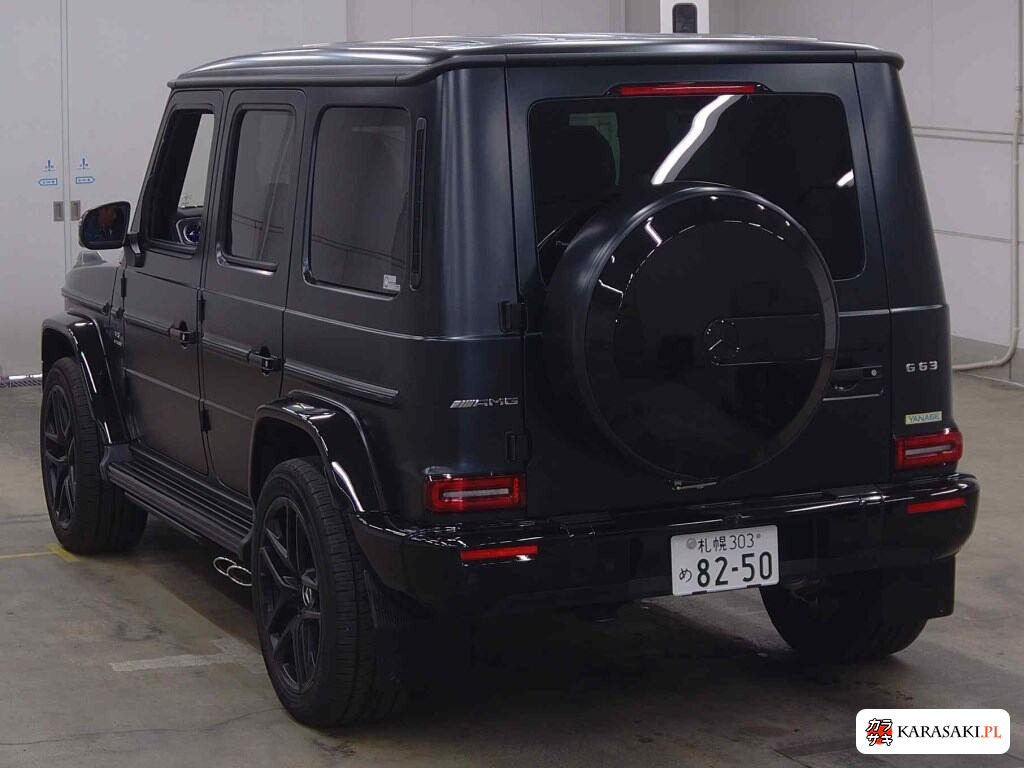
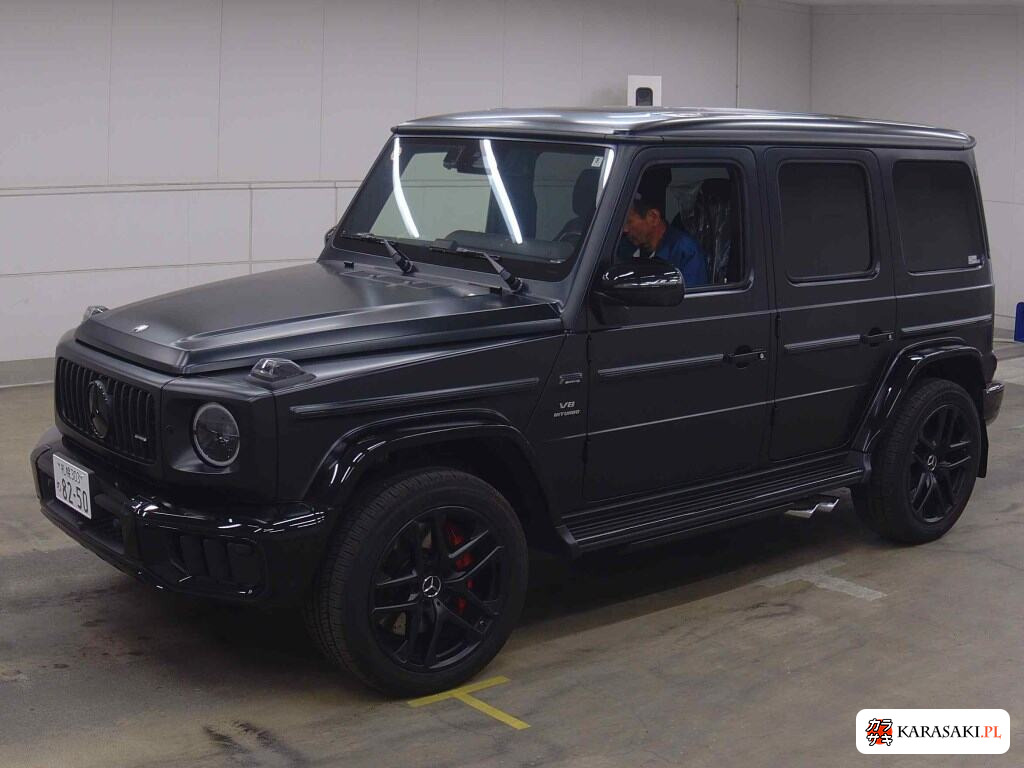
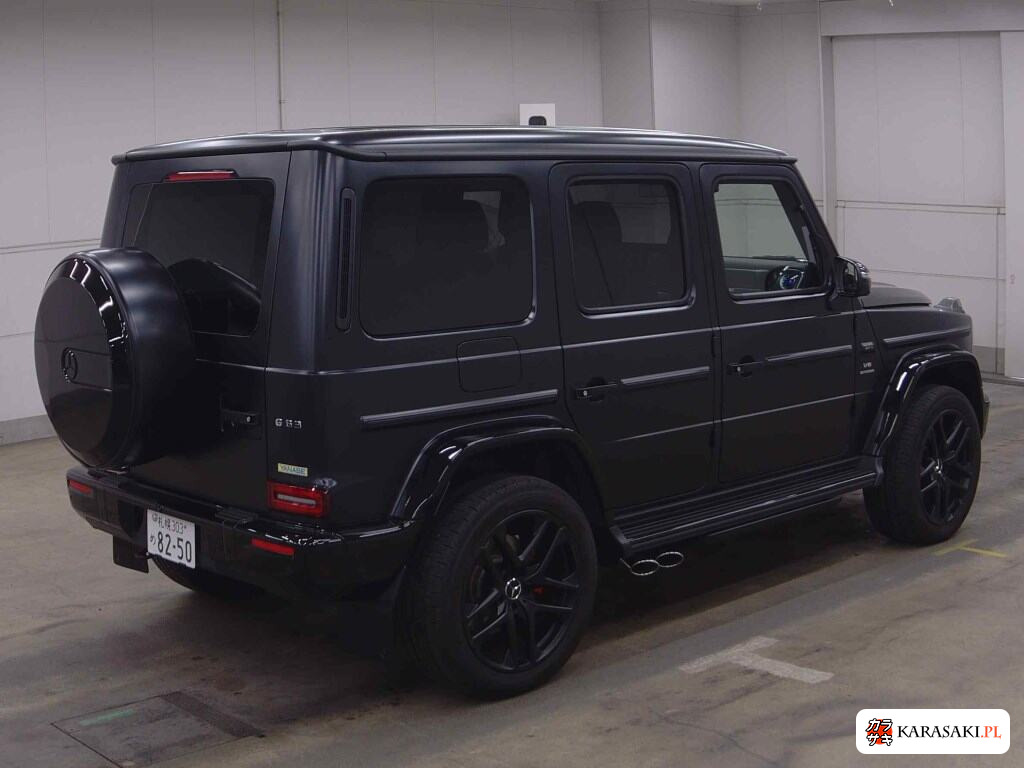
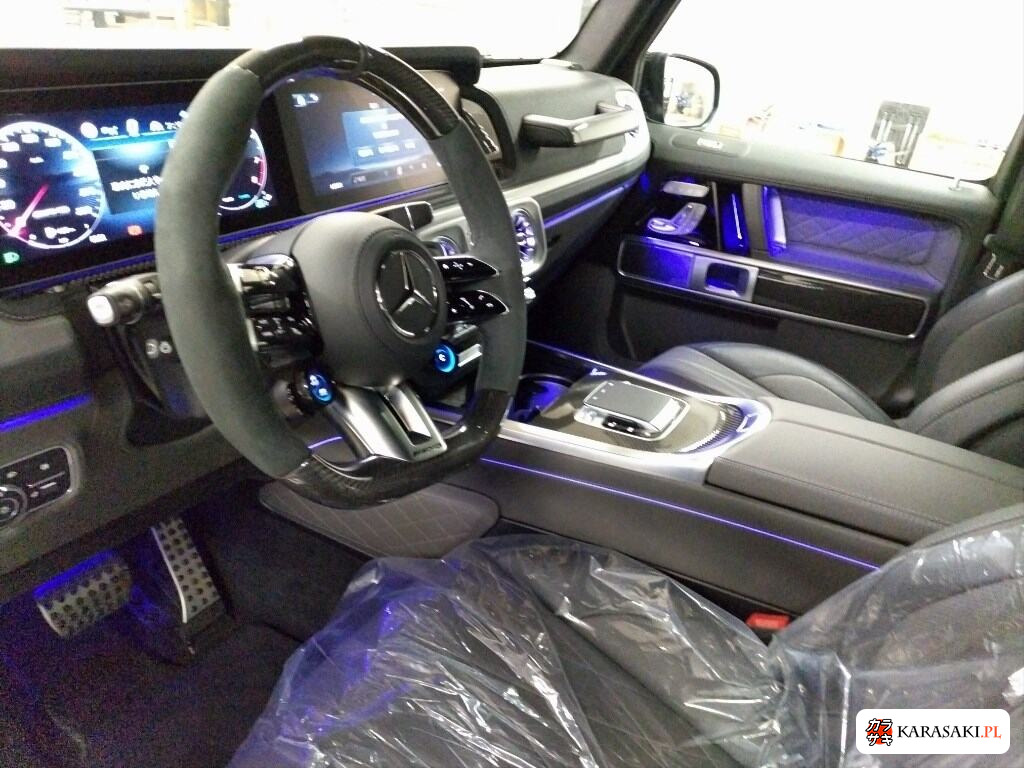
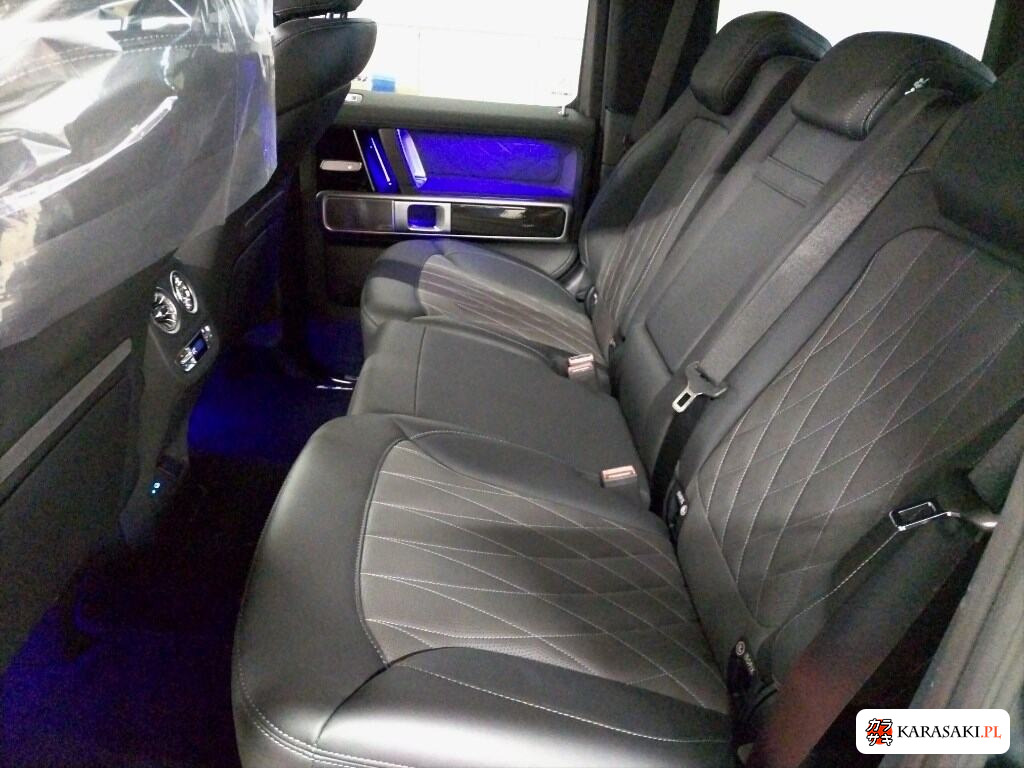
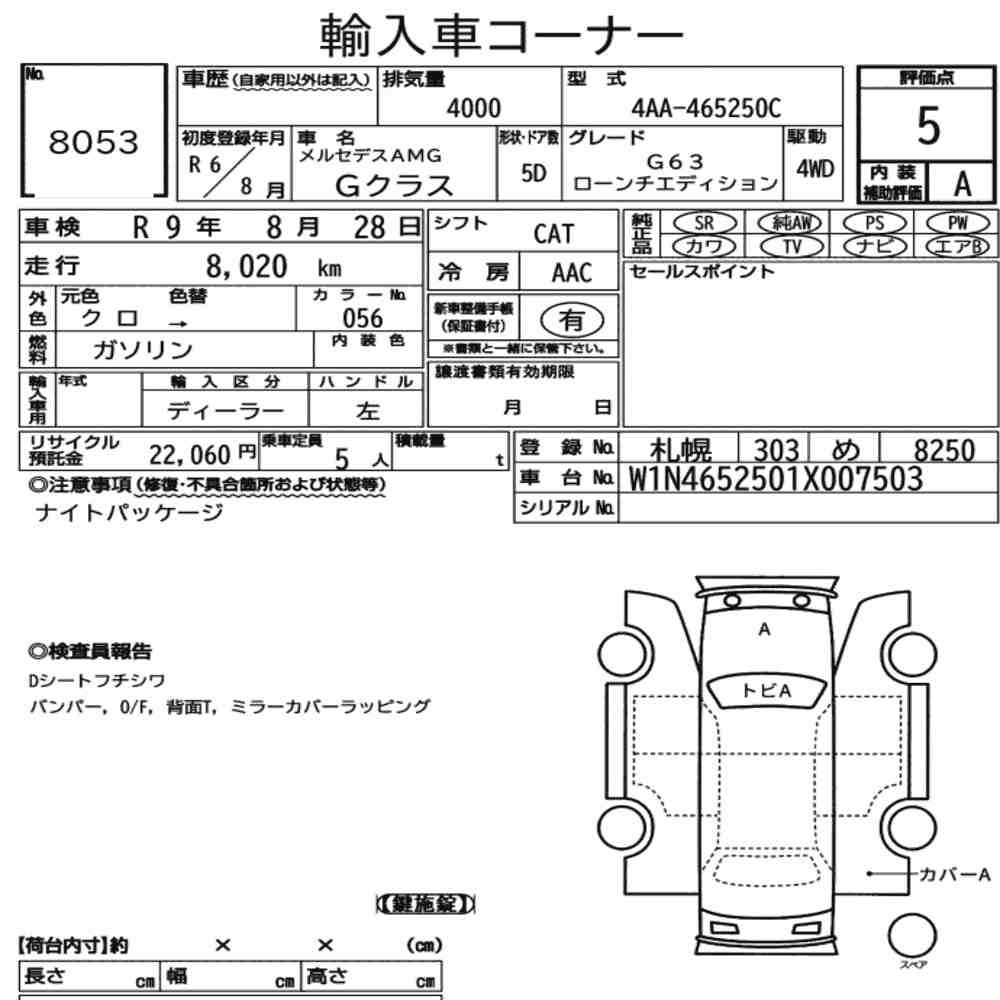

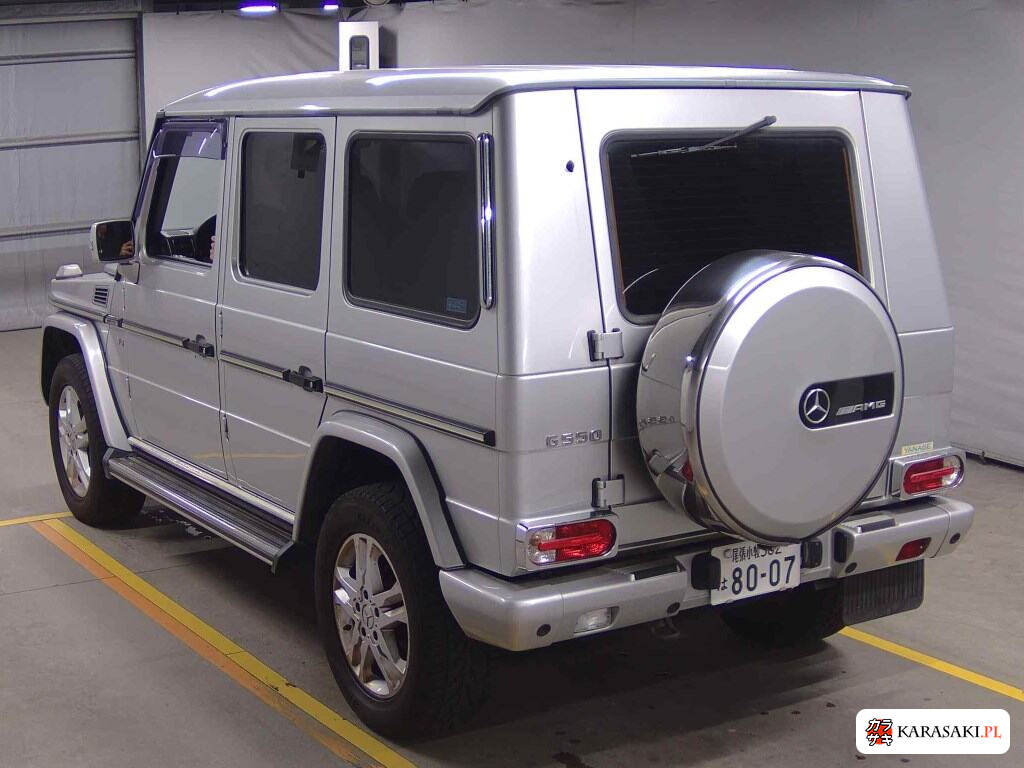
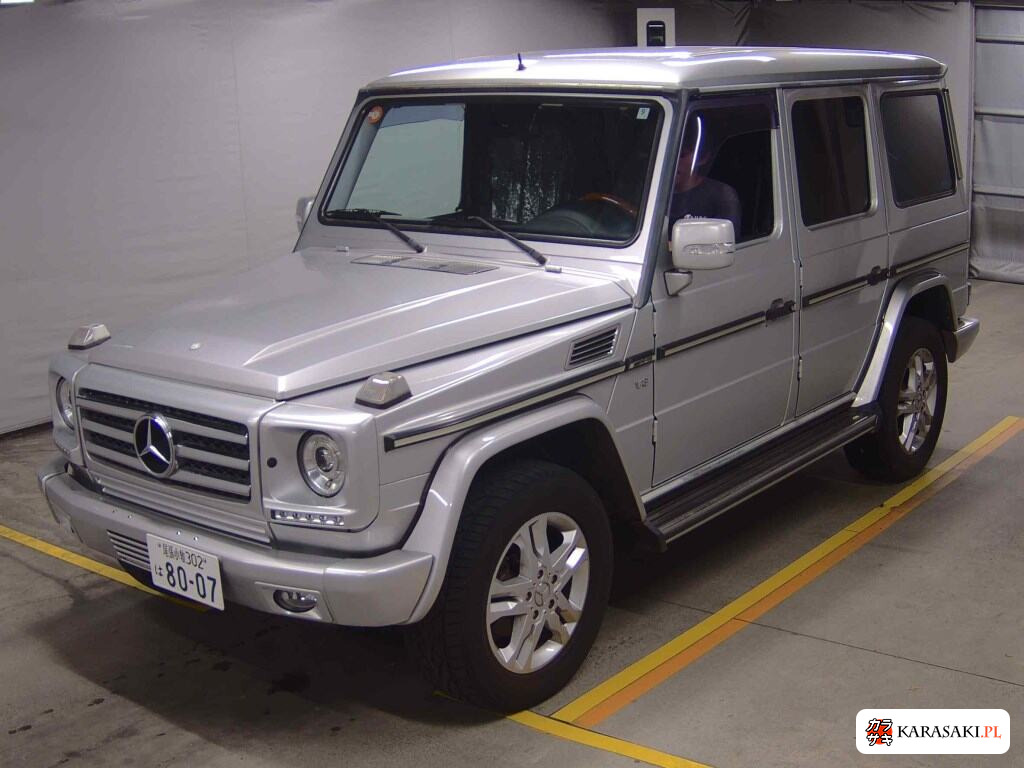
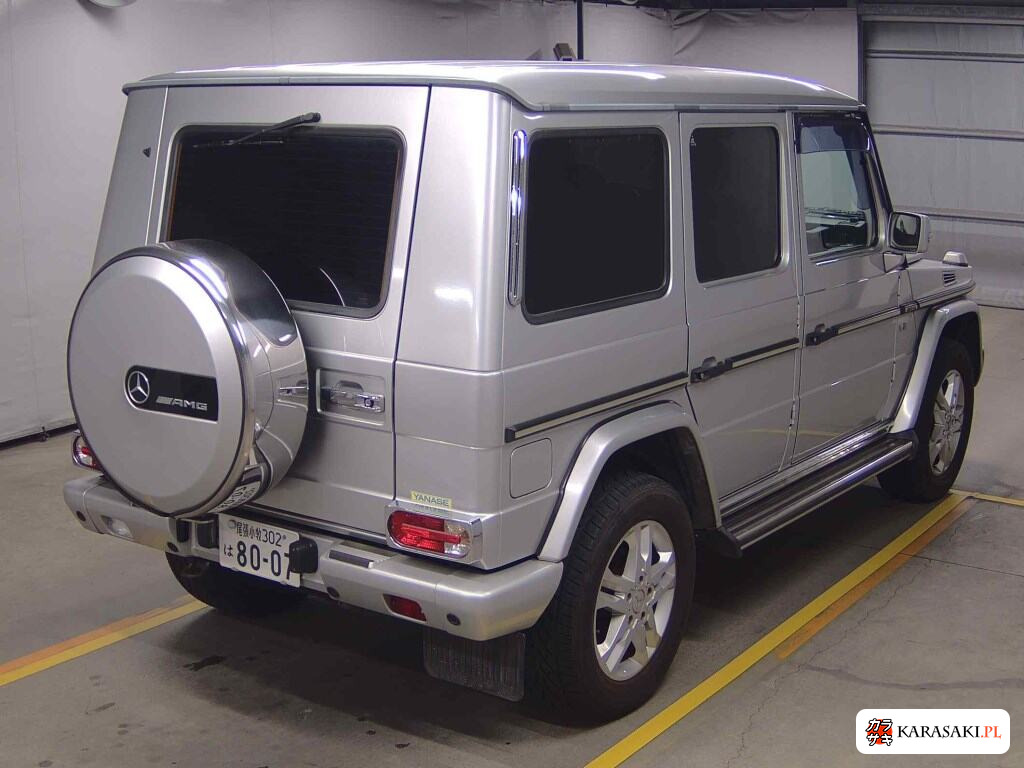
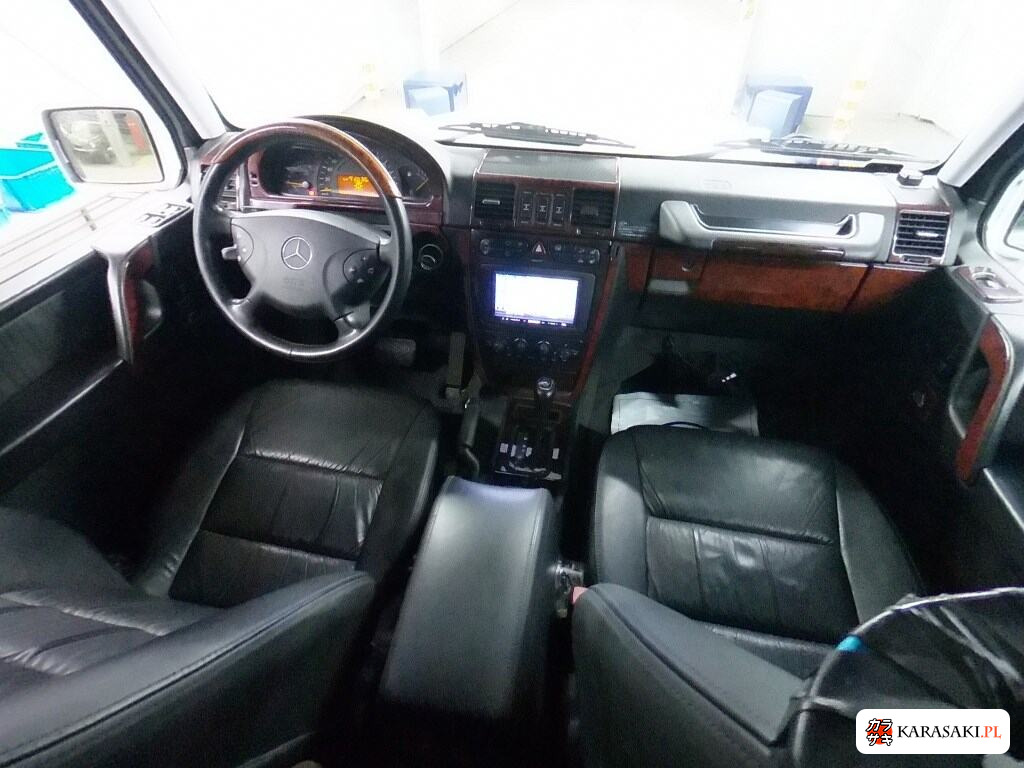
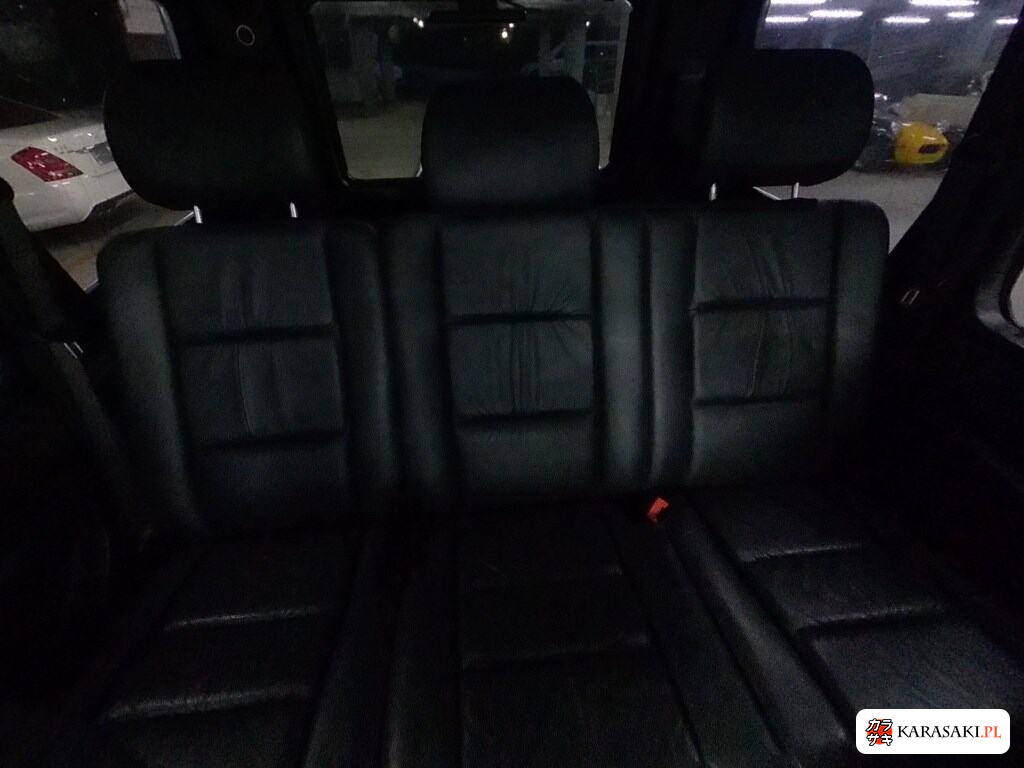
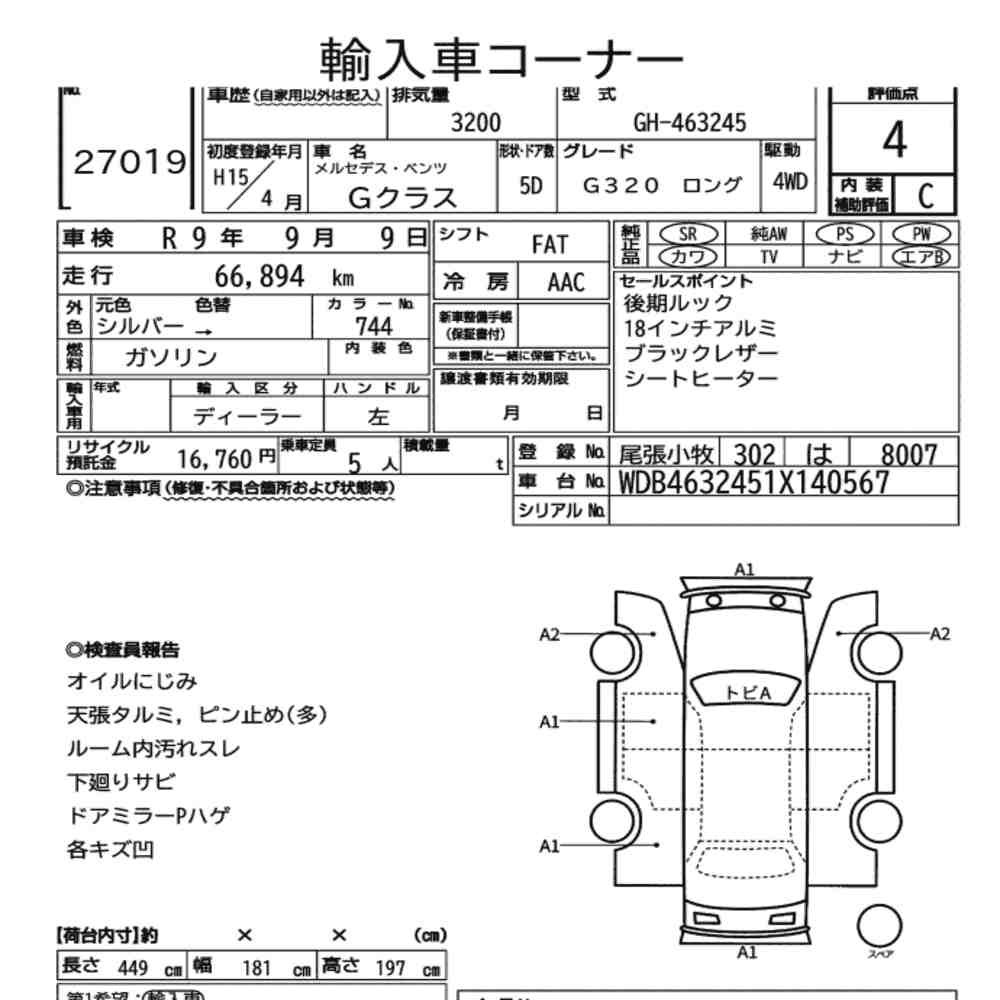

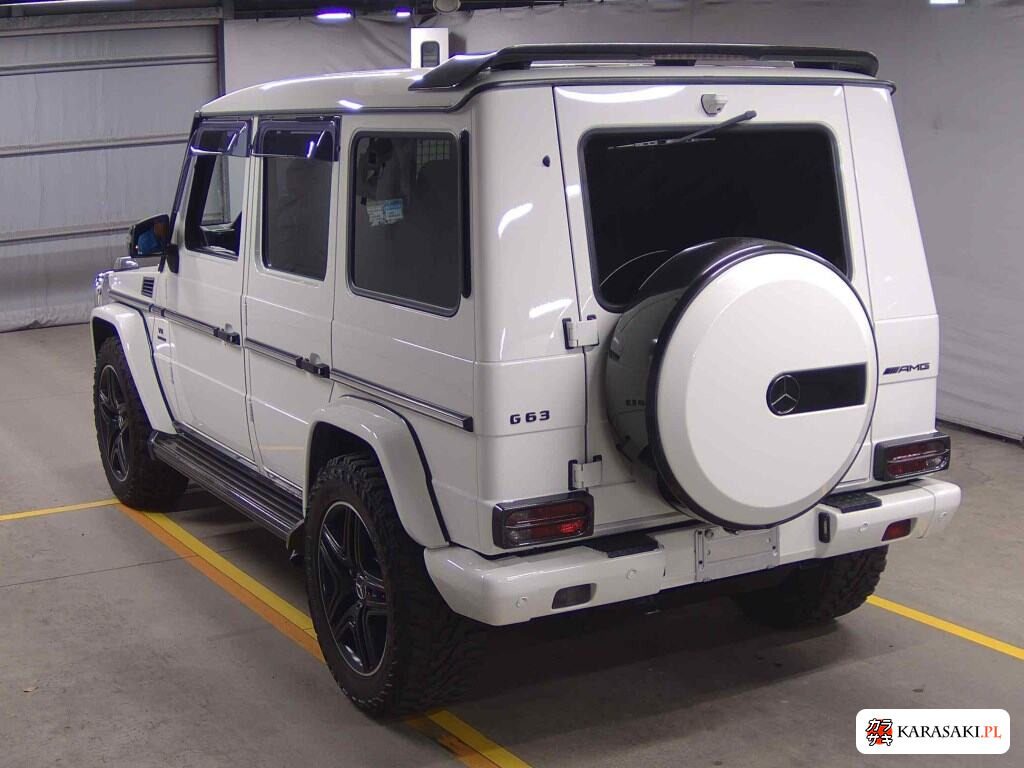
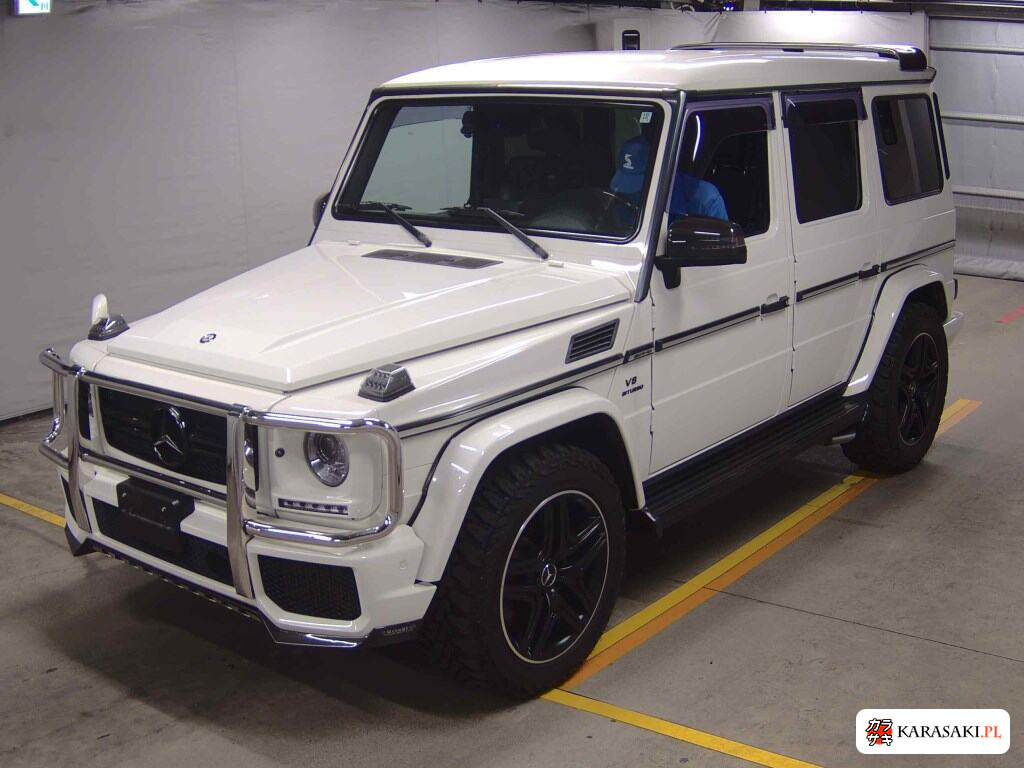
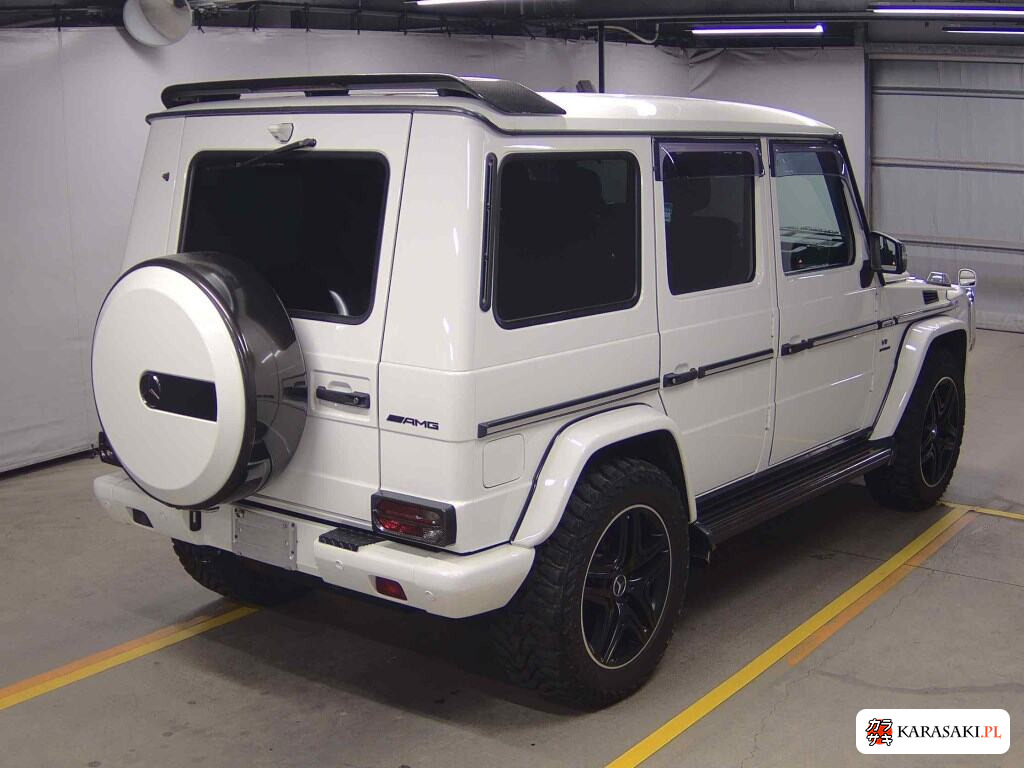
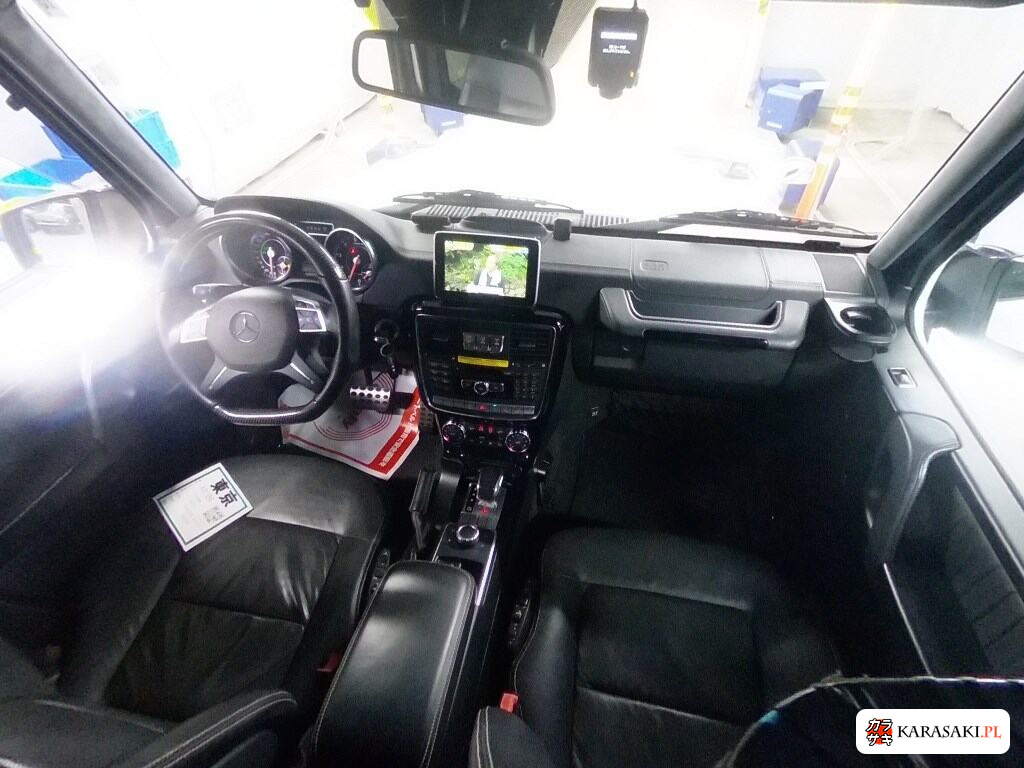
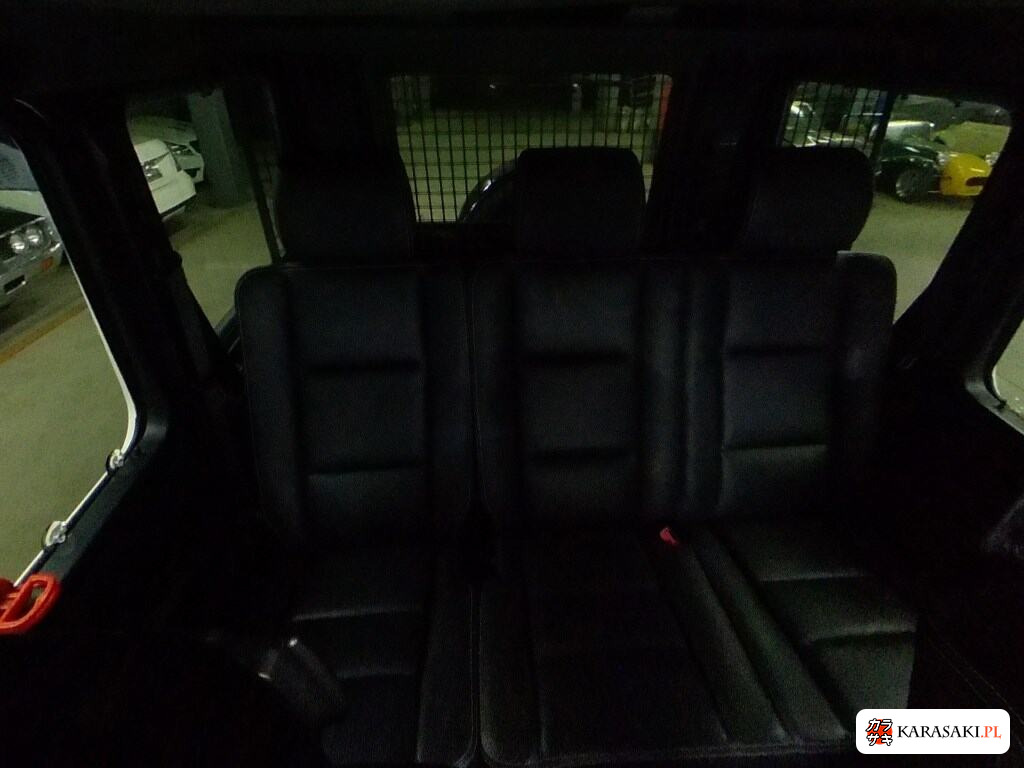
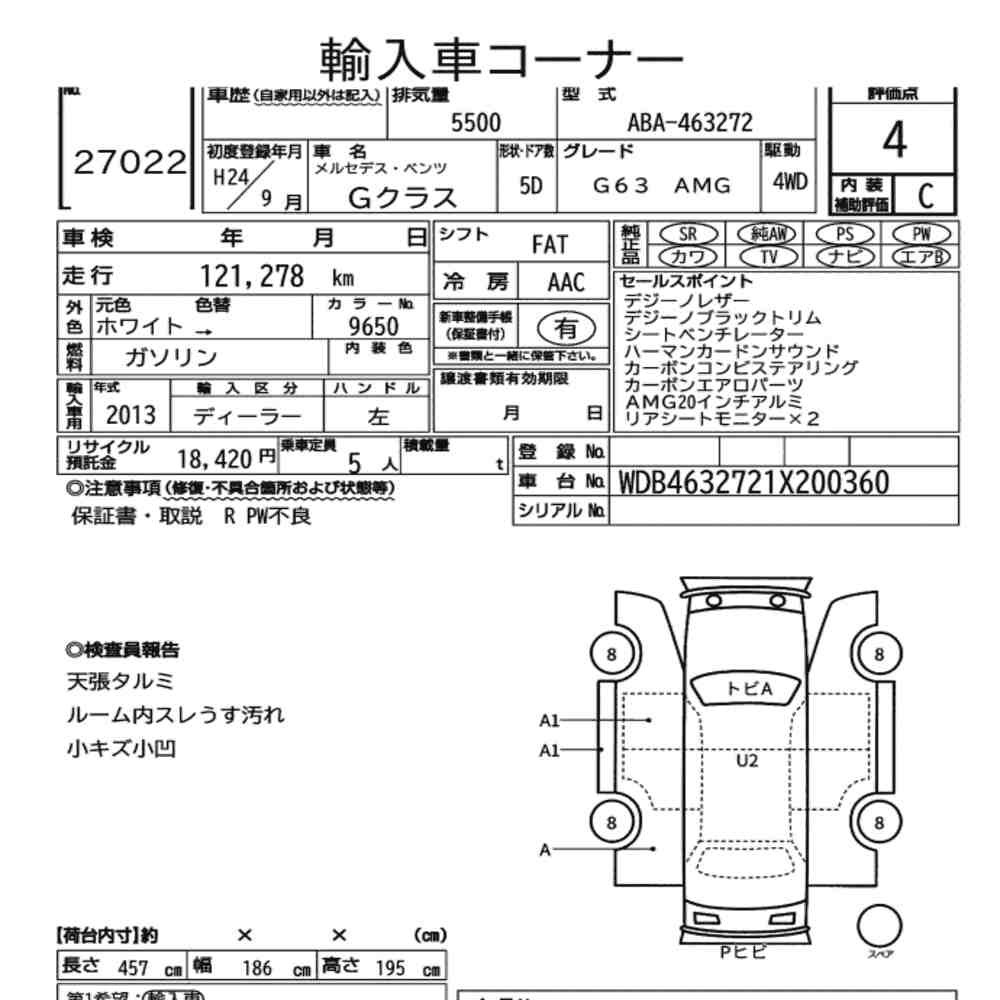

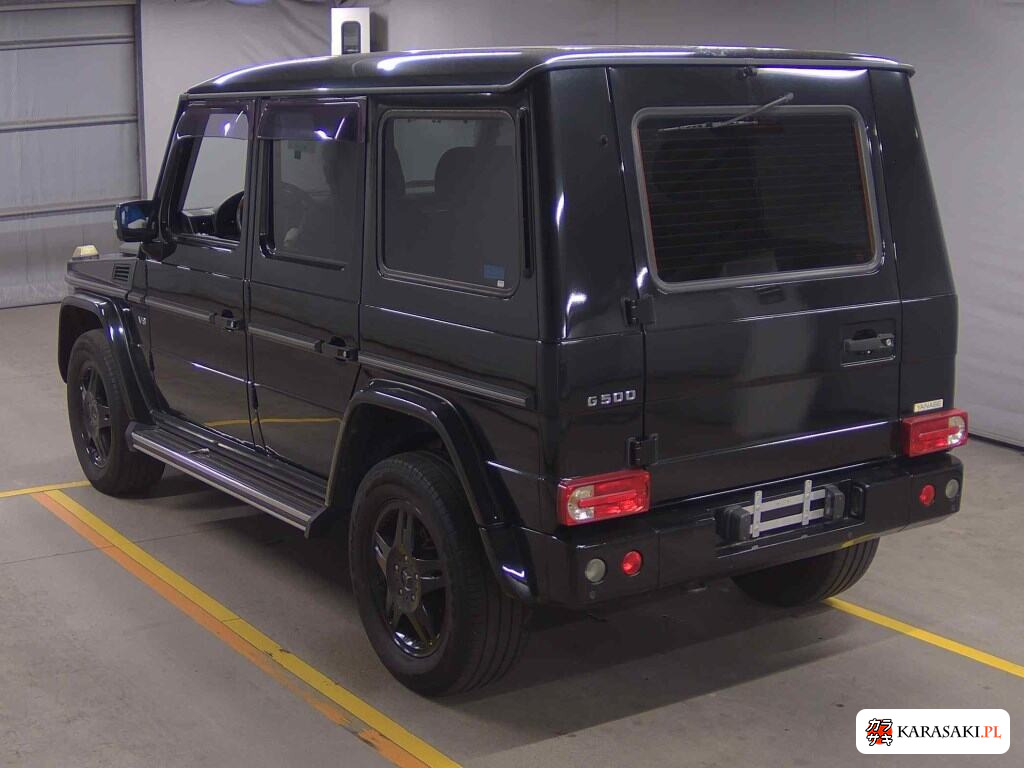
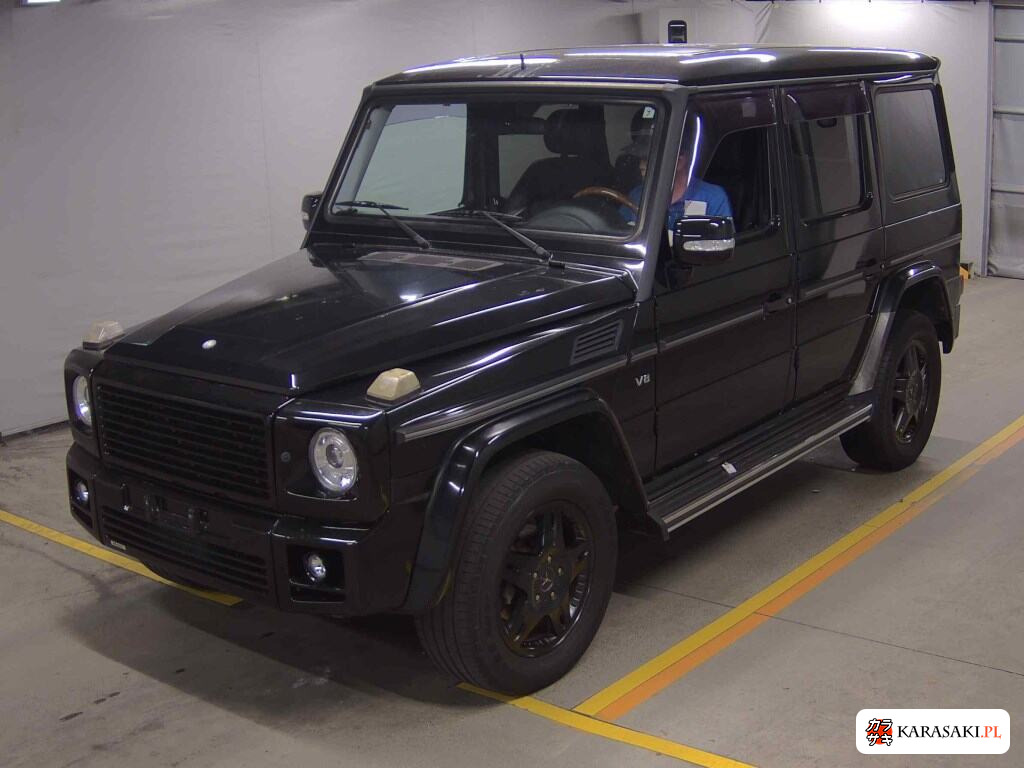
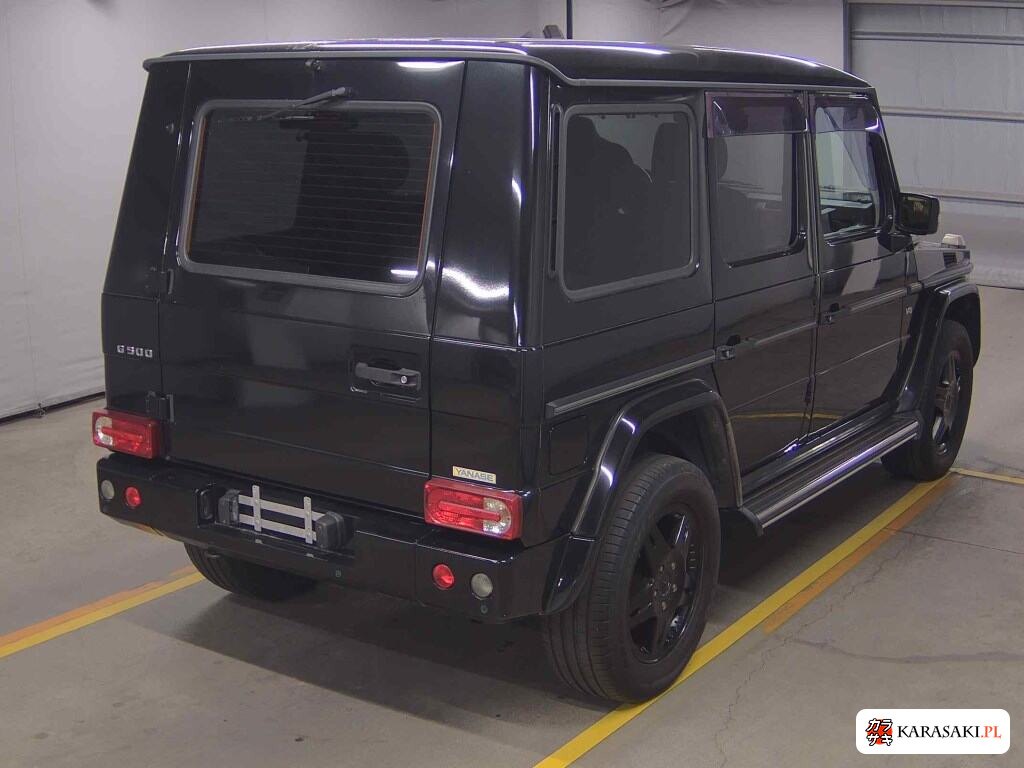
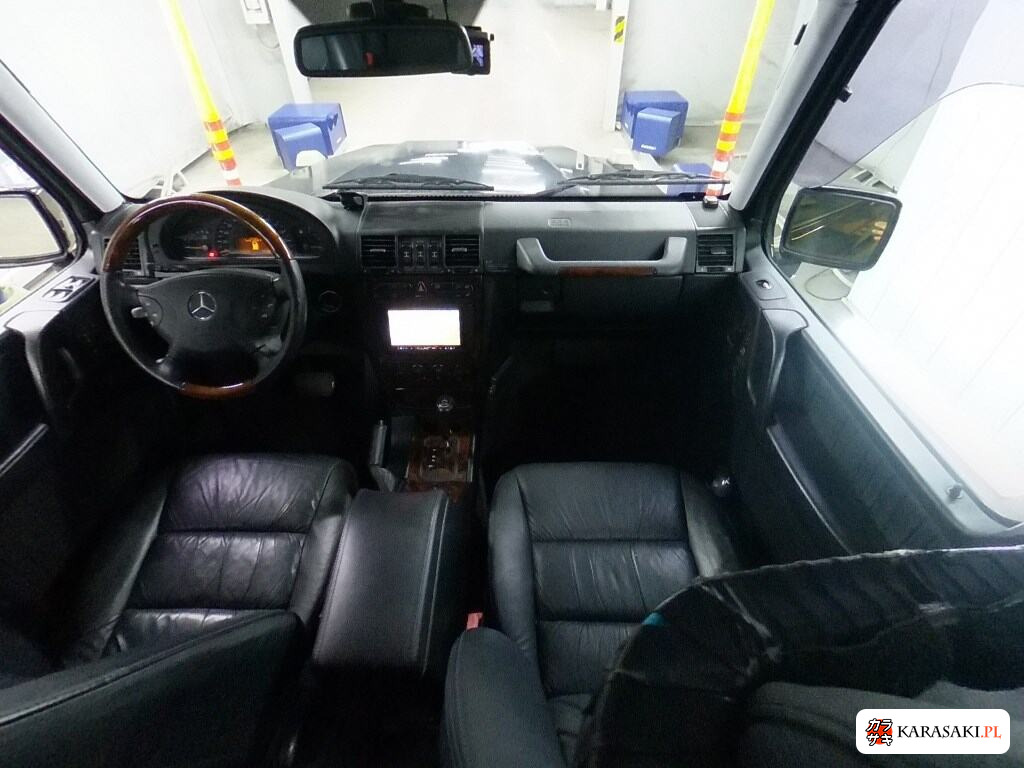
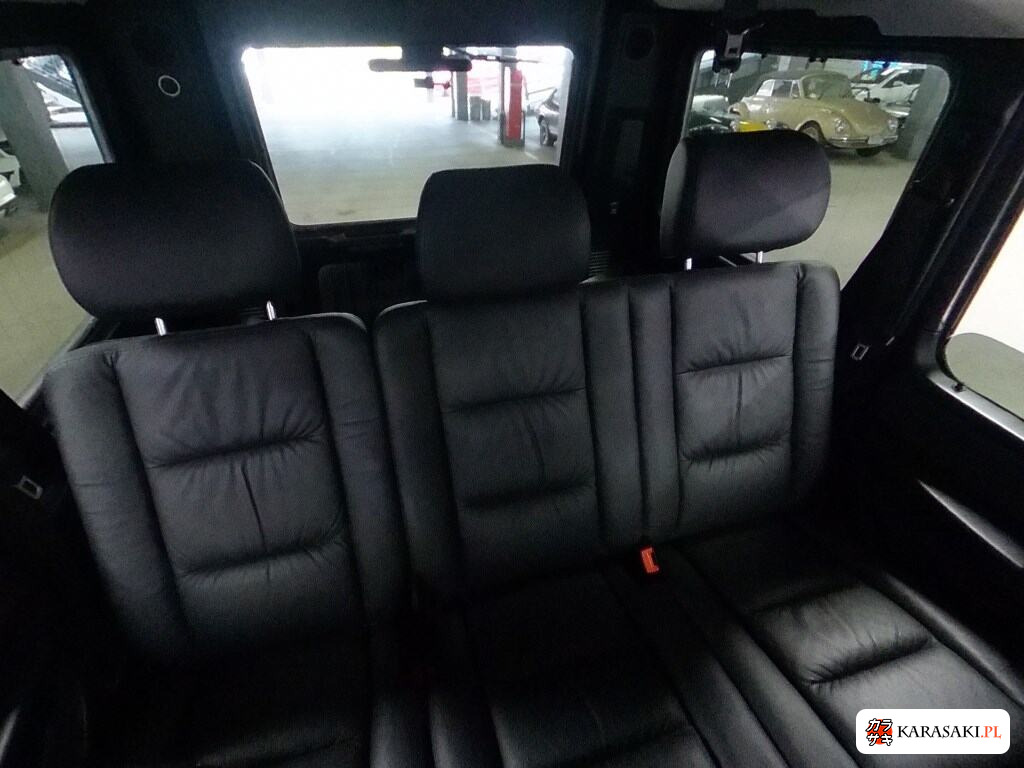
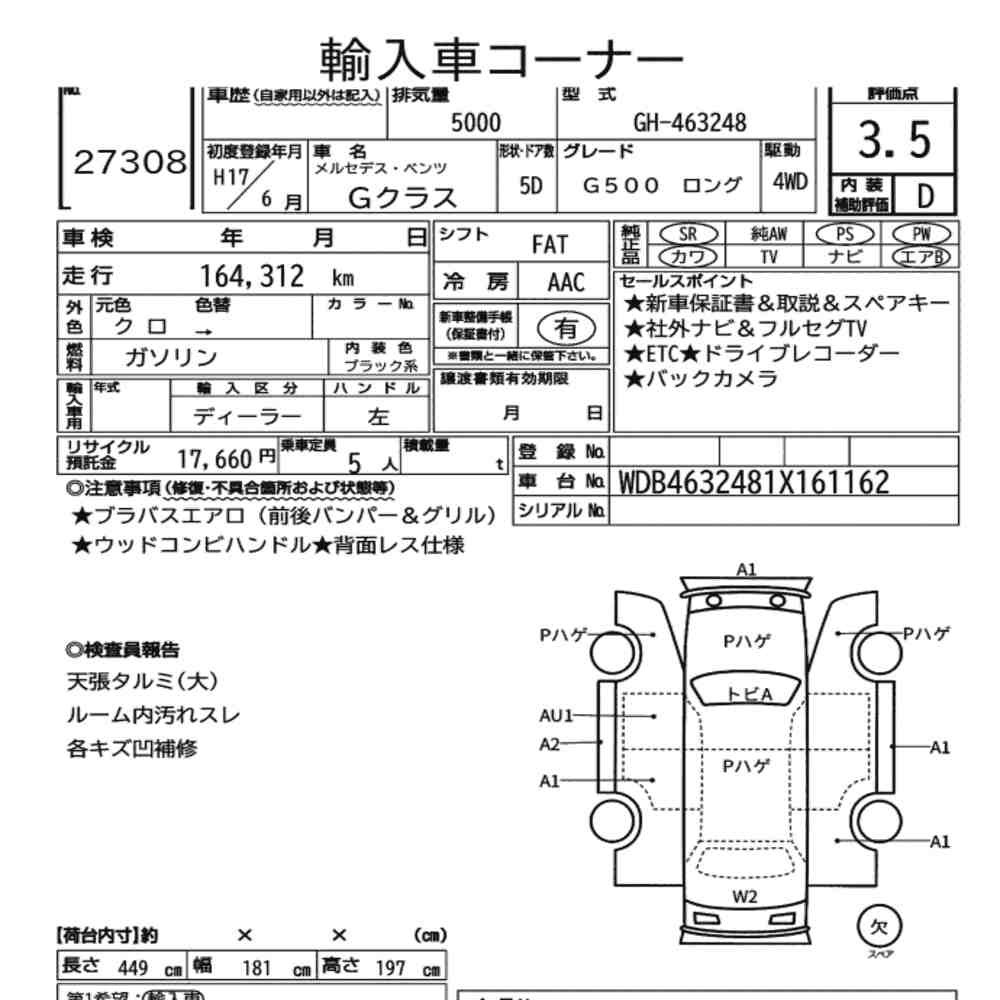

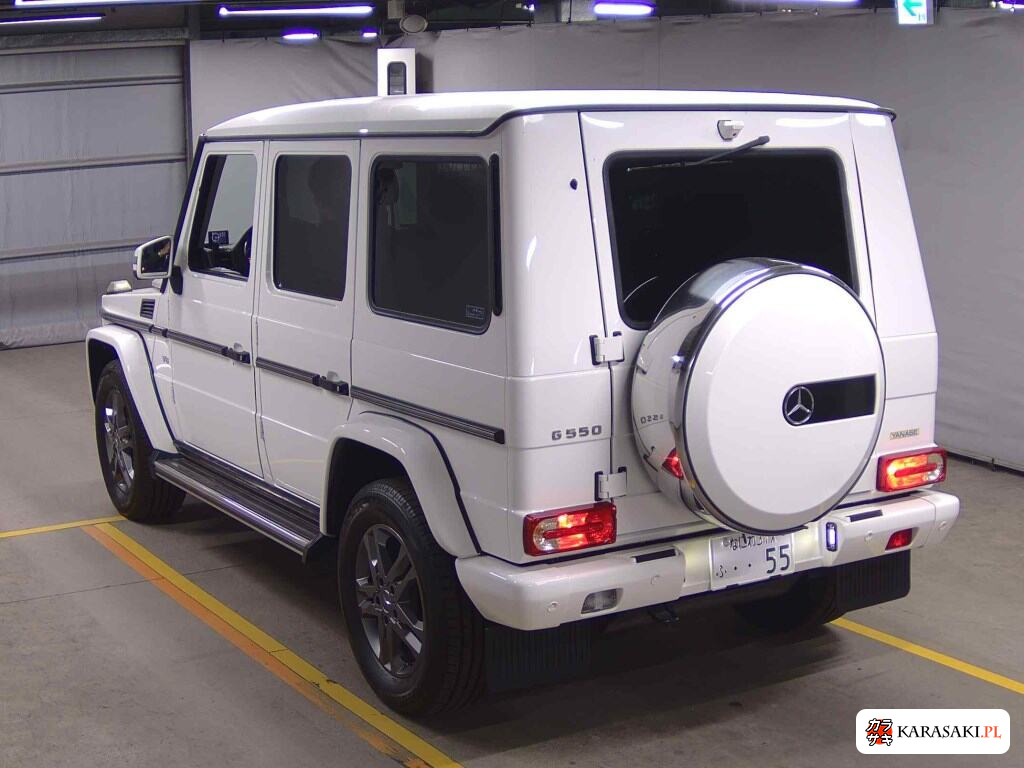
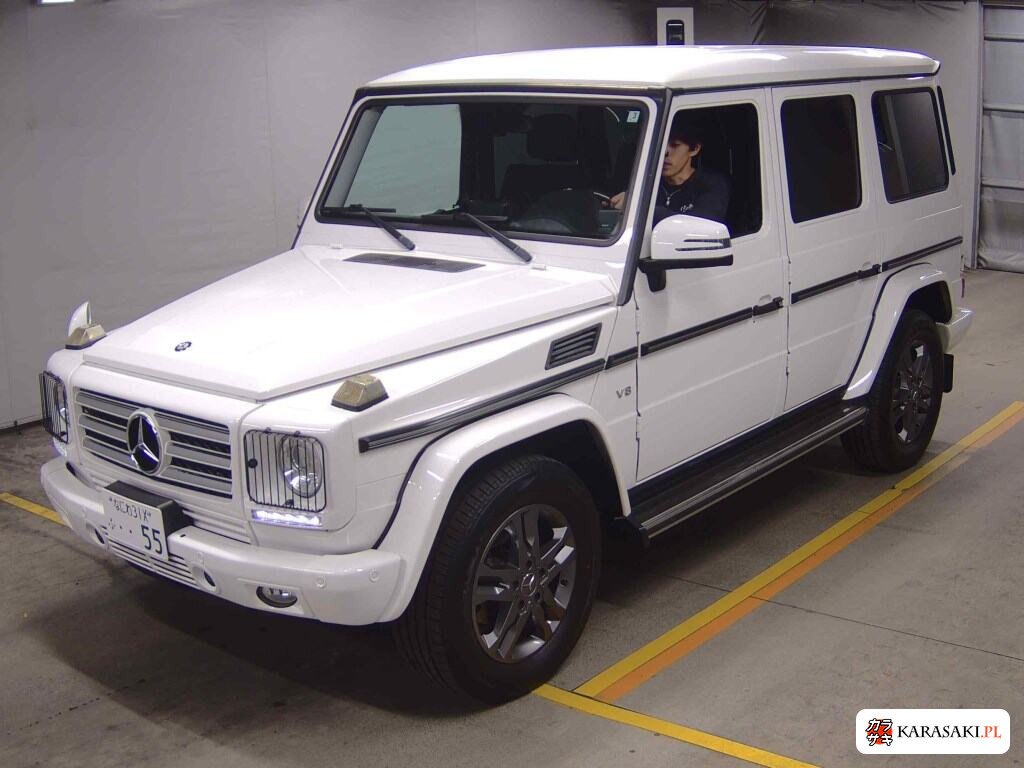
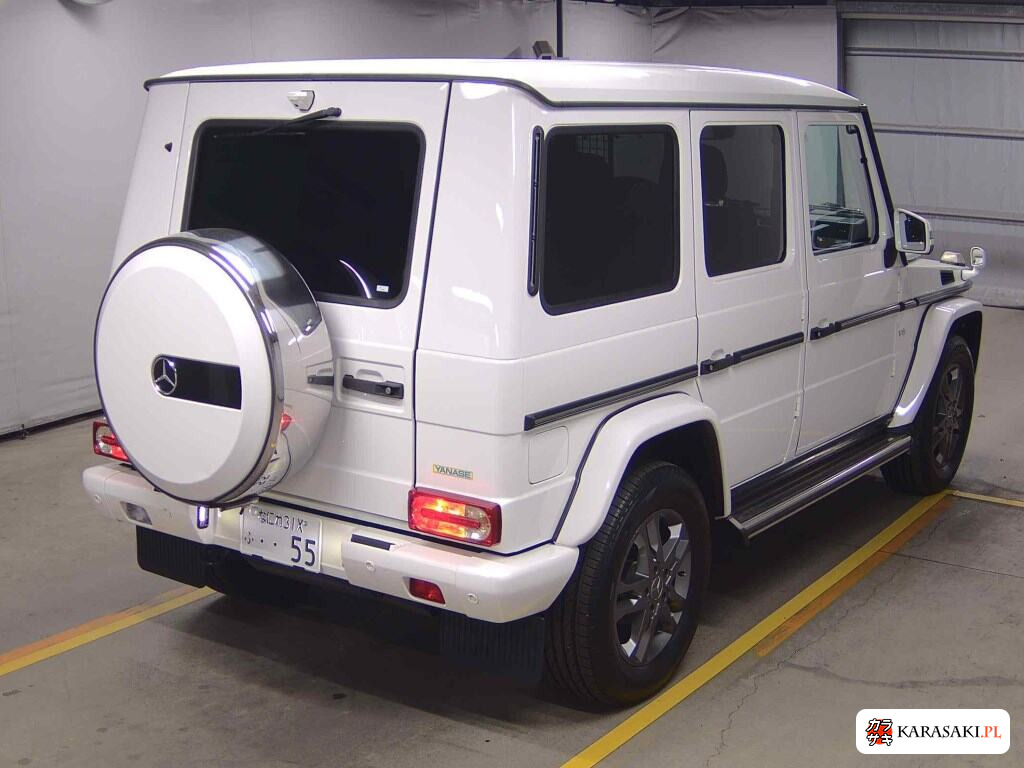
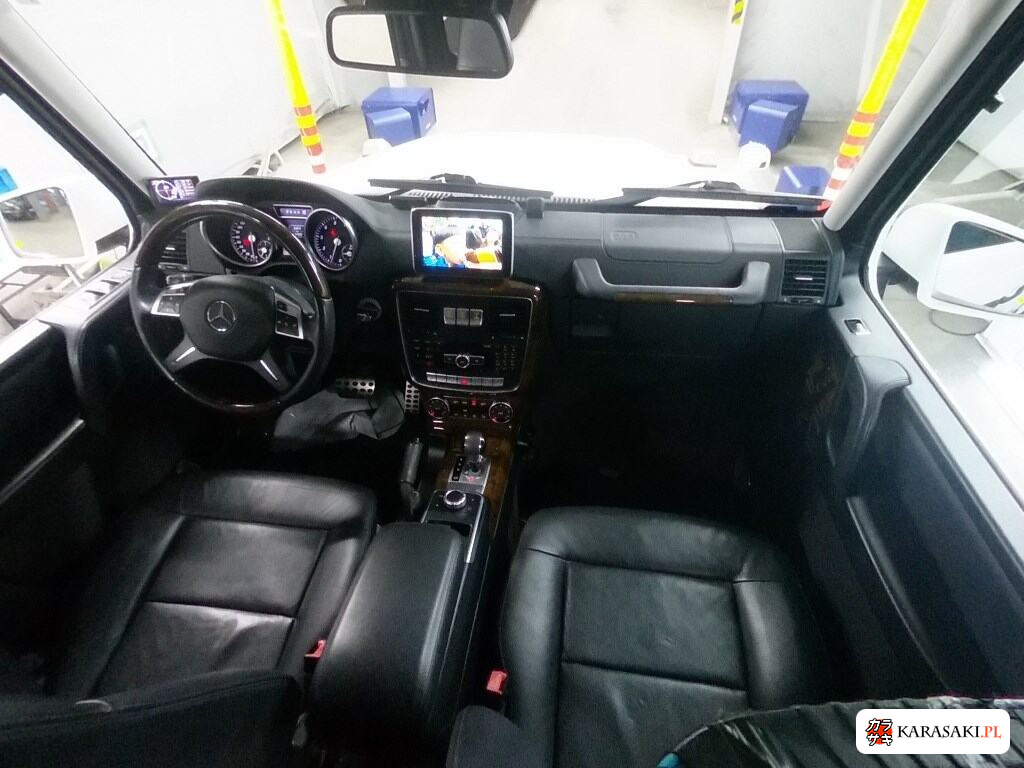
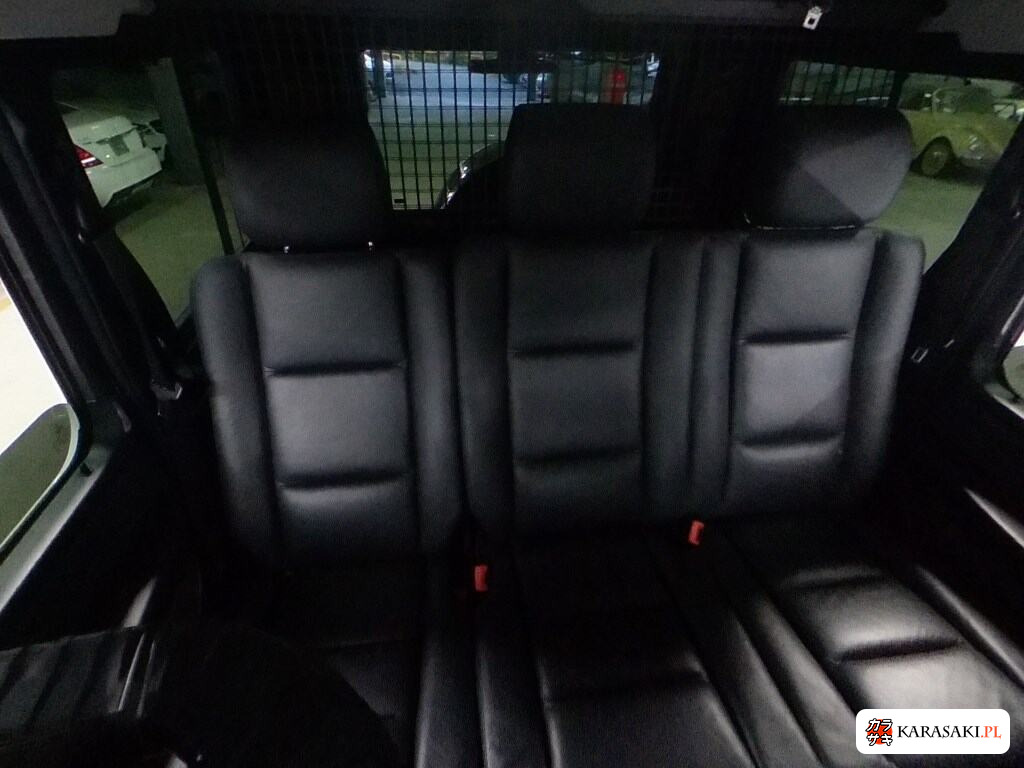
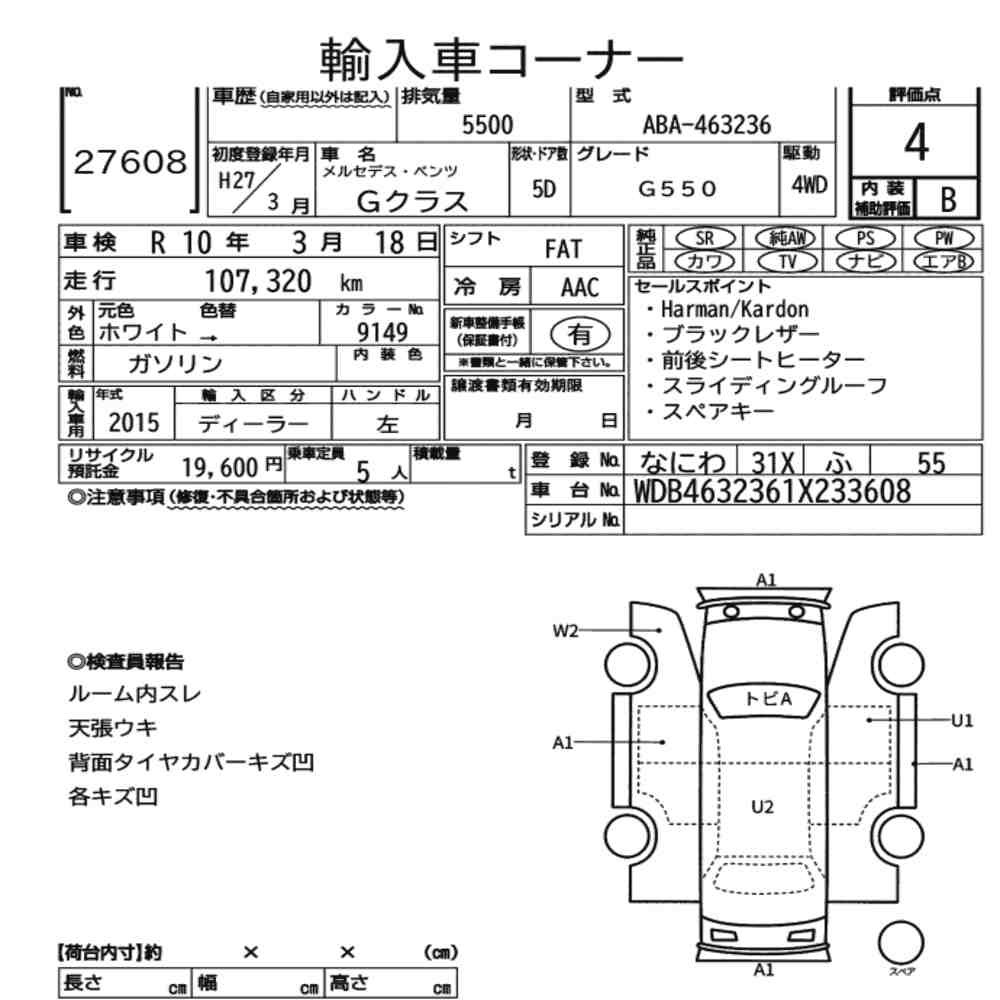

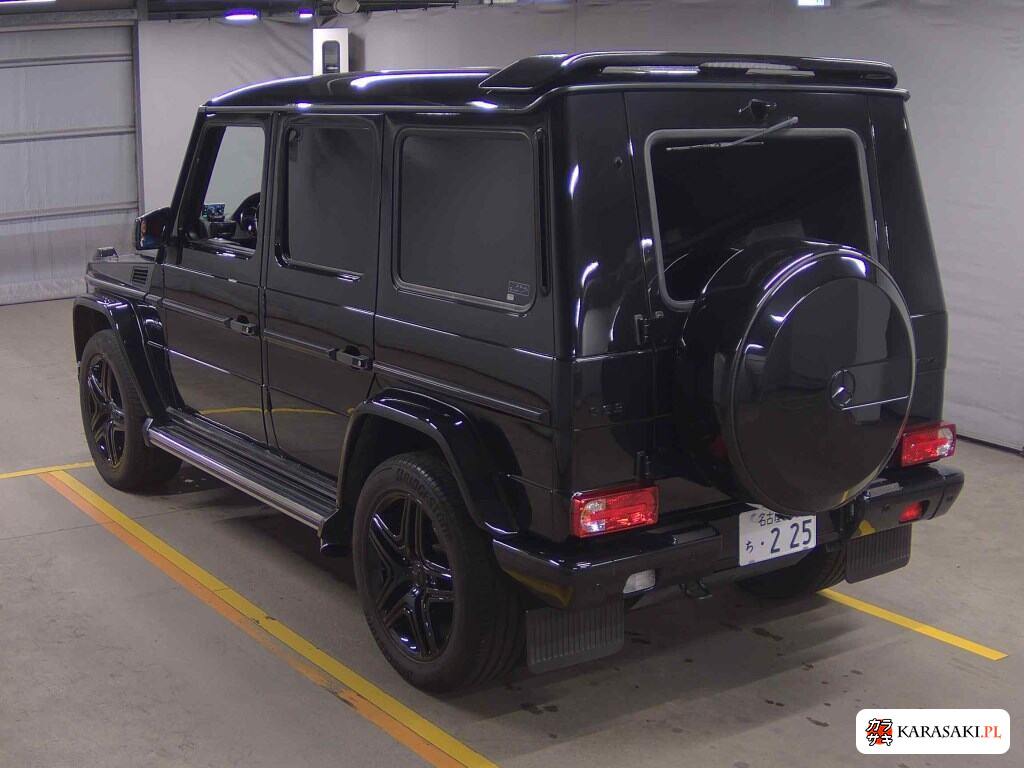
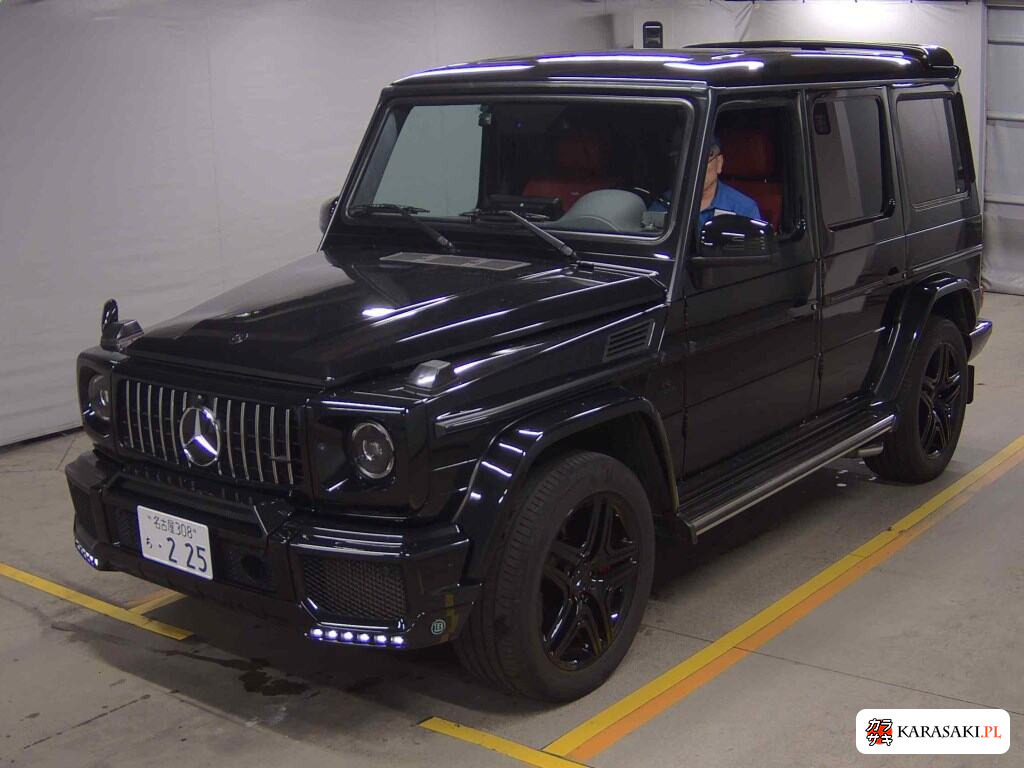

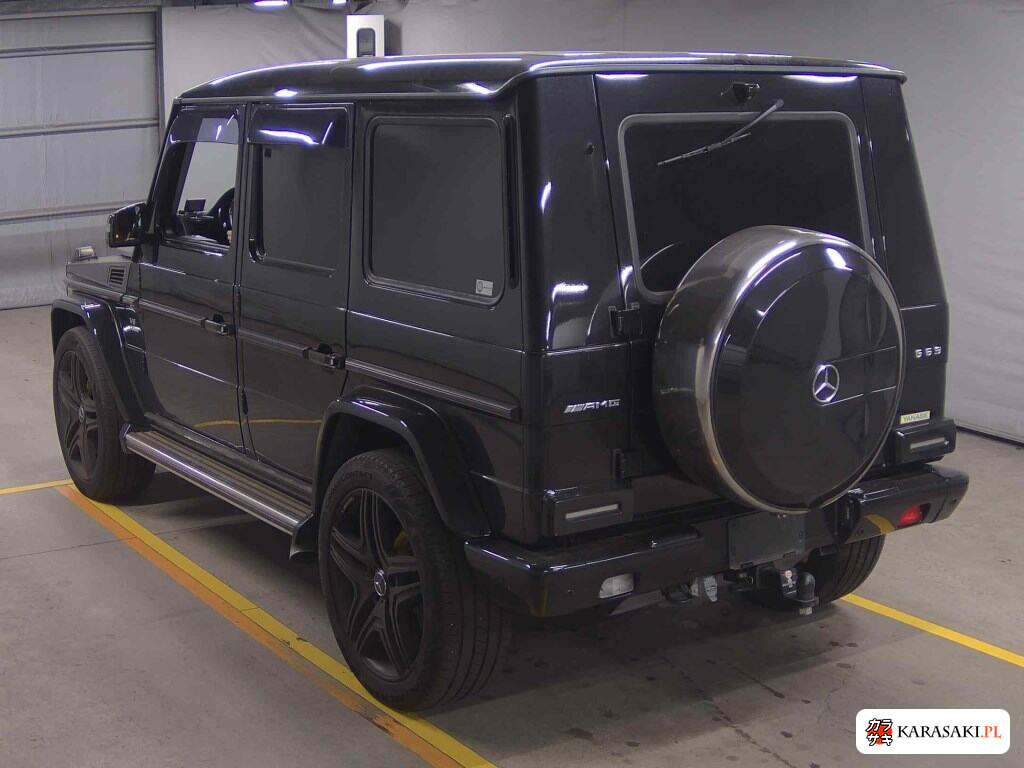
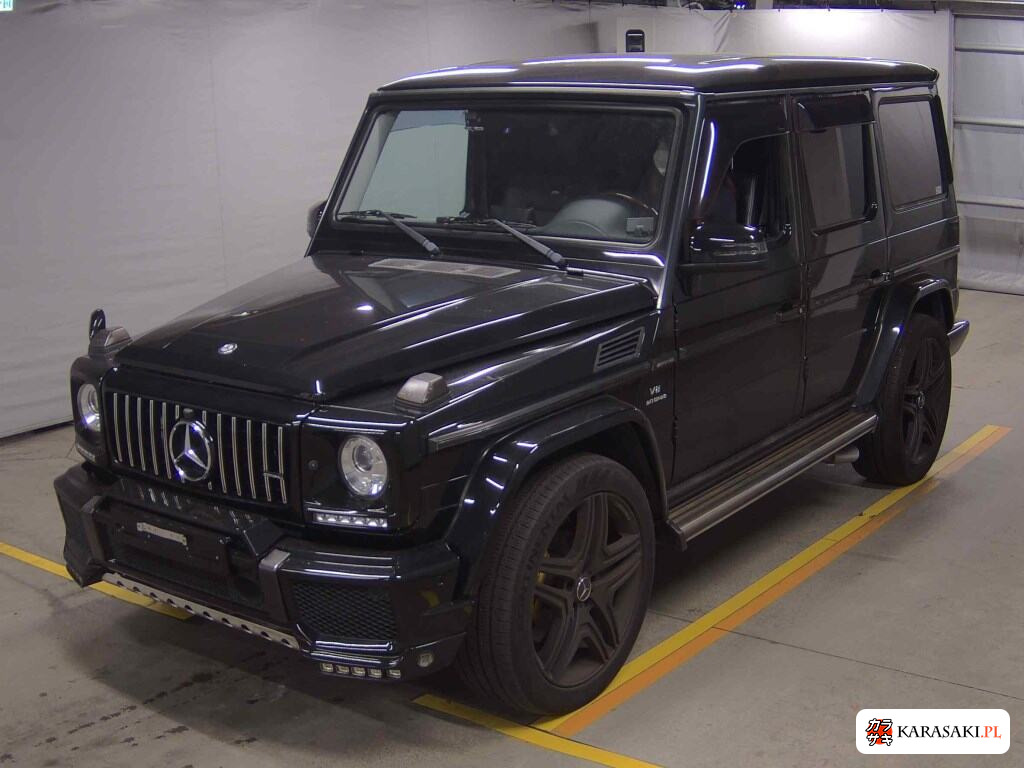
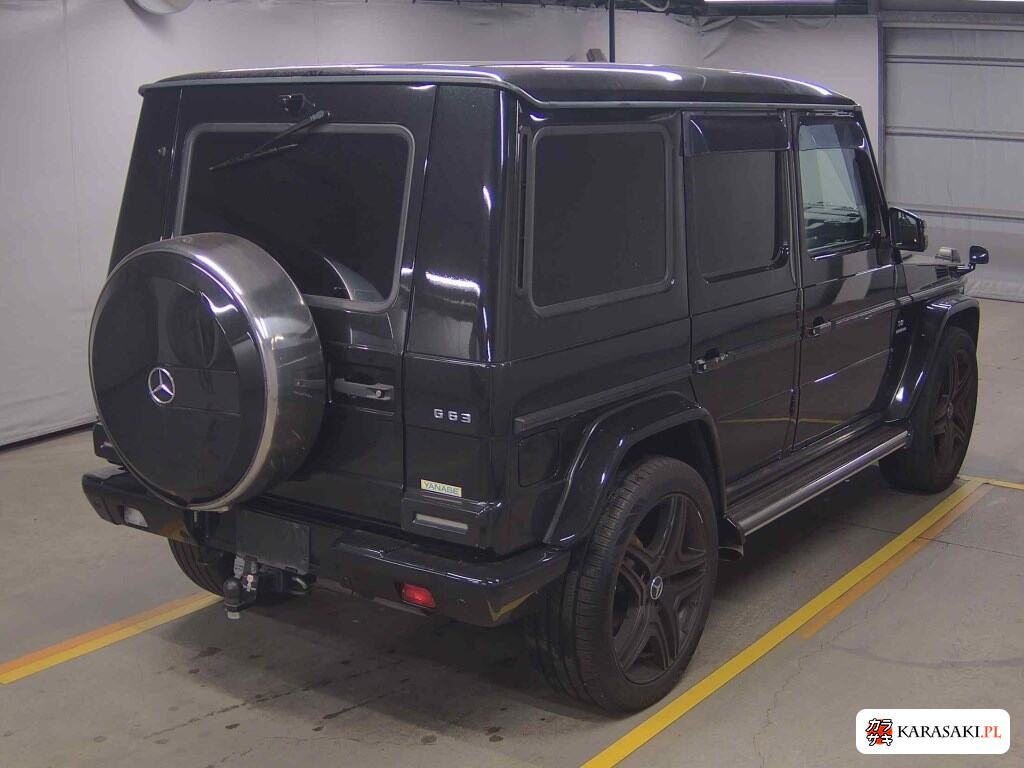
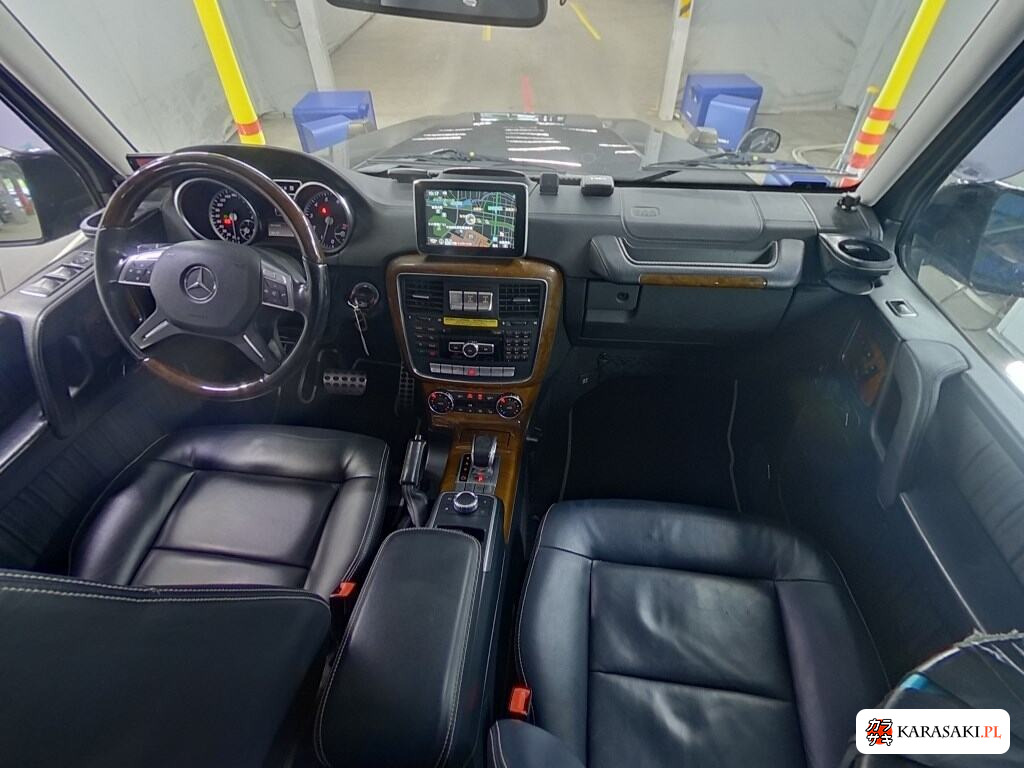
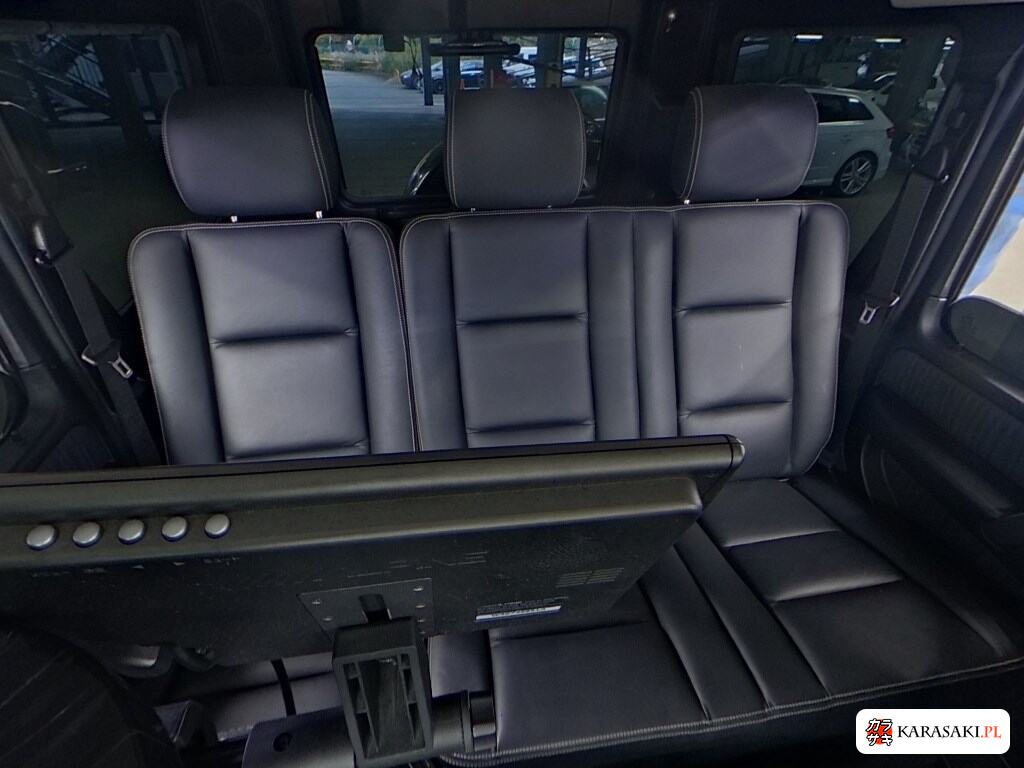
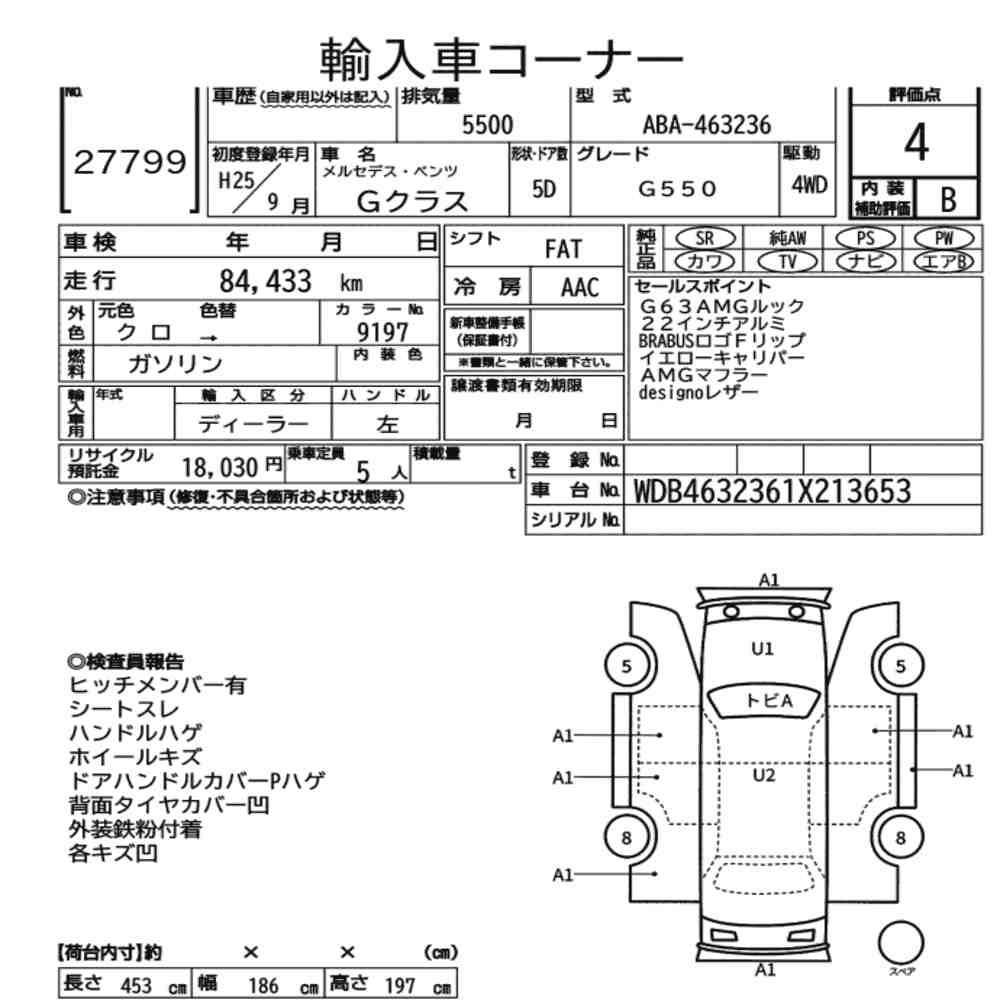

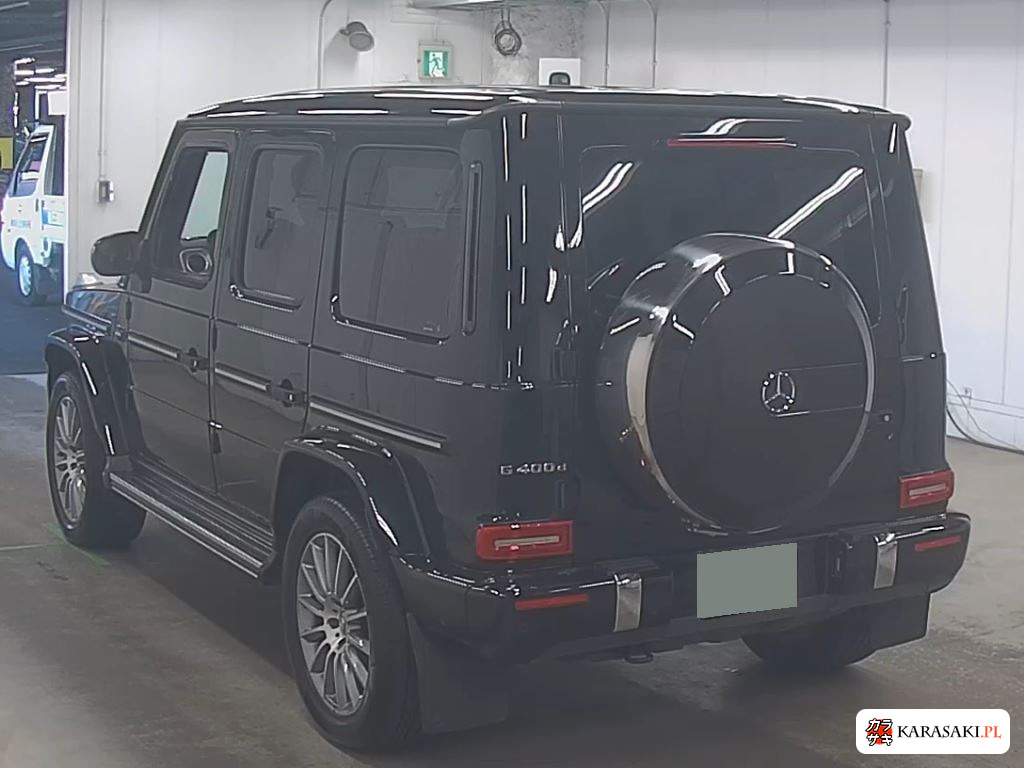
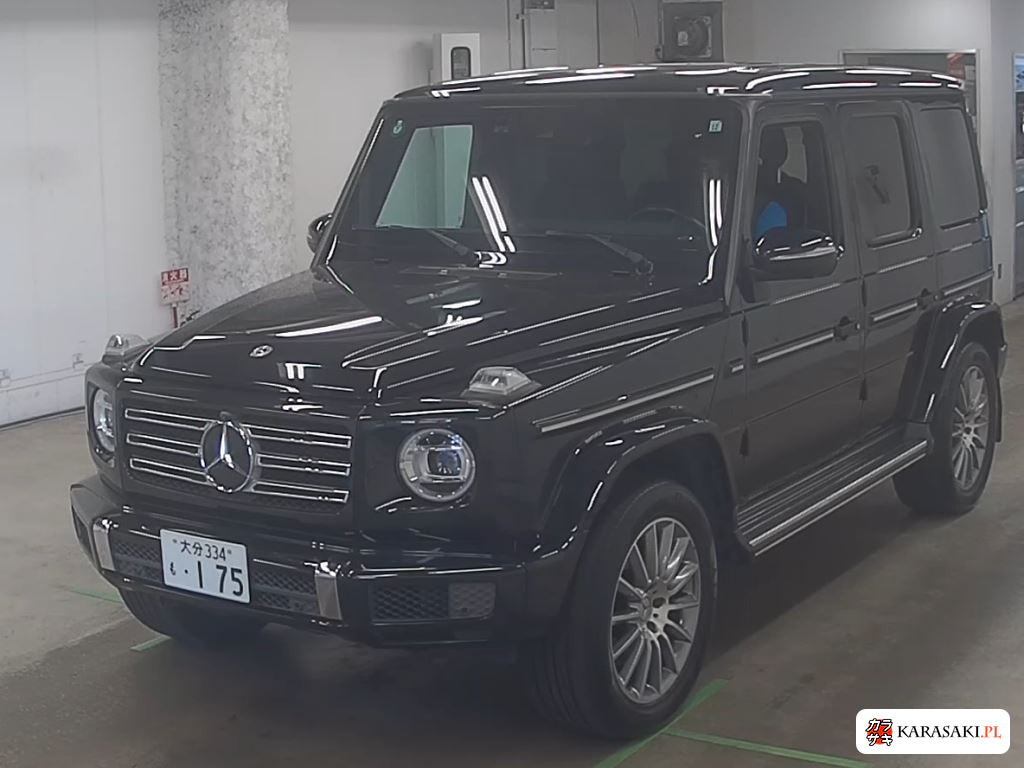
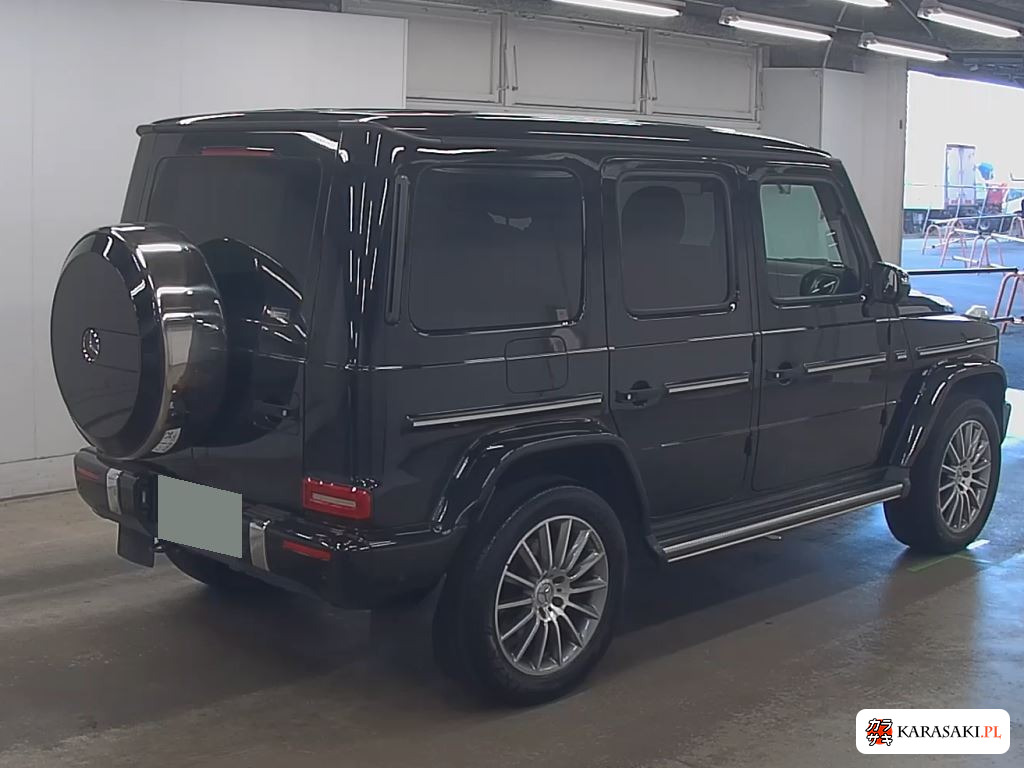
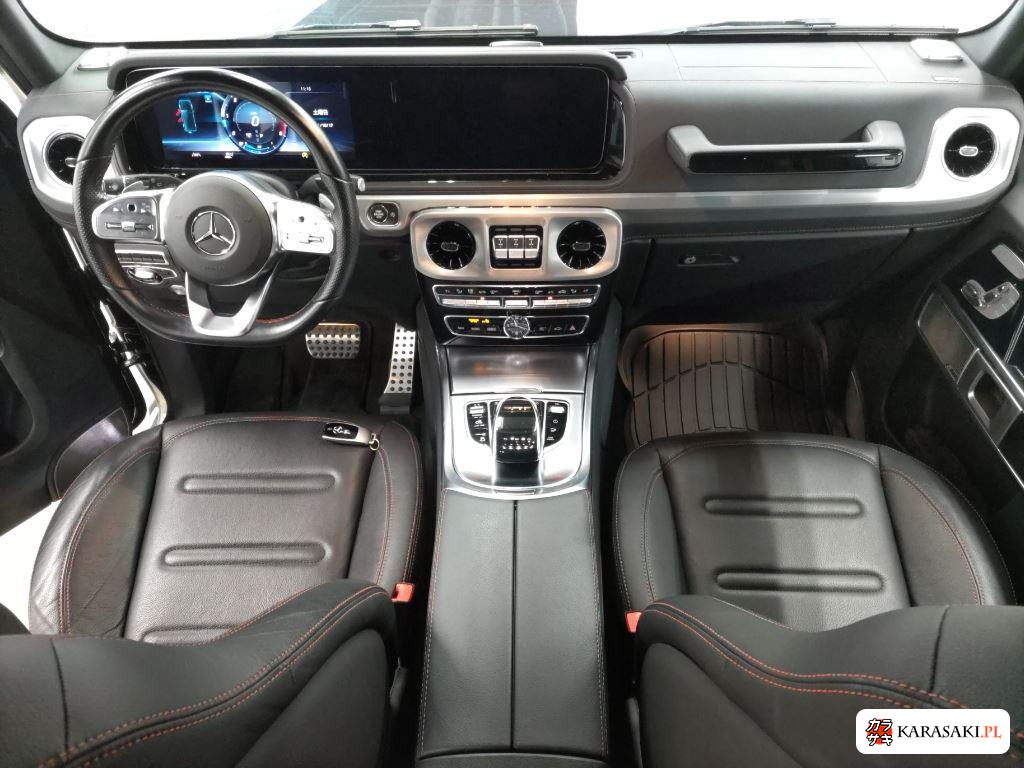
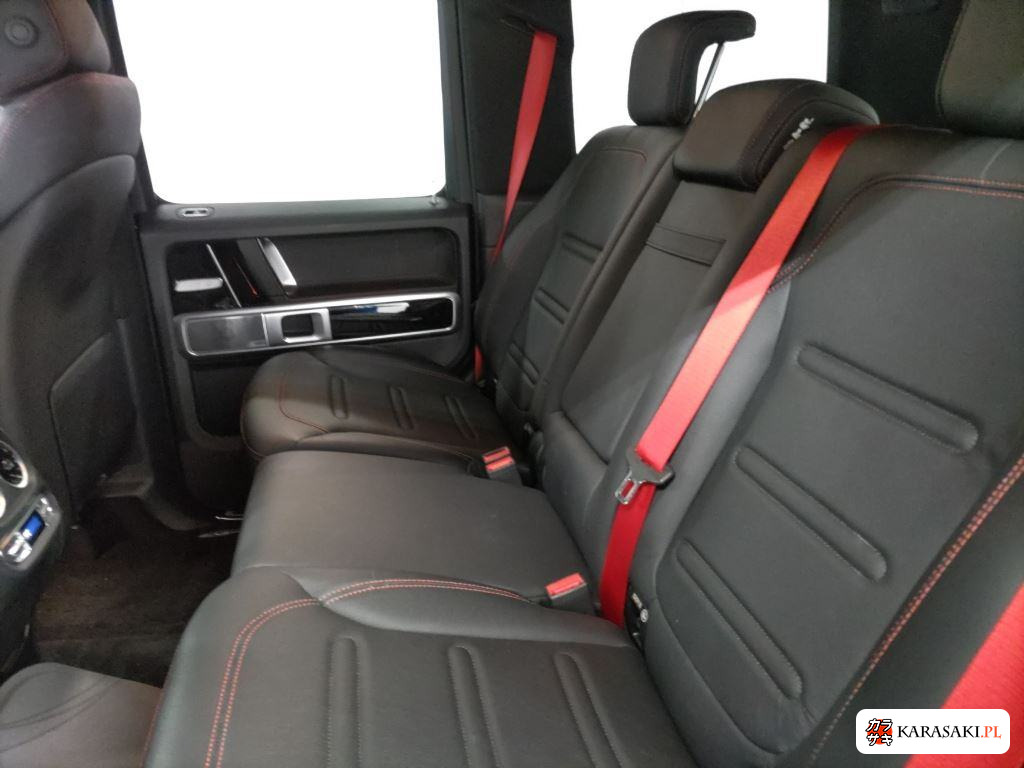
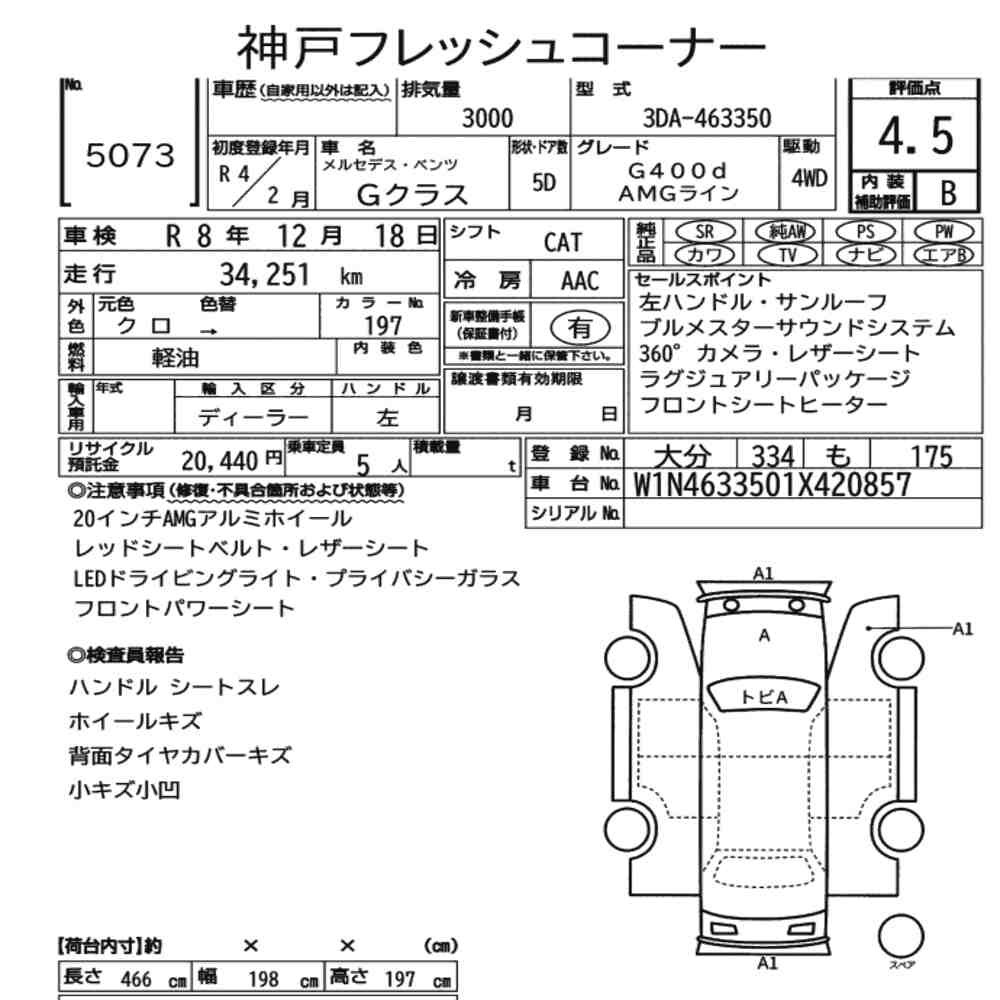

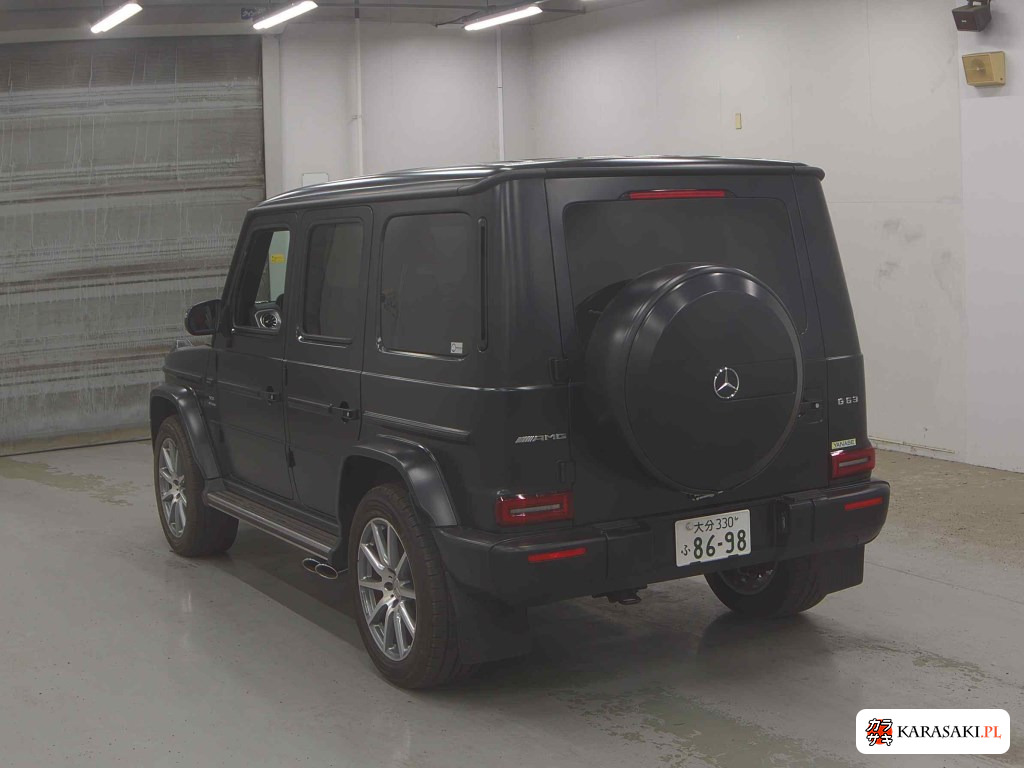
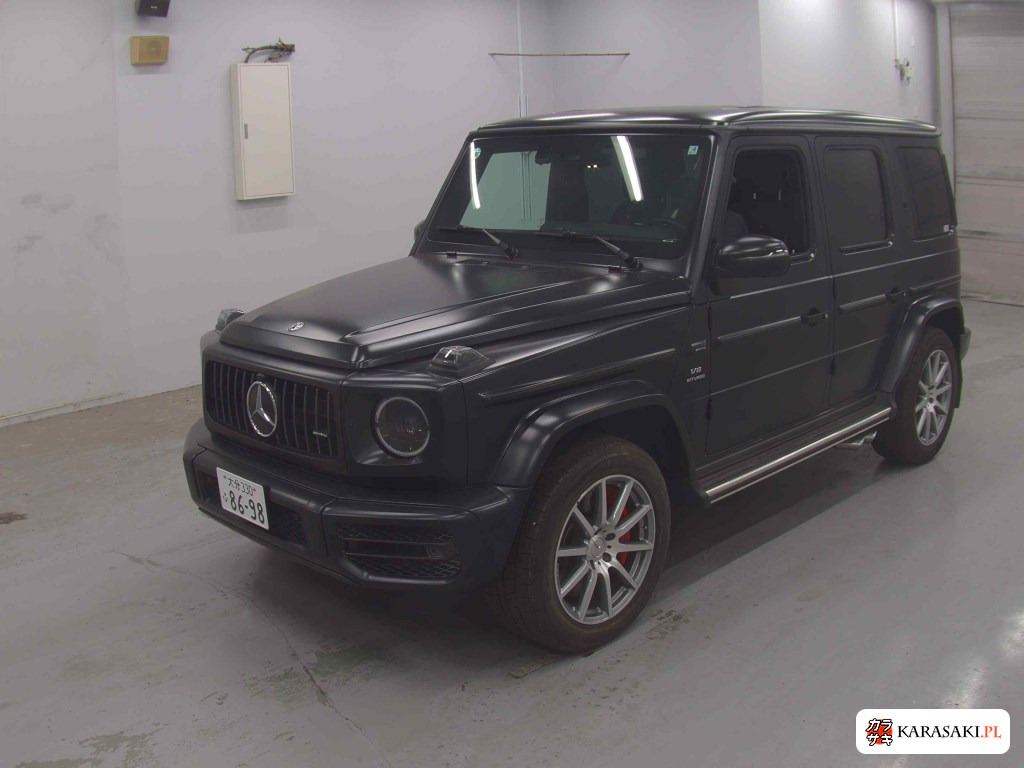
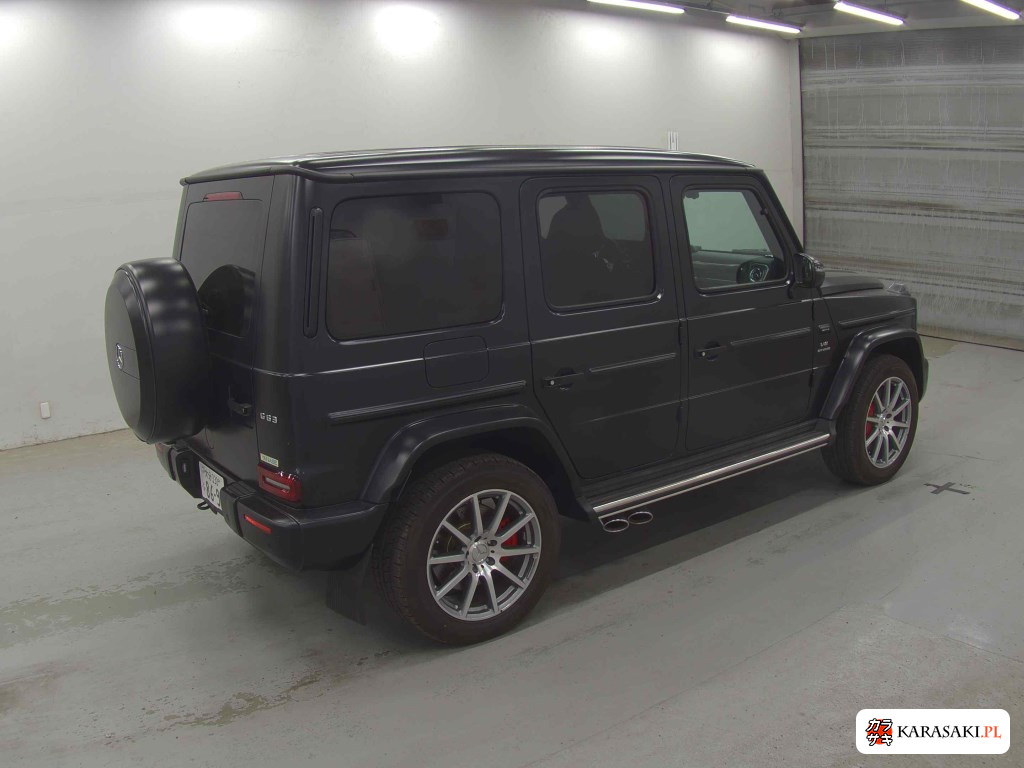
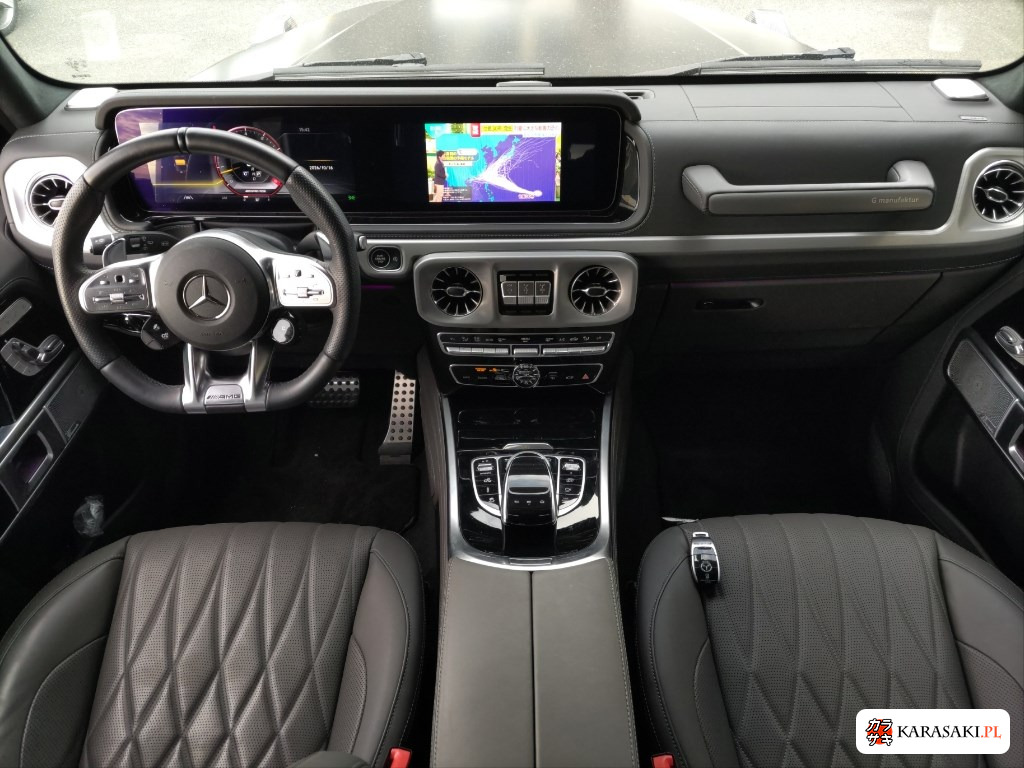
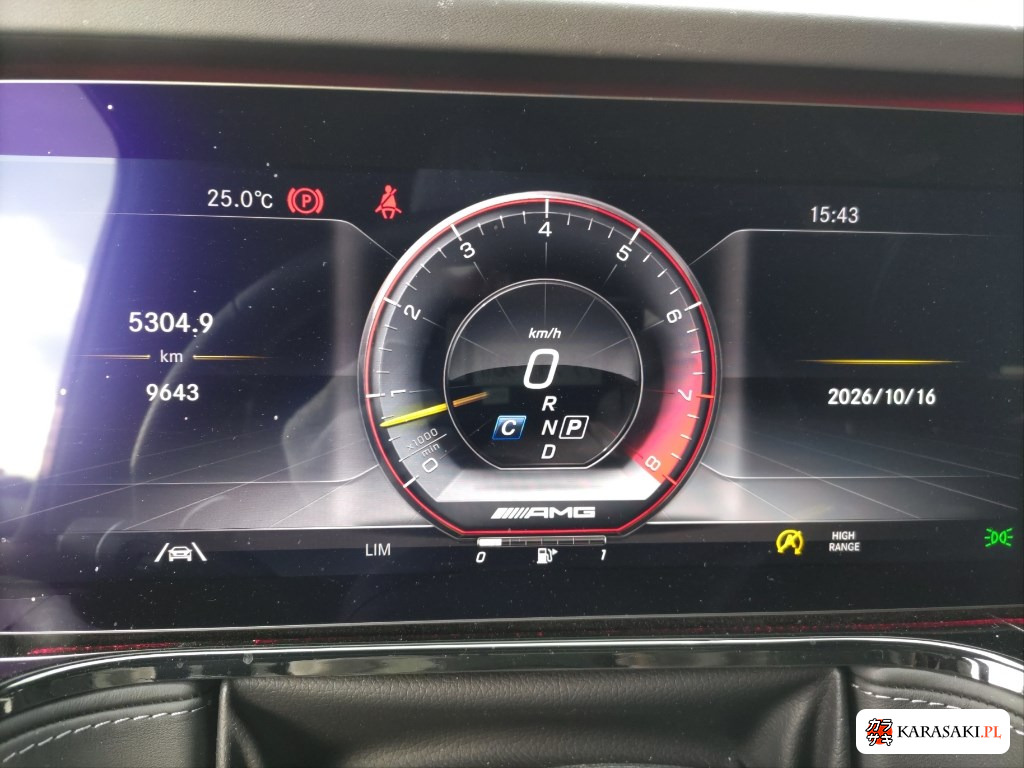
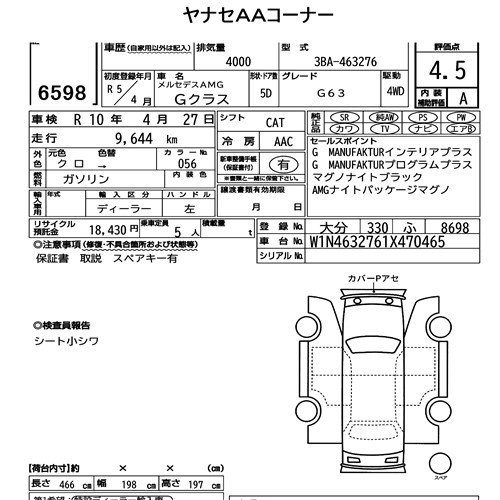

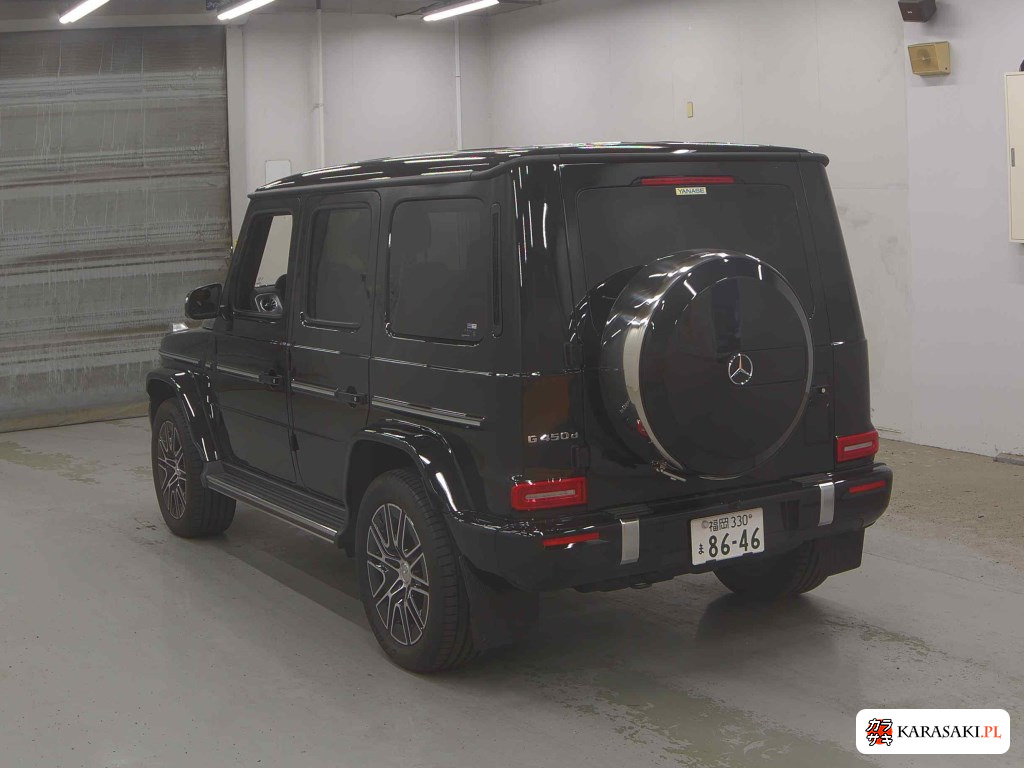
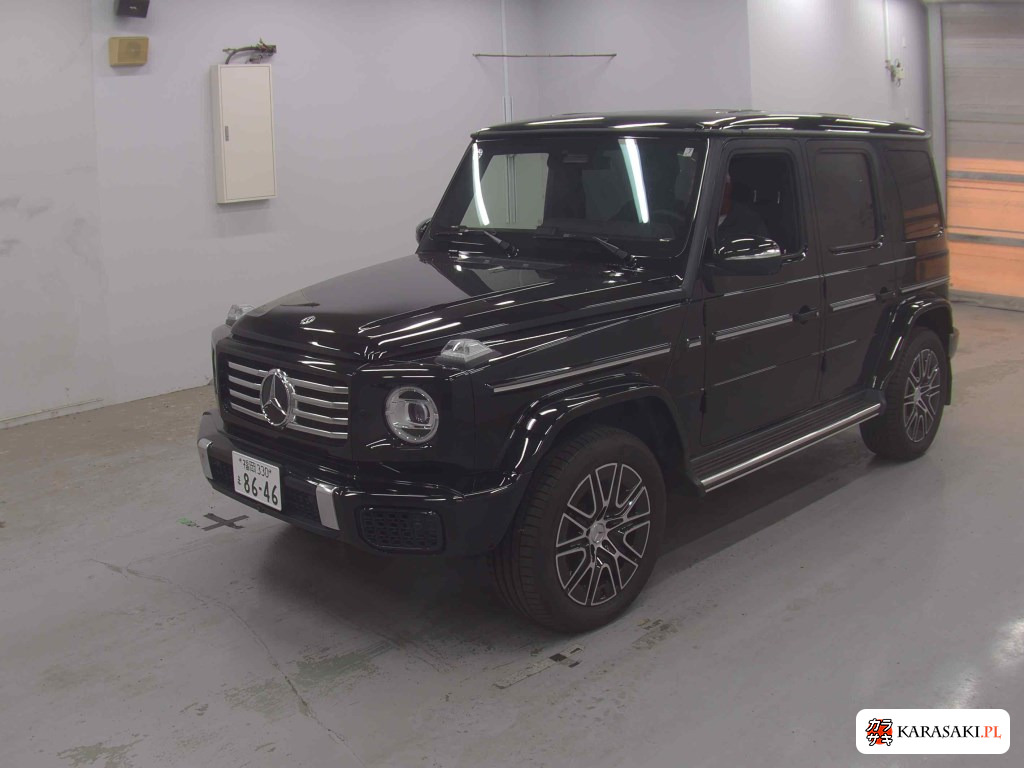
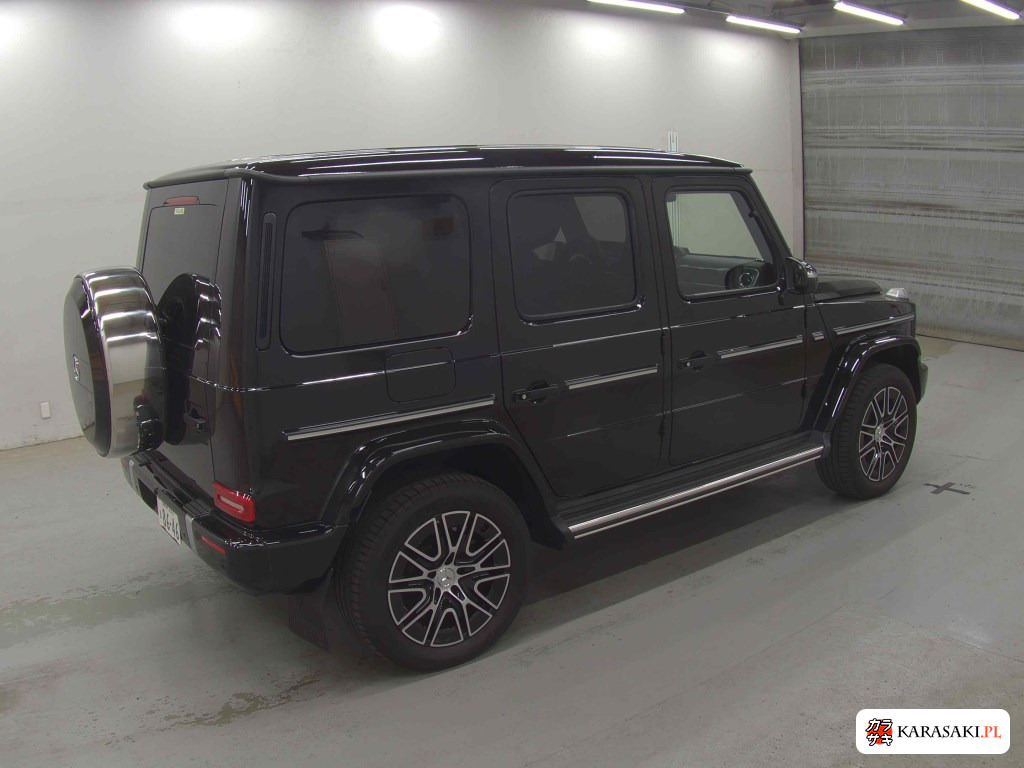
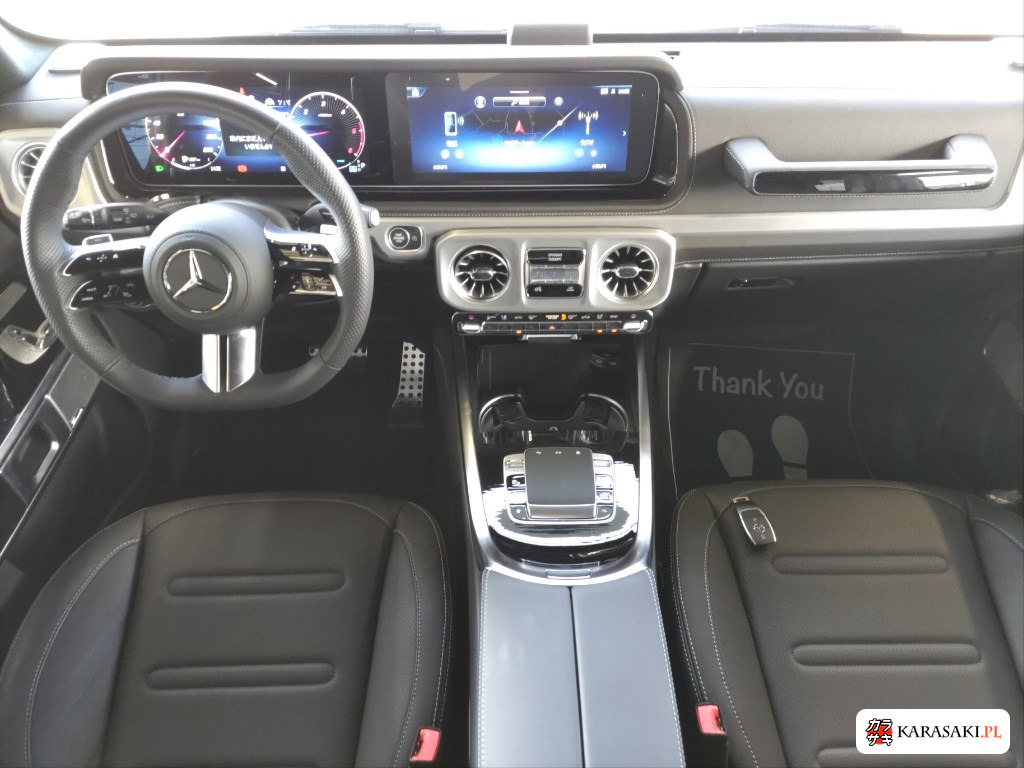
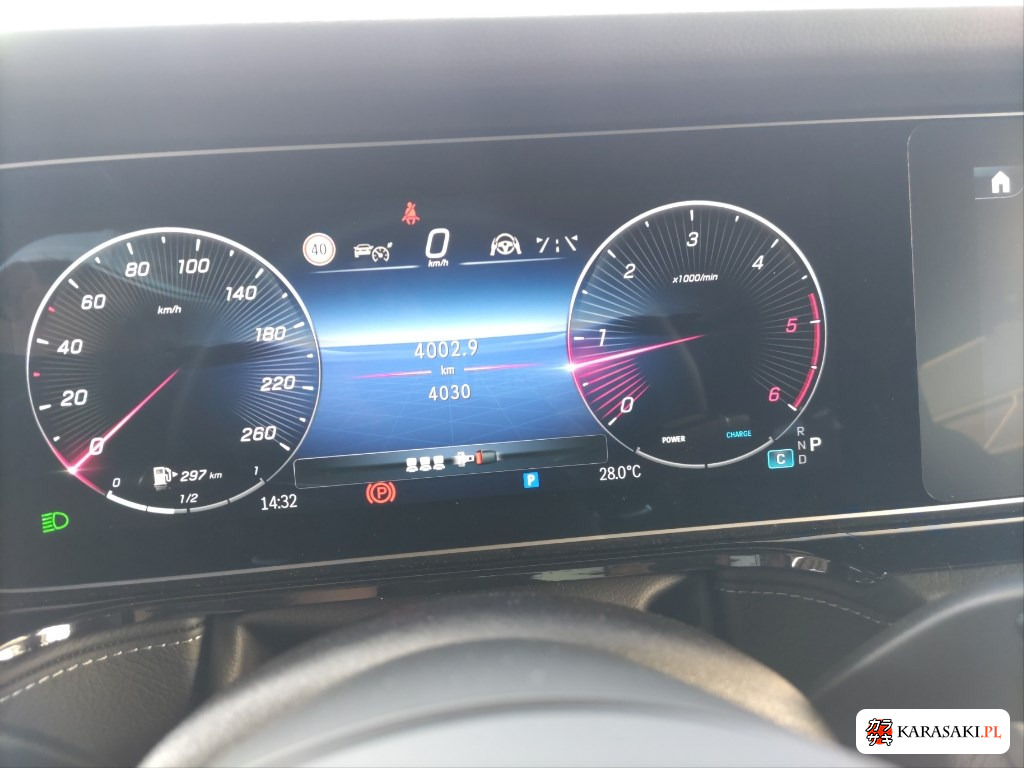
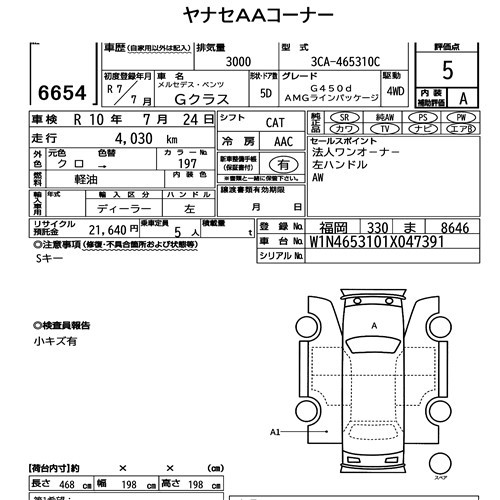

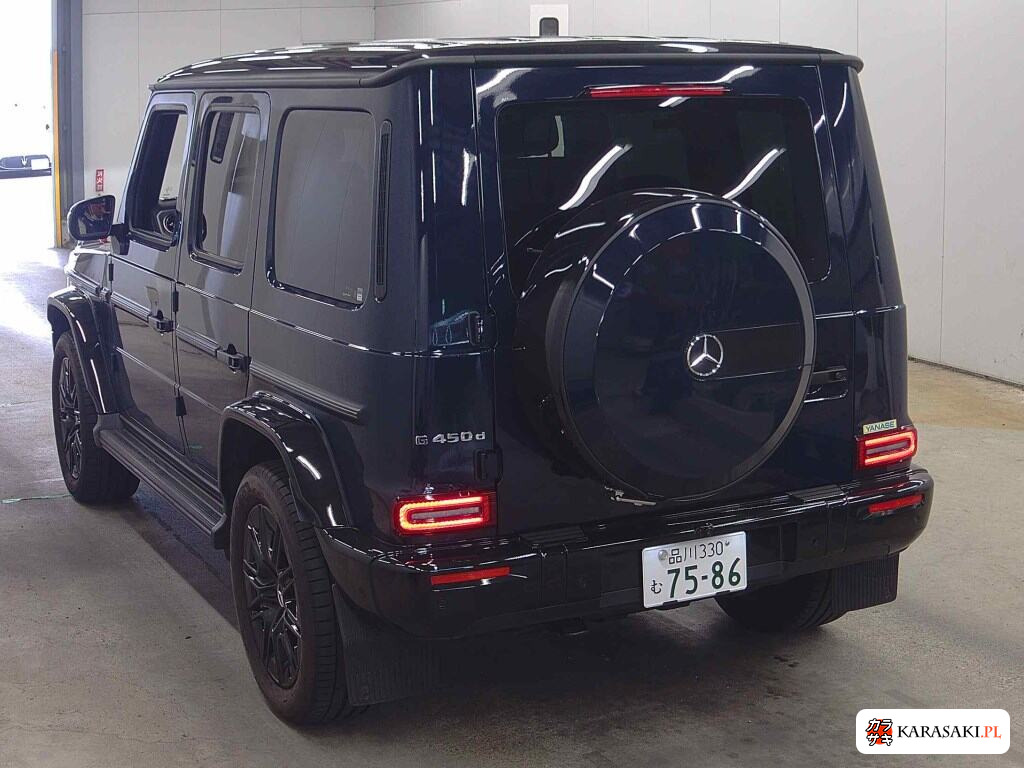
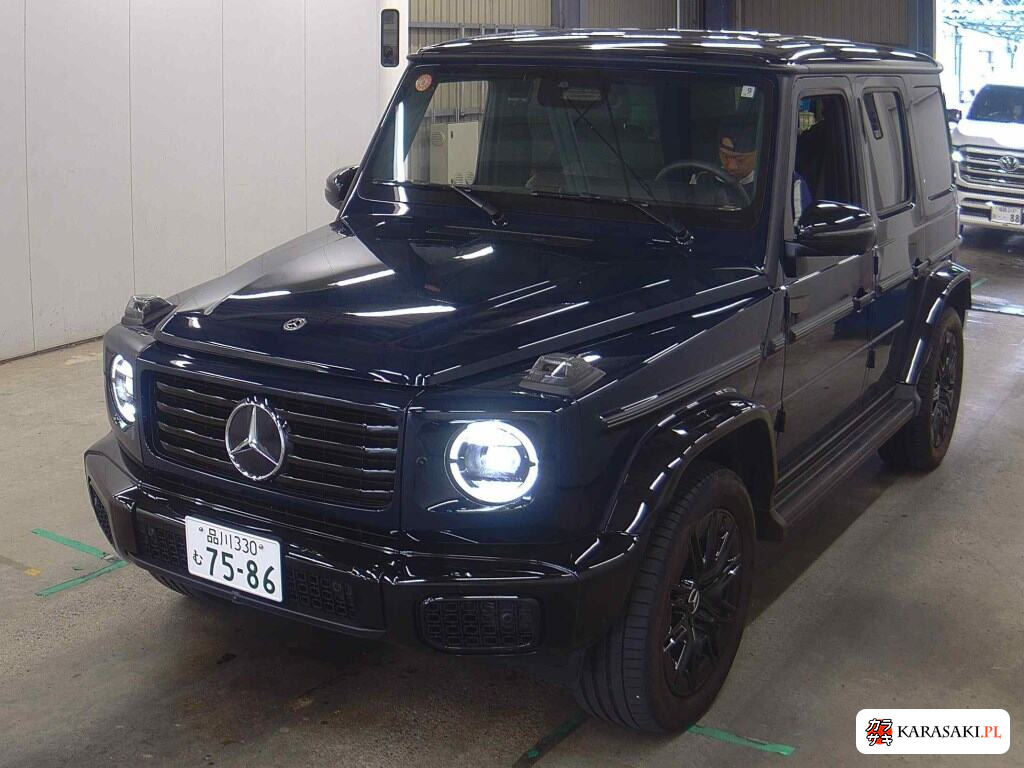
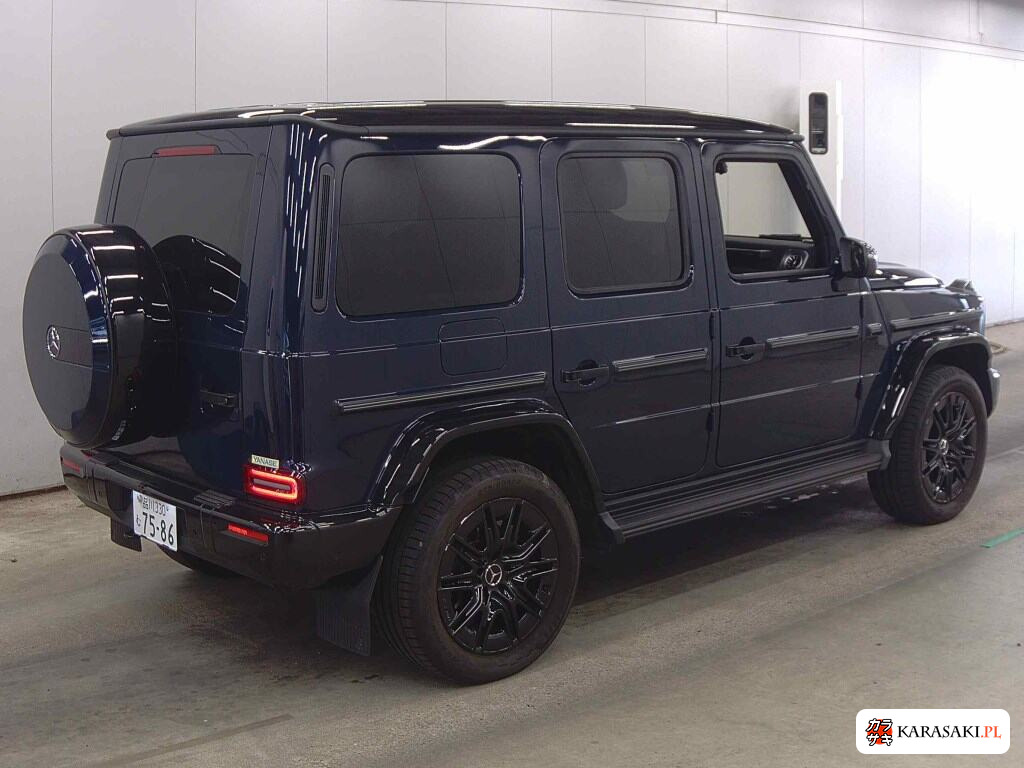
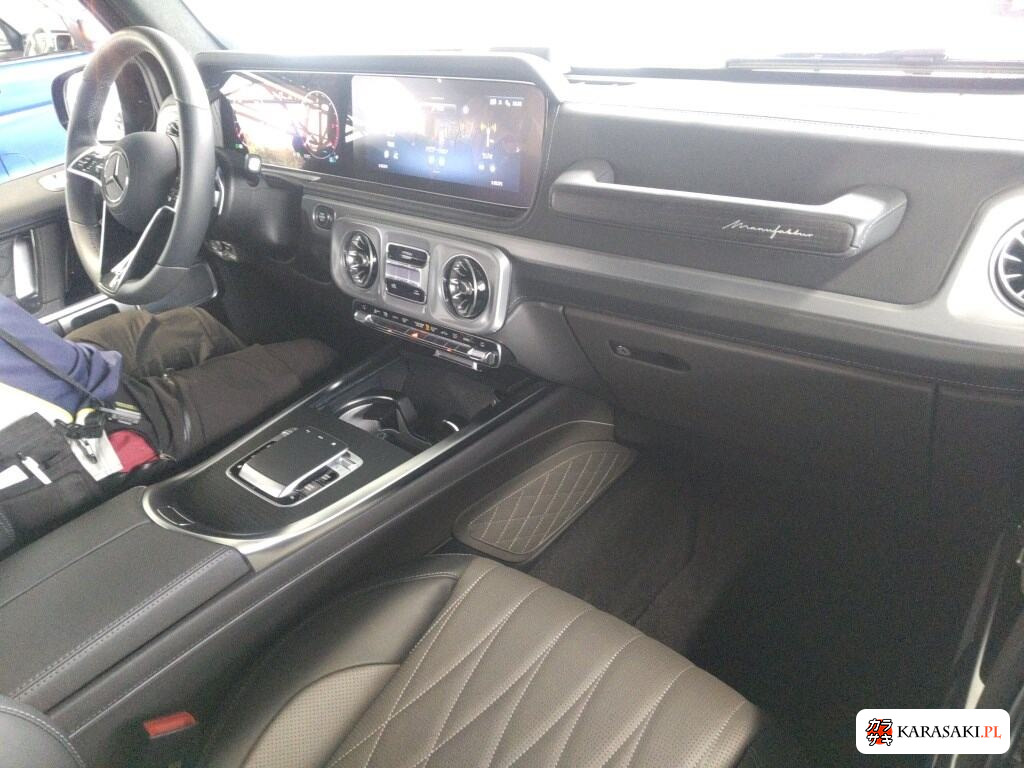
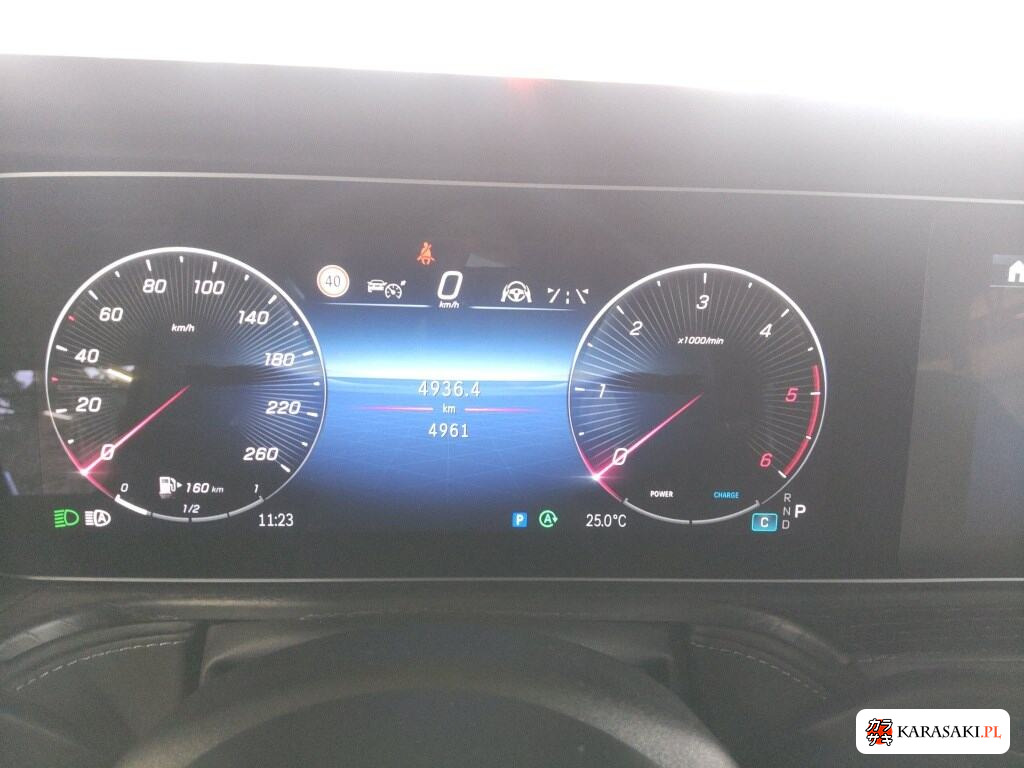
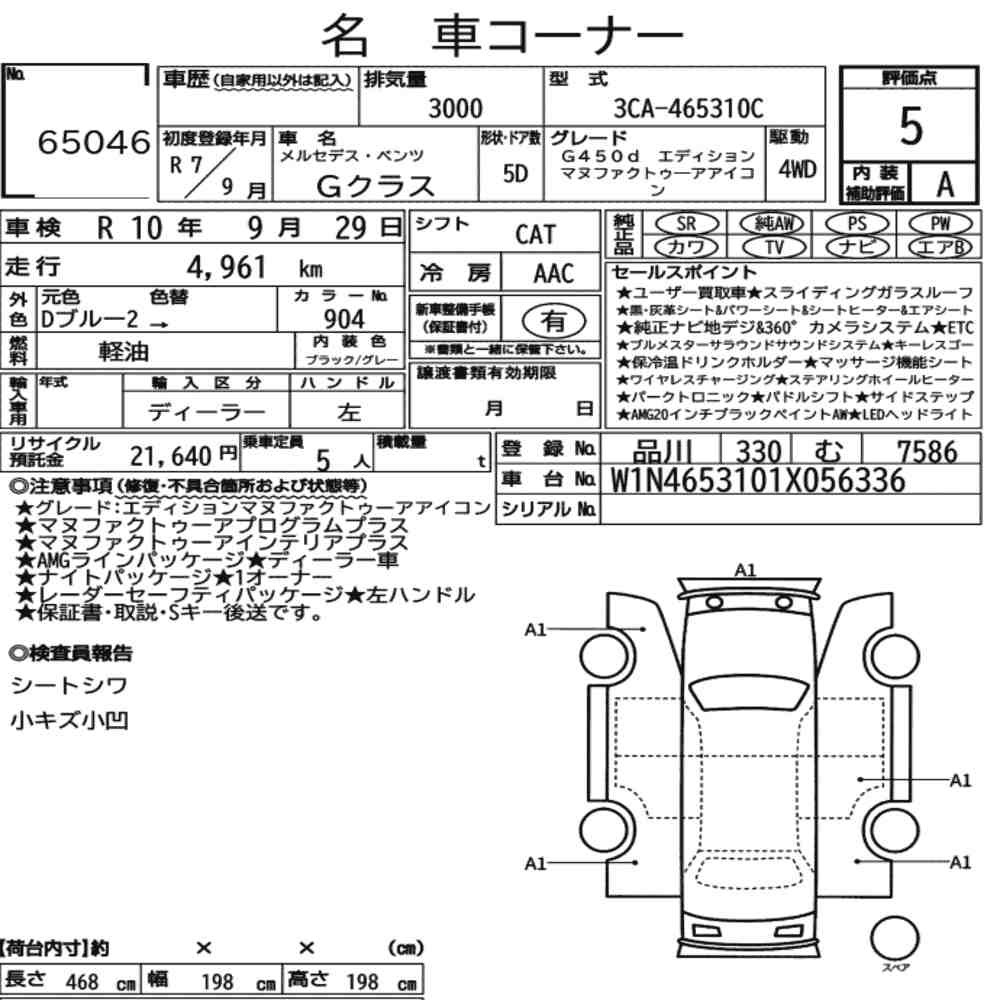

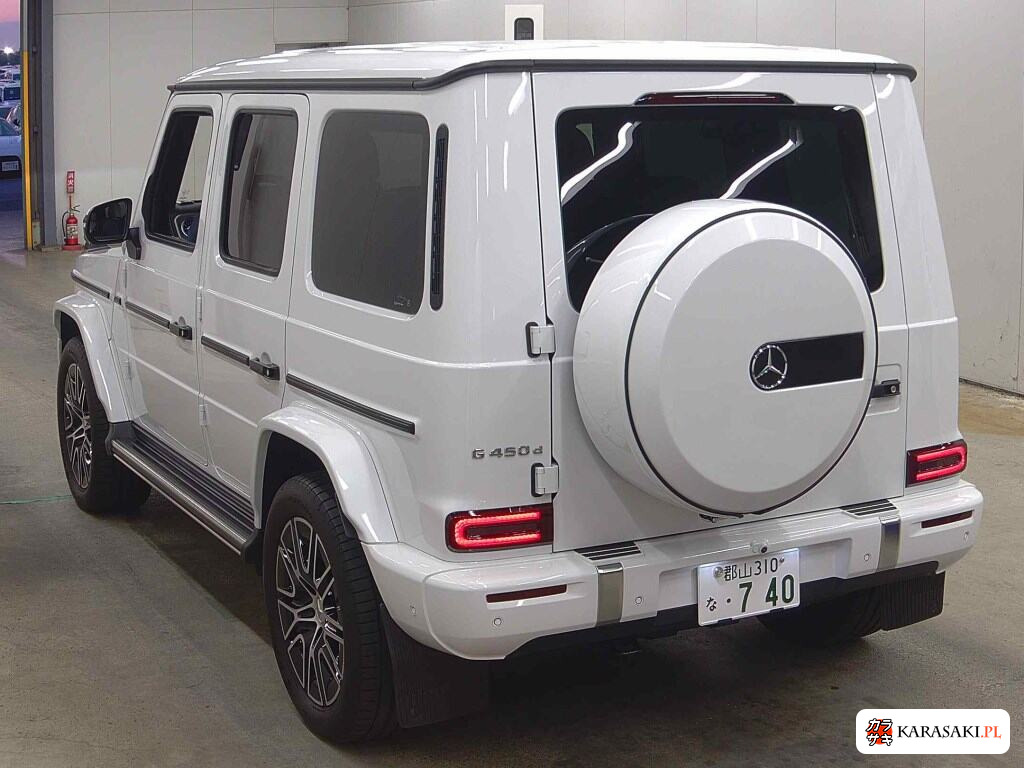
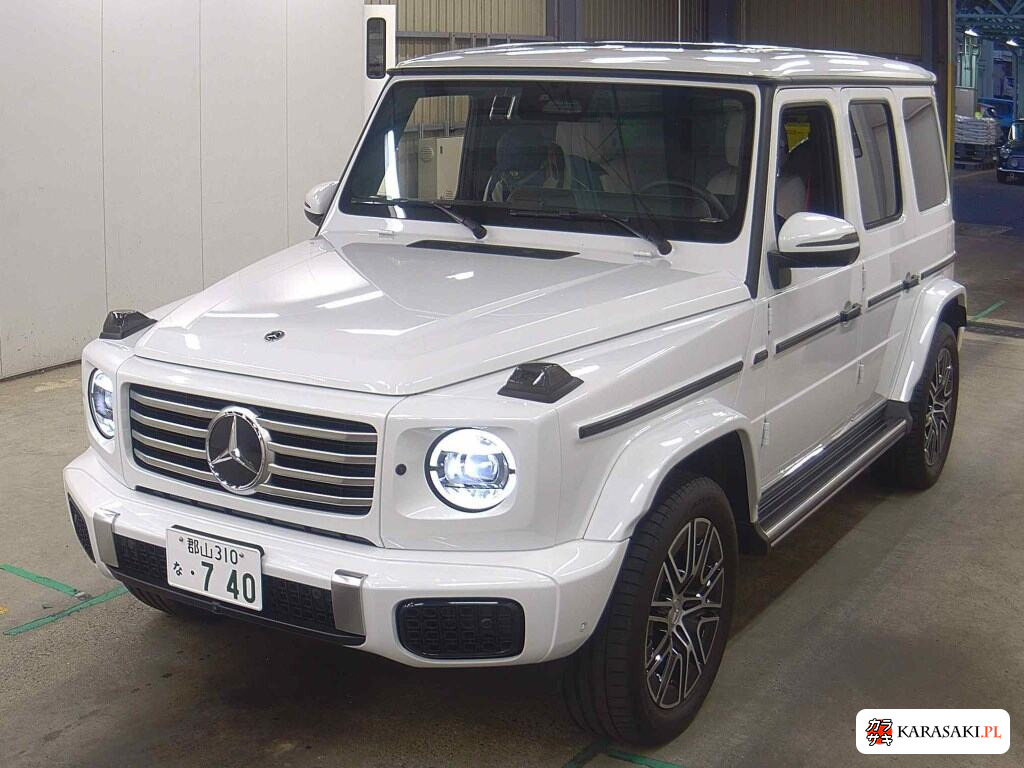
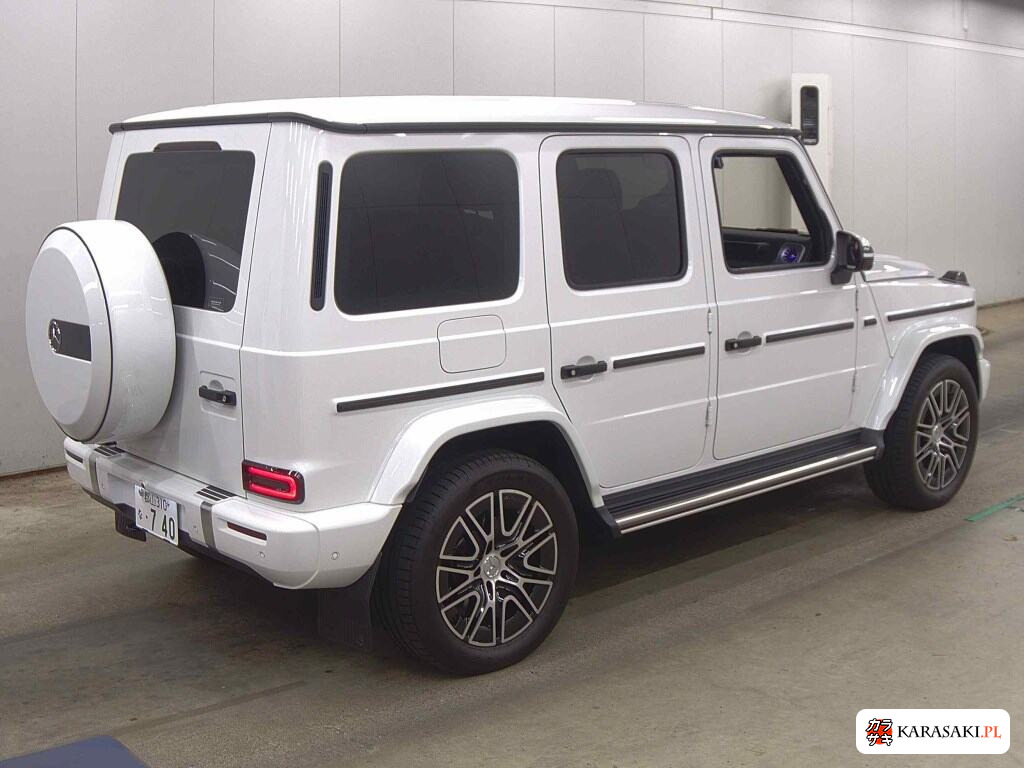
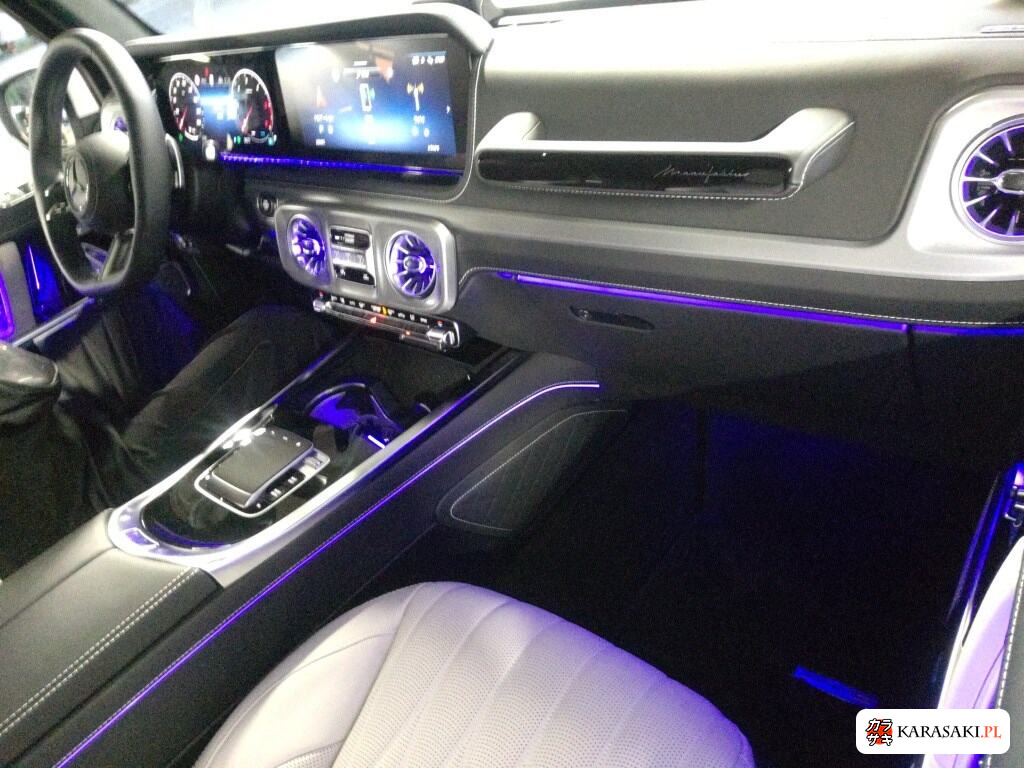
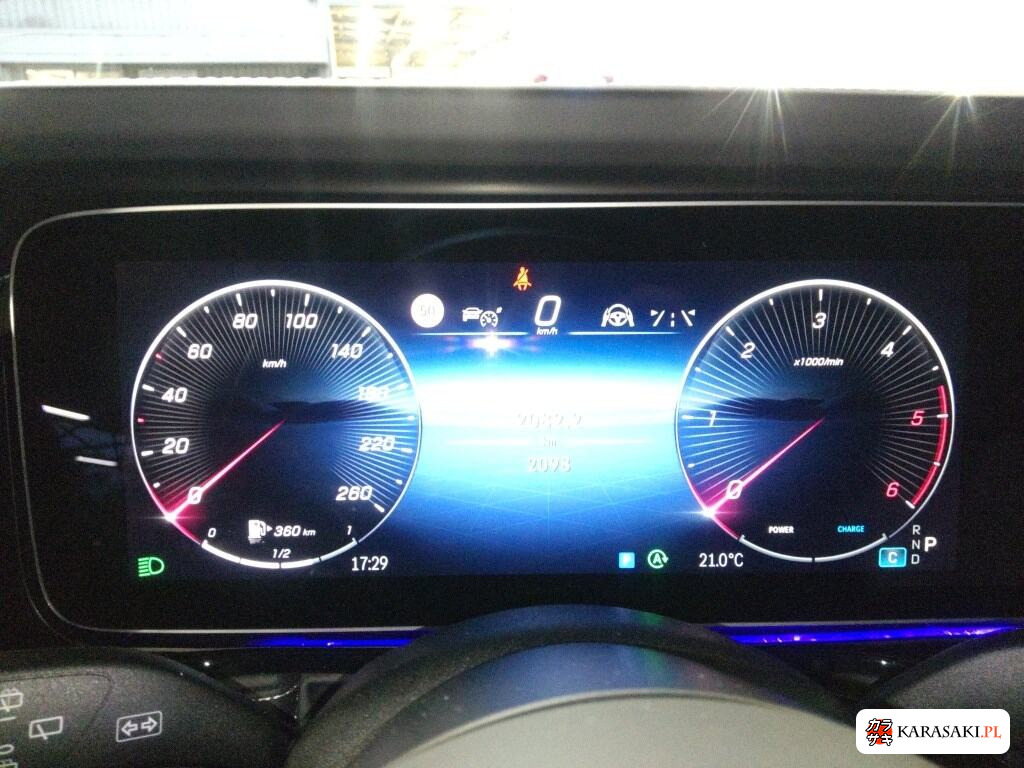
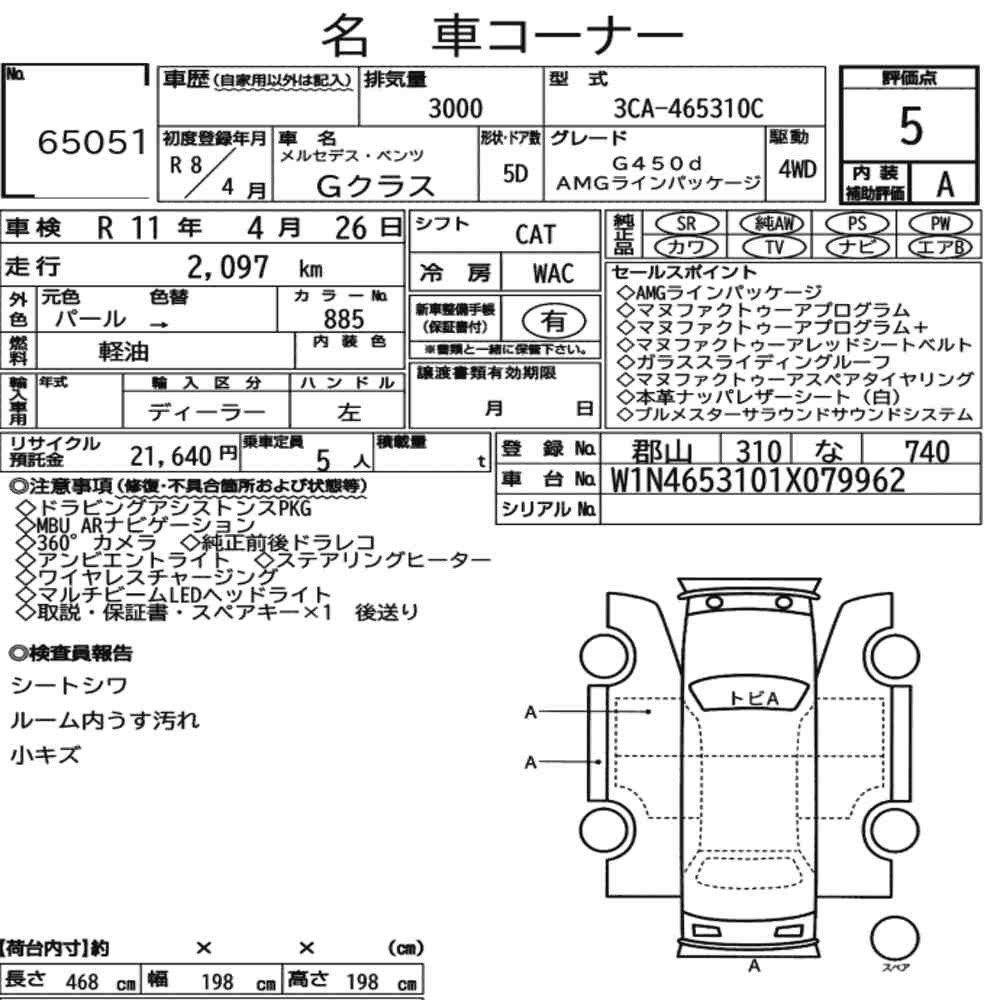
The auction pool turns over every few days. We'll watch these criteria and email you when the next one appears.
G 63, G 550 or G 400 d: which version to pick
In the new series the choice comes down to three characters. The G 63 is the 4.0-litre biturbo V8 with 585 PS and by far the largest supply. The G 500, badged G 550 on some export markets, used the same V8 block held to 422 PS until the facelift, and from 2024 switched to a 3.0-litre inline-six with 449 PS. The diesels are the G 350 d and G 400 d (2,925 cc, 286 and 330 PS) and, from 2024, the G 450 d (2,989 cc, 367 PS); they are rarer in Japan but the cheapest to run day to day.
| Version | Engine (new series) | Power | Cars in catalog |
|---|---|---|---|
| G 63 (AMG) | 4.0 biturbo V8, 3,982 cc | 585 PS | 186 |
| G 500 / G 550 | 4.0 biturbo V8; from 2024 a 3.0 inline-six | 422-449 PS | 87 |
| Diesels (G 350 d, G 400 d, G 450 d and older) | inline-six, 2,925-2,989 cc | 286-367 PS | 74 |
| G 55 AMG (older W463) | supercharged 5.4 V8 | 476-507 PS | 59 |
What to watch in older W463s
The indestructibility legend has footnotes. For 2001-2018 cars, buying guides agree on the list: corrosion spots on body panels and door hinges, water finding its way into the cabin past tired seals, electronics faults, especially in 2001-2004 model years, and sagging rear door hinges carrying the full-size spare wheel. On cars driven off-road on large wheels, the front axle geometry can suffer. The post-2018 series resolved most of these points, which shows in the prices too.
Why Japan is a goldmine of well-kept G-Classes
Three mechanisms work together here. First, in Japan the Gelandewagen tends to be a status car, the second or third in the garage, so mileage grows slowly: the median across the pool is 40,000 km, and for 2019-2021 G 63s just 27,000 km. Second, the mandatory shaken inspection forces regular, documented servicing. Third, every auction car carries a condition sheet with an independent grade and a damage map you can read remotely. We show how, step by step, in how to read a USS auction sheet.
Importing a G-Class to Poland: costs and paperwork
Start with the trap that surprises people most with the Gelandewagen. Since 2026, cars of Japanese origin enter the EU duty-free, but the preference follows the goods' origin, not the port of loading. The G-Class is built in Graz, so despite shipping from Japan it pays the full 10% duty. We break the same mechanism down in our guide to the cost of importing a car from Japan.
The second line is excise. Every version discussed here has an engine above 2,000 cc, so the rate is 18.6% of the base, which is the customs value plus duty. VAT at 23% is charged last, on the sum of all earlier lines. The full rate breakdown is in our piece on the 2026 excise on cars from Japan.
Before you look at the numbers, one thing straight out: we do not know the winning bid. The auction data available to us covers, in most cases, only the opening price, so we calculate from that and treat the result as a lower bound, not a forecast. The scale is easy to remember: every million yen bid above the starting price adds around 37,500 PLN to the final amount, because duty, excise and VAT follow the car.
The amounts below are calculated from the median starting prices in our data, at a rate of 0.02334 PLN per yen (NBP table 135/A/NBP/2026 of 15 July 2026), with sea freight of 350,000 yen. One clarification: the G 63 median inside the 2019-2021 window climbs year by year, from 12.68 million yen for 2019, through 13.98 for 2020, to 15.8 for 2021, so the youngest cars in that bracket will land above the pooled median.
| Line | G 63, 2019-2021 (4.0 V8) | G 400 d, 2021 (2.9 diesel) |
|---|---|---|
| Median starting price | 13,800,000 JPY (322,092 PLN) | 10,990,000 JPY (256,507 PLN) |
| Freight | 8,169 PLN | 8,169 PLN |
| Customs value | 330,261 PLN | 264,676 PLN |
| Duty 10% | 33,026 PLN | 26,468 PLN |
| Excise 18.6% | 67,571 PLN | 54,153 PLN |
| VAT 23% | 99,097 PLN | 79,418 PLN |
| Total after customs | 529,956 PLN | 424,714 PLN |
| Auction fees in Japan | 4,668 PLN | 4,668 PLN |
| Karasaki fee (flat, paid on delivery) | 8,000 PLN | 8,000 PLN |
| Paperwork in Poland | around 1,000 PLN | around 1,000 PLN |
| Total estimate | around 543,600 PLN | around 438,400 PLN |
On the other side of the equation sit Polish classifieds, with two caveats: our column starts from the opening bid, and a listed price is an asking price, not a transaction price, so the two figures move towards each other. With that in mind: on 16 July 2026 Otomoto carried 27 listings of 2019-2021 G-Classes. Clean G 63s were priced at 640,000 PLN (2020, 79,800 km), 699,000 PLN (2021, 54,846 km) and 747,700 PLN (2021, 75,880 km); the odd 230,000-270,000 listings are almost certainly damaged cars. Importing therefore comes out around 100,000-200,000 cheaper, and the Japanese median mileage for those years' G 63s, 27,000 km, is half of what those listings show. The price advantage holds up to roughly 2.5 million yen of bidding above the opening price.
Buy with peace of mind: we carry the risk
We built this partnership so you take on as little risk as possible. You pay the 8,000 PLN commission only once the G-Class is sitting outside your house, not before bidding and not during transport. The deposit, 10% of the starting price with an 8,000 PLN minimum, is fully refundable if we do not win the car. The voyage from Japan usually takes four to eight weeks, with customs clearance and registration on top.
You will not see the car in person before bidding, but you are not buying blind. Every car has an independent grading sheet from the Japanese auction house, and we read hundreds of them every week, rejecting cars with a repair history, corrosion or a tampered odometer before you ever see them. On a car in this bracket, where AMG versions and one-off modifications spread condition and price wide apart, that screening matters especially. If you would rather go through the purchase with someone who bids at these auctions every day, write to us before picking a car.
FAQ
How much does a Mercedes G-Class cost?
A new G 63 costs over a million zloty in Poland. At Japanese auctions the median starting price is 4.9 million yen, around 115,000 PLN, for Mercedes-Benz versions and 12.9 million, around 302,000 PLN, for AMG versions. Importing a 2019-2021 G 63 closes at an estimated 543,600 PLN all in.
Why is the G-Class so expensive?
The G-Class has been built in the same Graz plant since 1979, on a ladder frame and with three locking differentials. Supply is small, demand is global, and the car holds its value better than typical premium saloons. The price reflects the construction, the limited production pace and the status, not just the badge.
What does the G in G-Class mean?
The G stands for the German word Gelandewagen, meaning off-road vehicle. The model began as a military project that the Shah of Iran encouraged Mercedes to build, and it has been produced in Graz, Austria since 1979. From 1990, with the W463 series, the G-Class also became a luxury civilian off-roader.
How much does running a G-Class cost?
Running costs depend mostly on the engine. The G 350 d and G 400 d diesels are the cheapest day to day, while the petrol V8s in AMG versions can burn well into the teens of litres. Add large tyres, brakes and premium-grade parts. With cars from Japan the low mileage is the asset, pushing bigger jobs further away.
Summary
A Mercedes G-Class from Japanese auctions is that rare case where the import maths stands up from several directions at once. First, the steering: all 448 cars in our catalog are left-hand drive, so the one compromise that usually comes with cars from Japan simply is not there. Second, the condition: median mileage across the pool is 40,000 km, and 2019-2021 G 63s stop at 27,000 km, half of what comparable cars show in Polish classifieds. Third, the price: that same G 63 clears customs at around 543,600 PLN against domestic asking prices of 640,000 to 750,000, and the advantage holds up to roughly 2.5 million yen of bidding above the opening price. The version choice follows the use case: the G 63 for performance and resale, the G 550 for the same character in a calmer form, the diesels for daily running. Older W463s need an inspection for corrosion and electronics; the post-2018 series is the calmer buy.
You can see the current cars of both families on the model pages: Mercedes-Benz G-Class and Mercedes-AMG G-Class.
This cost breakdown is for information only and relies on the rates in force in July 2026 and the exchange rate on the publication date. The final duty, excise and VAT amounts, and the classification of a specific car, are confirmed by a customs agency or tax adviser.


