
The Mercedes CLS 63 AMG is one name covering two completely different cars: a naturally aspirated 6.2 V8 in the first generation and a twin-turbo 5.5 V8 in the second. Both sat at the top of the CLS range, the four-door coupé that Mercedes invented from scratch. Our catalog of Japanese auctions holds only second-generation cars, and every one is left-hand drive. We break down both engines, check the median starting prices from our data, flag the typical faults and work through the import maths, including the 18.6% excise a big V8 attracts.
Mercedes CLS 63 AMG: a four-door coupé with an AMG V8 heart
The Mercedes CLS 63 AMG is the top version of Mercedes' four-door coupé, offered in two generations: the C219 with a naturally aspirated 6.2 V8 (the M156 engine, 514 hp) from 2006 to 2010, and the C218 with a twin-turbo 5.5 V8 (the M157 engine, 525 to 585 hp) from 2011 to 2018. It crowned the CLS range and was one of the last big AMG V8s.
The bodywork itself was a bold idea back in 2003. The Vision CLS concept appeared at the Frankfurt motor show, and a year later the car went into production on the E-Class platform, blending a coupé roofline with the practicality of four doors. The market response was strong enough that Mercedes effectively created a new category, and the idea was later copied by others: the Audi A7 Sportback, the Porsche Panamera and the BMW 6 Series Gran Coupé.
The 63 badge is a nod to history, not a description of displacement. The first generation actually has 6,208 cubic centimetres, but the number 63 refers to the legendary 6.3-litre M100, Mercedes' first production V8 from the 1960s. It is a small detail that shows that AMG sells emotion as much as engineering.
Engines: the naturally aspirated 6.2 M156 and twin-turbo 5.5 M157
Under the single 63 AMG name sit two different philosophies. The first-generation C219 runs the naturally aspirated M156, the second-generation C218 the turbocharged M157. They differ in almost everything: displacement, how they deliver power, sound and character.
The M156 was the first V8 designed entirely in-house by AMG, until then, the Affalterbach division had built on Mercedes engines. It was designed by Bernd Ramler, the engineer behind the Porsche Carrera GT's V10. It is a naturally aspirated V8 with 6,208 cubic centimetres and 514 hp, with linear power almost to the limiter and a loud, throaty sound. The same engine, in the dry-sump M159 version, later powered the SLS AMG supercar. Each unit is built from start to finish by one technician, whose signed plaque goes on the engine.
The second generation went for forced induction. The M157 has a smaller displacement, 5,461 cubic centimetres, but two turbochargers give it the edge wherever torque and traction matter. The base version from 2011 to 2013 had 525 hp, after the 2013 update 557 hp, and the top S 4MATIC as much as 585 hp and 800 Nm. That version is a proper missile: it reaches 100 km/h in 3.6 seconds, against 4.4 seconds for the base second-generation car. The gearbox changed too, from a conventional torque-converter automatic to the AMG Speedshift MCT with a wet clutch.
| Version | Years | Engine | Power | 0 to 100 km/h |
|---|---|---|---|---|
| CLS 63 AMG (C219) | 2006-2010 | 6,208 cc naturally aspirated V8 (M156) | 514 hp | 4.5 s |
| CLS 63 AMG (C218, base) | 2011-2013 | 5,461 cc twin-turbo V8 (M157) | 525 hp | 4.4 s |
| CLS 63 AMG (C218, from 2013) | from 2013 | 5,461 cc twin-turbo V8 (M157) | 557 hp | 4.2 s |
| CLS 63 AMG S 4MATIC | from 2013 | 5,461 cc twin-turbo V8 (M157) | 585 hp | 3.6 s |
CLS 63 AMG prices at auction: what our data shows
In our catalog of Japanese auctions the CLS 63 AMG is a rare and distinctive car. Every published example is left-hand drive, because Japanese buyers of luxury Mercedes often specified left-hand drive, and all of them come from the second generation, from 2011 to 2015. Among them are the rare Shooting Brake, an estate version, and the most powerful S 4MATIC. The median starting price at the time of writing is around 2,500,000 yen, but it comes from only a handful of examples we have listed so far, so treat it as indicative. And remember it is the opening bid, not a sale price: the auction data available to us in most cases does not carry the final price, so we honestly report the starting point.
If you do not need the 63 version specifically, the CLS with other engines shows up in our catalog far more often. You will find the full current list on the model page for the Mercedes CLS.
Mercedesy CLS z Japonii na aukcji

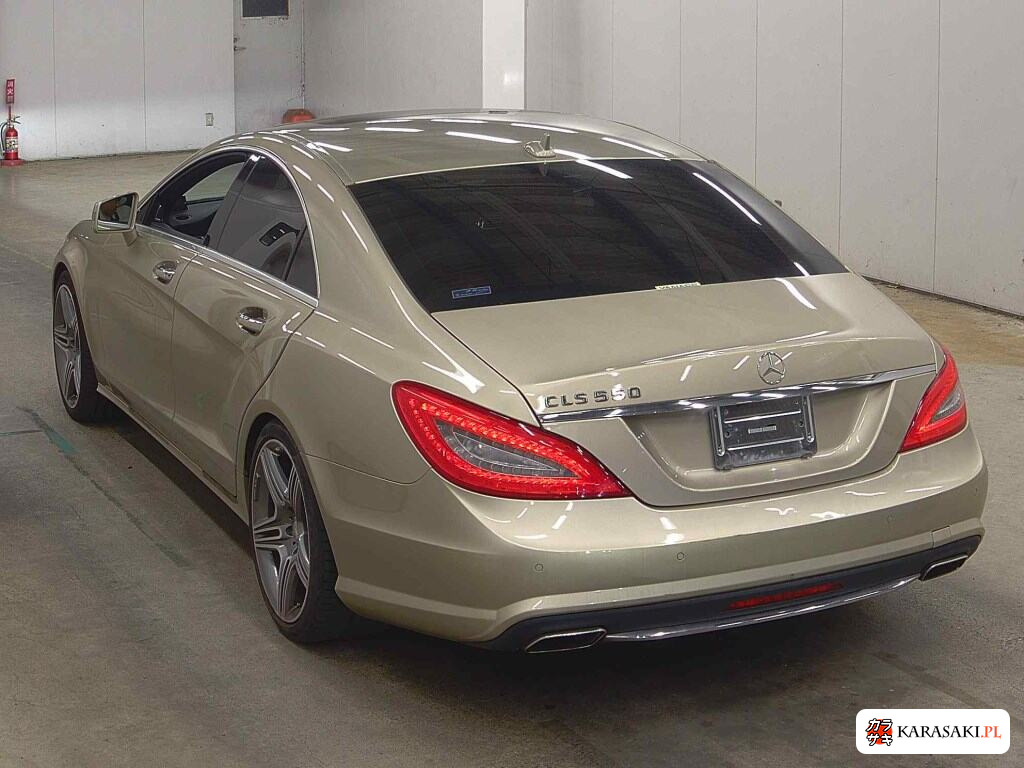
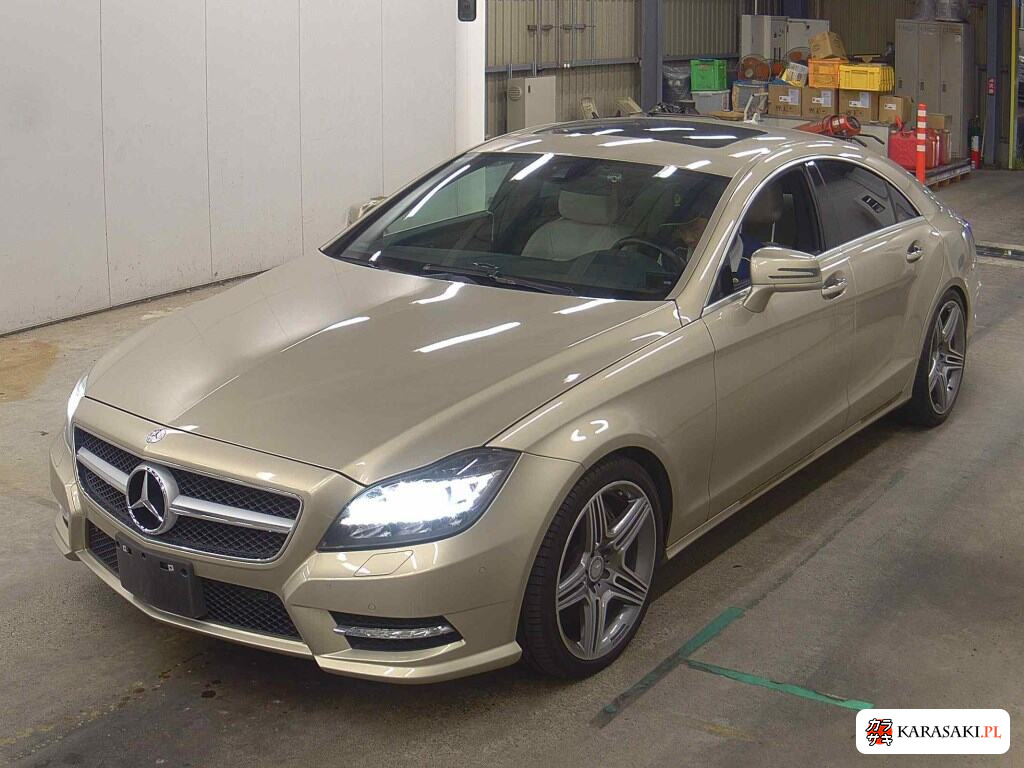
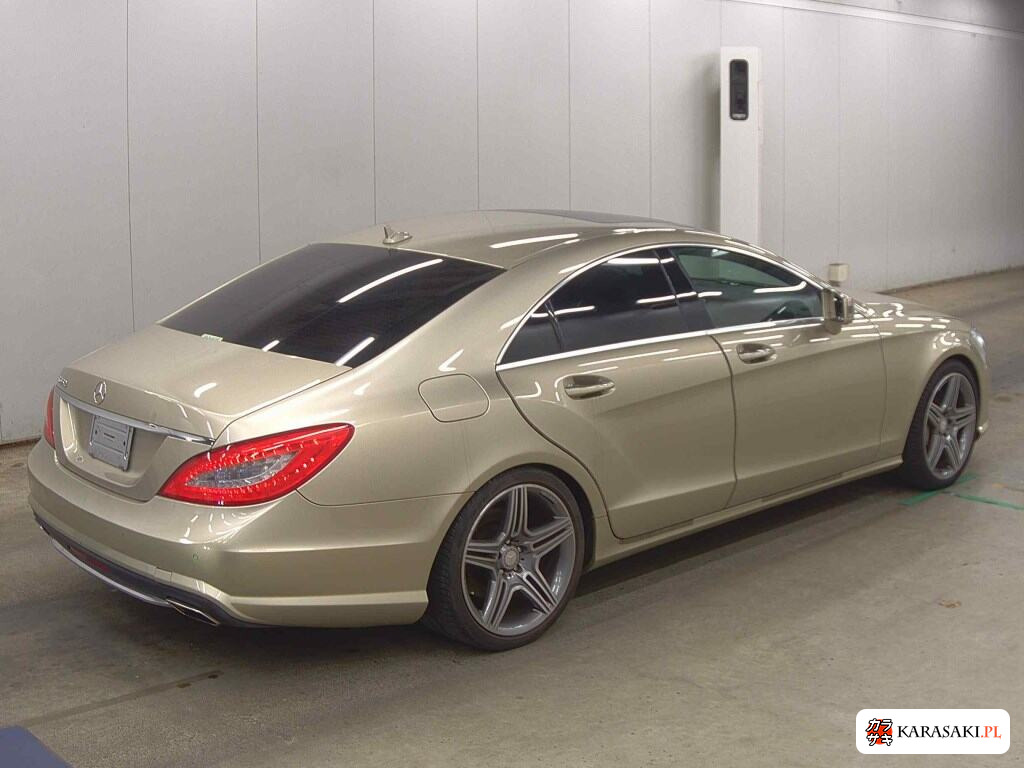
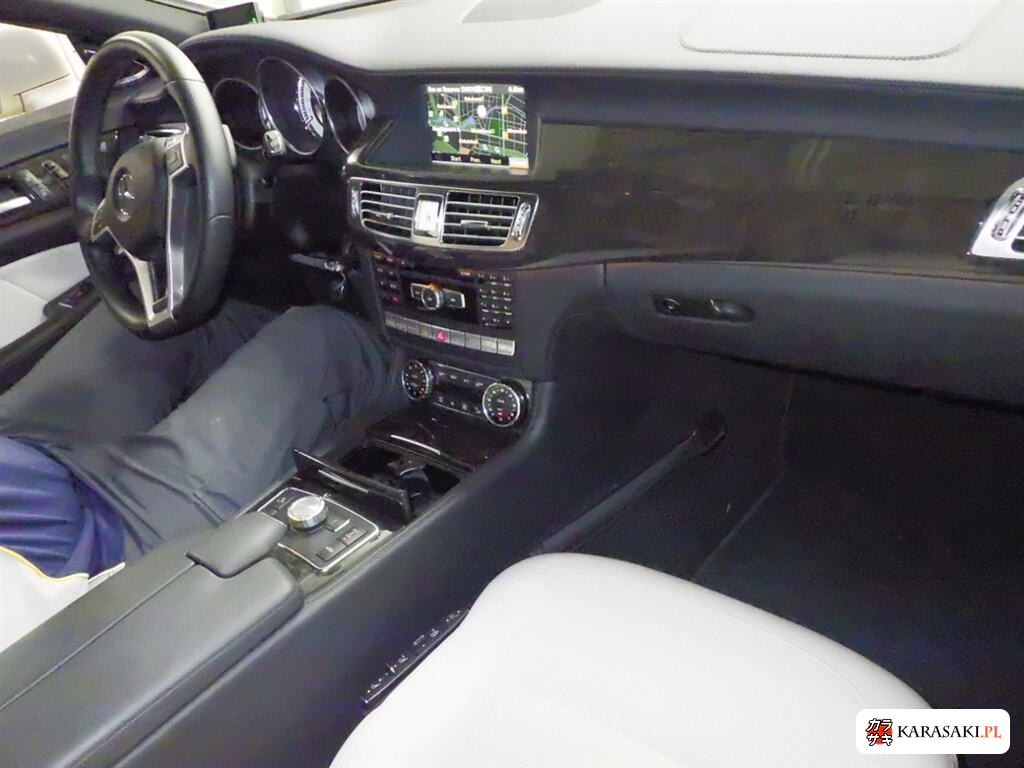
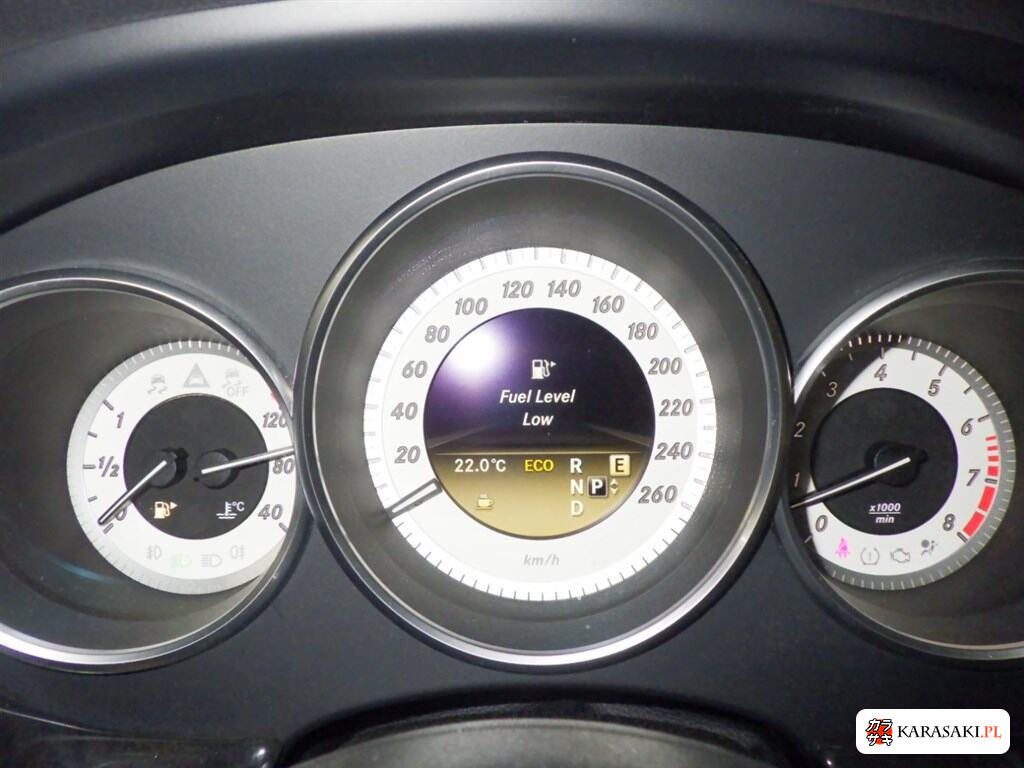
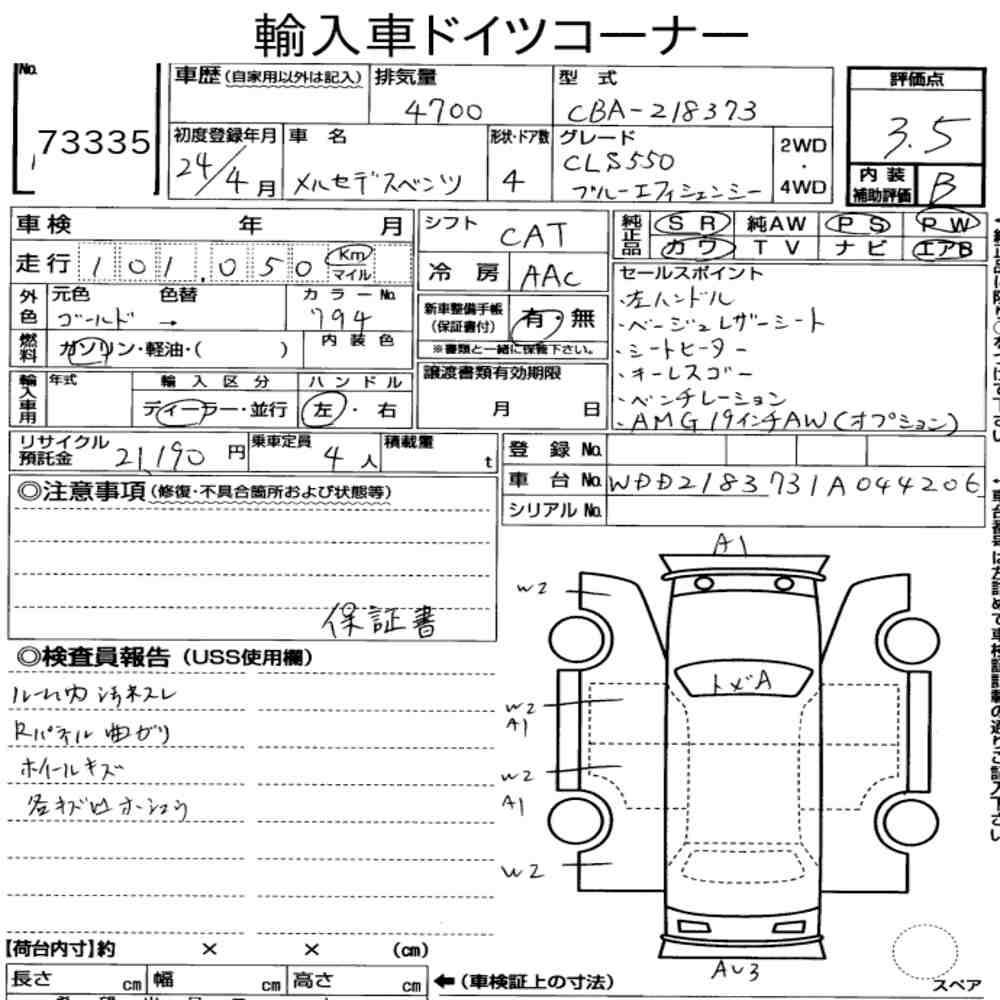

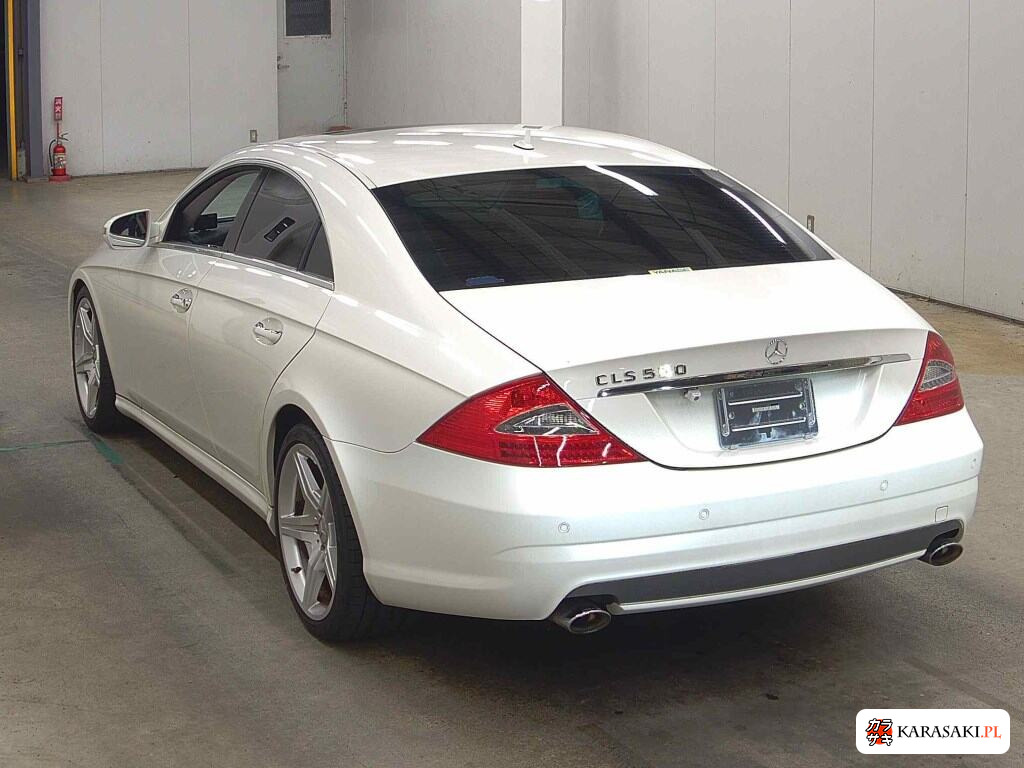
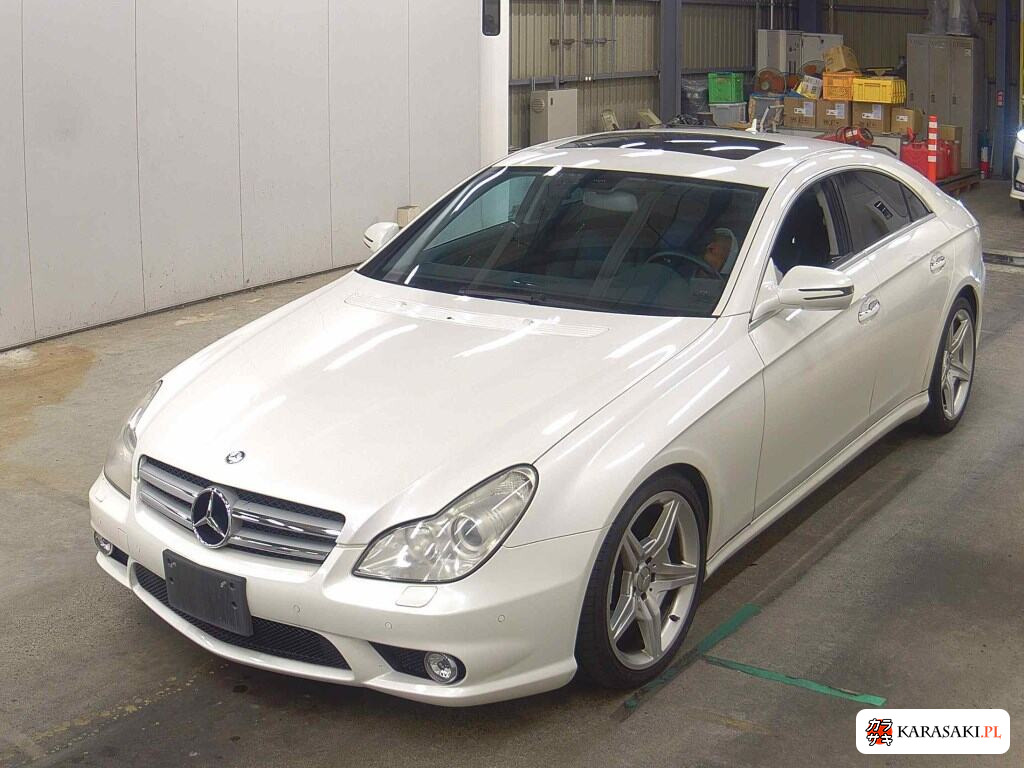
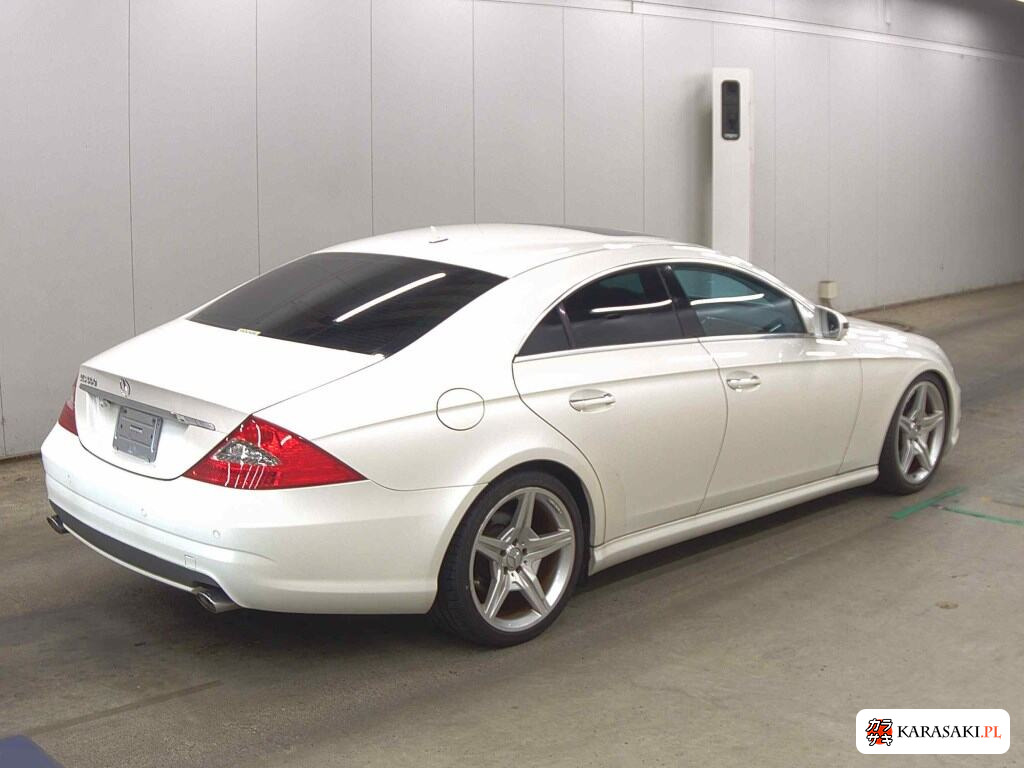
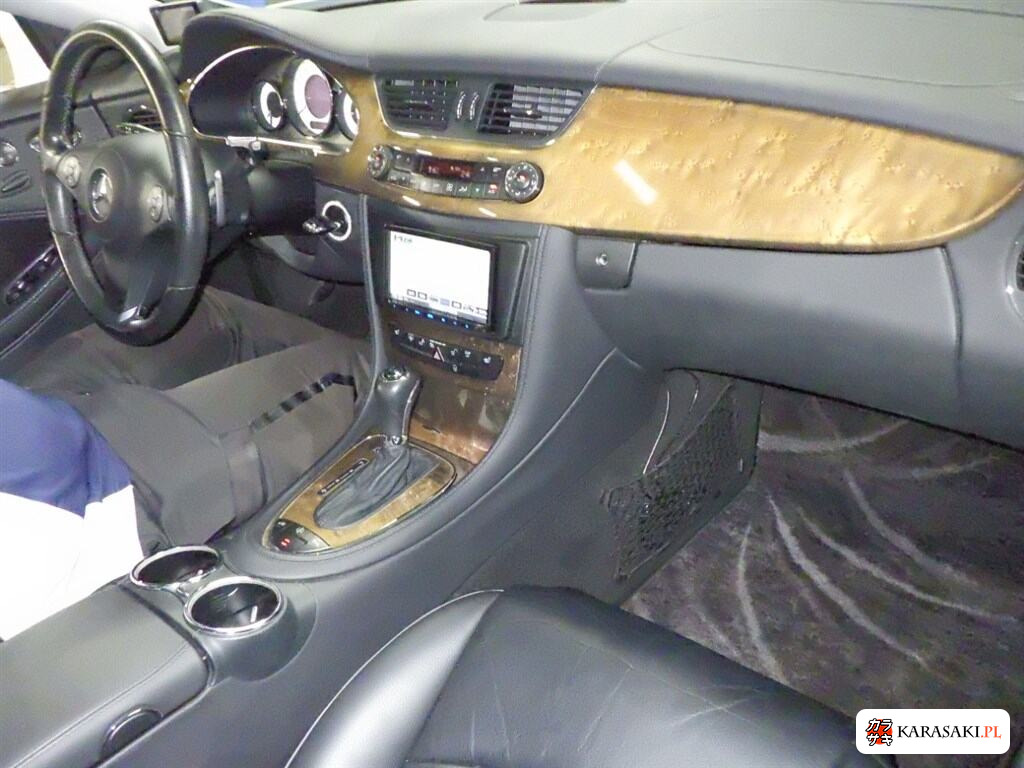
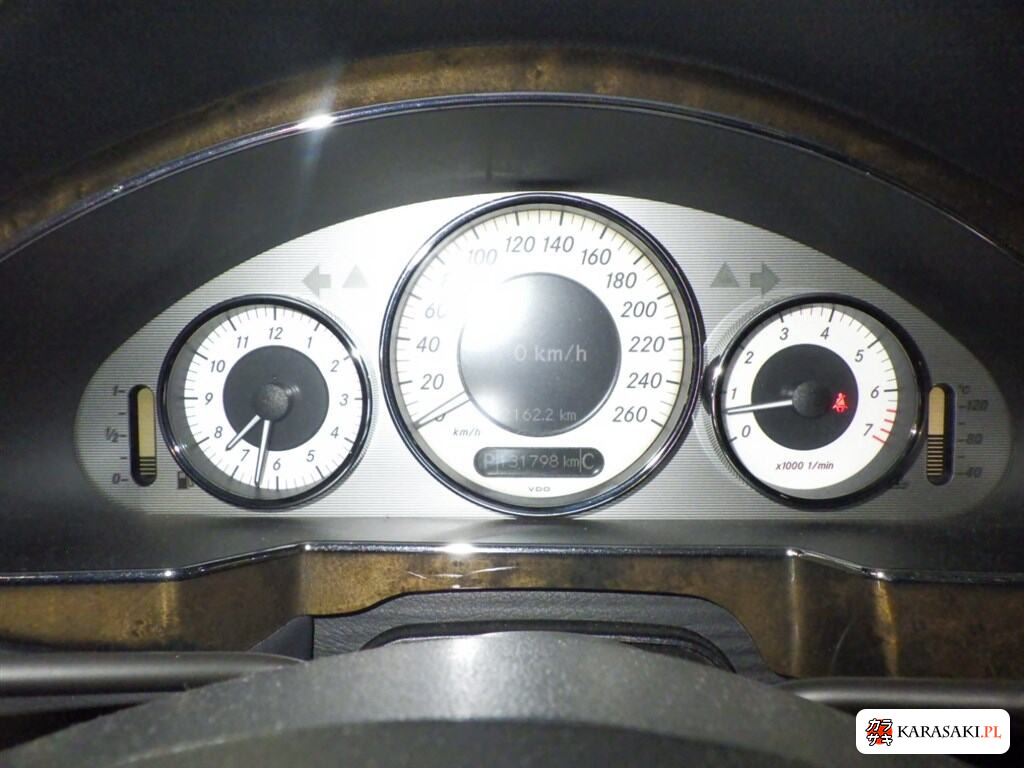
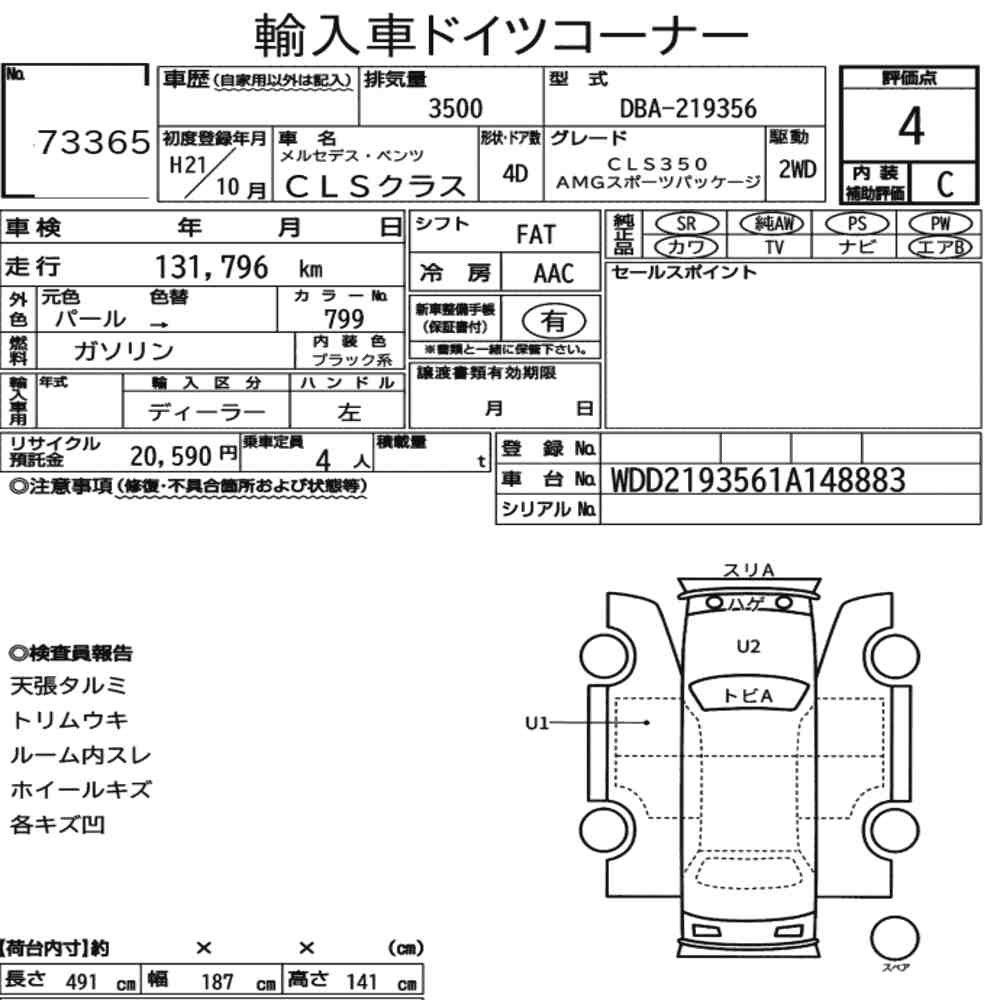

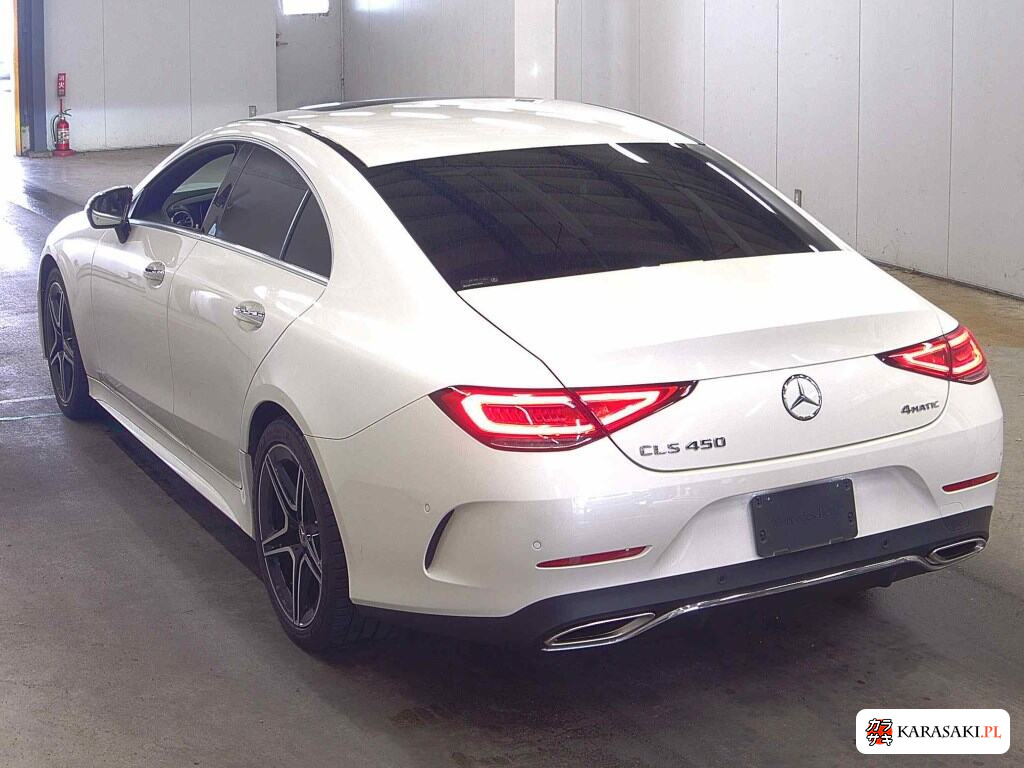
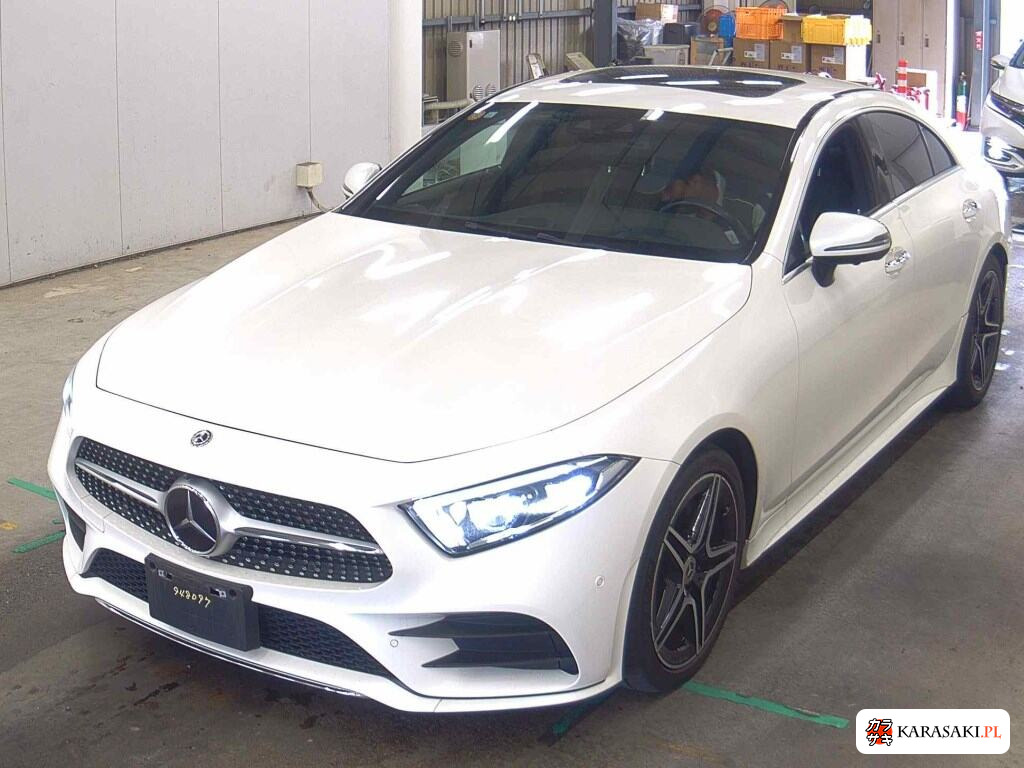
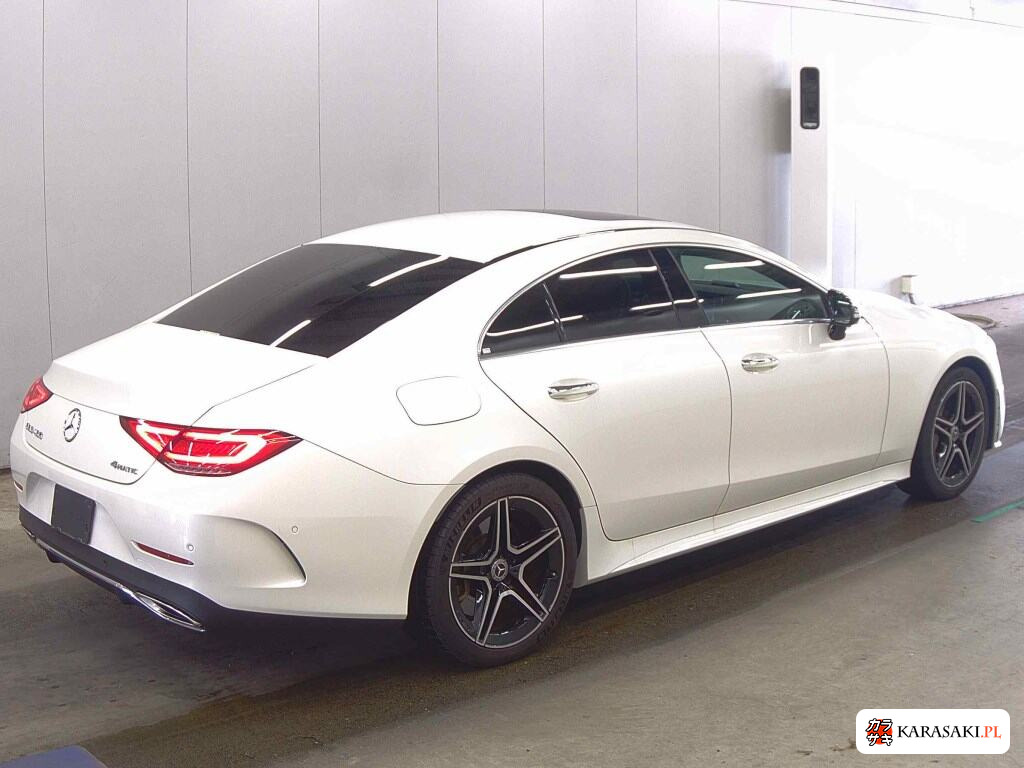
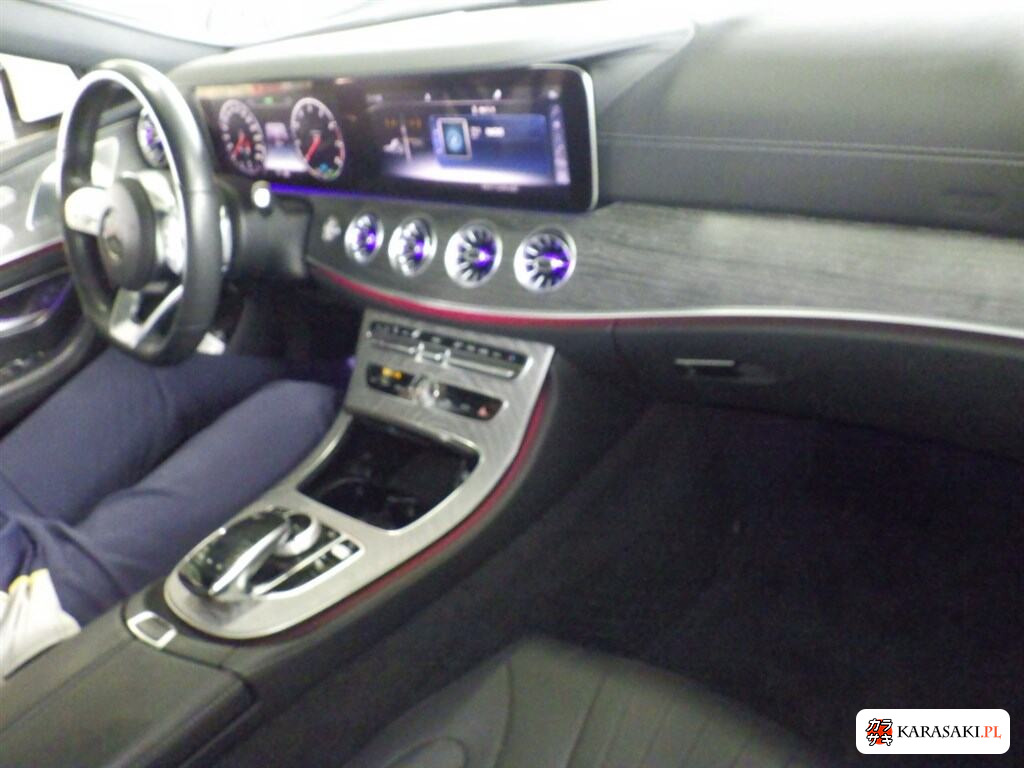
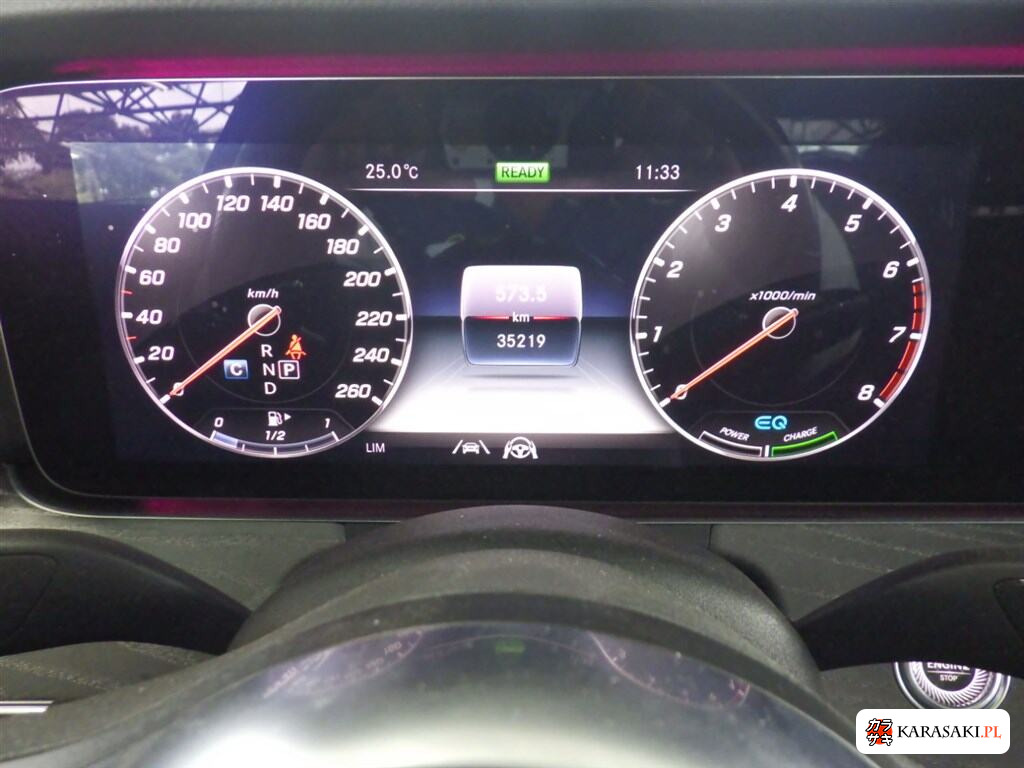
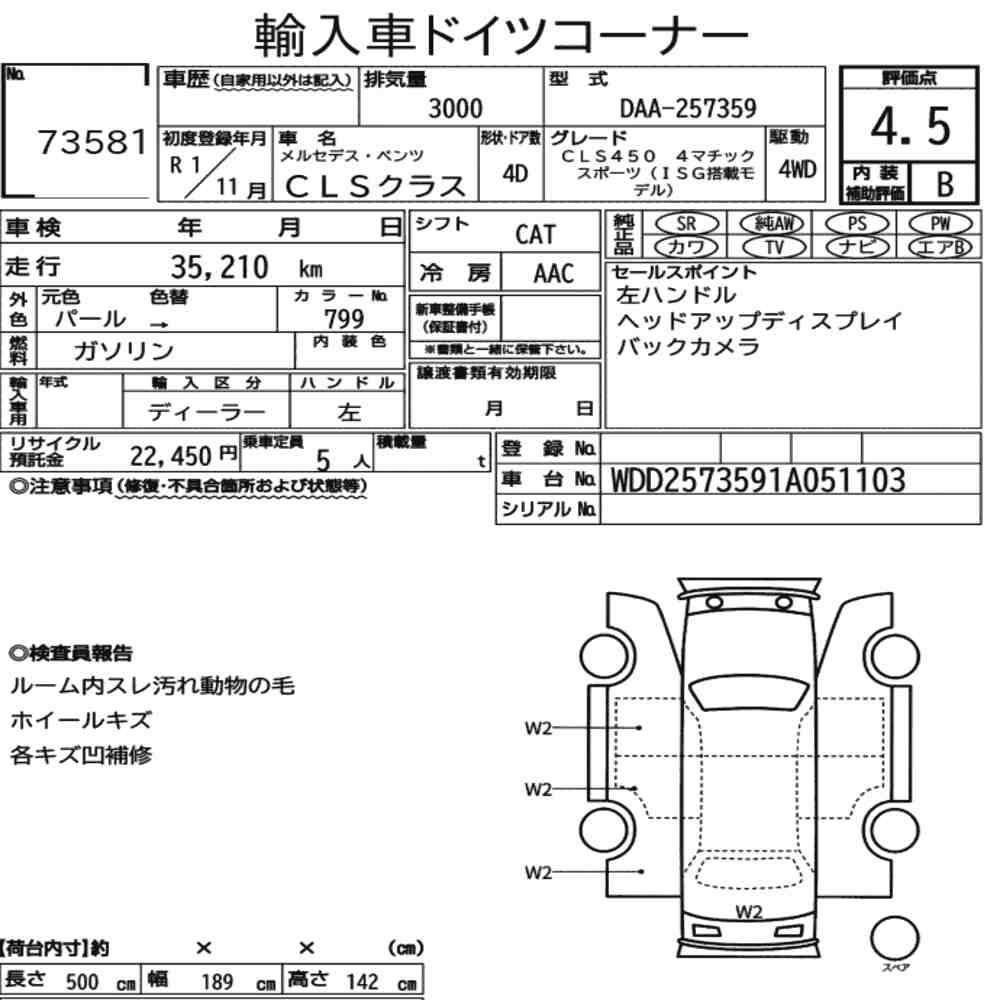

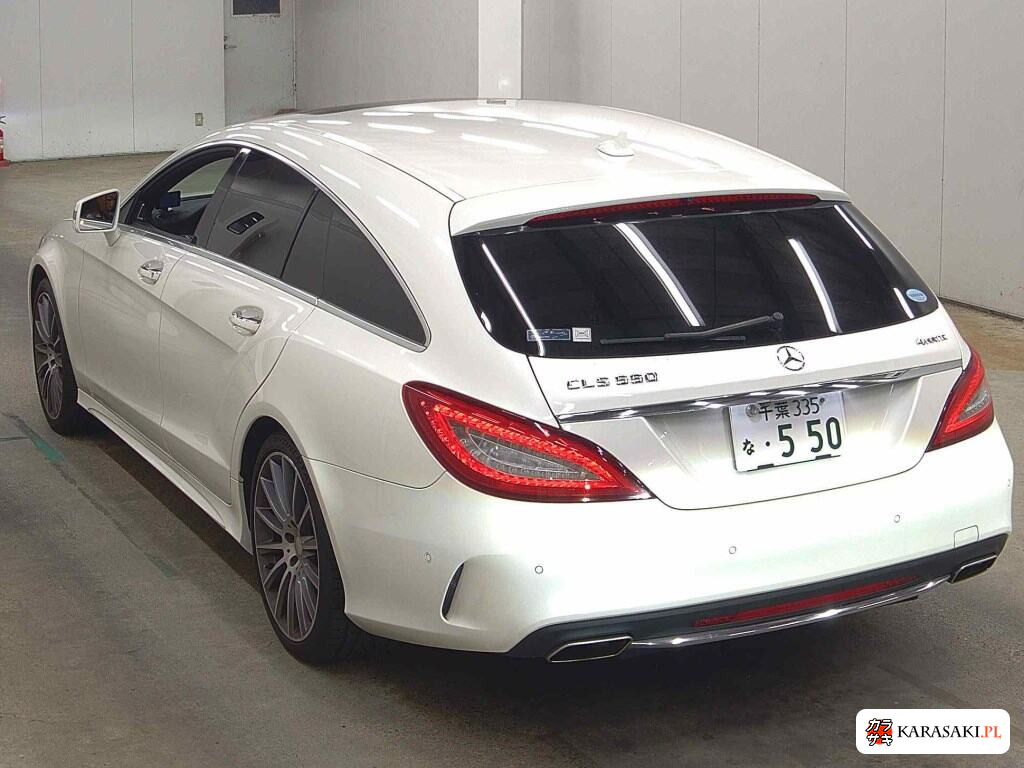
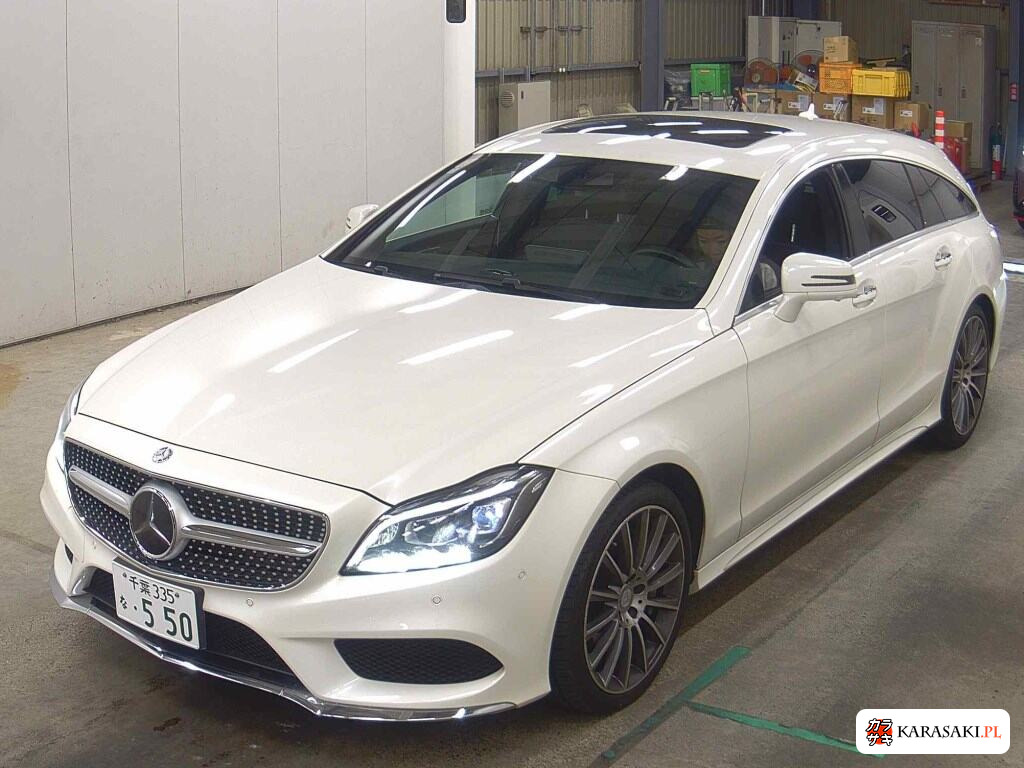
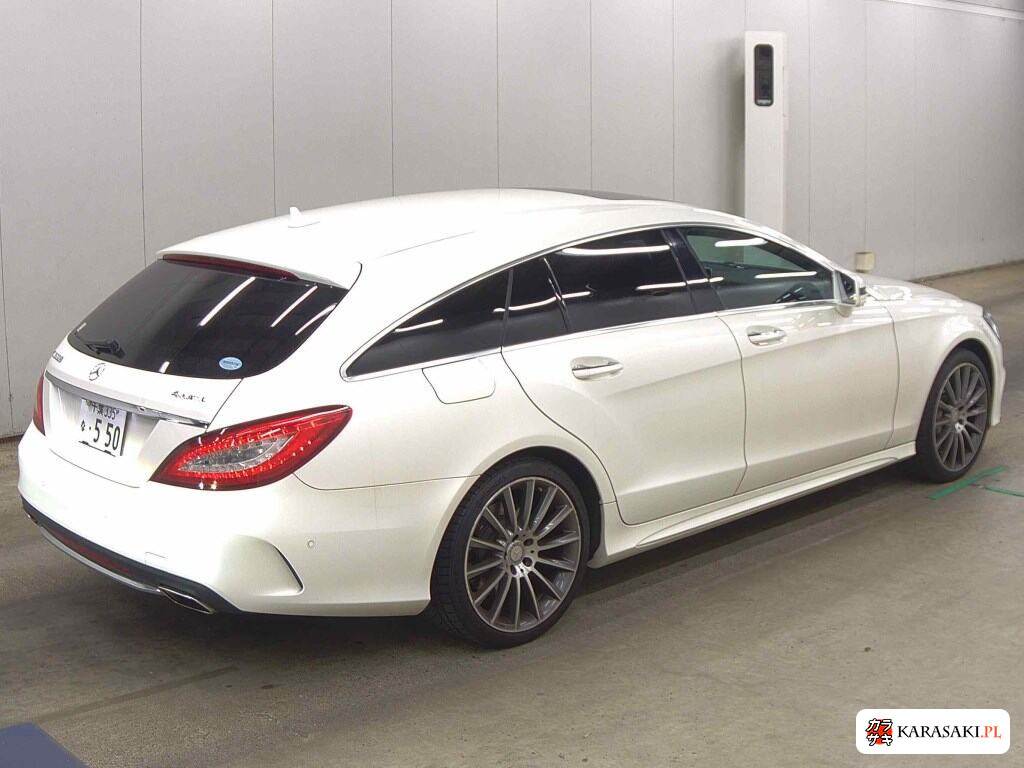
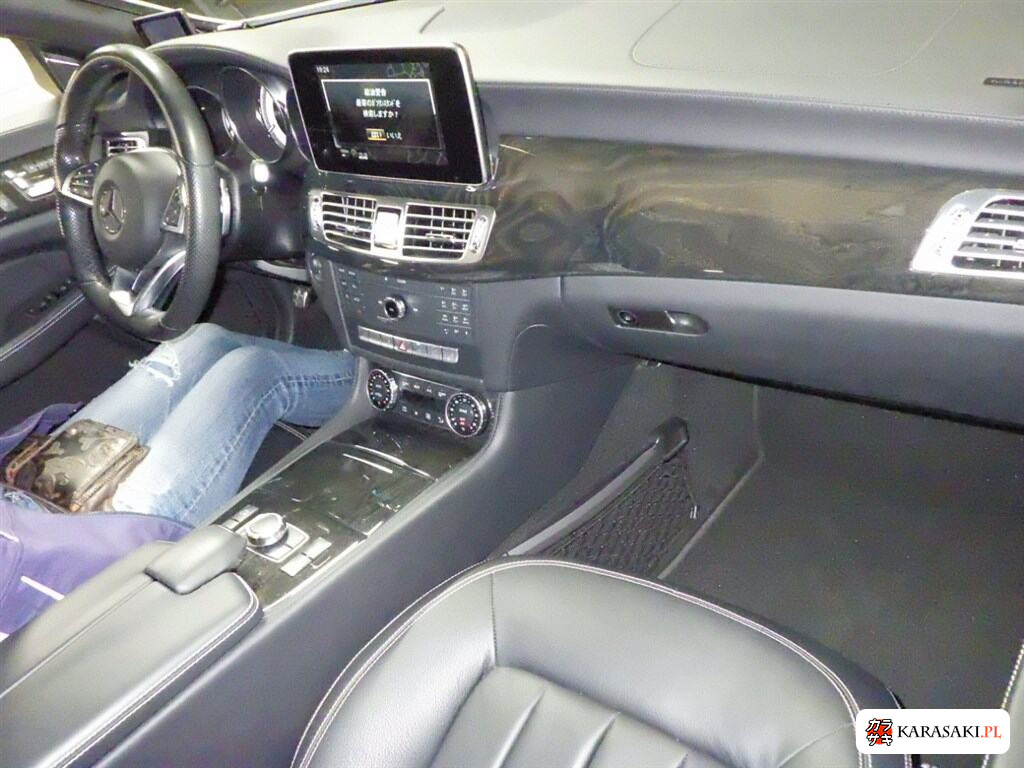
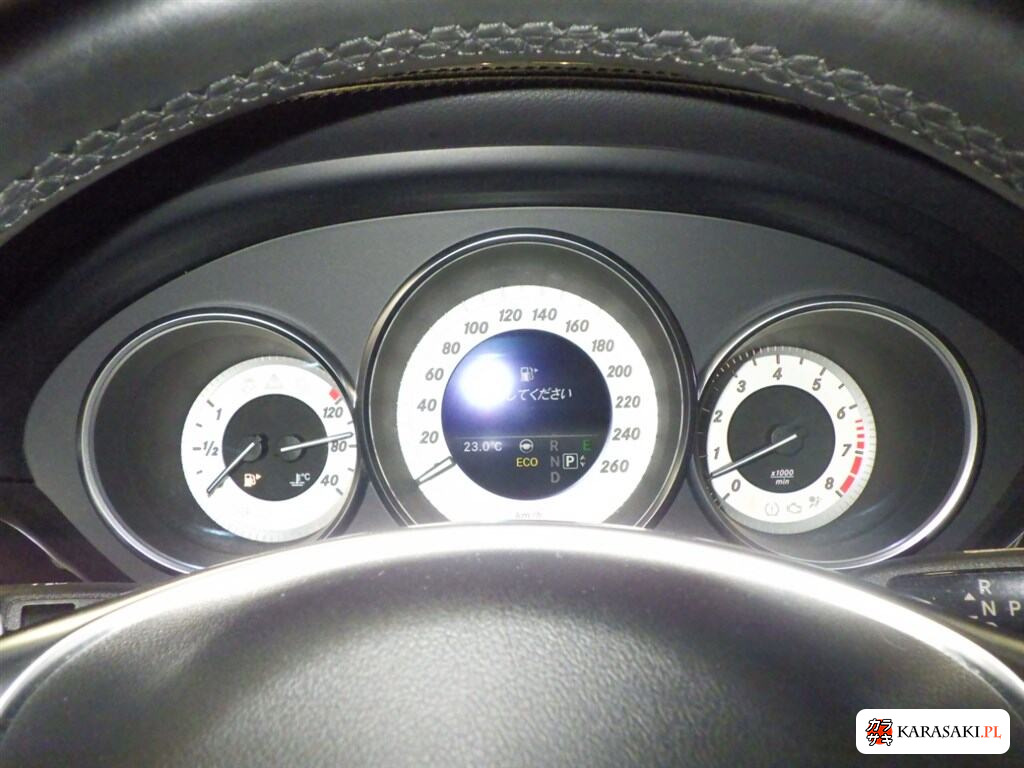
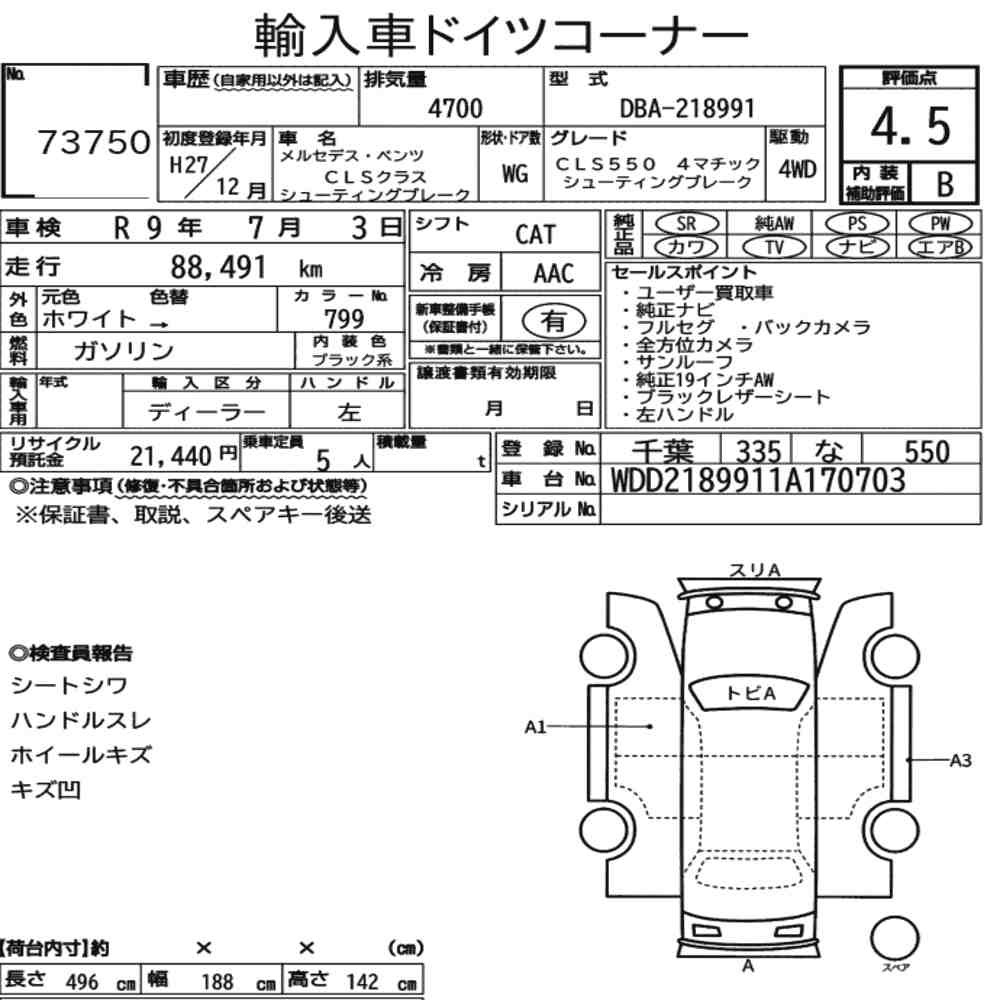

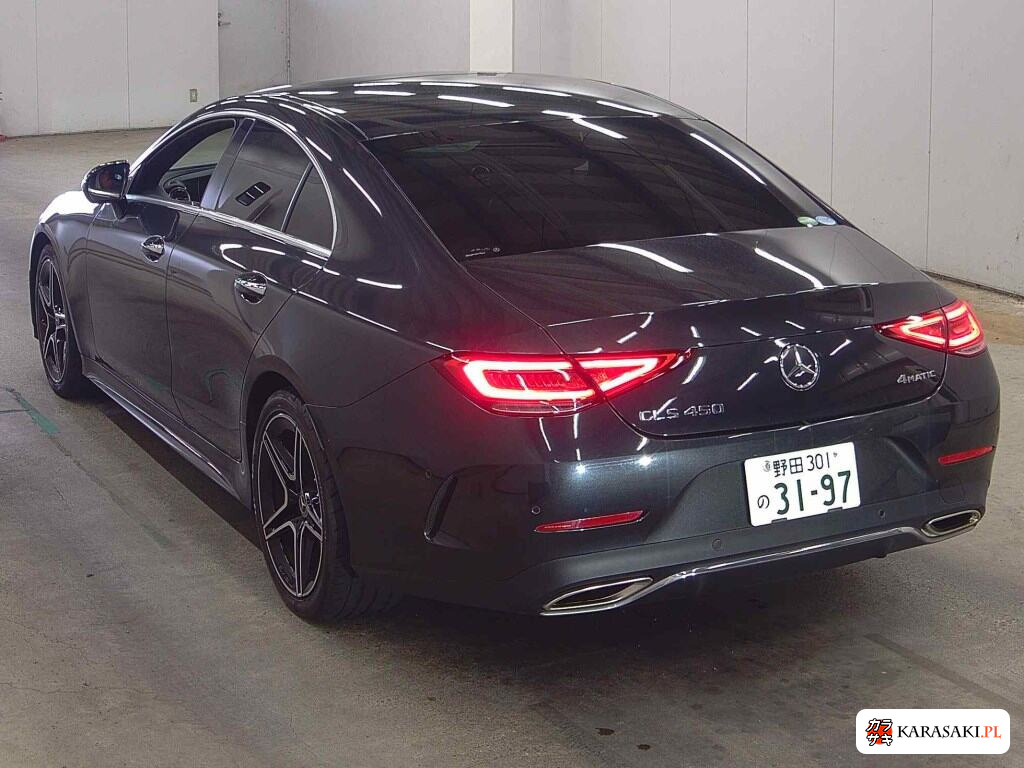
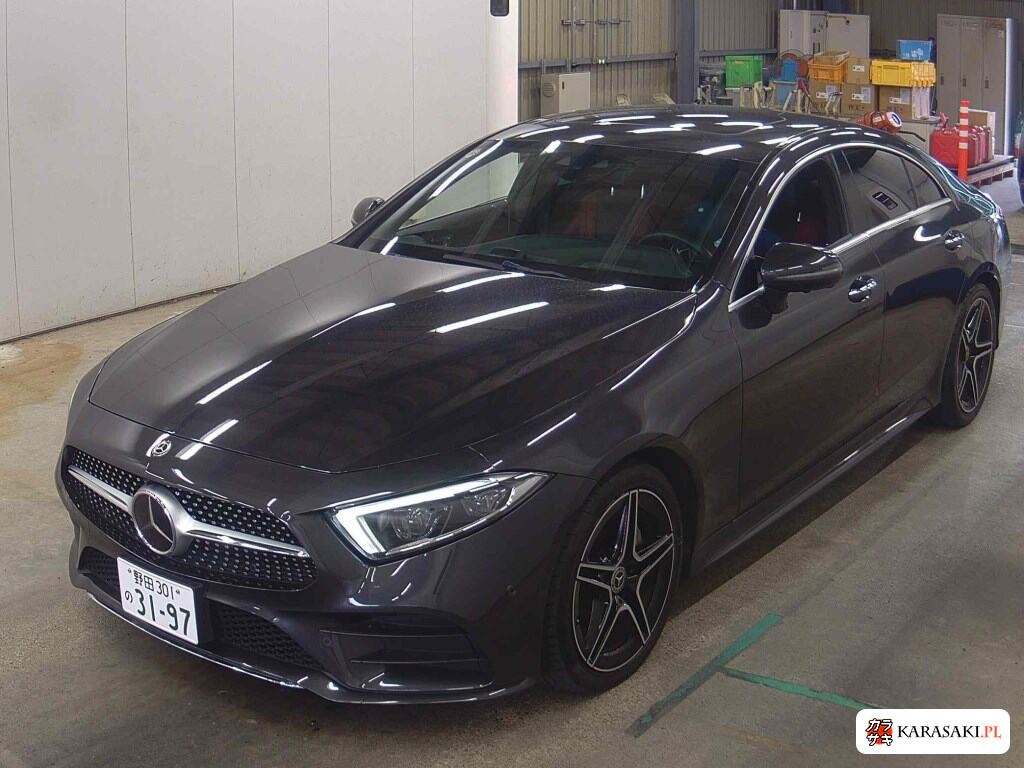
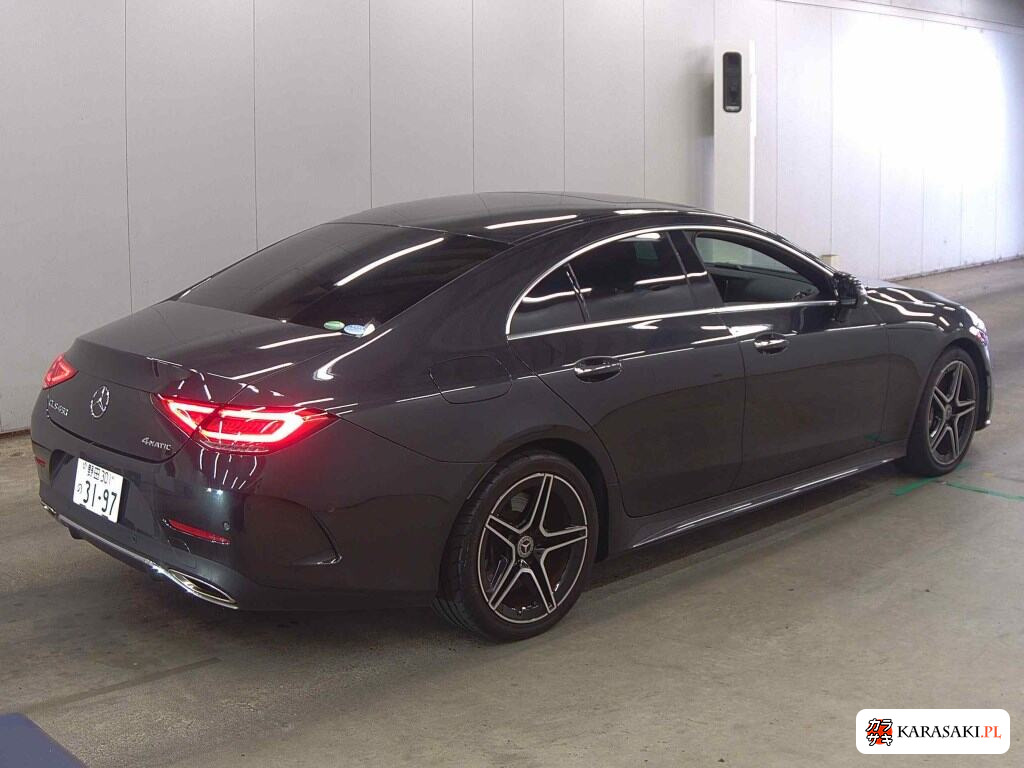
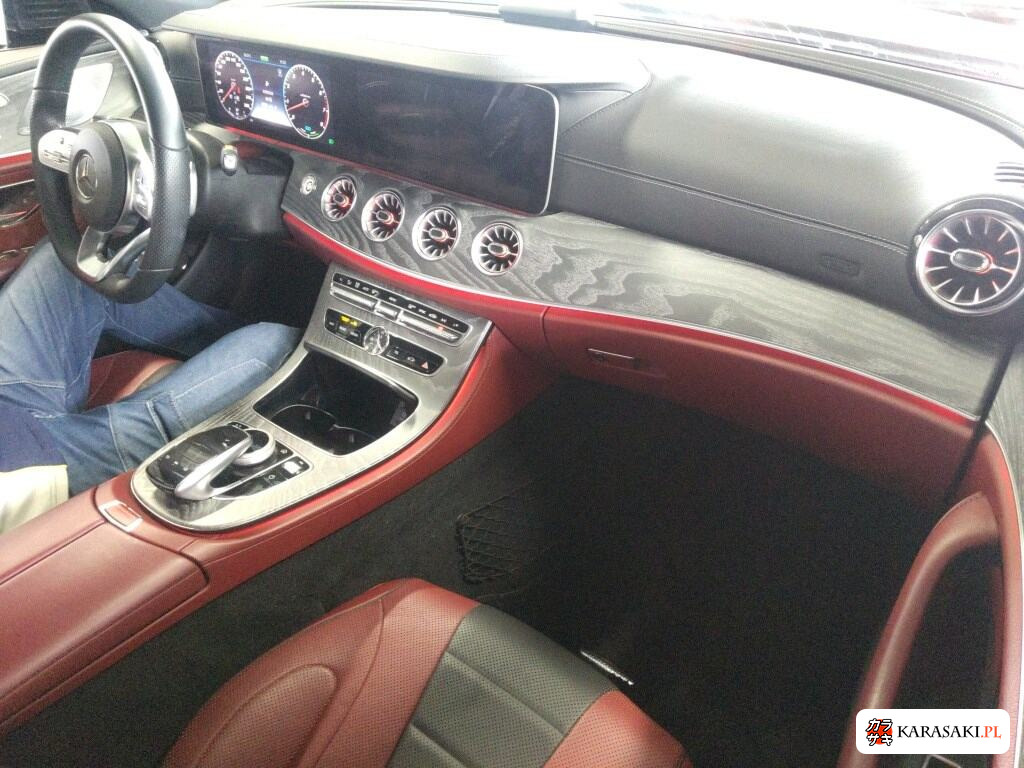
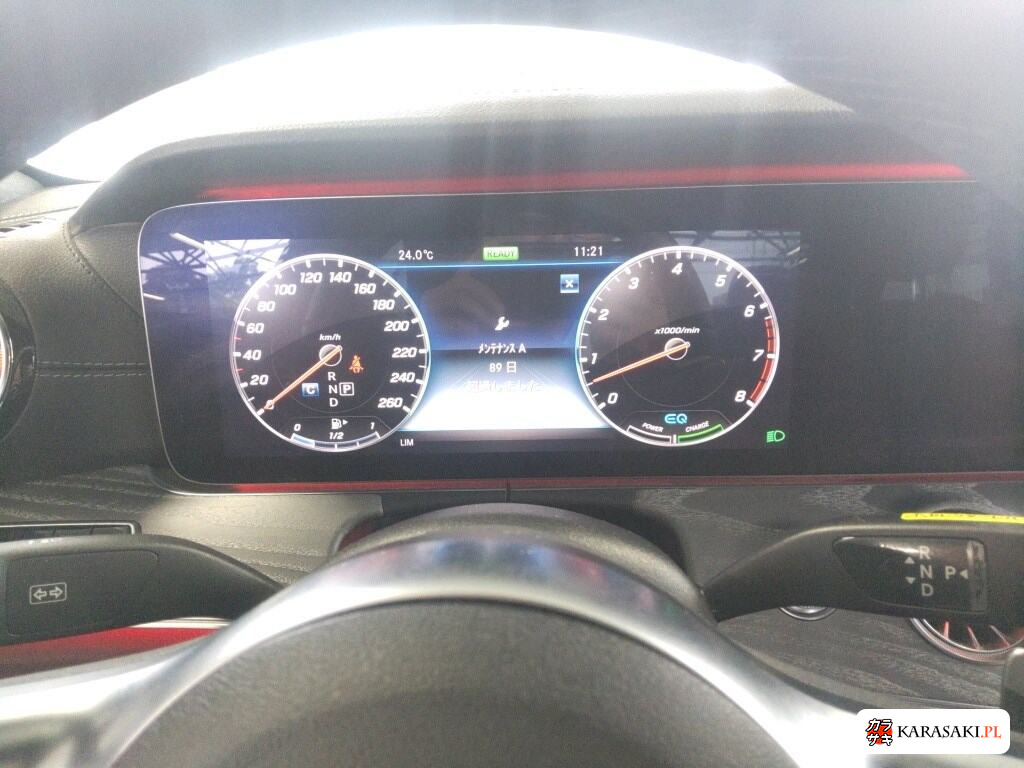
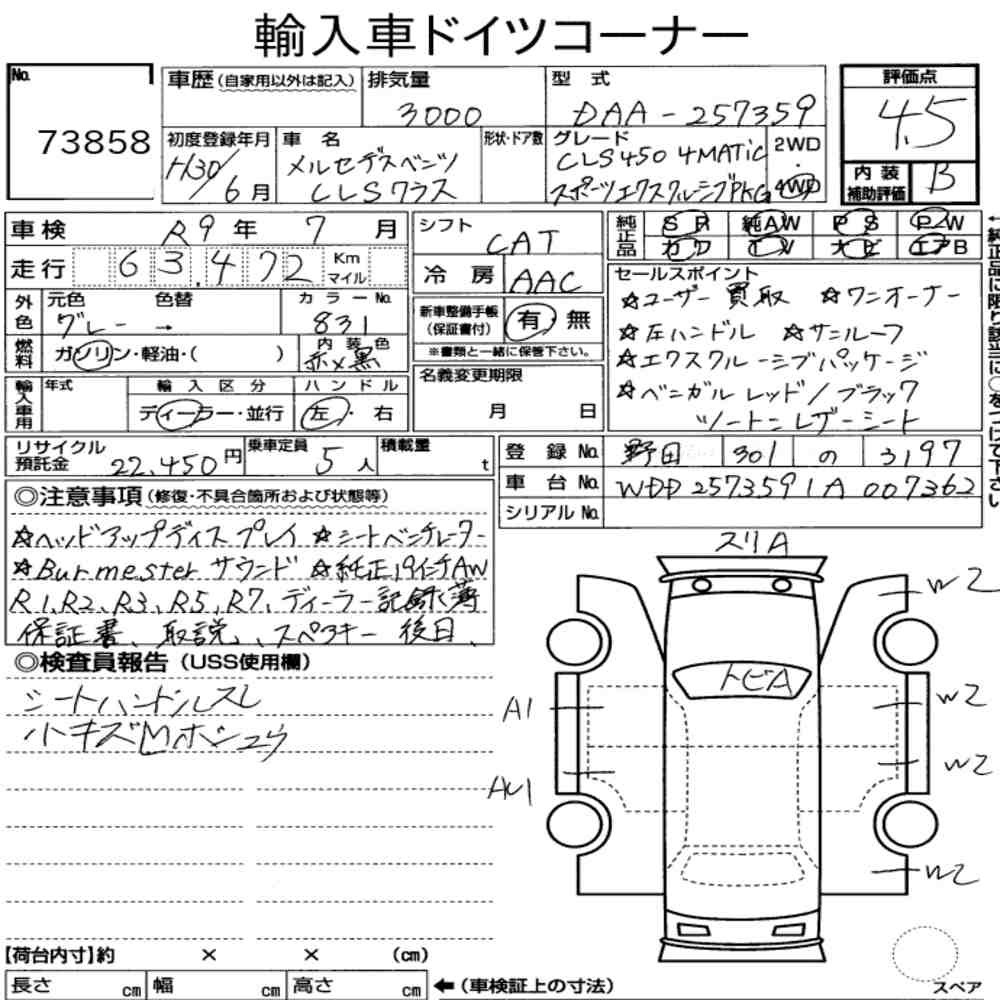

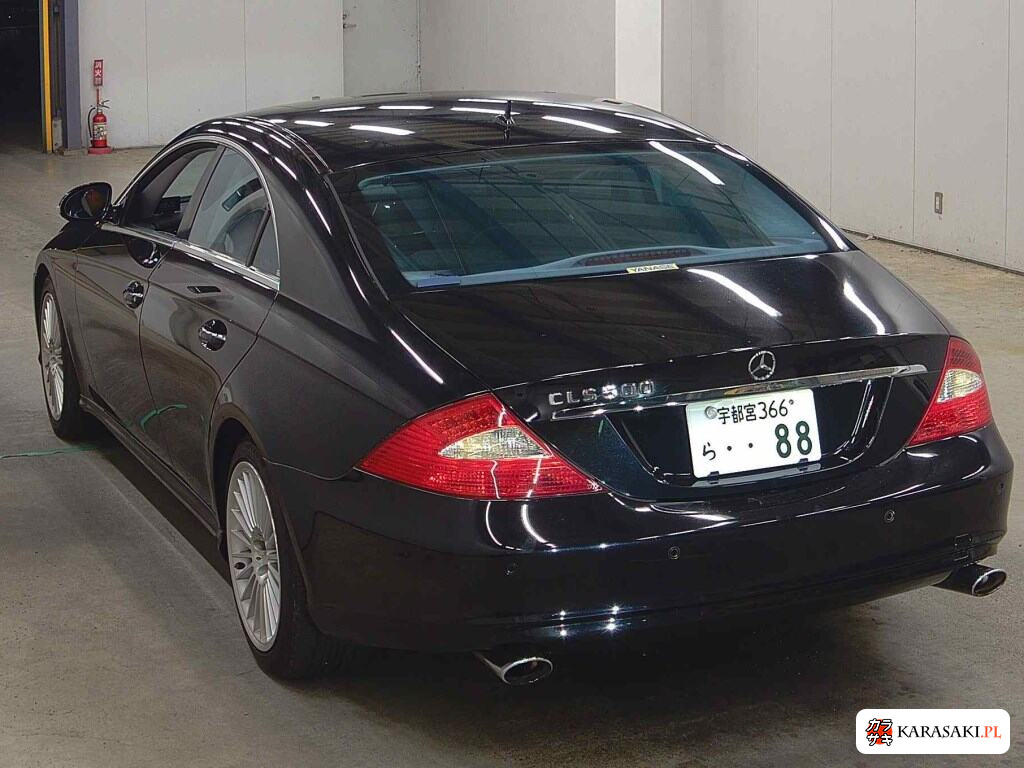
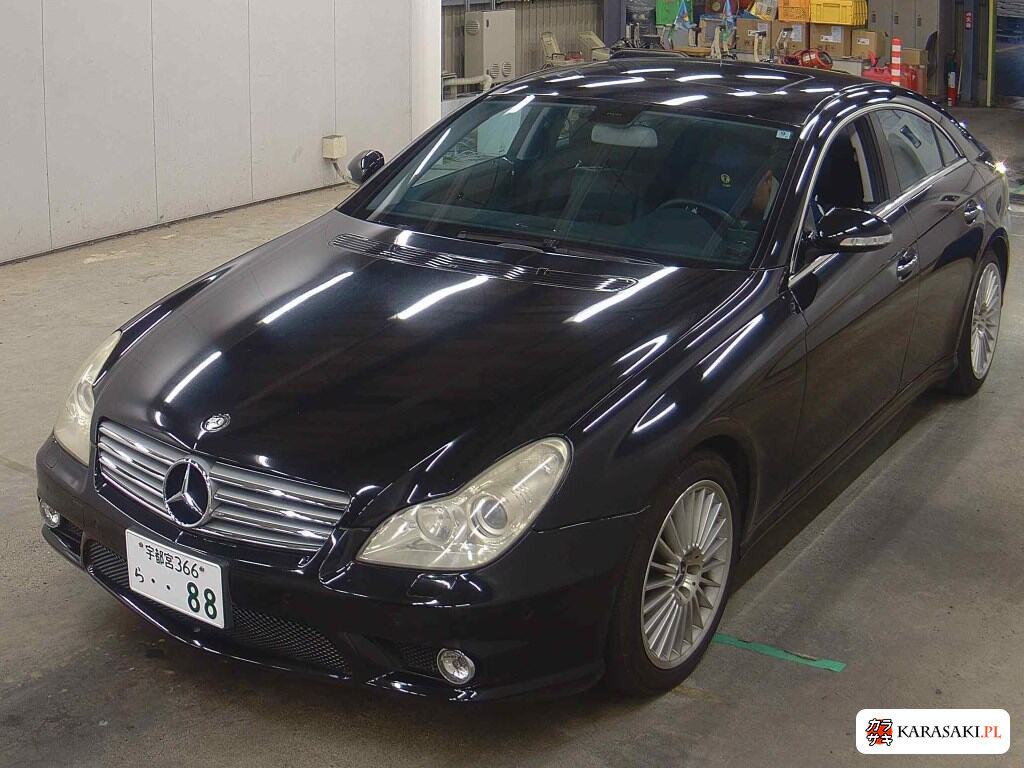
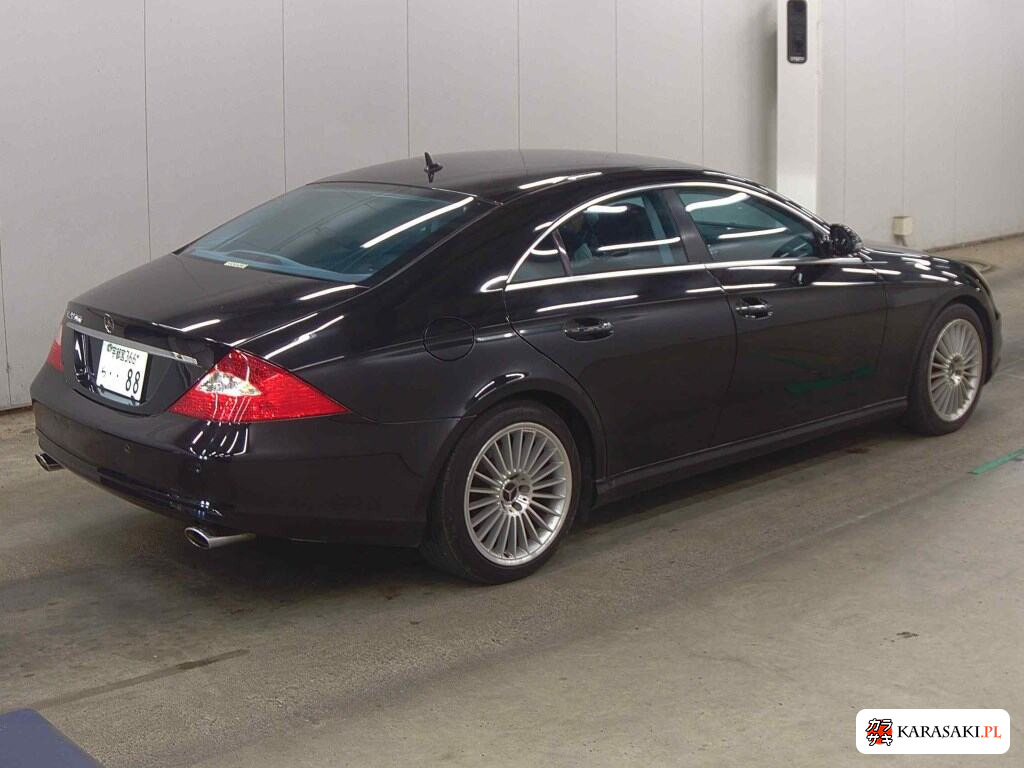
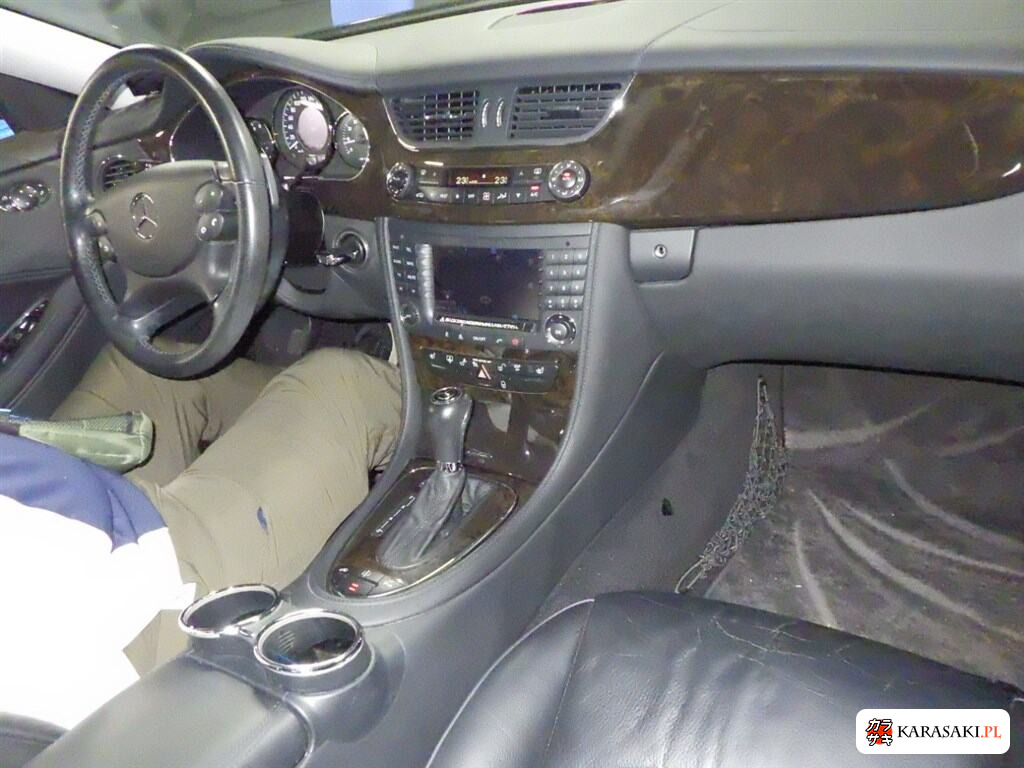
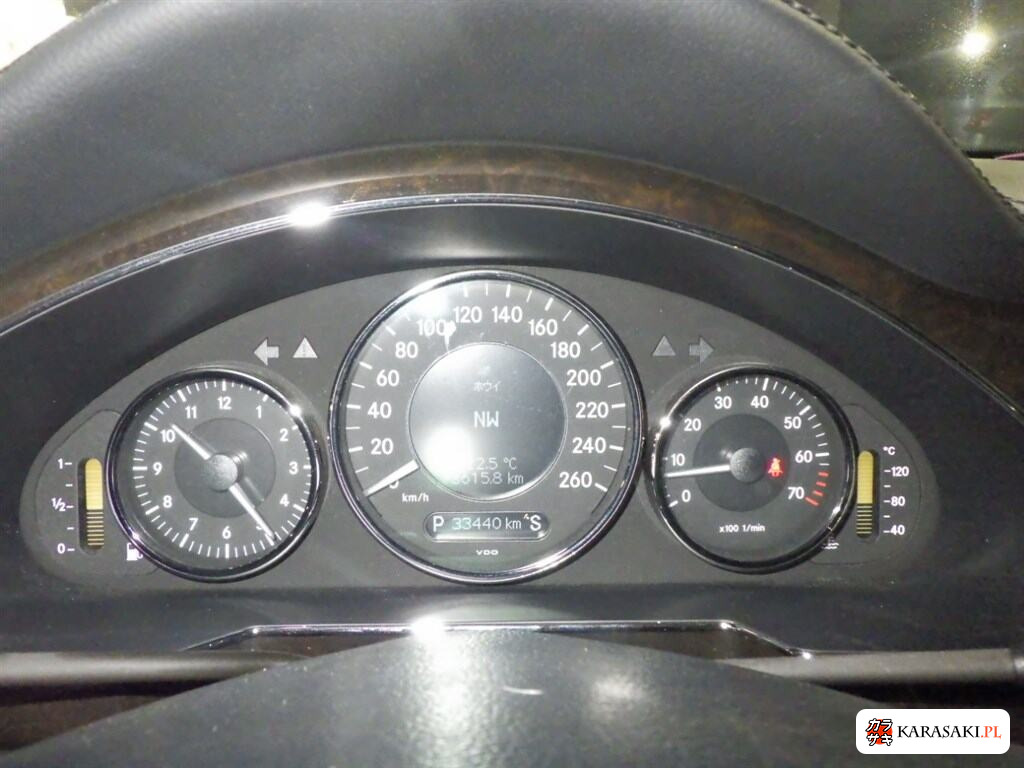
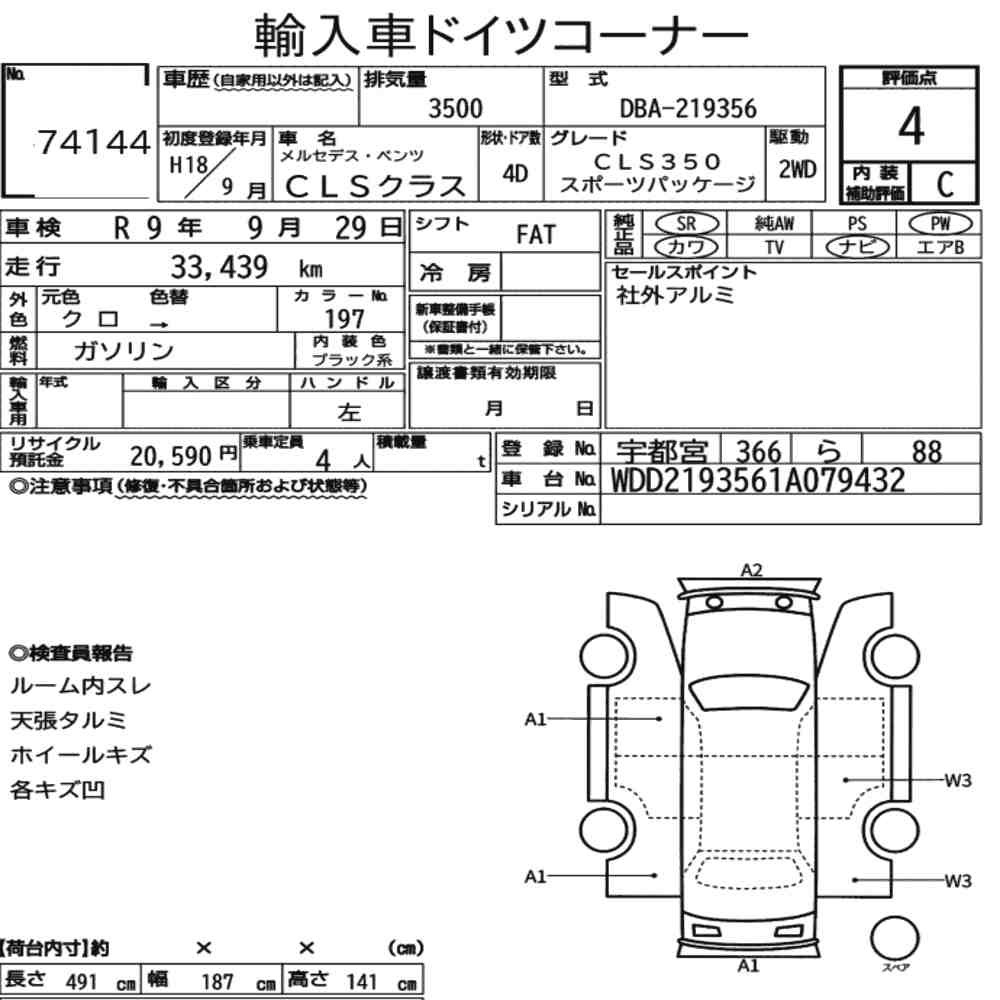

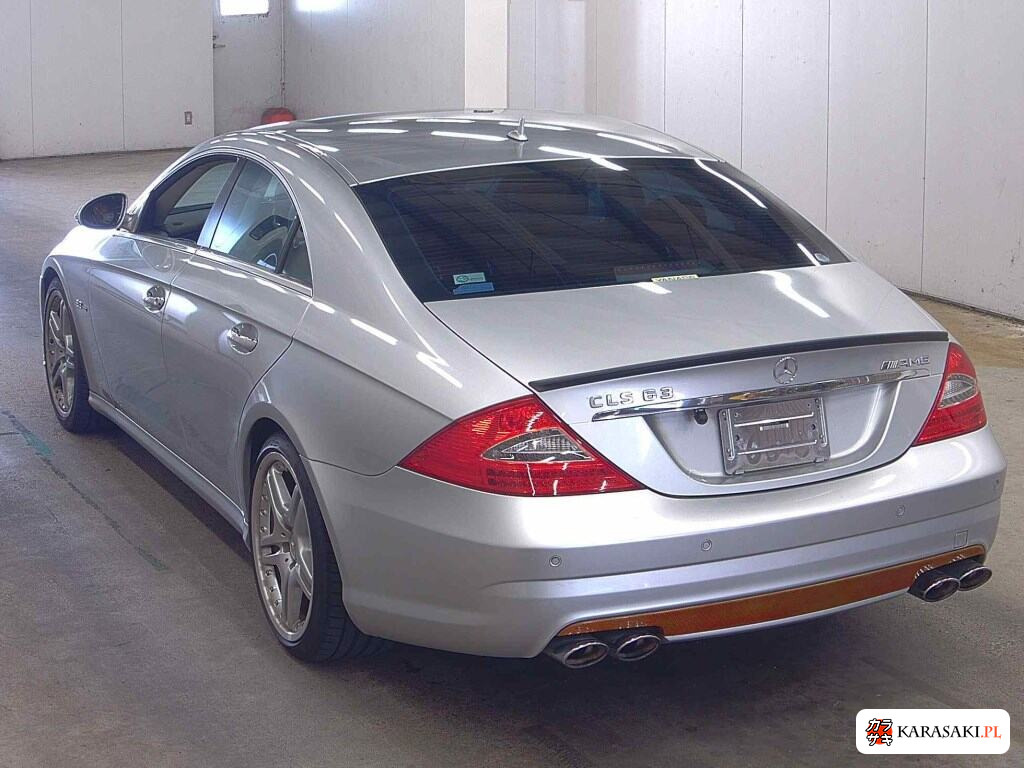
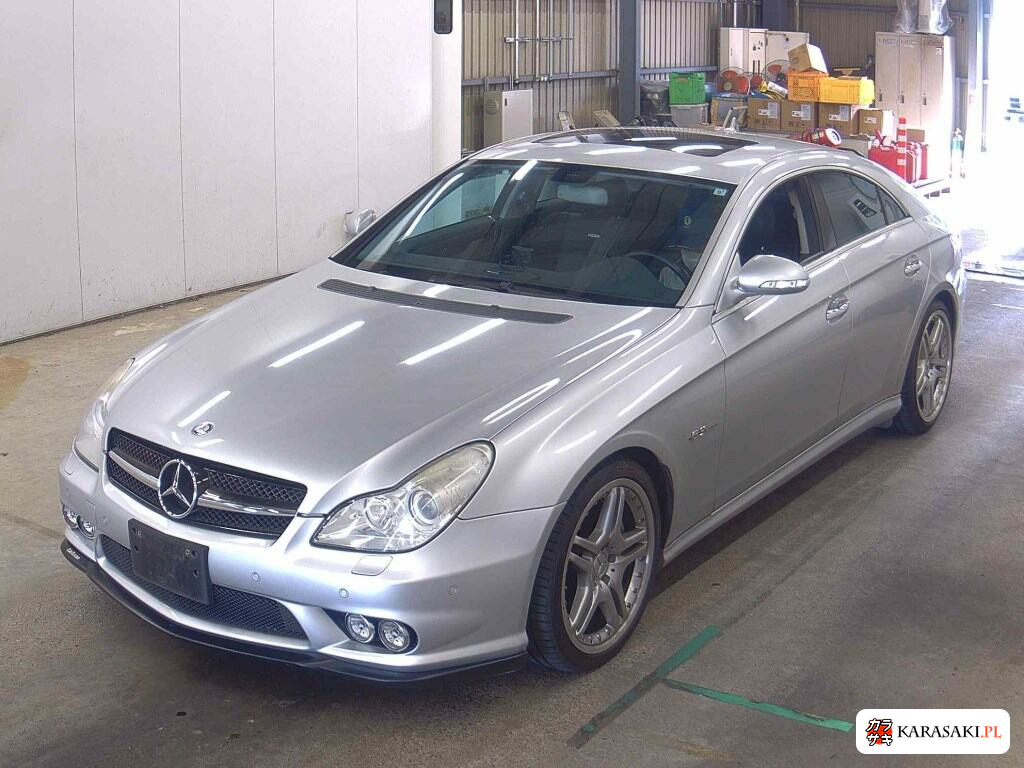
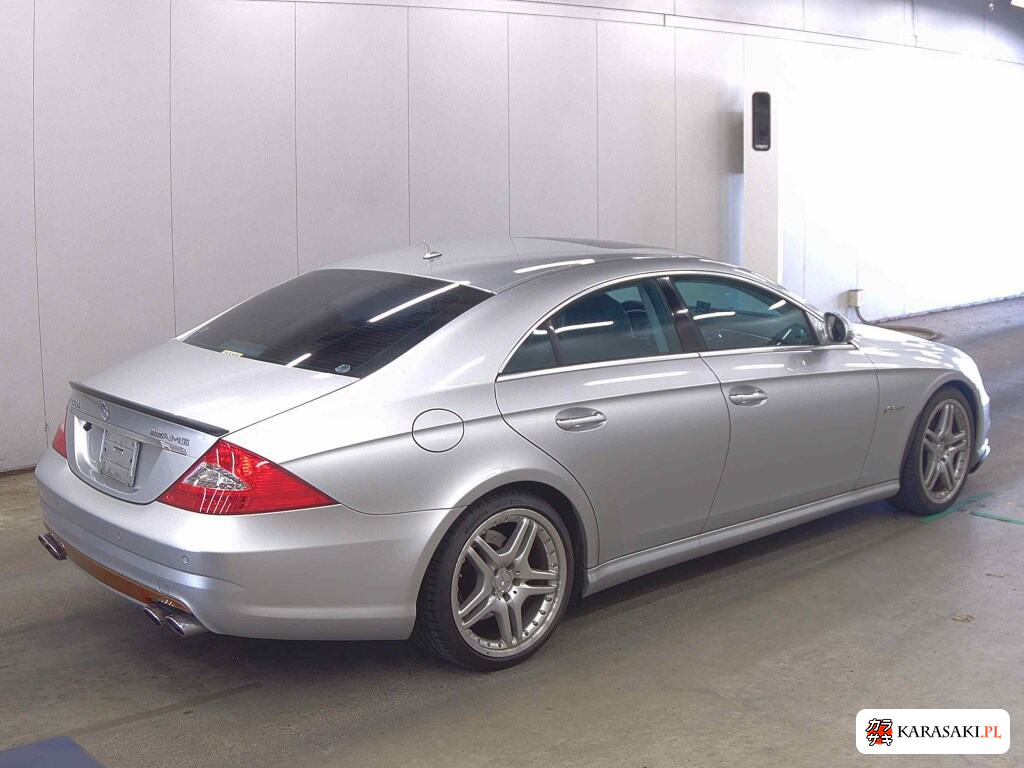
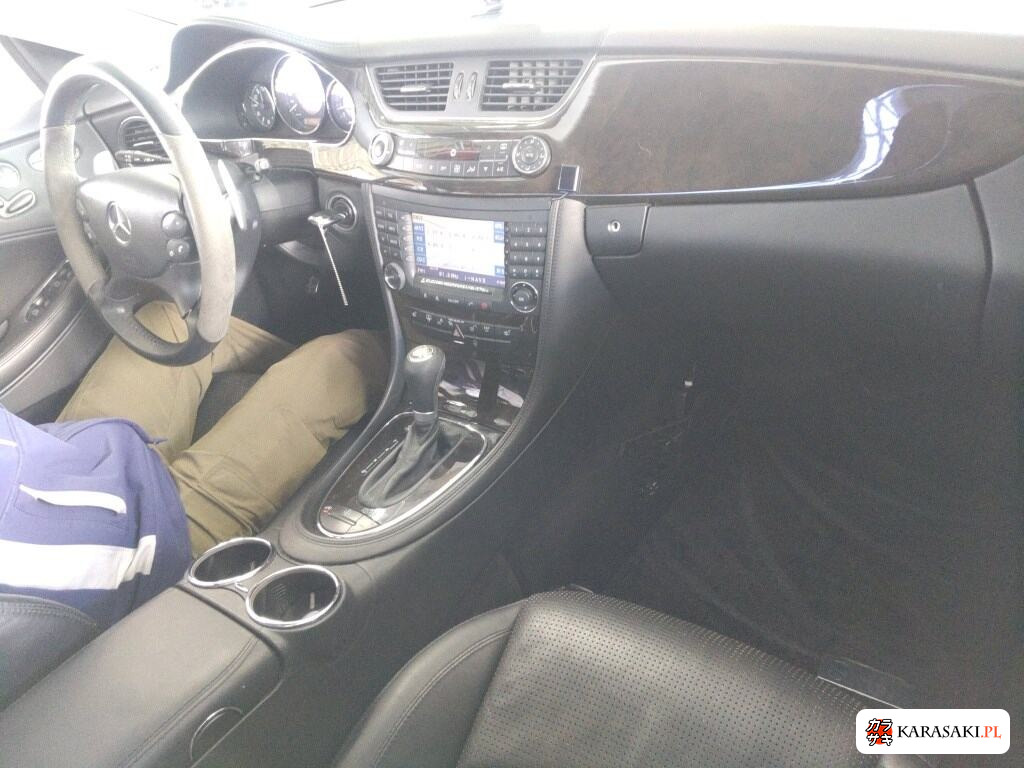
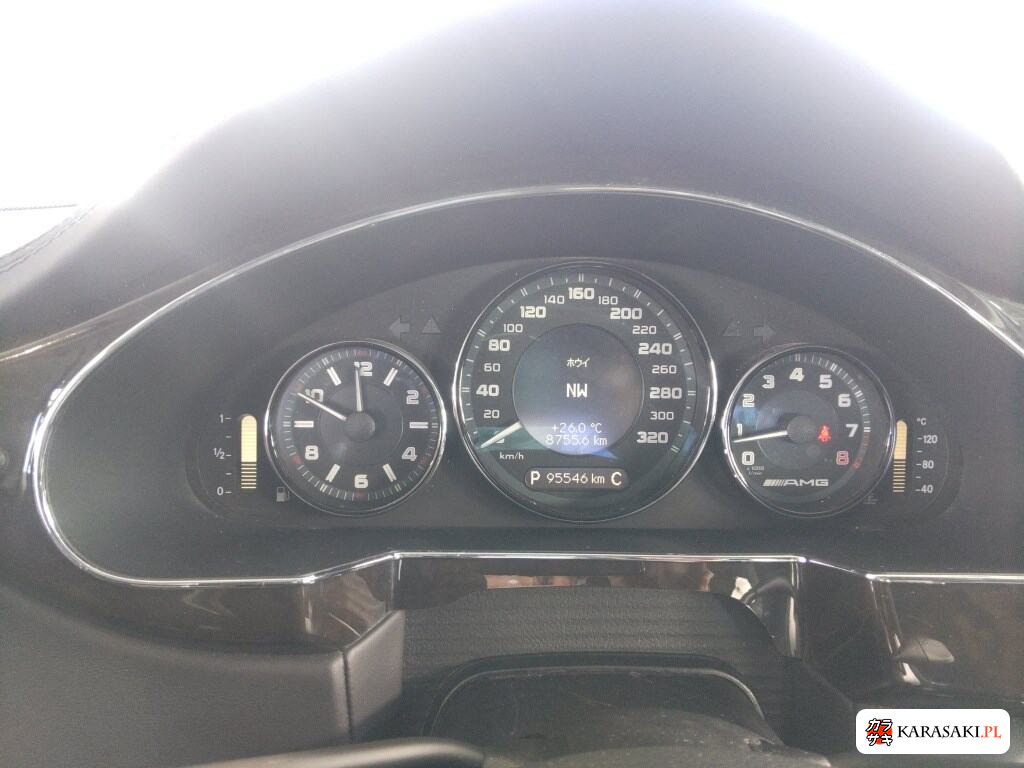
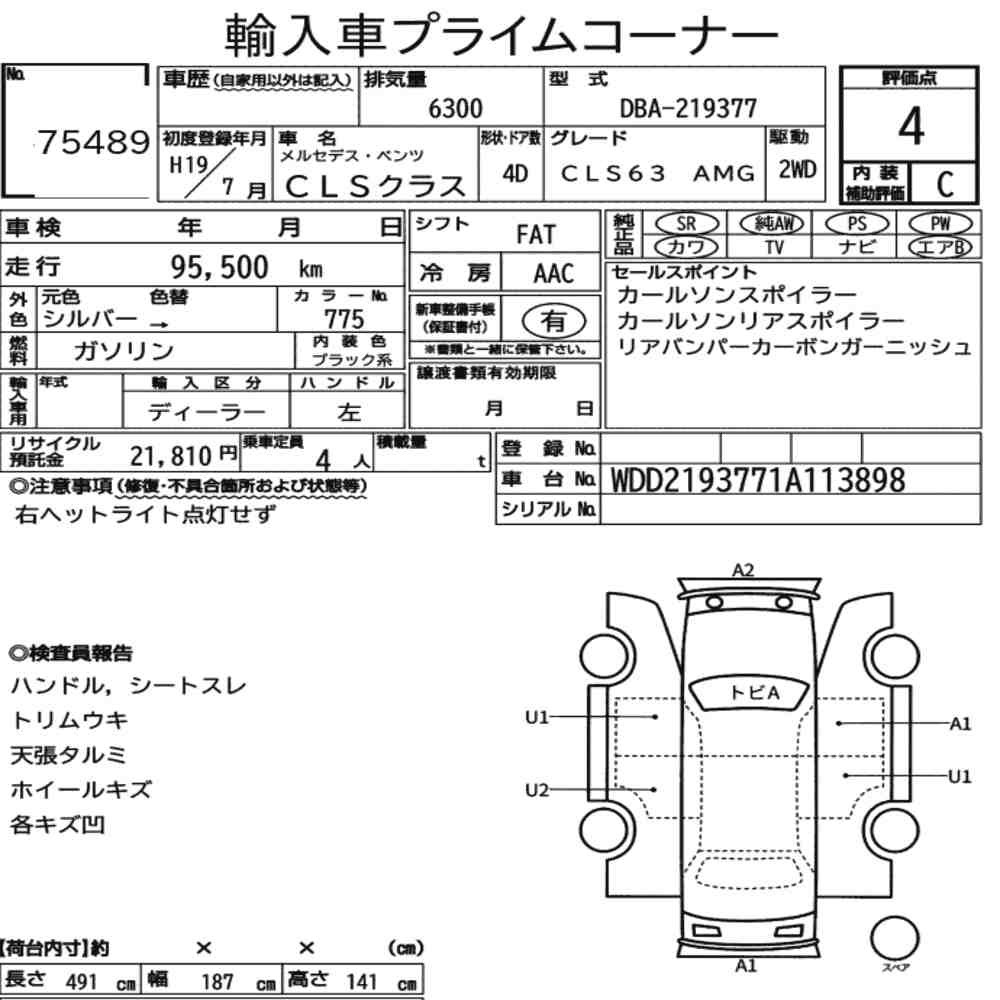

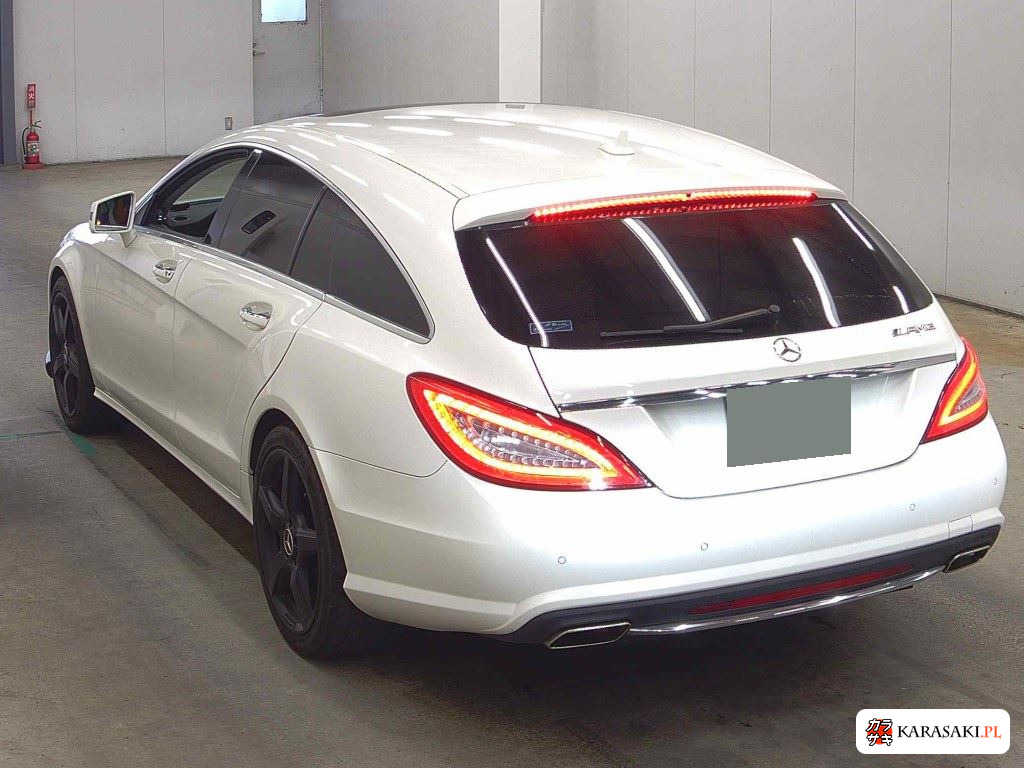
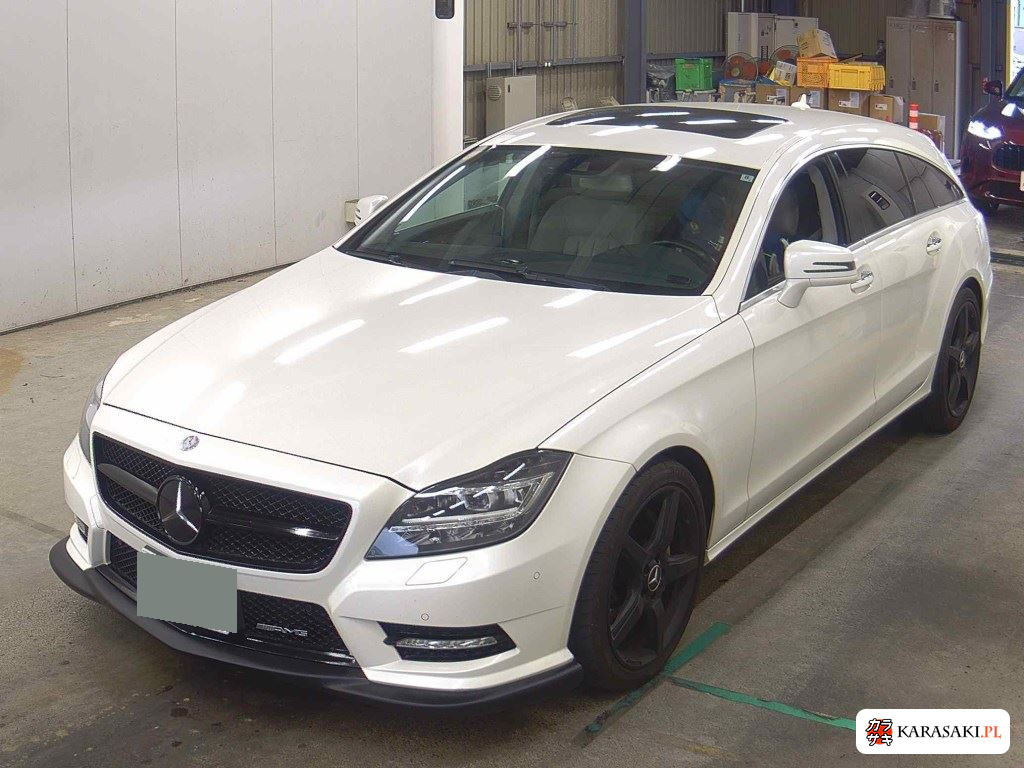
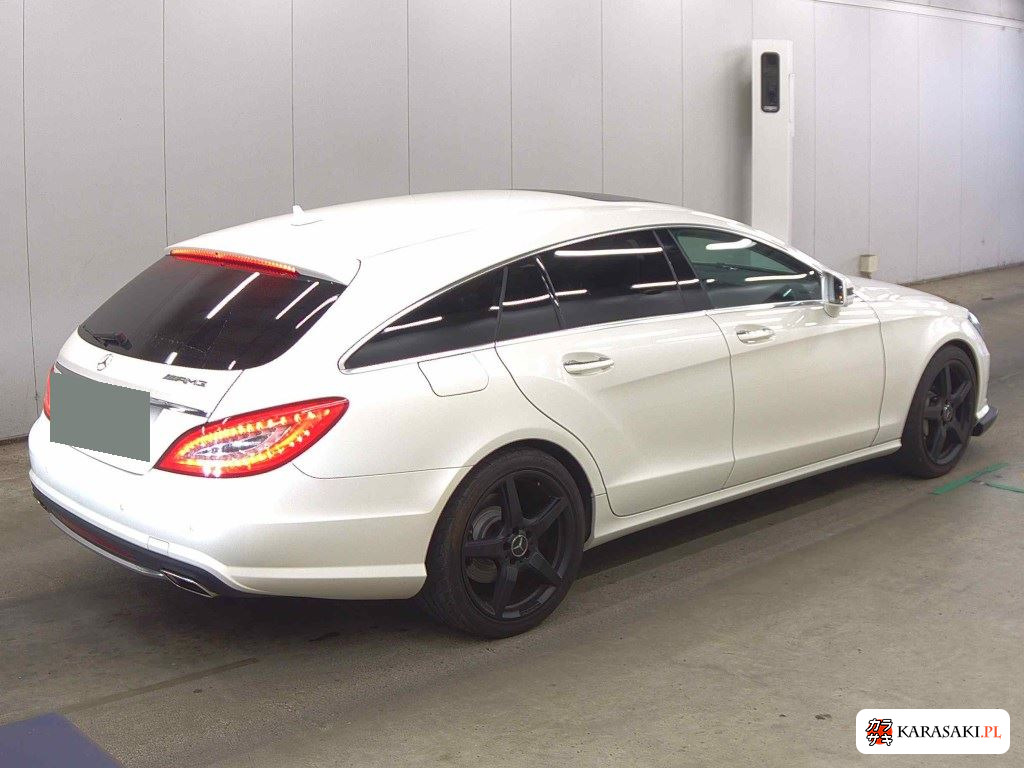
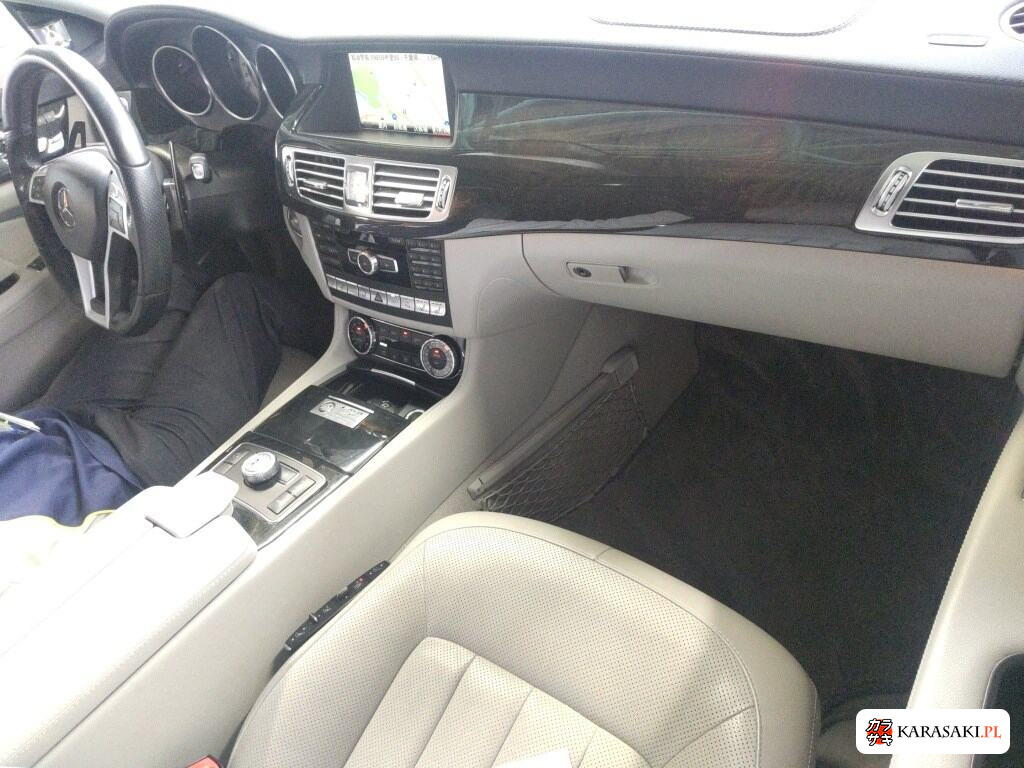
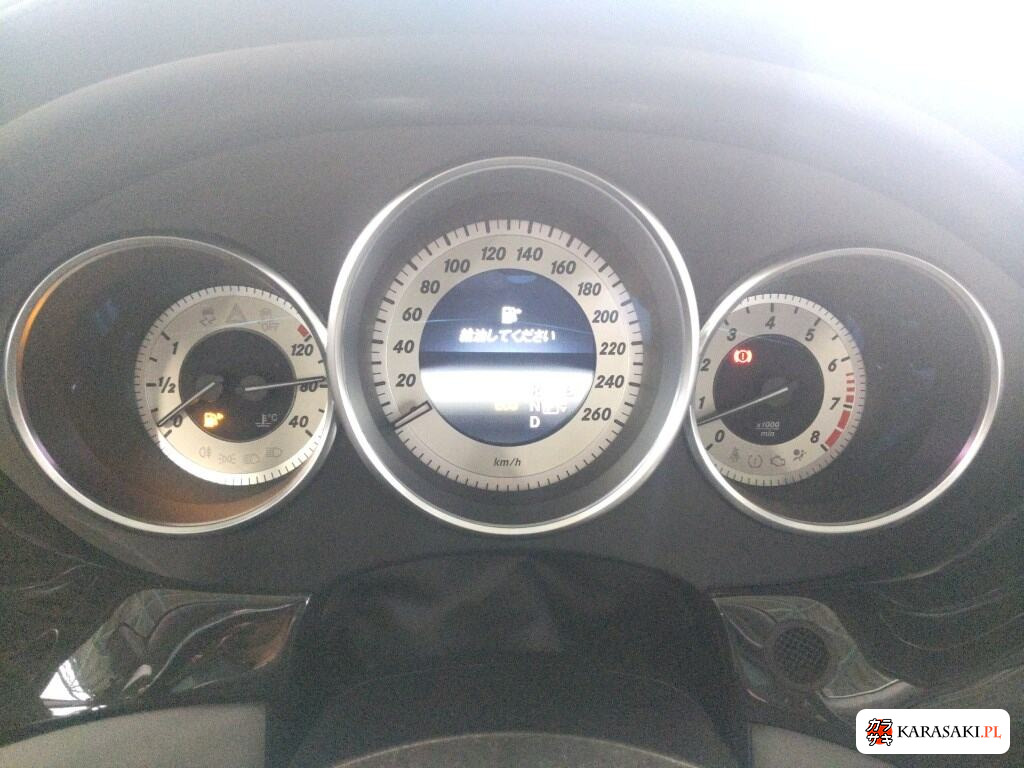
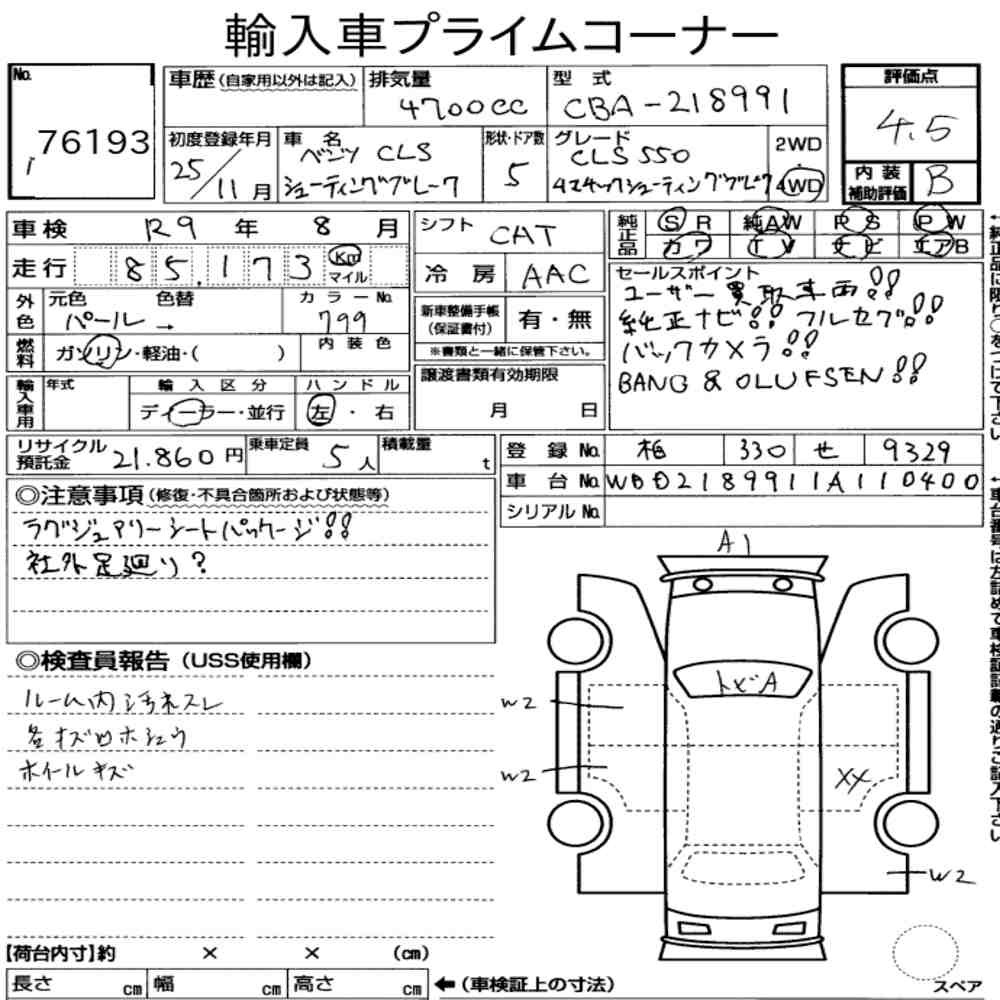

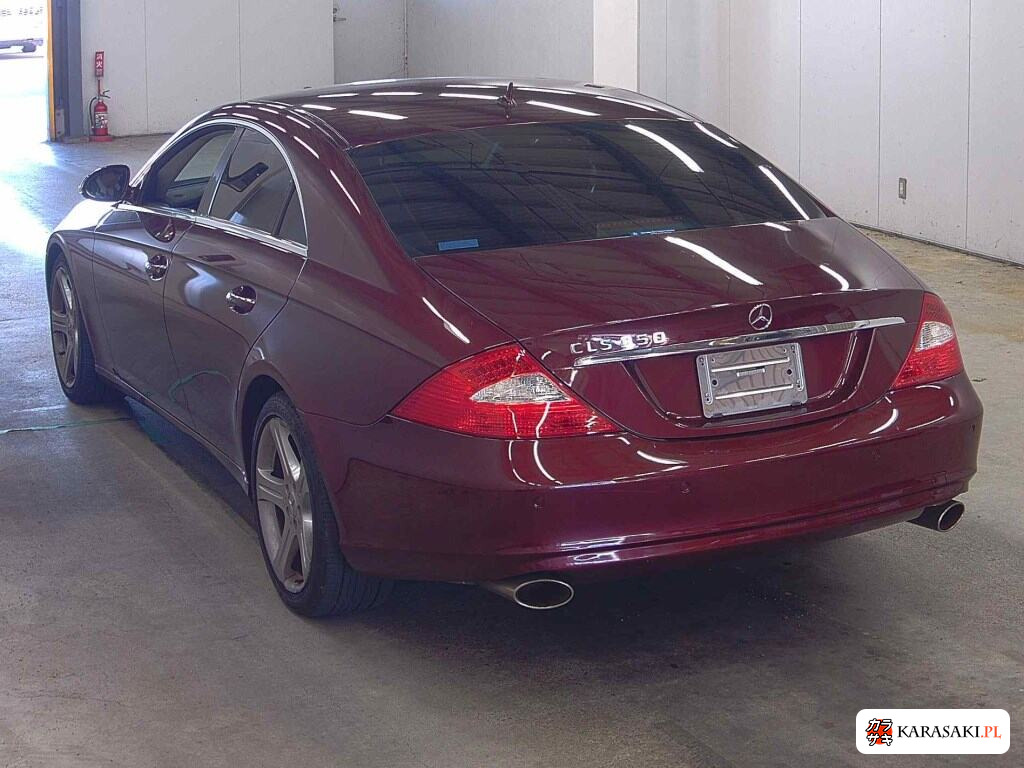
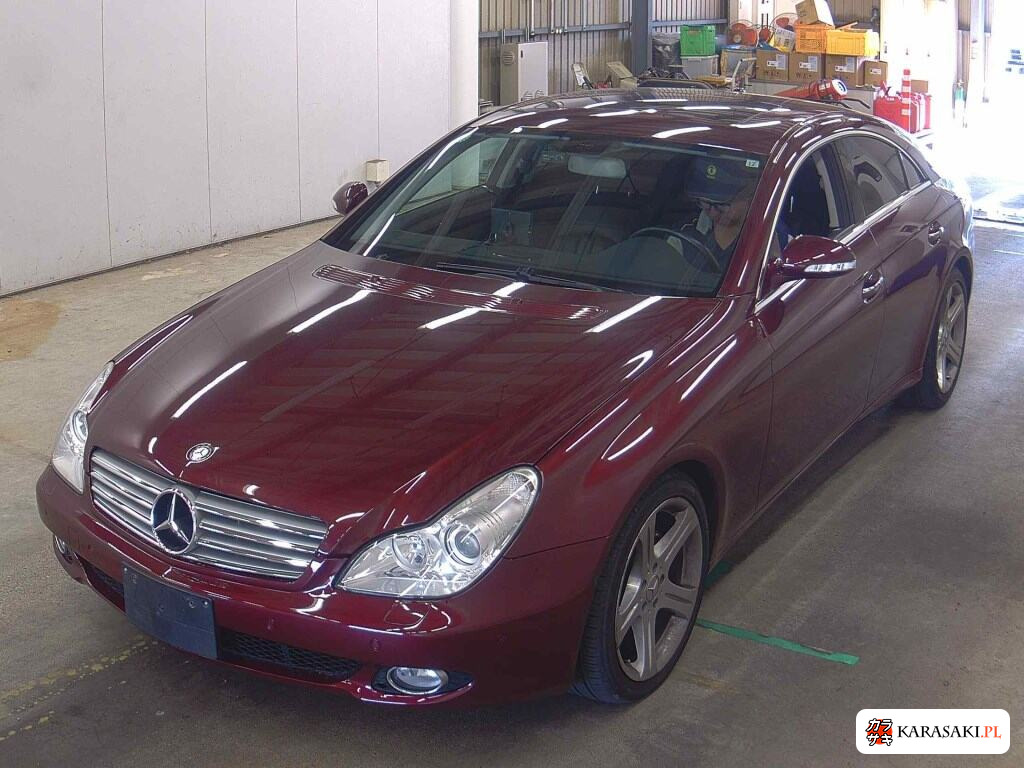
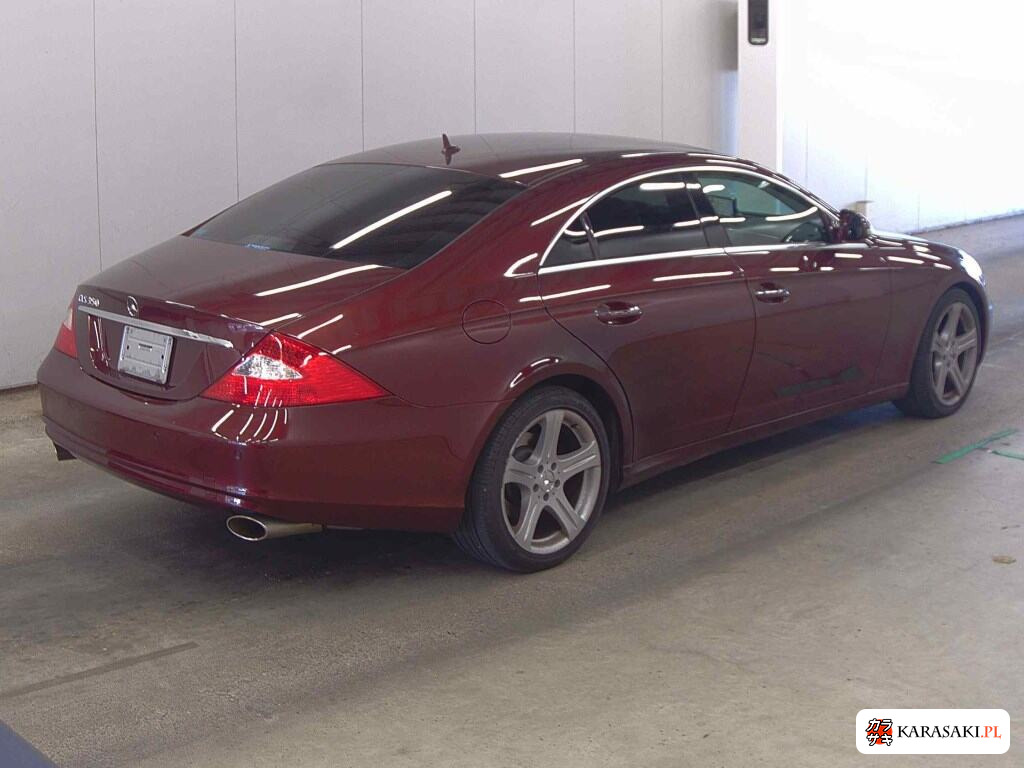
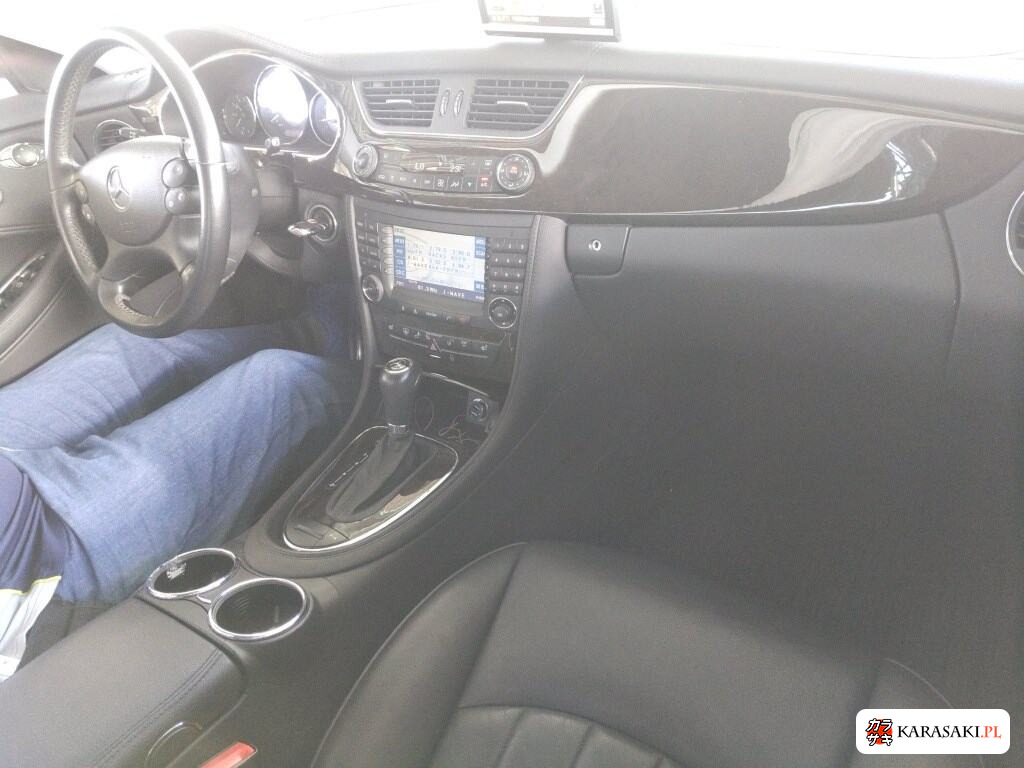
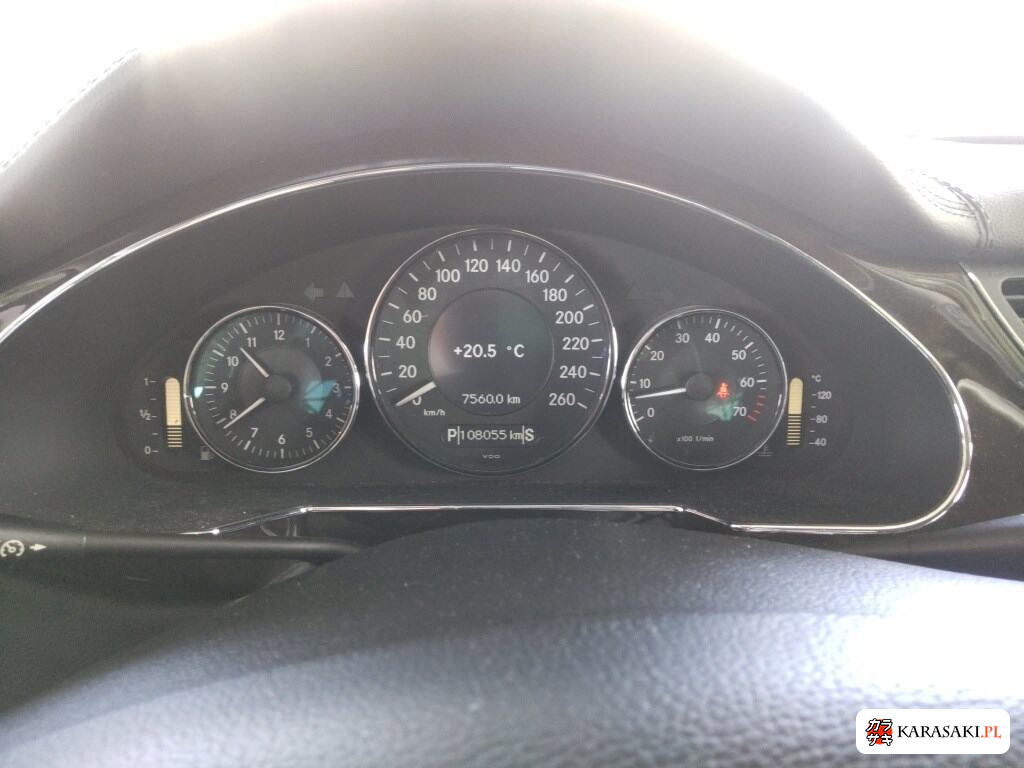
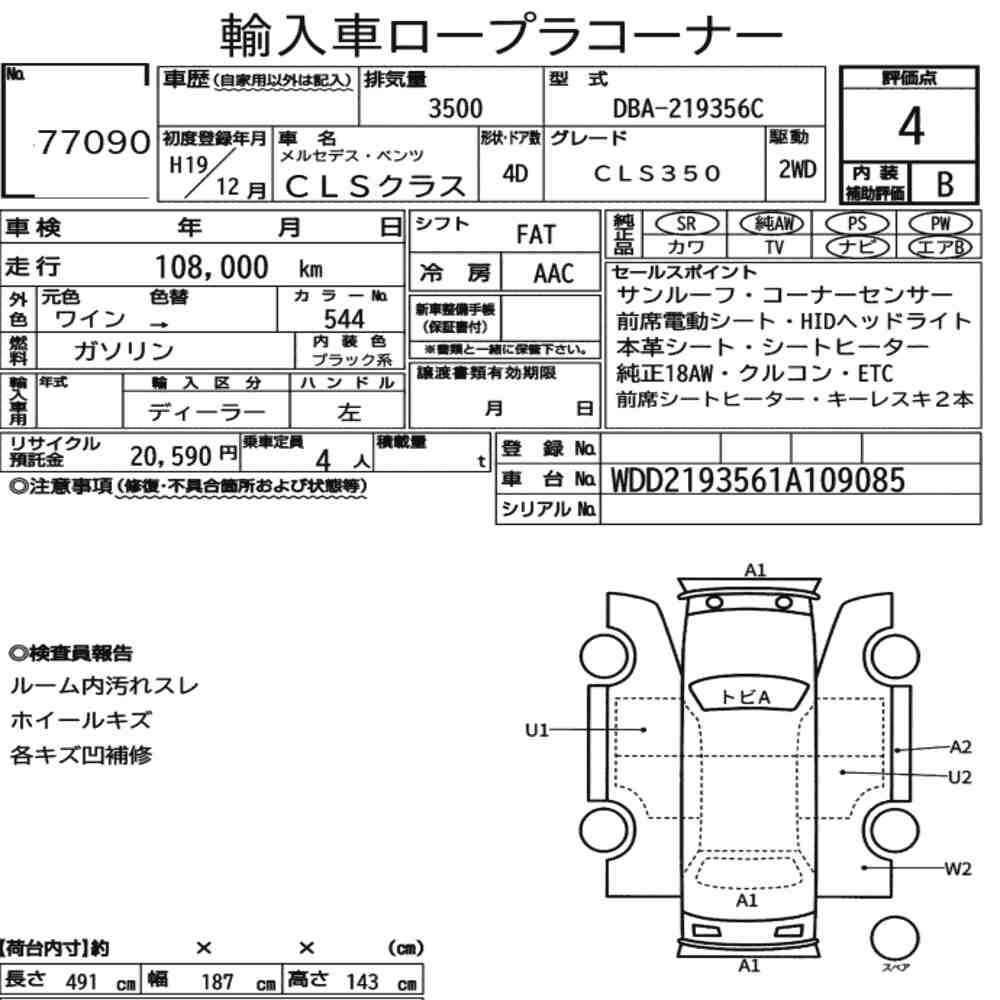

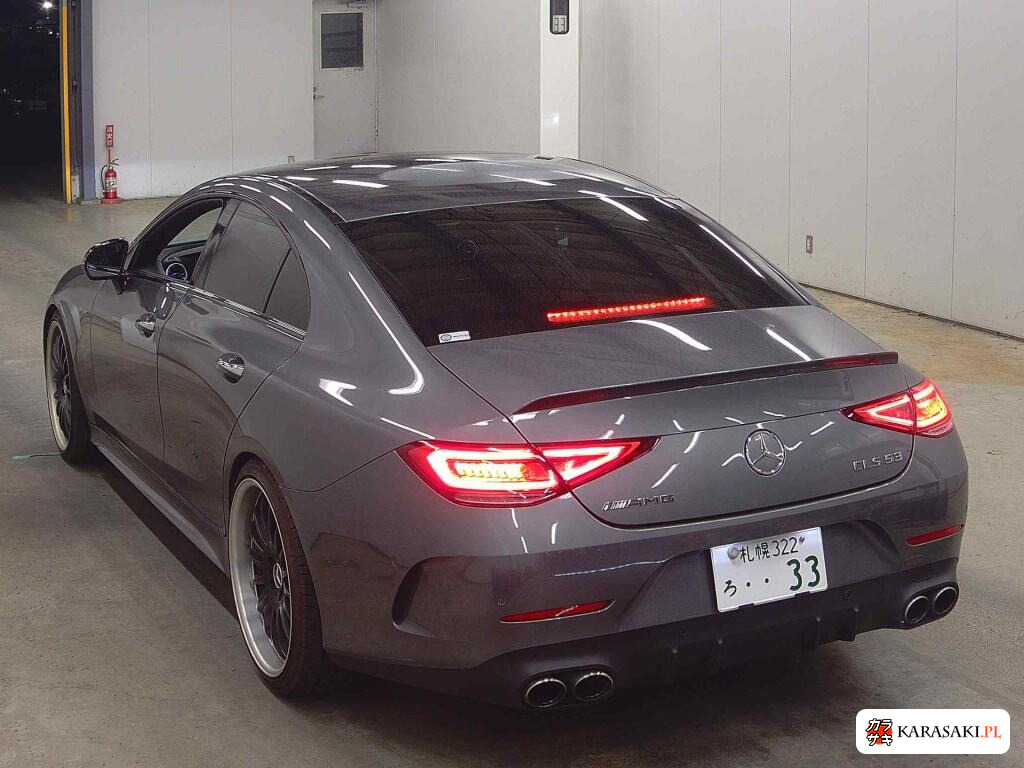
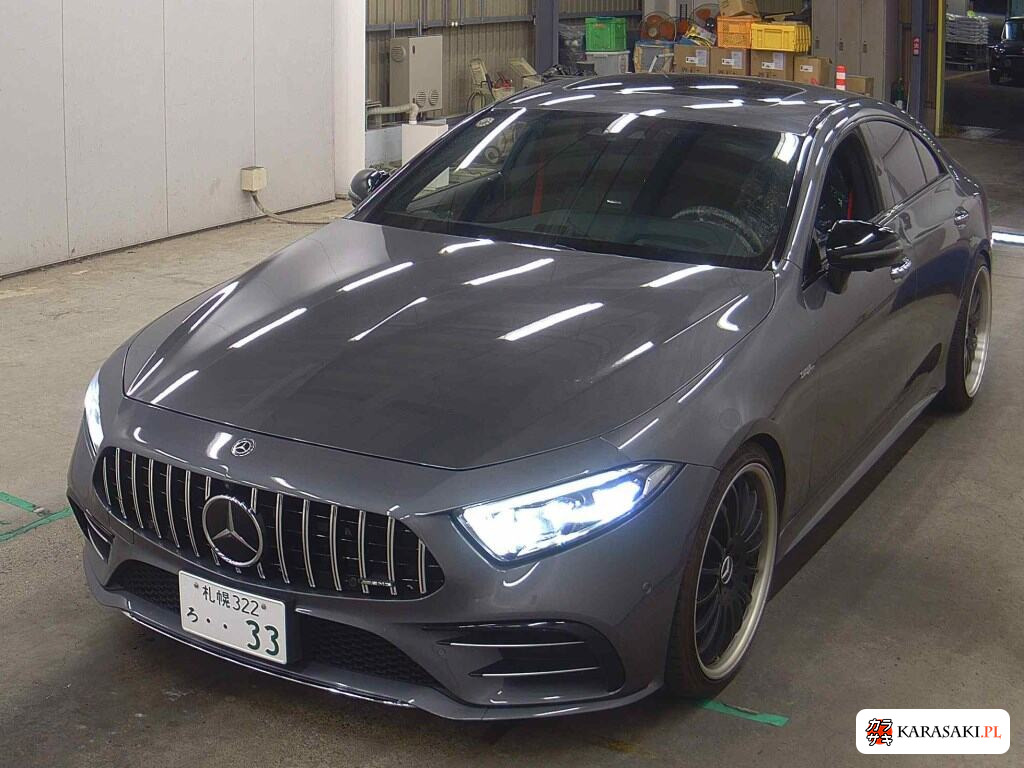
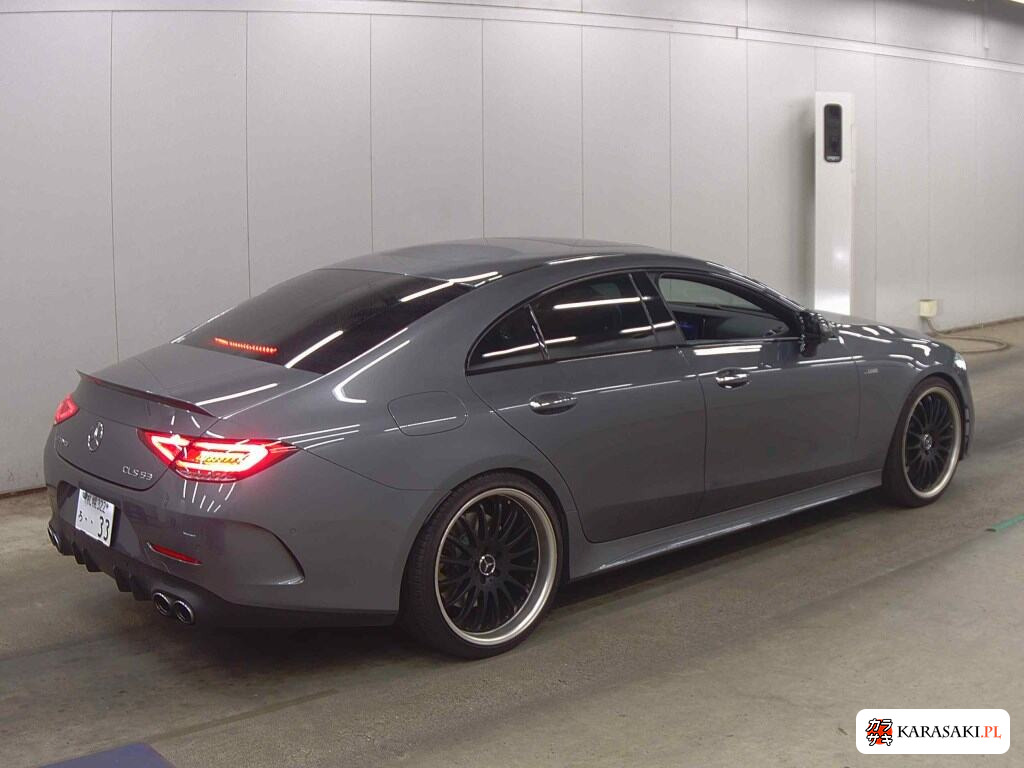
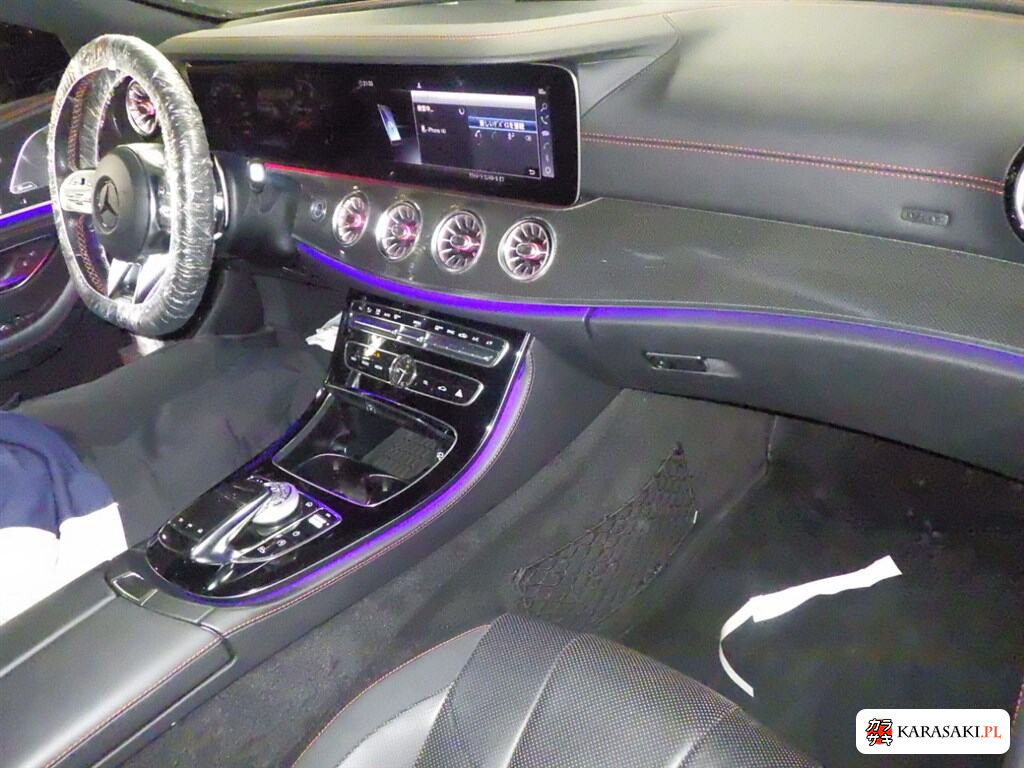
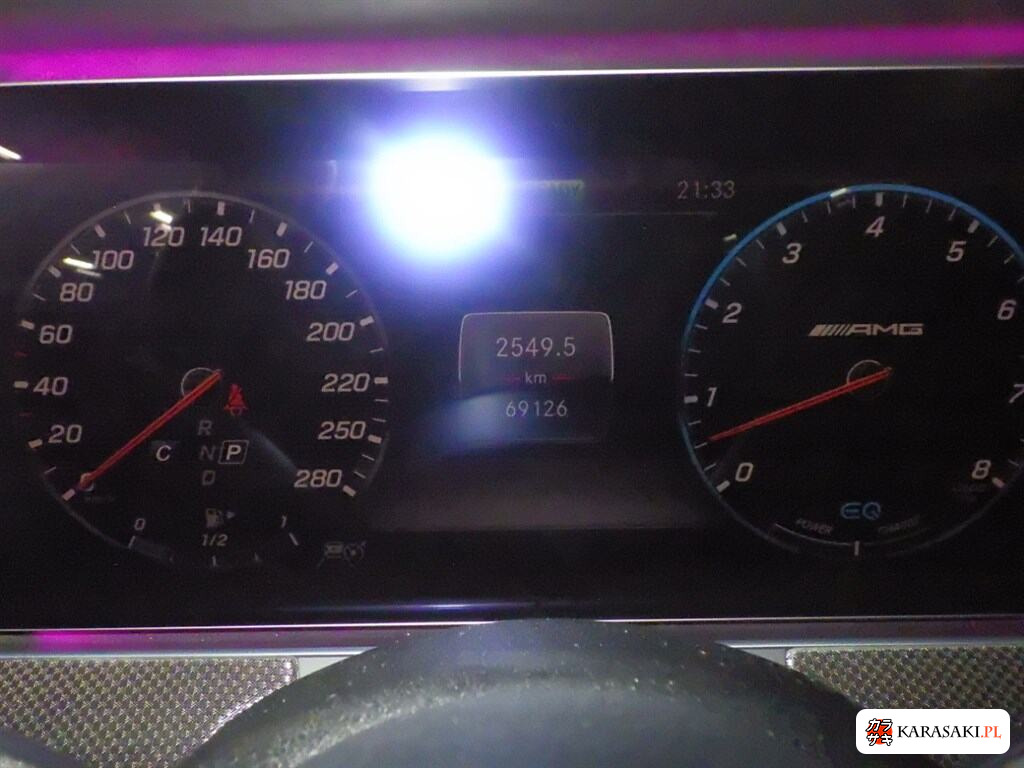

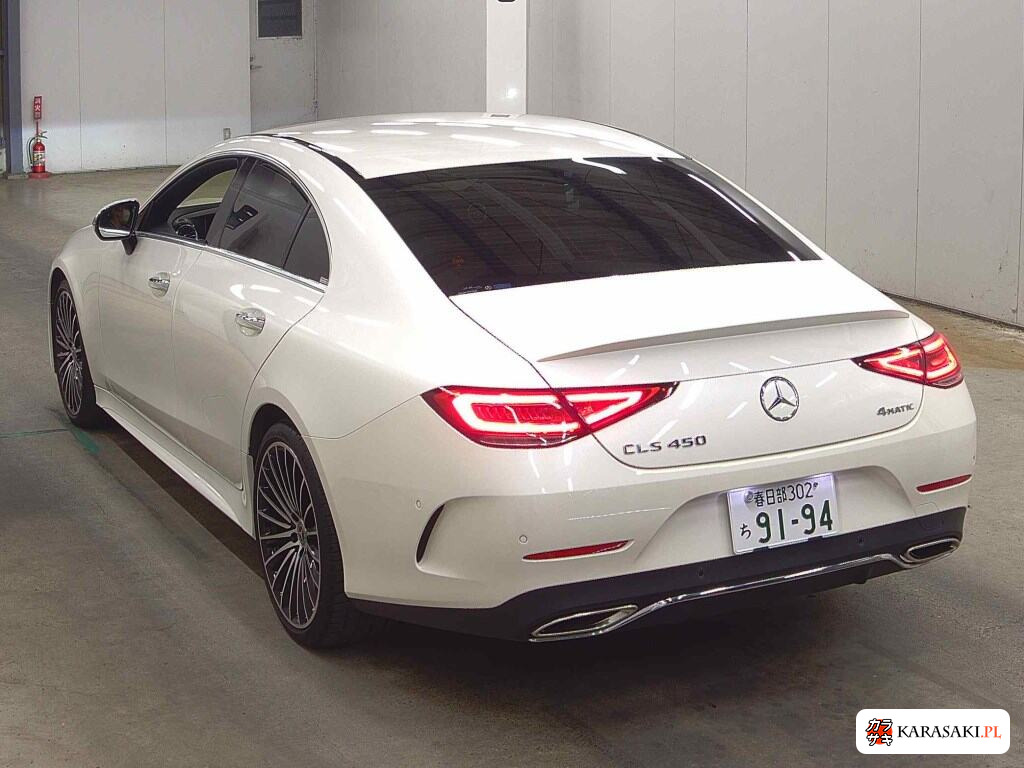
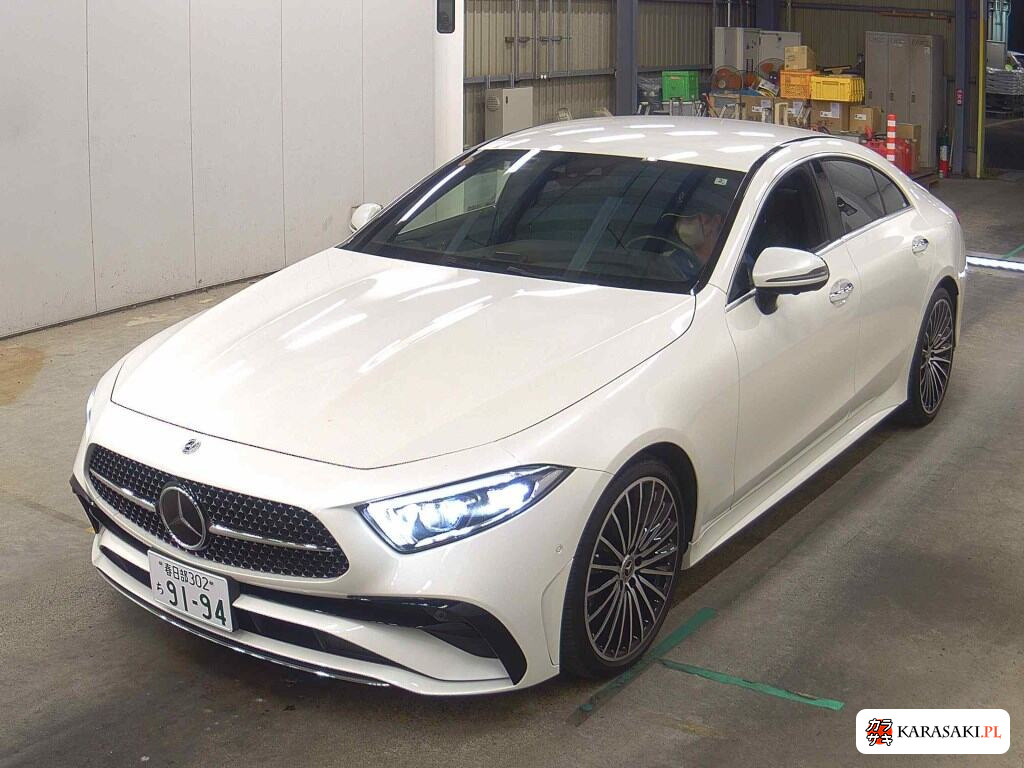
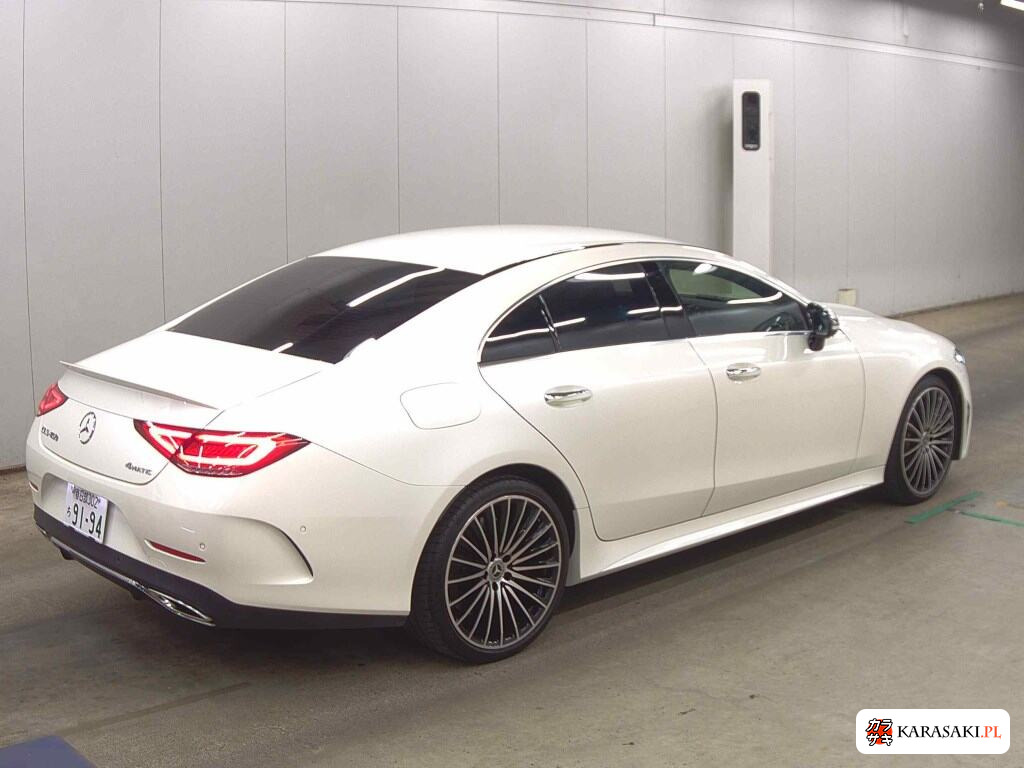
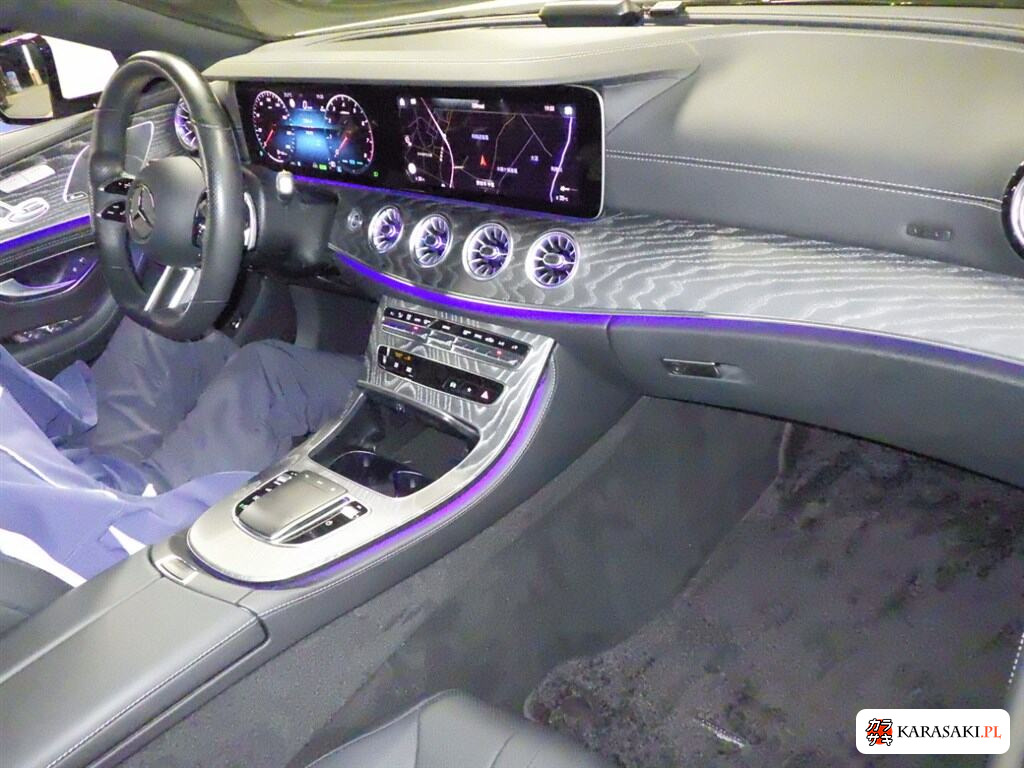
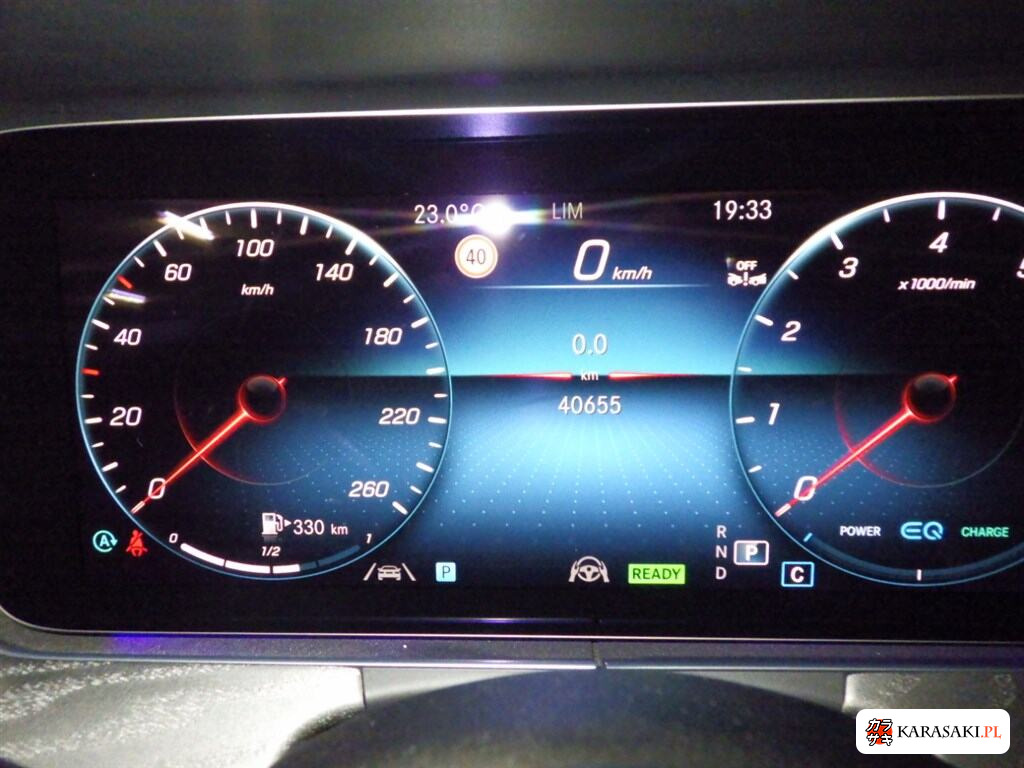
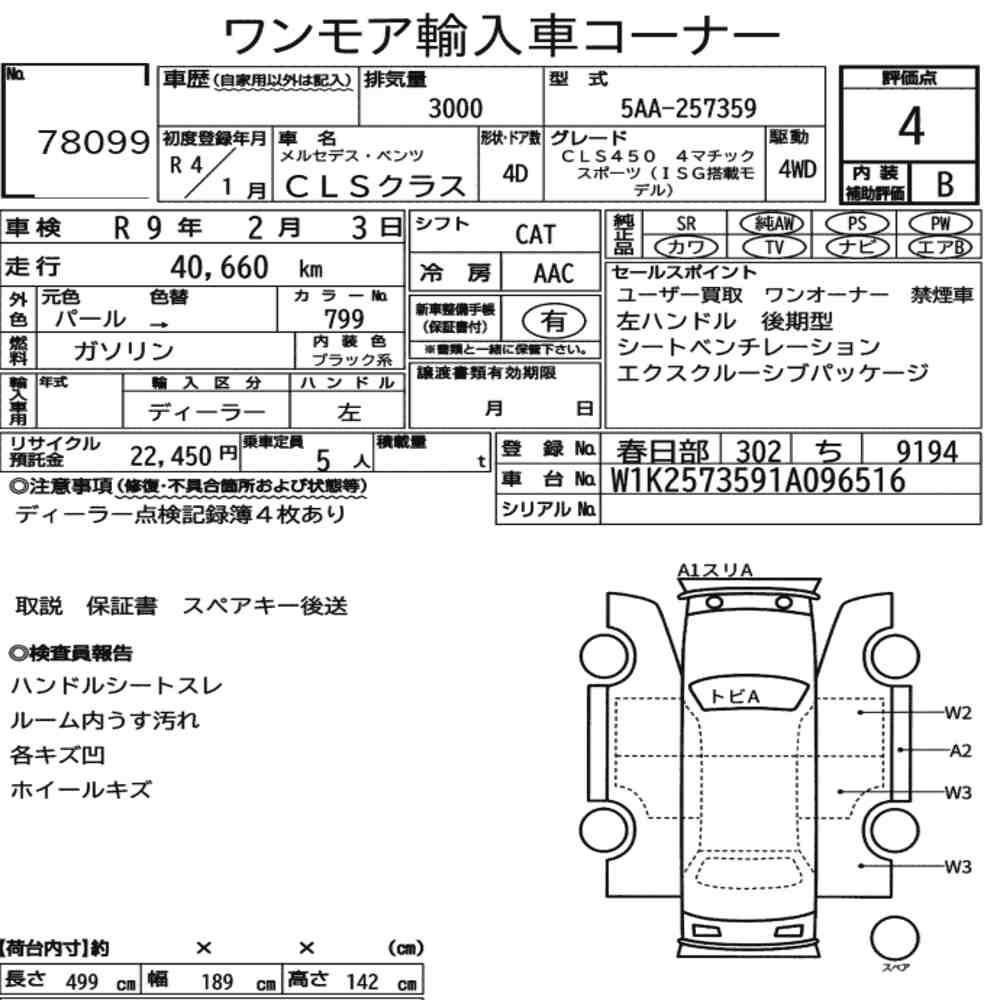

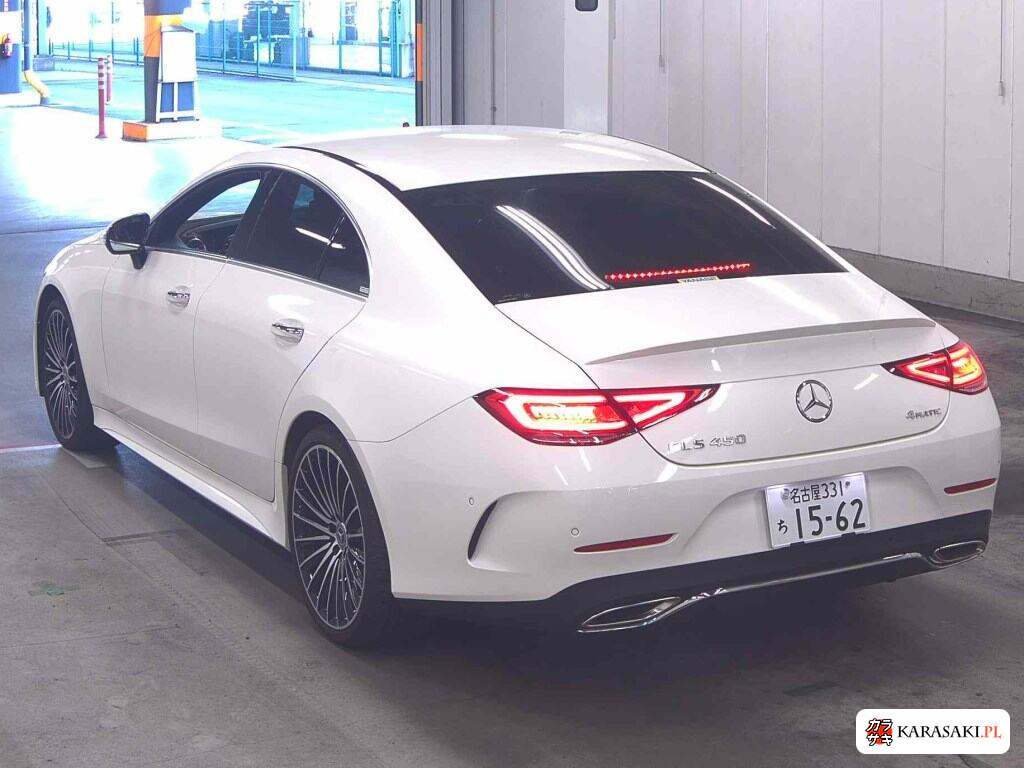
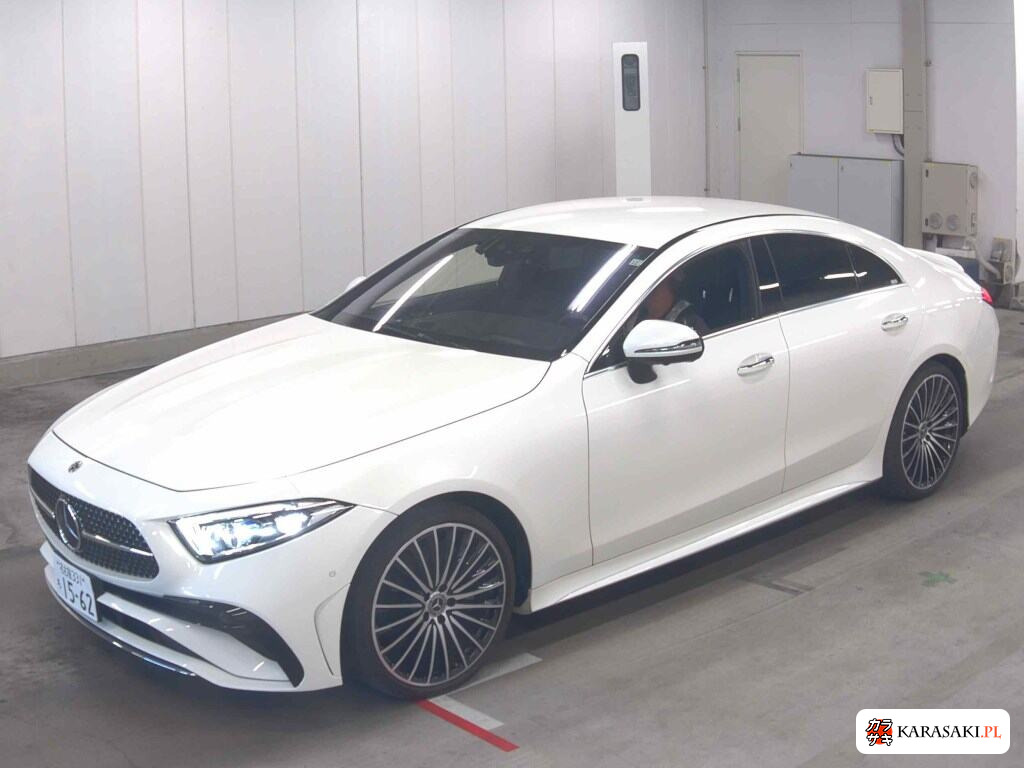
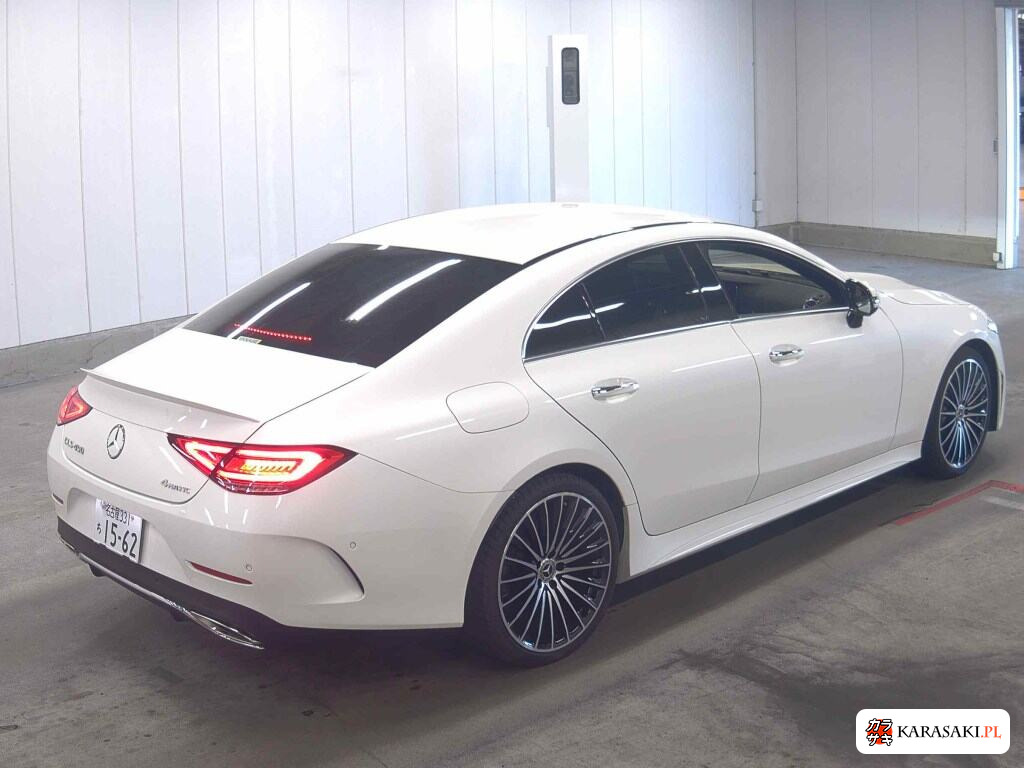
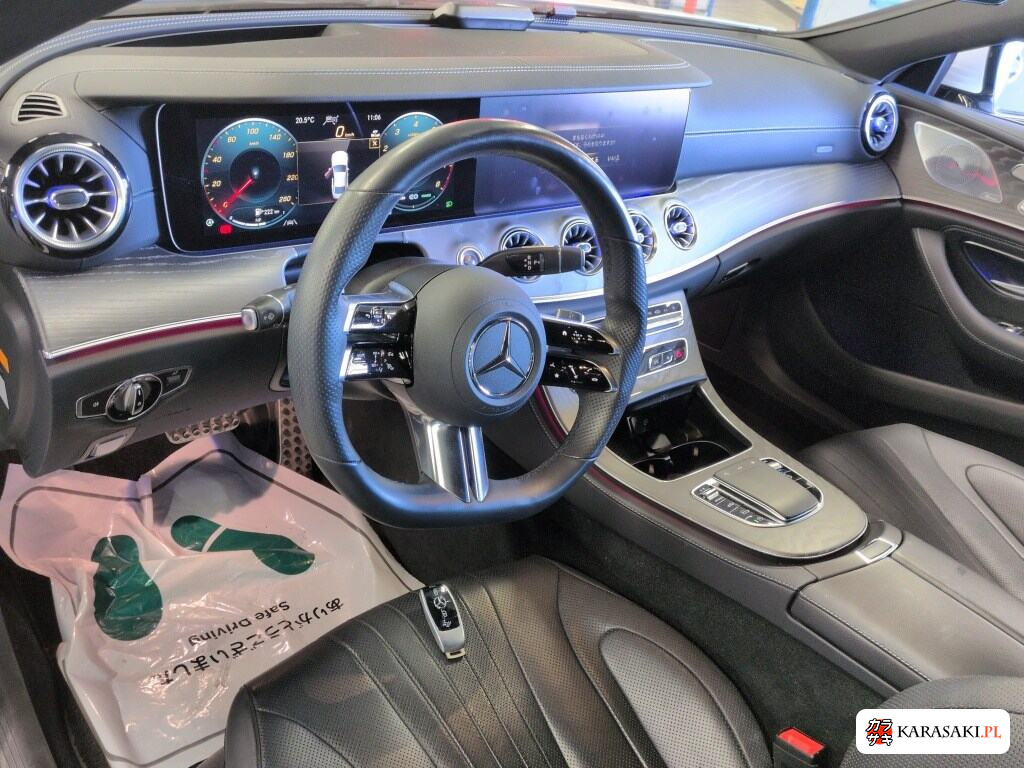
The auction pool turns over every few days. We'll watch these criteria and email you when the next one appears.
What to watch for: M156 head bolts, the M157 chain and AIRMATIC
Both generations are durable, but each has a weak point you need to know before you bid. The worst thing you can do is buy an AMG V8 without knowing what to look for.
In the first-generation M156 engine the big talking point is the head bolts. On early examples they could corrode and crack, letting coolant into the combustion chamber. Mercedes introduced revised bolts, and you can recognise them by an engine number above 60658. The second typical symptom is a cold-start rattle from worn camshafts and lifters, which at higher mileage affects practically every M156, along with a rattle from the variable valve timing gears just after start-up.
In the second-generation twin-turbo M157 the most common problem is timing-chain stretch in the 2011 and 2012 model years. From 2013 a revised tensioner and check valve solved it, so a later car is the safer bet. Add to that leaks from the camshaft sensors and, in cars with a failed tune, the risk of cylinder-bore damage.
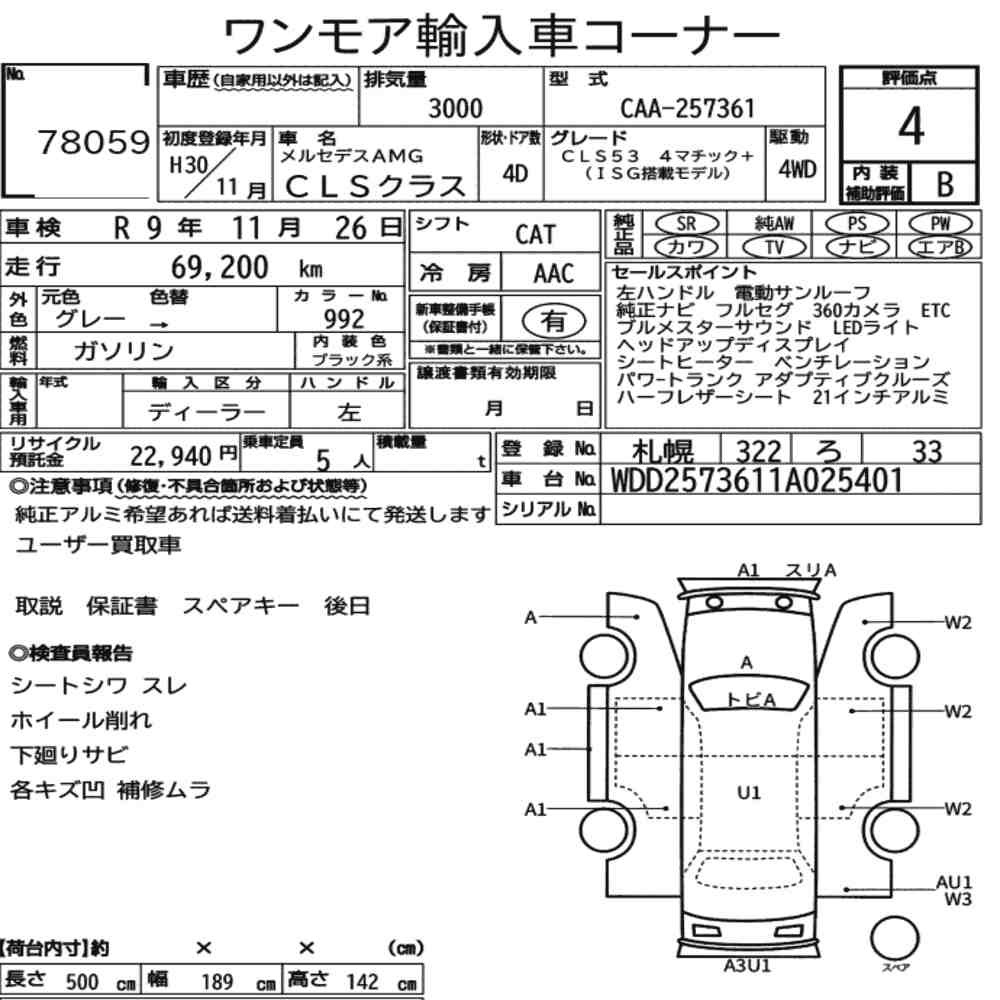
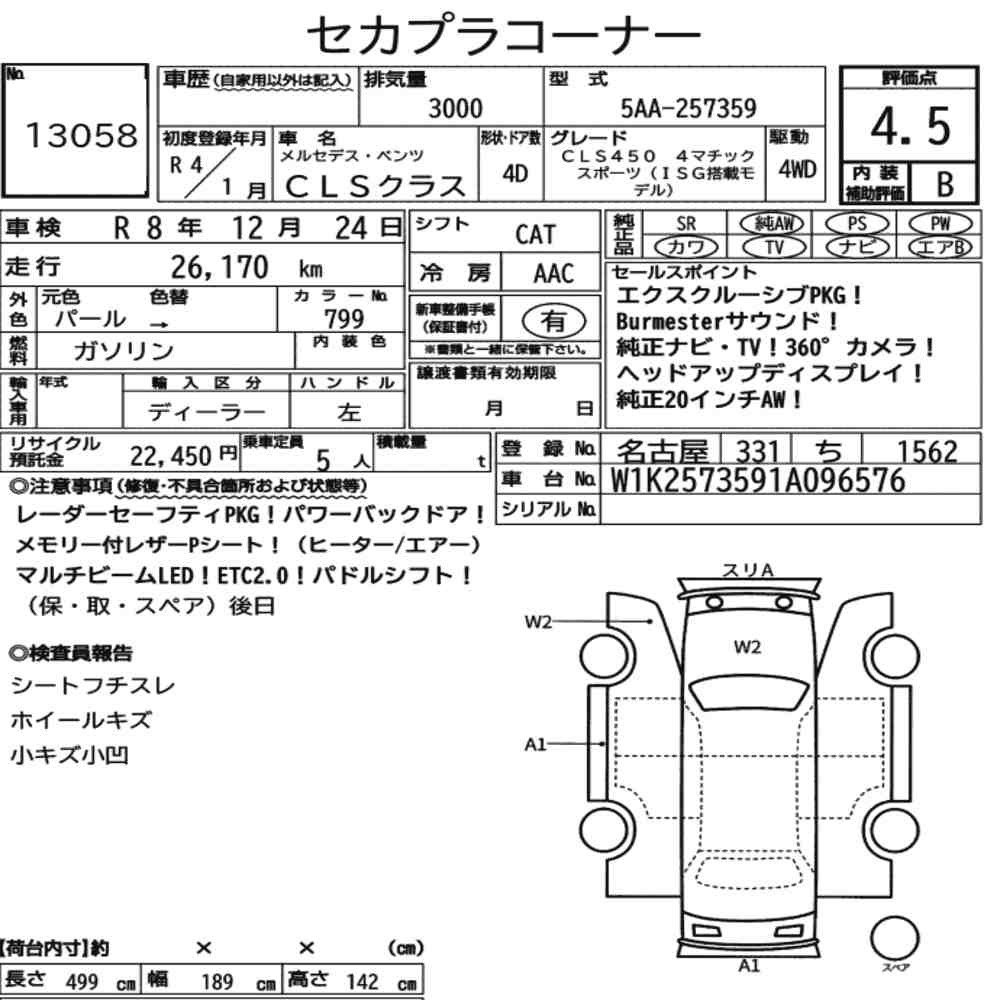
The common denominator for both generations is the AIRMATIC air suspension. Its bellows and compressor wear out, and a repair can cost several thousand zloty, so when you view a car check that it rises evenly on both axles. The electronics can also be fussy in small ways. That is why the only reliable description of condition is the independent auction inspection sheet, and we explain how to read it in a separate piece on the auction sheet.
Importing a CLS 63 AMG from Japan: costs and excise for a V8
The import bill can be worked out to the last zloty. The basis is the customs value: the price of the car plus transport to the EU border. Duty is charged on it, then excise on the sum of customs value and duty, and finally VAT on everything together. The CLS 63 AMG engines, both the naturally aspirated 6.2 and the twin-turbo 5.5, are above 2,000 cubic centimetres, so excise is 18.6%. Below is an example for a car priced at 2,500,000 yen, close to the median starting price in our data, at the National Bank of Poland exchange rate of 23 July 2026.
| Item | Amount (yen) | In zloty |
|---|---|---|
| Car price | 2,500,000 | about 58,100 PLN |
| Transport to the EU border | 350,000 | about 8,100 PLN |
| Customs value | 2,850,000 | about 66,200 PLN |
| Duty 10% | 285,000 | about 6,600 PLN |
| Excise 18.6% | 583,110 | about 13,500 PLN |
| VAT 23% | 855,165 | about 19,900 PLN |
| Total at clearance | 4,573,275 | about 106,200 PLN |
On top of this comes our commission of 8,000 PLN and the formalities: homologation, headlight adjustment, translations and registration, usually somewhere between fifteen and thirty-five thousand zloty. So the total cost of bringing in a clean second-generation example works out to roughly 130,000 to 150,000 PLN.
Set against that are the Polish listings. When we checked on 23 July 2026, the largest classifieds site had 6 CLS 63 AMG listings priced from 80,000 to 173,000 PLN. The cheaper ones are usually the first generation with the 6.2 engine, the dearer ones the second generation with the twin-turbo. We are comparing a real cost of importing with an asking price that is usually negotiable, so the honest conclusion is: importing a CLS 63 from Japan is not a way to get this car for half price. The first generation is sometimes cheaper to buy at home than to import. It makes sense when you are after a clean, low-mileage left-hand-drive example with a verifiable history, or a version that is rare here, such as the Shooting Brake or the S 4MATIC.
Two customs notes. The CLS 63 AMG was built in Germany, so the zero duty from the trade agreement between the EU and Japan does not apply to it, because that covers goods of Japanese origin. You pay the standard 10%. We break down the full cost mechanics in the guide on how much importing a car from Japan costs, and the excise rules in the piece on excise on a car from Japan.
What buying with us looks like
We set up the way we work so that you risk as little as possible. You pay the 8,000 PLN commission only once the CLS is parked outside your home, not before the auction or during transport. The deposit, 10% of the starting price with an 8,000 PLN minimum, is fully refundable if we fail to win the car. Shipping from Japan usually takes four to eight weeks, plus customs clearance and registration.
You will not see the car in person before the auction, but you are not buying blind. Every example has an independent inspection sheet from the Japanese auction house, and we read hundreds of them a week and reject cars with a history of repairs, corrosion or a rolled-back odometer before you even see them. With a car like the CLS 63 that selection matters a lot, because the difference between a cared-for and an abused AMG V8 is tens of thousands of zloty in workshop bills. If you want to go through your first purchase with someone who bids at these auctions every day, write to us before you pick a car.
Frequently asked questions about the Mercedes CLS 63 AMG
Which engine does the Mercedes CLS 63 AMG have?
The CLS 63 AMG comes with two different engines. The first-generation C219 from 2006 to 2010 has a naturally aspirated 6.2 V8 (M156) with 514 hp. The second-generation C218 from 2011 to 2018 has a twin-turbo 5.5 V8 (M157) with 525 to 585 hp in the top S 4MATIC version.
How much does a CLS 63 AMG from Japan cost?
The median starting price of the handful of CLS 63 AMGs in our catalog is around 2,500,000 yen, roughly 58,000 PLN before bidding and duties. An example close to that amount works out, after duty, excise and VAT, to about 106,000 PLN at clearance. With commission and formalities the total cost of importing is usually 130,000 to 150,000 PLN.
Is the Mercedes CLS 63 AMG unreliable?
Both engines are durable but have weak spots. In the first-generation M156 these are the head bolts, revised above engine number 60658, and a cold-start camshaft rattle. In the second-generation M157 it is timing-chain stretch in the 2011 and 2012 model years. Common to both is the AIRMATIC air suspension.
How does the C219 generation differ from the C218?
The C219 from 2006 to 2010 has a naturally aspirated 6.2 M156 engine, a conventional automatic and rear-wheel drive. The C218 from 2011 to 2018 has a twin-turbo 5.5 M157, an MCT gearbox with a wet clutch and, in the top versions, 4MATIC all-wheel drive. The C218 is faster and more usable, the C219 is seen as more analogue and collectible.
Summary
The Mercedes CLS 63 AMG is a car with two faces: the analogue, naturally aspirated V8 of the first generation and the faster, turbocharged one of the second. Japanese auctions are a good source for it, because cared-for left-hand-drive examples turn up there, and in our catalog these are exclusively second-generation cars, including the rare Shooting Brake and the top S 4MATIC. The import bill has to be added up honestly, though: at the median starting price and with full duties an example comes to about 106,000 PLN at clearance, and with commission and formalities 130,000 to 150,000 PLN, comparable to the better Polish listings. Importing wins on condition, mileage and rare versions, not on price alone.
You will see current examples on the model page for the Mercedes CLS. We write more about importing used Mercedes cars in the guide on Mercedes from Japan.
This cost breakdown is informational and reflects the rates in force in July 2026 and the exchange rate on the day of publication. Final duty, excise and VAT amounts, and the engine classification, should be confirmed with a customs agency or a tax adviser for the specific car.


