
A kei car is Japan's smallest passenger class, tightly defined by law on dimensions, displacement and power. The whole category exists to give Japanese drivers a cheap, small and lightly taxed car. Yet those very limits produced machines that collectors around the world now chase, from roadsters to boxy little vans. Below we explain what exactly defines a kei, which models are worth knowing, and whether importing one to Poland makes sense.
| Parameter | Kei limit (rules since 1998) |
|---|---|
| Max length | 3.40 m |
| Max width | 1.48 m |
| Max height | under 2.00 m |
| Engine displacement | up to 660 cc |
| Power (makers' agreement) | 64 PS (47 kW) |
| Number plates | yellow, black digits on a yellow field |
What is a kei car?
Kei car, in Japanese keijidosha or "light vehicle", is a car built to fit inside strict legal limits. In return for the small size and small engine, the owner pays lower tax, insures the car for less and in many areas does not have to prove they own a parking space. It is a purely Japanese answer to motoring in a densely built country, where every metre of street counts.
Kei is one of the categories of Japan's domestic market, which we cover in our what is JDM guide. It is not a single brand or a single shape. Under the kei label sit city runabouts, convertibles, off-roaders and delivery vans. The one thing they share is that they all fit the same regulatory box.
The rules: dimensions, engine, plates
Today's standard has been in force since 1 October 1998. A kei cannot exceed 3.40 m in length, 1.48 m in width and 2.00 m in height, with an engine capped at 660 cc. On top of that sits a power limit of 64 PS, about 47 kW. That power limit is not a law but a gentlemen's agreement among Japanese makers, introduced on 1 January 1990 alongside the 660 cc displacement to stop the power arms race that turbocharging had kicked off in the late 1980s.
The category has a long history. The class was created in 1949 with a tiny displacement limit; the 360 cc era settled in by 1955, the cap rose to 550 cc in 1976, and to today's 660 cc in 1990. The dimensions grew more slowly and last changed in 1998, which is why older kei from the 1970s and 1980s are even smaller than modern ones.
You spot a kei by its yellow plates. Private cars run black digits on a yellow field, while commercial versions are the reverse, yellow digits on black. The savings are real: lower annual tax than a regular car, cheaper weight tax, cheaper compulsory insurance, and in many areas an exemption from proving you have a parking space. In practice kei is simply the cheapest way to own a car in Japan.
Iconic kei models
The most interesting thing about the kei class is that engineers squeezed sports cars out of such hard limits. All four below stick to the 64 PS agreement, so they competed on weight, handling and drivetrain ideas rather than horsepower.
- Honda Beat, built from 1991 to 1996, a roadster with a naturally aspirated 656 cc engine mounted in the middle and rear-wheel drive. Around 33,600 were made, and it was the first kei with disc brakes on all four wheels. Find more in our listing of Hondas from Japanese auctions.
- Suzuki Cappuccino, from 1991 to 1998, the classic recipe for a sports car in miniature: a 657 cc turbo engine up front, rear-wheel drive and a kerb weight of just 725 kg. The roof came off to turn it into a roadster. See available Suzukis from Japan.
- Autozam AZ-1, built by Mazda from 1992 to 1994, the wildest of the bunch. It had a 657 cc turbo engine in the middle and gullwing doors like a supercar. Only about 4,392 were made, which is why it is rare and pricey today.
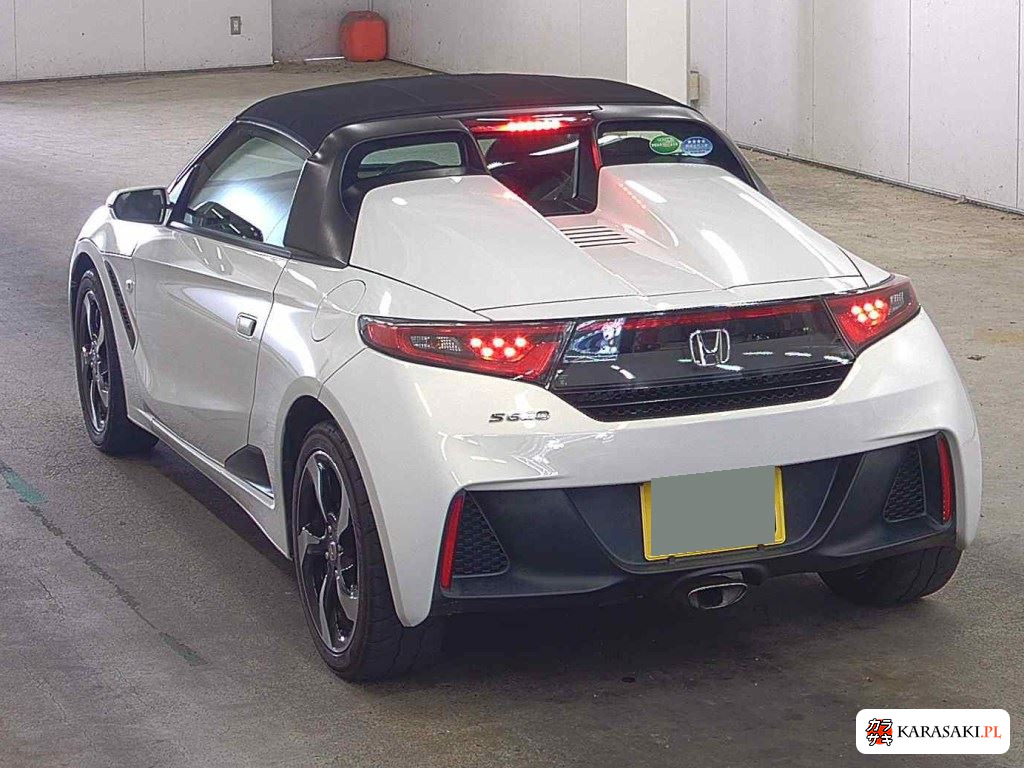
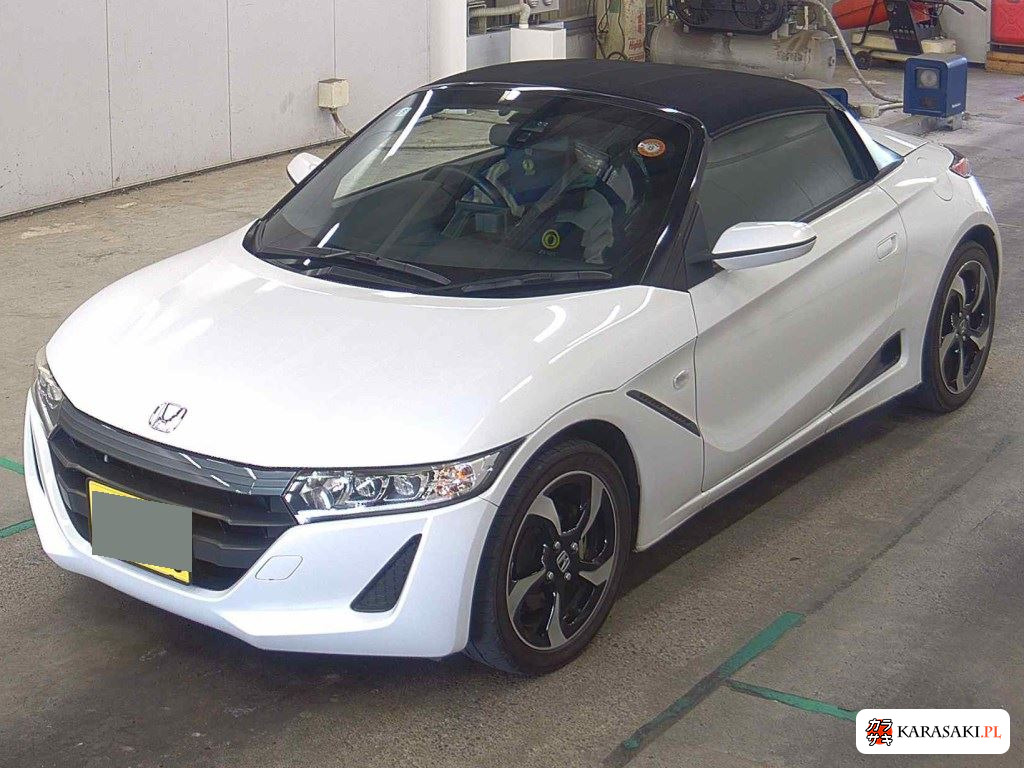
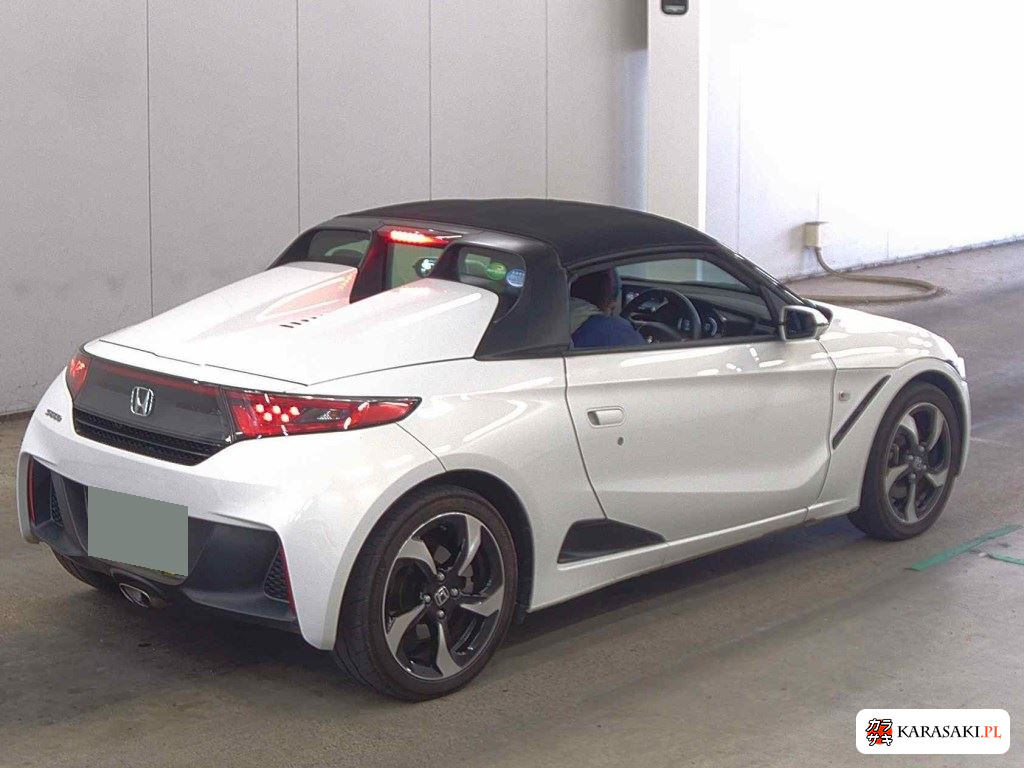
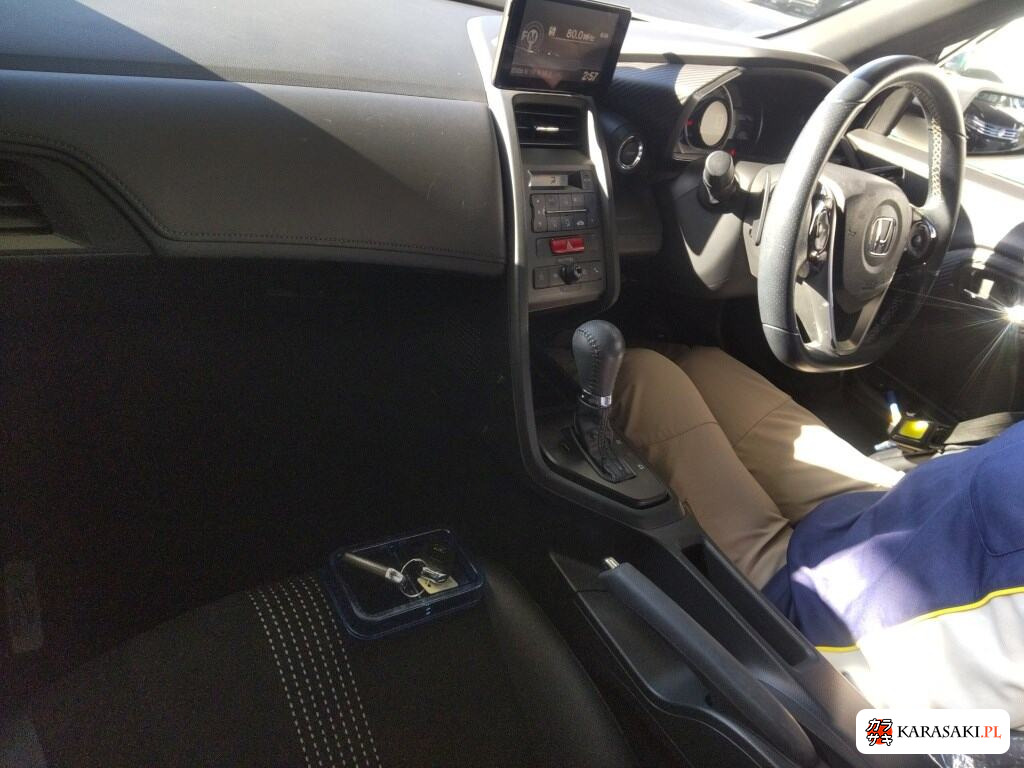
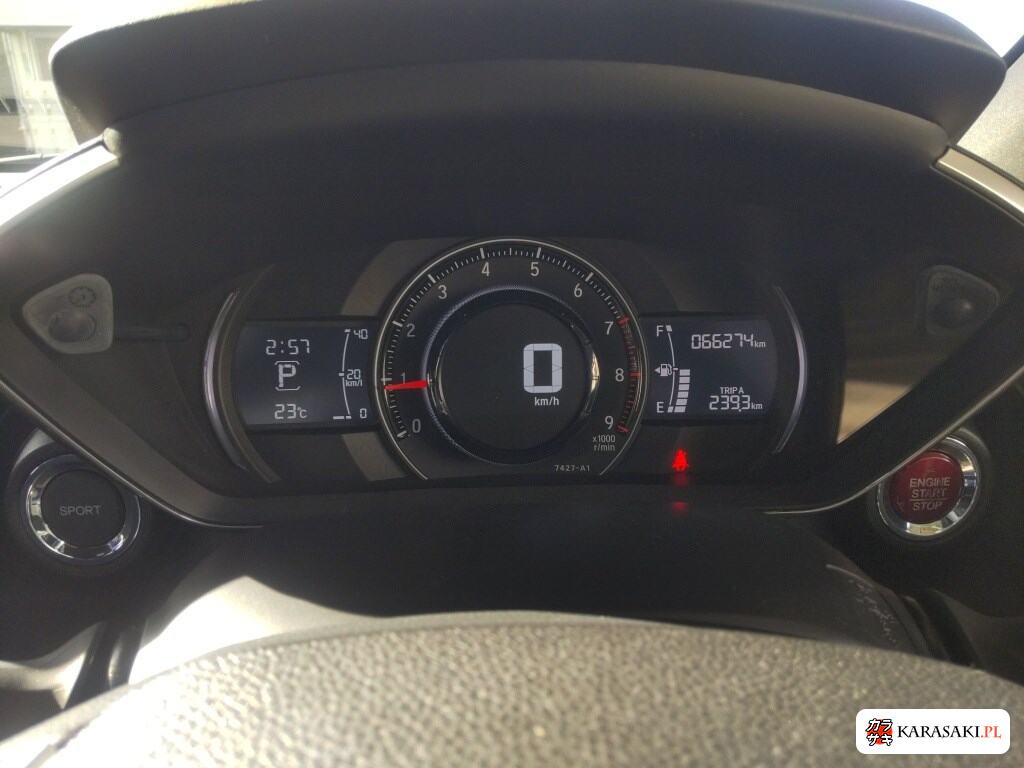
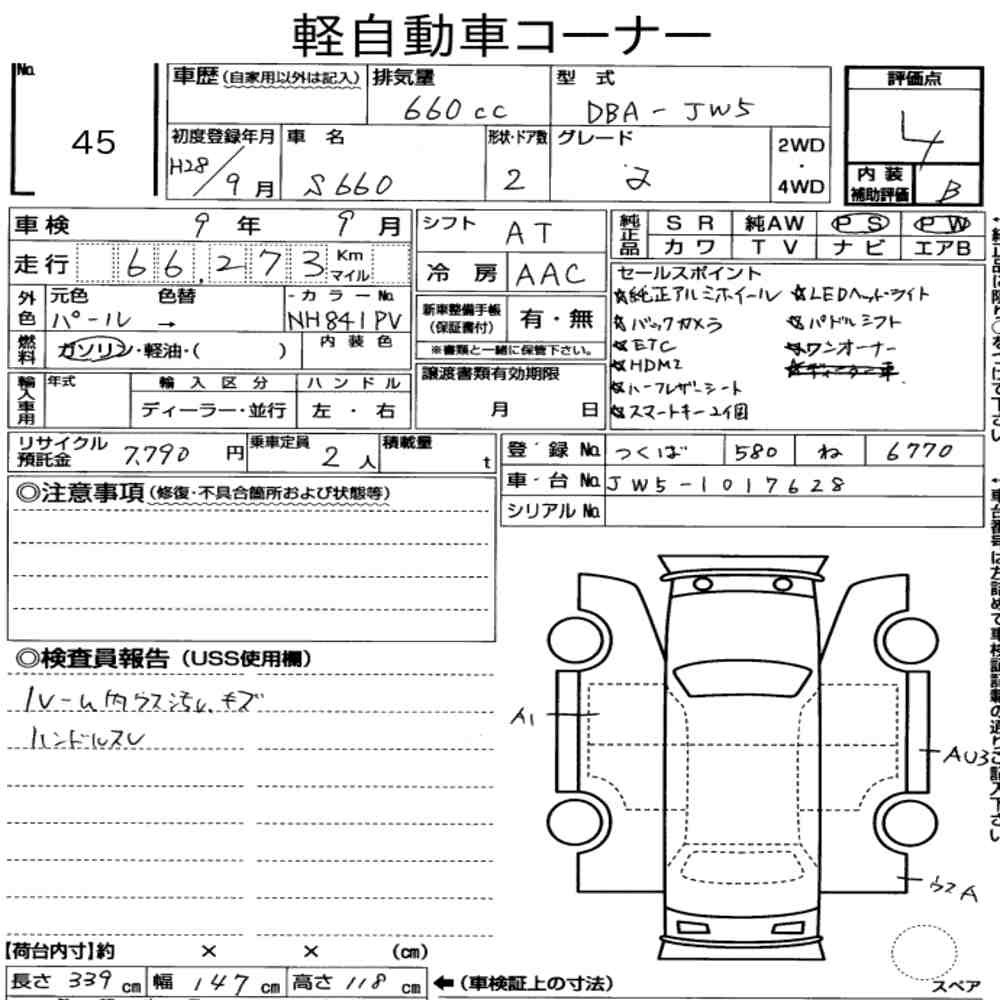
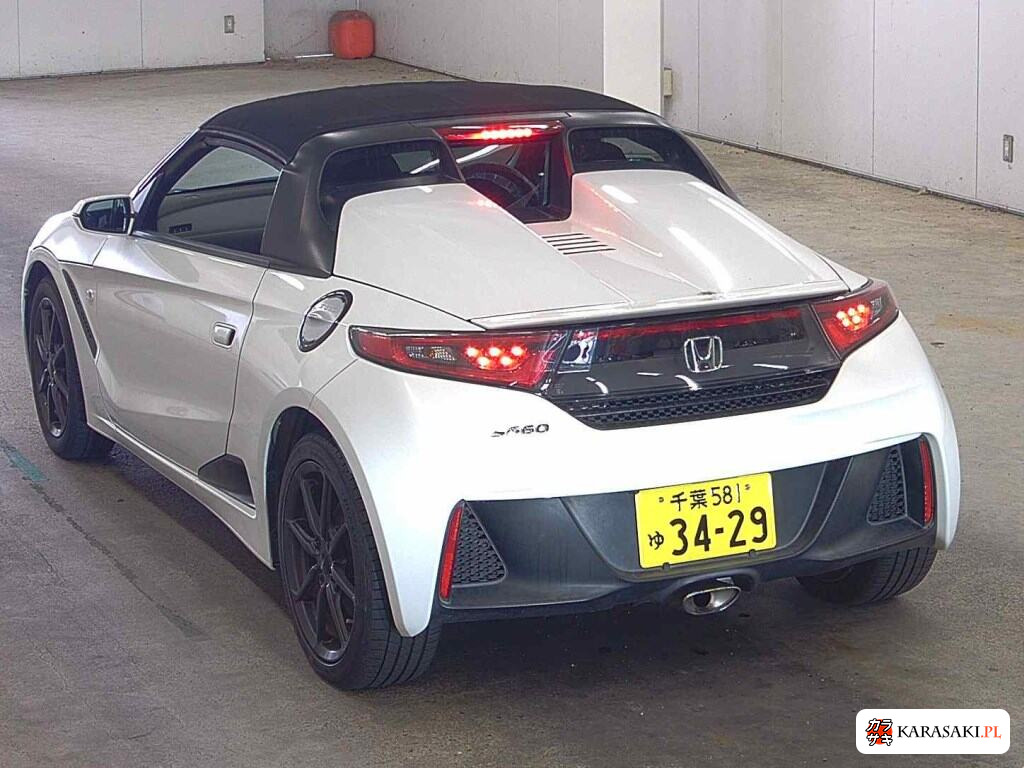
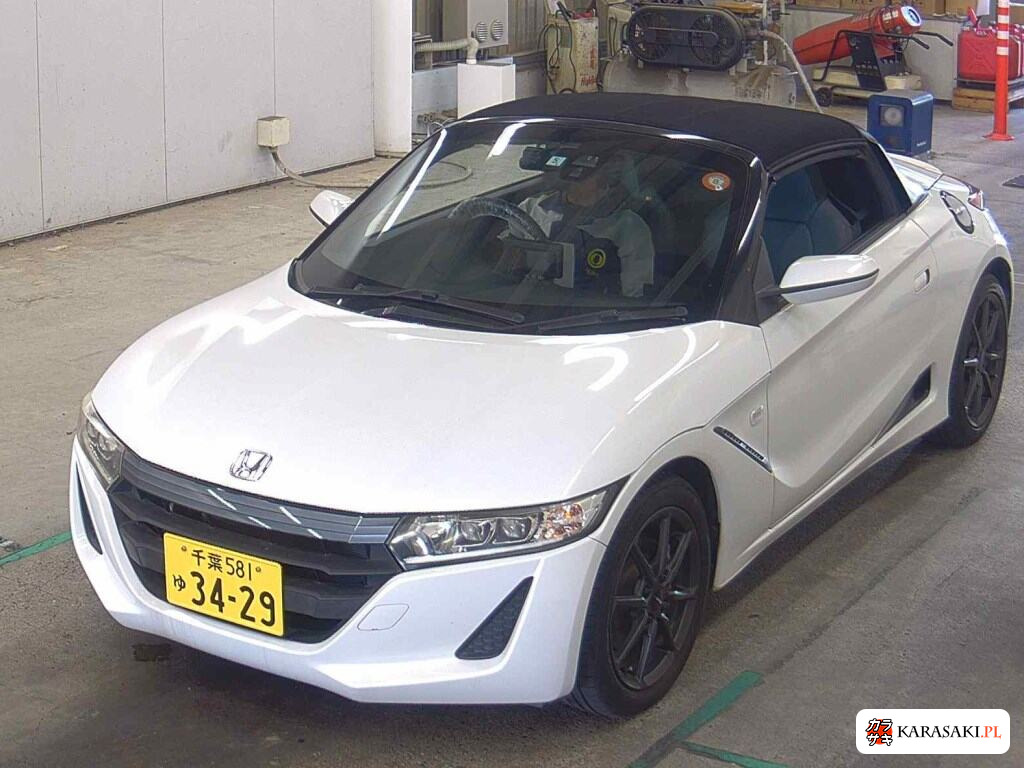
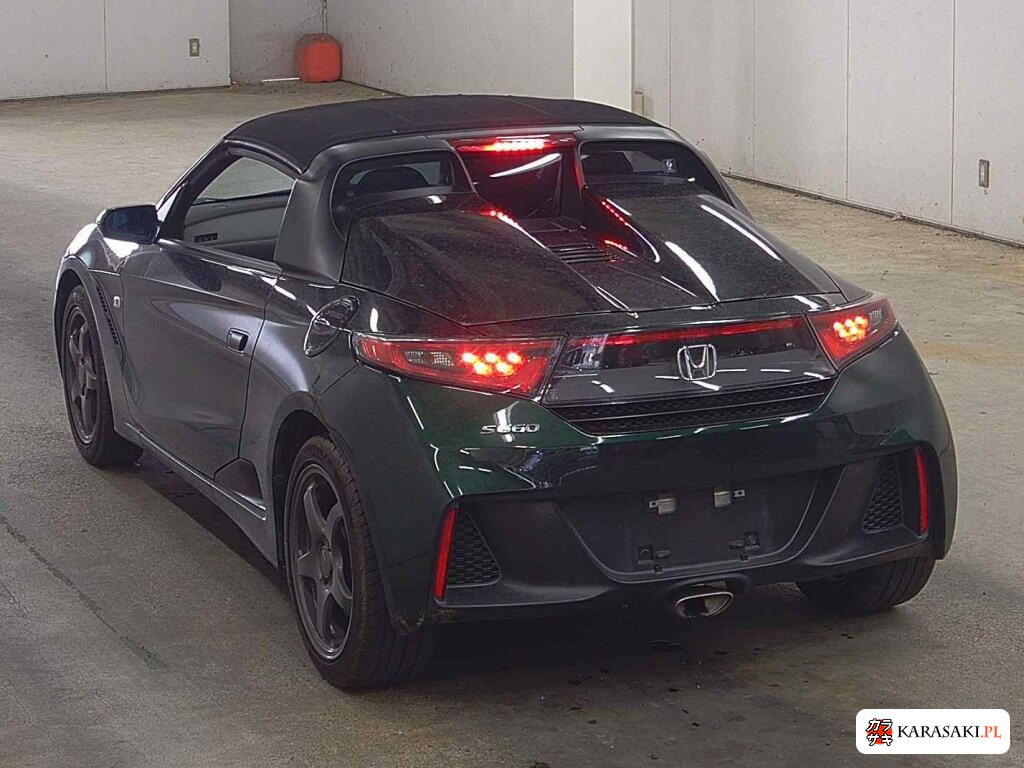
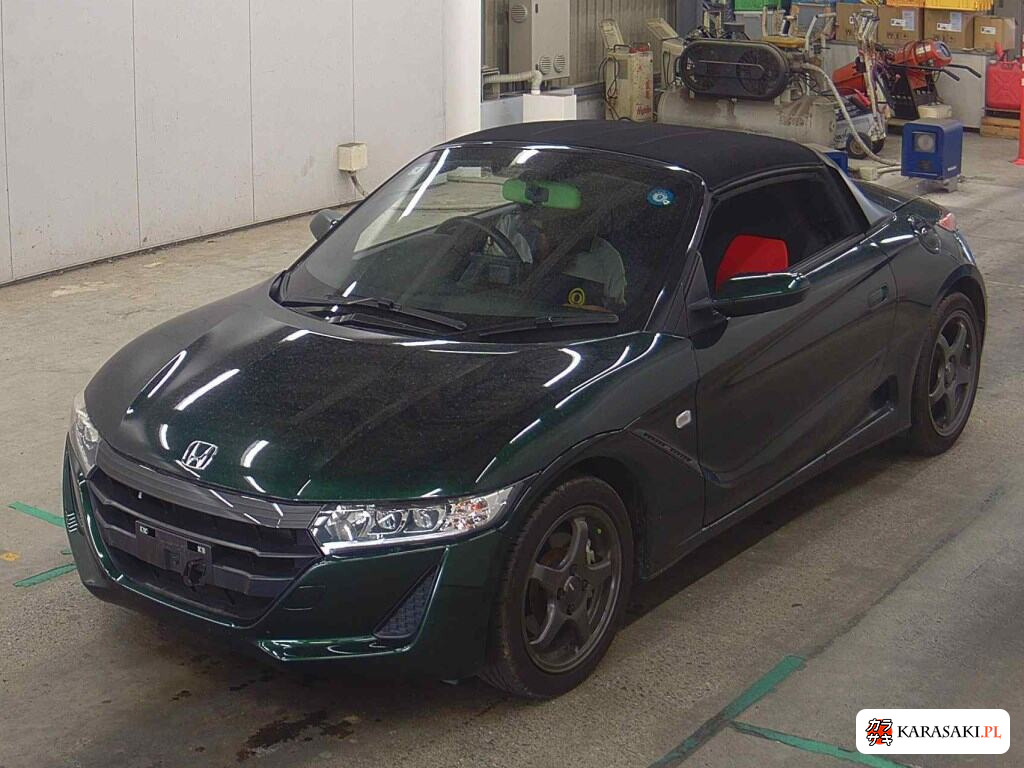
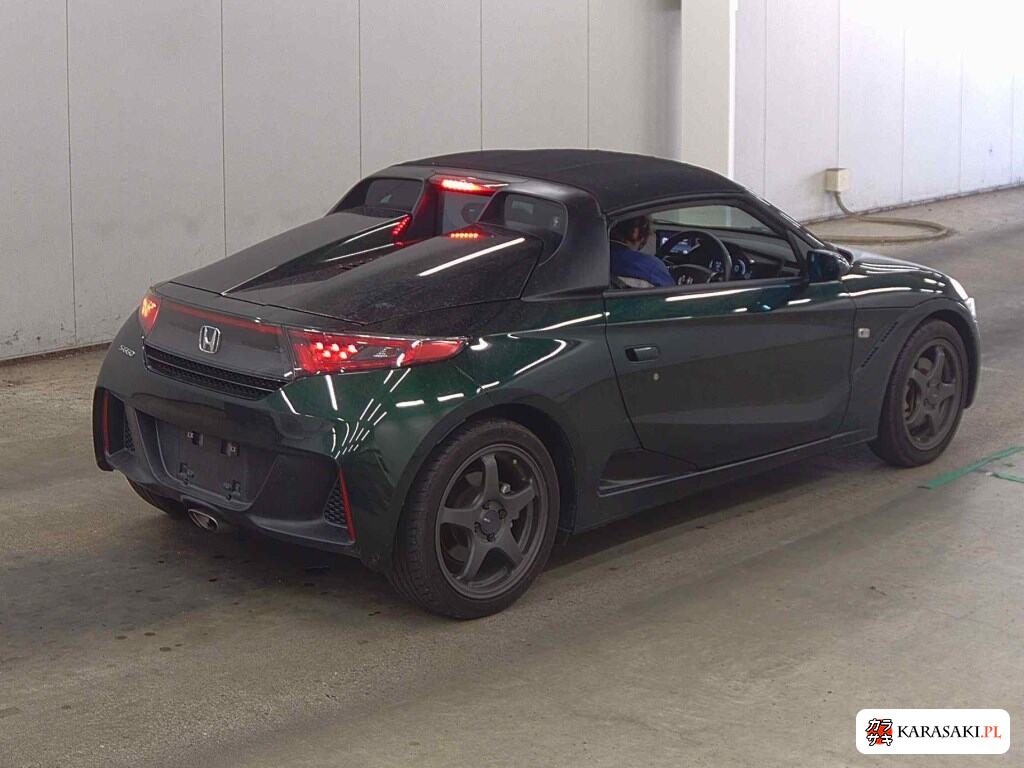
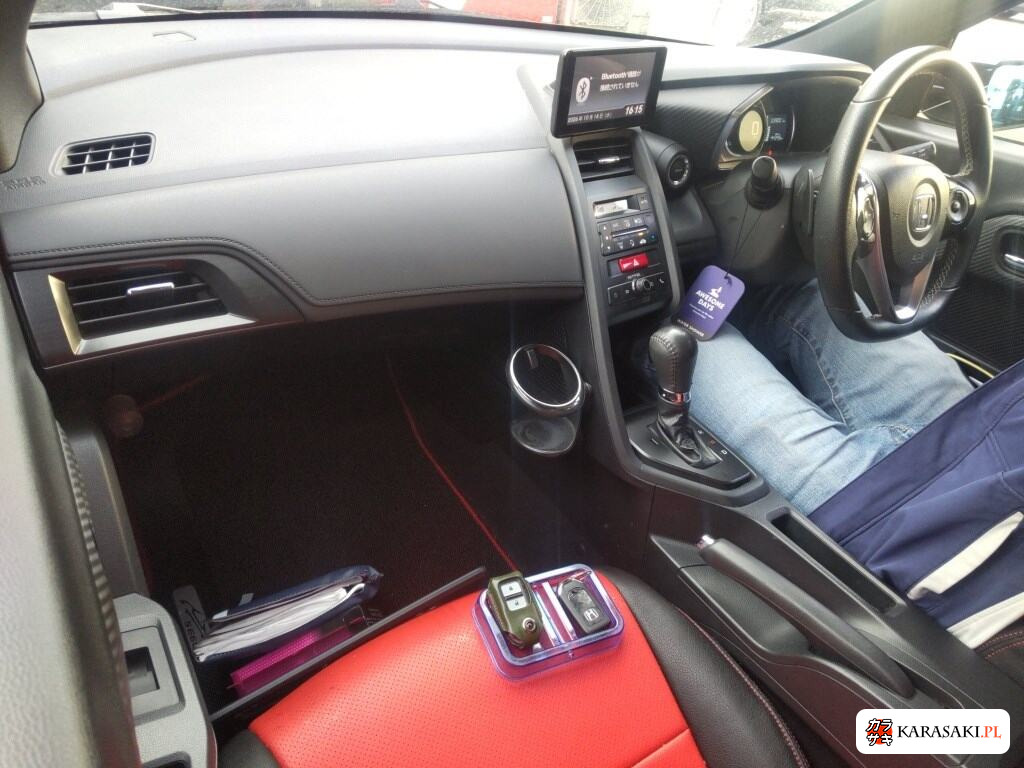
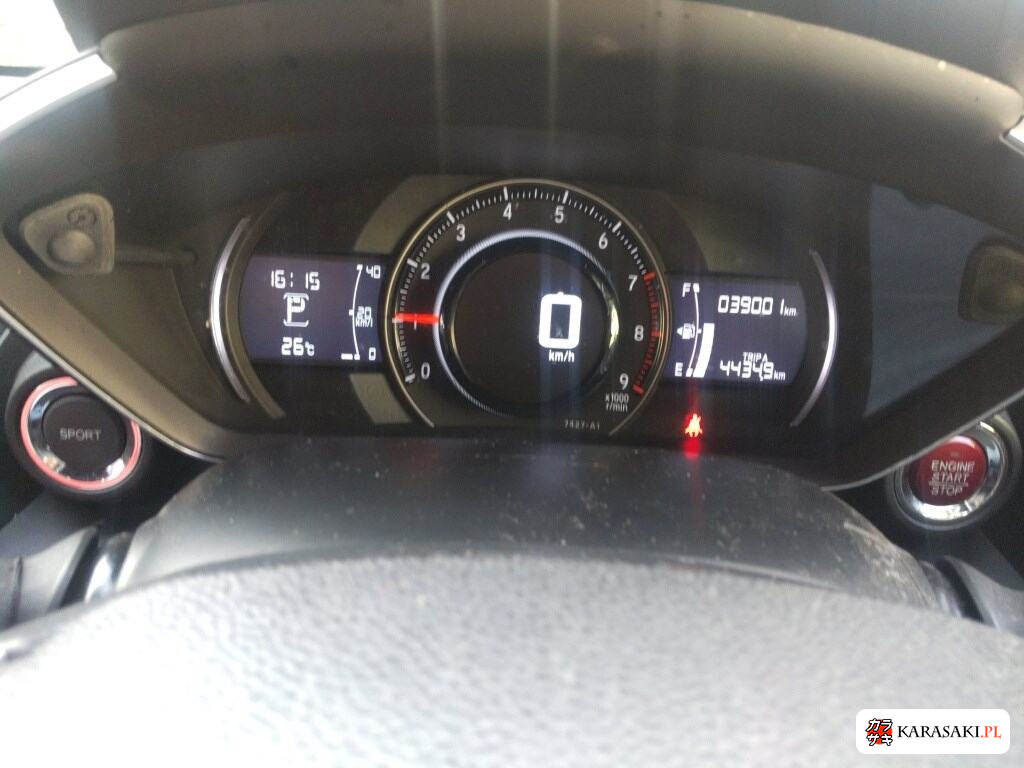
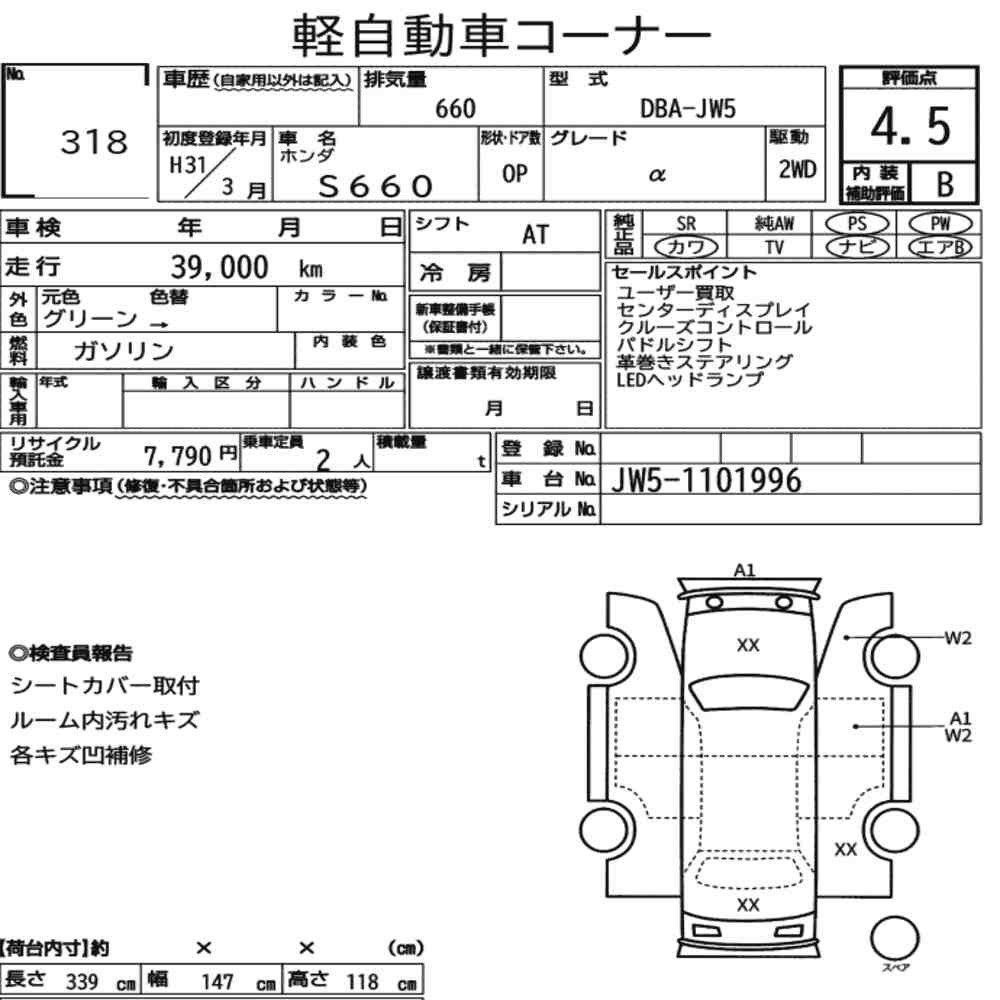
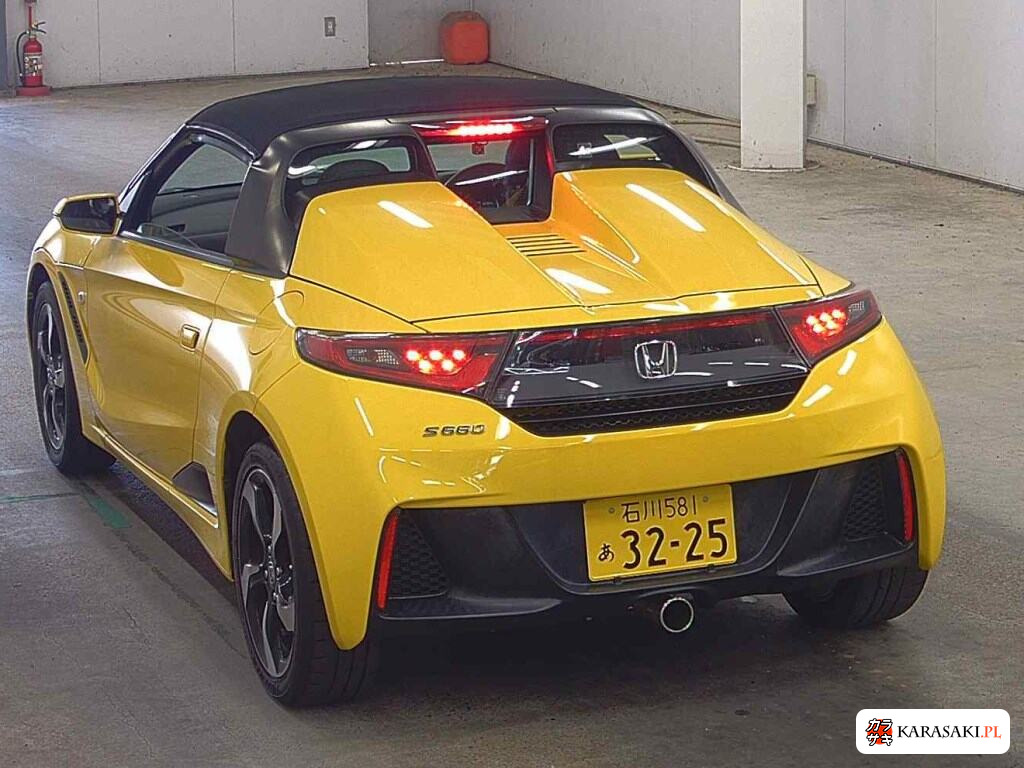
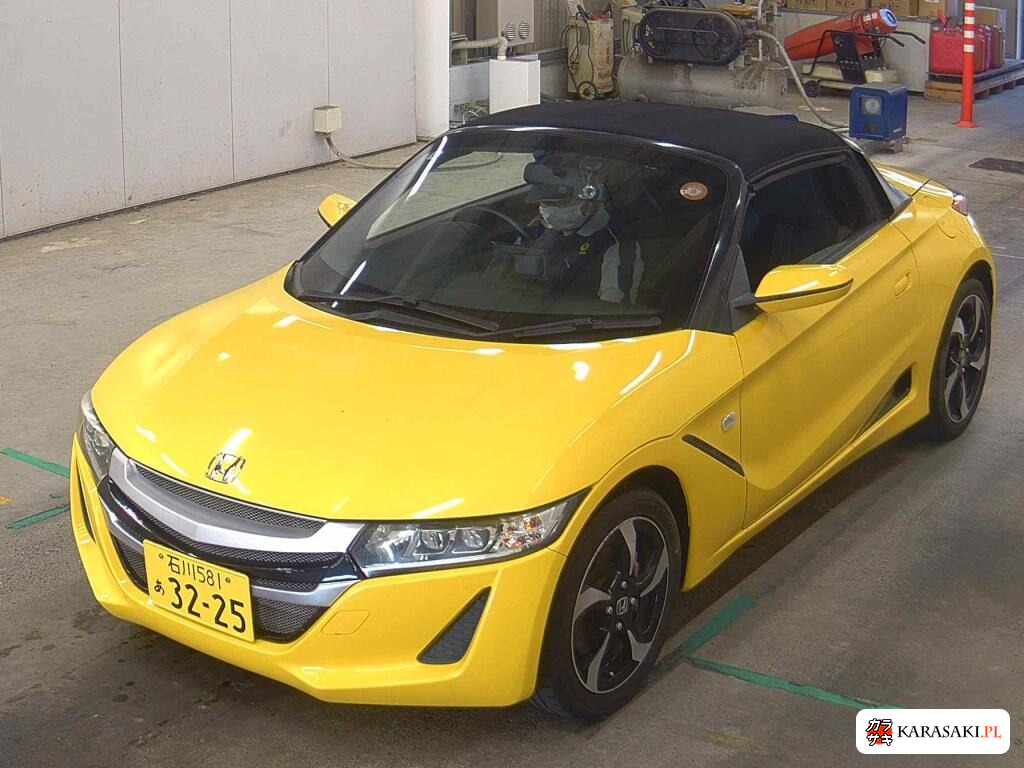
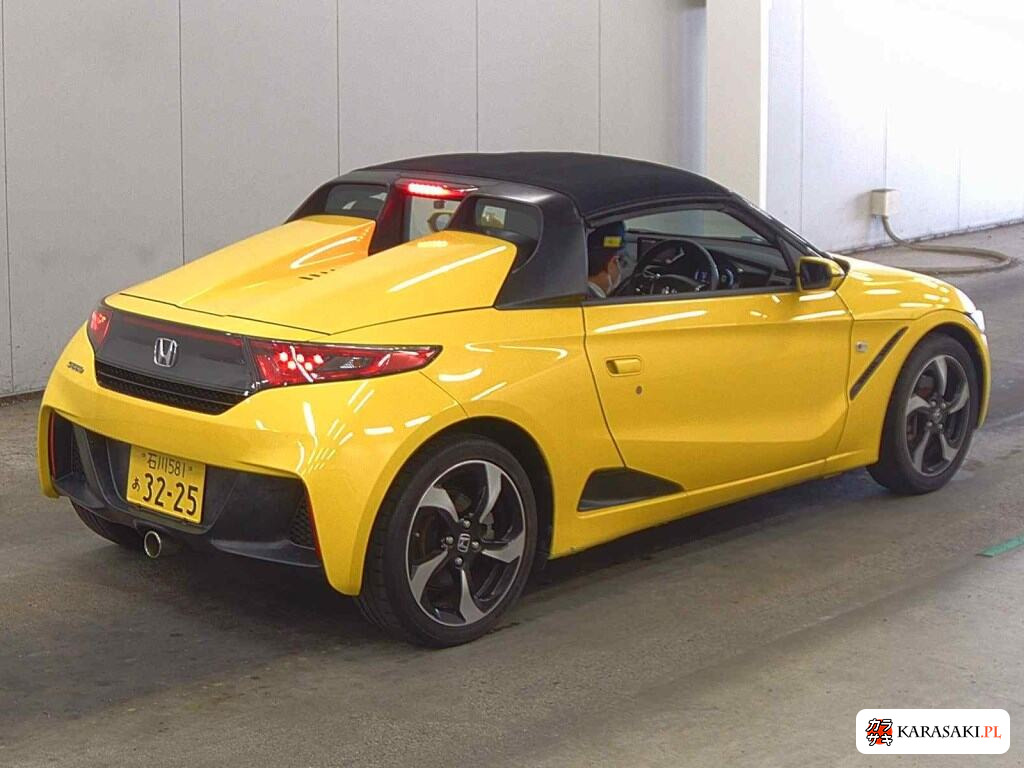
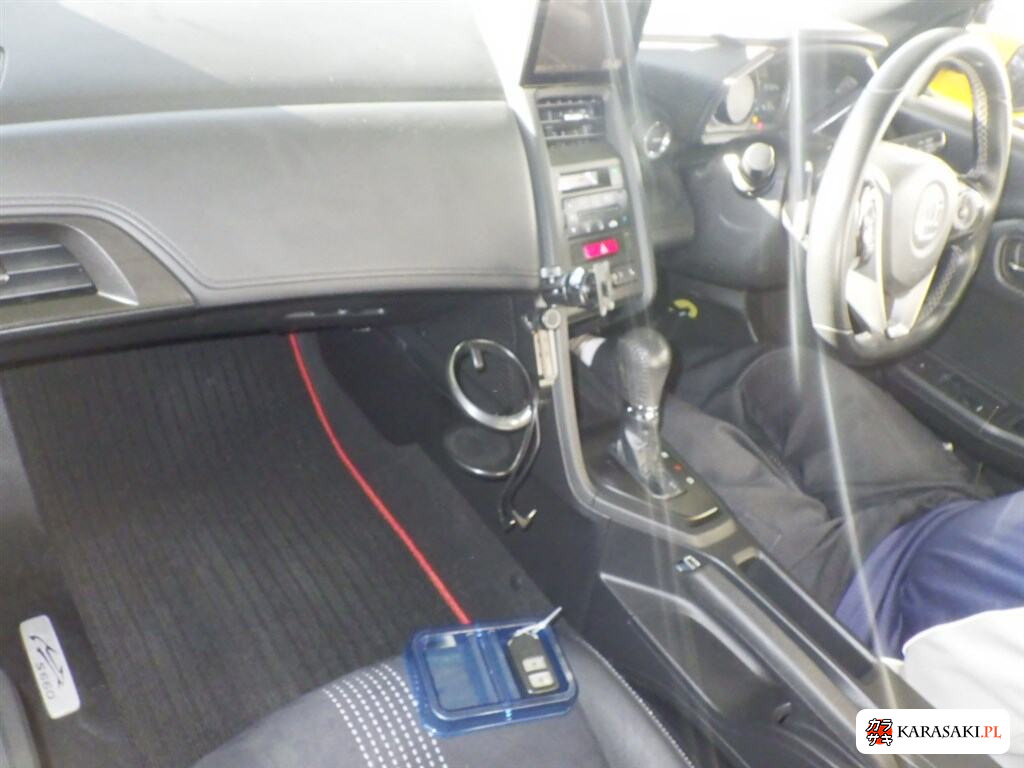
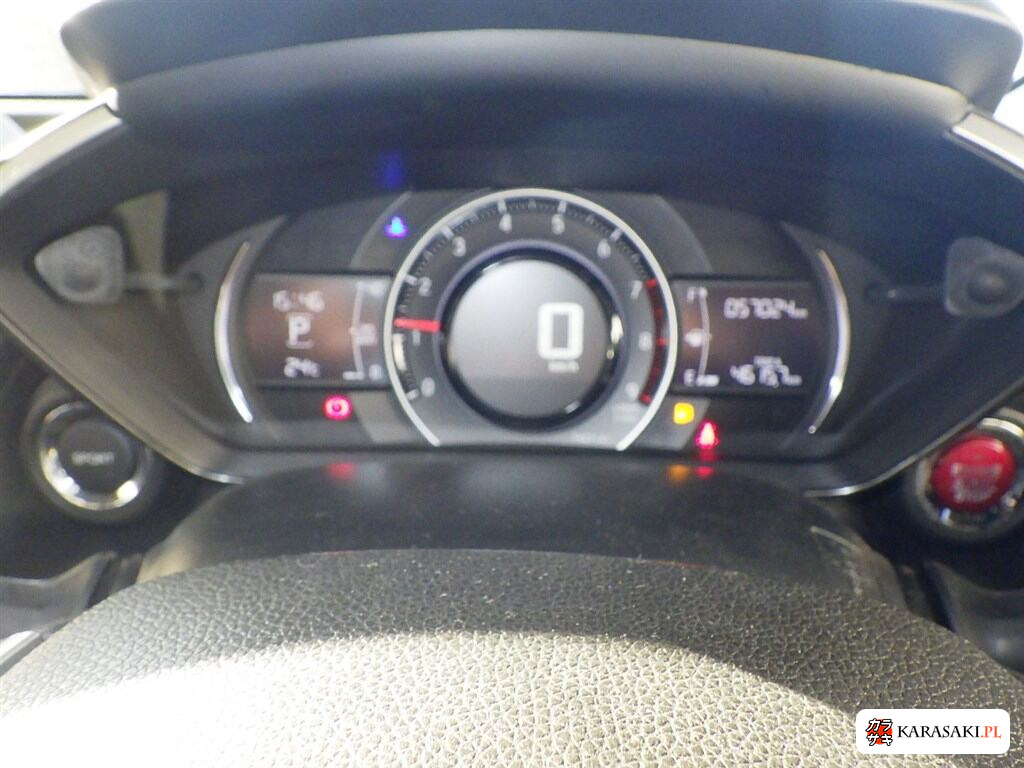
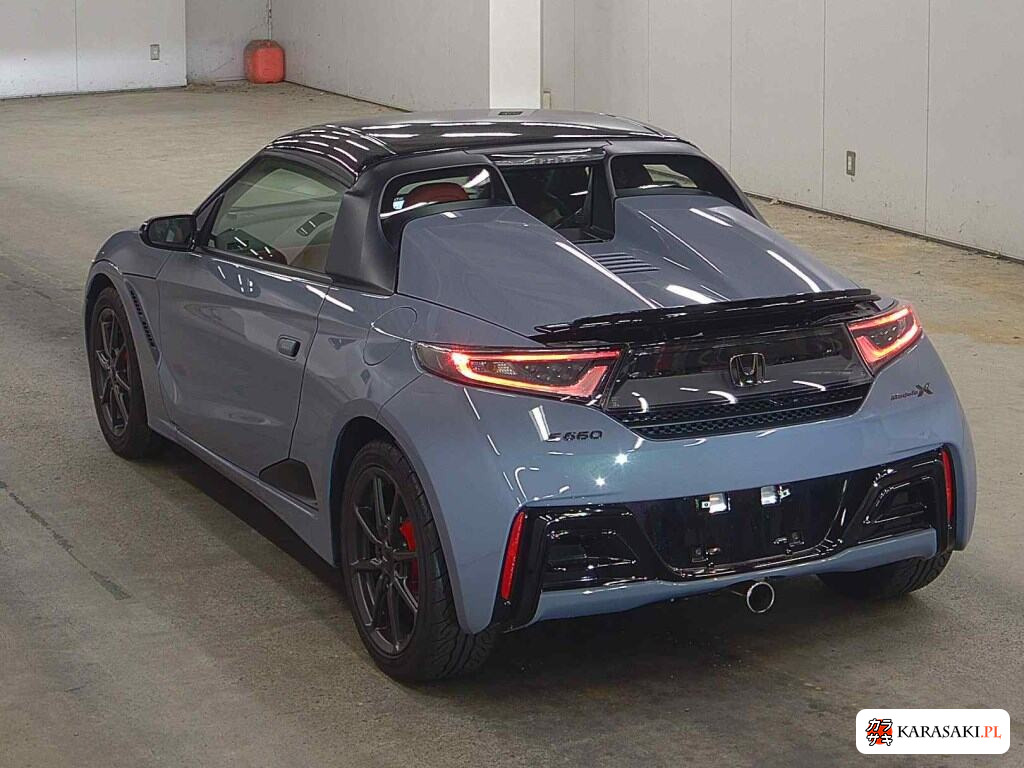
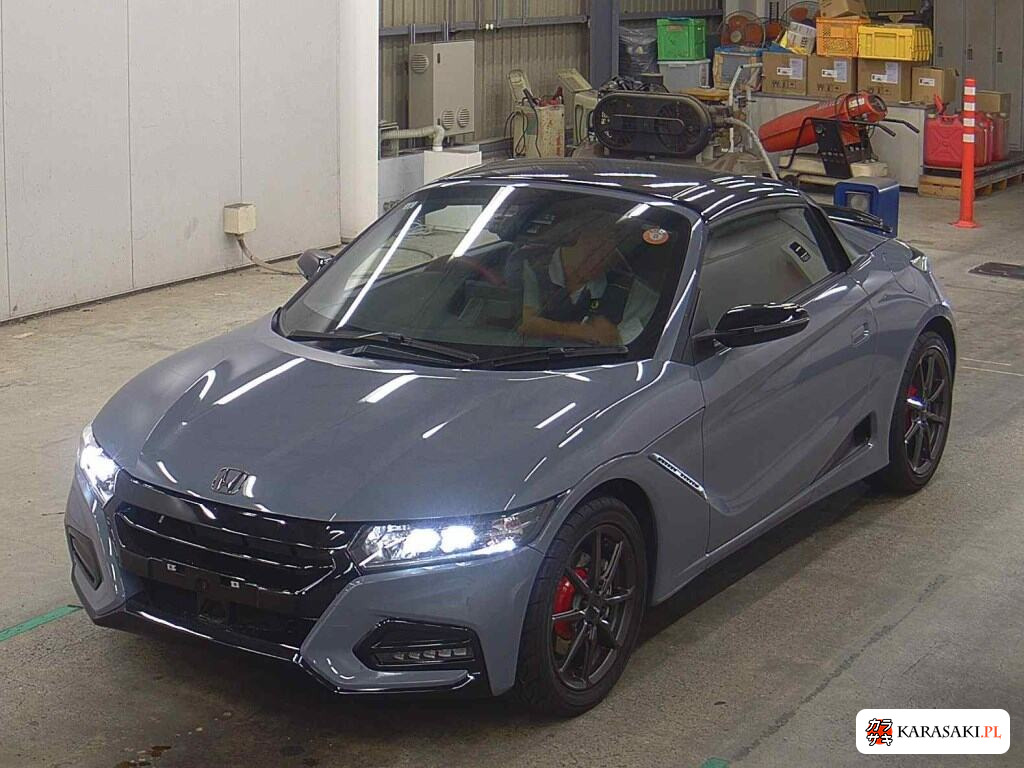
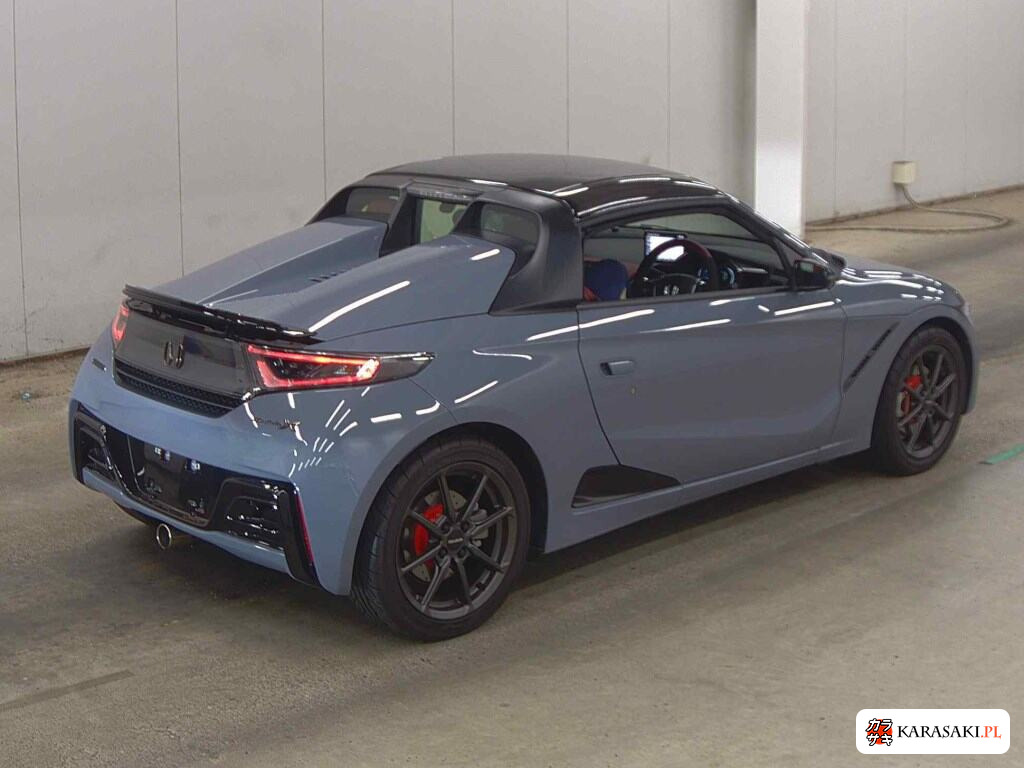
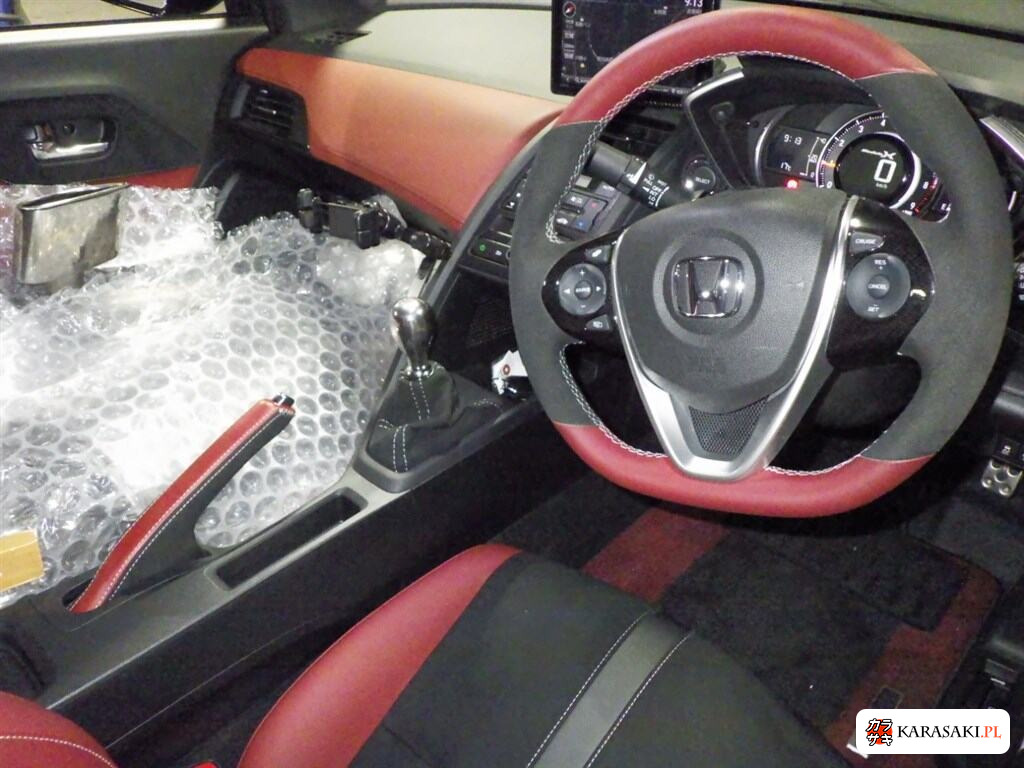
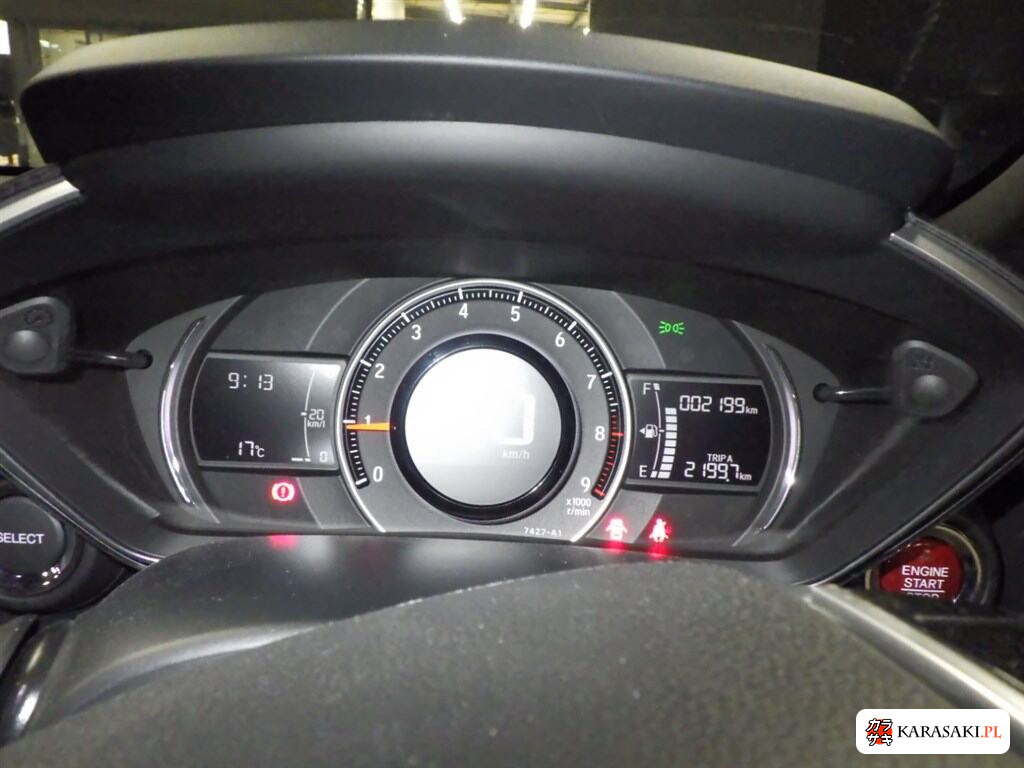
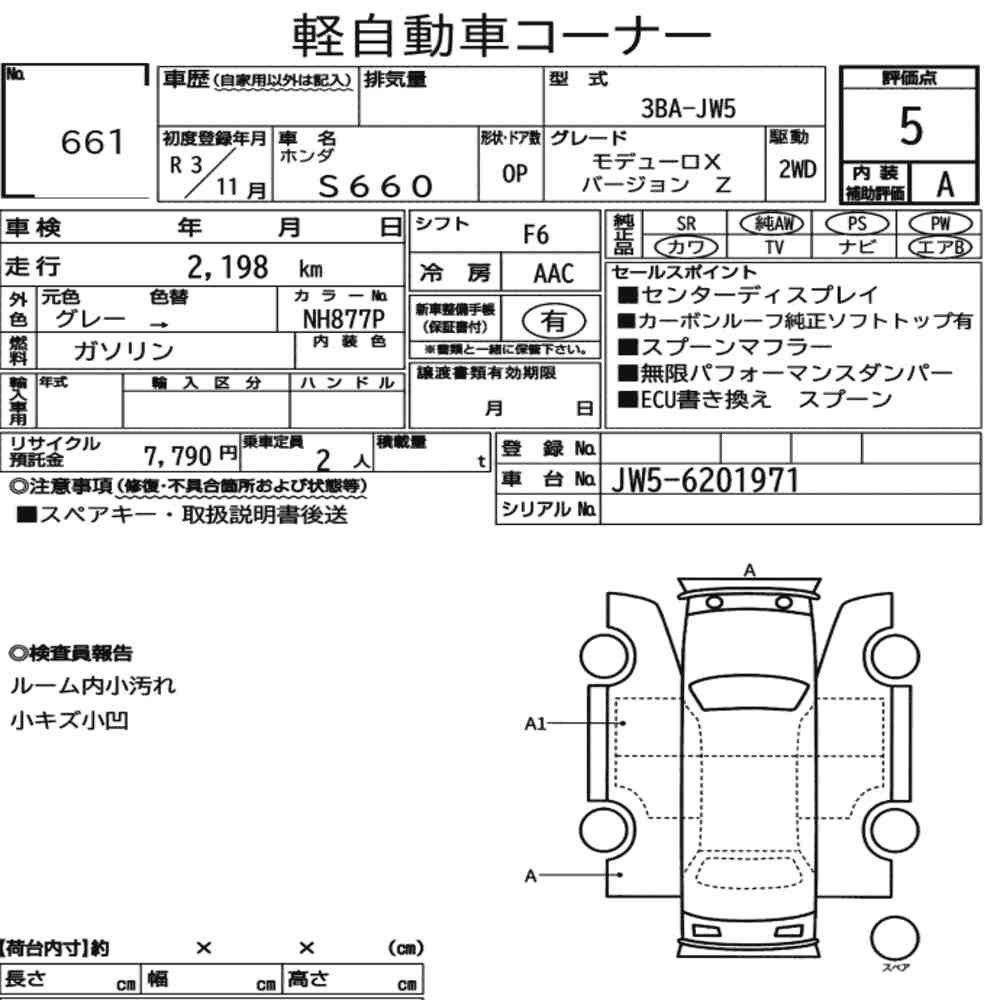
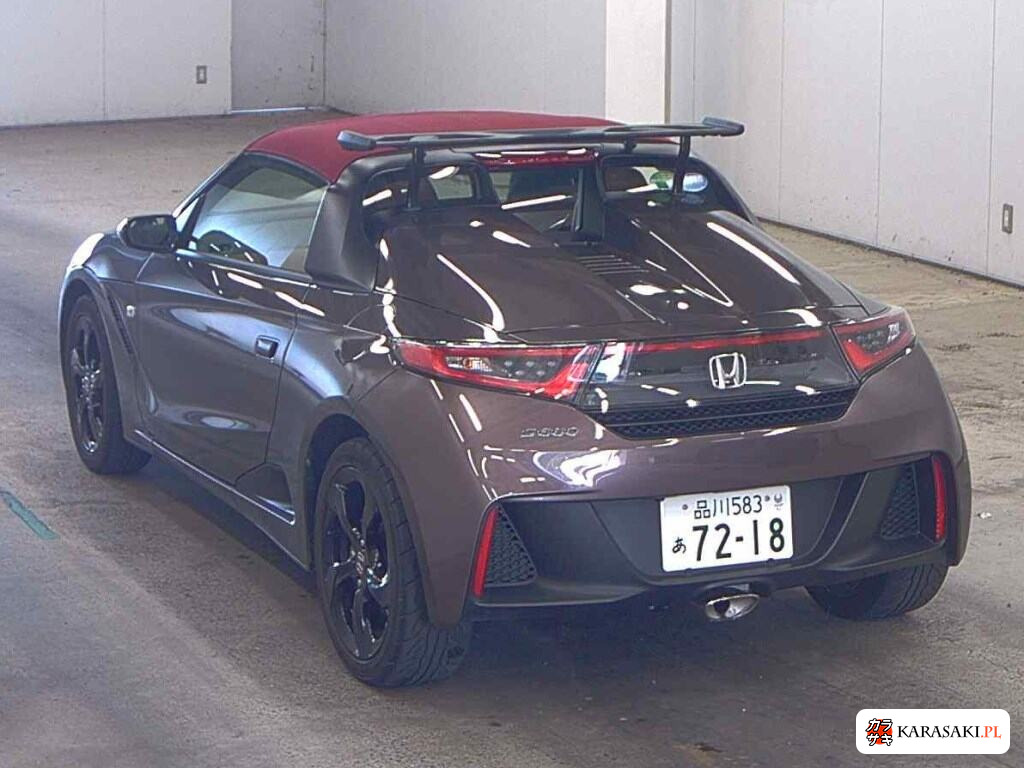
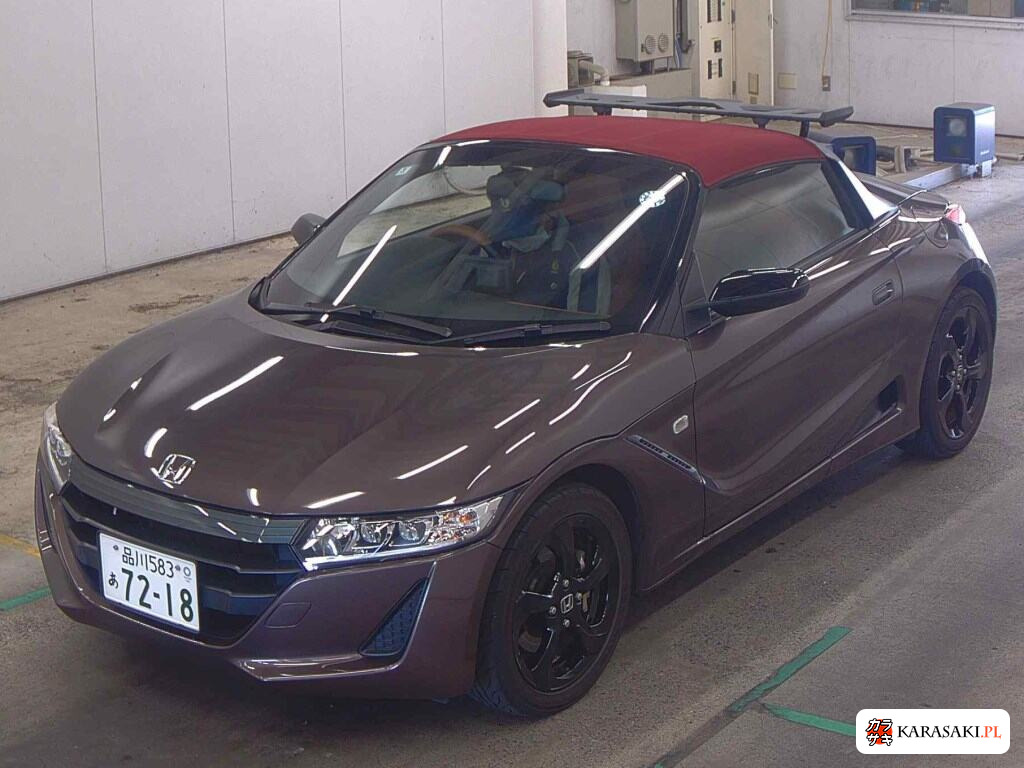
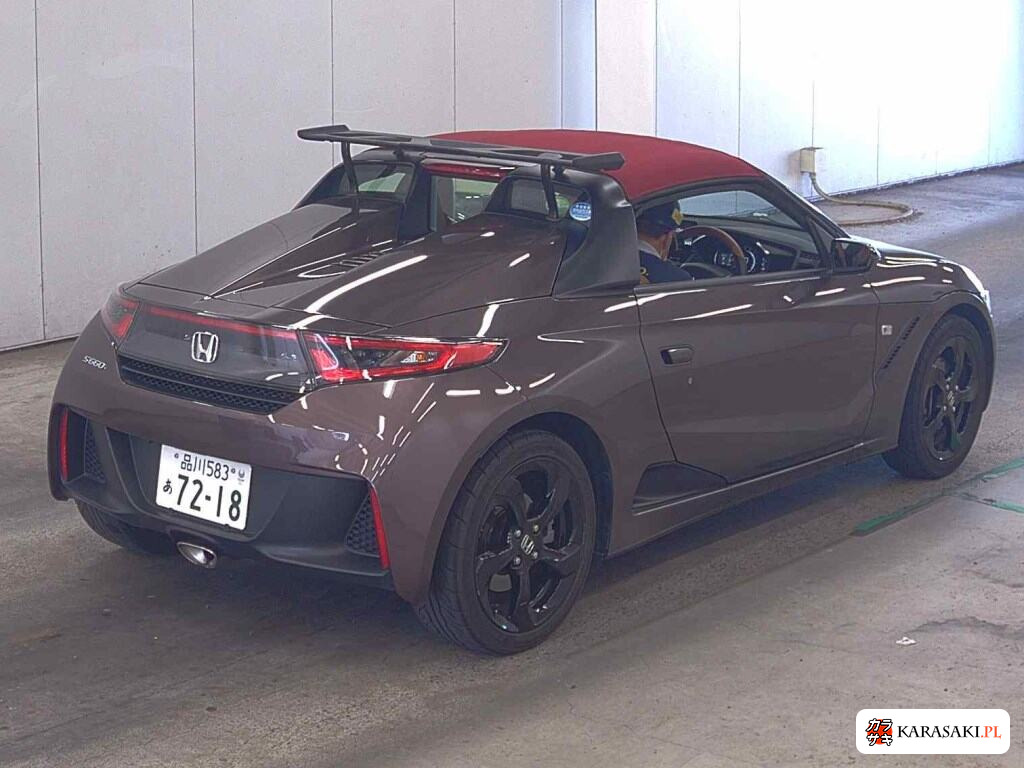
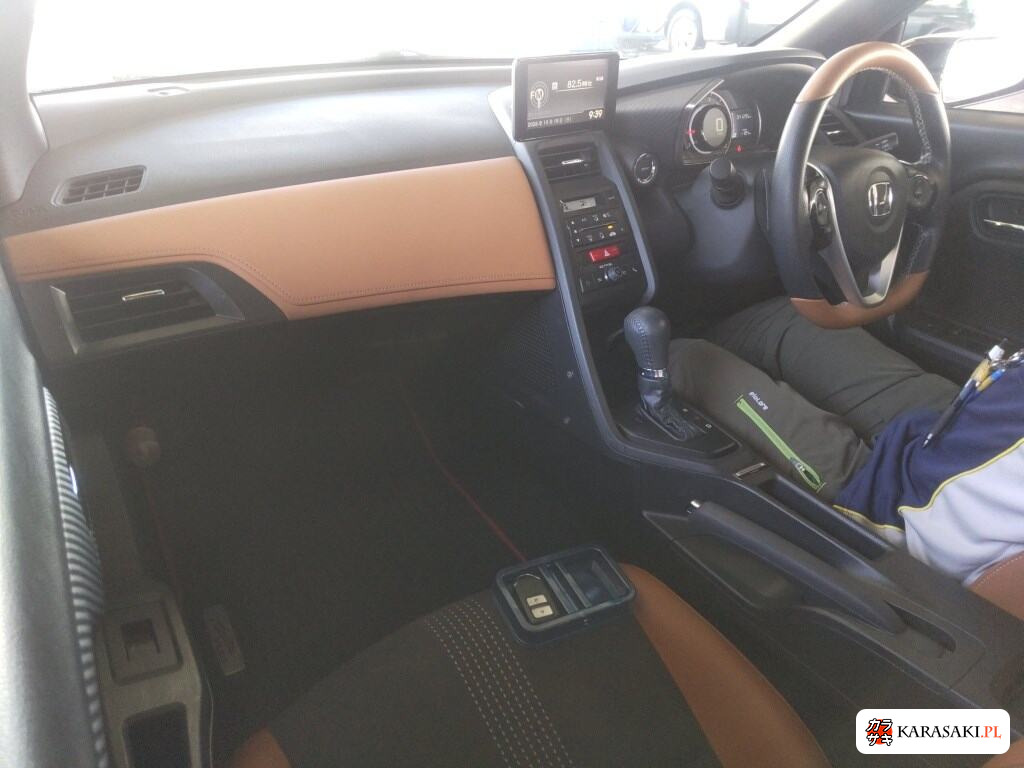
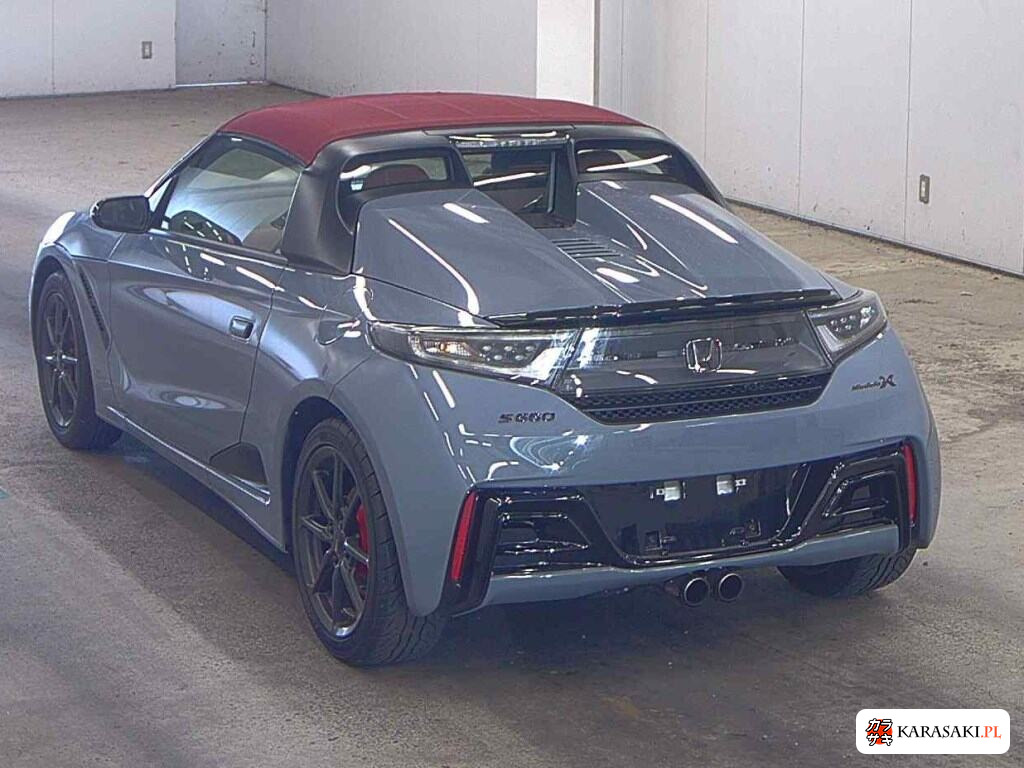
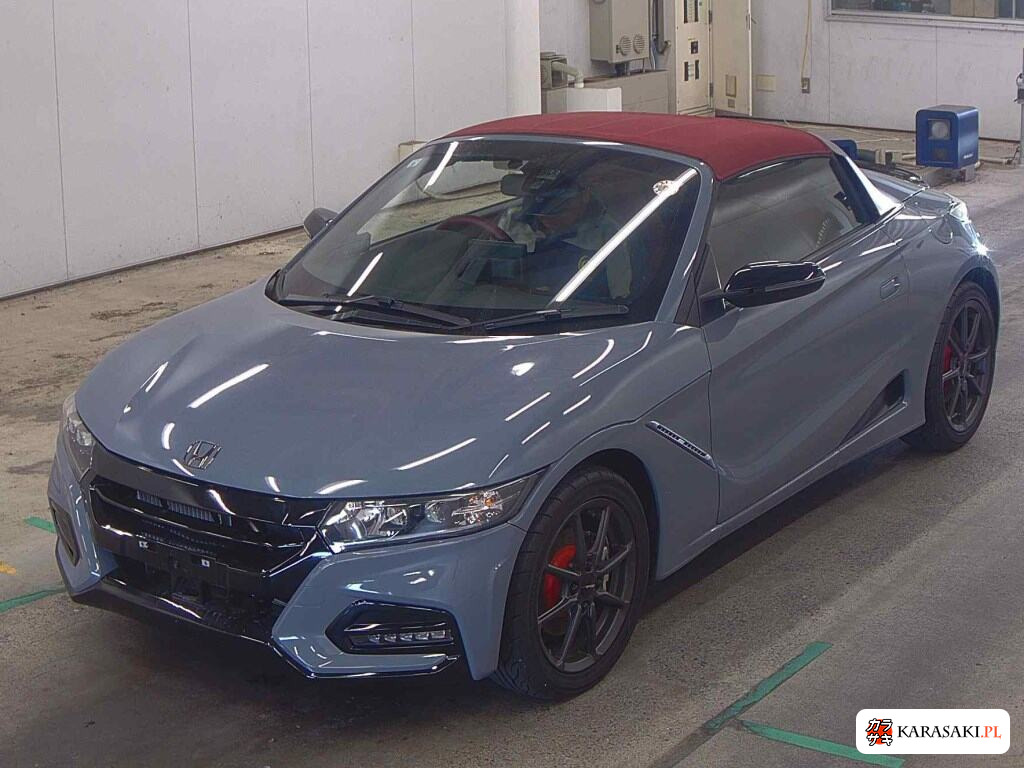
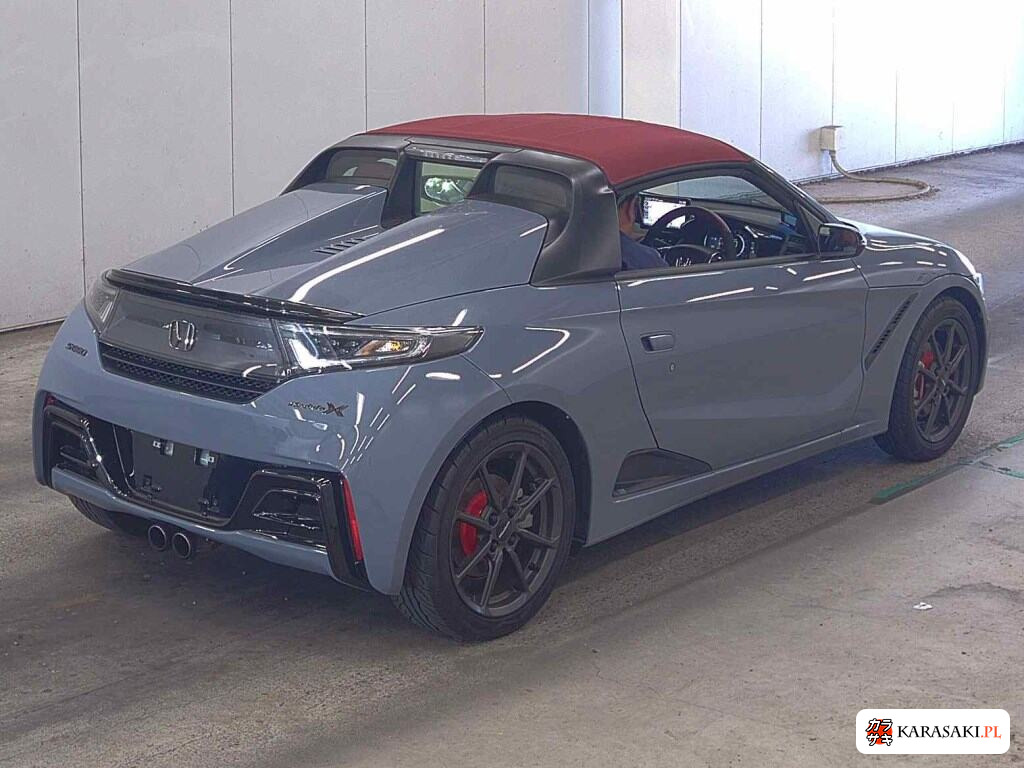
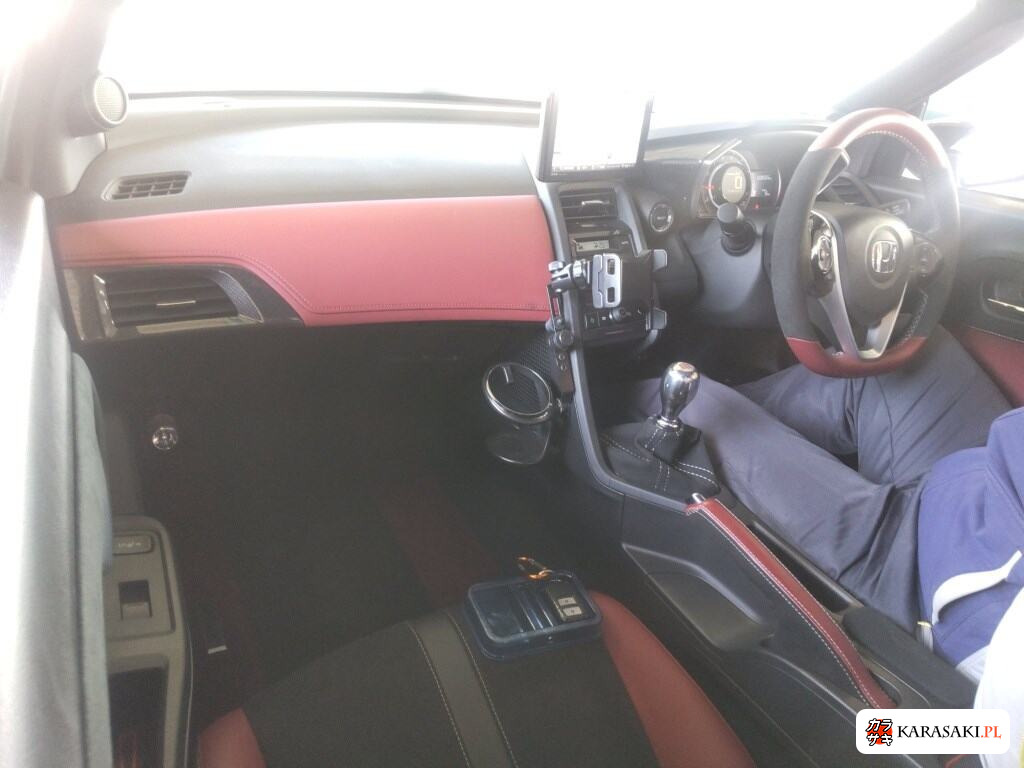
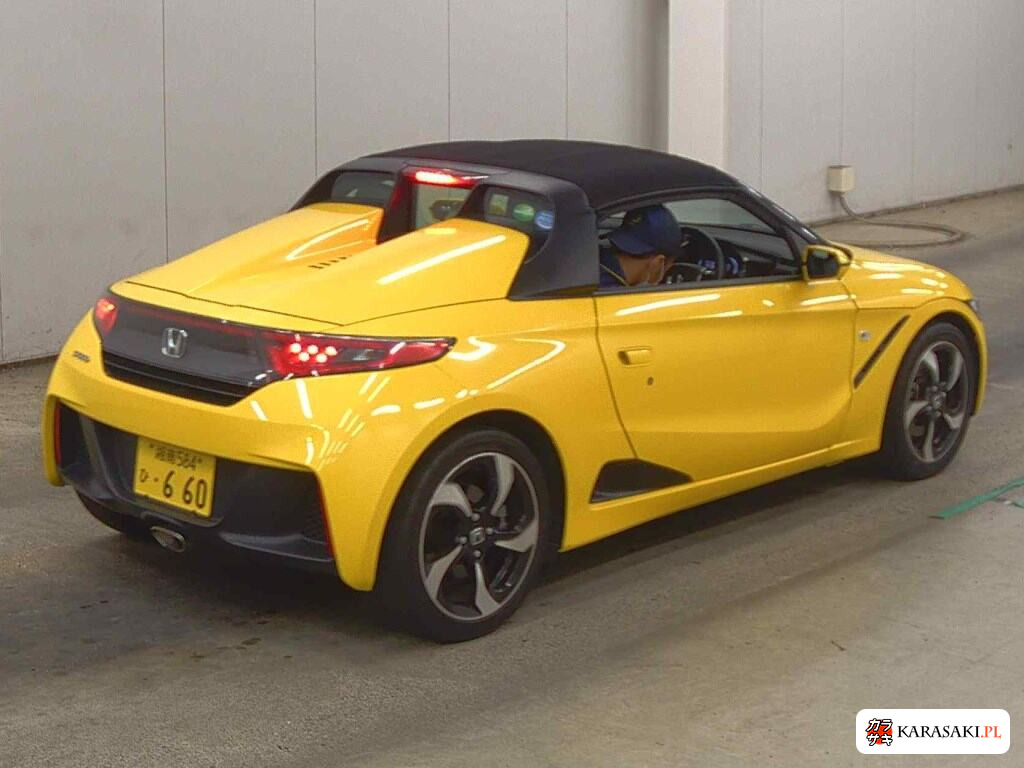
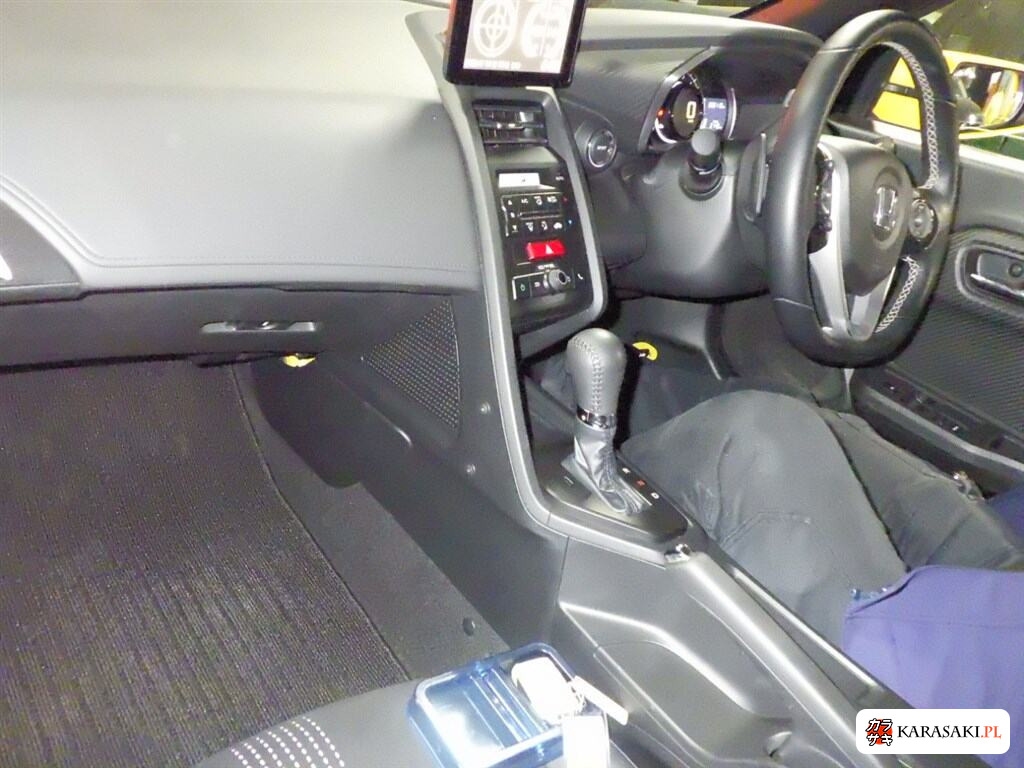
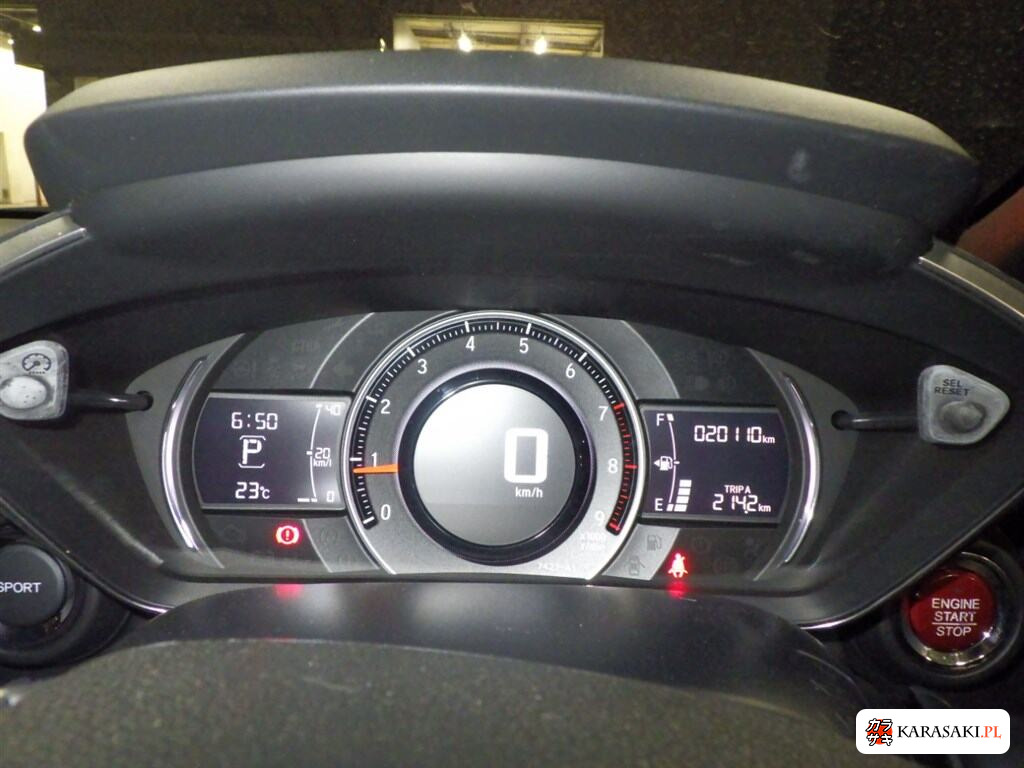
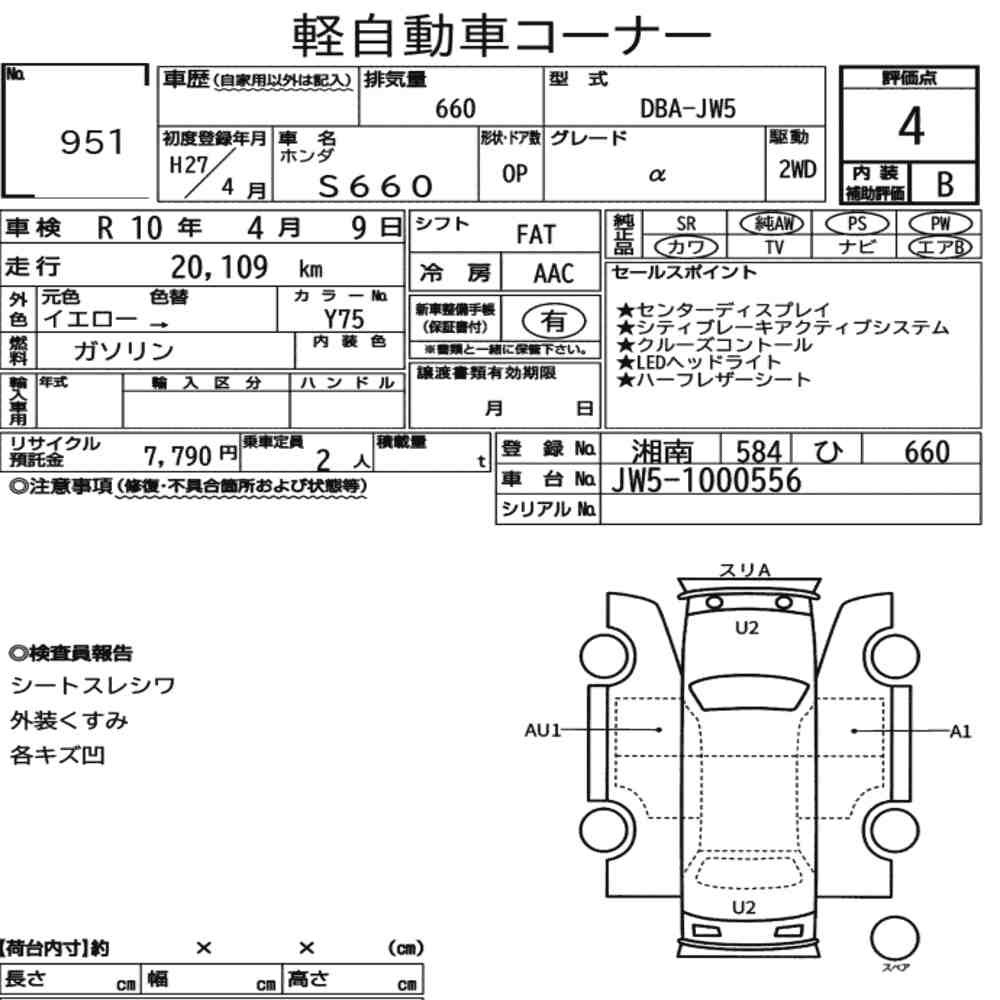
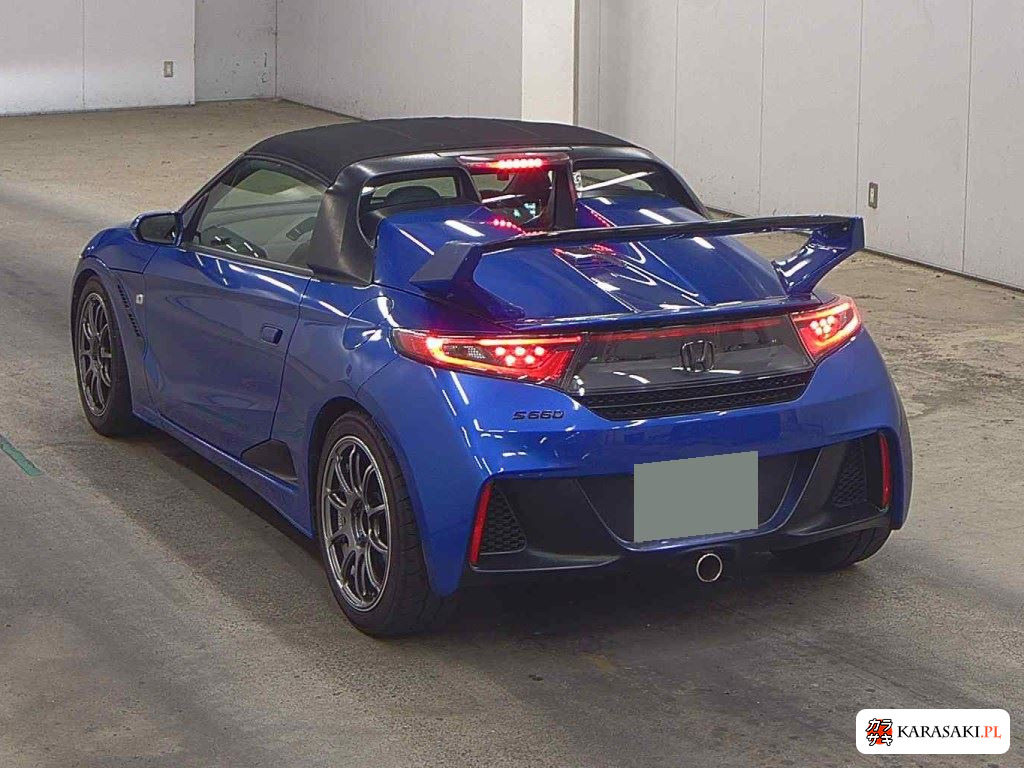
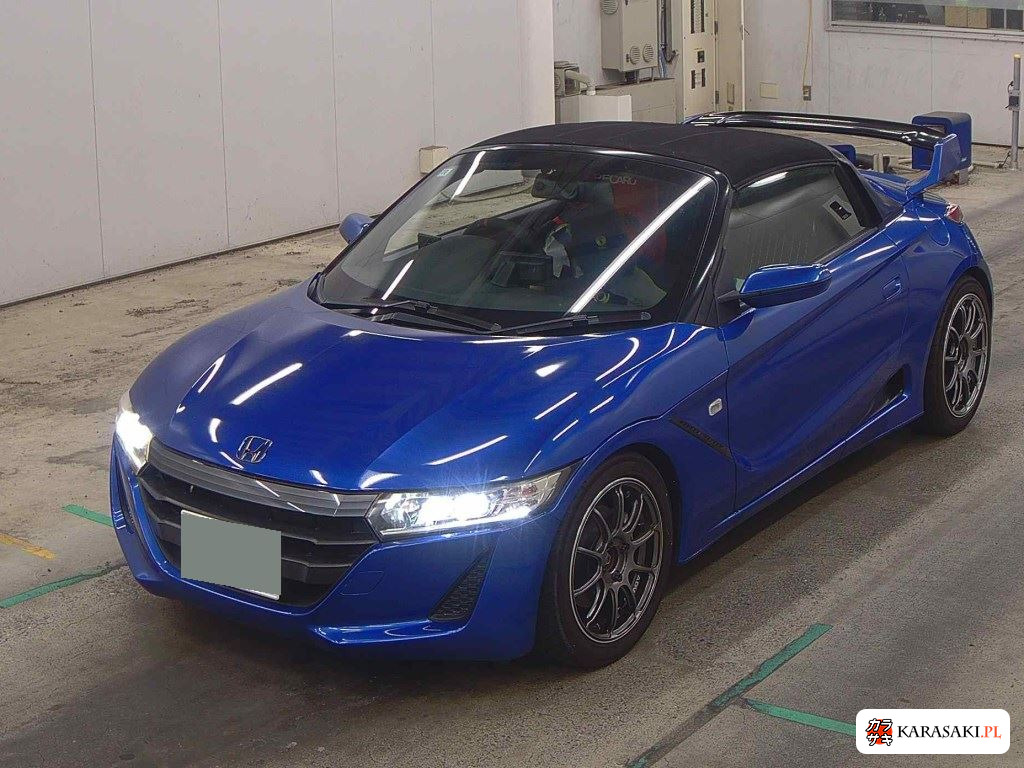
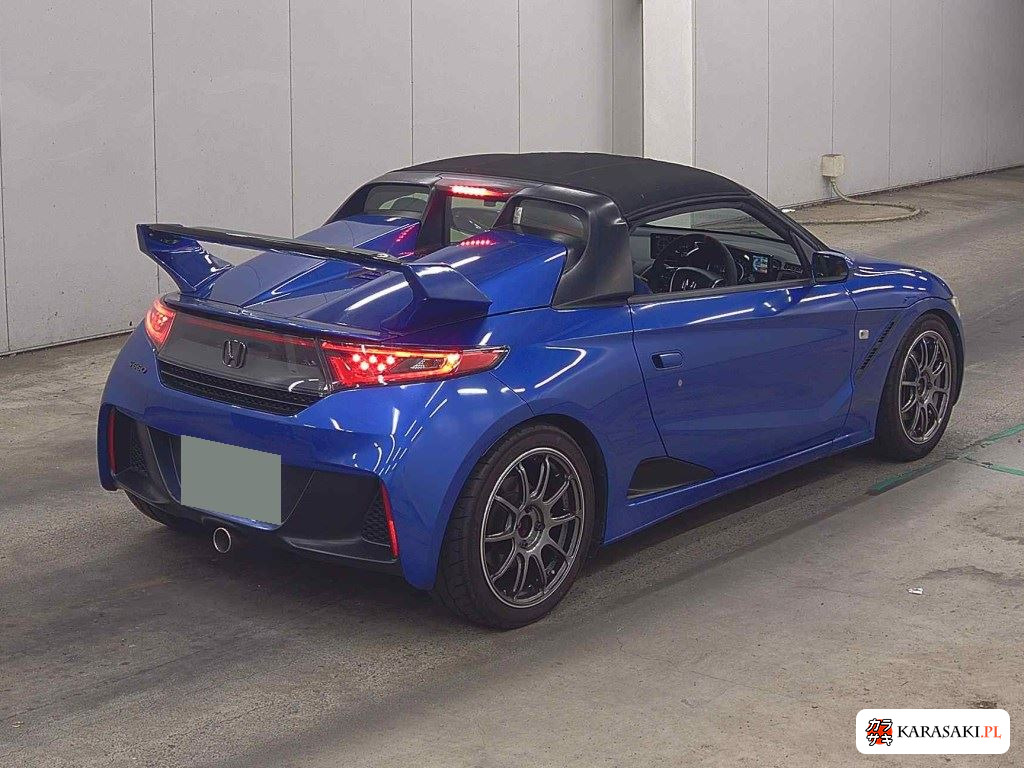
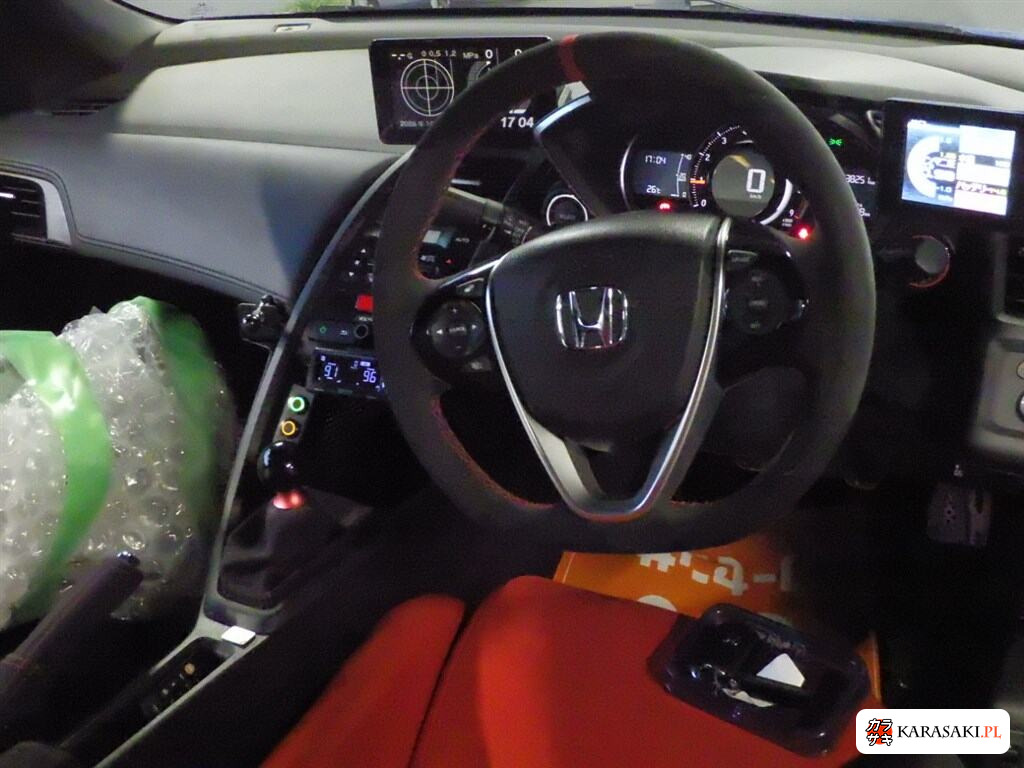
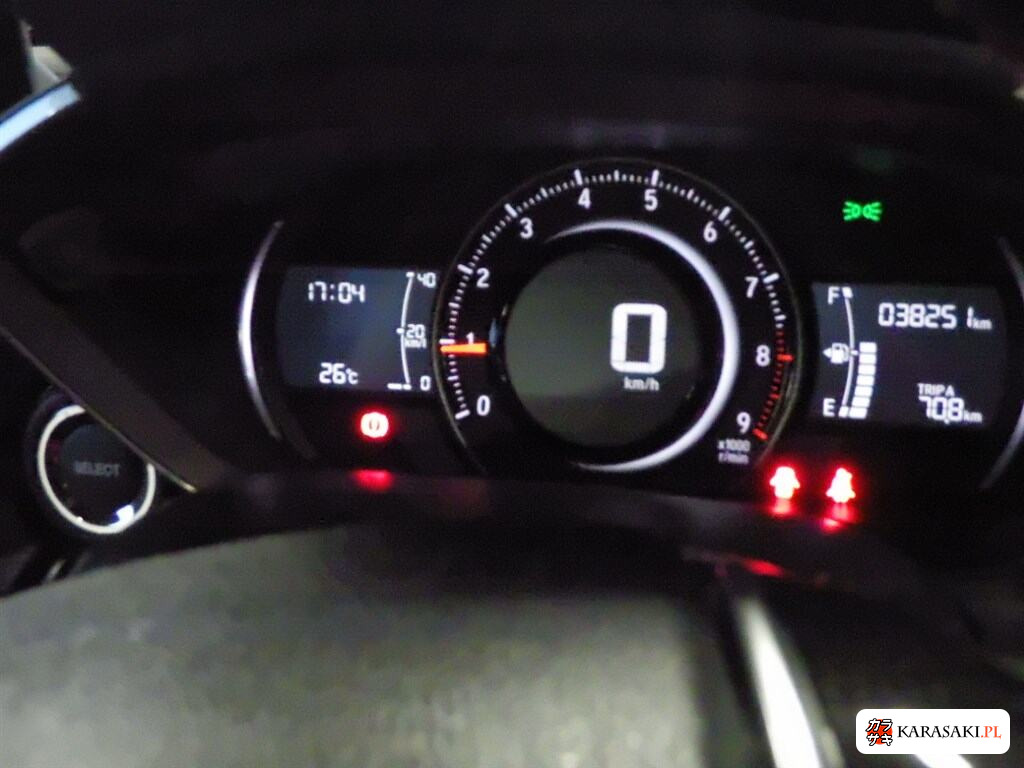
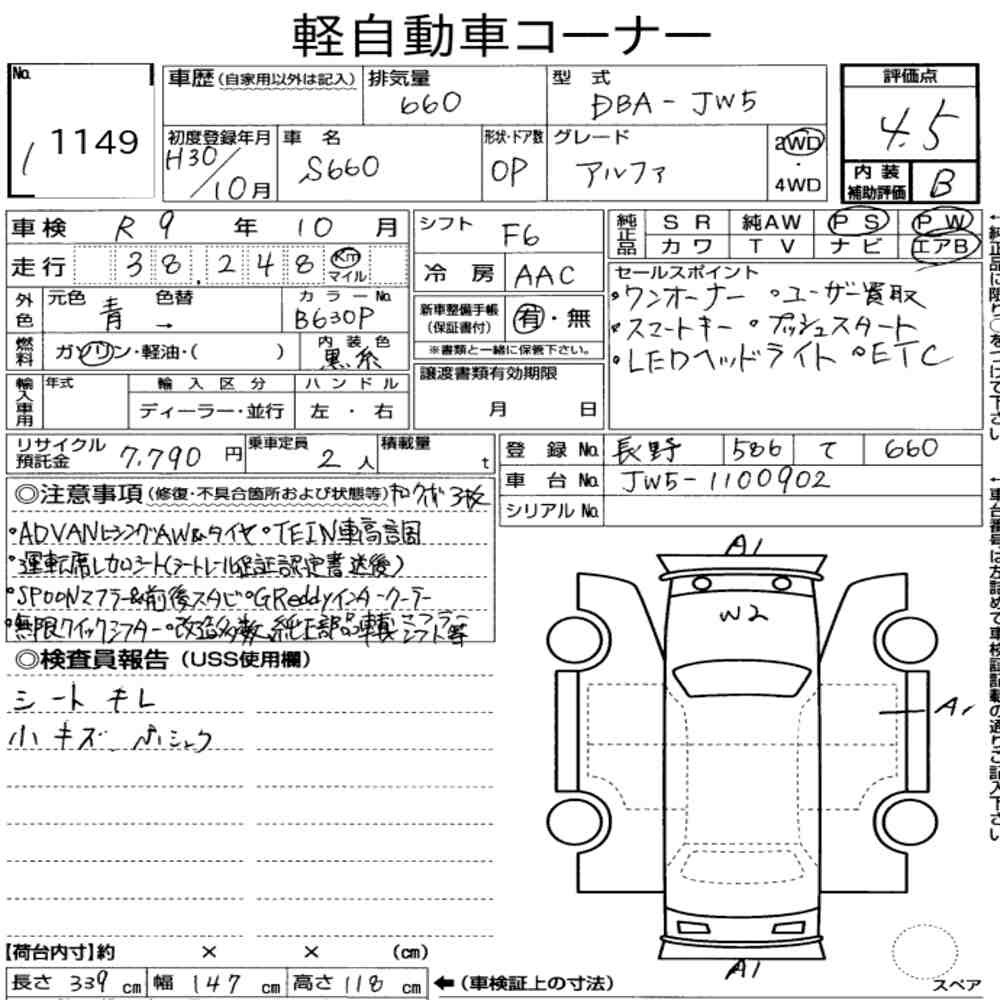
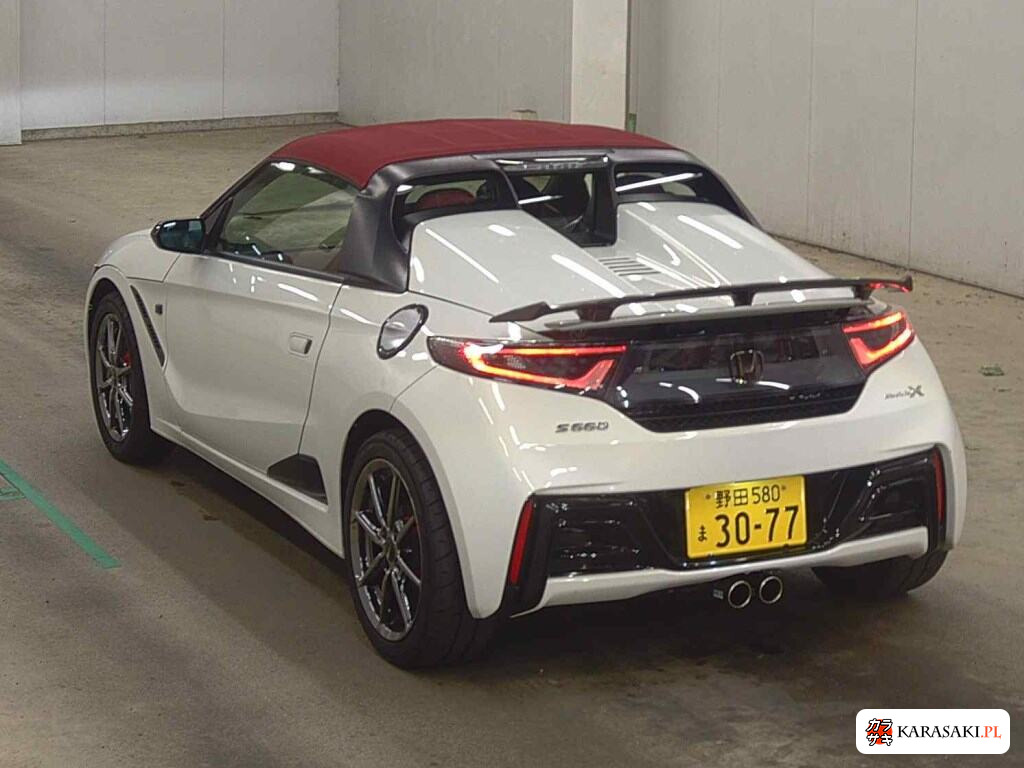
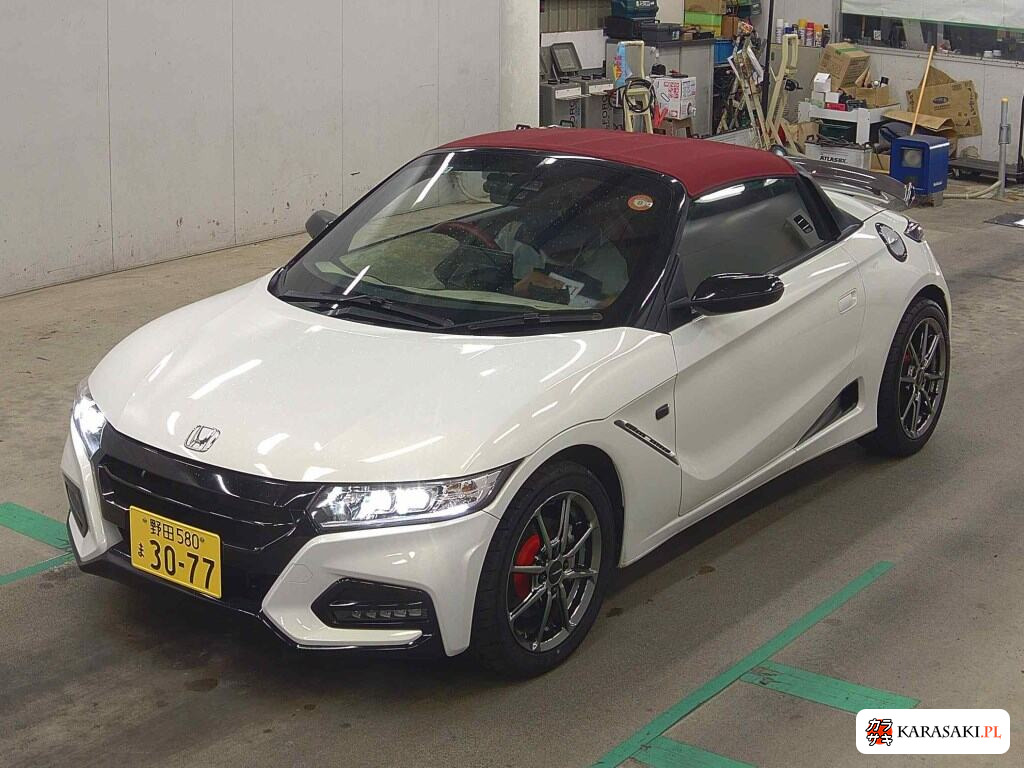
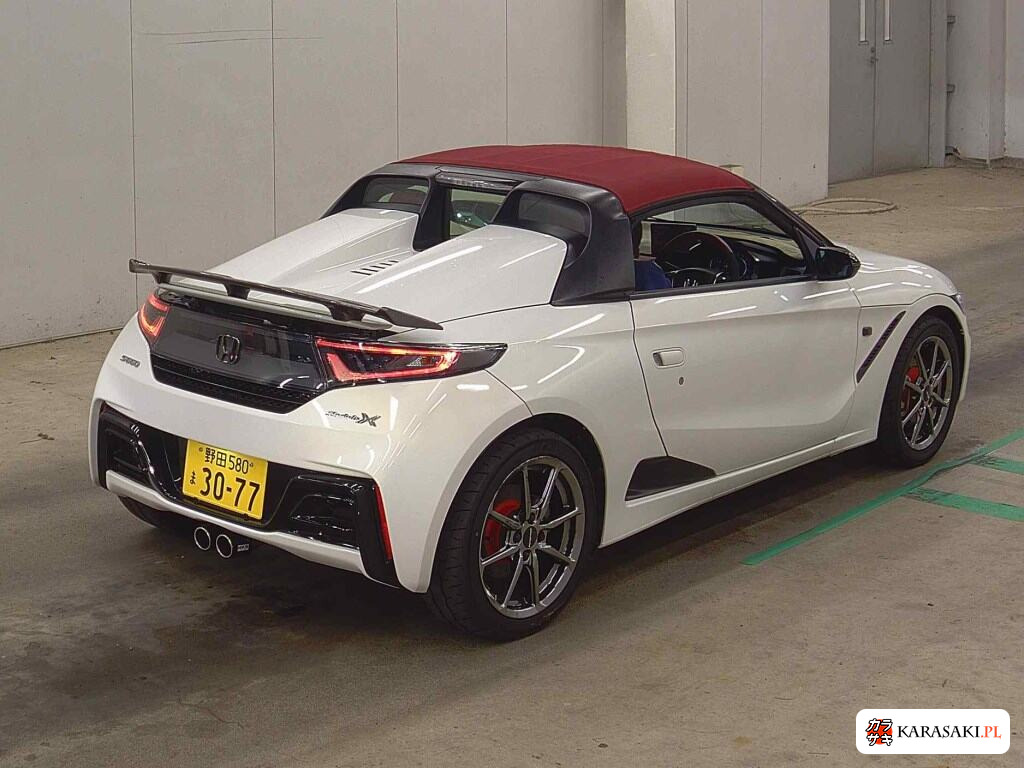
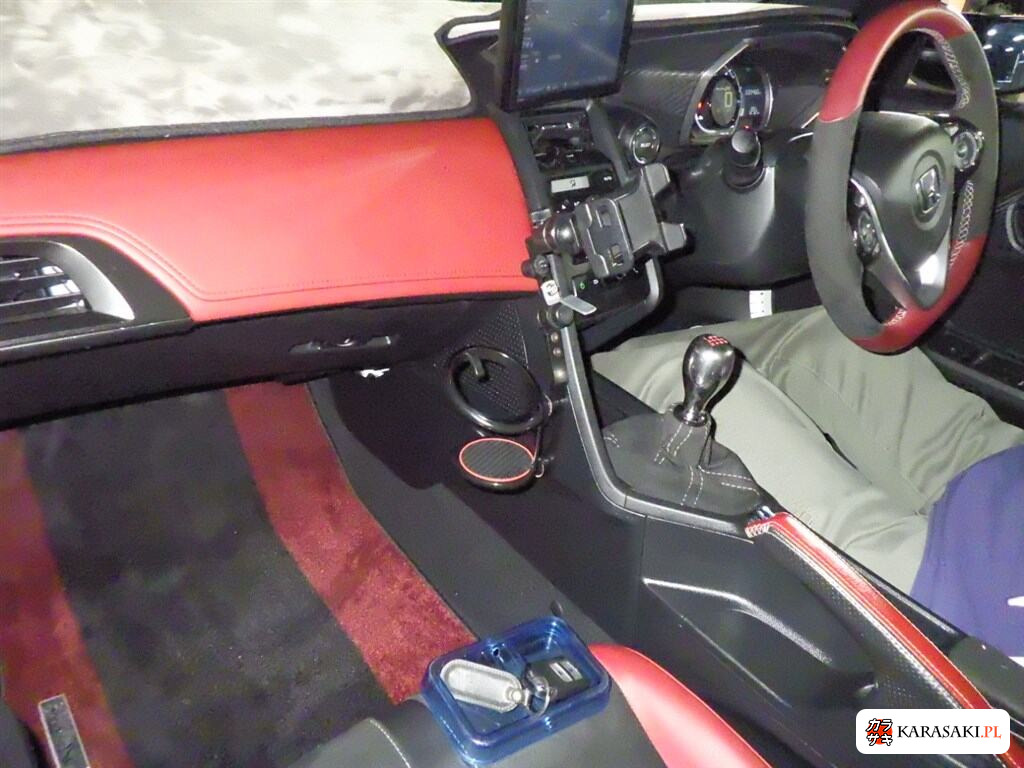
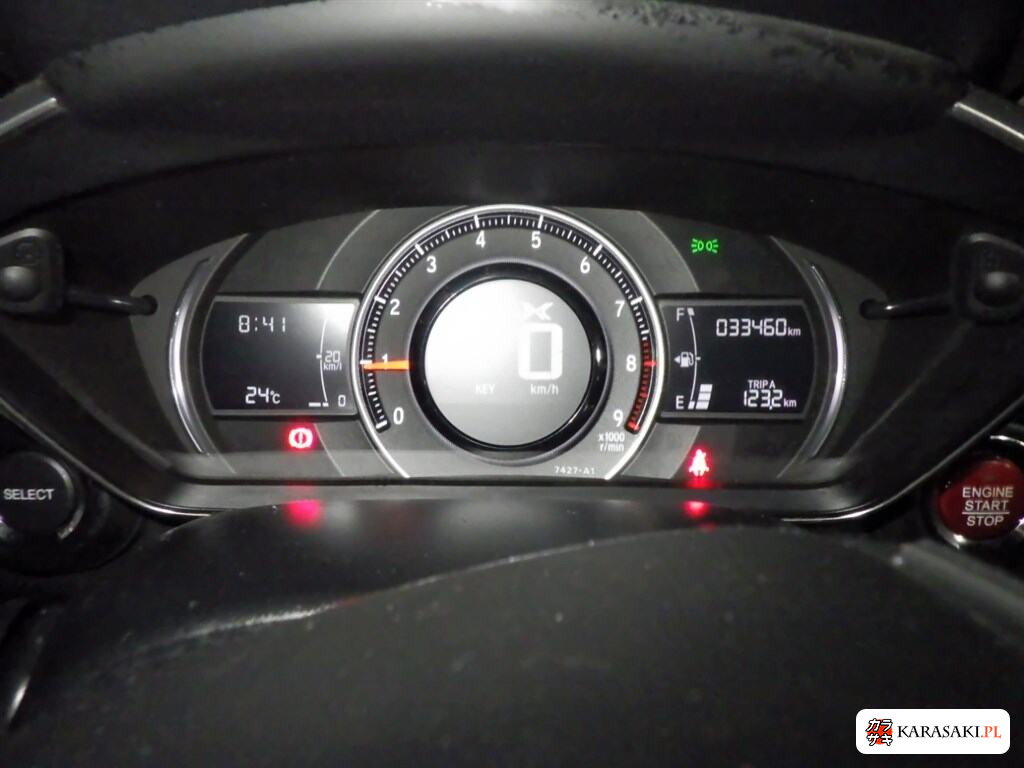
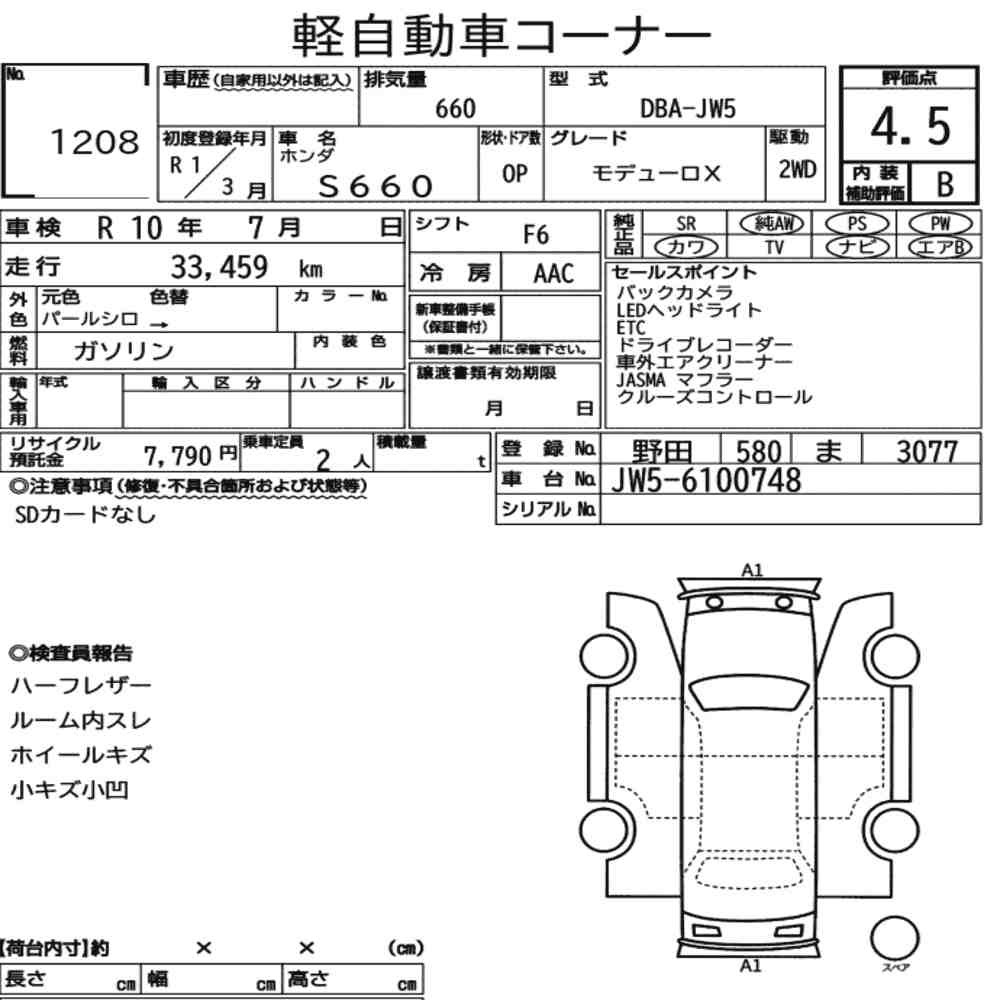
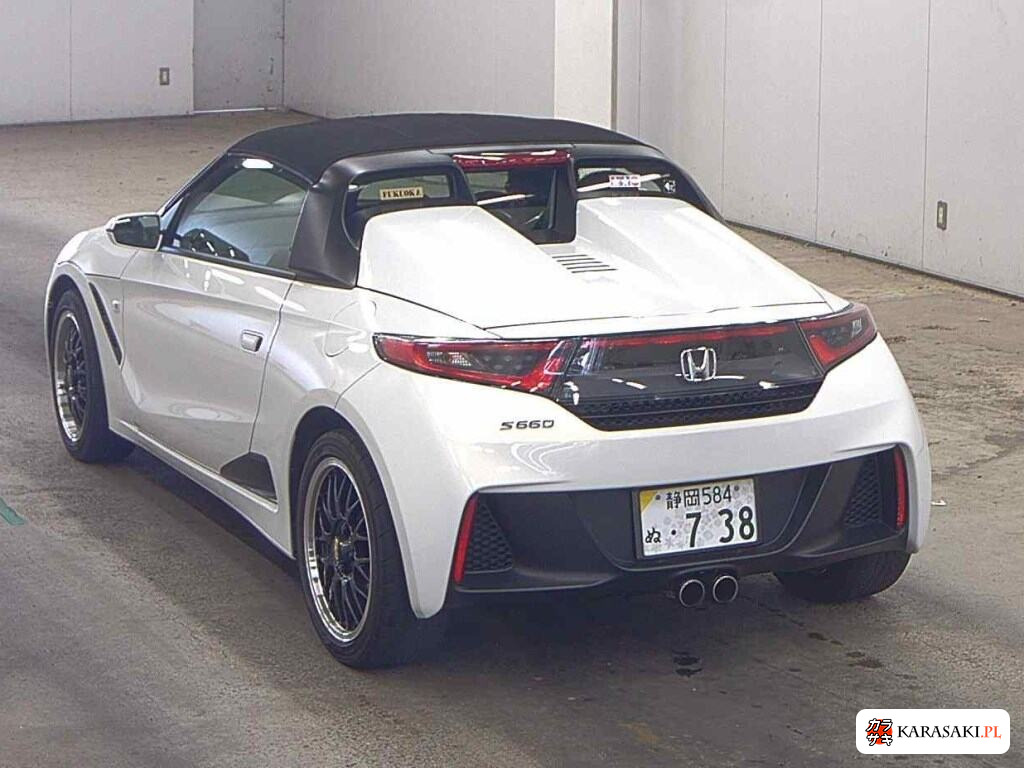
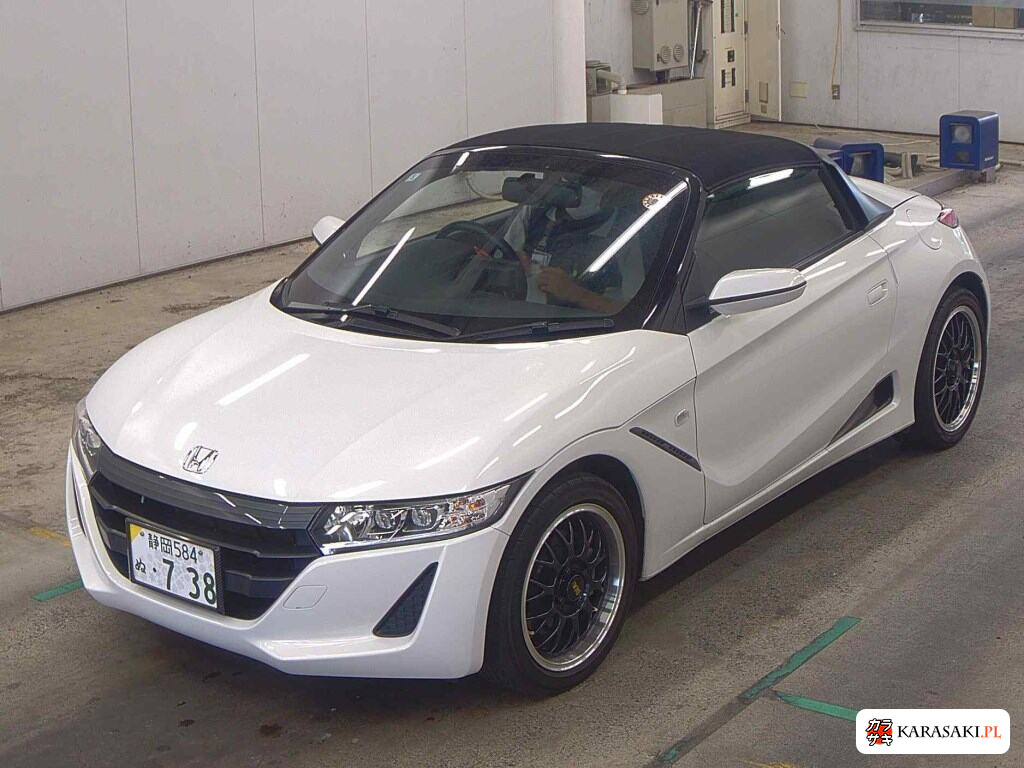
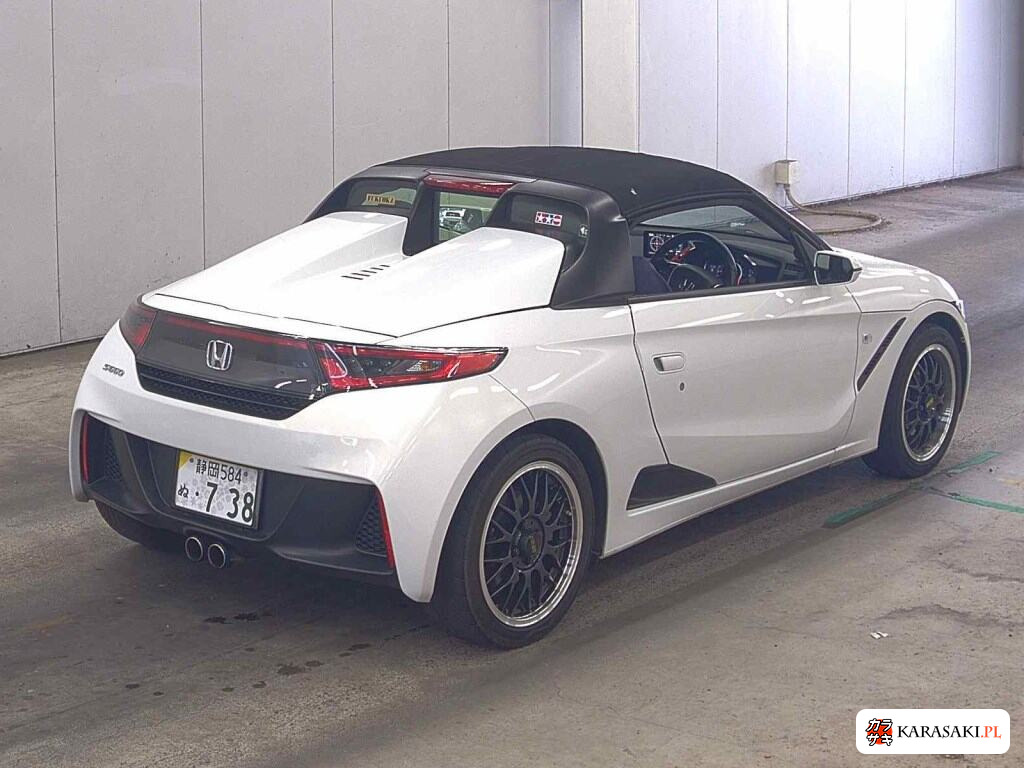
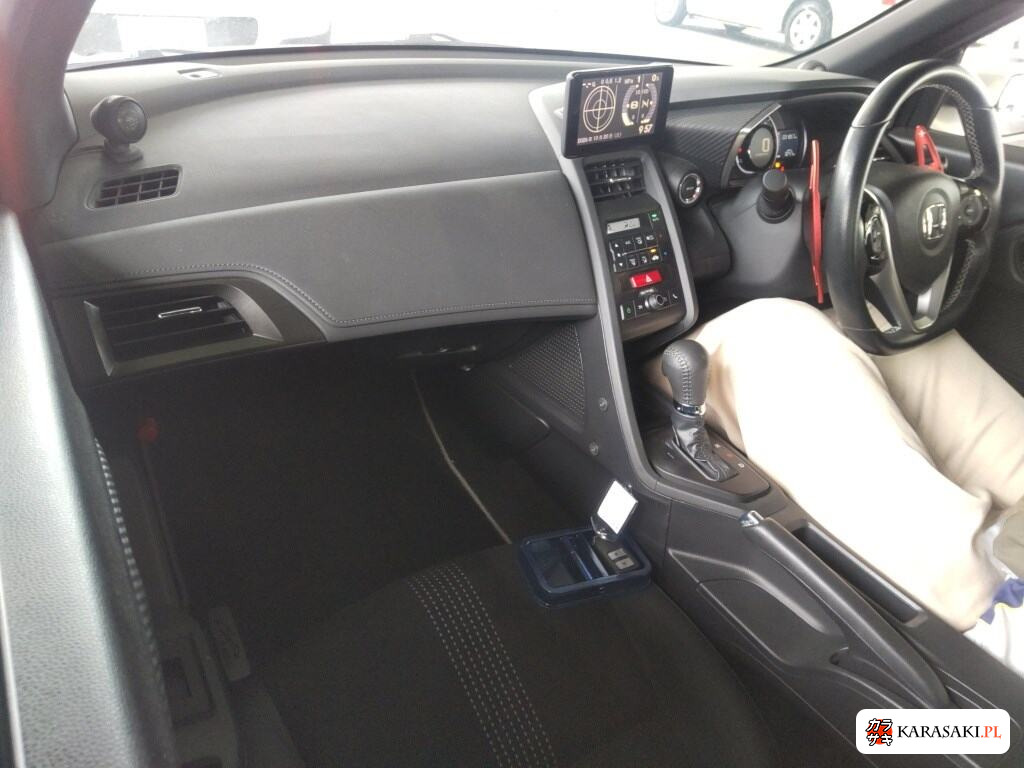
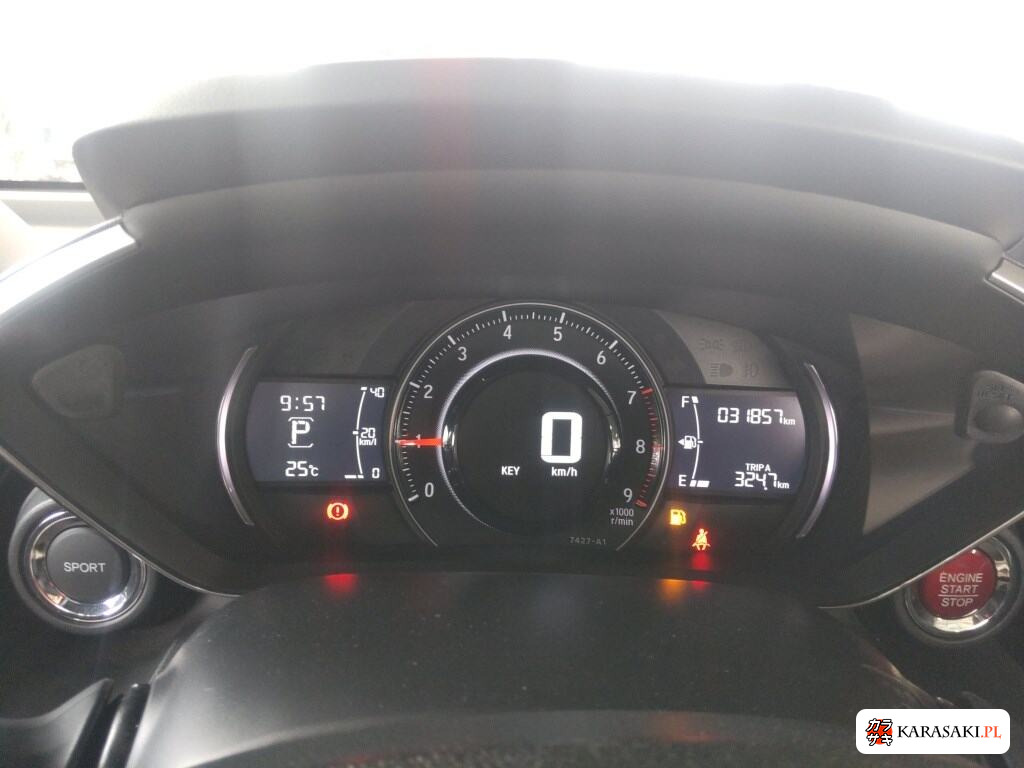
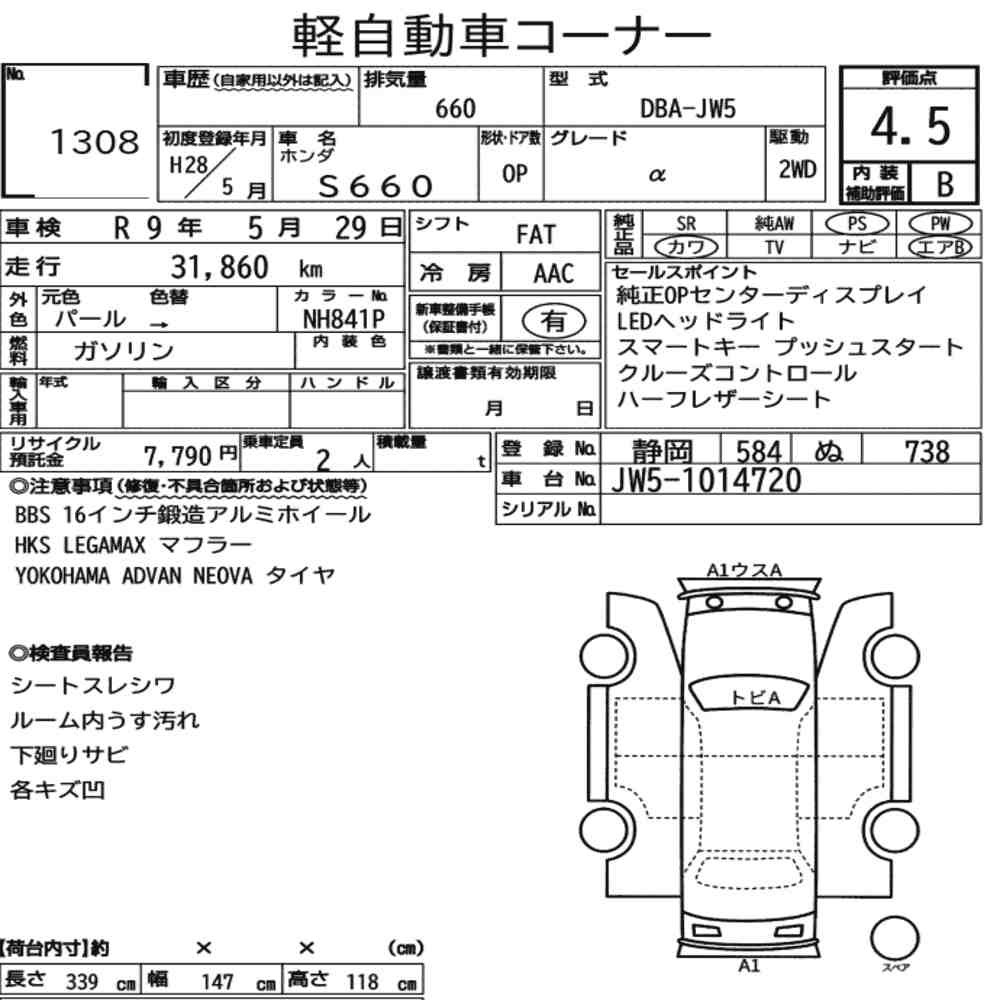
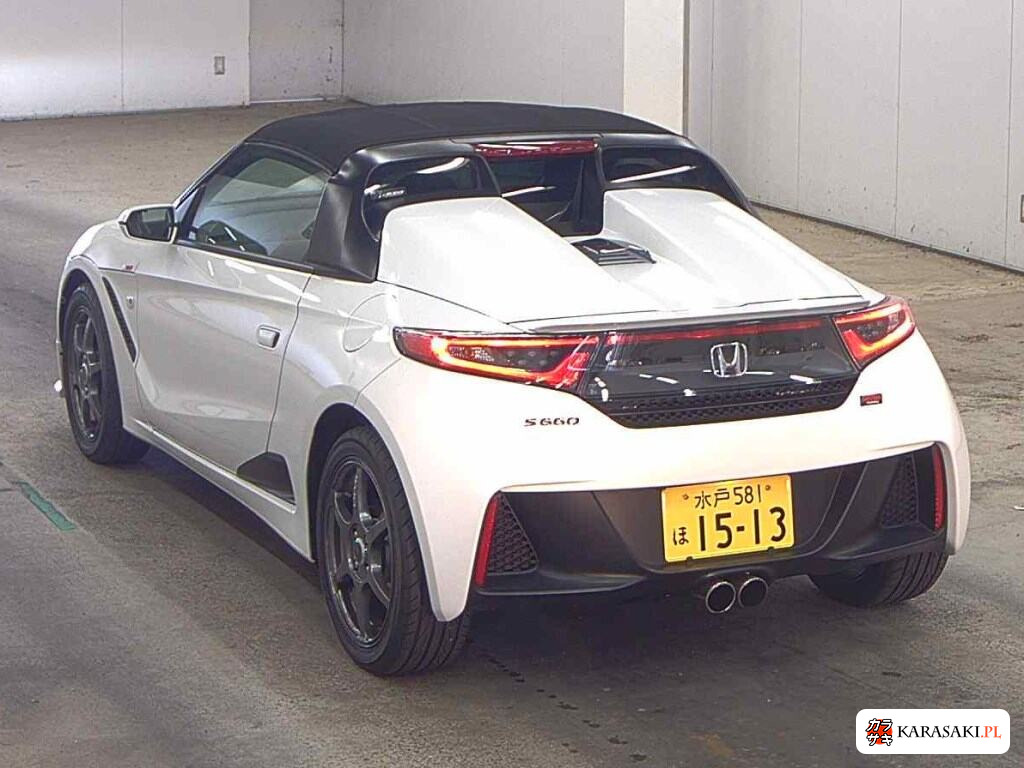
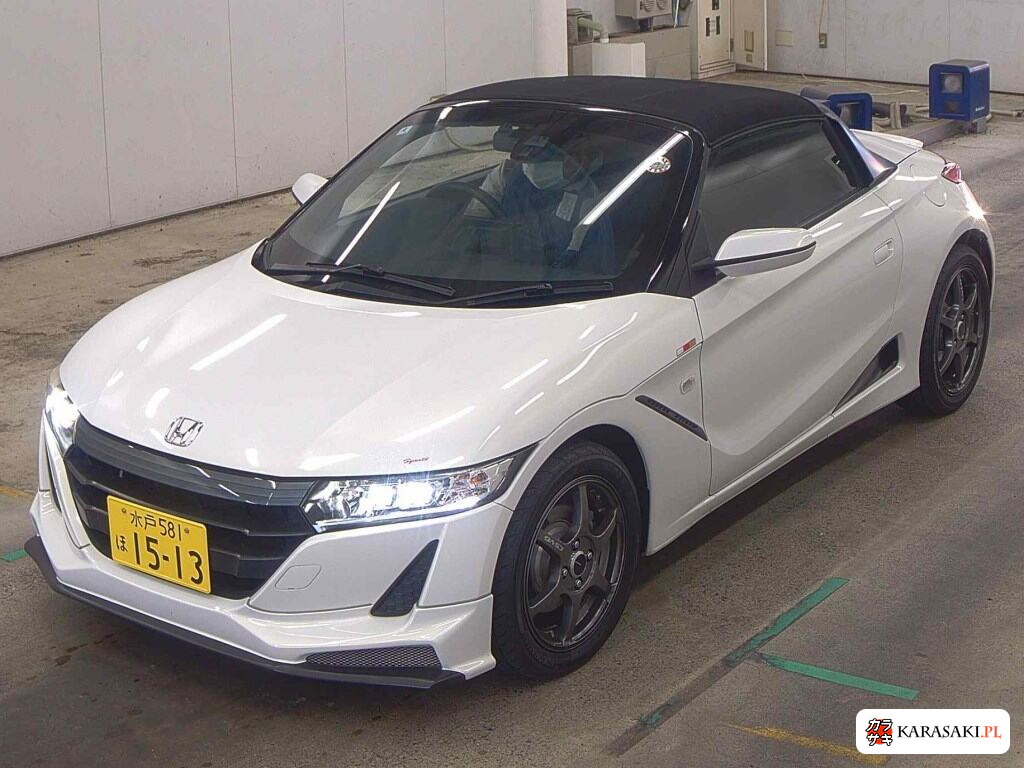
- Honda S660, from 2015 to 2022, the modern spiritual successor to the Beat. A 658 cc turbo engine, mid-mounted, rear-wheel drive and a folding targa roof. Proof that the sporty kei idea never died in the 1990s.
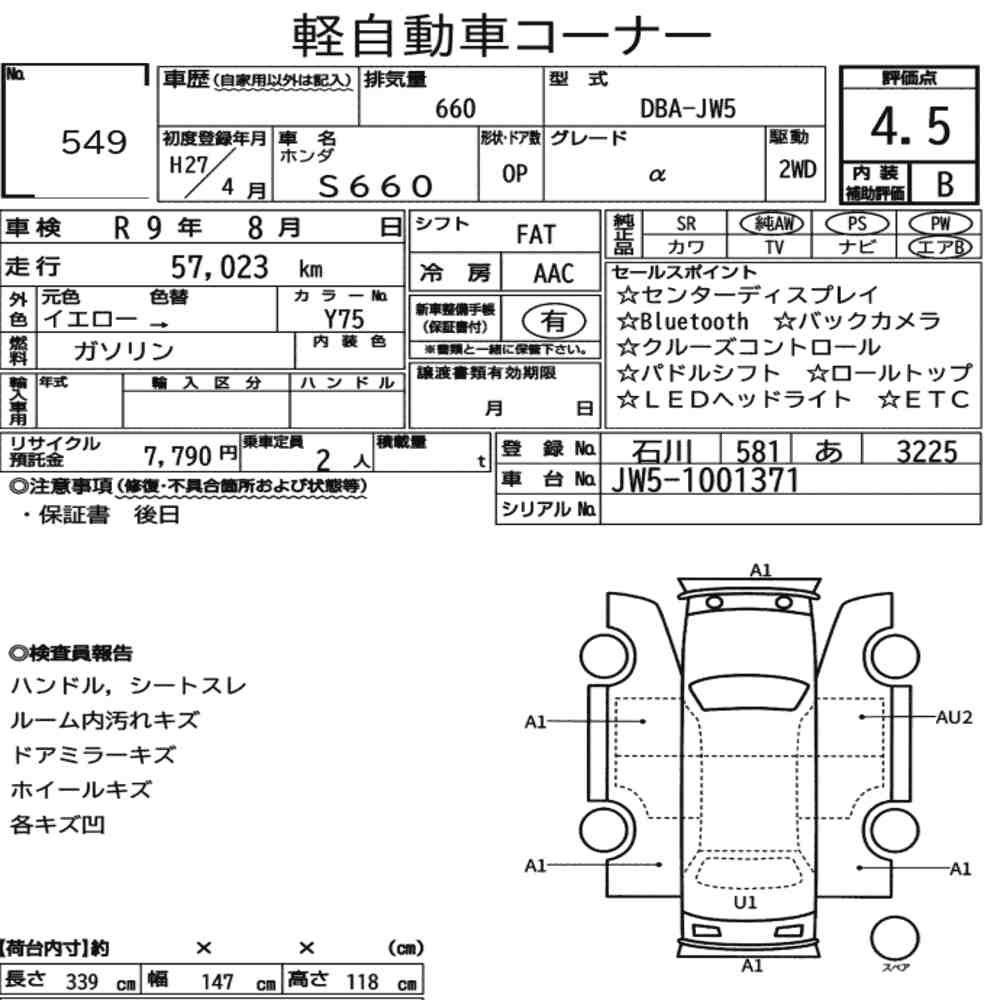
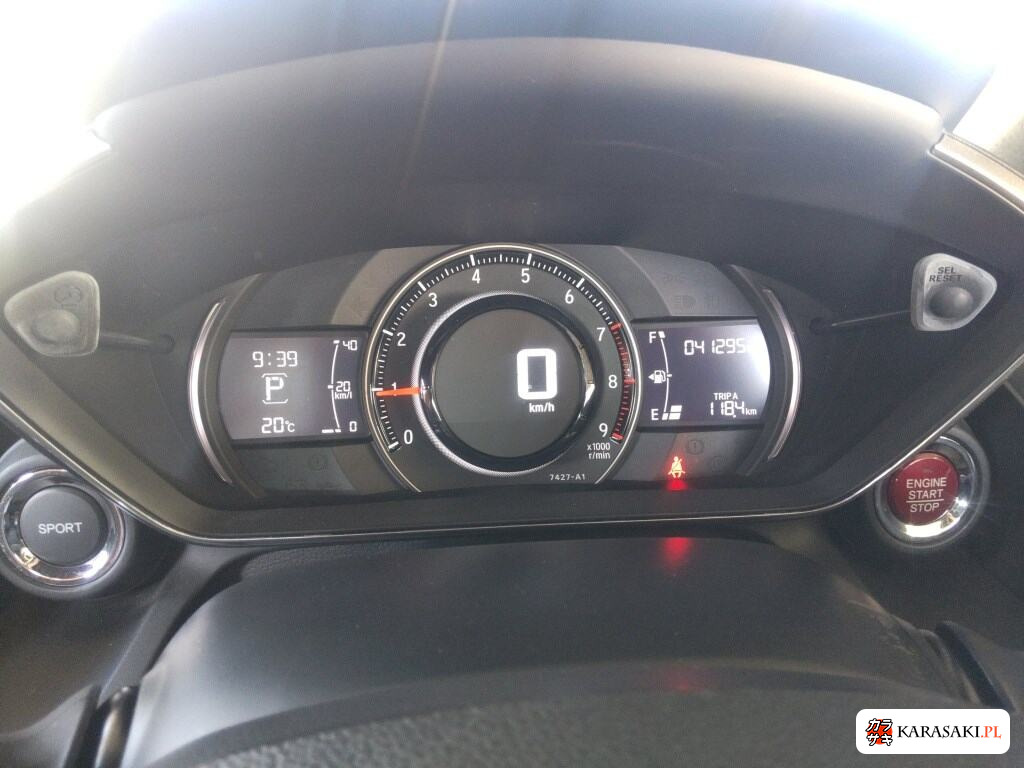
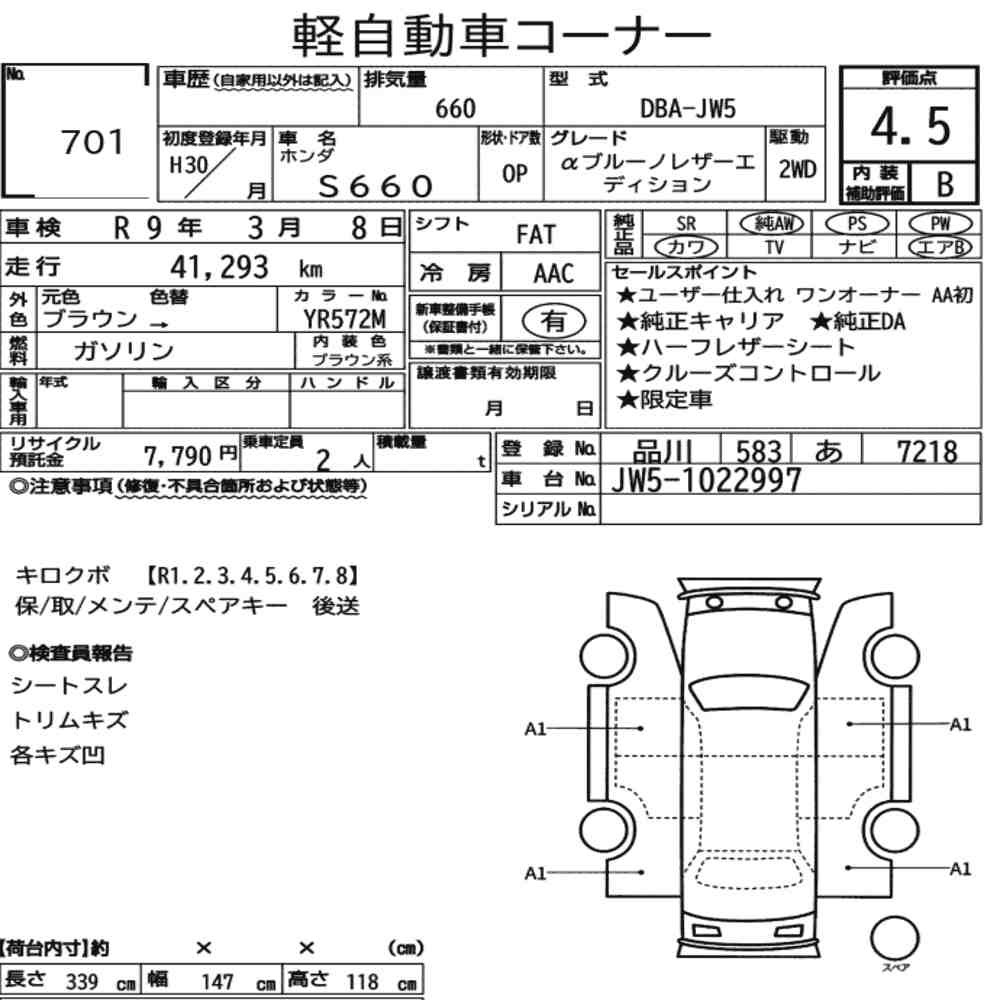
Kei z Japonii na aukcji


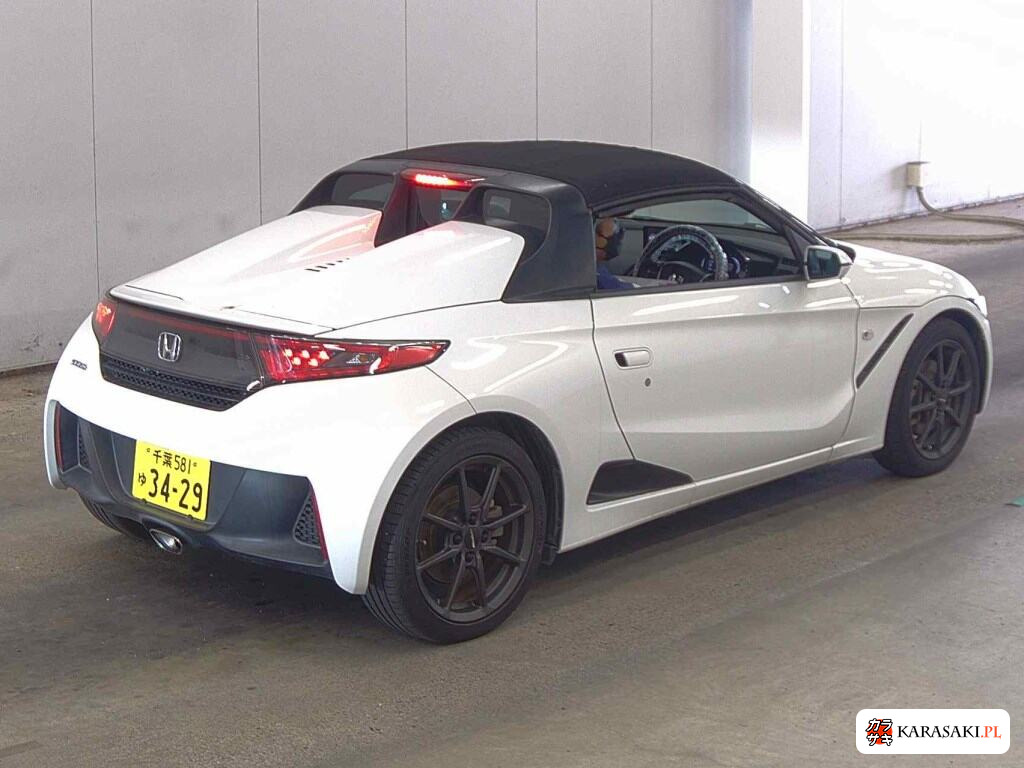
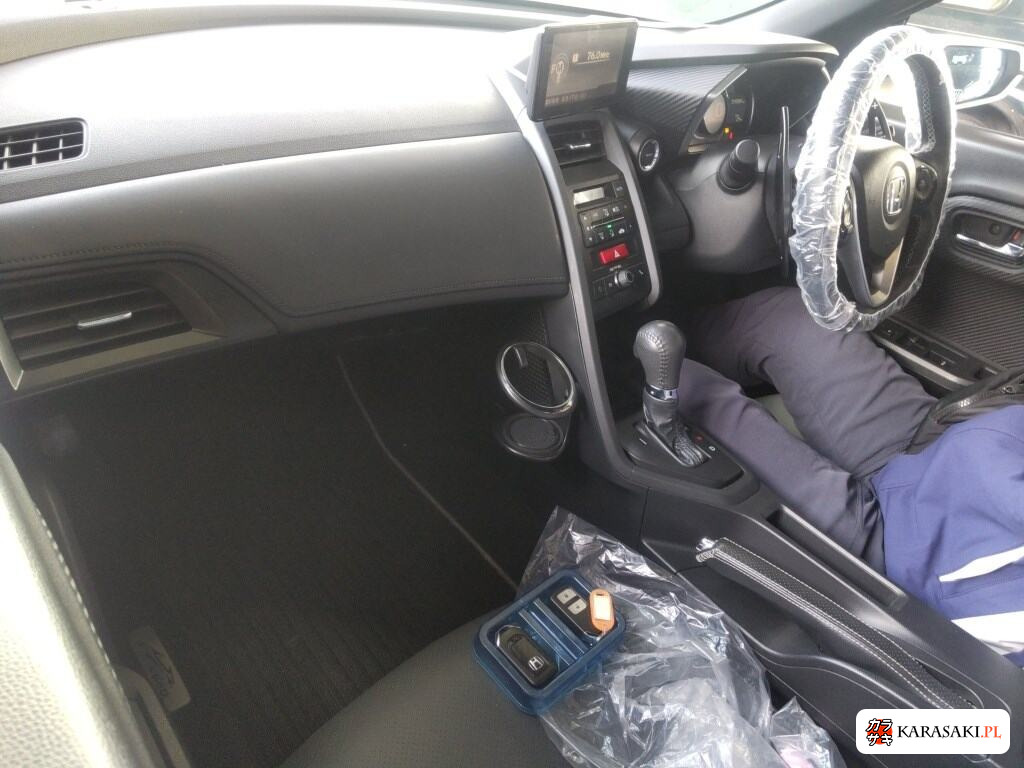
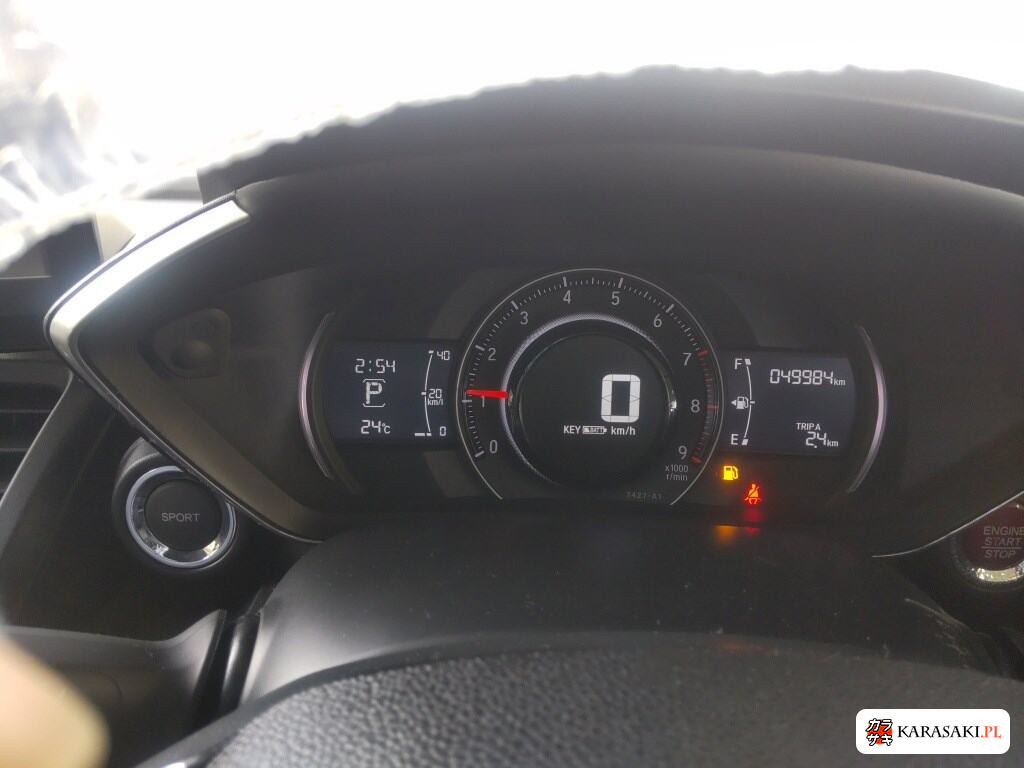
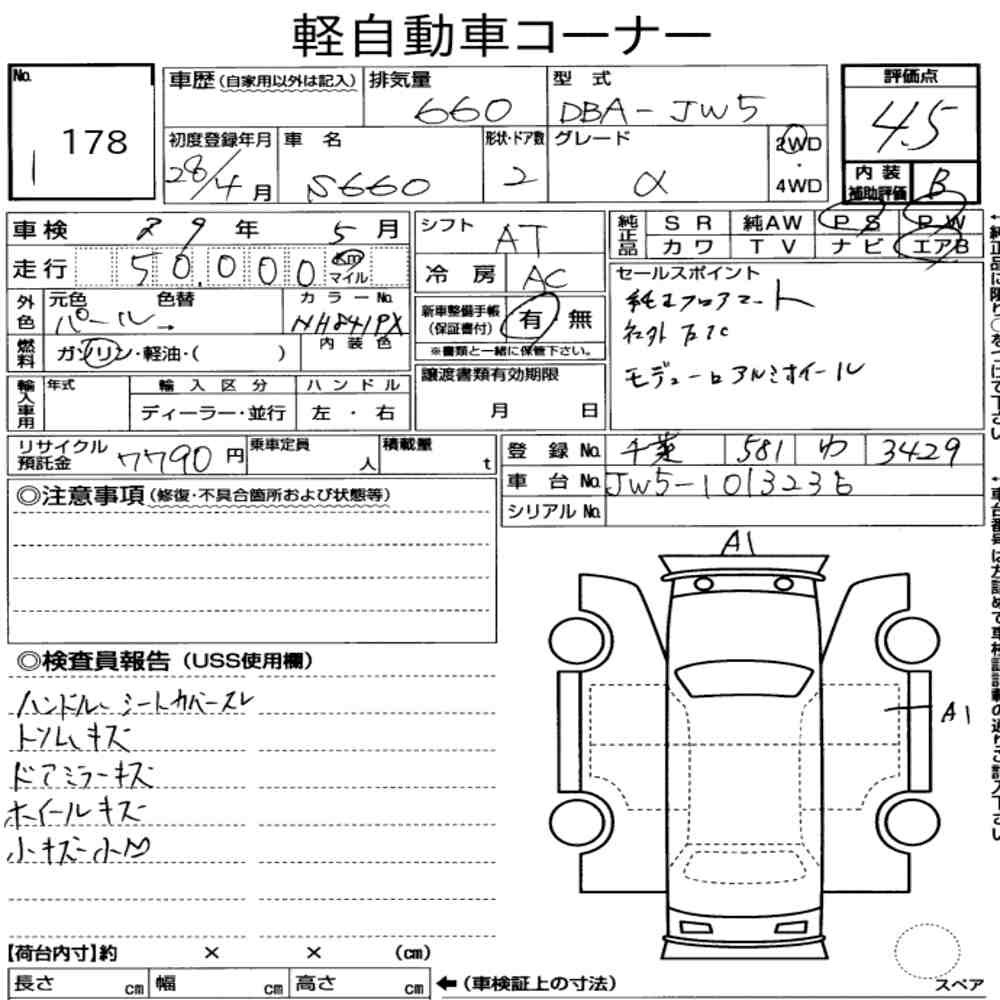





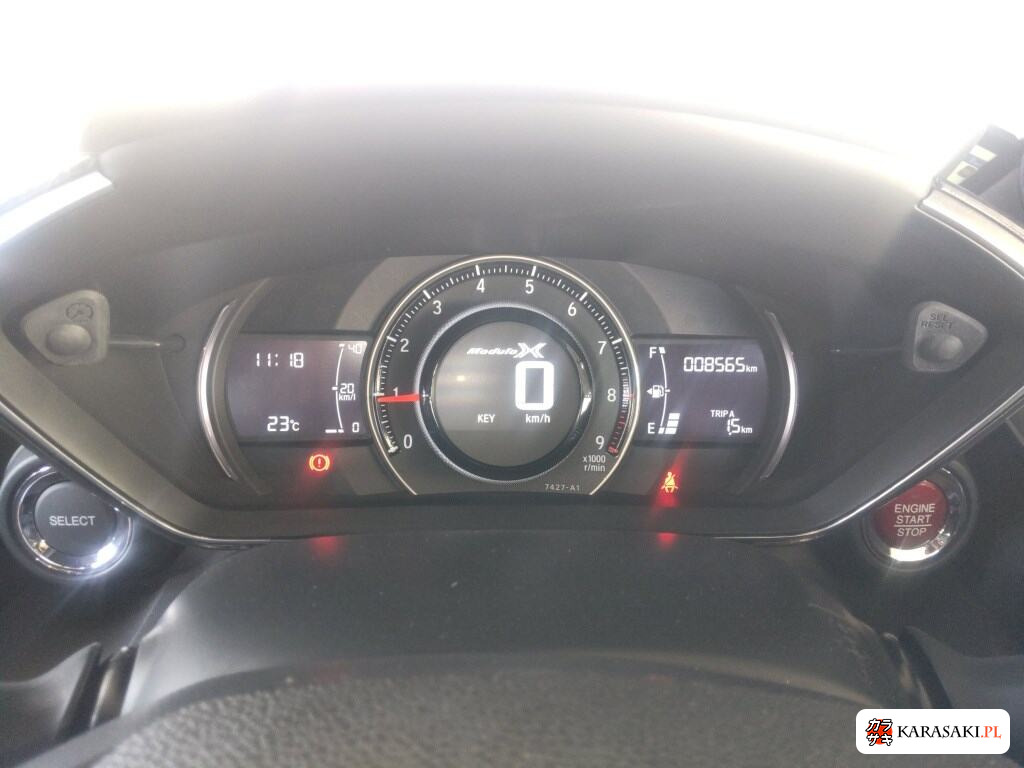
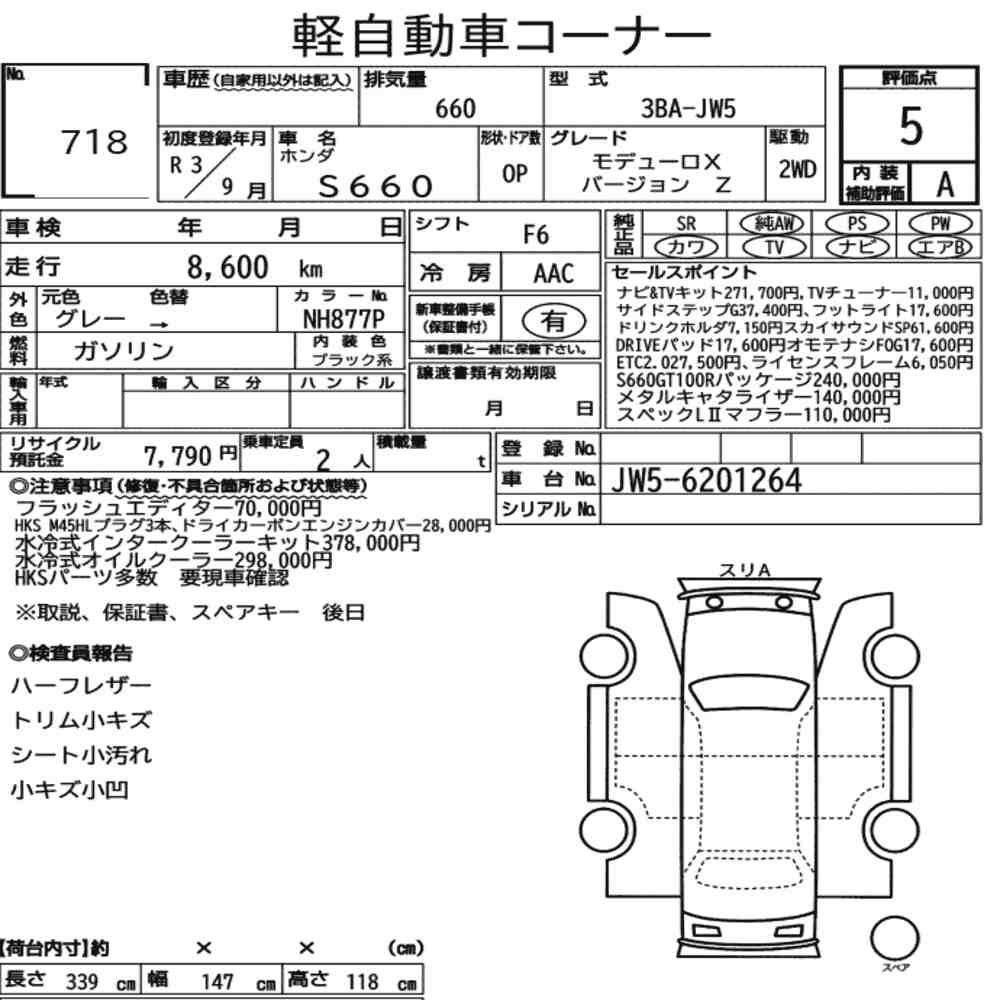

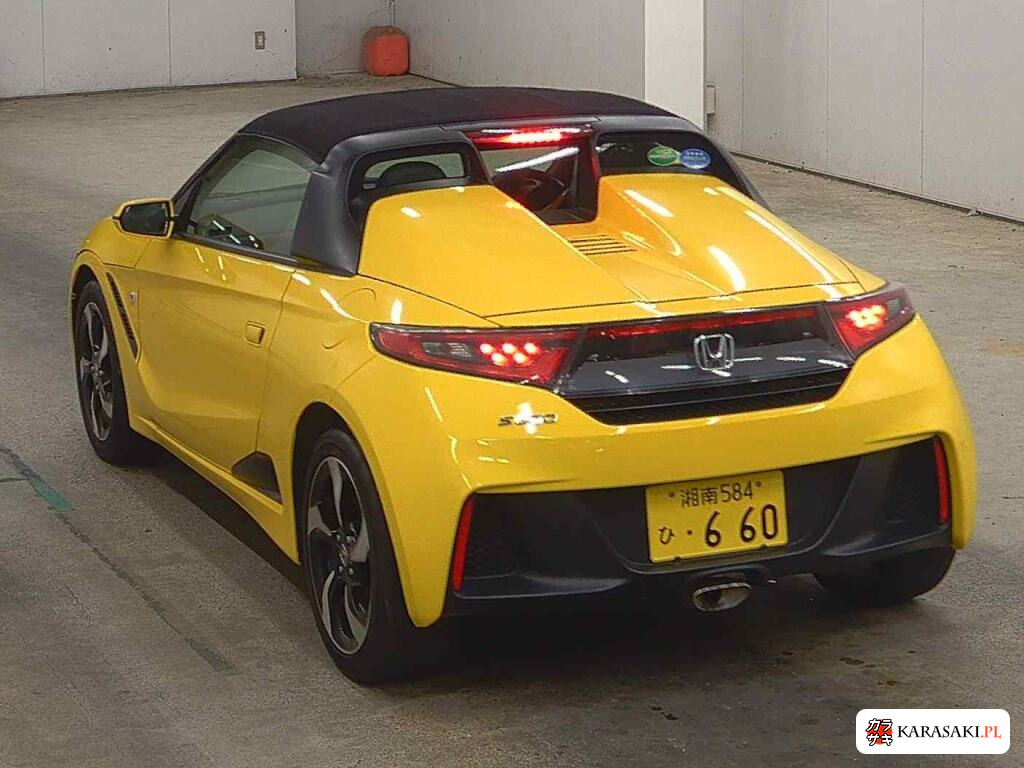
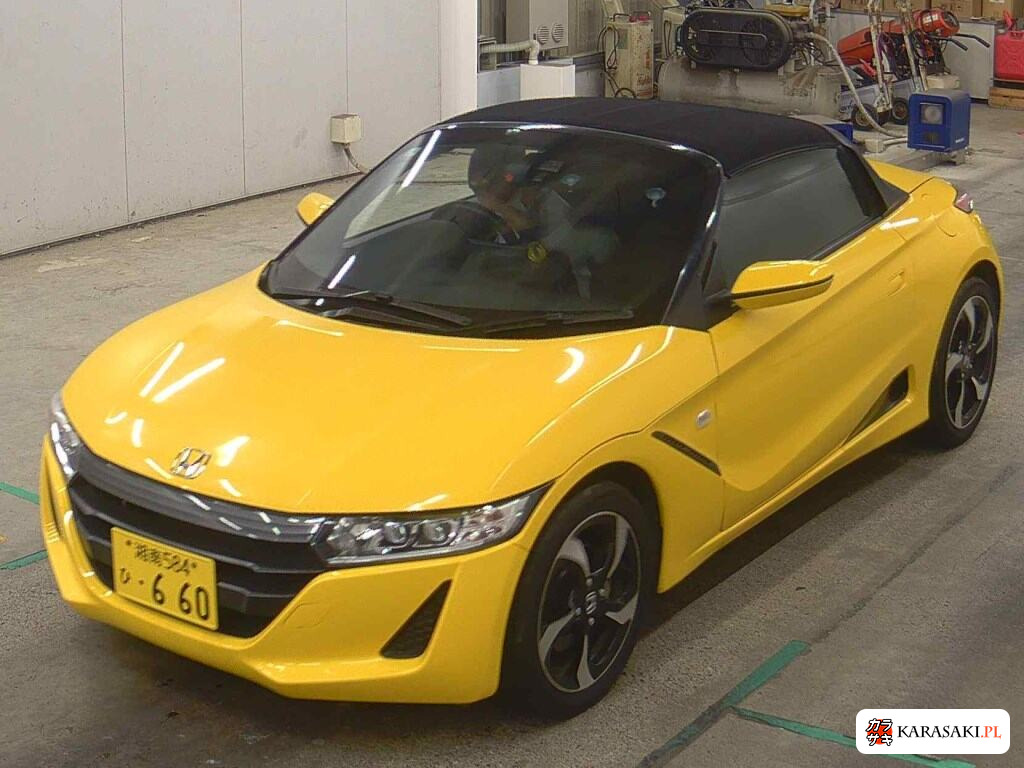




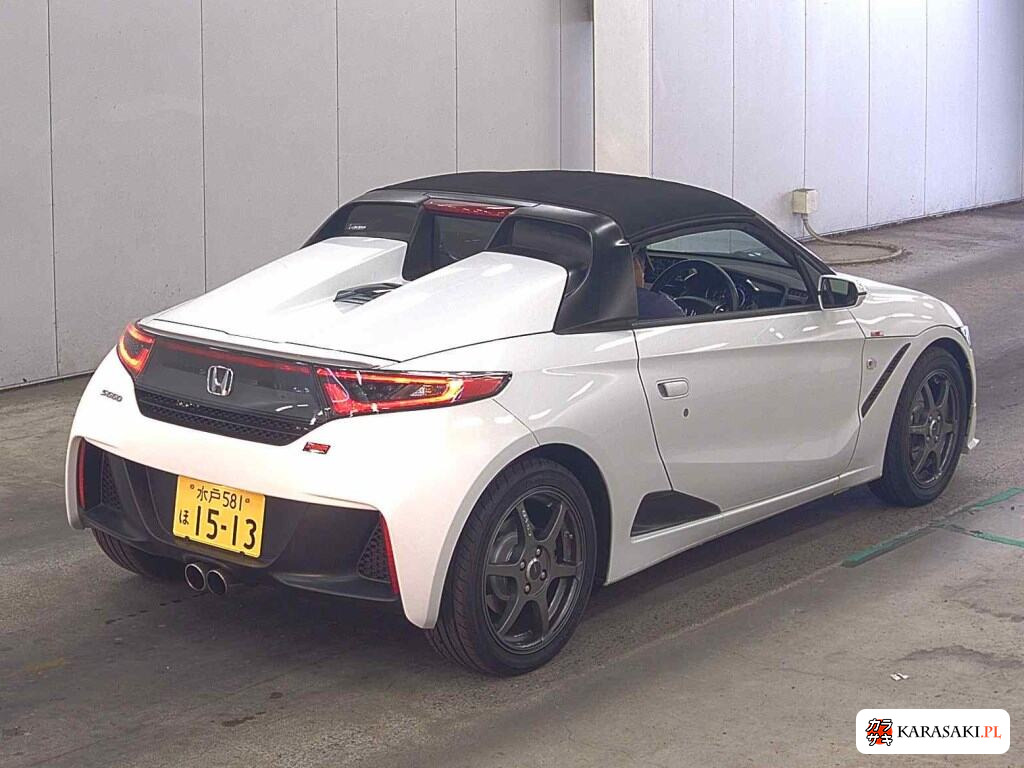
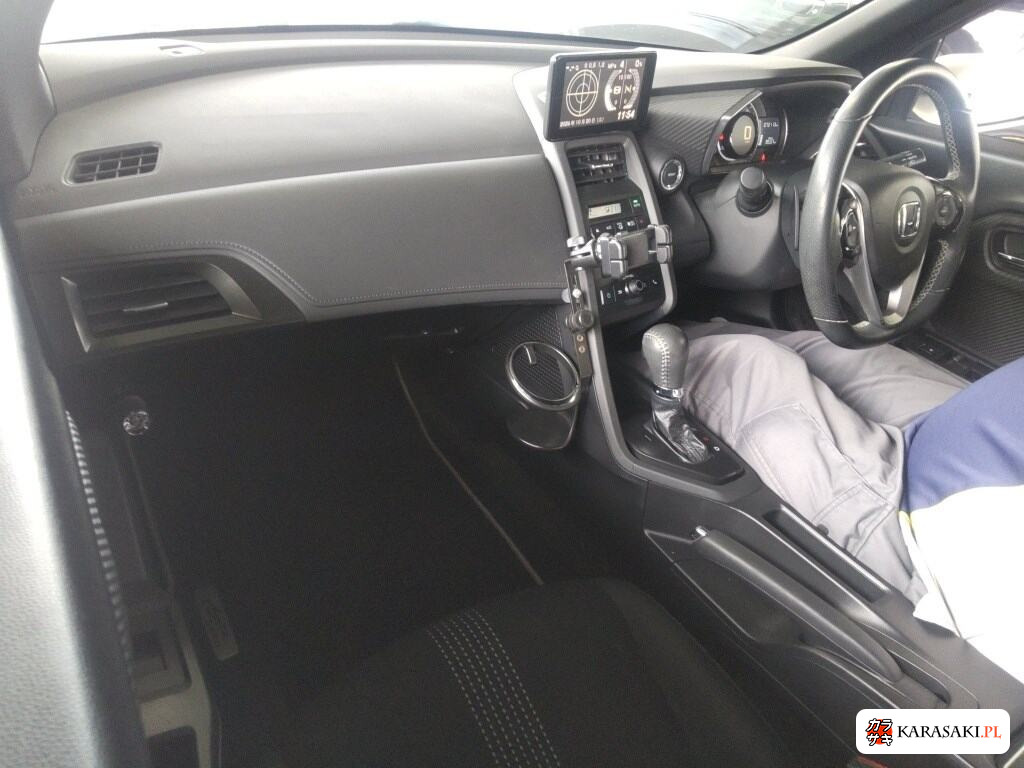
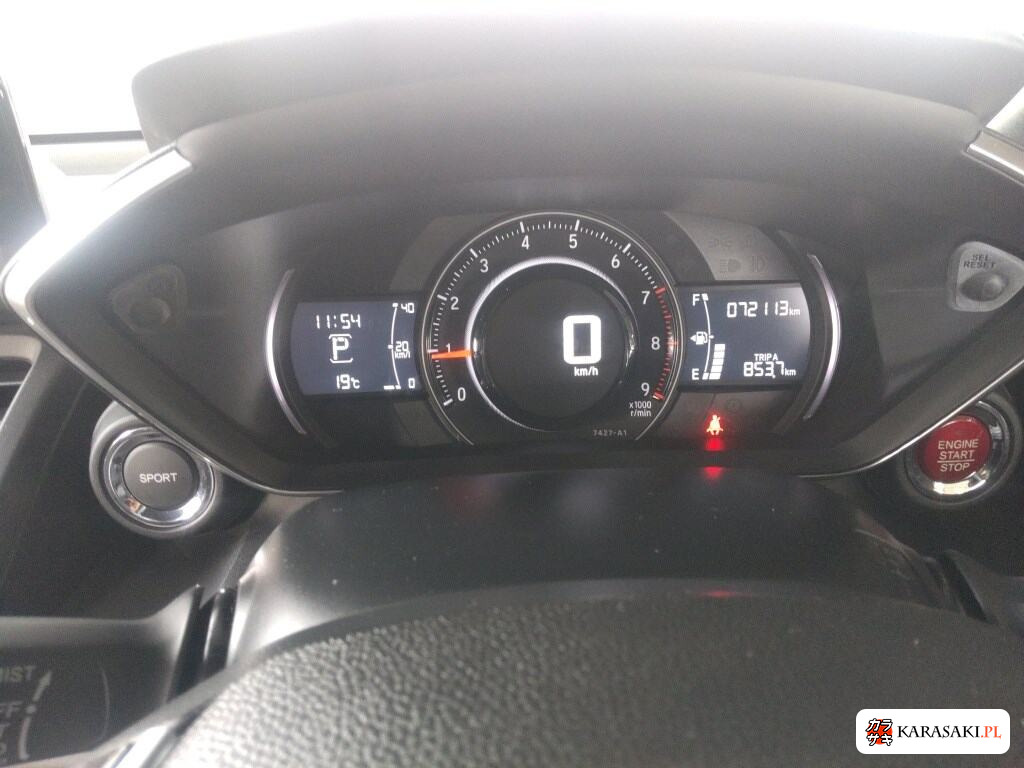
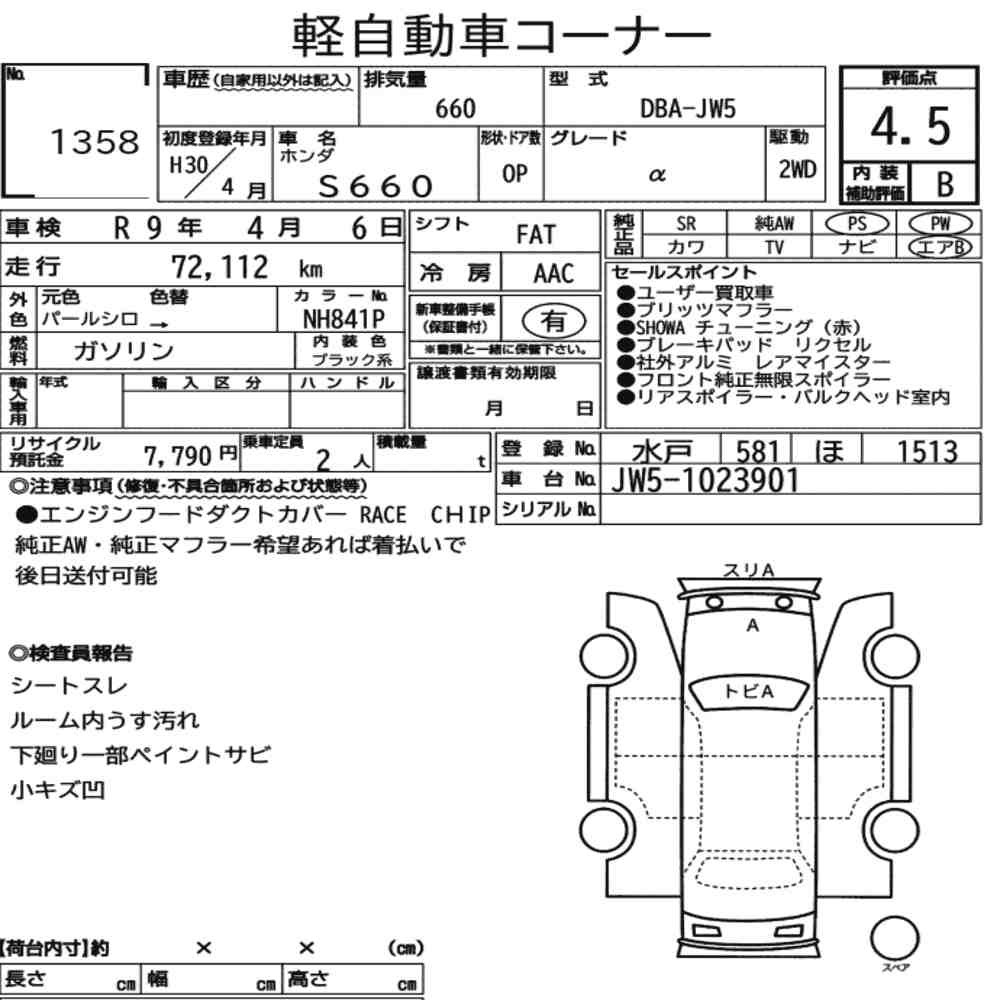
Kei van and kei truck
Kei is not just toys. The most common kei in Japan are the practical workhorses: the kei truck and kei van. They fit the same dimensions and 660 cc cap but wring every last litre of cargo space out of them. The king here is the Suzuki Carry, in production continuously since 1961 and one of the longest-running cars ever. Its passenger version was the Carry Van, renamed Suzuki Every in 1982.
Direct rivals are the Daihatsu Hijet and Honda Acty. All three are small, light and cheap to run, the working animals of Japanese farming and small trade. In Europe they found a second life as niche vehicles: for a smallholding, a food truck, or simply as a charming runabout for the plot and the field.
| Model | Body | Production |
|---|---|---|
| Suzuki Carry | kei truck | since 1961, continuously |
| Suzuki Every | kei van | since 1982 (previously the Carry Van) |
| Daihatsu Hijet | kei truck and kei van | since 1960 |
| Honda Acty | kei truck and kei van | 1977 to 2021 |
Importing a kei to Poland: does it pay off?
The good news is that the European Union has no American-style 25-year barrier. A kei of any year can be legally imported to Poland, while in the US you must wait until the car turns a quarter of a century. Two things matter, though. First, kei were built for Japan's home market, so they have the steering wheel on the right, and registering a right-hand-drive car in Poland is restricted by § 9 of the regulation on technical conditions of vehicles (consolidated text, Dz.U. 2024 item 502). In practice the available paths are a first registration before 1 January 1985, an earlier registration in another EU member state, or converting the steering to the left side. We walk through them step by step in our piece on registering a right-hand-drive car.
Second, the maths matters. You buy a kei cheaply in Japan, but the cost of freight and customs is roughly fixed no matter how small the car is. On a very cheap example the total import fees can exceed the price of the car itself, so a kei pays off mainly as a deliberate collector choice or a niche tool, not as a way to get a cheap car. We break the full cost structure down in our how much it costs to import a car from Japan piece. If you are after a classic with a bigger engine instead, see the whole listing of cars from Japanese auctions.
Frequently asked questions about kei cars
What does the word kei mean?
Kei comes from the Japanese keijidosha, meaning "light vehicle". It is the legal category of Japan's smallest cars: at most 3.40 m long, 1.48 m wide, an engine up to 660 cc and a notional 64 PS. It covers city cars, sporty roadsters and the kei truck and kei van workhorses.
How much does a kei car cost?
In Japan a kei can be cheap, but freight and customs cost roughly the same regardless of the car's size. The full bill for importing a kei to Poland closes at roughly 24,500 to 26,500 PLN at a winning bid of about 400,000 JPY. We show the step-by-step calculation in our guide to how much importing a car from Japan costs.
Are kei trucks available in Poland?
Yes, kei trucks and kei vans are imported to Poland from Japanese auctions, most often for a smallholding, a food-truck build or work around the plot. The popular families are the Suzuki Carry and Every, the Daihatsu Hijet and the Honda Acty. You will find current examples in our listing of cars from Japanese auctions.
Can a kei car be registered in Poland?
A home-market kei has right-hand drive, and its registration is restricted by § 9 of the regulation on technical conditions of vehicles. The available paths are a first registration before 1985, an earlier registration in another EU member state, or converting the steering to the left side. We cover the details in our piece on registering a right-hand-drive car.
Summary
A kei car is not one model but a whole class of cars designed around Japanese rules: at most 3.40 m long, 660 cc and a notional 64 PS. Those limits gave us gems like the Honda Beat, Suzuki Cappuccino and Autozam AZ-1, alongside the indestructible kei truck and kei van. You can import them to Poland with no age barrier, but with cars this small it is the cost of shipping and customs that decides whether the purchase makes sense. For anyone who wants a slice of pure Japanese engineering in the garage, kei is one of the most distinctive choices on the market.


