
This is the most frequently confused point in the whole Japanese import process, and the most expensive to get wrong. You will easily find the claim online that right-hand drive is no obstacle in Poland because EU rules permit it. We carried that sentence on this site ourselves. It is untrue, so we corrected it, and we set out the actual position below.
Can a right-hand-drive car be registered in Poland
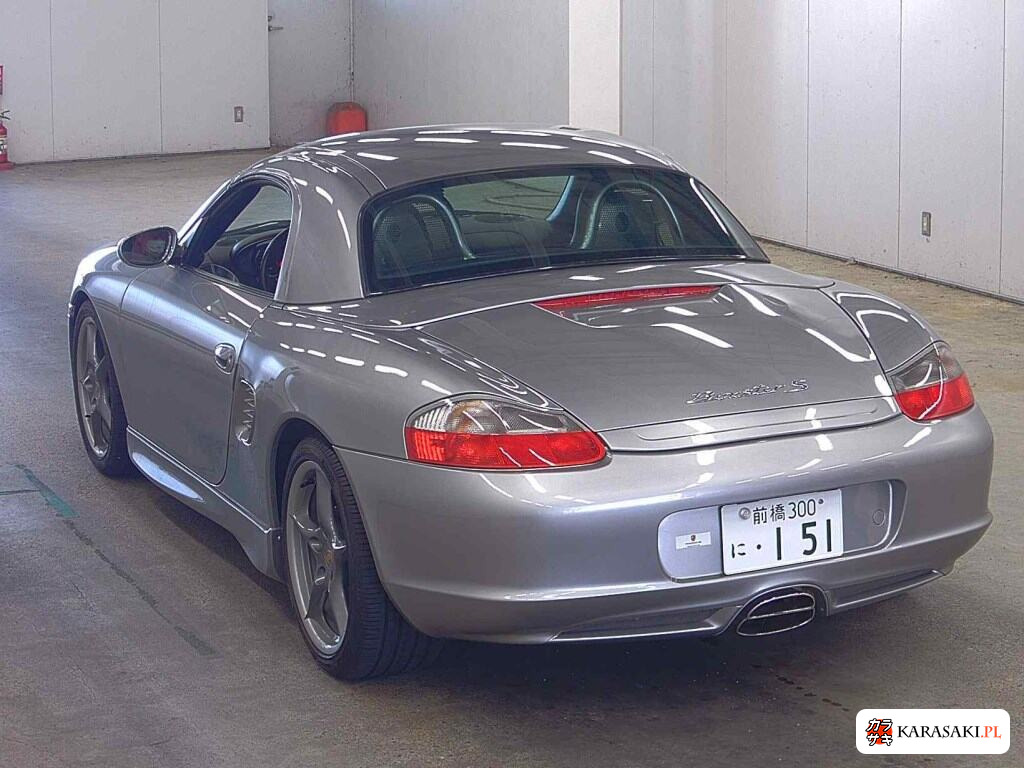
A right-hand-drive car imported straight from a Japanese auction cannot be registered in Poland under the general rules. § 9(2) of the technical-conditions regulation prohibits that placement of the steering wheel, and the exception in § 9(2a) covers only a car that is new with EC type approval or was previously registered in an EU member state. A car from Japan satisfies neither condition.
That is not the end of the story. Routes exist that do work, and we set them out below alongside the ones we are not sure about. It does mean the question has to be settled for a specific car before bidding, not after it reaches port.
What the provision actually says
It reads best in three pieces, because only together do they give the full picture.
Paragraph 2 states that in a vehicle with more than three wheels, whose construction allows it to exceed 40 km/h, the steering wheel should not be placed on the right. That is the basic rule and it captures practically every passenger car.
Paragraph 2a creates the exception, and everything turns on it. It applies only to an M1-category passenger car that is new and covered by an EC type-approval certificate, or that was previously registered in the territory of an EU member state. Additional conditions are dipped-beam headlamps intended for right-hand traffic and a left exterior mirror with the required field of view.
Paragraph 3 narrows the ban: paragraph 2 applies to vehicles first registered after 31 December 1984. Cars first registered before 1 January 1985 fall outside it entirely.
Government sites confirm this reading: powroty.gov.pl in its guidance on putting a foreign vehicle on the road, and brexit.gov.pl on registering a vehicle imported from the United Kingdom. Powroty.gov.pl names Japan explicitly as a country from which a right-hand-drive car will not get through by that route.
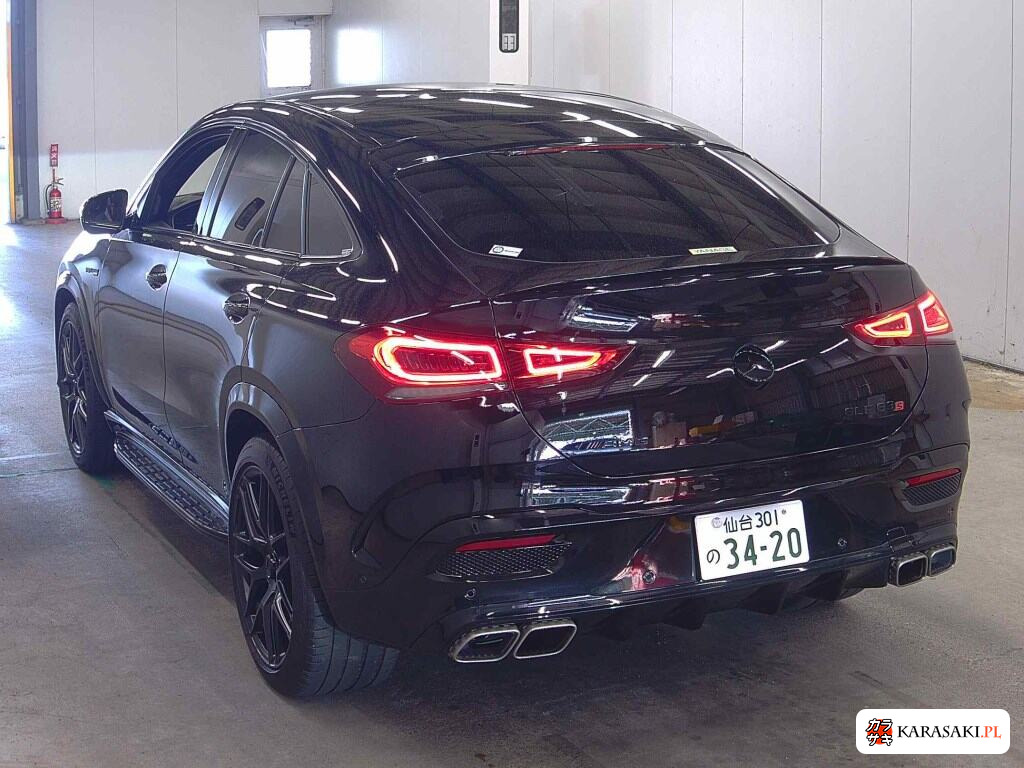
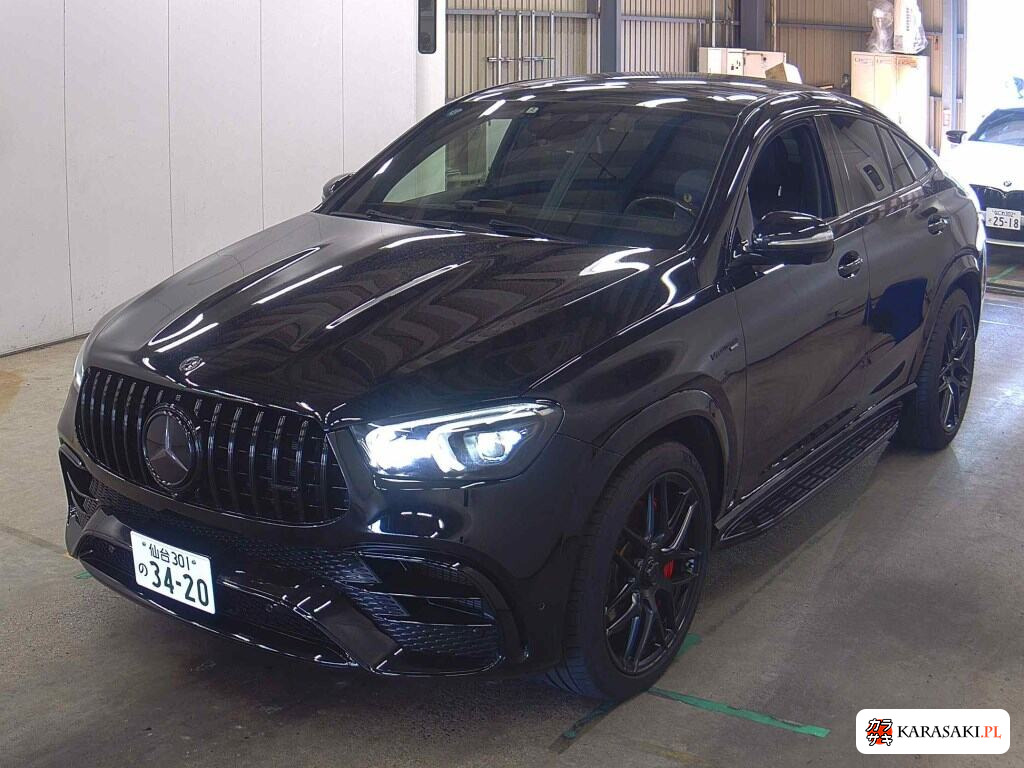
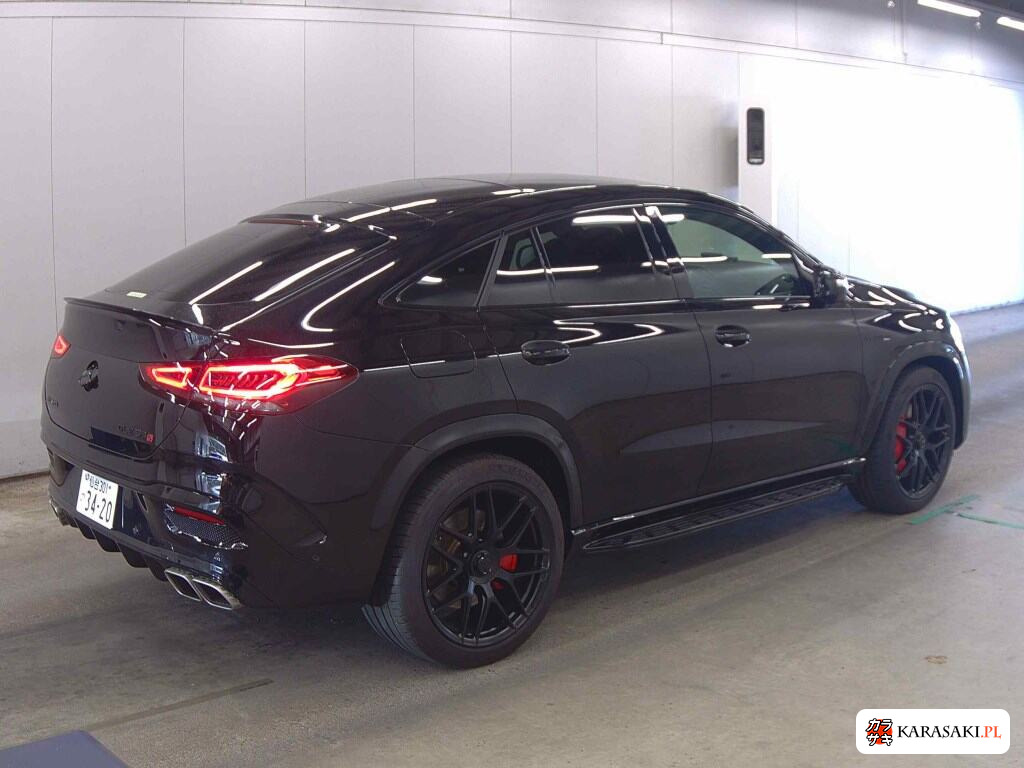
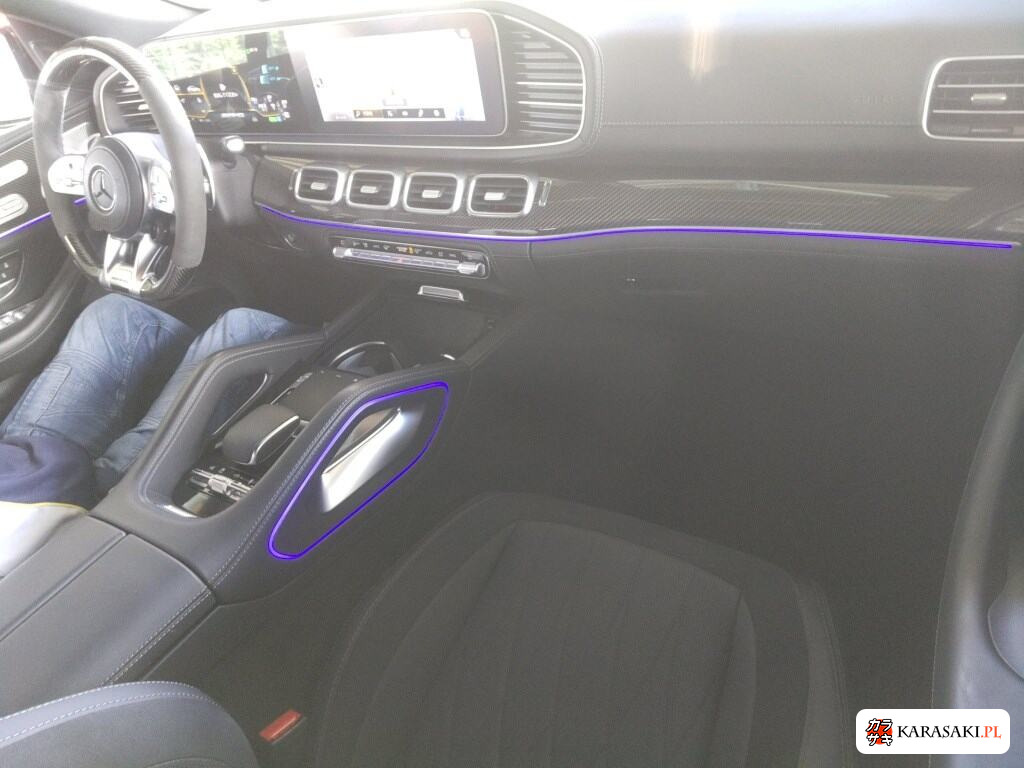
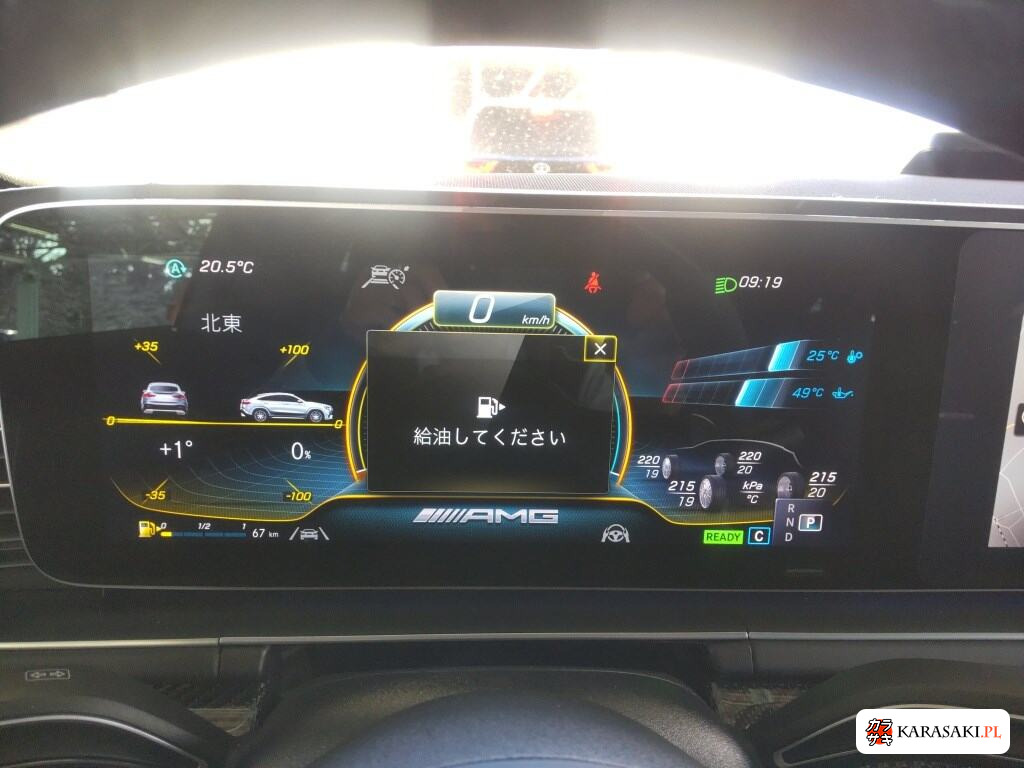
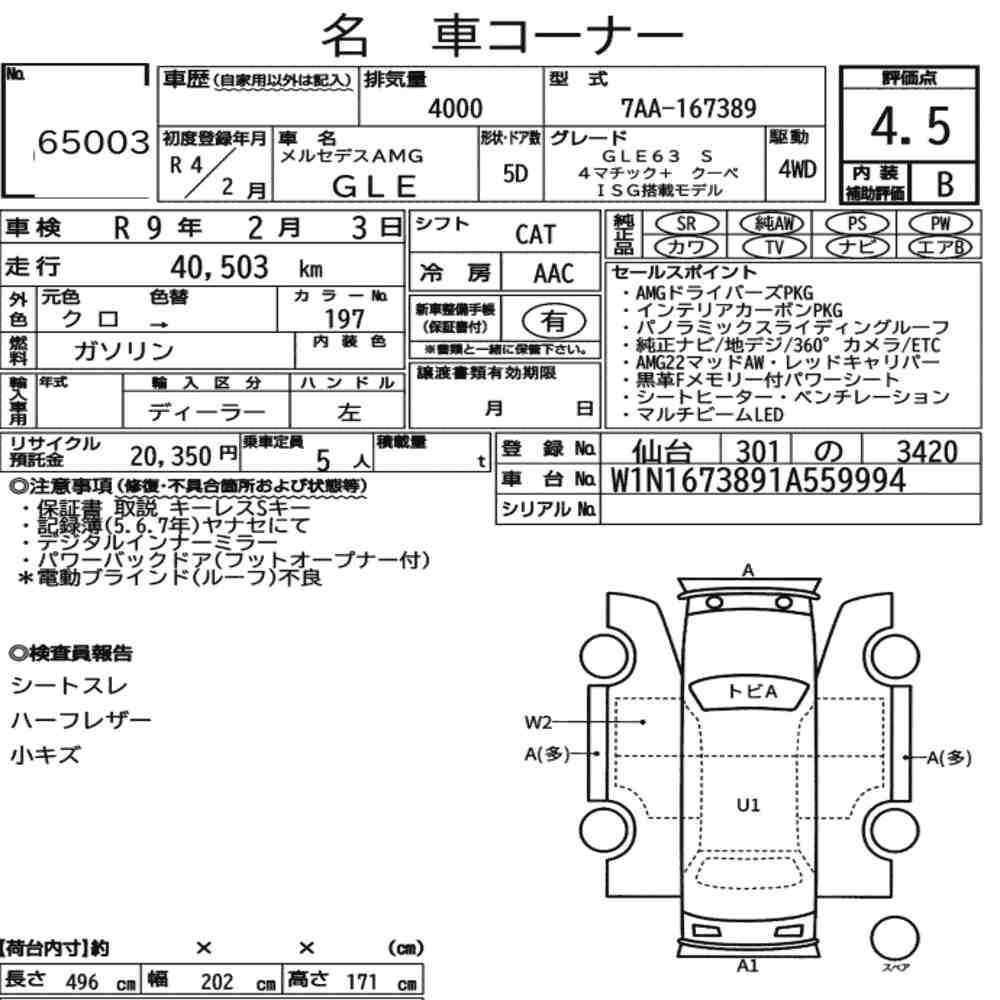
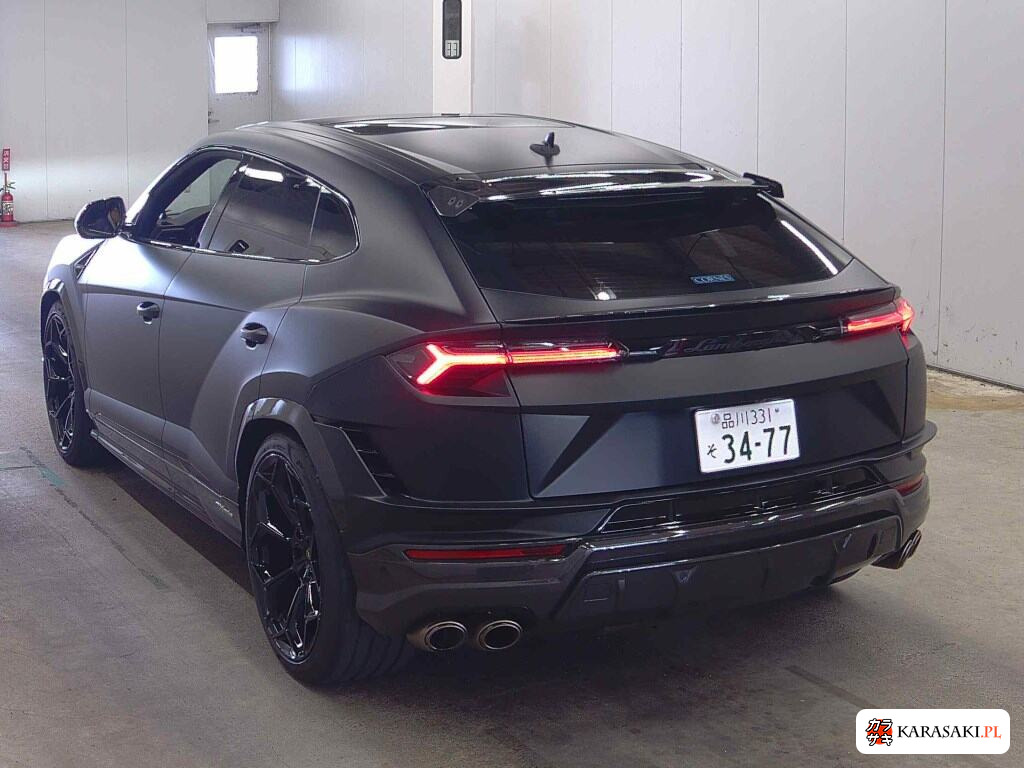
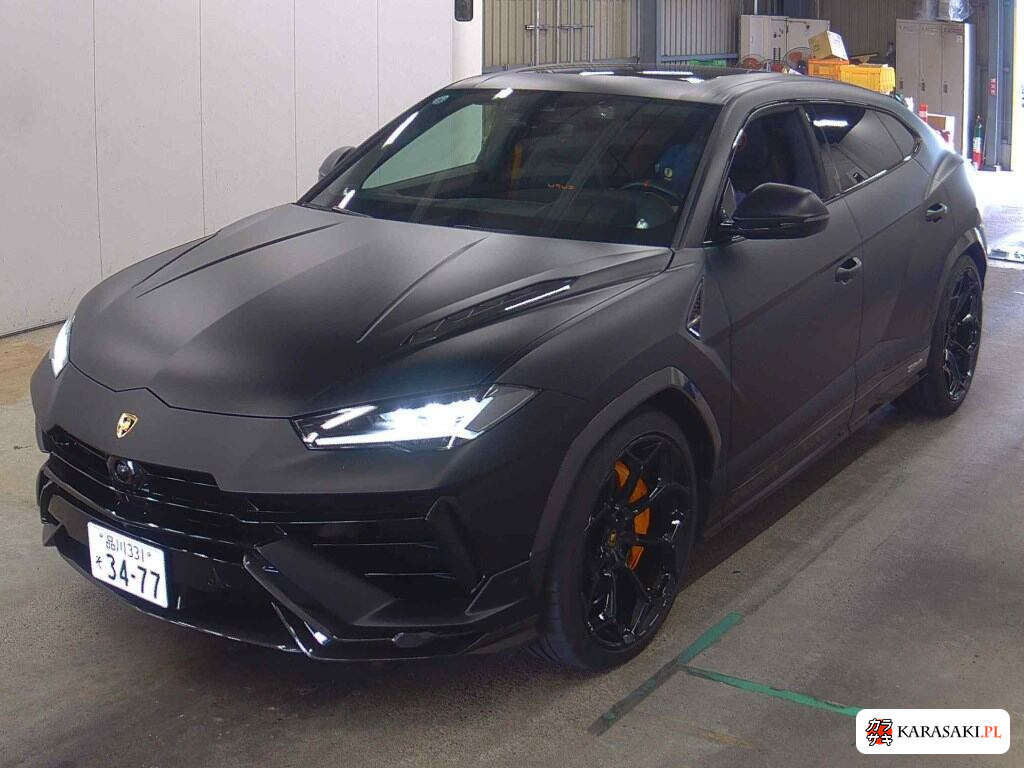
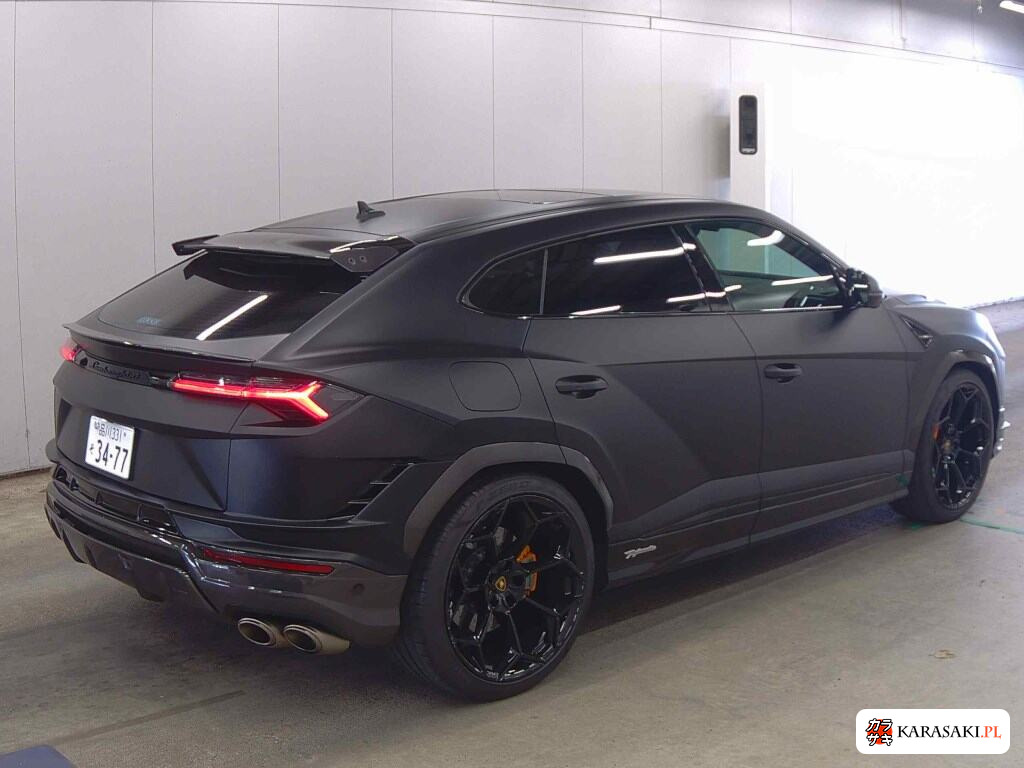
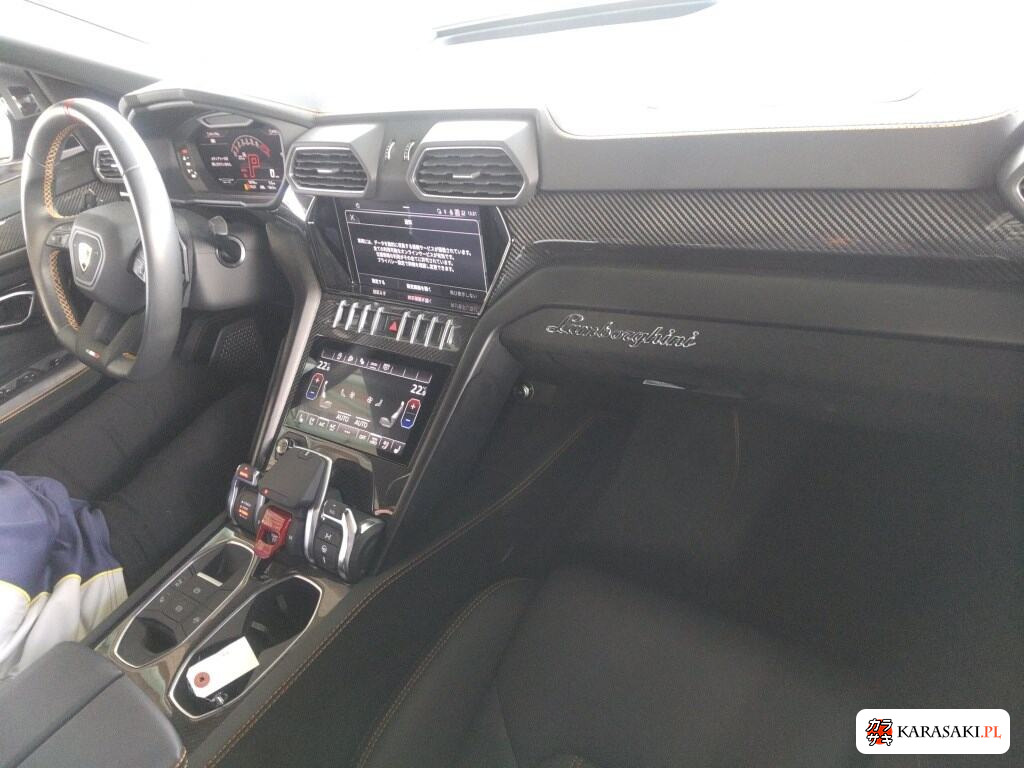
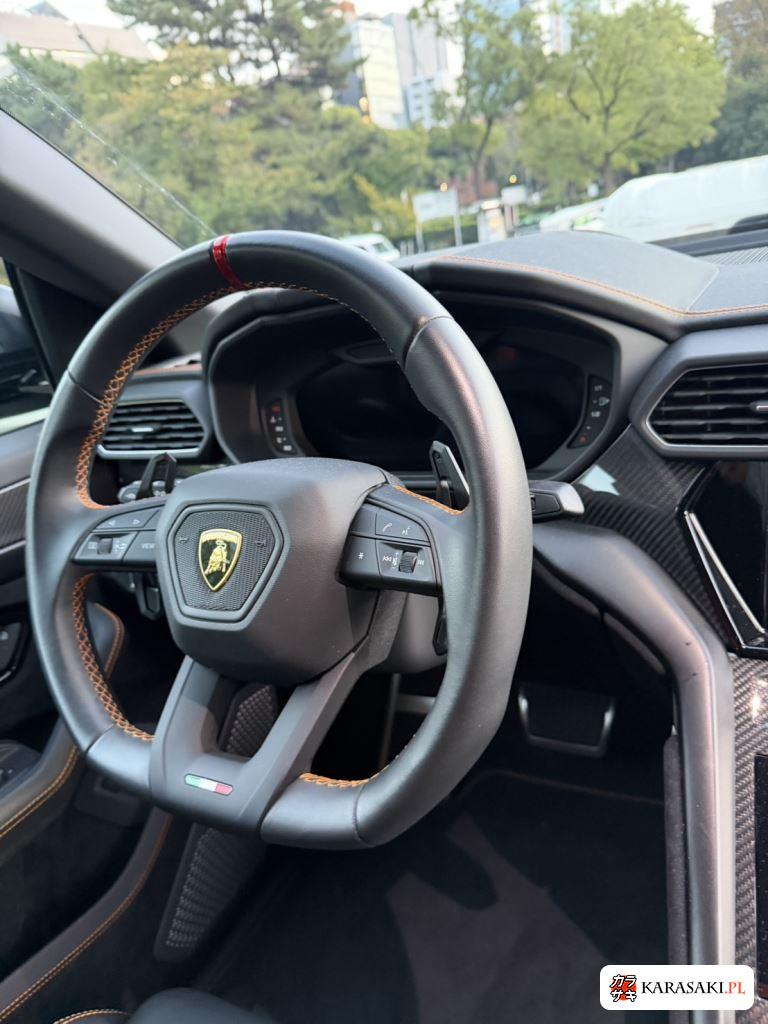
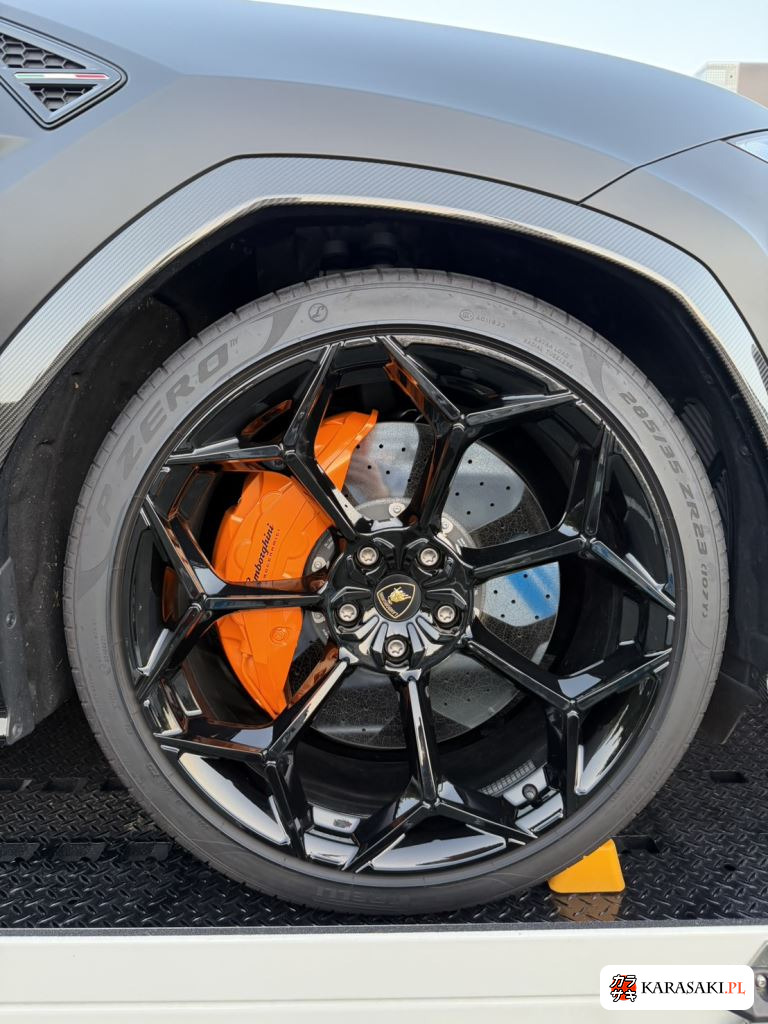
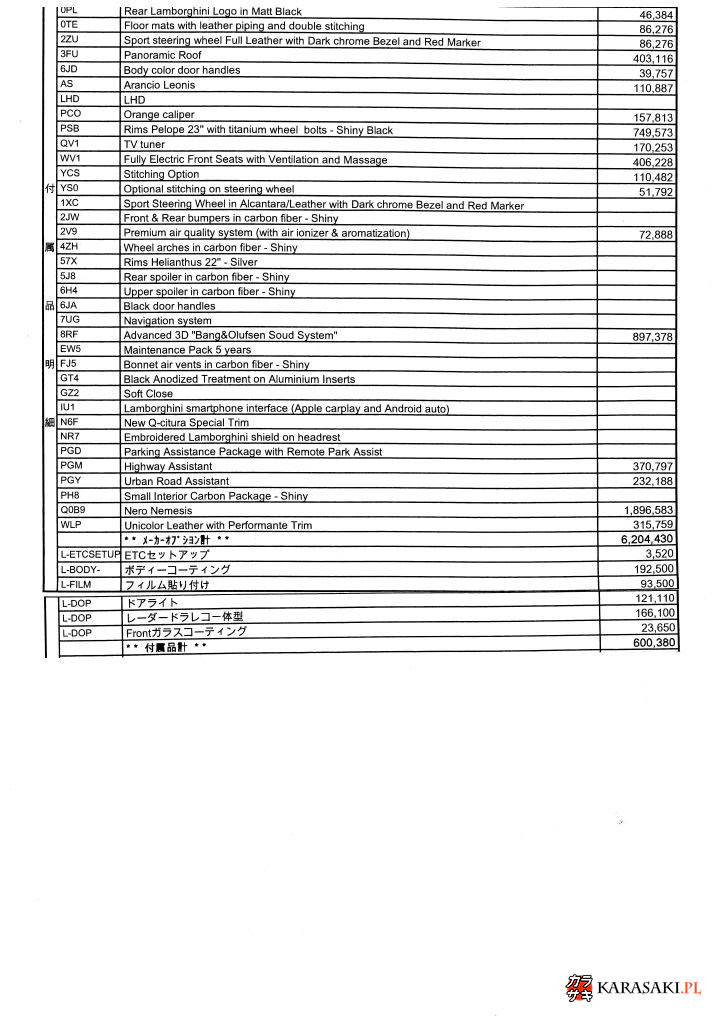
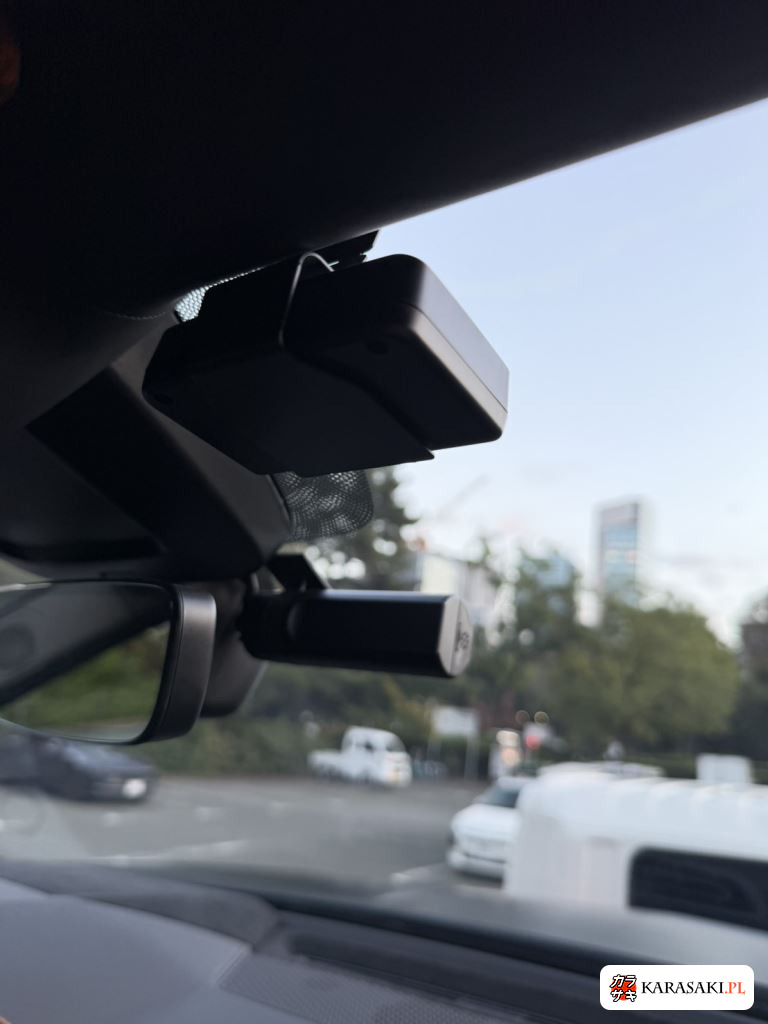
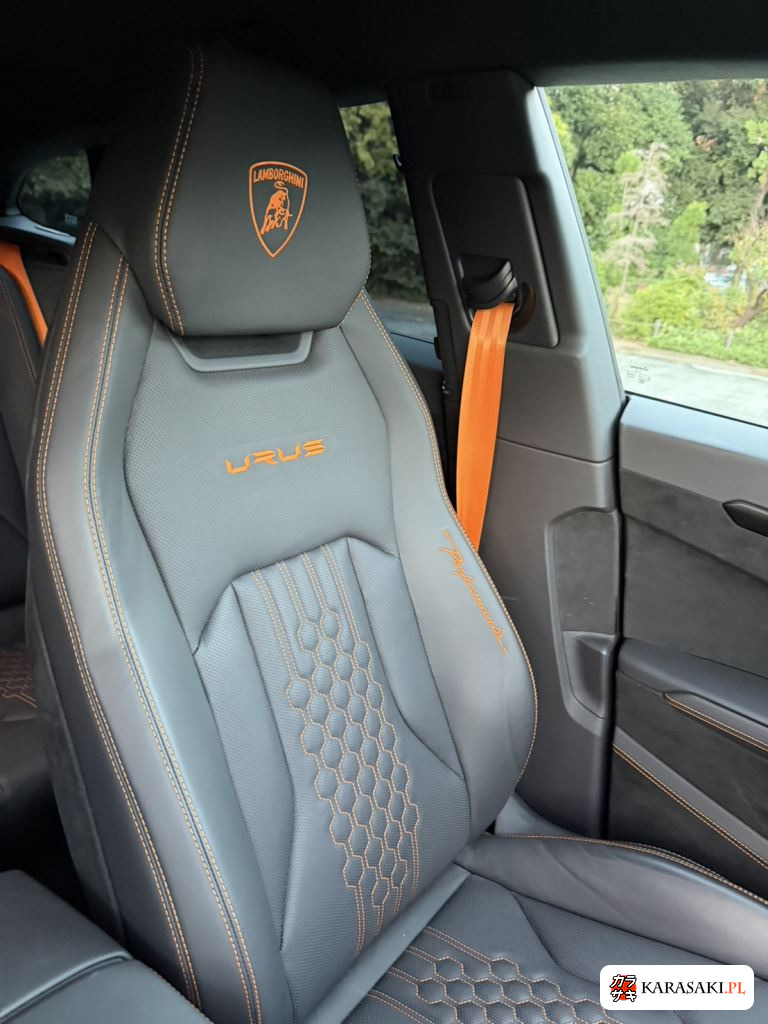
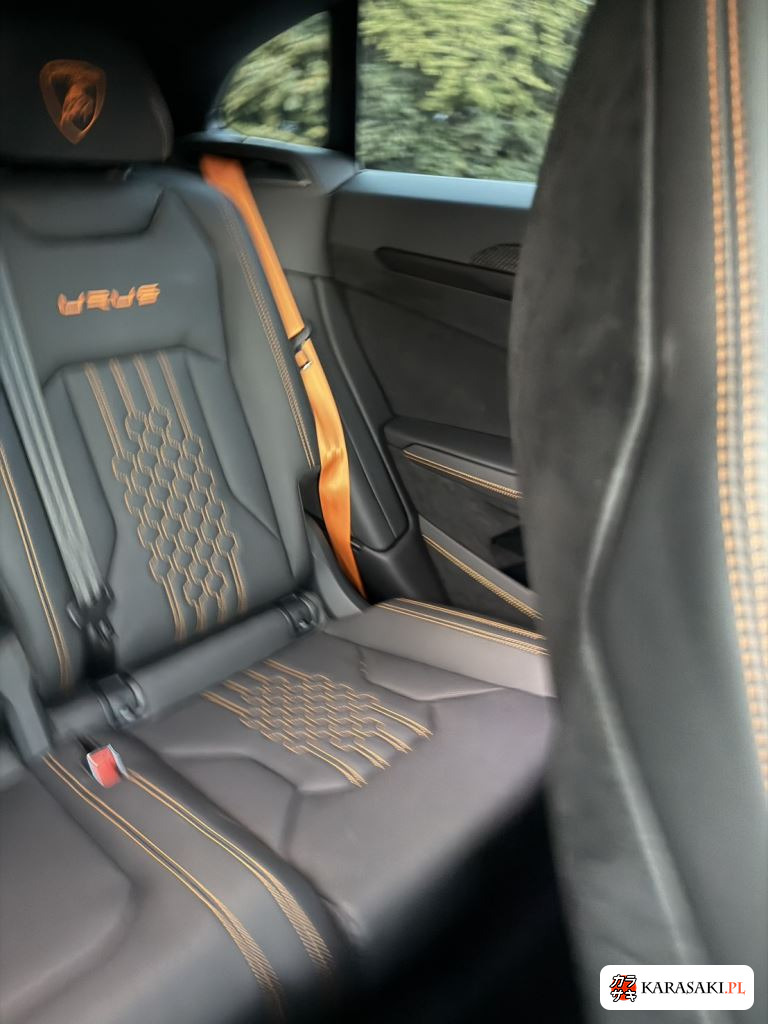
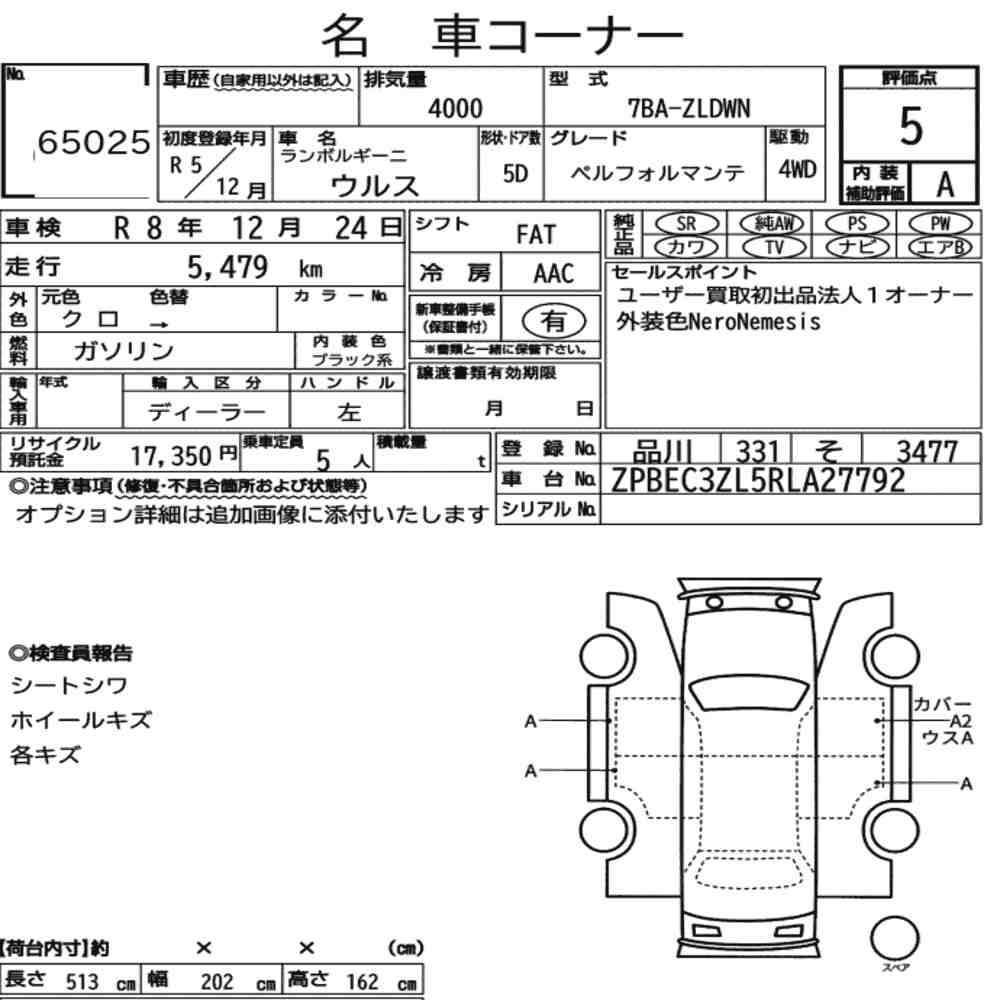
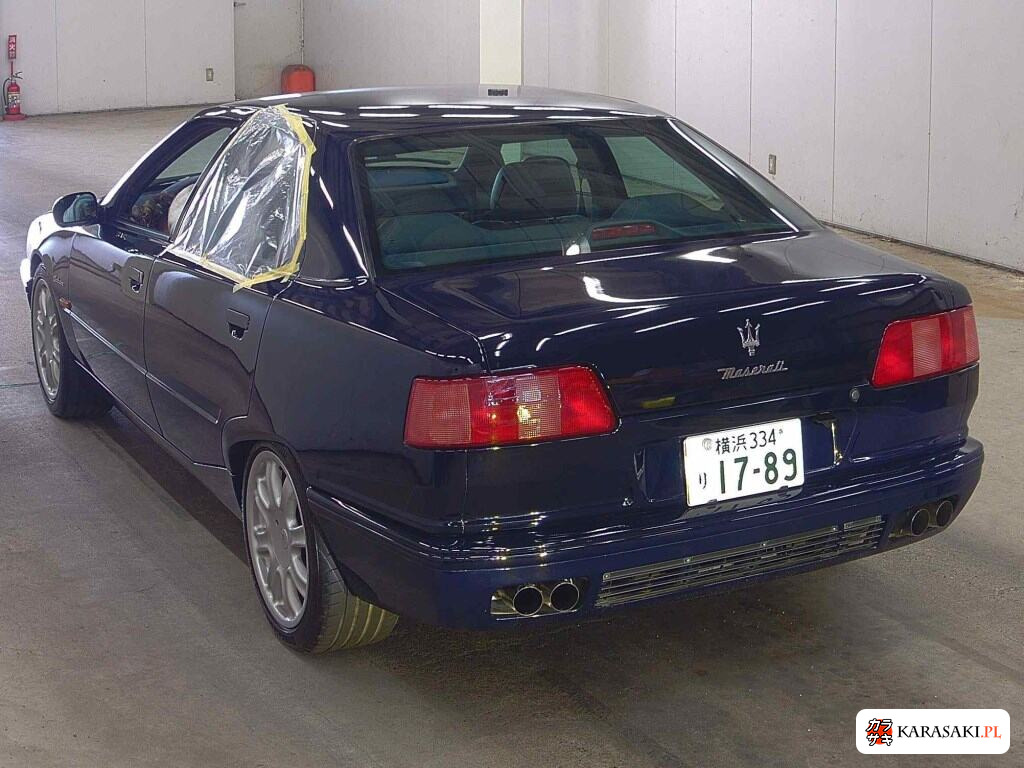
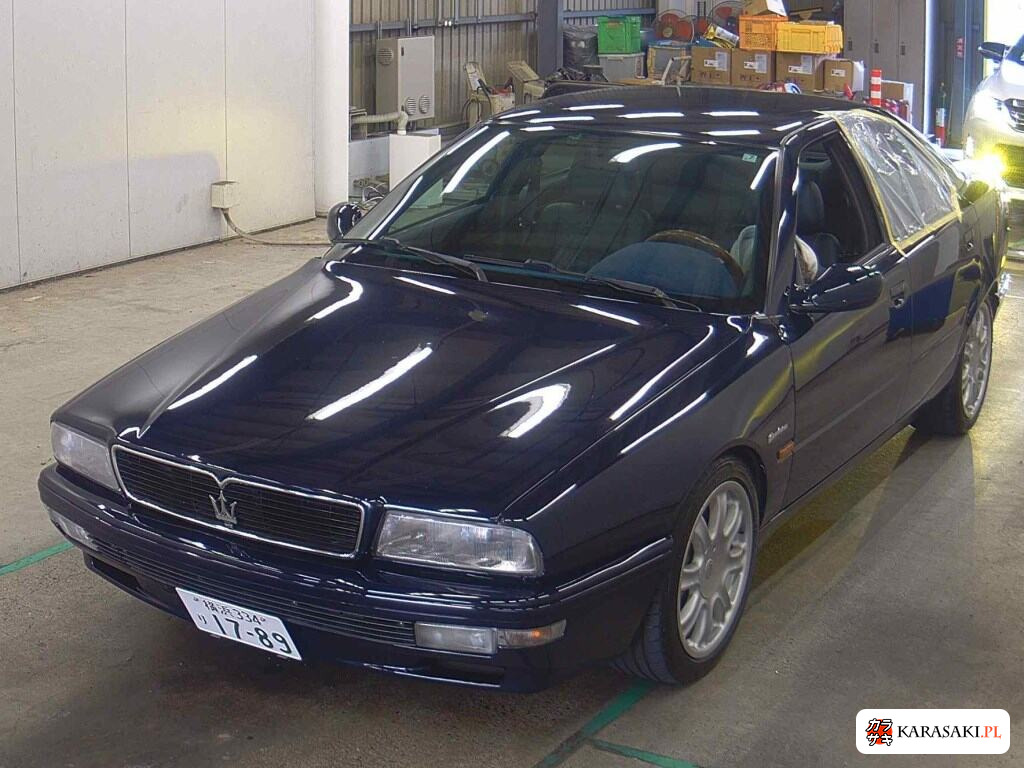
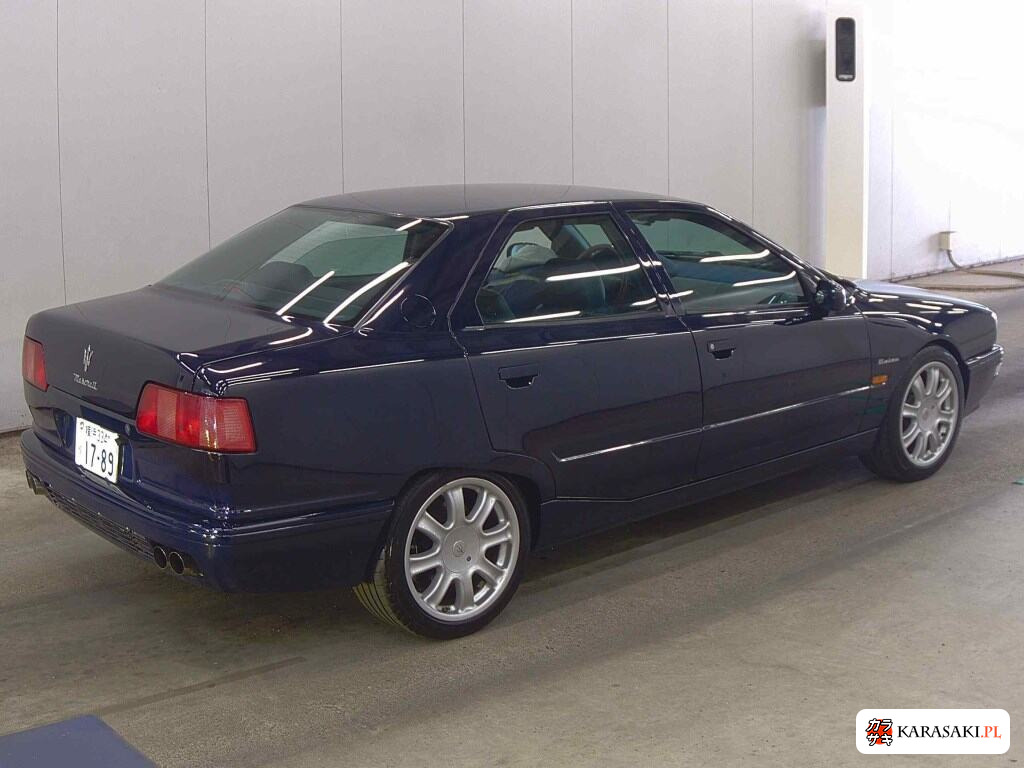
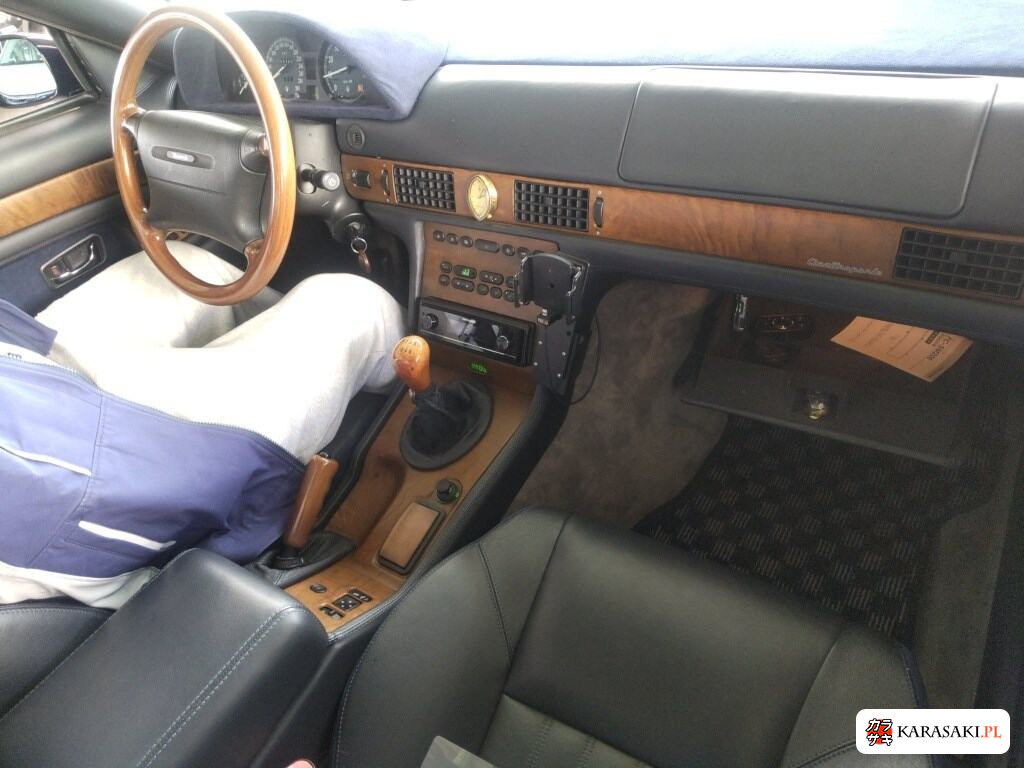
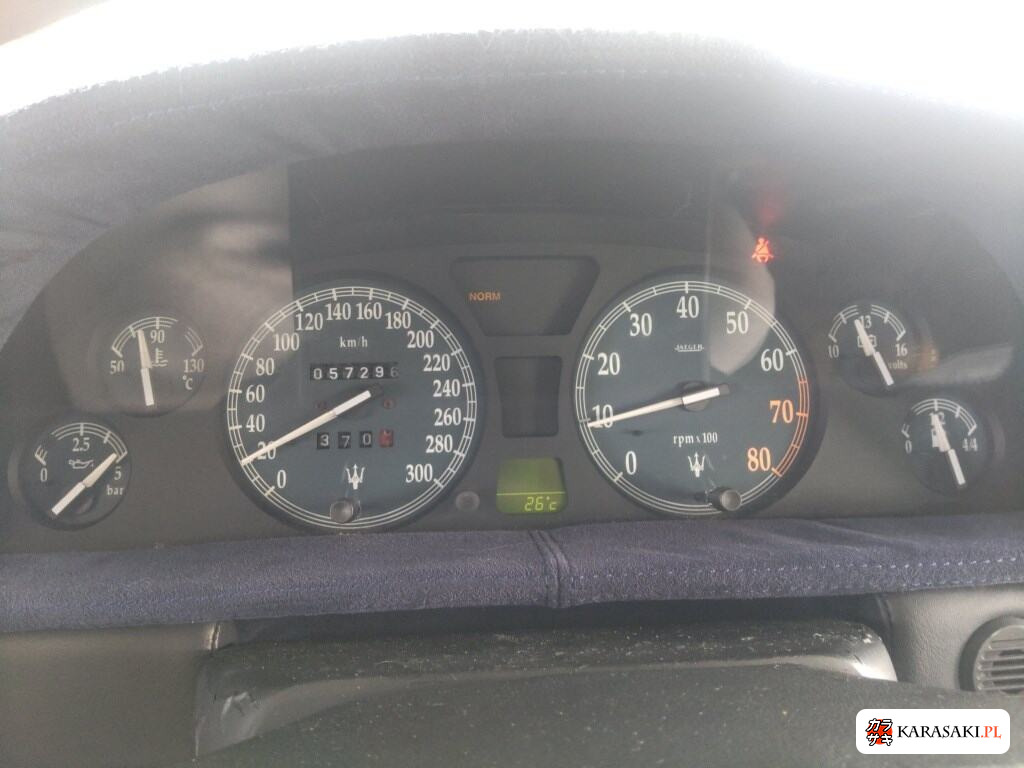
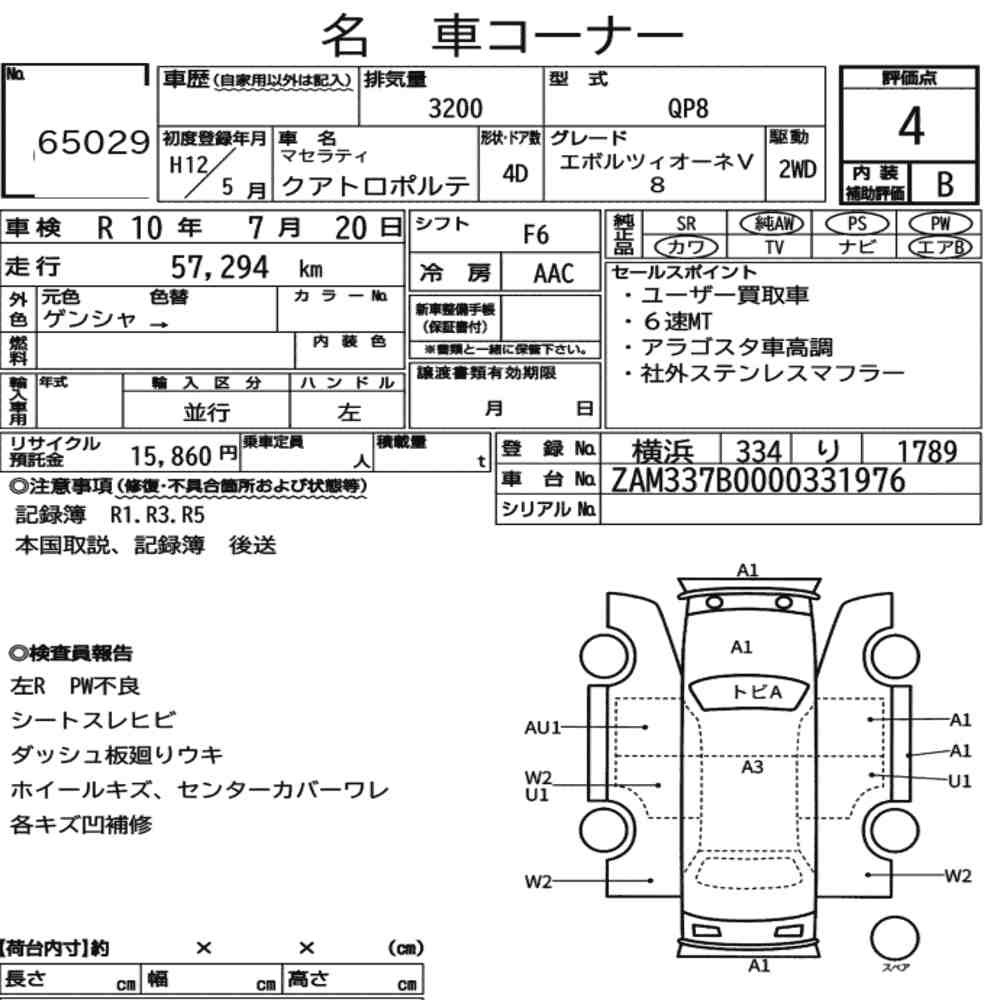
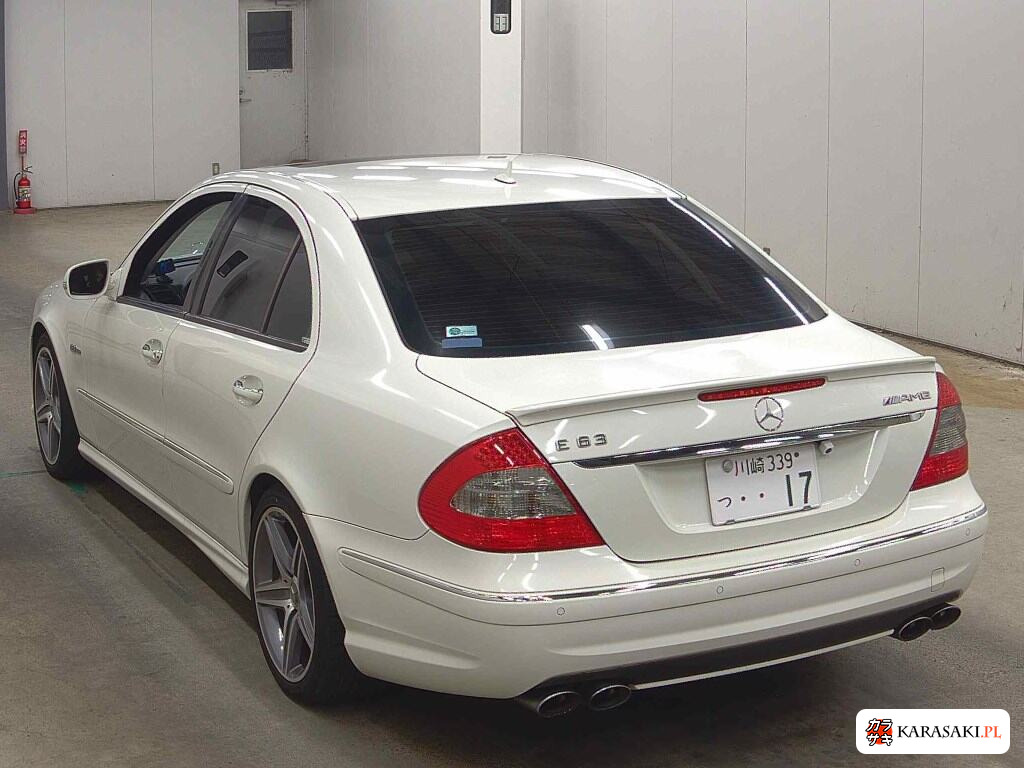
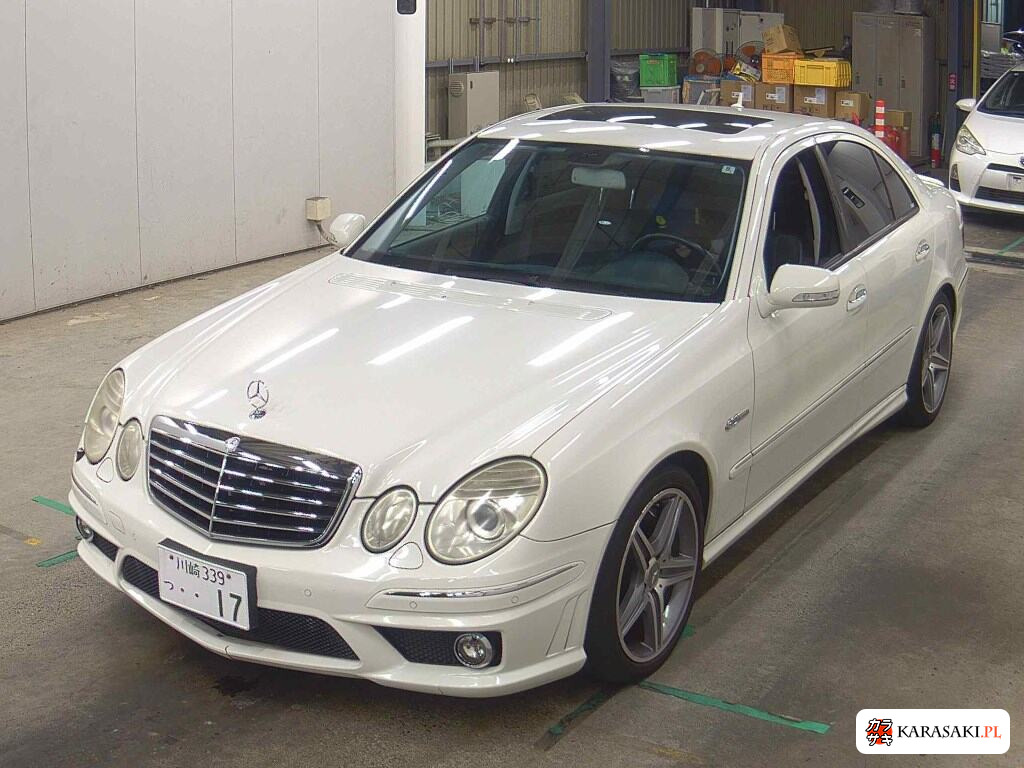
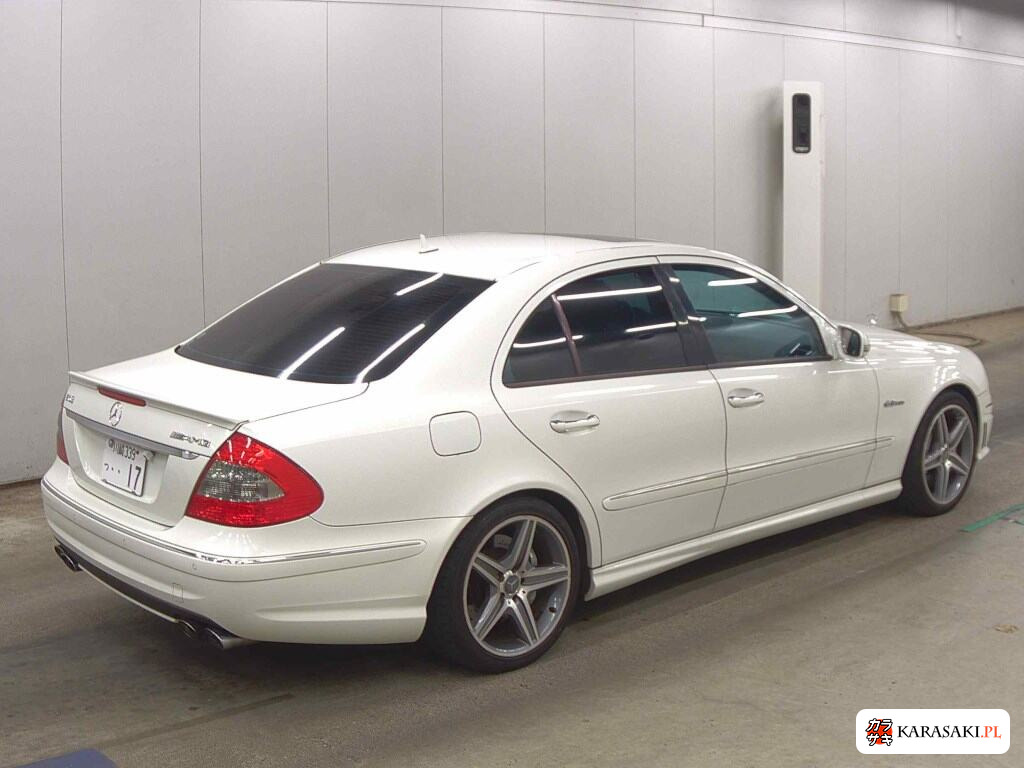
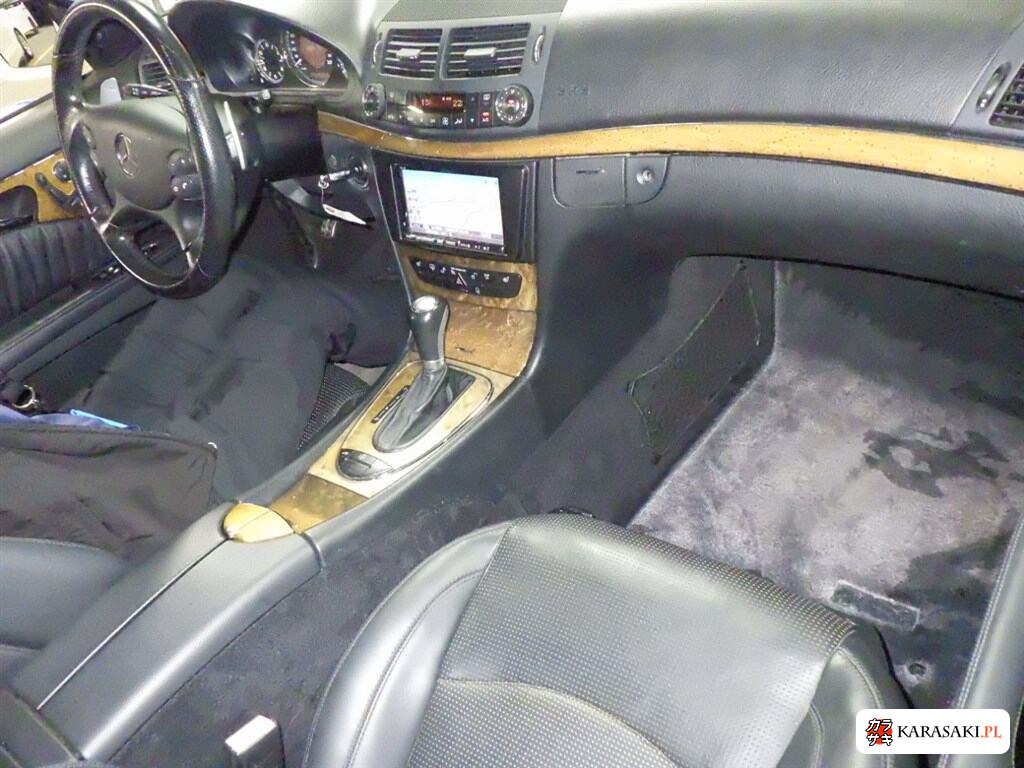
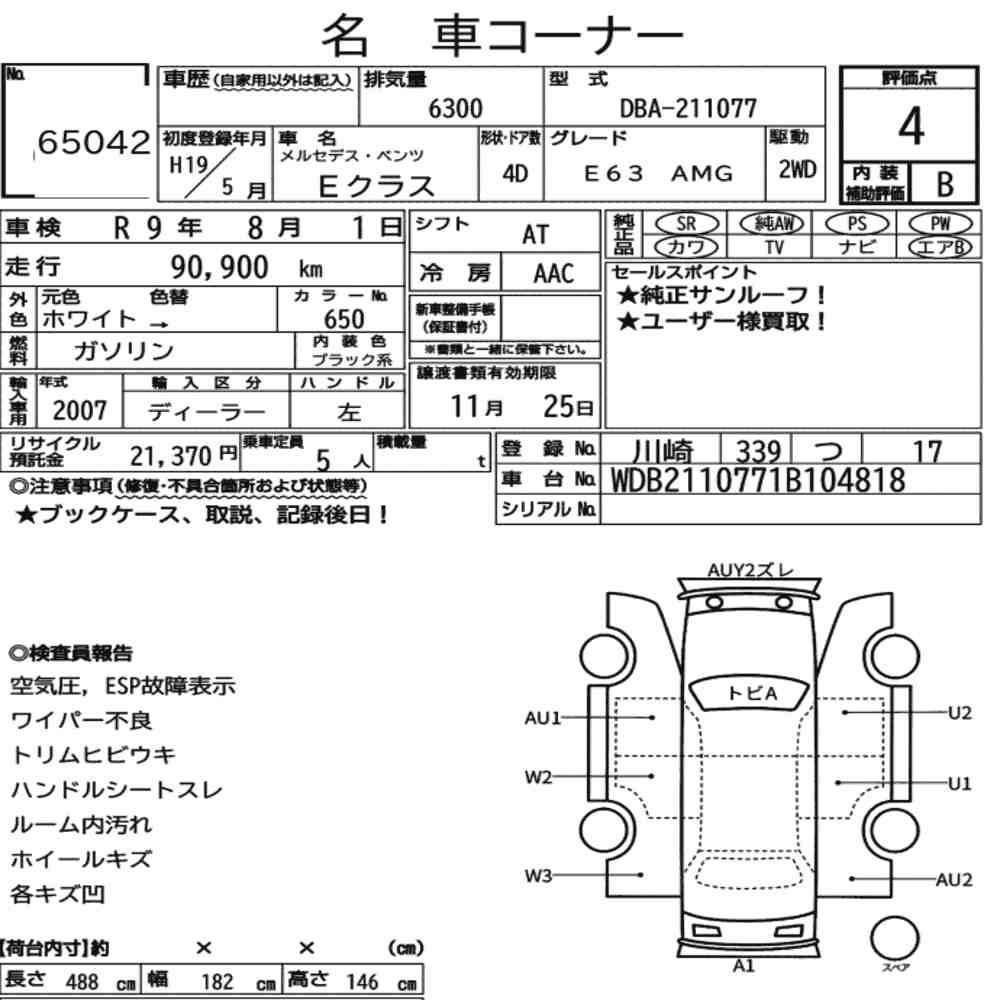
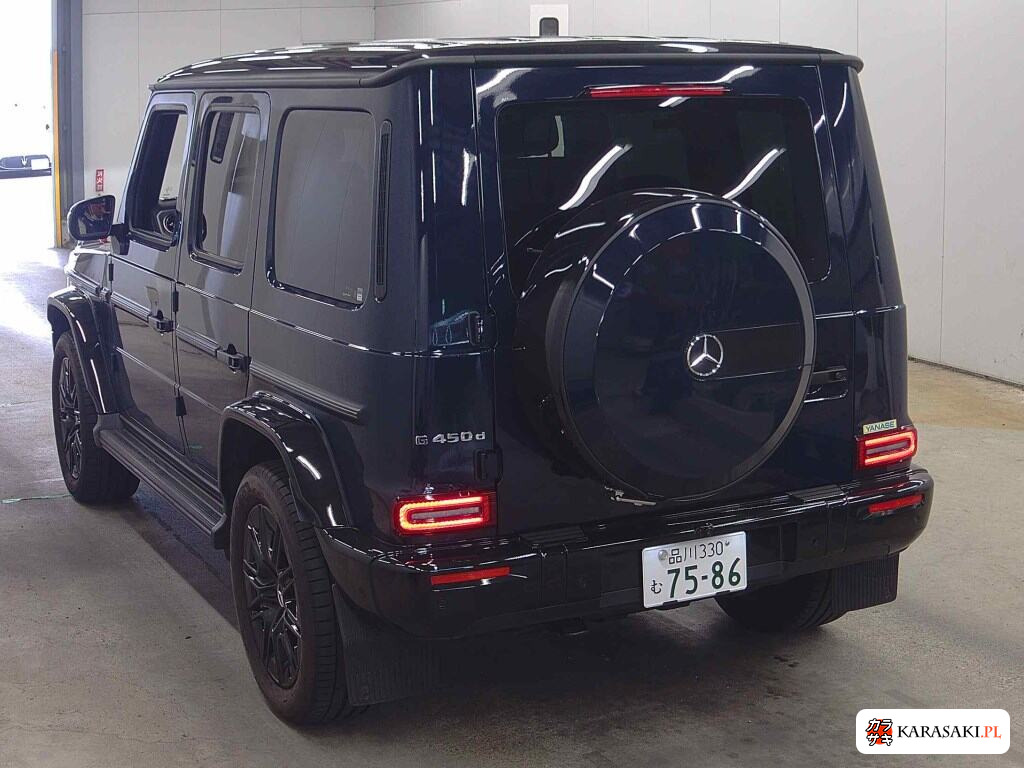
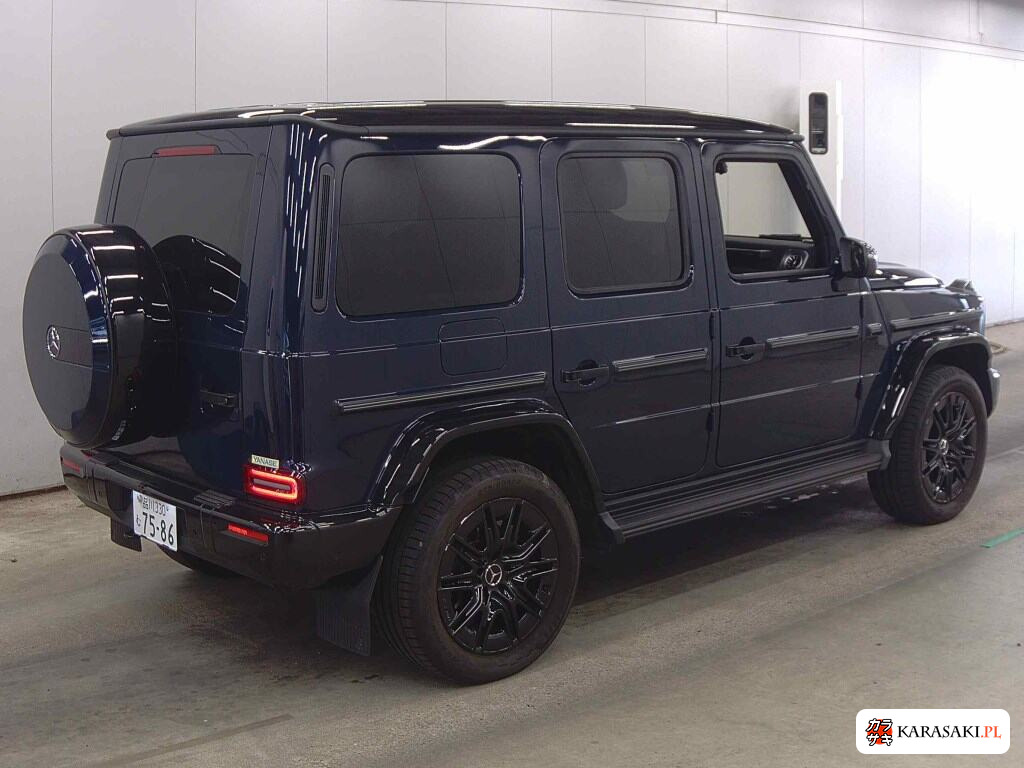
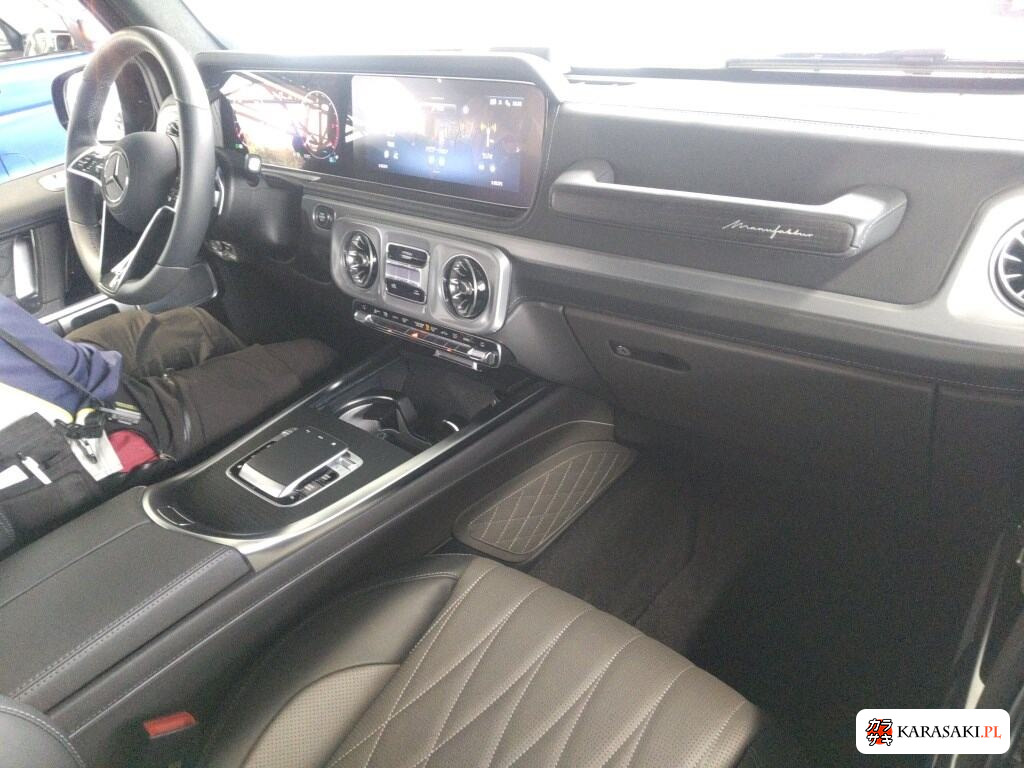
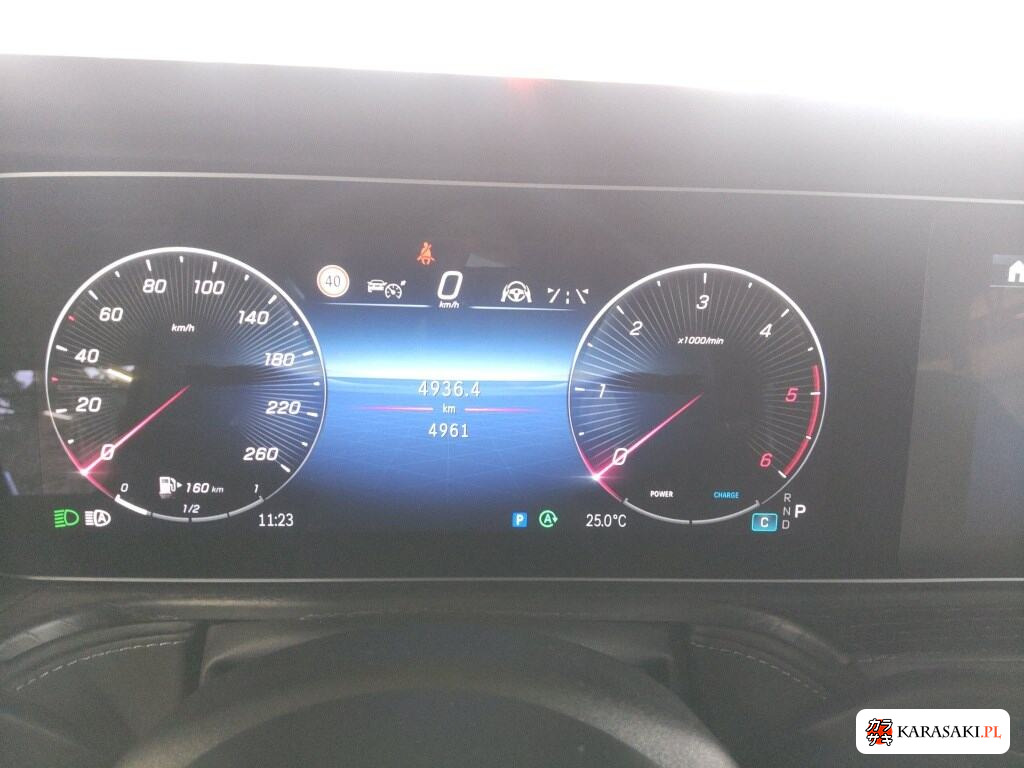
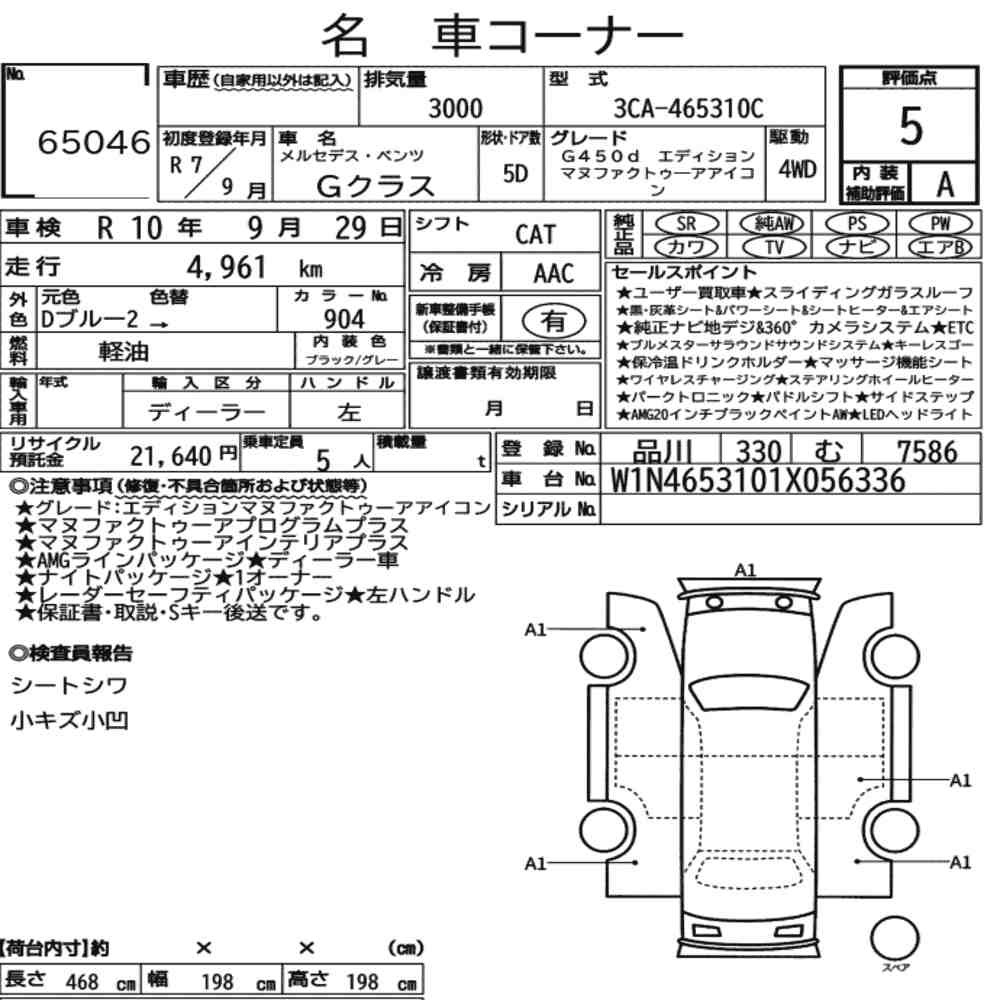
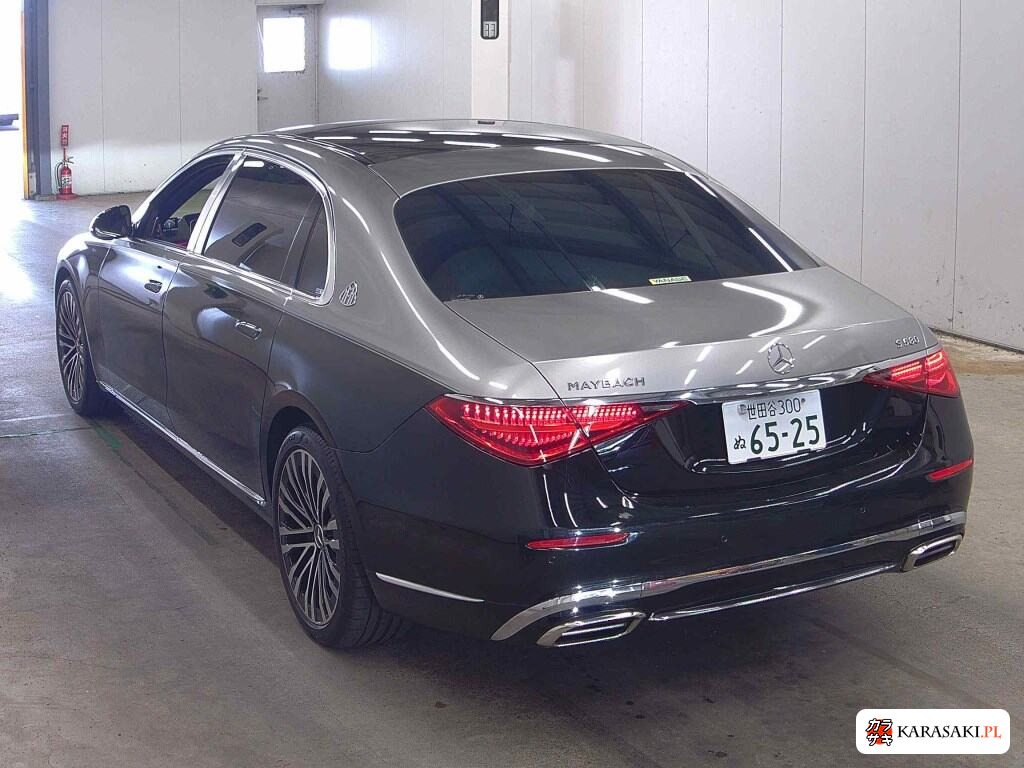
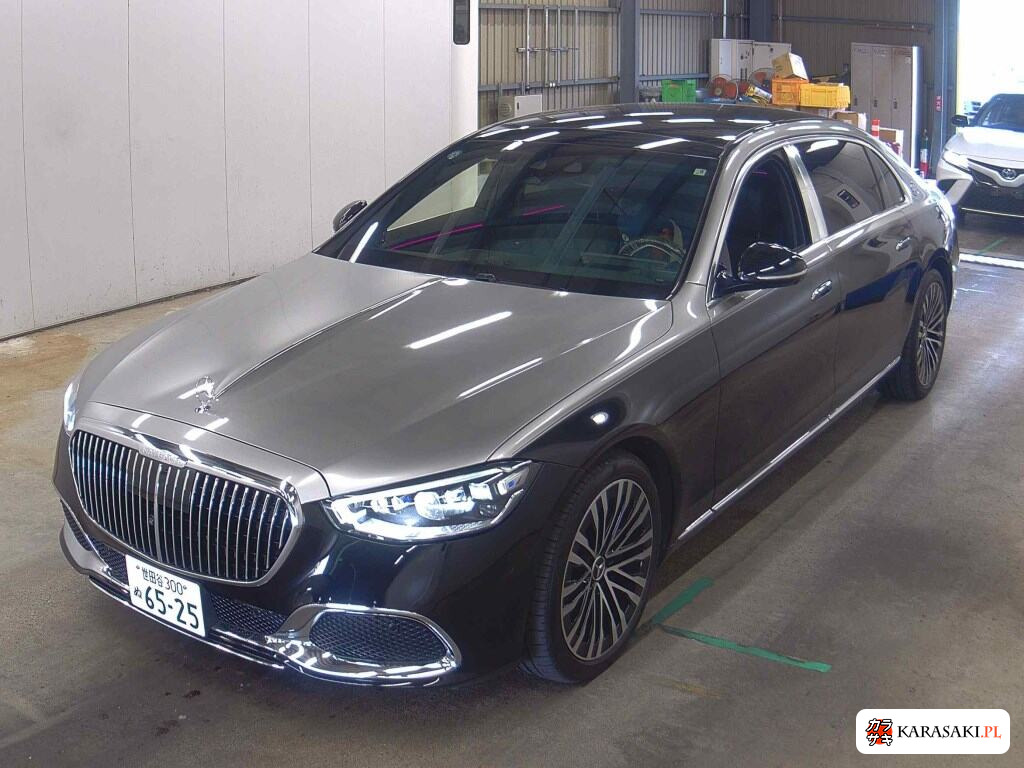
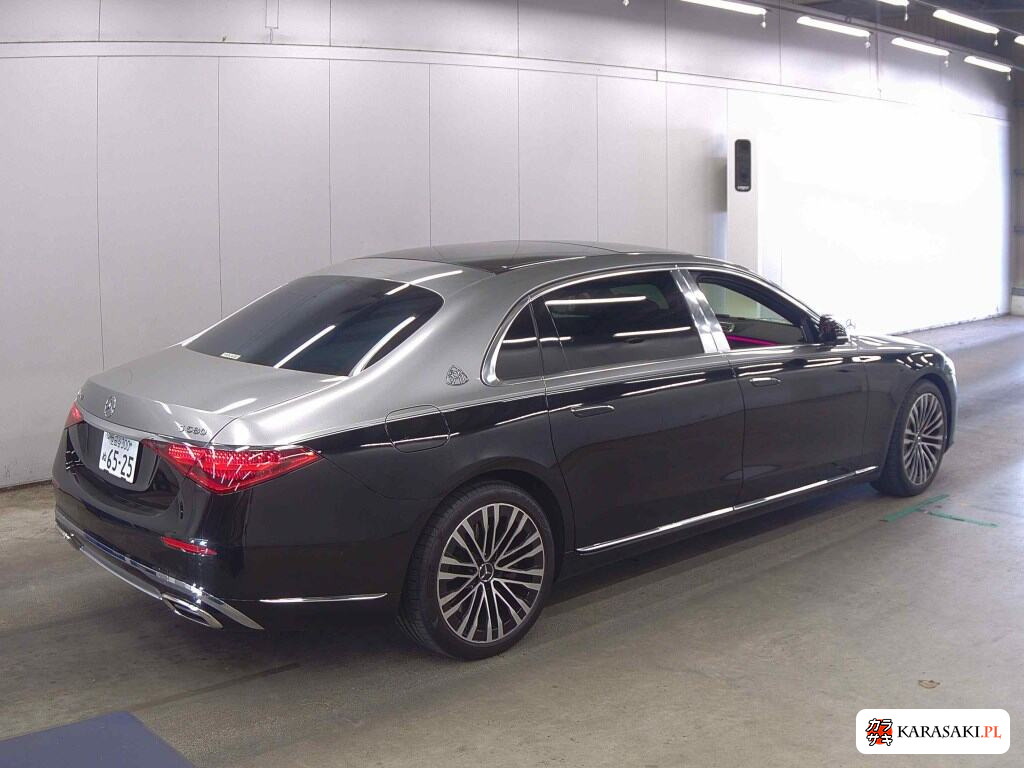
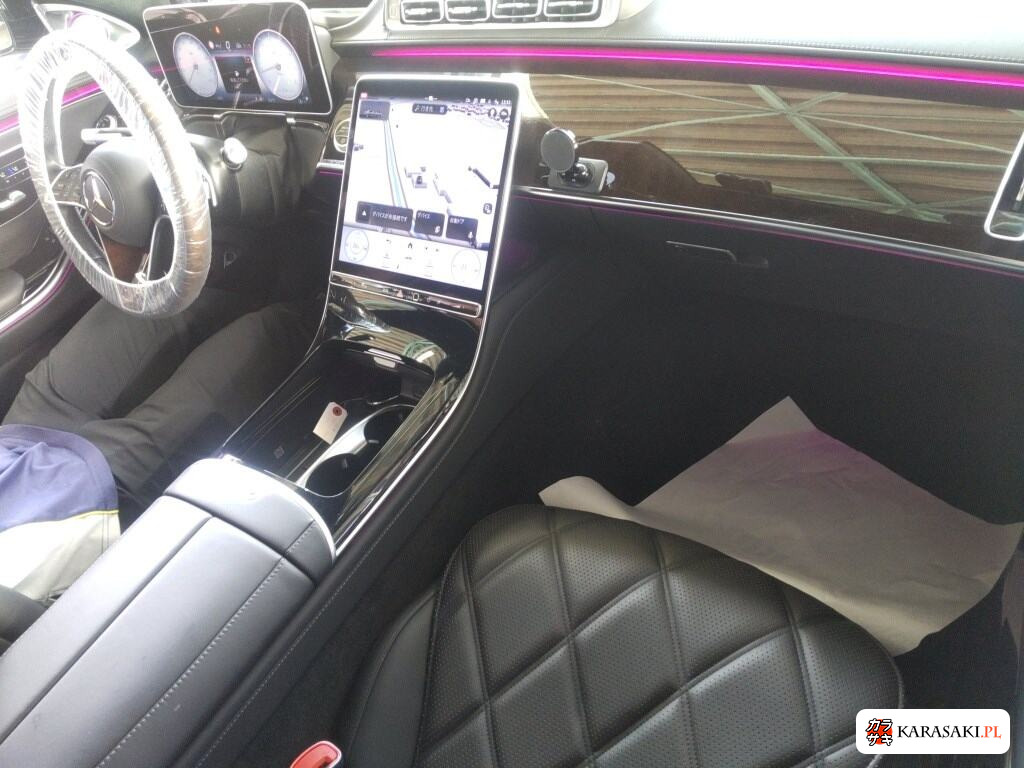
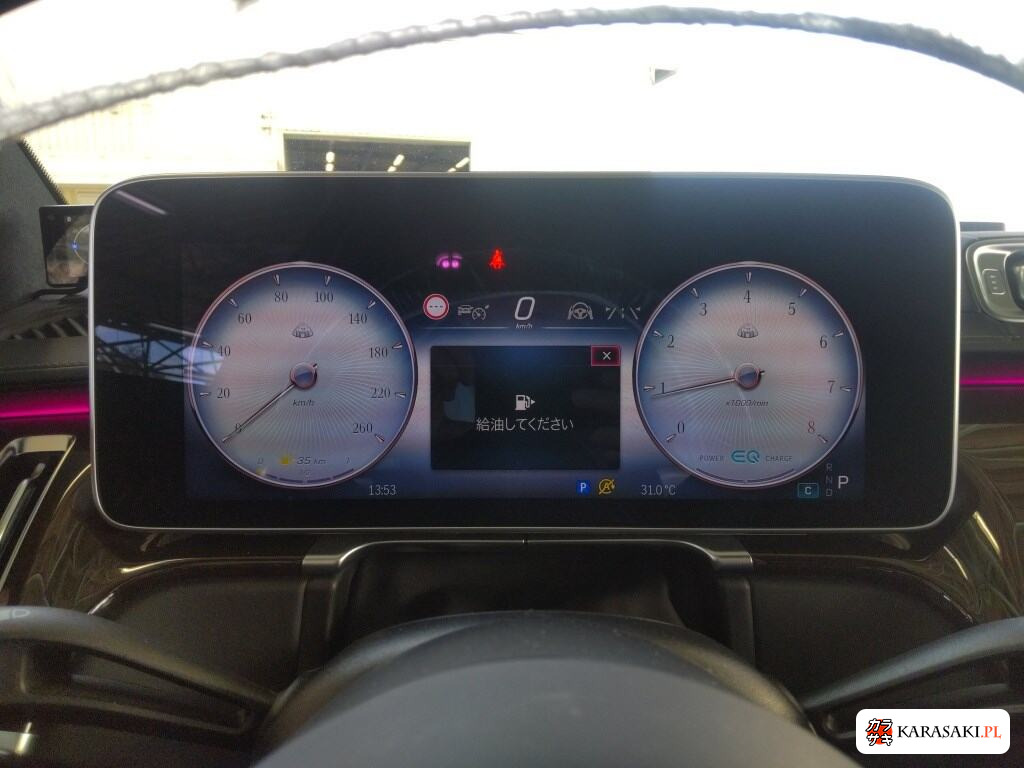
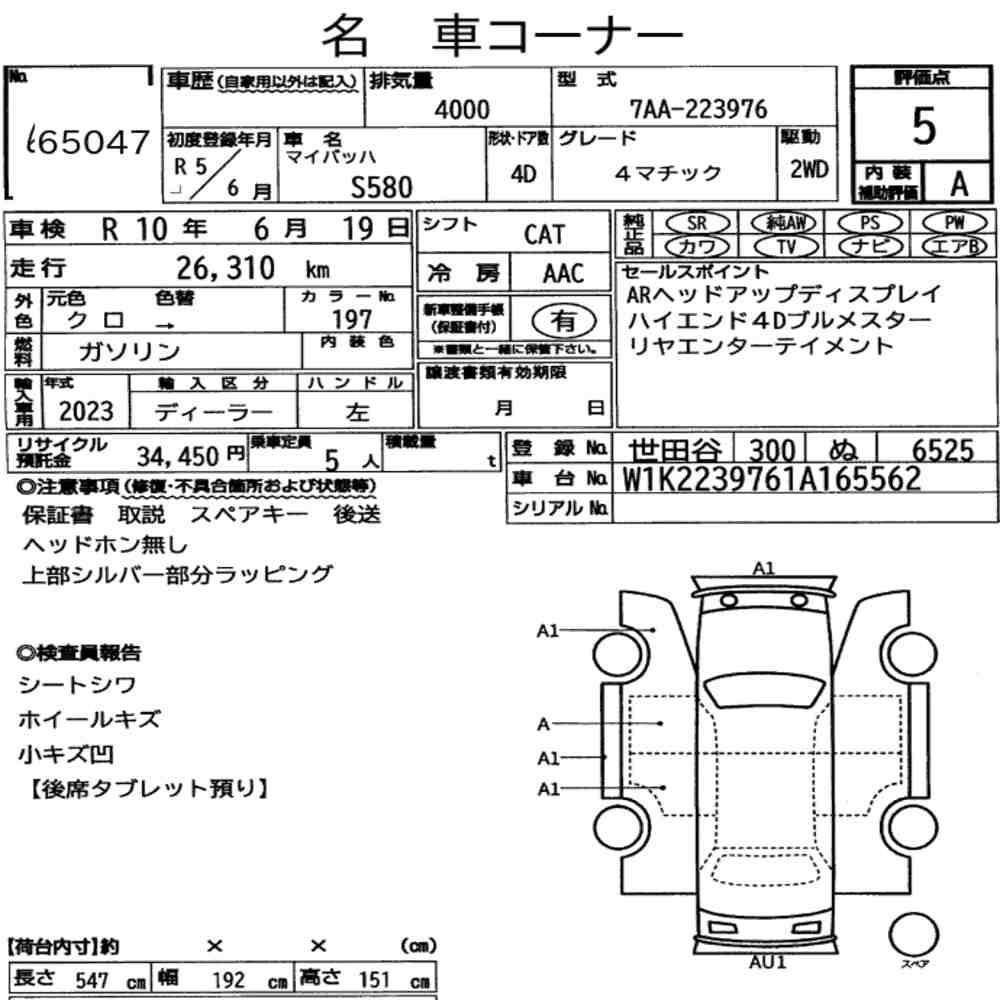
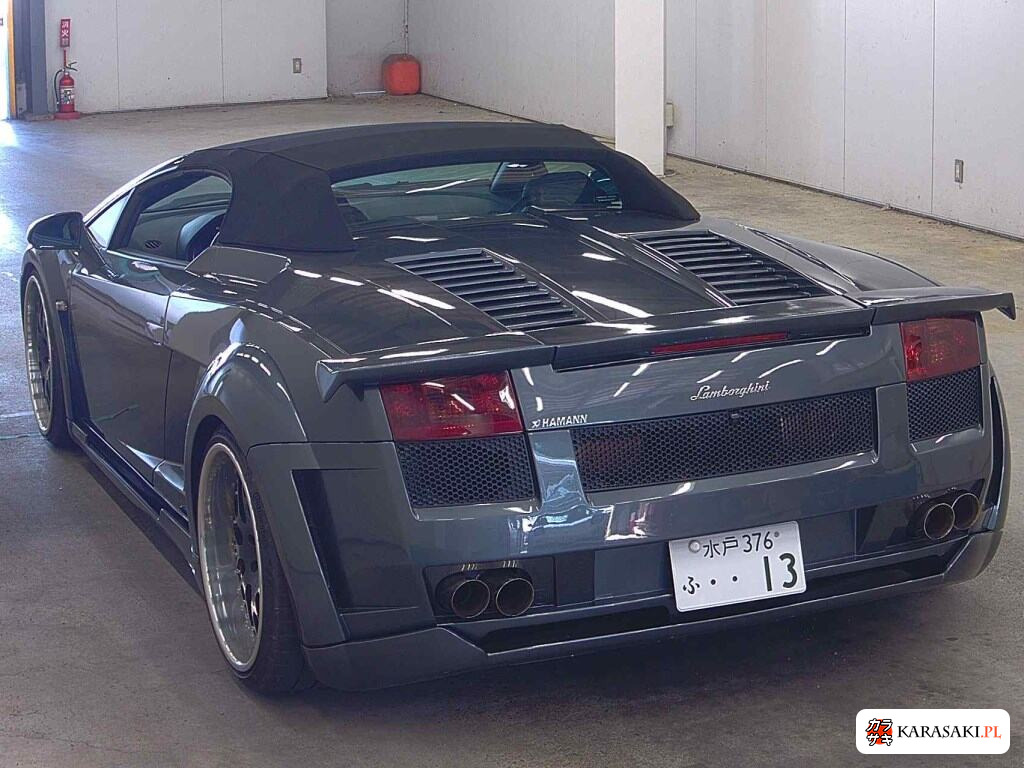
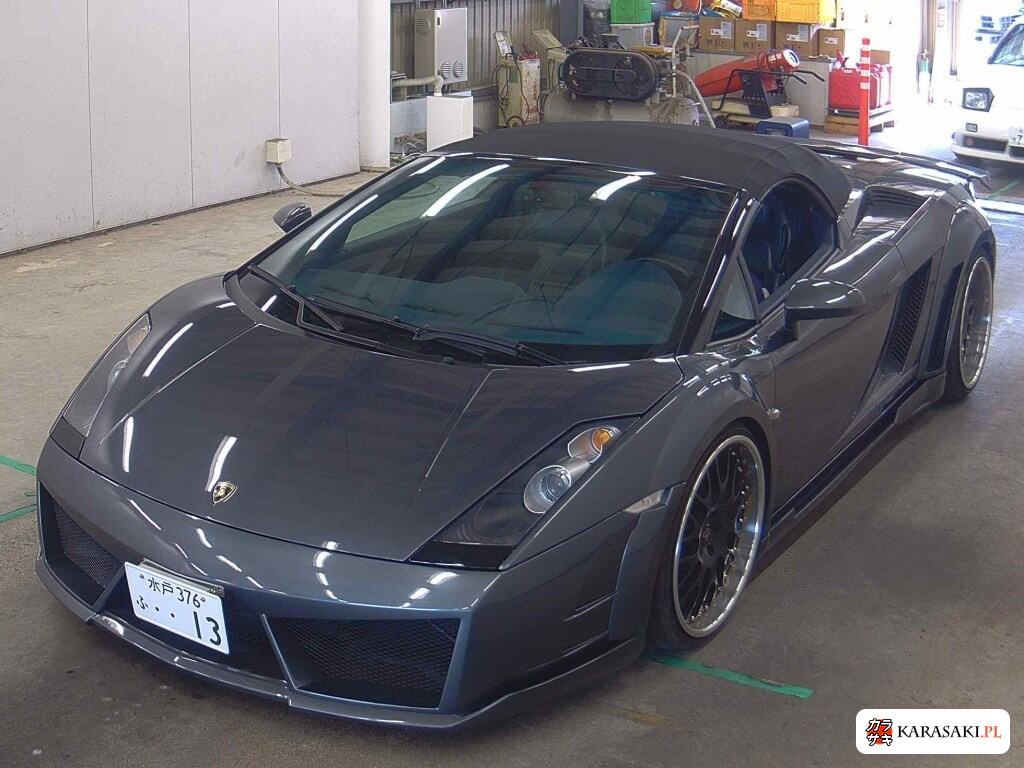
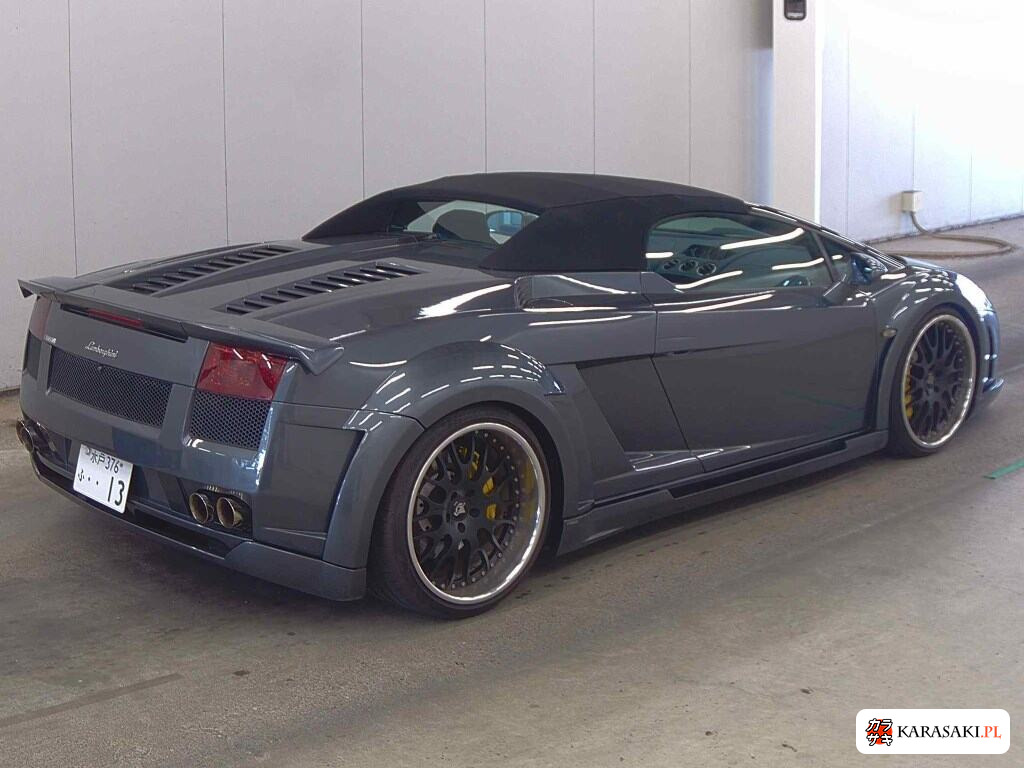
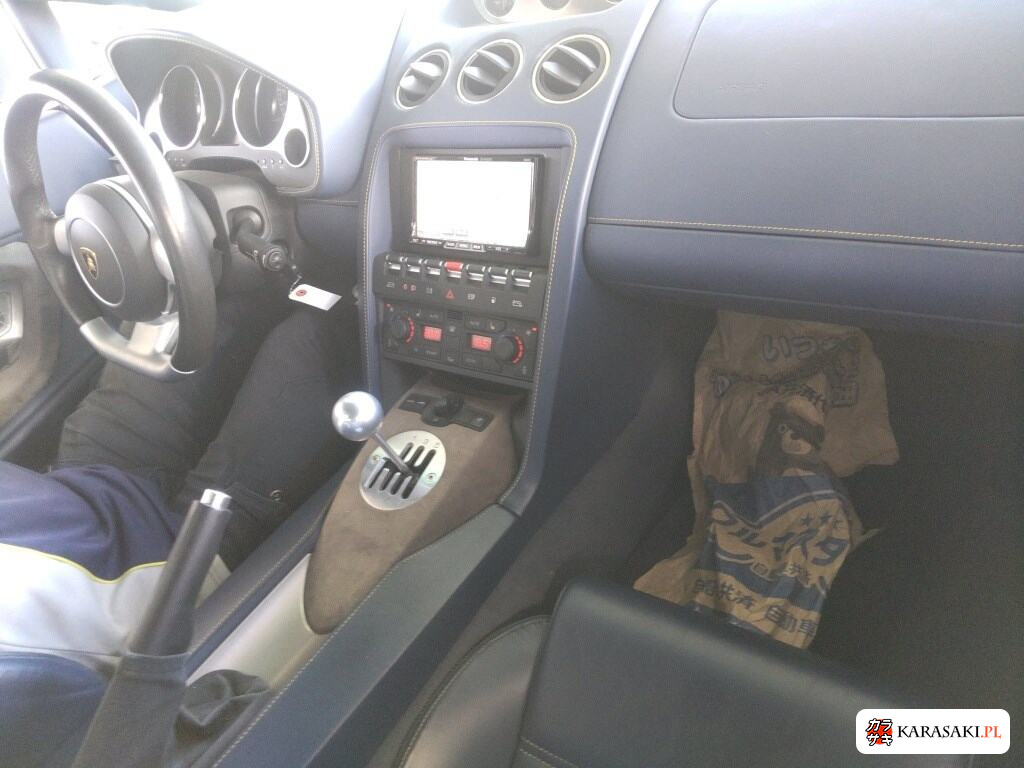
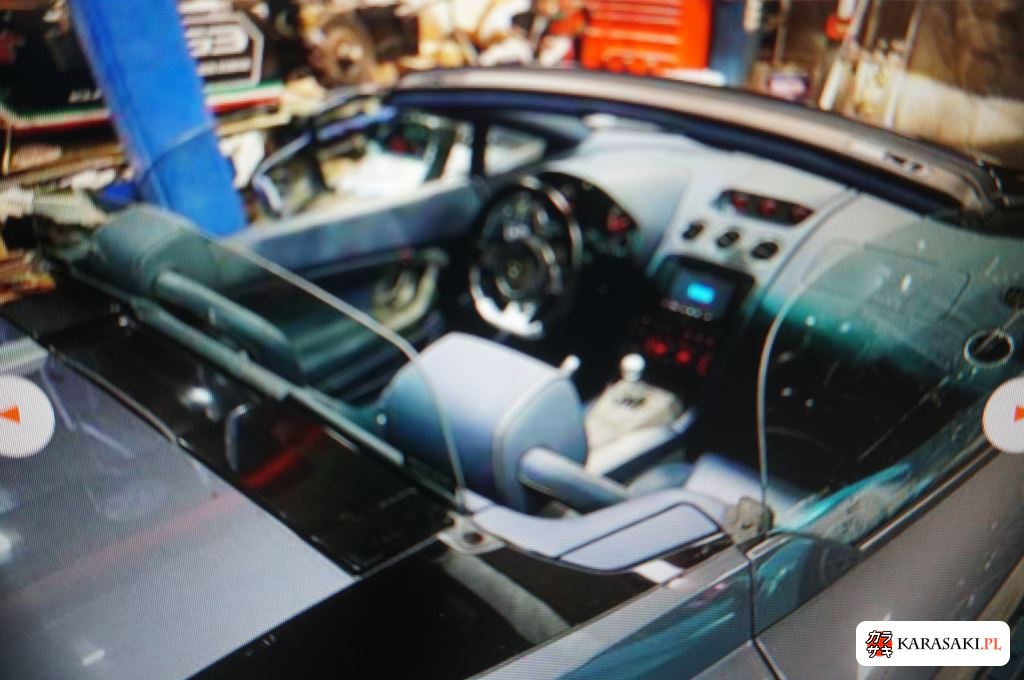
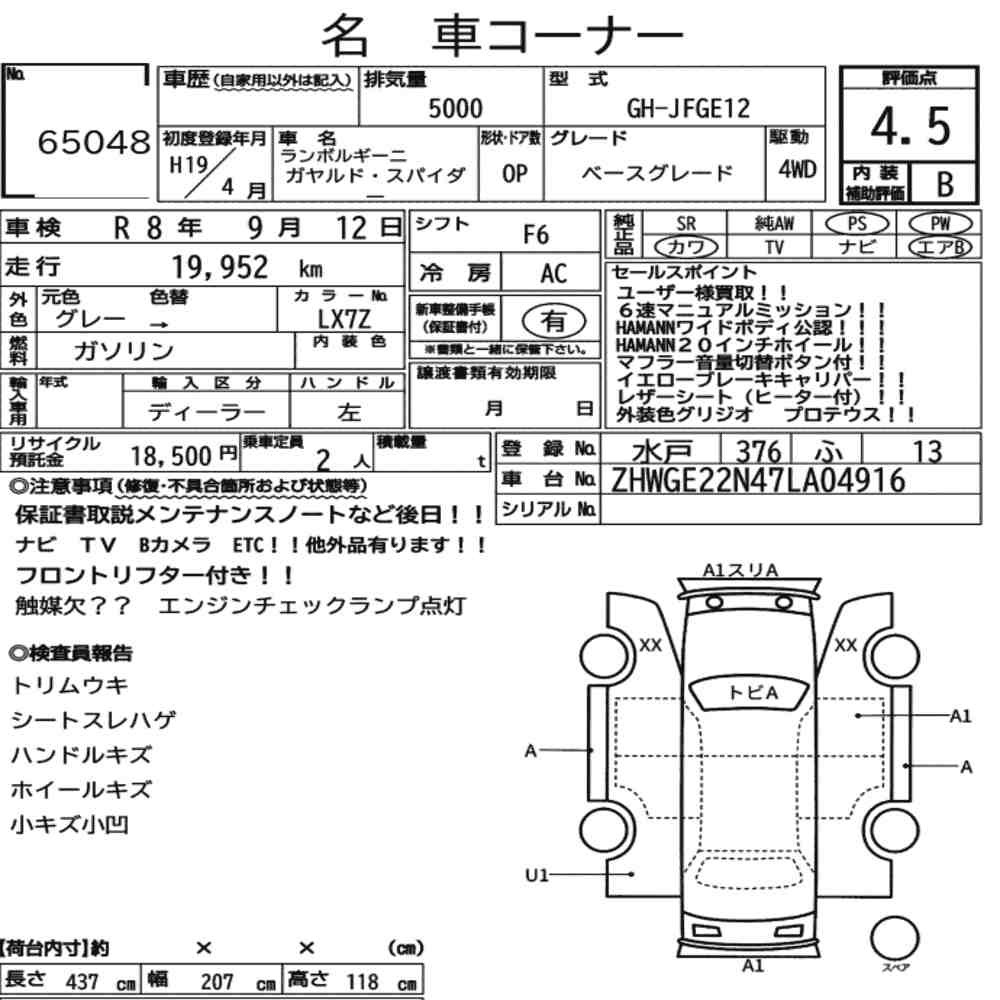
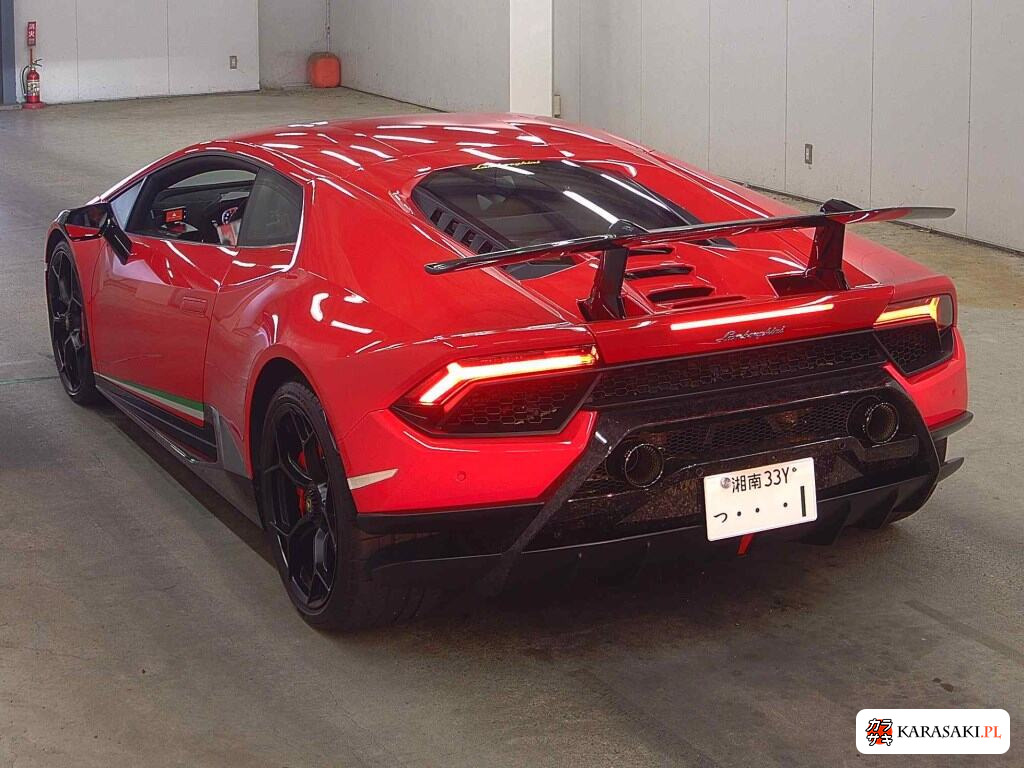
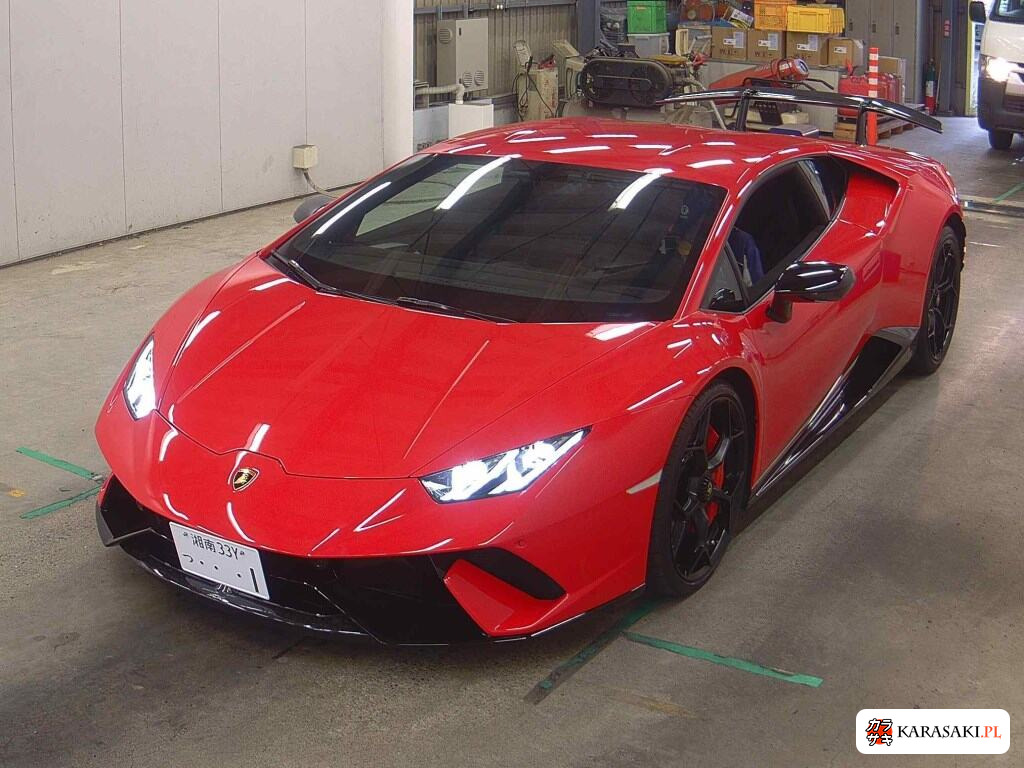
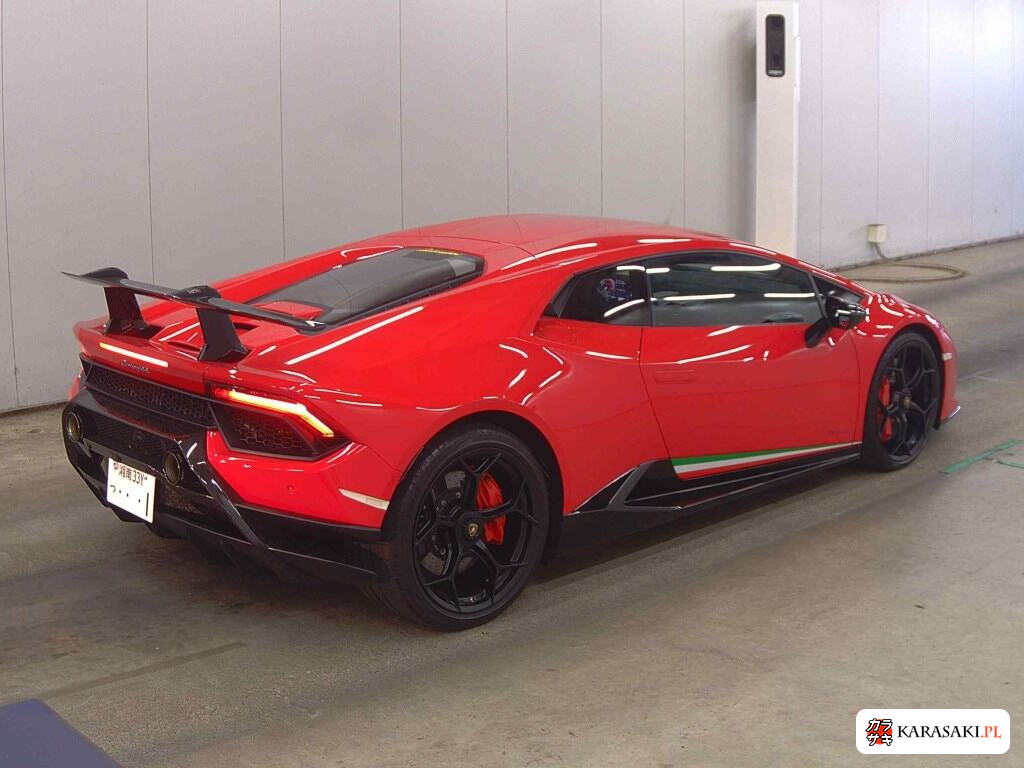
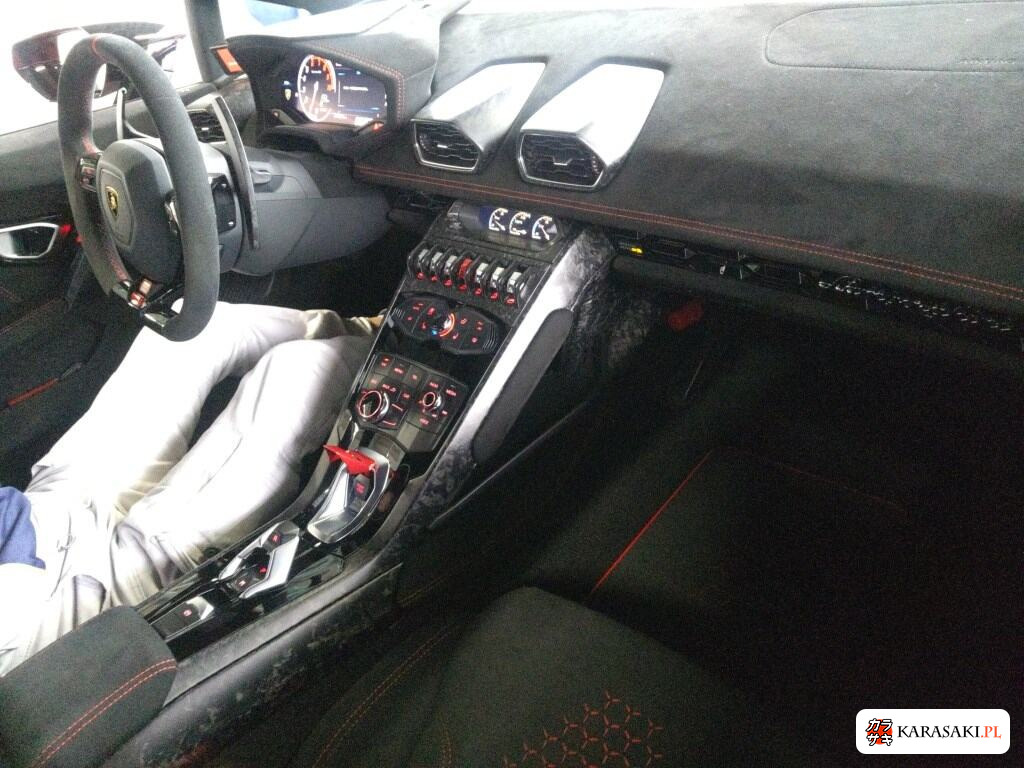
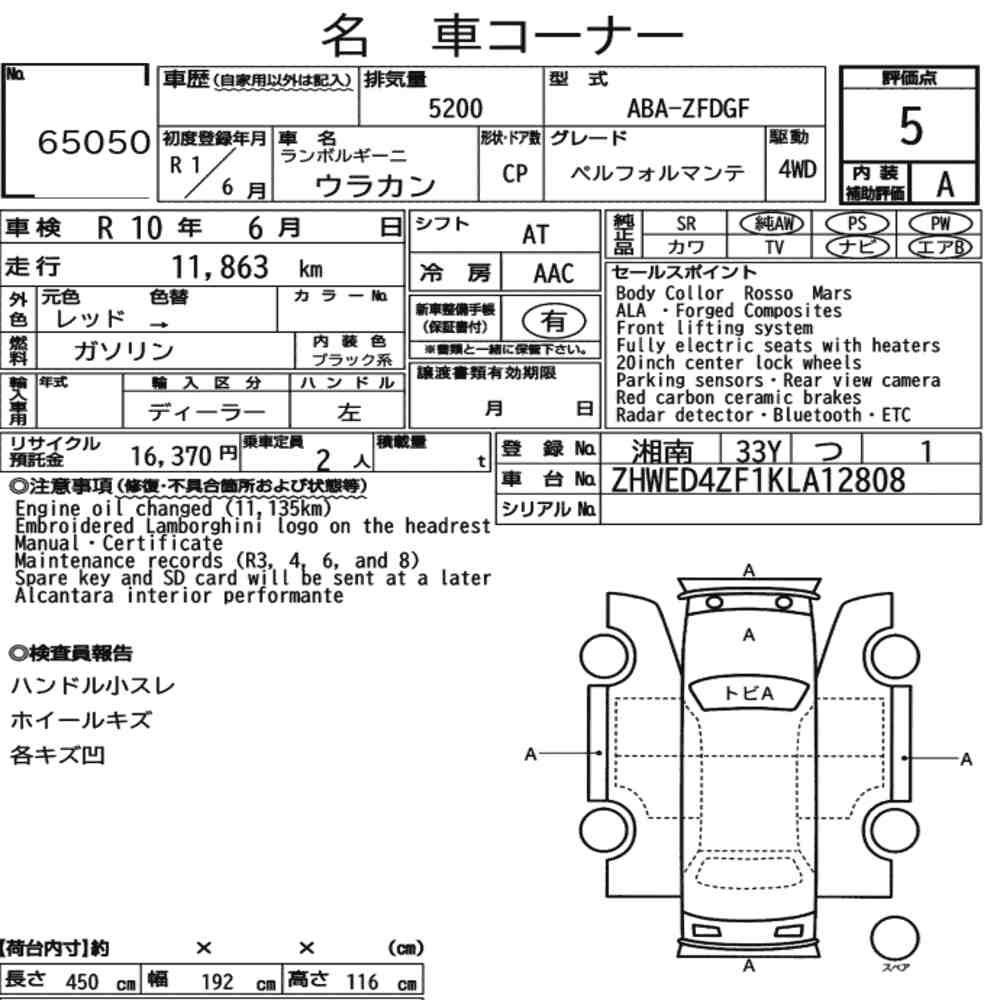
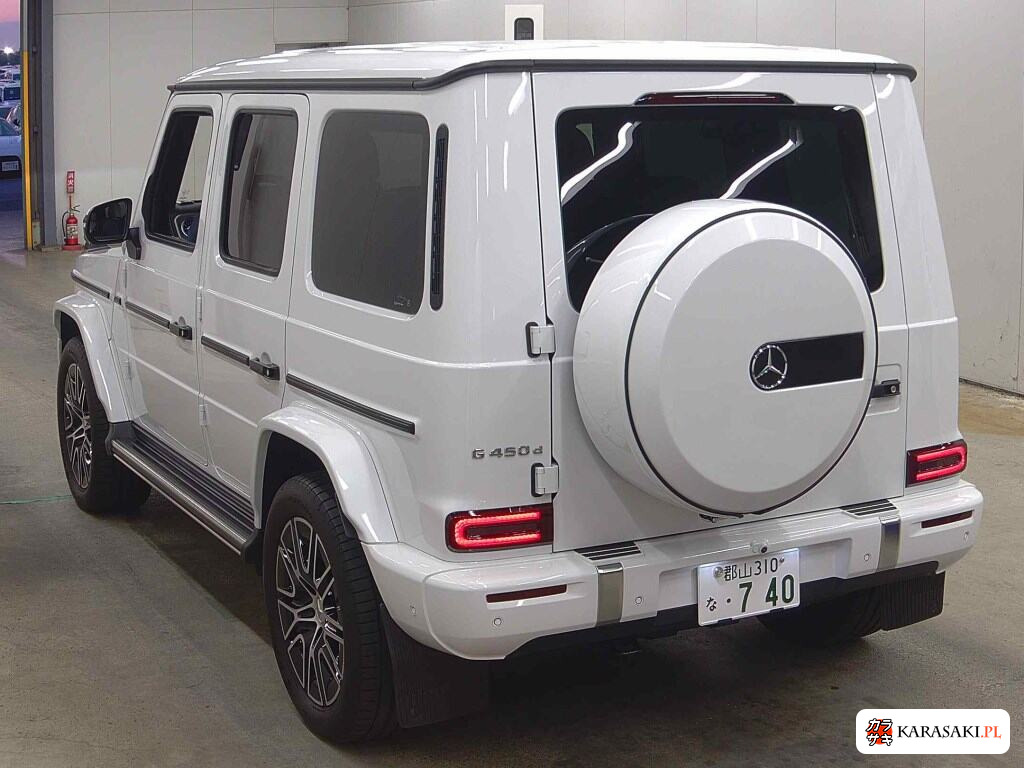
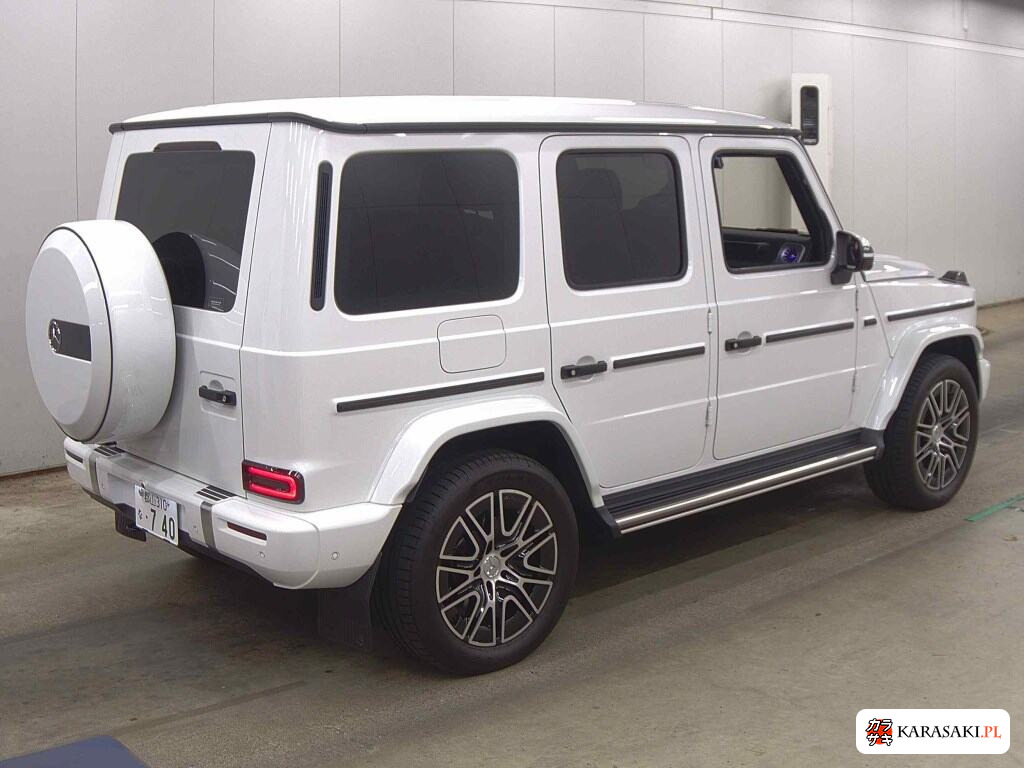
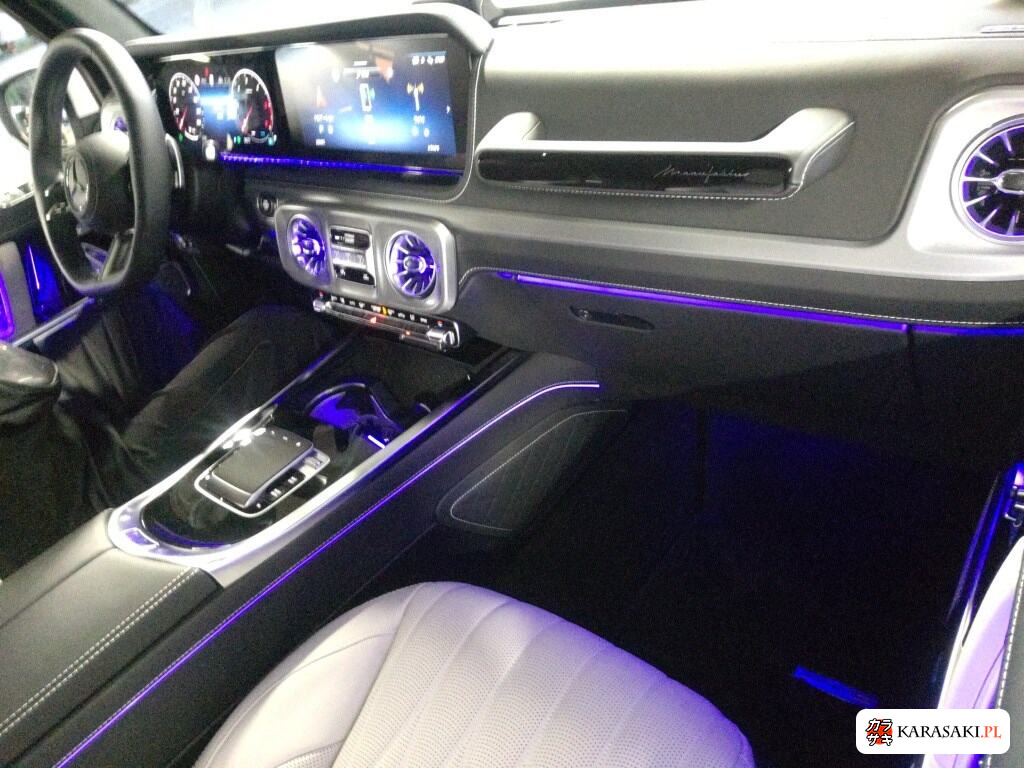
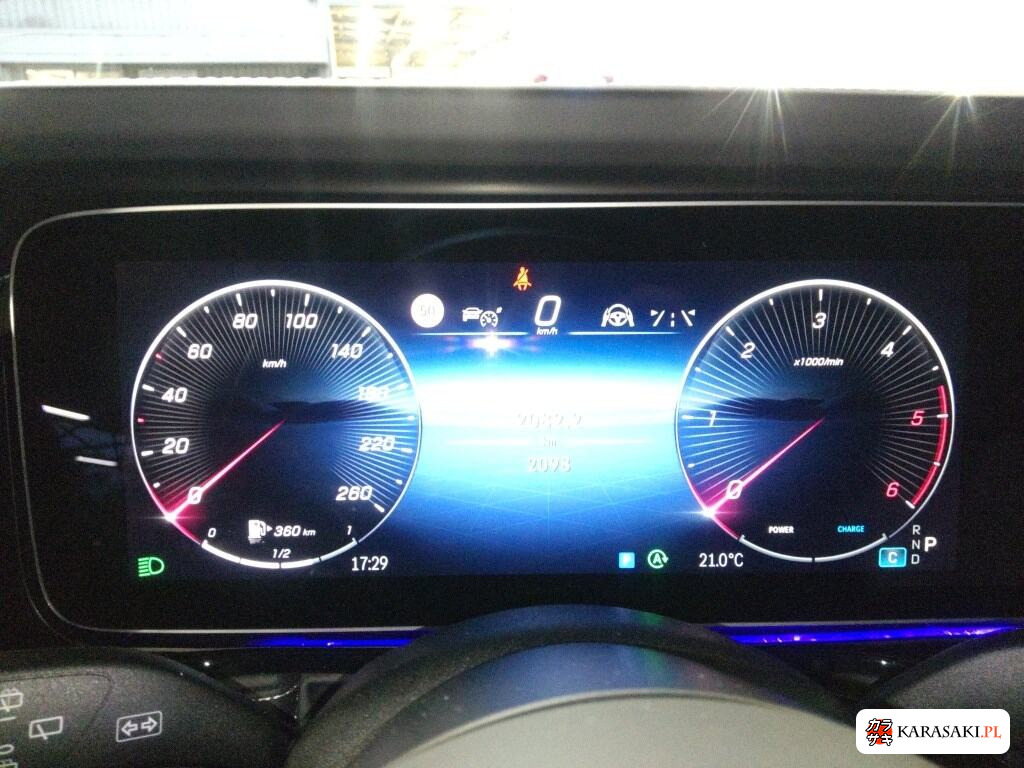
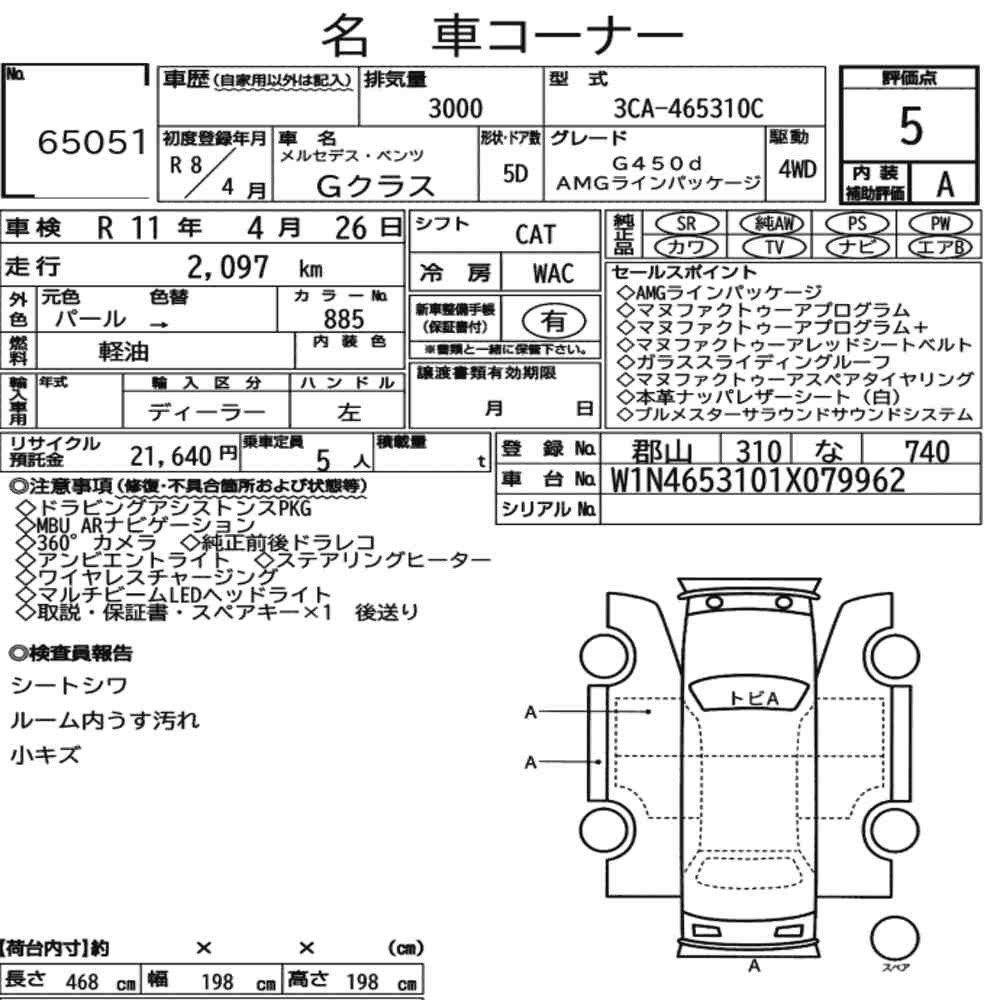
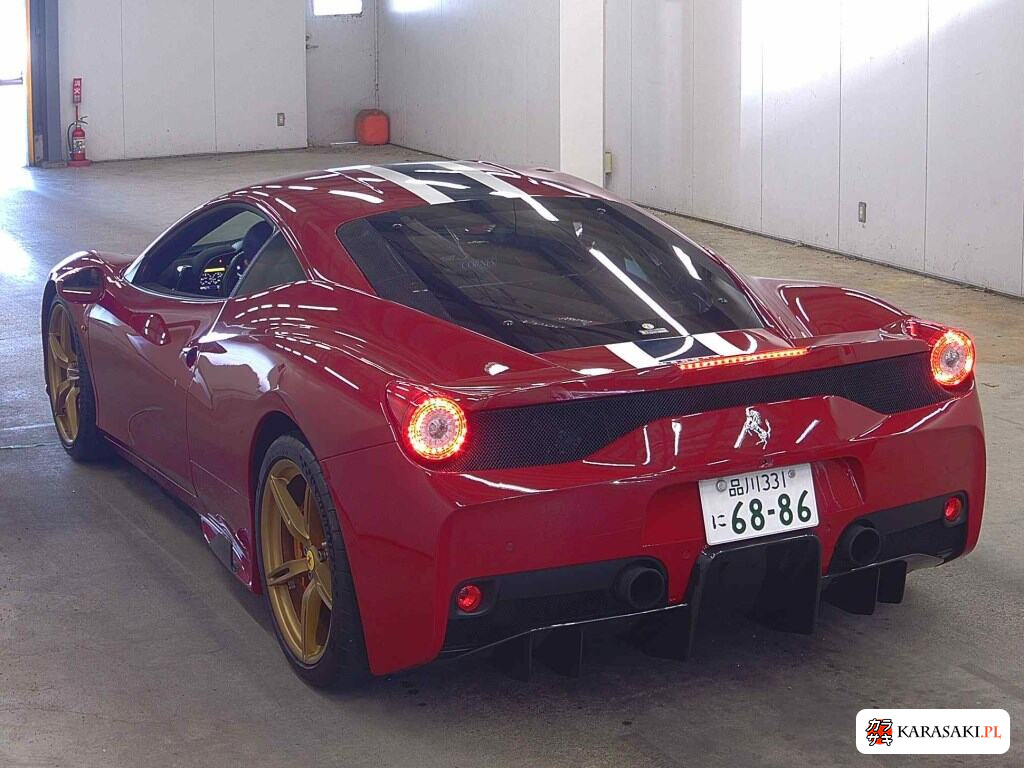
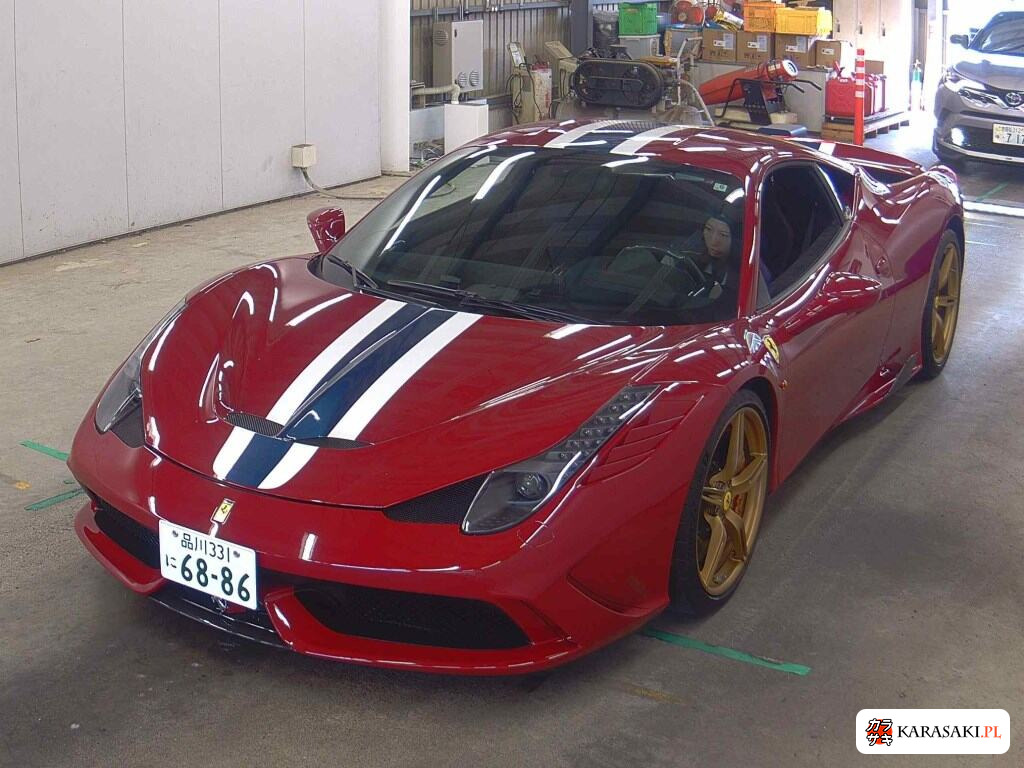
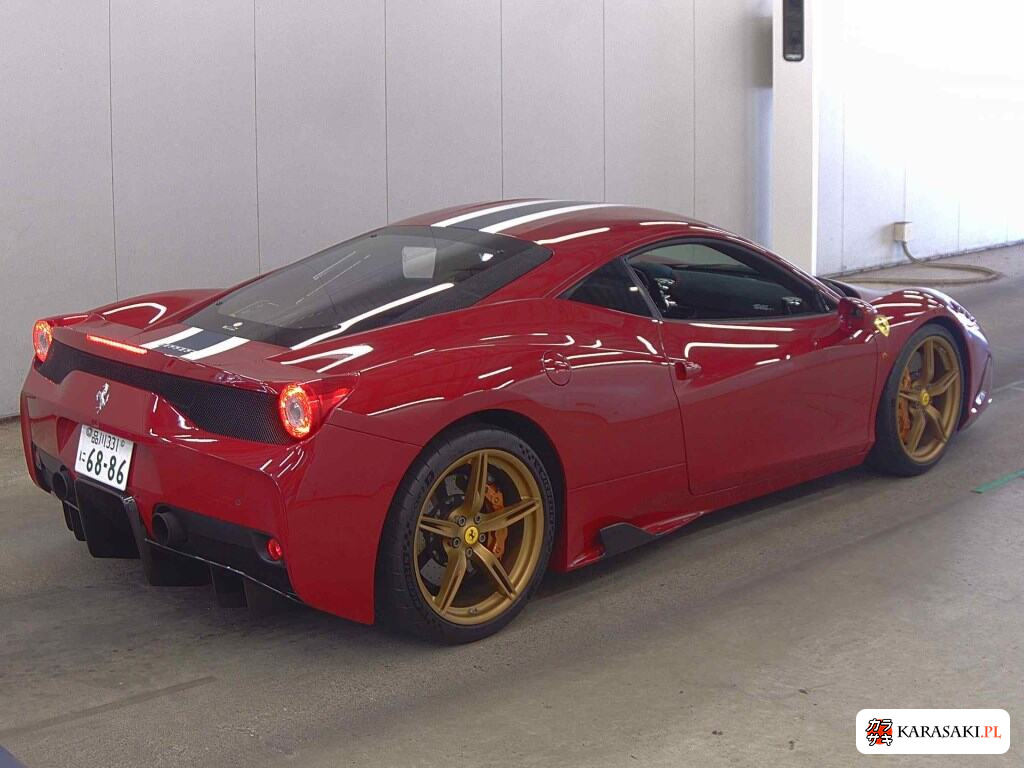
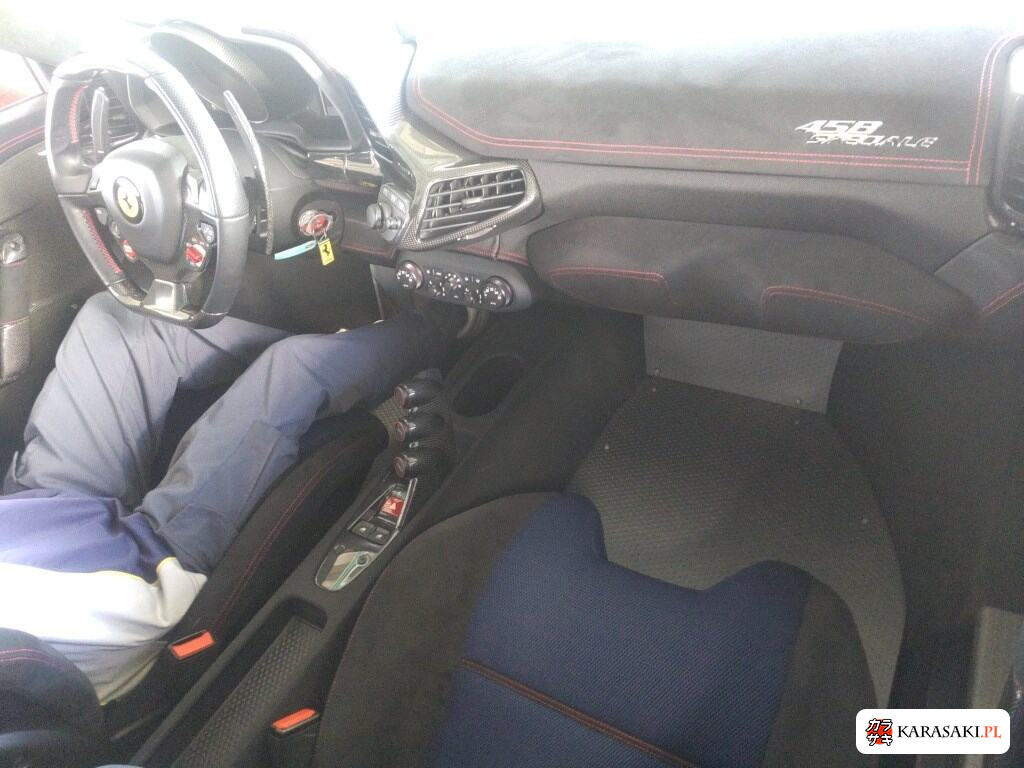
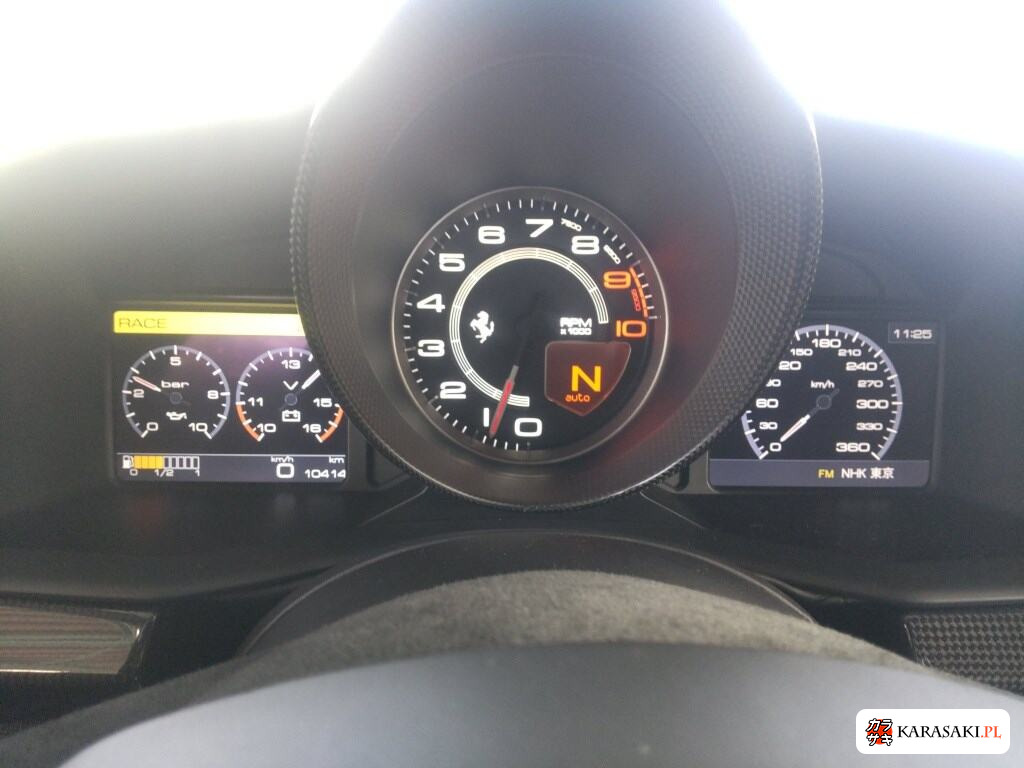
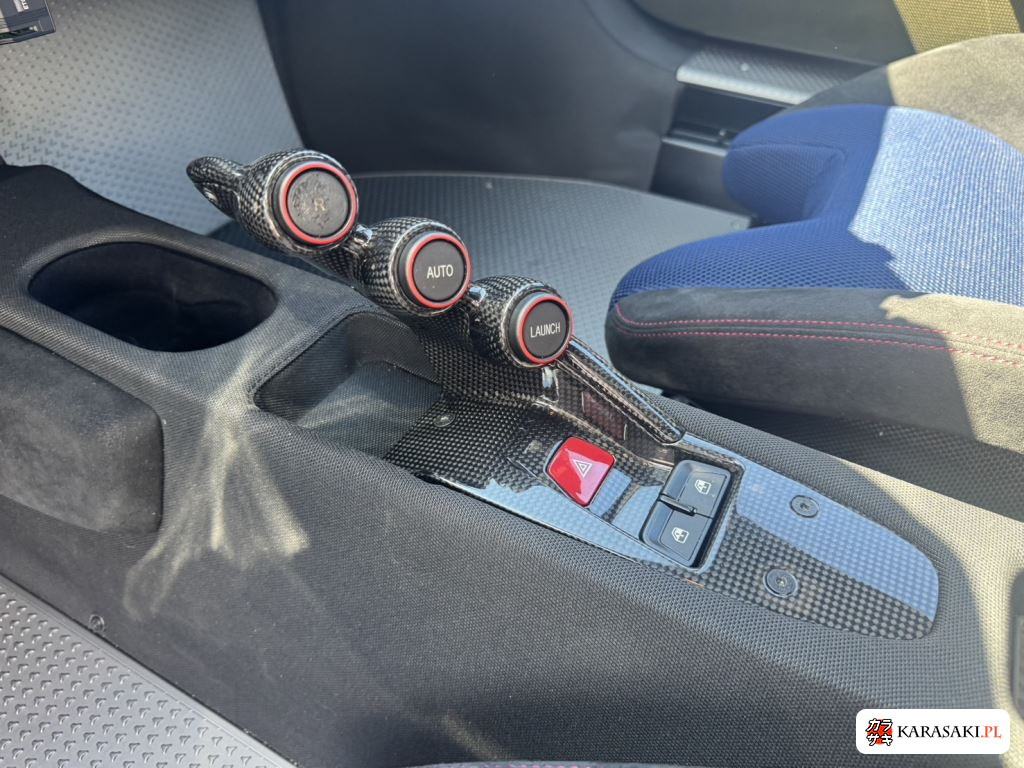
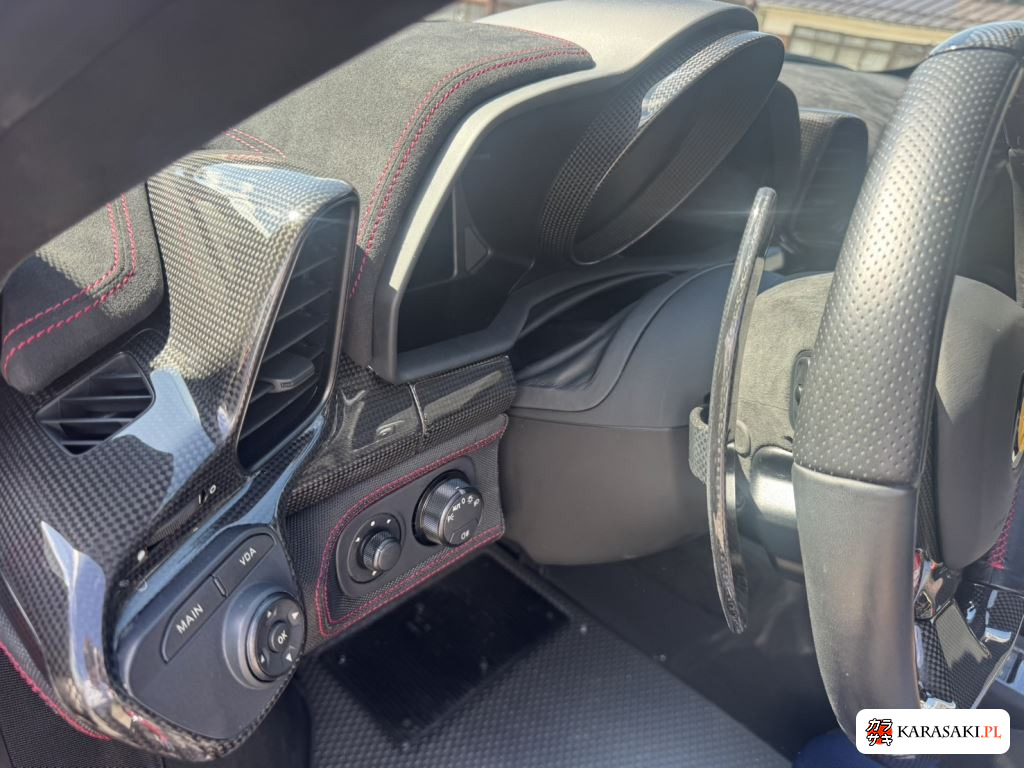
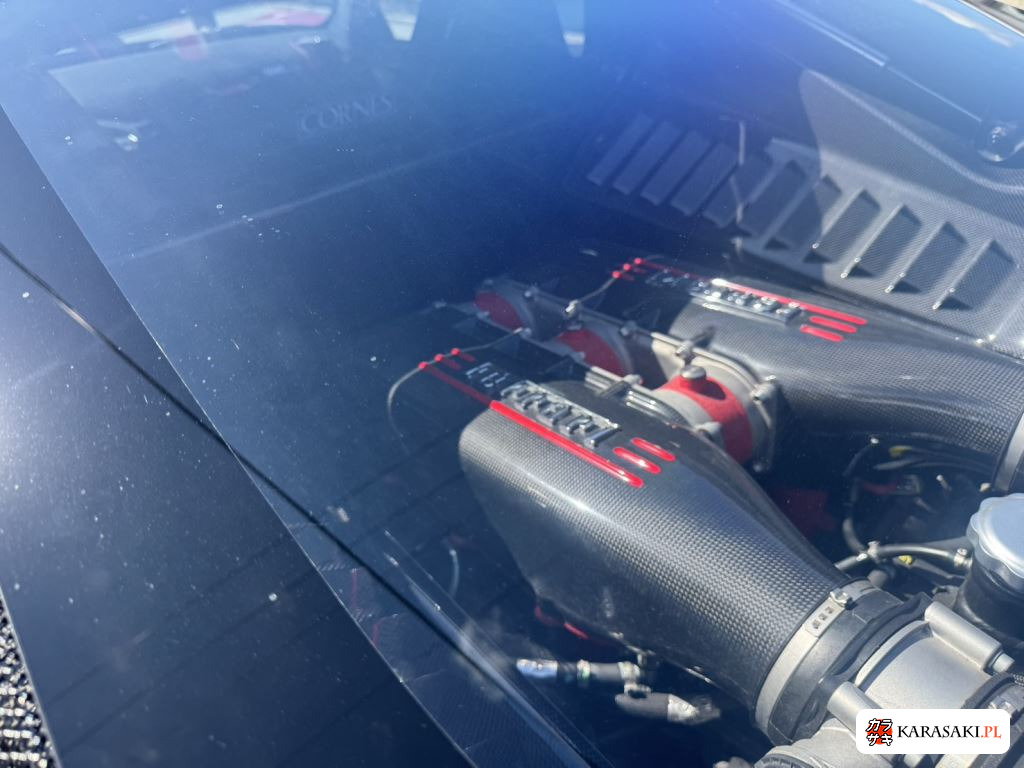
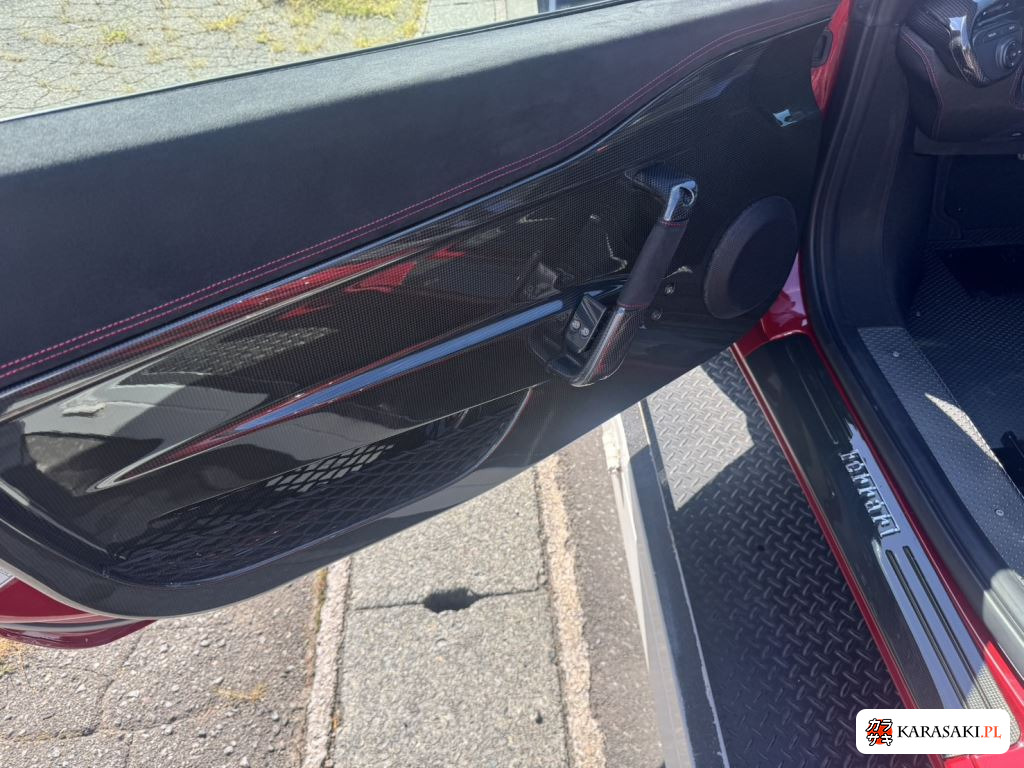
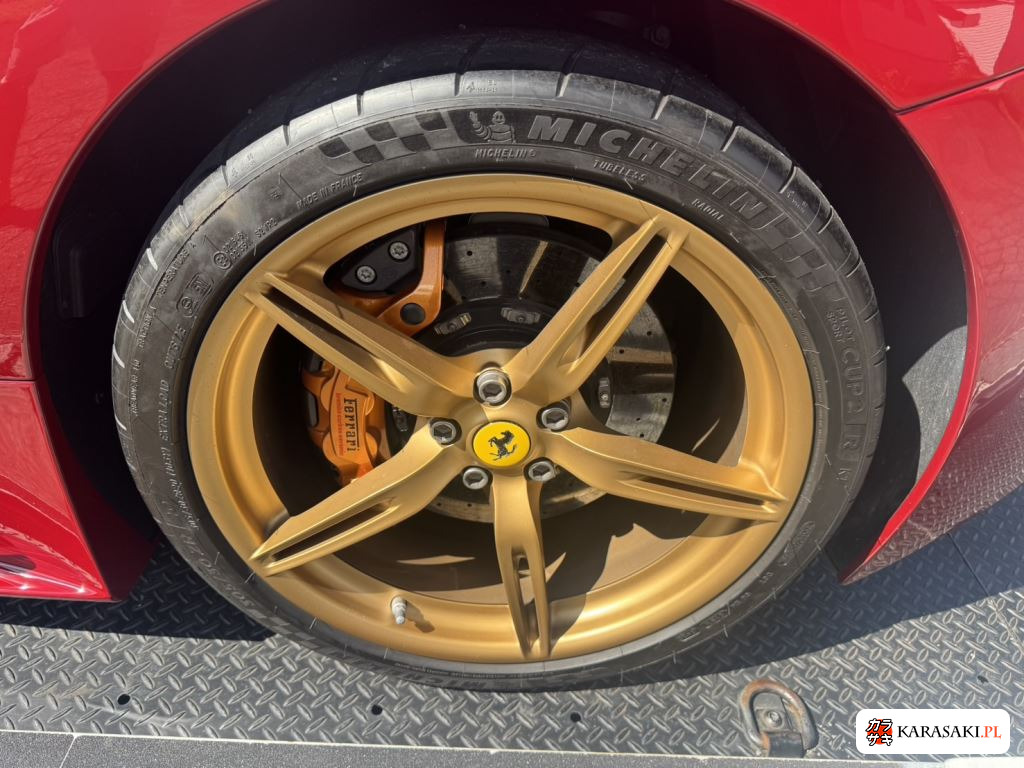
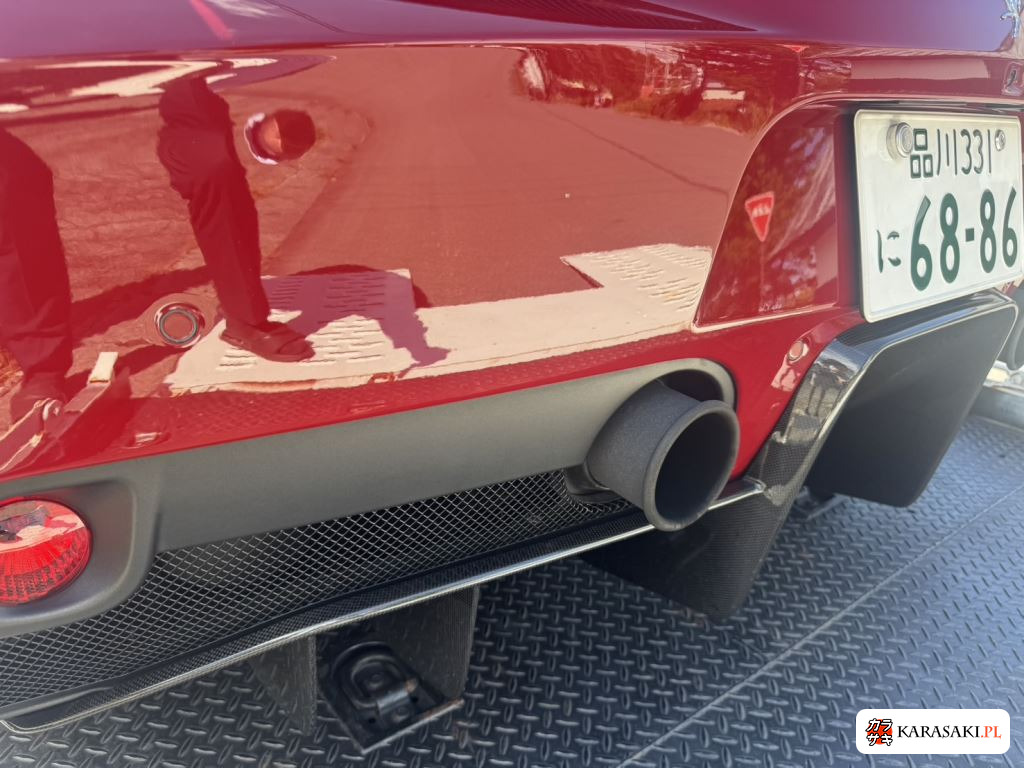
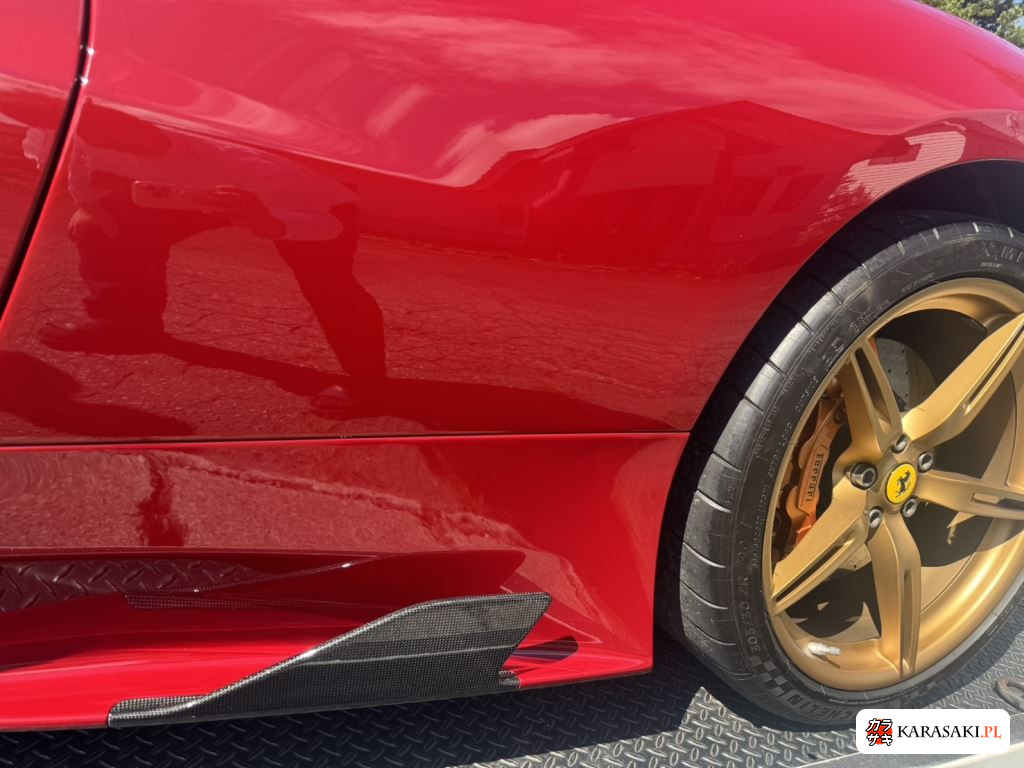
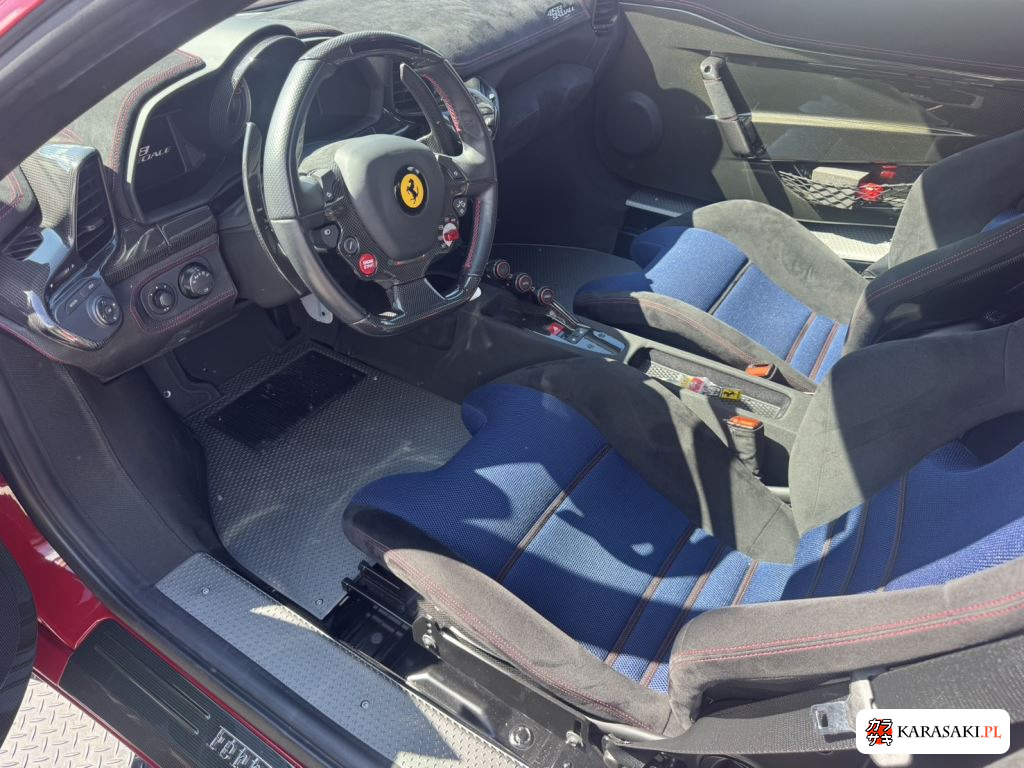
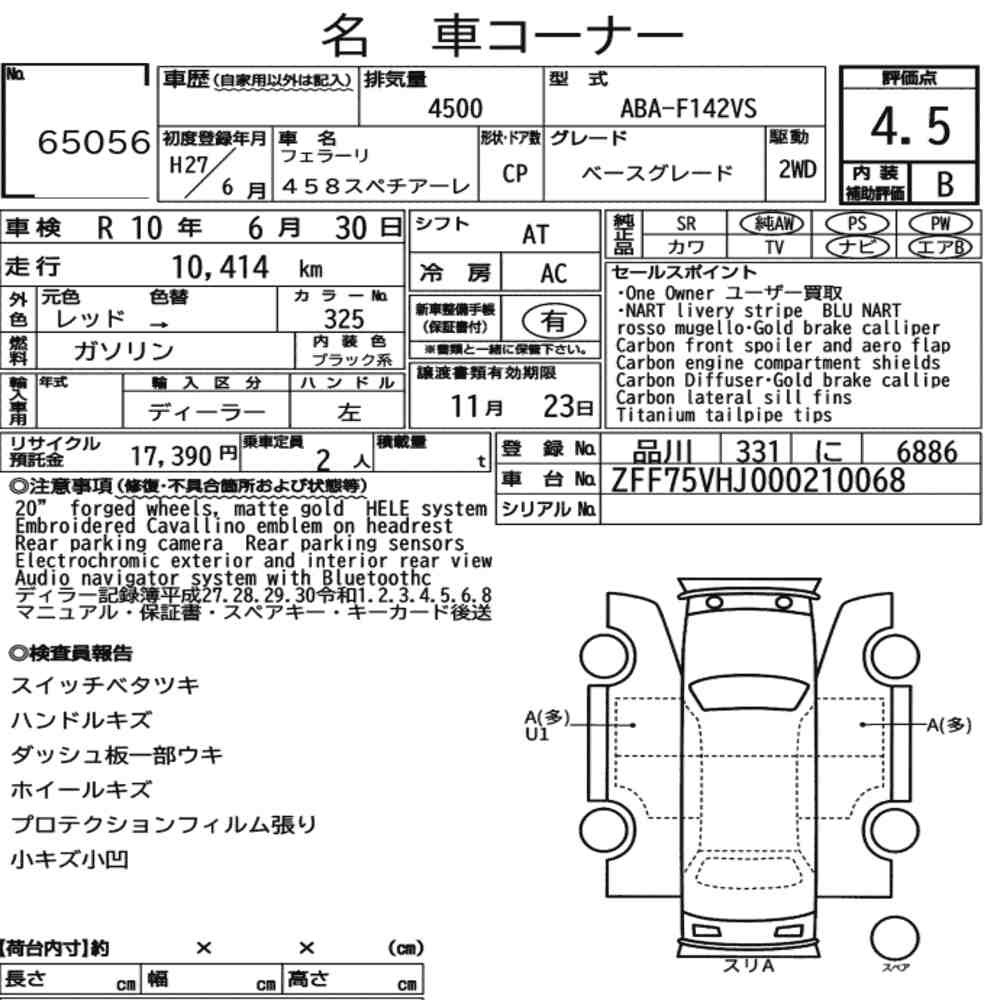
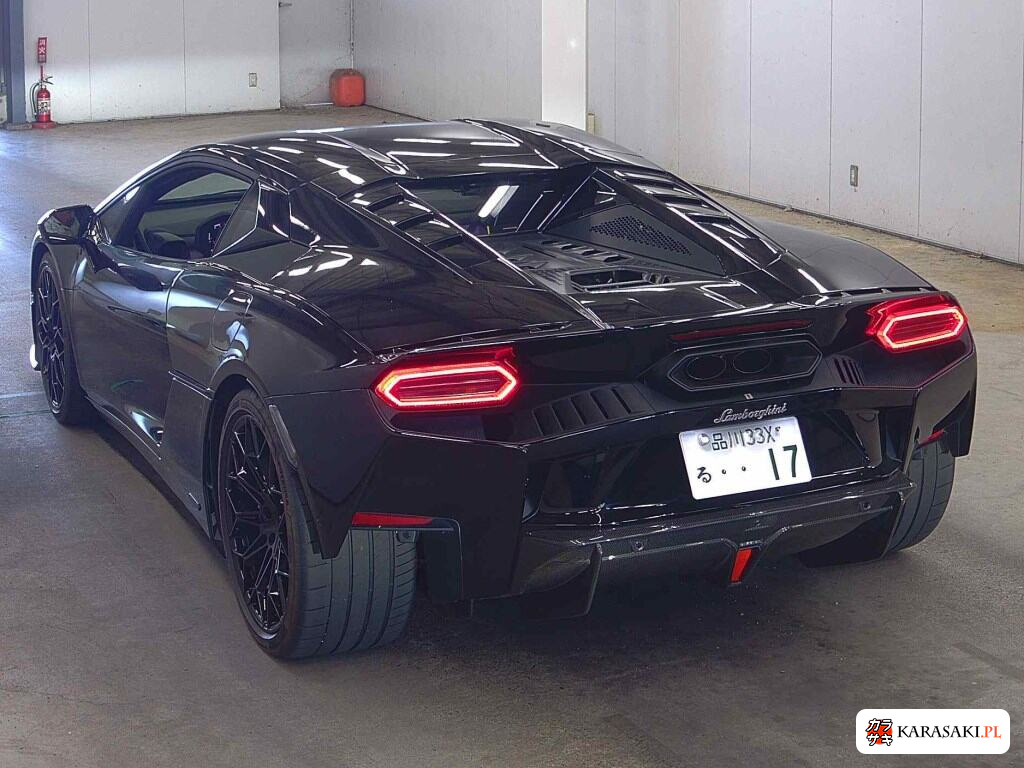
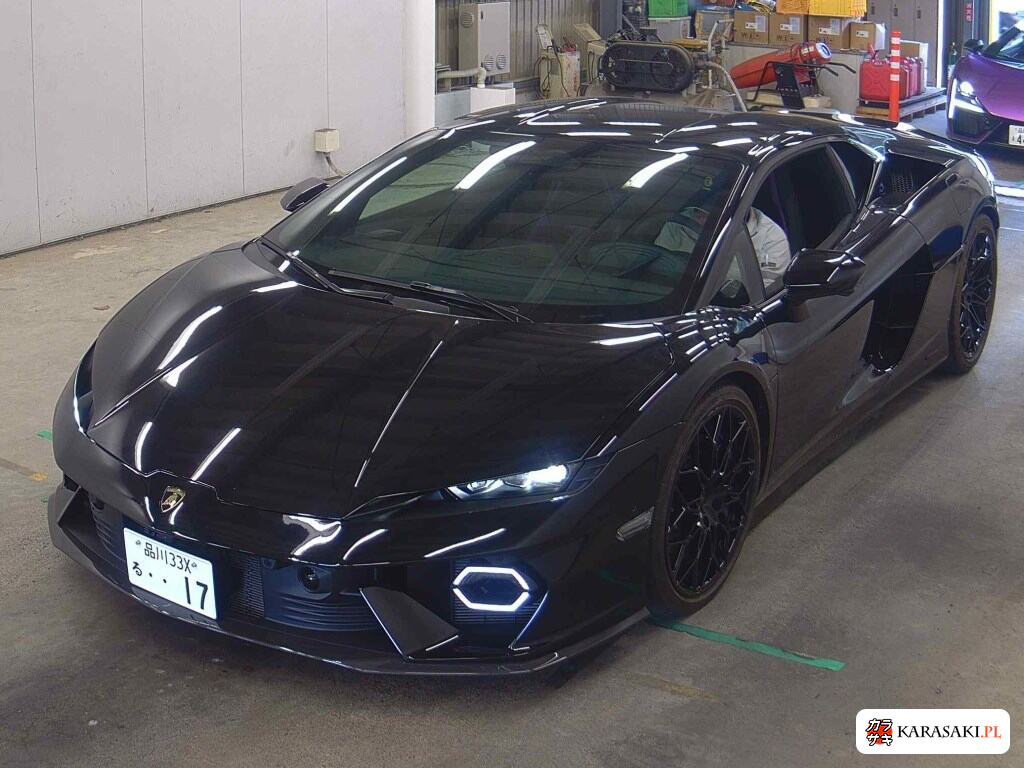
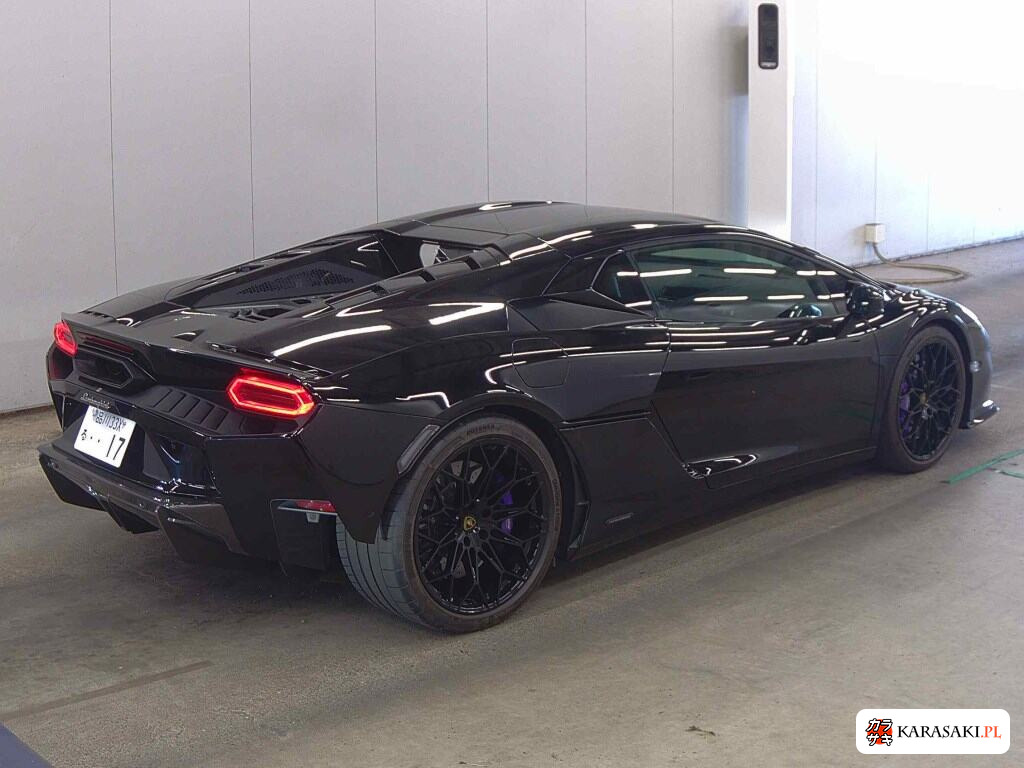
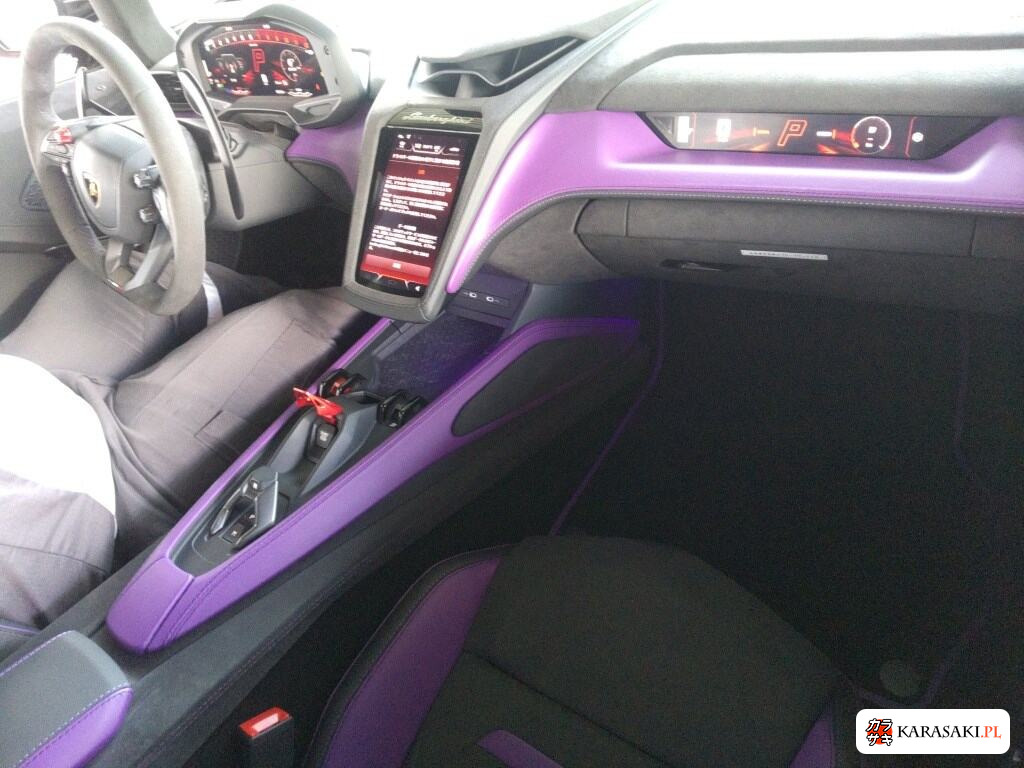
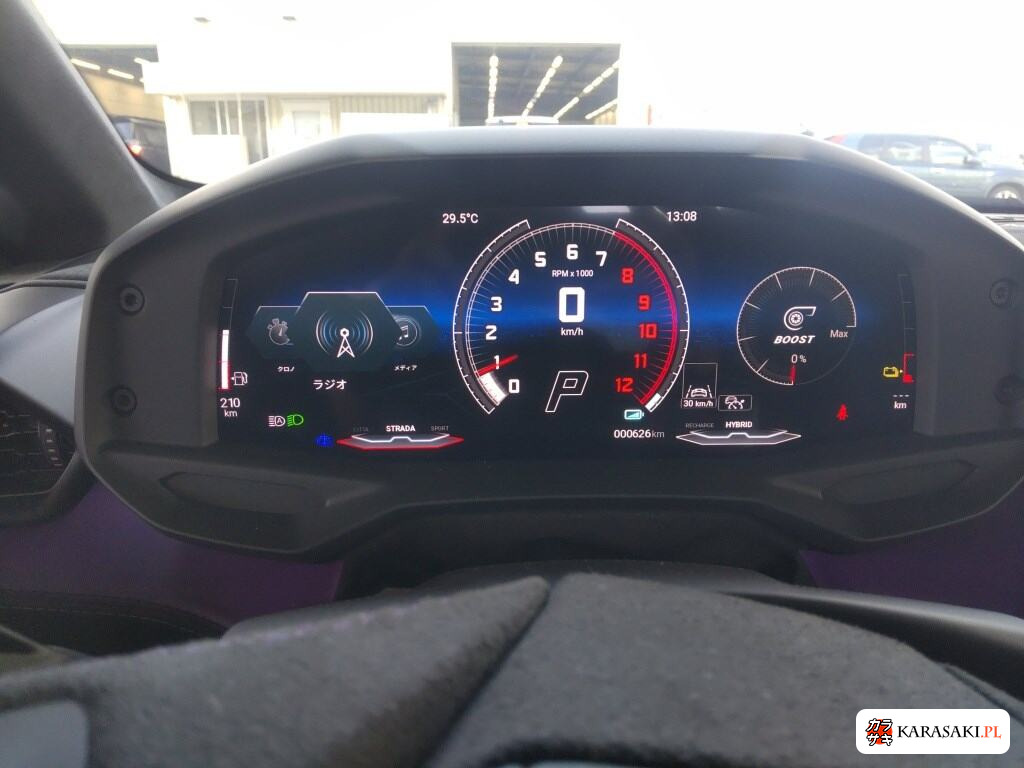
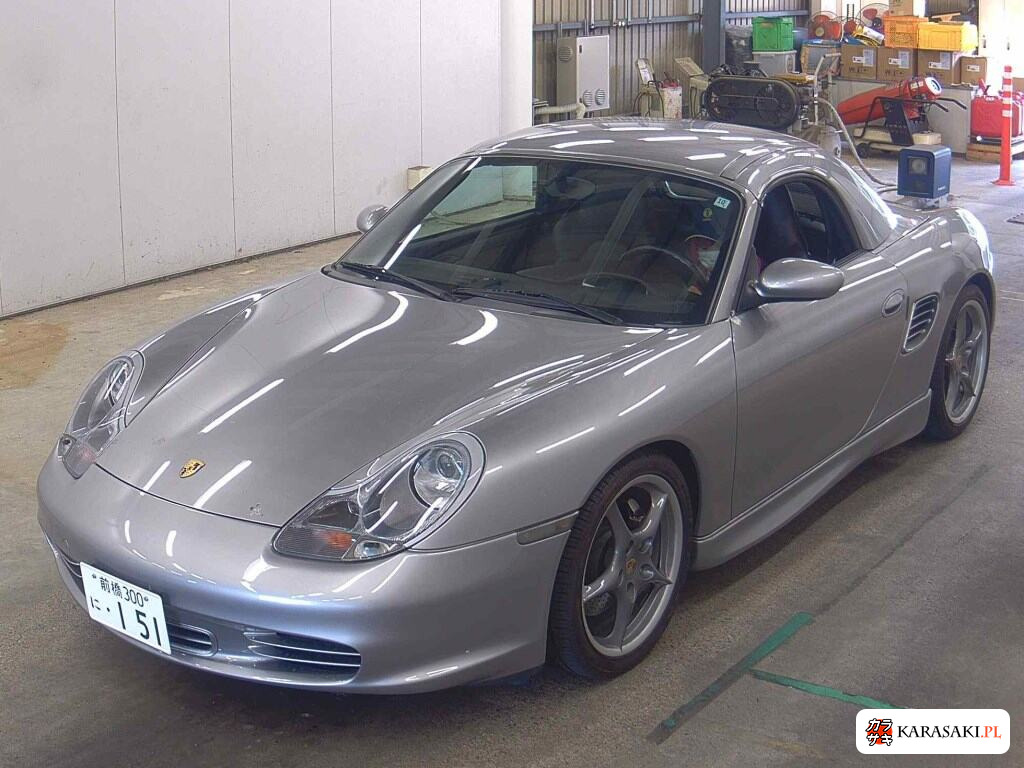
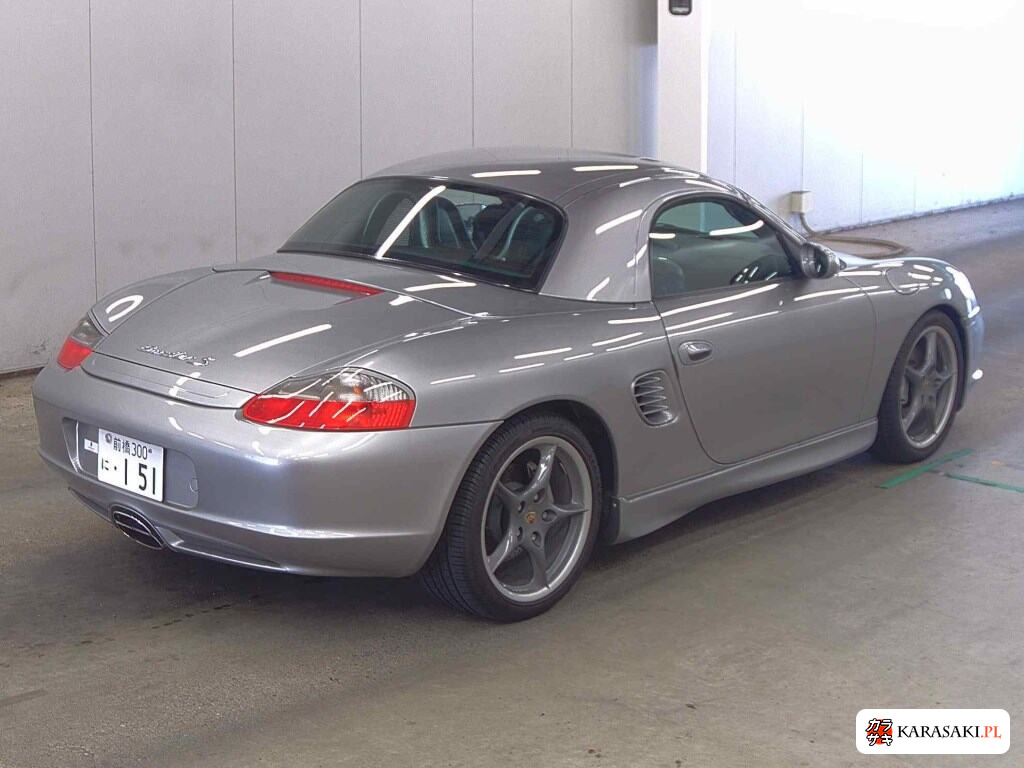
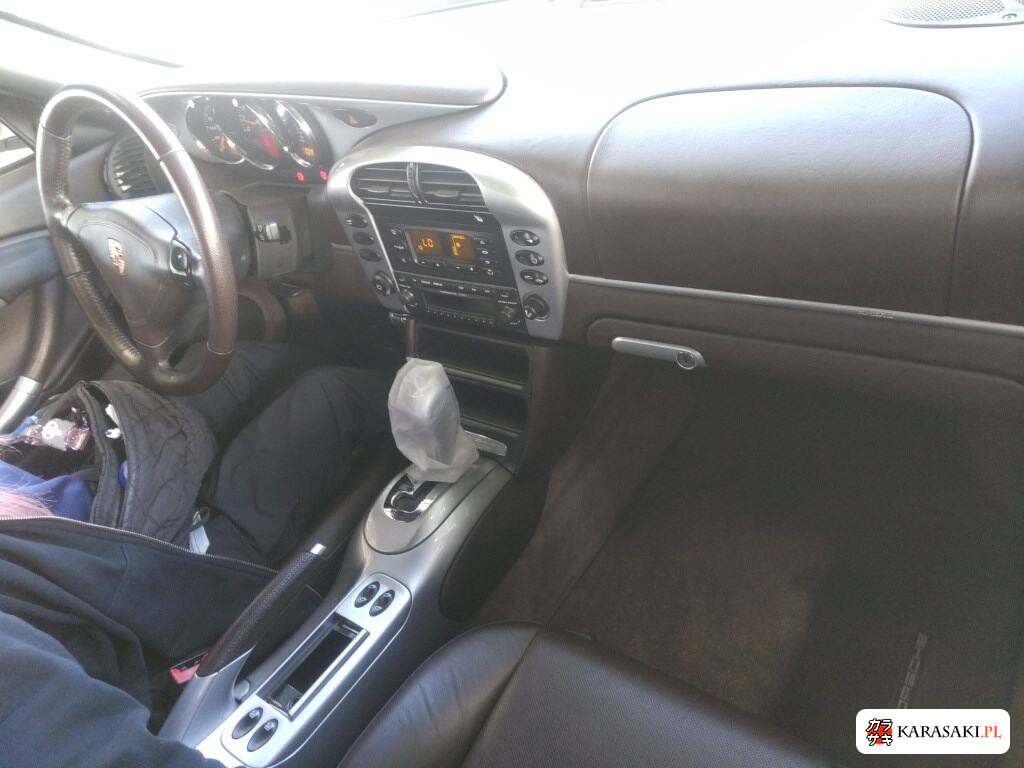
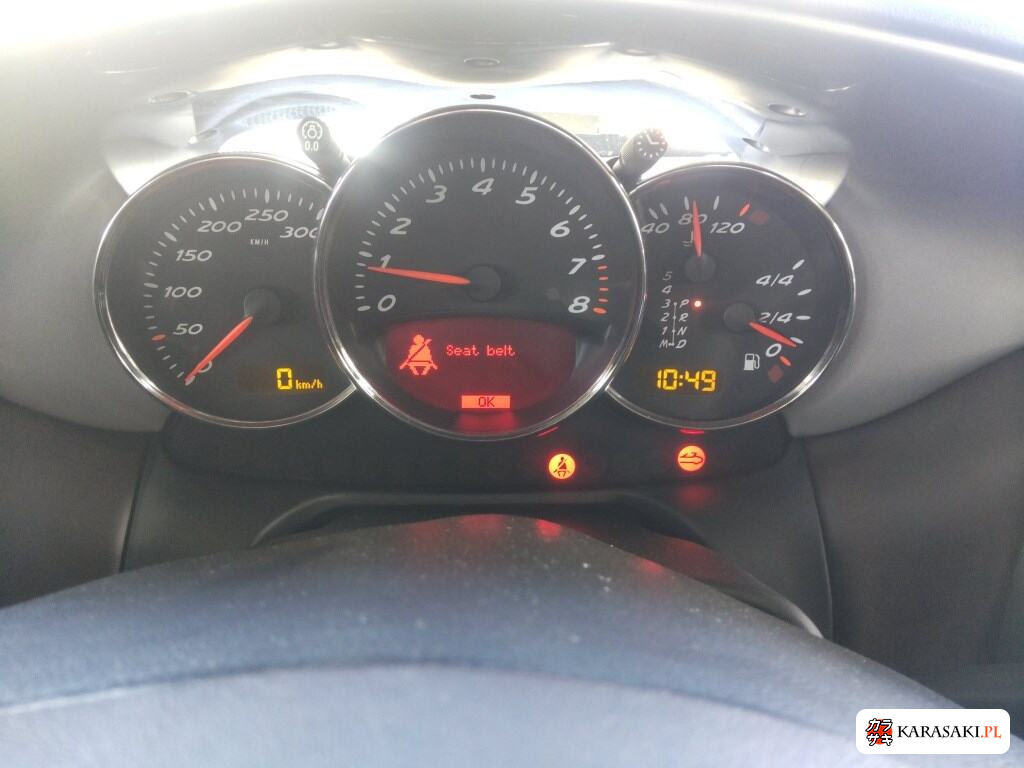
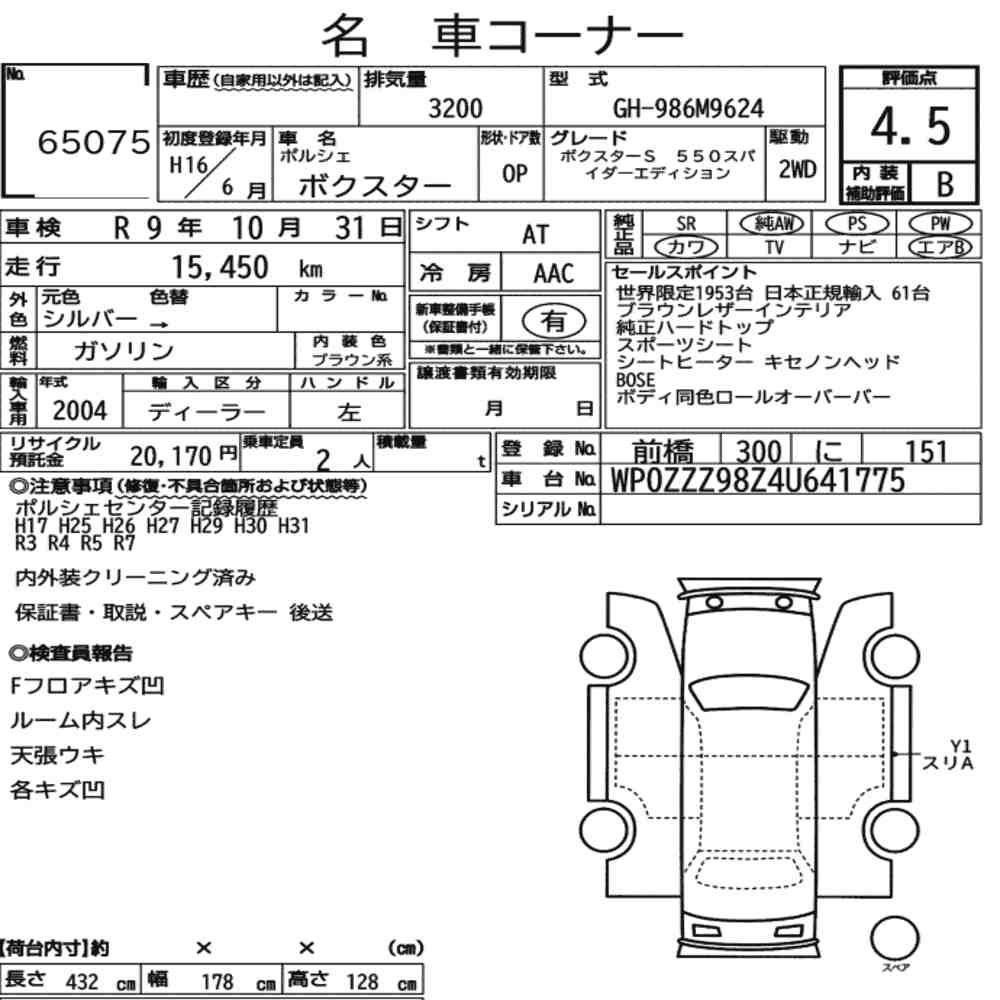
Auta z Japonii z kierownicą po lewej stronie














The routes that genuinely exist
Two are certain, one is expensive, and two are uncertain. We separate them deliberately, because online all five tend to be listed in one breath as equivalent.
First registration before 1985. Clean, and following directly from § 9(3). It covers the earliest JDM cars, the ones already regarded as classics in everyday terms. If you are after an early Toyota Celica, a Datsun or a pre-1985 Skyline, this provision works in your favour and no legal footwork is needed.
Prior registration in an EU state. This follows directly from § 9(2a). The car has to be bought already registered in the EU rather than straight off a Japanese auction, so it is a different transaction, on a different market, at a different price. It gets described as a workaround, but it is simply the second limb of the provision.
Converting the car to left-hand drive. After conversion the car no longer has right-hand drive, so the ban does not reach it. That means real cost and real structural intervention, and on collectible examples it usually reduces value. For some buyers it is still the simplest path.
Historic-vehicle status is sometimes given as a fourth route, but it rests on an interpretation that no official source known to us confirms. We do not present it as certain. Polish criteria for entry in the regional heritage register are set by the regional heritage conservator and can be considerably stricter than the popular age thresholds.
A derogation from the Director of Transport Technical Supervision under Article 67(1) of the Road Traffic Law is the fifth possibility. We know of no published decisions on it, so we cannot assess how effective it is and we do not build a purchase plan on it.
Where the legality myth came from
Usually from conflating two things. In 2014 the Court of Justice of the European Union ruled in case C-639/11 against Poland, concerning registration of right-hand-drive cars. The implementing regulation of July 2015 added paragraph 2a to § 9. The point is that the judgment and the amendment concerned new cars with EC type approval and cars previously registered in member states. Third countries were not covered at all.
So the statement that EU rules permit registering a right-hand-drive car is true for pre-Brexit Britain or for Ireland, and false for a car bought directly in Japan. The difference lies not in the steering wheel but in where the car was registered before.
A second myth travels with it in Polish import writing: the twenty-five-year threshold after which a car supposedly becomes a classic and sheds some requirements. That is an American rule, drawn from US import law, and it does not operate in Poland. The customs heading for collectors' vehicles over thirty years old is a different rule altogether, with a different threshold and a different effect.
The simpler path: Japan also has left-hand-drive cars
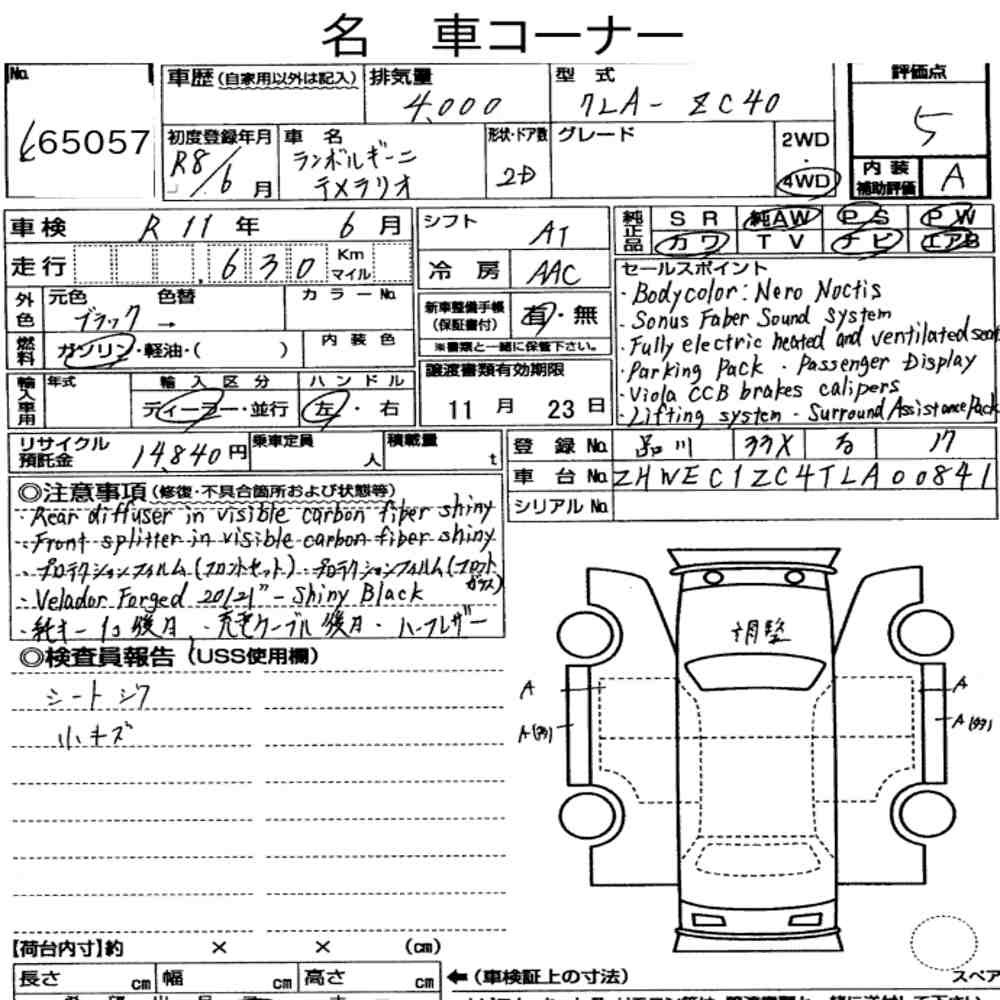
This is the part most Japanese-import writing skips. Japan has imported European premium brands for decades, and those cars reached the market there in left-hand-drive form. Today they end up at the same auctions as JDM cars, under the same Japanese servicing regime, with the same condition reports.
With such a car the § 9 problem does not arise at all, because the wheel is on the left and the provision does not apply. What remains is the standard route: customs clearance, excise, VAT, an SKP roadworthiness test and registration. That is why our catalog shows left-hand-drive cars by default, with a filter you can flip in one click if you are deliberately after classic JDM.
Frequently asked questions
Is a right-hand-drive car illegal in Poland?
Owning and driving an already-registered right-hand-drive car is legal. The problem concerns first registration in Poland: § 9(2) of the technical-conditions regulation says the steering wheel should not be on the right, and the exception covers only new cars with EC type approval or cars previously registered in the EU.
Can a Nissan Skyline R34 be registered in Poland?
Not under the general rules, because the R34 is a post-1984 right-hand-drive car normally bought straight from Japan. The remaining options are registering the car first in another EU state, or converting it to left-hand drive. The route has to be settled before bidding.
Does a pre-1985 right-hand-drive car go through without trouble?
Yes, as far as the steering-wheel provision goes. § 9(3) states that the ban applies to vehicles first registered after 31 December 1984, so older cars fall outside it. All other technical requirements and registration formalities apply as normal.
Does the UC95 bill change anything here?
No. UC95, which introduces the KIDPNPP procedure for used non-EU cars, leaves § 9 of the technical-conditions regulation untouched. These are two independent barriers. As of July 2026 UC95 itself remains a draft at the government stage and is not in force.
Summary
Right-hand drive on a car bought directly in Japan is a real barrier to first registration in Poland, not a formality. Two certain routes work, first registration before 1985 and prior registration in an EU state, plus one expensive route, converting the steering. The rest are interpretations that no official source known to us confirms.
If you want Japanese quality without this problem, look at Japanese-market cars with the wheel on the left. We set out the full import bill with duty, excise and VAT in our piece on how much importing a car from Japan costs, and we cover the incoming rules for non-EU cars in the article on the KIDPNPP procedure and the UC95 bill.


