
Headlines about the end of non-EU car imports and inspections costing eighteen thousand zloty are doing the rounds. We checked what the bill actually contains, what stage it has reached and who it will cover. The short answer: nothing has changed yet, and when it does it will not be a ban but an extra procedure and an extra cost. What matters far more is what you can do today so that cost does not spike later.
What KIDPNPP is
KIDPNPP stands for national individual approval of a vehicle that is not new: a proposed procedure for used cars imported from outside the European Union. It comes in with the draft bill listed in the Council of Ministers work programme as UC95, amending the vehicle type-approval act (Dz.U. 2023 poz. 919). The certificate would be issued by a qualified diagnostician at a vehicle inspection station, with the Director of Transport Technical Supervision overseeing the whole process.
No such route exists today, and that is the heart of the matter. A used car brought in from outside the EU takes a roadworthiness test at an inspection station before registration, and that is all. The existing national individual approval procedure run by the Director of TDT covers new vehicles only. The agency states it plainly: approval applies to a new vehicle. UC95 is meant to close that gap.
The origin is the Court of Justice of the European Union ruling in case C-513/15 (Agrodetale), about a refusal to register used tractors imported from Belarus into Lithuania. The Court held that a used vehicle from a third country, without EC type approval, put into service in the EU for the first time, counts as a new vehicle under the type-approval rules. The European Commission position of January 2025 reinforced it: used vehicles from a third country cannot obtain EU type approval, so individual approval is the only remaining route.
Where the bill actually stands
Trade publications describe KIDPNPP sometimes as a draft and sometimes as law in force, and several of them give conflicting commencement dates. So we checked the status at source, across four independent official registers, on 27 July 2026.
| Register | What we checked | Result |
|---|---|---|
| ISAP, Journal of Laws | vehicle type-approval act (Dz.U. 2023 poz. 919) | in force, list of amending acts empty |
| ISAP, 2026 volume | every Journal of Laws position published in 2026 | not a single act on vehicle type approval |
| Sejm print register | prints of the current term | no type-approval print, the bill has not reached parliament |
| Government Legislation Centre | project card no. 12402254 | project open, latest stage the Digitalisation Committee, 8 July 2026 |
| Council of Ministers work programme | UC95 entry | government adoption planned for Q3 2026 |
| Transport Technical Supervision | description of the existing approval procedure | covers new vehicles only, no mention of KIDPNPP |
The conclusion is unambiguous. The bill is still inside government, at committee stage, and has not begun its passage through parliament. The Council of Ministers was originally to adopt it in Q1 2026; that slipped to Q3. One footnote: project card 12401602, which circulates in some write-ups as an alternative source, belongs to an entirely different bill and has nothing to do with type approval.
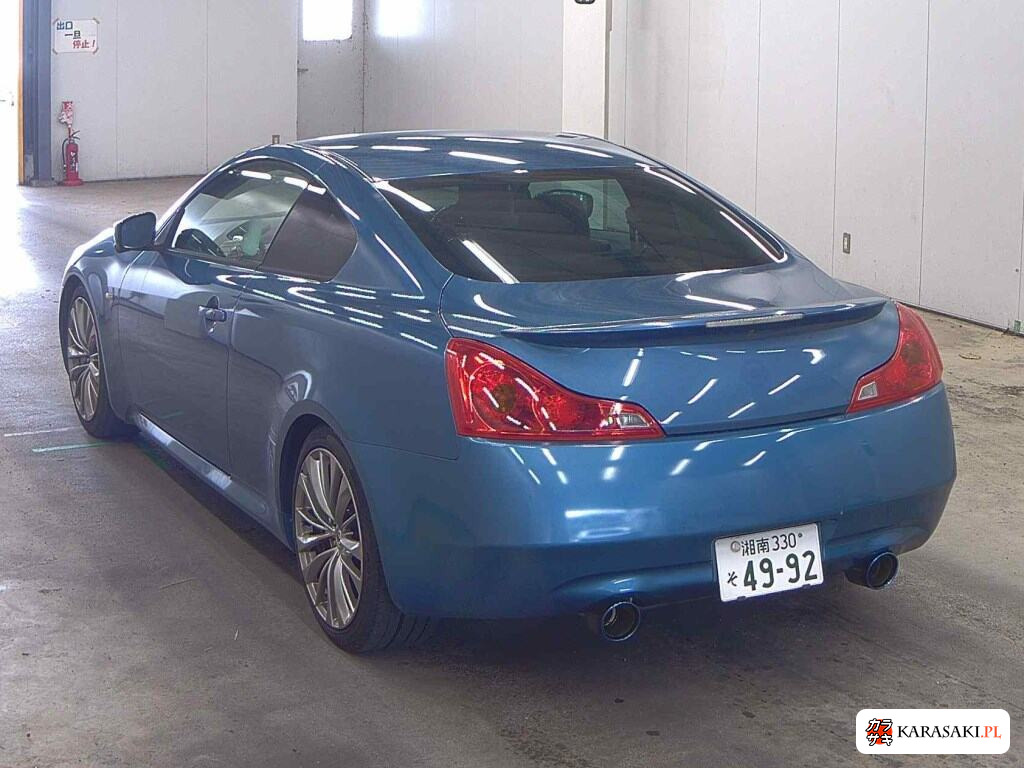
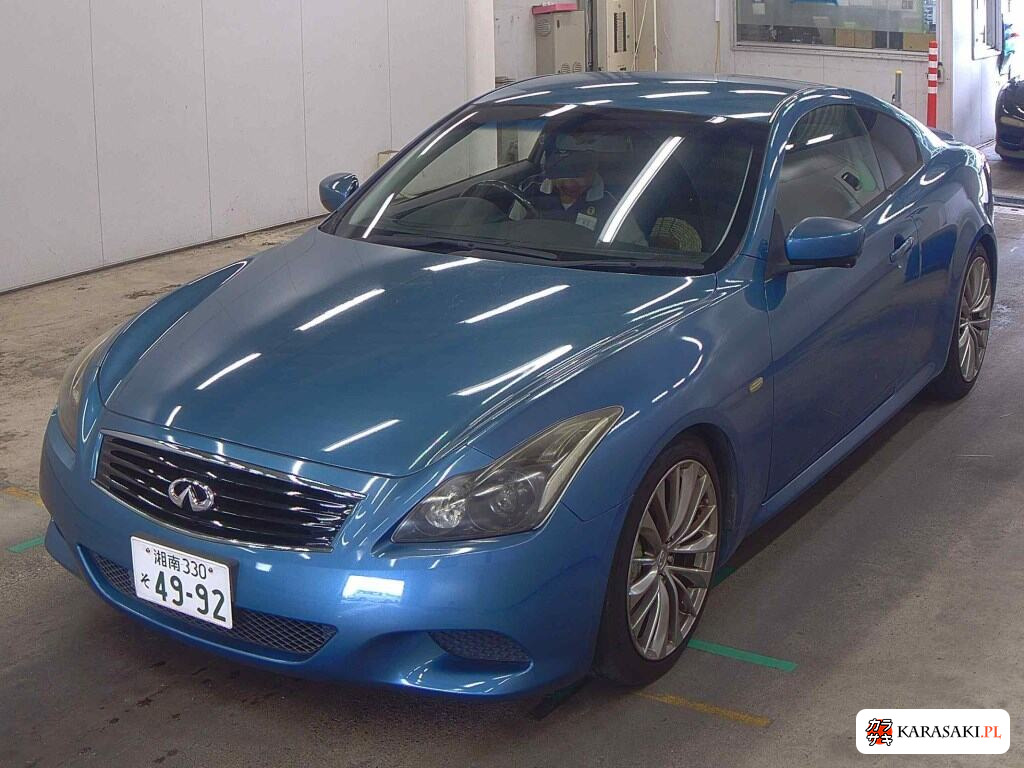
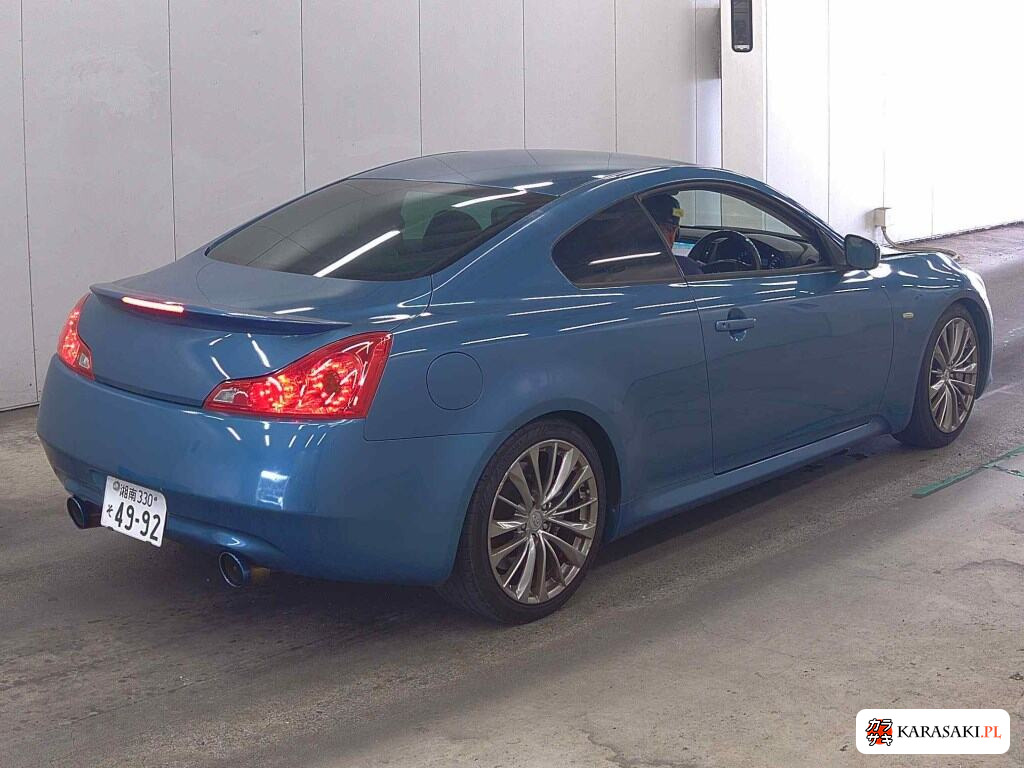
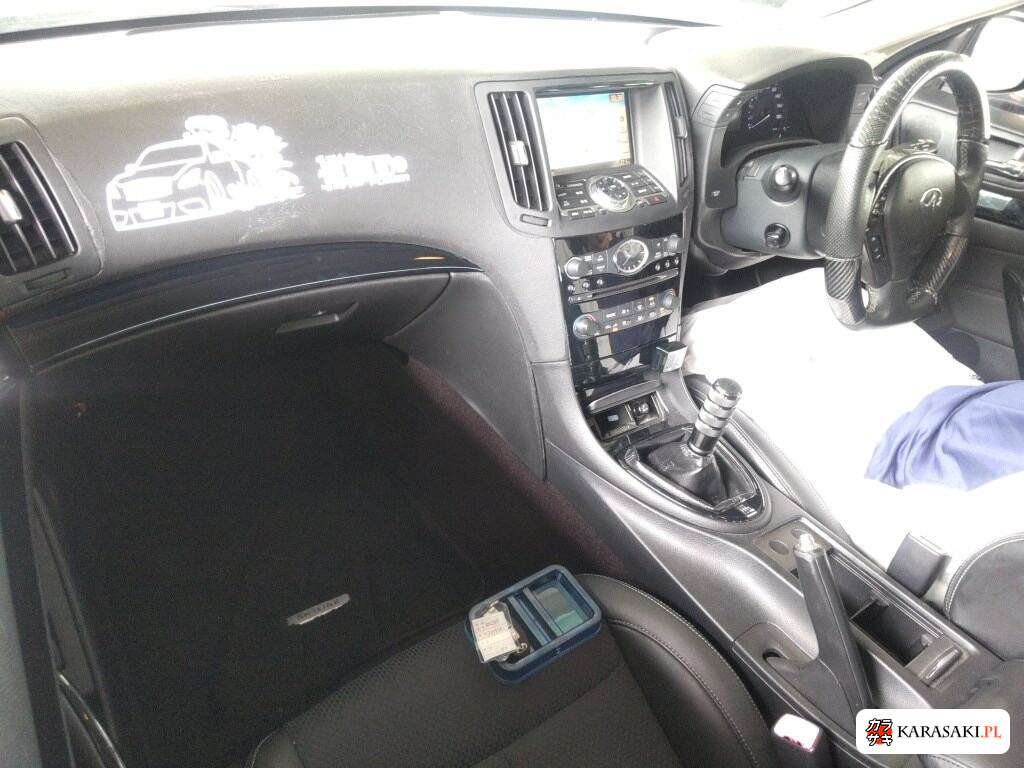
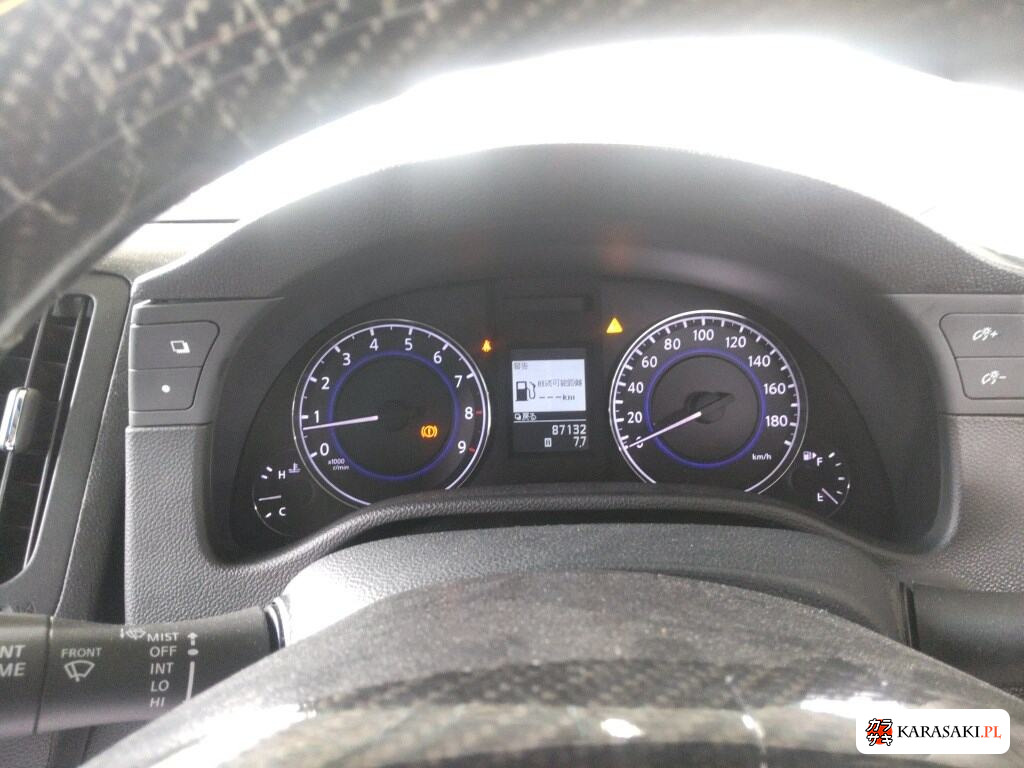
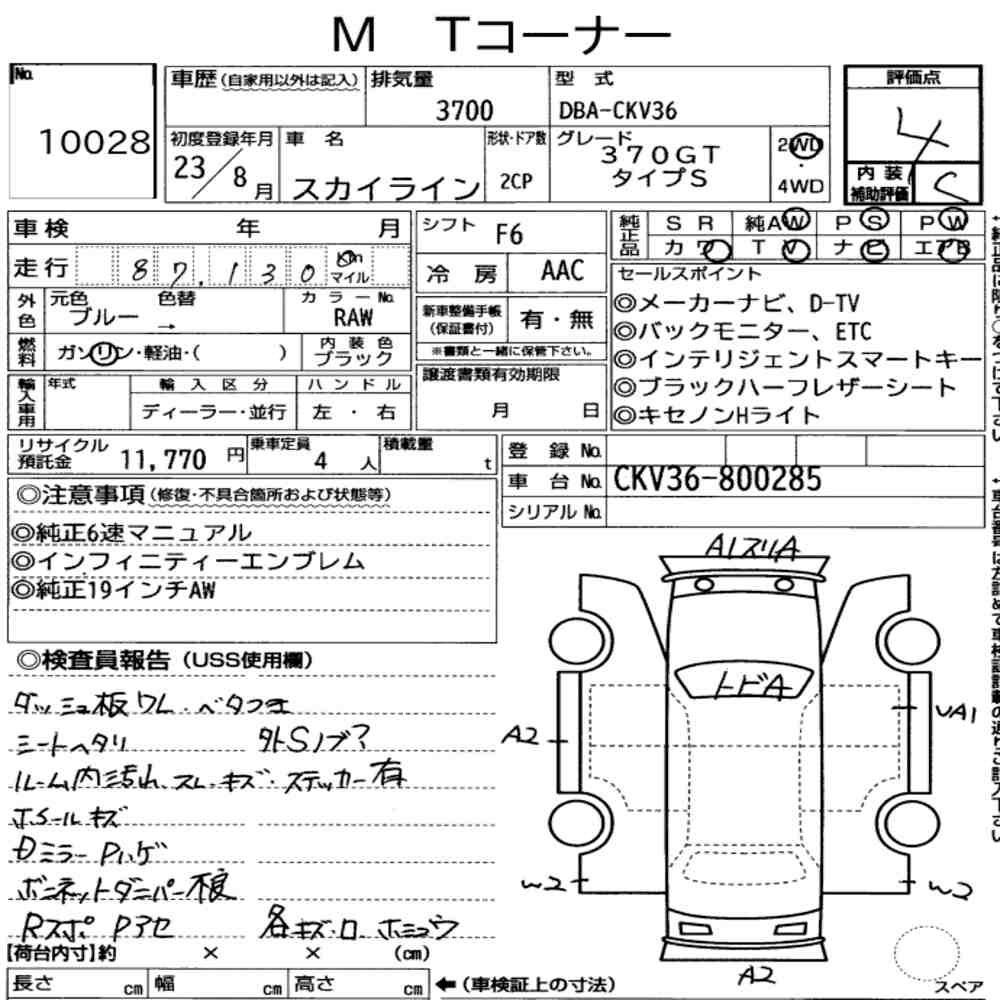
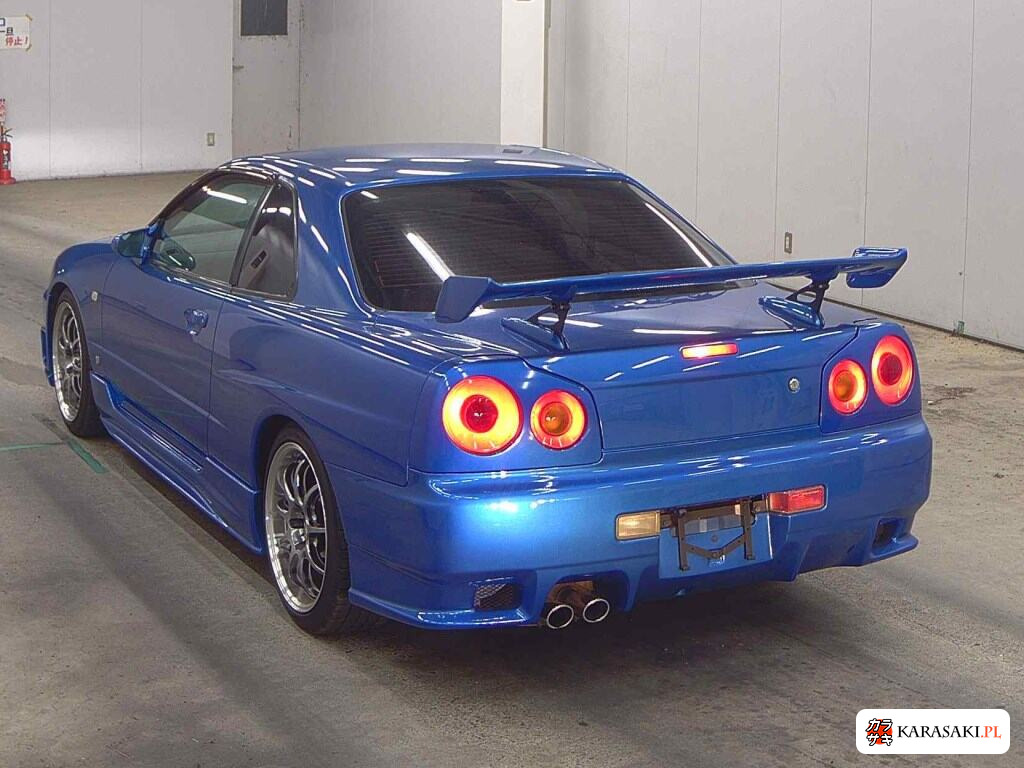
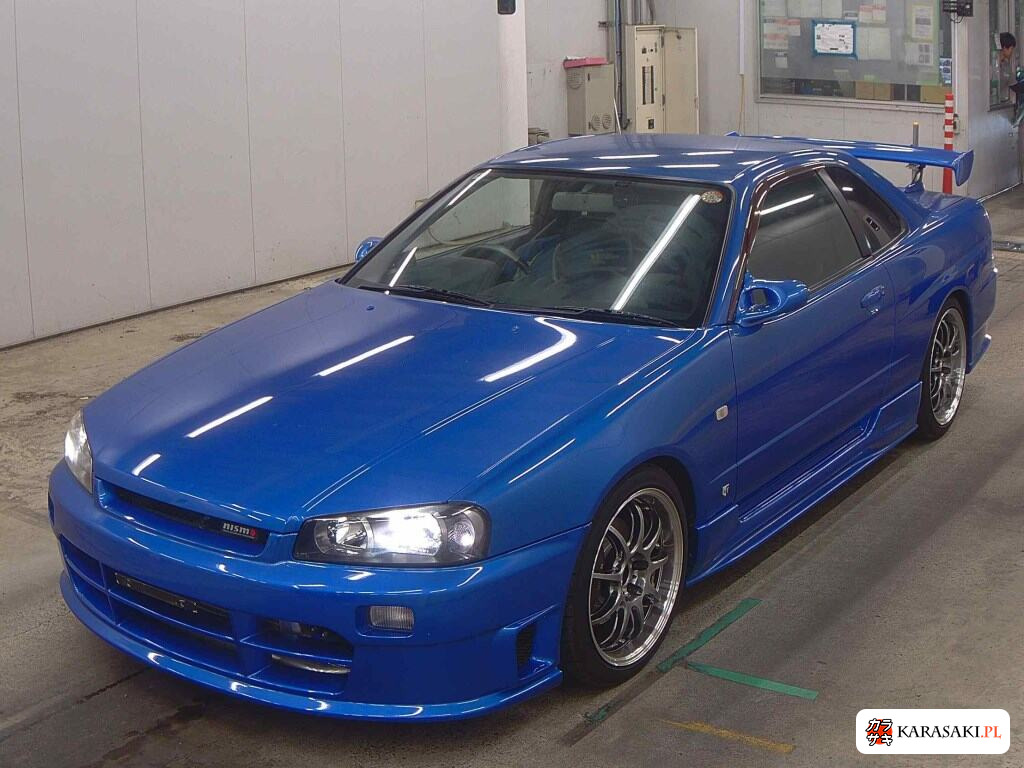
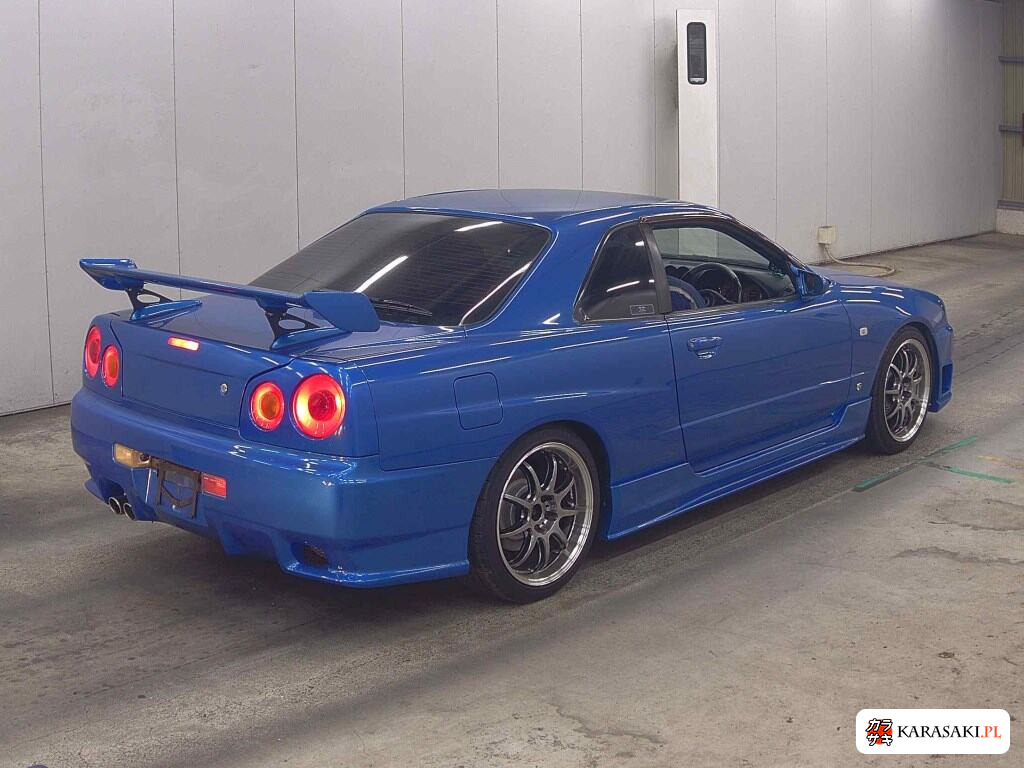
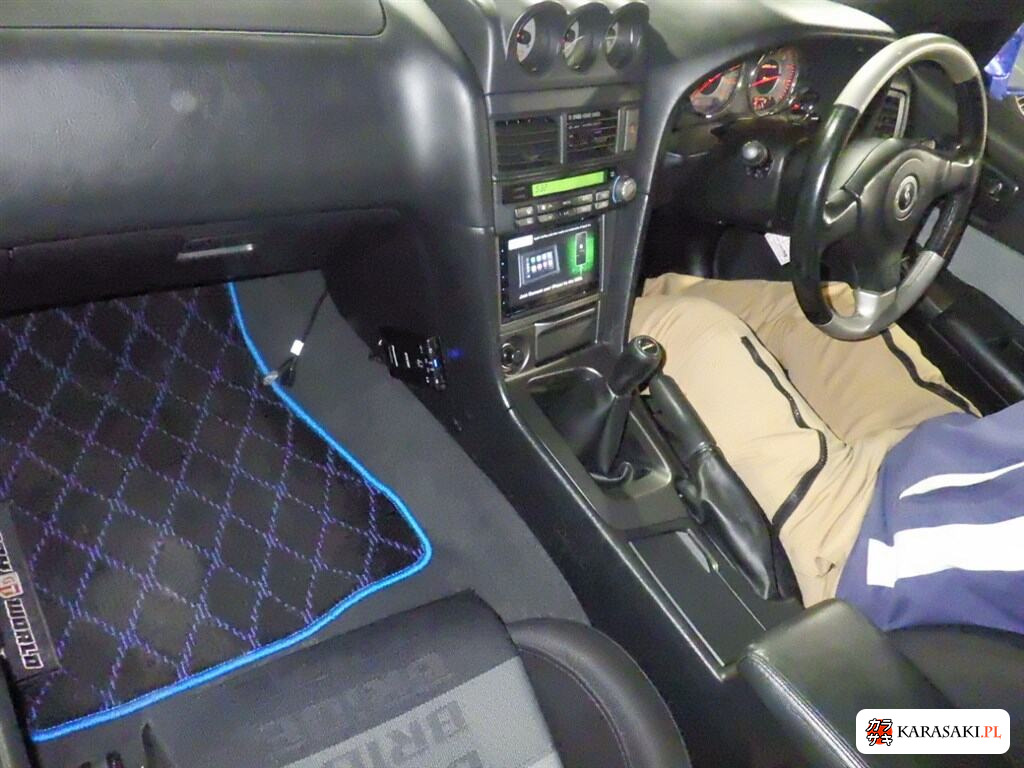
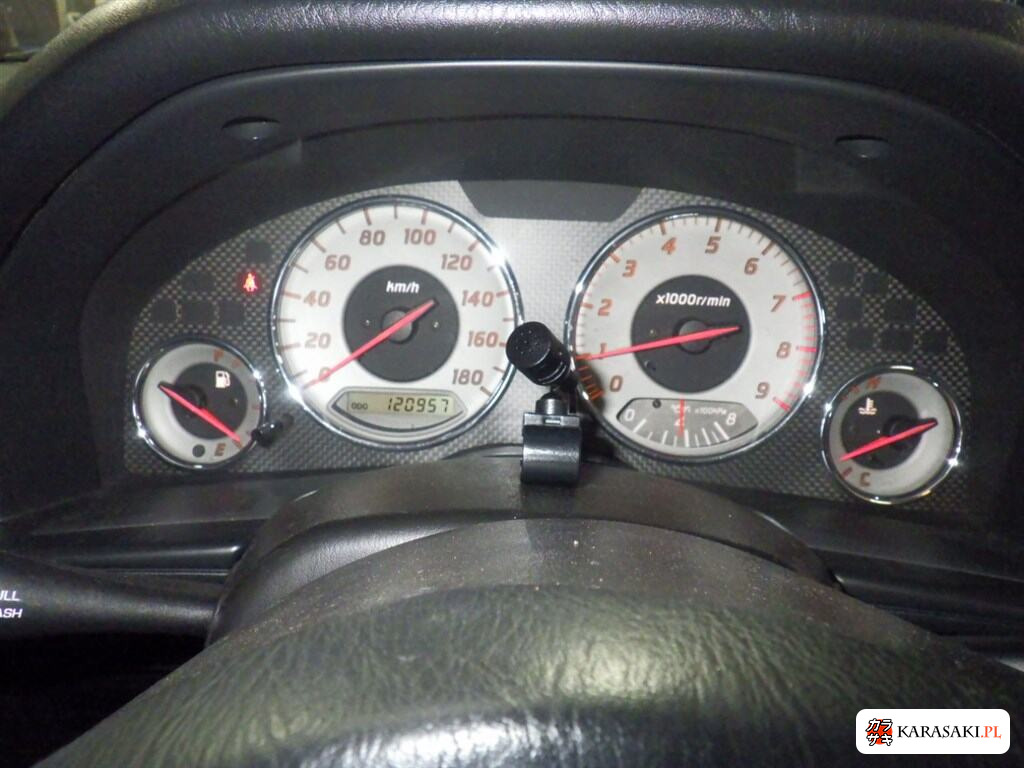
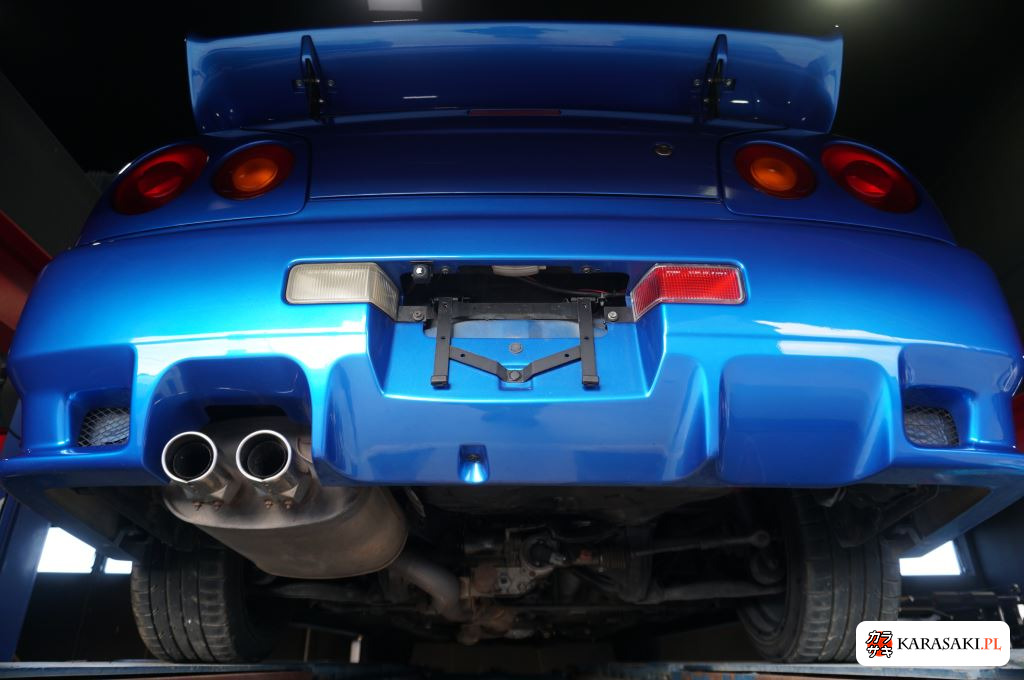
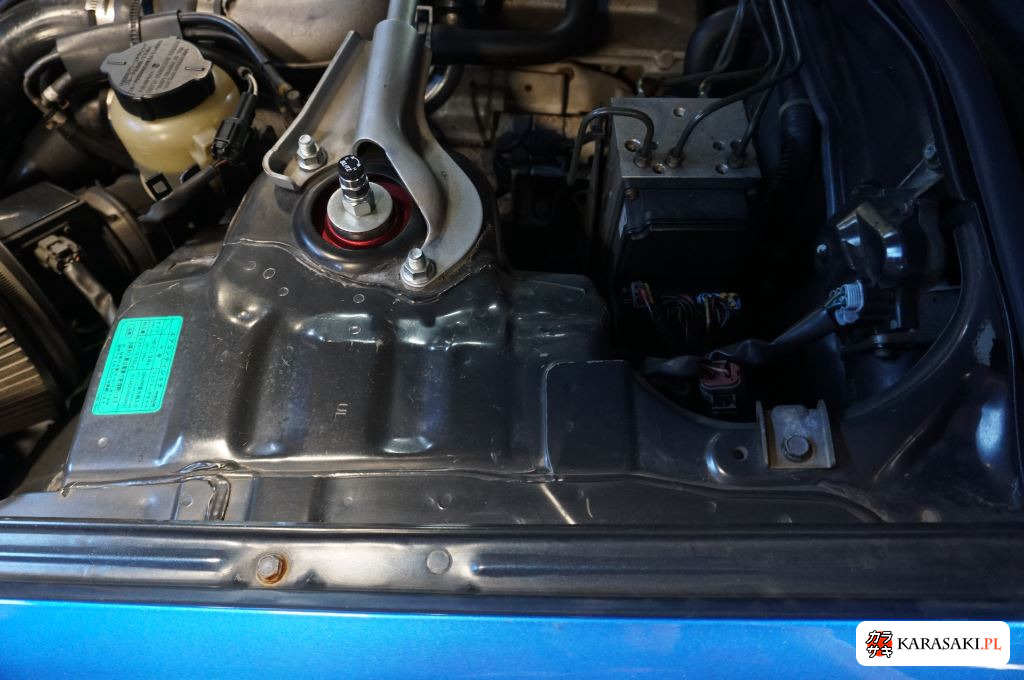
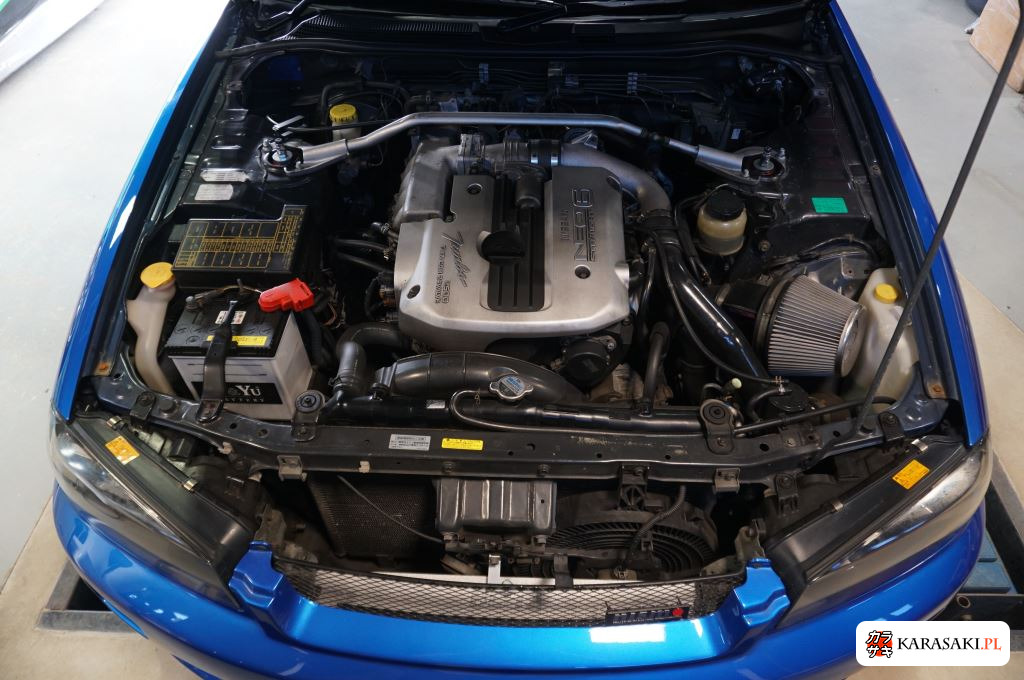
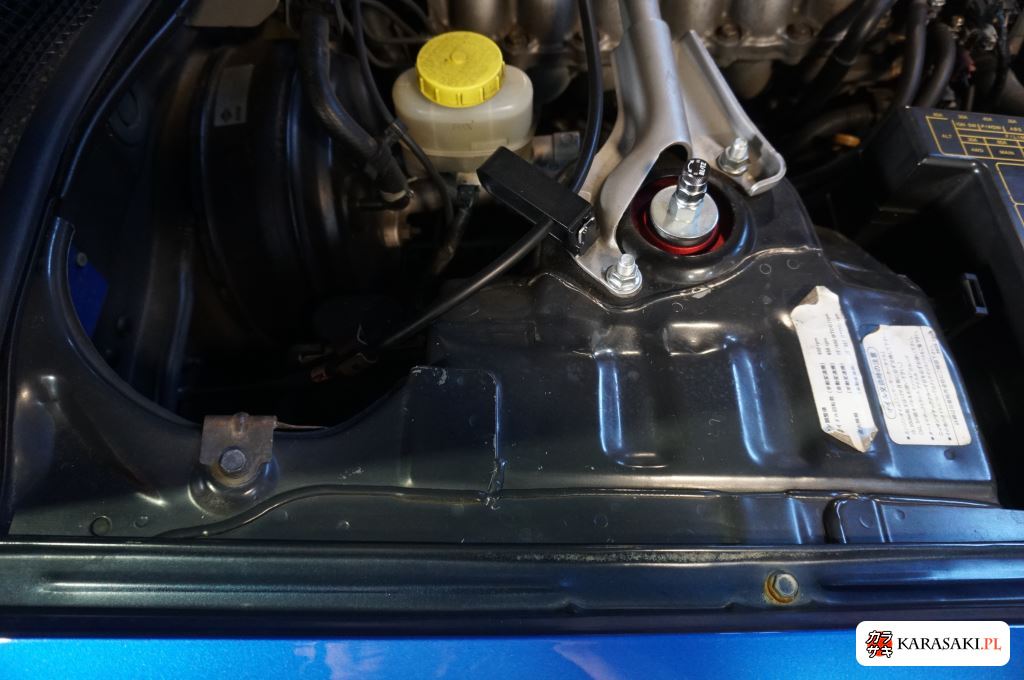
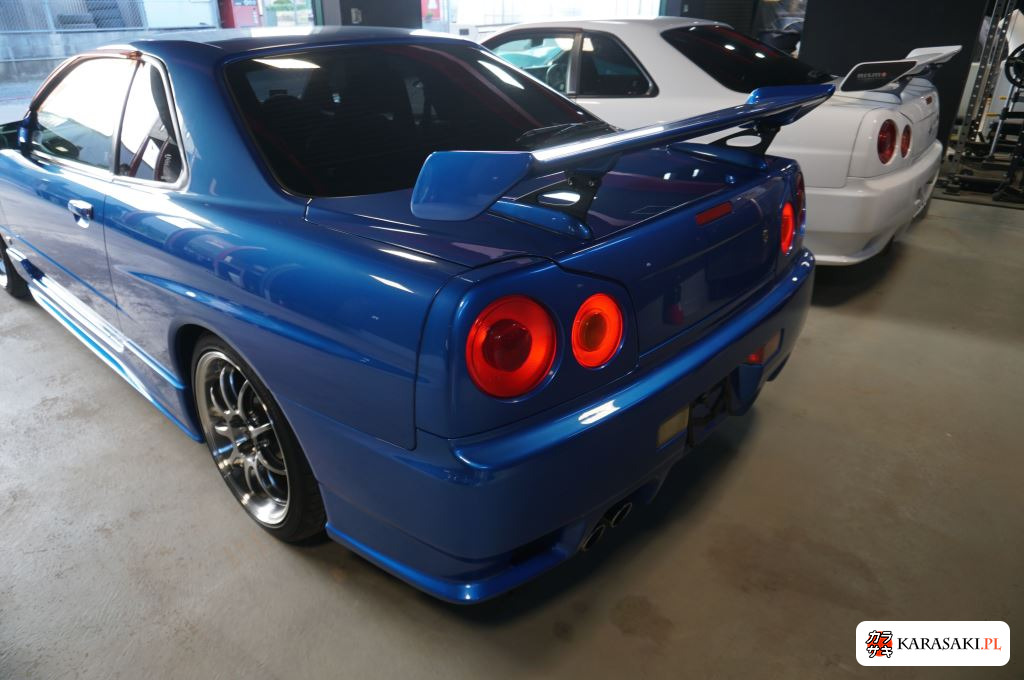
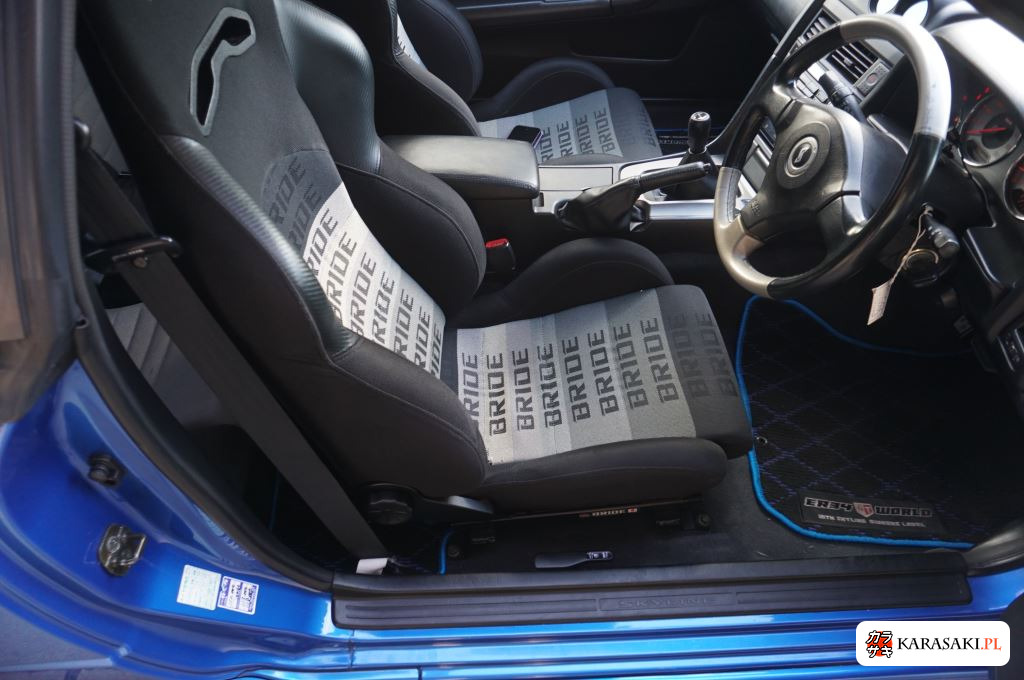
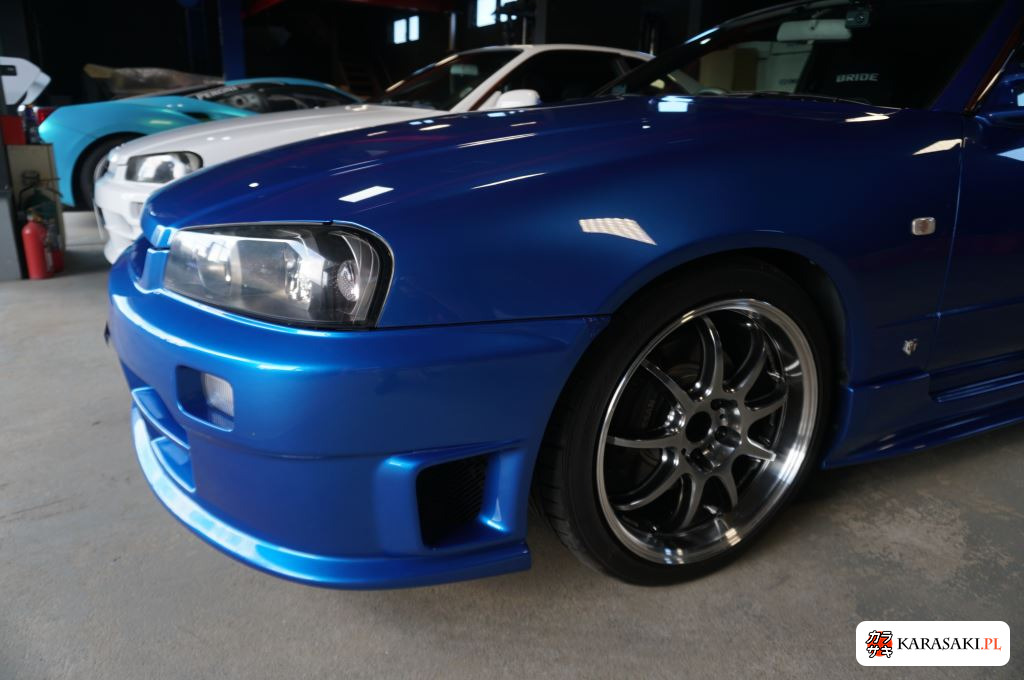
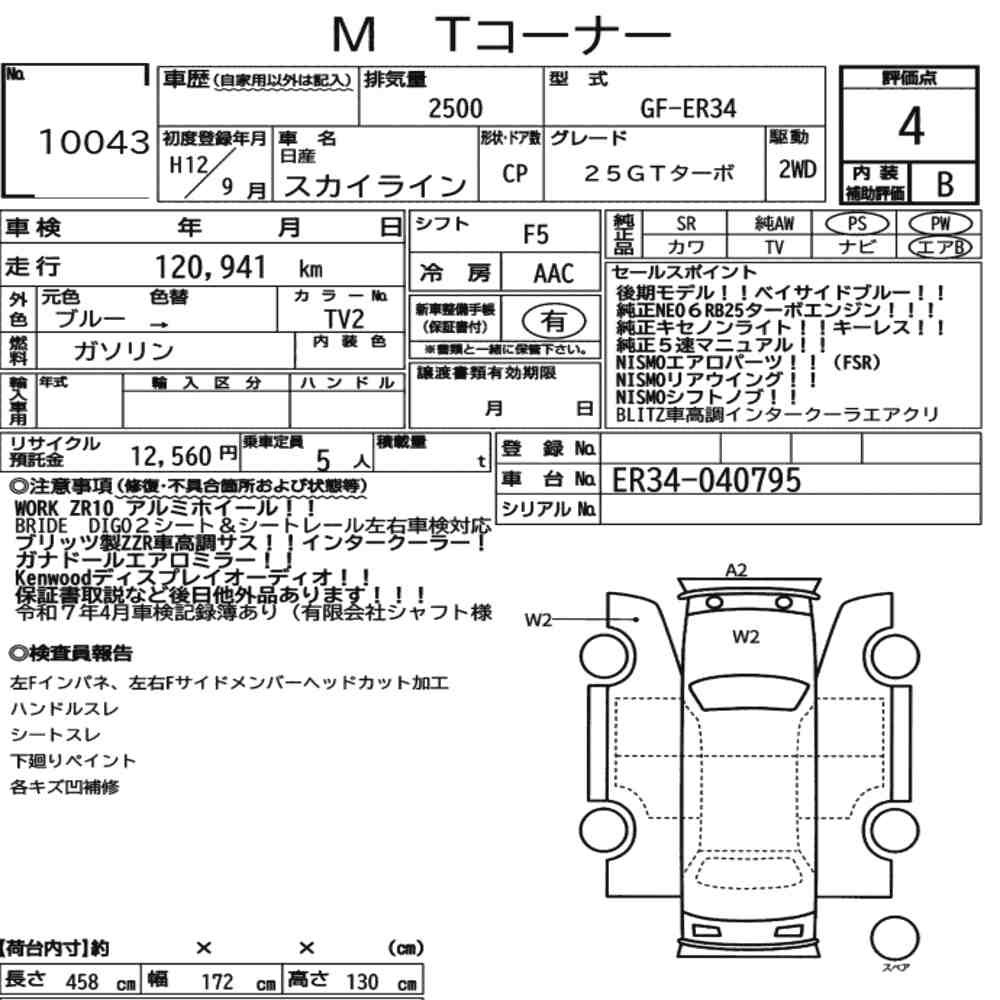
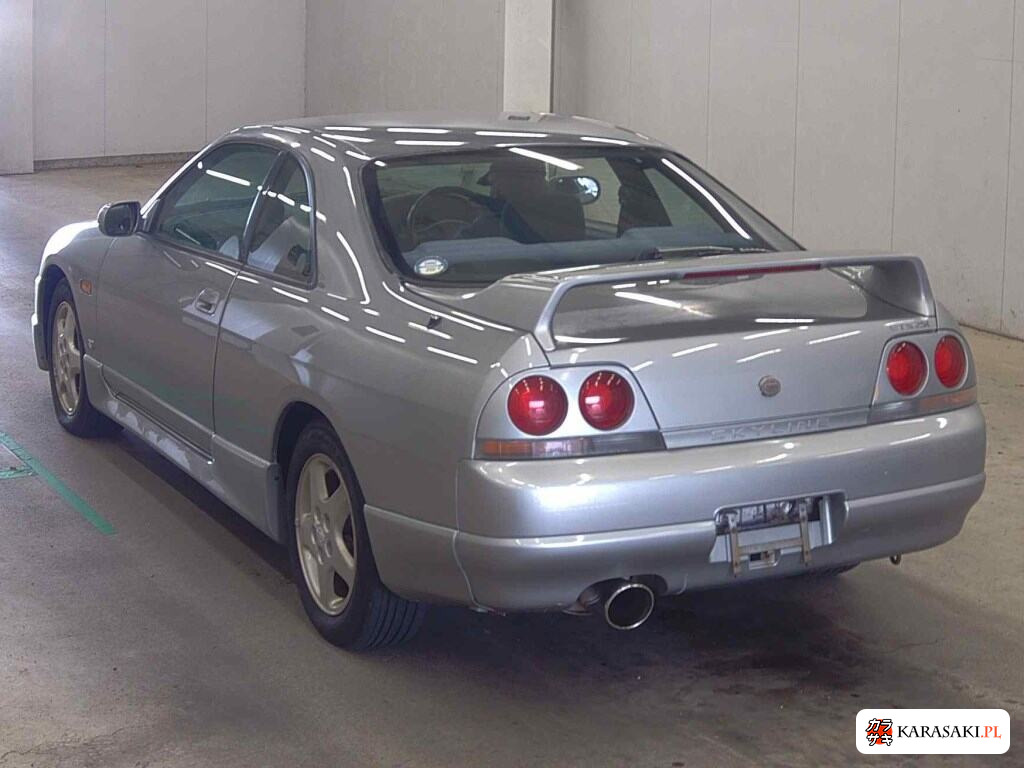
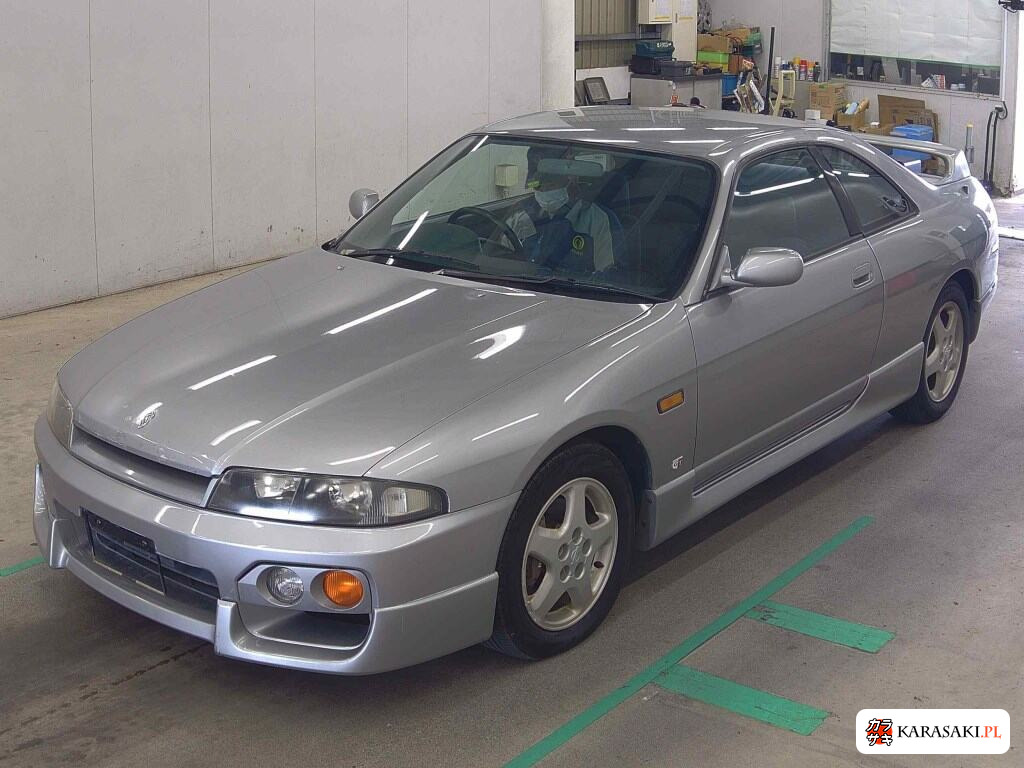
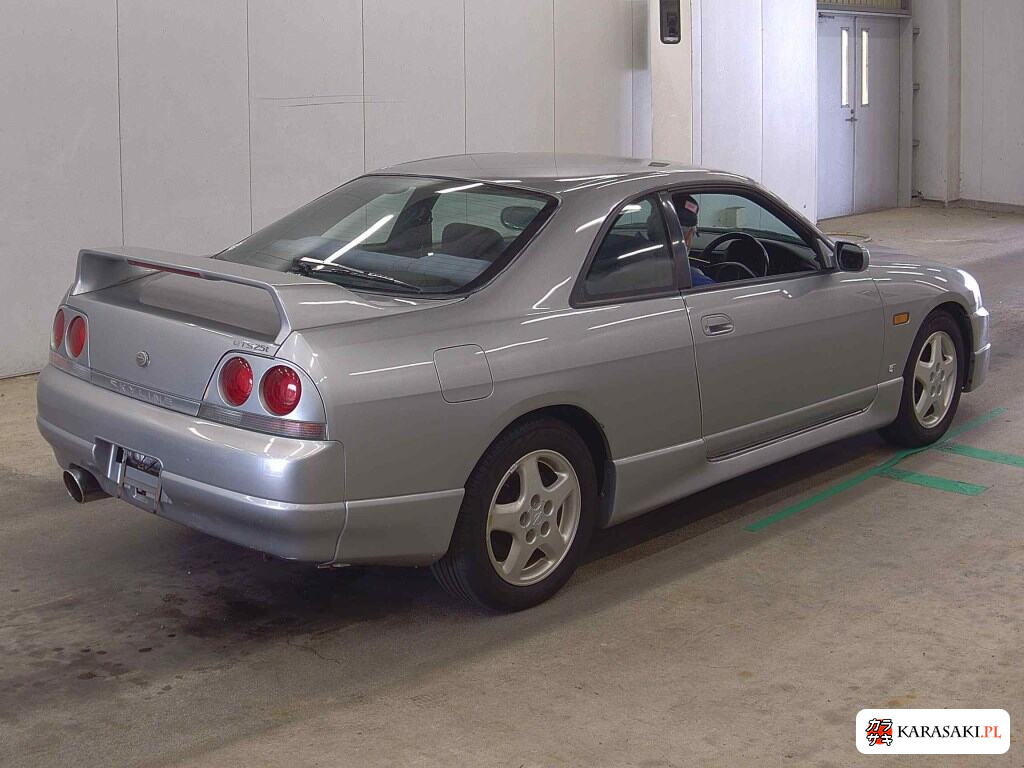
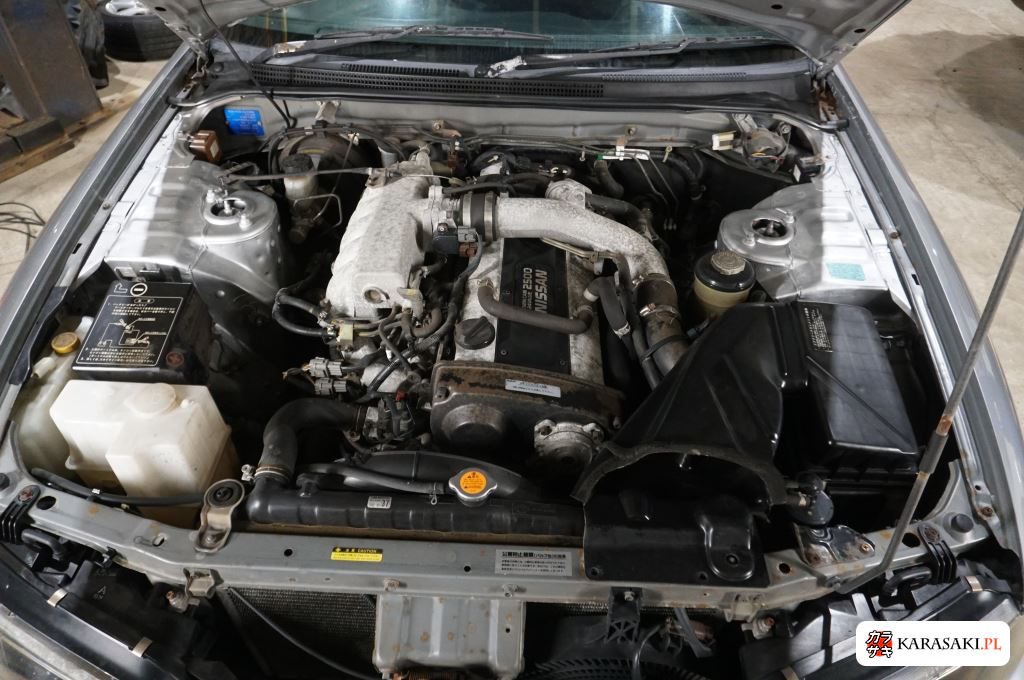
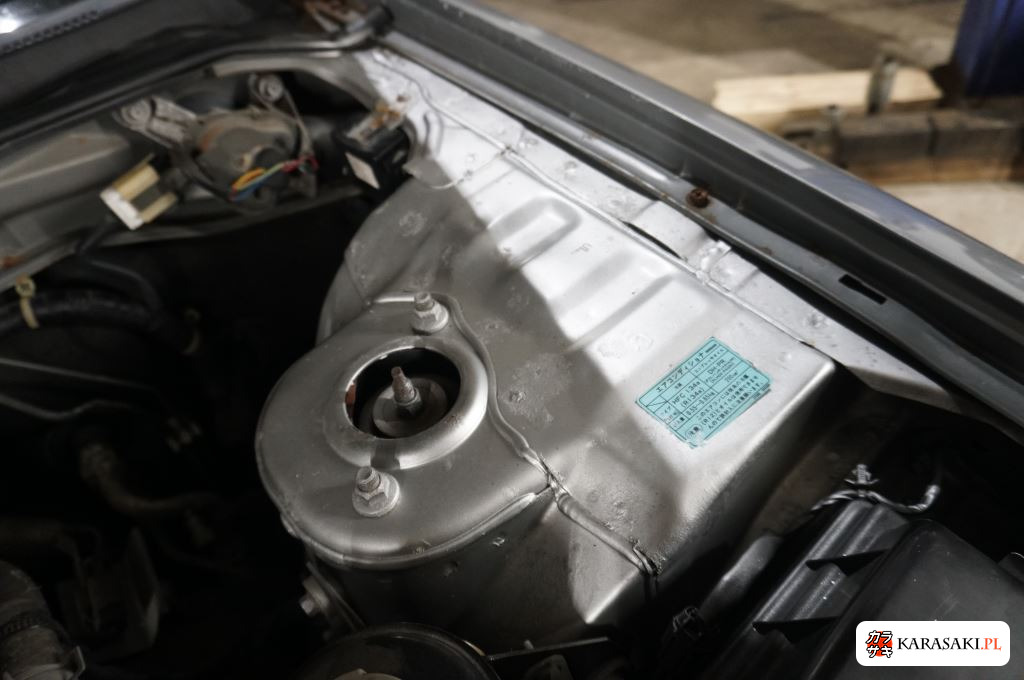
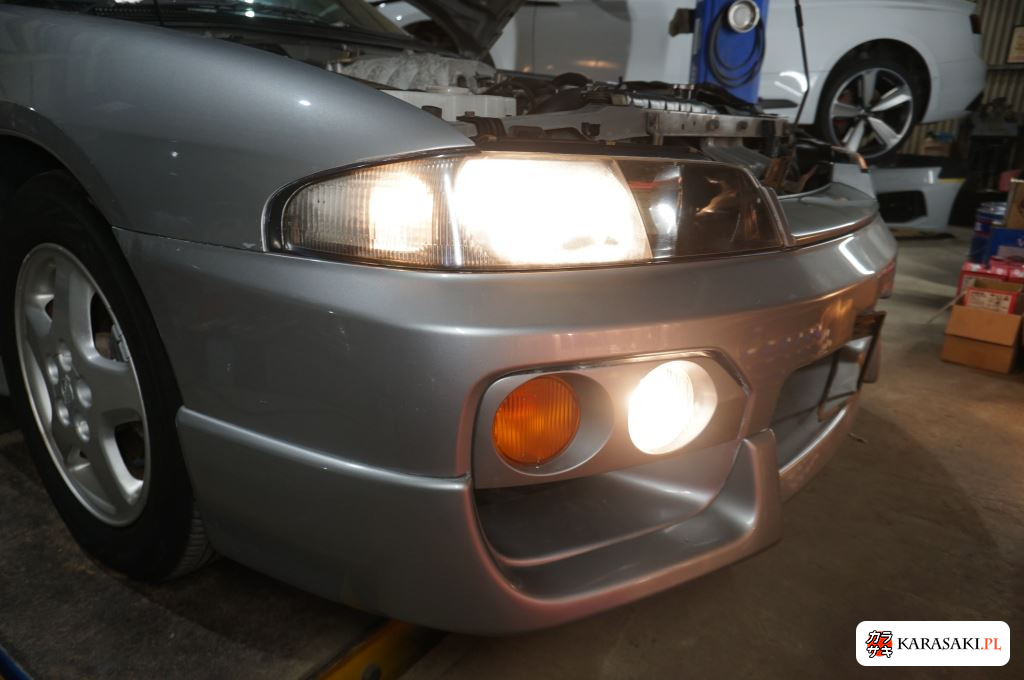
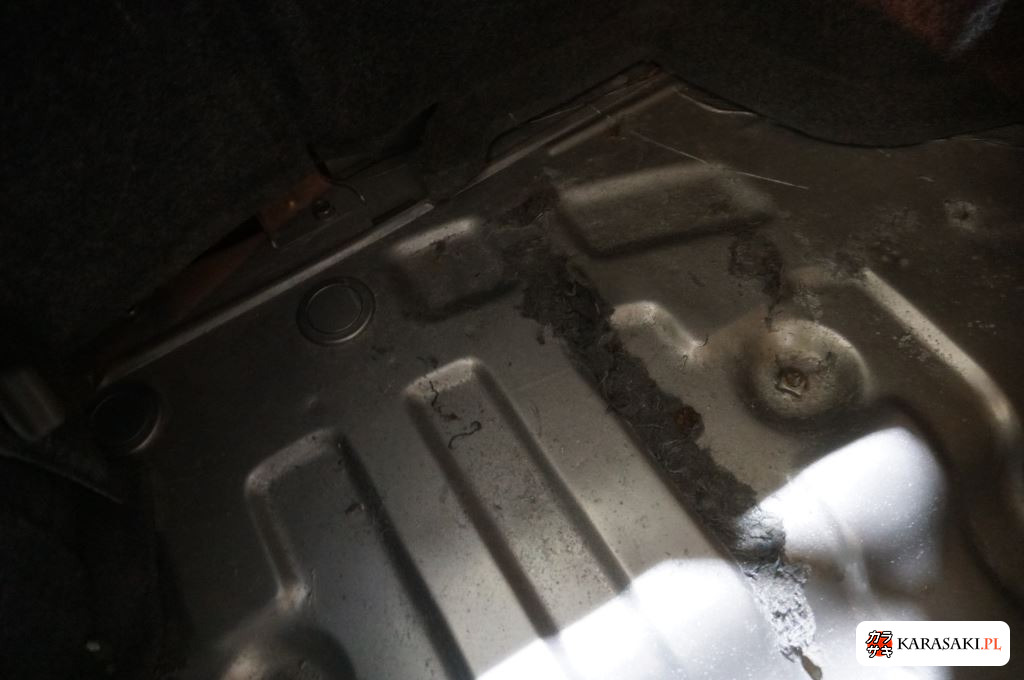
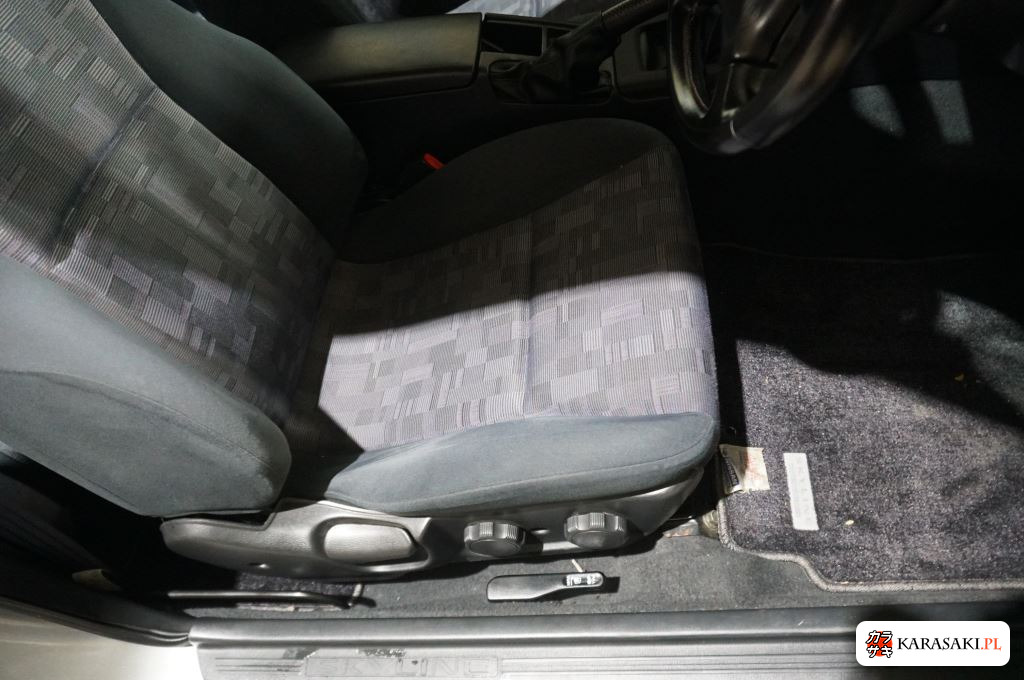
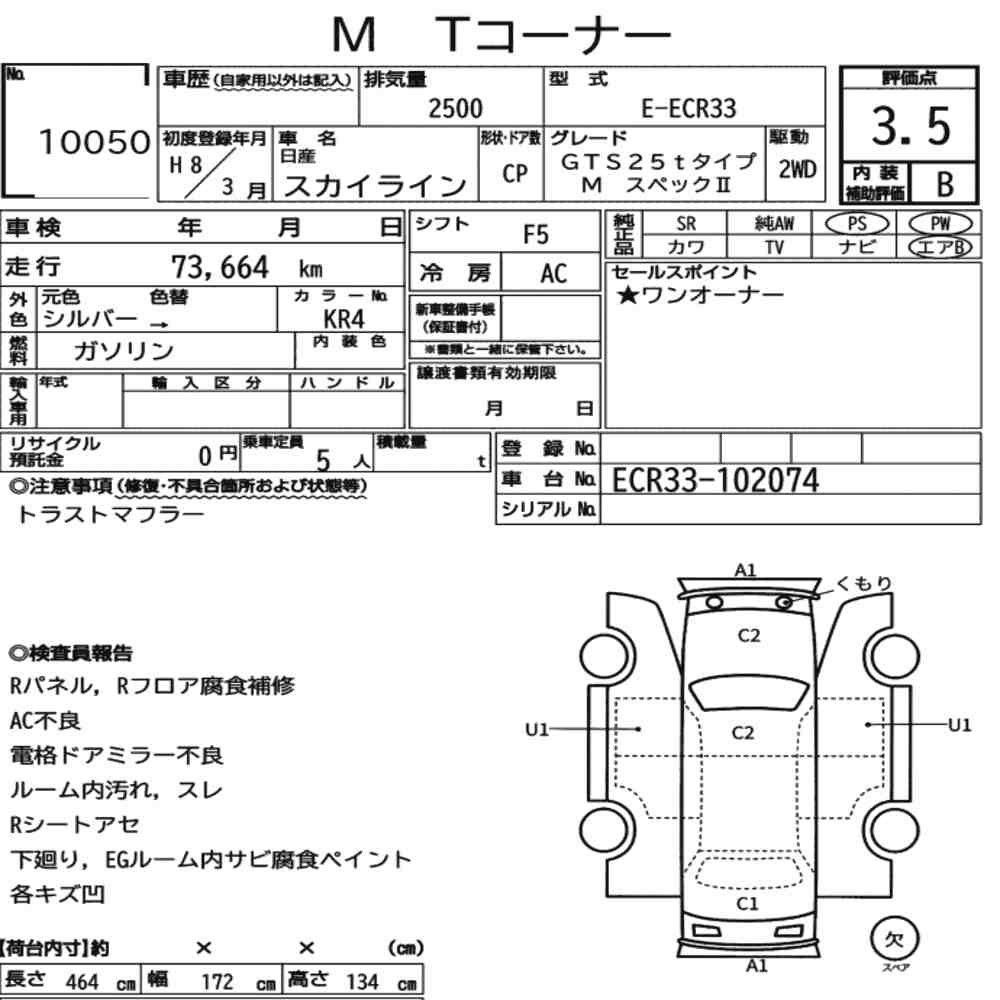
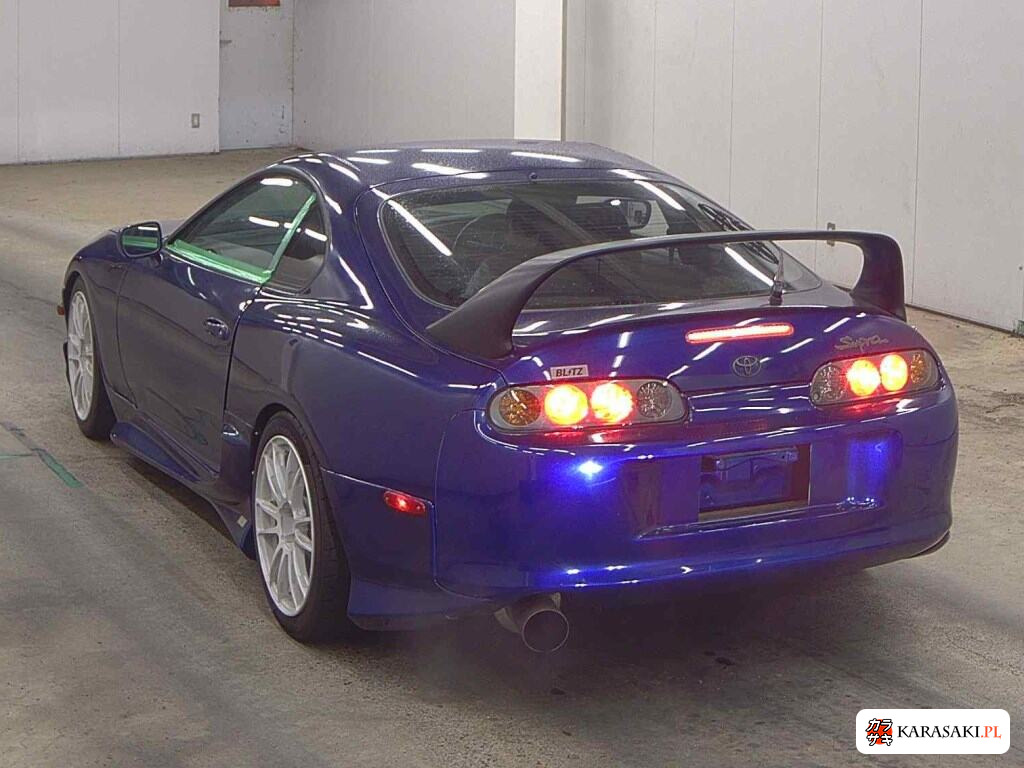
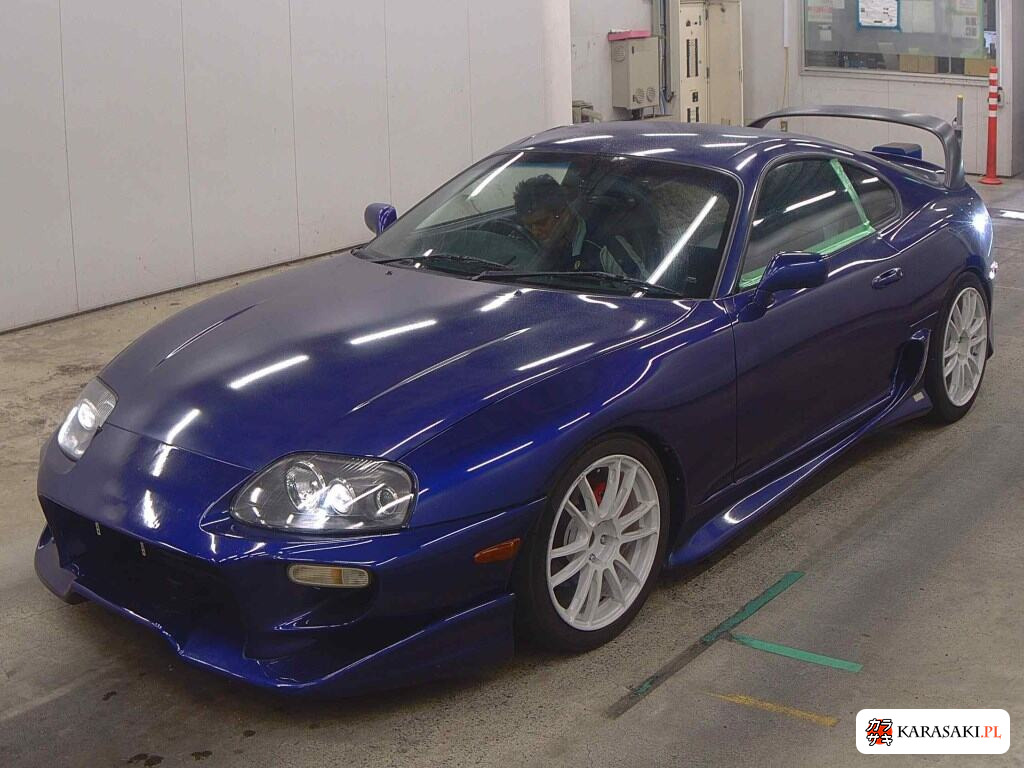
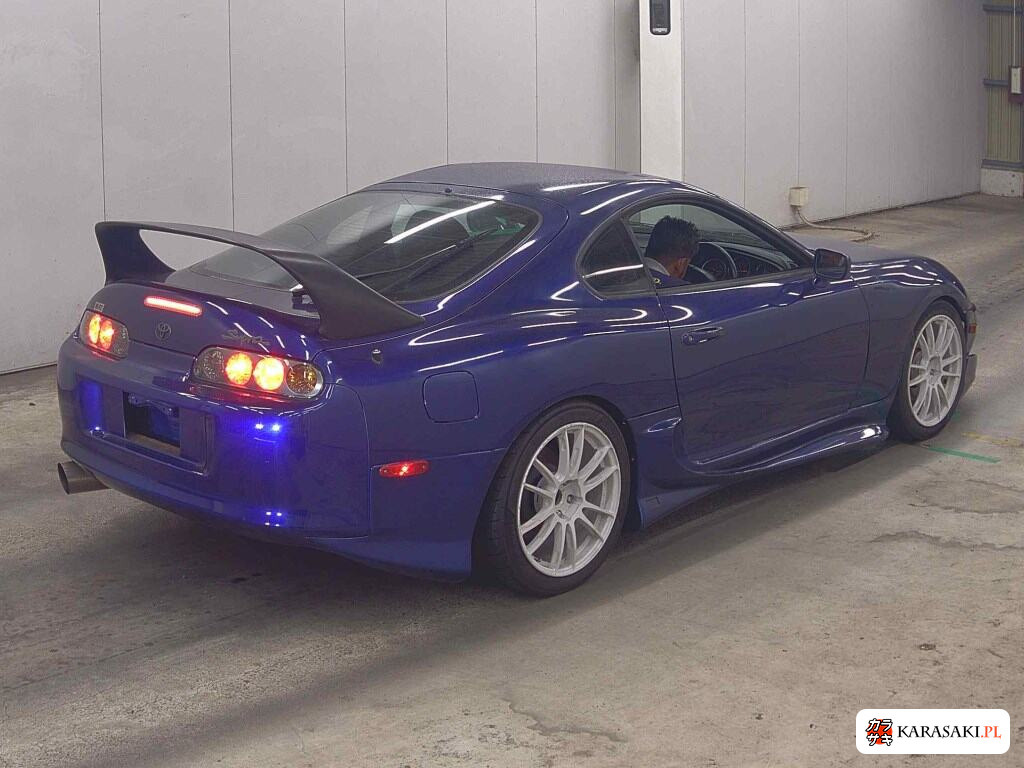
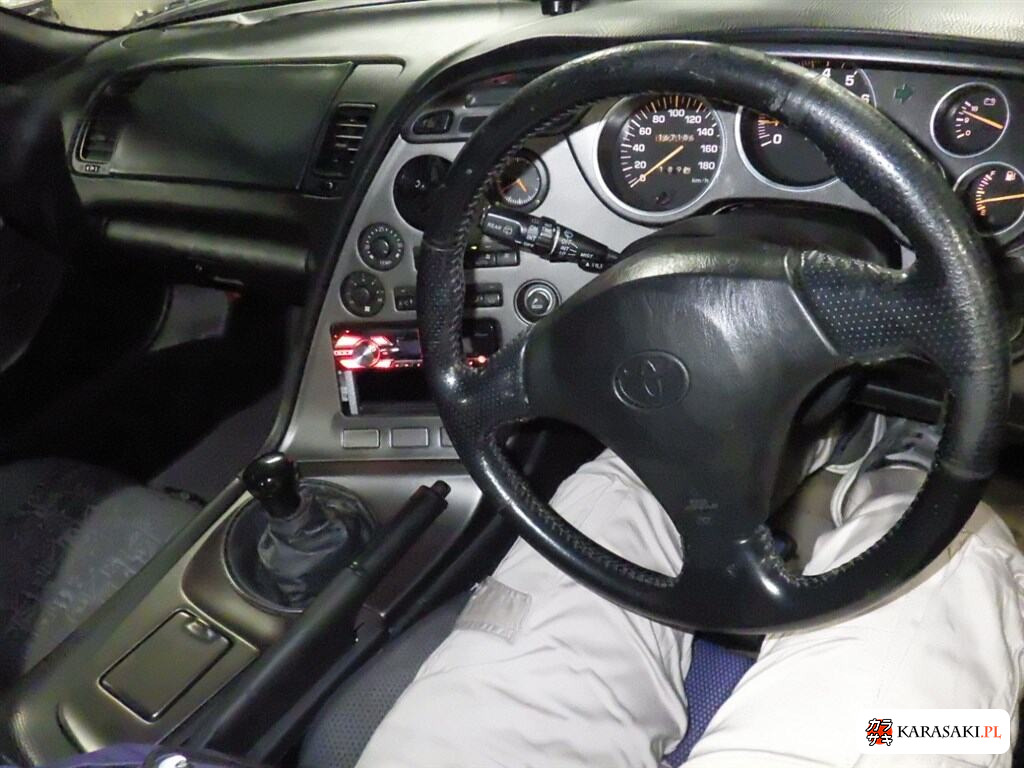
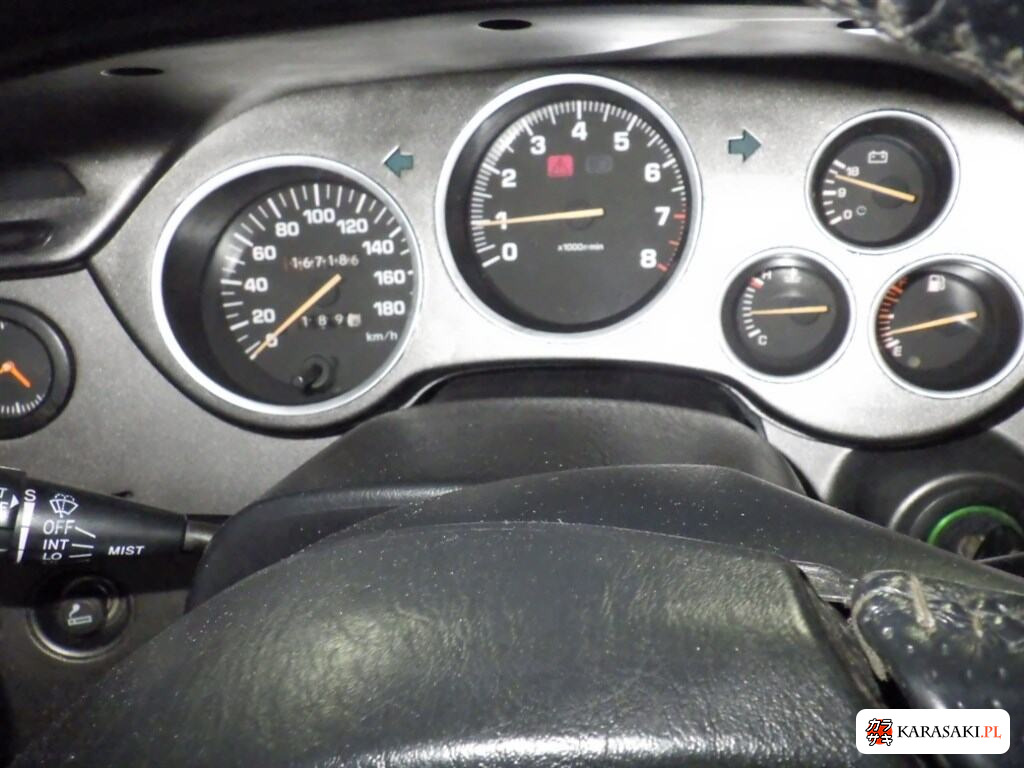
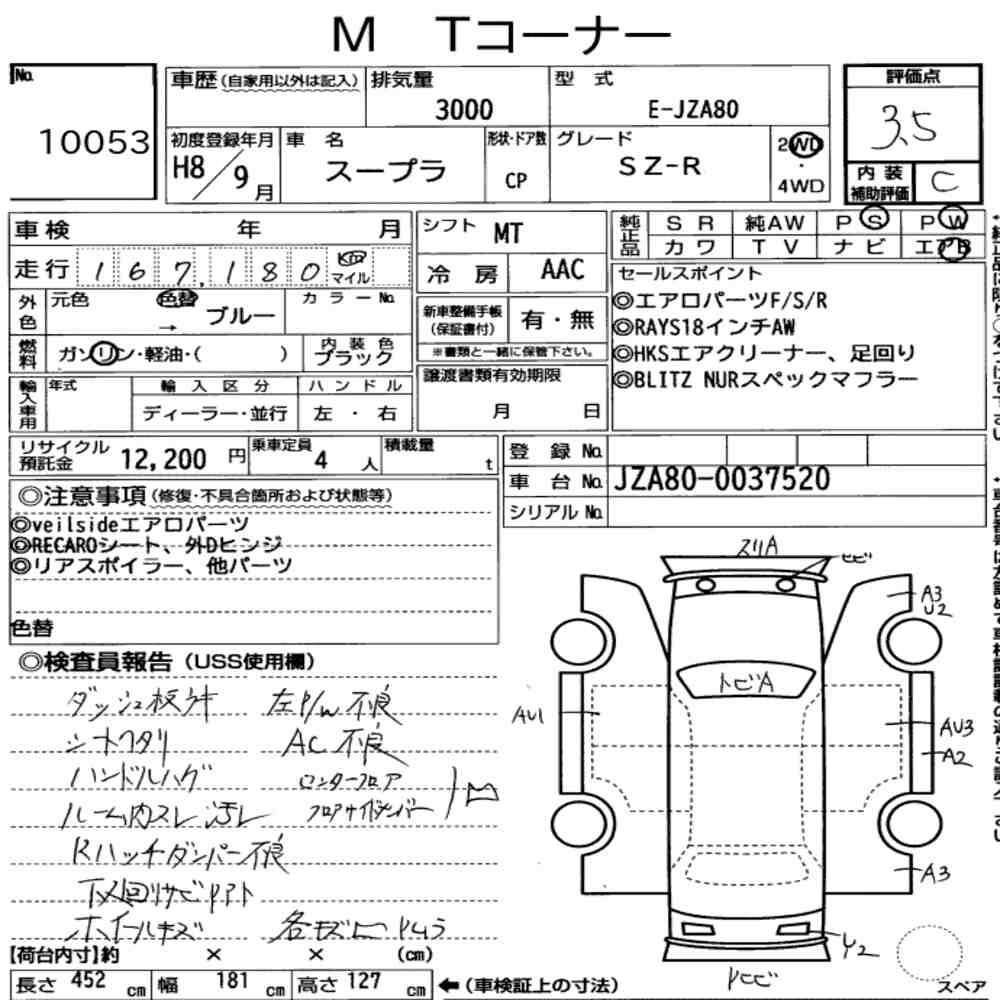
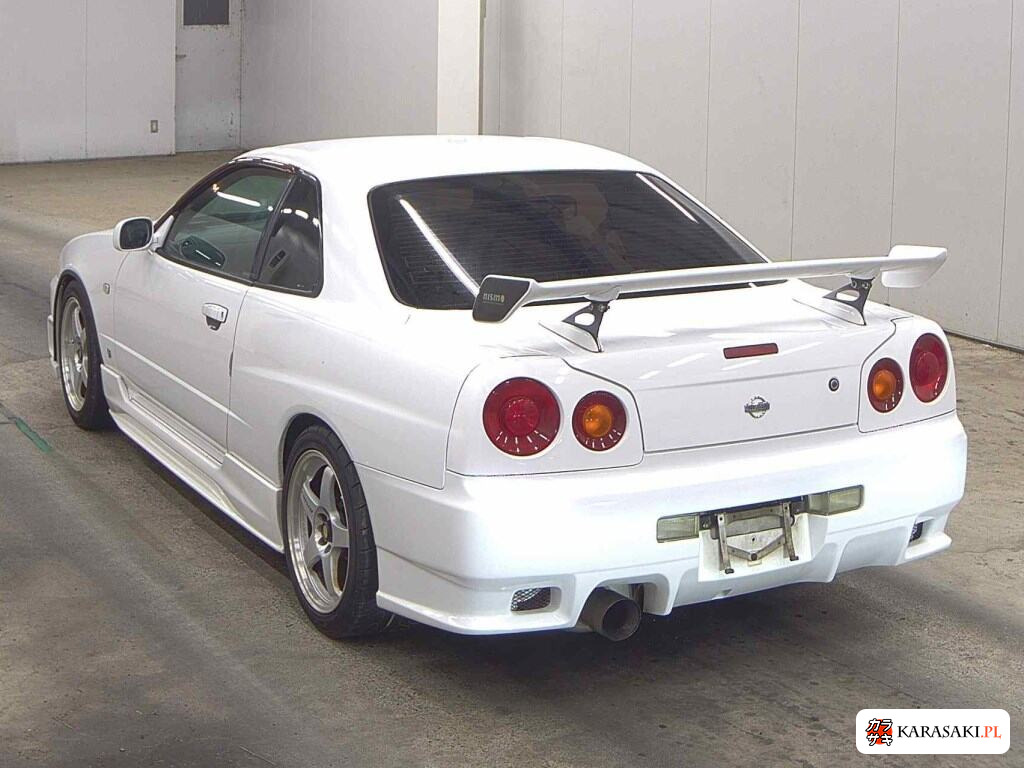
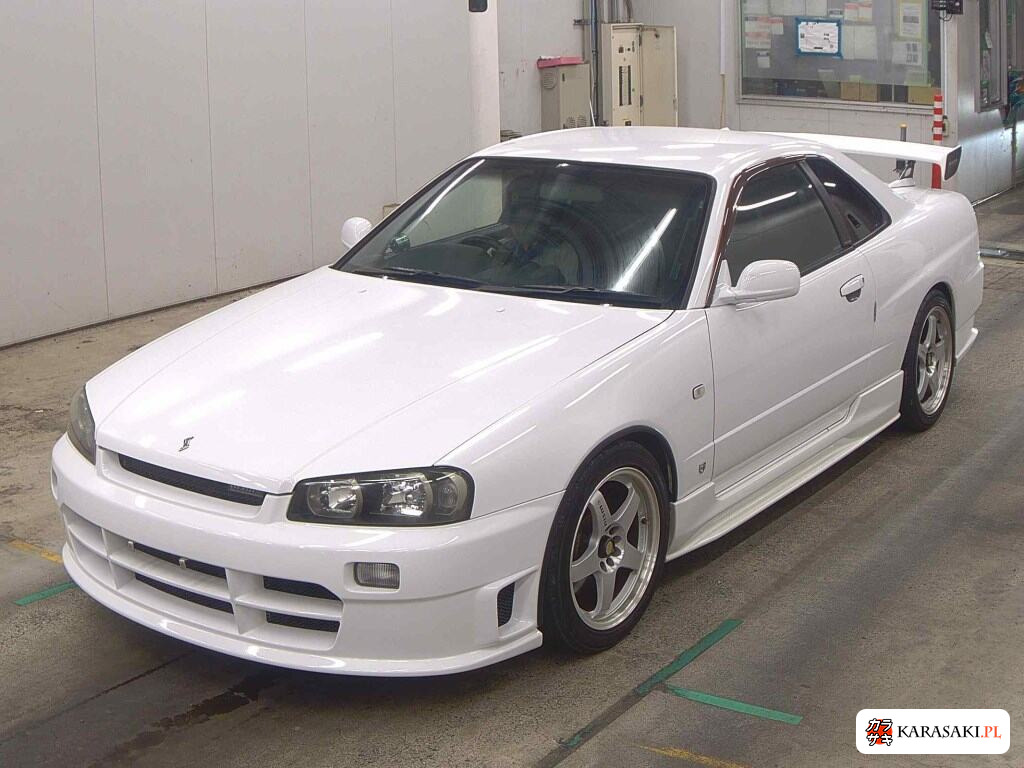
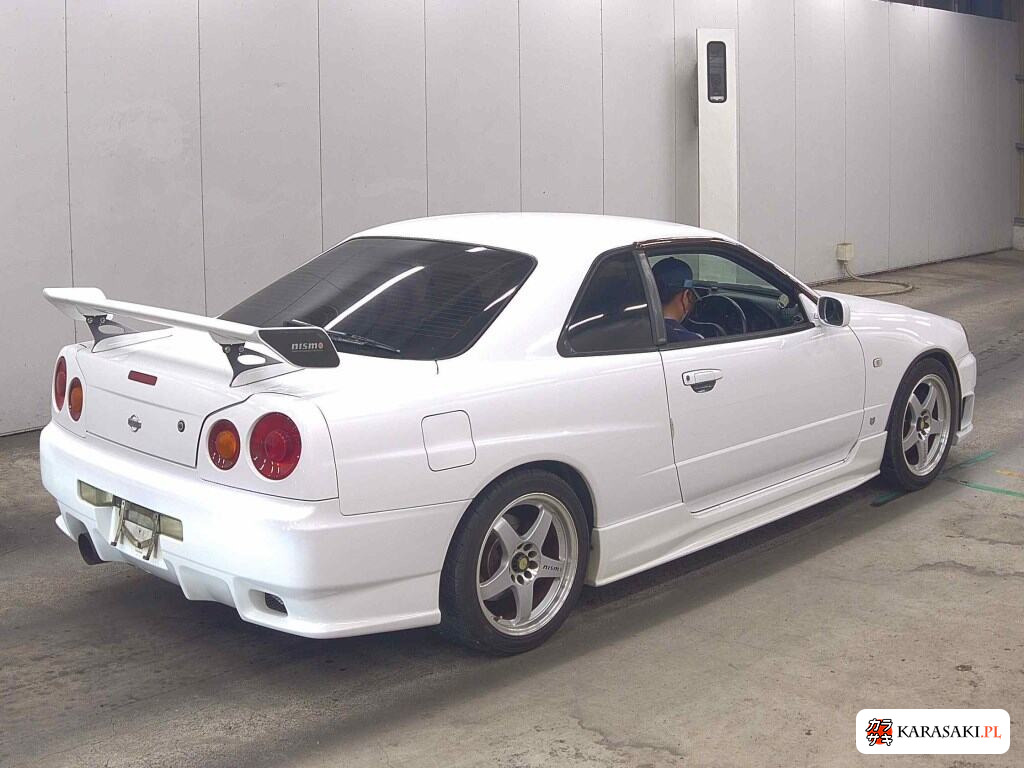
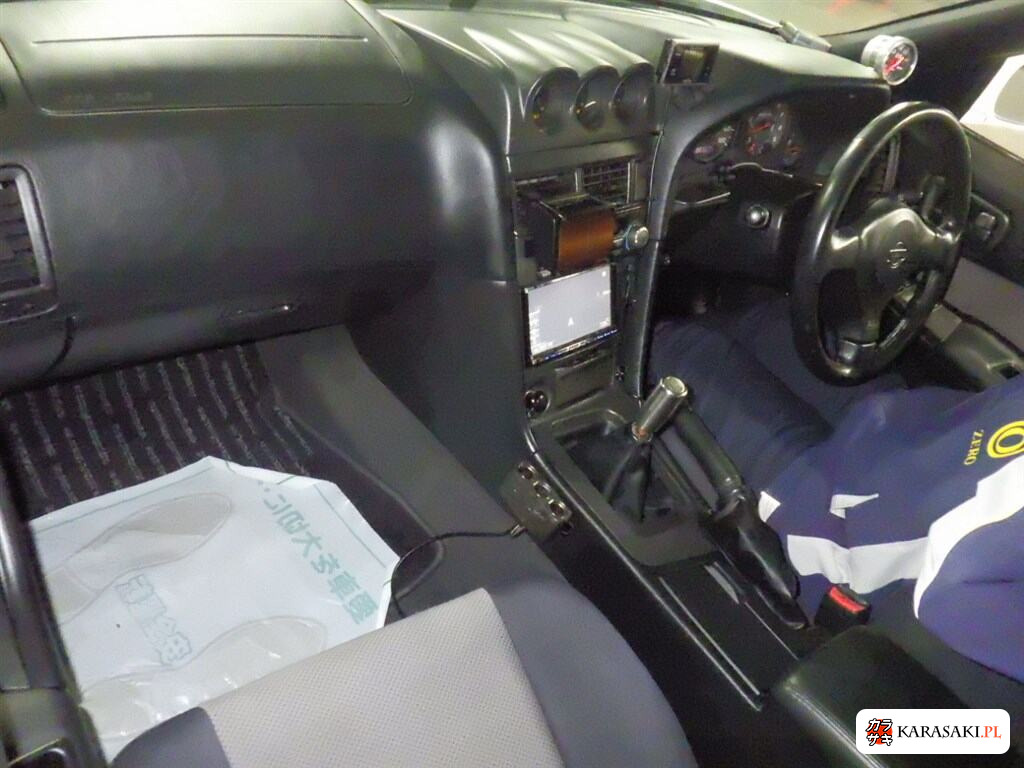
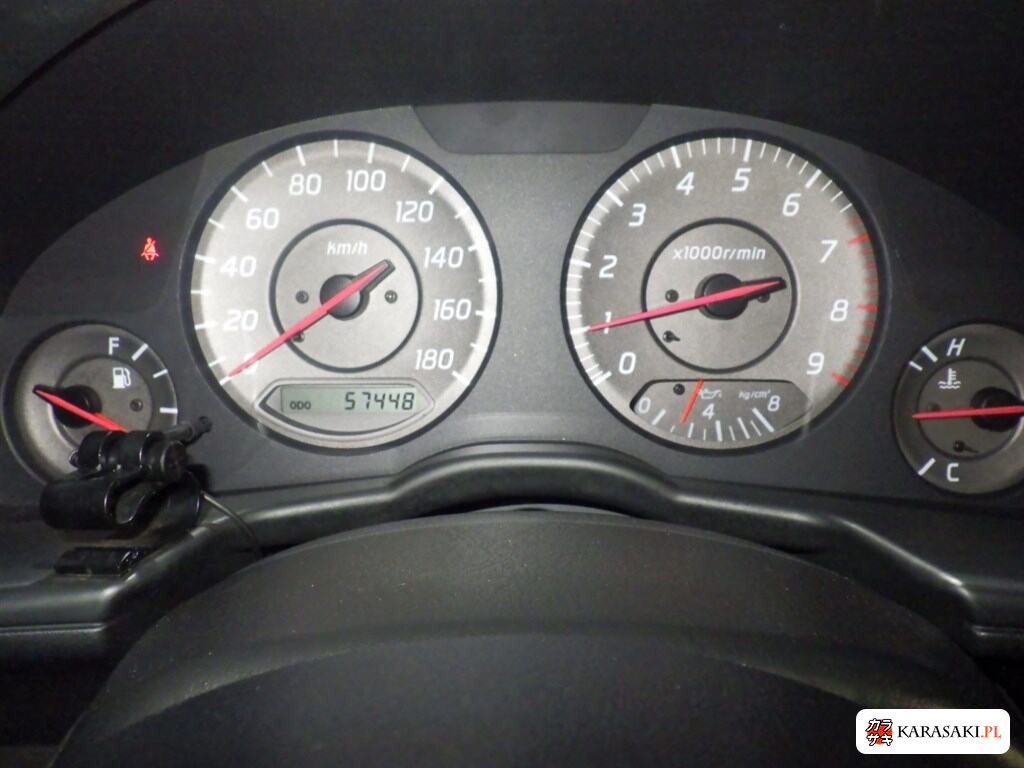
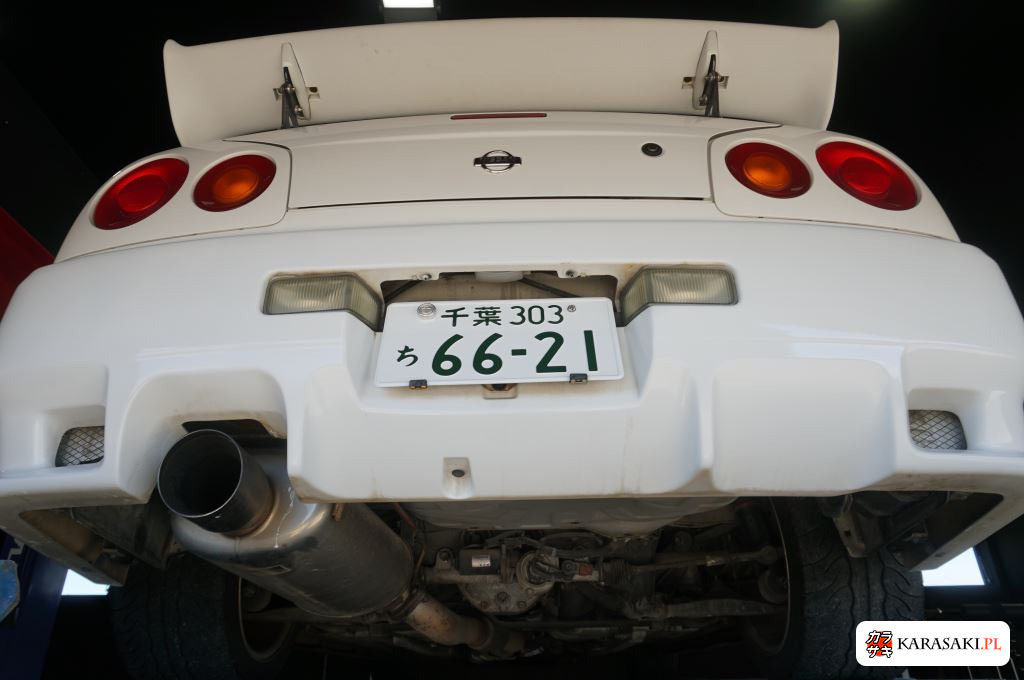
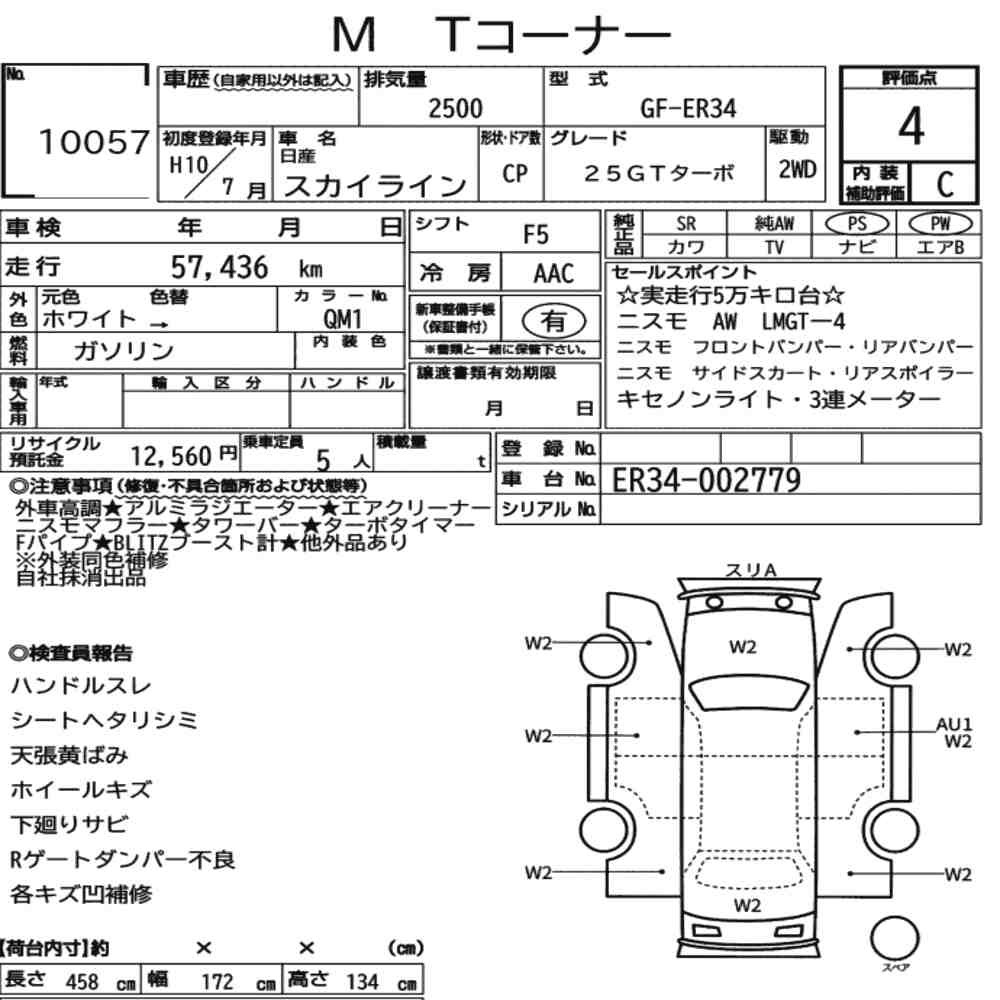
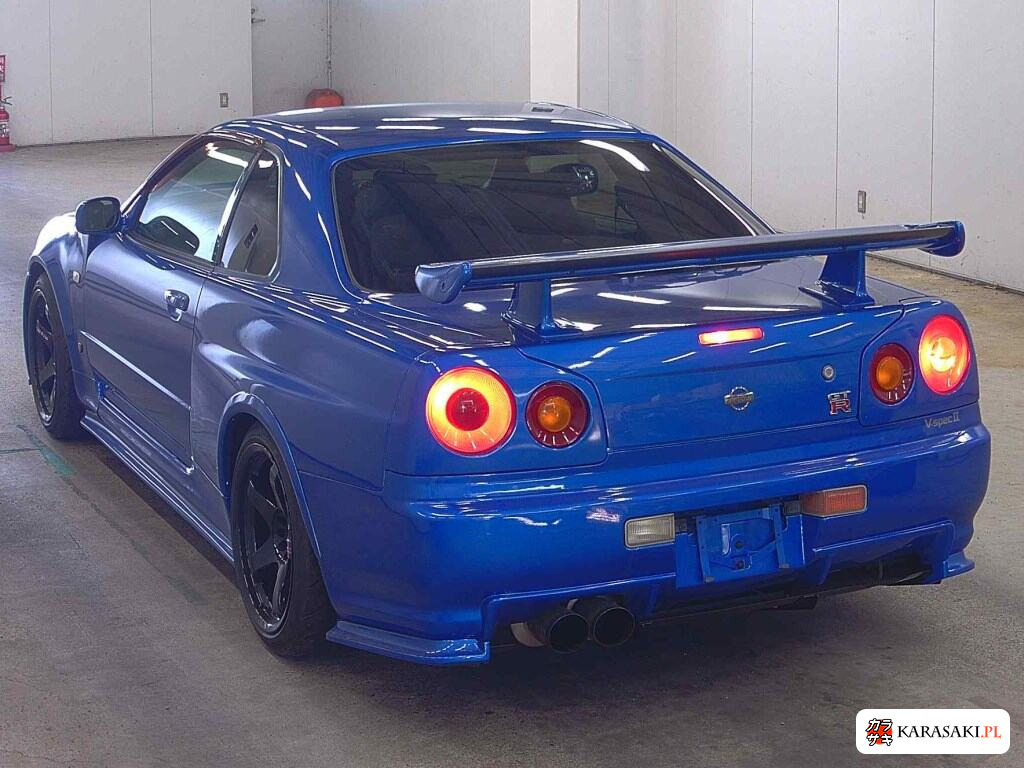
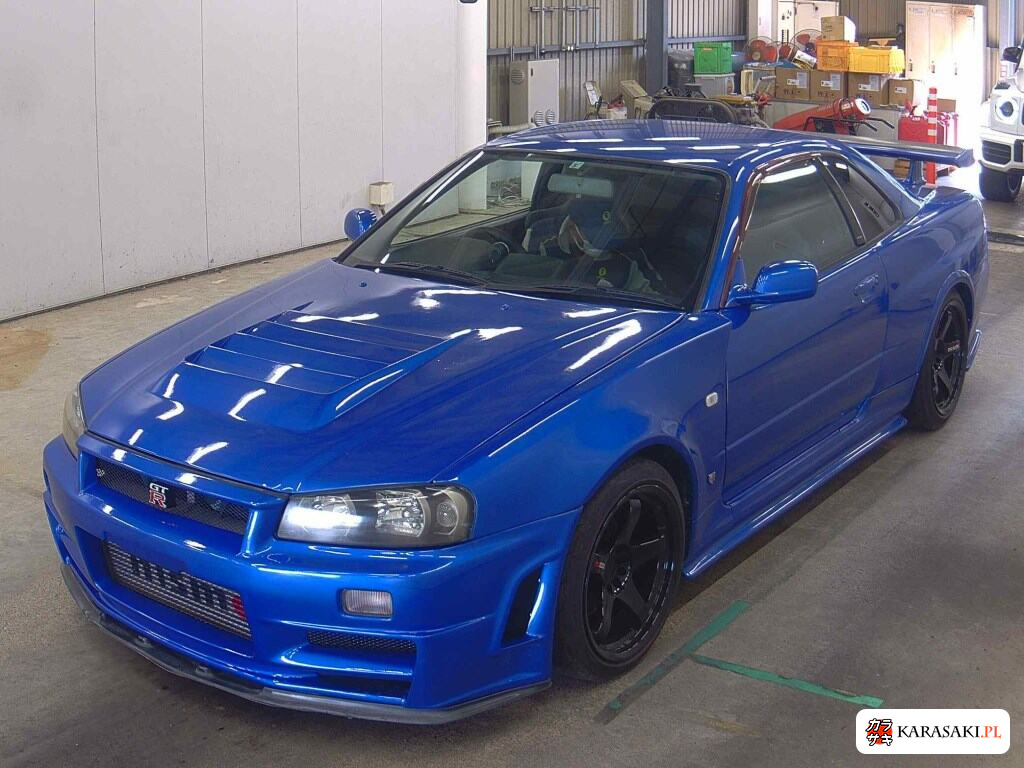
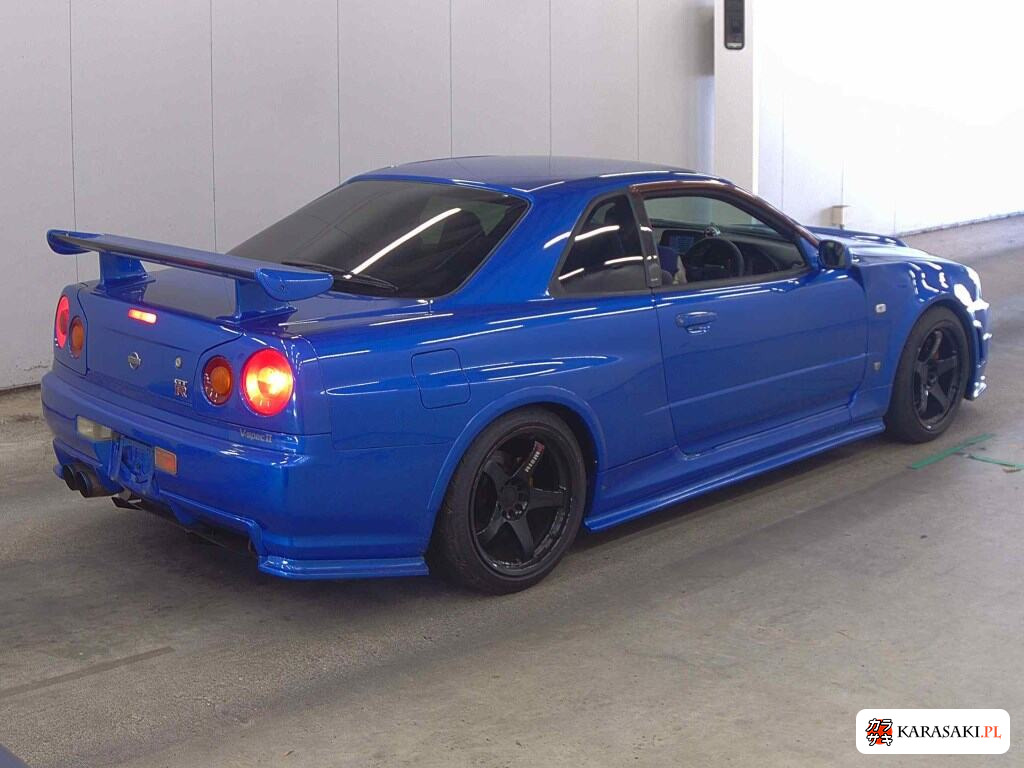
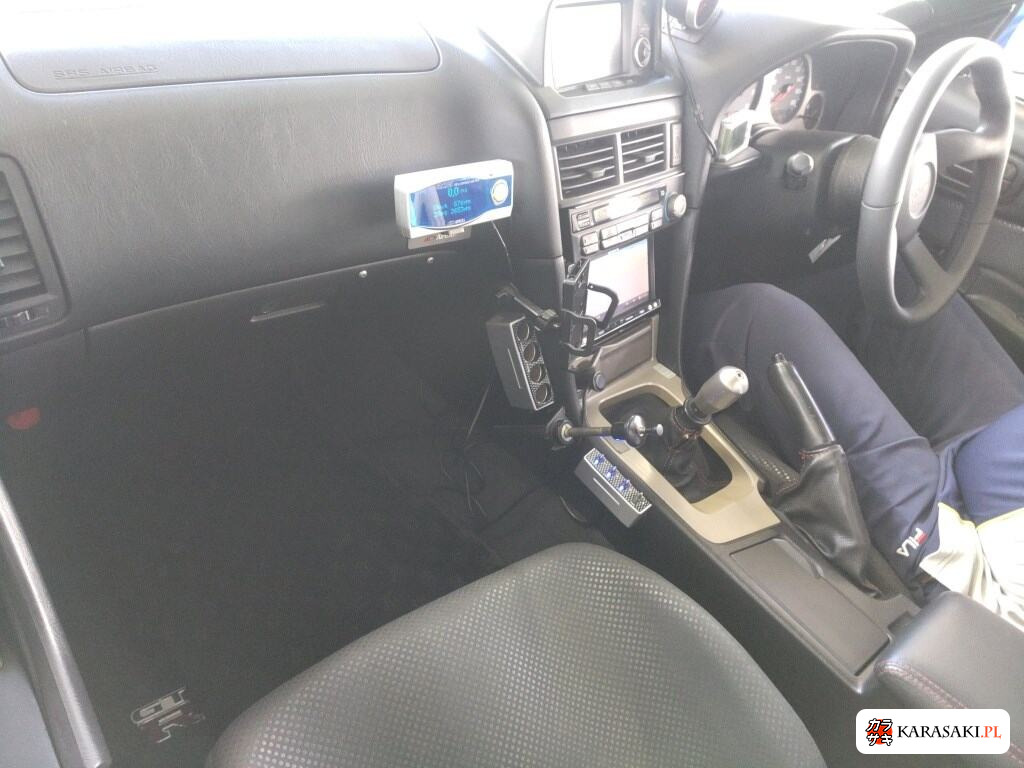
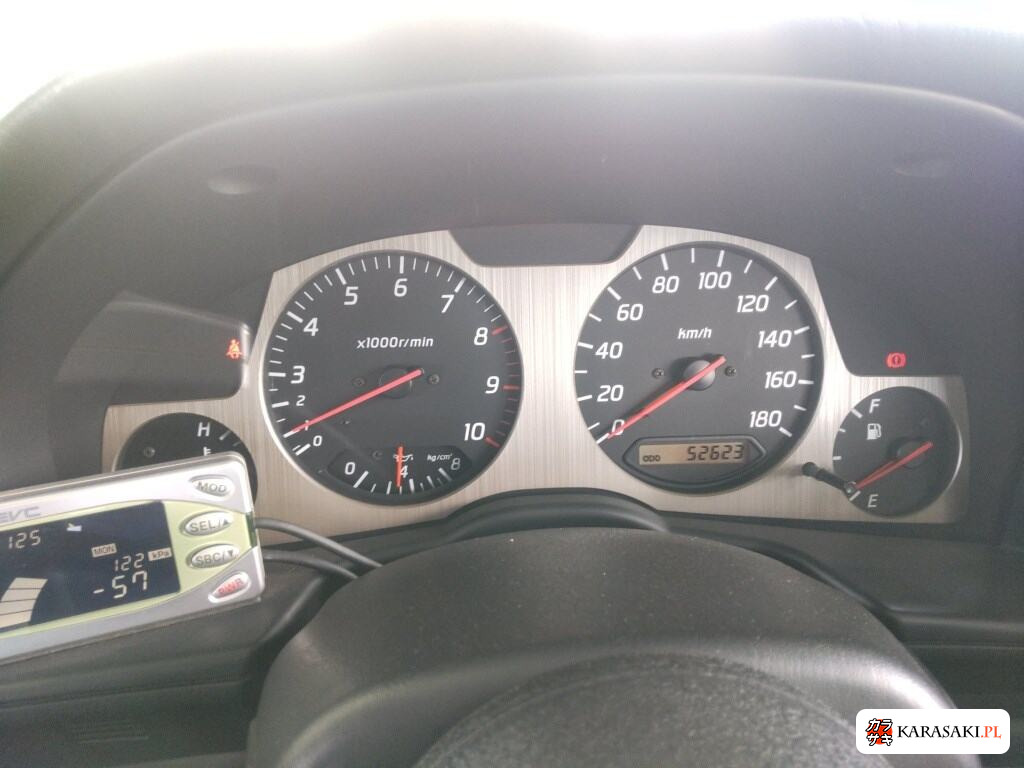
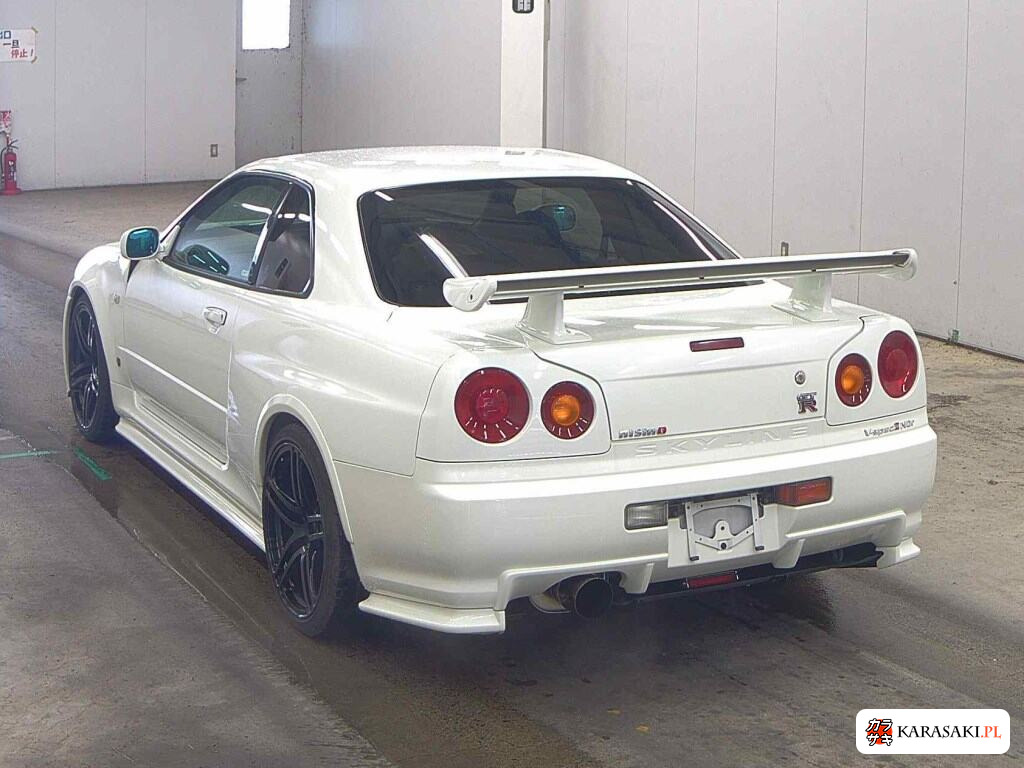
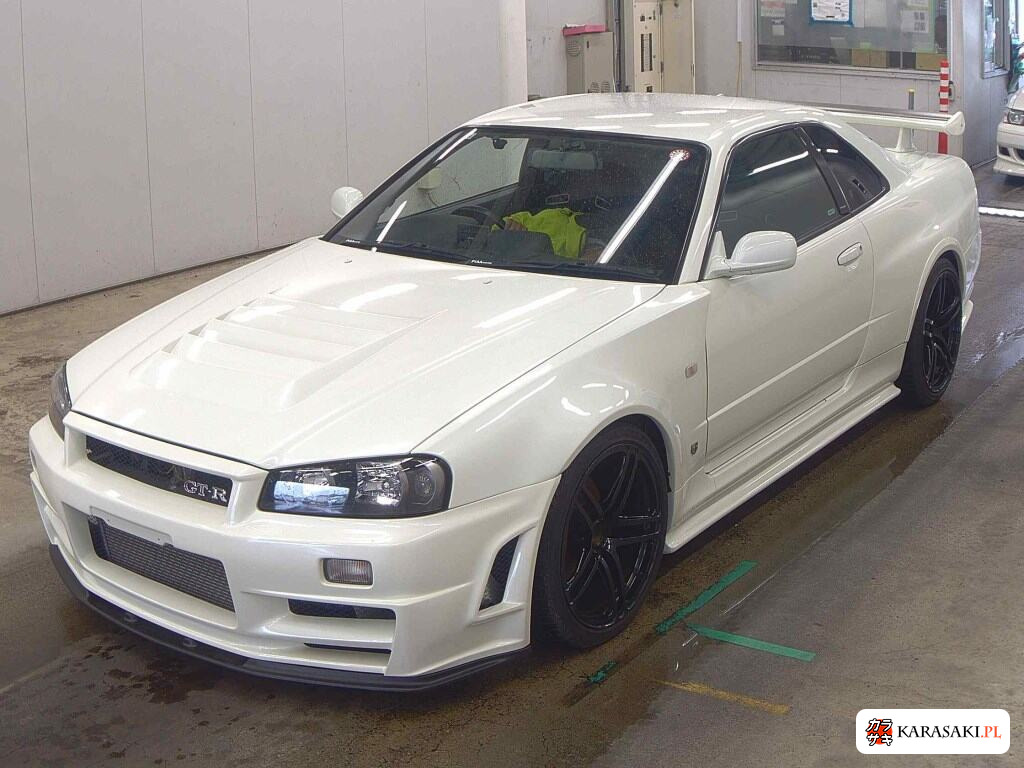
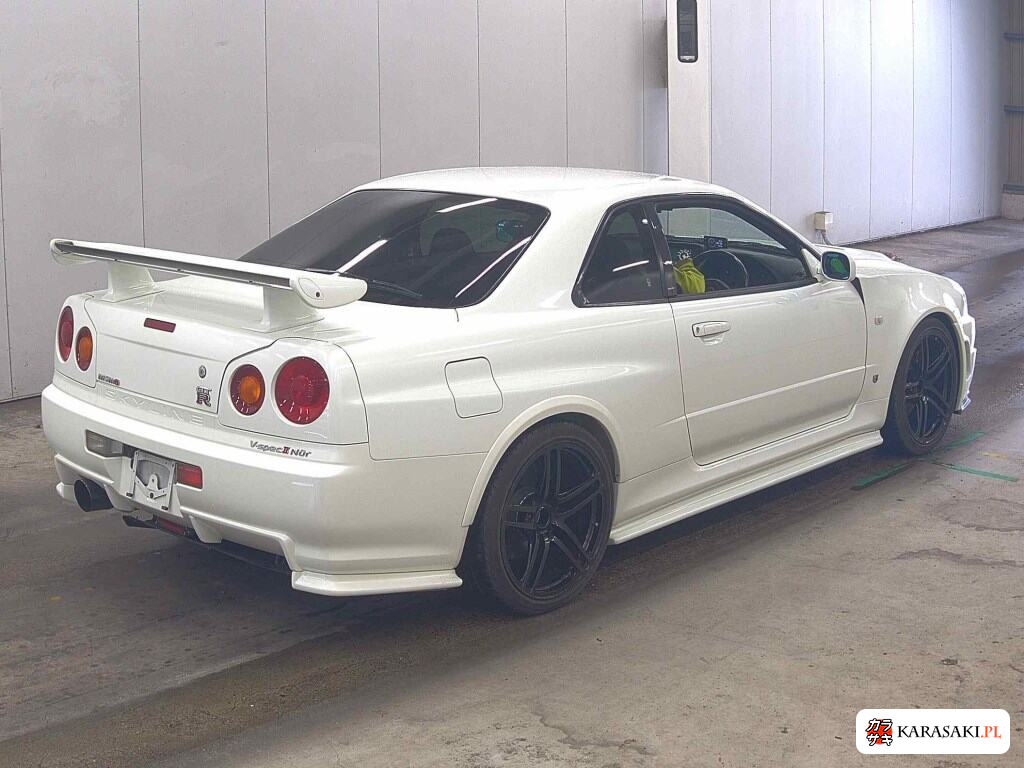
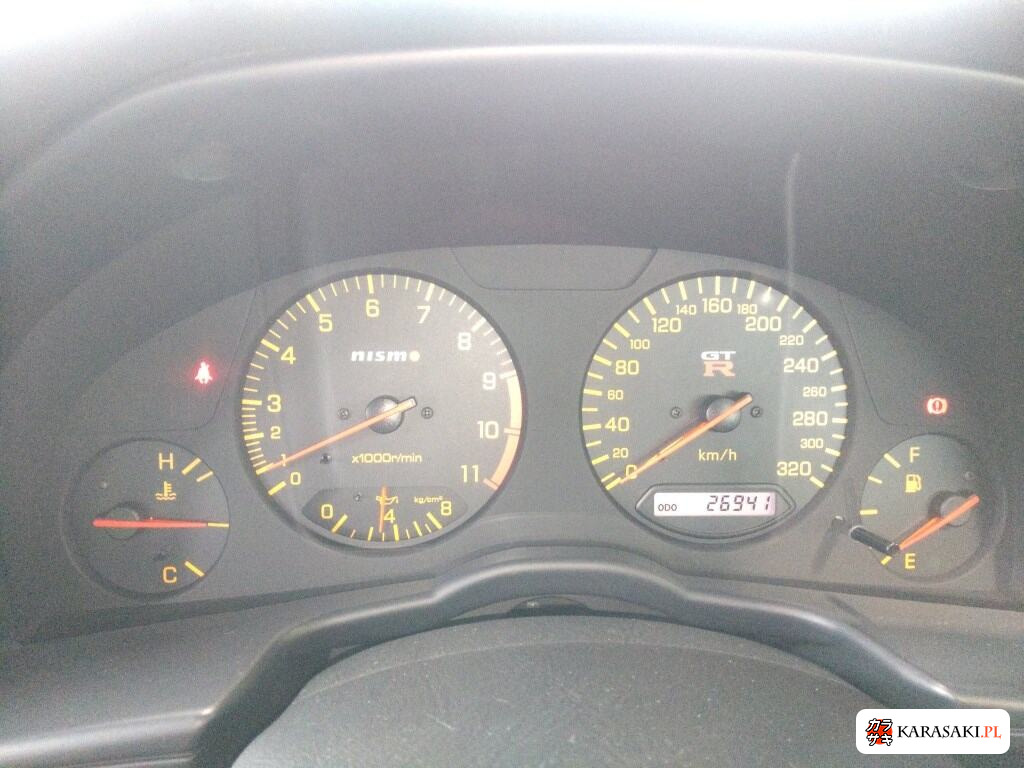
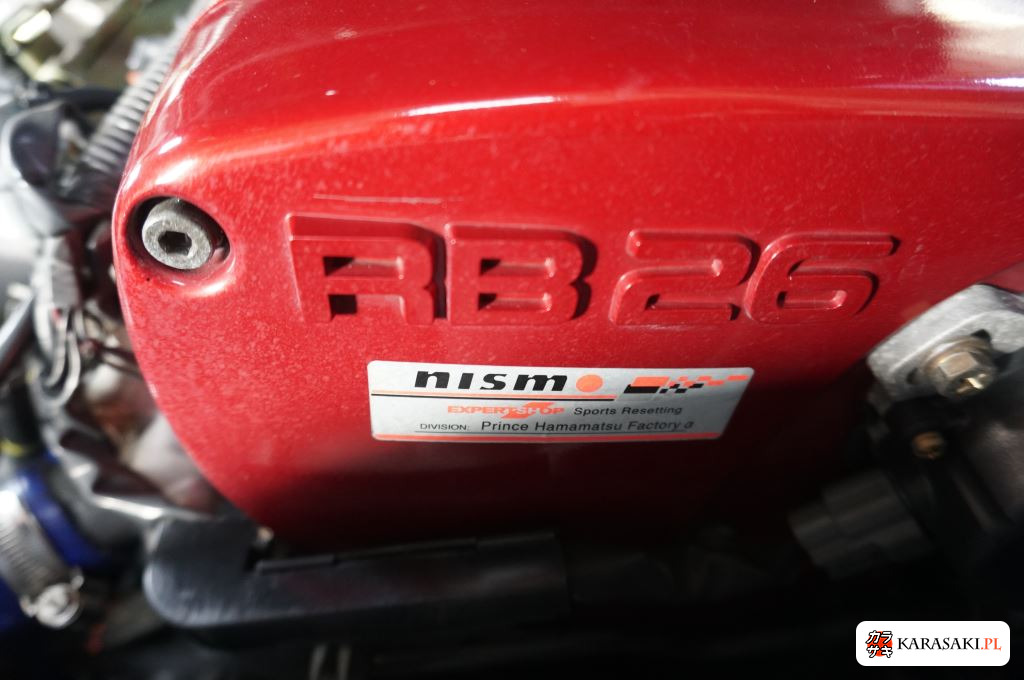
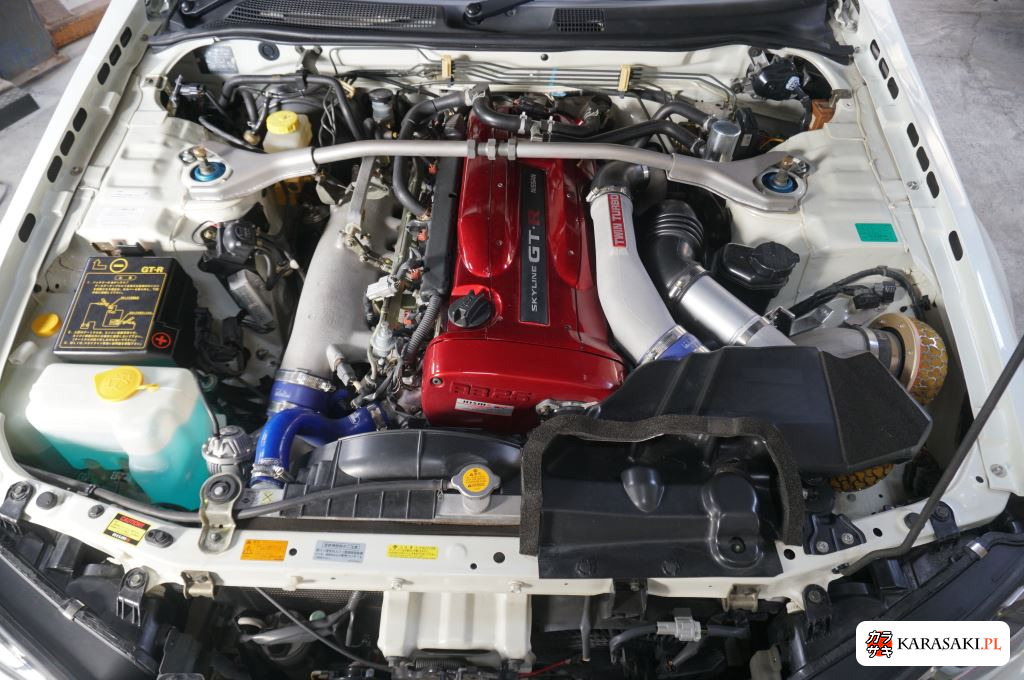
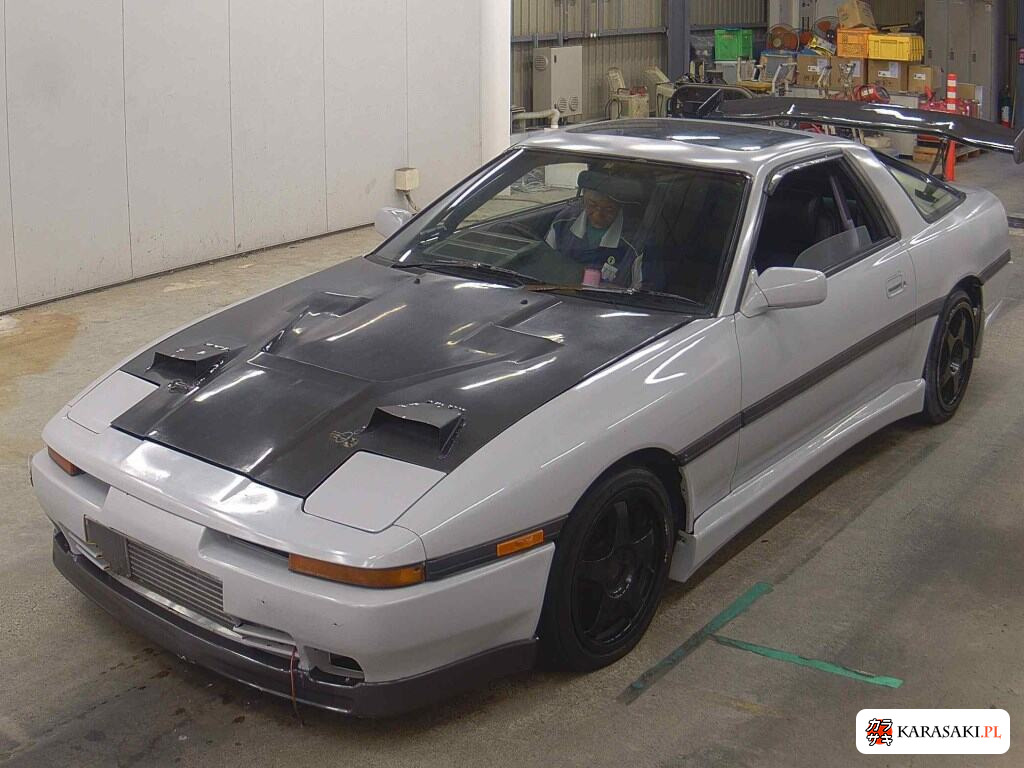
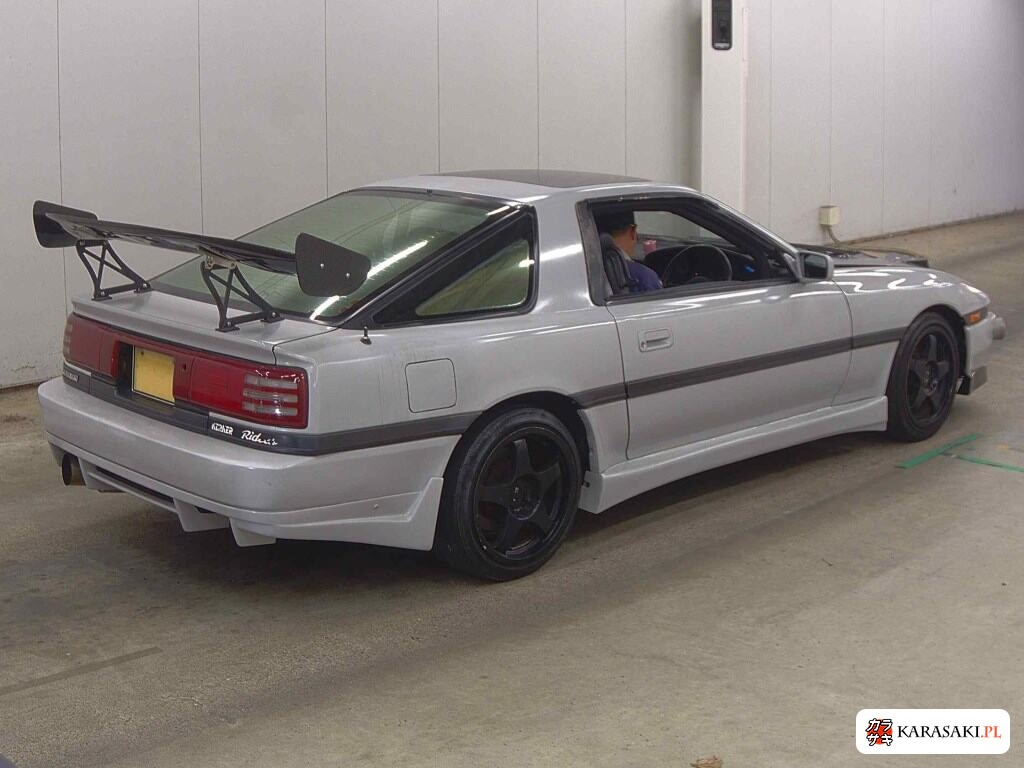
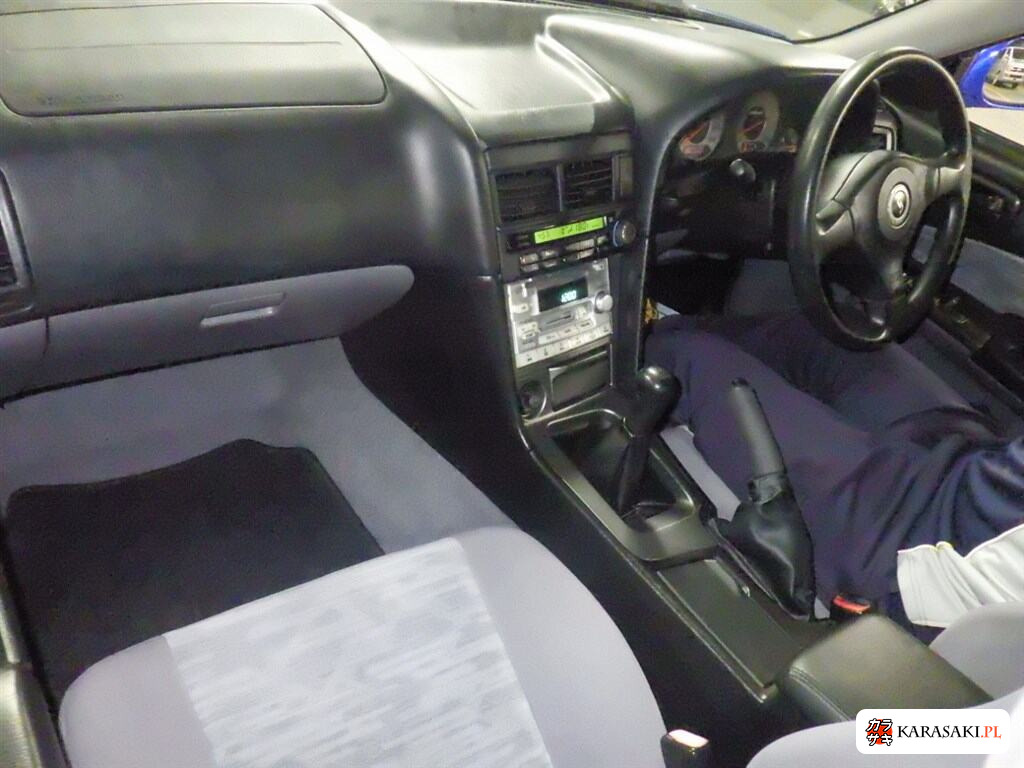
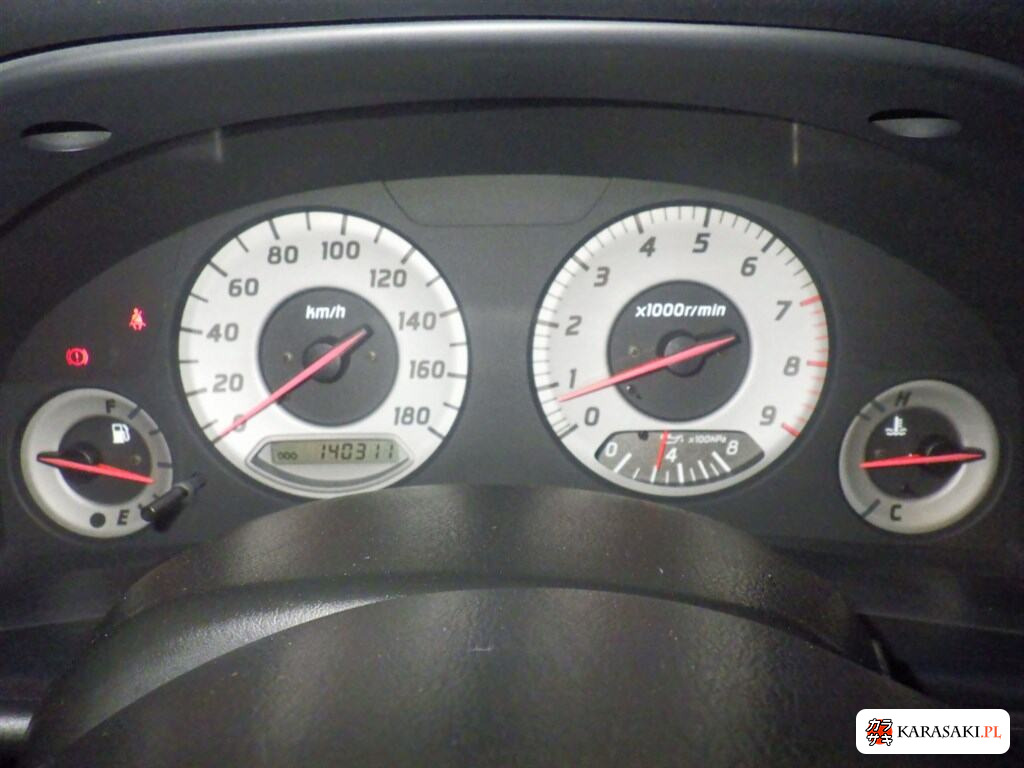
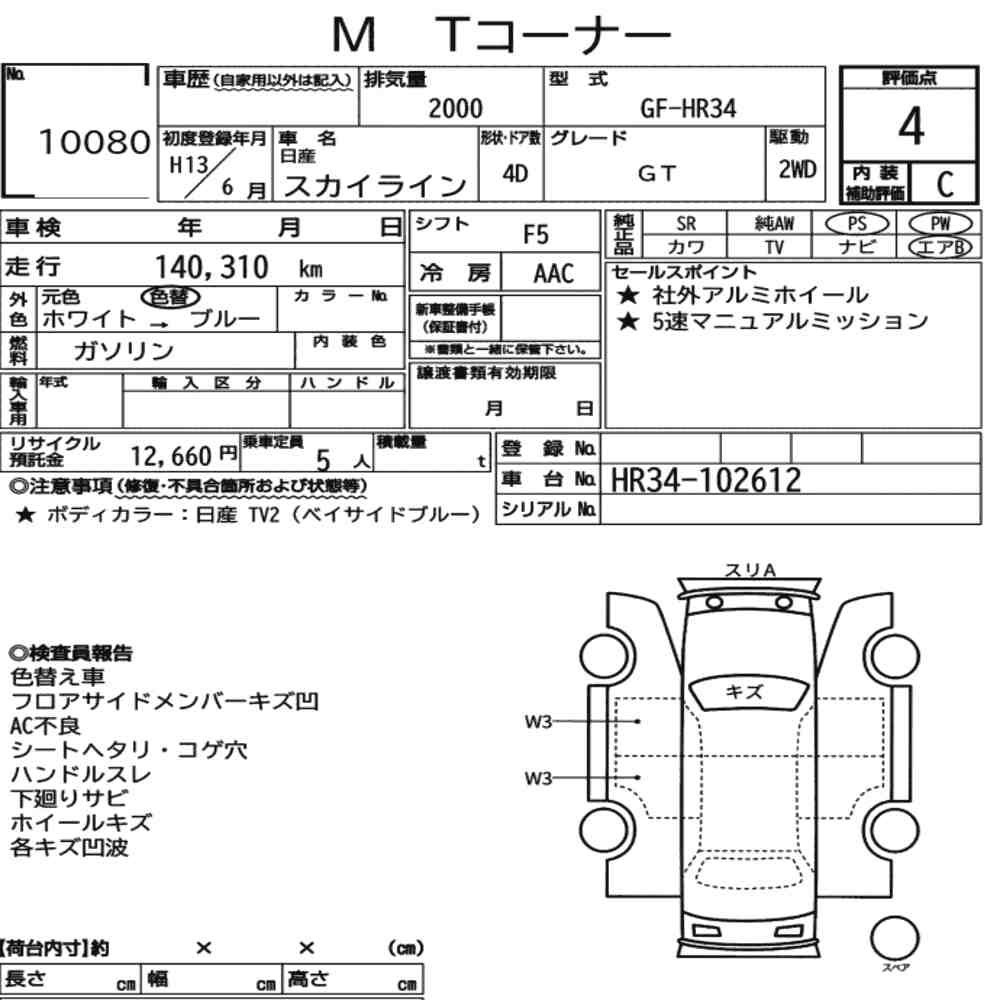
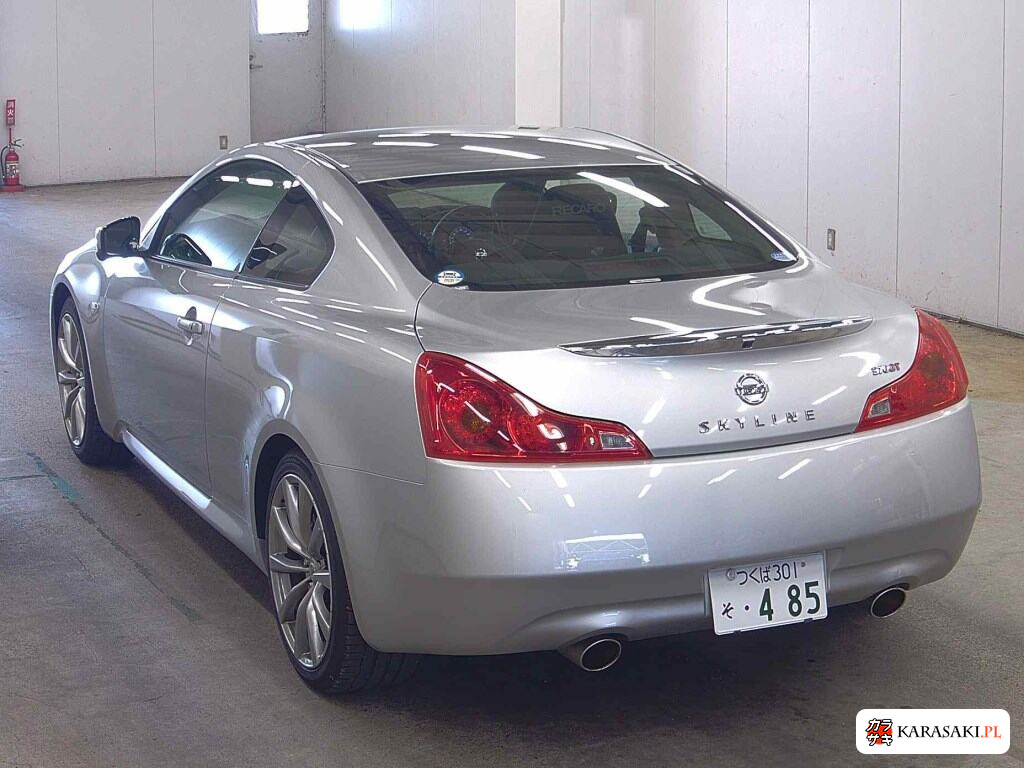
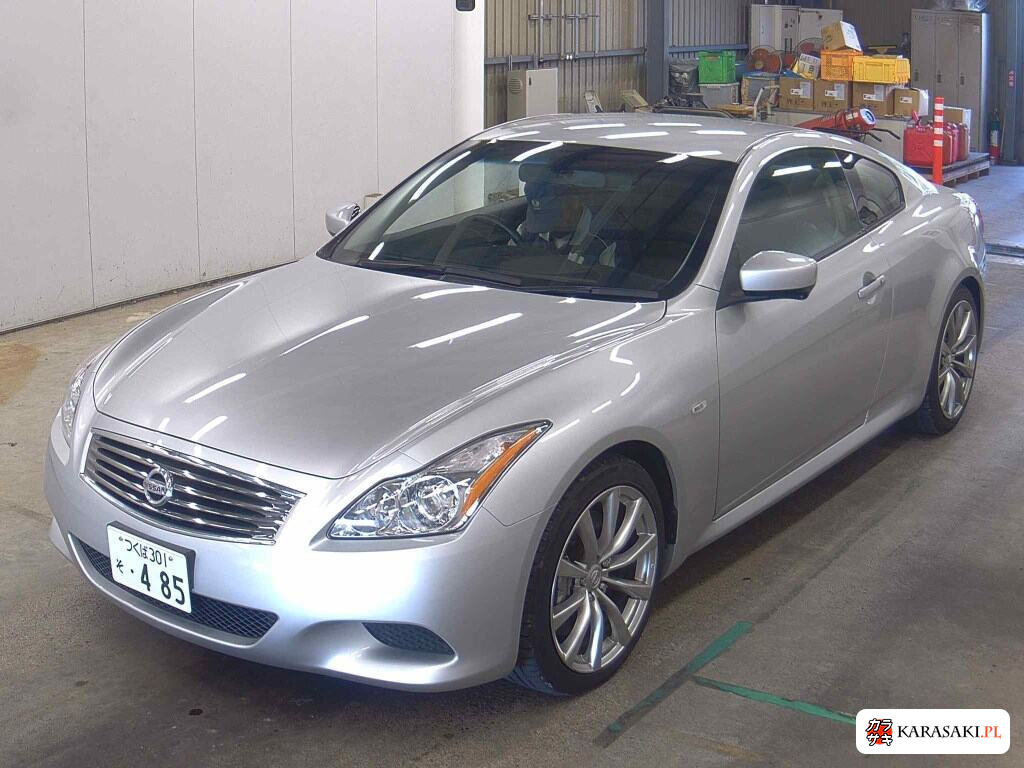
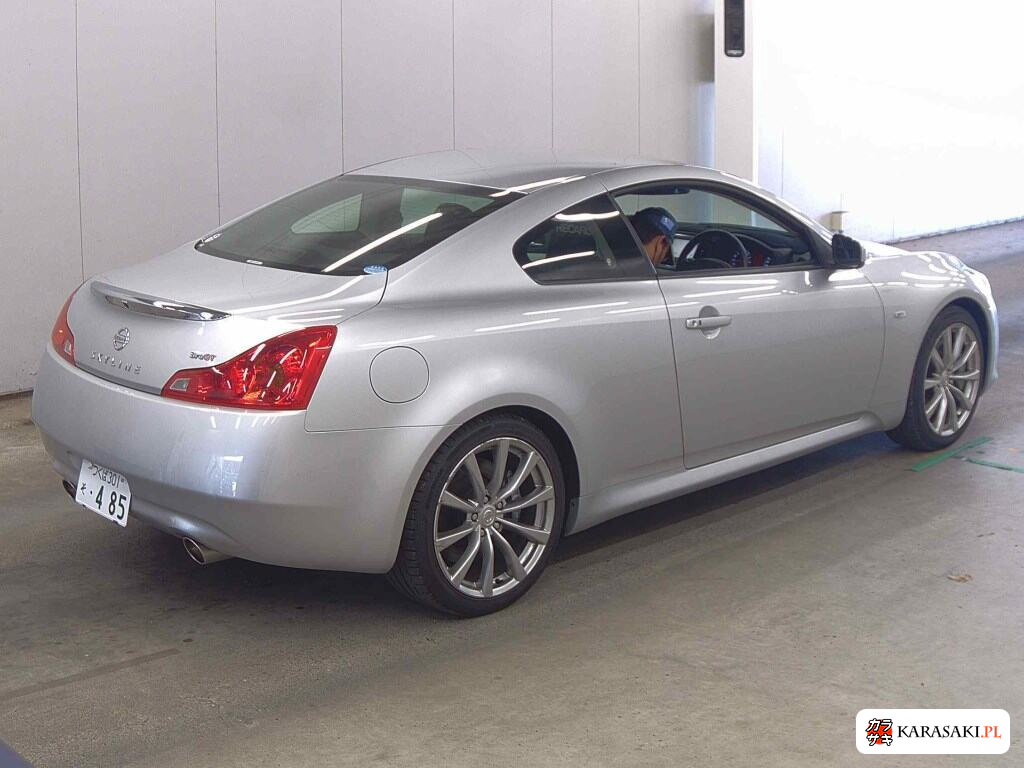
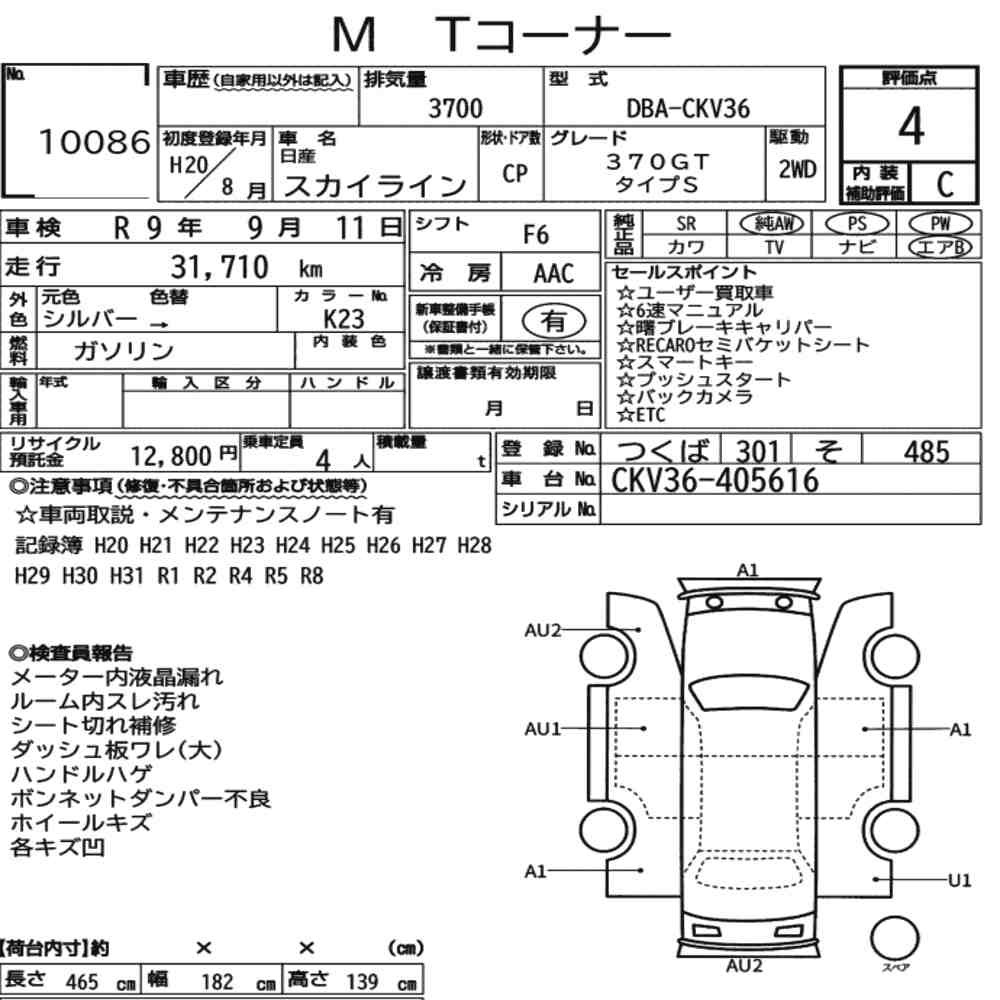
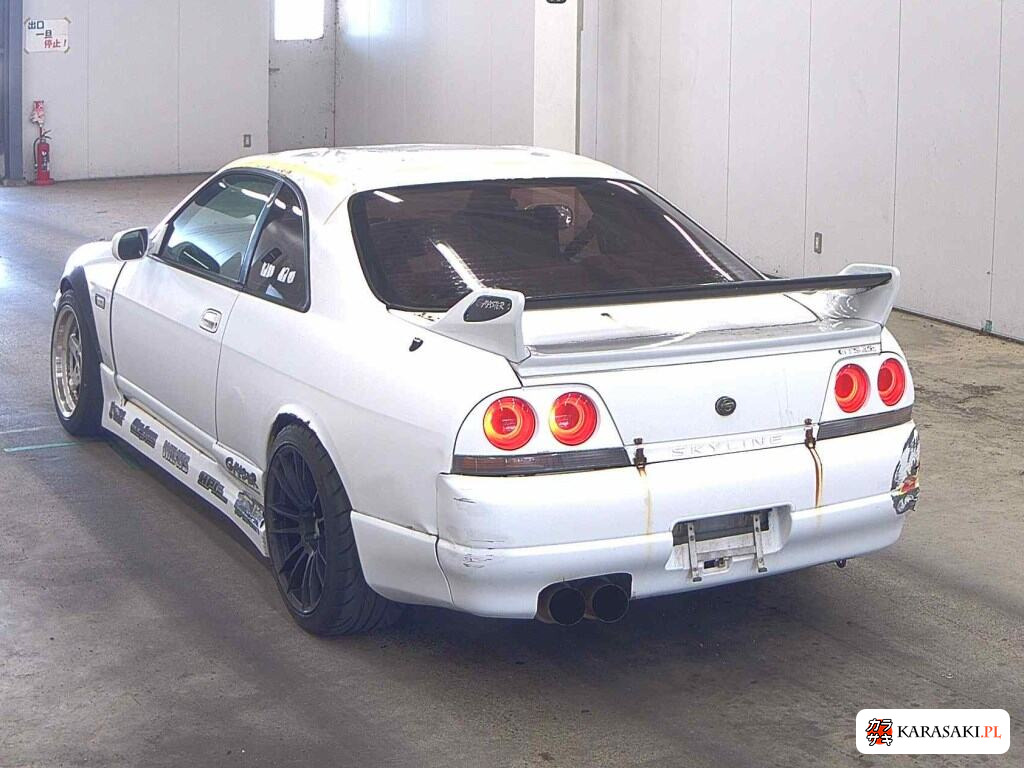
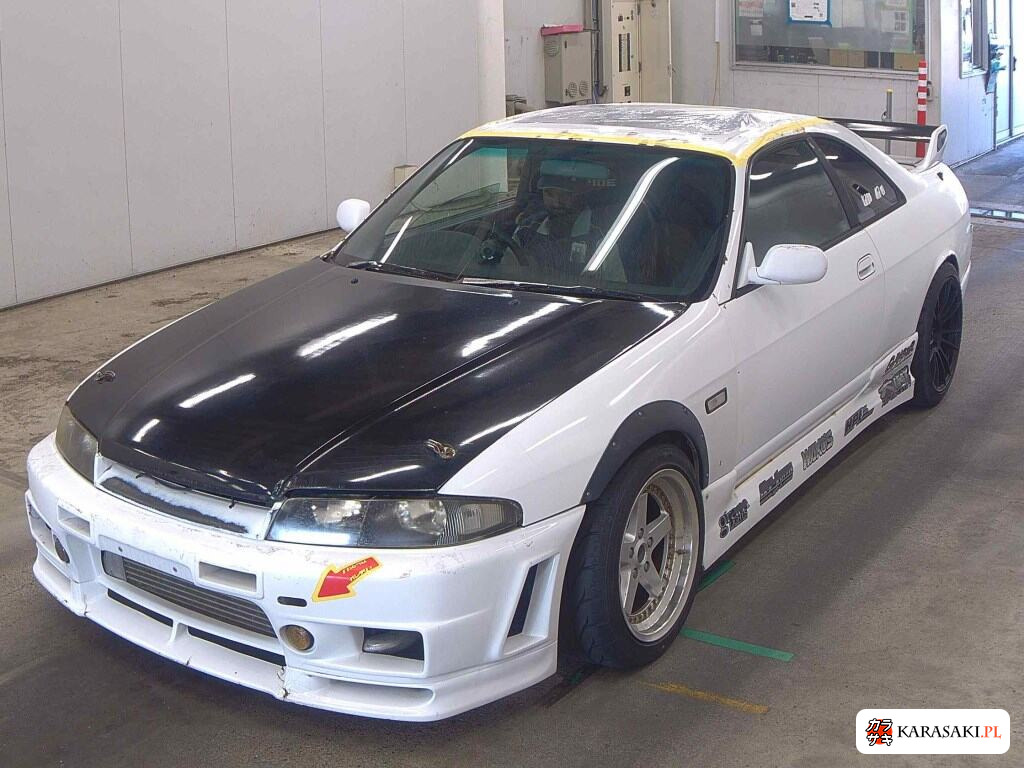
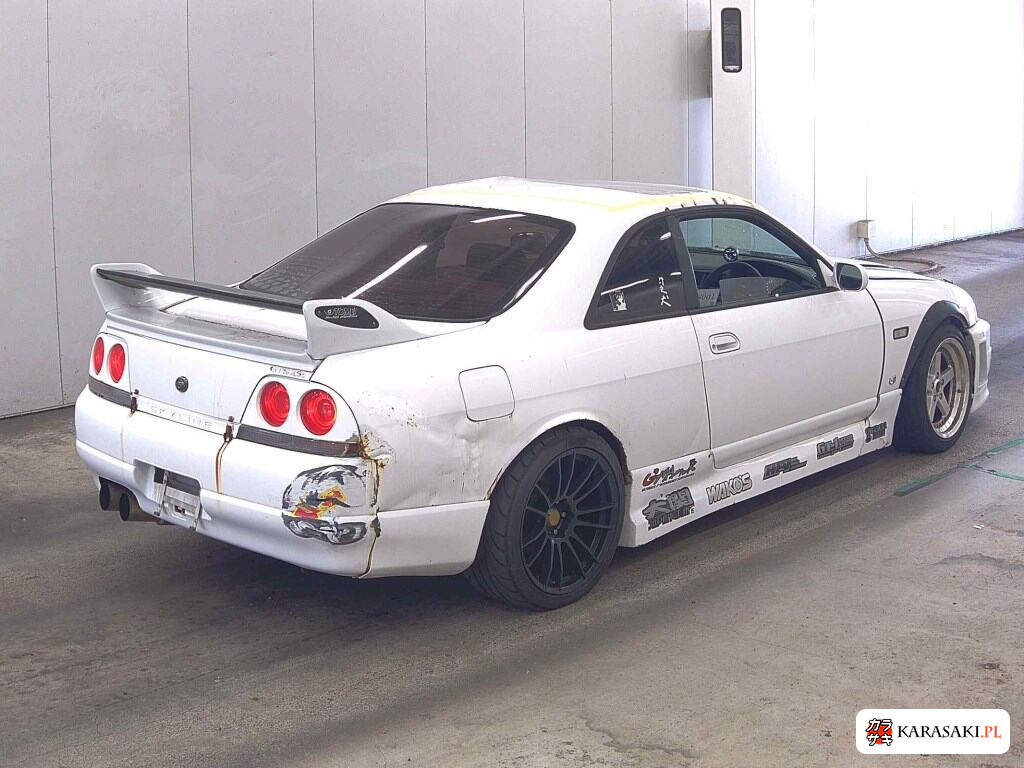
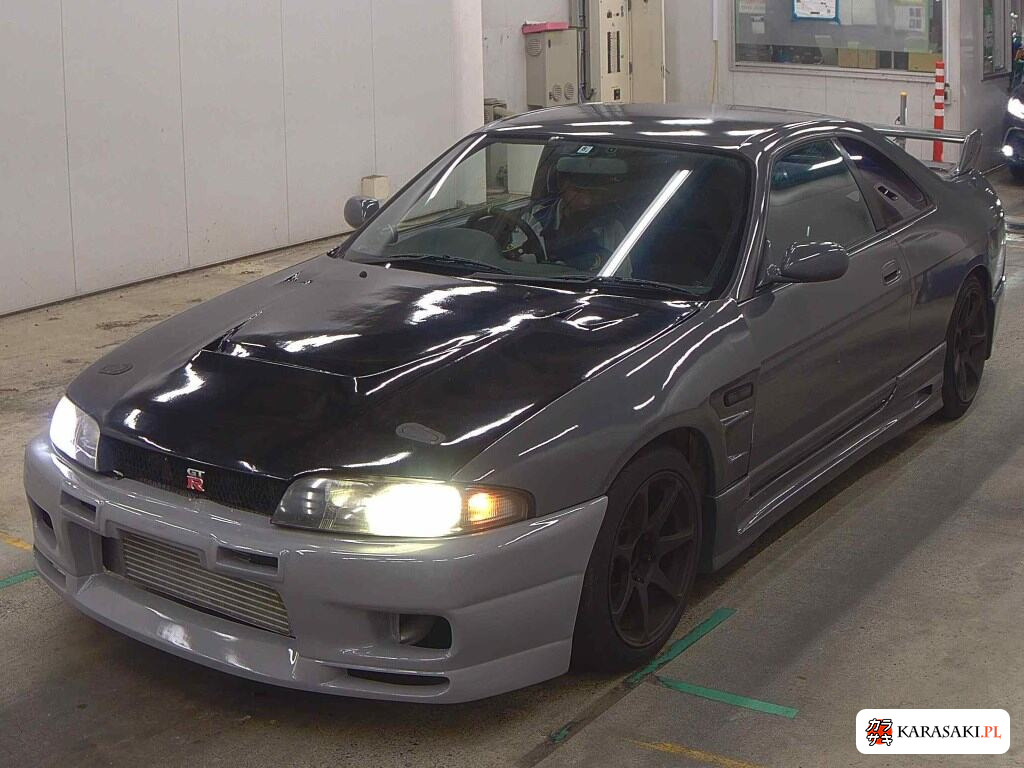
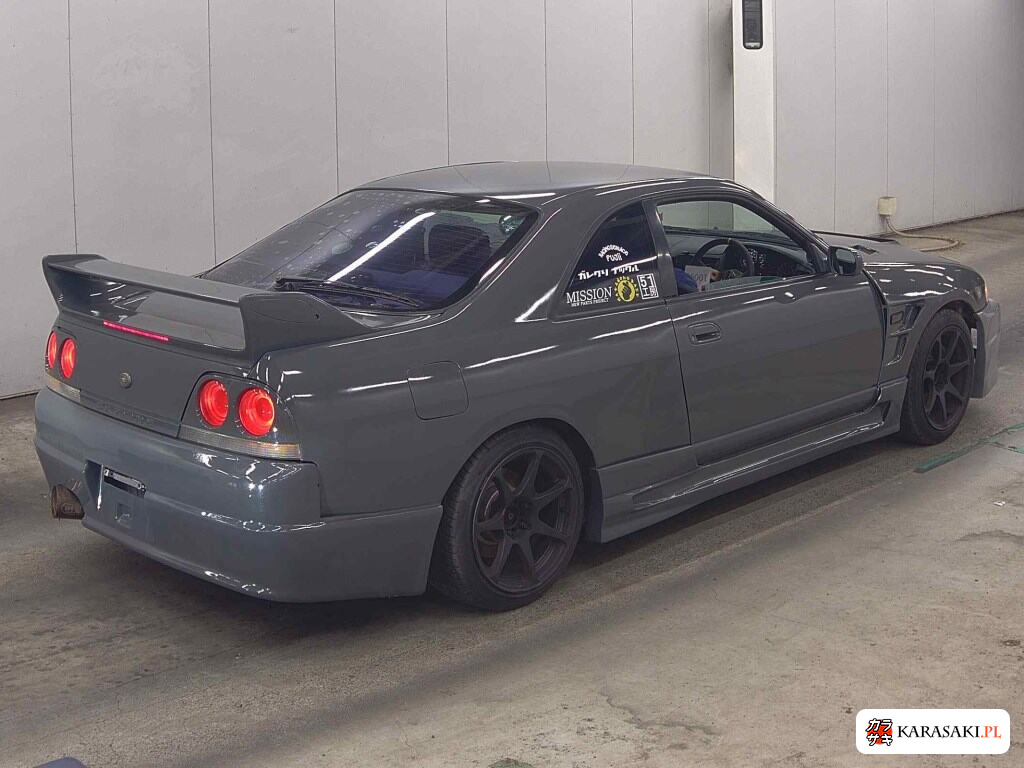
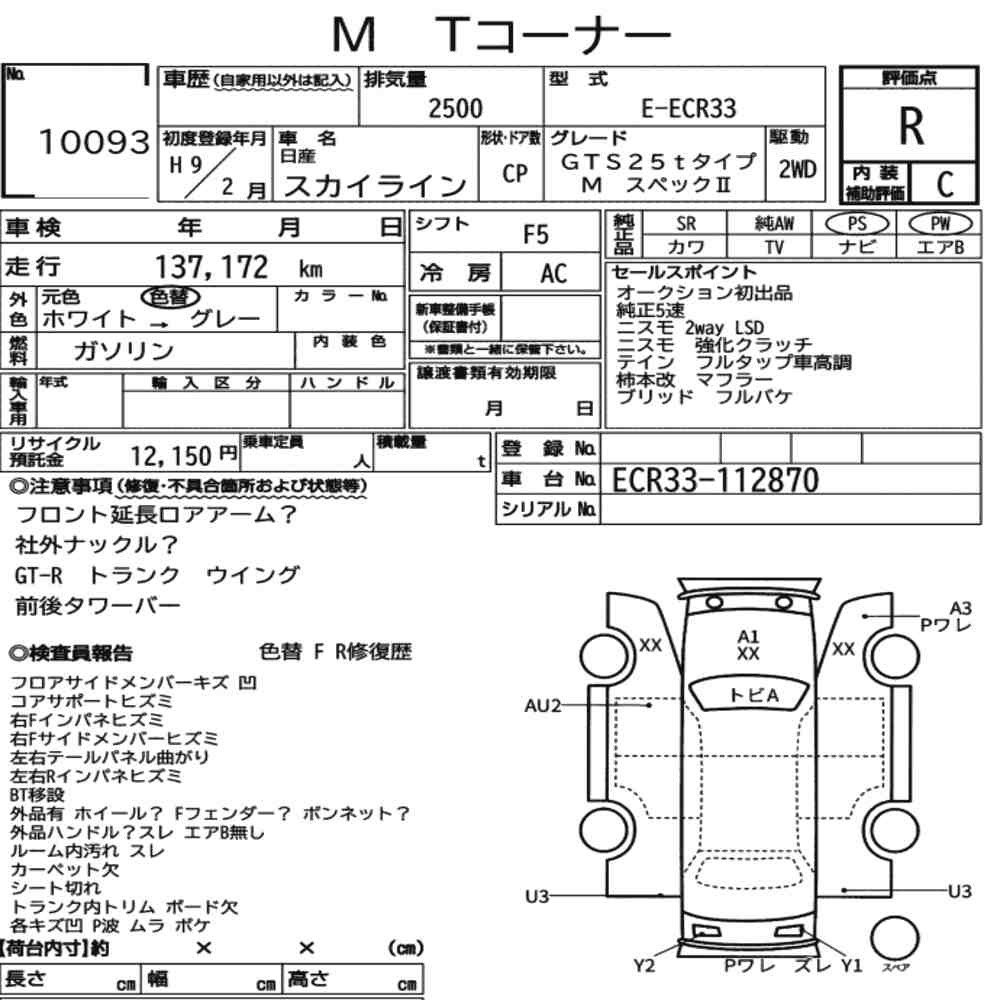
Auta z Japonii aktualnie na aukcji












Who it will cover, and who it will not
The procedure is to apply to used vehicles in categories M, N, O and L imported from third countries, without European type approval and not previously registered in the EU. In practice that means passenger cars, vans, motorcycles and special vehicles from Japan, the United States, Canada, Korea or China. Cars previously registered in a member state, and vehicles holding valid European type approval, stay outside the scope.
A vehicle treated as new, and therefore taking a separate route, is one whose first registration outside the EU was no more than twelve months ago or whose odometer reads under ten thousand kilometres. Agricultural tractors get their own track and their own amnesty for several thousand units previously registered as used. That case was the political trigger for the whole amendment.
How the procedure is meant to work
A diagnostician at the station would perform three steps in sequence: checking that the documents filed with the application are complete, running a test confirming that technical conditions are met, and finally issuing the certificate. Emissions are the critical area. The ministry has signalled that foreign standards will be mapped onto national requirements based on Euro standards, with an implementing regulation to set out the verification method per market. That regulation does not exist yet.
Buses and gas-powered, electric and hydrogen vehicles also require verification of UN type approval certificates. If emissions paperwork is missing or the diagnostician has doubts, the car goes to a technical service designated by the Director of TDT, and that is the expensive route. Ministry representatives have said it should be the exception, not the rule. A negative result can be appealed to the Director of TDT.
Only a diagnostician who has completed specialist training and passed an examination will be able to issue the certificate. A transitional provision would allow one-day training for the first year, but even so the number of stations able to run the procedure will be limited in the early months. Diagnosticians themselves flag that as a real queuing risk.
What it is meant to cost
The amounts below come from the bill and from accounts of the consultations, not from an enacted law. Final rates will be set by the act and its implementing regulation. We publish them because they circulate widely, stripped of context.
| Item | Amount | When it applies |
|---|---|---|
| Procedure at the inspection station | about 800 to 1,000 PLN | standard route, every car |
| Automotive market surveillance fee | 0.2% of the net vehicle price | every car, so 200 PLN on a 100,000 PLN car |
| Appeal to the Director of TDT | up to about 665 PLN | only after a negative result |
| Emissions test at a technical service | about 15,000 to 18,000 PLN | only when emissions paperwork is missing |
| Headlight asymmetry test at a technical service | about 5,000 to 6,000 PLN | only if the diagnostician has doubts |
The procedure is meant to take thirty days. The figure that went around the internet, eighteen thousand zloty, is the ceiling on the technical-service emissions test, reached only when there is nothing to document the emission standard with. With complete paperwork the real cost is around a thousand zloty plus the surveillance fee. That distinction is the whole story, which is why it gets its own section.
Emissions: why Japanese cars are well placed
The draft provision allows two ways of documenting the emission standard. The first is a document issued by the manufacturer or an authorised representative, translated by a sworn translator. The second, and this is the important one, is a photograph of the emissions information the manufacturer placed on the vehicle.
That second route suits cars from Japan unusually well, because in Japanese cars the emission class is encoded directly in the type designation, in the prefix ahead of the chassis code. The same prefix appears on the data plate and in the Japanese registration document, the shaken.
| Prefix | Japanese standard | Example |
|---|---|---|
| E- | 1978 standards | E-JZA80, the Supra |
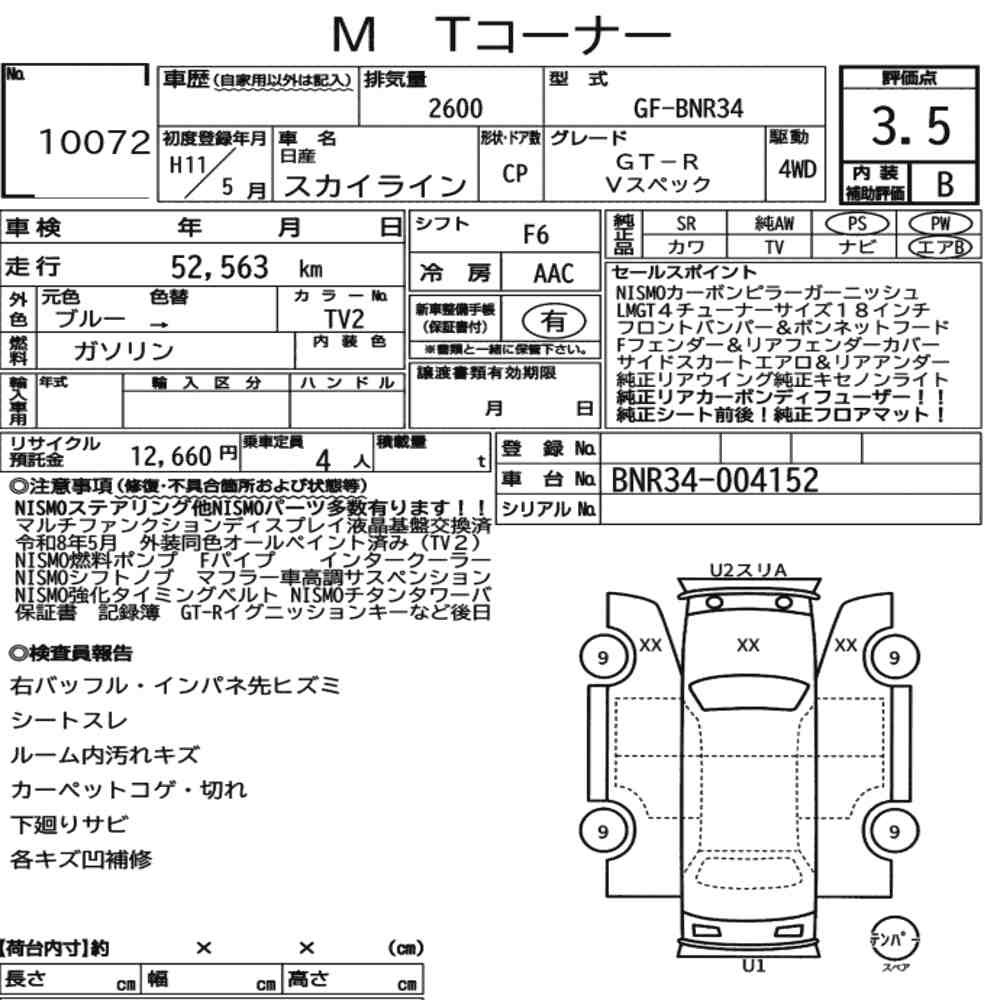
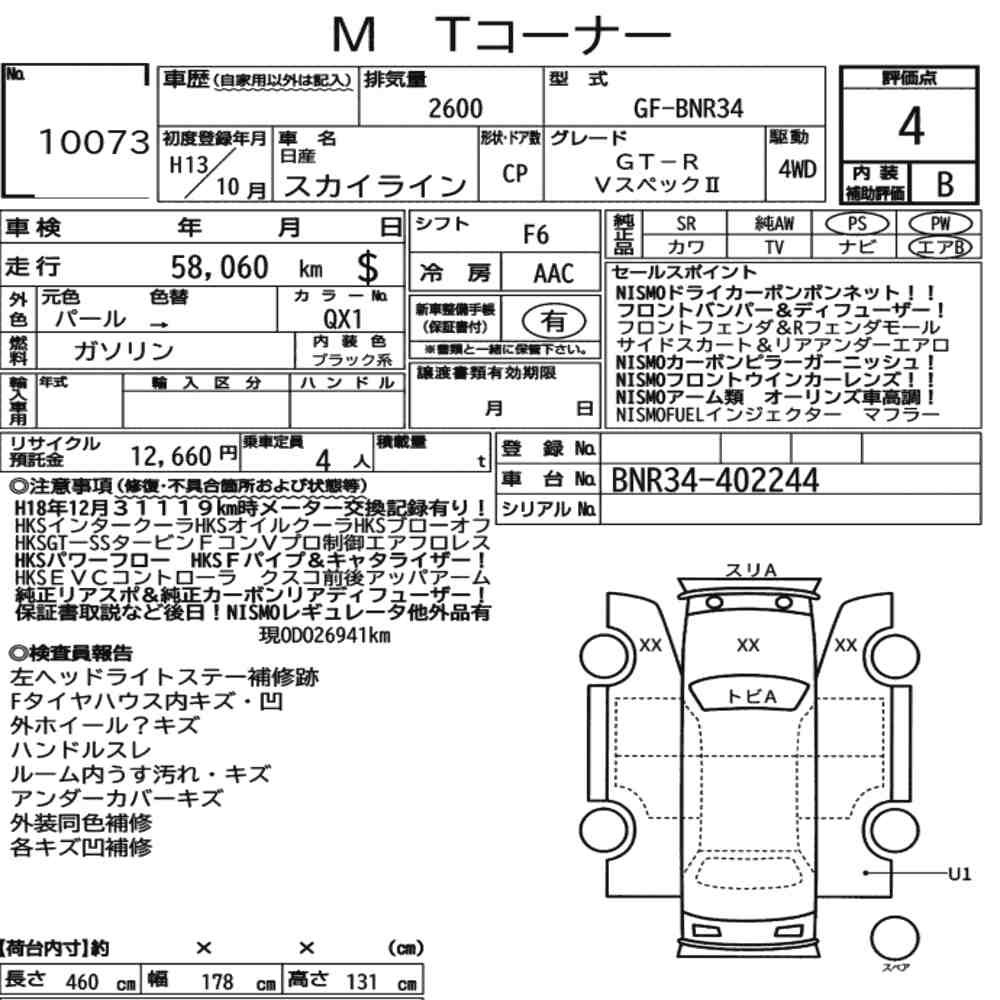
| GF- | 1998 standards | GF-BNR34, the Skyline R34 GT-R |
| GH- | 2000 standards | |
| TA-, LA-, UA- | 2000 standards tightened by 25%, 50% and 75% | |
| ABA-, CBA-, DBA- | 2005 standards and tightened variants | |
| LDA-, MBA-, RBA-, QBA- | 2009 standards | |
| 3BA-, 4BA-, 5BA-, 6BA- | 2018 standards | |
| ZAA-, EA- | electric vehicles |
Put another way: the information a Polish diagnostician will look for sits on the car we inspect in Japan. It only has to be photographed during inspection, before the car boards the ship.
There is a caveat that cannot be glossed over. Japanese and European standards rested on entirely different test cycles until the end of the last decade, so the values cannot be compared directly. Translating a Japanese code into a Euro standard is a job for the implementing regulation, and that regulation does not exist yet. Ministry statements deal mainly with mapping American standards. How Japanese designations will be treated, especially those from before 2000, remains open. Our read on the risk: cars from model year 2005 onward should clear the procedure on the data-plate photograph alone, while the risk of referral to a technical service is concentrated in 1990s cars, which is exactly the classic JDM era.
When it could take effect
The timeline as of this writing: September 2025 opened public consultations, April 2026 brought a revised draft, June 2026 sent it to the Joint Commission of Government and Local Government, July 2026 to the Digitalisation Committee, and Q3 2026 is the planned Council of Ministers adoption.
After that comes the full parliamentary process: three readings in the Sejm, the Senate, the President's signature, and only then publication in the Journal of Laws. On top of that the approval provisions are to carry roughly six months of vacatio legis. A realistic commencement date is late 2026, more likely 2027. The bill has already slipped by two quarters, so we treat these dates as movable.
For cars bought today what matters is the date of first registration in Poland relative to the commencement date. A car registered before it does not go through the procedure, and registration decisions issued before the change remain valid. The draft contains no provision expressly covering cars in ocean transit or cleared through customs just before commencement.
Right-hand drive is a separate matter
This is worth separating, because discussions run the two together. UC95 does not change the rules on right-hand drive. § 9(2) of the regulation on technical conditions for vehicles (consolidated text Dz.U. 2024 poz. 502) stands, and the exception in § 9(2a) covers only new cars with EC type approval or cars previously registered in an EU member state. The ban applies to vehicles first registered after 31 December 1984.
That is a separate barrier, independent of KIDPNPP, and for cars from Japan it carries far more practical weight today than the draft bill does. We take it apart in a dedicated piece on registering a right-hand-drive car in Poland.
What we do about it at Karasaki
Our response is cheap and pre-emptive. During inspection in Japan we photograph the data plate with the full type code and the emissions label, and the set goes into the car's file alongside a scan of the shaken. A photograph taken on site costs nothing, and once the rules land it may be the difference between one thousand and fifteen thousand zloty.
We also track two checkpoints: adoption by the Council of Ministers together with the assignment of a parliamentary print number, and publication of the act in the Journal of Laws, since only the latter starts the vacatio legis clock. Until then there is no reason to pause purchases, and we are not pausing ours.
Frequently asked questions
Is KIDPNPP already in force?
No. As of 27 July 2026 the procedure exists only as draft bill UC95 at the government stage. It is absent from the Journal of Laws, has no parliamentary print number, and the Council of Ministers is not due to adopt it until Q3 2026. Importing and registering non-EU cars follow the existing rules.
Will KIDPNPP block car imports from Japan?
No. The bill does not ban imports; it adds a procedure and a fee. With complete emissions paperwork the cost is around one thousand zloty plus 0.2% of the car's net price, and it takes up to thirty days. The expensive technical-service route only triggers when there is nothing to document the emission standard with.
Where does the eighteen-thousand-zloty figure come from?
It is the ceiling on the technical-service emissions test, calculated as 213% of the average national wage. It applies only when emissions documents are missing, and the ministry says it should be the exception, not the rule. Presenting that figure as the typical cost of the procedure is misleading.
Does KIDPNPP change anything about right-hand drive?
No. The UC95 bill leaves § 9 of the technical-conditions regulation untouched. The right-hand-drive restriction and its exceptions stay exactly as they are. These are two separate barriers, and for a car from a Japanese auction each has to be assessed on its own.
Summary
KIDPNPP is not in force and will not arrive overnight. When it does, it will not close imports; it will add a procedure costing roughly a thousand zloty and taking up to thirty days, with an expensive fallback for cars lacking emissions paperwork. The sensible response today is not to pause buying but to collect documentation at source.
What is genuinely worth checking on a specific car from Japan is not the draft bill but which side the wheel is on and the full import bill with duty, excise and VAT. Both of those apply right now.


