
After a winning bid the car has to cross from Japan to Europe, and here you have a choice: RoRo or container. This is not a logistics detail but a decision that weighs on the cost, time and safety of shipping. RoRo is cheaper and simpler, a container is pricier but safer and roomier. Below we compare both methods on realistic ranges and suggest when to pick which.
| Feature | RoRo | Container |
|---|---|---|
| Cost Japan to Europe | ~800 to 1,500 EUR | ~1,500 to 3,000 EUR |
| Transit time | ~5 to 8 weeks | ~5 to 8 weeks |
| Protection | limited (open deck) | full enclosure |
| Parts and luggage in the car | no | yes |
| Non-running car | no | yes |
Container or RoRo?
RoRo stands for roll-on roll-off: the car drives onto the ship on its own wheels and drives off the same way. A container is a steel box in which the car is secured and enclosed for the voyage. The first method is cheaper and quicker to handle, the second pricier but with full protection and room for extra cargo. Shipping is one of the bigger items on the bill, which we lay out in our guide to how much it costs to import a car from Japan.
Transit time
The voyage from Japan to Europe takes roughly five to eight weeks. A direct route to Gdansk or Gdynia can be shorter, around five to six weeks, while routing through Northern European ports runs a little longer. The time itself is similar for RoRo and container, because the voyage decides it, not the loading method. Add to that the time for clearance and inland transport to the destination.
Costs
RoRo is the cheapest and most common option for a single running car. The cost on the Japan to Europe route is roughly 800 to 1,500 EUR, or about 4,500 to 11,000 PLN depending on the port and season. A container costs more, roughly 1,500 to 3,000 EUR, or about 7,000 to 18,000 PLN.
A container comes in two variants. A shared one, where several cars travel in one box, can be close in price to RoRo. A dedicated one, exclusive to your car, is the most expensive of all options. Freight prices are market-driven and fluctuate, which is why we give ranges, not a single figure.
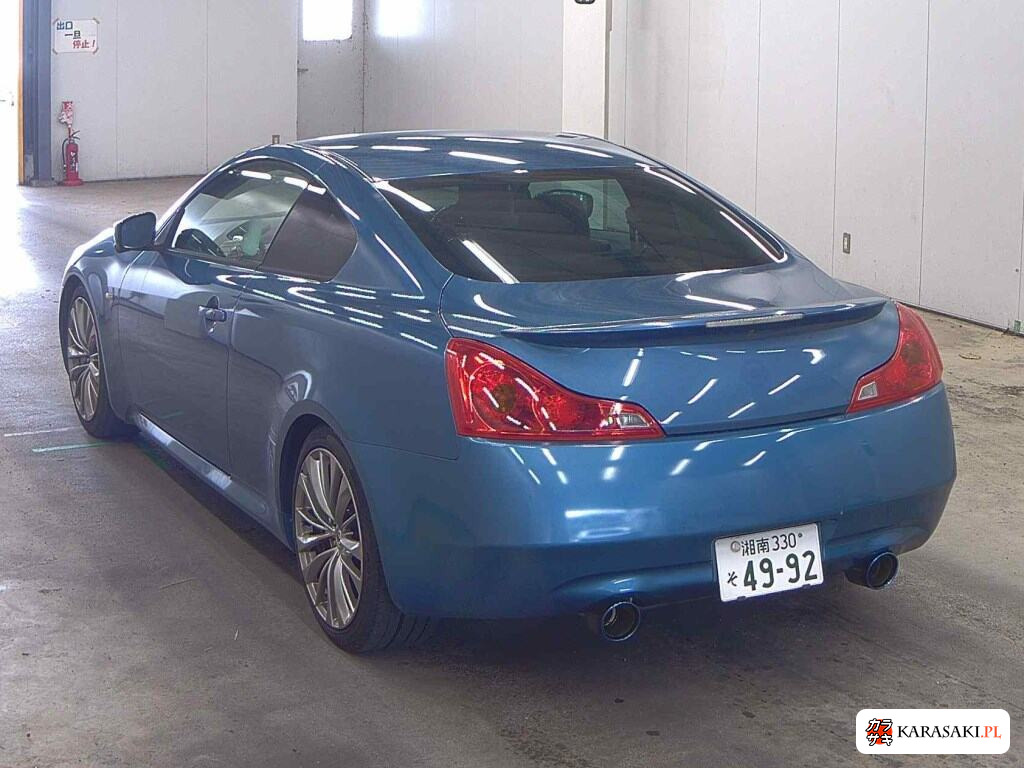
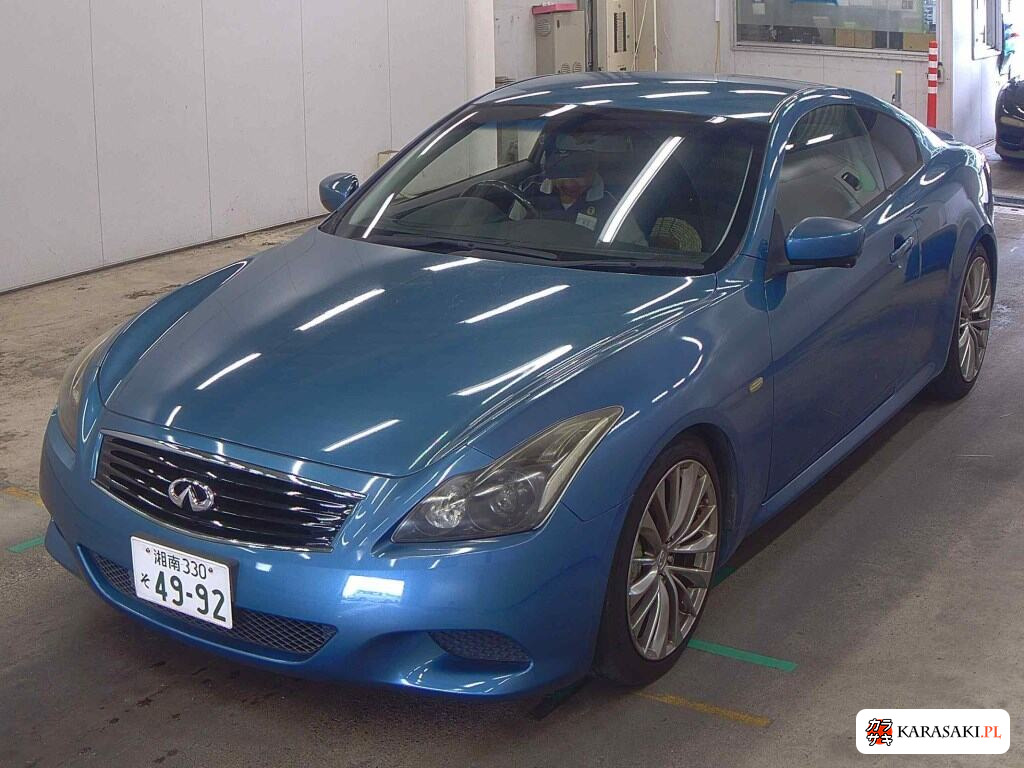
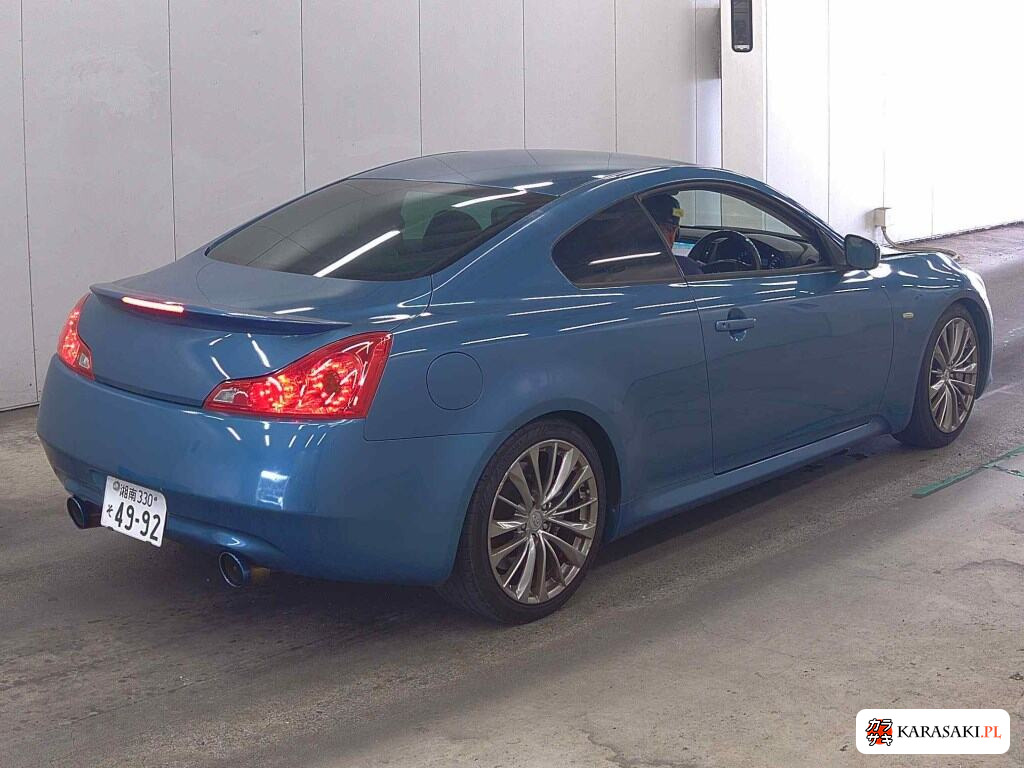
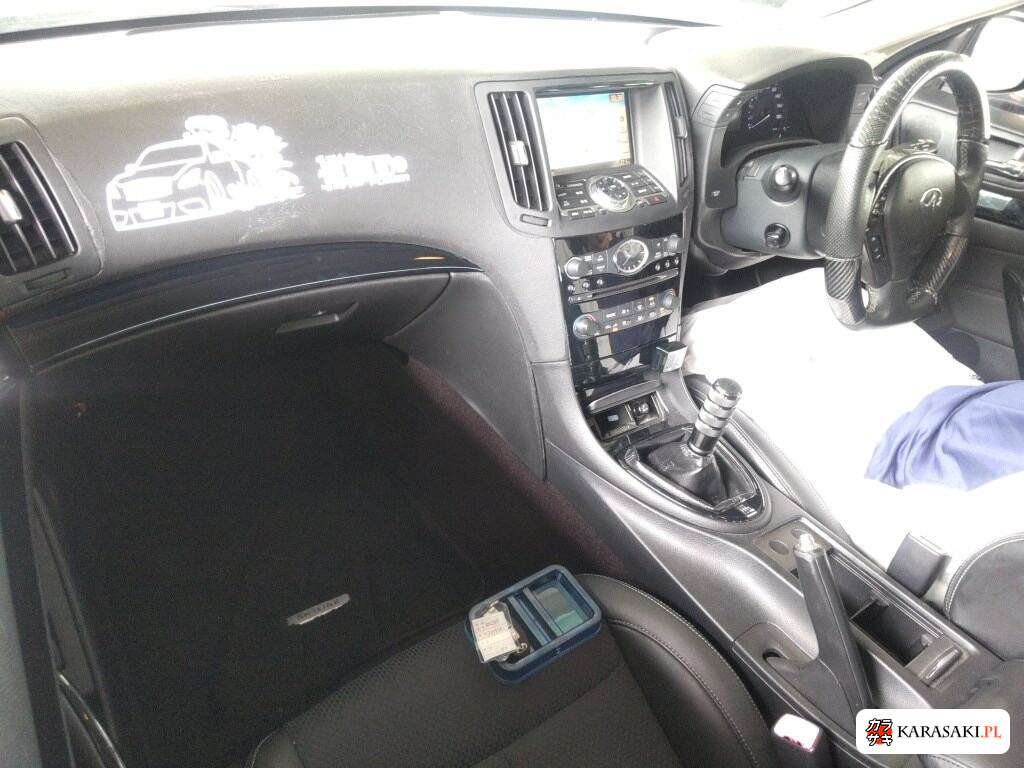
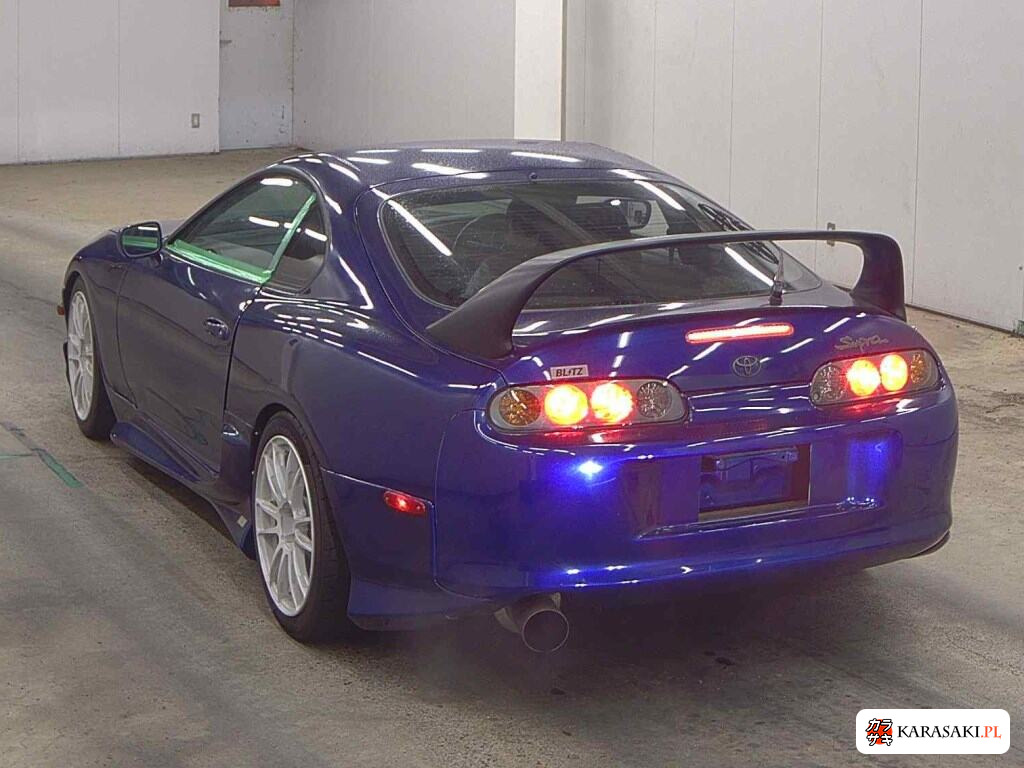
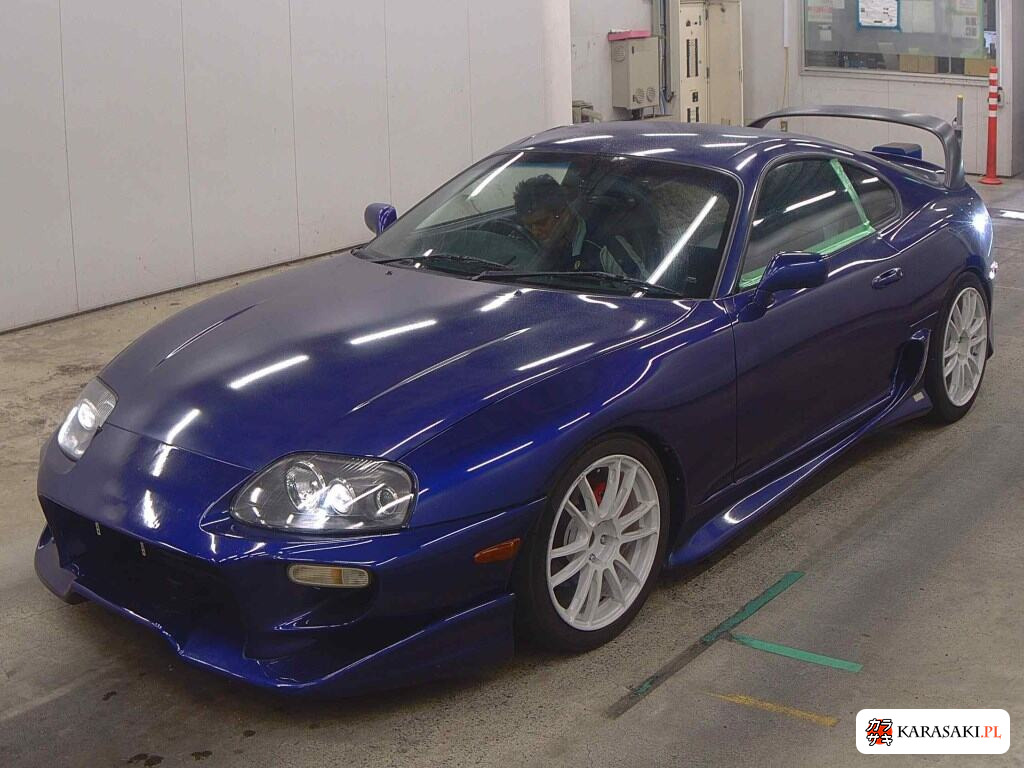
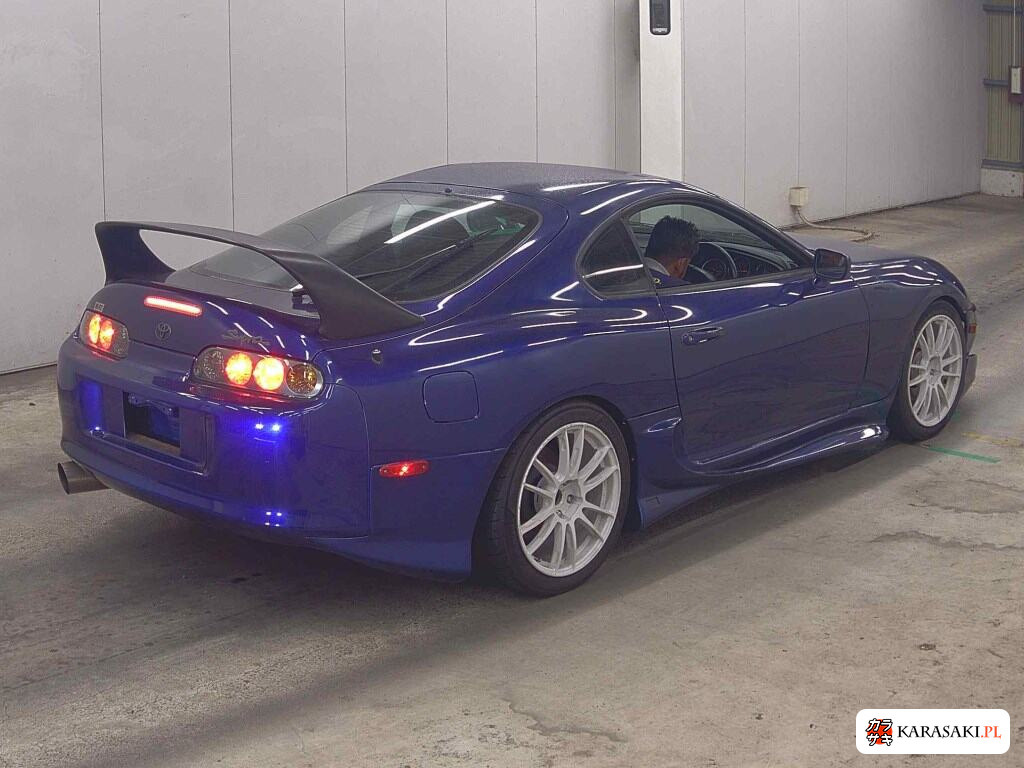
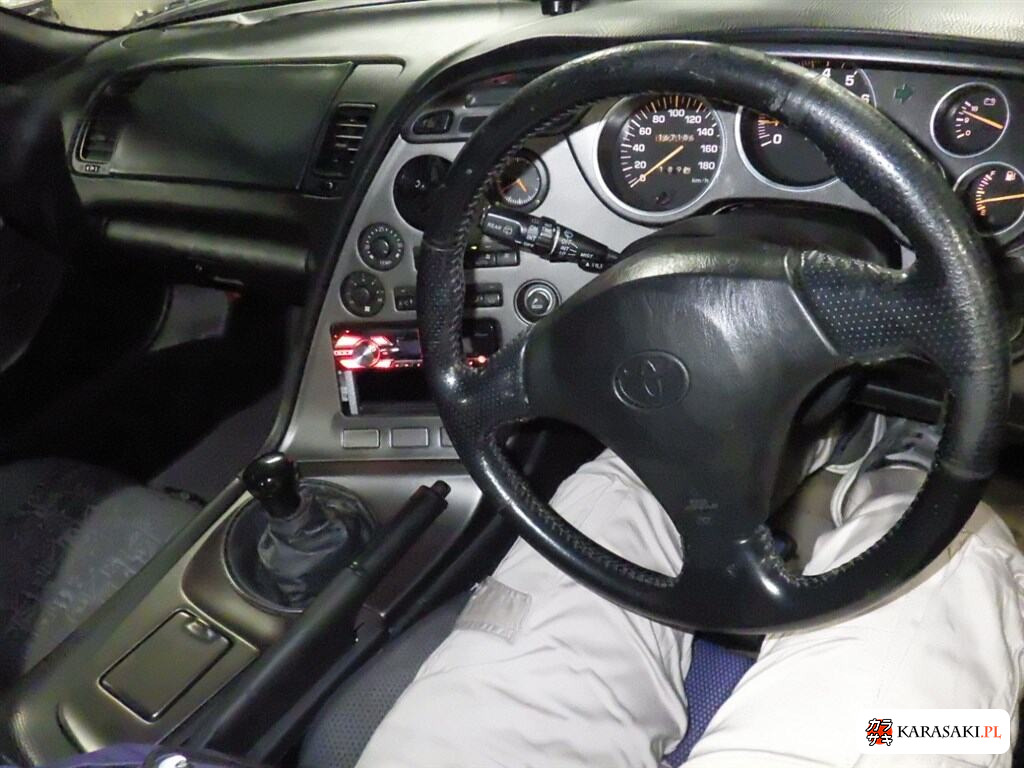
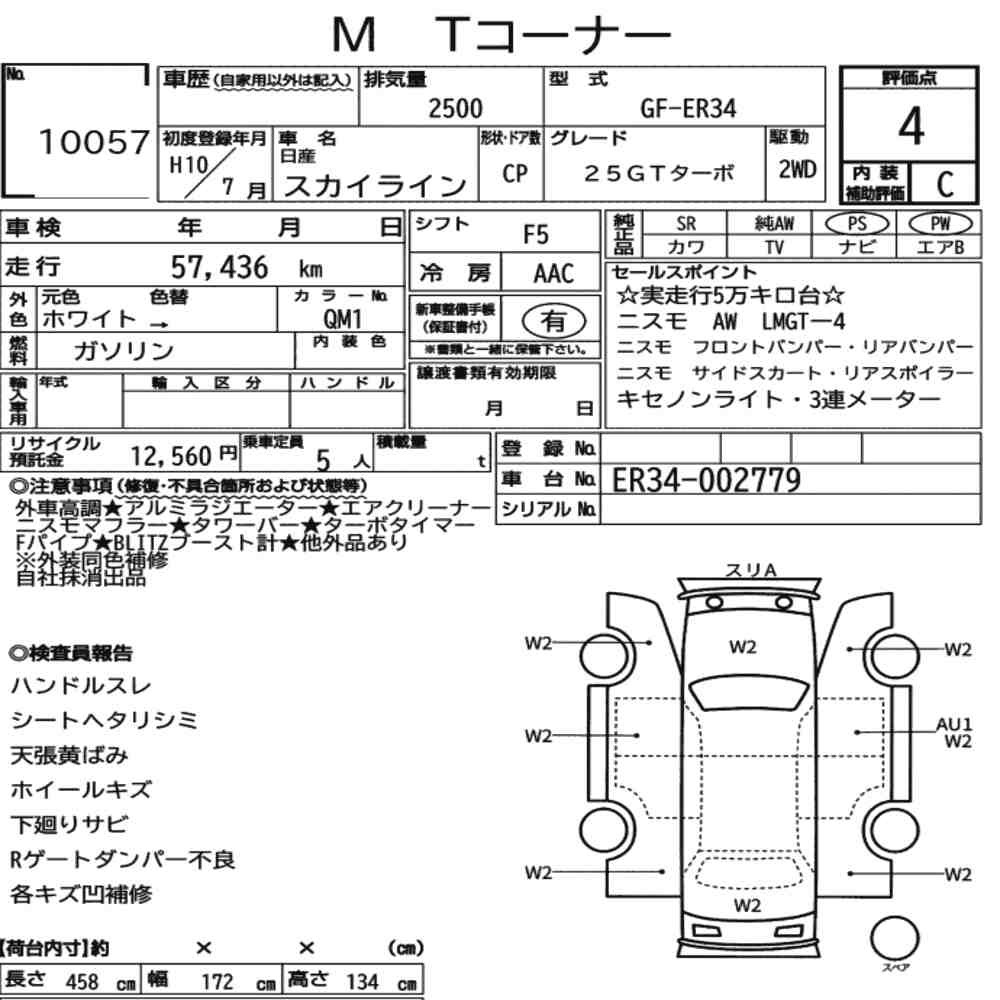
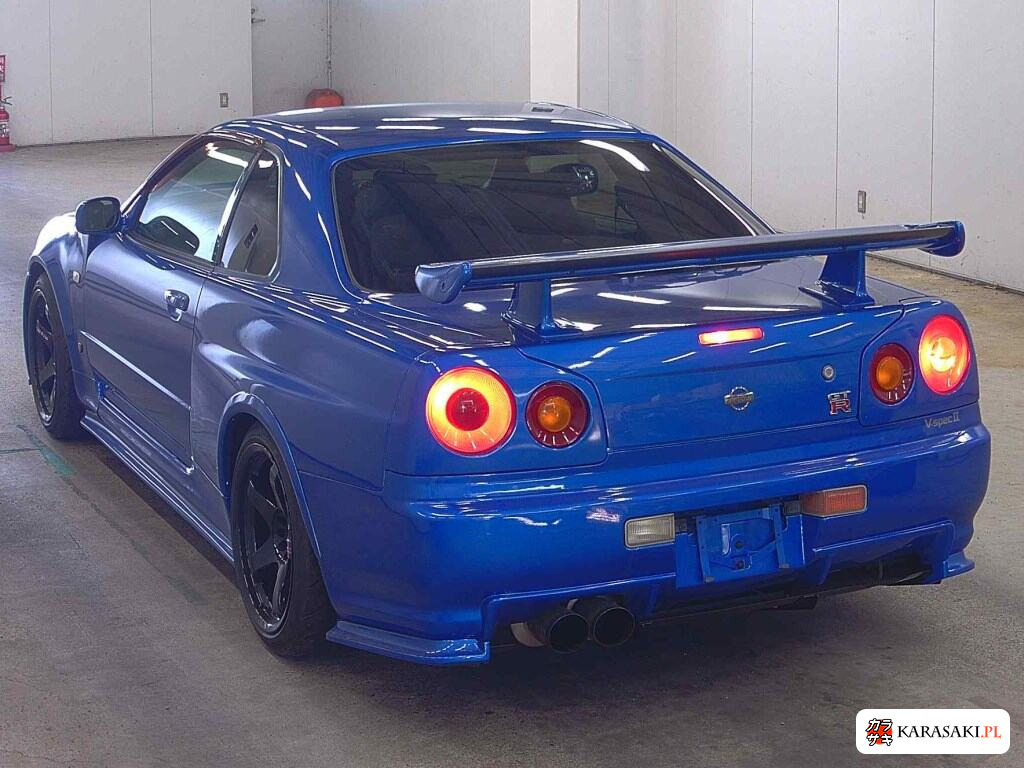
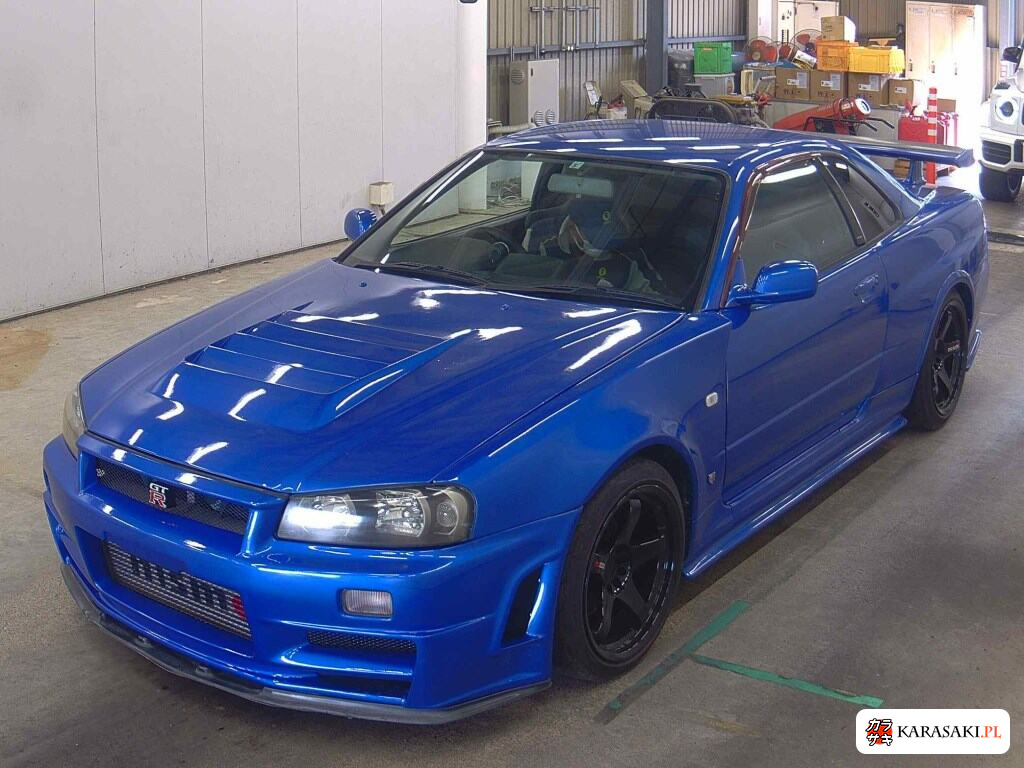
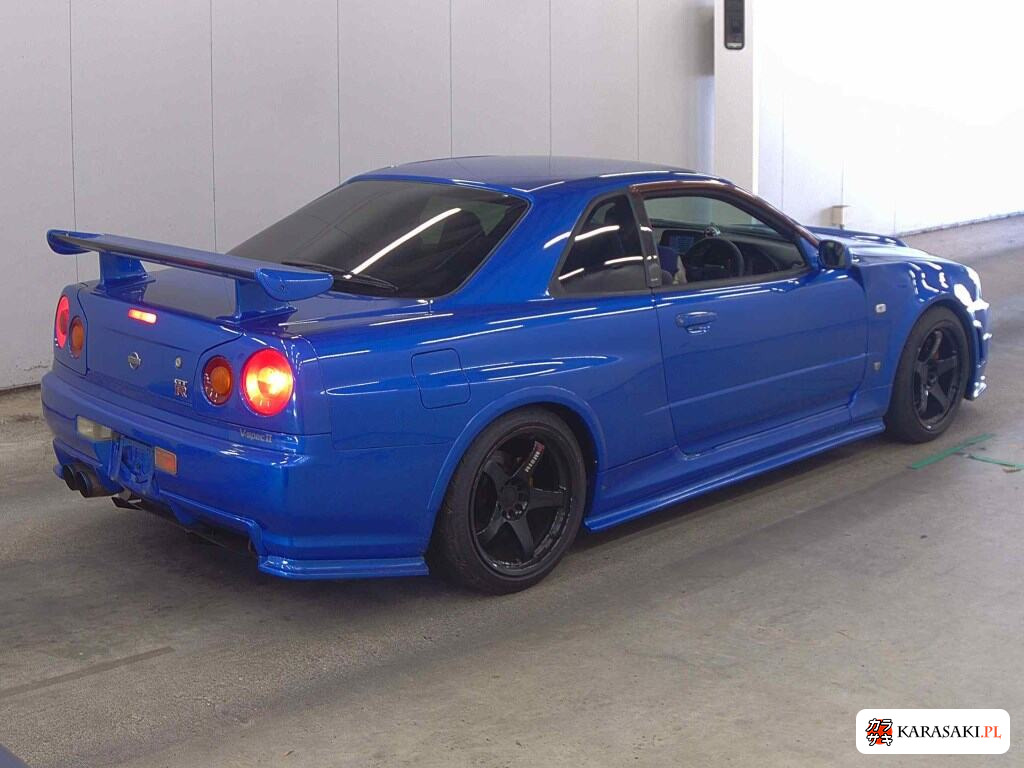
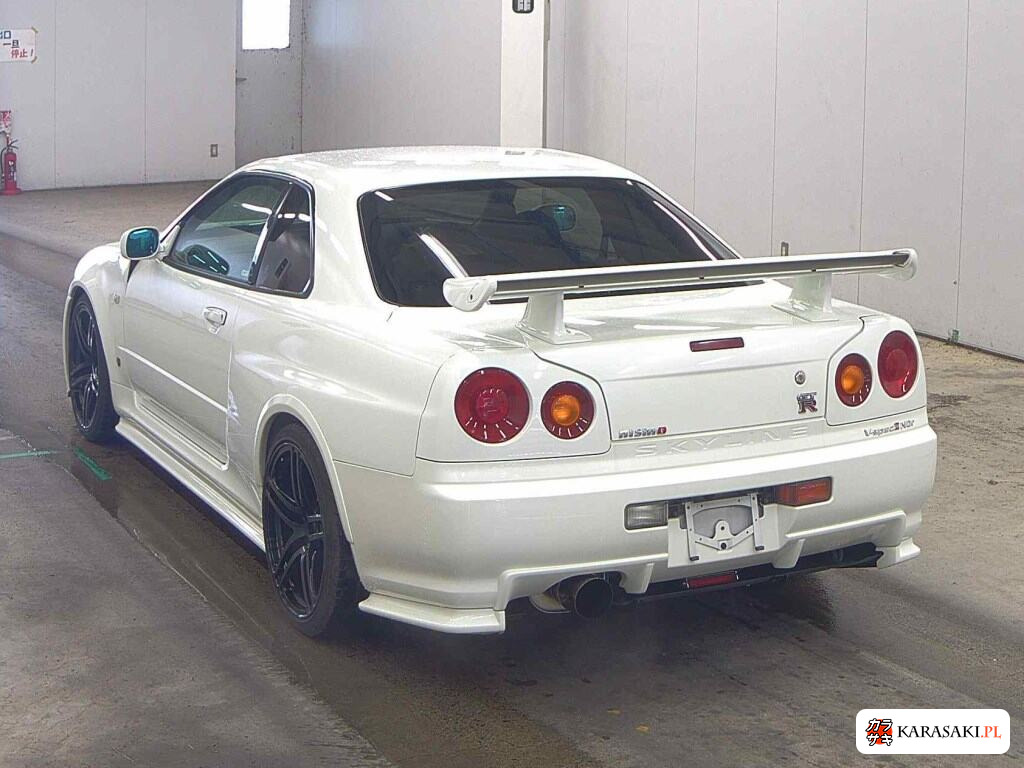
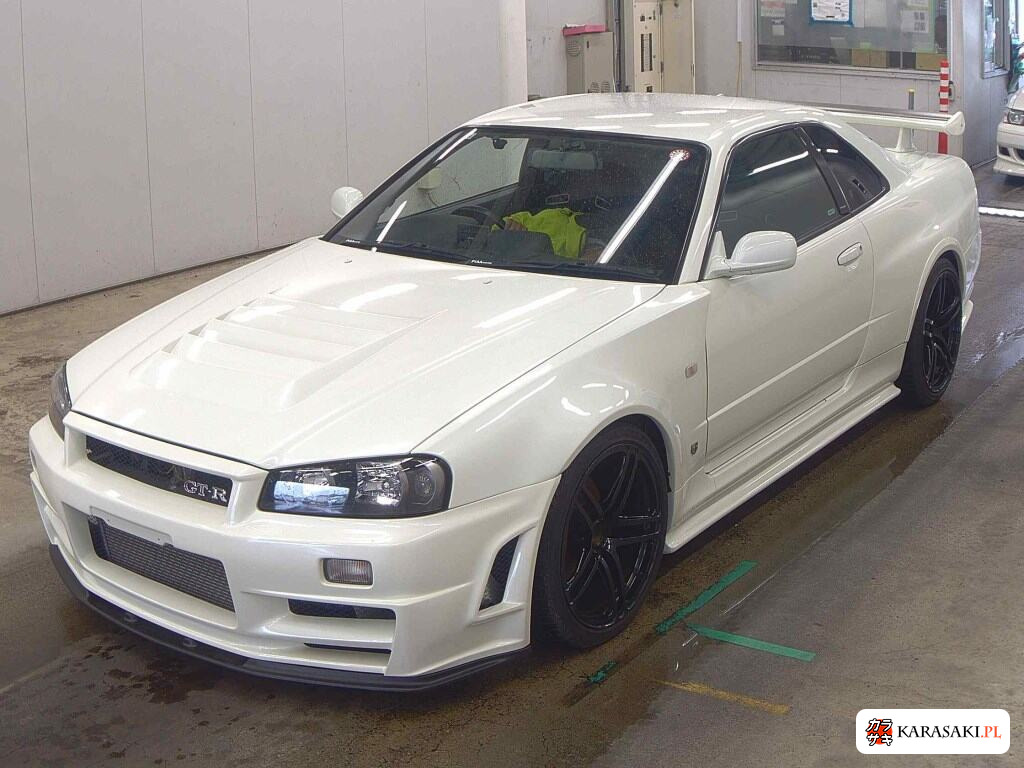
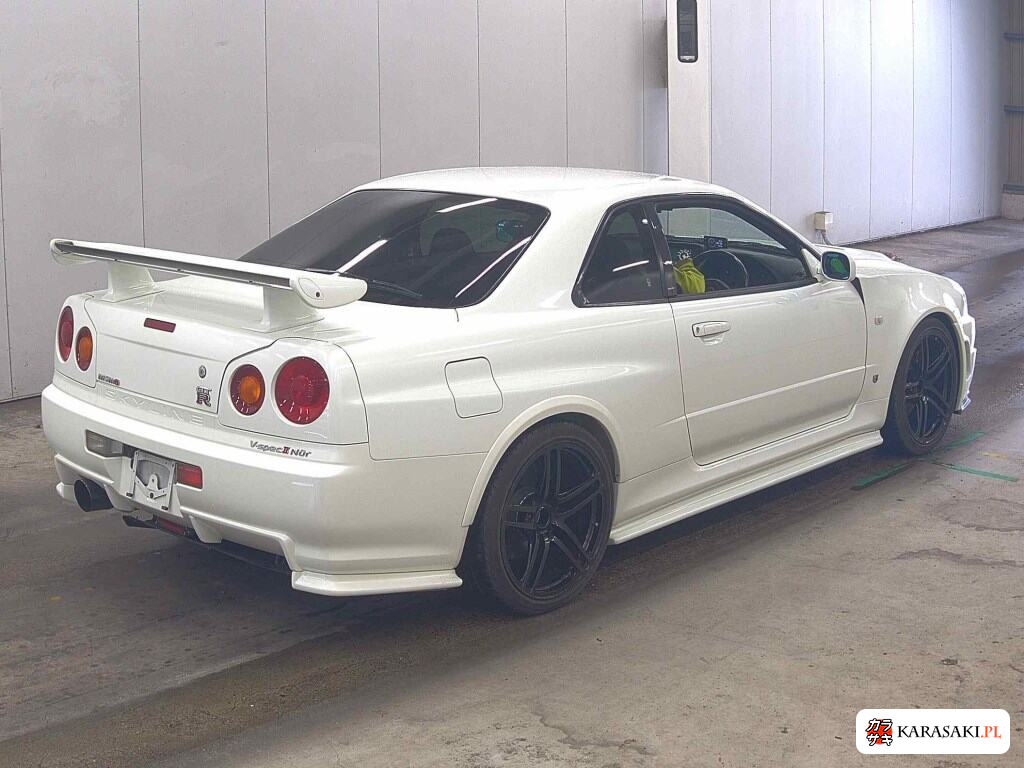
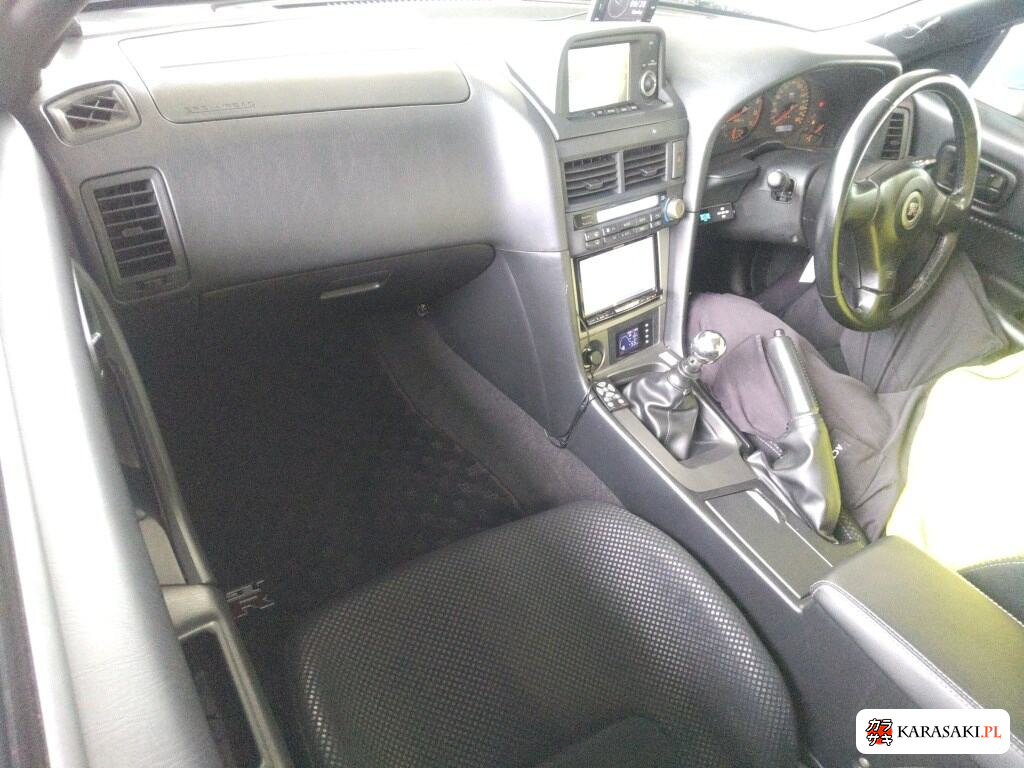
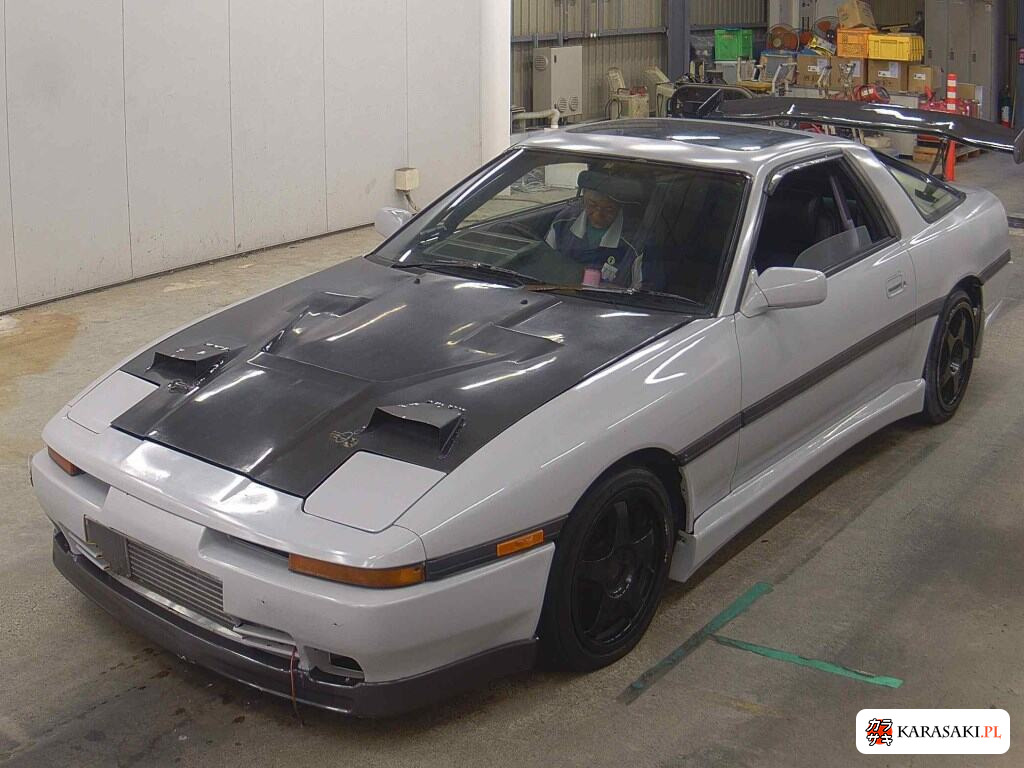
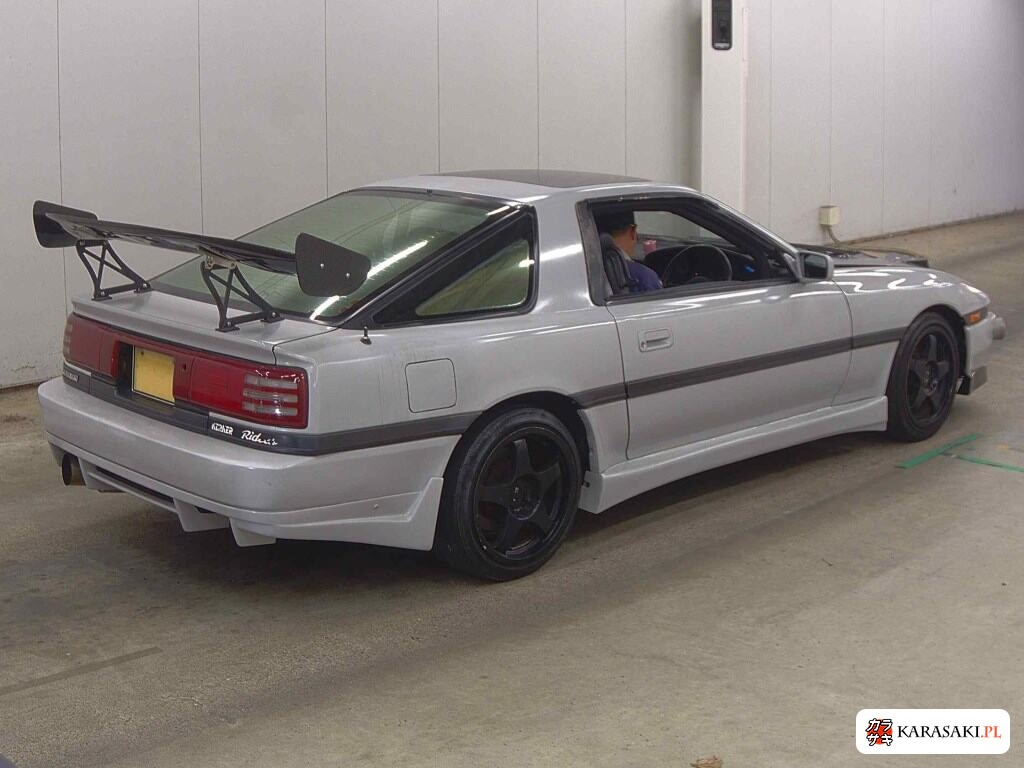
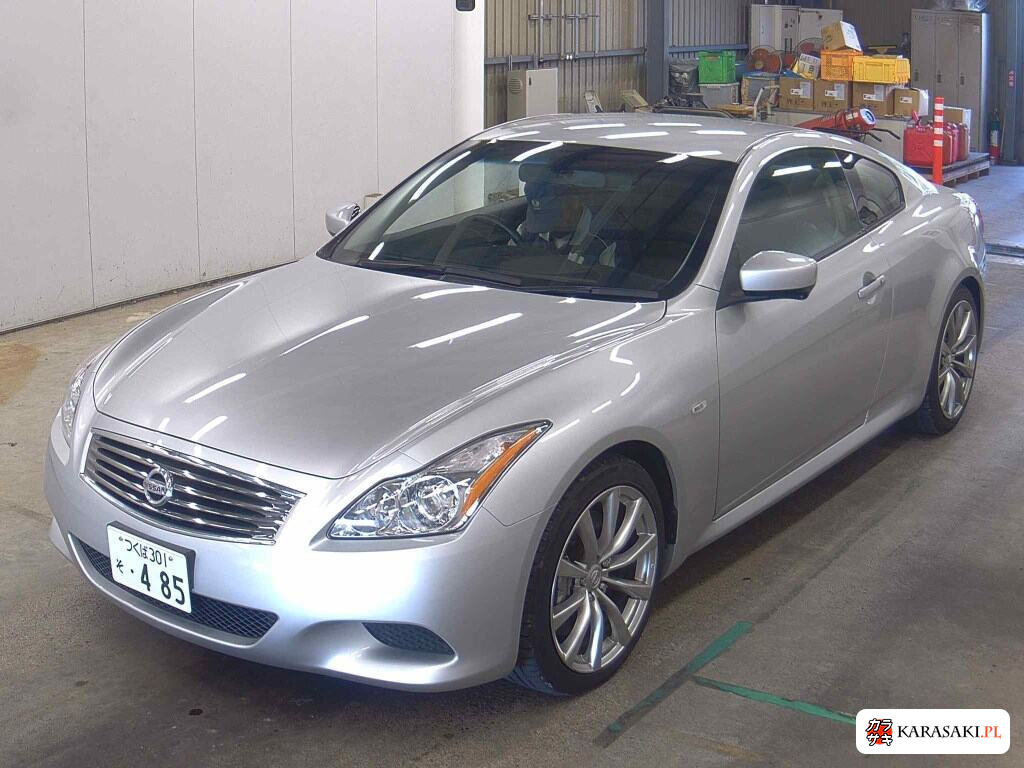
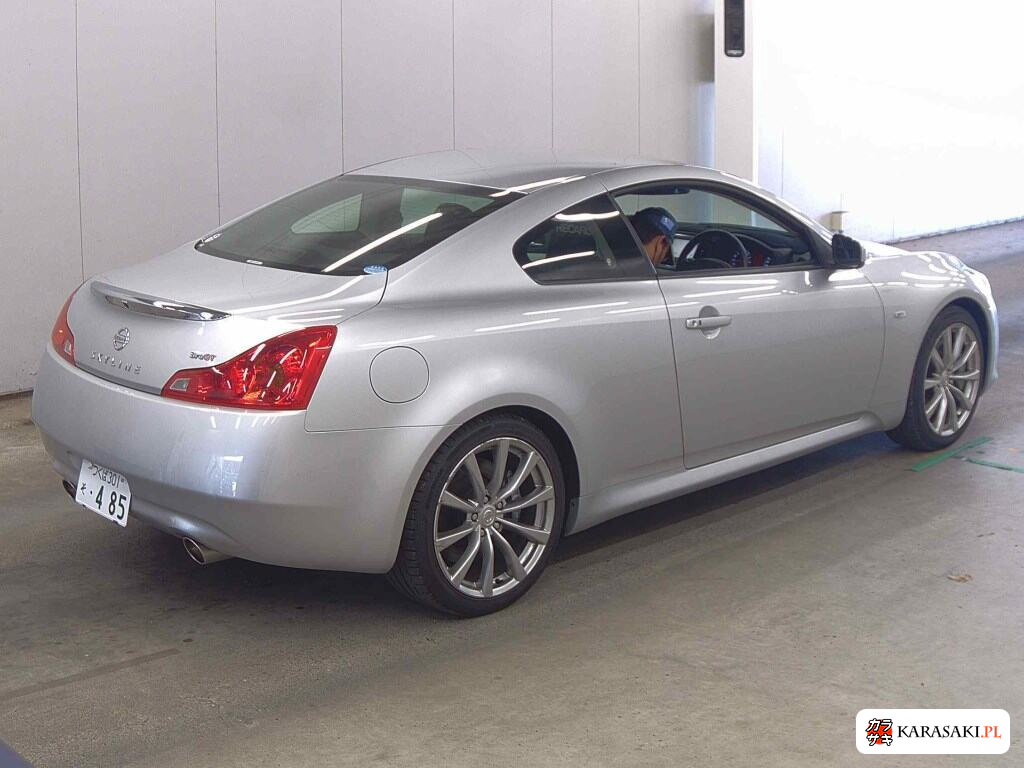
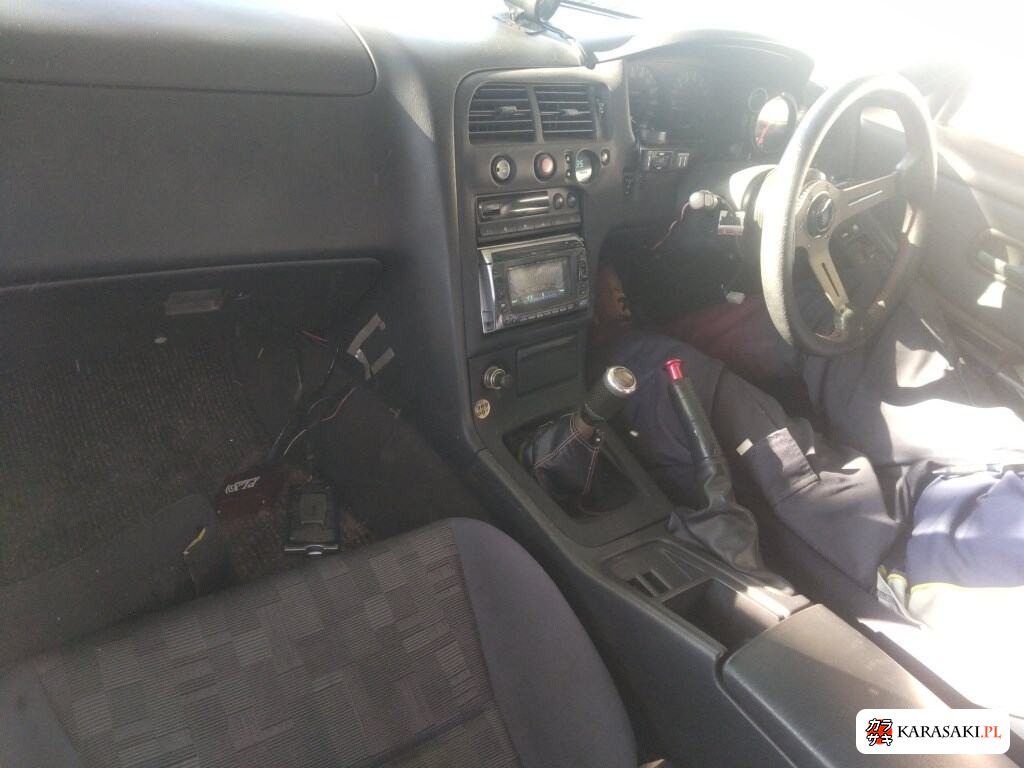
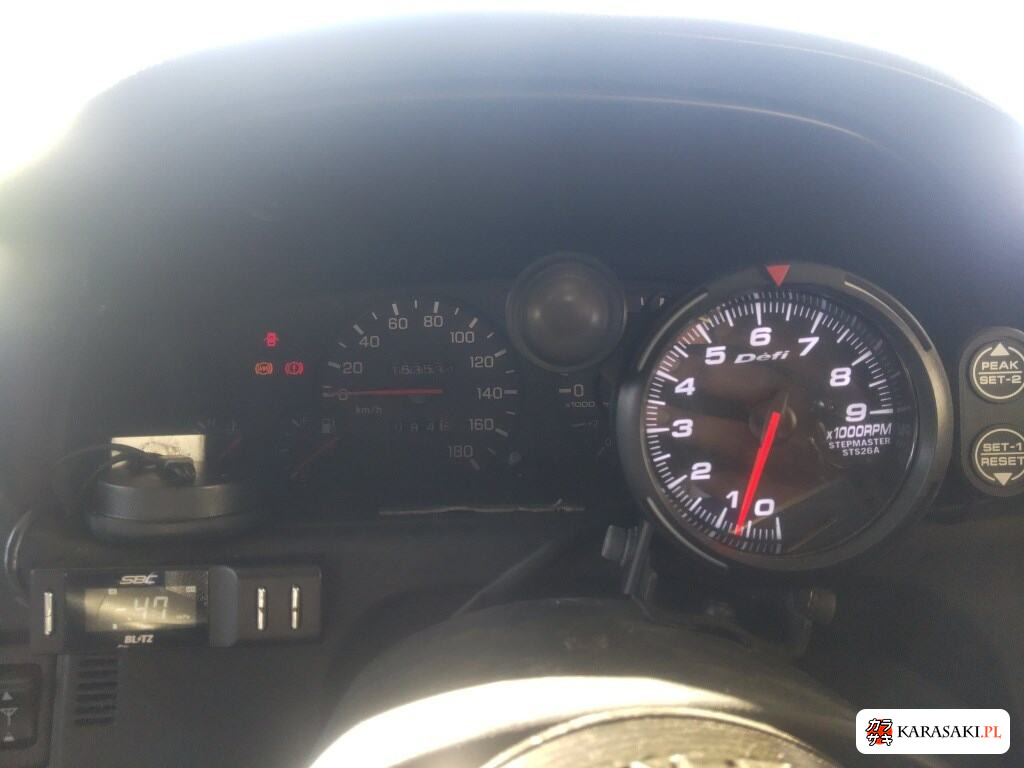
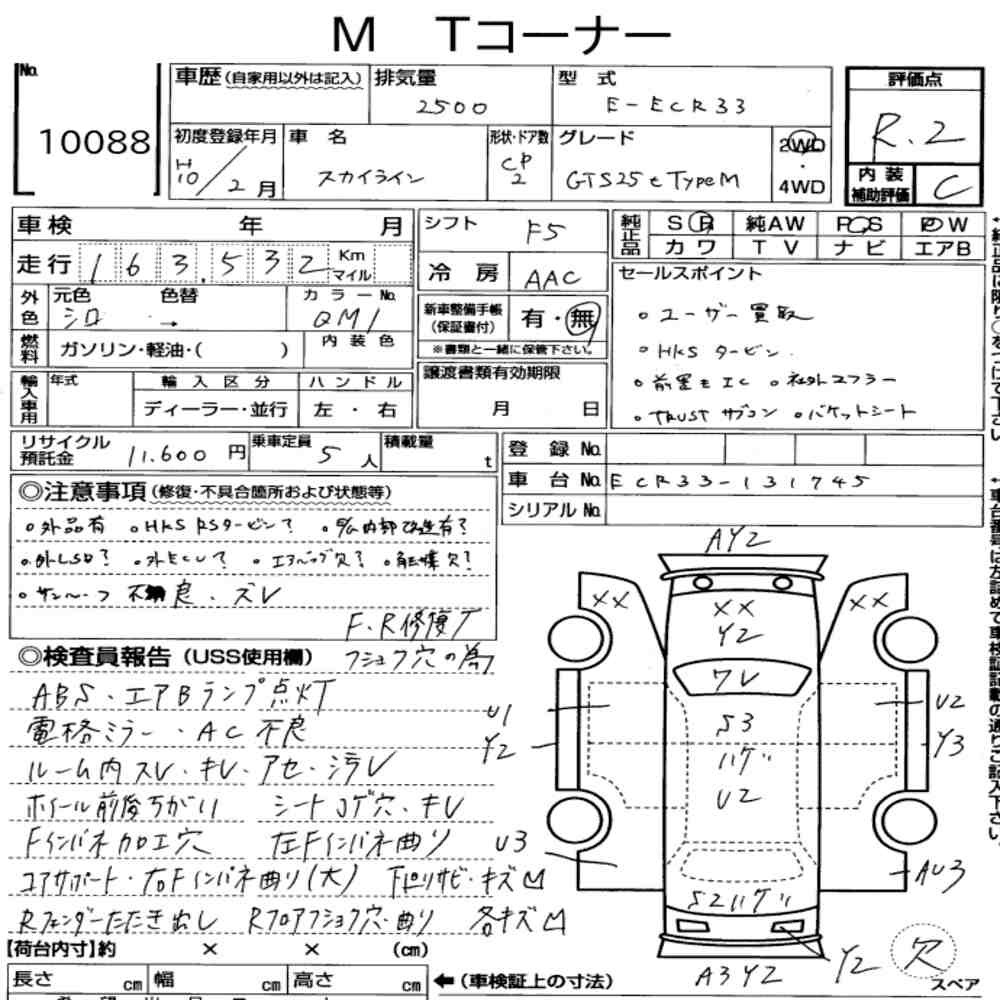
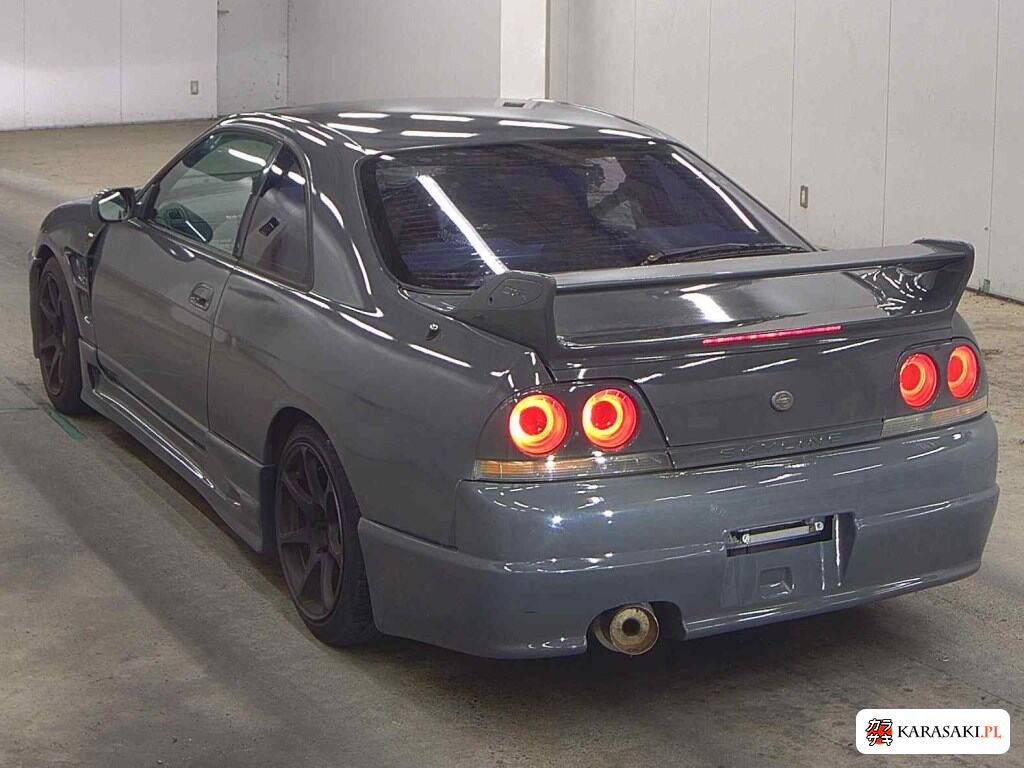
Auta z Japonii aktualnie na aukcji












Risk and insurance
Here the container wins. Full enclosure protects the car from theft, weather and accidental scuffs at the port. RoRo gives limited protection, because the car stands on deck and passes through many hands during loading and unloading. For an ordinary running car that is acceptable risk, for a rare classic less so.
Whatever the method, it is worth buying cargo insurance, the marine cover for the shipment. It is readily available as a separate line item and costs roughly 200 EUR per shipment. At Karasaki the cover also spans the wait for freight and the clearance period.
When to pick which
Pick RoRo when the car is running, standard-sized, and you want the lower cost. It is the default option for most passenger imports. Just remember that RoRo forbids carrying any personal belongings or parts in the car.
Pick a container when the car is non-running (it cannot drive onto RoRo), very valuable or delicate, or when you want to bring a set of wheels, parts or extra luggage. Some importers clear the car through a German port rather than straight to Gdansk, because German VAT at 19% is lower than Poland's 23%, but that is a separate customs decision with its own consequences.
Summary
RoRo is cheaper and simpler for a running car, a container is pricier but safer and with room for parts. Transit time is similar, about five to eight weeks, and cargo insurance is worth having either way. Once you know how to get the car here, check the logistics details in the shipping section, or browse our selection of cars from Japanese auctions.


