
Several myths about importing cars from Japan can be checked against data, and a few facts sound like legend yet hold up. We settle them one by one, using numbers from our own auction catalog and the mechanisms of the Japanese market that explain those numbers.
The Japanese car market
Two things separate the Japanese used-car market from the European one. The first is the mandatory Shaken inspection (first after three years, then every two), costly enough that a neglected car is no longer worth keeping. The second is the auction system: sales run through auction networks with independent inspections and a grading sheet for every car, so the history is written down before anyone buys.
Myth 1: Japanese cars have rolled-back odometers
The facts say otherwise. Mandatory technical inspections in Japan include mileage verification (logged in the Shaken history). On top of that, Japanese law requires sellers to disclose true mileage on every transaction. In practice, any tampering shows up in the auction network and disqualifies the car.
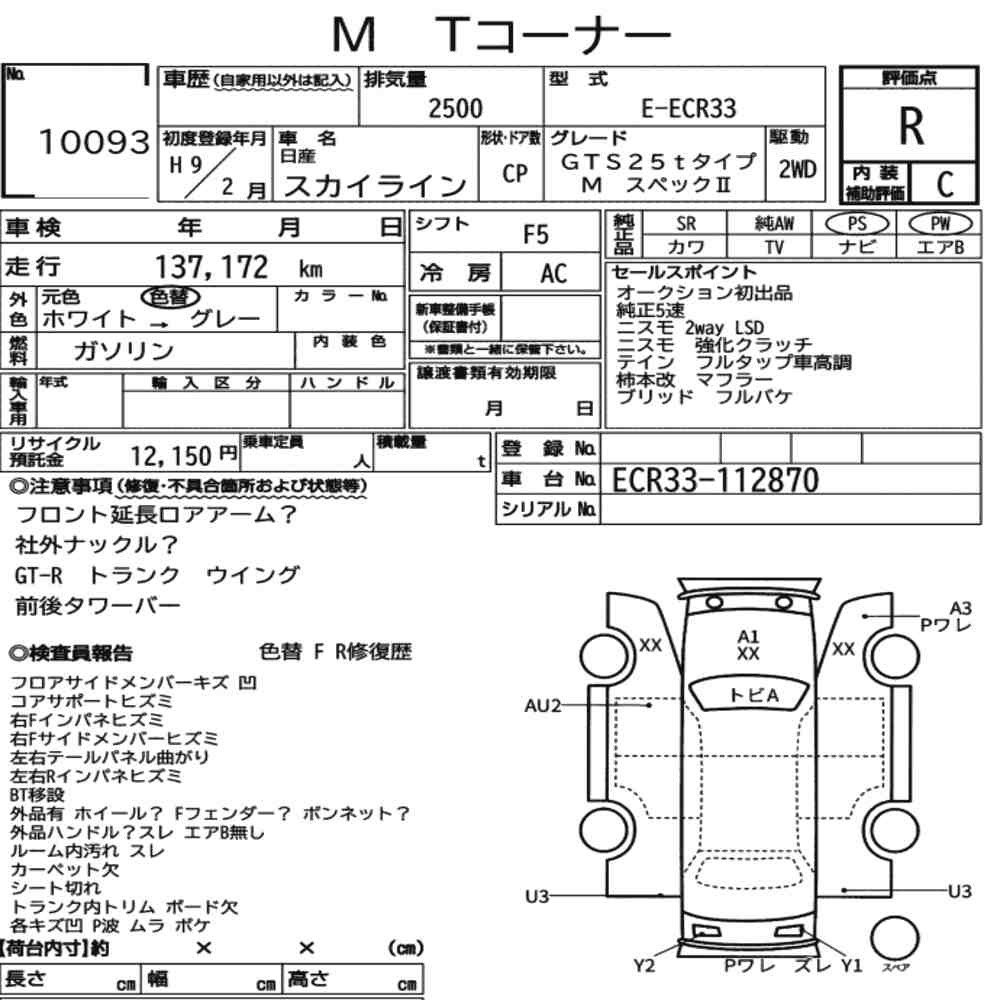
The system doesn't hide repaired cars either: nearly 9% of the lots in our catalog carry an R grade, written on the sheet in the open before anyone bids.
Fact 1: Japanese cars are in better technical shape
This is one claim we can measure instead of debating. Over 57,000 cars from Japanese auctions have passed through our catalog, and 67% of them carried an auction grade of 4.0 or higher, at a median mileage of 60,000 km. Those numbers come down to mandatory inspections and low annual mileage, not a uniquely Japanese love of wax.
Myth 2: Importing from Japan is complicated
Importing a car from Japan to Poland takes four stages: picking and winning the car at auction, export paperwork, ocean shipping of roughly five to eight weeks, and customs clearance with registration. On top of the car's price come 10% duty, 23% VAT and excise of 3.1% or 18.6%, depending on engine size.
The process has more stages than buying from a local dealer, but each one is predictable, and an experienced broker such as Karasaki Cars runs all of them for you.
Auta z Japonii aktualnie na aukcji

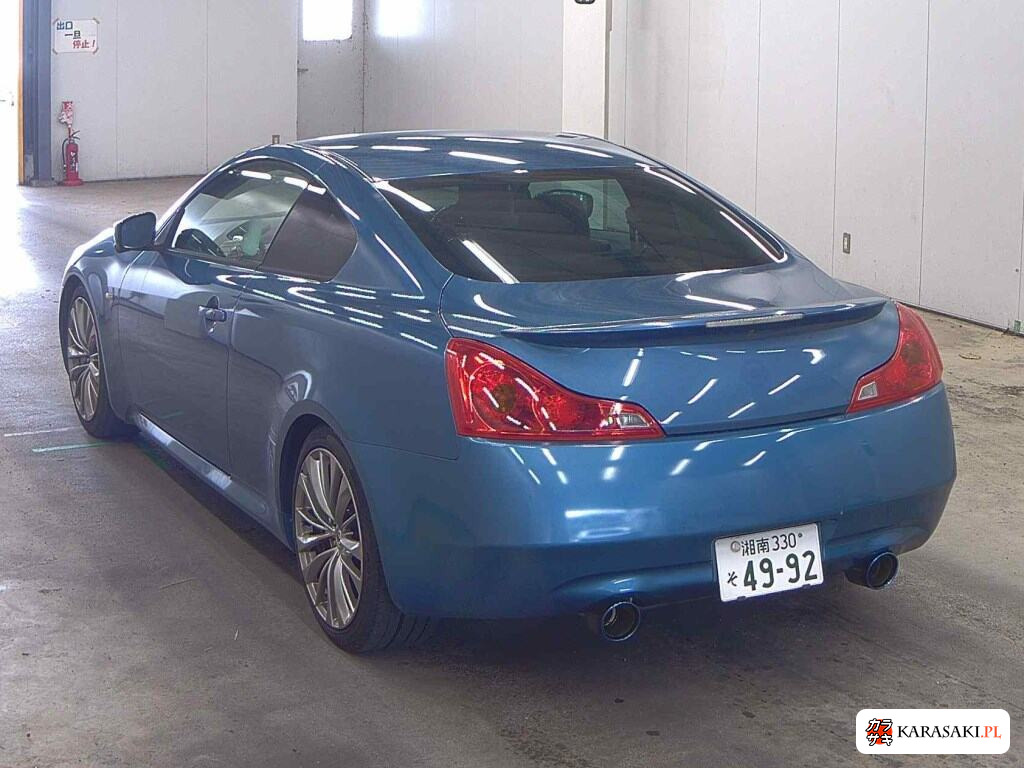
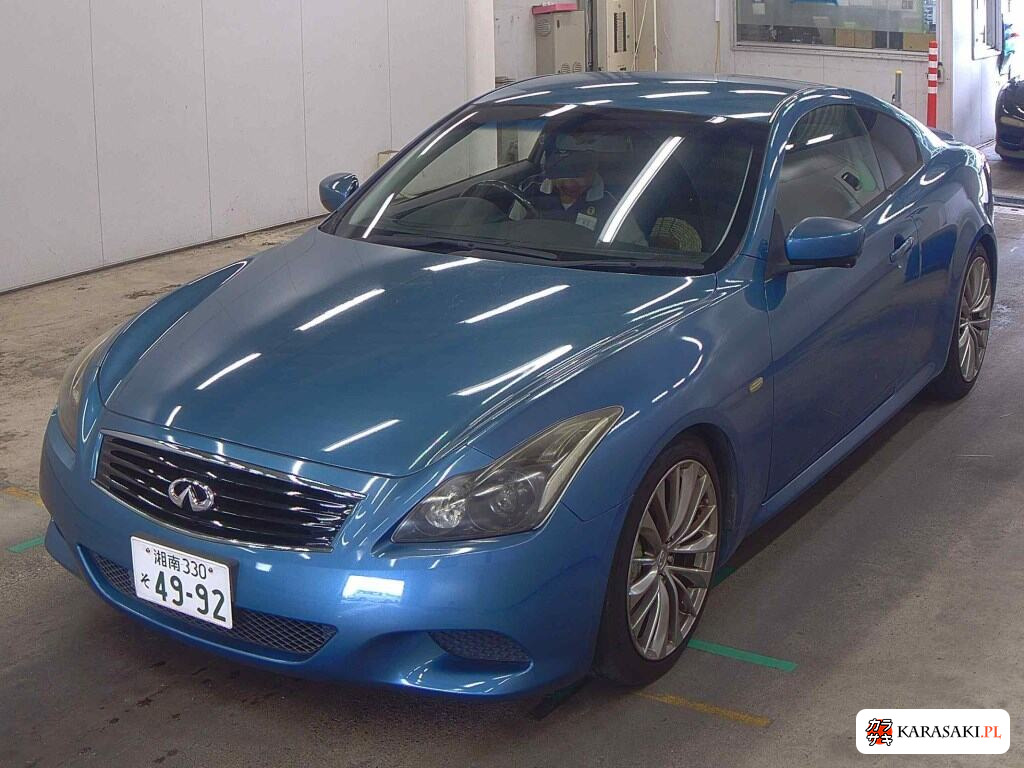
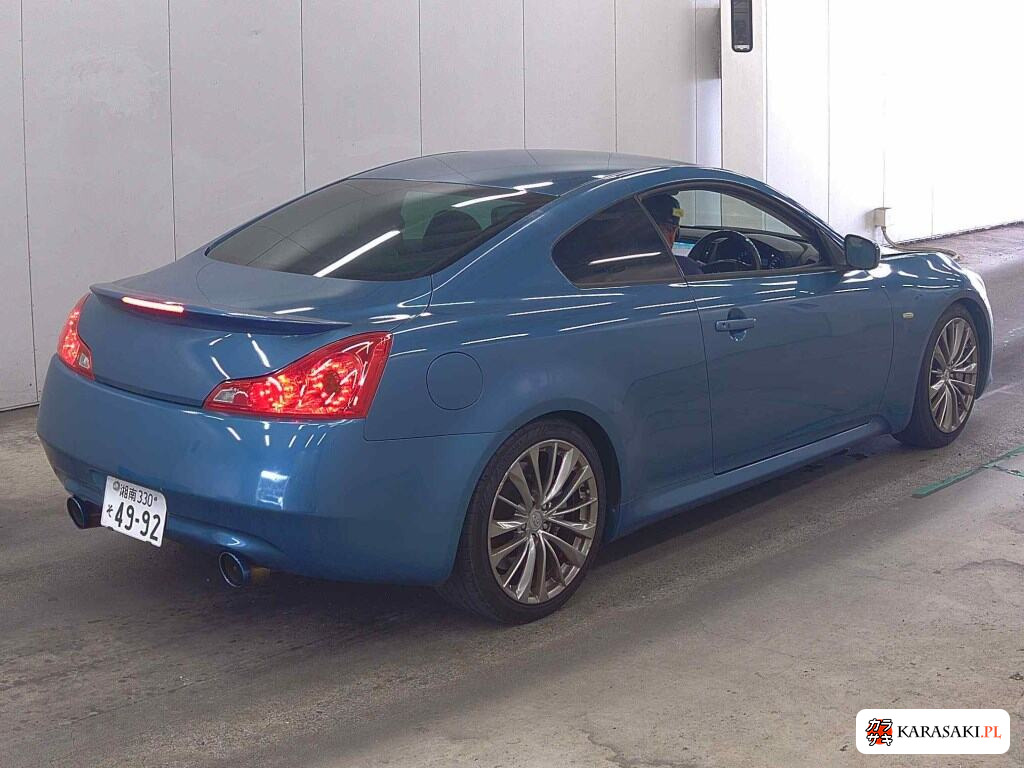
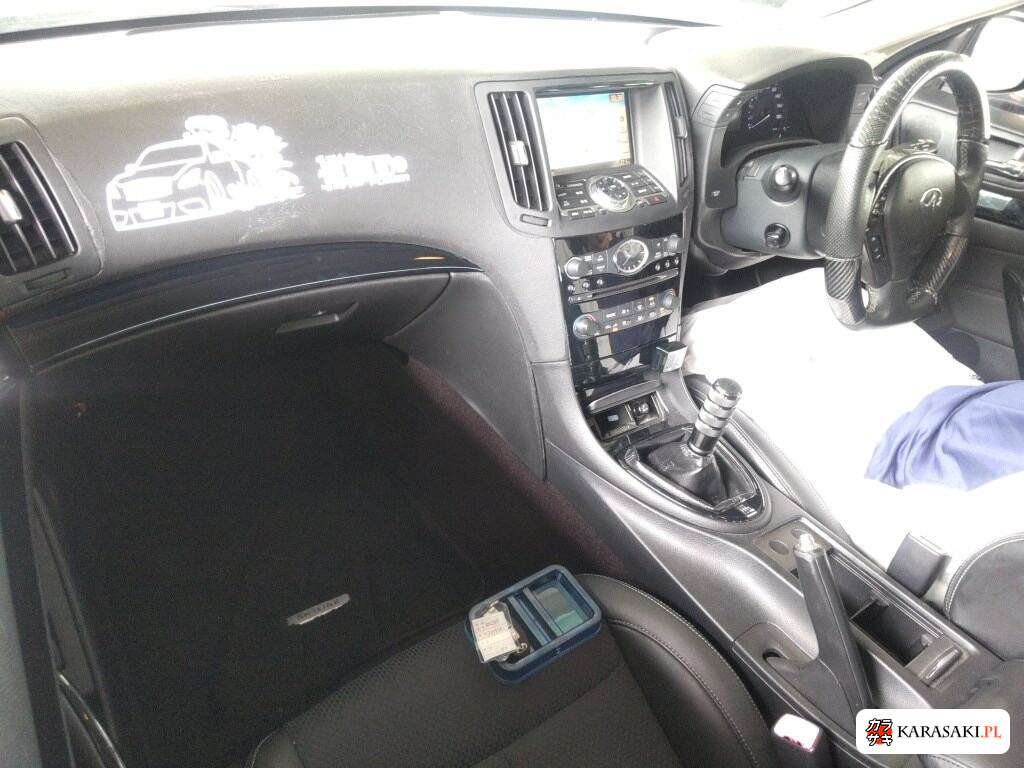

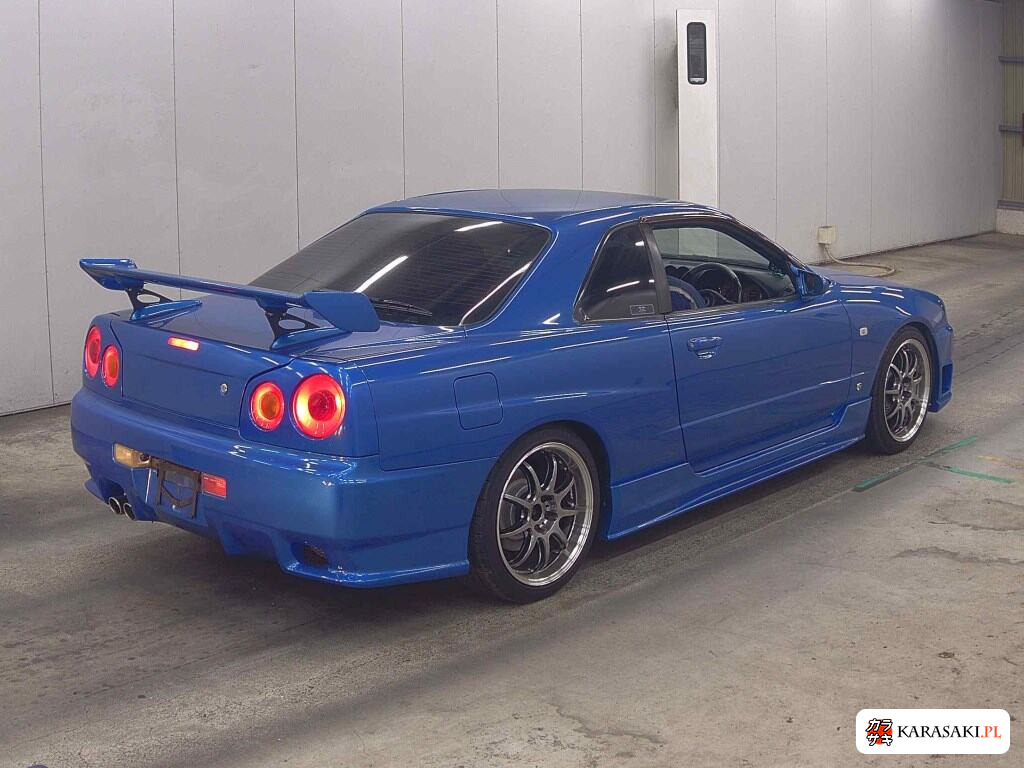
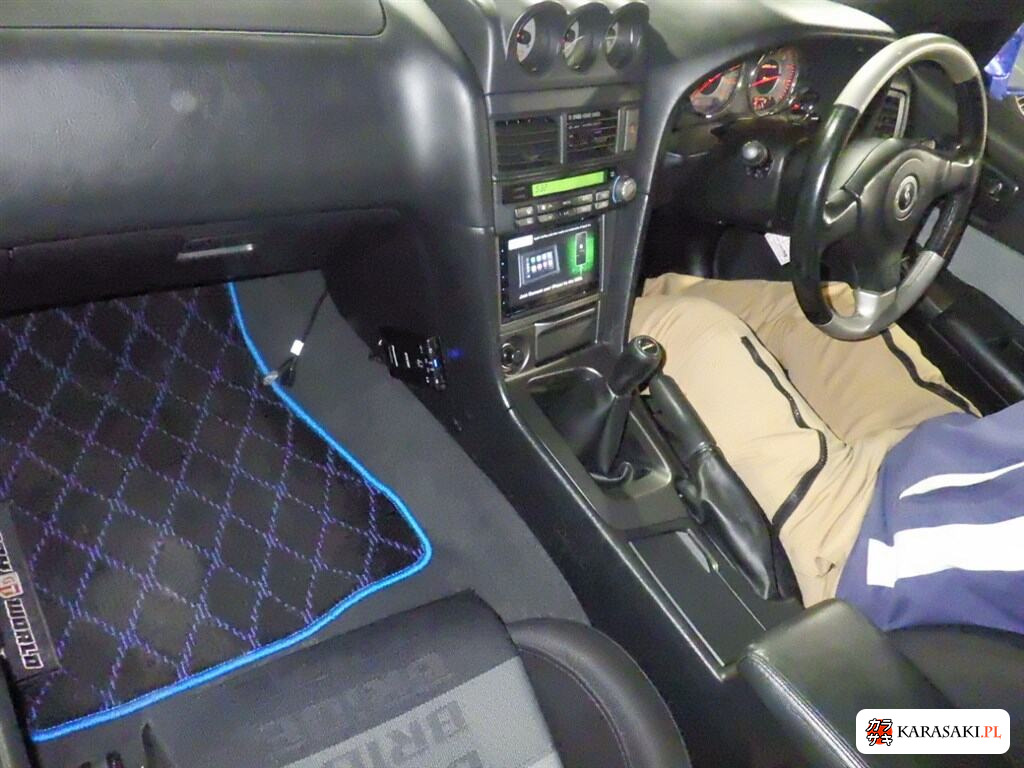
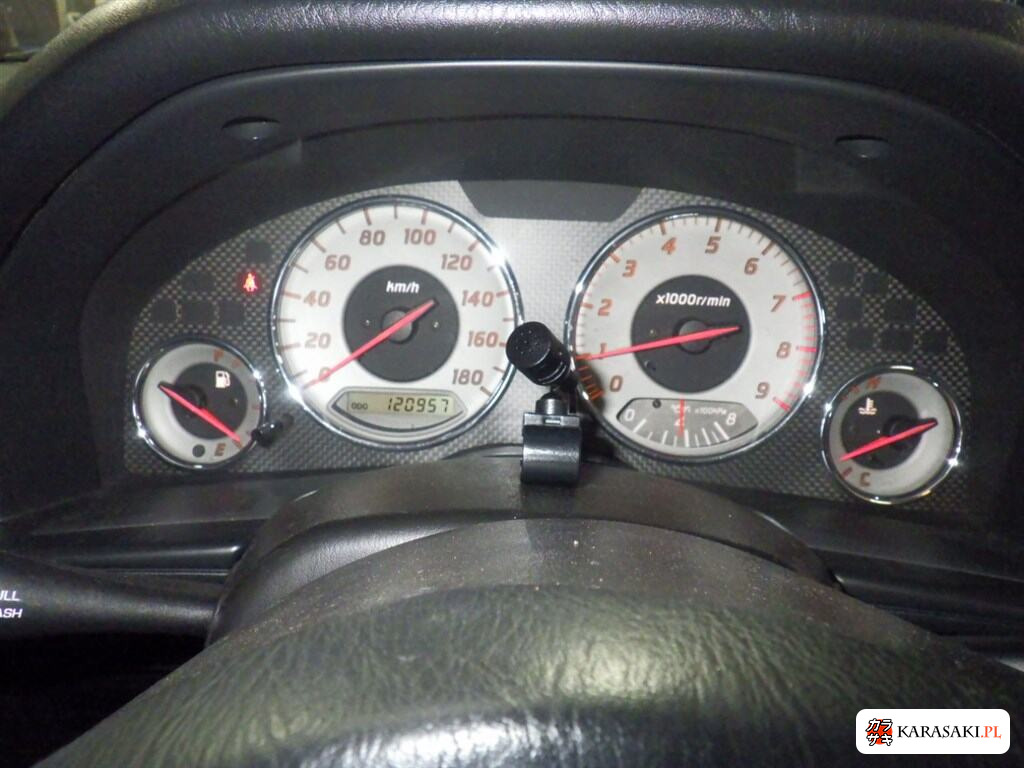
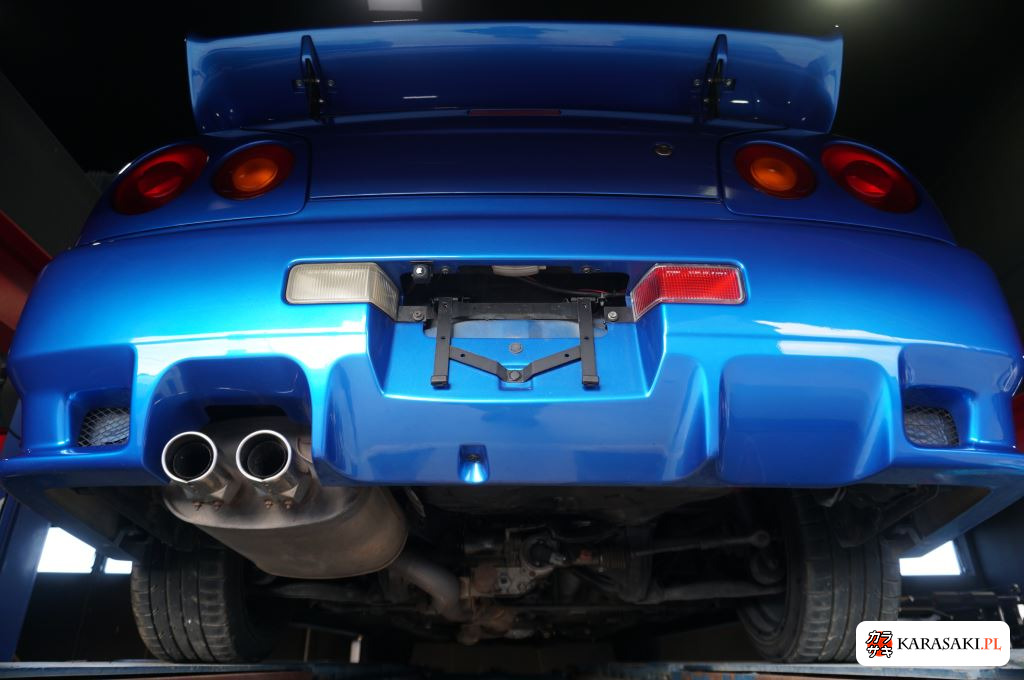
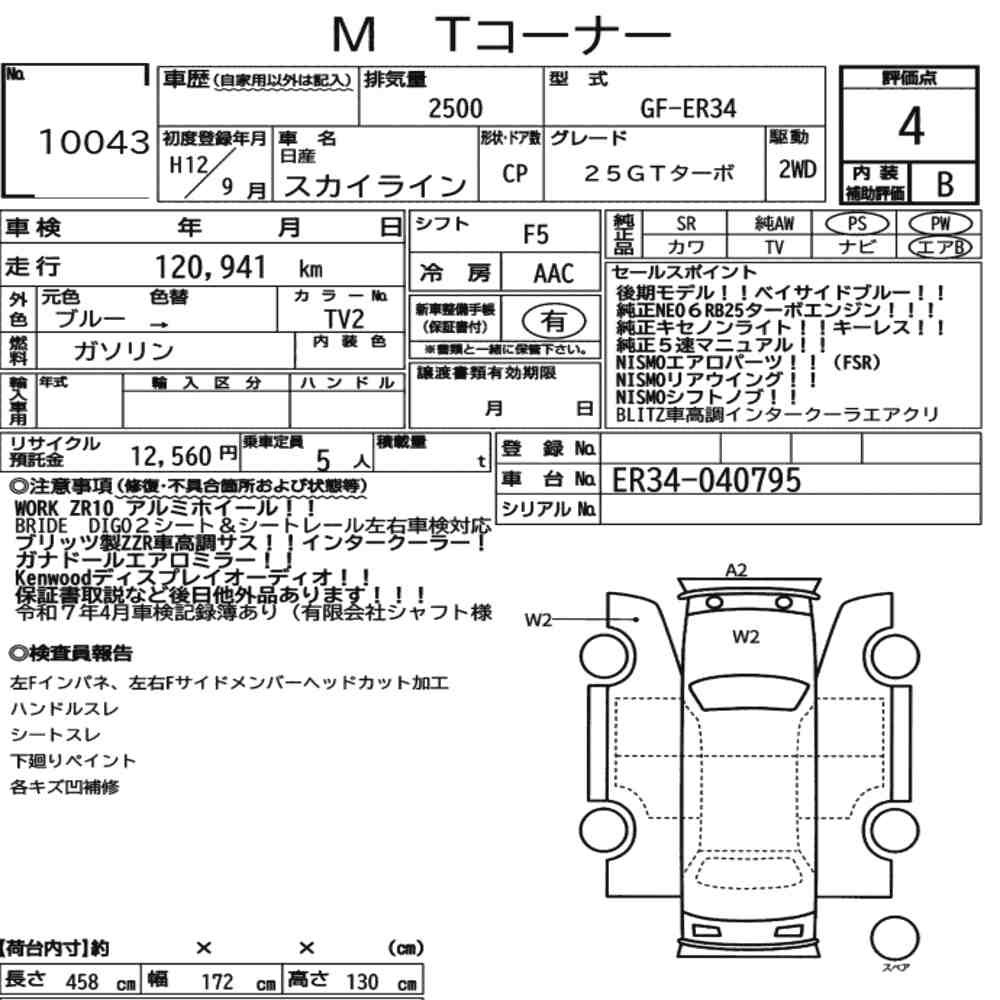

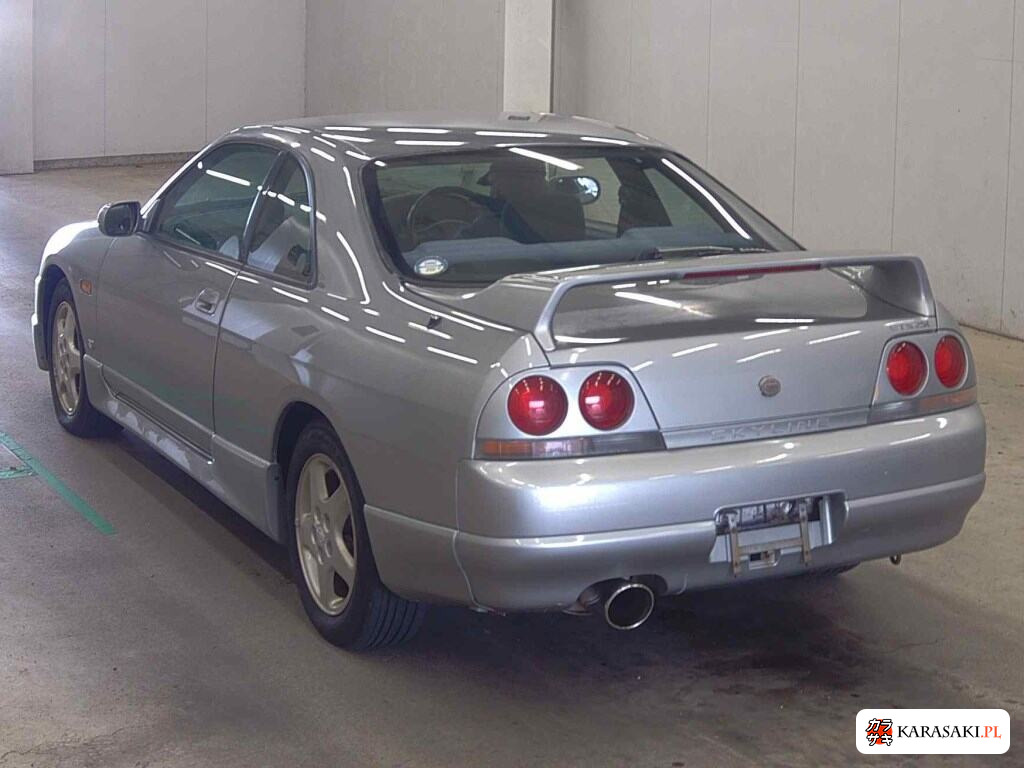
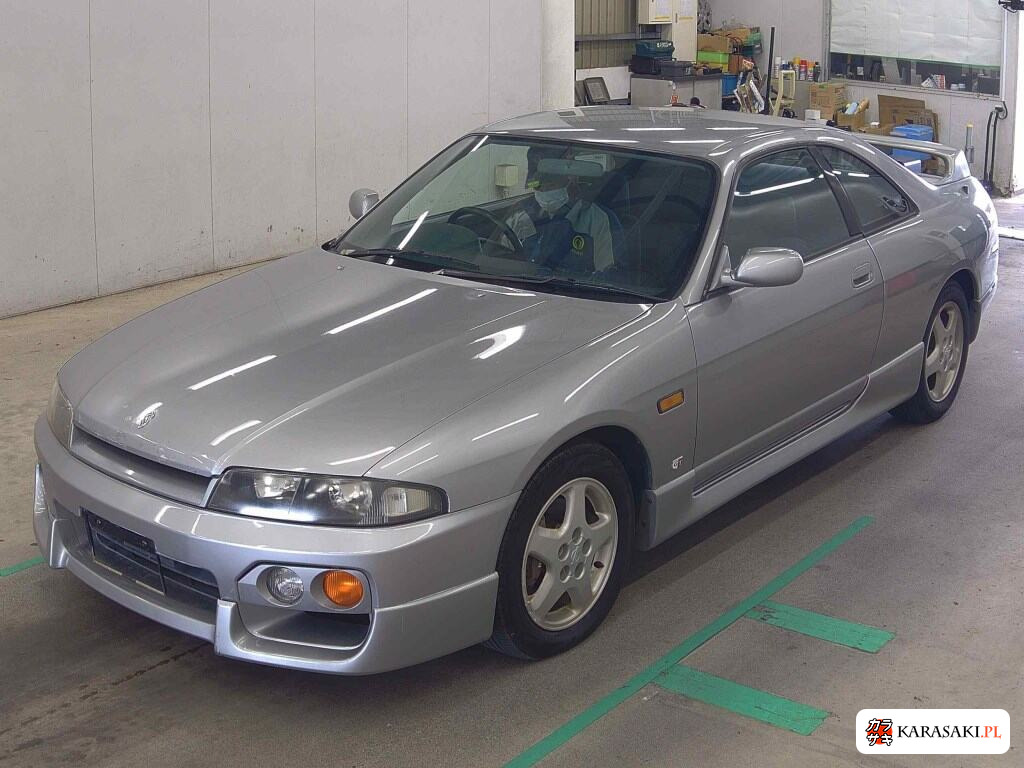
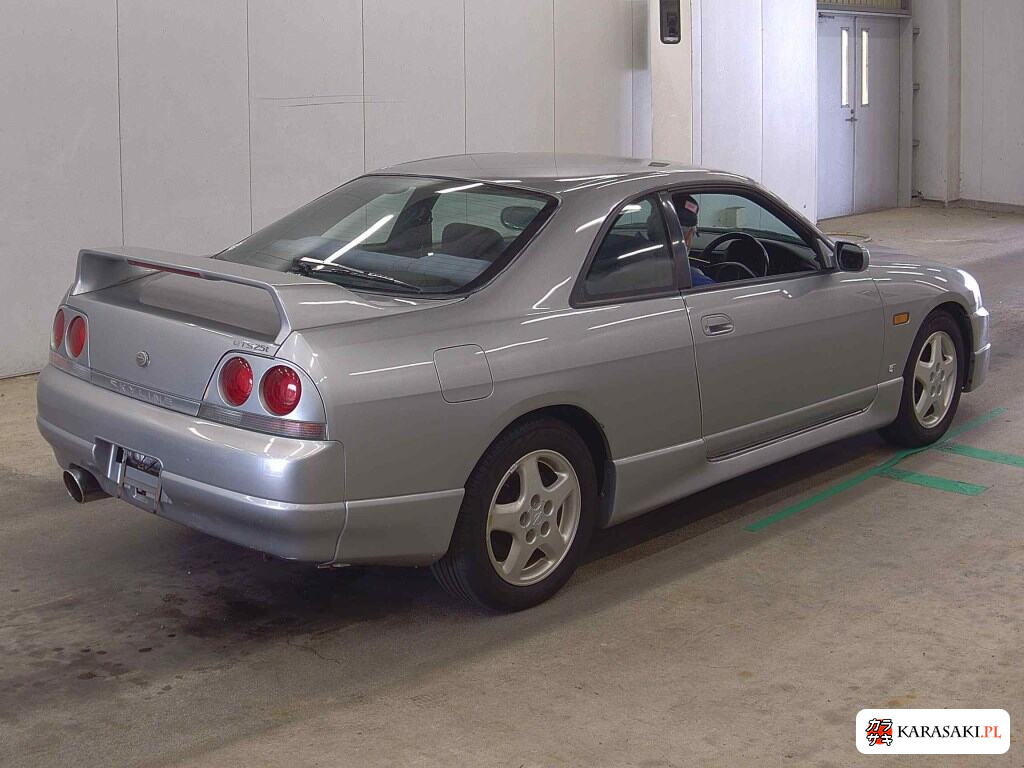
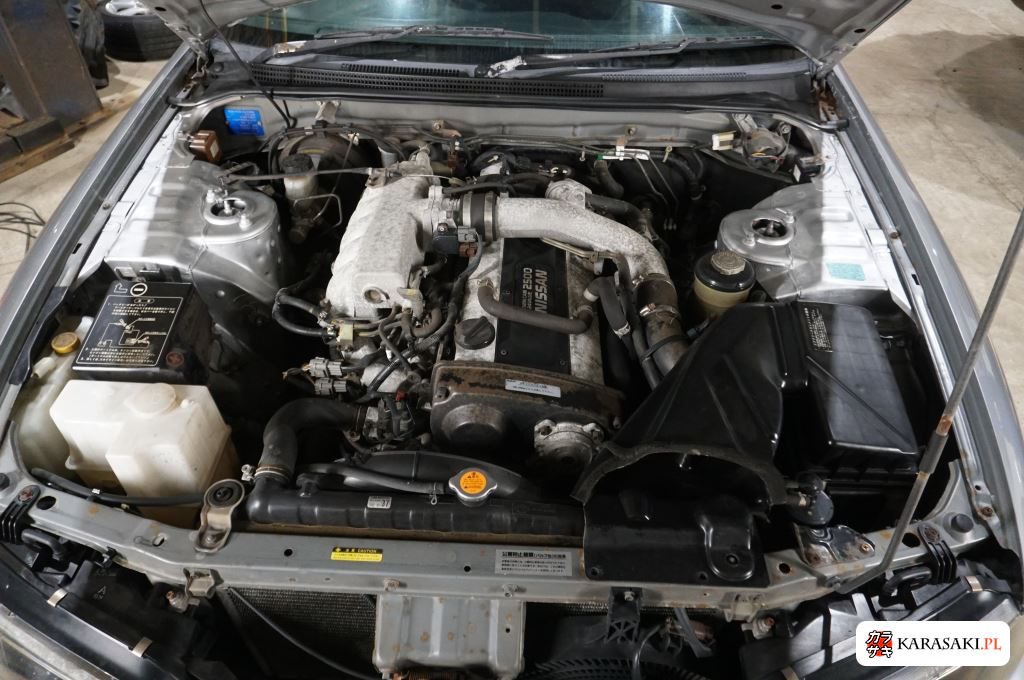
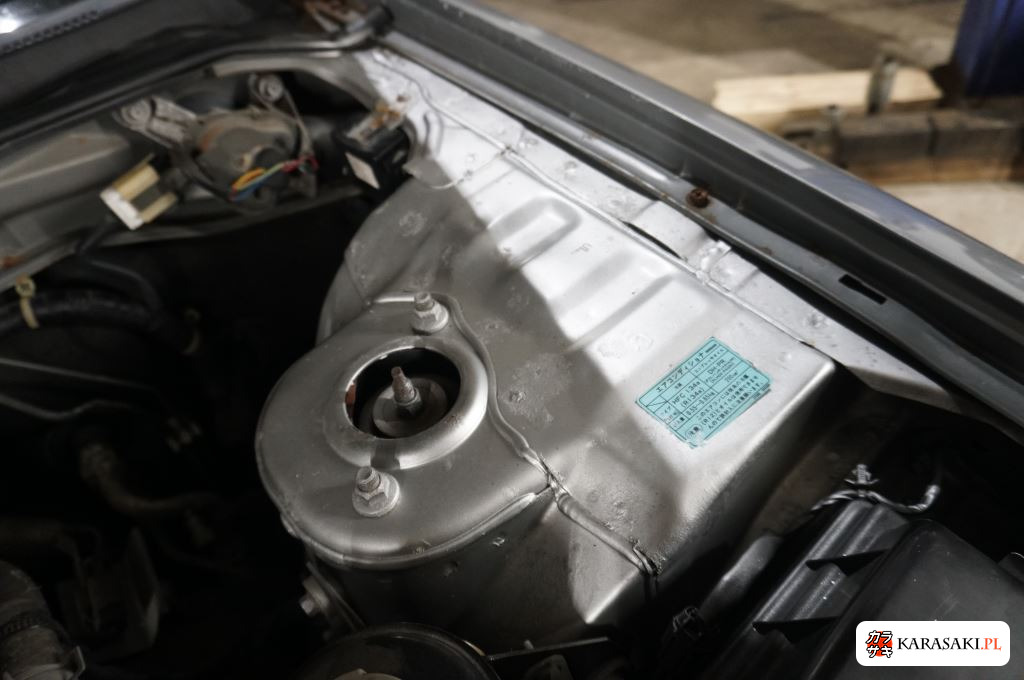
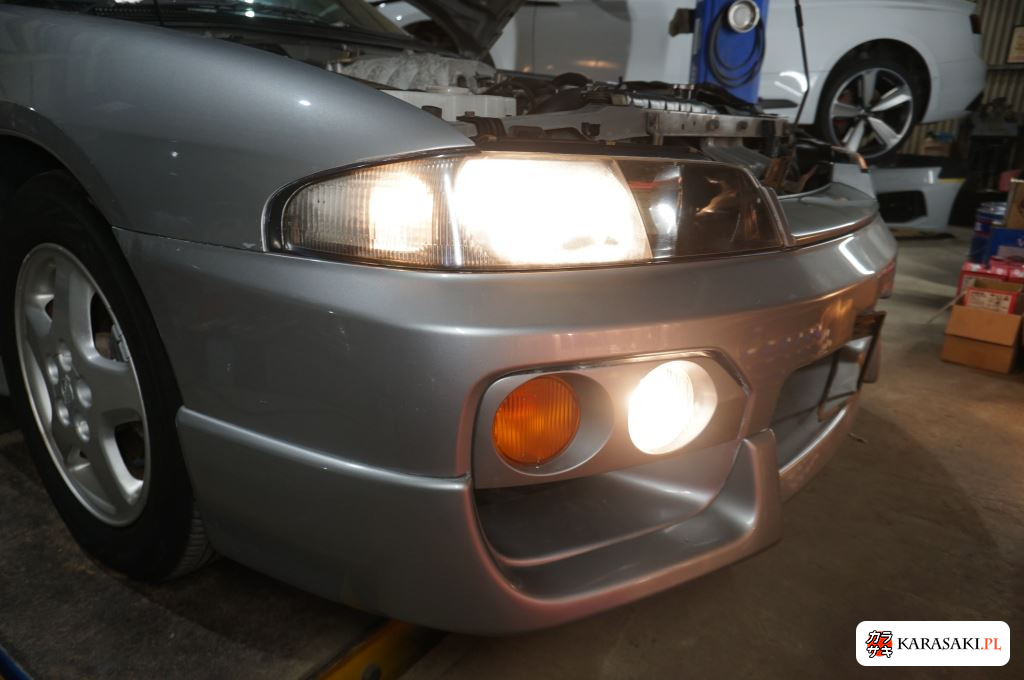
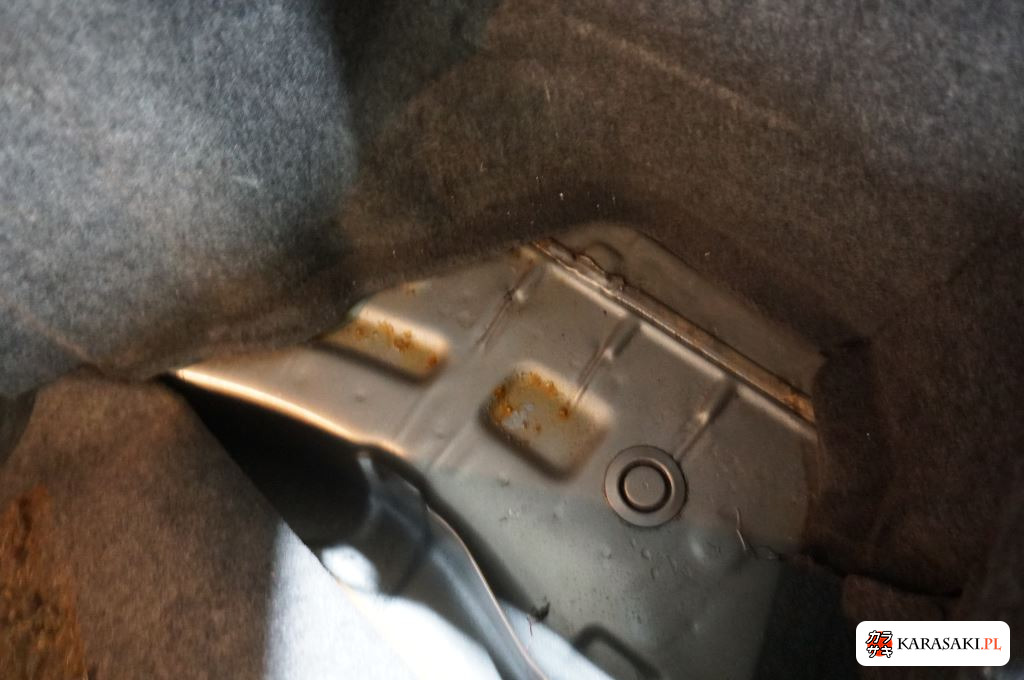
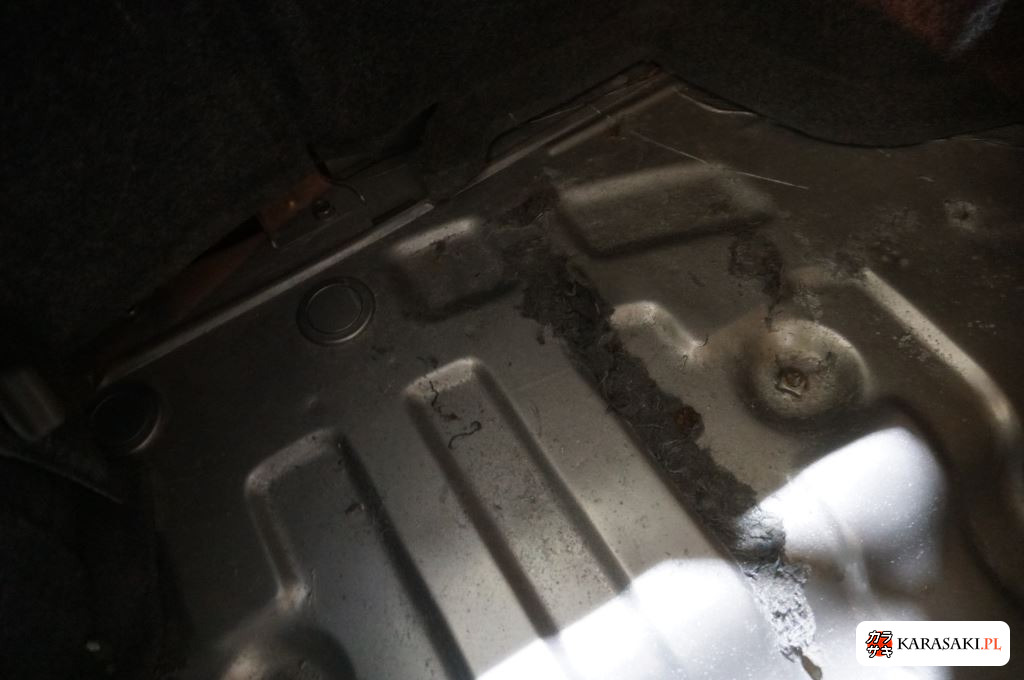
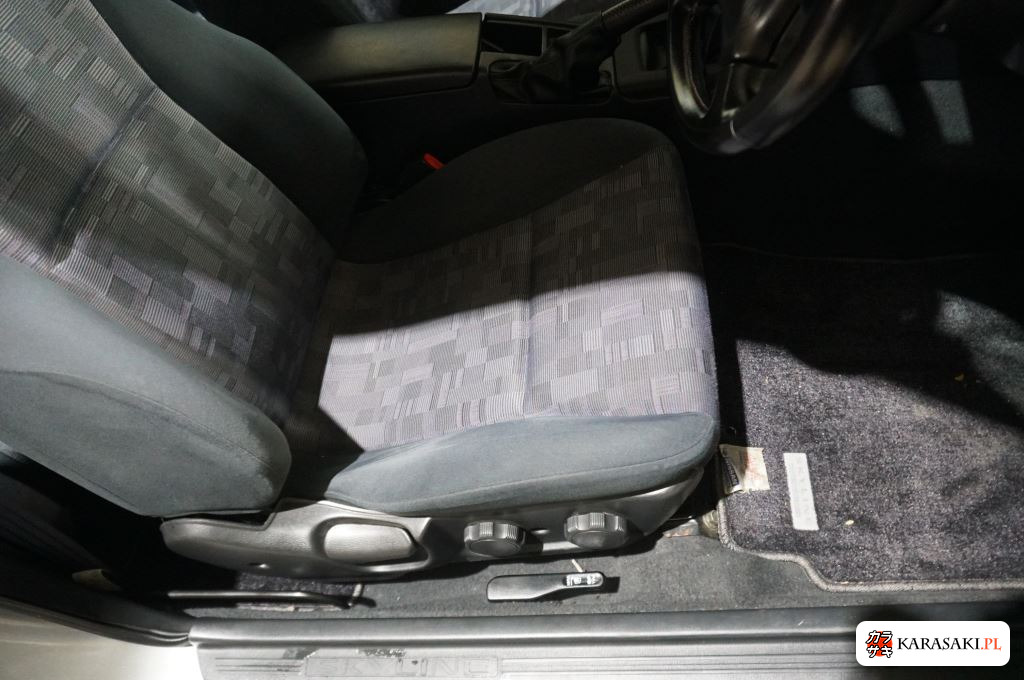
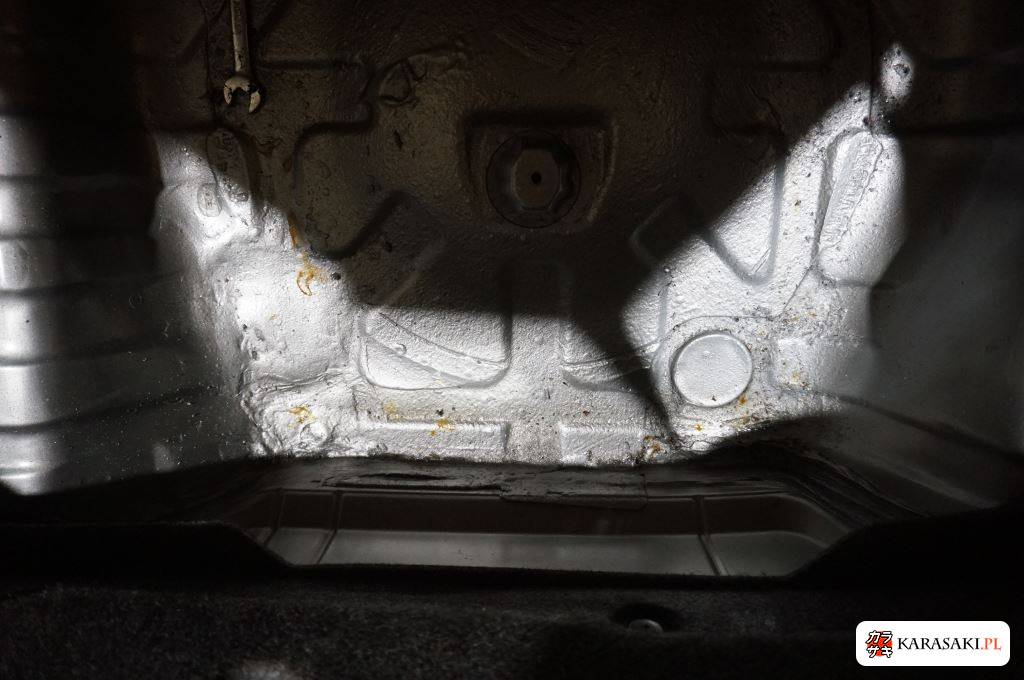
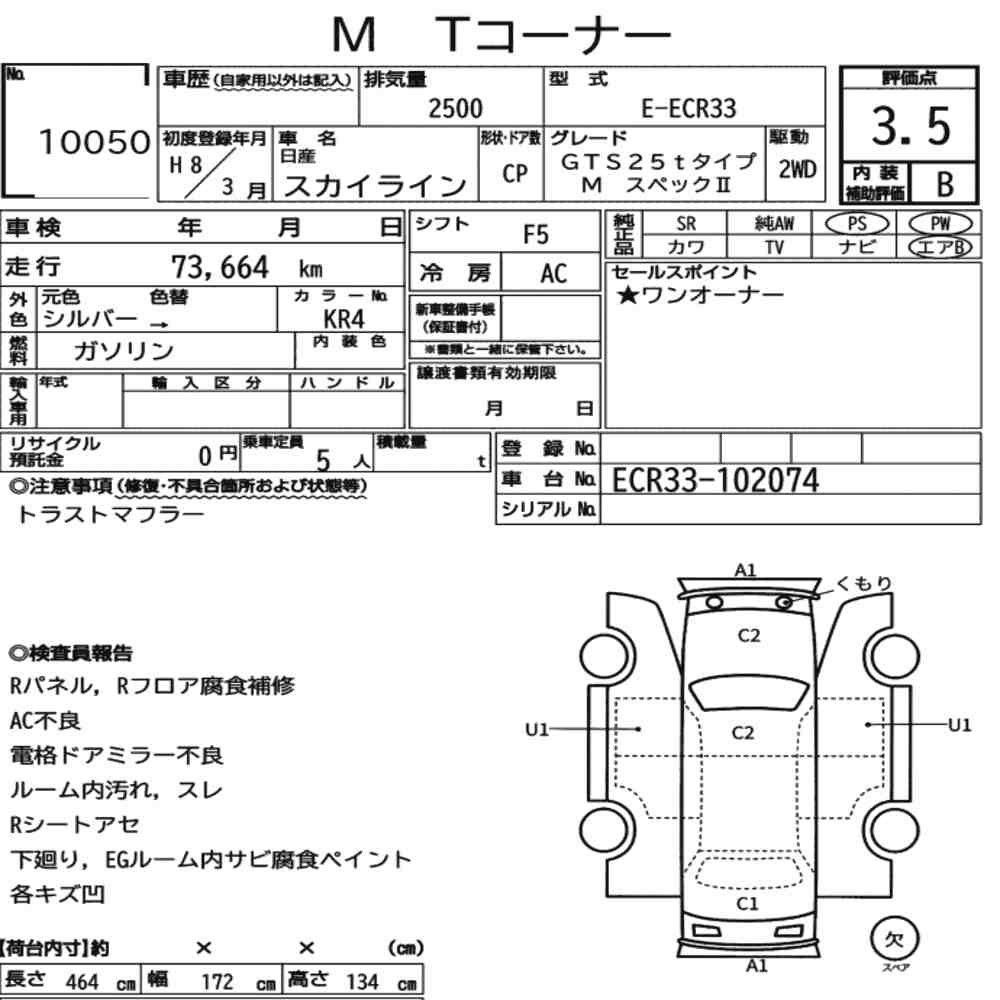

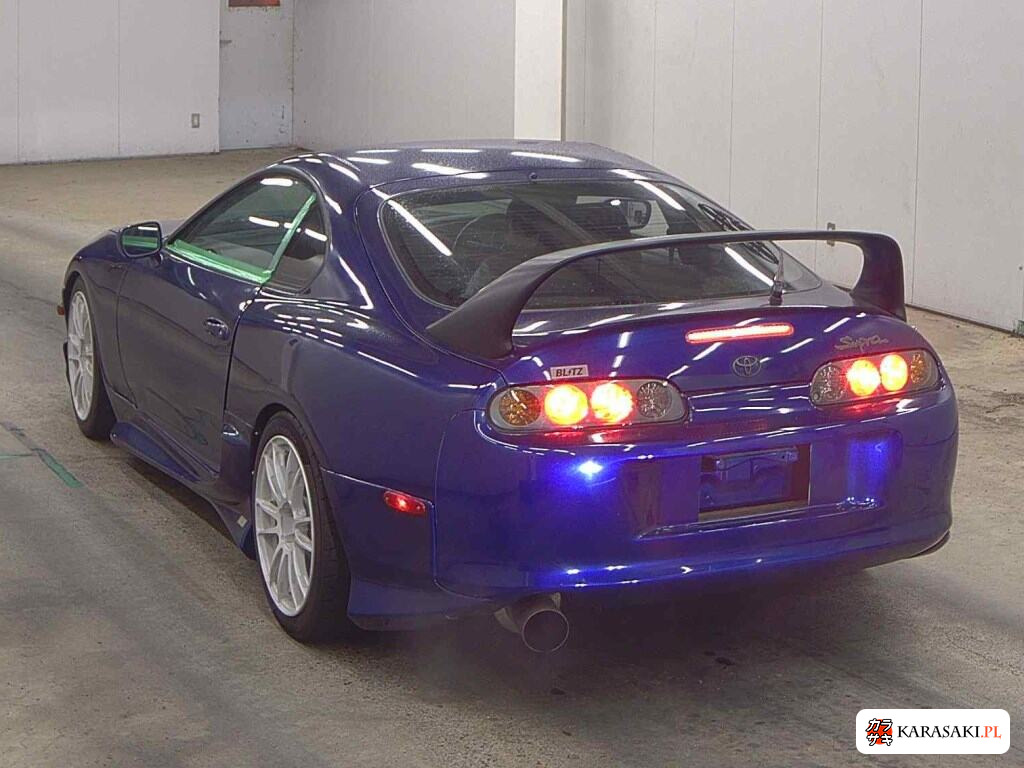
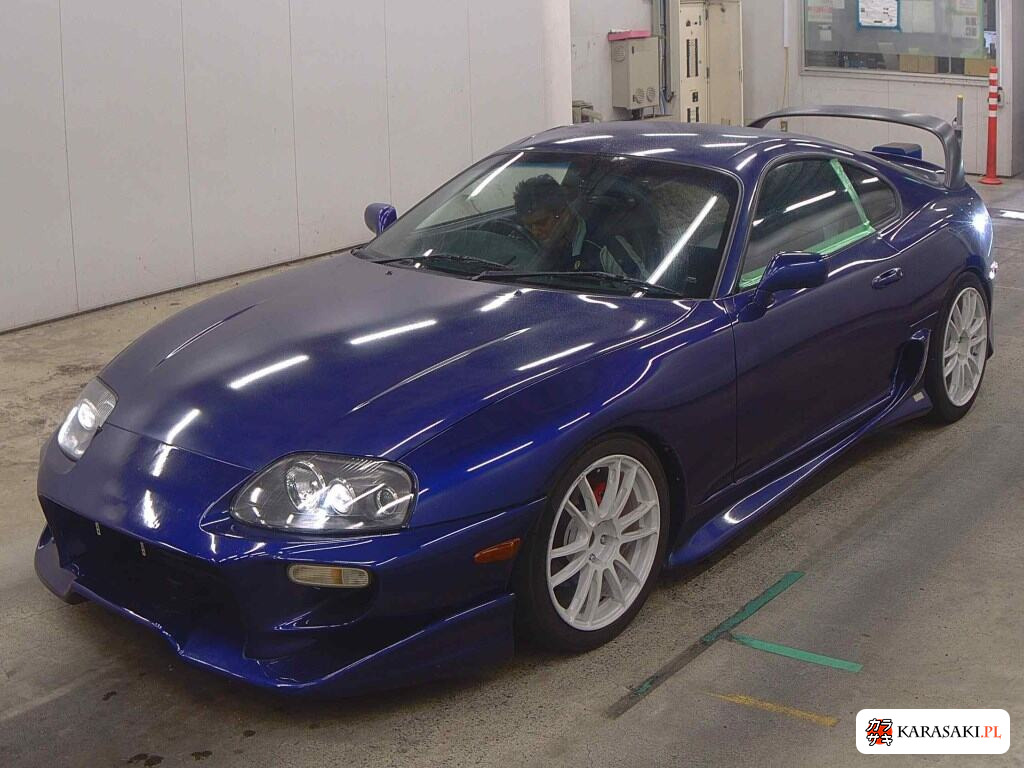
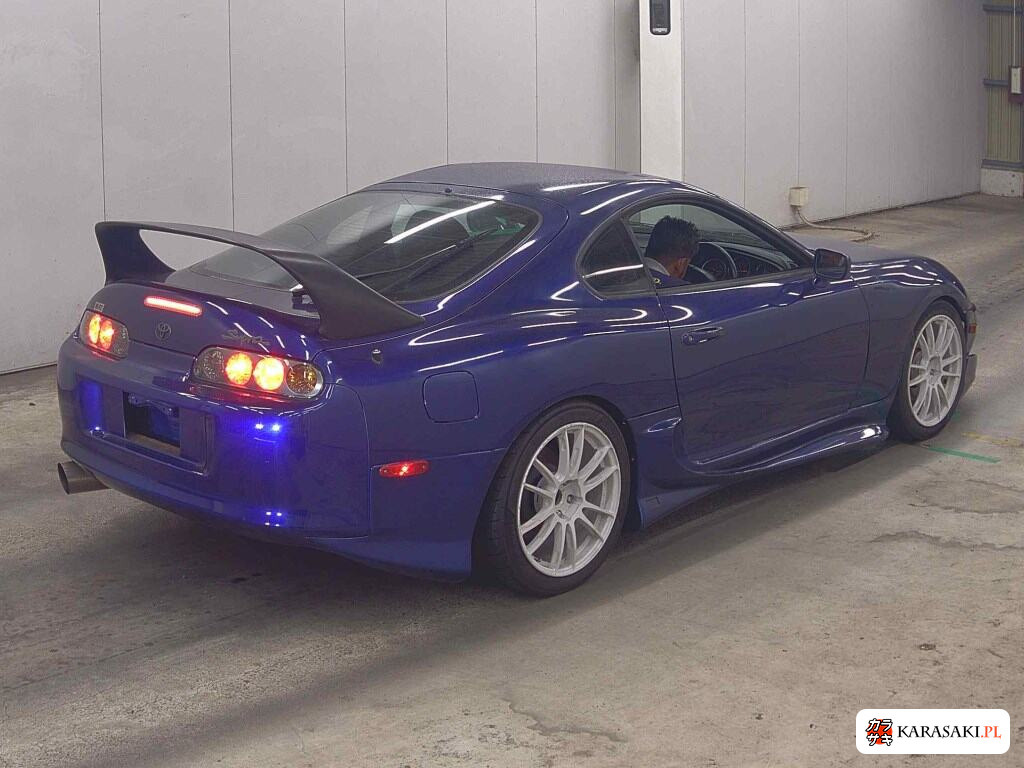
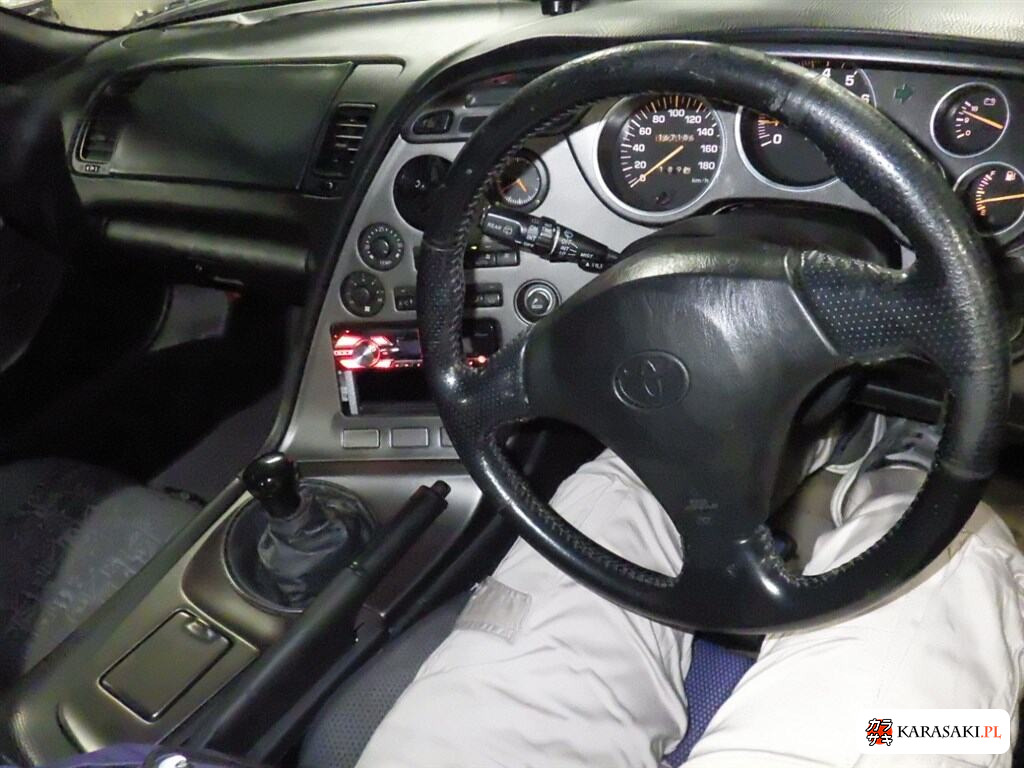

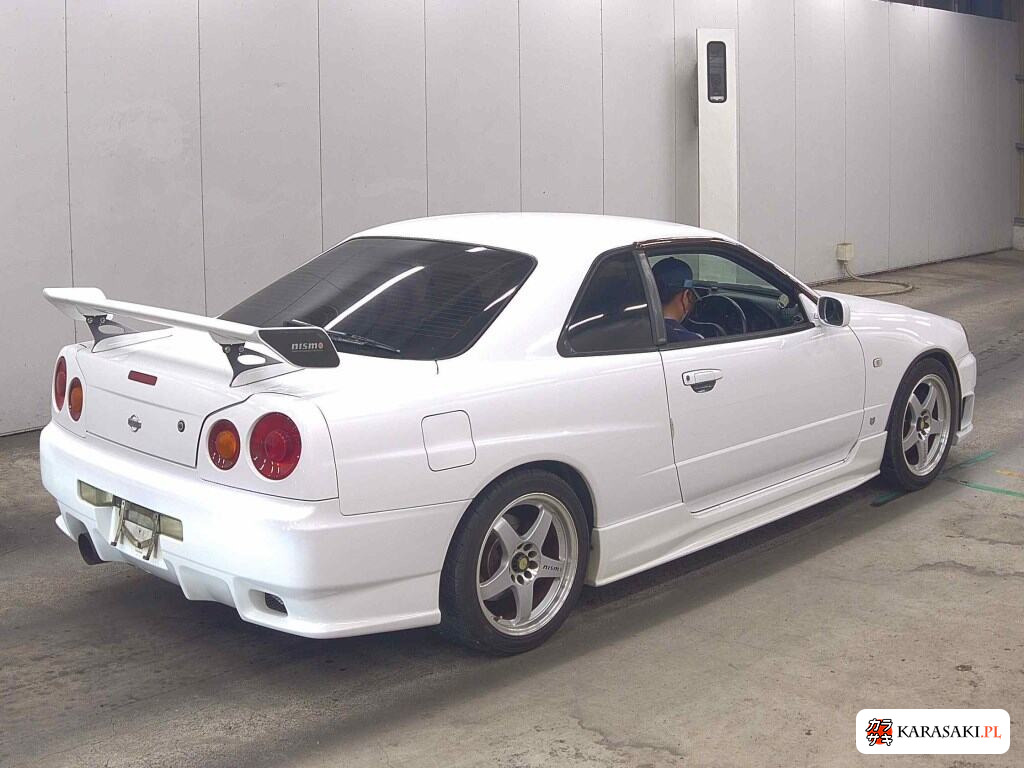
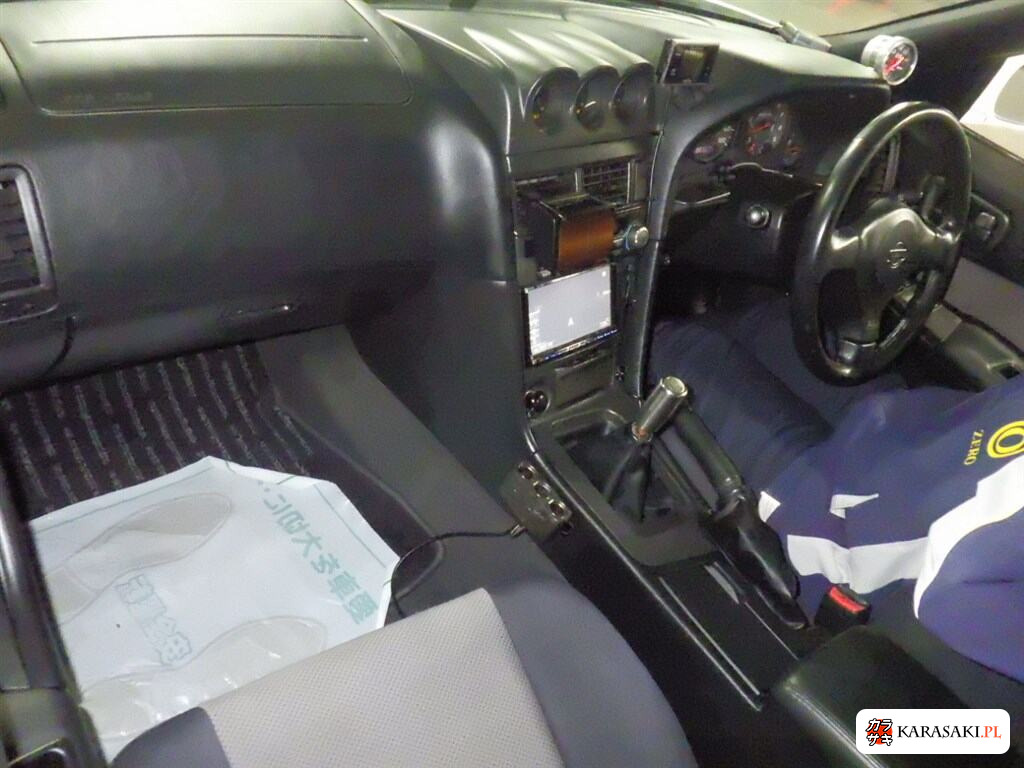
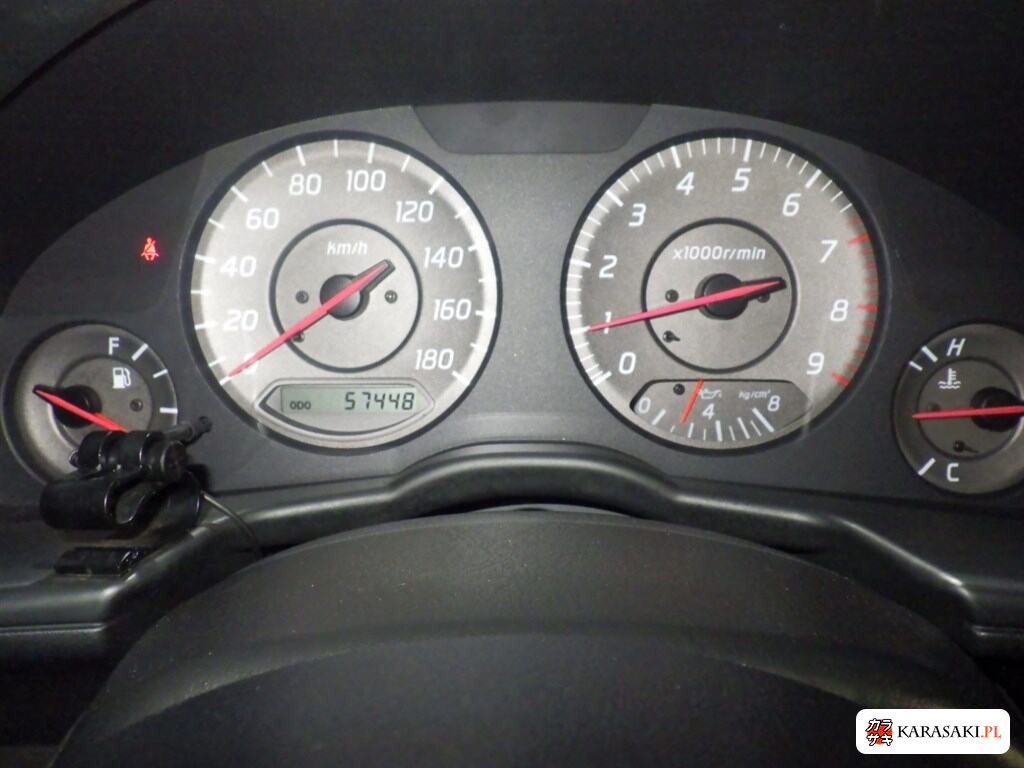
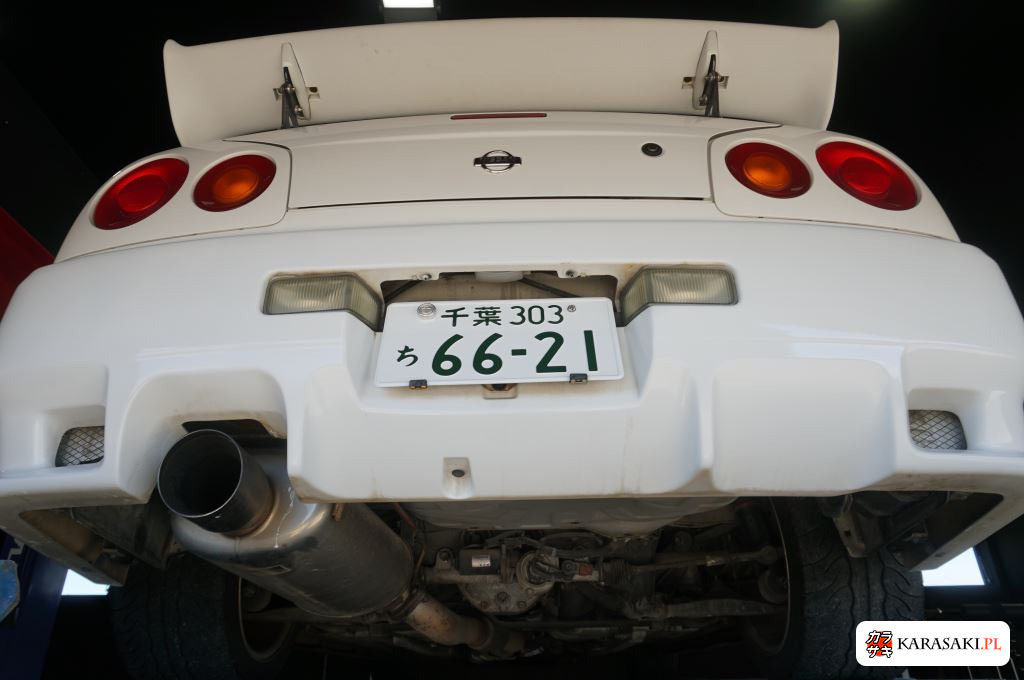

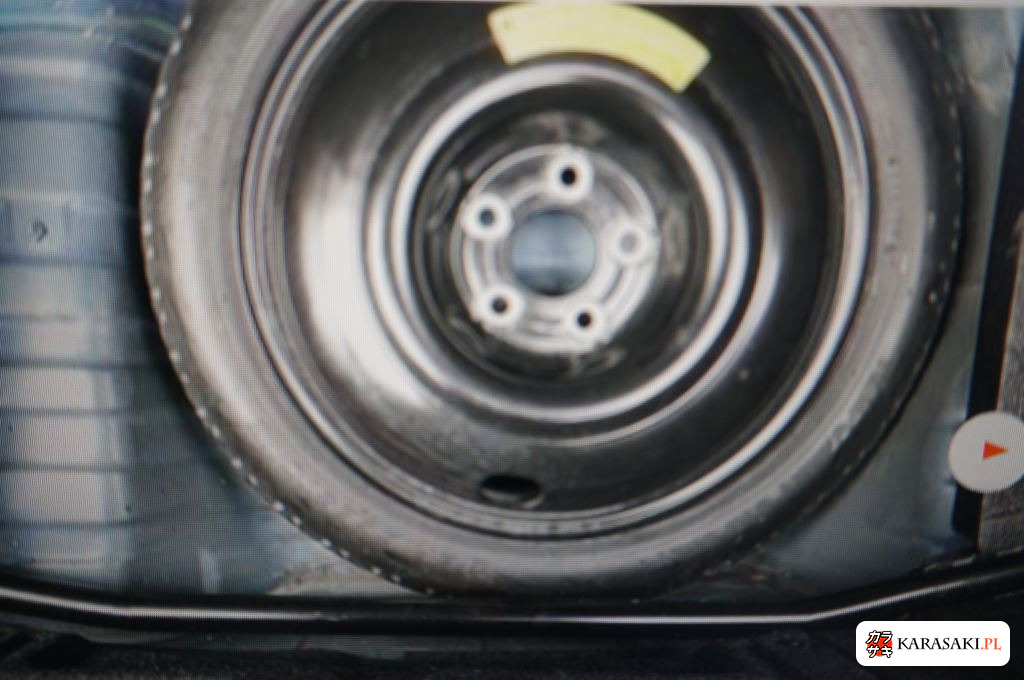
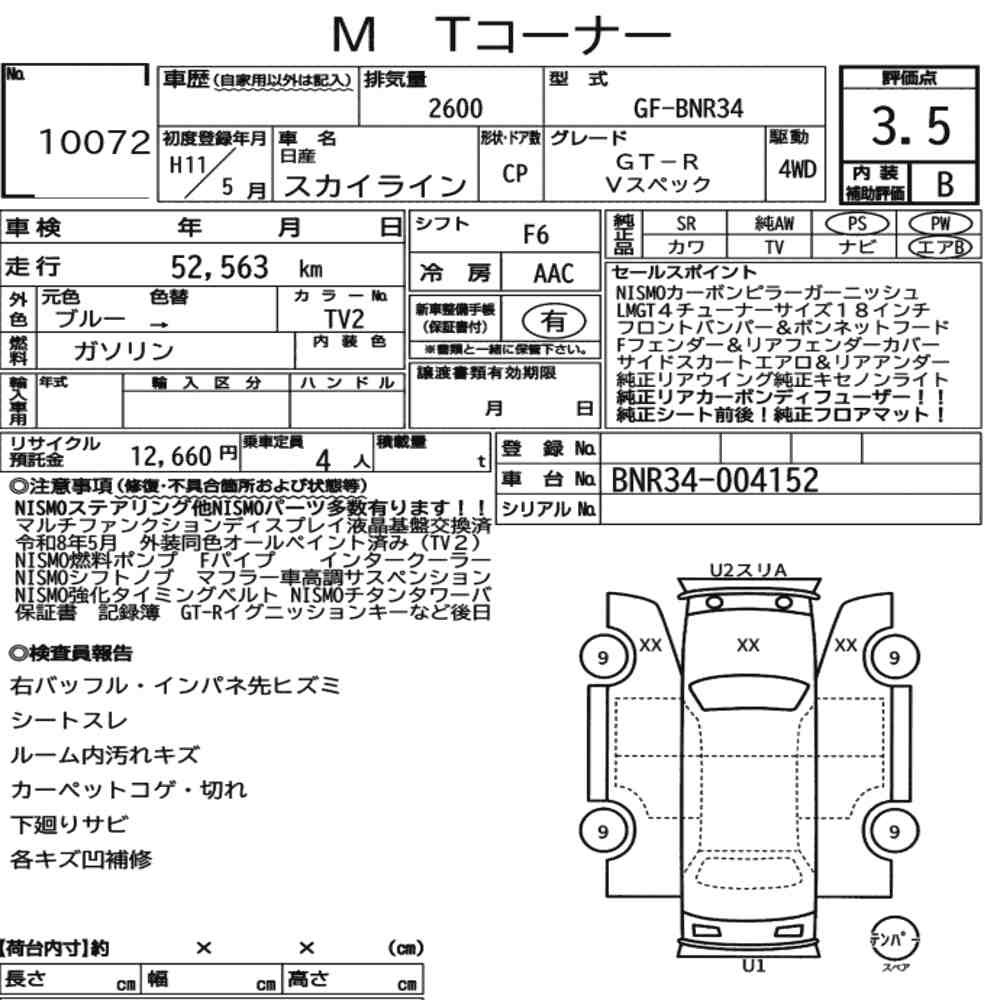

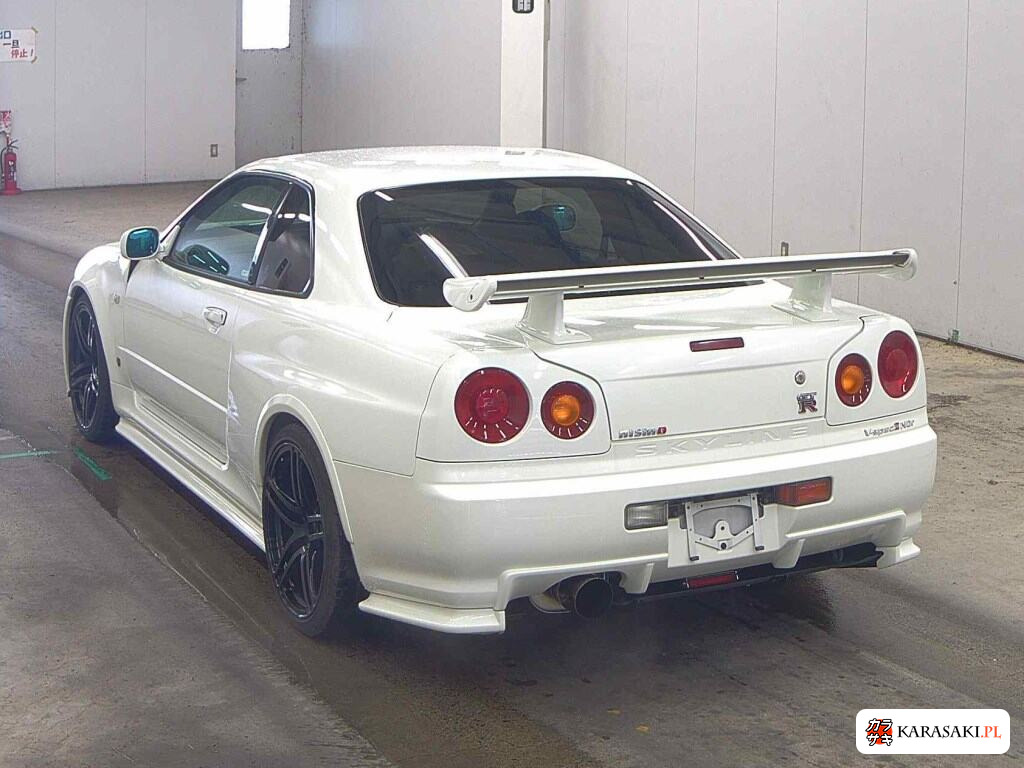
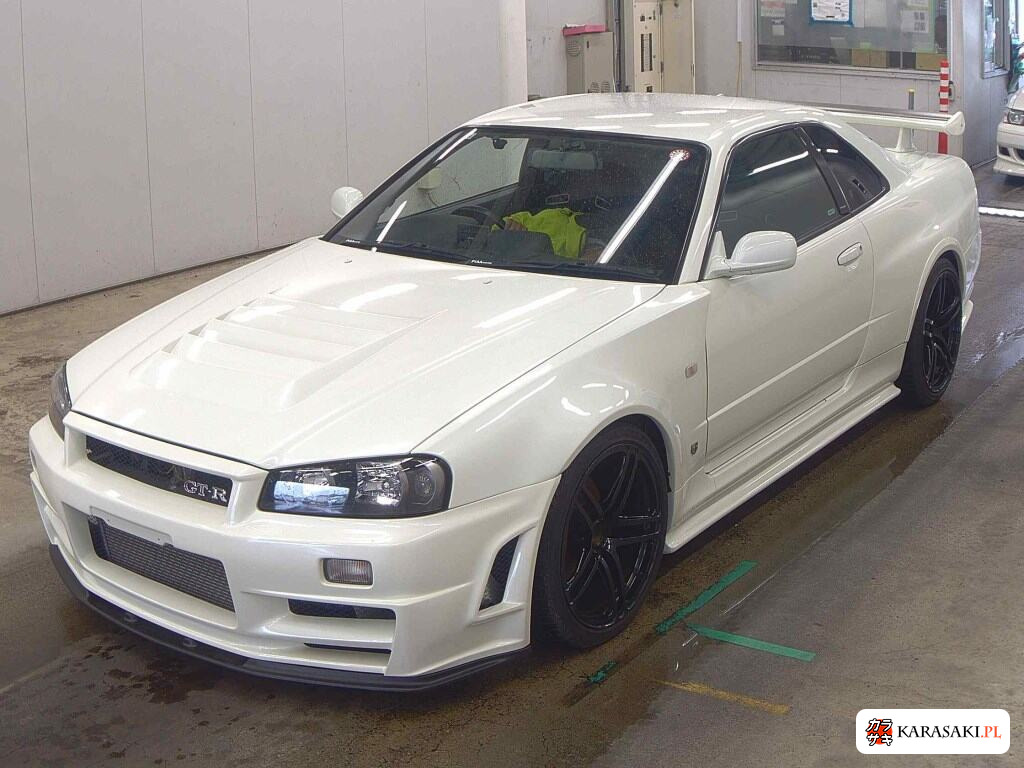
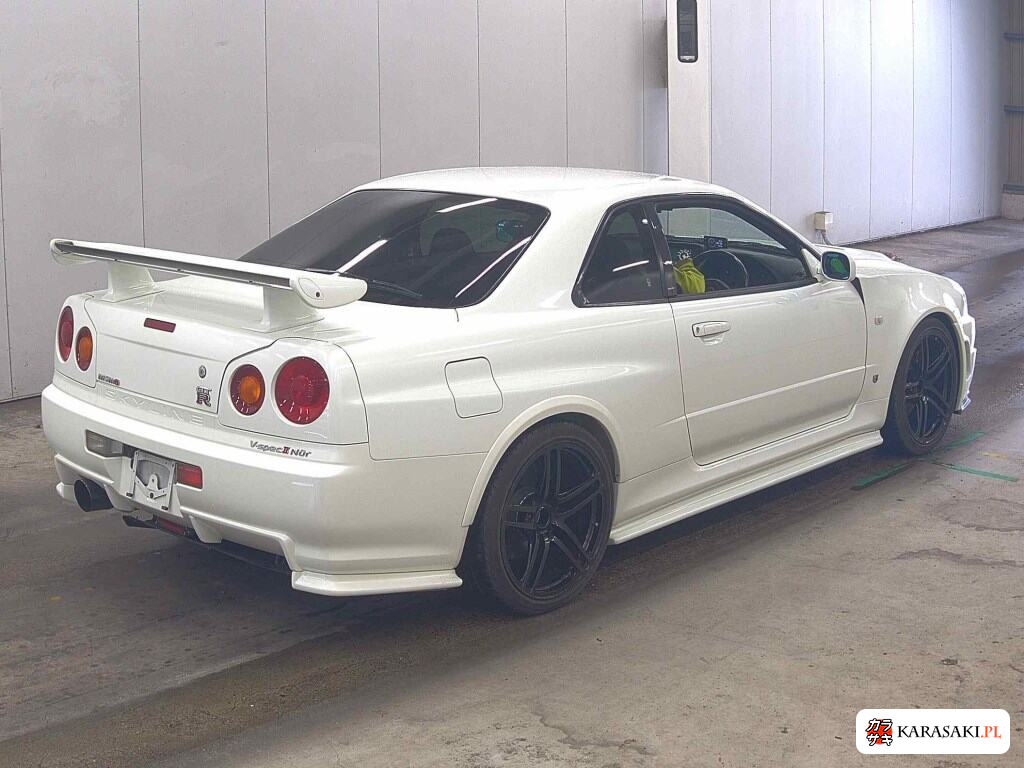
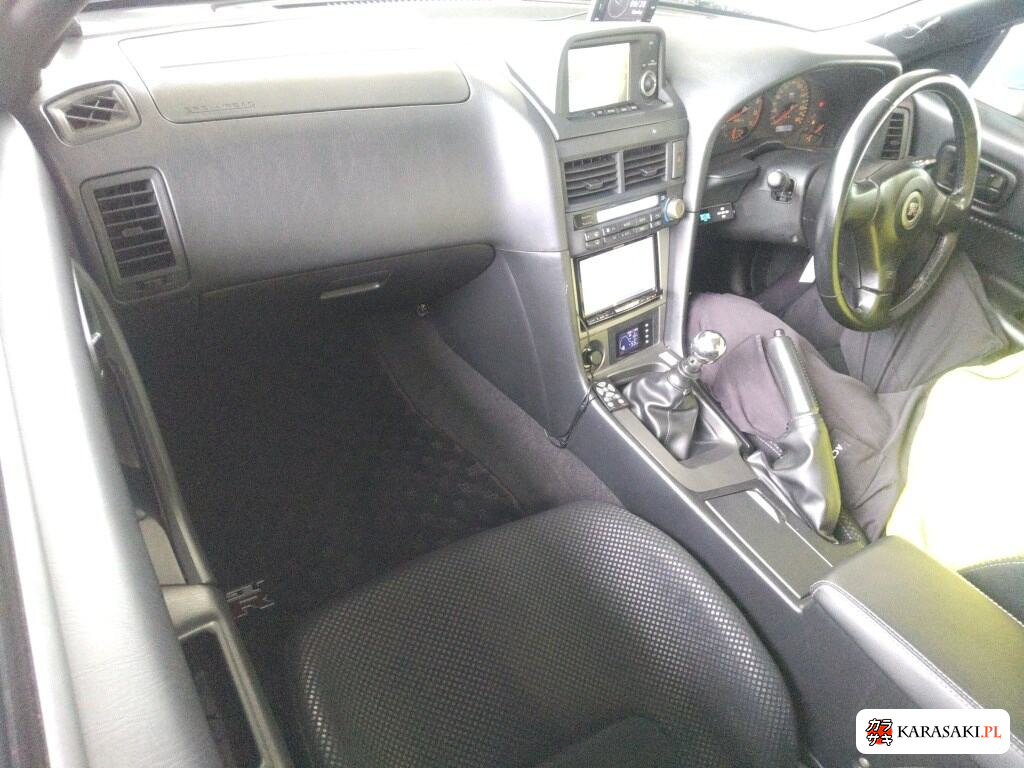
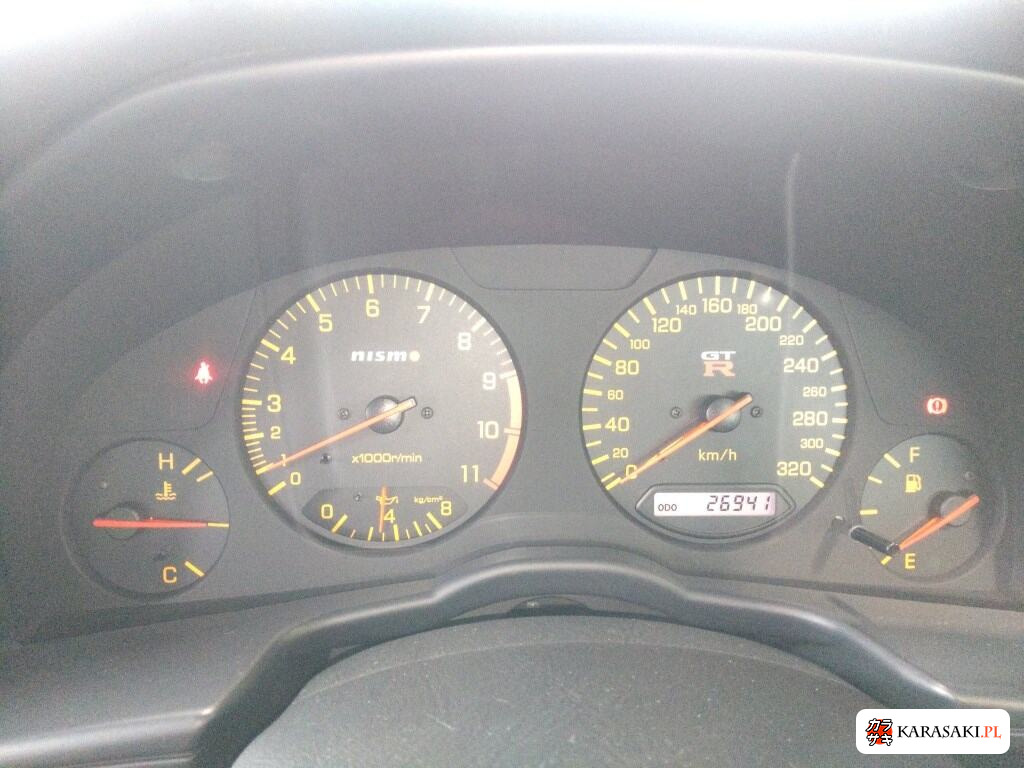
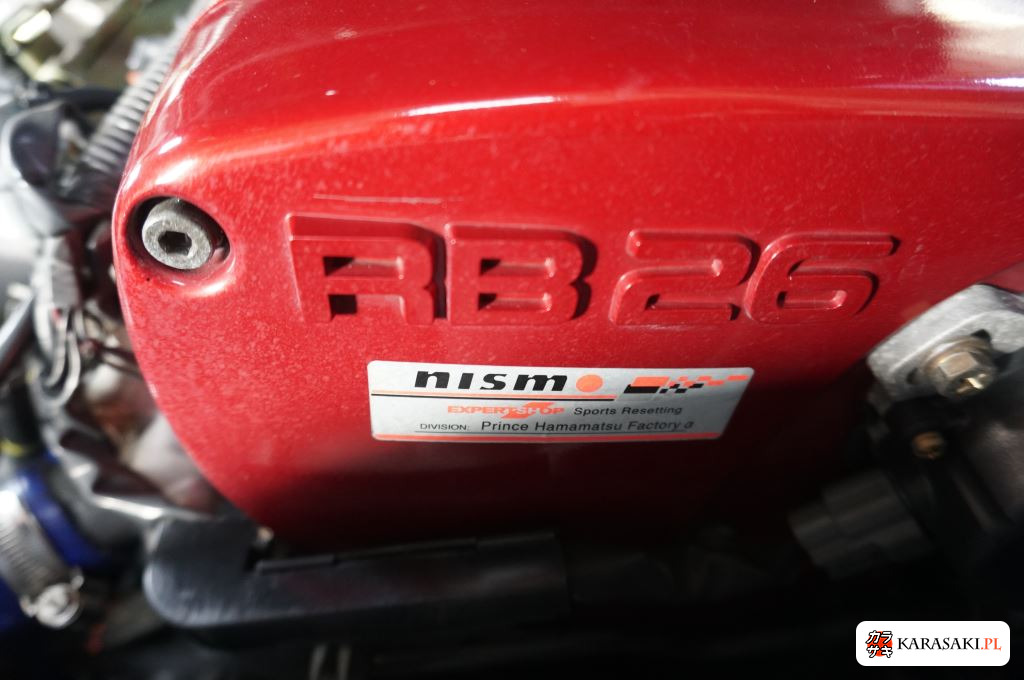
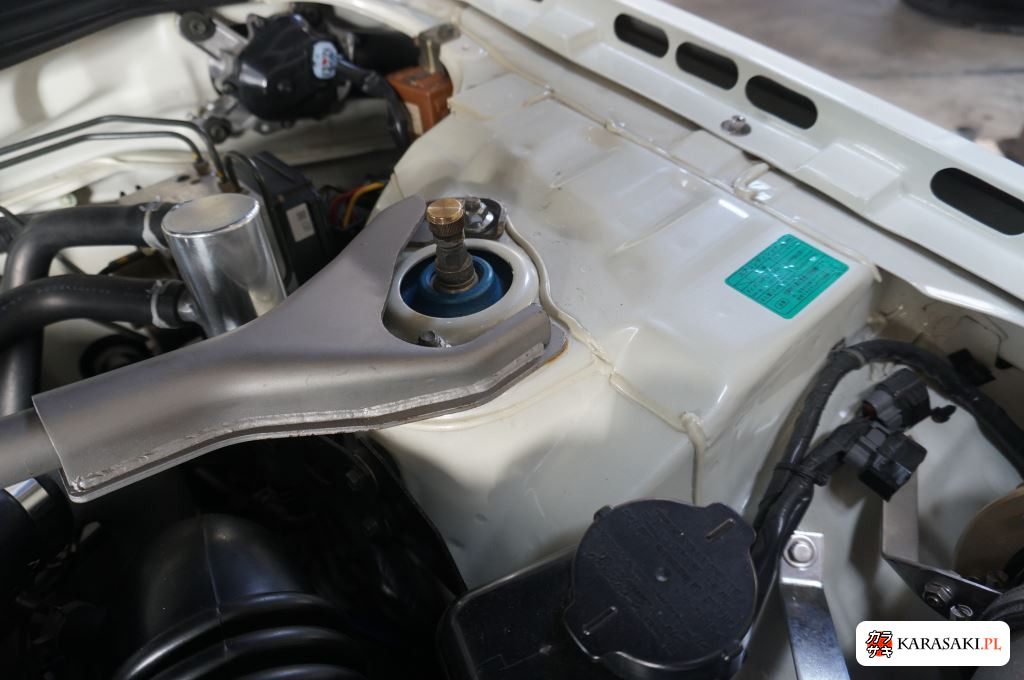
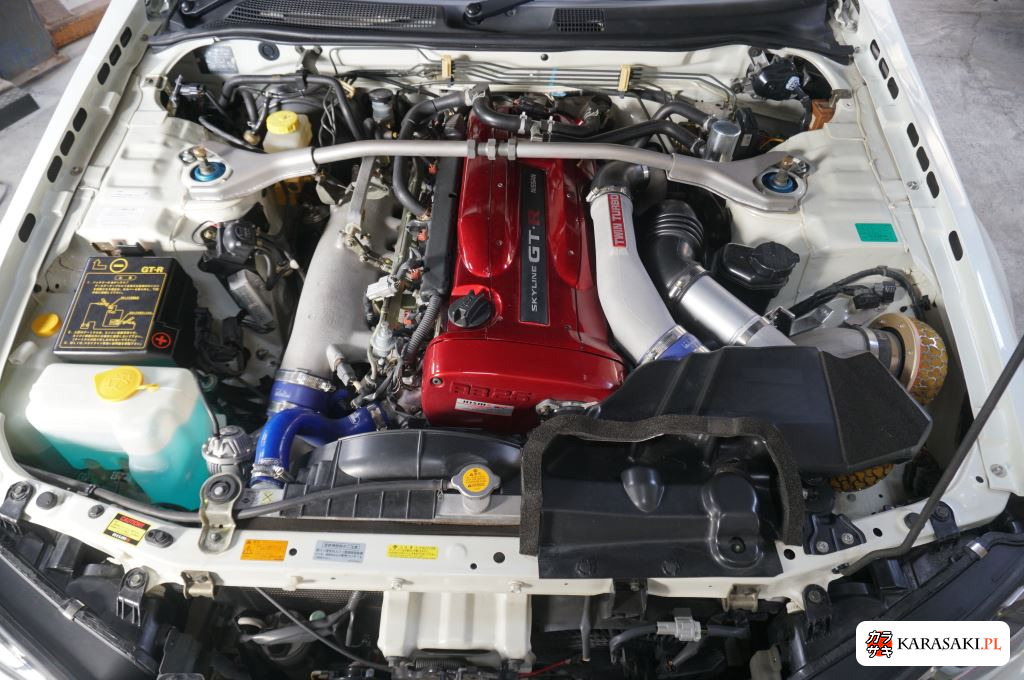

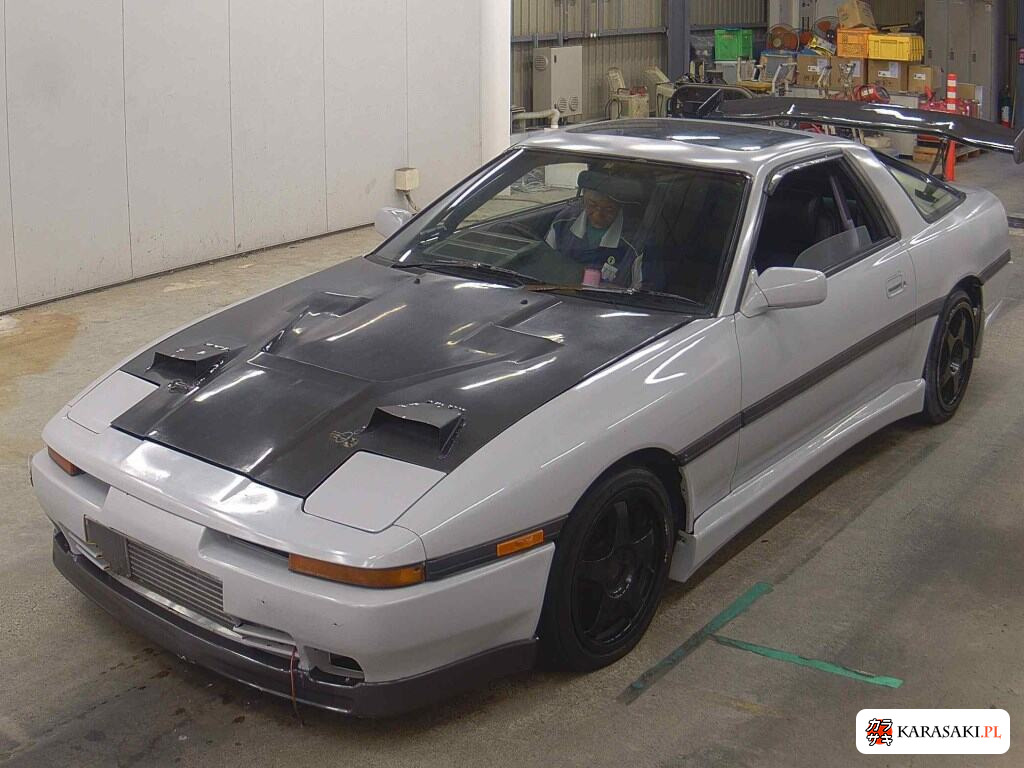
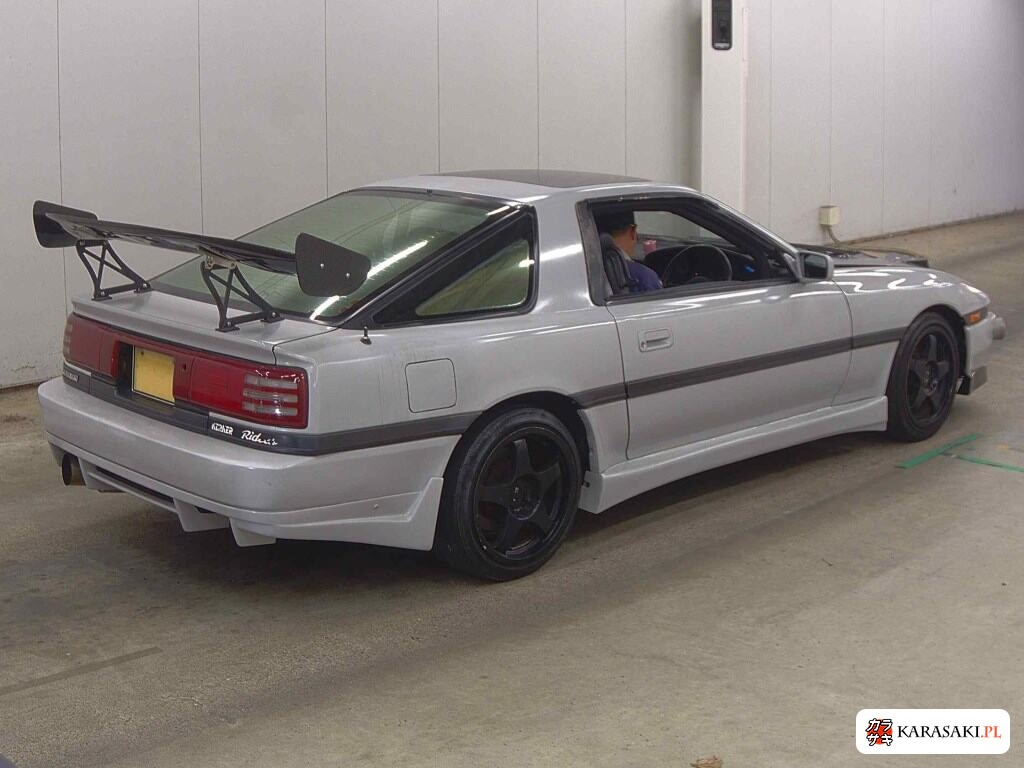
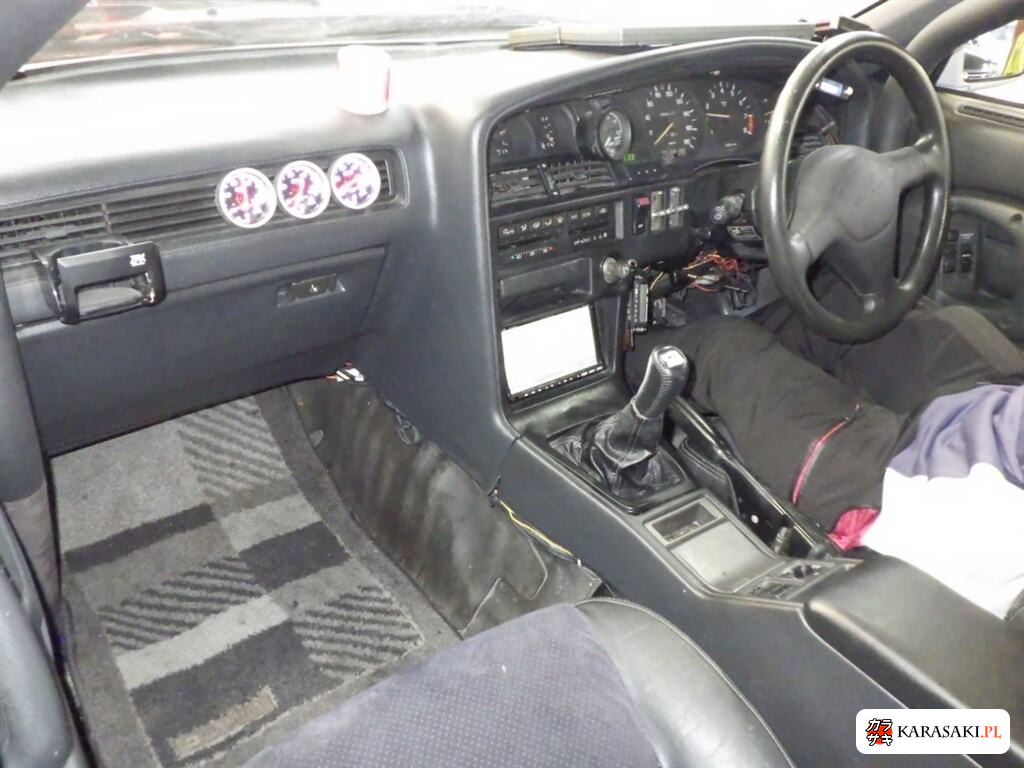
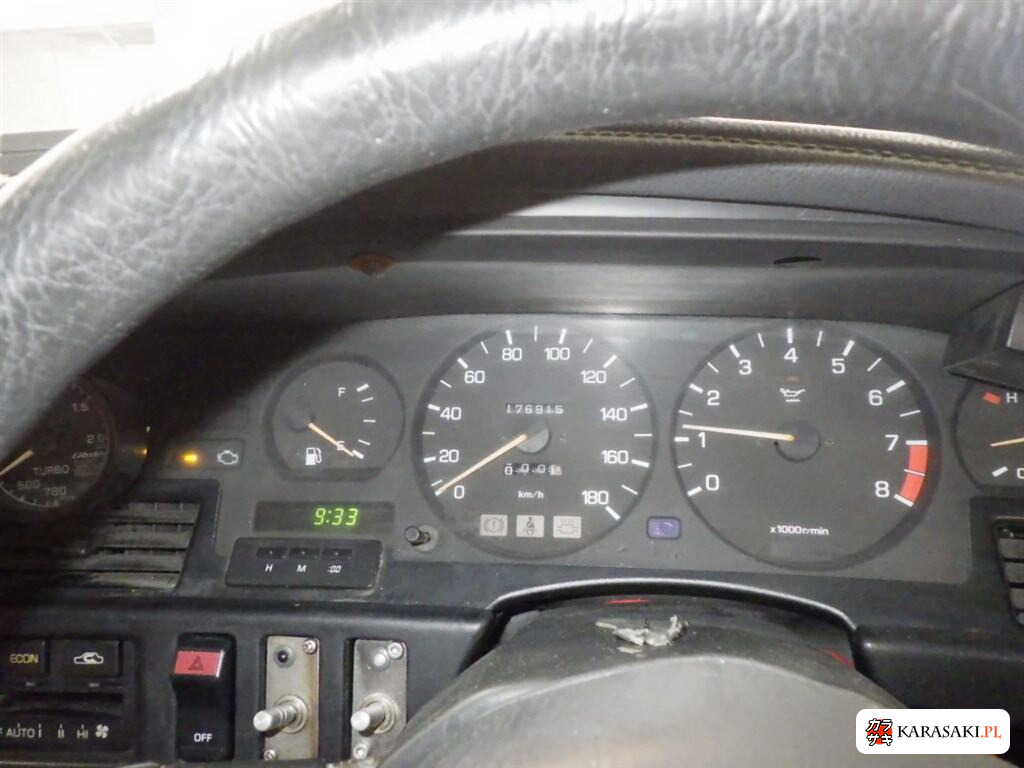

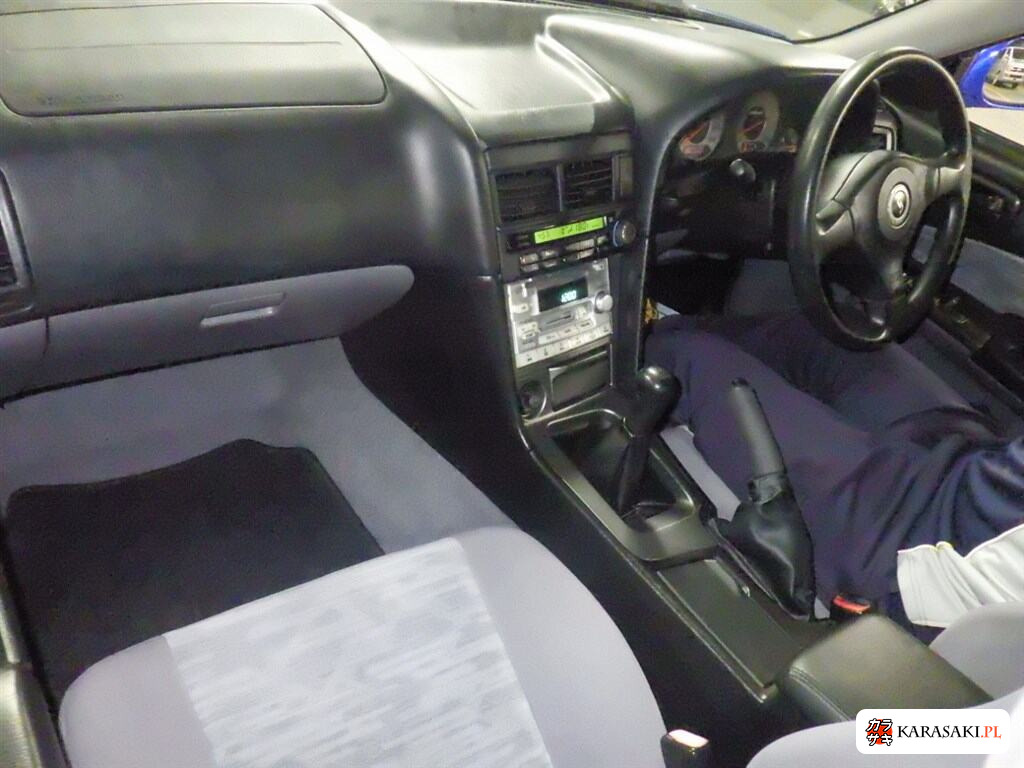
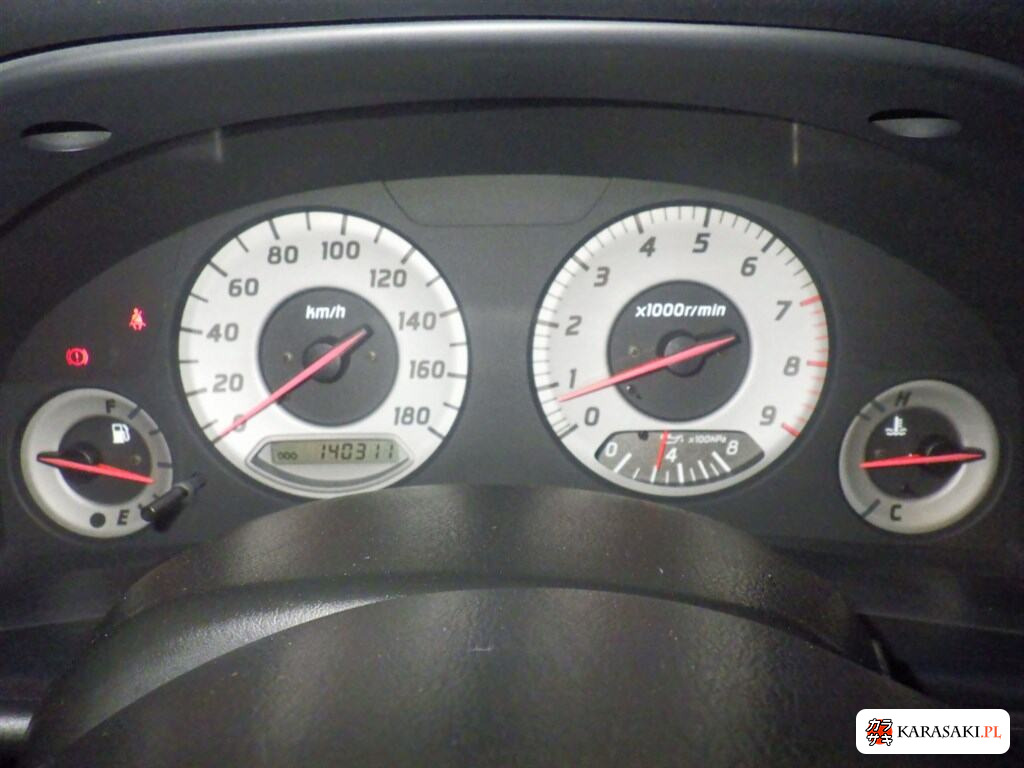
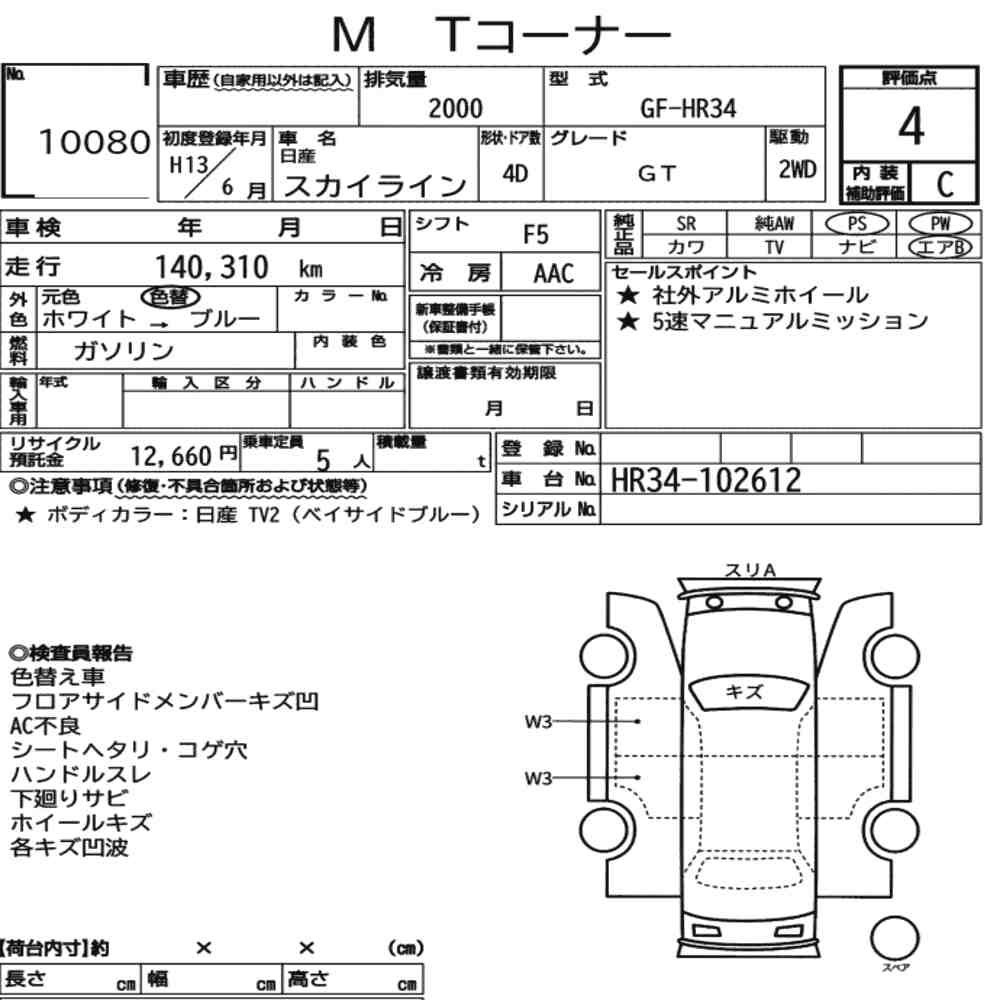

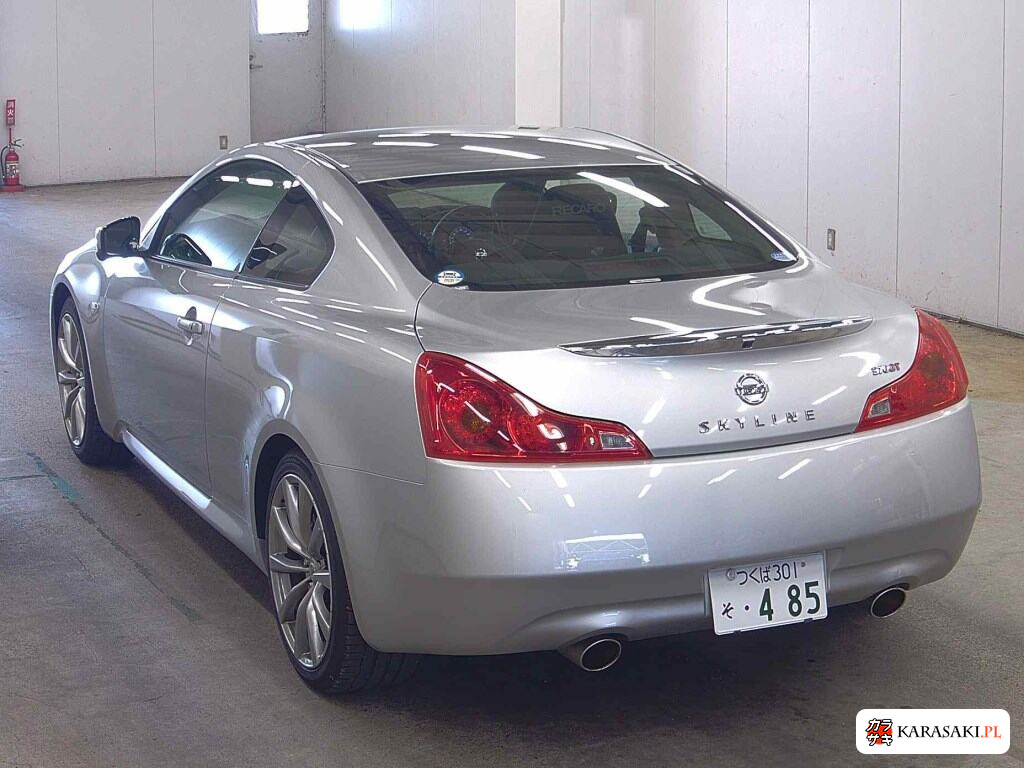
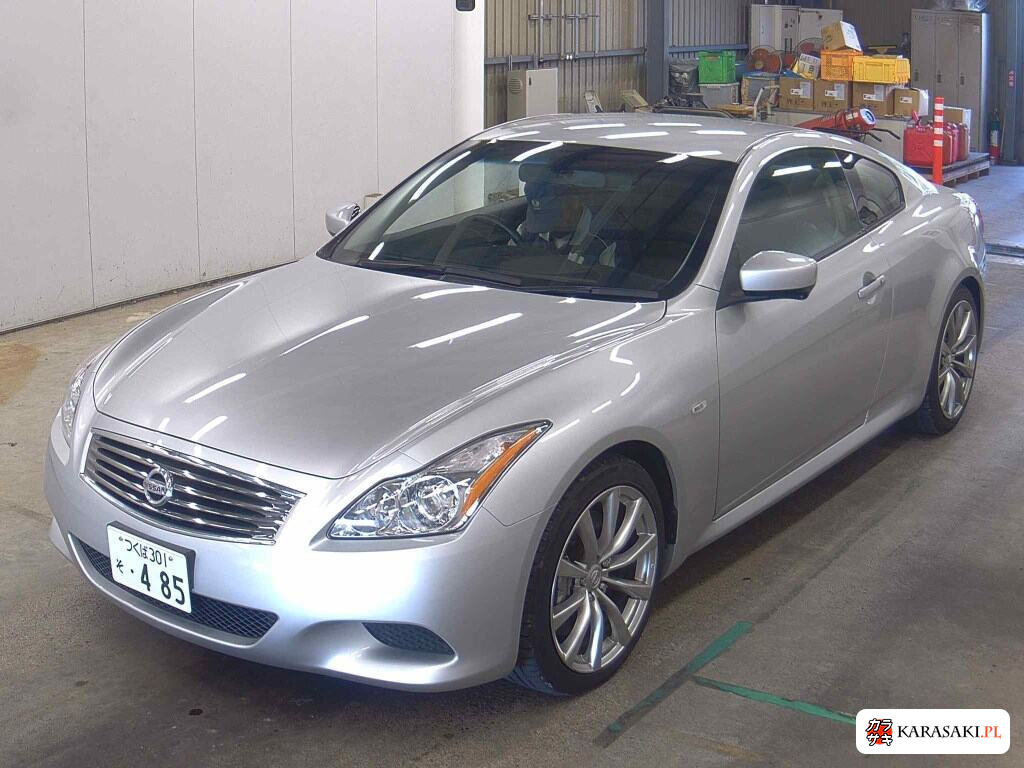
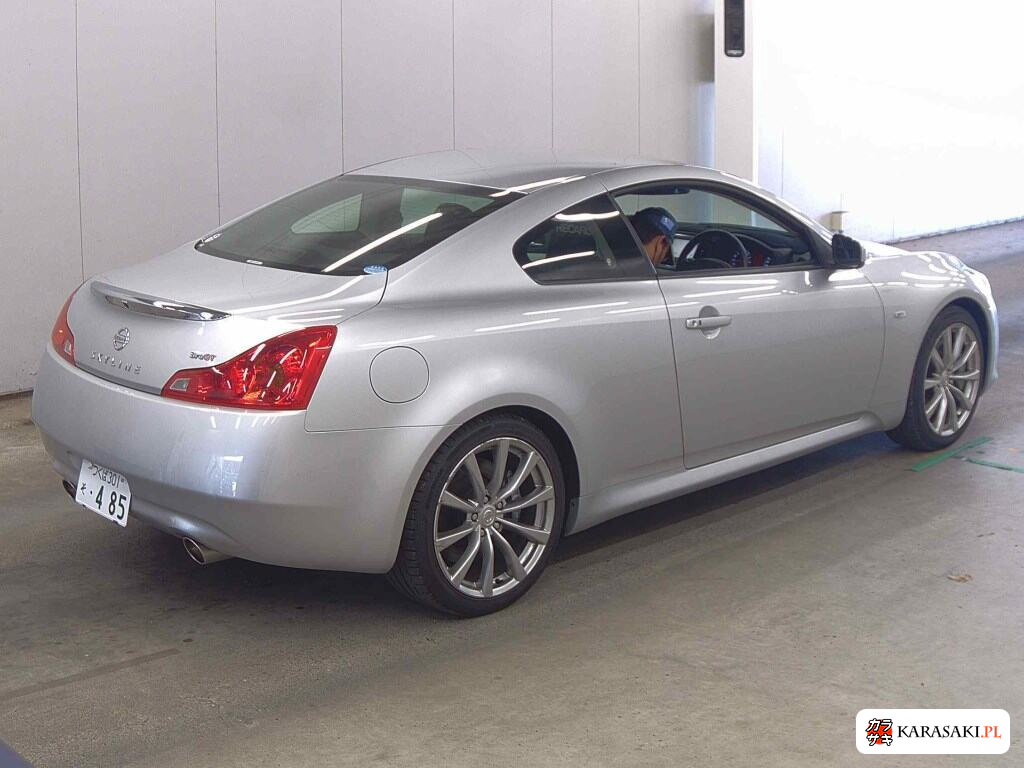
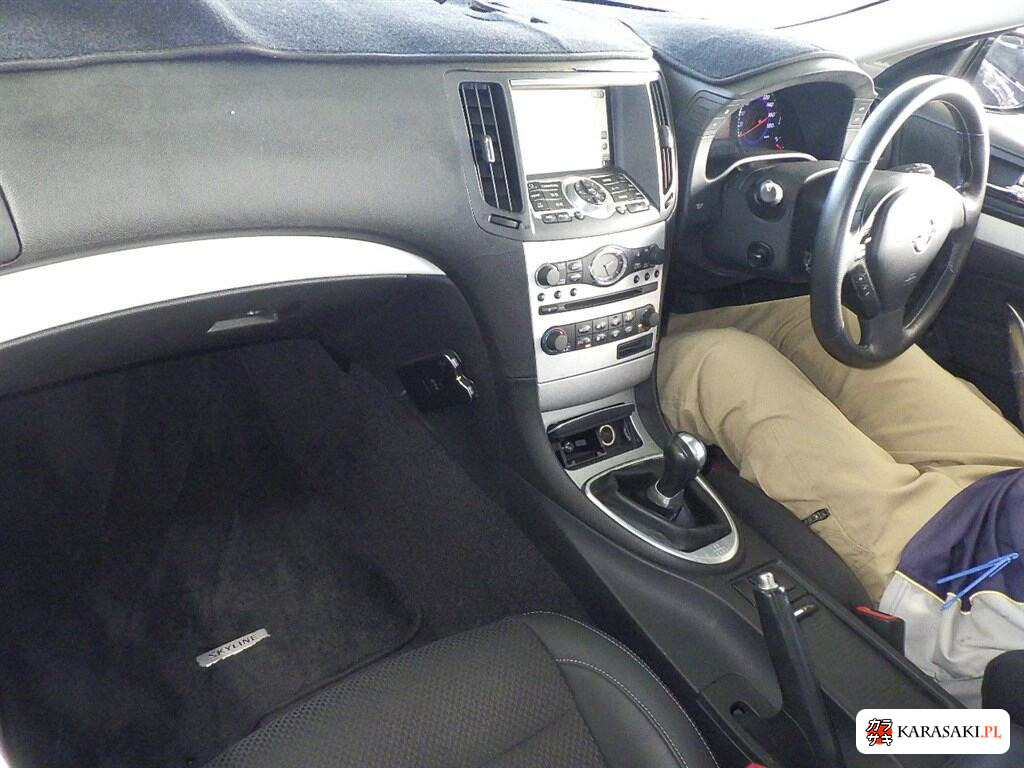
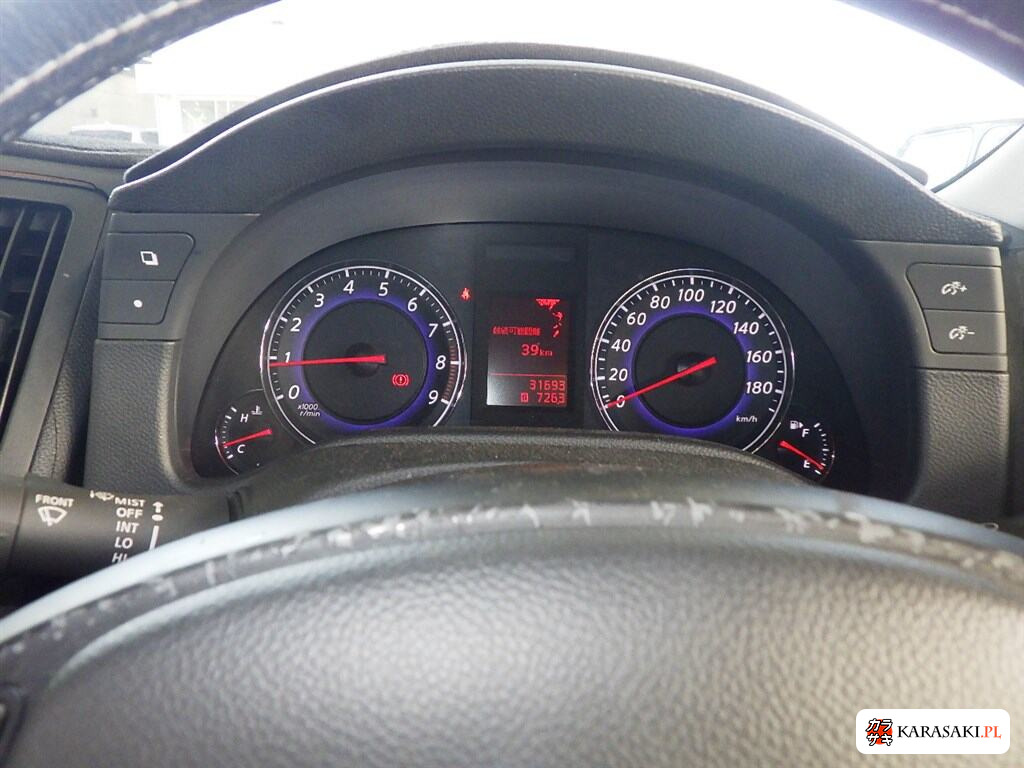

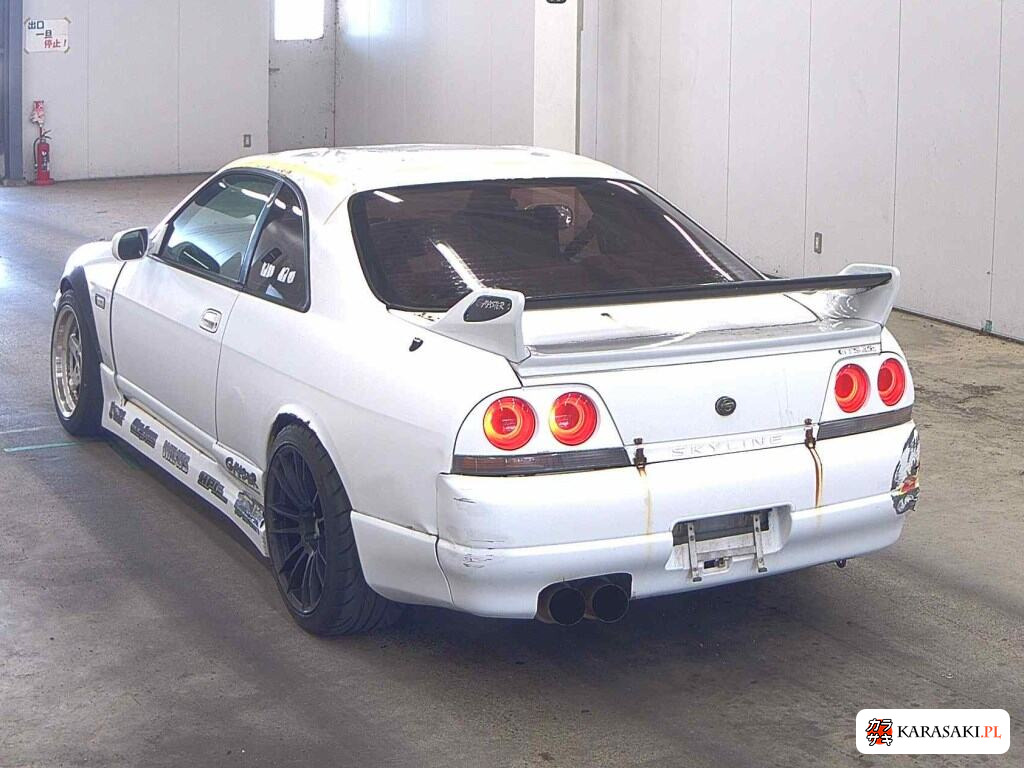
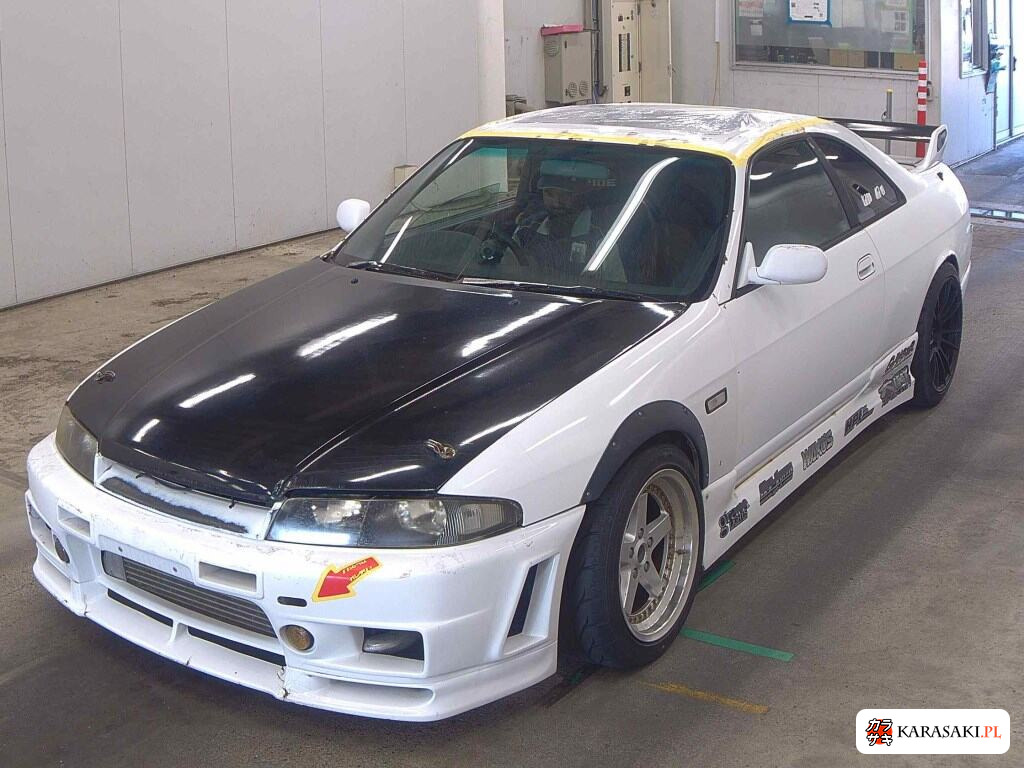
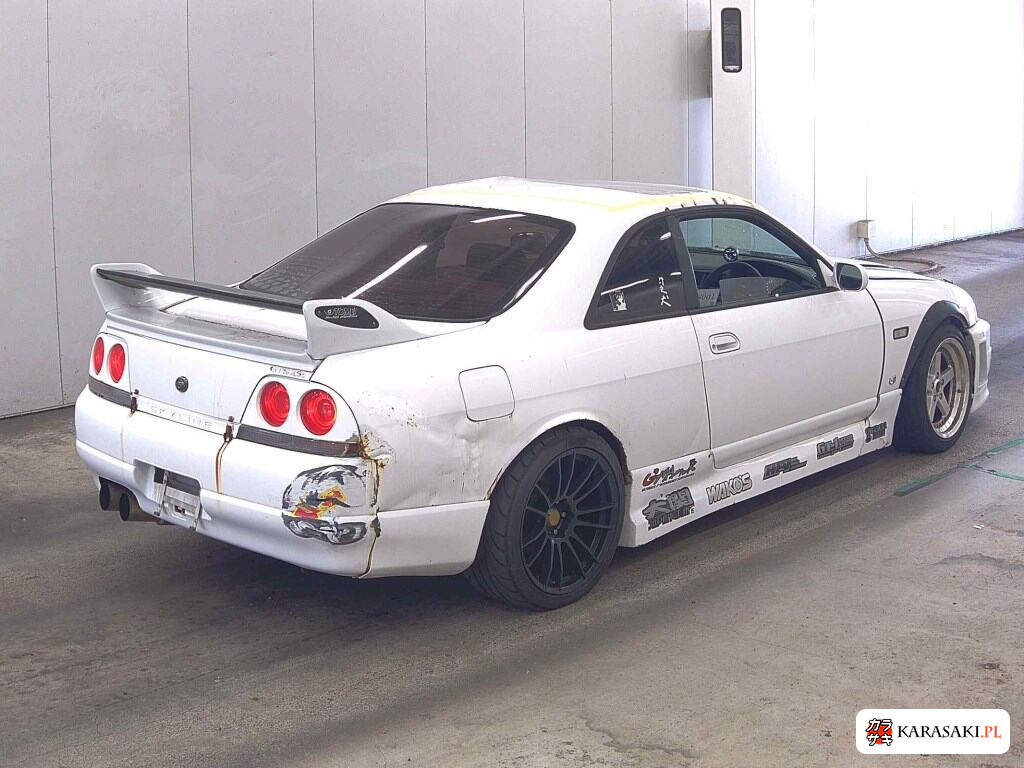
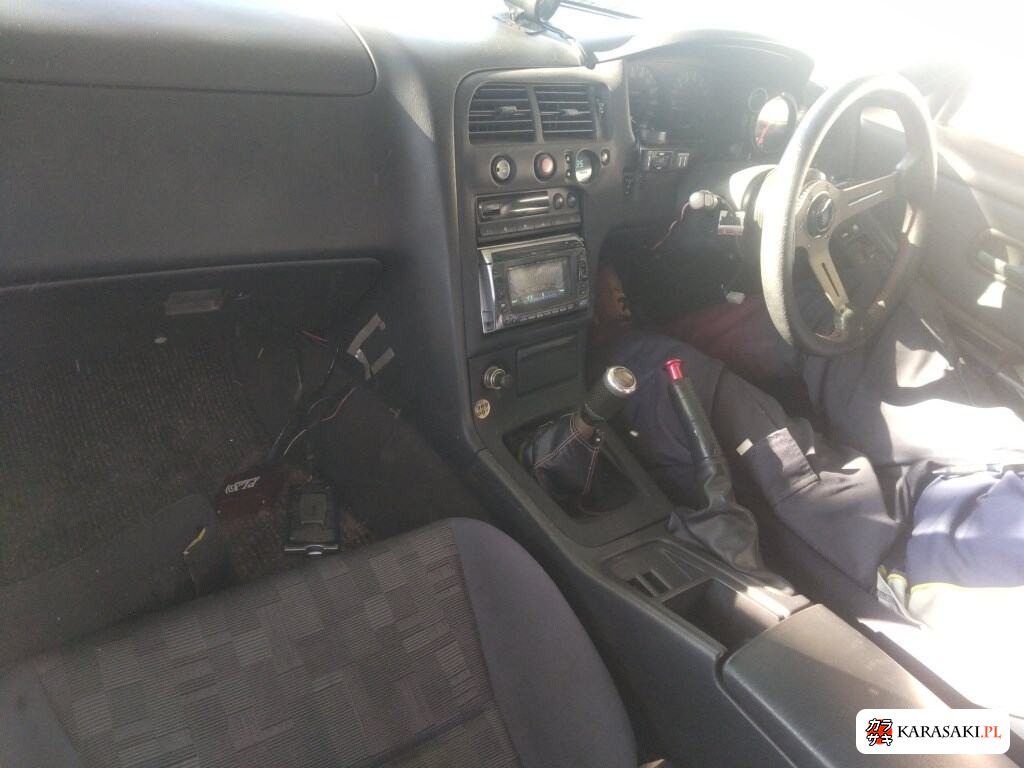
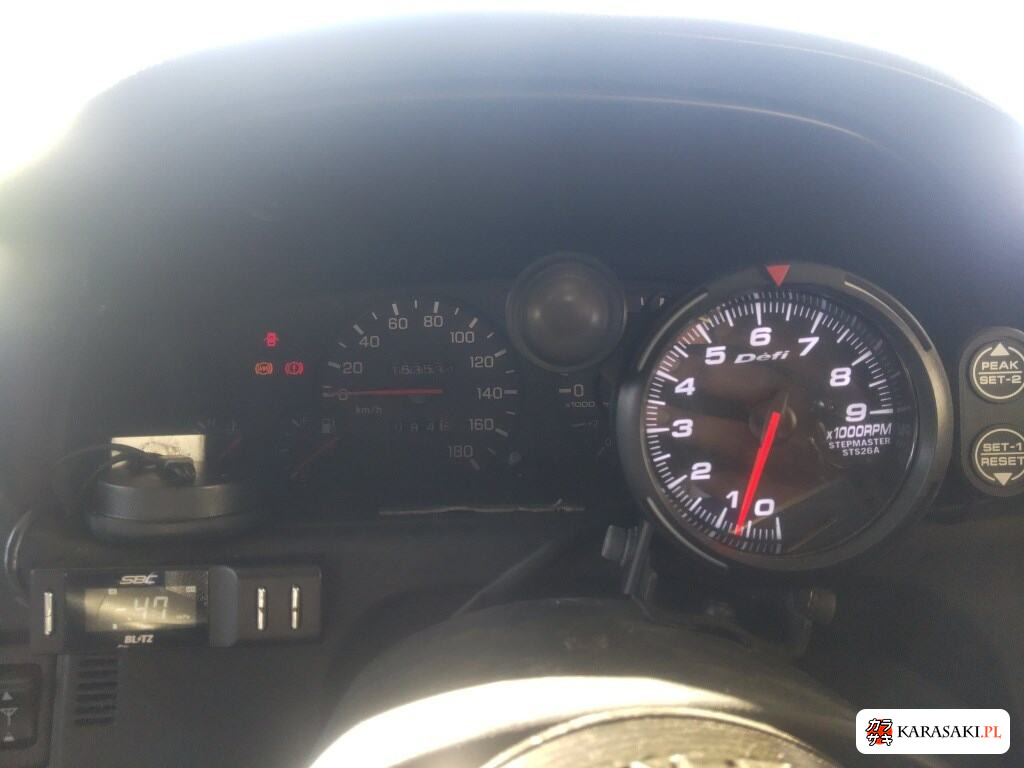
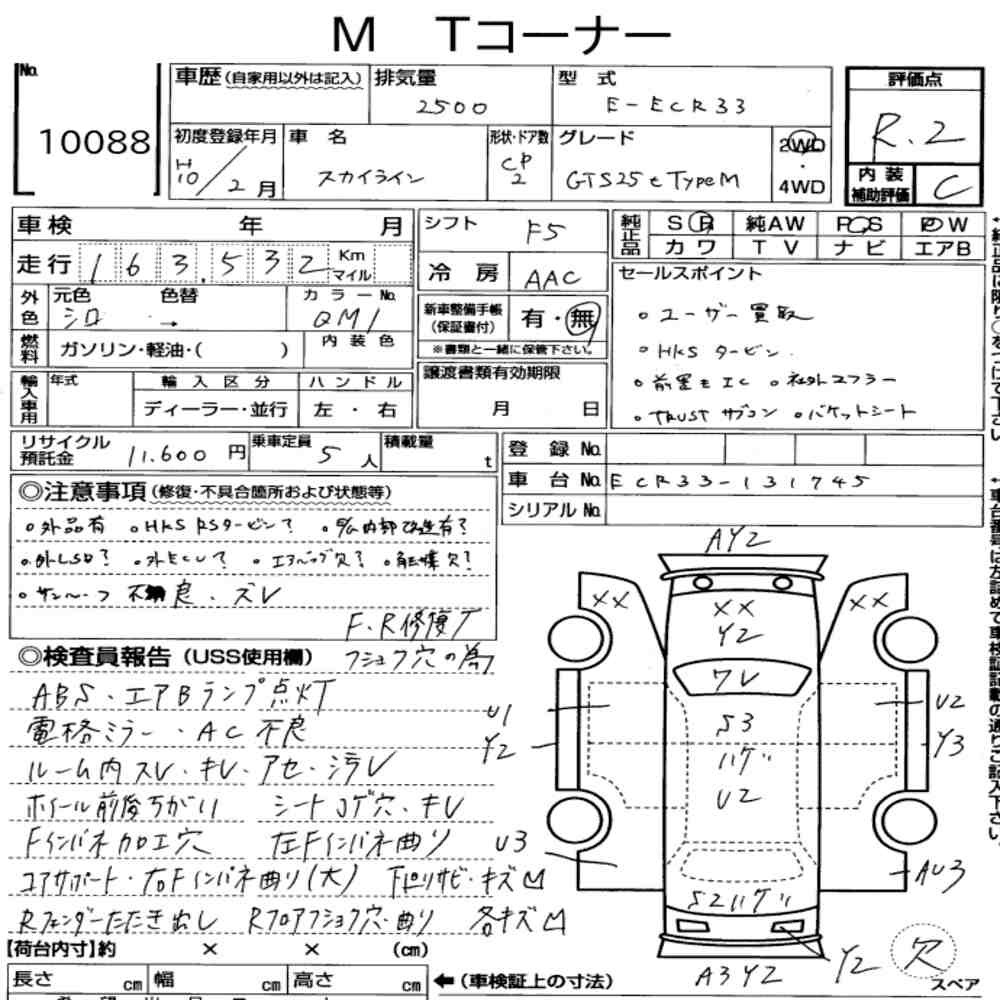

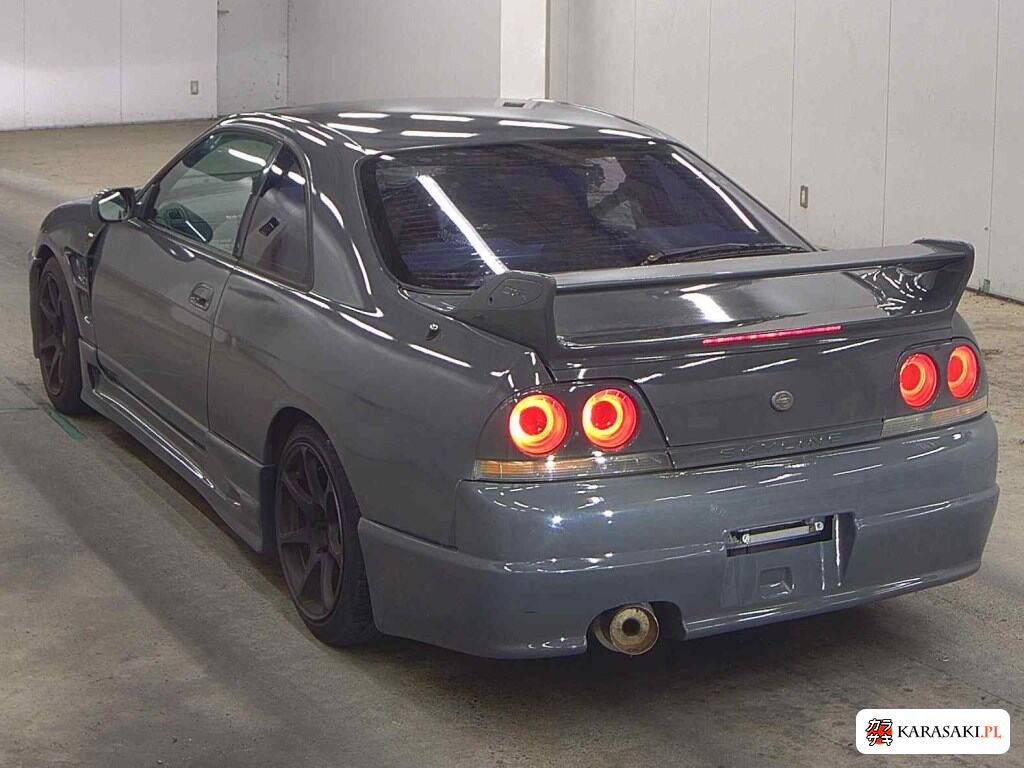
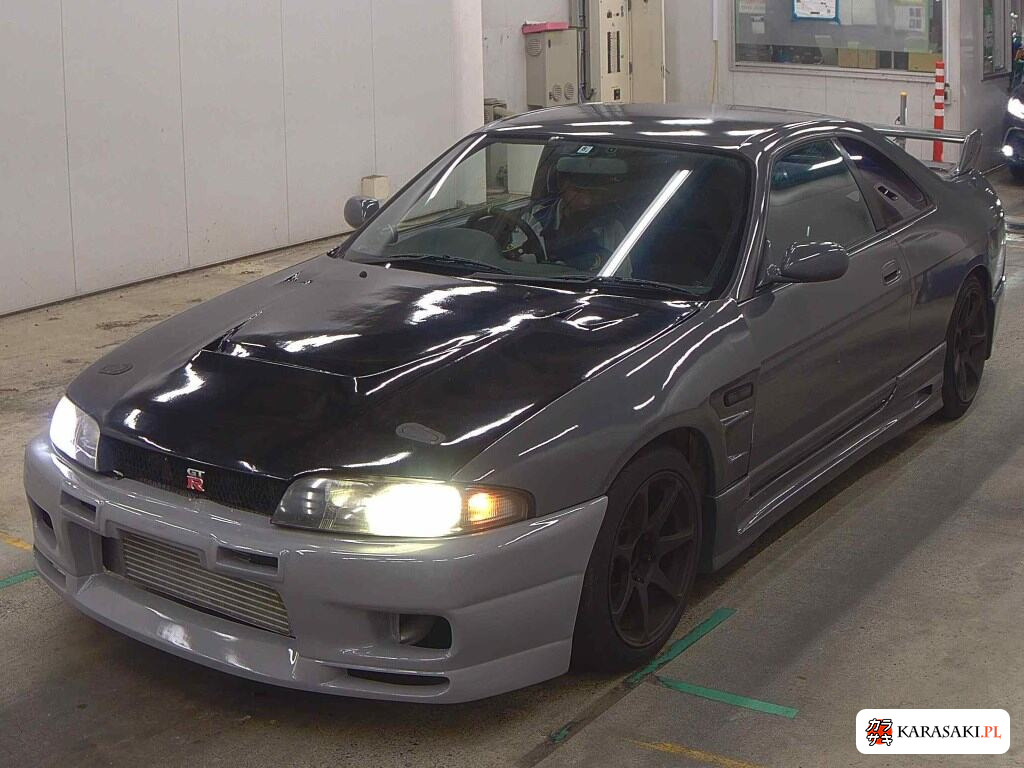
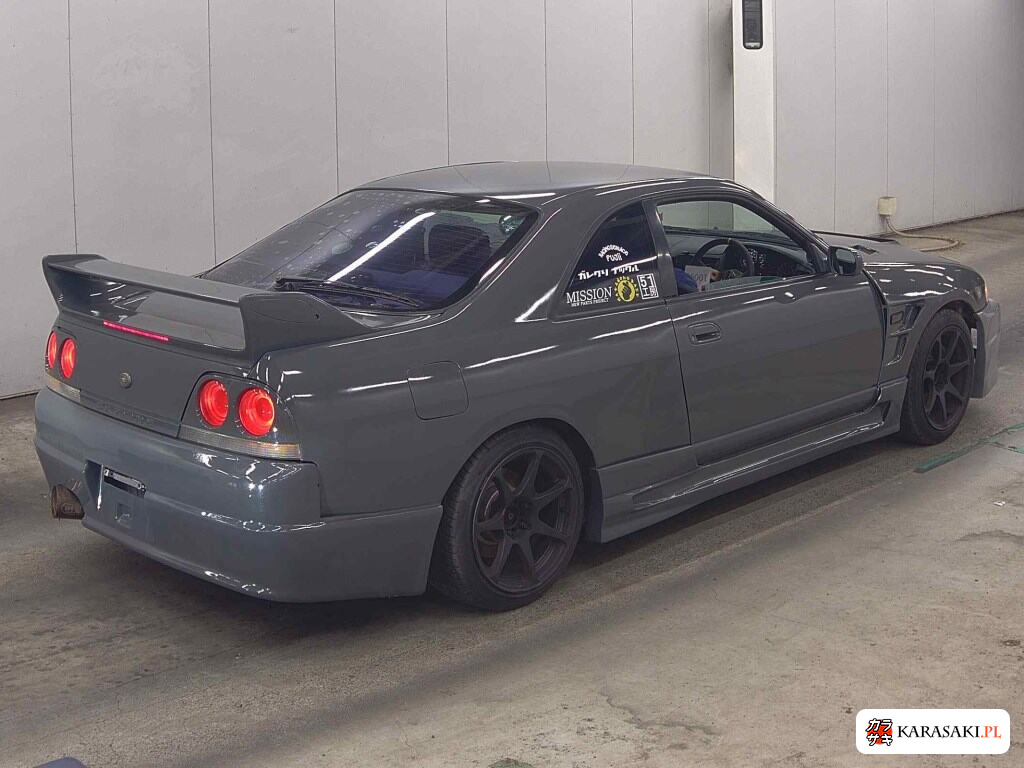
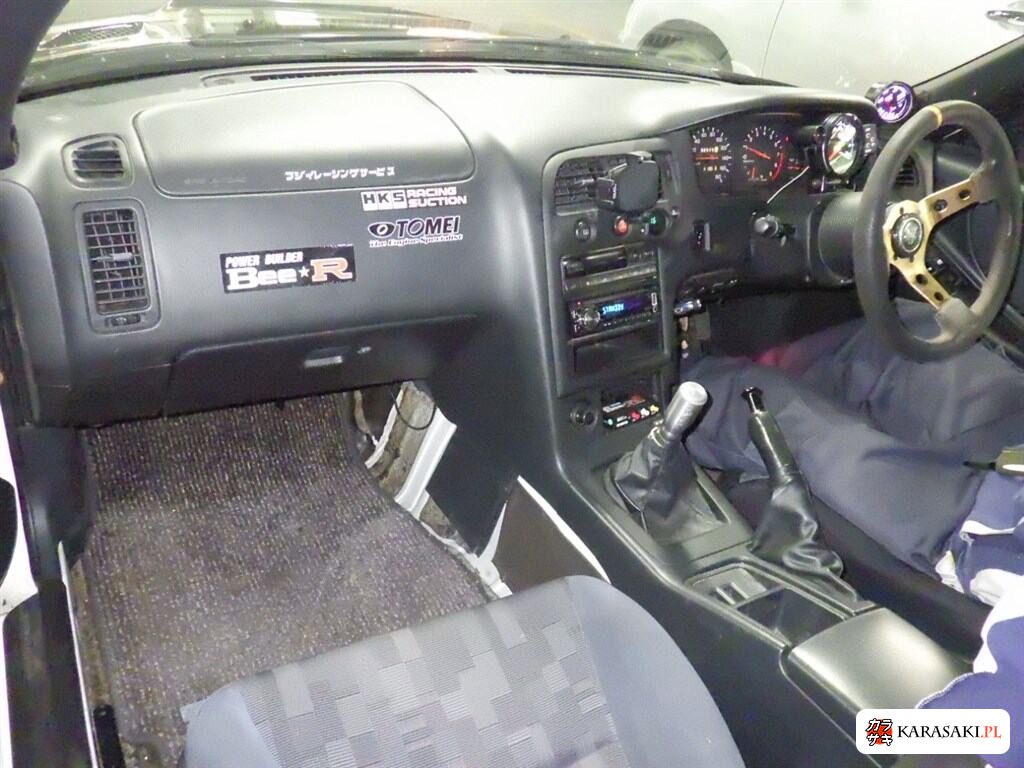
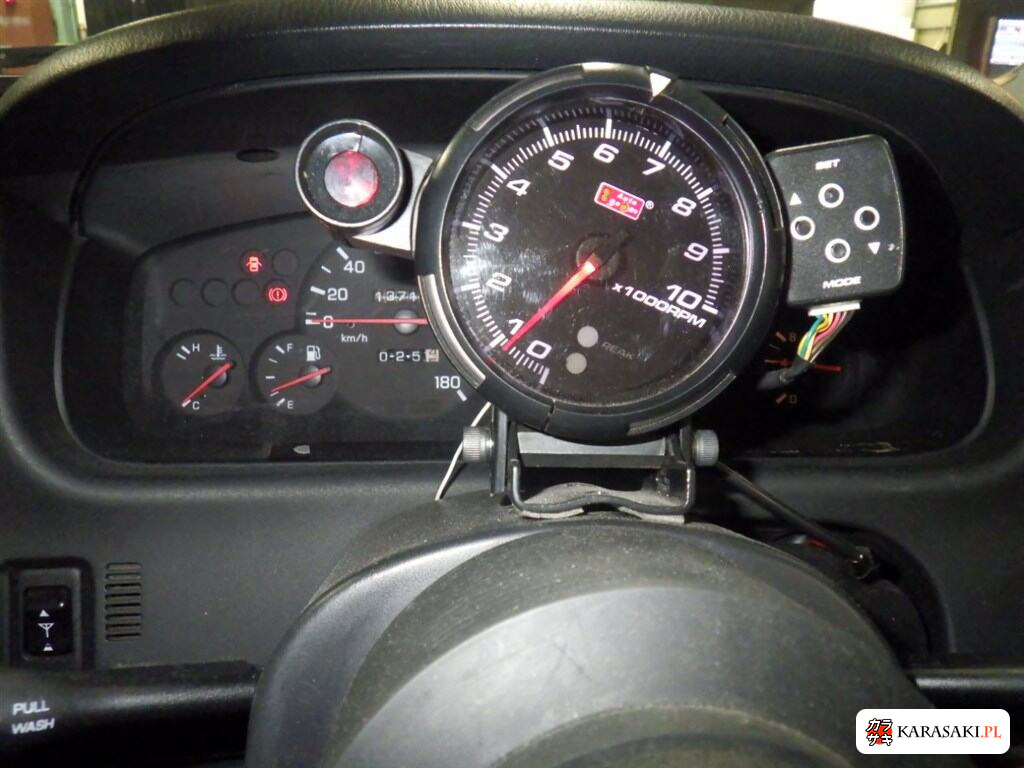
The auctions — the heart of the process
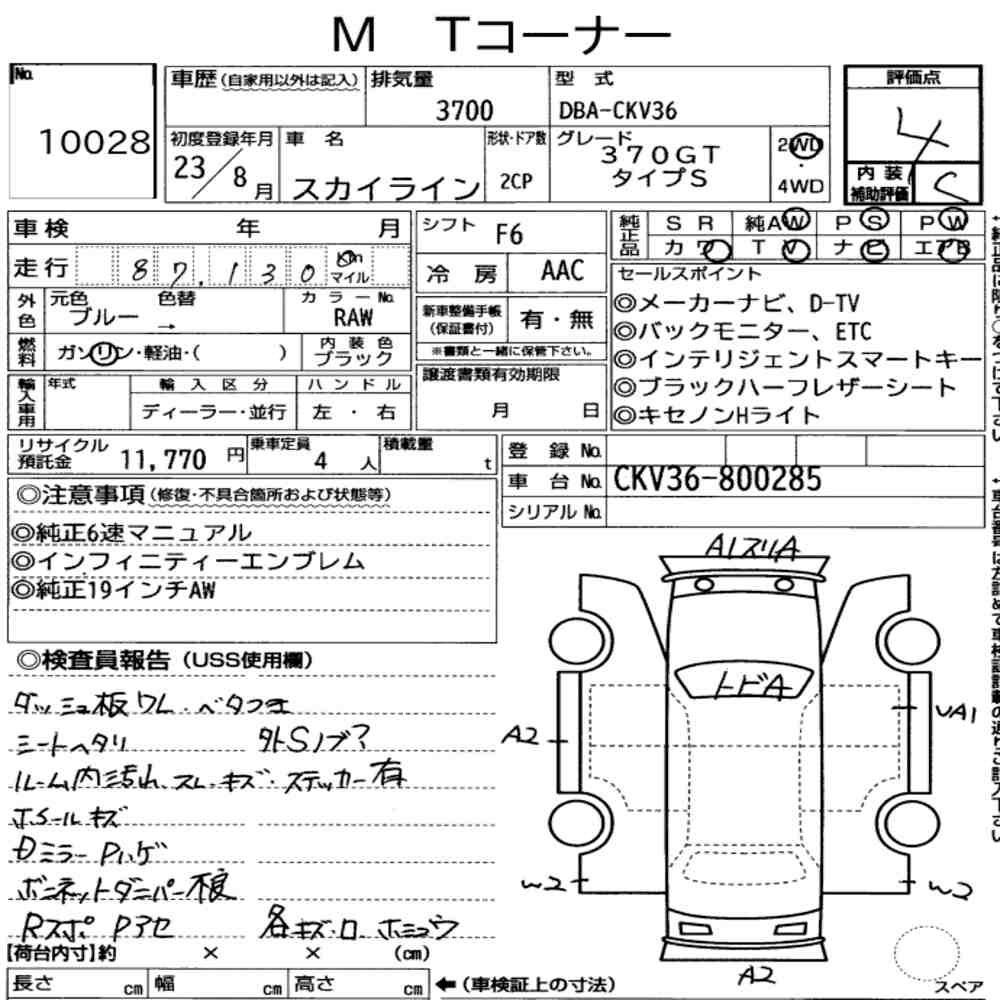
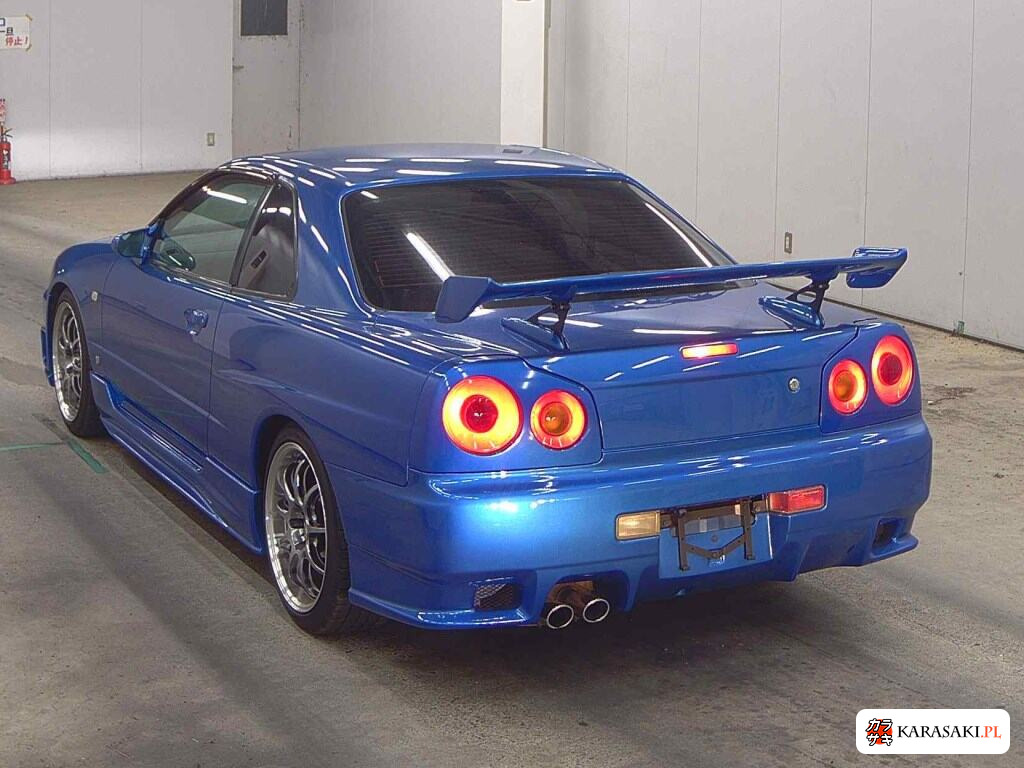
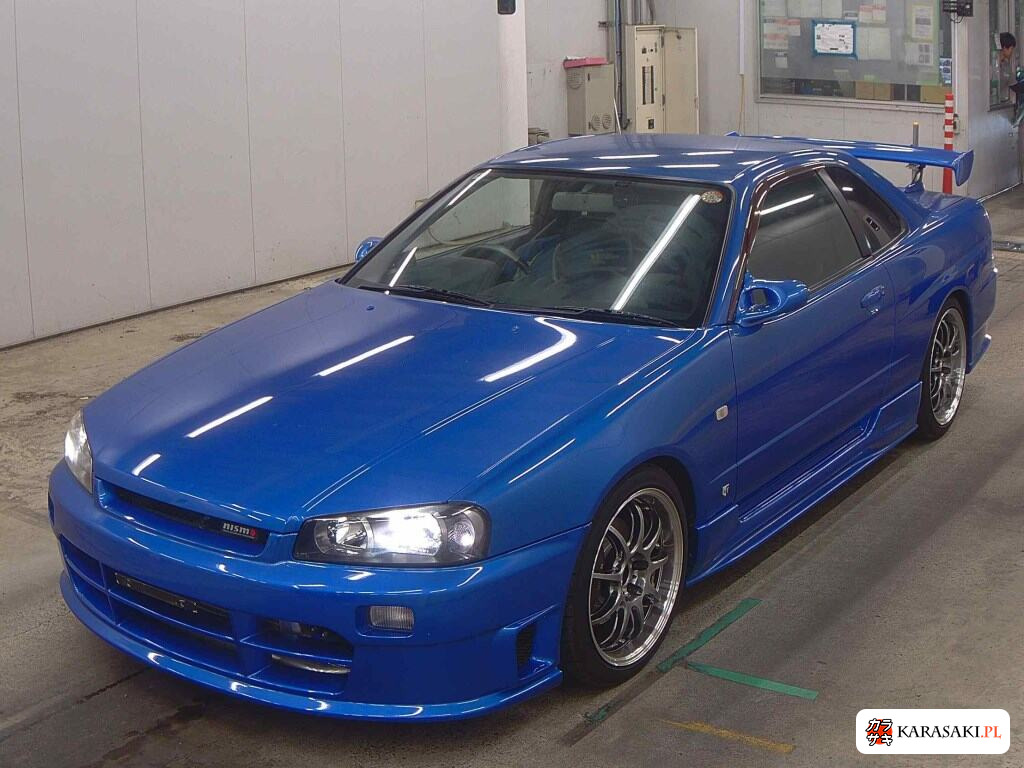
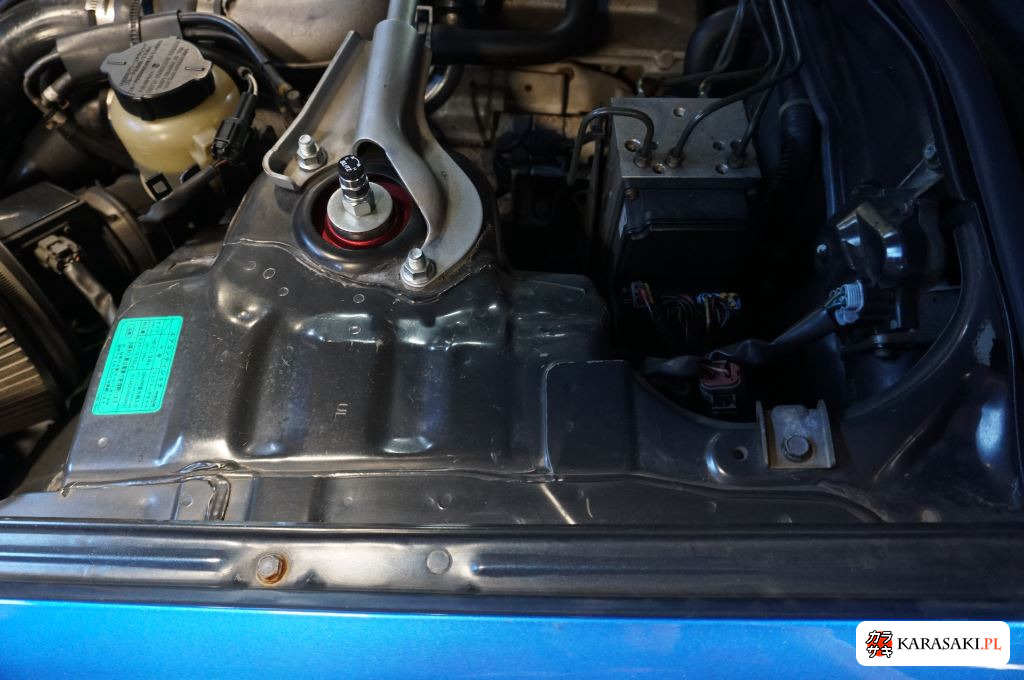
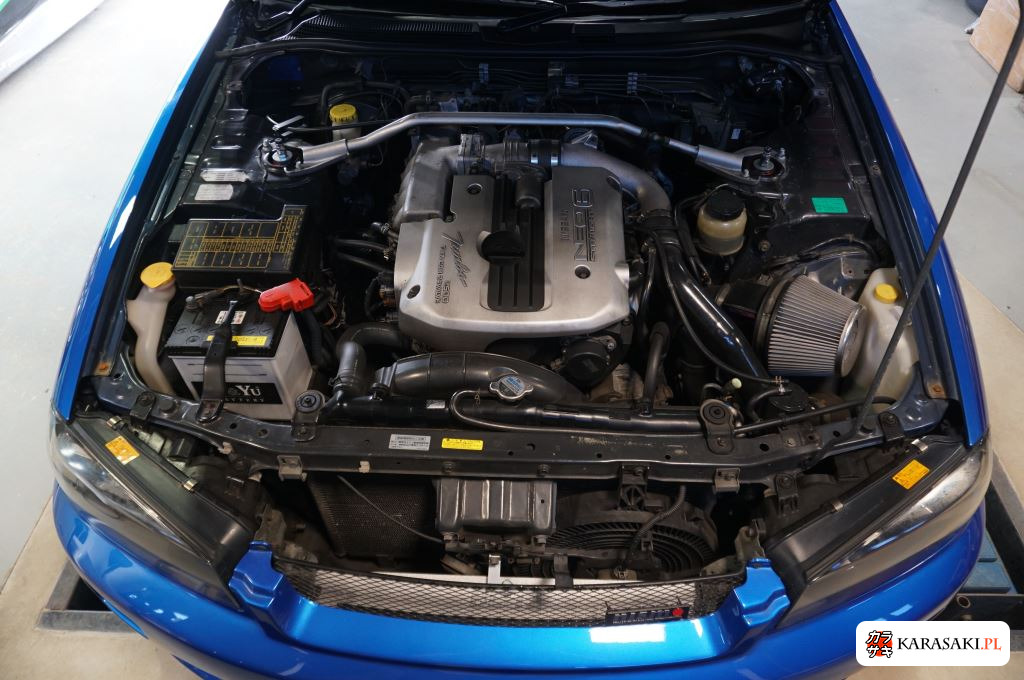
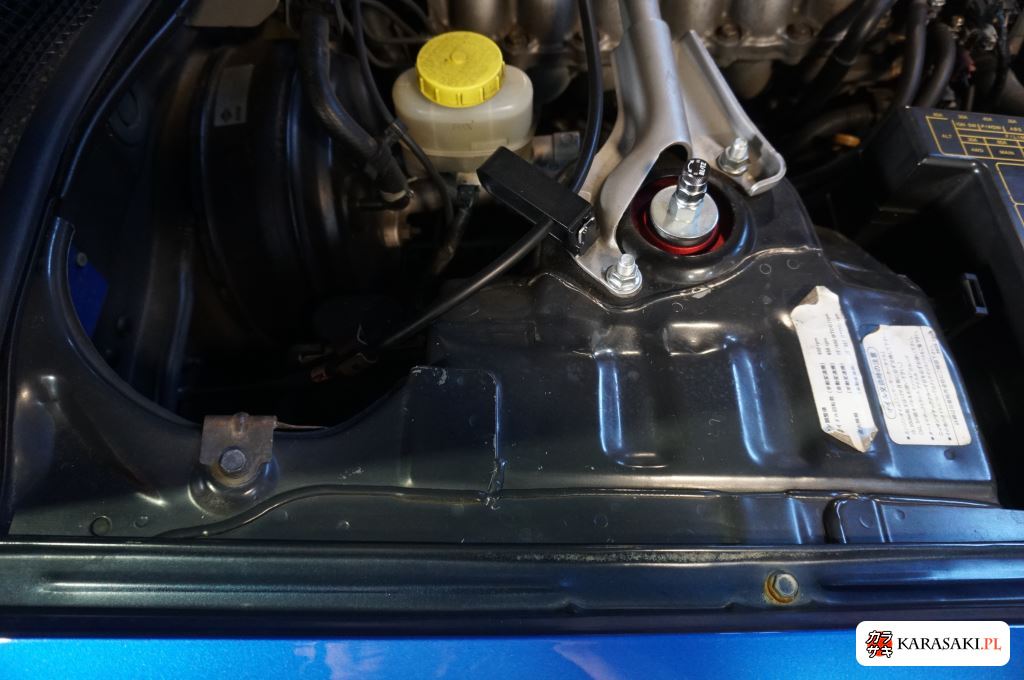
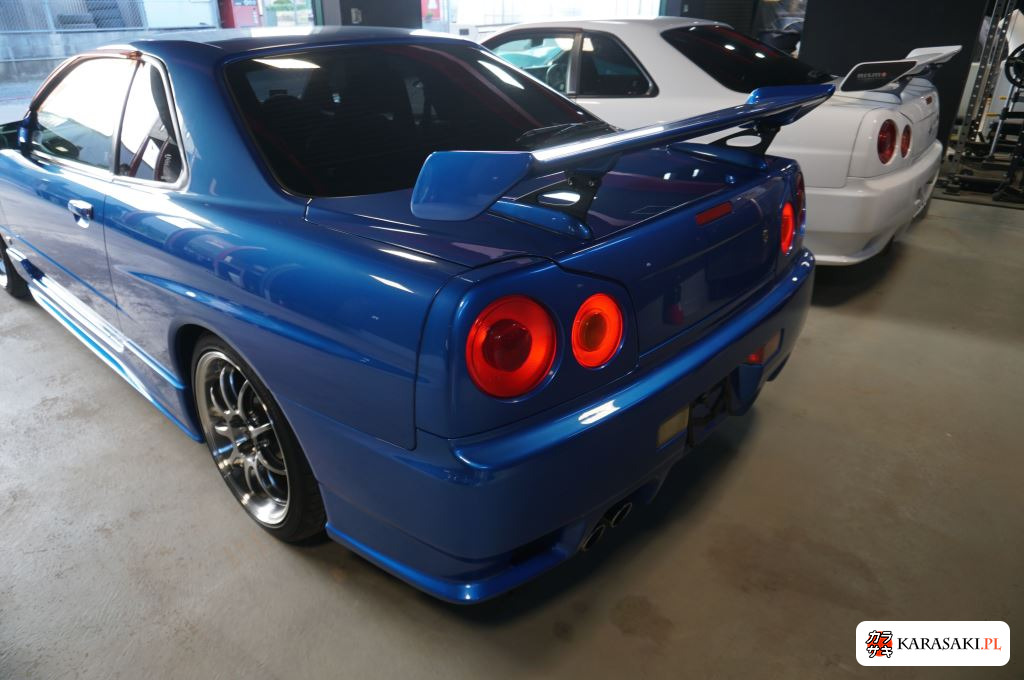
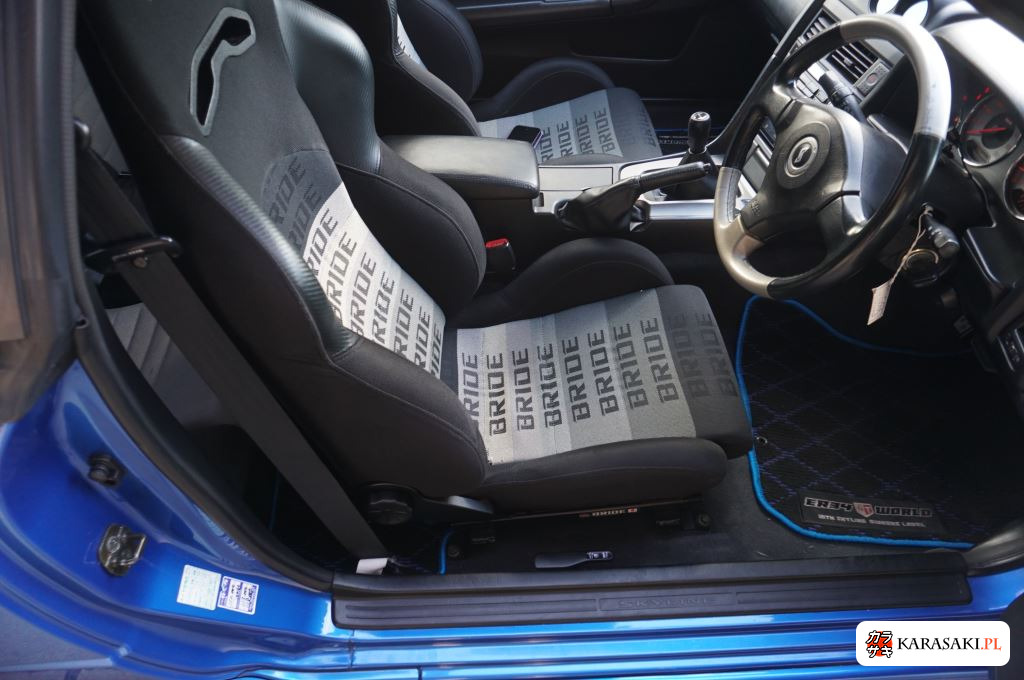
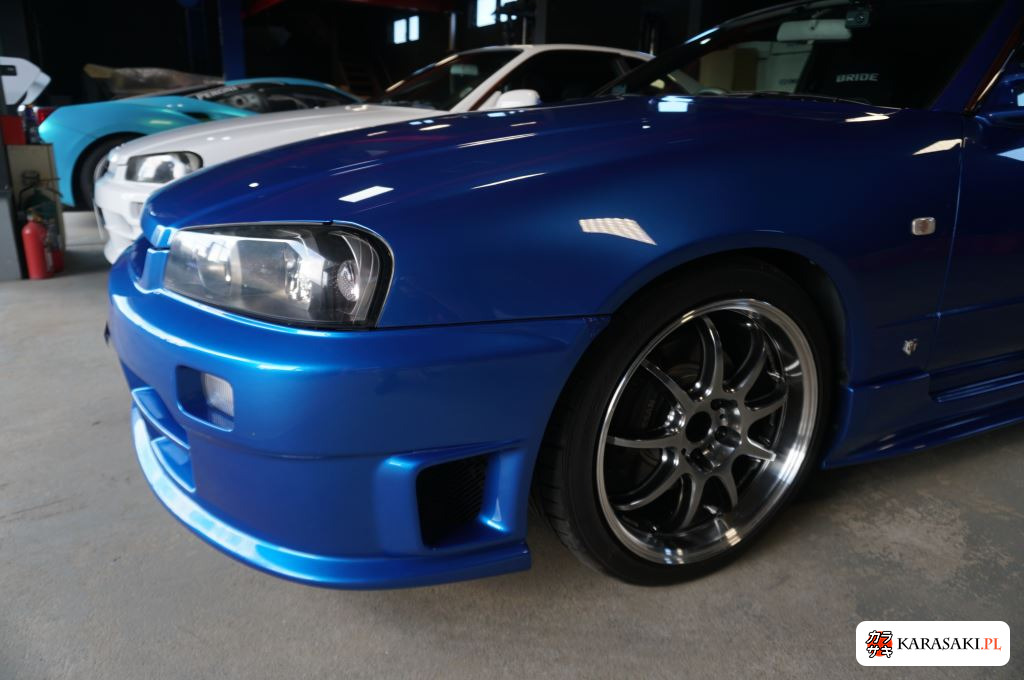
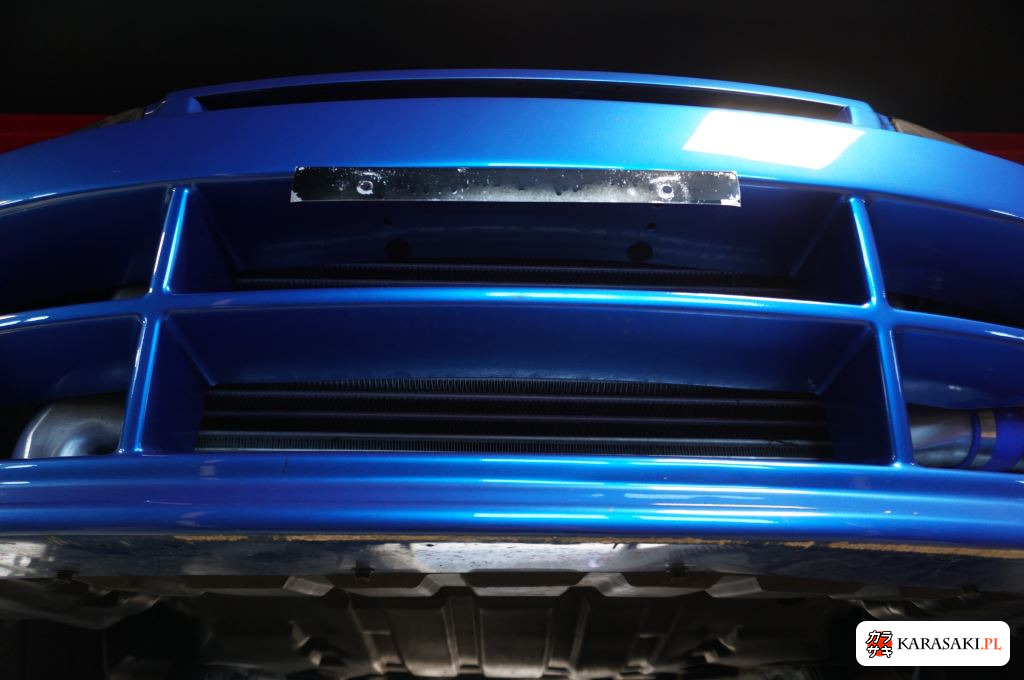
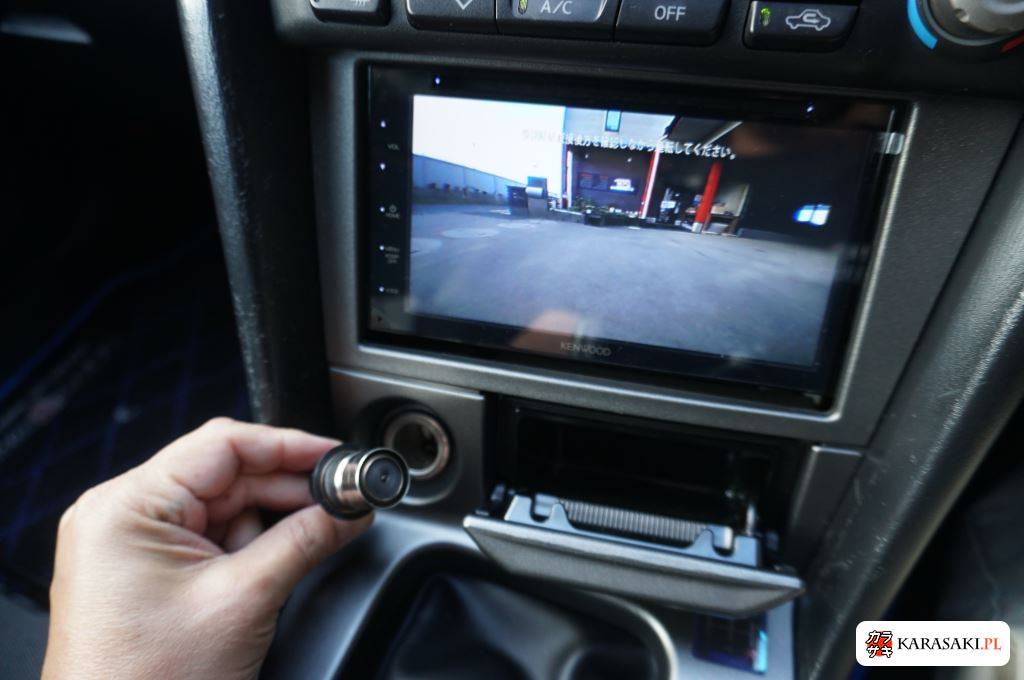
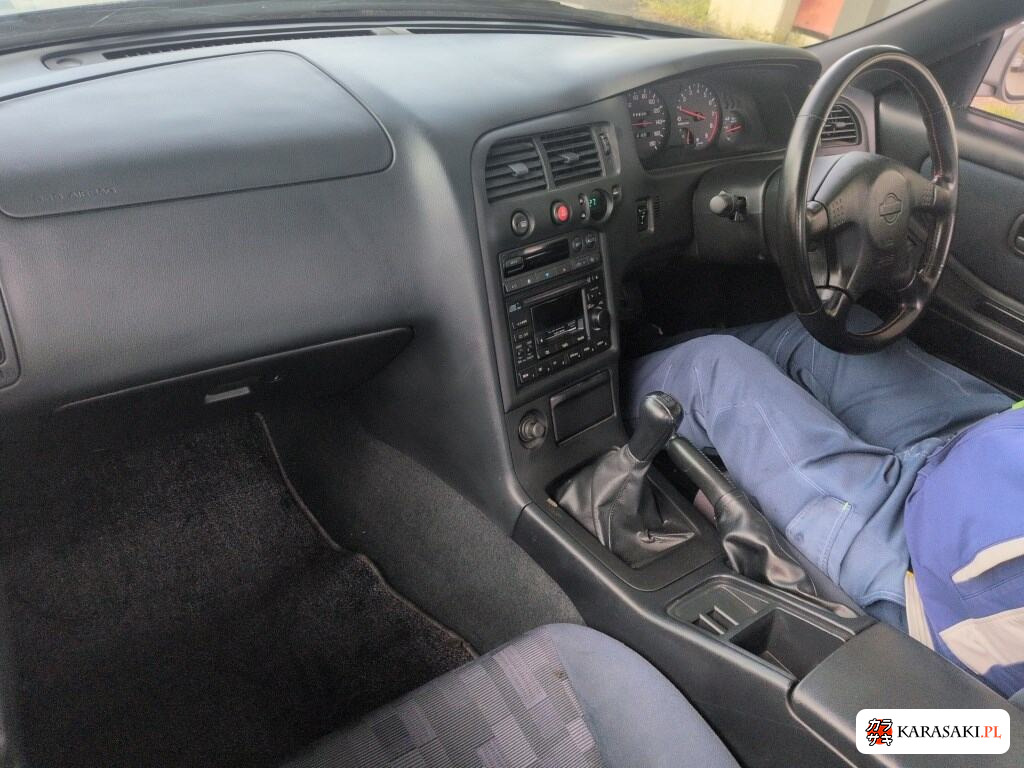
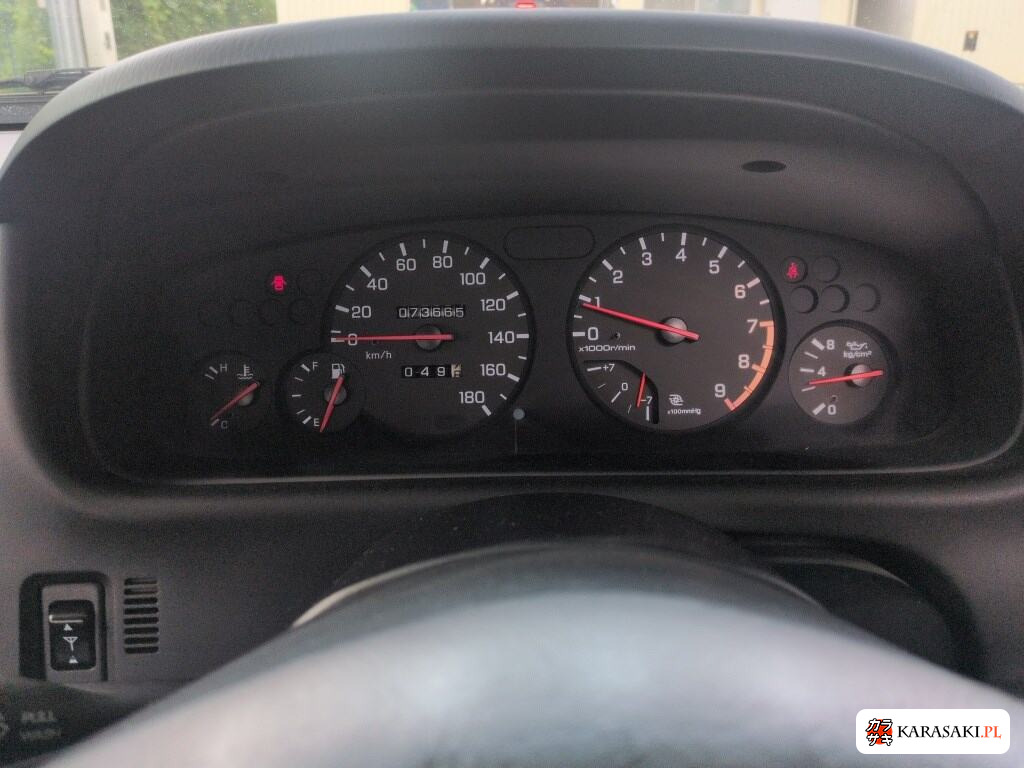
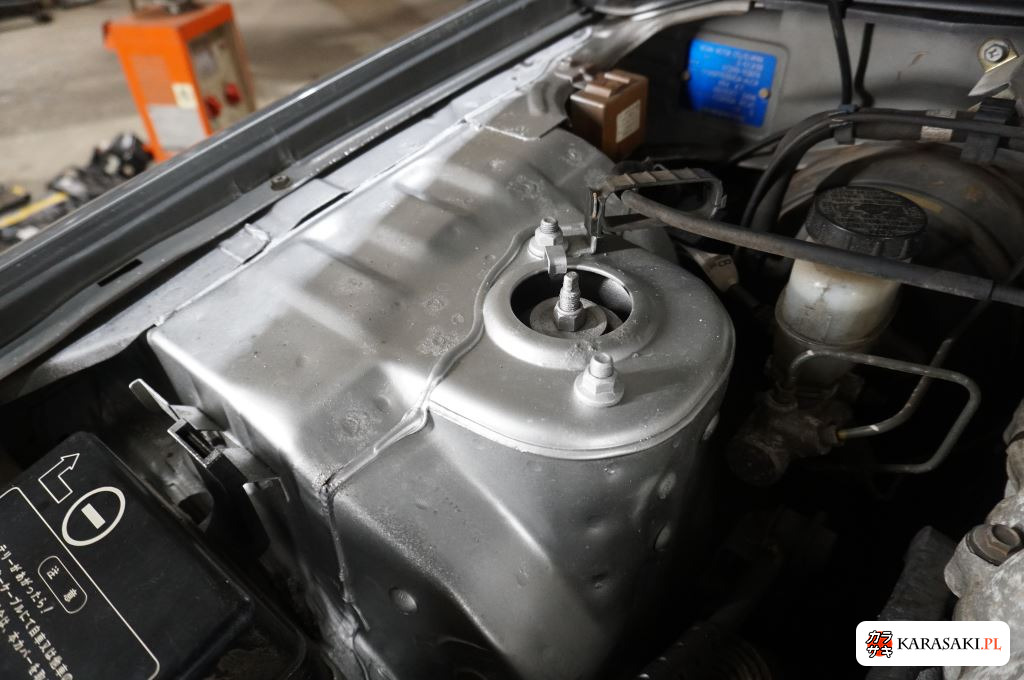
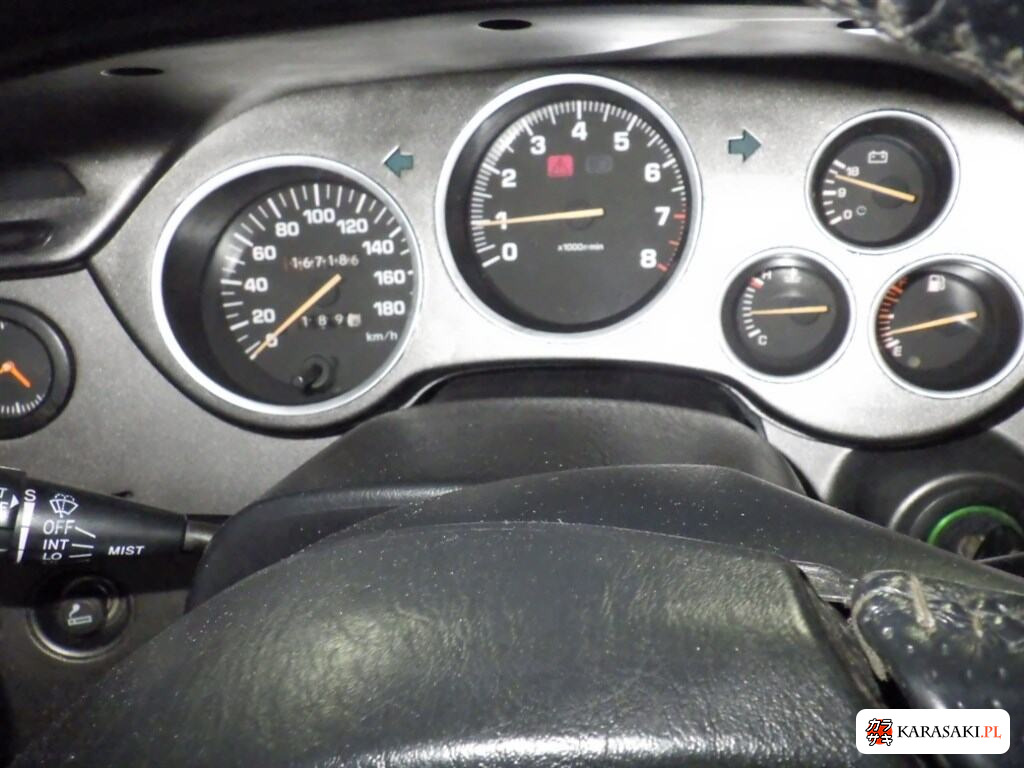
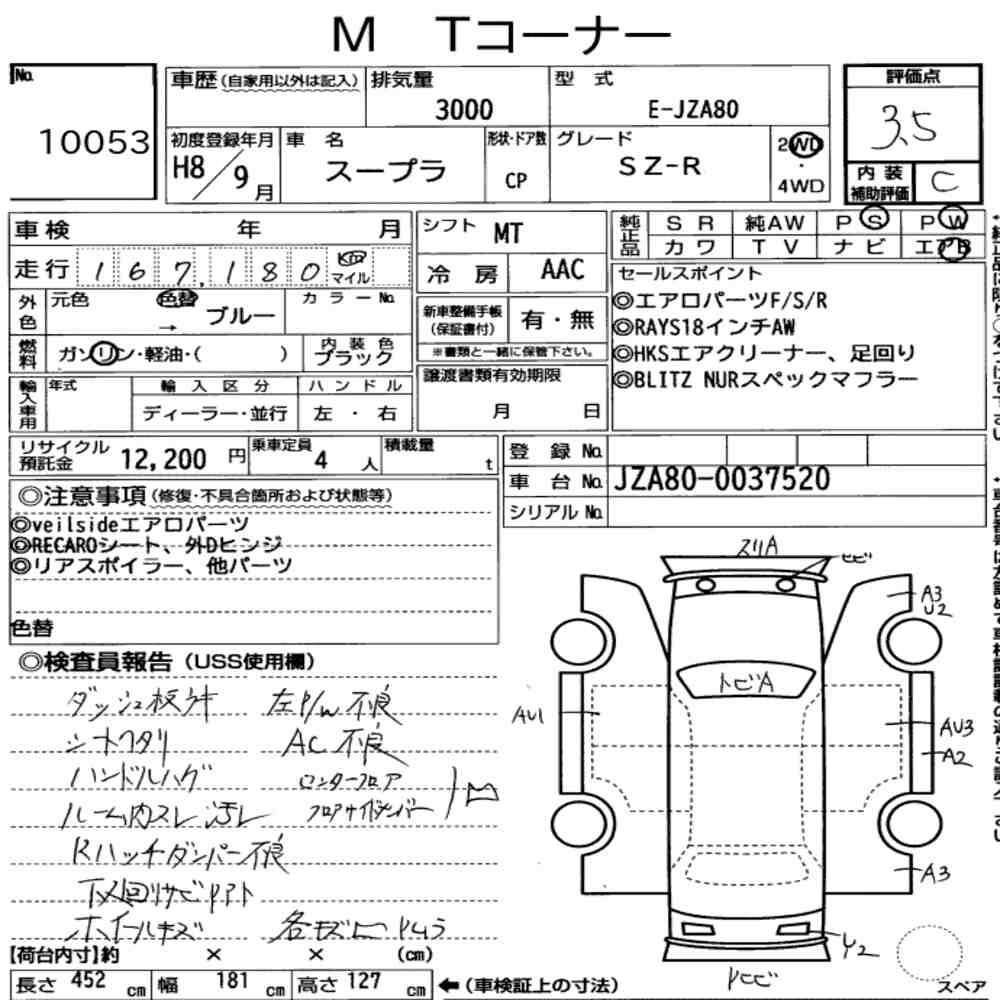
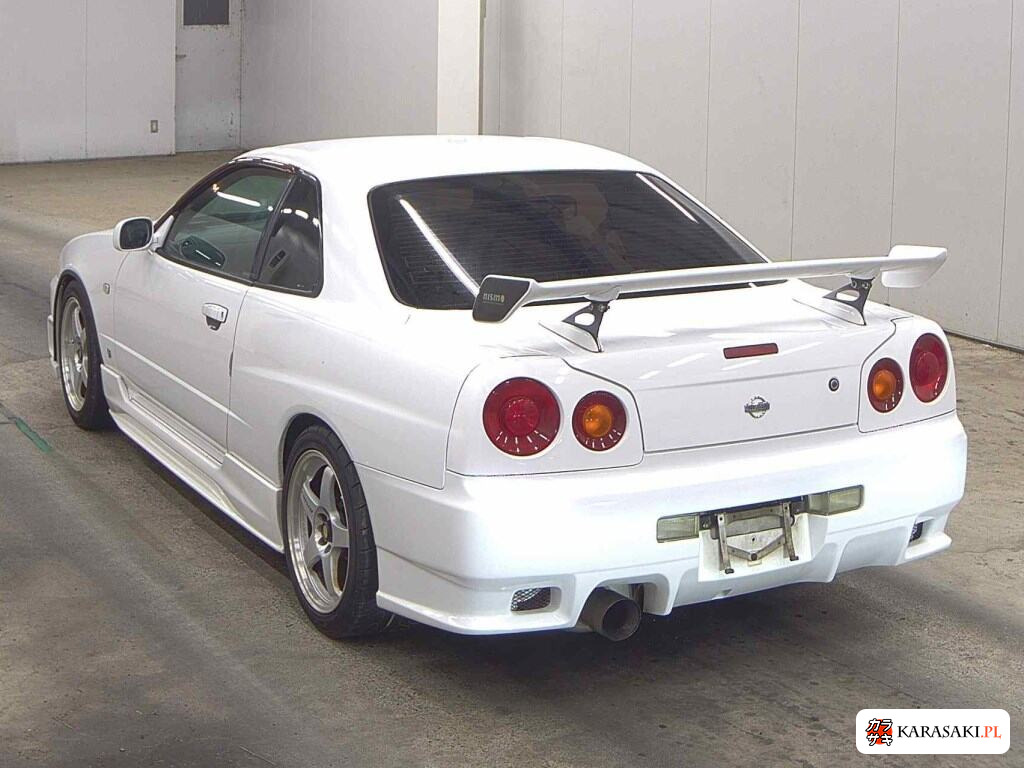
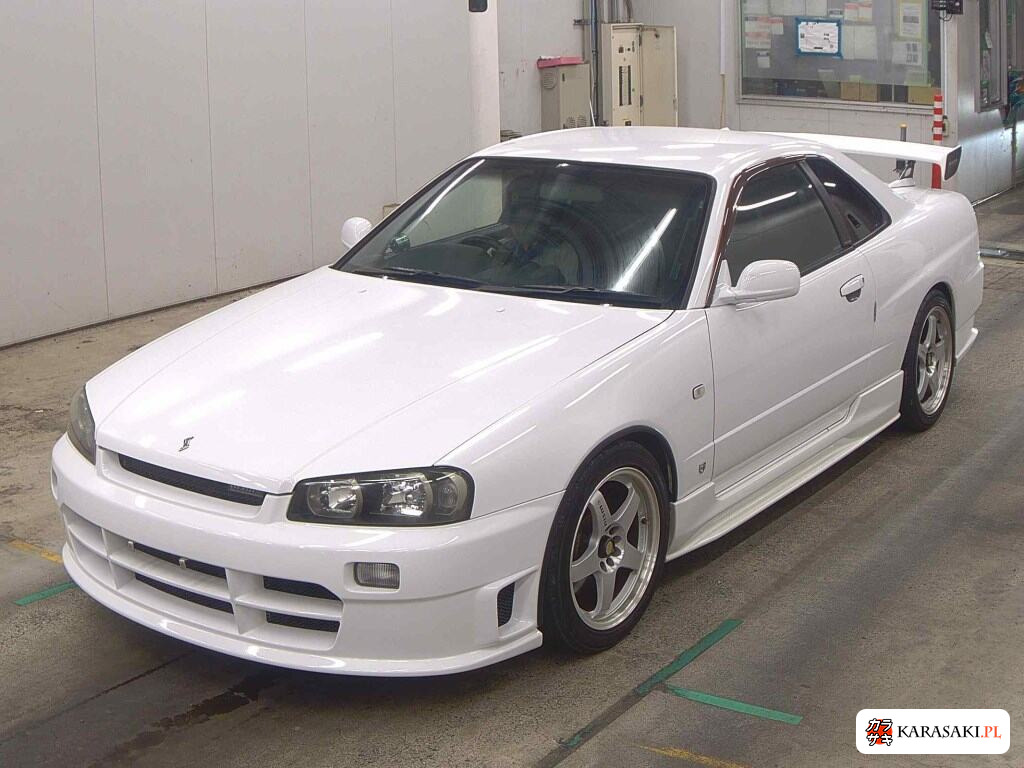
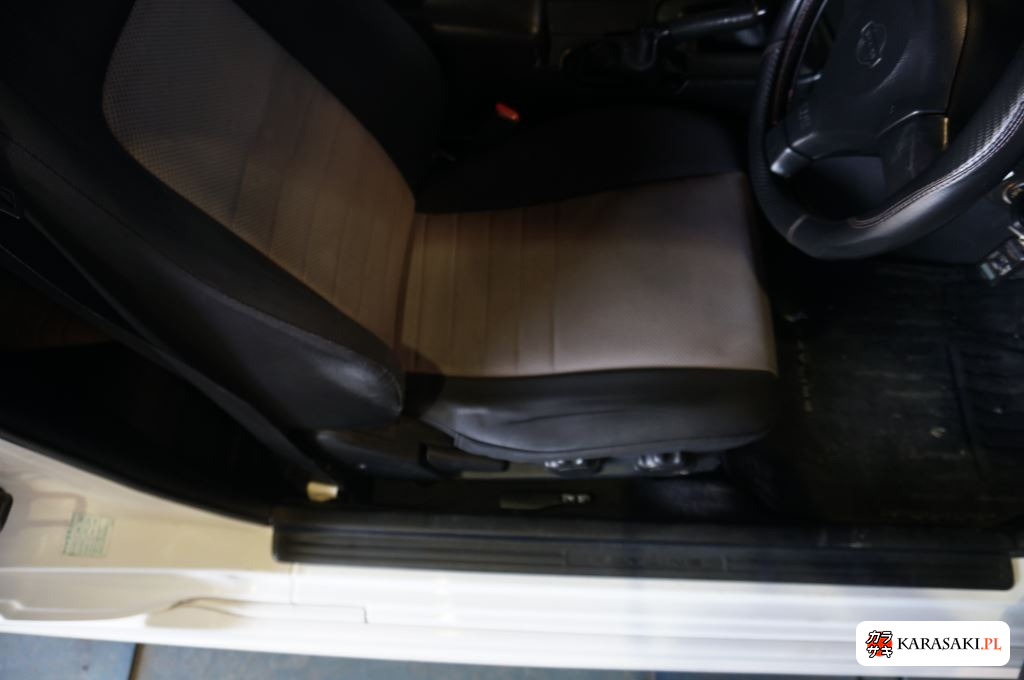
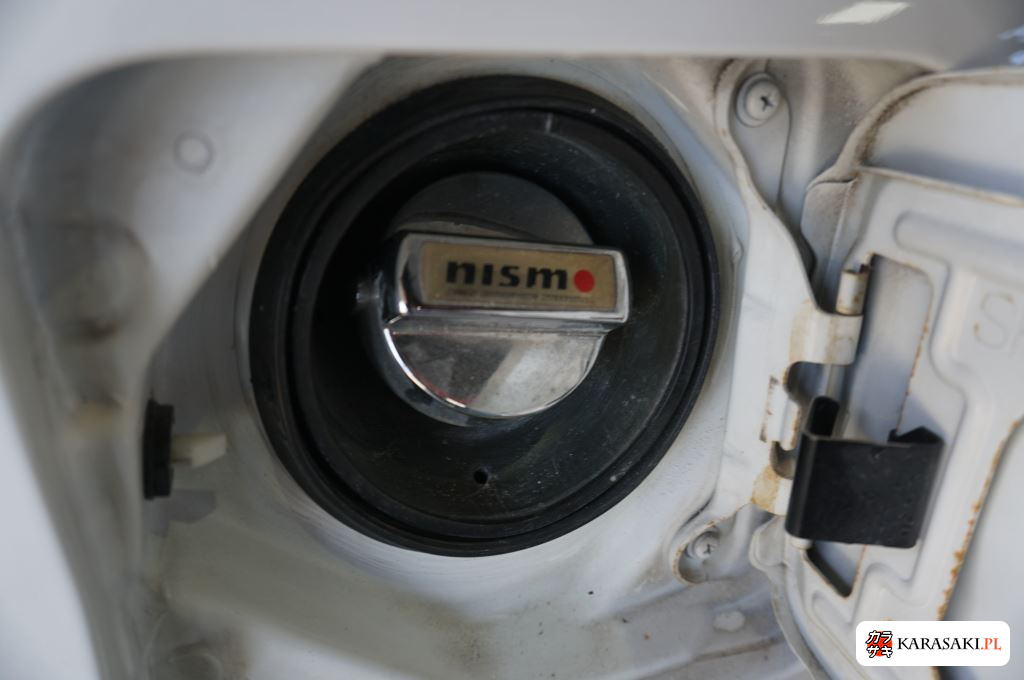
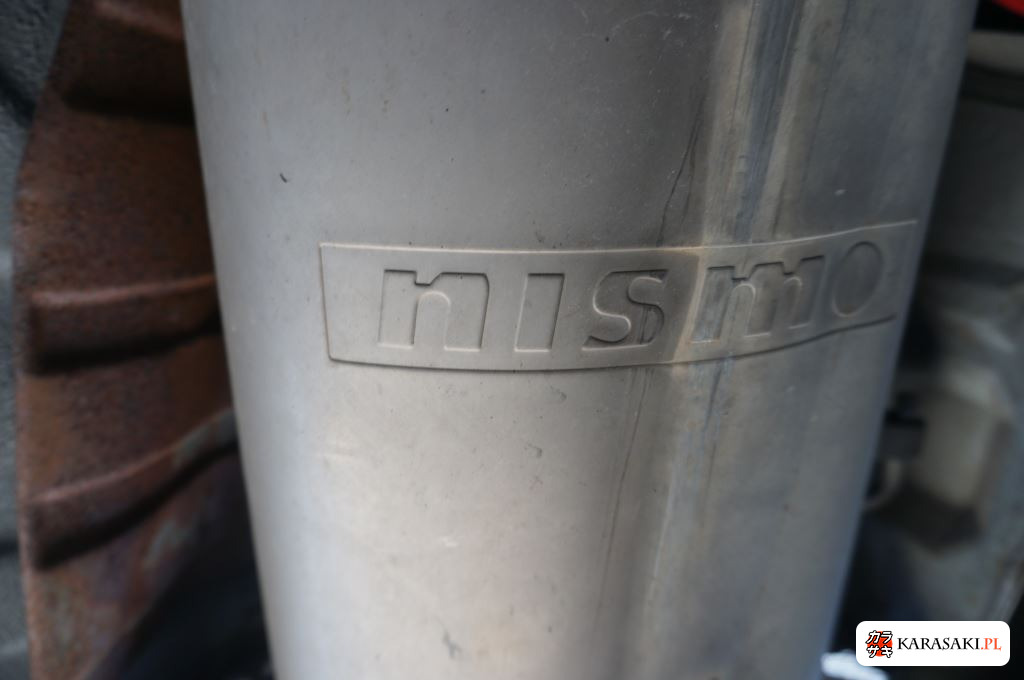
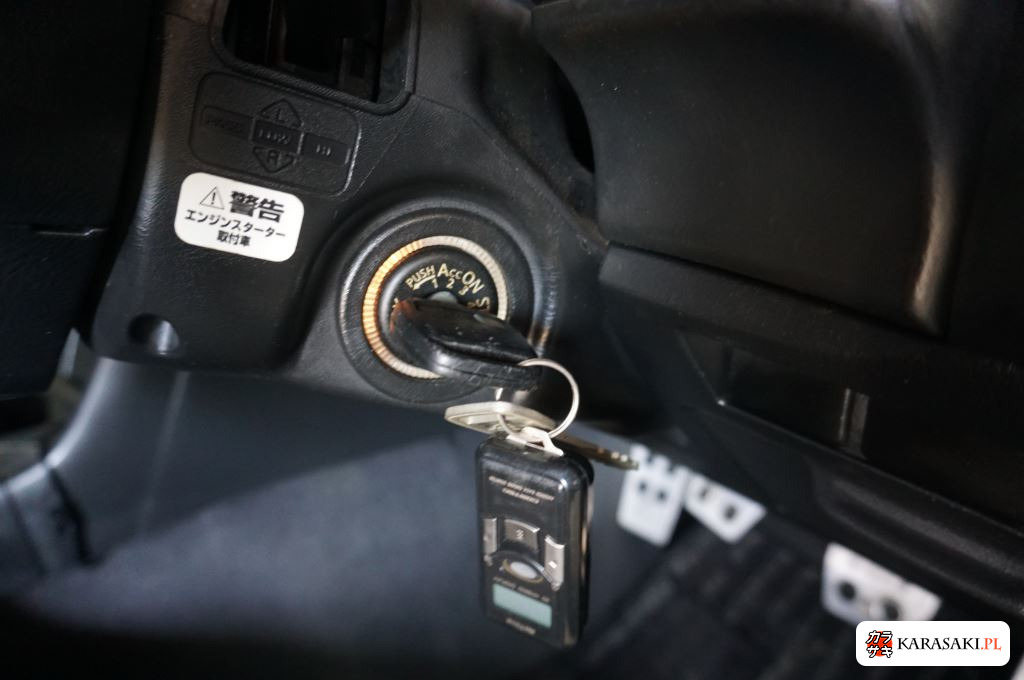
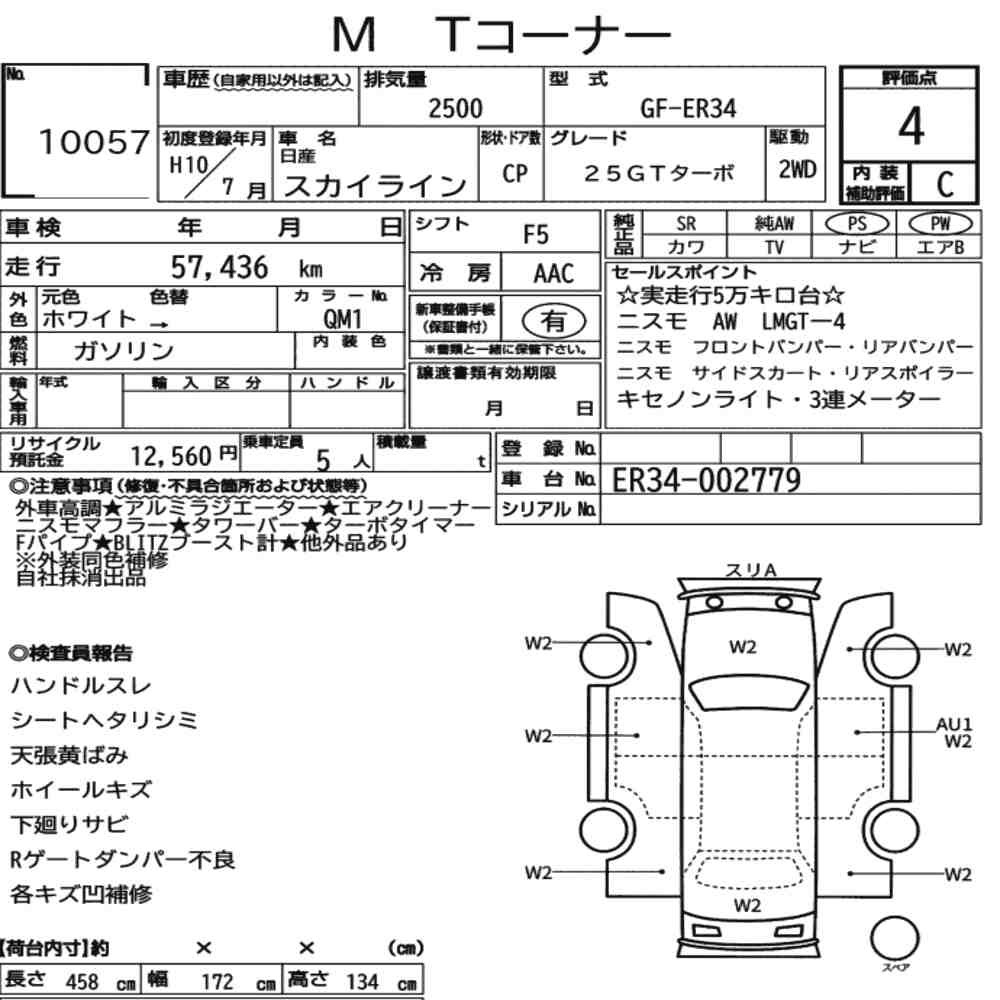
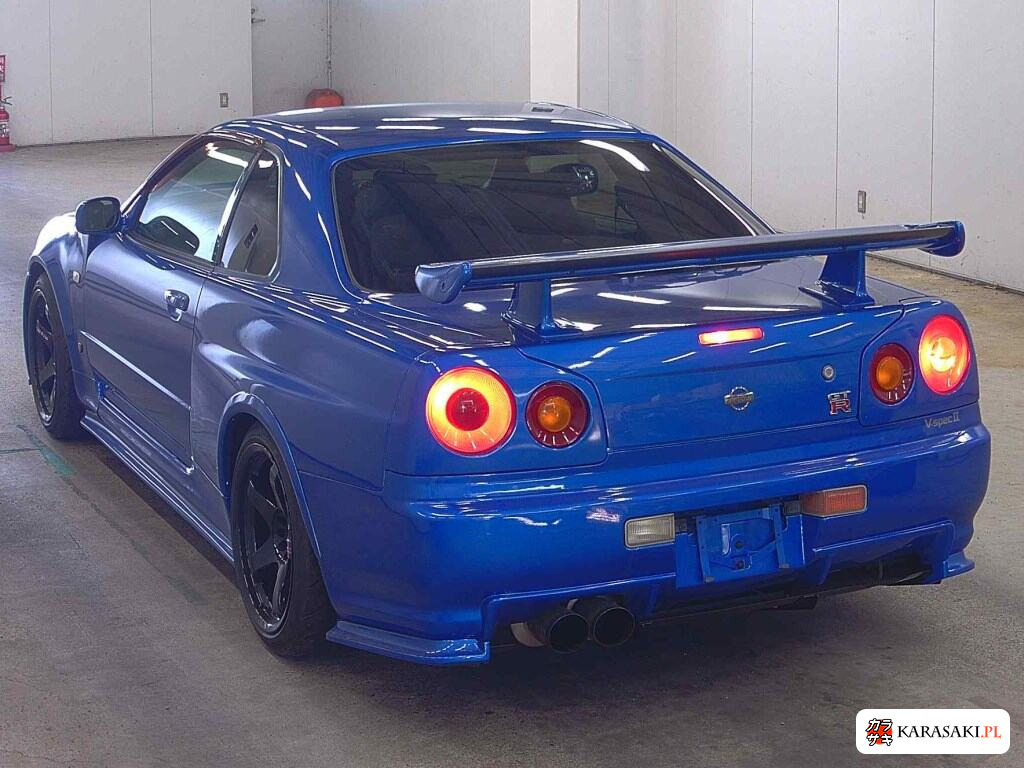
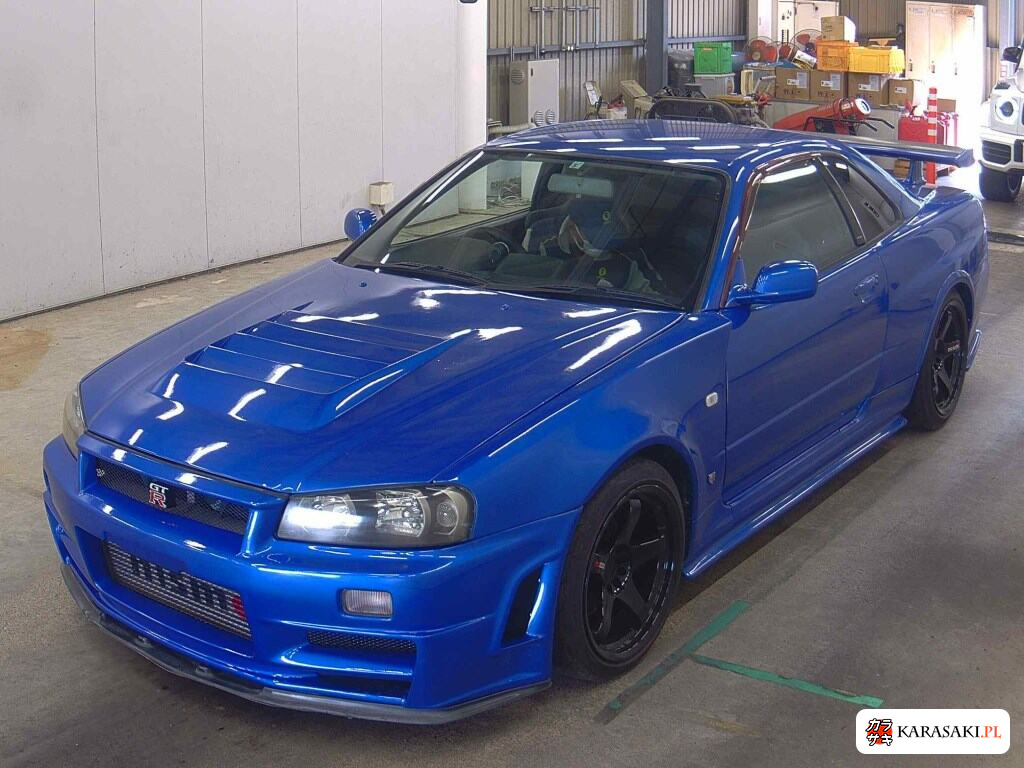
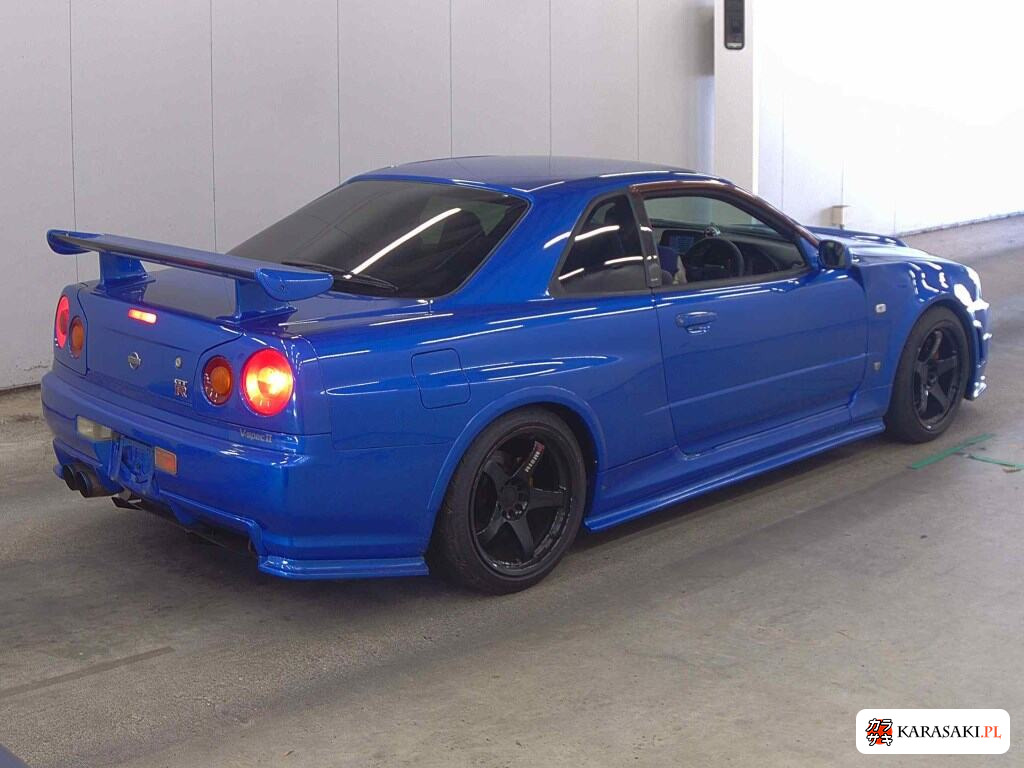
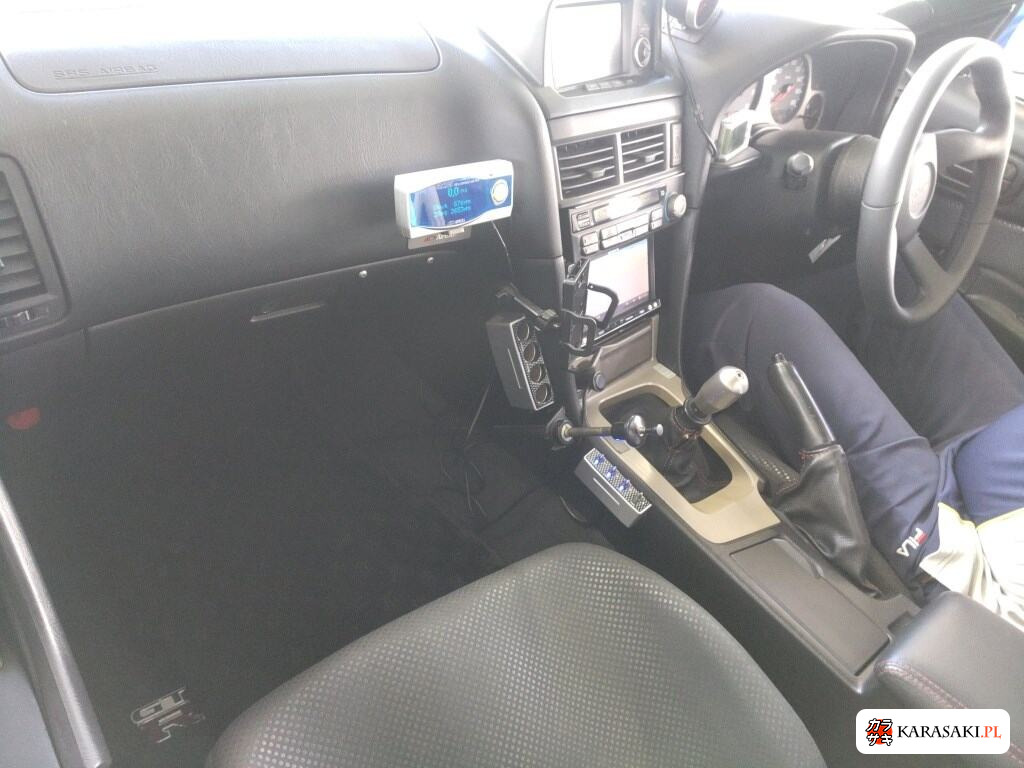
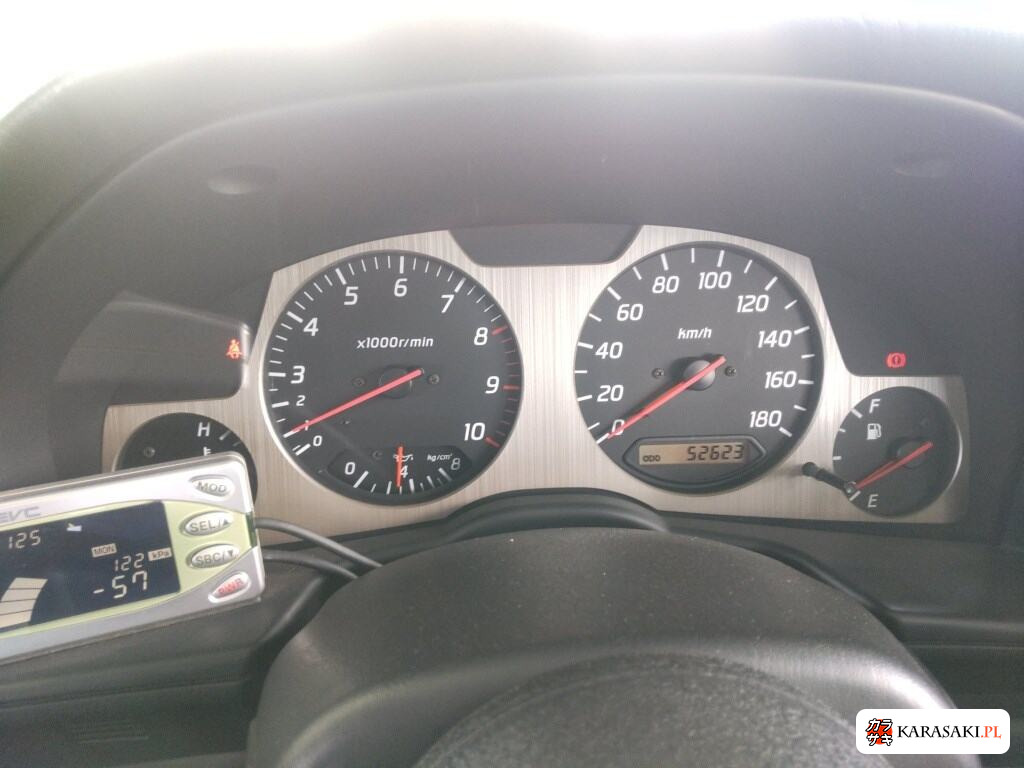
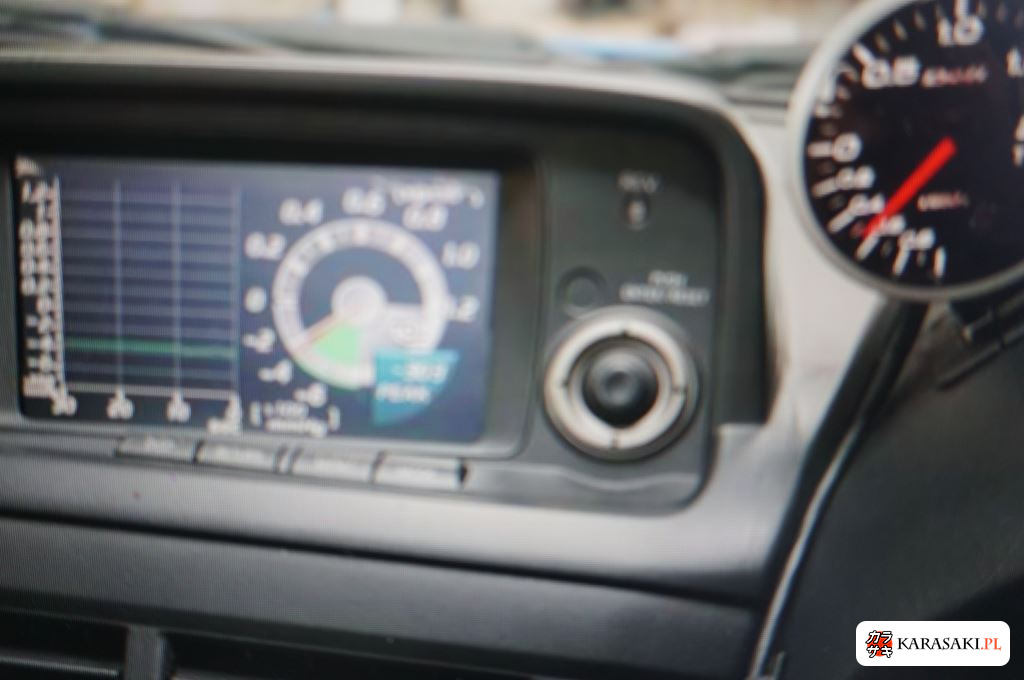
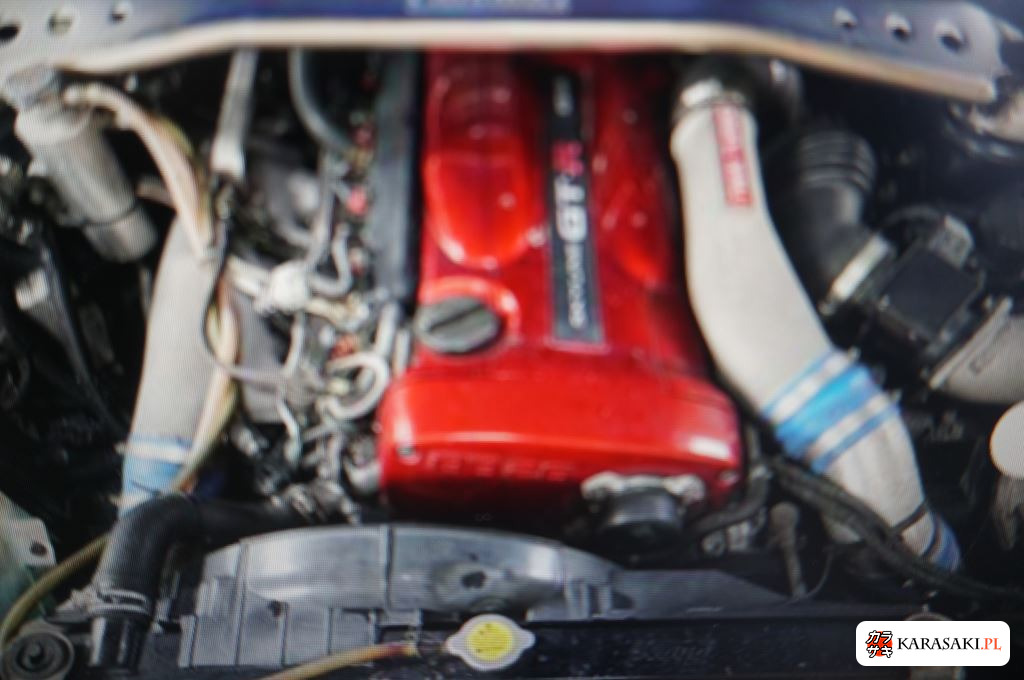
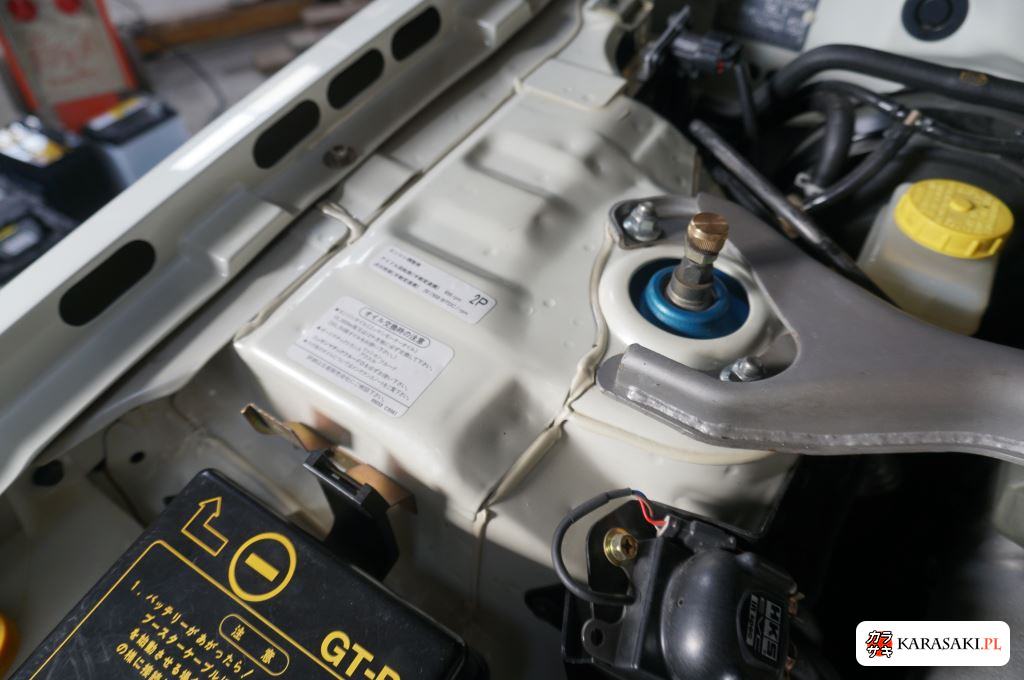
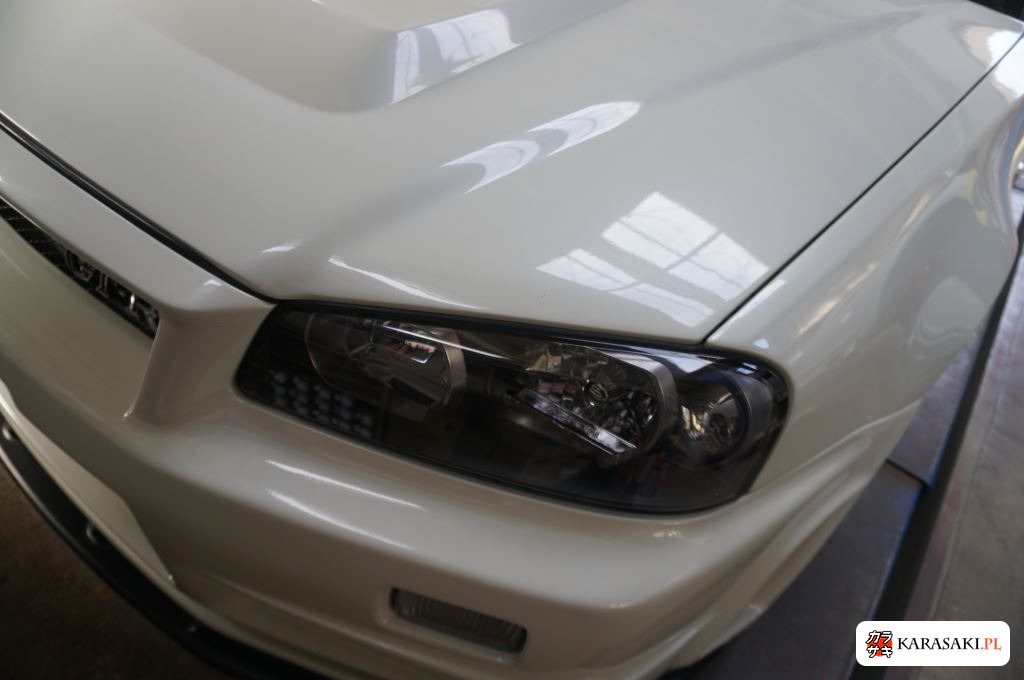
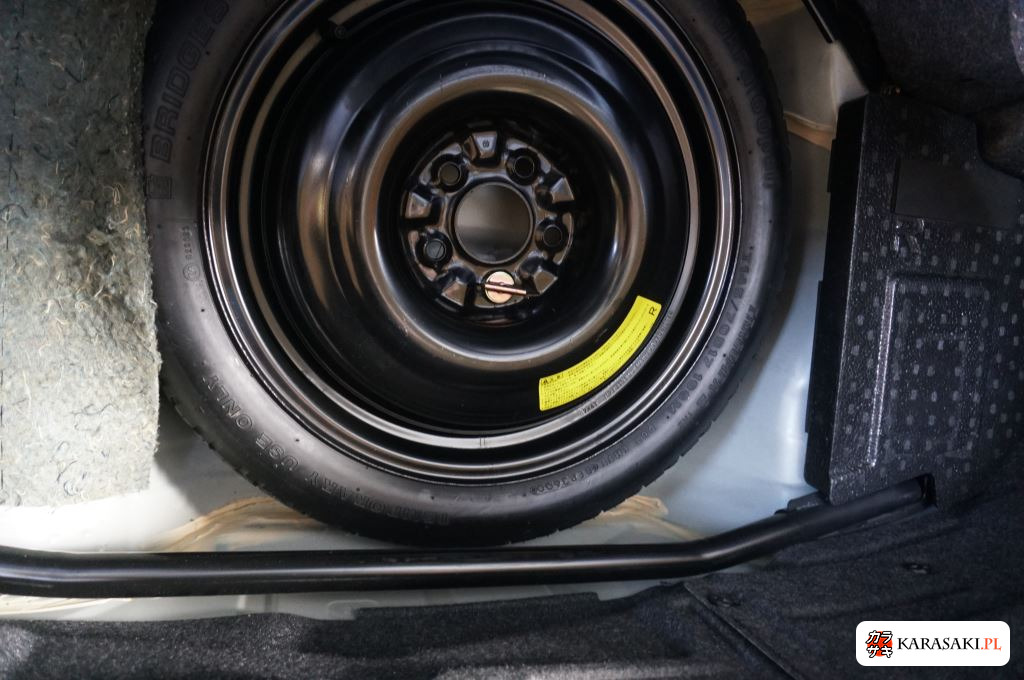
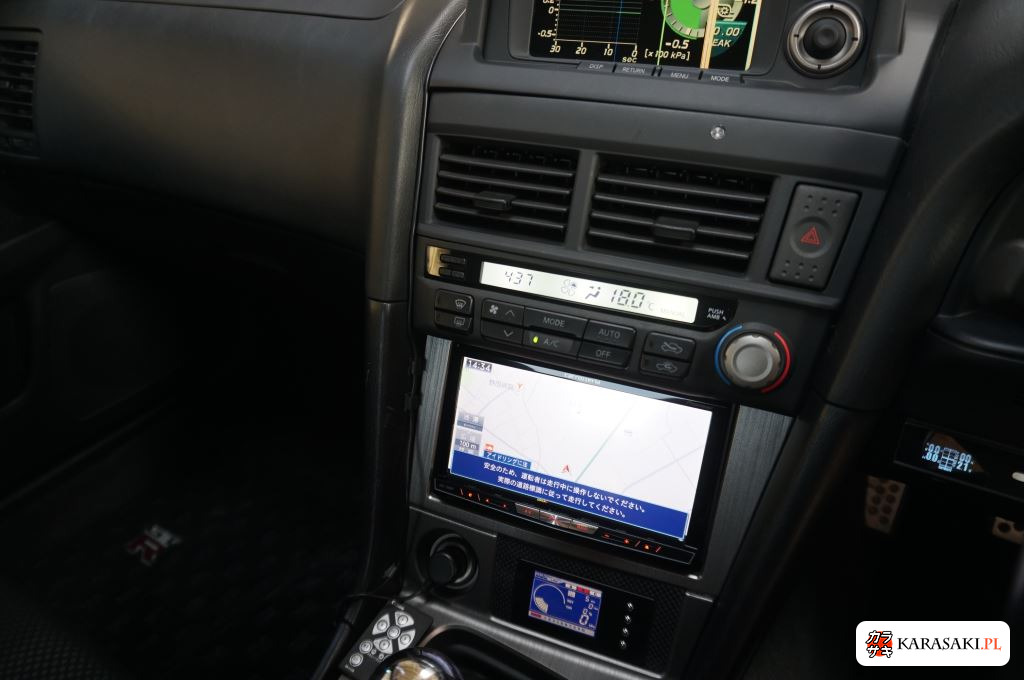
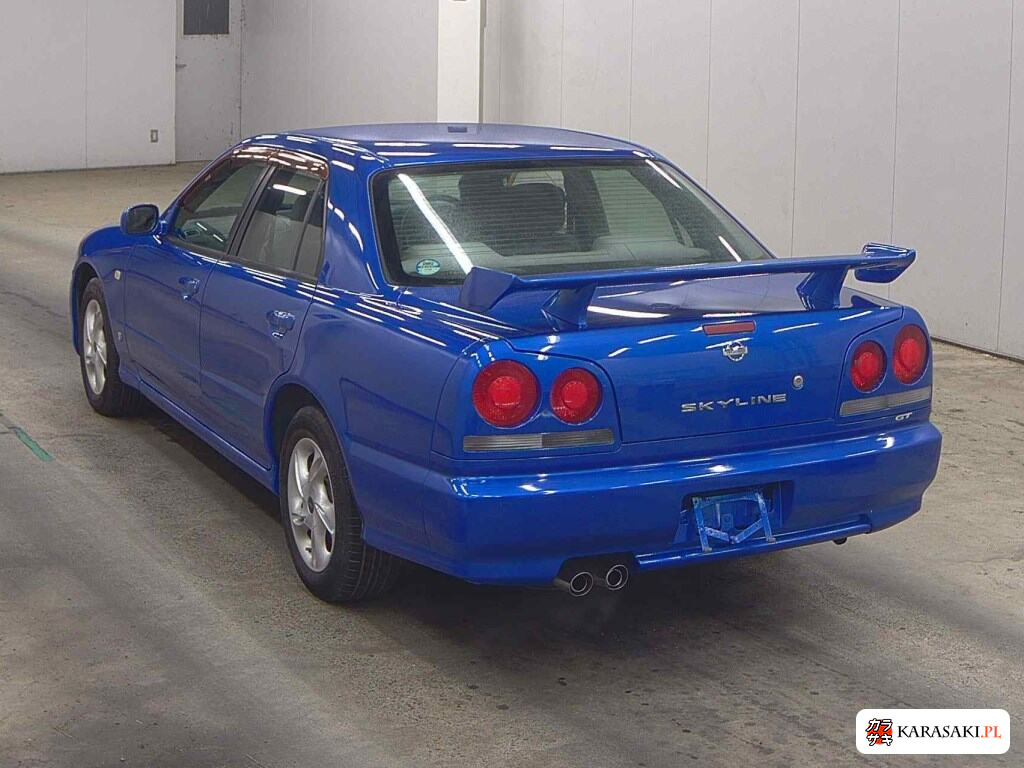
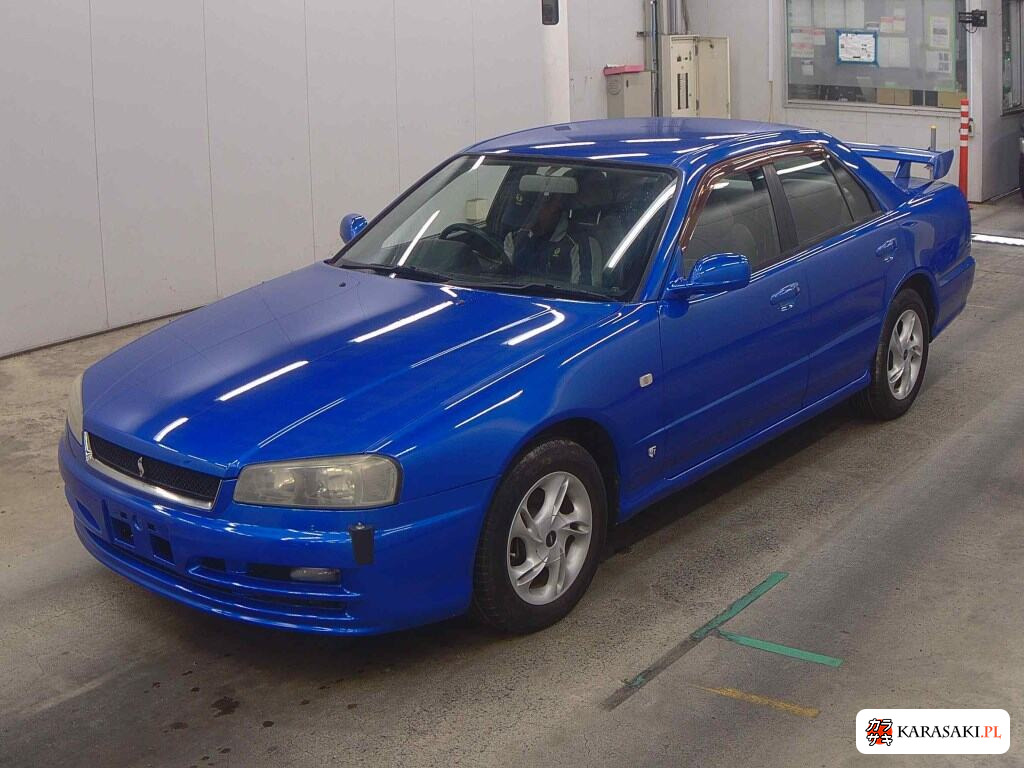
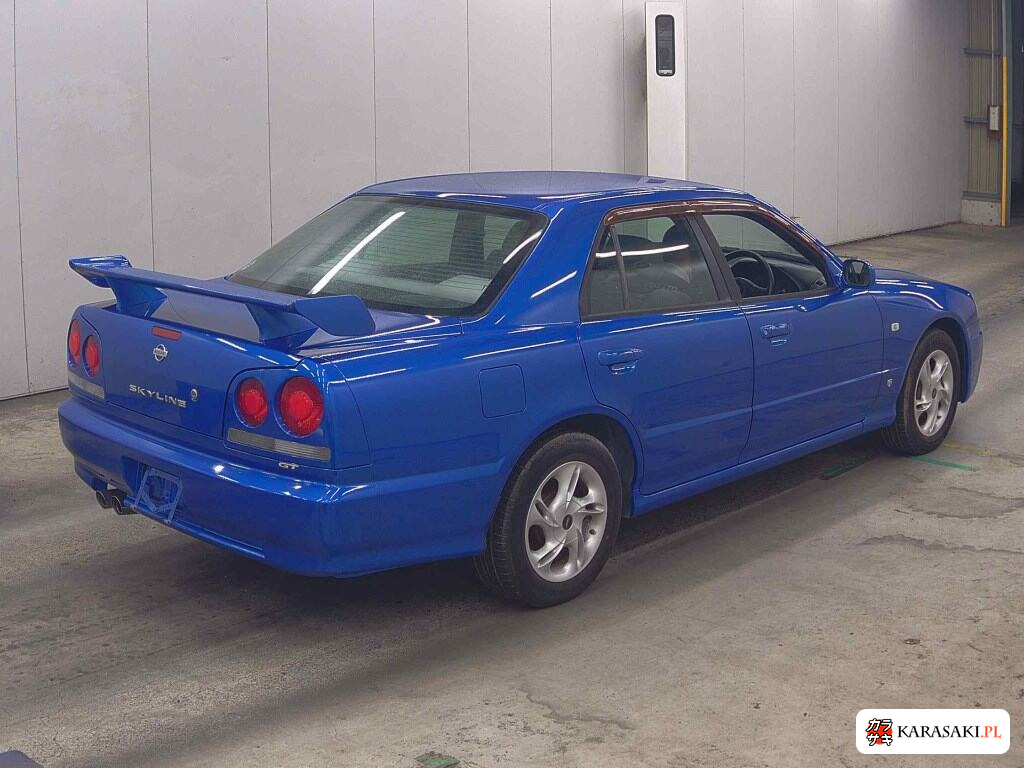
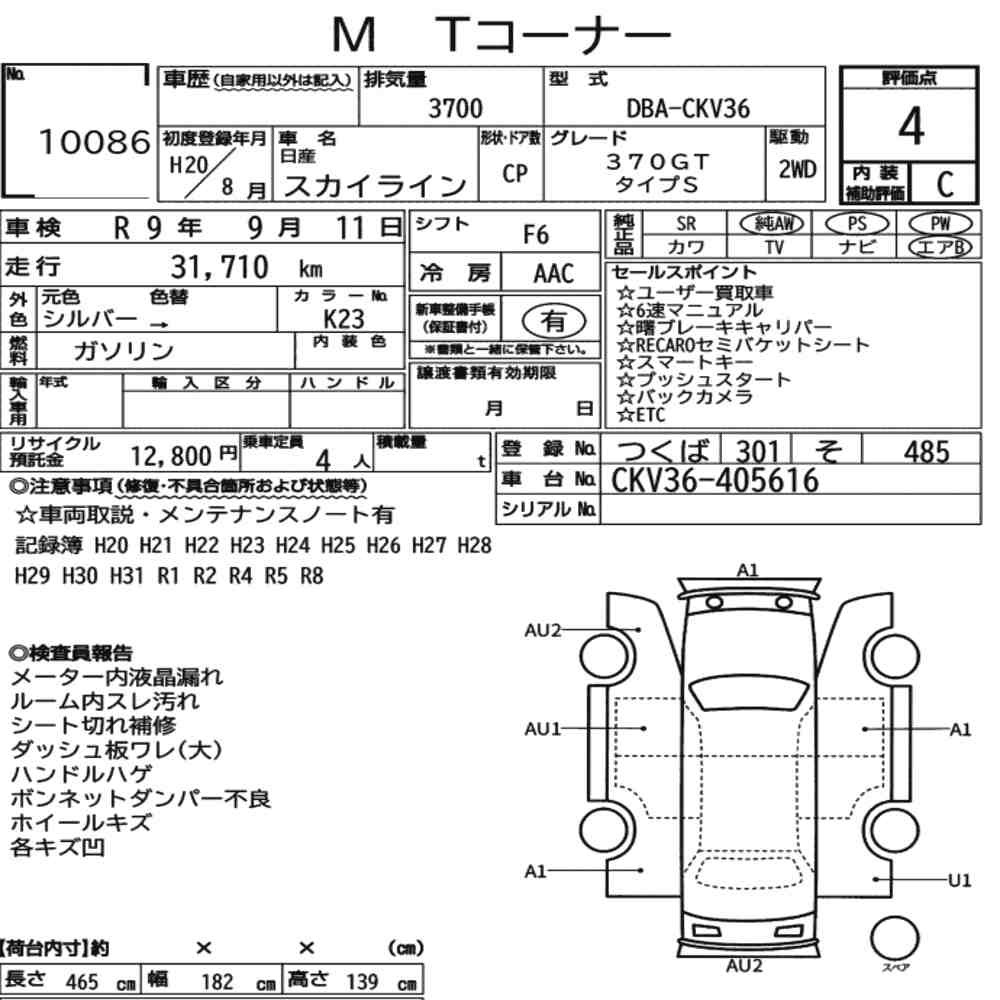
The auctions are where you buy cars that simply do not exist outside Japan, from domestic-market JDM versions to European classics imported there decades ago. The process is tightly regulated, every car goes through an independent inspection, and its result lands on the sheet before the bidding starts.
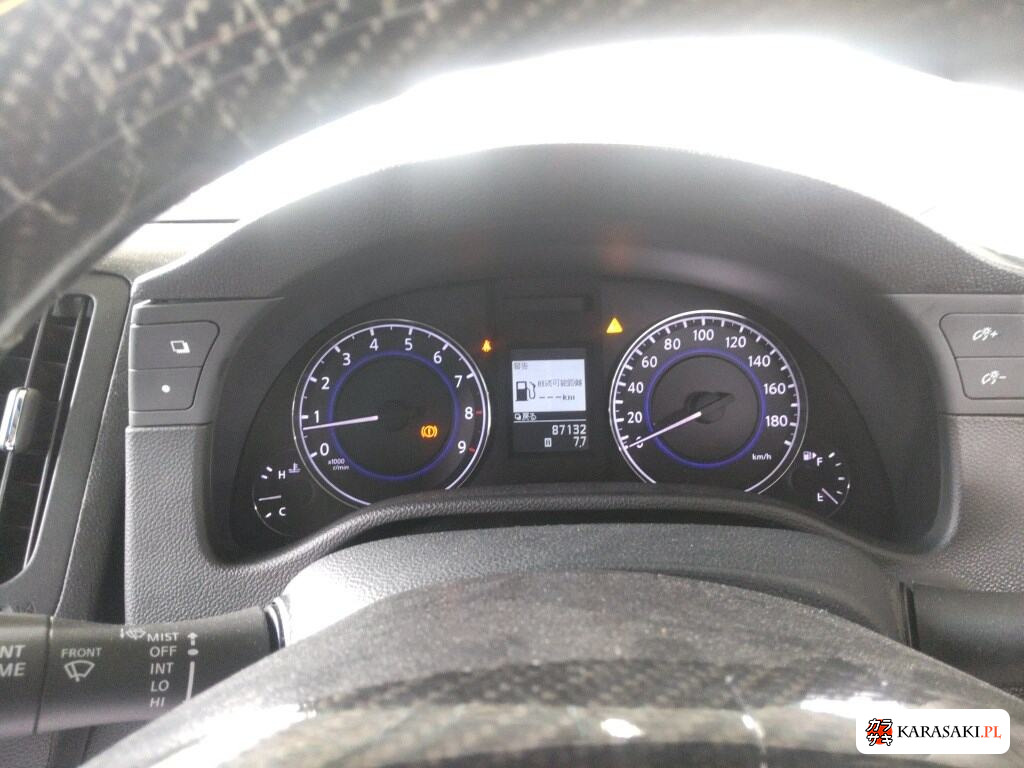
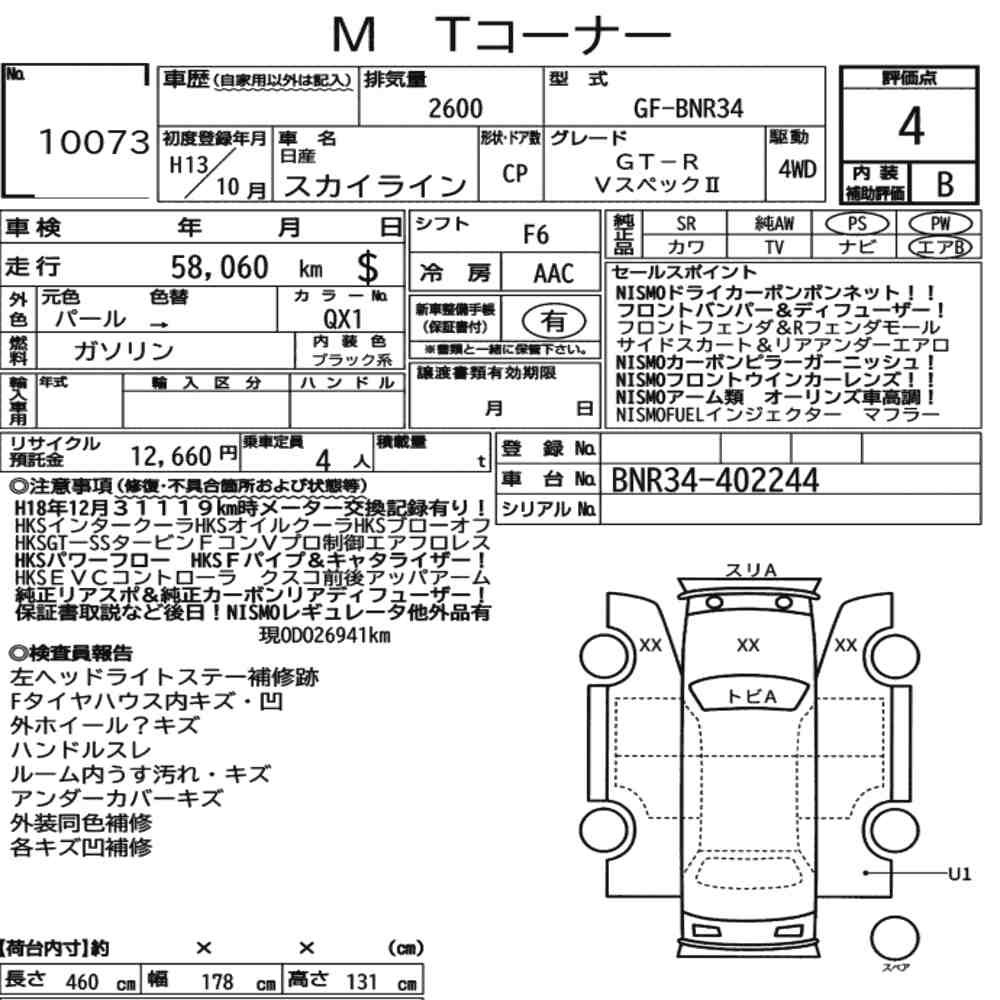
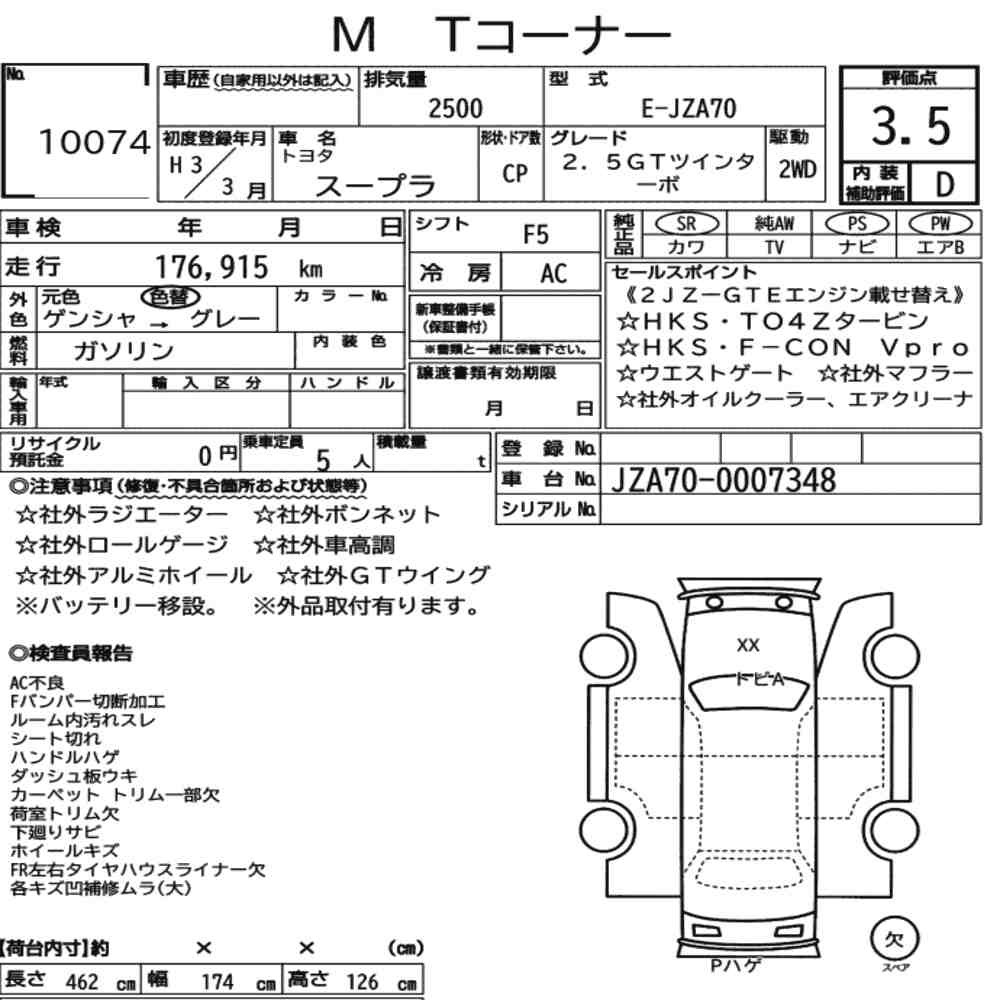
The grading system is strict: cars are graded for both technical and visual condition with short codes (e.g. "DA" for body, "RA" overall). Auction sheets contain detailed information including make, model, year, mileage, grade and photos from every angle.
Bidding strategy for beginners: set a budget, study the market (comparable sales) and read the sheets carefully.
Myth 3: Parts for Japanese cars aren't available in Poland
Not true. The aftermarket for Japanese cars in Poland is robust — both OEM parts and quality aftermarket equivalents are widely available. The right choice depends on preference and budget.
Our catalog shows the scale: 2,200 Skylines, 1,700 Imprezas and over a thousand Fairlady Zs have passed through it. These are mass-produced cars that stayed in production for years, and the parts market has grown with them.
Fact 2: Unique JDM models only available in Japan
JDM (Japanese Domestic Market) refers to cars designed and built for the domestic market with unique engines, design and tech unavailable in export versions. Most popular JDM models in Poland:
- Nissan Skyline GT-R
- Toyota Supra
- Mazda RX-7
- Subaru Impreza WRX STI
- Toyota Corolla AE86
Import costs
The hammer price is just the start. On top of it come:
- Ocean shipping and insurance — depending on route and method.
- 10% duty, 23% VAT, and excise at 3.1% or 18.6% depending on engine size.
- Homologation and any modifications required for Polish registration.
Karasaki — importing from Japan, in numbers
We prefer numbers to labels: 20 years of car import and export experience, 11 years focused on Japan and over 250 completed imports.
The Karasaki process, step by step:
- Pick the car at Japanese auctions.
- Thorough on-site technical inspection in Japan — photos and video.
- Arrange ocean shipping to Poland.
- Customs clearance and the full set of registration documents.
How to pick the right Japanese car
Before bidding, check the technical condition on the sheet, the vehicle history and the mileage records. The most common mistakes buyers make:
- not verifying the technical condition carefully enough,
- missing additional costs (duty, taxes, homologation),
- trusting the seller without verifying paperwork.
FAQ: importing a car from Japan
How much does it cost to import a car from Japan to Poland?
On top of the winning bid you pay ocean shipping, 10% duty on the car's value, 23% VAT and excise: 3.1% for engines up to 2,000 cc or 18.6% above that threshold. The full bill, with worked examples for a small and a large engine, is in our guide how much importing from Japan costs.
Are cars from Japan well kept?
Across more than 57,000 cars from Japanese auctions in our catalog, 67% carry an auction grade of 4.0 or higher at a median mileage of 60,000 km. That result comes from mandatory Shaken inspections and low annual mileage, not from cherry-picking cars for the camera.
Is importing a car from Japan worth it?
The math hinges mostly on engine size: nearly three quarters of the cars in our catalog have engines above 2,000 cc, which means 18.6% excise instead of 3.1%. Importing pays off most for models that simply don't exist in Europe and for examples in condition that is hard to find locally.
Why are cars from Japan cheap?
It's the opening price that is low, not the final bill. The costly Shaken inspection discourages keeping older cars, so auction supply is huge and bidding starts low. Shipping, duty, VAT and excise still apply, and in the worked examples from our guide they add a double-digit percentage on top of the purchase price.
Summary
Japanese cars are valued for their condition and unique models — and many of the myths around them simply don't hold up. The import process can look complex, but the right partner — like Karasaki Cars — guides you through every stage: sourcing, purchase, shipping, customs clearance and the full set of registration documents.


