
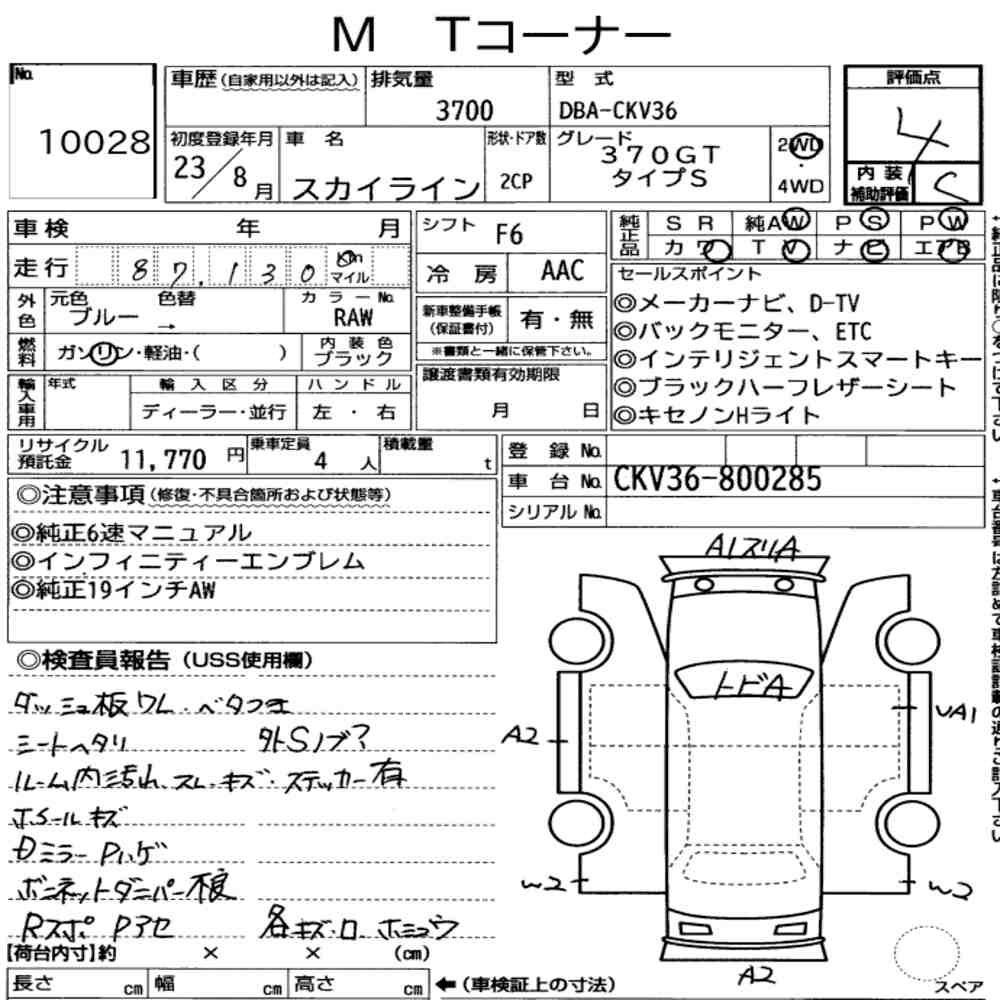
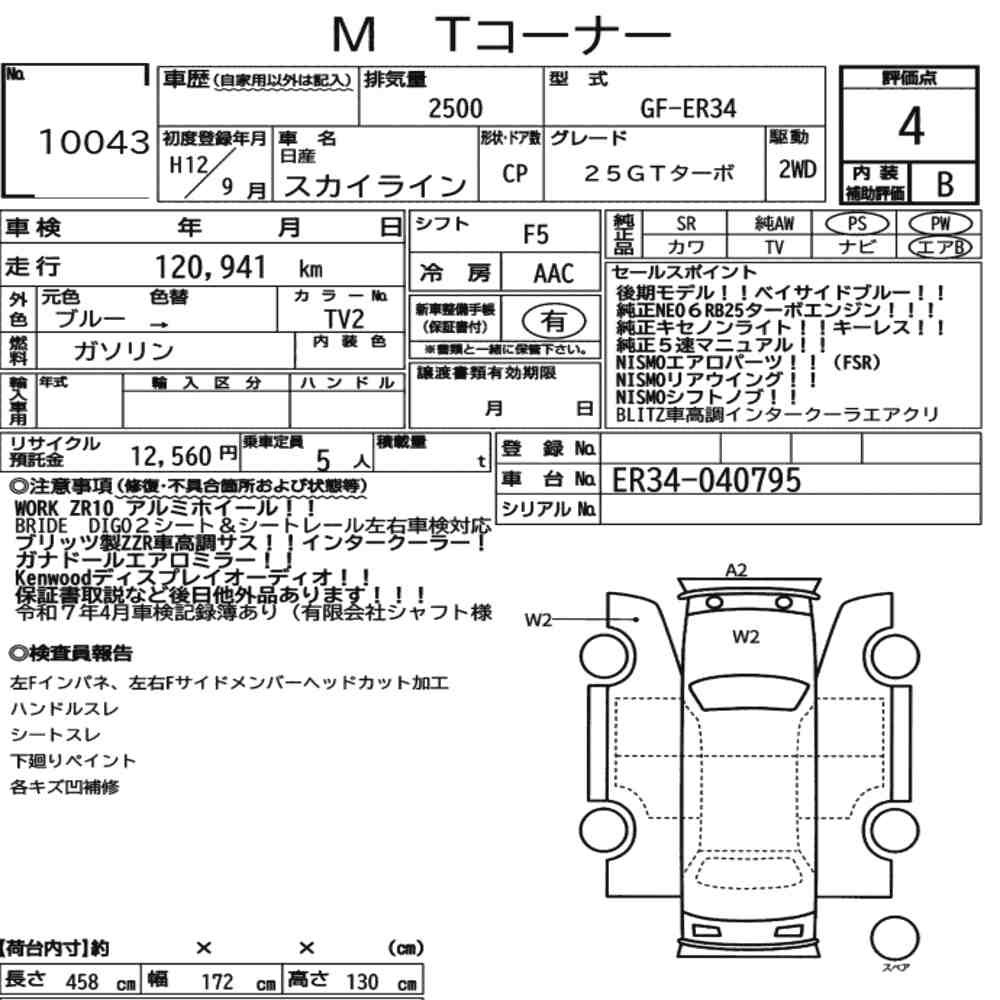
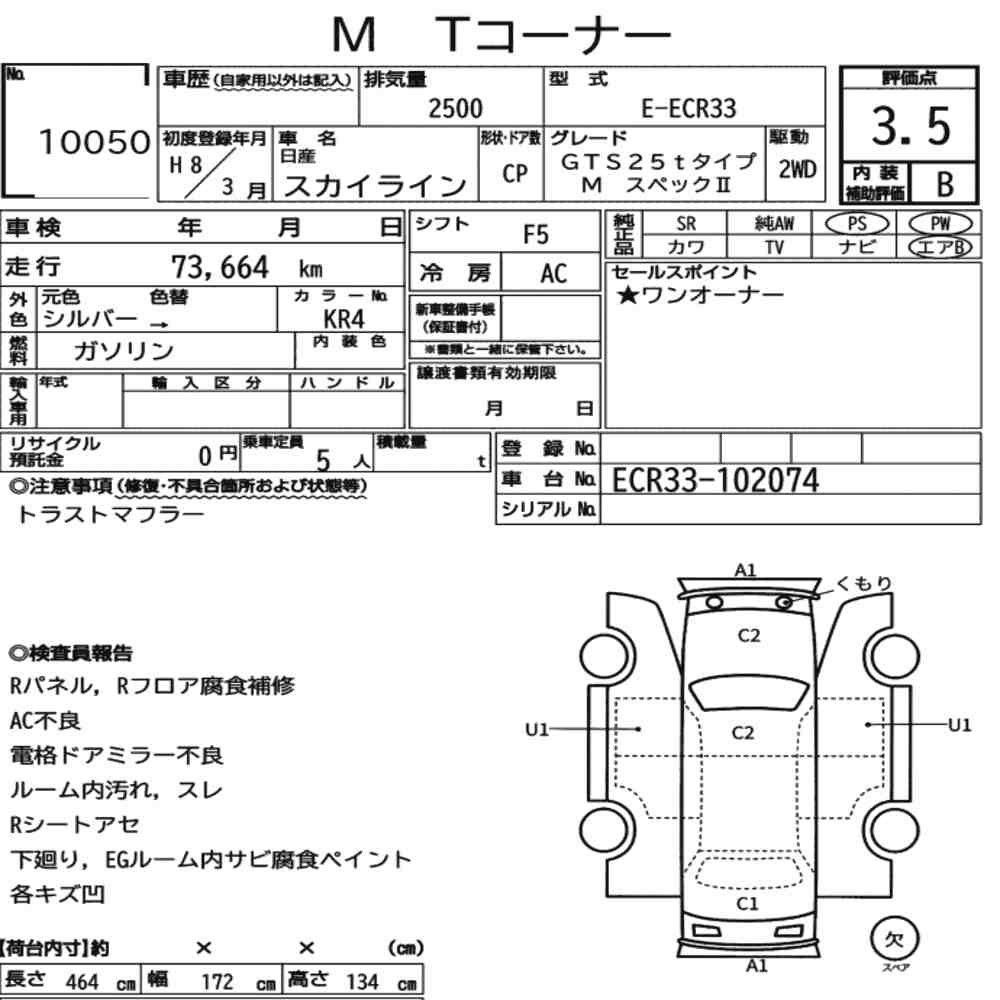
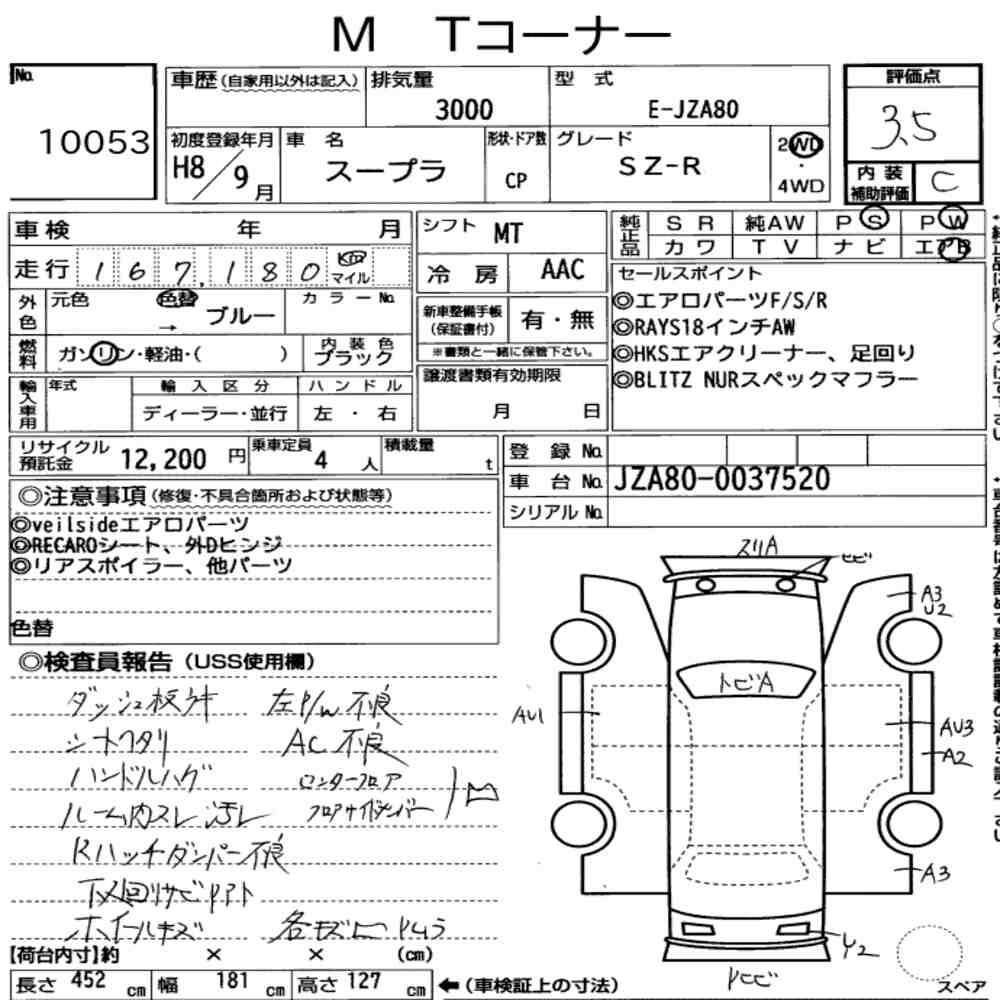
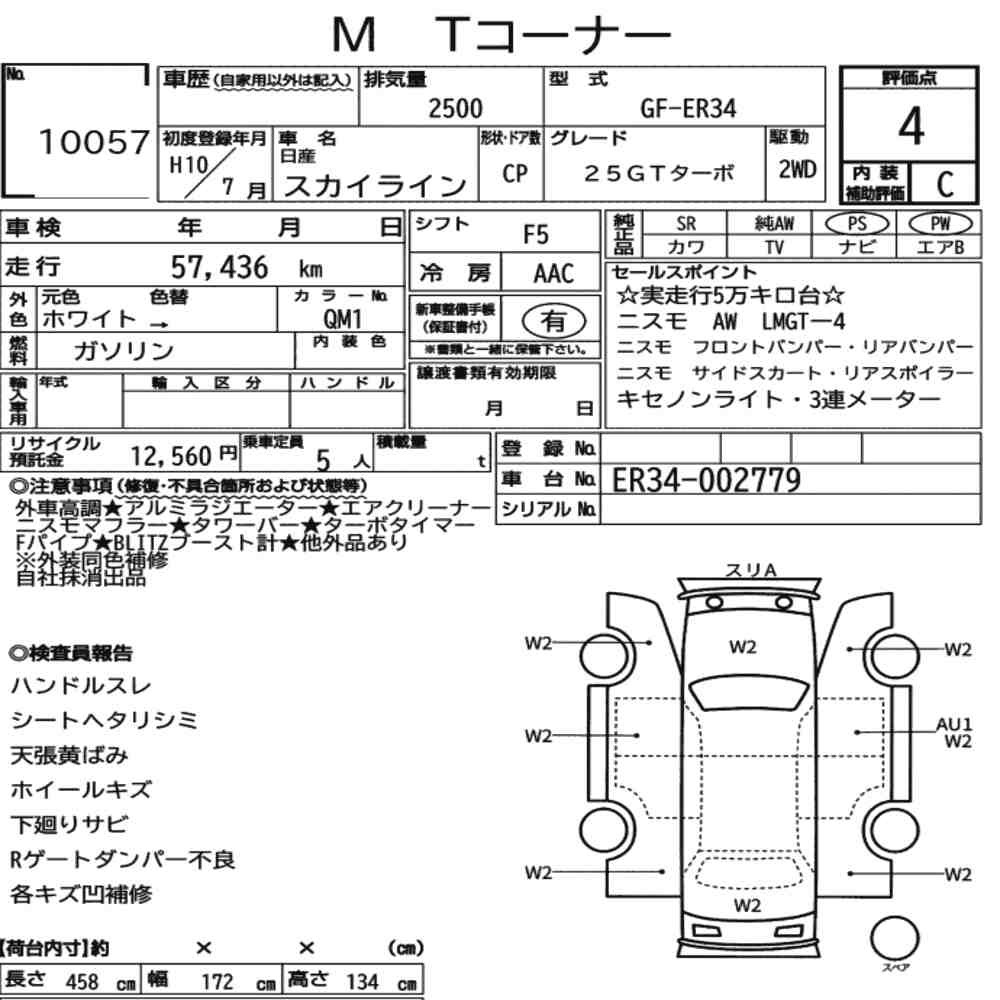
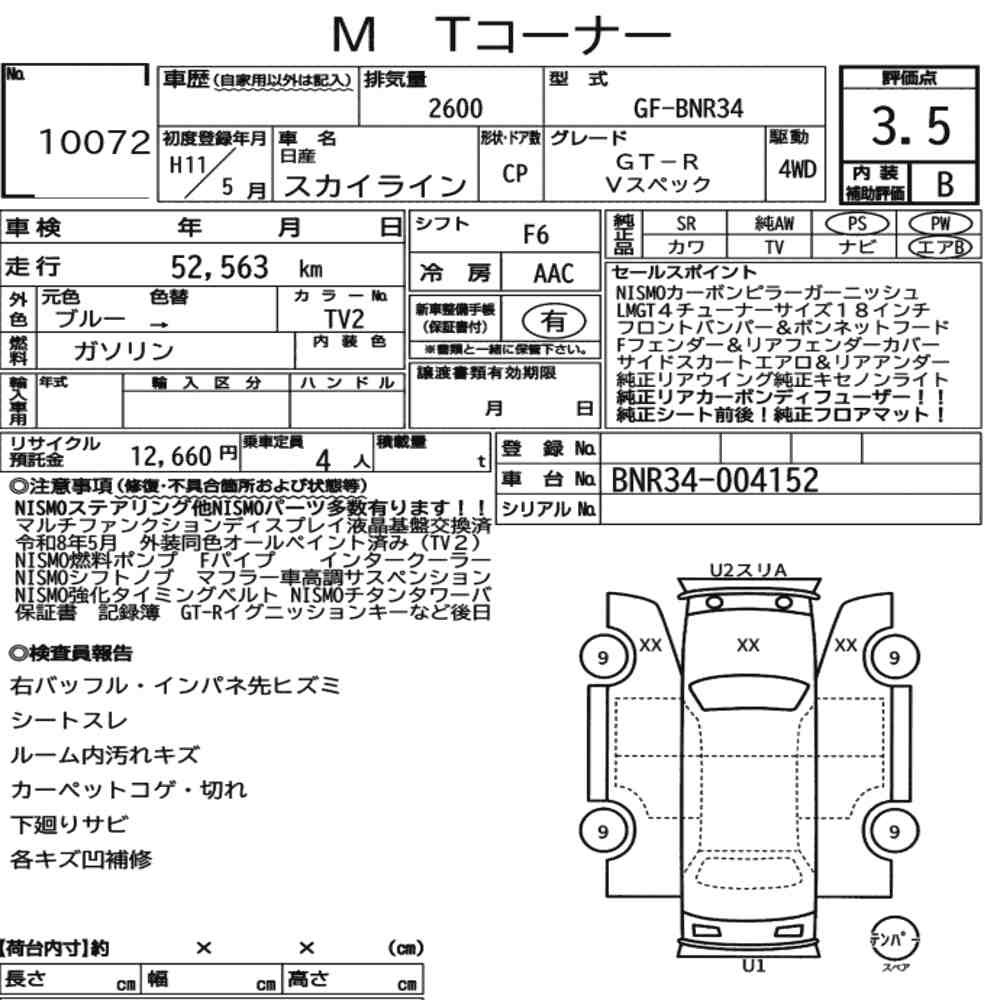
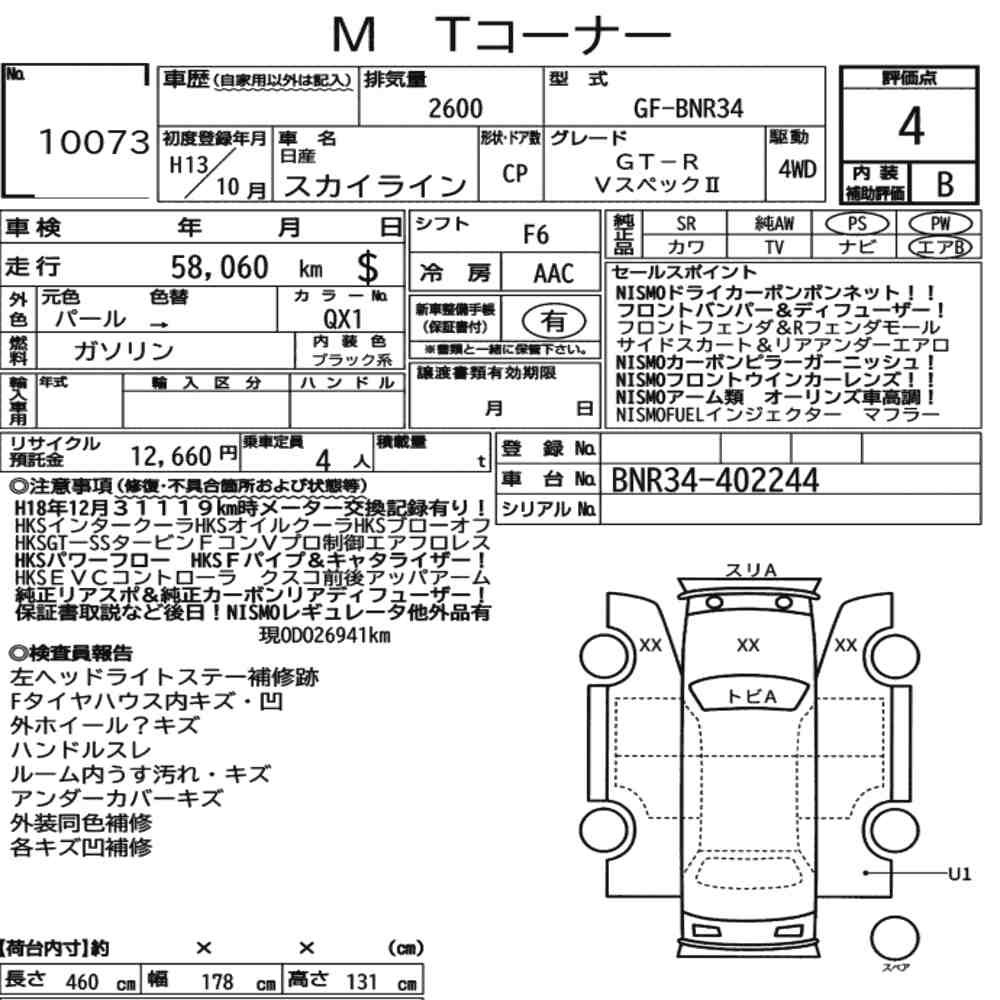
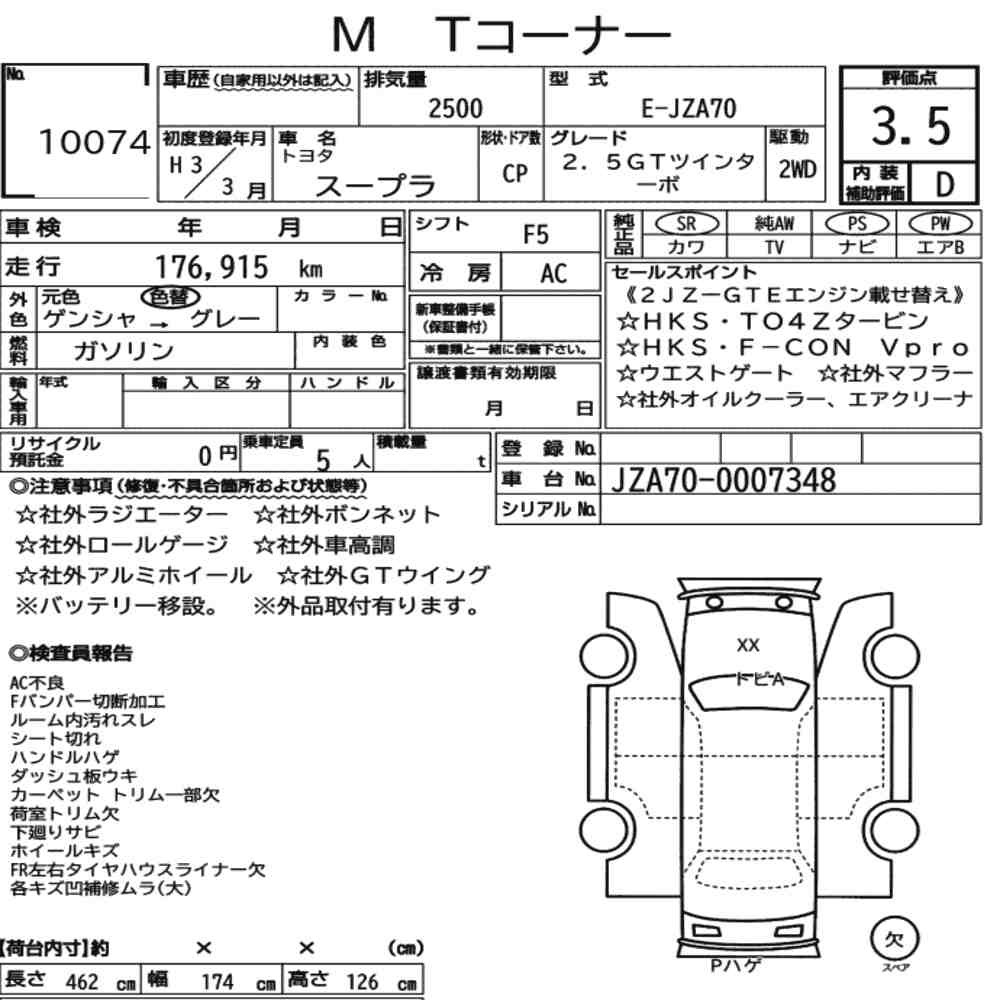
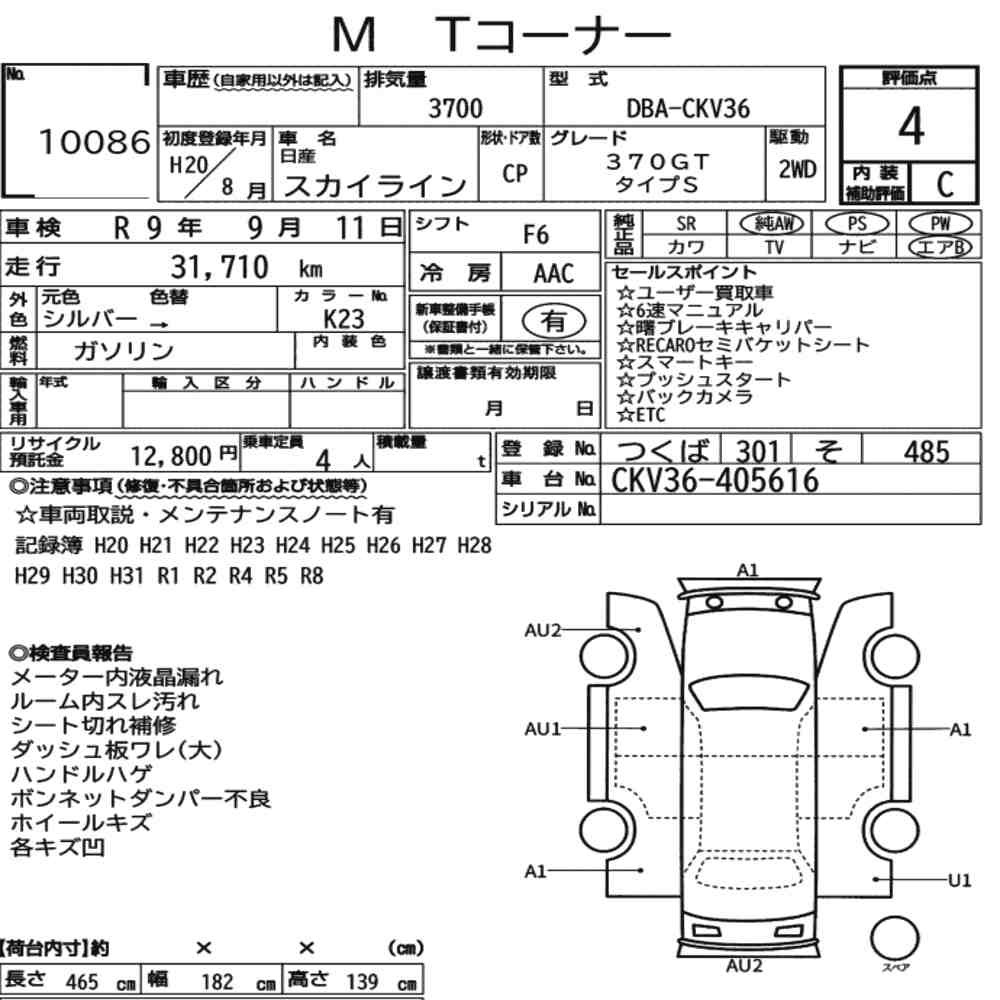
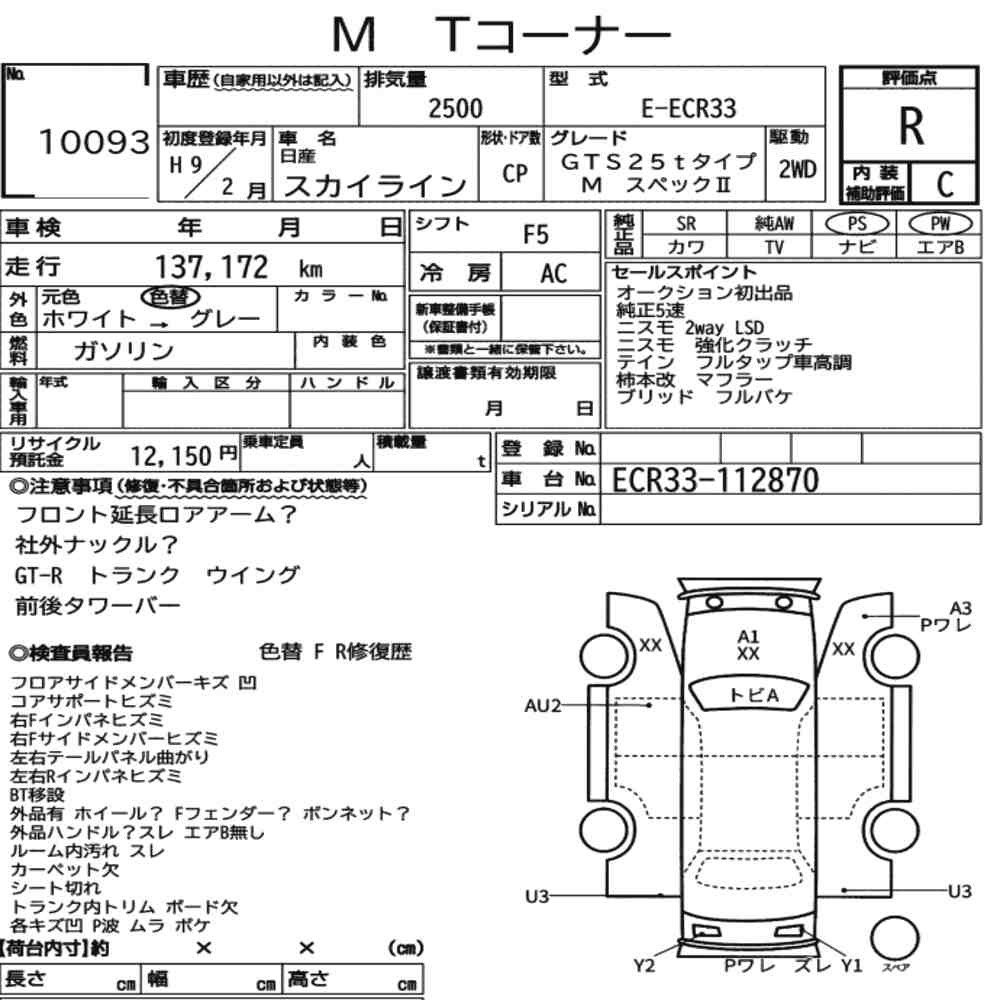
Every Japanese auction sheet has two grade fields, a damage map, and inspector's notes. 90% of import scams happen where the buyer doesn't know the codes. This guide walks the whole document — how to read it, what to look for, what disqualifies a car.
Step 1. The 1–6 grade scale
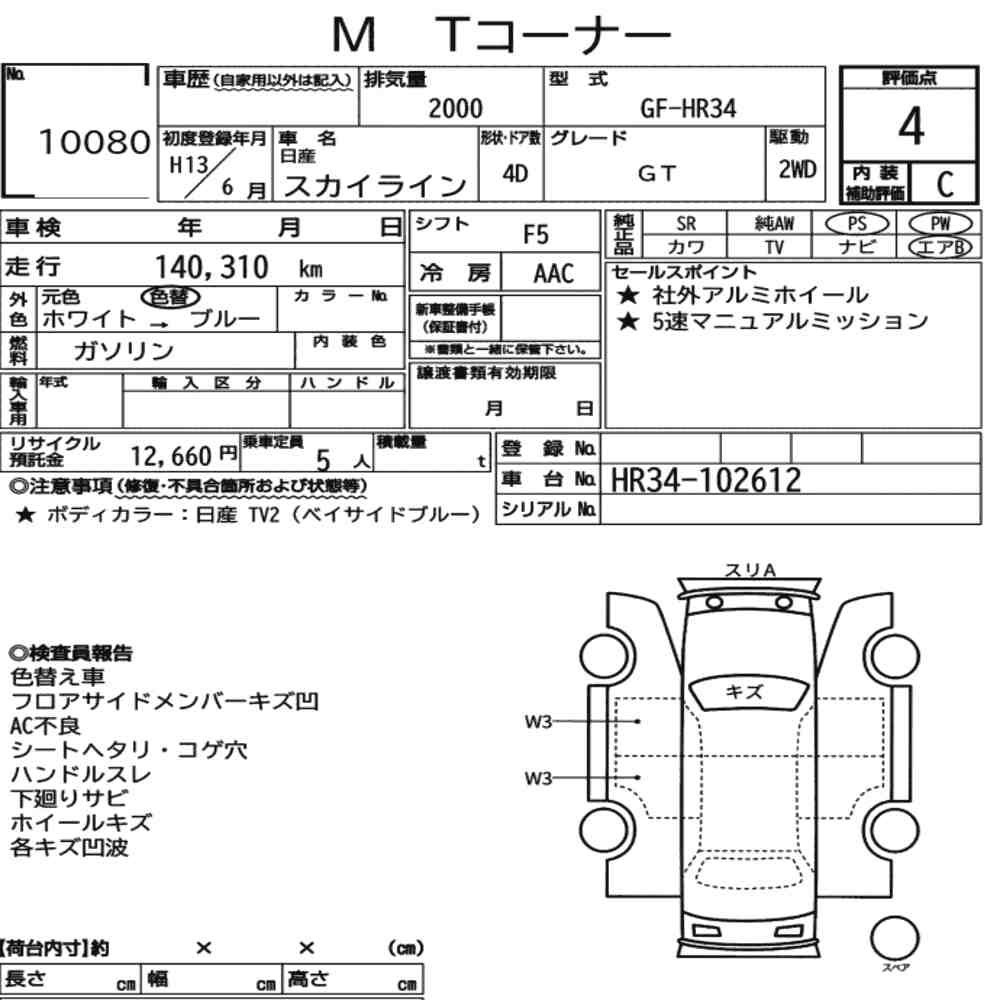
The first number on the sheet is the overall grade.
- S / 6 — museum, <20,000 km, flawless.
- 5 — showroom, fully serviced.
- 4.5 — very good, minor marks.
- 4 — good, normal wear.
- 3.5 — used, minor flaws.
- 3 — heavily used.
- 2 / 1 — needs restoration.
- R / RA — post-accident.
Step 2. Interior A–D
Separate scale for the cabin. A = unused, B = light wear, C = visible wear, D = serious damage. A sheet marked "4.5 B" means a very good car with lightly worn interior.
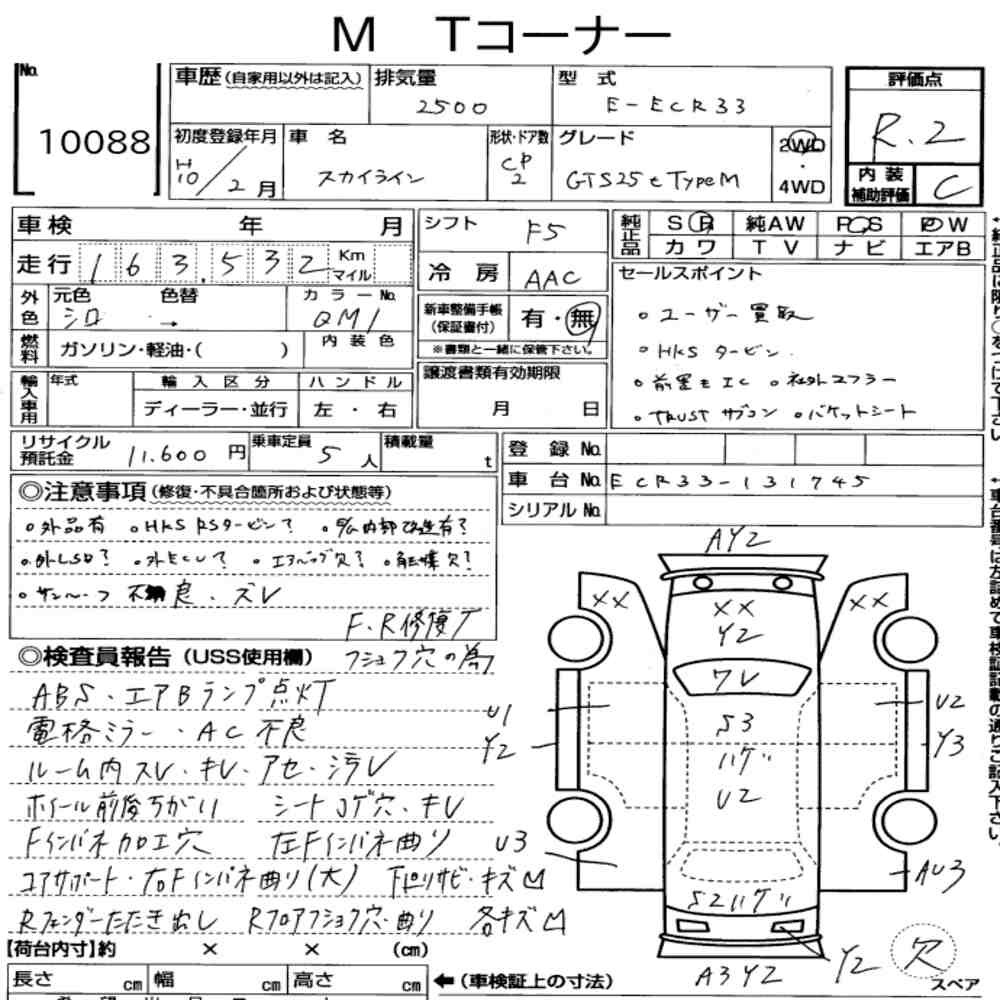
Step 3. The damage map
The right side of the sheet has a line drawing with letters and numbers. Letters = type, numbers = severity.
- A — scratch. A1 small, A3 large.
- U — dent. U1 small, U3 big.
- W — wave / repainted. W2+ is a red flag.
- S — rust. S1 surface, S3 deep.
- X — replaced panel. Automatic pass.
- XX — replacement required.
Auta z japońskich aukcji


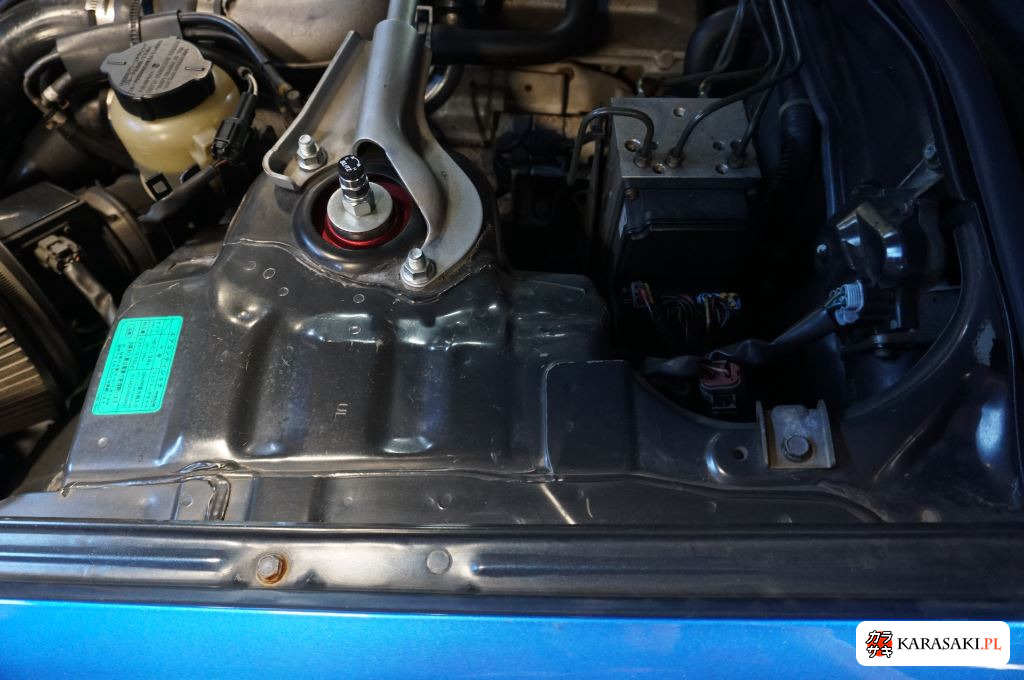
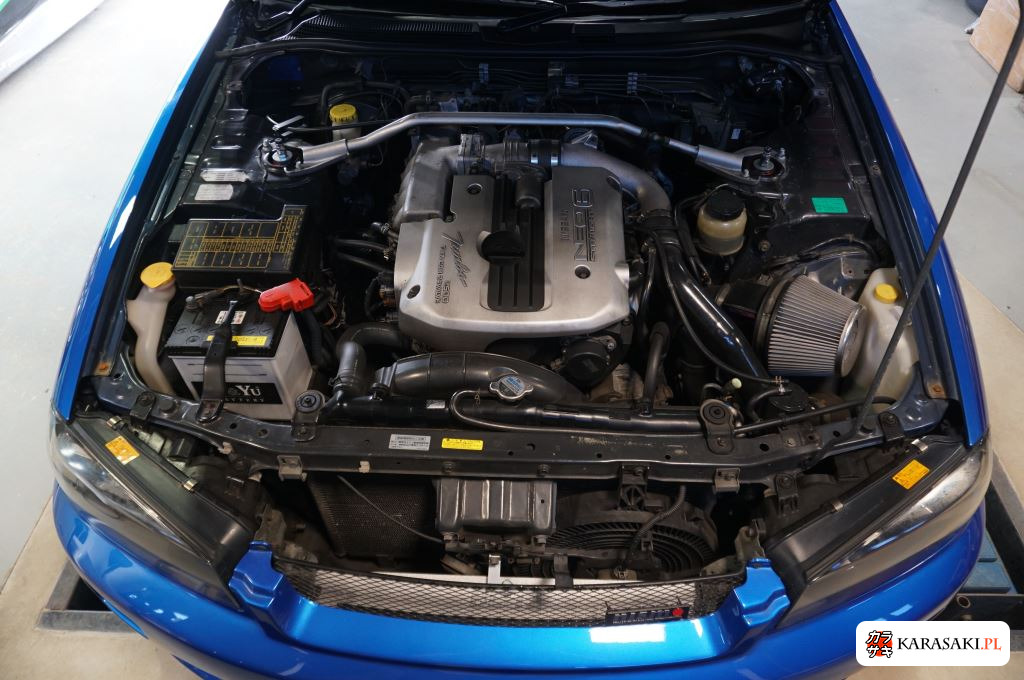
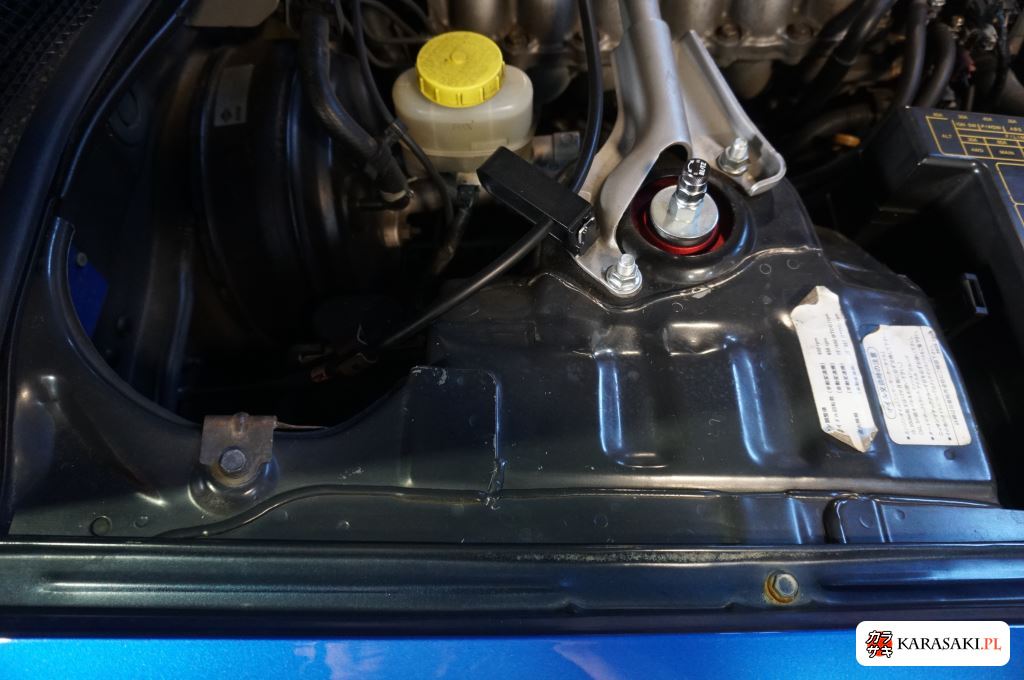
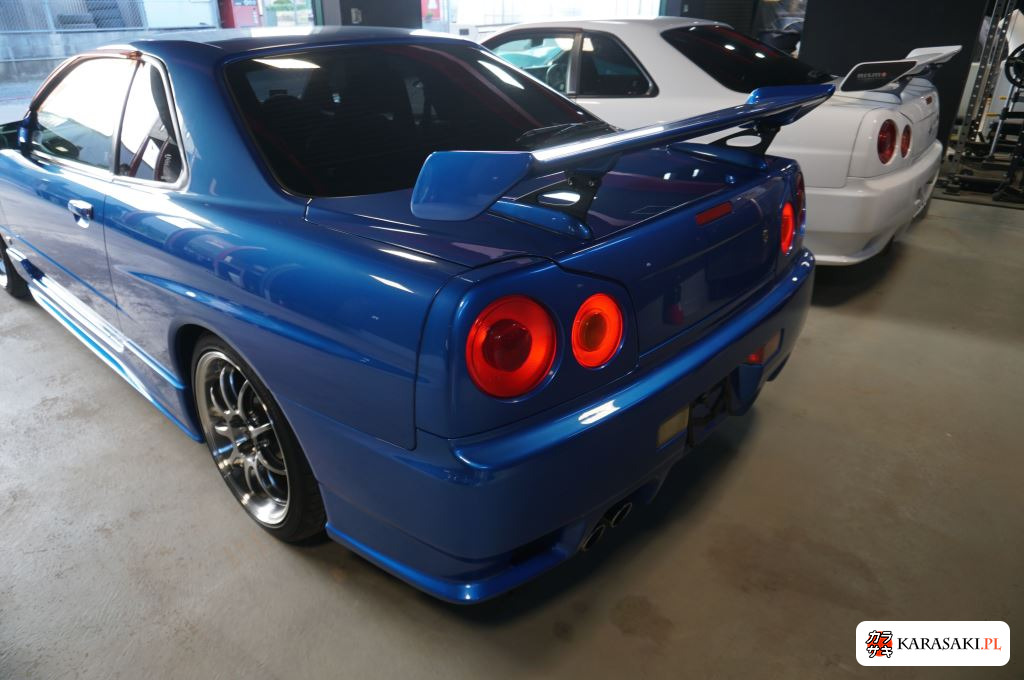

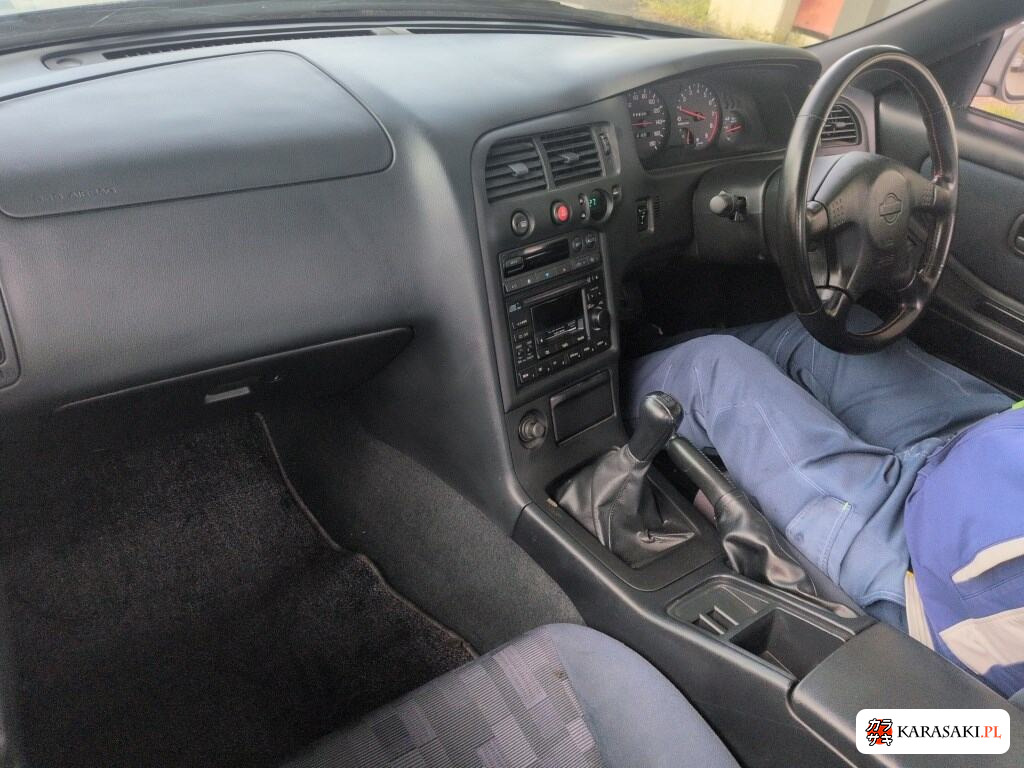
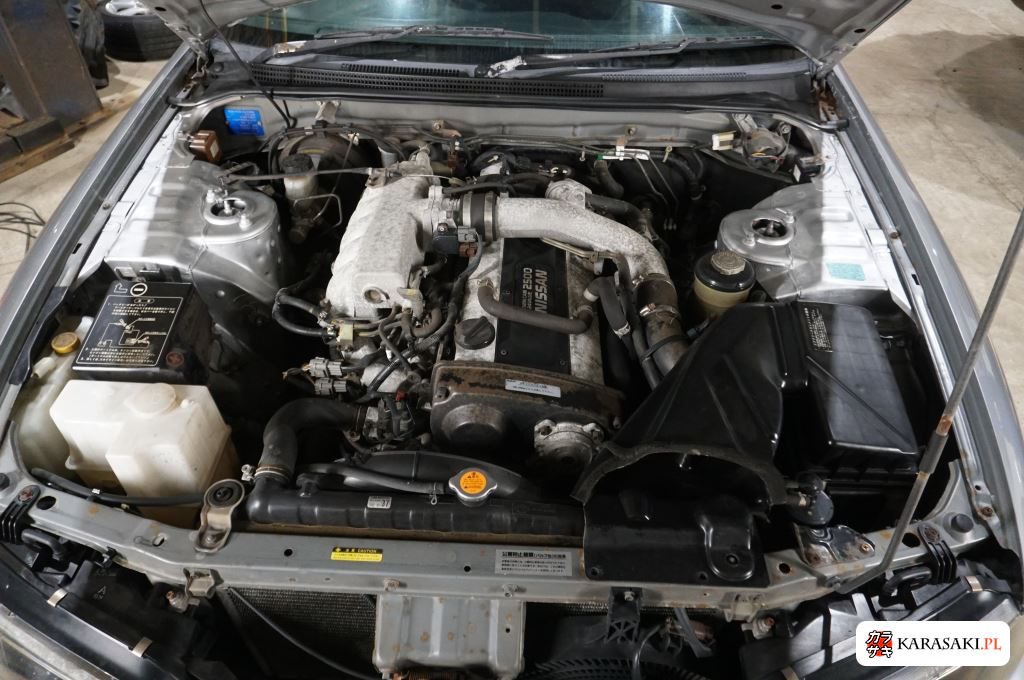
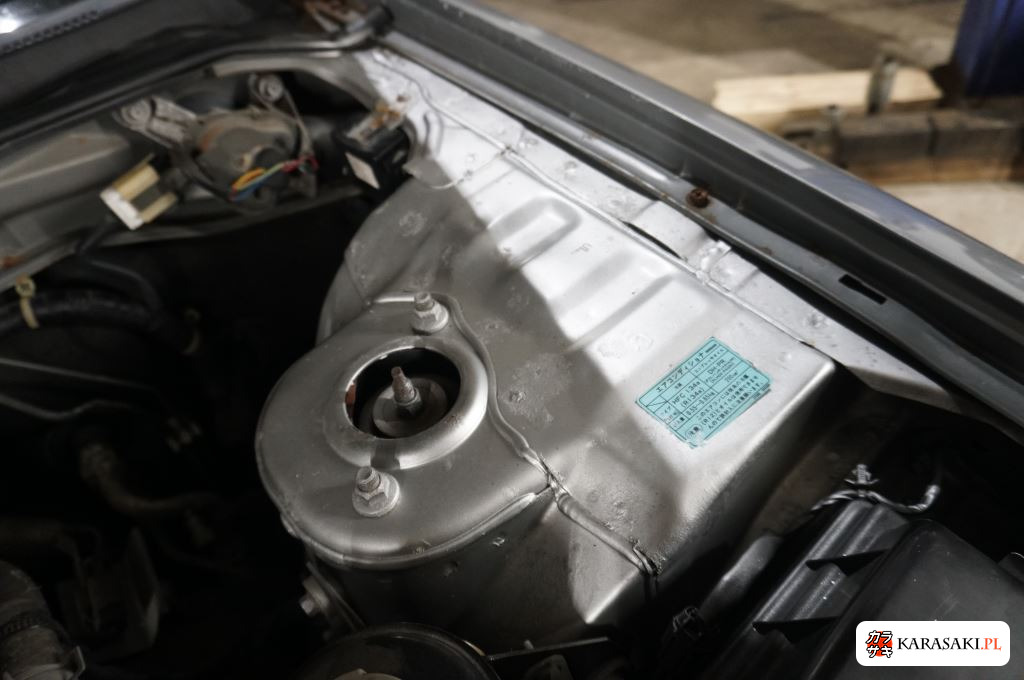
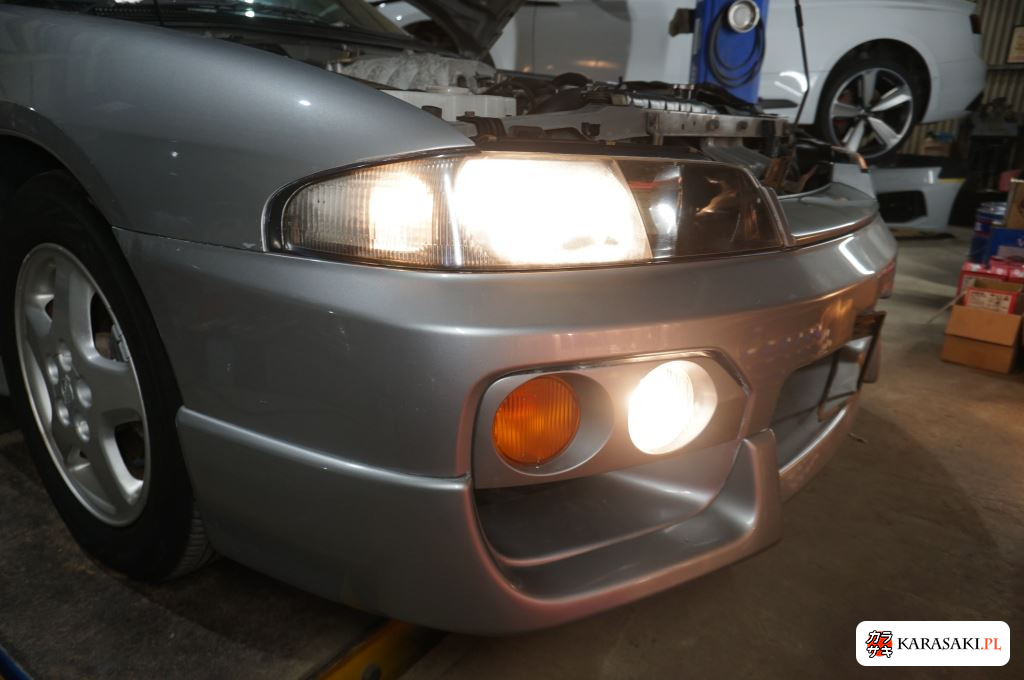
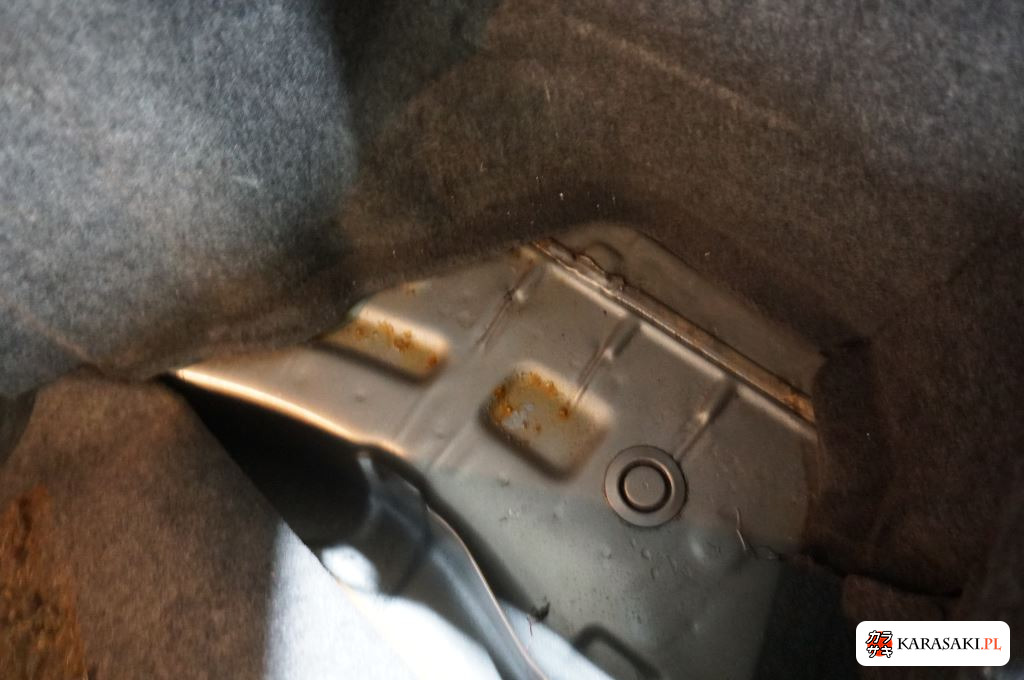
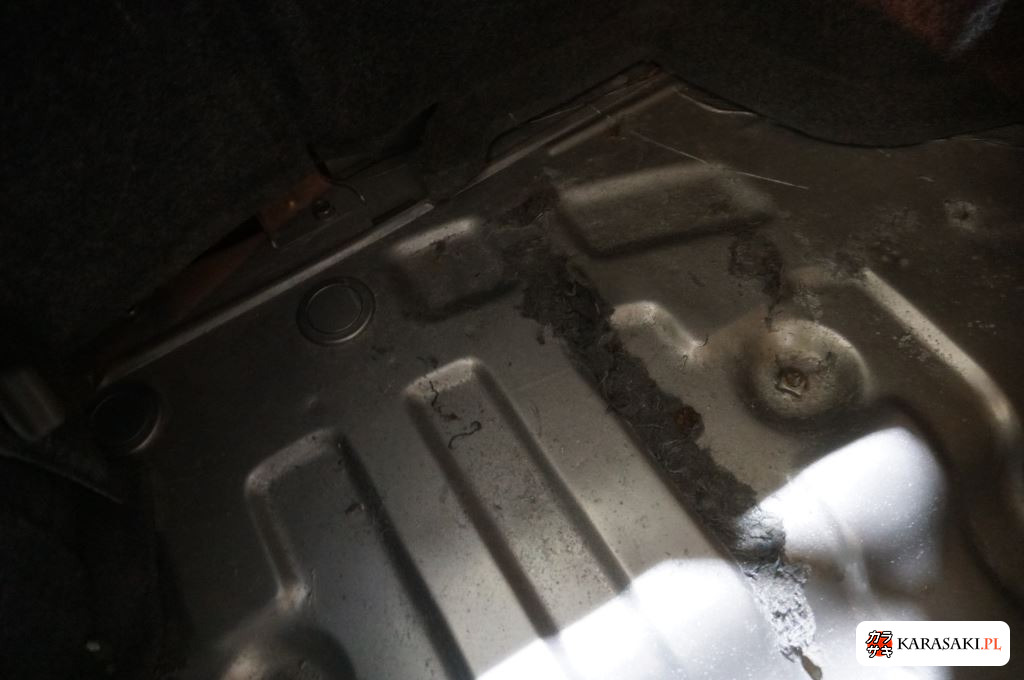
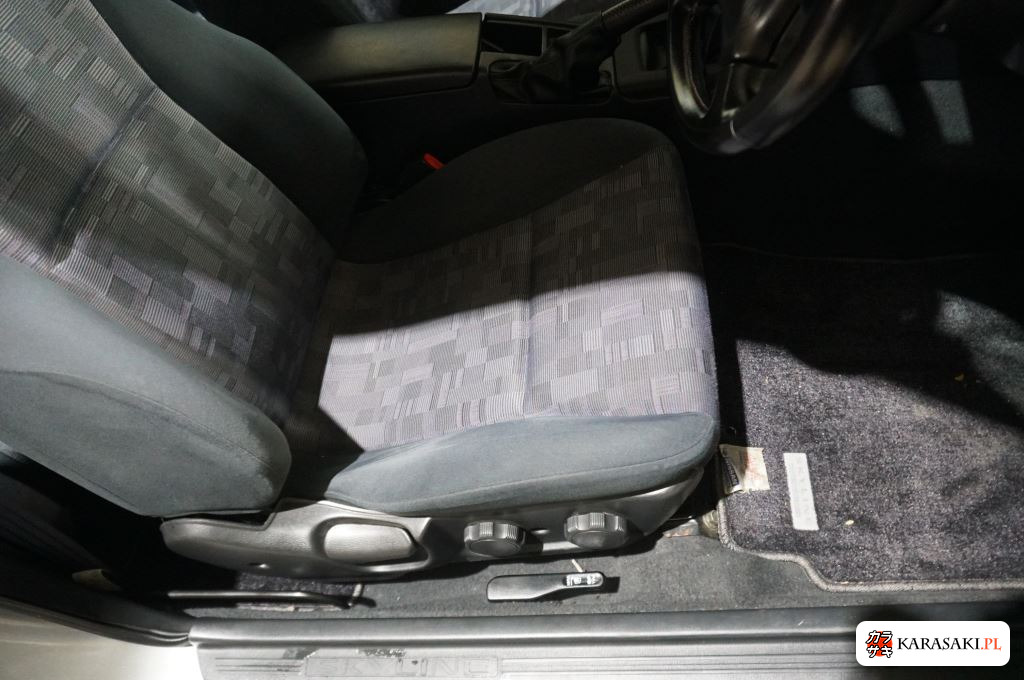
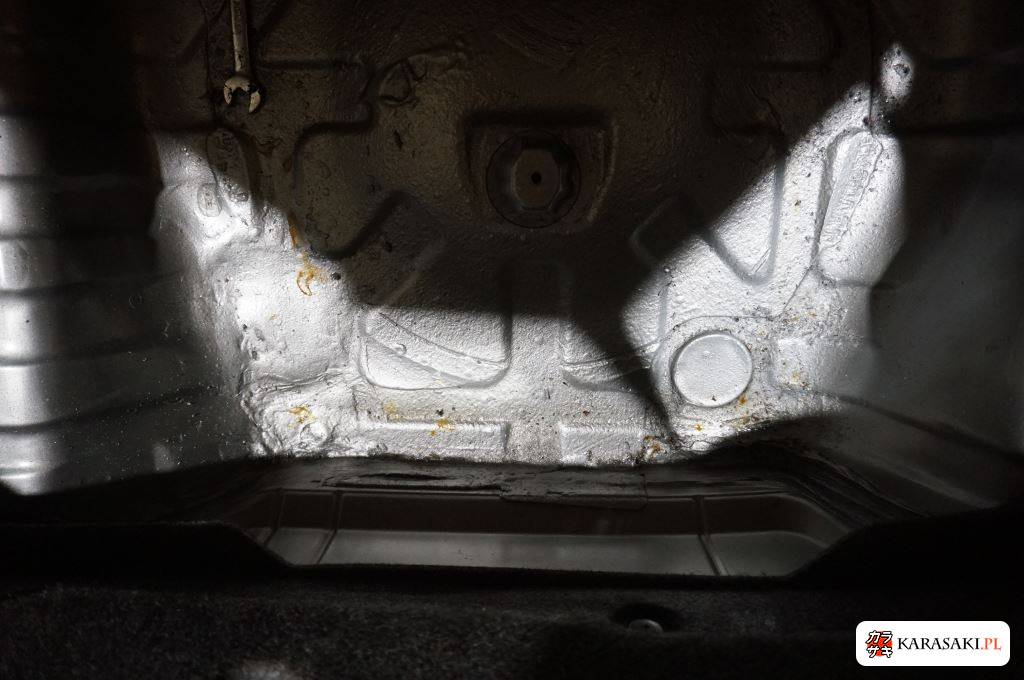


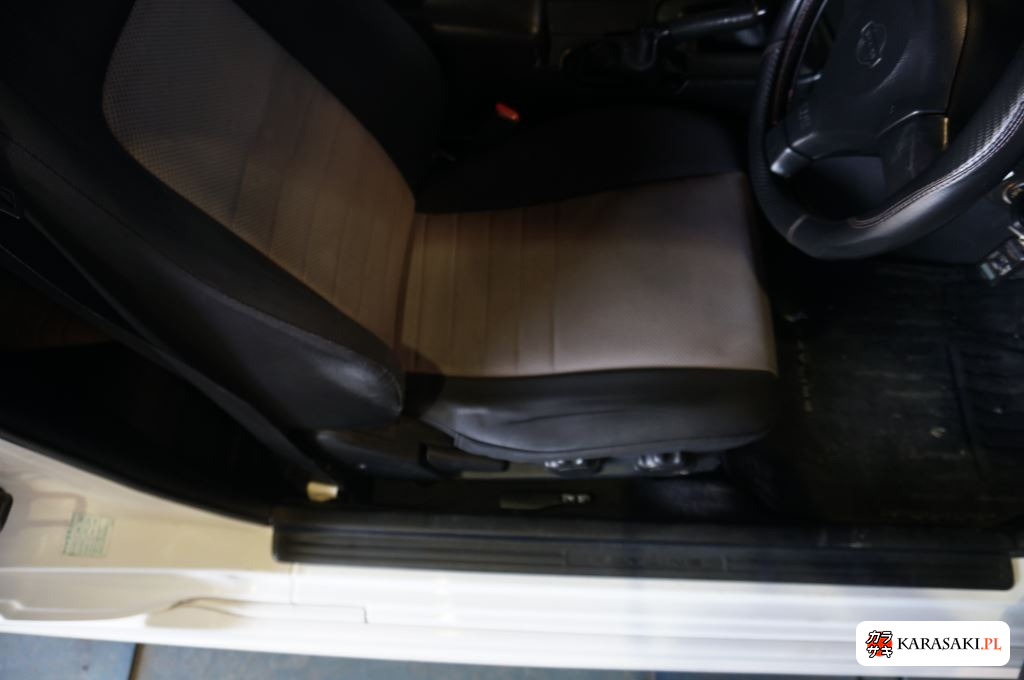
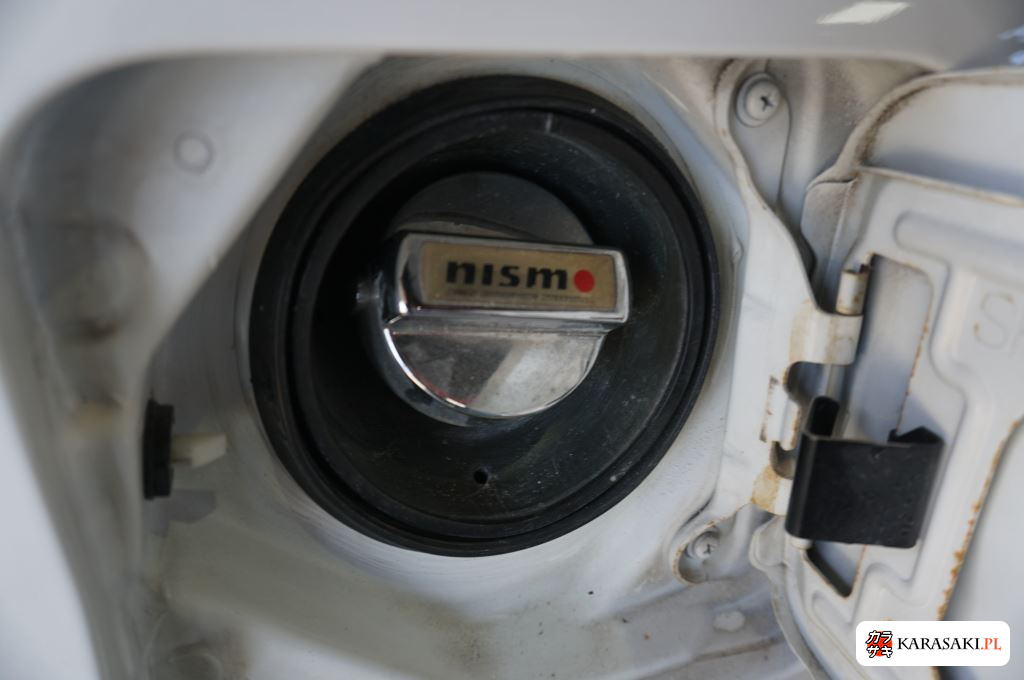
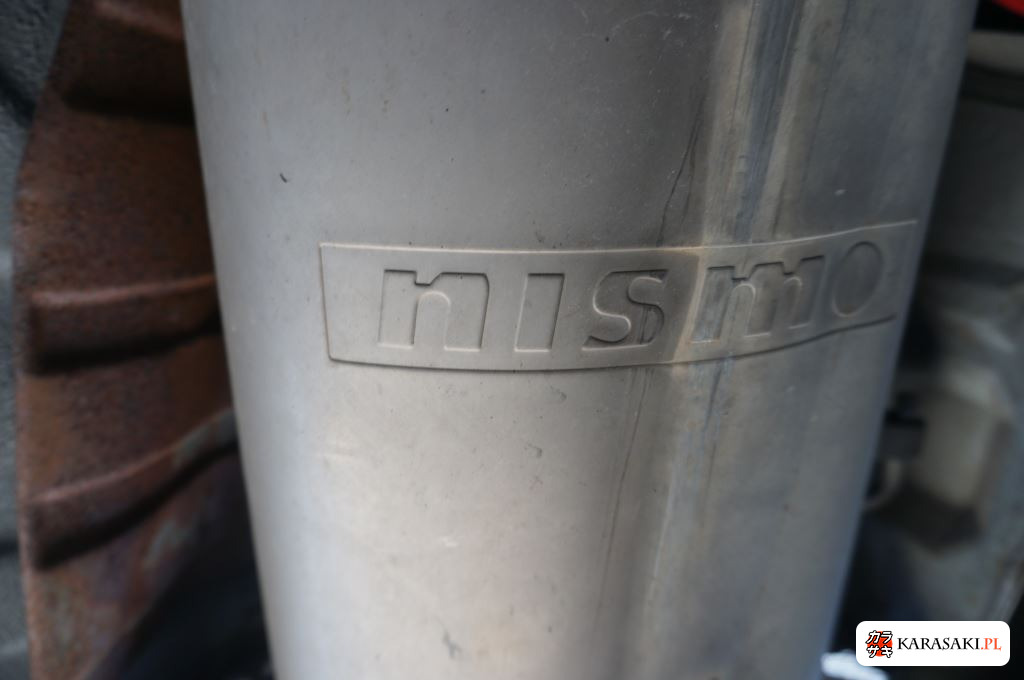
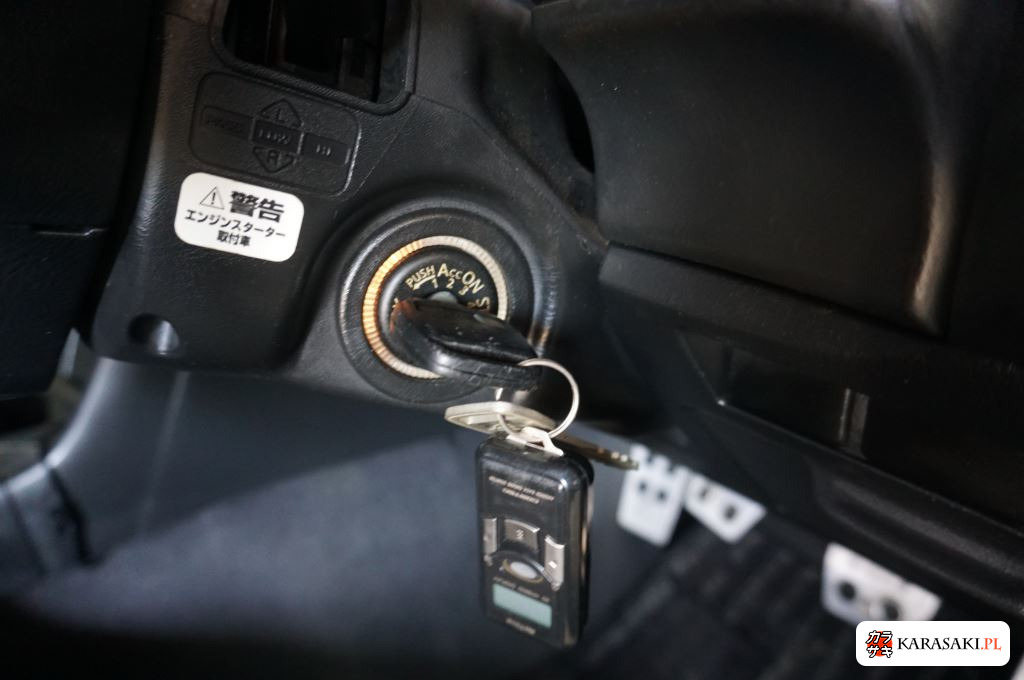




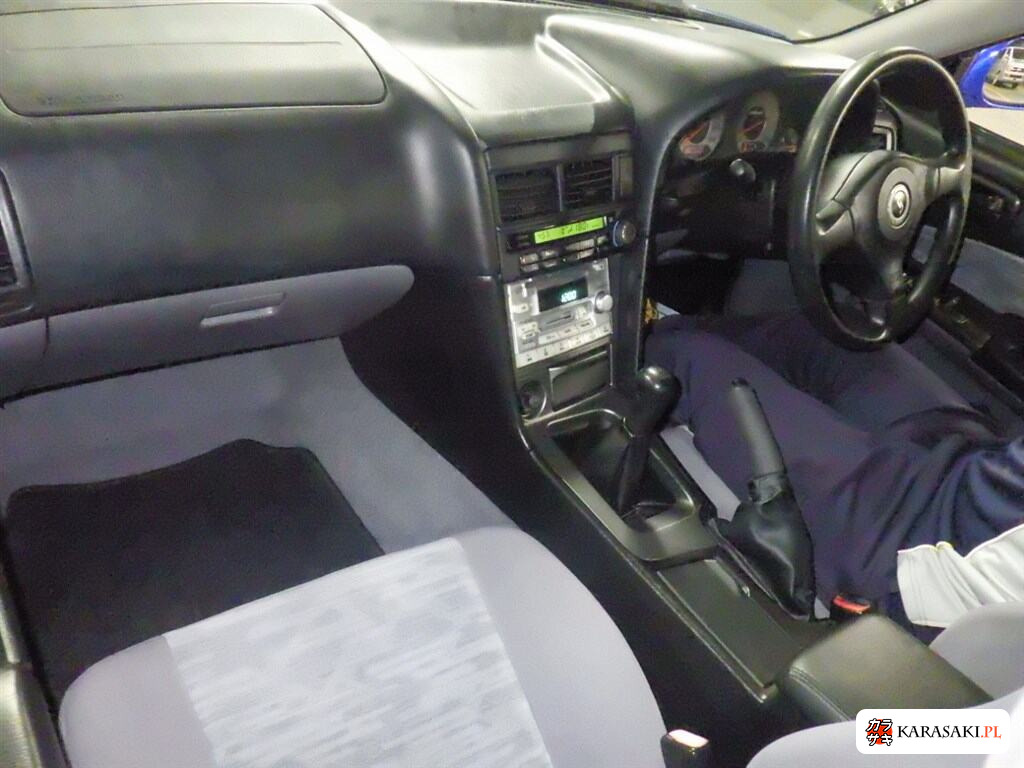

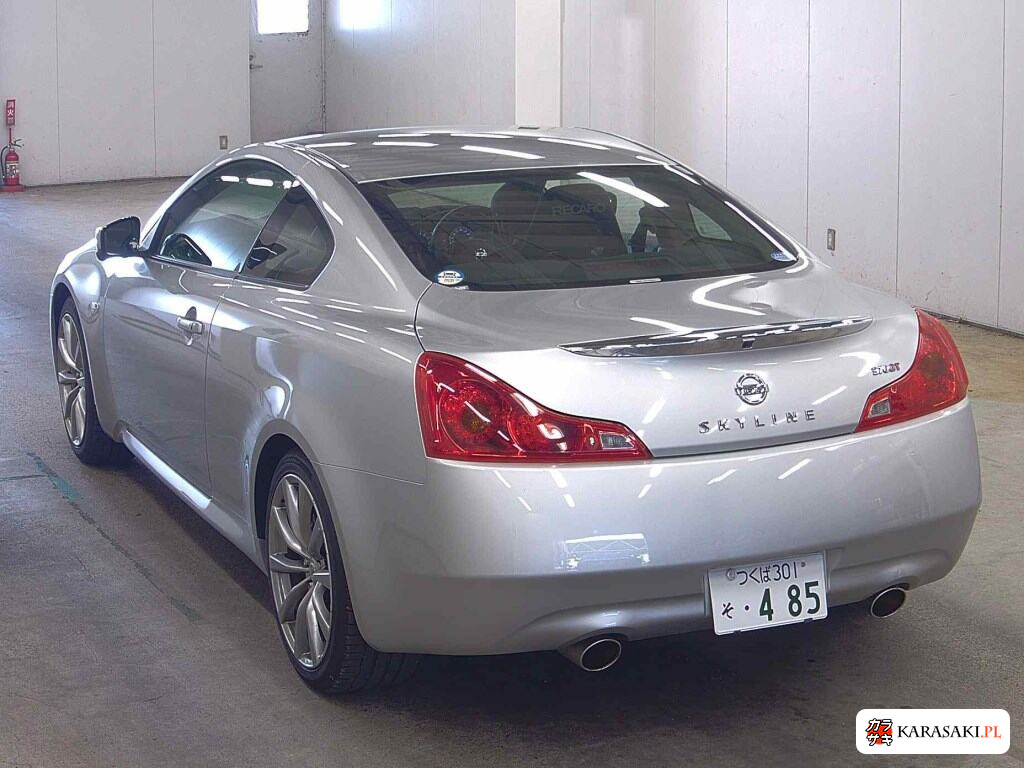


Step 4. Inspector's notes
At the bottom — handwritten in Japanese. We translate every one. Key phrases:
「エンジン異音」 — abnormal engine noise. Disqualifies.
「修復歴あり」 — repair history (usually post-accident). Needs deep explanation.
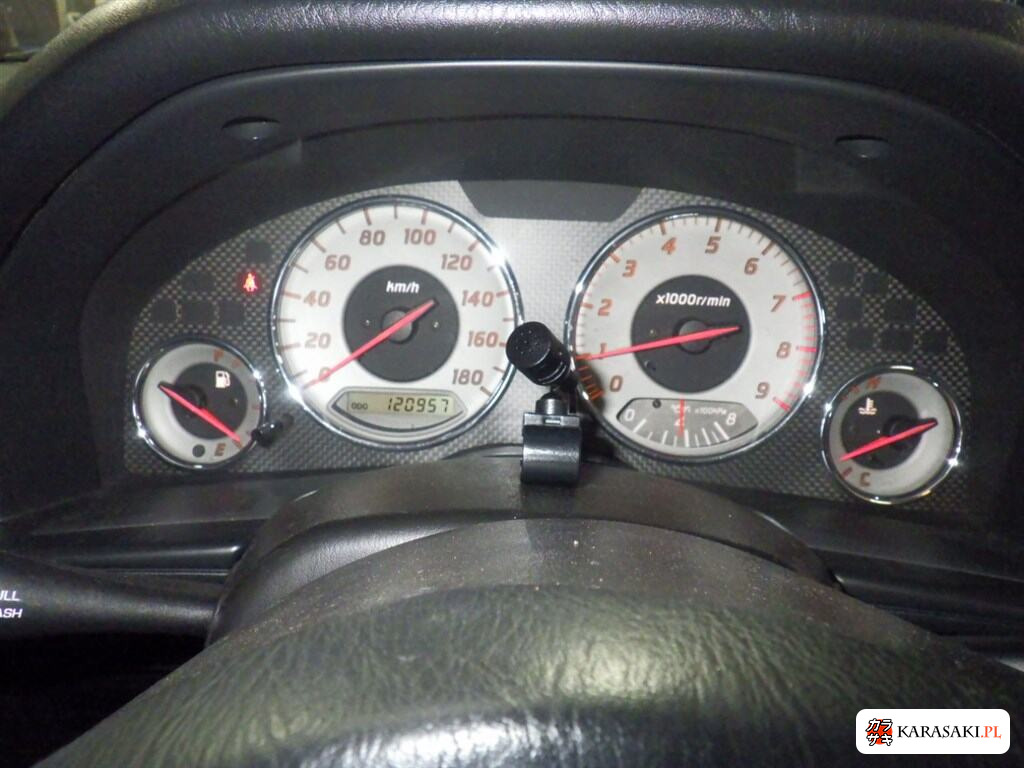
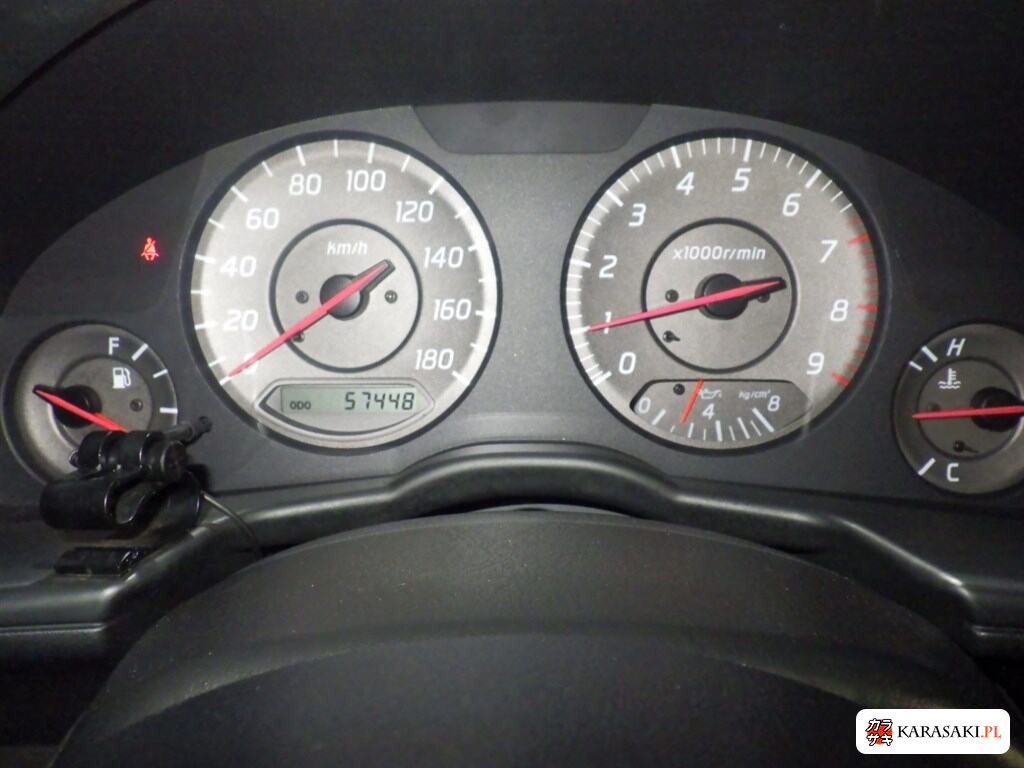
Step 5. Verified mileage
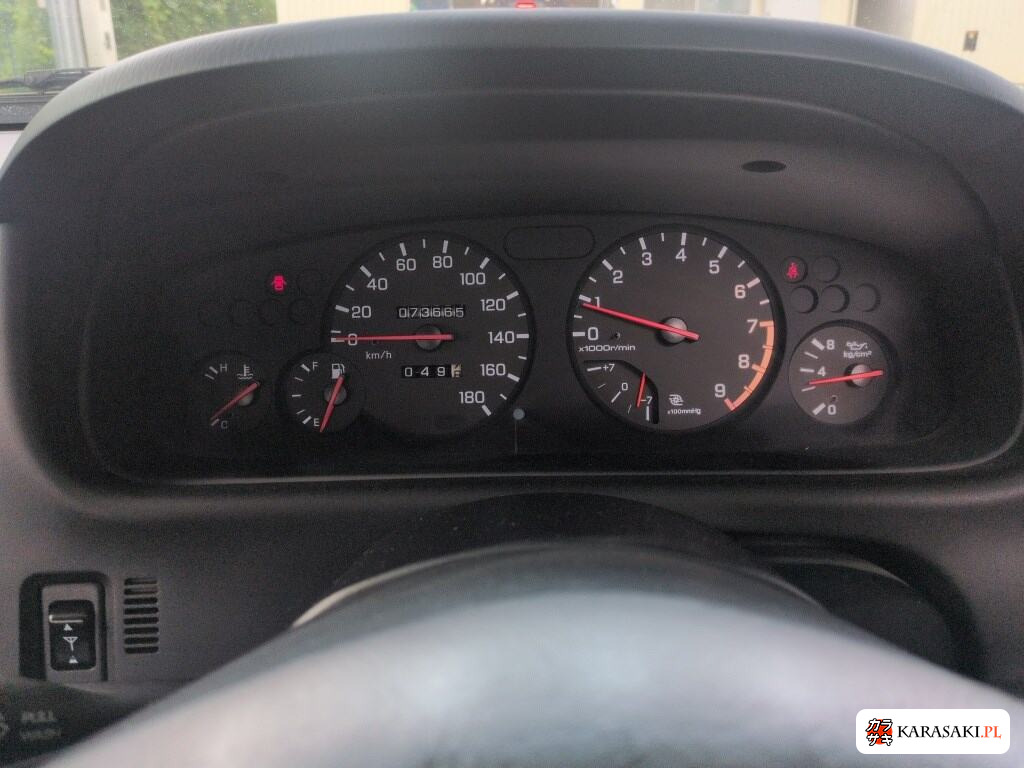
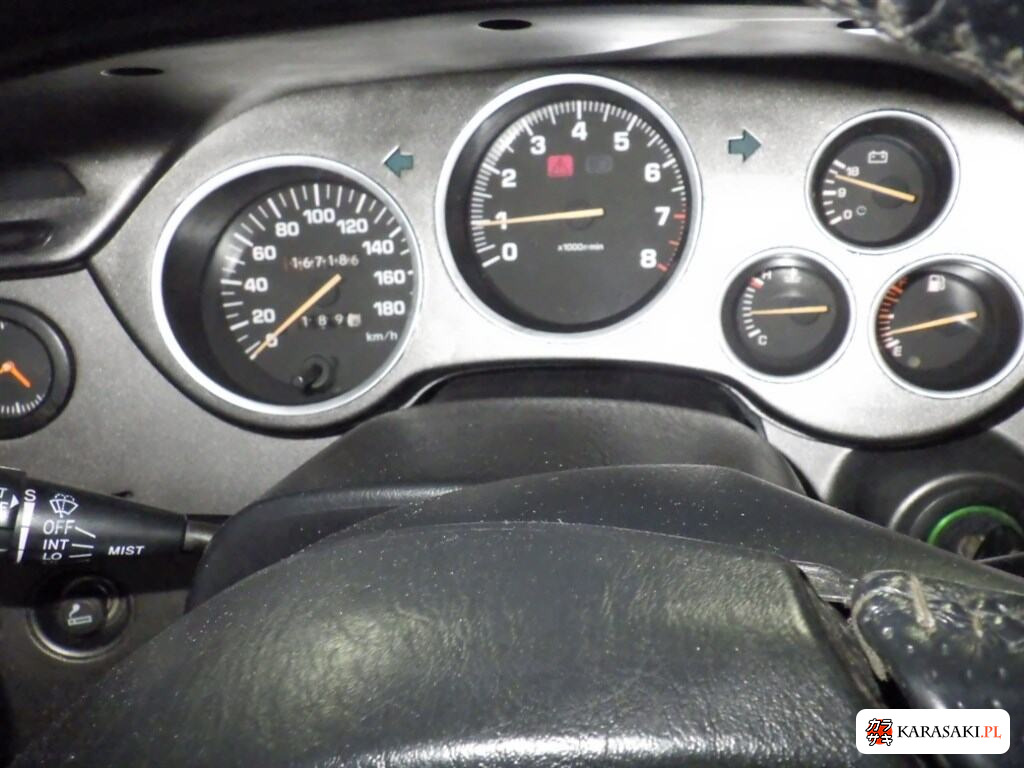
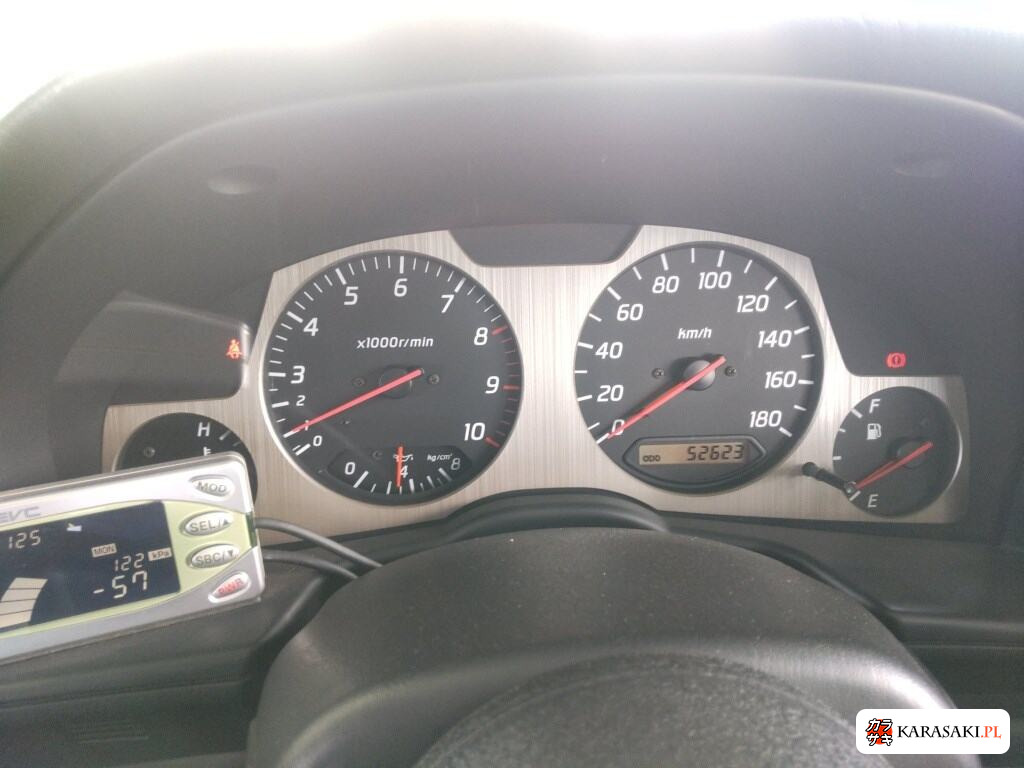
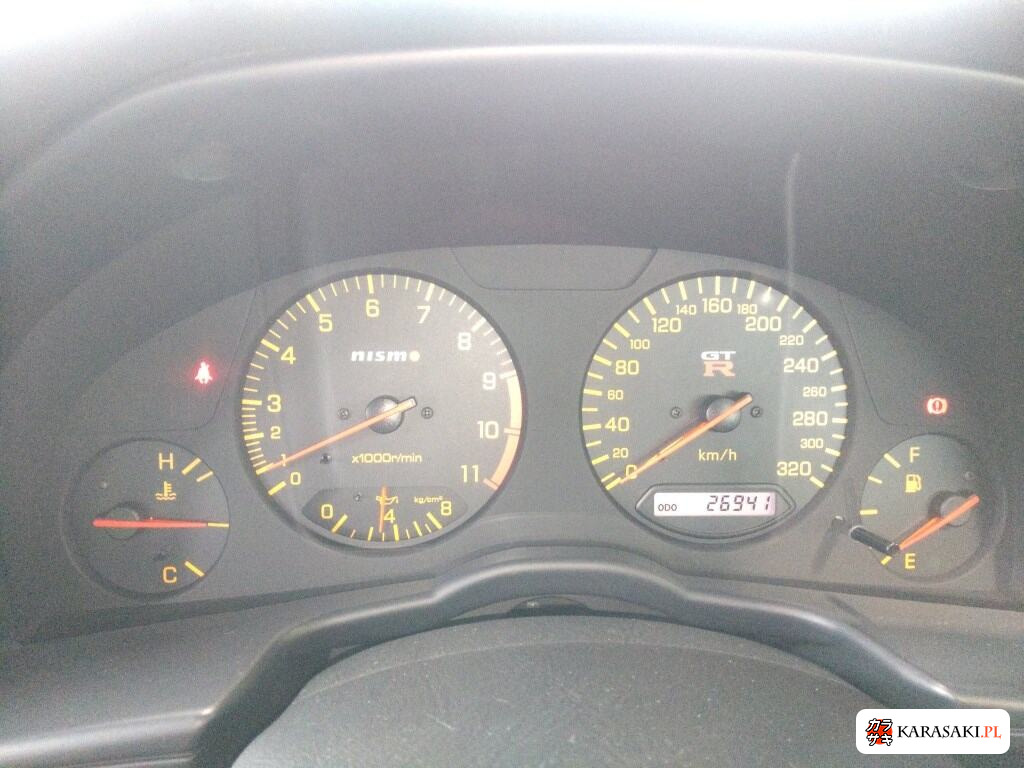
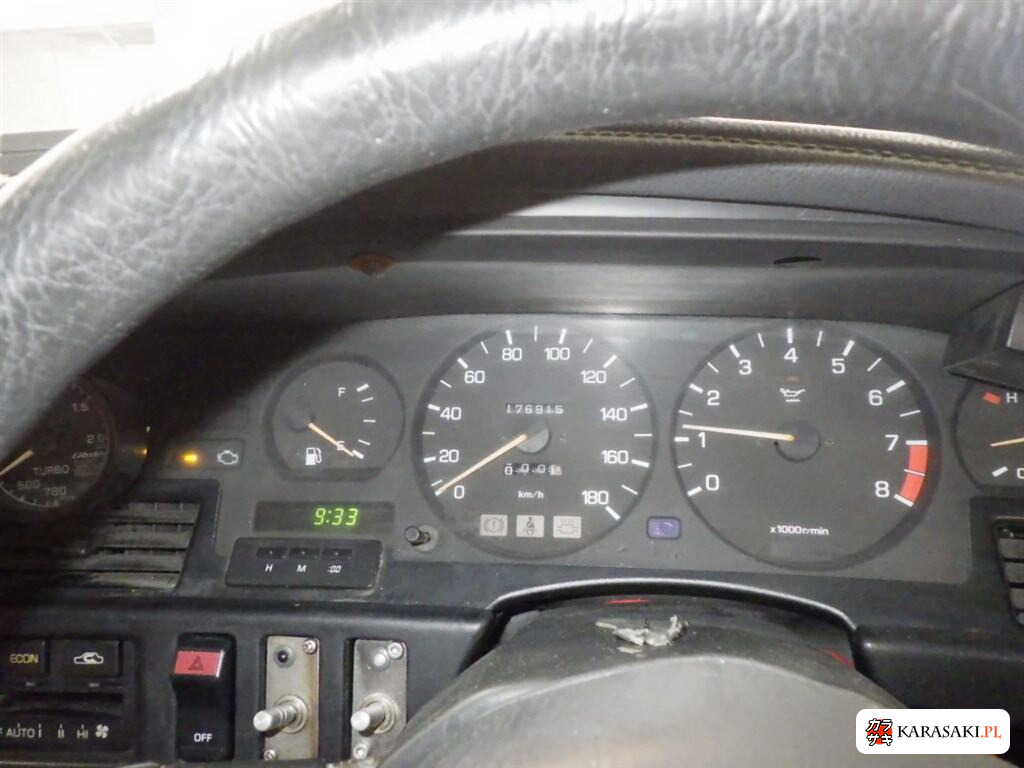
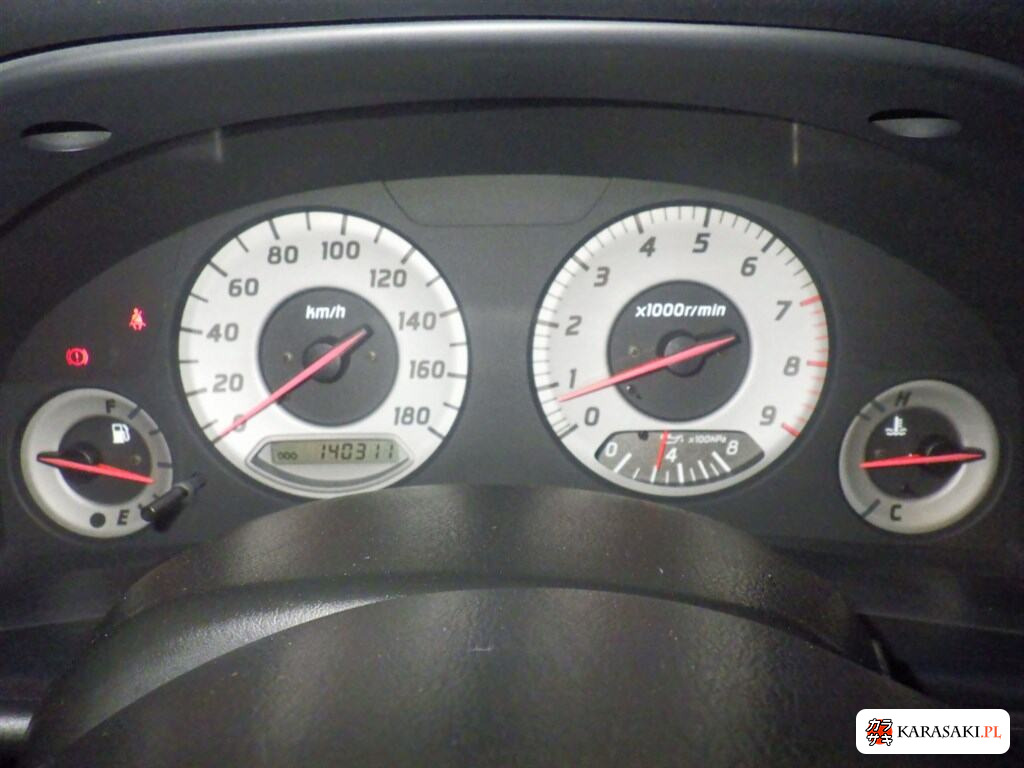
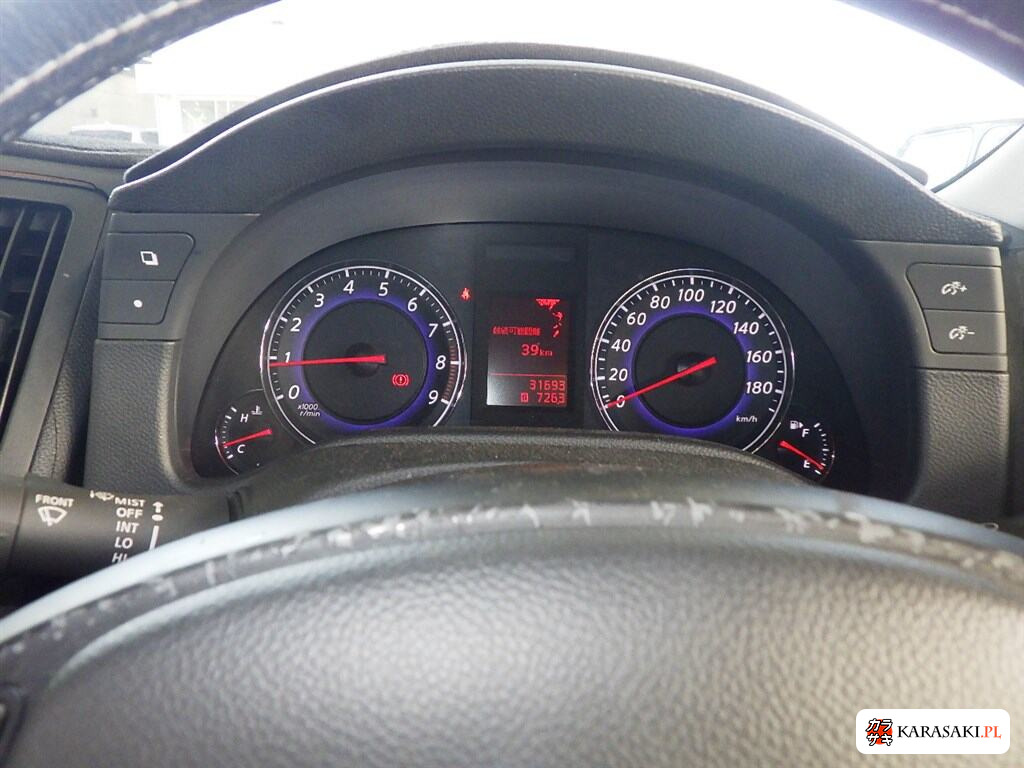
The Japanese auction network verifies mileage against shaken (biennial inspection) history. If the sheet mileage differs from shaken records by >10%, the field carries a U1 mark (rolled-back odometer). Automatic disqualification.
Step 6. 9 red flags
- Interior grade 2 steps lower than overall.
- Any "X" on the map.
- "W3" or "W4" — major paint repair.
- "U1" on mileage.
- Non-matching engine / gearbox numbers.
- Missing service book.
- Oil leaks in the report.
- Yellow flags on sill rust (S2+).
- Inspector notes about abnormal engine sounds.
Karasaki — we translate every sheet and add our own on-site inspection report in Japan (photos, video, paint thickness gauge) before clearing a car for bid. Any of these flags → we pass at the brief stage.


